Thousands of miles of new power lines are needed to deliver climate targets and energy security, but bills will rise in the short term and opponents are mobilising
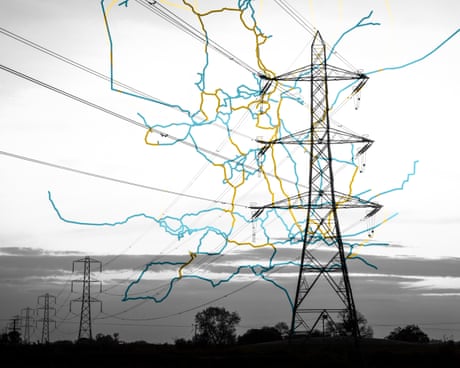
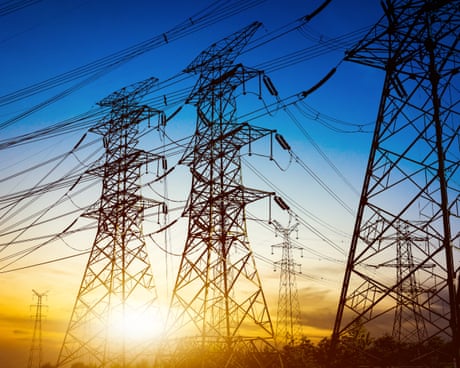
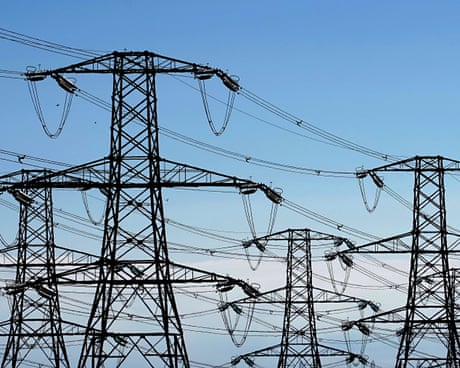
Britain is embarking on one of the largest overhauls of its electricity grid in generations – a megaproject in which five times more infrastructure will be built by 2030 than was constructed during the previous three decades.
Tens of billions of pounds are being spent on new pylons, subsea cables and converter stations to connect a growing fleet of wind and solar farms and carry clean power to where it is needed.
Savings grow as energy prices in Great Britain rise and cost of panel installation falls, analysis finds
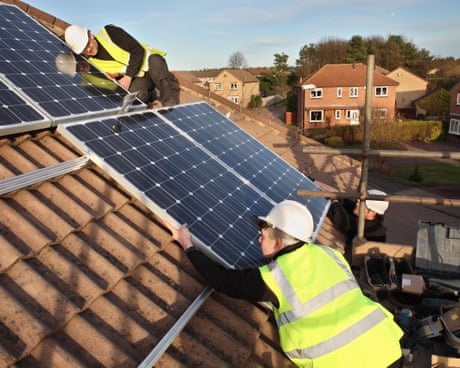
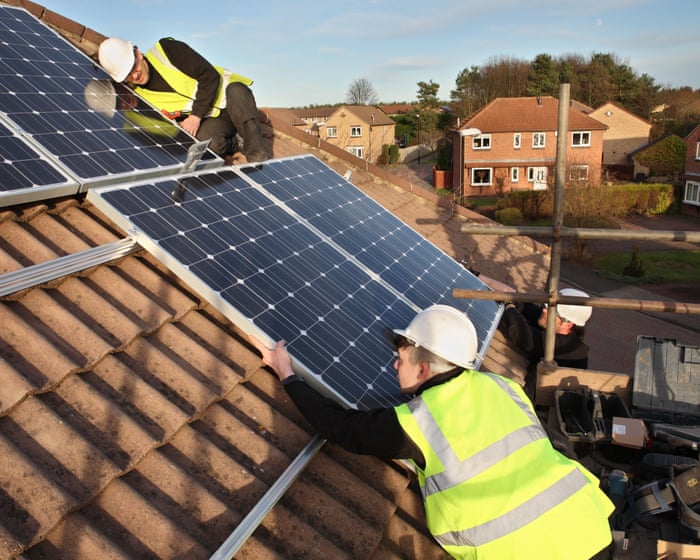
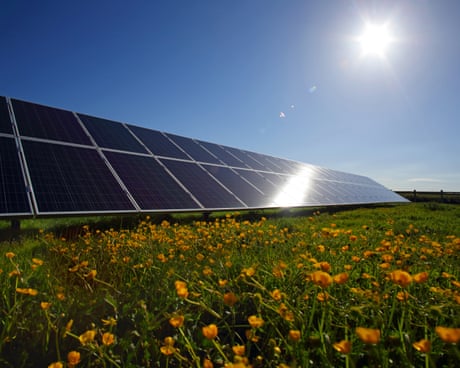
Households in Great Britain’s cloudiest regions could still save more than £400 a year on their energy bills by installing rooftop solar panels, research has found.
Rising wholesale energy prices mean the potential savings from a home solar panel system have climbed in recent years, as the cost of installation has continued to fall, leading to increased demand.
Last week reporters Jillian Ambrose and Damian Carrington published a piece which revealed that biggest oil firms made $93bn in profits in three months amid the war in Iran and the climate crisis. They’re online now to to discuss their story and any other questions you might have
StanEthel asks: Does anyone in the fossil fuel industry accept responsibility for climate change? If they don’t, how is their denial structured: it’s not happening, it’s someone else’s fault, it’s not our fault?
Damian:
The short answer is no, and a rising tide of lawsuits against fossil fuel companies for their role in the climate crisis means that is unlikely to change anytime soon. The science is ever clearer though. An analysis published last September showed for the first time that carbon emissions from the world’s biggest fossil fuel firms were directly linked to fatal spells of hot weather.
The big oil companies were among the first to realise the dangers of global warming half a century ago. But decades of denial then followed. As the reality of climate crisis has become undeniable, the arguments of the fossil fuel industry have shifted. Gas was cleaner than coal, for example, or that carbon credits from new forests could offset emissions. Today, the industry likes to tout carbon capture and storage (CCS) as a solution. But just this week, one of CCS’s loudest cheerleaders, ExxonMobil, has started a process to sue the European Union which wants to make the company actually store a small amount of CO2.
In the first weeks of the conflict, some predicted that the government’s taxes on North Sea oil and gas would yield a £20bn tax windfall for the Treasury if surging oil and gas prices remained high over the whole year. This is because the government’s windfall tax on North Sea oil and gas, known as the Energy Profits Levy, imposes an effective headline tax rate on North Sea profits of 78%, and the Treasury collects VAT from petrol and diesel sales too.
But prices have not climbed by as much as first feared. So what can we reasonably expect? Before the war, the Office for Budget Responsibility forecast that oil and gas revenues would raise £2.7bn in the 2025/26 financial year. It also suggests that for every $10 increase to the benchmark oil price, the Exchequer can expect an extra £900m in revenue. Meanwhile, every 1p increase in the price of gas hands the Treasury an extra £55m.
Great Britain’s biggest household energy supplier is calling on its customers to use less electricity this week during the deepest solar eclipse in almost 30 years.
Octopus Energy has urged customers to avoid running washing machines and dishwashers between 6pm and 8pm this Wednesday as the moon is expected to block up to 95% of the sun over parts of Britain.
Iran conflict windfall over three months reignites calls for companies ‘cashing in on human misery’ to pay for environmental damage
Eight of the biggest oil companies amassed profits of more than $90bn (£67bn) in just three months as the Iran conflict sent energy prices soaring and the emissions-fuelled climate crisis caused deadly heatwaves.
The windfall war profits have reignited calls for oil and gas supermajors such as Saudi Aramco and BP to pay for the environmental damage caused by “cashing in on human misery” and fund a rapid transition to renewable energy.
Farms and rooftop panels contribute 14.4% to the grid – and figures reveal a surge in new installations
Solar energy supplied more power to Great Britain’s grid in July than in any previous month as households turned to rooftop panels to cut their energy bills.
Solar farms and rooftop panels provided 14.4% of the country’s electricity after some parts of the UK recorded almost twice the average sunshine hours for the time of year.
Boom in solar farms and home installations in first half of 2026 began shortly after start of US-Israel war against Iran
Great Britain has recorded more new solar power installations in the first half of this year than in any six-month period since 2011, as households turn to rooftop panels to help cut their energy bills.
An analysis of the government’s official figures shows that Great Britain added 142,536 solar installations in the first six months of the year, putting it on track to top last year’s record solar additions.
Environmentalists renew calls for windfall tax to support households after Q2 earnings rise to almost $10bn
Shell has posted its second highest quarterly earnings on record as the energy market surge caused by the Middle East crisis helped to double its net profit to almost $10bn in the three months to June.
Europe’s biggest oil and gas company reported a quarterly profit of $9.8bn (£7.4bn), more than double the figure for the second quarter last year and the highest since its record-high earnings in the months after Russia’s invasion of Ukraine.
CEO Chris O’Shea defends Centrica’s plans as it reports rise in retail profits following focus on bigger margins
The owner of British Gas has claimed that most households would rather speak with an AI chatbot than deal with the company’s staff as it prepares to cut 1,300 jobs from its call centres and back office.
Centrica, the supplier’s FTSE 100 owner, plans to cut 800 jobs as the company carries out a “targeted deployment of AI tools”, on top of the 500 cuts it confirmed last month.
Law change means renters and flat owners may be able to cut bills as energy costs soar amid Iran war
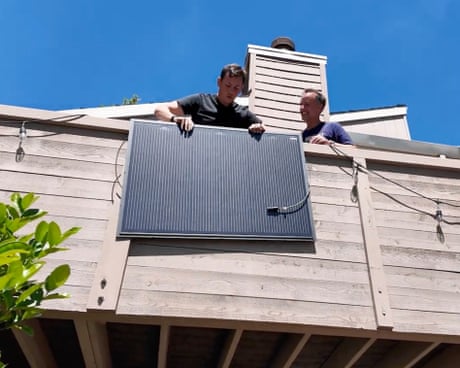
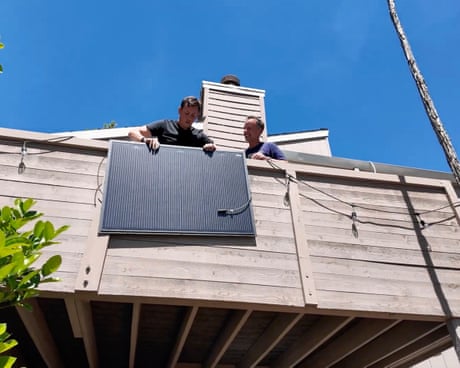
British households will be able to buy plug-in solar panels later this summer after the government changed the law so the UK’s biggest retailers could bring them to market for the first time.
People across the country will be able to join the millions across Europe generating their own electricity using “balcony solar panels” from 27 August, according to legislation passed last week.
Neso denies allegations aired by Tory MP that staff took part in cover-up over decision-making in heatwave
In a control room in Wokingham, Berkshire, staff work around the clock, minute by minute, to align Great Britain’s fluctuating power supplies with its ever-changing demand.
However, as households struggle to adapt to soaring summer temperatures, staff at the government-owned National Energy System Operator (Neso), tasked with keeping the lights on, have faced the kind of challenge usually reserved for the country’s coldest winter nights in recent weeks.
From Nevada to Manchester, developers are trialling innovative solutions to clean energy’s biggest challenge
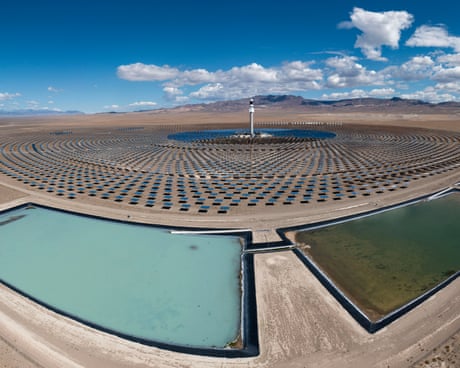
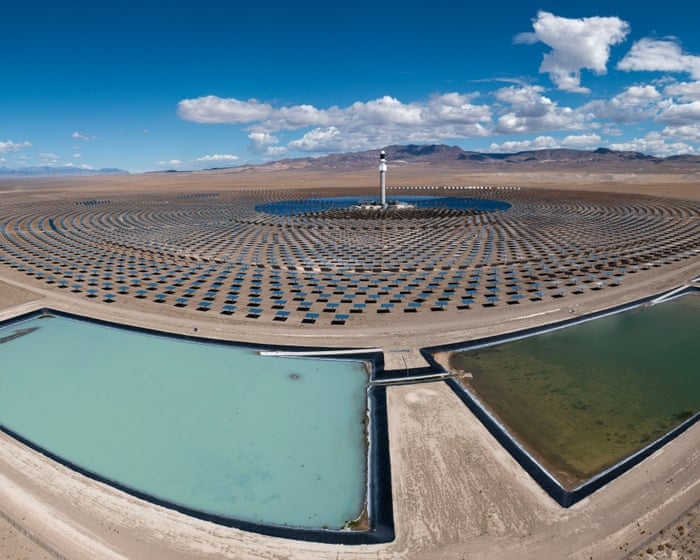
In the deserts of the United Arab Emirates a sprawling clean energy project, stretching across an area roughly the size of 12,600 football fields, will play host to a breakthrough allowing solar energy to power the equivalent of half a million homes through the night.
The Gulf state has been steadily combining 5.2GW of solar power capacity with 19GWh of battery storage to create the largest battery scheme in the world.
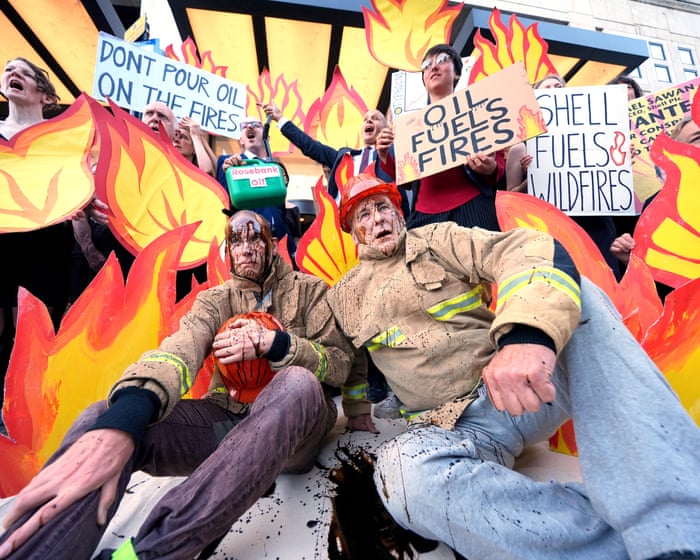
Lobby appeals to prospective PM’s reindustrialisation agenda as it pushes for Rosebank and Jackdaw approval
The UK’s North Sea oil industry has made a last-ditch attempt to curry favour with the Labour government by appealing to Andy Burnham’s reindustrialisation agenda just days before he is expected to become Britain’s next prime minister.
Industry lobbyists have written to more than 400 Labour MPs to call on the government’s new leaders to allow more oil and gas drilling in UK waters to support homegrown energy and show “a commitment to UK manufacturing, industrial capability and the skilled workforce that has powered the nation for generations”.
Operator brings in independent legal firm to look into whistleblower allegations relating to June heatwave
Great Britain’s grid operator has brought in independent investigators to look into accusations that its staff were involved in a cover-up over the power system being at a greater risk of blackouts during the heatwave.
The government-owned energy system operator will face the scrutiny of an external legal firm after a whistleblower claimed that control room staff were warned against leaving a paper trail relating to efforts to stabilise the power system during record high temperatures in late June.
Timing of Devon switchoff ‘could not be worse’, says board, as members face an estimated £2m in lost revenue
Britain’s biggest community solar project has been forced to shut for the duration of its first summer by the government’s energy system operator to avoid overloading the local grid with renewable energy.
The north Devon solar farm was ordered to shut weeks before record high temperatures across Europe led to power supply warnings, due to concerns that the large amount of rooftop solar in the area could destabilise the power grid by triggering a “thermal overload”.
Extension comes as government encourages first nuclear power projects in a generation to meet UK’s growing need for electricity
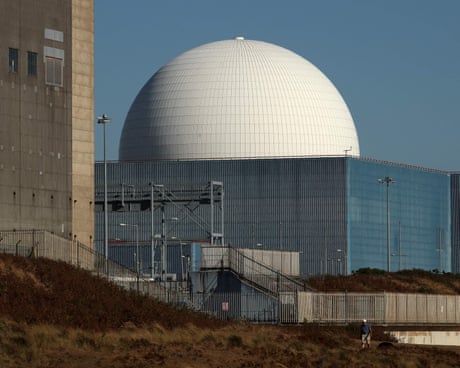
Britain’s most recently completed nuclear power plant will continue generating electricity until 2055 after the government granted the power plant a 20-year life extension.
Sizewell B in Suffolk was due to shut down within the next decade, but under a deal with the government its lifetime will be extended to 60 years to help meet the UK’s growing demand for low-carbon electricity.
A handful of Great Britain’s gas power plants were paid almost £4m to generate electricity for just a few hours on Tuesday evening as millions of sweltering viewers turned to air conditioning, electric fans and icy drinks during England’s second World Cup game.
The heatwave has caused electricity prices across Europe to surge this week amid higher demand for cooling and a string of power plant outages due to the record high temperatures.
Generator’s shares rise as regulator finds no evidence of misleading statements about fuel’s sustainability
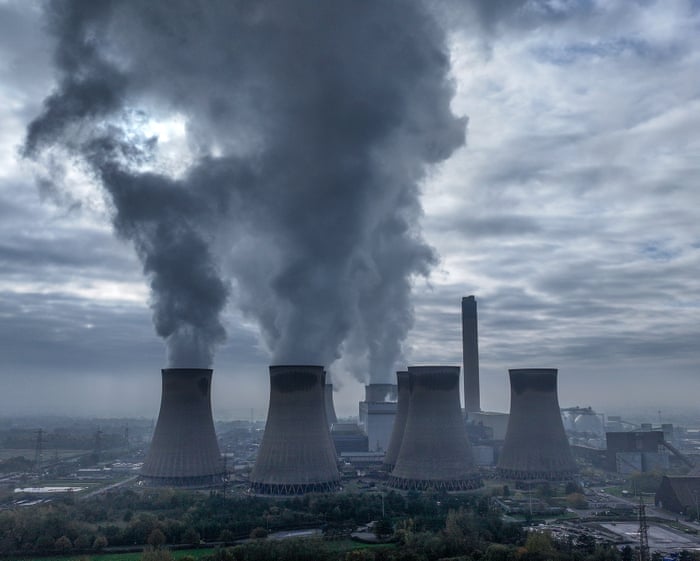
The City watchdog has closed an investigation into the owner of the Drax power plant after an almost 10-month review into whether the company’s sustainability claims mislead shareholders.
The Financial Conduct Authority said it had “reviewed thousands of pages” of “complex material” relating to the company’s sourcing of wood pellets for the Drax power plant in Selby, North Yorkshire, but “did not find evidence that justified any further action”.
Bosses of some of Britain’s biggest retailers are discussing plans with the government to start selling plug-in solar panels as part of a drive to encourage more UK homes to generate their own electricity.
Executives from brands including Currys, B&Q and Amazon met Martin McCluskey, the minister for energy consumers, on Tuesday to discuss guidelines for selling “balcony solar panels” to the British public.

 Login