Login

Oppo Find X10 Review: a pro-level phone disguised as a standard flagship
Oppo Find X10 review: Two-minute review
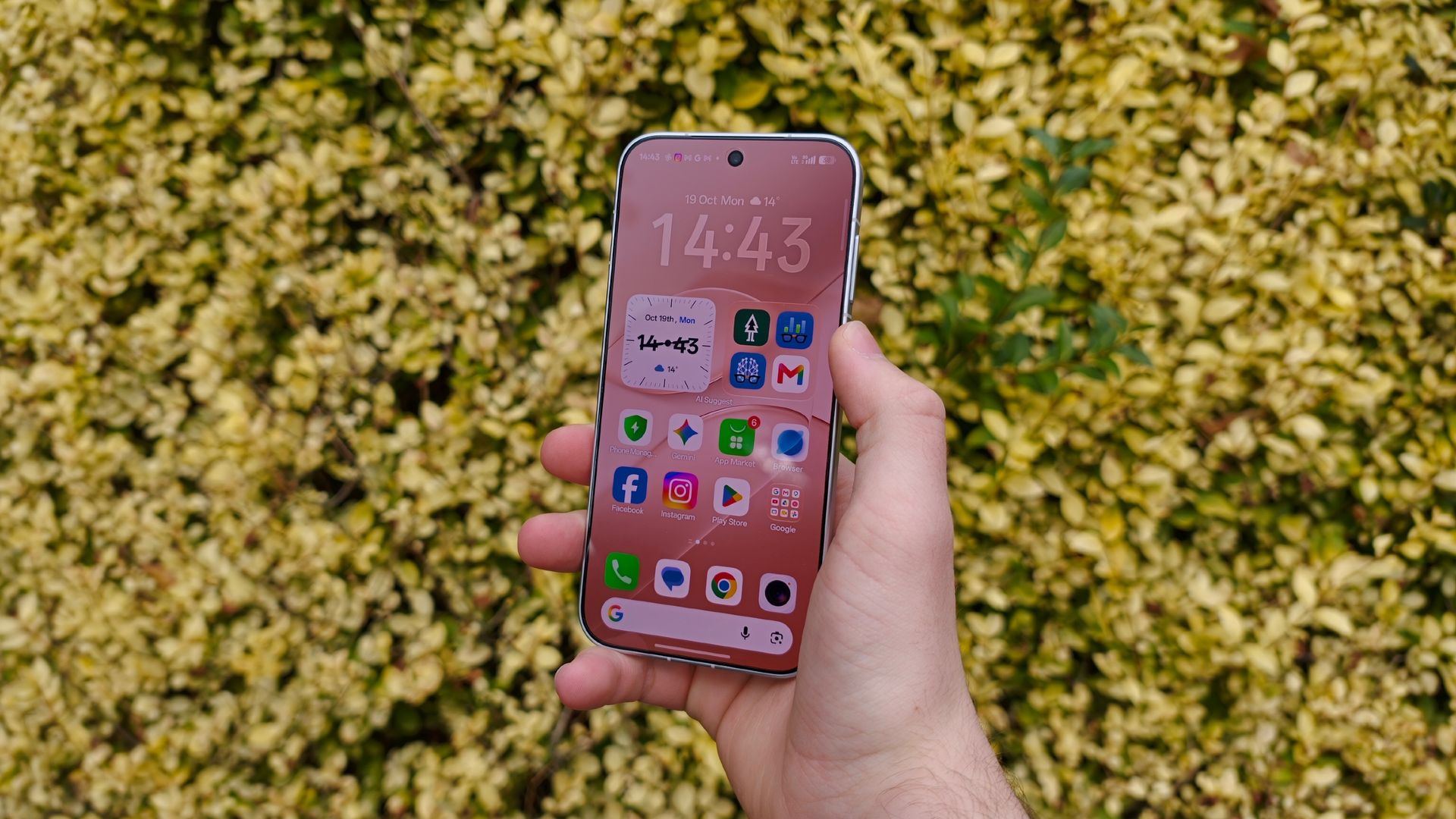
I’ve been using a selection of Oppo phones as my daily drivers for the last two years, and in that time, I’ve always gravitated towards the higher end of the lineup. I’ve stood by my habit of choosing the ‘pro’ option where possible for several reasons — such as wanting a high-quality camera system, long battery life, a great screen, and powerful internals — but Oppo’s new baseline flagship throws that all into question.
Put simply, the Oppo Find X10 feels like a ‘pro’ phone. It blazes through multitasking, gaming, and productivity tasks. It lasts for ages thanks to an iPad-sized battery. Its three rear cameras are some of the clearest and sharpest I’ve used on a smartphone. And its mid-sized display feels bigger than it is thanks to razor-thin bezels and a super-sharp resolution.
However, the Oppo Find X10 also comes with a pro-grade price tag. While last year’s Oppo Find X9 launched at £899 / AU$1,799 (it wasn't available in the US), the Find X10 hikes that number up to £1,099 (AU$ TBC) — the same price as the Oppo Find X9 Pro.
Really, then, it makes more sense to see the Find X10 as the successor to the Find X9 Pro. This year’s actual step-up model, the Oppo Find X10 Pro Max, is in a different class altogether, with three 200MP cameras and a ludicrous £1,499 launch price.
Still, as you might expect from such an expensive handset, the Oppo Find X10 punches above its weight class as a standard flagship. Though we’ve seen other Android manufacturers like Samsung and Google release phones with triple-camera systems and fast internal components, Oppo’s latest offering has some seriously impressive specs up its sleeve, and it's a strong contender for future inclusion in TechRadar's best Android phone and best camera phone guides.
As well as the aforementioned battery — a monstrously huge 7,150mAh cell (or an even bigger 8,000mAh cell in APAC regions) — the phone comes locked and loaded with two 200MP camera sensors, one of the cleanest Android wrappers in the game, and a thin and light design that takes more than a little inspiration from Apple.
Indeed, the Find X10 makes it clearer than ever that Oppo has no plans of slowing its roll when it comes to taking, ahem, inspiration from the design and engineering teams over in Cupertino. I'll leave you to decide whether that's a help or a hindrance; the phone itself works marvelously, but it’s hardly the most original product on the market. With that said, if you’re someone who absolutely must use Android, but like the look and feel of the best iPhones, the Find X10 is about as close as you can get while keeping a hold of Google’s mobile OS.
Across the industry, phones aren’t getting any cheaper — the standard iPhone 17 is approaching the launch price of the iPhone 15 Pro, and Android phone makers are jacking prices across the board — and Oppo's latest flagships are no exception.
At £1,099, the Oppo Find X10 is very expensive for a supposed base-model flagship, but, to be real, this is a pro-level flagship in disguise. Thanks to its excellent cameras and solid performance, its standard-sounding name is not a facade that holds for long; a pro by any other name still feels as complete.
Oppo Find X10 Pro review: Price and availability
- Costs £1,099
- Comes in a single configuration with 12GB of RAM and 256GB of storage
- Not available in the US; Australia availability TBC
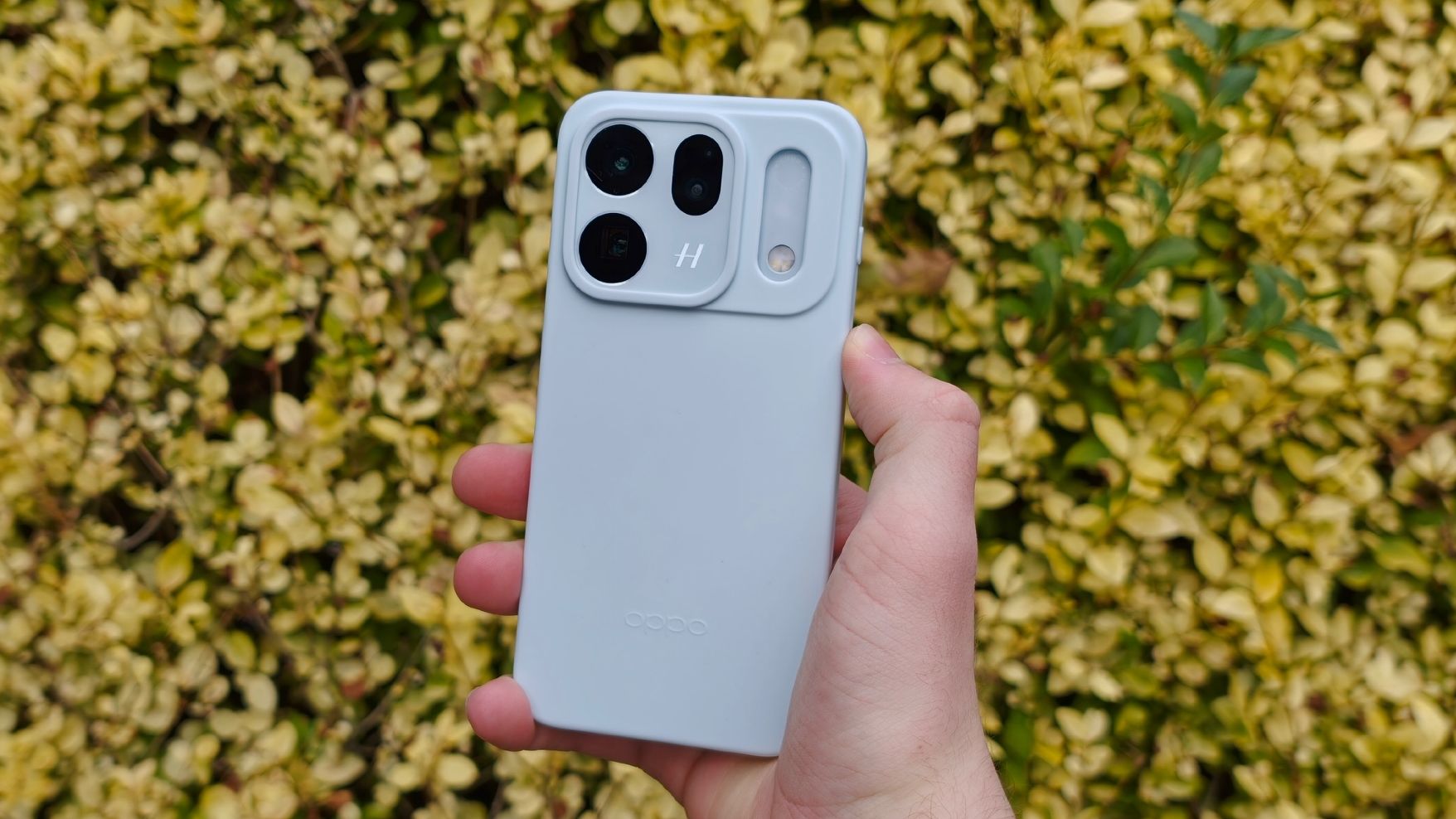
The Oppo Find X10 costs £1,099 — exactly the same as last year’s Find X9 Pro at launch and £200 more than the standard Find X9. That might sound like a mighty price hike at first, but the truth is that the Find X10 is more obviously a follow-up to the Find X9 Pro than the standard Find X9, and makes a case for its price point with some properly pro-grade features.
The Find X10 comes in one configuration: 12GB of RAM with 256GB of storage. That is, annoyingly, less RAM and storage space than last year’s Find X9 Pro, which came with 16GB of RAM and 512GB of storage. But with rising prices across the industry and still-excellent performance (as I'll discuss below), the Find X10 is hardly the worst offender on the market when it comes to changes in value proposition.
If you buy the phone directly from Oppo, you get your choice of the Hasselblad Teleconverter Kit or Oppo Watch X3 at no extra cost. Personally, I’d recommend the teleconverter kit — I didn’t get to test it with the Find X10, but having used last year’s version with the Find X9 Pro, I’d recommend it for any keen mobile photographers.
One thing I do appreciate about Oppo is that everything you need to get started with your phone comes in the box. As well as the phone itself, my Find X10 review unit came with an 80W SuperVOOC charger and a color-matched silicone case. Considering how expensive high-power chargers can be, that’s a decent value-add.
- Value score: 3 / 5
Oppo Find X10 review: Specs
Check out the table below for a quick overview of the Oppo Find X10's specs, or keep scrolling for detailed breakdowns of each feature.
Dimensions: | 156.51 × 74.29 × 8.35mm |
Weight: | 216g |
Display: | 6.59-inch AMOLED |
Resolution: | 2768 x 1272 pixels |
Refresh rate: | 1-120Hz adaptive, boosted to 144Hz in certain games |
Chipset: | MediaTek Dimensity 9500 |
Rear cameras: | 200MP main + 50MP ultra-wide + 200MP telephoto (2.8x) |
Front camera: | 50MP |
Storage: | 256GB |
RAM: | 12GB |
OS (at launch): | Android 17 w/ ColorOS 17 |
Battery: | 8,000mAh (APAC) / 7,150mAh (EU) |
Charging: | 80W wired, 50W wireless |
Oppo Find X10 review: Design
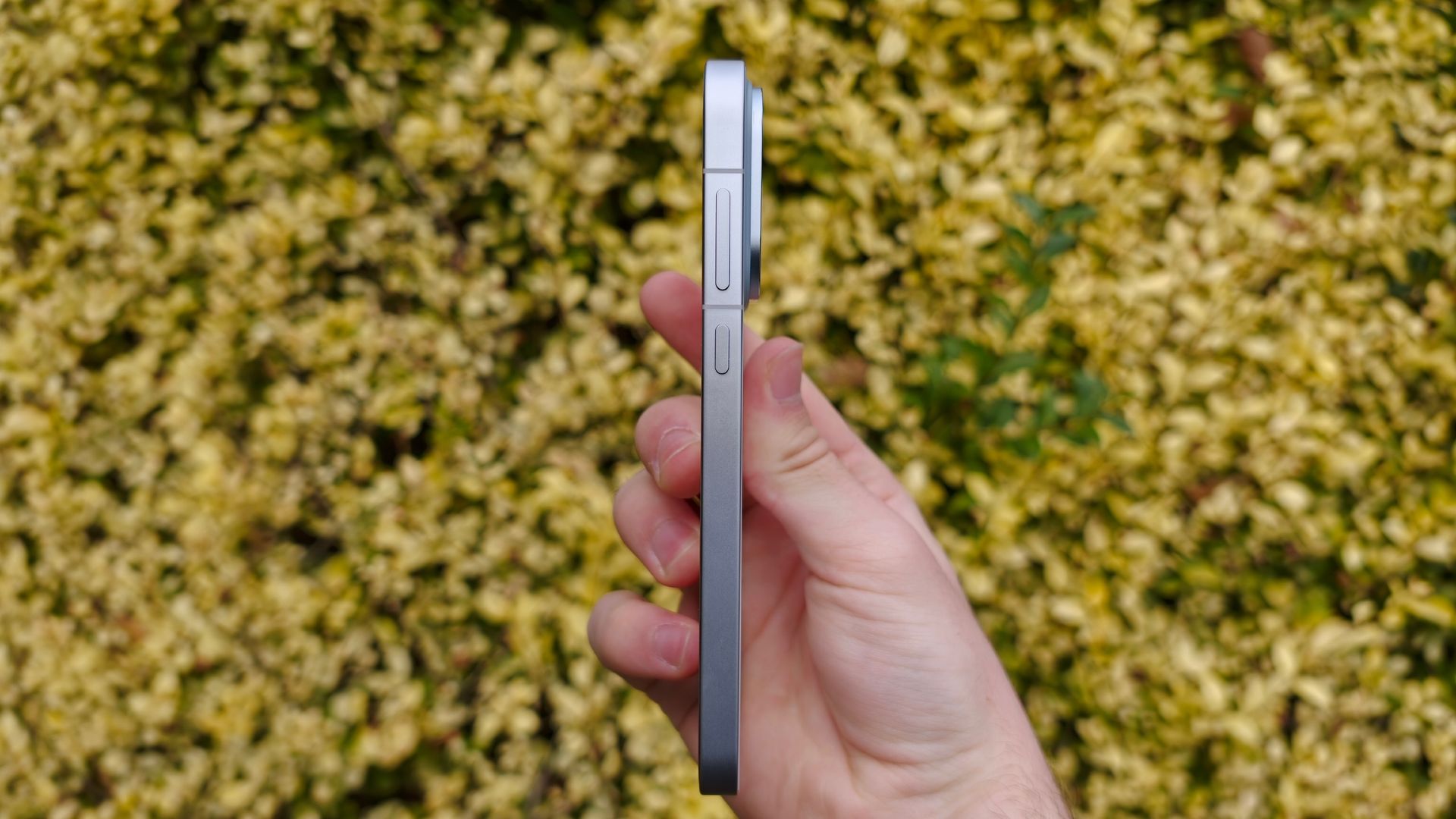
- Comes in three colors: Glacier Blue, Glow Coral, and Mist Grey
- The most iPhone-like Oppo phone yet
- Simple but elegant, with beautiful details
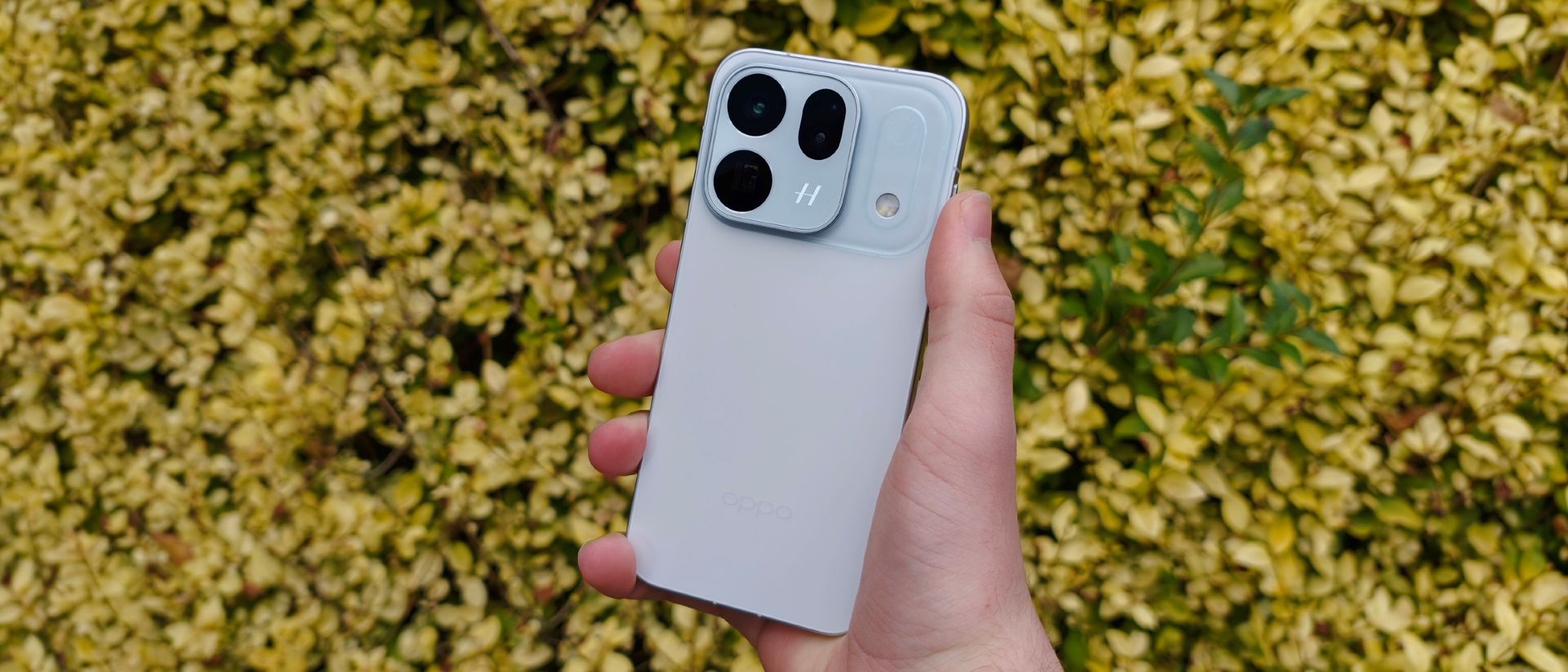
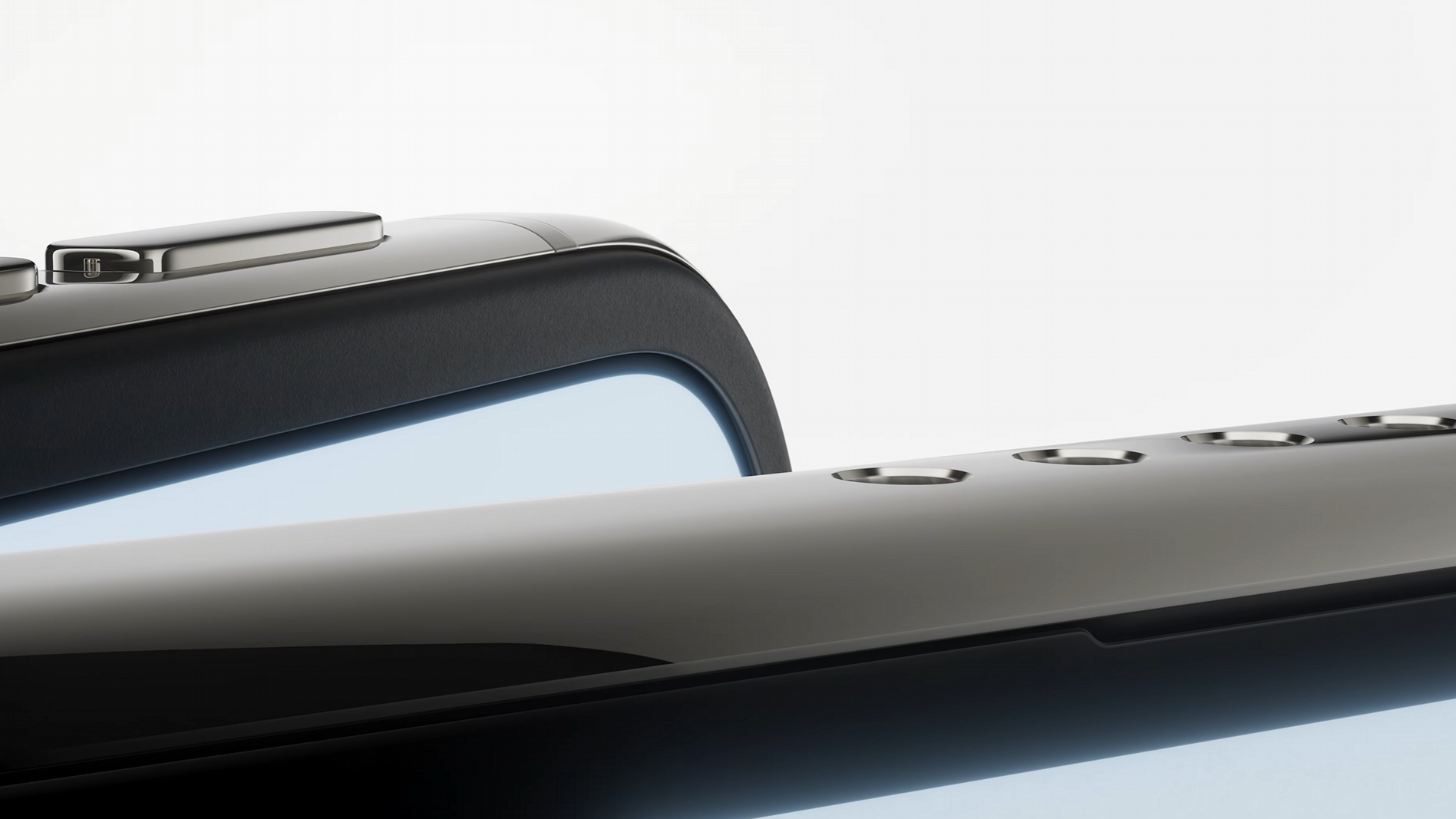
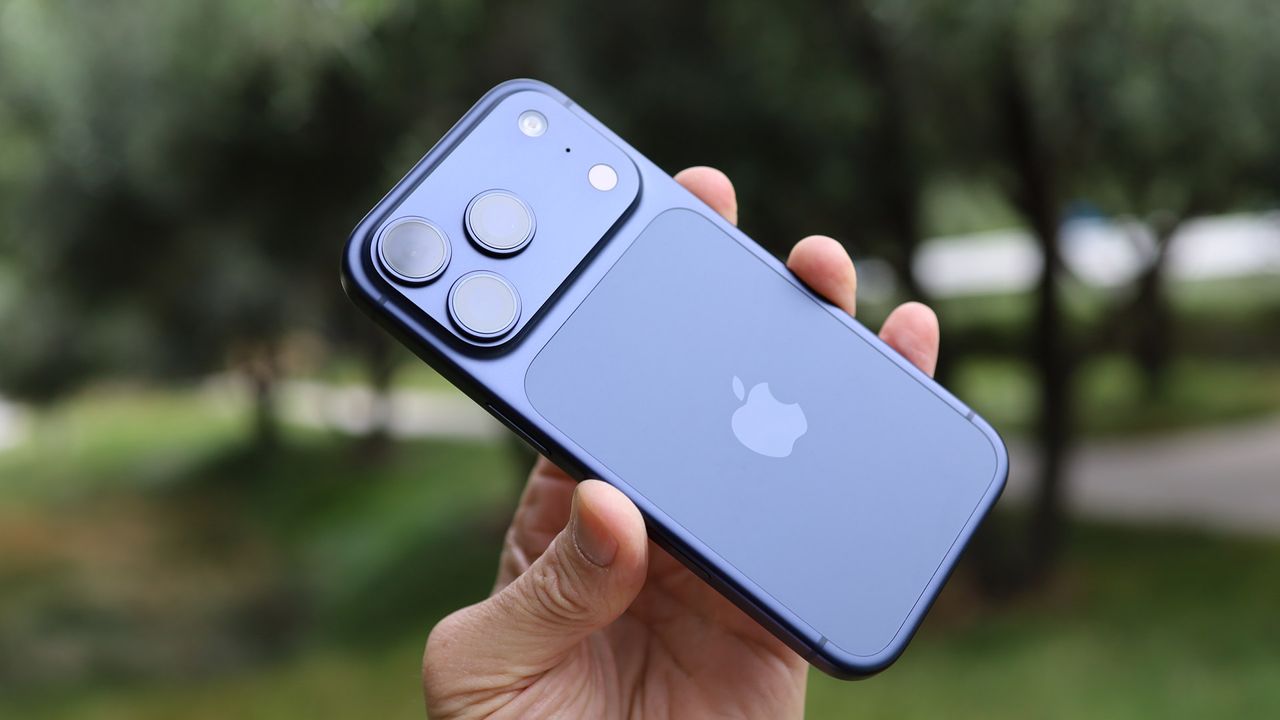
There’s no getting around the fact that the Oppo Find X10 looks like an iPhone 17 Pro (or indeed an iPhone 18 Pro). Its aluminum frame, glass rear panel, and raised camera plateau housing a trio of rear cameras make this the most iPhone-like Oppo phone ever released — somehow, it looks even more Apple-esque than last year’s Find X9 Pro, and given the brand’s history with taking inspiration from Cupertino, that’s really saying something.
However, despite its lack of originality, I am a fan of the Find X10’s design. In typical Oppo style, the phone feels both tanky and elegant. I wasn’t concerned about it taking knocks in my pocket or at the bottom of a backpack, but I also found myself stopping to appreciate the refinement and precision in its construction. Funnily enough, that familiar-looking camera plateau is perhaps the best example of Oppo's attention to detail; it rises from a rear panel made of a single piece of glass.
It helps, too, that the Find X10 comes with some protective kit in the box — you get a color-matched silicone case at no extra charge, and the phone comes with a glass screen protector pre-installed. The phone has also been separately rated at IP66, IP68, and IP69, meaning it can take a dip in shallow fresh water without any fuss (that’s a safety net, not an invitation).
My review unit came in the Glacier Blue colorway, which is rather nice, and the phone also comes in the stylishly loud Glow Coral (read: pink) and understated Mist Grey (read: grey) color options for those who want something more or less noticeable.
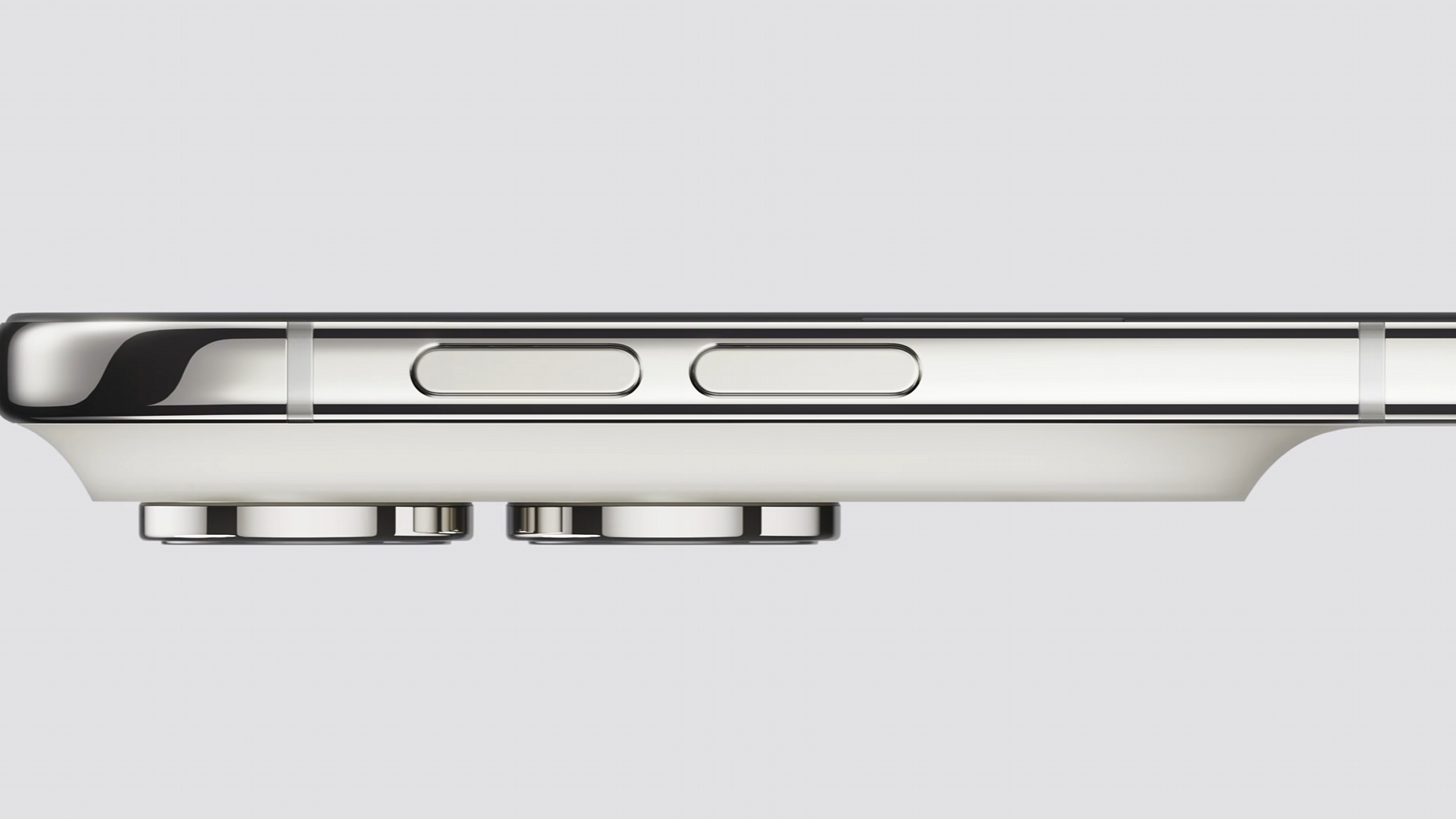
In the interface department, the Find X10 comes equipped with the standard power button and volume rocker as well as the Snap Key, Oppo’s take on Apple’s Action Button. By default, it’s set to activate Mind Space (more on that in the Software section), but I tend to set it as a camera shortcut or handy flashlight button.
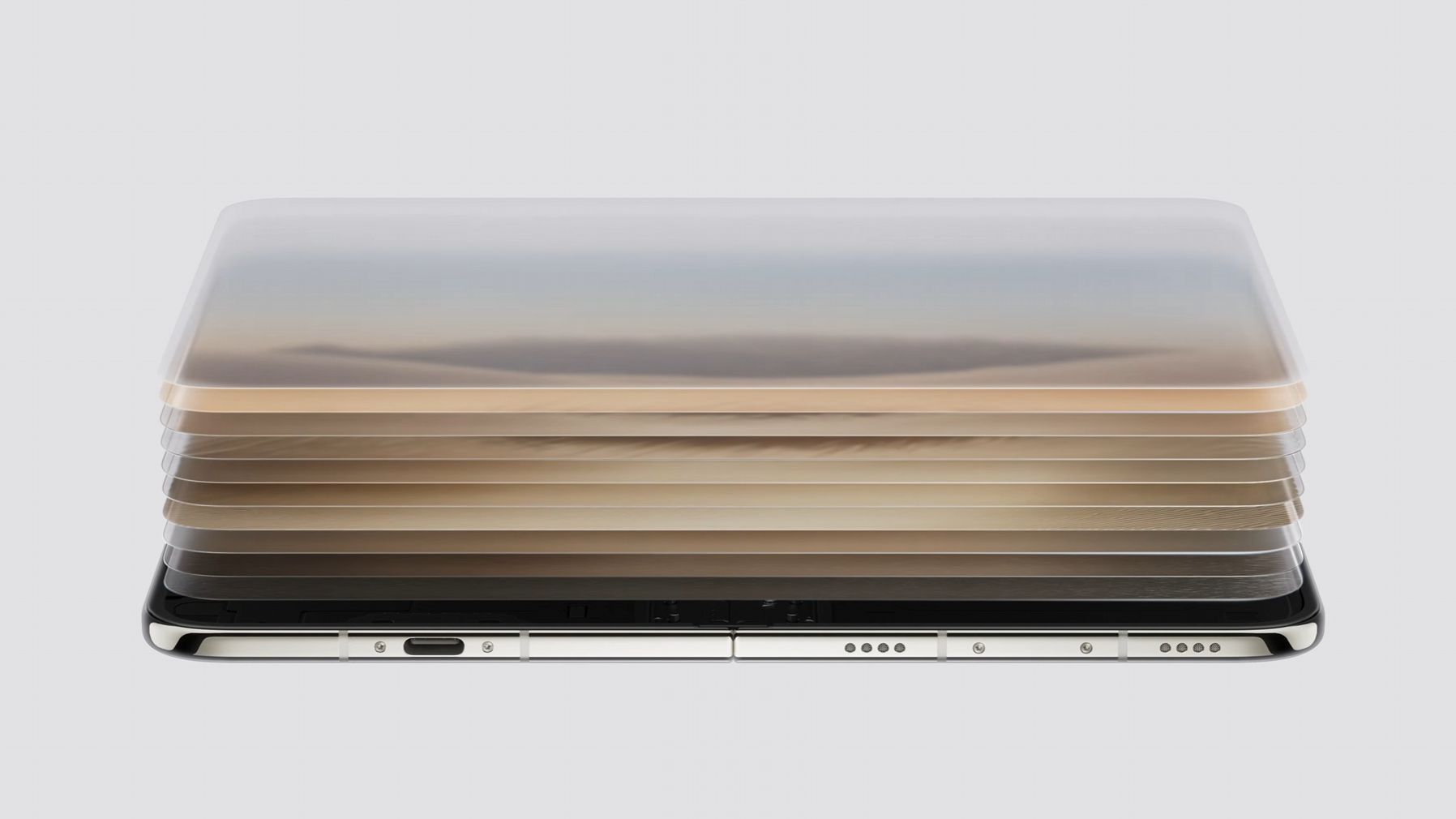
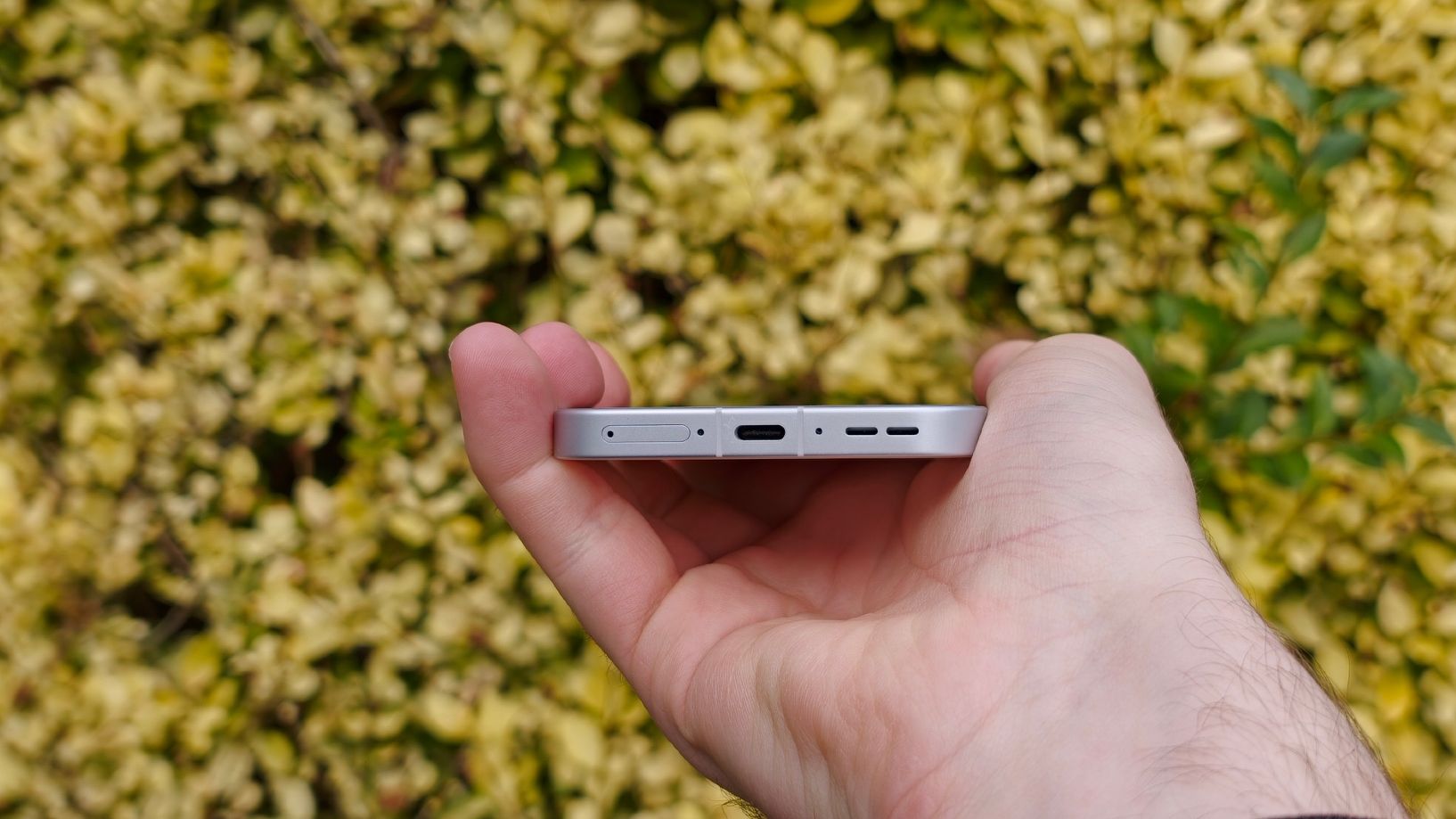
The USB-C port uses a USB 3.2 Gen 1 connector, meaning file transfers zip by at a speedy 10 Gbps, and the main speaker alongside it is one of the best I’ve heard on any phone, with plenty of bass and depth to the sound.
- Design score: 4 / 5
Oppo Find X10 review: Display
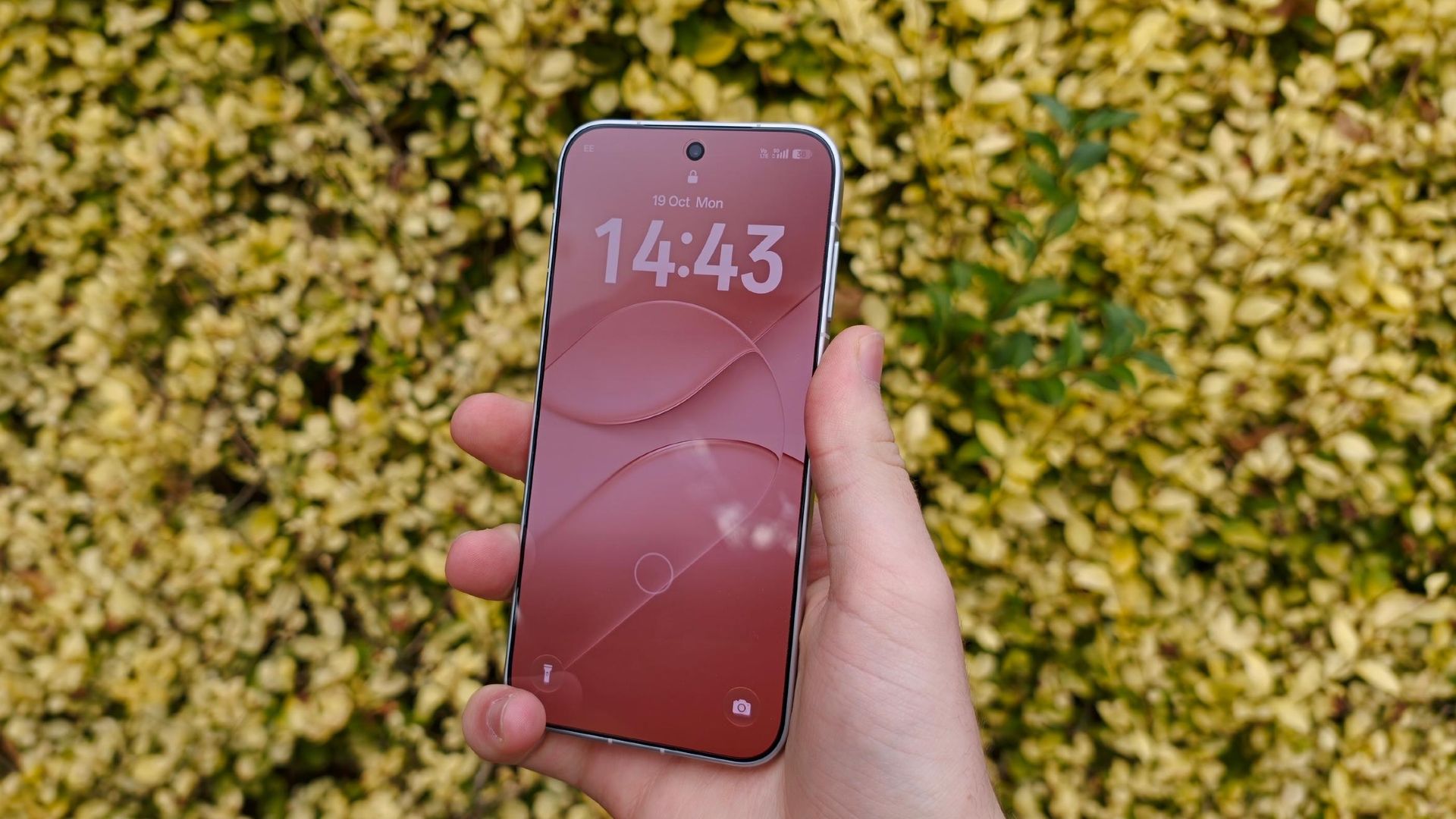
- 6.59-inch screen
- 2768 x 1272 resolution
- 800 nits of typical brightness, peaking at 3,600 nits for HDR
I’m a large guy who likes large phones, and as such, I’ve spent the last few years daily driving the biggest phone I could get my oversized mitts on. With that said, I’ve found myself really enjoying the Find X10’s slightly smaller screen. 'Slightly' is the operative word here — at 6.59 diagonal inches, the phone isn’t much smaller than the 6.78-inch screen shared by the Find X10 Pro Max and last year’s Find X9 Pro, but it’s still a noticeable, and I dare say welcome, change.
Perhaps I shouldn’t be so surprised. Oppo has long proved itself as a maker of truly excellent displays, and the Find X10 is no different. With a resolution of 2768 x 1272 and pixel density of 460 pixels per inch, the screen on the Find X10 is even sharper than that of its bigger sibling, the Find X10 Pro Max. Oppo claims 800 nits of typical brightness, rising to 2,000 nits in high brightness mode and 3,600 nits peak for HDR content. In daily use, brightness wasn’t really a concern — the display was always legible and colorful, both indoors and outside, and with such a huge battery under the hood, I was content to let auto-brightness just do its thing.
The display also sports razor-thin bezels that measure a uniform 1.15mm around its entire edge. In practical use, they’re basically unnoticeable, which helps the slightly smaller display feel as immersive as a larger premium flagship. An adaptive 1-120Hz refresh rate keeps things feeling smooth in motion, while certain games can bump that figure up to 144Hz.
As usual, you get a choice of color profiles in the settings app — I like the ‘vivid’ look for its richer, poppier colors, though there are warmer, cooler, or more muted options to match other tastes. As is now typical for high-end phones, the Find X10's display uses an OLED panel to deliver deep blacks and excellent contrast, and I found it perfect for watching videos, playing games, and everyday browsing alike.
- Display score: 5 / 5
Oppo Find X10 review: Cameras
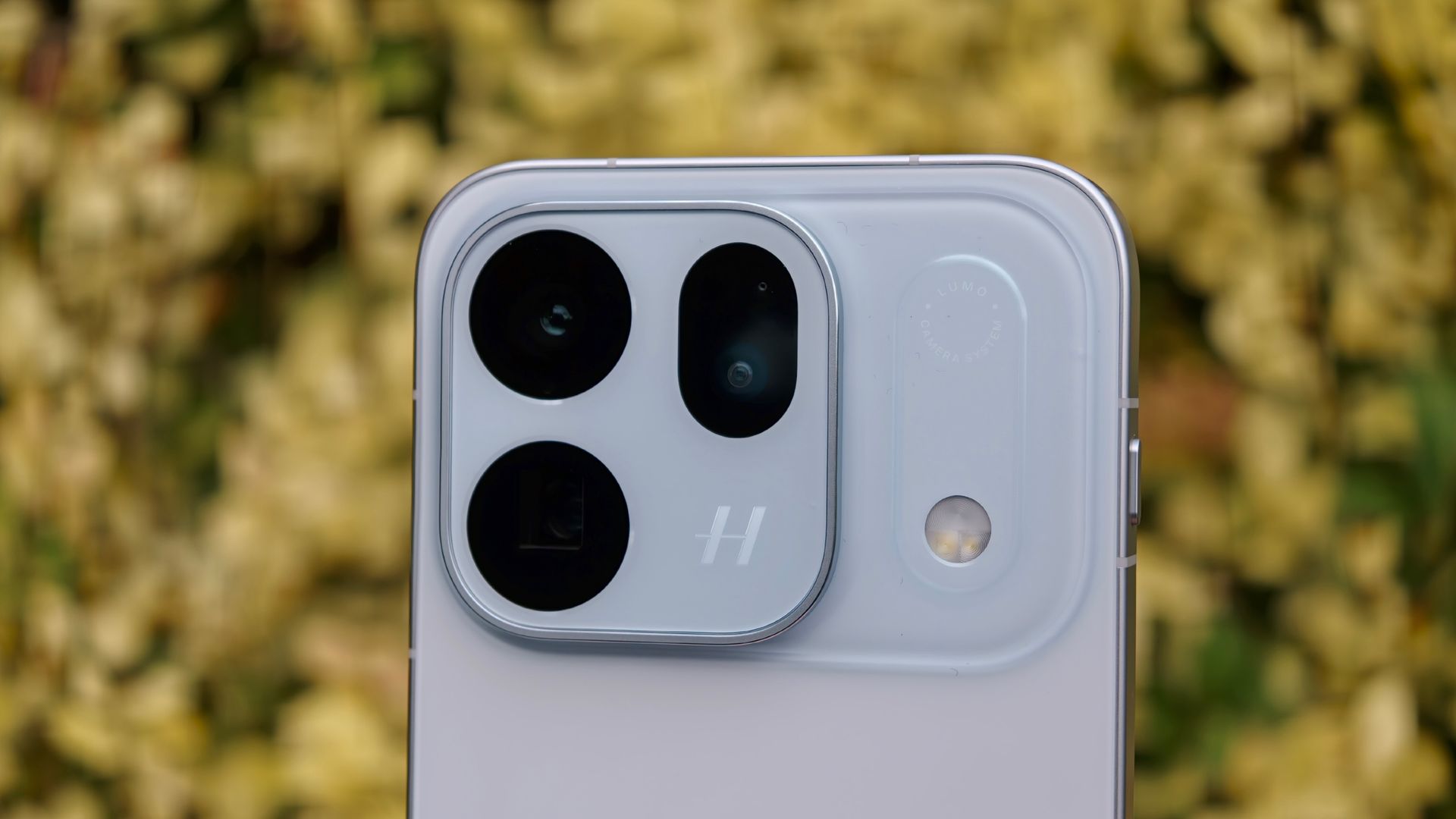
- 200MP main camera
- 200MP 2.8x telephoto camera
- 50MP ultra-wide camera
- 50MP selfie camera
The Find X10 makes its strongest case for a high price tag with its camera system.
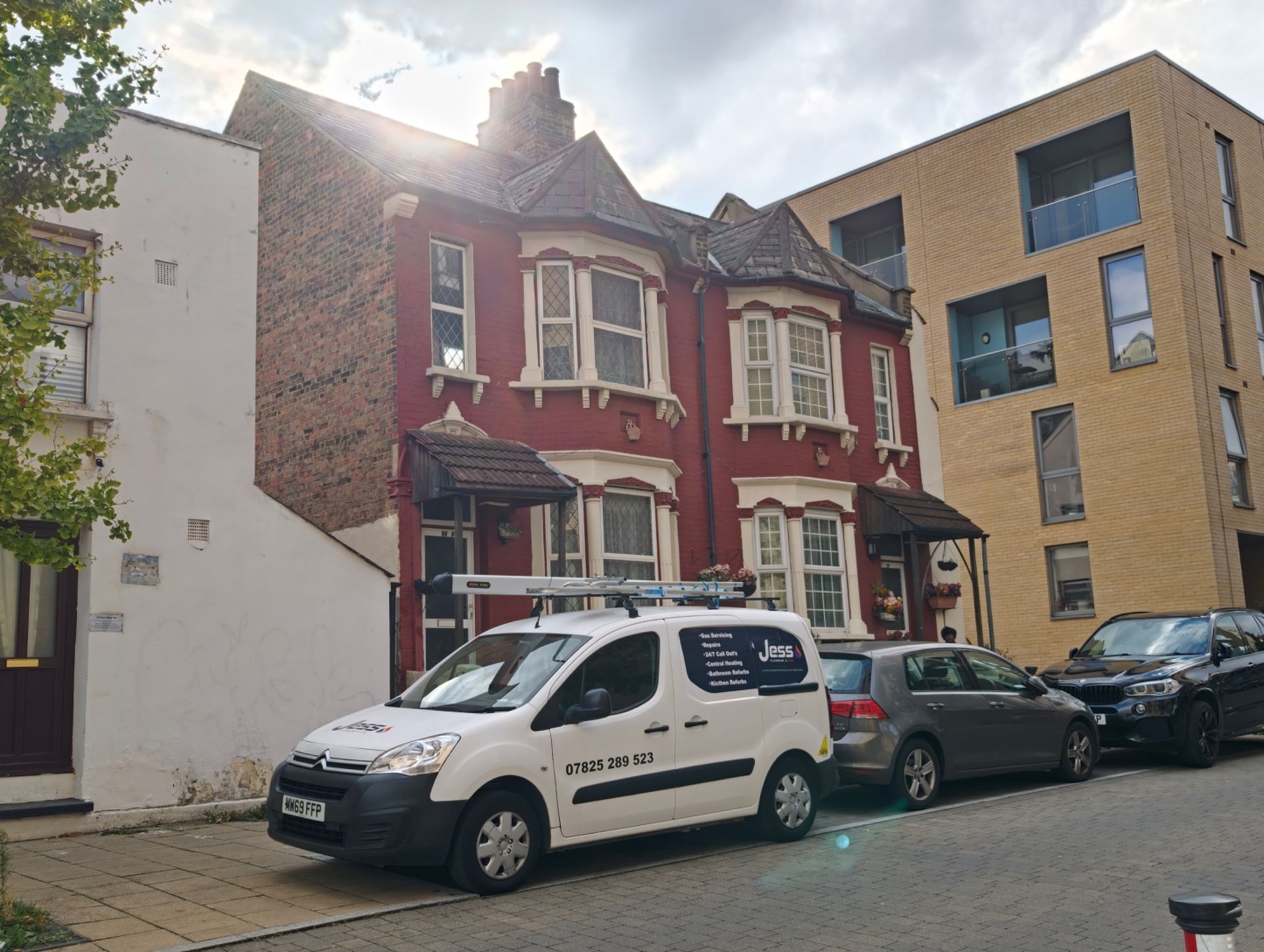
With two 200MP sensors powering the main and telephoto cameras, respectively, as well as 50MP ultra-wide and selfie cameras, the Find X10 is a performant and reliable camera phone that excels at taking detailed snaps in a variety of lighting conditions.
I was impressed by just how sharp and colorful photos looked, and Oppo seems to have toned down the AI-flavored image signal processing common to its last generation of phones.
The name of the game here is consistency — no matter which lens you pick for your shot, Oppo’s hardware and software teams have clearly worked together to make the photography experience feel reliable, with similar colors, detail, and sharpness offered across the three cameras. The best synergy comes between the main and 2.8x telephoto cameras, both of which have a 200MP sensor at 1/1.4-inches and 1/1.56 inches, respectively. Both take excellent photos and offer superb detail in low light, and while neither can work miracles in pure darkness, the automatic long-exposure feature can garner impressive results.
The ultra-wide camera is smaller, with a 1/2.75-inch 50MP sensor, but it still performs well in bright situations, and serviceably in darker climes.
As standard, the Find X10 bins photos to 26MP JPEGs, but you also have the option to shoot JPEG-XL or RAW files at native resolution. The huge telephoto resolution means the Find X10 can take losslessly cropped 12MP photos at 12.4x zoom. The optional Hasselblad Teleconverter kit affixes a zoom lens to the telephoto camera, increasing the base zoom to 10x — alas, I didn’t get to test it with my review unit, but it’s worth mentioning that buying the phone from Oppo directly gives you the option of getting the kit or an Oppo Watch X3 at no extra cost.
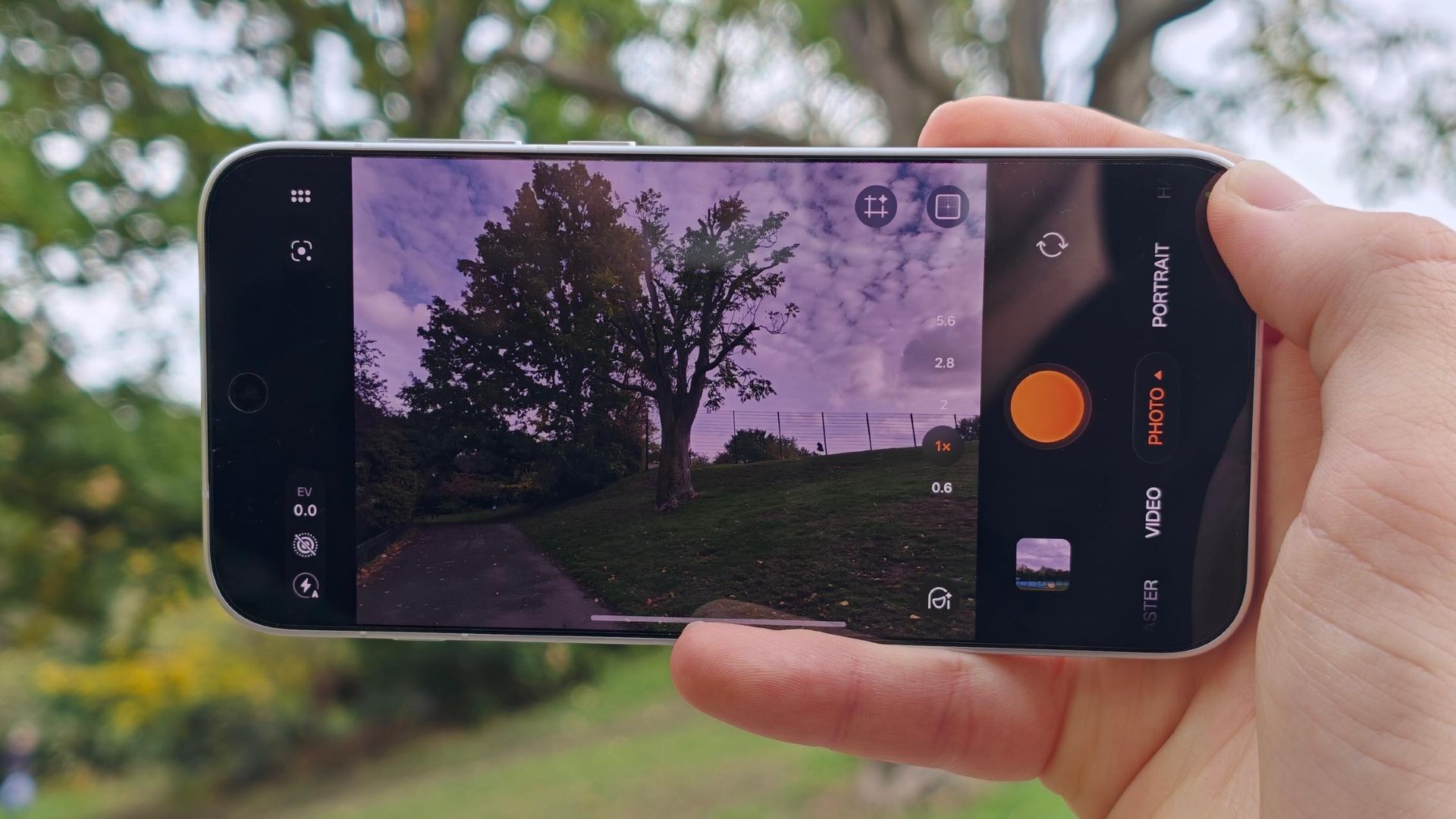
I do, however, miss the Quick Button (Oppo’s version of the iPhone’s Camera Control) introduced with the Find X8 Pro and carried over to the Find X9 Pro. I appreciate that opinions on smartphone shutter buttons are mixed — I’ve got plenty of friends who never touch them, and TechRadar's Phones Editor, Axel Metz, has debated their value with me on more than one occasion — but I personally used the Quick Button almost every time I took a photo with the Find X9 Pro, and I loved swiping across it to access that high-quality telephoto lens.
That said, the Quick Button’s absence on the Find X10 isn’t a dealbreaker by any means, as the camera app is still one of the smoothest and best-featured I’ve used on any phone. The handset’s smaller frame also makes it easy to grab for quick snaps and videos.
Oppo Find X10 Camera Samples



















- Camera score: 5 / 5
Oppo Find X10 review: Software
- Android 17 with ColorOS 17
- Fast and reliable, though thoroughly unoriginal
- Bloatware is infuriating at this price point
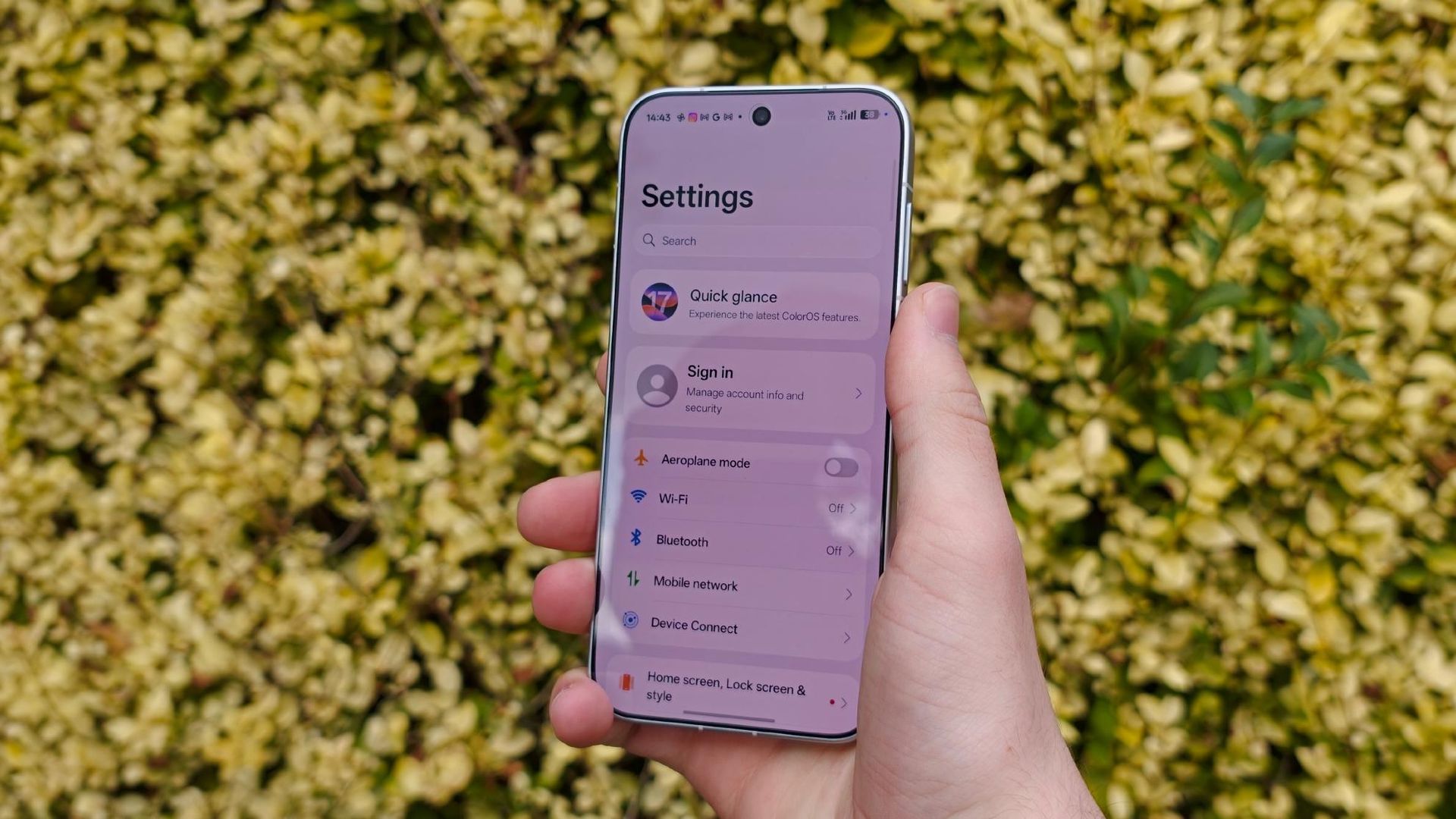
ColorOS 17, Oppo’s take on Android 17, remains one of my favorite Android wrappers; it’s fast, fluid, well animated, and aesthetically clean. It’s also a clear and shameless dupe of iOS 27, right down to the Control Center-esque menus and Liquid Glass-like transparency effects. If you’re a die-hard Android user who just happens to like the look and feel of Apple phones, it’s a genuinely fantastic option, but those who want something a little more original should look elsewhere.
Debates around originality aside, I can’t overstate how much I enjoy using ColorOS. Its UI strikes the best balance between fluidity and stability of any mobile OS I’ve used. Oppo continues to use parallel animation processing, which runs each UI animation as its own task independent of other on-screen motion, and makes getting to the apps and content you need to access effortlessly fast.
Finally, ColorOS knows when to stay out of the way and when to suggest useful features like Smart Sidebar, which adds a floating dock for apps and files. It’s an impressive bit of software.
Less impressive is Oppo’s continued insistence on shipping incredibly expensive phones loaded with bloatware. On setup, I found my Find X10 review unit stuffed with apps I don’t and won’t use — TEMU, ChatGPT, BIGO LIVE, and Booking.com, among others. It is fundamentally unacceptable to ship a phone at £1,099 while patronizing users by pre-installing this nonsense, and Oppo needs to cut it out immediately.
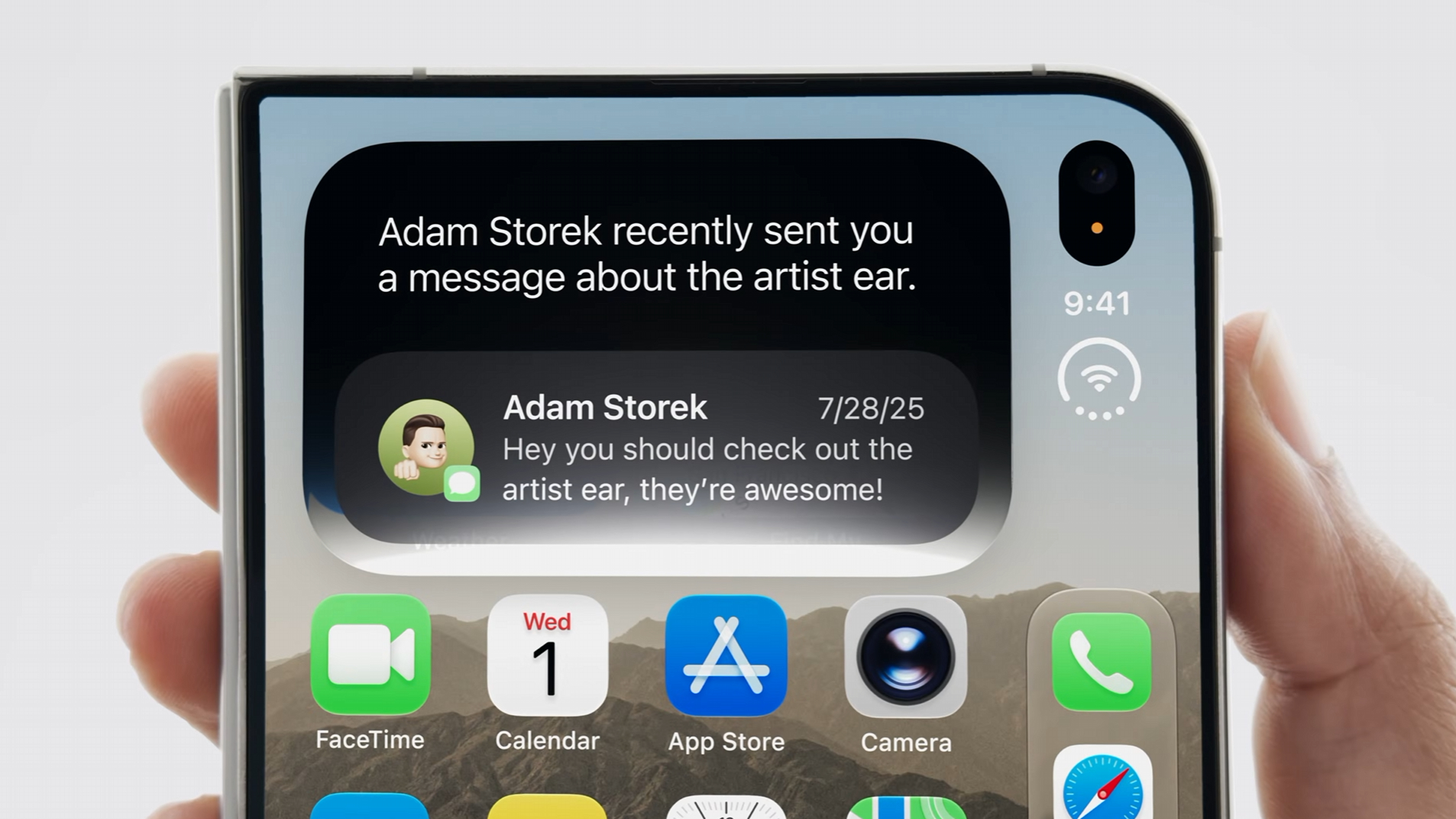
The Find X10 also offers a few neat features for AI fans. The Snap Key on the left side of the phone is set by default to trigger Mind Space, which is sort of like a self-organizing junk drawer for your digital bits and bobs. Screenshots, notes, and reminders all end up here, processed and categorized into a searchable database. And as an upper-tier Android, the Find X10 is absolutely riddled with Gemini and first-party Oppo AI features like Circle to Search, image generation tools, and audio transcription.
- Software score: 3 / 5
Oppo Find X10 review: Performance

- MediaTek 9600M chipset
- 12GB of RAM
- Fast and fluid in all scenarios
Looking only at benchmarks, the Oppo Find X10 is a reasonable performer that runs in the middle of the pack for its price range, neither lagging behind nor pulling ahead.
As a daily driver, though, I found the Find X10 to be a perfect performer in all kinds of everyday scenarios. I suspect Oppo has optimized the heck out of this thing, as I just couldn’t get it to slow down, no matter how many apps I left open or how high I cranked the graphics settings on Call of Duty: Mobile.
The Find X10 comes with a MediaTek 9600M chipset and 12GB of RAM, both of which are fine for a phone in this price point. The iPhone 18 Pro and Samsung Galaxy S26 Ultra, respectively, have the A20 Pro and Snapdragon 8 Gen 5 Elite chipsets, which are a bit faster, and many of the best phones give you 16GB of RAM for smoother multitasking and on-device AI. But as mentioned, I couldn’t get the Find X10 to stutter in my varied usage, so I’m not really concerned.
I did run some benchmarks to see what the Find X10’s internal hardware is capable of. Geekbench 7 returned a single-core score of 2466 and a multi-core score of 7759, while Geekbench AI gave a quantized score of 3119. This is on track with previous- and current-gen flagships from Samsung and Apple, and a fair bit ahead of Google — but at this price point, power users might want a little more oomph.
Still, I was always happy with the Find X10 in daily use. It nails the basics, with clear calls and phenomenal haptics, while delivering enough power for all but the most demanding users.
- Performance score: 4 / 5
Oppo Find X10 review: Battery
- Battery capacity varies by region
- 8,000mAh in Asia-Pacific, 7150mAh in EU
- 80W wired charging
- 50W wireless charging
Oppo has long been a leader in the global phone market when it comes to battery life, and the Find X10 offers a serious upgrade over last year’s models… as long as you live in the Asia-Pacific region.
You see, the Find X10 comes in two regional variants: one for the aforementioned APAC region and one for the EU and the rest of the world. The former gets an 8,000mAh battery, up from the Find X9 Pro’s 7,500mAh cell, while the EU version sees a downgrade to 7,150mAh.
My review unit came with the larger 8,000mAh cell, so I can only speak to how well this version’s battery performs — and as you’d expect from a phone with a larger battery than a base-model iPad, it is truly excellent. I found it almost impossible to kill the Find X10 in a single day. I could easily get a day and a half or two days of use on a single full charge, and with cautious use, I reckon three days would be possible.
Again, I haven’t used the 7,150mAh version of the Find X10, but this is still larger than any battery an Apple, Samsung, or Google phone can offer, so expect great battery life at a minimum.
These fantastic results are due to Oppo’s use of silicon-carbon batteries, a technology the brand has long championed and continues to push forward. Silicon-carbon isn’t without its controversies, and some commentators doubt its long-term durability versus the typical lithium-ion batteries you’ll find in the best iPhones and many of the best Android phones — but for those who want all-day battery life with plenty of power to spare, the benefits are obvious.
When it comes to charging, the Find X10 benefits from Oppo’s proprietary SuperVOOC charging tech, with support for up to 80W wired charging or 50W wireless charging. The bundled wired charger hits that 80W mark, and charging is therefore relatively speedy; the sheer size of the Find X10’s battery means this isn’t the fastest-charging phone on the market, but its heft also means that a charge to 50% goes further than it would with Western competitors. It took me around 1:15h to charge from empty to full.
- Battery score: 5 / 5
Should you buy the Oppo Find X10?
Attributes | Notes | Rating |
|---|---|---|
Value | The Oppo Find X10 isn't cheap by any means. It's certainly a lot of phone, but the era of Oppo undercutting the competition is over. | 3 / 5 |
Design | Undeniably beautiful, but completely indebted to Apple's design language. Sturdy with great color options. | 4 / 5 |
Display | The Find X10 is a little smaller than its Pro Max sibling, but still feels immersive thanks to a sharp resolution, vivid colors, and thin bezels. | 5 / 5 |
Software | One of the best deployments of Android, inexcusably marred by the presence of bloatware. Once you clear the crap, it's terrific. | 3 / 5 |
Camera | A truly superb camera system with subtler post-processing than prior generations. The 200MP main and telephoto cameras are class-leading. | 5 / 5 |
Performance | The Find X10 runs with the pack performance-wise. It's what we'd expect to see from a phone of this price. | 4 / 5 |
Battery | Truly ludicrous battery life meets phenomenally quick charging. A battery champ by any measure. | 5 / 5 |
Buy it if
You want a great camera phone
With three powerful cameras and superbly balanced post-processing, the Find X10 is a reliable pick for photos and videos. Lossless crops up to 12.6x and 200MP main and telephoto cameras make this one of the best camera phones I've used.View Deal
You want fantastic battery life
Whichever regional variant of the Find X10 you get, its battery is one of the largest in any smartphone. Add in rapid charging from the bundled wired charger and you’re unlikely to ever see it power down.View Deal
You want Apple-like looks with Android power
Originality isn’t Oppo’s strong suit, but if you’re a committed Googler who enjoys the simplicity and subtlety of Apple’s aesthetics, ColorOS is a solid alternative that runs smoothly in all kinds of scenarios.View Deal
Don't buy it if
You’re on a budget
Though prices have risen across the industry, the Find X10 is still both relatively and absolutely expensive — £1,099 is a lot of money, close to the price of an older phone plus a tablet or an entry-level laptop.View Deal
You hate bloatware
Oppo, if you’re reading this, I’m never going to let you off the hook for shoving bloatware nonsense onto a four-figure phone. Yes, these apps can be removed, but if you’re the type of person who likes a clean setup experience, the random apps and recommendations built into the Find X10 could be a serious turnoff.View Deal
Also consider
Google Pixel 11
If you want a fast and flexible Android phone that keeps the simple things simple while pushing new software and AI tools, the Google Pixel 11 gets you access to the latest Google features before anyone else while still sporting a triple-camera setup and modern design.
Read our hands-on Google Pixel 11 review
iPhone 18 Pro
The Oppo Find X10 looks and feels like an iPhone, but for some users, only the real thing will do. The iPhone 18 Pro is smaller than the Find X10, with lower-res cameras and a smaller battery, but it does give you access to Apple’s ecosystem and still has its Camera Control shutter button.
Read our full iPhone 18 Pro and iPhone 18 Pro Max review
OnePlus 15
With the OnePlus 16 stuck in China for now, the latest globally available flagship from Oppo’s sister brand remains the OnePlus 15. No complaints from us, though — the OnePlus 15 still reigns as the best Android phone in our rankings, thanks to its huge battery, excellent cameras, and large, high-resolution display.
Read our full OnePlus 15 review
How I tested the Oppo Find X10
☑️ 100s of smartphones reviewed
☑️ 15 years of product testing
☑️ Over 16,000 products reviewed in total
☑️ Nearly 200,000 hours testing tech
I used the Oppo Find X10 in a variety of everyday and test situations for this review. I used it as a daily driver for calls, texts, and social media, took it on dedicated photo walks, played games, and ran benchmarks to stress-test the CPU and AI abilities. I left as many apps open as I could to see how it held up to multitasking, and monitored battery life over the course of days and nights out.
I then applied my experience reviewing phones and journalistic training to provide an assessment of the phone's capabilities and value offering.
First tested October 2026