❌

Reading view

Just like a fruit fly, a new algorithm never forgets old scents

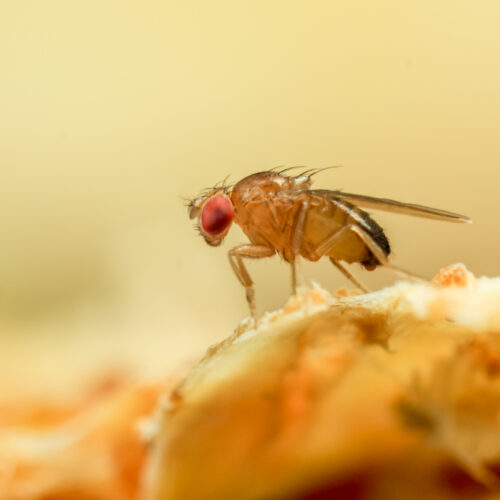
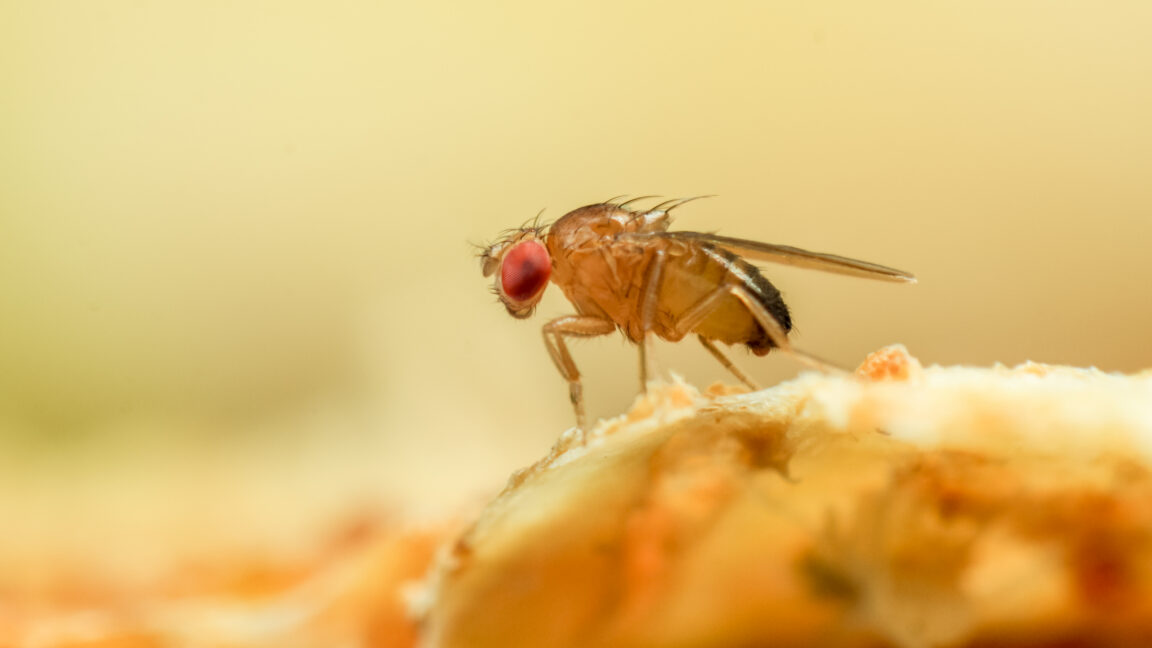
Fruit flies aren't exactly famous for their brainpower; you've probably drowned more than one in a wine glass left too long on the patio table. And yet, working with roughly 140,000 neuronsβ€”a brain smaller than a poppy seedβ€”Drosophila can sort through a huge range of smells in a fraction of a second, and then retain the memory of that scent for a long time.

In this, they do much better than current "electronic noses." Even the most advanced ones on the market tend to be expensive, painfully narrow in what they can detect, and quick to forget an odor the moment they learn a new one.

So why not just copy the fly? That's the question a growing number of researchers have been askingβ€”including Kevin Max and Yang Shen at the Okinawa Institute of Science and Technology, whose new algorithm, Spi-Fly, is described in a paper recently published in the journal Neuromorphic Computing and Engineering.
Read full article

Comments

Β© Joao Paulo Burini

  •  

Whatever the mirror test tells us, beluga whales pass it

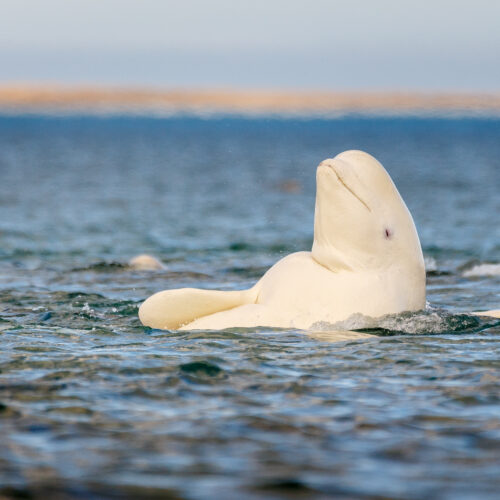
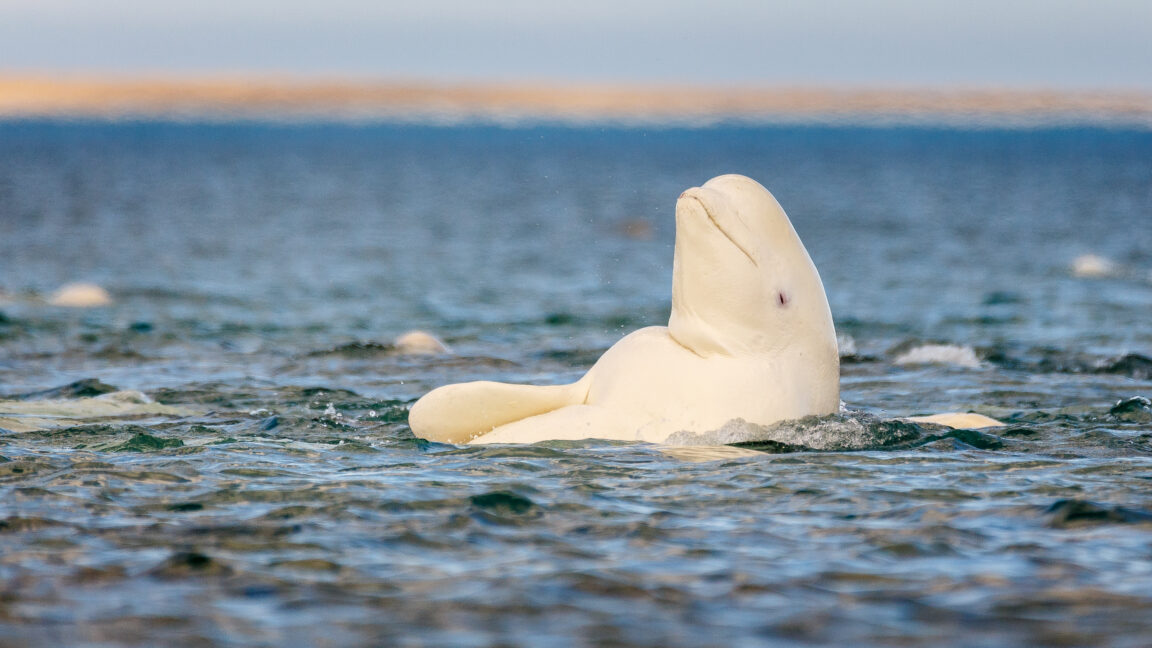
In hours of underwater video footage from a New York aquarium, a beluga whale named Natasha stretches her neck, pirouettes, nods, and shakes her head in front of a two-way mirror. Her daughter Maris does much the same. According to a new study published in PLOS One, both animals show the behavioral hallmarks of mirror self-recognitionβ€”a cognitive ability long considered a marker of self-awareness, and one that had never before been documented in beluga whales.

If the result holds up, belugas join a remarkably short list. The mirror self-recognition test (MSR) has been passed, with varying degrees of confidence, by humans (starting around age two), a handful of great apes (chimps, bonobos, orangutans, andβ€”somewhat contentiouslyβ€”gorillas), Asian elephants, bottlenose dolphins, probably magpies, possibly orcas, and, if you can believe it, a cleaner wrasse. That's it. No dogs, no cats, no monkeys. Plenty of species we had assumed were self-aware have been tested and failed.

Looking at the mirror

So what is this test, exactly, and what is it supposed to tell us?

Read full article

Comments

Β© David Merron Photography

  •  
❌