❌

Reading view

How Broadly Bat Viruses Use the ACE2 Receptor May Predict Pandemic Risk

The viruses that gave rise to SARS-CoV-2 have been circulating in horseshoe bats and related mammals across Asia for millennia, and most of them have never spilled over into people. Yet a small number of these bat sarbecoviruses clearly can infect humans, as the COVID-19 pandemic demonstrated. A central question for pandemic preparedness has therefore been whether scientists can look at the properties of a newly discovered bat coronavirus and make an evidence-based judgement about how dangerous it might be. A new study published in PLOS Biology suggests that one measurable property, the breadth of species whose ACE2 receptor a virus can use, may be a surprisingly informative signal, predicting not only which animals a virus can infect but also how closely related it is to SARS-CoV-2 in the eyes of the human immune system.

Sarbecoviruses, the subgenus of coronaviruses that includes SARS-CoV and SARS-CoV-2, attach to their host cells through the receptor-binding domain, or RBD, of the Spike protein. This domain grips the angiotensin-converting enzyme 2 receptor, ACE2, on the surface of host cells, and it is also the principal target of neutralising antibodies. That dual role creates an intimate link between host range and antigenicity: the same molecular surface that determines which species’ receptors a virus can engage also determines how well antibodies raised against one virus recognise another. The research team, led by scientists at The Pirbright Institute together with collaborators including researchers at King’s College London, set out to map that relationship systematically across a diverse collection of bat sarbecoviruses.

The experimental strategy combined three complementary approaches. First, the researchers used binding assays to test whether the Spike proteins of different sarbecoviruses could attach to ACE2 proteins from a wide panel of mammalian species. Second, they used pseudotype-entry assays, in which harmless lentiviral particles are decorated with each coronavirus Spike protein, to test whether receptor binding actually translates into cell entry. Third, they measured how sera from SARS-CoV-2 convalescent individuals and monoclonal antibodies from vaccinated people who had experienced breakthrough infections neutralised the different viruses. By running the same viruses through all three assays, the team could directly correlate receptor usage with antigenic behaviour.

The results revealed a striking pattern. Sarbecoviruses in clade 1, the group that contains SARS-CoV-2 itself and the BANAL viruses isolated from bats in Laos, tended to be generalists. Their Spike proteins could productively engage ACE2 receptors from many different bat species, indicating that they are not finely tuned to a single host. In contrast, viruses from clade 3, exemplified by RhGB07, and clade 5, exemplified by Rc-o319, behaved as specialists, using a much narrower range of ACE2 receptors. Rc-o319, which was previously known to be unable to use human ACE2 efficiently, fits this specialist profile, whereas the BANAL viruses, which can use human ACE2, sit firmly in the generalist camp alongside SARS-CoV-2.

To understand the structural basis of this specialism, the team solved a novel structure of the RhGB07 Spike protein. The structure allowed them to identify specific residues within the RBD that are associated with the restricted receptor usage of this clade 3 virus. These residues presumably shape the receptor-binding interface in ways that favour particular bat ACE2 variants while excluding others. Such structural insights are valuable because they point to the molecular features that distinguish viruses capable of flexible receptor engagement from those locked into narrow host ranges, and they may help predict the properties of newly discovered sarbecoviruses from sequence data alone.

When the researchers extended their receptor panel beyond bats to include more diverse mammalian ACE2 proteins, the generalist phenotype largely held. Clade 1 viruses could bind and enter cells expressing ACE2 from humans, non-human primates, livestock, and rodents, as well as from species considered potential intermediate reservoir hosts, such as civets, raccoon dogs, and pangolins. This is significant because intermediate hosts are thought to have played a role in previous coronavirus spillovers, including the emergence of SARS-CoV in 2002. A virus that can already use the receptors of many species faces fewer barriers on the path from bat to human. The specialist viruses, by contrast, showed wider phenotypic diversity across this expanded panel, with RhGB07 exhibiting a more idiosyncratic pattern of receptor usage that did not simply mirror its bat-host profile.

The study also examined how SARS-CoV-2’s ongoing evolution in humans has changed its receptor preferences. Comparing variants that have emerged during the pandemic, the researchers found an expanding and, in some cases, shifting pattern of generalism, particularly for Omicron and its many sub-lineages. Omicron’s Spike has accumulated numerous mutations in the RBD, and these changes appear to have broadened or reconfigured the range of ACE2 molecules the virus can engage. This observation underscores that receptor usage is not a fixed property of a virus but a dynamic trait that can evolve under immune pressure and changing transmission landscapes, with potential consequences for which animal species might serve as new reservoirs for human-derived variants.

The antigenic side of the analysis produced equally important findings. When convalescent sera from people who had recovered from COVID-19 were tested against the panel of bat sarbecoviruses, clade 1 viruses, being phylogenetically closest to SARS-CoV-2, were antigenically the most similar. There was robust evidence for cross-neutralisation of these viruses, meaning that immunity generated against SARS-CoV-2 offers meaningful protection against its closest bat relatives. Importantly, however, the team also found evidence for limited cross-neutralisation across the entire subgenus, suggesting that even the more distantly related specialist viruses are not completely invisible to immunity primed by SARS-CoV-2 infection. This graded pattern of cross-reactivity maps closely onto the phylogenetic and receptor-usage relationships the researchers had established.

Using monoclonal antibodies derived from COVID-19 vaccinees who subsequently experienced breakthrough infections, the researchers were able to pinpoint which classes of antibody epitopes are responsible for the broader neutralisation observed across the sarbecovirus panel. Because antibodies recognise specific structural features of the RBD, identifying the epitope classes that mediate cross-neutralisation provides a rational basis for designing vaccines and therapeutics with deliberately broad coverage. Antibodies directed against more conserved features of the receptor-binding interface, rather than those specific to SARS-CoV-2’s particular configuration, appear to underpin the wider neutralising activity.

Taken together, the study delivers a unifying message: generalist ACE2 usage, phylogenetic proximity to SARS-CoV-2, and antigenic similarity travel together. A bat sarbecovirus that can flexibly use receptors from many mammalian species is likely to be a close relative of SARS-CoV-2 and likely to be partially neutralised by existing human immunity. This constellation of traits offers surveillance teams a practical framework for triage. When a new sarbecovirus is discovered, characterising its receptor-binding breadth through binding and pseudotype assays could provide an early, laboratory-based assessment of both its zoonotic potential and the degree to which current vaccines and antibodies might protect against it. As bat habitats are disturbed and human-wildlife interfaces expand, such tools for distinguishing the generalists from the specialists among the thousands of circulating bat coronaviruses could prove essential for anticipating, and perhaps preventing, the next spillover.

Subject of Research: ACE2 receptor usage breadth as a predictor of host range and antigenic relatedness across bat sarbecoviruses

Article Title: Breadth of ACE2 receptor usage predicts host range and antigenic relatedness across bat sarbecoviruses

Article References: Thakur, N., Newman, J., Ni, D., Seow, J., Hay, A. L., Lee, Y., Upadhyay, A., Ekundayo, B. E., Hammond, J. A., Peacock, T. P., Lau, K., Doores, K. J., & Bailey, D. (2026). Breadth of ACE2 receptor usage predicts host range and antigenic relatedness across bat sarbecoviruses. PLOS Biology, 24(10), e3003944. https://doi.org/10.1371/journal.pbio.3003944

Image Credits: AI Generated

DOI: 10.1371/journal.pbio.3003944

Keywords: sarbecoviruses, ACE2, SARS-CoV-2, host range, receptor-binding domain, antigenicity, cross-neutralisation, bat coronaviruses, zoonotic spillover, Omicron, monoclonal antibodies, pseudotype assays
  •  
  •  

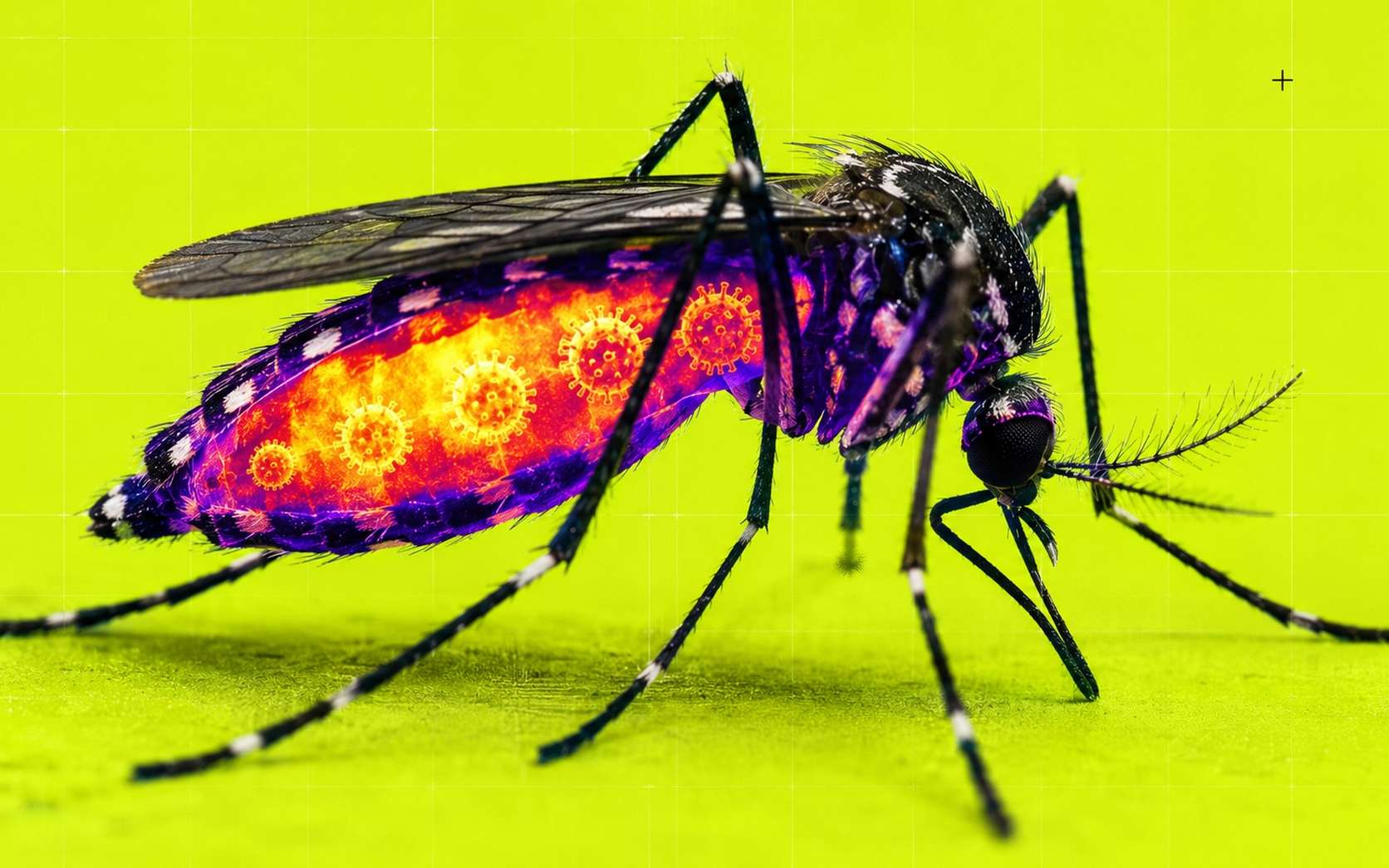
Dengue, chikungunya, Zika : voici ce qui se passe dans un moustique avant qu’il puisse vous infecter

Une piqûre et tout bascule. À l’échelle microscopique, une véritable opération d’infiltration est déjà en cours : des virus — mais pas que… — exploitent le moustique pour nous atteindre. Pour ce troisième épisode de notre série de l’été consacrée aux secrets des moustiques, Futura vous embarque...

  •  

Agrarian Economy Shapes Amazon Vector-Borne Disease Patterns

In the dense and biodiverse expanse of the Brazilian Amazon, the interplay between human activity and ecological systems has long shaped the epidemiology of vector-borne diseases. Recent research delves into how the agrarian economy and socioenvironmental contexts are critical determinants of disease co-occurrence patterns in this pivotal region. This investigation illuminates the complex network of factors influencing vector-borne illnesses, shedding light on how environmental modifications and economic activities intertwine to affect human health.

Vector-borne diseases, illnesses transmitted by organisms such as mosquitoes, ticks, and other arthropods, represent a significant burden in tropical regions worldwide. The Amazon Basin, renowned for its vast tropical rainforest and intricate ecosystems, harbors multiple pathogens that cause diseases like malaria, dengue, Chagas disease, and leishmaniasis. However, it has been increasingly evident that these diseases do not occur in isolation but rather exhibit notable patterns of co-occurrence that hinge on intertwined environmental and socioeconomic factors.

The study conducted by Barbosa, Lana, Dal’Asta, and colleagues offers a groundbreaking analysis by mapping disease co-occurrence in relation to various agrarian economic practices and socioenvironmental variables across the Brazilian Amazon. By integrating epidemiological data with land use, climatic, and demographic information, the researchers constructed a multifaceted framework to explore how agricultural modalities and human livelihood strategies modulate disease dynamics.

One of the most compelling insights emerging from this research is the pivotal role agrarian economies play in shaping vector habitats and human-vector interactions. Agricultural activities, ranging from subsistence farming to extensive cattle ranching, transform the landscape in ways that can either amplify or mitigate vector proliferation. For instance, deforestation and land clearing for agriculture often create breeding grounds for mosquitoes by generating stagnant water pools, while simultaneously disrupting natural predator populations that help control vector species.

Moreover, the socioeconomic context of rural communities—encompassing aspects such as housing quality, access to healthcare, education levels, and income—profoundly influences vulnerability to vector-borne diseases. Poor infrastructure and limited resources hinder effective disease prevention and treatment, escalating the risk of infection and complicating public health responses. The researchers underscore that social inequities intersect with environmental changes to intensify disease co-occurrence, reinforcing the notion that health outcomes in the Amazon cannot be disentangled from broader societal patterns.

Importantly, the co-occurrence of multiple vector-borne diseases in the same geographic and demographic spaces introduces unique challenges for surveillance, diagnosis, and management. Overlapping symptomatology and co-infection potential complicate clinical decision-making, while co-transmission by shared or distinct vector species demands integrated vector control strategies. The study’s nuanced approach highlights how tailored interventions must consider the local agrarian economies and socioenvironmental backdrops to effectively disrupt transmission cycles.

The analysis further integrates spatial-temporal modeling techniques to detect hotspots of disease co-occurrence. These mathematical and computational models, employing advanced geostatistical methods, reveal dynamic patterns aligning with seasonal changes, land-use shifts, and population movements. Such data-driven insights facilitate the prioritization of resources toward areas most susceptible to simultaneous outbreaks, providing a robust tool for public health planning.

Beyond pointing out correlations, the researchers propose mechanisms by which agrarian economies precipitate ecological alterations favoring vector adaptation. For example, cattle ranching often promotes water storage and drainage systems, which inadvertently become breeding sites for vector mosquitoes, while crop cultivation could affect microclimate conditions conducive to vector survival. These ecological cascades underscore the need for interdisciplinary research, combining epidemiology, ecology, economics, and social sciences.

The Brazilian Amazon, a hotspot of both biodiversity and infectious diseases, thus exemplifies the intricate feedback loops between human economic activity and ecosystem health. As the global climate shifts and land-use change accelerates, understanding the socioenvironmental determinants of disease distribution assumes critical importance. This research not only advances scientific comprehension but also has major policy implications—highlighting sustainable agricultural practices and socioeconomic improvements as dual levers to reduce the burden of vector-borne diseases.

The possibility of co-infections and their synergistic effects on morbidity is another hallmark finding. Patients living in agrarian settings characterized by poverty and environmental degradation often face exposure to multiple pathogens simultaneously. The immune system’s response to co-infection may alter disease severity and treatment outcomes, posing a public health conundrum that demands integrated diagnostic approaches and targeted therapies.

Encouragingly, the research paves the way for community-based participatory strategies that align disease control with livelihood enhancement. Recognizing local knowledge and integrating agricultural best practices with vector management can potentiate sustainable interventions. For example, modifying irrigation practices to minimize stagnant water or improving housing conditions can substantially reduce vector habitats while supporting agricultural productivity.

Sustainability emerges as a key theme, emphasizing that controlling vector-borne disease co-occurrence transcends medical interventions. Policies fostering economic diversification, education, and infrastructure development are integral to disrupting the pervasive cycles of infection. The researchers advocate for cross-sector collaboration encompassing health agencies, agricultural planners, environmental managers, and local stakeholders to forge resilient systems adaptable to evolving ecological and social landscapes.

As Brazil grapples with competing pressures of economic development and environmental conservation, this research underscores the necessity of nuanced approaches that balance agrarian growth with health. It reveals that unchecked agrarian expansion without attention to socioenvironmental variables could exacerbate disease risks, indicating a path toward integrated, eco-health oriented policy frameworks.

The study also calls attention to the potential impact of climate variability, which synergizes with agrarian and socioenvironmental factors to influence vector ecology. Changes in precipitation, temperature, and seasonality may alter the geographic range and population dynamics of vectors, further complicating disease control. This underscores the urgency for adaptive monitoring systems that incorporate climatic data to anticipate and mitigate emerging threats.

In conclusion, this pioneering research presents an intricate tapestry of how agrarian economies and socioenvironmental contexts shape vector-borne disease co-occurrence in the Brazilian Amazon. By weaving together ecological, economic, and social threads, it provides a powerful lens through which to understand and address infectious disease challenges in one of the world’s most complex biomes. The implications reach far beyond the Amazon, offering global lessons in navigating the nexus of agriculture, environment, and health in a rapidly changing world.

Subject of Research: Vector-borne disease co-occurrence influenced by agrarian economy and socioenvironmental contexts in the Brazilian Amazon

Article Title: Vector-borne disease co-occurrence is shaped by agrarian economy and socioenvironmental contexts in the Brazilian Amazon

Article References:
Barbosa, M., Lana, R.M., Dal’Asta, A.P. et al. Vector-borne disease co-occurrence is shaped by agrarian economy and socioenvironmental contexts in the Brazilian Amazon. Commun Earth Environ (2026). https://doi.org/10.1038/s43247-026-03619-4

Image Credits: AI Generated

  •  

There is No “Free Lunch” | All Claims of “Free Energy” are Fraudulent

Maxwell Chikumbutso's claim of a "free energy" vehicle powered by radio frequency energy, contradicts established physics, particularly the laws of thermodynamics. All forms of energy involve costs. Chikumbutso provides no evidence to support his "free energy" from radio-waves claim. It is foolish to believe in unverified revolutionary energy solutions.

  •  

Voice-to-Skull Technology: Fact or Fiction

Voice-to-Skull (V2K) technology, linked to mind control and psychological manipulation, allows sounds to be transmitted directly into the brain without audible sound waves. Some individuals report hearing voices urging them to commit crimes. Described as a non-lethal weapon, V2K operates through principles of microwave auditory effects and silent sound techniques.

  •  
❌