❌

Reading view

Jungle Research Expedition Using Robot Dog Like a Pack Mule

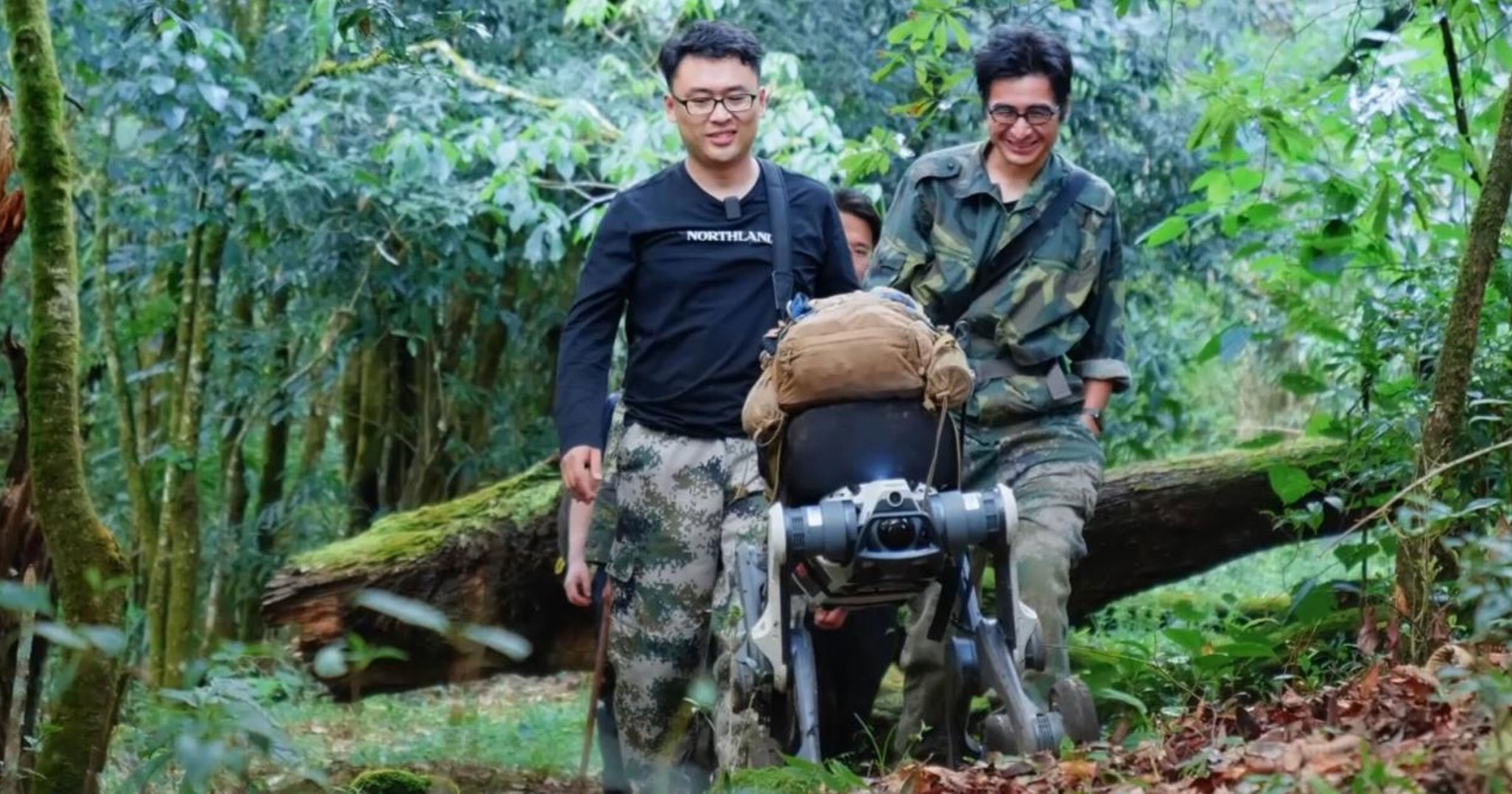
A biodiversity research team journeying into the incredibly diverse subtropical forests of China’s Ailaoshan Mountains took a strange companion with them: a robotic dog.

The robot, a Lynx M20S developed by DEEP Robotics, assisted the team on a trip organized by the China Association for Scientific Expedition, China’s state-run tabloid the Global Times reported. Photos of the expedition show the researchers using the robot like a pack mule to carry field and imaging supplies, though the unit reportedly also assisted with other tasks like route scouting, image recording, and data collection.

At one point, the robot was even used to capture footage of a rare parasitic plant known as Monotropa uniflora, as well as forest gibbons (though, to be fair, these are tasks a human scientist could surely perform just as well.)

Whether the expedition amounts to a practical deployment or a frivolous gimmick probably depends on how you view commercial robots as a whole. Though it can carry a load of about 220 pounds, the battery life on the Lynx M20S lasts just 2.5 to 3.5 hours, likely putting a decent burden on any researchers who have to lug replacement batteries up the Ailaoshan Mountain range or figure out a way to charge them in situ.

At the same time, it makes for a pretty effective product demo. The Ailaoshan Mountain range and its surrounding area are notoriously treacherous, with navigation of ravines and dense primeval forests complicated by extreme outbursts of precipitation. In 2021, a rapid change in weather on the range resulted in the deaths of four experienced geological researchers β€”Β an illustrative example of the kinds of conditions one can expect on the Ailaoshan Mountains.

As a device designed for challenging outdoor terrain, the Lynx M20S’s apparently successful participation in this trek seems to validate the company’s engineering efforts.

Elsewhere, DEEP robotics’ robo-hounds have reportedly assisted with underground tunnel excavation, patrolled urban streets during the 2026 FIFA World Cup, and helped firefighters extinguish blazes.

More on robots: Chinese Startup Shows Off Robot Horse You Can Actually Ride

The post Jungle Research Expedition Using Robot Dog Like a Pack Mule appeared first on Futurism.
  •  

Robot Dogs Suddenly Taking Jobs From Human Security Guards

They’re agile, they’re creepy, and they may be coming for human jobs.

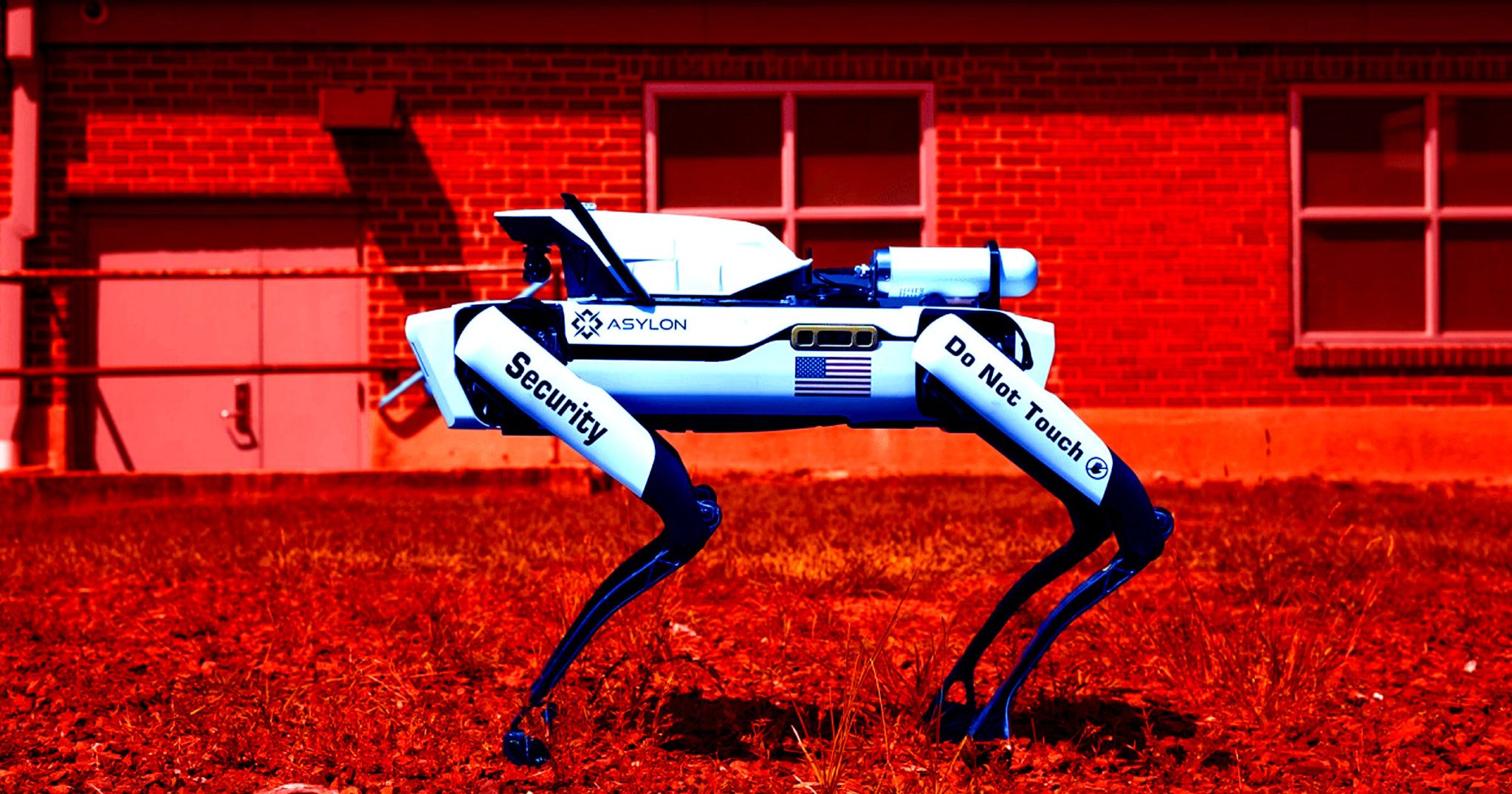
Robot dogs affixed with AI-integrated cameras are becoming the latest dystopian fixation of the security industry, especially in the US, where they’re being deployed to patrol data centers, safeguard cash crops, and police sports stadiums.

Though expensive, they’re gradually becoming a more attractive option over human security guards. At least, that’s according to new reporting by Business Insider, which notes that the cost to cover one 24/7 guard shift is anywhere from $80,000 to $130,000 cheaper per year when contracting robot dogs over human security officers.

That’s bad news for the nation’s security guards, an essential role providing low-barrier employment for uneducated workers. Often deployed to help property owners reduce insurance premiums, the role of security guard is an important source of income for some 1.3 million people. According to a report by the UC Berkeley Labor Center, about 60.8 percent of those roles are filled by people of color, while 27.8 percent of guards are 55 or older.

It is, however, a difficult job to make a living on, with the median annual wage of just $38,390 as of 2024. That being the case, the industry faces a high degree of turnover, which tech companies are all too happy to exploit.

β€œTraining them and staffing them is super inconsistent, and it’s a big burden on the business,” Damon Henry, CEO of robot dog company Asylon, told BI.

So far, Henry says he has about 50 robots deployed across 25 customers nationwide. Compared to a workforce of 1.3 million humans, that might not sound like much. But if robotic production lines get more efficient and the bots themselves become cheaper to roll out, it’s hard to imagine the nation’s businesses keeping low-paid security guards on the payroll out of charity (just look at what happened with Walmart greeters.)

Still, you probably haven’t bumped into your last mall cop quite yet. As director of the UC Berkeley Labor Center’s Low-Wage Work program and co-author of the report referenced above Enrique Lopezlira told BI, the role is likely to experience pressures similar to that of other workers facing automation: security jobs won’t disappear entirely, but they will get much more demanding.

β€œThe realistic near-term effect is not that guards are replaced,” Lopezlira said. β€œThe human role is going to be pushed toward those hardest, higher-stakes parts of the work.”

More on robots: Startup Sued After Delivery Bot Clobbers 73-Year Old Woman

The post Robot Dogs Suddenly Taking Jobs From Human Security Guards appeared first on Futurism.

  •  

Robot dogs could help firefighters safely detect hazardous chemicals

Researchers in Austria have developed a four-legged robot that could make firefighting operations safer by entering dangerous areas and detecting hazardous substances before firefighters have to go in. The robot, developed under the leadership of researchers at Graz University of Technology (TU Graz), is designed to act as an advance scout during emergencies involving toxic […]

The post Robot dogs could help firefighters safely detect hazardous chemicals appeared first on Knowridge Science Report.

  •  
❌