❌

Reading view

  •  

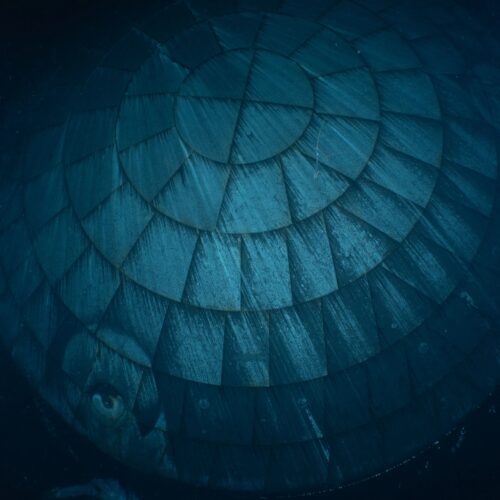
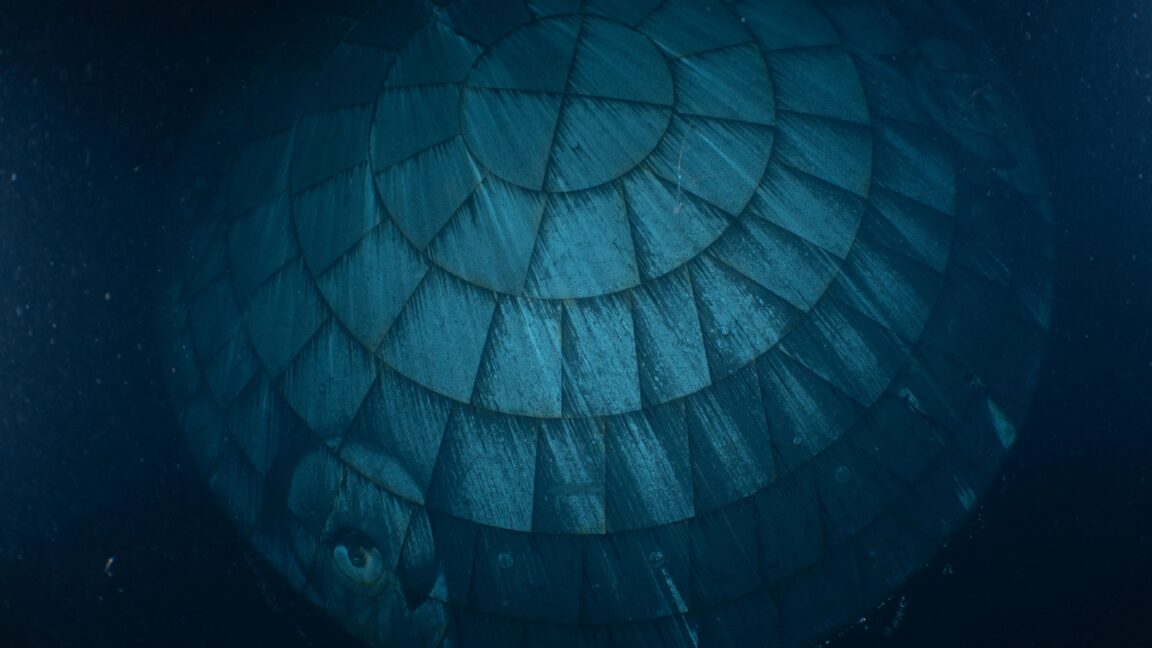
It turns out that Orion's much-maligned heat shield performed really well

Perhaps the biggest question going into the Artemis II mission this spring was how the heat shield at the base of the spacecraft would perform during reentry through Earth's atmosphere.

The ablative heat shield, designed to char upon reentry while keeping the crew safe, had experienced unexpected losses of large chunks during a test flight in late 2022. After much deliberation, and not without controversy, NASA decided to fly the Artemis II heat shield as is but modify the spacecraft's reentry trajectory.

Obviously, the heat shield worked. The crew of Artemis II, led by commander Reid Wiseman, safely splashed down in the Pacific Ocean after a triumphant trip around the Moon. Afterward, they and other NASA officials offered general comments, saying the heat shield looked good.

Read full article

Comments

© US Navy

  •  

WebKit IP and DNS Leaks Affecting Proxies and Private Relay

Talal Haj Bakry and Tommy Mysk (Mastodon, Hacker News, MacRumors, Mac Power Users):

WebKit-based browsers on iOS and macOS can be configured to route all web traffic through proxy servers, which is how Tor browsers on iOS and our own Psylo work. We found three WebKit features — DNS prefetching, WebAuthn Related Origin Requests, and WebTransport — that bypass the configured proxy and send traffic directly from the device, which exposes the user’s real network. The same leaks also affect Apple’s iCloud Private Relay.

[…]

It must be noted that VPNs are not affected, since they tunnel the device’s entire network traffic at the system level.

[…]

We’ve addressed all three leaks in Psylo 1.3.1[…] Passkeys and WebTransport have legitimate uses, so both can be re-enabled at any time through per-silo toggles. This keeps Psylo leak-free out of the box, while users who need one of these features on a given site can opt in explicitly, with a clear understanding of the trade-off.

Psylo:

In an ideal world, we’d report the issues to Apple, they acknowledge the issue, and ship a fix in a timely manner. Unfortunately, our past experience with Apple tells us that reporting this issue would involve months of delays, inconsistent communication, and in some cases, denying the issue’s impact entirely.

We weren’t willing to wait months, or upwards of a year, sitting on bugs that undermine the core privacy guarantees of Psylo and iOS Tor browsers while saying or doing nothing.

[…]

Should we knowingly leave our users exposed while waiting for a system-level fix? We didn’t think that was acceptable or fair to our users. Or should we quietly ship our own mitigations without telling anyone? We didn’t think that was acceptable either. Security fixes deserve transparency, especially when they involve tradeoffs.

Psylo:

Soon after we published the blog, we sent a link to the blog and demo website to Apple in a security report to make them aware of it. Now the report is already in the status “We’re planning to address the issue you reported.” and a fix is planned for Fall 2026 🤯🤯🤯

Mysk:

It used to take months and months to reach this status. We got there in less than 24h

Running to the press always helps…

Previously:

Update (2026-08-11): Ben Lovejoy (MacRumors):

A class action lawsuit accusing Apple of false advertising, misrepresentation, and fraud has now been filed by Clarkson Law Firm – the same lawyers who previously obtained a $250M settlement over the delayed launch of Siri AI.

  •  

Astronomers Uncovered a Hidden Bubble Inside the Orion Nebula

A key component of the Orion Nebula had escaped detection by astronomers until now, according to a new study in Astronomy & Astrophysics.

An international team led by Juan Diego Soler at the University of Vienna used two of the world’s most advanced radio telescopes to map neutral atomic hydrogen gas across the nebula’s outer shell at unprecedented resolution. The new maps provide a clearer view of the celestial feature, and reveal a previously uncatalogued second bubble—a shell with much less mass than earlier estimates—and a four-light-year filament of gas extending from the structure.

The Orion Nebula’s Miscalculated Bubble

Neutral hydrogen emits a faint radio signal at a wavelength of 21 centimeters, making it possible to trace otherwise invisible gas between the stars. Soler’s team solved this by combining data from the Karl G. Jansky Very Large Array in New Mexico and the FAST telescope in China. The VLA provided high resolution, while FAST picked up faint, widespread signals. Together, they produced the first detailed hydrogen map of the extended Orion Nebula, at the same scale as earlier ionized carbon maps.

Earlier calculations based on ionized carbon estimated that the front half of the shell was about 1,100 times the mass of our Sun. The hydrogen observations paint a different picture, suggesting the shell actually weighs in at closer to 100 solar masses. “Measuring mass is fundamental,” Soler said, “because it tells us about the efficiency of these newly formed stars shaping their environment with wind and radiation.”

A shell with only a tenth of the previously assumed mass significantly alters calculations of how efficiently newly formed stars shape their environment. The researchers note that molecular hydrogen, which is not detected in either the hydrogen or carbon data, may account for some of the missing mass.

A Second Bubble

The hydrogen maps also revealed an uneven distribution of gas, indicating a second, smaller cavity within the main shell. The team searched catalogs of known stars and young stellar objects in the region but found no candidate at the bubble’s center. The source responsible for creating the cavity may not be the type of object included in current catalogs.

Daniel Seifried at the University of Cologne, a co-author on the study, pointed to what that means for the models astronomers build to explain regions like this one. “These stunning observations serve as a reference for many modern astrophysical simulations investigating the evolution of gas and stars in the Milky Way. These are the kind of images that challenge the theoretical models and numerical simulations that we use to understand how massive stars affect their immediate surroundings.”

Previous models generally treated Orion’s shell as the product of a single expanding bubble. The discovery of a second cavity, with no obvious source at its center, instead suggests the nebula was shaped by multiple episodes of stellar feedback.

An Unexpected Filament

The new maps also uncovered a filament of hydrogen extending about four light-years from the shell’s western edge. Previous carbon-based observations saw only the base of this structure. The filament contains about 80 solar masses of hydrogen and does not appear to be associated with any known group of young stars. Its origin is unclear; it could be gas leaking through a weak spot in the shell or a leftover from the original cloud that existed before the bubble formed.

Claire Murray of the Space Telescope Science Institute, another co-author, framed the discovery within the broader push behind the observations. “This study is an exciting demonstration of the power of the latest-generation radio telescopes to uncover new pieces to the star formation puzzle.” Despite being one of the galaxy’s most extensively studied star-forming regions, the Orion Nebula continues to reveal discoveries.

This survey is the first scientific result from the NeAtHood project, which aims to map atomic hydrogen across nearby star-forming regions accessible to the VLA and FAST telescopes. Soler and his colleagues now plan to apply the same approach to additional targets. “Orion is only the beginning. Our newly developed methods show how future interferometers will reveal the hidden structure and dynamics of the interstellar medium—even in regions that astronomers already believed they understood well,” Soler explained.

If one of the sky’s best-studied star-forming regions still contains hidden structures, other nearby nebulae may prove equally surprising as the NeAtHood survey expands.

Austin Burgess is a writer and researcher with a background in sales, marketing, and data analytics. He holds an MBA, a Bachelor of Science in Business Administration, and a data analytics certification. His work focuses on breaking scientific developments, with an emphasis on emerging biology, cognitive neuroscience, and archaeological discoveries.

  •  

Artemis III : derrière la nomination de l'astronaute italien Luca Parmitano, ce que la Nasa ne dit pas vraiment

La Nasa et l'ESA ont annoncé hier soir la composition de l'équipage d'Artemis III : l'astronaute italien Luca Parmitano en sera le pilote. Une première européenne saluée des deux côtés de l'Atlantique. Il y a ce que le communiqué dit… et ce qu'il tait. Notre analyse.

  •  

NASA assigns crew for Artemis III, sets aggressive timeline for flying it

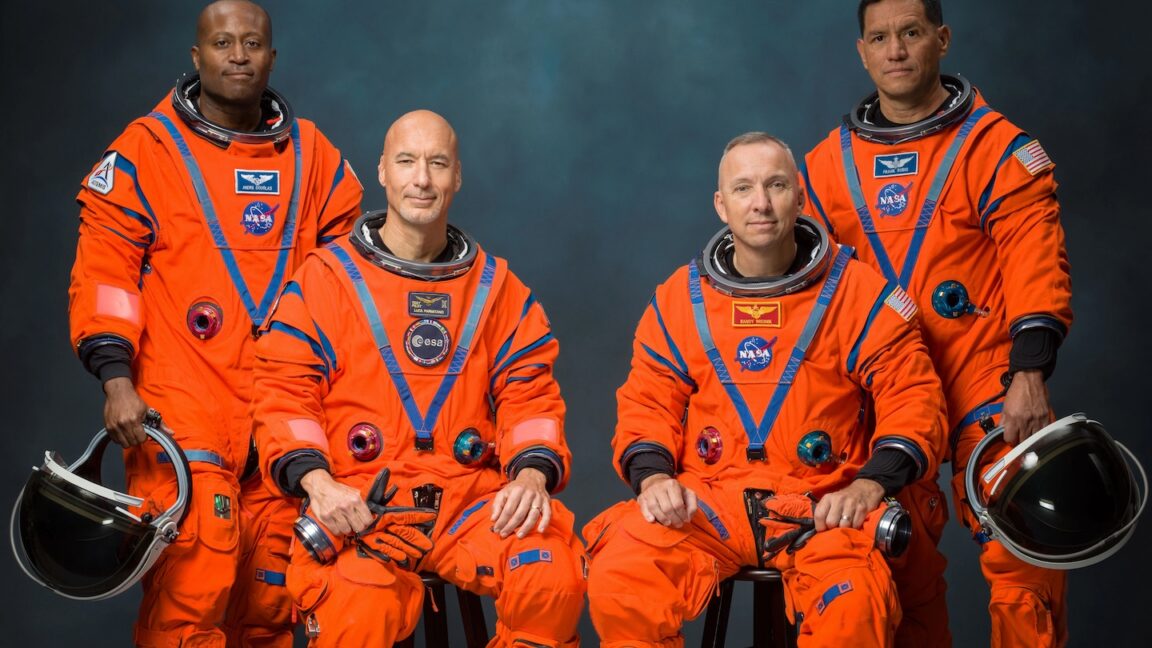
The US space agency unveiled the crew for its Artemis III mission on Tuesday during an enthusiastic event at Johnson Space Center in Houston.

For this spaceflight into low-Earth orbit, which will see the Orion spacecraft rendezvous and dock with lunar lander prototypes, NASA chose an experienced, all-male crew with military backgrounds. They were revealed inside a darkened Teague Auditorium where hundreds of friends, family members, and NASA employees cheered enthusiastically.

The four crew members are:

Read full article

Comments

© NASA

  •  

The fastest humans in the galaxy just got a spiffy patch to prove it

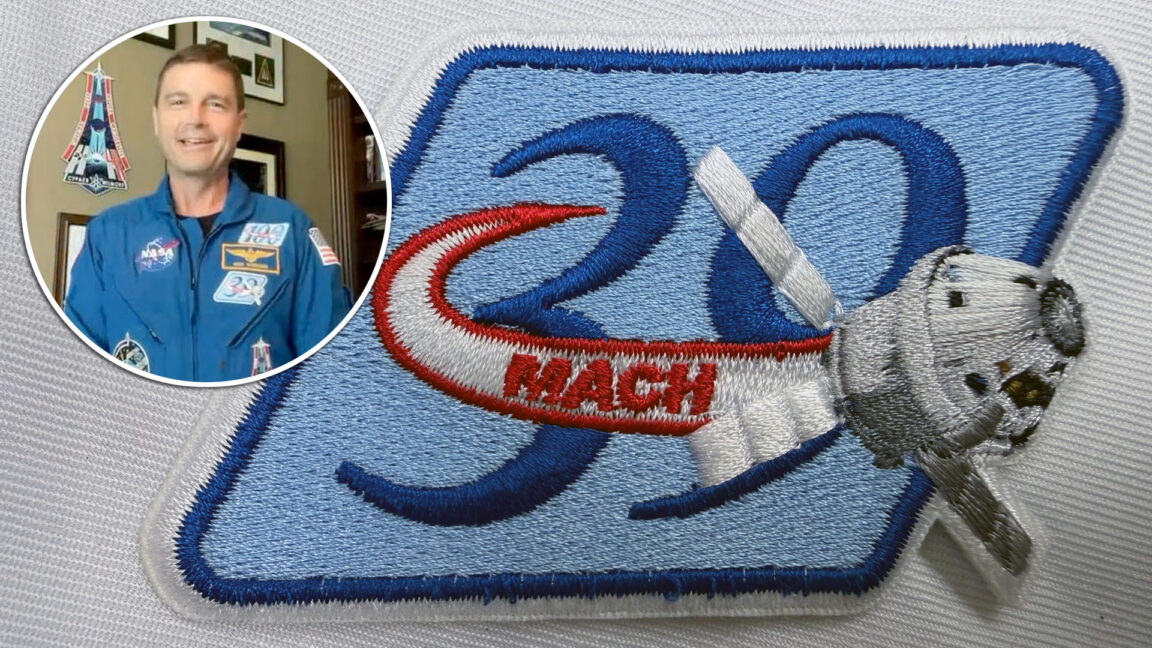
NASA's Artemis II crew are the fastest people alive, and now they have the patch to prove it.

Mission Commander Reid Wiseman, pilot Victor Glover, and mission specialists Christina Koch and Jeremy Hansen (the latter with the Canadian Space Agency) spent 10 days in early April flying by the Moon. Their journey took them farther away from Earth than any humans have gone (52,756 miles [406,771 km]) and then, on the way back on board their Orion spacecraft Integrity, they sped up to about 24,664 miles per hour (39,693 k/ph) reentering the atmosphere.

Only three other people in history have traveled faster. NASA's Apollo 10 astronauts Thomas Stafford, John Young, and Eugene Cernan set the record for the highest speed attained by a crewed vehicle relative to the Earth's surface: 24,791 mph (39,897 kph) on May 26, 1969.

Read full article

Comments

© Reid Wiseman/A-B Emblem/collectSPACE

  •  
❌