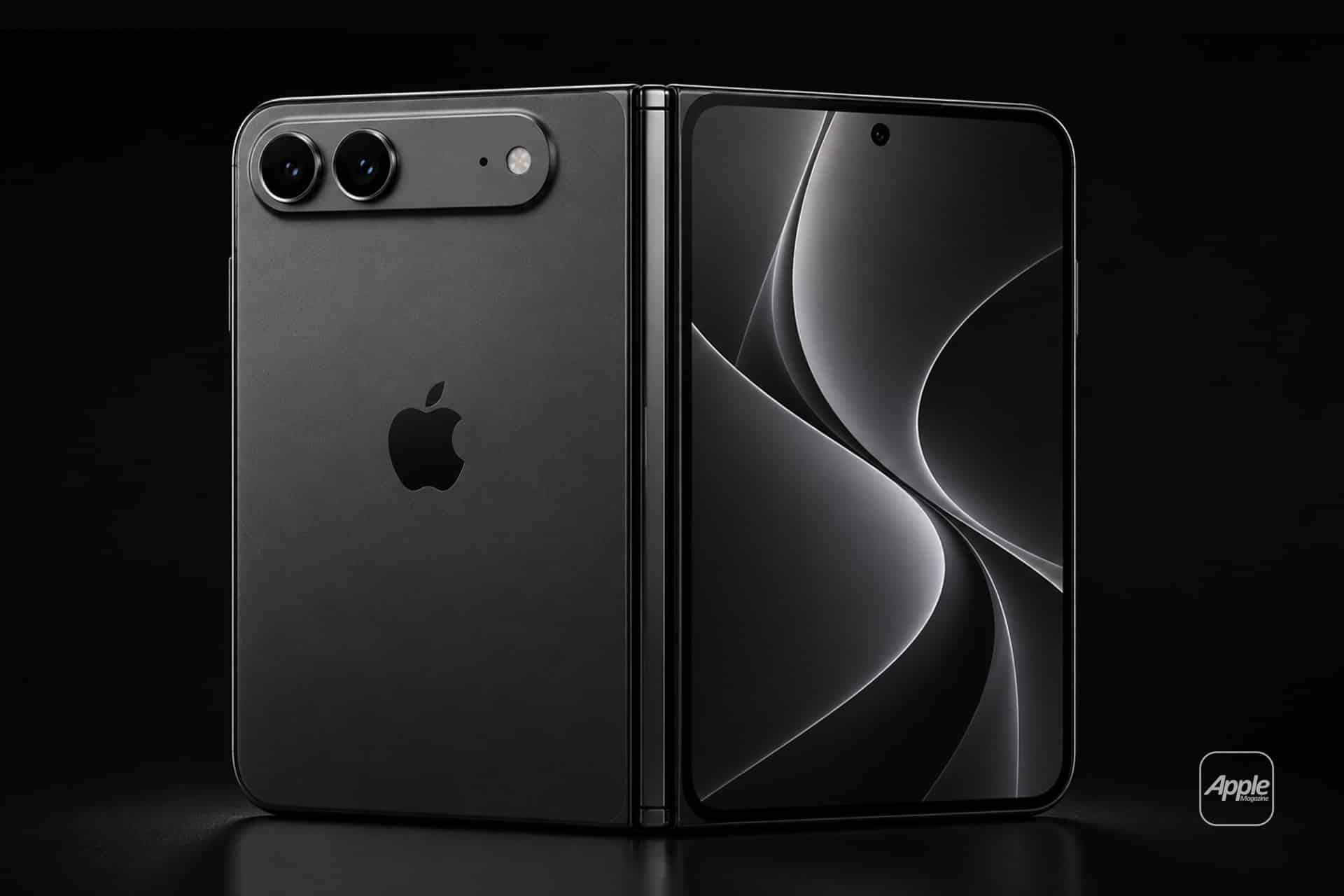
Apple’s rumored iPhone Duo and Samsung’s Galaxy Z Fold8 are taking different approaches to one of the biggest visual challenges in foldable phones: the display crease.
According to a video comparison published by technology journalist Joanna Stern on September 10, the two foldable phones show surprisingly similar crease performance when viewed straight on, although differences become easier to spot when the displays are tilted toward a light source.
iPhone Duo and Galaxy Z Fold8 Show Subtle Creases
Stern’s 18-second comparison video shows both phones running the same New Things webpage with their displays set to maximum brightness. The devices are then viewed from several angles to highlight how the center of each foldable screen reflects light.
When viewed directly from the front, the central crease on the iPhone Duo is difficult to distinguish. The Galaxy Z Fold8 also appears relatively smooth from this angle, although a narrow reflection can become visible when the phone is moved.
The difference becomes more noticeable when either device is tilted toward a light source. Under those conditions, the fold area catches reflections and makes the crease easier to identify.
This suggests that crease visibility is not determined solely by the physical shape of the display. Surface treatment, internal support materials and the way a panel handles reflections can all affect what users actually see in everyday use.
iPhone Duo Uses a Nano-Texture Inner Display
Apple is reportedly taking a surface-focused approach with the iPhone Duo.
The 7.6-inch inner display is said to feature a nano-texture surface treatment designed to reduce glare and reflections. By limiting reflected light, the finish could also make the central fold less visually obvious in bright environments.
That could be particularly useful when using the large inner screen near windows, outdoors or under strong overhead lighting, where reflections can make even a relatively shallow crease stand out.
However, reducing reflected light is not the same as eliminating the physical fold. The display still needs to bend repeatedly, so the underlying crease remains an important part of the engineering challenge for Apple’s first foldable iPhone.
Galaxy Z Fold8 Takes a Structural Approach
Samsung is using a different strategy with the Galaxy Z Fold8.
The phone reportedly uses Samsung’s Flex Titanium structure, which combines a titanium alloy film with a titanium plate beneath the foldable display. The structure is intended to provide additional support to the flexible panel while helping reduce the visual impact of the crease.
Samsung also equips the Galaxy Z Fold8 with an anti-reflective main display. This is important because reflected light can exaggerate the appearance of a fold, particularly when the screen is viewed from an angle.
In other words, Samsung’s approach combines structural reinforcement and reflection control, while Apple’s reported solution puts more emphasis on the display’s surface treatment.
Which Foldable Has the Better Crease?
Based on the short comparison, neither phone appears to completely eliminate the crease. Instead, both manufacturers seem to be focusing on making it less noticeable during normal use.
The iPhone Duo’s nano-texture treatment could give it an advantage when reflections are the main reason the crease becomes visible. Meanwhile, Samsung’s Flex Titanium construction addresses the physical support of the folding panel while its anti-reflective display helps reduce distracting reflections.
The more meaningful comparison will likely come after both phones have been used for a longer period, especially as foldable display technology continues to evolve. Viewing a brand-new foldable at different angles can show how noticeable the crease is, but it does not reveal how the display will perform after thousands of folding cycles.
iPhone Duo vs Galaxy Z Fold8: Early Takeaway
The reported comparison suggests that Apple and Samsung are approaching foldable display creases from slightly different directions. Apple appears to be using display surface technology to reduce glare and improve visual uniformity, while Samsung is combining a reinforced internal structure with an anti-reflective screen.
For users, the practical difference may be less about completely removing the crease and more about how easily it disappears during everyday viewing.
The iPhone Duo’s final display design, crease performance and other specifications remain subject to official confirmation. A longer hands-on comparison will ultimately provide a better indication of which foldable delivers the cleaner-looking inner screen.
iPhone 18 launch, Apple Park, iPhone 18, iPhone 18 Pro, iPhone 18 Pro Max, iPhone Ultra, foldable iPhone, Apple event, September event, John Ternus, Steve Jobs Theater, iOS 27, iPhone camera, variable aperture, liquid metal hinge, foldable display, hands-on event, product launch, Cupertino, smartphone news
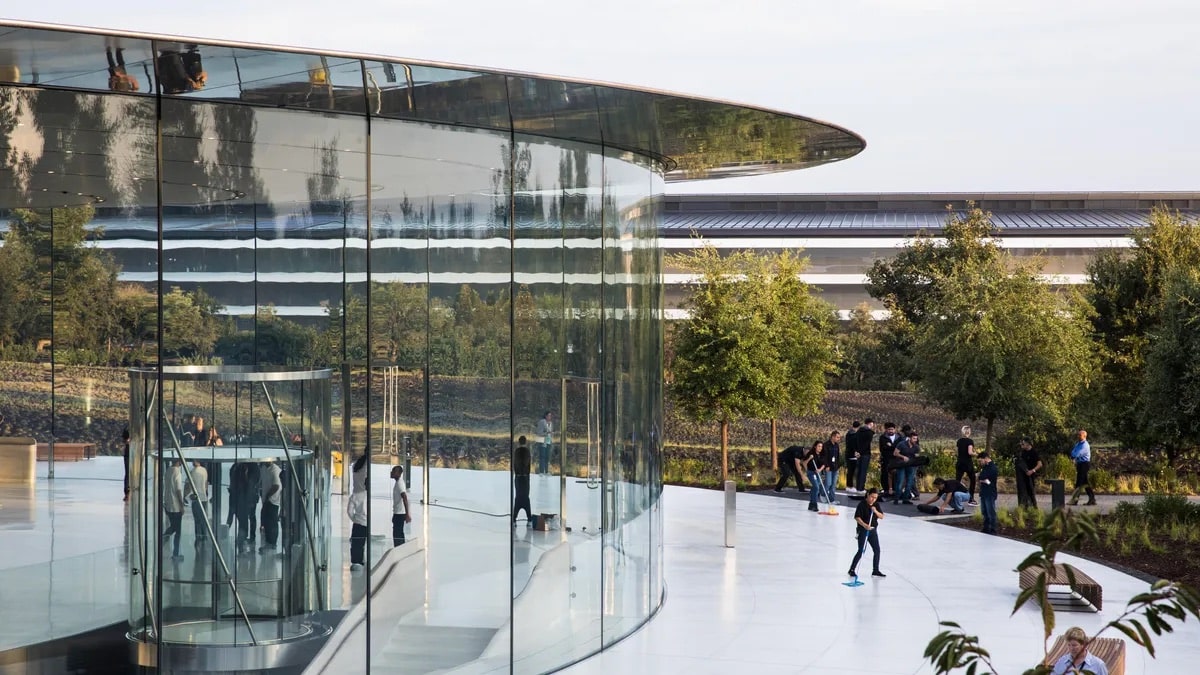
The iPhone 18 launch is turning Apple Park into more than a stage for Wednesday’s presentation. The September 9 Apple event already carries unusual expectations around a possible foldable iPhone, a new generation of Pro cameras, and John Ternus’ first major product introduction as CEO. Reports of additional event staff now suggest that the experience awaiting invited media could be larger and more demanding than a conventional iPhone demonstration.
The official event announcement confirms that “Surprise and shine” begins September 9 at 10 a.m. Pacific Time, with worldwide streaming through apple.com, Apple TV, and YouTube. The invited audience will attend from Apple Park, but the increased activity surrounding the event does not necessarily mean that the company will abandon its carefully produced video format for a completely live keynote.
A polished presentation can explain specifications, introduce software, and display new hardware from perfect angles. It cannot reproduce the first sensation of opening a foldable screen, examining a crease under direct light, testing a mechanical hinge, or watching a camera respond as the lighting changes. Those moments happen after the main presentation, inside the hands-on areas where early opinions begin to form.
Apple Park Scales Up for the iPhone 18 Launch
The first indication of a larger operation arrived through an internal program for US retail employees. According to reporting distributed by Bloomberg, store employees were invited to enter a lottery for positions supporting the in-person unveiling.
Selected employees were expected to organize lines, check in guests, provide directions, welcome attendees, and assist security teams. Employees who participated in WWDC 2026 or the iPhone 17 event were reportedly excluded, allowing another group of retail workers to experience the launch.
The existence of the lottery does not prove that the keynote itself will return to a traditional live-stage presentation. Apple has previously recruited retail employees to support events, and the company has not disclosed how many people were selected this year.
It does confirm that the Apple Park gathering requires a substantial customer-facing operation beyond the team producing the presentation. Retail employees already know how to direct visitors, explain products without overwhelming them, manage queues, and identify when someone needs technical help.
Those skills become particularly useful during an event attended by journalists, photographers, analysts, creators, and international guests, all trying to reach the same devices within a short period. Additional staff can prevent the hands-on area from becoming a crowded ring around a few demonstration tables.
The iPhone 18 launch may also require more movement between specialized spaces. A conventional phone can be displayed in rows according to color or size. A foldable model needs room for repeated opening and closing, interface demonstrations, durability questions, and comparisons between its exterior and interior screens. Camera testing requires a different environment again.
Apple Park does not need to undergo a permanent architectural transformation for that expansion. Modular tables, managed lighting, guided demonstrations, additional charging equipment, and more employees can significantly enlarge the experience around Steve Jobs Theater for a single afternoon.
Image Credit: AppleMagazine
A Foldable iPhone Needs a Different Kind of Demo
The rumored iPhone Ultra is likely to attract the longest lines if it appears on Wednesday. It would represent the first substantially new iPhone form factor since the current full-screen design became established, and its appeal cannot be communicated through processor charts alone.
Visitors will want to know how the hinge feels at different angles, whether the device stays open when partially folded, how much pressure is required to close it, and whether both sides align evenly. They will inspect the central folding area under bright light and move a finger across the display to determine whether the crease is visible, noticeable by touch, or effectively hidden during normal use.
Display stress remains one of the most difficult engineering problems in the foldable category. TrendForce’s analysis of foldable display technology explains that crease reduction depends on controlling stress across the panel’s multilayer structure. Ultra-thin glass, optically clear adhesive, support plates, and the position of the display’s neutral layer can all influence how the screen behaves after repeated folding.
Reports have associated the iPhone Ultra with a liquid-metal hinge and a virtually creaseless internal display, but neither detail has been announced. Even if the production device resembles those descriptions, “virtually creaseless” will remain a subjective claim until people can examine the screen from different angles and under different lighting conditions.
Apple will consequently need demonstration units that are fully accessible rather than fixed behind stands. A journalist should be able to fold the device repeatedly, rotate the internal display, type with the phone partially open, and watch iOS 27 transfer an activity between the exterior and interior screens.
Those interface transitions could be as revealing as the physical hardware. A larger display gains value when an app can reveal another column, create a more capable workspace, or reposition controls without simply enlarging the standard iPhone interface.
Demonstrators may need to direct visitors toward examples that reveal those differences within the limited time available. Mail, Maps, Photos, Safari, video calling, document editing, and drag-and-drop workflows could communicate the benefit of the larger display faster than a static home screen.
The hands-on area must also answer durability questions without pretending that a few minutes can replace months of ownership. Hinge resistance, protection around the folding axis, weight distribution, screen reflections, and off-center visibility can be judged immediately. Long-term wear, dust resistance, and thousands of folding cycles cannot.
Camera Testing Could Become Part of the Event
The Pro camera system is expected to receive one of the lineup’s most technical hardware changes. Previous iPhone 18 Pro camera reporting has centered on a mechanical or variable aperture, which could physically alter the amount of light passing through the main lens.
A conventional fixed-aperture smartphone camera manages exposure through shutter speed, sensor sensitivity, computational processing, and other electronic controls. A mechanical aperture can change the physical opening through which light reaches the sensor. Depending on its design, that could provide additional control over exposure, depth of field, highlights, and the appearance of subjects at different distances.
Current pre-event iPhone 18 expectations indicate that the feature may be exclusive to the iPhone 18 Pro Max, although its final availability will remain uncertain until the presentation.
A normal demonstration table would reveal little about such a camera system. Effective testing requires contrast, motion, faces, reflections, foreground objects, and meaningful changes in brightness.
Apple has previously used prepared scenes to demonstrate cameras, making controlled lighting stations a reasonable possibility for the iPhone 18 launch. No dependable report has confirmed that a dedicated photography pavilion or a particular new installation has been constructed for Wednesday, however.
A useful setup would allow creators to move between bright and dim areas while watching the aperture respond. A foreground object positioned near a person could demonstrate changes in depth of field. Directional lights could reveal highlight handling, while a darker scene could test whether the physical aperture works smoothly with computational photography.
Video creates another challenge. Any aperture adjustment during recording must appear gradual rather than causing sudden jumps in exposure or background separation. If manual control is available, photographers will immediately look for the number of supported aperture positions and whether a chosen setting can be locked before recording.
These demonstrations would offer the in-person audience something that cannot be reproduced during the stream. The presentation can display carefully selected photographs and video clips, but activity around the camera stations will reveal how quickly professionals understand the controls and whether the results remain convincing outside a prepared promotional sequence.
John Ternus Faces His First Apple Park Test
Wednesday’s event will be John Ternus’ first major product launch as CEO. That creates an unusual balance between continuity and change. The campus, production team, executives, and controlled demonstrations remain familiar, while the person responsible for the final message has changed.
Ternus does not need to replace every established event practice during his first days in the role. A larger in-person component would let him place more attention on direct product experience without sacrificing the timing and visual precision of a prerecorded presentation.
A live welcome, appearances around the campus, and extended media access after the video could establish his presence without forcing the event into an entirely different format. His background in hardware engineering also makes this a suitable launch for more detailed demonstrations, particularly if the lineup includes a new hinge, display construction, or mechanical camera component.
The hardware surrounding the iPhone 18 launch will test how well the company explains unfamiliar decisions. A foldable iPhone must justify its size, construction, software behavior, and likely premium price within minutes. The Pro camera must demonstrate an advantage that remains visible after computational processing. Accessories must protect new shapes without making them unpleasant to hold.
Retail employees working at Apple Park can observe those reactions closely. They will hear which controls require an explanation, which accessories create hesitation, and which claims prompt the same questions repeatedly. That experience can return to stores before customers begin arriving for demonstrations of their own.
The Hands-On Area Becomes the Real Examination
Apple controls every frame of its presentation video, but it cannot control every observation made after the screens turn off. A foldable display will be photographed from difficult angles. Its hinge will be opened hundreds of times. Camera samples will be compared before visitors have left Apple Park. Any awkward transition, reflection, or confusing control will circulate within minutes.
This makes the in-person operation more demanding than a larger guest list might suggest. Every demonstration unit must remain charged, connected, clean, updated, and ready for the next visitor. Foldable devices may require closer inspection between sessions, while camera areas need staff who understand both the feature and the conditions created to demonstrate it.
The employees around those spaces should provide enough guidance to help visitors locate unfamiliar features without turning every interaction into another scripted presentation. Excessive control makes a demonstration feel artificial; too little creates confusion and crowded tables.
Apple Park therefore becomes a second launch platform after the worldwide stream. The video introduces the products, while the hands-on area exposes them to fingers, lenses, questions, and immediate judgment. By Wednesday afternoon, the questions repeated most frequently around those demonstration tables may offer the first indication of how easily the iPhone 18 lineup can explain itself.
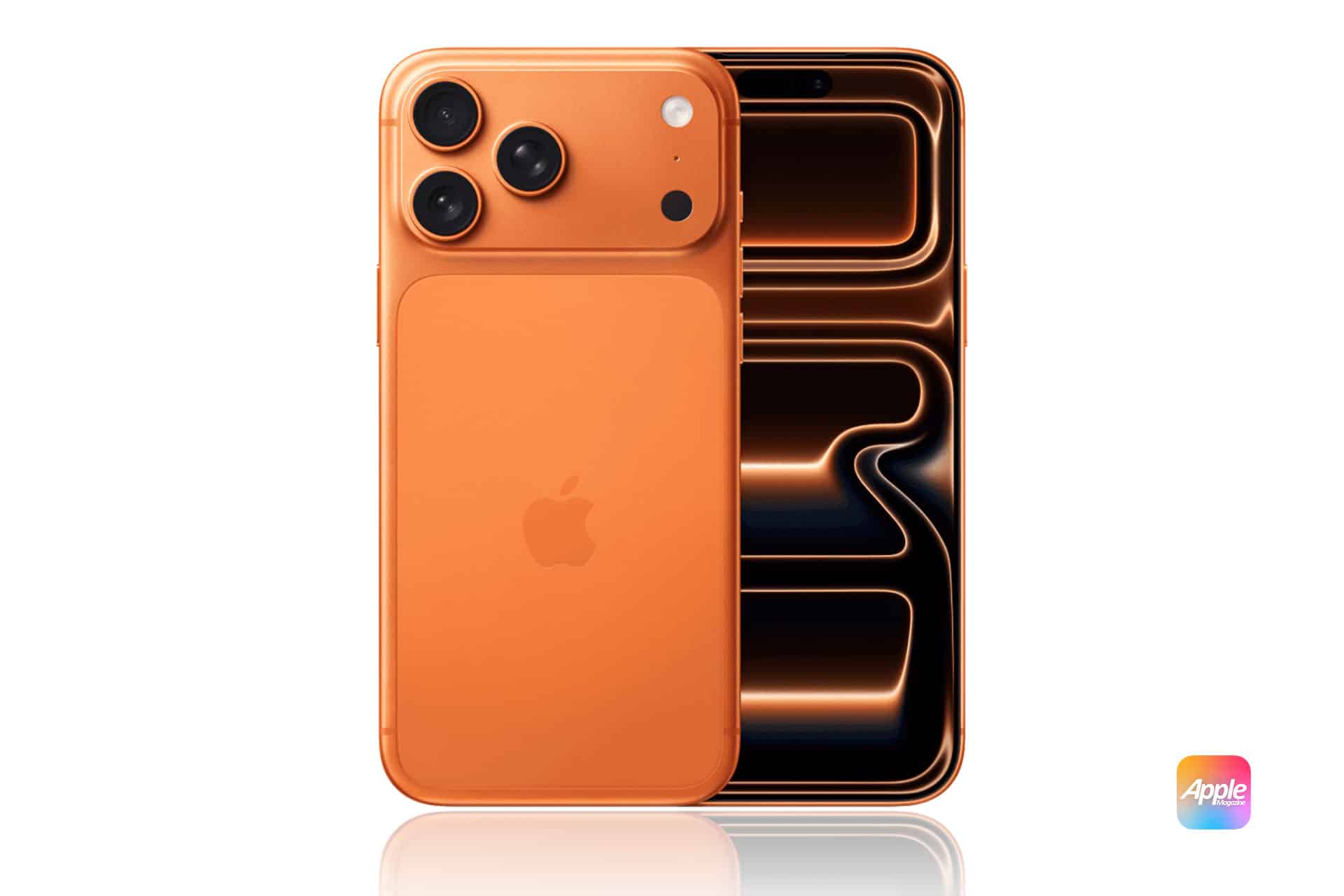
The iPhone Ultra price could establish an entirely new tier within Apple’s smartphone range. Current estimates place the company’s first foldable iPhone above $2,000, with some industry forecasts suggesting an average selling price near $2,500 and higher-storage configurations approaching $3,000.
Apple has not confirmed the device, its name, or its retail price. The iPhone Ultra branding also remains unofficial, although it has appeared repeatedly in reports concerning Apple’s planned expansion beyond the Pro and Pro Max levels.
The foldable is expected to join the iPhone 18 Pro family during Apple’s fall hardware cycle. Rather than replacing the iPhone Pro Max, it would sit above it as a separate model built around a book-style design and a display that expands to approximately the size of a small tablet.
A price beyond $2,000 would make it the most expensive iPhone Apple has released. The current iPhone 17 Pro Max starts at $1,199 in the United States, leaving a difference of at least $800 between Apple’s established flagship and the lowest estimates for the foldable.
Recent projections have pushed that gap even wider. Reports citing analyst Ming-Chi Kuo have discussed a possible range between $2,300 and $2,500, while an IDC estimate cited in supply-chain coverage placed the average selling price at approximately $2,500. Storage upgrades could take selected configurations closer to $3,000.
iPhone Ultra Price Creates a New Flagship Tier
Apple has spent years arranging the iPhone range around a price ladder. Standard models serve the center of the market, while Air and Pro devices address different preferences involving weight, cameras, materials, performance, and display size.
A foldable iPhone would require another level. Its internal display, hinge, structural materials, battery arrangement, and manufacturing tolerances introduce costs that do not exist in a conventional iPhone.
The rumored hardware points to a device intended to combine phone and tablet functions. Reports describe an outer screen measuring about 5.5 inches and an internal display of approximately 7.8 inches. When closed, the product would operate as a compact iPhone. Opening it would provide enough space for larger applications, side-by-side content, expanded video, and an iPad-style software interface.
Apple is reportedly developing interface changes that would let applications take greater advantage of the internal display instead of simply enlarging an iPhone layout. That software work may become one of the main distinctions between the device and existing foldables, particularly if Apple can connect it closely with iPad multitasking conventions.
The hinge is expected to use liquid metal, an amorphous alloy chosen for strength and resistance to deformation. Apple has also reportedly focused on reducing the visible display crease, one of the most recognizable compromises found on current folding phones.
Those elements help explain a premium price without guaranteeing that customers will accept it. A $2,000-plus phone would compete for spending that could otherwise purchase an iPhone and an iPad, a high-end Mac, or several years of conventional smartphone upgrades.
The device would therefore need to offer more than the novelty of a folding screen. Durability, battery life, camera performance, application behavior, repair costs, and long-term display reliability will influence whether buyers view the iPhone Ultra as a versatile computer or an unusually expensive phone.
Costly Engineering Behind the Fold
Rumors suggest Apple may use Touch ID in the side button instead of Face ID. The change would not necessarily represent a retreat from facial authentication across the rest of the iPhone range. A foldable chassis has limited internal space, and eliminating the TrueDepth camera hardware could help Apple manage thickness around the outer and inner displays.
The reported design includes two rear cameras and front-facing cameras accessible in both folded and unfolded positions. That arrangement may leave the iPhone 18 Pro Max with the more extensive photography system, despite the foldable carrying a much higher price.
Such a decision would position the iPhone Ultra around form factor and productivity rather than making it the automatic leader in every specification. Apple has used similar distinctions elsewhere, allowing one product to command a premium for its design while another retains advantages in cameras, battery endurance, or sustained performance.
Display production is another source of expense. Folding OLED panels require flexible materials, protective layers, specialized hinges, and tighter assembly controls. Apple’s reported pursuit of a nearly crease-free screen may increase component costs and reduce early manufacturing yields.
The company is also entering the category after competitors have spent several generations addressing hinge failures, screen damage, dust protection, and application scaling. Arriving later gives Apple access to a more mature supply chain, but its design standards may create additional production challenges.
Industry estimates suggest Apple’s arrival could help raise the average selling price of book-style foldables throughout 2026. Competitors already sell premium folding phones, yet a model priced near $2,500 would push the category further away from mainstream flagship pricing.
Image Credit: AppleMagazine
Apple Upgrade Softens the Monthly Number
Apple Upgrade could make the iPhone Ultra price appear less intimidating at checkout. The Klarna-backed program lets eligible US customers lease selected Apple devices through fixed monthly payments rather than covering the entire retail price upfront.
Current iPhones can be leased for 12 or 24 months. At the end of the term, customers may return the device, move into another eligible Apple product, or pay the remaining amount required to keep it.
That structure can produce lower monthly payments than traditional financing because the customer is not necessarily paying the entire purchase price during the lease. Part of the product’s value remains in the device at the end of the agreement.
A future iPhone Ultra could fit naturally into this model. Its high retail price and expected resale value would give Apple and Klarna room to separate the cost of using the phone for two years from the cost of owning it permanently.
No monthly figure has been announced for the foldable. Apple cannot price an Apple Upgrade lease until it establishes the phone’s retail cost, residual value, eligible term, and trade-in conditions. A simple calculation that divides $2,000 or $2,500 by 24 months would therefore be misleading.
The monthly charge may be considerably lower than a standard purchase installment, but the customer does not automatically own the iPhone after making the scheduled lease payments. Keeping it requires an additional payment based on the remaining value specified by the agreement.
AppleCare+ is also separate from the current Apple Upgrade lease price. That differs from the former iPhone Upgrade Program, which bundled AppleCare+ coverage into its monthly payments. Protection could be particularly relevant for an expensive first-generation foldable containing a flexible display and complex hinge.
Trade-in credit may reduce the monthly charge, while storage selection would push it higher. Sales tax, cellular service, accessories, and optional protection would remain additional costs. Apple Upgrade changes when and how customers pay, but it does not turn a $2,000-plus product into a lower-priced iPhone.
Limited Supply Could Intensify Early Demand
Apple is reportedly preparing millions of foldable units, but production may be heavily weighted toward the final months of 2026 and 2027. Supply-chain estimates have ranged from 7 million to 10 million devices, with different reports using different production periods and assumptions.
The foldable may be announced alongside the iPhone 18 Pro and iPhone 18 Pro Max but reach customers later. That would resemble the 2017 launch of the iPhone X, which was introduced with the iPhone 8 family in September and released in November.
A delayed retail date would give Apple more time to accumulate inventory while preserving the device’s place in its fall presentation. It could also place the iPhone Ultra into the holiday quarter with considerable demand concentrated around a relatively small supply.
High pricing does not necessarily prevent shortages during the first weeks of an Apple product launch. Early adopters, developers, collectors, and customers waiting specifically for an Apple foldable represent a smaller audience than the conventional iPhone market, but they may still outnumber the units available at release.
Apple Upgrade could add another source of demand by replacing the full retail figure with a monthly lease price inside the Apple Store. That presentation may make the phone accessible to customers who would reject a $2,500 purchase while accepting a recurring payment and returning the device later.
Kuo expects only 500,000 to 1 million foldable iPhones to ship during the third quarter, a supply level that could push some deliveries four to six weeks beyond the opening preorder window.

 Login