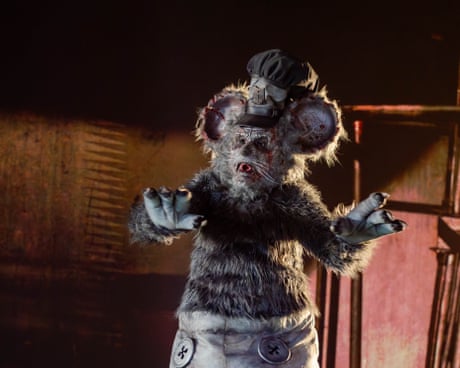
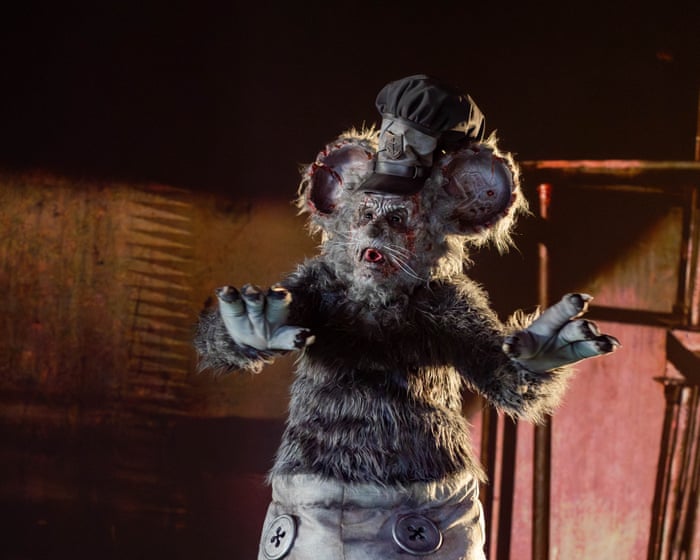
The Toronto International Film Festival is a place to go to see the future of film, but this year it also provided a glimpse at what is coming very soon in the realm of streaming. Four different streamers - Peacock, Netflix, Amazon, and AMC - all premiered early looks at upcoming horror-adjacent series that are dropping very soon. And by doing it at TIFF, they showed just how important the month of October has become in the realm of streaming.
Perhaps the most high-profile is Carrie, which is coming to Prime Video. An adaptation of the classic Stephen King novel, which has already been turned into no fewer than three feature films, this ver …
Christopher Nolan's engrossing take on The Odyssey dominated at the box office and spurred a newfound interest in classic literature among filmgoers. But a new retelling of the story made entirely with AI is so bad that it might just make viewers hate the original tale altogether.
The new film, called Odysseus: The Fall, comes via AI firm Fountain 0 and is written and directed by company cofounder Ash Koosha, who also lent his likeness to the title character and created all of the music. (The film's credits are very short.) The studio's only previous work is an AI film called Dreams of Violets that made it into Tribeca earlier this year. Th …
When Paul W.S. Anderson's Resident Evil hit theaters in 2002, video game movies were largely seen as a niche. Films like Mortal Kombat and Tomb Raider had proven that big-screen game adaptations could be successful, but the commercial and critical failure of projects like the 1993 Super Mario Bros. still cast a long shadow. And while Anderson's vision of Raccoon City might have captivated audiences on the whole, many hardcore fans of Capcom's games were left disappointed by the way the original movies wildly deviated from the source material.
Weaponsdirector Zach Cregger's new take on Resident Evil is a return to the franchise's fundamenta …
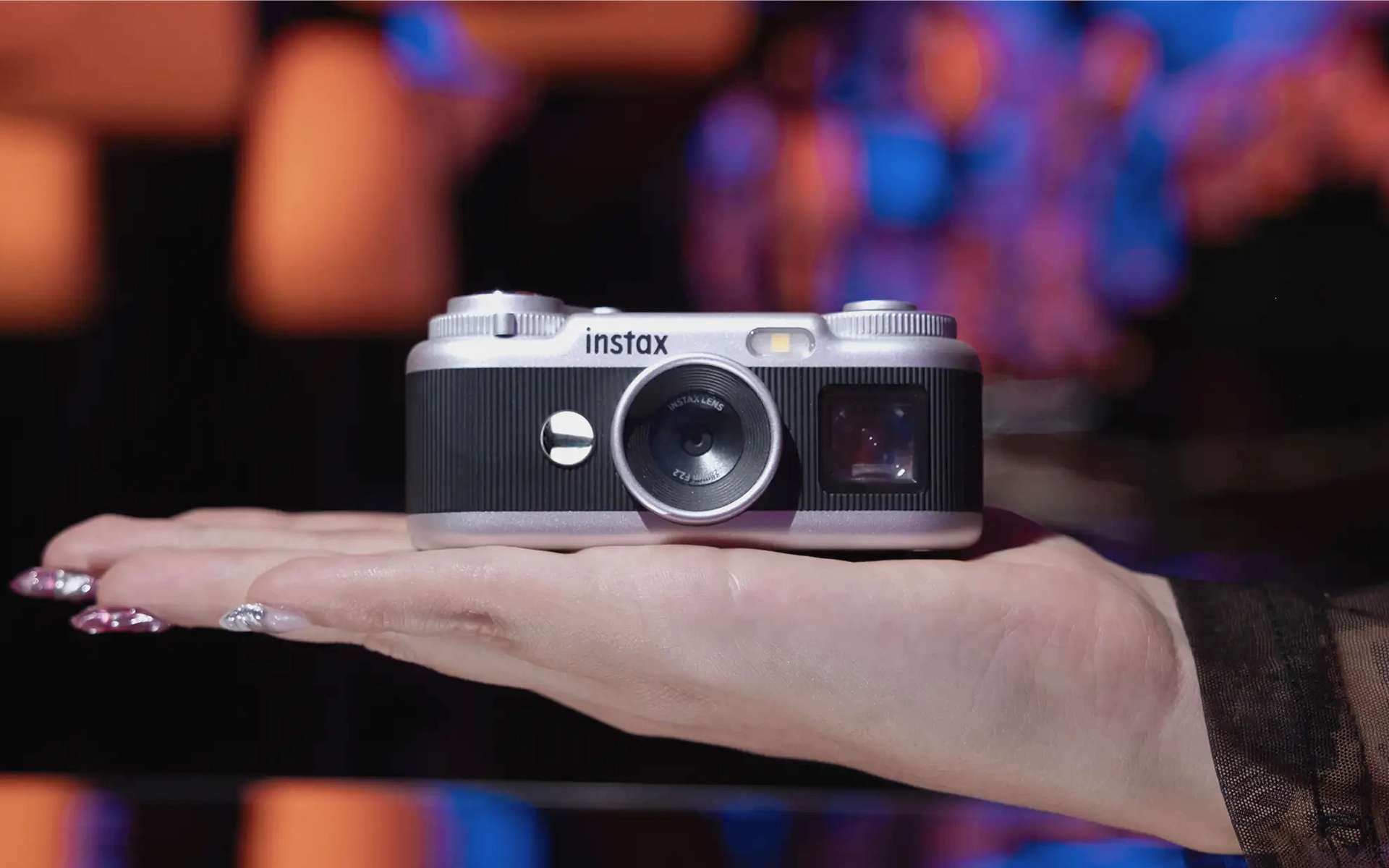
L’Instax Pal avait surpris par son format pour le moins inhabituel. Pour sa deuxième génération, Fujifilm change de formule et mise cette fois sur un design plus proche des appareils photo traditionnels, tout en conservant un format compact.
From a cappy-cafe owner in Japan to an escaped capybara in the UK, this homespun film takes the temperature of an international obsession
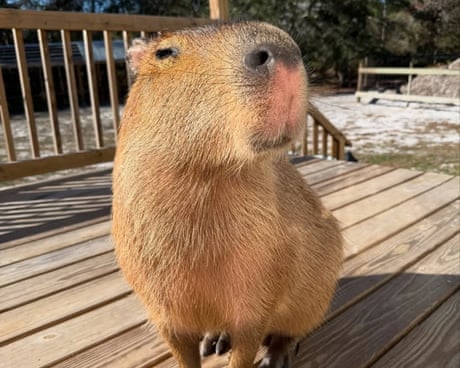
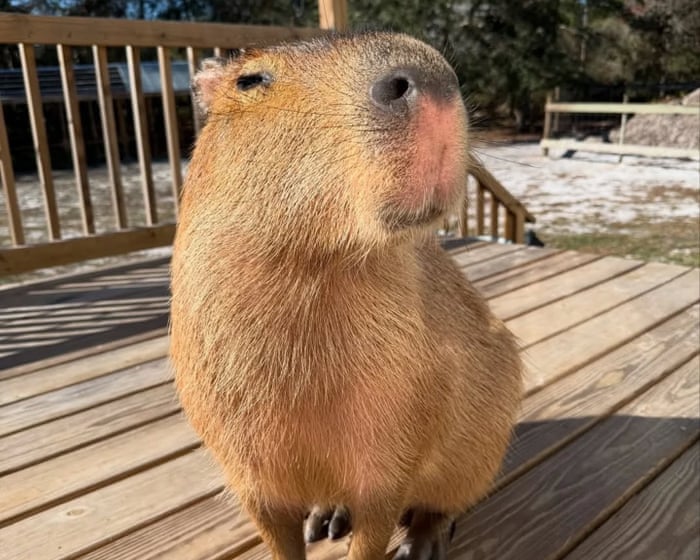
One of Midlands-based film-maker Sharon Walia’s previous works was The Keepers of the Pigs, proudly described on her production company’s website as “the first ever documentary about guinea pigs”. So it makes zoological sense that her latest film takes on capybaras, guinea pigs’ ridiculously cute semi-aquatic cousins that are indigenous to Latin America, and relatively recently became ubiquitous on social media in memes and short films alike. As glimpsed here, there was even a capybara in the recent Academy Award-winning animated feature Flow, some pro-cappy boosterism that captured the creatures’ chill vibe and snuffly sweetness.
Walia’s celebration of the species stays on script, rejoicing in the animals’ natural geniality, friendliness to other species in their natural habitat, and their compelling, remunerative charm that seems to have bolstered the fortunes of several animal attractions around the world.
Digital-age Australian psychodrama tracks the shut-in mania of dangerously disaffected male fan, but doesn’t get inside his mind
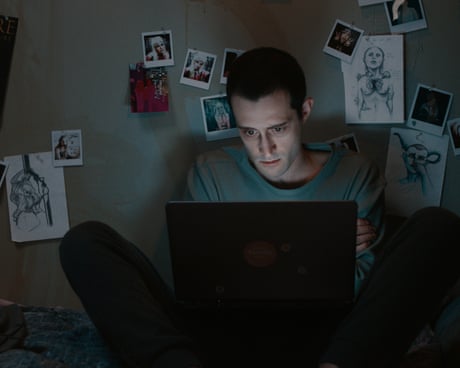
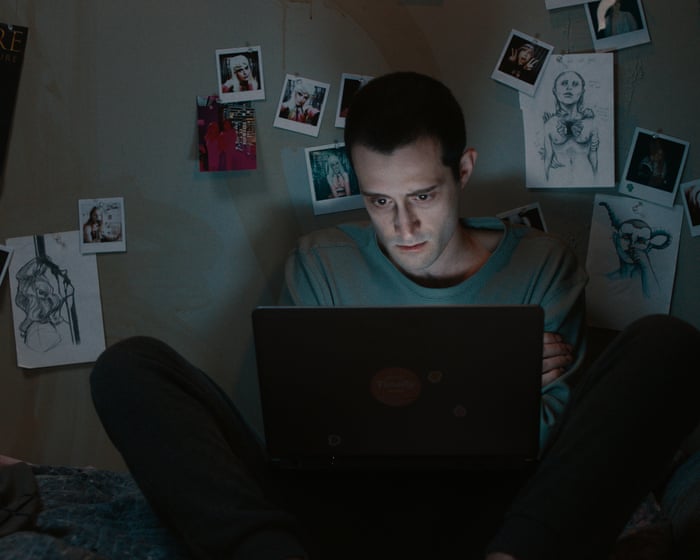
If the parasocial phenomenon is a kind of hell, then Max Wren, protagonist of this Australian digital-age psychodrama, resides in the ninth circle. Self-barricading in a basement room surrounded by screens, working on a documentary about the object of his disaffection (an enigmatic influencer called Lenore), this obsessive shut-in makes Eminem’s Stan look like the Dalai Lama. Touching on subjects including the attention economy, the male gaze, and incel isolation and misogyny, director David Ward feels both Max and Lenore’s pain. But his ungainly debut film doesn’t fully transcend its stage origins to capture the splintered headspace of the terminally online.
Like films about fictional pop stars that feature unconvincing music, it doesn’t help that the quickfire résumé of Lenore’s career only half-conveys her magnetism. A one-time beauty influencer called Veronica Brand, she later graduates to more extreme performance art-type stunts, such as livestreaming her miscarriage; a move that, spliced without her knowledge into a children’s TV broadcast, forced her into hiding. But this performative vulnerability, including hints of her abusive dad, apparently won her legions of OnlyFans-style acolytes. Not just Max, but also his colleague Sam (Sam Macdonald), a brash interloper outraged to find he was nothing special to Lenore and who turns up at Max’s door offering exclusive footage of her.
Tech mogul calls director Alex Gibney a ‘bitter old man’ who has ‘zero integrity’ in series of posts on X
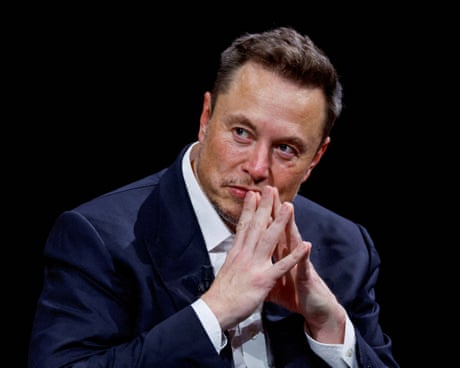
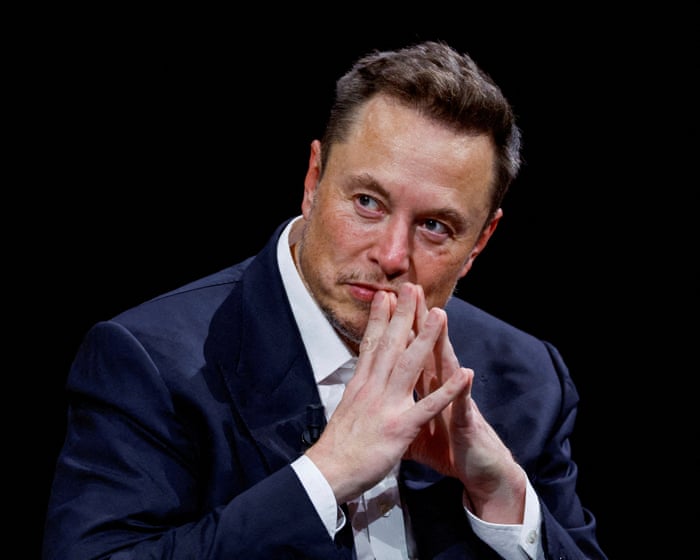
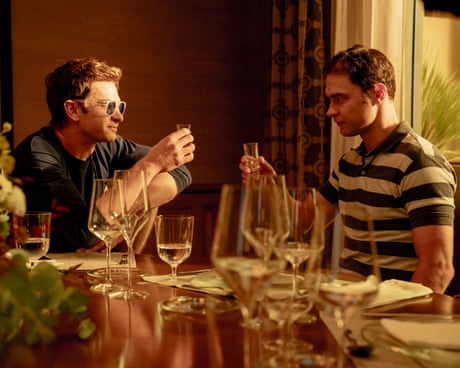
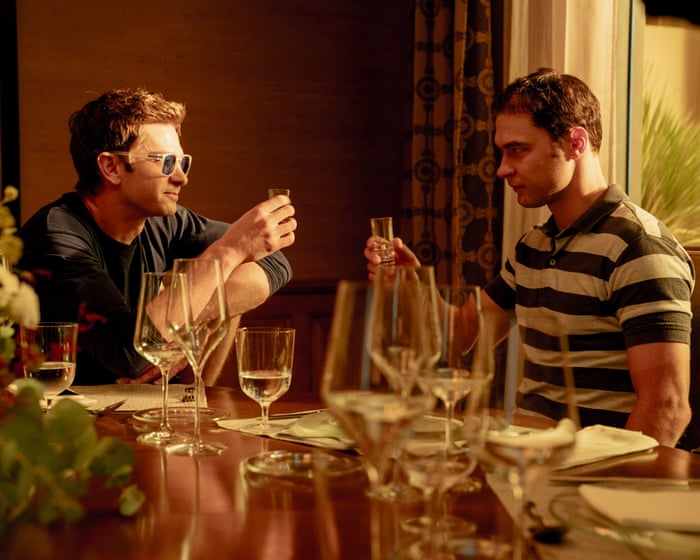
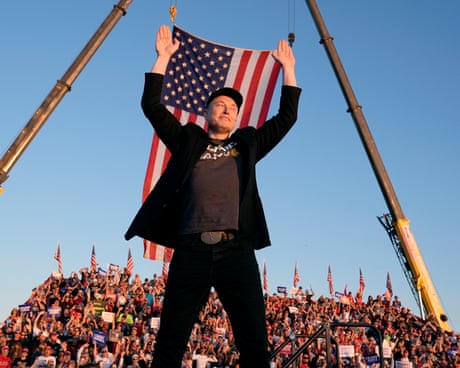
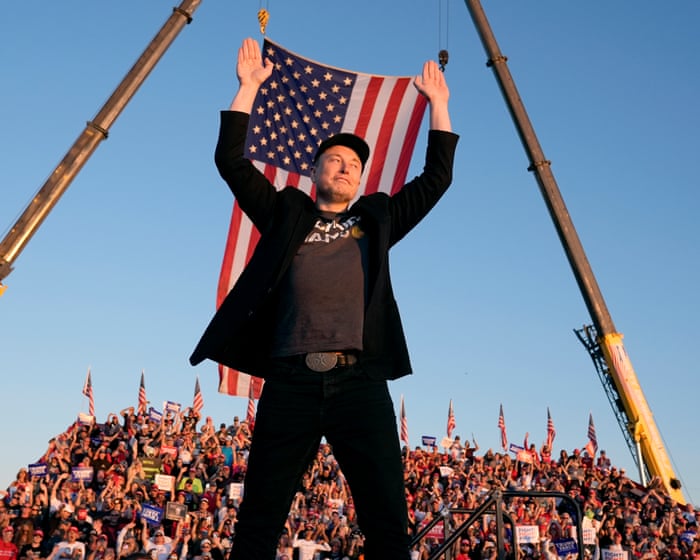
Elon Musk has issued an angry tirade at the film-maker behind a four-hour documentary about his life and influence, labelling the director, Alex Gibney, a “bitter old man” who has “zero integrity”.
Gibney, who has previously made films about the collapse of Enron, WikiLeaks and Vladimir Putin, premiered his Musk documentary at the Venice film festival this week. He said he believed the world’s richest man was “extremely dangerous”.
Alex Gibney’s marathon documentary delivers numerous eye-raising insights into the broligarch’s business deals, early idealism and apocalyptic appetite for fathering children
Veteran documentarian Alex Gibney’s film about the richest broligarch on the planet has been one of the most eagerly anticipated films at the Venice film festival this year. The Oscar-winning 72-year-old, who has in previous films taken on the US military, the Catholic church, Vladimir Putin and Scientology, has been investigating the tech tycoon’s ascent and speaking to people in his orbit since late 2022, before his Maga turn and Trump 2.0.
The result clocks in at just under four hours and presents a comprehensive answer to how on earth one man managed to amass so much money and political influence. It is shocking less for any individual new pieces of information Gibney has unearthed than for its totality. Here are six things the film tells us:
The first teaser trailer of Luca Guadagnino’s Artificial has been released.
After being dropped by Amazon MGM Studios in June, the biopic of the OpenAI tech executive Sam Altman will be released in the US on 25 December by Neon after it premieres at the New York film festival this October.
Venice film festival: Alex Gibney interviews former colleagues, wives, the trillionaire’s father and a CG avatar in this absorbing documentary
‘Elon is a nuke.” The speaker is Ashley St Clair, a former conservative Maga influencer and one of Elon Musk’s former girlfriends-slash-baby mommas.
She is a fascinating expert witness in Alex Gibney’s four-hour epic study of the world’s richest and dullest man: the overgrown brattish South-African-born trillionaire plutocrat, ersatz visionary and Trump courtier who owns Tesla cars, SpaceX rocket ships, Starlink satellites on which nation states’ military capabilities are increasingly reliant, X (formerly Twitter) which shapes the collective incel id of billions and GrokAI whose vast server farms daily guzzle oceans of precious water.
Power cable linking UK and Ireland now passes near Bronze Age human burial remains instead of fictional grave on Welsh beach
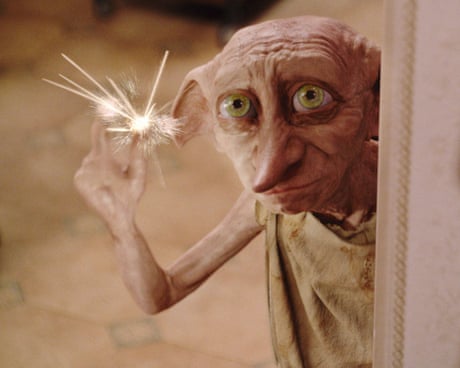
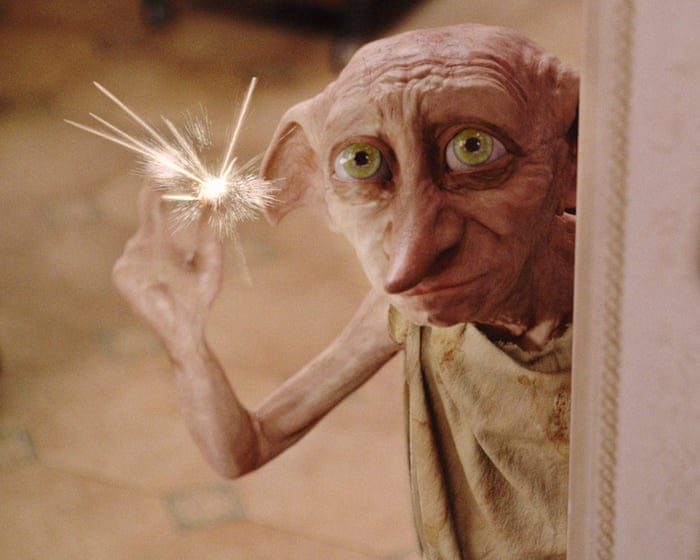
Harry Potter fans have forced a new multimillion-pound power cable between the UK and Ireland to be relocated after complaining it would desecrate the “grave” of Dobby, a fictional elf.
The character was laid to rest on Freshwater West beach in Pembrokeshire, Wales, in the film Harry Potter and the Deathly Hallows. Fans of the wizard series come to leave stones reading “Here Lies Dobby” despite being asked not to by the land owner, the National Trust, because the beach is an ecologically sensitive site.
Bonfire series planned for Apple is no longer proceeding at the streaming service, ending the latest attempt to transform Tom Wolfe’s The Bonfire of the Vanities into an episodic television drama.
The project had assembled a notable creative team. David E. Kelley was attached to write and executive produce, while The Batman director Matt Reeves was expected to direct the eight-episode adaptation and serve as an executive producer through his 6th & Idaho Productions company.
Warner Bros. Television was producing the series, with Sarah Geismer representing 6th & Idaho and Matthew Tinker participating through David E. Kelley Productions.
According to industry reports, Apple and the creative team were not aligned on the direction of the adaptation. Kelley was also reportedly dissatisfied with how the development process had been handled. The exact source of the disagreement has not been disclosed.
Apple has not announced the project as a formal cancellation, and it never received a public premiere date or cast. Its departure from Apple instead ends one stage of development while leaving Warner Bros. Television with the possibility of taking the adaptation elsewhere.
Tom Wolfe’s | Image Source: Google
Apple Ends the Project After Four Months
News of the Bonfire series first emerged in April 2026. Kelley was expected to write the adaptation after working with Apple on Presumed Innocent and Margo’s Got Money Troubles, while Reeves would direct after completing his existing film commitments.
The partnership appeared well suited to a complicated literary adaptation. Kelley has extensive experience turning novels into television dramas, including Big Little Lies, The Lincoln Lawyer, Nine Perfect Strangers, Presumed Innocent, and Wolfe’s A Man in Full.
Reeves brought a different set of strengths. His work on The Batman, Dawn of the Planet of the Apes, War for the Planet of the Apes, and Cloverfield demonstrated his ability to handle large casts, morally compromised characters, and cities presented as active elements of the story.
The arrangement also connected Warner Bros. Television with Apple’s preference for recognizable creators and established literary properties. Wolfe’s novel offered a prestigious title, a large ensemble, and a view of New York society that could support a limited-series structure.
The development reportedly lasted only a few months before the creative relationship broke down. No actors had been announced, and there was no indication that cameras were close to rolling.
The absence of production activity makes the development easier to stop than a commissioned series with actors, sets, and crews already under contract. It also means Apple can leave the project without abandoning completed episodes or disrupting a release calendar.
Development Never Reached Production
A television project entering development is not the same as a series receiving a complete production order. Writers can prepare scripts, directors can become attached, and studios can negotiate with a streaming service before a final budget or filming commitment is approved.
The Bonfire of the Vanities was widely discussed as an eight-episode Apple adaptation, but Apple never unveiled it through its official press service. The project did not appear with a cast, production date, first-look image, or planned release window.
That distinction makes “stalled” more accurate than suggesting that Apple canceled a finished series. The adaptation remains intellectual property controlled through its rights and production arrangements, but the version developed for Apple has stopped advancing.
Creative alignment can cover several areas, including tone, period setting, episode structure, budget, casting, and how closely a project follows its source. None of those issues has been identified publicly as the specific cause of the disagreement.
The source material presents difficult choices. Wolfe wrote the novel as a detailed portrait of 1980s New York, with Wall Street, tabloid journalism, city politics, race, class, and personal ambition colliding around a single incident.
An adaptation could preserve that period or move the story into a contemporary financial and media environment. Keeping the 1980s setting would retain the social ecosystem Wolfe observed, while modernization would require substantial changes to technology, journalism, policing, politics, and the financial industry.
Reports of creative differences do not establish which approach Apple, Kelley, Reeves, or Warner Bros. preferred. Until one of the parties discusses the project, the disagreement remains undefined.
Image Credit: AppleMagazine
A Difficult Novel to Translate
Published in 1987 after being serialized in Rolling Stone, The Bonfire of the Vanities follows Sherman McCoy, a wealthy bond trader who considers himself a “Master of the Universe.”
McCoy’s protected life begins collapsing after he and his mistress take a wrong turn into the Bronx. Their encounter with two young Black men ends in a hit-and-run, creating an opportunity for journalists, attorneys, politicians, activists, and social climbers to exploit the case.
The novel spreads its attention across several communities and institutions. Its satire depends on the reader observing how each group manipulates the incident while claiming moral authority. That scope gives television more room than a feature film, but it also requires precise control of perspective and tone.
Brian De Palma directed the previous film adaptation, released by Warner Bros. in 1990. Tom Hanks played Sherman McCoy alongside Melanie Griffith, Bruce Willis, Morgan Freeman, Kim Cattrall, and F. Murray Abraham.
Despite the cast and an estimated production budget of approximately $47 million, the film earned about $15.6 million domestically. Critics objected to its casting, tonal decisions, and changes to Wolfe’s characters.
The difficult production later became the subject of Julie Salamon’s The Devil’s Candy, a detailed account of how an expensive adaptation made by accomplished filmmakers deteriorated through compromises and conflicting decisions.
The film’s reputation has followed every subsequent effort to revisit Wolfe’s novel. A television version has frequently been proposed as a better format because it can preserve more characters, institutional detail, and social context.
Amazon began developing an eight-episode adaptation in 2016 with Chuck Lorre and Warner Bros. Television. That version was intended to update the story while approaching it through themes of race, class, politics, and media. It never entered production.
Apple’s attempt therefore becomes another chapter in a long development history rather than the first revival since De Palma’s film.
The Kelley Relationship May Continue
The collapse of this project does not necessarily end David E. Kelley’s relationship with Apple. His adaptation of Presumed Innocent became a major drama for the service, while Margo’s Got Money Troubles expanded his work with the company into comedy-drama.
Large producers and streaming services regularly continue working together after deciding against an individual project. Each adaptation has its own creative, financial, and scheduling demands.
The reported dissatisfaction does introduce uncertainty around whether Kelley would remain involved if Warner Bros. Television places the series with another distributor. Reeves’ position is similarly unknown, particularly because directing all eight episodes would require a substantial scheduling commitment.
Apple can continue expanding its collection of literary adaptations without Bonfire. Its existing slate includes projects derived from novels, nonfiction books, short stories, podcasts, and magazine reporting, often with established filmmakers receiving considerable creative control.
The decision also illustrates how selective Apple can be before production. Projects in development may attract prominent writers and directors without ever becoming Apple Originals available to subscribers.
Warner Bros. Television remains attached as the studio behind the adaptation, giving it a potential route to another streaming service or network. No new buyer, revised creative team, or timetable has been reported for The Bonfire of the Vanities.
A bootleg of Spider-Man: Brand New Day was up on X for over seven hours before eventually being pulled. During that time, it reached over 5.9 million accounts and accumulated over 143,000 likes. Other accounts have reposted the leaked film, but none have lasted particularly long, as Disney now seems to be on top of issuing takedown requests.
The leak is unlikely to slow down the box office juggernaut, which is already shattering records. It raked in $72 million in previews this week. The previous record holder was Avengers: Endgame, which grossed $60 million during its previews way back in 2019. Endgame went on to set staggering records for …
Pre-Covid, the movie landscape was dramatically different: YouTubers weren’t dominating the box office, video game spin-offs rarely made an impact and Winnie-the-Pooh wasn’t yet the star of a slasher movie. Why such a flurry of innovation – and what will be next?
Cinema has always been a medium of research and development. At any given point, the industry is searching for yet another breakthrough that can drive it into the future. Synchronised sound in the 1920s. Technicolor in the 1930s. The invention of the modern blockbuster in the 1970s.
Conversely, the consensus is that, if the 2020s has a defining trend, then it is one of decline. The theatrical experience is under attack from all angles: streaming, YouTube, a once-in-a-century health crisis that shut cinemas down entirely. And yet, if you look closer, this has actually been one of the most innovative decades that cinema has ever seen. Whether down to technology or desperation, the film industry has spent these last few years figuring out new ways to make films that simply could not have existed even at the turn of the decade.
The billionaire says the AI-generated film will stay true to Homer’s original, after repeatedly criticising Christopher Nolan’s blockbuster over its casting choices
Elon Musk has said his AI platform Grok Imagine will make a “historically accurate” adaptation of Homer’s Odyssey, after the success of Christopher Nolan’s blockbusting treatment which the SpaceX founder has regularly criticised over its casting.
In a post on X, Musk said: “Before this year ends, Grok Imagine will make a full-length movie of The Odyssey that is historically accurate and true to the art of Homer.” Musk also linked to a post containing a three-minute clip of footage that the user said had been generated from Grok Imagine, showing a scene between Odysseus and the nymph Calypso.
A combination of fact and fiction leaves the celebrated documentarian’s puzzling project about software training wanting for depth
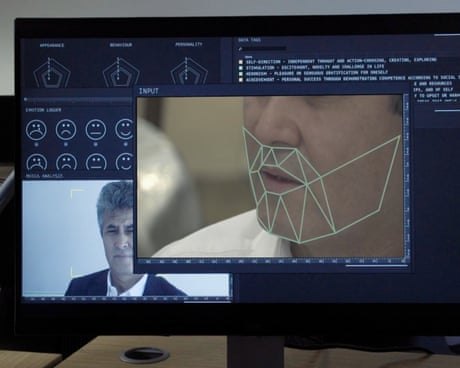
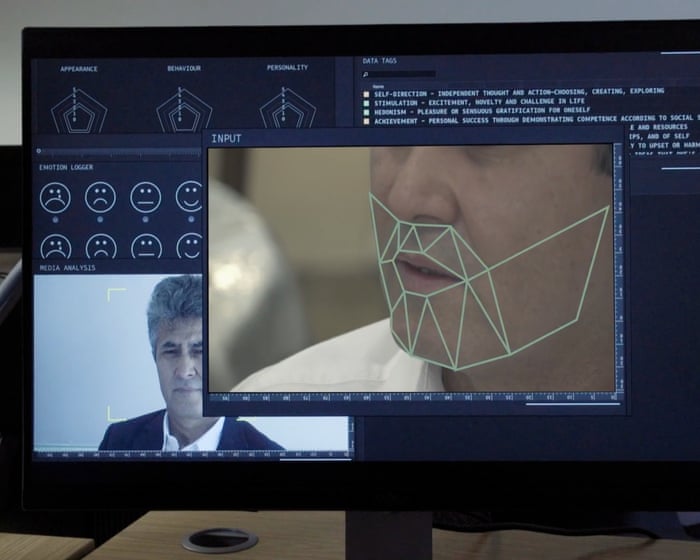
Marc Isaacs’ new film is a curious, intriguing, semi-sincere affair that I couldn’t make friends with. It is an odd, shallow piece of work about artificial intelligence that is itself exasperatingly artificial, a self-aware docudrama hybrid. Isaacs is, or rather pretends to be, licensing the vivid characters from his previous, acclaimed documentaries to a fictional AI research lab called Synthetic Sincerity at the fictional University of Southern England, so that the lab’s software can be “trained” in the creation of AI human figures on screen.
The lab’s research staff are played by actors, or at any rate people acting; these include Lebanese independent film-maker Lynn El Safah. Isaacs has amusing scripted conversations about this project with a disapproving AI avatar on screen, like Max Headroom of old, whose face is digitally modelled on Romanian actor Ilinca Manolache, from Radu Jude’s Do Not Expect Too Much from the End of the World. The film, however, does not show the process by which Manolache was approached and her face transformed into an AI figure.
Netflix, A24, Focus Features, and Warner Bros.' Clockwork have all reportedly decided to pass on picking up Artificial- director Luca Guadagnino's new biographical drama about OpenAI cofounder / CEO Sam Altman - for distribution deals. And while Neon and Mubi are still said to be interested in the film, this situation makes it seem like Hollywood no longer has the courage to tell critical stories about Big Tech.
One of Taika Waititi's greatest strengths as a director is his unique voice; he's able to bring a light touch to tragedy (Jojo Rabbit) and a gentle sadness to offbeat comedy (Our Flag Means Death). That makes him an excellent choice to direct Klara and the Sun, based on the novel by Kazuo Ishiguro. Sony Pictures just released the first trailer, and it's giving strong Hunt for the Wilderpeople vibes—a good thing, from my perspective, since that's my favorite Waititi film.
Per the official premise:
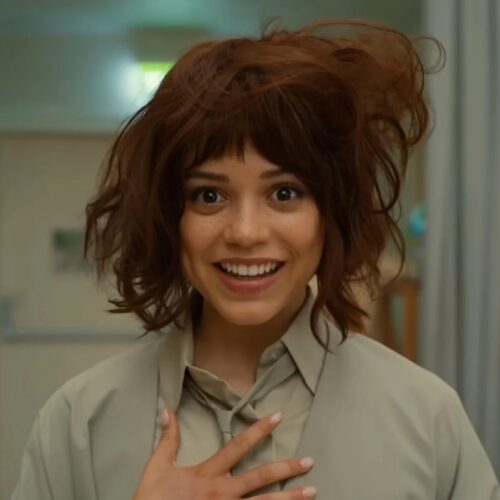
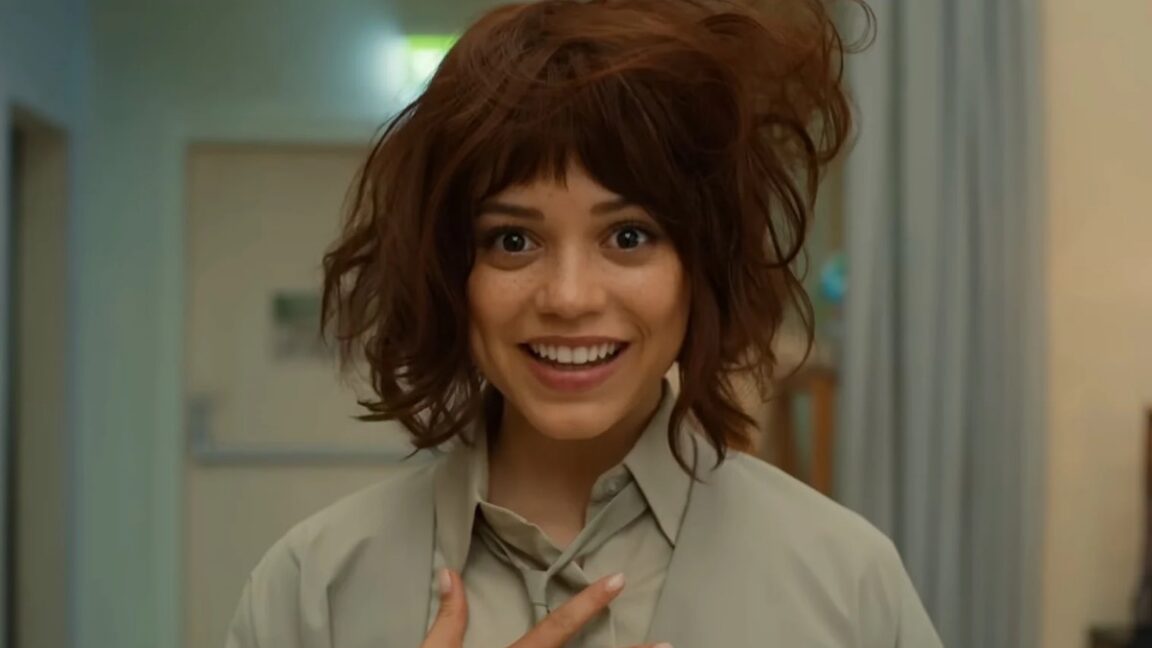
Based on the bestselling novel from Nobel Prize winner Kazuo Ishiguro and written and directed by Academy Award winner Taika Waititi, Klara and the Sun introduces audiences to Klara (Jenna Ortega), an Artificial Friend who wants nothing more than to find the perfect home. When Klara meets Josie (Mia Tharia), each immediately senses a kindred spirit in the other. Josie has a fraught relationship with her mother (Amy Adams), and they’ve suffered great loss, but Klara’s innocent wonder and unwavering loyalty begin to heal the family and bring light to Josie’s complicated world.
The cast also includes Natasha Lyonne as an artificial friend (AF) store manager; Rachel House as the housekeeper, Melania; Aran Murphy (son of Cillian Murphy) as Josie's best friend, Rick; and Sophia Bryant-Taukiri as Josie's older sister, Sal. Steve Buscemi and Harry Greenwood also appear in as-yet-undisclosed roles.
Though Toy Story 5is a continuation of Woody and Buzz's adventures in humanland, it is also a poignant exploration of what it's like for kids to grow up in a world where they're often encouraged to ex …

 Login