❌

Reading view

  •  

iPhone 18 Pro Charger Prices: 10 Apple Storefronts Checked, None Lists the 60W Adapter

Apple’s fastest published charging figure for the iPhone 18 Pro, up to 50 percent in around 15 minutes, depends on a 60W USB-C adapter that Apple sells separately and has never priced. Ten Apple storefronts were checked and not one of them publishes a number for that adapter, or for the MagSafe Charger. The adapter […]

The post iPhone 18 Pro Charger Prices: 10 Apple Storefronts Checked, None Lists the 60W Adapter appeared first on The Mac Observer.

  •  

iPhone 18 Pro Accessories: The Six Apple Priced, From a $29 Wrist Strap to a $59 Crossbody Strap

Apple has published United States prices for six first-party iPhone 18 Pro accessories: the TechWoven Case with MagSafe at $59, the Clear Case with MagSafe and the Silicone Case with MagSafe at $49 each, the FineWoven Wallet at $59, the Wrist Strap at $29 and the Crossbody Strap at $59. Bought together they add $304 […]

The post iPhone 18 Pro Accessories: The Six Apple Priced, From a $29 Wrist Strap to a $59 Crossbody Strap appeared first on The Mac Observer.

  •  

Apple Watch Ultra 4

Apple (video, MacRumors, Hacker News):

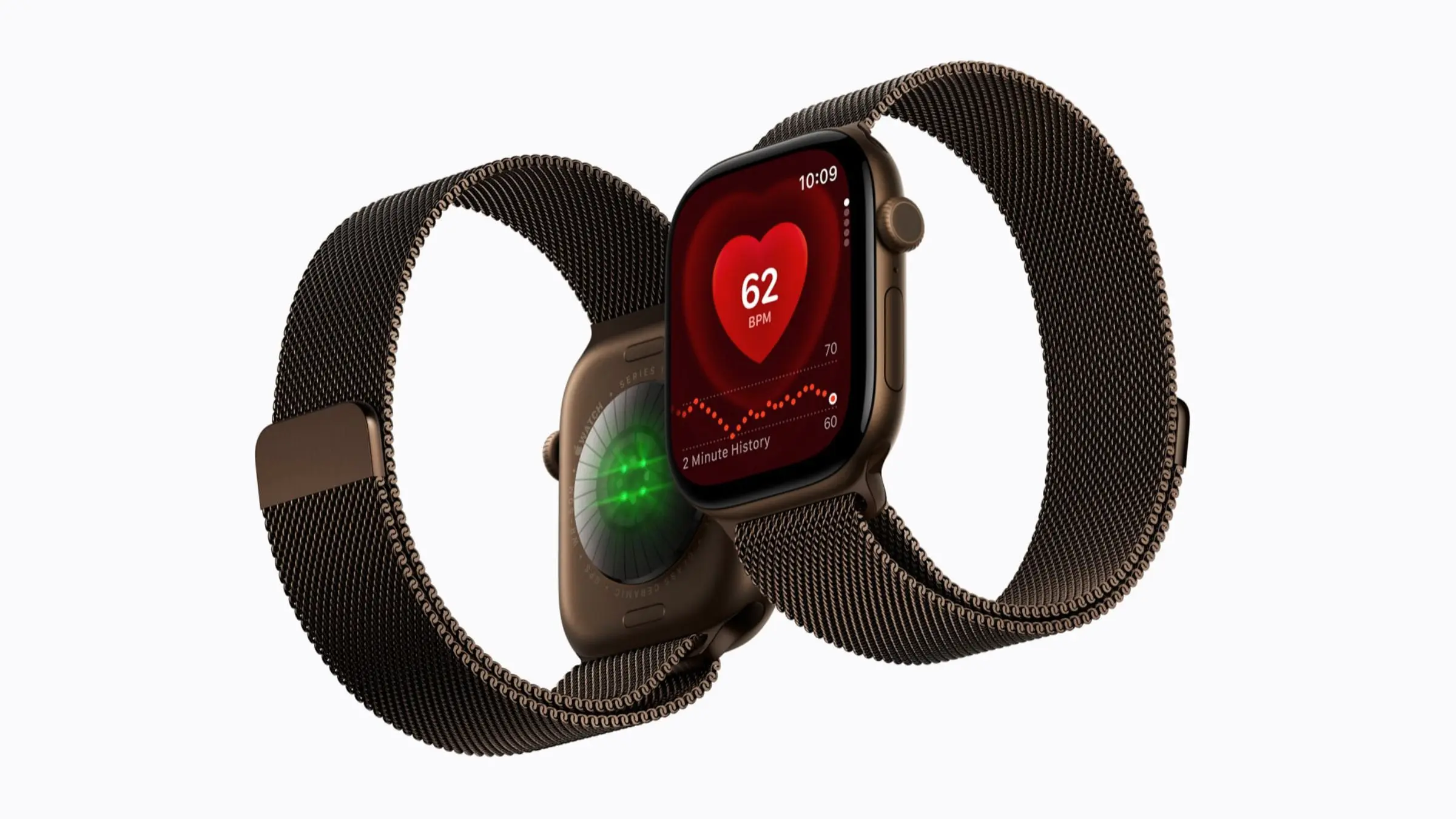
Engineered with the new Health Sensing System and S11 chip, Apple Watch Ultra 4 delivers the most accurate heart rate sensing in a wearable, higher-frequency heart rate and heart rate variability (HRV) measurements, and a new readiness score to support athletes of all kinds. Apple Watch Ultra 4 also offers extended battery life to track outdoor workouts for up to 45 hours and the most accurate on-device GPS in a sports watch.

[…]

For everyday use, Apple Watch Ultra 4 now offers more than two days of battery life, up to 50 hours. In Low Power Mode, it offers up to 84 hours of battery life. Charging is now faster than ever: Just 15 minutes adds up to 18 hours of additional battery life.

[…]

The pedometer model has been completely redesigned with new machine learning algorithms and the S11 chip to provide more accurate distance measurements during indoor walk or run workouts, and more accurate step counts all day.

[…]

Apple Watch Ultra 4 starts at $799.

pilif:

The Ultra 2 was sold to me as the watch that can do Siri without network connectivity. That was very useful to me to leave reminders for stuff I think about while on a run without the phone.

3 years later, Apple releases the OS 27 versions and Siri got improved to the point where it can’t work on-device any more on said Ultra 2

So to get the feature back which I paid for and which was specifically used to sell me the device and which now has been taken away from me, I just have to… buy the next hardware generation?

And how long will that last before they decide to remove the feature again?

Does it still work offline in the EU?

Previously:

  •  

Apple Watch Series 12

Apple (video, MacRumors, Hacker News):

With the new Health Sensing System and S11 chip, Apple Watch Series 12 delivers higher-frequency heart rate and heart rate variability (HRV) measurements, which power an enhanced suite of health and fitness features including a new readiness score.

[…]

Apple Watch Series 12 is designed to be as individual as the person wearing it and is available in an array of beautiful finishes, including dark bronze, black, light gold, and space gray aluminum, and radiant gold and natural titanium. It is also available in a stunning ceramic material, in pearl white and night blue. Aluminum models now feature Ceramic Shield 2, which is tougher than any smartwatch glass and 60 percent tougher than the Ion-X of previous aluminum models.

[…]

Apple Watch Series 12 continues to offer up to 24 hours of everyday battery life and now offers up to 10 hours of battery life during an outdoor workout — 25 percent more than the previous model.

[…]

Apple Watch Series 12 starts at $399.

It sounds like the S11 is the biggest update to the SOC in a while, but I haven’t seen much coverage of it yet.

Previously:

Update (2026-09-11): Joe Rossignol:

While the Apple Watch Series 12 with a 42mm case maintains a starting price of $399, the 46mm model has received a $20 price increase and now starts at $449.
  •  

Apple’s Surprise and Shine Event: All the Small Things

Source: Apple.

Source: Apple.

An Apple event can only cover so much. Some of the most useful details turn up in the product pages, technical specifications, footnotes, and summary slides after the presentation ends. We’ve collected our favorite smaller changes from yesterday’s Surprise and Shine event below:

iPhone Duo

  • In the hands-on area after Apple’s event, Ben Bajarin reported that the Duo’s hinge crease is barely noticeable, except at specific angles.
  • David Imel was impressed by the matte finish on the Duo.
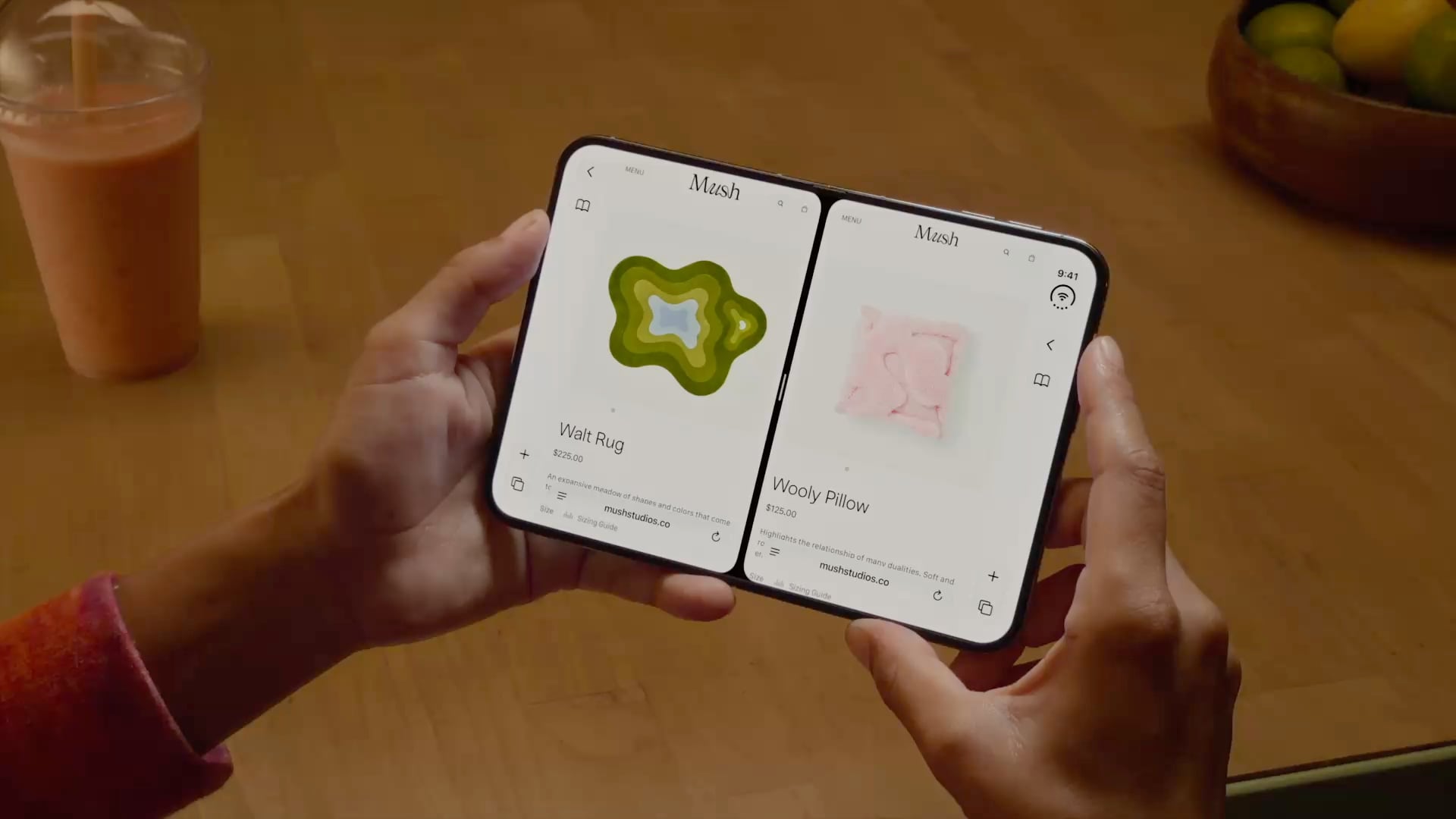
  • iJustine has an excellent video showing off multitasking using both the outer and inner screen of the Duo.
  • Apple has released a six-video playlist on YouTube and in the Apple Developer app called “Get ready for iPhone Duo” to help get designers up to speed with the phone’s new format. The Human Interface Guidelines have been updated too.
  • The vertical strip along the side of the Duo uses App Control icons for what would be tab bars and nav bars on other devices.
  • For developers, Apple has released five tech talk videos in the Apple Developer app, including “Raise the bar with iPhone Duo.” Additional materials, workshops, and the Xcode 27.1 beta are coming later this month.
  • Continuous Angle API lets developers receive ongoing updates about the Duo’s hinge angle to power interactive effects.
  • Developers who don’t update for the iPhone Duo may have their apps letterboxed.

iPhone 18 Pro and Pro Max

Apple Watch Series 12 and Ultra 4

  • Apple published a study that compares its new Apple Watch Series 12 to other wearables, and the results are impressive.
  • Your Readiness score changes during the day, adjusting based on workouts and changes in your daytime vitals.
  • Audio Intelligence requires more than just a new Apple Watch. Features like Live Rewind and Siri Recap won’t work with the iPhone 16e or iPhone 15 Pro models even though those iPhones support Apple Intelligence.
  • Unsaved Siri Recaps are automatically deleted after seven days, and unless saved, Live Rewind transcripts disappear around 30 seconds after your Watch’s screen dims. Siri Recaps can be edited and exported to other apps like Notes.

You can follow all of our September 2026 Apple event coverage through our September 2026 Apple Event hub or subscribe to the dedicated September 2026 Apple event RSS feed.
  •  

iPhone 18 Pro and iPhone Duo: The MacStories Overview

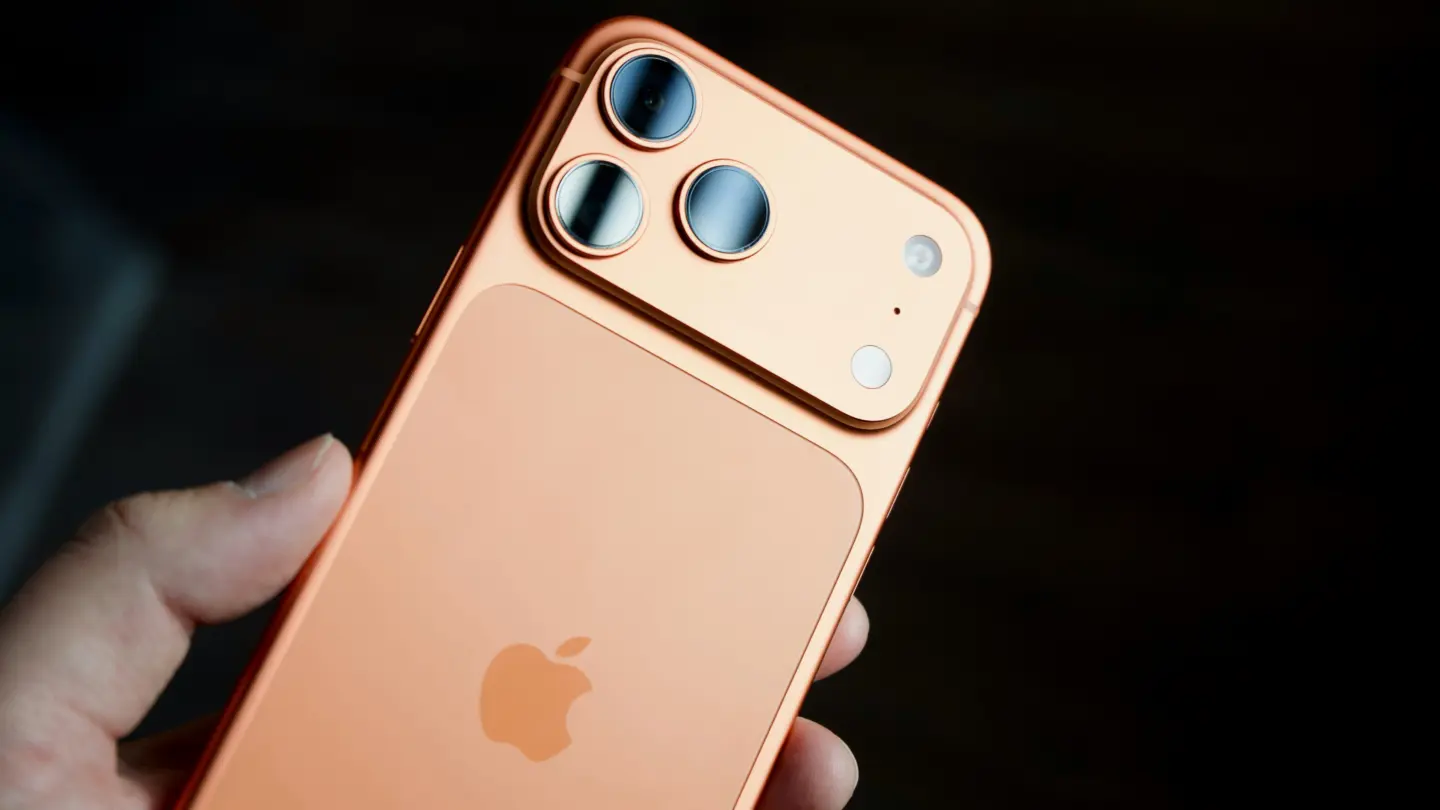
The iPhone Duo.

The iPhone Duo.

Apple’s iPhone lineup is taking a different shape this year.

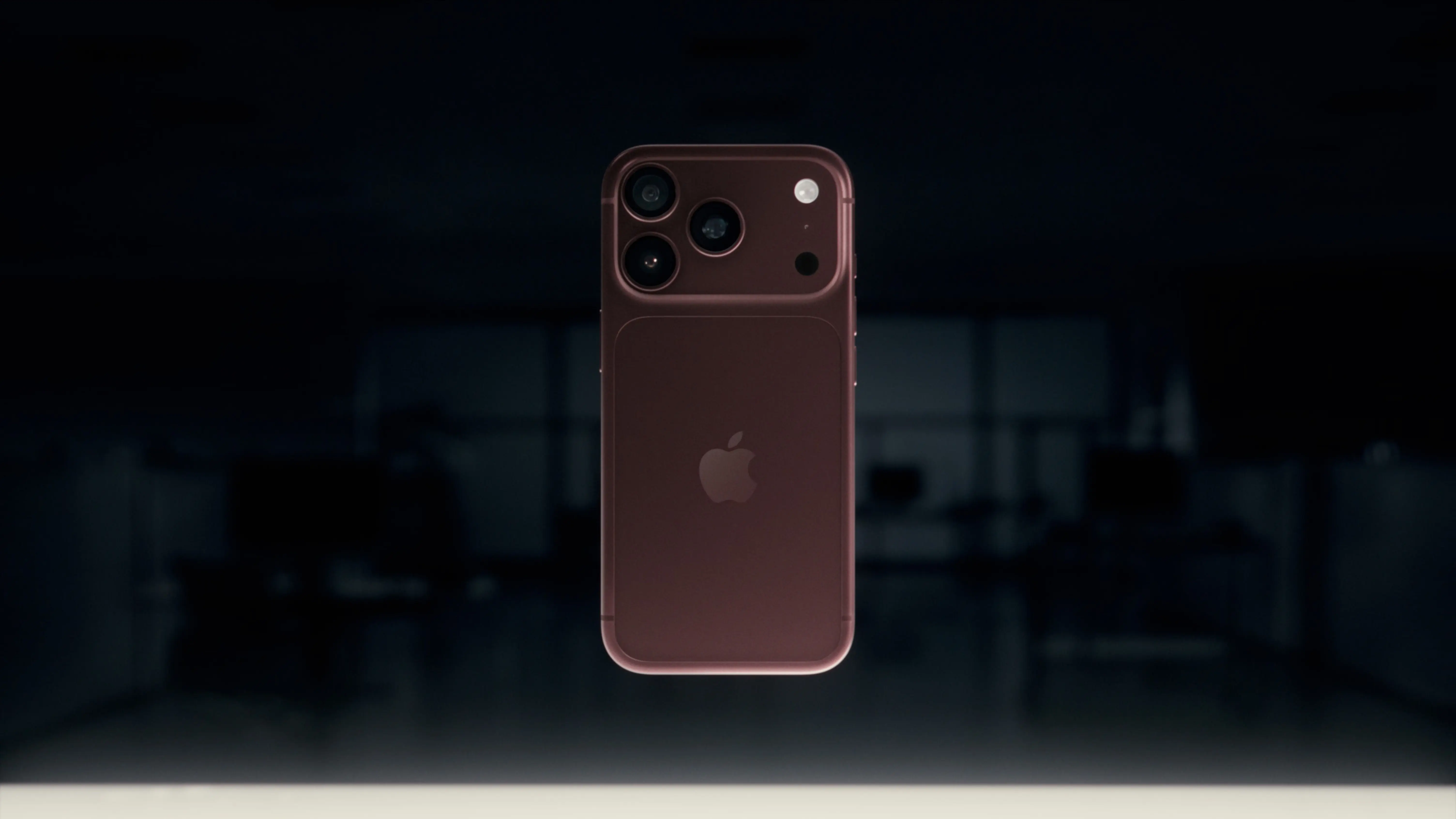
At today’s Surprise and Shine event, the company introduced the iPhone 18 Pro and 18 Pro Max alongside the iPhone Duo, its first foldable iPhone. The Pro models build on the familiar design introduced last year, while the Duo marks the debut of an iPhone with a brand new form factor that combines a smaller, outer display with a larger, almost iPad mini-like internal display.

As a longtime iPad user who’s long been fascinated by foldables (and I’ve tried some over the years, too), I’ve been eagerly anticipating Apple’s debut in this space. Based on what we’ve seen today, it looks like Apple was able to deliver on the promise of a new iPhone category that combines the best of iOS with concepts borrowed from iPadOS, turning the iPhone into a versatile pocket computer that epitomizes Apple CEO John Ternus’ concept of the “personal hub”.

As we’ll see in this article, while the iPhone 18 Pro’s story largely revolves around the camera (unsurprisingly) and improved performance (some of the A20 Pro’s numbers are, in fact, a surprise merely a year after the A19 Pro), the iPhone Duo marks a new beginning for iOS, which now supports features that never existed on the platform before, as well as a series of interactions that Apple is exploring for the first time.

Let’s dive in.

iPhone 18 Pro and iPhone 18 Pro Max

Let’s start with the iPhone 18 Pro and Pro Max, which follow a familiar approach: take the existing design from last year’s Pro models and improve the cameras, performance, and battery life.

Both phones feature the same 6.3-inch and 6.9-inch displays as last year, respectively, with 3,000 nits of peak outdoor brightness (also unchanged). The Dynamic Island is smaller, and because of that, it can now show more data – up to three Live Activities at once – without sacrificing Face ID.
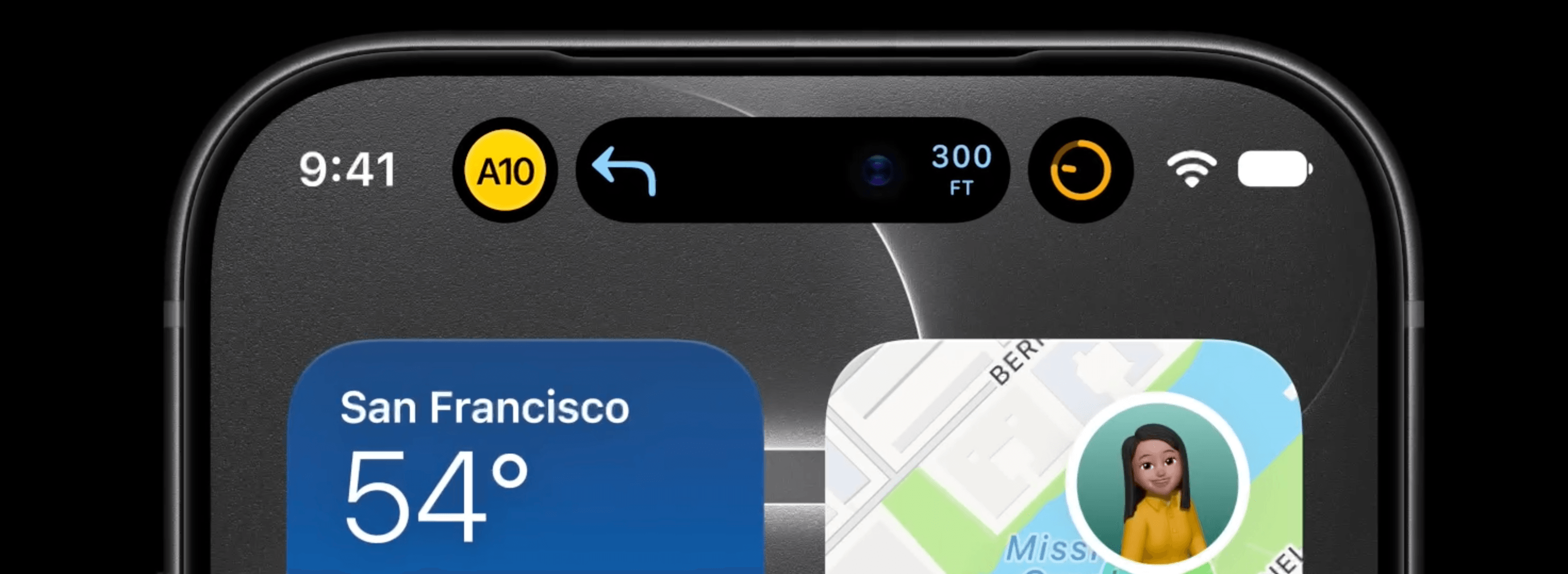
The new Dynamic Island with more Live Activities in the iPhone 18 Pro.

The new Dynamic Island with more Live Activities in the iPhone 18 Pro.

“With iPhone 18 Pro, we’ve made advancements to the areas our users care about most: camera, performance, battery, and intelligence. And we didn’t just make incremental improvements in these areas — we took huge leaps forward to create the best Pro iPhone we’ve ever made,” said Greg Joswiak, Apple’s senior vice president of Worldwide Marketing. “iPhone 18 Pro makes it easy for anyone to capture stunning photos and videos using variable aperture, while providing more versatility for creators and more control for pros. Paired with impactful upgrades to Photographic Styles and powerful video capabilities, iPhone 18 Pro unlocks entirely new ways for users to express themselves.”

Cameras

As you know, I’m not a professional photographer, and I seldom take advantage of the latest “pro” features in the iPhone’s camera. But I, too, have to admit that the camera additions to the 18 Pro line sound remarkable.

The biggest change is the 48MP Fusion Main camera’s variable aperture. Six blades physically move inside the camera and adjust the opening between four settings: ƒ/1.48, ƒ/1.8, ƒ/2.8, and ƒ/4. In practice, this means the camera can let in more light in a dark scene or keep more people in focus in a group photo.
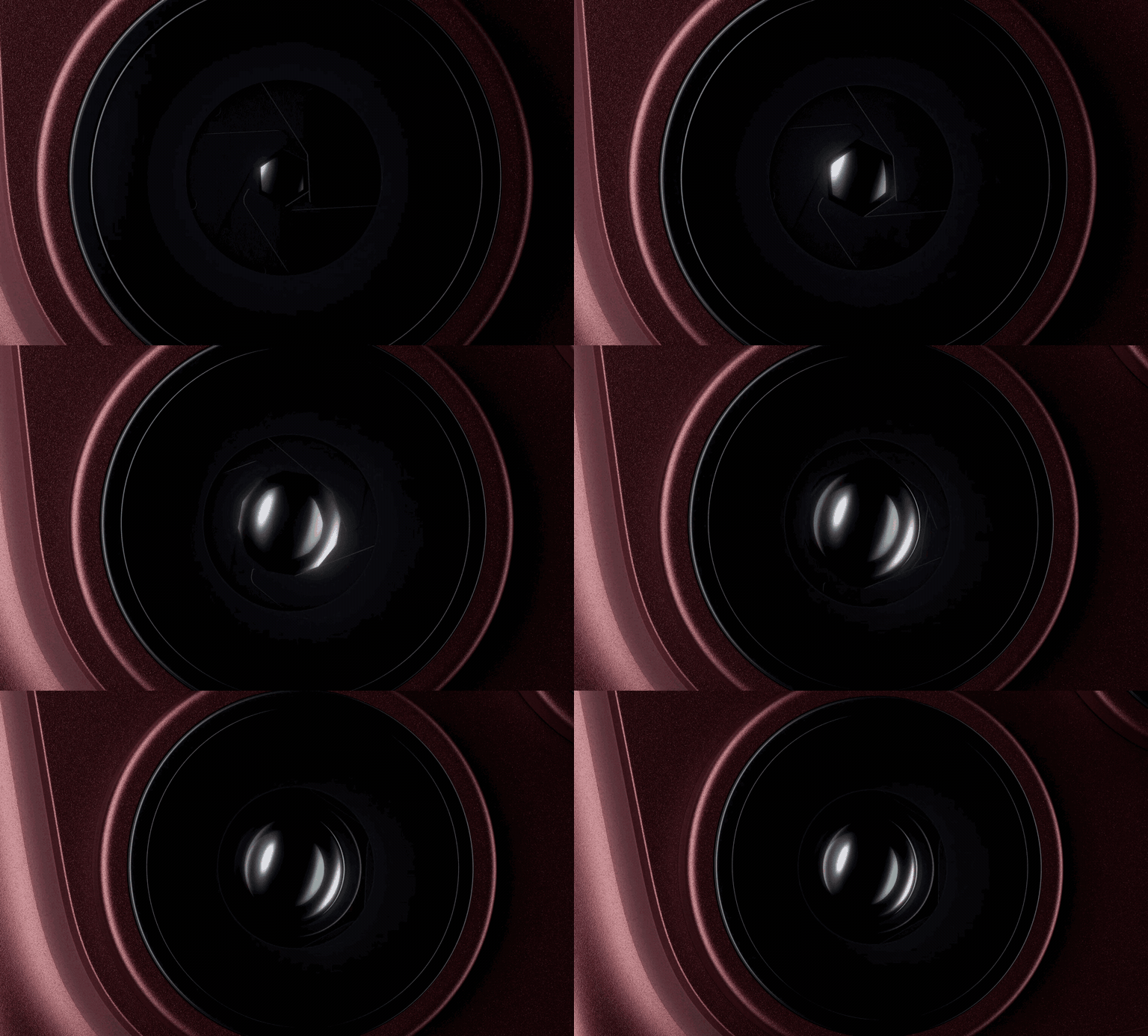
This can happen automatically, but you can also take over with the Camera app’s new Pro controls, which include aperture, shutter speed, white balance, and a histogram. As of the release candidate version of iOS 27 released a few hours ago, the Camera app supports the long-rumored control customization (on all iPhone models, including the current 17 Pro), too, giving you even finer control over the, well, controls you want to see available at all times.
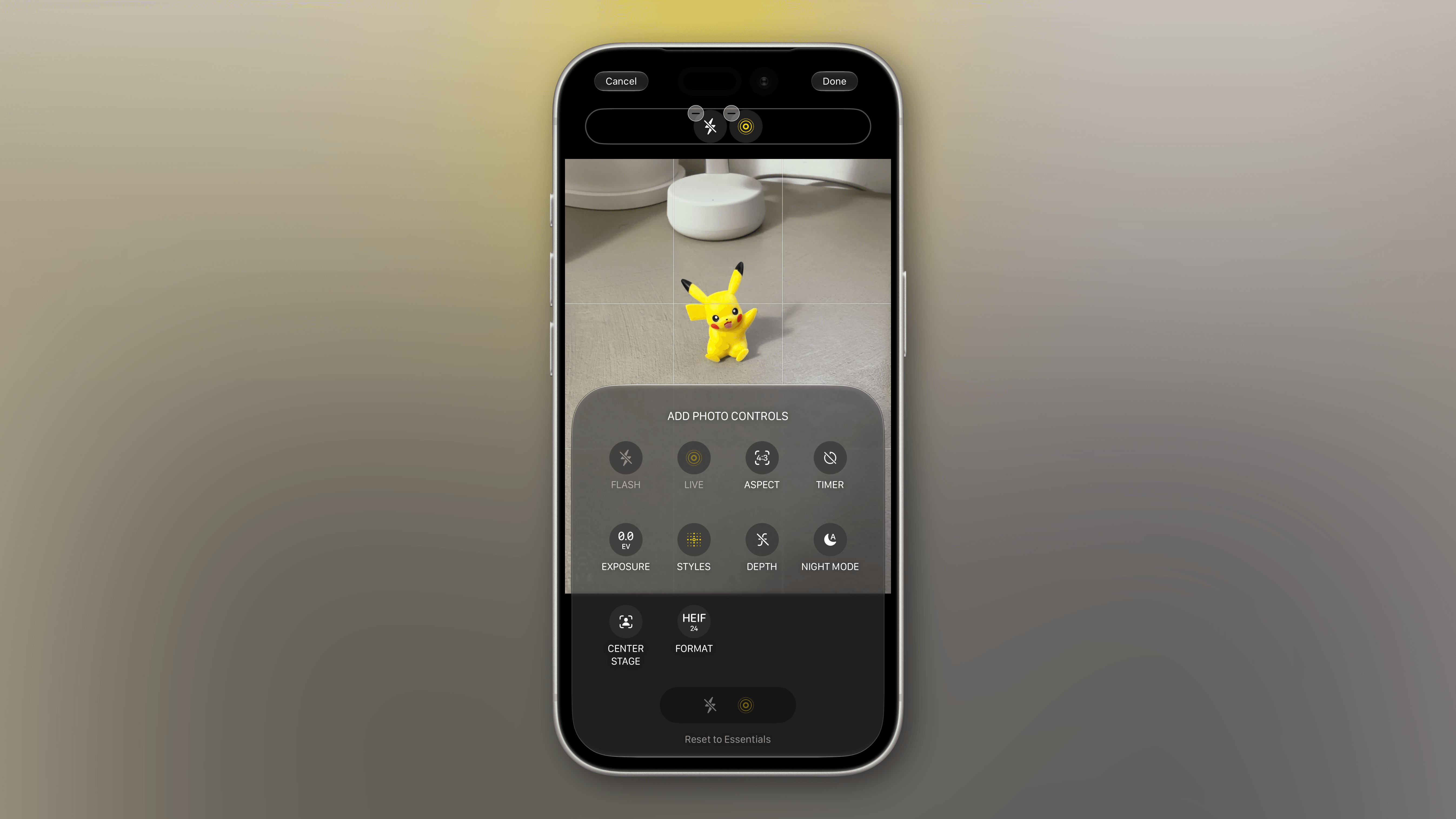
New customizable controls in the Camera app for iOS 27.

New customizable controls in the Camera app for iOS 27.

Of course, there are also 48MP Ultra Wide and 4x Telephoto cameras, plus the usual optical-quality 8x option. On the software side, Photographic Styles is gaining texture and grain controls, Cinematic effects can be applied after capture to videos shot at up to 60 fps, and time-lapse now supports 4K Dolby Vision. Audio Mix is getting improved voice processing and music isolation as well.

What I find especially interesting, however, is the concept behind Apple Reference Image. When you take a photo in Reference mode, the Main camera captures signed sensor data that Private Cloud Compute authenticates and turns into an unalterable reference image. You can think of it as a digital negative. You can view the authenticated version of an image alongside the main one in Photos to see what was changed after capture, and, as Apple notes, this has interesting implications when it comes to AI. In an era where validating image authenticity is turning into a real challenge, I think we have to commend Apple for trying to do something in this field.
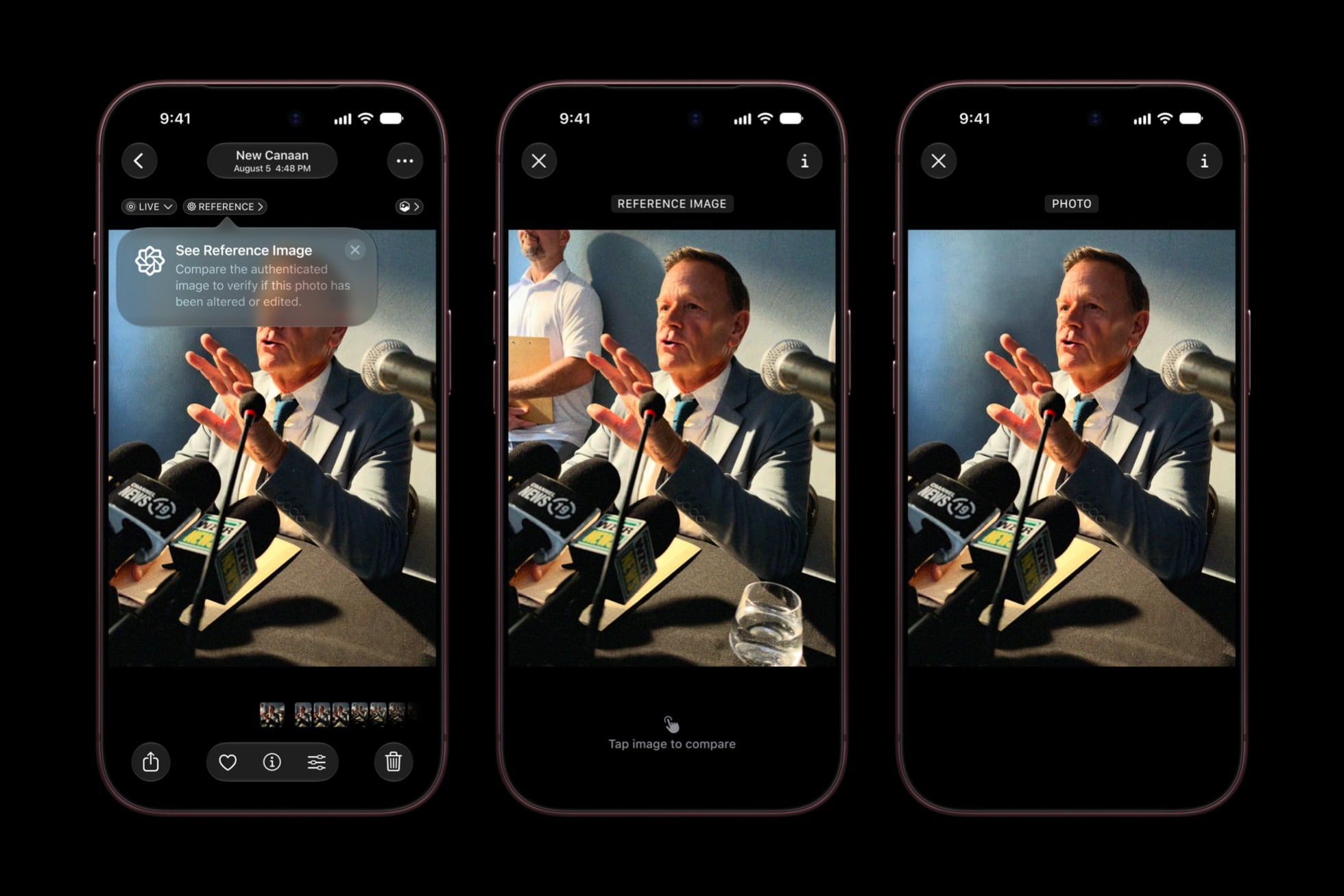
Apple Reference Image in the Photos app.

Apple Reference Image in the Photos app.

It’s also worth noting that Apple will add support for SynthID, the industry standard for watermarking images created with AI adopted by OpenAI, Google, and others. According to Apple, “SynthID will be available in a software update later this year and will be included for most edited images, depending on the edits applied”.
Performance and Battery

The new 2 nm A20 Pro features a 6-core CPU, 7-core GPU, and Dual 16-core Neural Engine. According to Apple, it offers up to 40% faster graphics and twice the AI processing power of A19 Pro.

Now, having recently written about the potential of the M5 Ultra and M6 for local AI on the Mac, I’m obviously very keen to see what the A20 Pro will mean for running local LLMs on the iPhone 18 Pro (and iPhone Duo, since it has the same chipset). For instance, would this chip run an edge-optimized model such as Liquid’s LFM2.5-8B-A1B at higher than 30 tokens per second? What about small specialized models such as Desert Ant Labs’ family of small language models – how much more efficient would they be on the A20 Pro compared to the A19 Pro? I can’t wait to find out.

In any case, to visualize Apple’s numbers announced today against current and previous generations of iPhones, I’ve put together some handy widgets and visualizations to help you put things in perspective.

New iPhones Compared to Yours

Pick your current iPhone model, then the new one. Grey is yours; red is the new one.

Compare with
Chip
iPhone 14 ProA16 Bionic
iPhone 18 ProA20 Pro
iPhone 14 ProA16 Bionic
iPhone 18 Pro MaxA20 Pro
iPhone 14 ProA16 Bionic
iPhone DuoA20 Pro
iPhone 14 Pro MaxA16 Bionic
iPhone 18 ProA20 Pro
iPhone 14 Pro MaxA16 Bionic
iPhone 18 Pro MaxA20 Pro
iPhone 14 Pro MaxA16 Bionic
iPhone DuoA20 Pro
iPhone 15 ProA17 Pro
iPhone 18 ProA20 Pro
iPhone 15 ProA17 Pro
iPhone 18 Pro MaxA20 Pro
iPhone 15 ProA17 Pro
iPhone DuoA20 Pro
iPhone 15 Pro MaxA17 Pro
iPhone 18 ProA20 Pro
iPhone 15 Pro MaxA17 Pro
iPhone 18 Pro MaxA20 Pro
iPhone 15 Pro MaxA17 Pro
iPhone DuoA20 Pro
iPhone 16 ProA18 Pro
iPhone 18 ProA20 Pro
iPhone 16 ProA18 Pro
iPhone 18 Pro MaxA20 Pro
iPhone 16 ProA18 Pro
iPhone DuoA20 Pro
iPhone 16 Pro MaxA18 Pro
iPhone 18 ProA20 Pro
iPhone 16 Pro MaxA18 Pro
iPhone 18 Pro MaxA20 Pro
iPhone 16 Pro MaxA18 Pro
iPhone DuoA20 Pro
iPhone 17 ProA19 Pro
iPhone 18 ProA20 Pro
iPhone 17 ProA19 Pro
iPhone 18 Pro MaxA20 Pro
iPhone 17 ProA19 Pro
iPhone DuoA20 Pro
iPhone 17 Pro MaxA19 Pro
iPhone 18 ProA20 Pro
iPhone 17 Pro MaxA19 Pro
iPhone 18 Pro MaxA20 Pro
iPhone 17 Pro MaxA19 Pro
iPhone DuoA20 Pro
Apple’s claimfrom its compare page
iPhone 18 Pro against iPhone 14 Pro
CPU up to 60% faster, GPU up to 2.8× faster. Up to 22 more hours of video on iPhone 18 Pro Max.
iPhone 18 Pro Max against iPhone 14 Pro
CPU up to 60% faster, GPU up to 2.8× faster. Up to 22 more hours of video on iPhone 18 Pro Max.
iPhone Duo against iPhone 14 Pro
CPU up to 60% faster, GPU up to 2.8× faster. Neural Engine up to 4.5× faster. Up to 21 more hours of video on the outer display.
iPhone 18 Pro against iPhone 14 Pro Max
CPU up to 60% faster, GPU up to 2.8× faster. Up to 16 more hours of video on iPhone 18 Pro Max.
iPhone 18 Pro Max against iPhone 14 Pro Max
CPU up to 60% faster, GPU up to 2.8× faster. Up to 16 more hours of video on iPhone 18 Pro Max.
iPhone Duo against iPhone 14 Pro Max
CPU up to 60% faster, GPU up to 2.8× faster. Neural Engine up to 4.5× faster. Up to 15 more hours of video on the outer display.
iPhone 18 Pro against iPhone 15 Pro
CPU up to 50% faster, GPU up to 2.1× faster. Up to 22 more hours of video on iPhone 18 Pro Max.
iPhone 18 Pro Max against iPhone 15 Pro
CPU up to 50% faster, GPU up to 2.1× faster. Up to 22 more hours of video on iPhone 18 Pro Max.
iPhone Duo against iPhone 15 Pro
CPU up to 50% faster, GPU up to 2.1× faster. Neural Engine up to 2× faster. Up to 21 more hours of video on the outer display.
iPhone 18 Pro against iPhone 15 Pro Max
CPU up to 50% faster, GPU up to 2.1× faster. Up to 16 more hours of video on iPhone 18 Pro Max.
iPhone 18 Pro Max against iPhone 15 Pro Max
CPU up to 50% faster, GPU up to 2.1× faster. Up to 16 more hours of video on iPhone 18 Pro Max.
iPhone Duo against iPhone 15 Pro Max
CPU up to 50% faster, GPU up to 2.1× faster. Neural Engine up to 2× faster. Up to 15 more hours of video on the outer display.
iPhone 18 Pro against iPhone 16 Pro
CPU up to 30% faster, GPU up to 80% faster. Up to 18 more hours of video on iPhone 18 Pro Max.
iPhone 18 Pro Max against iPhone 16 Pro
CPU up to 30% faster, GPU up to 80% faster. Up to 18 more hours of video on iPhone 18 Pro Max.
iPhone Duo against iPhone 16 Pro
CPU up to 30% faster, GPU up to 80% faster. Neural Engine up to 2× faster. Up to 17 more hours of video on the outer display.
iPhone 18 Pro against iPhone 16 Pro Max
CPU up to 30% faster, GPU up to 80% faster. Up to 12 more hours of video on iPhone 18 Pro Max.
iPhone 18 Pro Max against iPhone 16 Pro Max
CPU up to 30% faster, GPU up to 80% faster. Up to 12 more hours of video on iPhone 18 Pro Max.
iPhone Duo against iPhone 16 Pro Max
CPU up to 30% faster, GPU up to 80% faster. Neural Engine up to 2× faster. Up to 11 more hours of video on the outer display.
iPhone 18 Pro against iPhone 17 Pro
CPU up to 20% faster, GPU up to 40% faster. Up to 12 more hours of video on iPhone 18 Pro Max.
iPhone 18 Pro Max against iPhone 17 Pro
CPU up to 20% faster, GPU up to 40% faster. Up to 12 more hours of video on iPhone 18 Pro Max.
iPhone Duo against iPhone 17 Pro
CPU up to 20% faster, GPU up to 40% faster. Neural Engine up to 2× faster. Up to 11 more hours of video on the outer display.
iPhone 18 Pro against iPhone 17 Pro Max
CPU up to 20% faster, GPU up to 40% faster. Up to 6 more hours of video on iPhone 18 Pro Max.
iPhone 18 Pro Max against iPhone 17 Pro Max
CPU up to 20% faster, GPU up to 40% faster. Up to 6 more hours of video on iPhone 18 Pro Max.
iPhone Duo against iPhone 17 Pro Max
CPU up to 20% faster, GPU up to 40% faster. Neural Engine up to 2× faster. Up to 5 more hours of video on the outer display.
Video playbackhours, Apple’s “up to”
iPhone 14 Pro23h

iPhone 18 Pro36h

iPhone 14 Pro23h

iPhone 18 Pro Max45h

iPhone 14 Pro23h

iPhone Duo44h outer display, 31h inner

iPhone 14 Pro Max29h

iPhone 18 Pro36h

iPhone 14 Pro Max29h

iPhone 18 Pro Max45h

iPhone 14 Pro Max29h

iPhone Duo44h outer display, 31h inner

iPhone 15 Pro23h

iPhone 18 Pro36h

iPhone 15 Pro23h

iPhone 18 Pro Max45h

iPhone 15 Pro23h

iPhone Duo44h outer display, 31h inner

iPhone 15 Pro Max29h

iPhone 18 Pro36h

iPhone 15 Pro Max29h

iPhone 18 Pro Max45h

iPhone 15 Pro Max29h

iPhone Duo44h outer display, 31h inner

iPhone 16 Pro27h

iPhone 18 Pro36h

iPhone 16 Pro27h

iPhone 18 Pro Max45h

iPhone 16 Pro27h

iPhone Duo44h outer display, 31h inner

iPhone 16 Pro Max33h

iPhone 18 Pro36h

iPhone 16 Pro Max33h

iPhone 18 Pro Max45h

iPhone 16 Pro Max33h

iPhone Duo44h outer display, 31h inner

iPhone 17 Pro33h

iPhone 18 Pro36h

iPhone 17 Pro33h

iPhone 18 Pro Max45h

iPhone 17 Pro33h

iPhone Duo44h outer display, 31h inner

iPhone 17 Pro Max39h

iPhone 18 Pro36h

iPhone 17 Pro Max39h

iPhone 18 Pro Max45h

iPhone 17 Pro Max39h

iPhone Duo44h outer display, 31h inner

Longest zoomoptical, or optical-quality from 17 Pro on
iPhone 14 Pro3×

iPhone 18 Pro8×

iPhone 14 Pro3×

iPhone 18 Pro Max8×

iPhone 14 Pro3×

iPhone Duo2×

iPhone 14 Pro Max3×

iPhone 18 Pro8×

iPhone 14 Pro Max3×

iPhone 18 Pro Max8×

iPhone 14 Pro Max3×

iPhone Duo2×

iPhone 15 Pro3×

iPhone 18 Pro8×

iPhone 15 Pro3×

iPhone 18 Pro Max8×

iPhone 15 Pro3×

iPhone Duo2×

iPhone 15 Pro Max5×

iPhone 18 Pro8×

iPhone 15 Pro Max5×

iPhone 18 Pro Max8×

iPhone 15 Pro Max5×

iPhone Duo2×

iPhone 16 Pro5×

iPhone 18 Pro8×

iPhone 16 Pro5×

iPhone 18 Pro Max8×

iPhone 16 Pro5×

iPhone Duo2×

iPhone 16 Pro Max5×

iPhone 18 Pro8×

iPhone 16 Pro Max5×

iPhone 18 Pro Max8×

iPhone 16 Pro Max5×

iPhone Duo2×

iPhone 17 Pro8×

iPhone 18 Pro8×

iPhone 17 Pro8×

iPhone 18 Pro Max8×

iPhone 17 Pro8×

iPhone Duo2×

iPhone 17 Pro Max8×

iPhone 18 Pro8×

iPhone 17 Pro Max8×

iPhone 18 Pro Max8×

iPhone 17 Pro Max8×

iPhone Duo2×

Peak brightnessoutdoors
iPhone 14 Pro2,000 nits

iPhone 18 Pro3,000 nits

iPhone 14 Pro2,000 nits

iPhone 18 Pro Max3,000 nits

iPhone 14 Pro2,000 nits

iPhone Duo3,000 nits

iPhone 14 Pro Max2,000 nits

iPhone 18 Pro3,000 nits

iPhone 14 Pro Max2,000 nits

iPhone 18 Pro Max3,000 nits

iPhone 14 Pro Max2,000 nits

iPhone Duo3,000 nits

iPhone 15 Pro2,000 nits

iPhone 18 Pro3,000 nits

iPhone 15 Pro2,000 nits

iPhone 18 Pro Max3,000 nits

iPhone 15 Pro2,000 nits

iPhone Duo3,000 nits

iPhone 15 Pro Max2,000 nits

iPhone 18 Pro3,000 nits

iPhone 15 Pro Max2,000 nits

iPhone 18 Pro Max3,000 nits

iPhone 15 Pro Max2,000 nits

iPhone Duo3,000 nits

iPhone 16 Pro2,000 nits

iPhone 18 Pro3,000 nits

iPhone 16 Pro2,000 nits

iPhone 18 Pro Max3,000 nits

iPhone 16 Pro2,000 nits

iPhone Duo3,000 nits

iPhone 16 Pro Max2,000 nits

iPhone 18 Pro3,000 nits

iPhone 16 Pro Max2,000 nits

iPhone 18 Pro Max3,000 nits

iPhone 16 Pro Max2,000 nits

iPhone Duo3,000 nits

iPhone 17 Pro3,000 nits

iPhone 18 Pro3,000 nits

iPhone 17 Pro3,000 nits

iPhone 18 Pro Max3,000 nits

iPhone 17 Pro3,000 nits

iPhone Duo3,000 nits

iPhone 17 Pro Max3,000 nits

iPhone 18 Pro3,000 nits

iPhone 17 Pro Max3,000 nits

iPhone 18 Pro Max3,000 nits

iPhone 17 Pro Max3,000 nits

iPhone Duo3,000 nits

Displaydiagonal
iPhone 14 Pro6.1-inch
iPhone 18 Pro6.3-inch
iPhone 14 Pro6.1-inch
iPhone 18 Pro Max6.9-inch
iPhone 14 Pro6.1-inch
iPhone Duo7.6-inch inner, 5.4-inch outer
iPhone 14 Pro Max6.7-inch
iPhone 18 Pro6.3-inch
iPhone 14 Pro Max6.7-inch
iPhone 18 Pro Max6.9-inch
iPhone 14 Pro Max6.7-inch
iPhone Duo7.6-inch inner, 5.4-inch outer
iPhone 15 Pro6.1-inch
iPhone 18 Pro6.3-inch
iPhone 15 Pro6.1-inch
iPhone 18 Pro Max6.9-inch
iPhone 15 Pro6.1-inch
iPhone Duo7.6-inch inner, 5.4-inch outer
iPhone 15 Pro Max6.7-inch
iPhone 18 Pro6.3-inch
iPhone 15 Pro Max6.7-inch
iPhone 18 Pro Max6.9-inch
iPhone 15 Pro Max6.7-inch
iPhone Duo7.6-inch inner, 5.4-inch outer
iPhone 16 Pro6.3-inch
iPhone 18 Pro6.3-inch
iPhone 16 Pro6.3-inch
iPhone 18 Pro Max6.9-inch
iPhone 16 Pro6.3-inch
iPhone Duo7.6-inch inner, 5.4-inch outer
iPhone 16 Pro Max6.9-inch
iPhone 18 Pro6.3-inch
iPhone 16 Pro Max6.9-inch
iPhone 18 Pro Max6.9-inch
iPhone 16 Pro Max6.9-inch
iPhone Duo7.6-inch inner, 5.4-inch outer
iPhone 17 Pro6.3-inch
iPhone 18 Pro6.3-inch
iPhone 17 Pro6.3-inch
iPhone 18 Pro Max6.9-inch
iPhone 17 Pro6.3-inch
iPhone Duo7.6-inch inner, 5.4-inch outer
iPhone 17 Pro Max6.9-inch
iPhone 18 Pro6.3-inch
iPhone 17 Pro Max6.9-inch
iPhone 18 Pro Max6.9-inch
iPhone 17 Pro Max6.9-inch
iPhone Duo7.6-inch inner, 5.4-inch outer
Weight
iPhone 14 Pro206 g

iPhone 18 Pro211 g

iPhone 14 Pro206 g

iPhone 18 Pro Max249 g

iPhone 14 Pro206 g

iPhone Duo254 g

iPhone 14 Pro Max240 g

iPhone 18 Pro211 g

iPhone 14 Pro Max240 g

iPhone 18 Pro Max249 g

iPhone 14 Pro Max240 g

iPhone Duo254 g

iPhone 15 Pro187 g

iPhone 18 Pro211 g

iPhone 15 Pro187 g

iPhone 18 Pro Max249 g

iPhone 15 Pro187 g

iPhone Duo254 g

iPhone 15 Pro Max221 g

iPhone 18 Pro211 g

iPhone 15 Pro Max221 g

iPhone 18 Pro Max249 g

iPhone 15 Pro Max221 g

iPhone Duo254 g

iPhone 16 Pro199 g

iPhone 18 Pro211 g

iPhone 16 Pro199 g

iPhone 18 Pro Max249 g

iPhone 16 Pro199 g

iPhone Duo254 g

iPhone 16 Pro Max227 g

iPhone 18 Pro211 g

iPhone 16 Pro Max227 g

iPhone 18 Pro Max249 g

iPhone 16 Pro Max227 g

iPhone Duo254 g

iPhone 17 Pro206 g

iPhone 18 Pro211 g

iPhone 17 Pro206 g

iPhone 18 Pro Max249 g

iPhone 17 Pro206 g

iPhone Duo254 g

iPhone 17 Pro Max233 g

iPhone 18 Pro211 g

iPhone 17 Pro Max233 g

iPhone 18 Pro Max249 g

iPhone 17 Pro Max233 g

iPhone Duo254 g

Starting priceU.S., entry storage
iPhone 14 Pro$999, 128GB
iPhone 18 Pro$1,199, 256GB
iPhone 14 Pro$999, 128GB
iPhone 18 Pro Max$1,299, 256GB
iPhone 14 Pro$999, 128GB
iPhone Duo$1,999, 256GB
iPhone 14 Pro Max$1,099, 128GB
iPhone 18 Pro$1,199, 256GB
iPhone 14 Pro Max$1,099, 128GB
iPhone 18 Pro Max$1,299, 256GB
iPhone 14 Pro Max$1,099, 128GB
iPhone Duo$1,999, 256GB
iPhone 15 Pro$999, 128GB
iPhone 18 Pro$1,199, 256GB
iPhone 15 Pro$999, 128GB
iPhone 18 Pro Max$1,299, 256GB
iPhone 15 Pro$999, 128GB
iPhone Duo$1,999, 256GB
iPhone 15 Pro Max$1,199, 256GB
iPhone 18 Pro$1,199, 256GB
iPhone 15 Pro Max$1,199, 256GB
iPhone 18 Pro Max$1,299, 256GB
iPhone 15 Pro Max$1,199, 256GB
iPhone Duo$1,999, 256GB
iPhone 16 Pro$999, 128GB
iPhone 18 Pro$1,199, 256GB
iPhone 16 Pro$999, 128GB
iPhone 18 Pro Max$1,299, 256GB
iPhone 16 Pro$999, 128GB
iPhone Duo$1,999, 256GB
iPhone 16 Pro Max$1,199, 256GB
iPhone 18 Pro$1,199, 256GB
iPhone 16 Pro Max$1,199, 256GB
iPhone 18 Pro Max$1,299, 256GB
iPhone 16 Pro Max$1,199, 256GB
iPhone Duo$1,999, 256GB
iPhone 17 Pro$1,099, 256GB
iPhone 18 Pro$1,199, 256GB
iPhone 17 Pro$1,099, 256GB
iPhone 18 Pro Max$1,299, 256GB
iPhone 17 Pro$1,099, 256GB
iPhone Duo$1,999, 256GB
iPhone 17 Pro Max$1,199, 256GB
iPhone 18 Pro$1,199, 256GB
iPhone 17 Pro Max$1,199, 256GB
iPhone 18 Pro Max$1,299, 256GB
iPhone 17 Pro Max$1,199, 256GB
iPhone Duo$1,999, 256GB
Numbers come from Apple’s tech specs and launch announcements. From iPhone 17 Pro on, 8× is Apple’s optical-quality crop of the 4× telephoto, and iPhone Duo’s 2× is a crop of its main camera; earlier zooms are optical. Apple’s claims against your phone come from the compare modules on its iPhone 18 Pro and iPhone Duo pages. Bars share one scale per row.

Battery Life of Pro Models

Apple’s “up to” video playback hours.

012h1 day36h2 days
2022
iPhone 14 Pro
23h
iPhone 14 Pro Max
29h
2023
iPhone 15 Pro
23h
iPhone 15 Pro Max
29h
2024
iPhone 16 Pro
27h
iPhone 16 Pro Max
33h
2025
iPhone 17 Pro
33h
iPhone 17 Pro Max
39h
2026
iPhone 18 Pro
36h
iPhone 18 Pro Max
45h
iPhone Duo, outer display
44h
iPhone Duo, inner display
31h
into the second day
Sources: Apple’s U.S. Tech Specs pages for iPhone 14 Pro through iPhone 18 Pro Max and iPhone Duo. The 17 Pro and 18 Pro figures are for eSIM-only models; models with a physical SIM get two hours less. iPhone Duo’s figures depend on which display is in use.

Moving on to other performance-related changes, a redesigned vapor chamber with three times the surface area helps deliver up to 40% better sustained performance than iPhone 17 Pro. Given Apple’s focus on gaming and AI for these phones, I look forward to comparing heat dissipation between my 17 Pro and 18 Pro.

As for battery life, Apple quotes up to 36 hours of video playback for the Pro and a whopping 45 hours for the Pro Max – the longest battery life ever in an iPhone. (There’s a caveat: those figures apply to eSIM-only models; versions with a physical SIM get two hours less.) Also new this year: both phones can charge to 50% in around 15 minutes with a compatible 60W-capable USB-C adapter that supports Adjustable Voltage Supply, whereas MagSafe and Qi2 still top out at 25W.

Pricing and Availability

The iPhone 18 Pro starts at $1,199 in the U.S., while the Pro Max starts at $1,299 (a $100 price hike compared to last year for both versions).

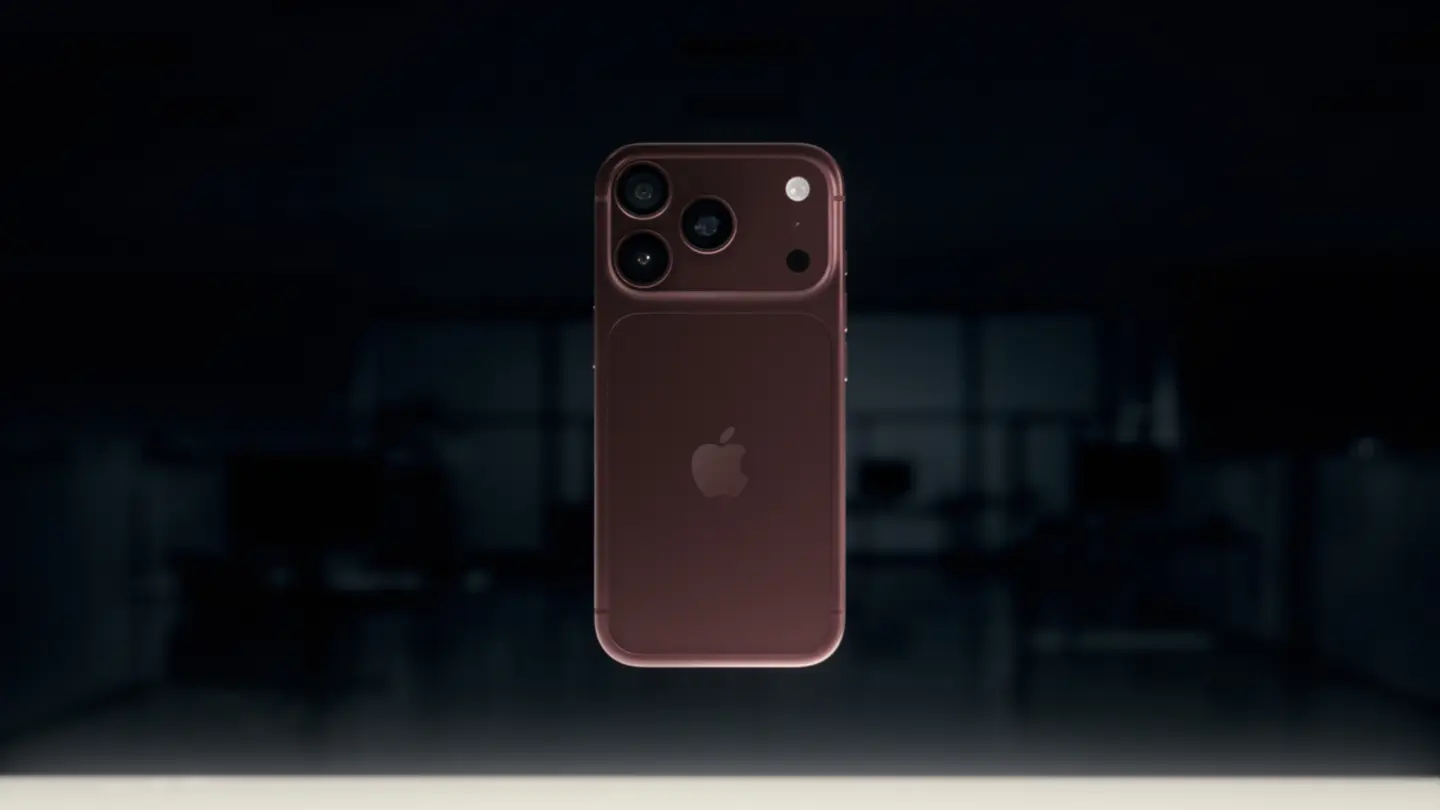
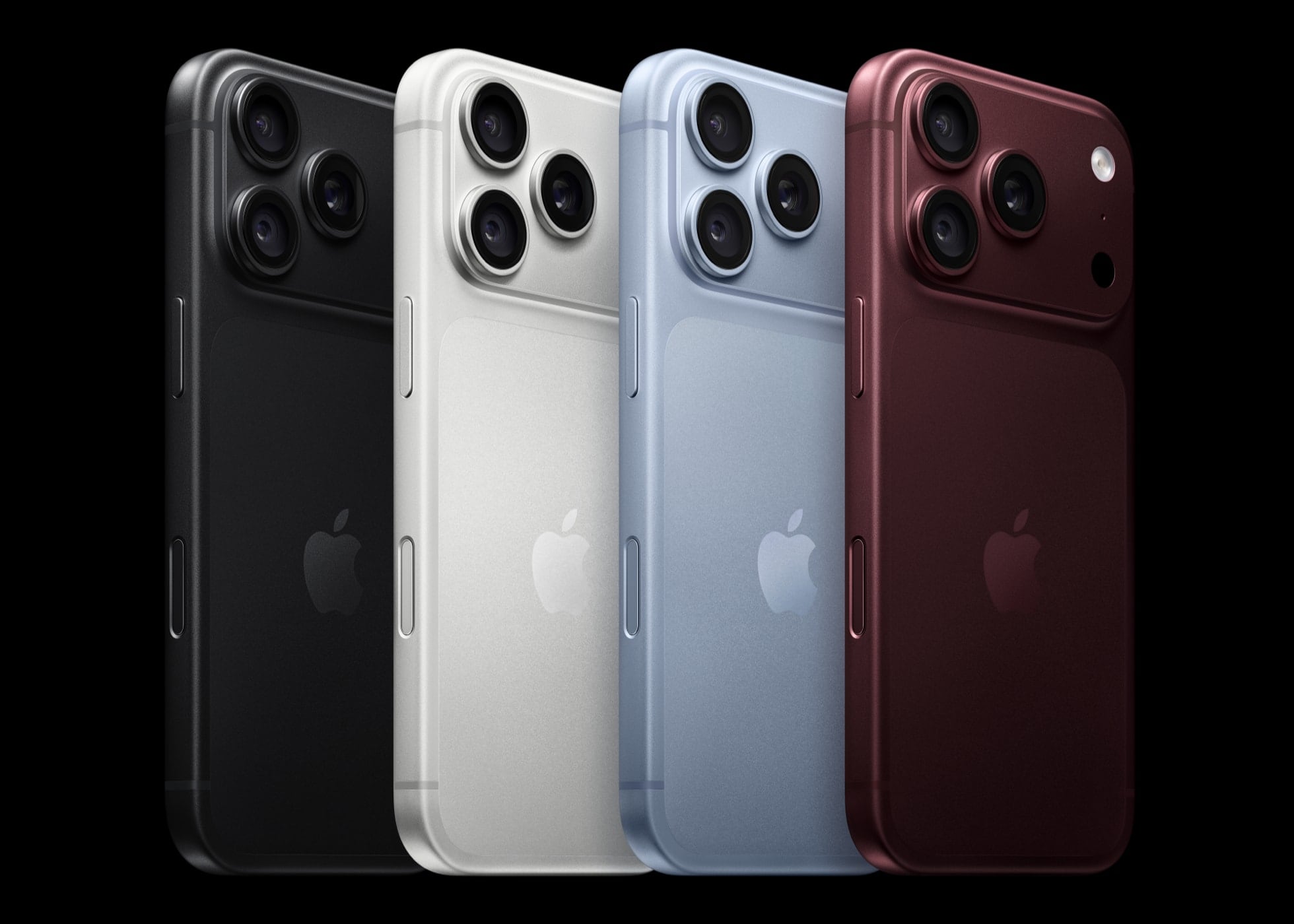
Both models come in black, silver, glacier, and the new burgundy (which I think looks great), with storage ranging from 256GB to 2TB. Preorders open September 12 at 5 a.m. Pacific, with availability on September 18.

iPhone Duo

Alright, let’s now talk about the iPhone I’ve been dreaming of for the past several years.

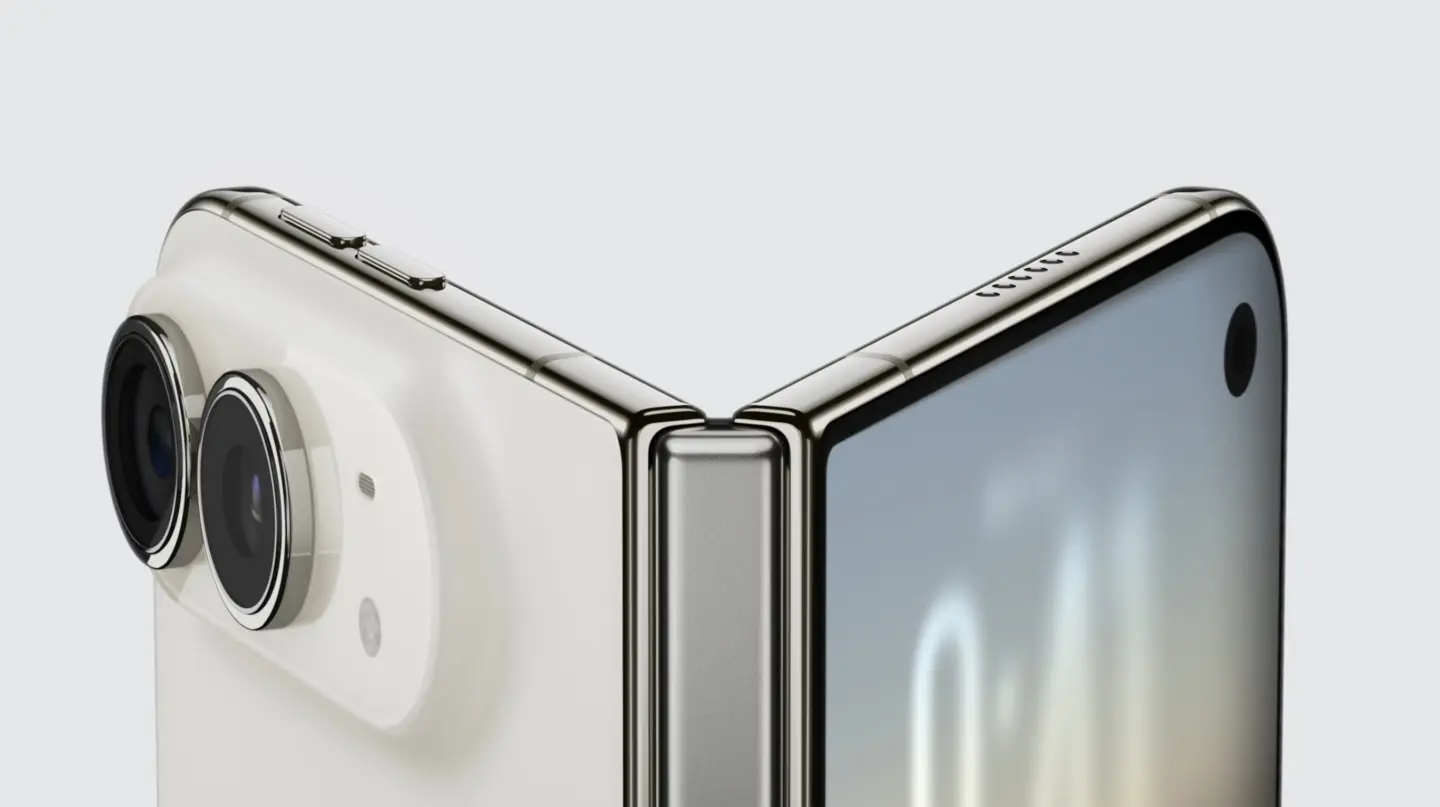
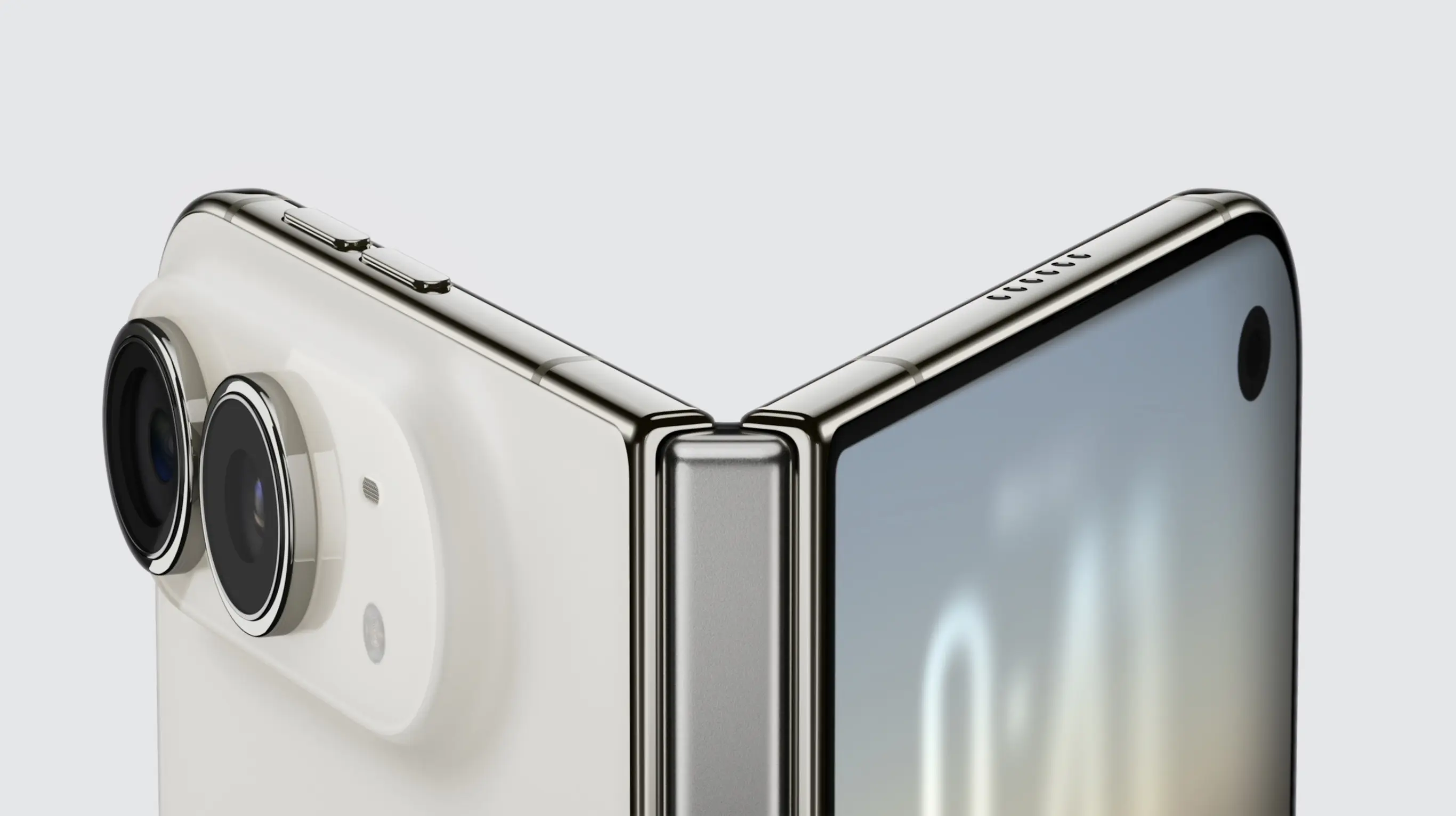
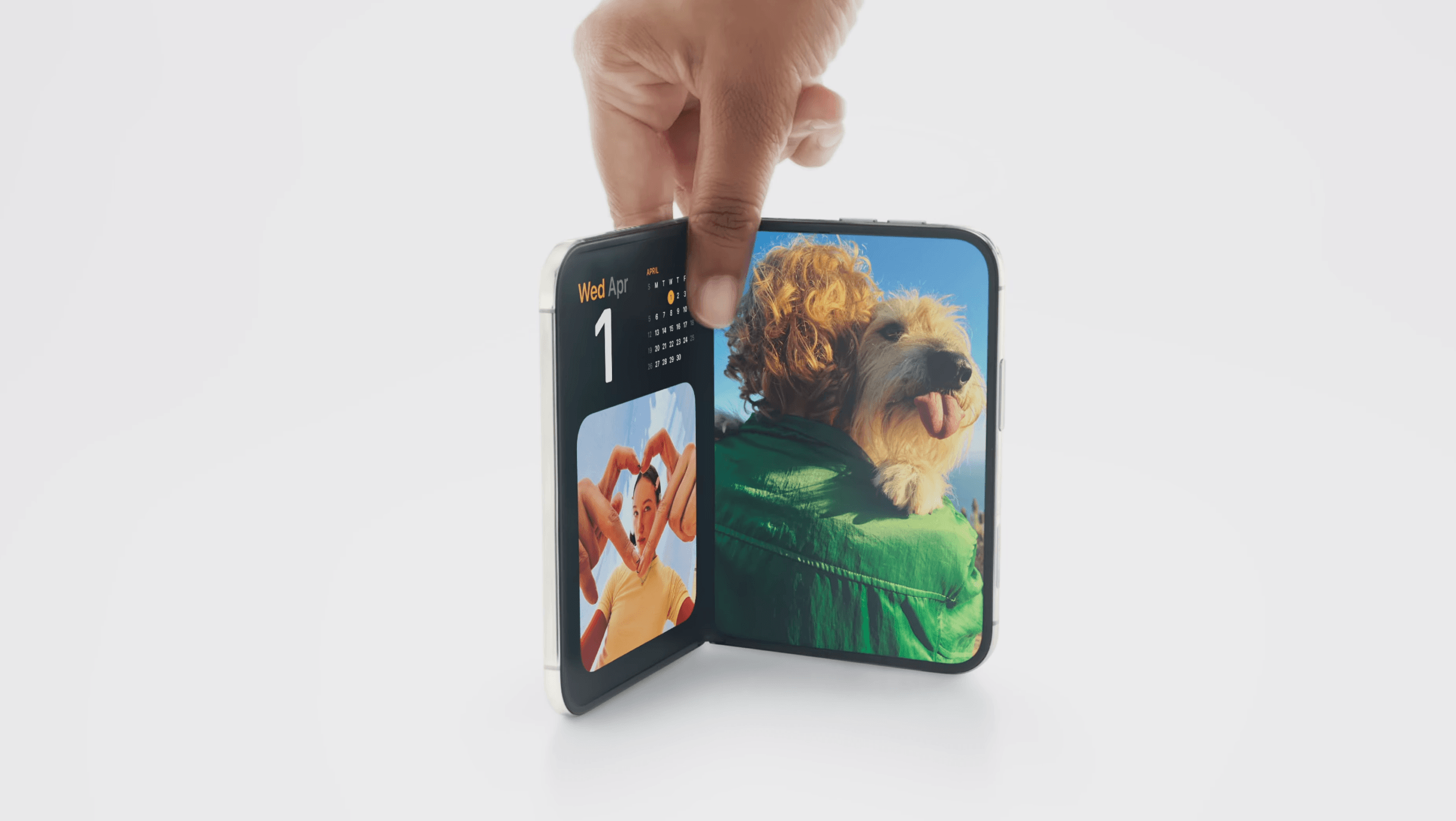
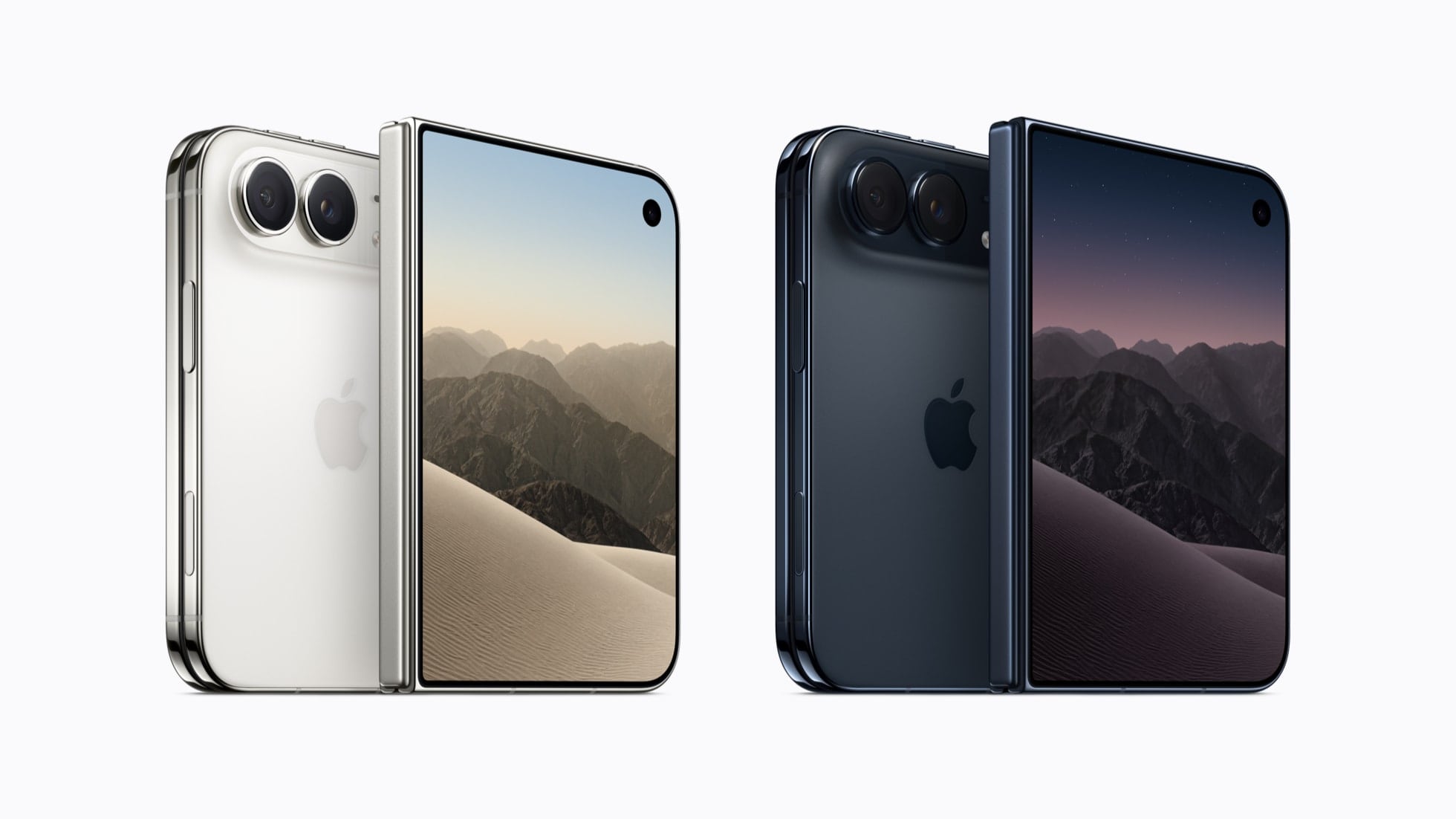
The basic idea is easy enough to understand: the iPhone Duo is a foldable device with a passport-style design that has a smaller screen on the outside, and can be opened to reveal a larger one. You’ve seen foldables before. This one goes from a 5.4-inch display that opens up to reveal a 7.6-inch one inside – effectively almost reaching the dimensions of an iPad mini. When taking a look at pictures and videos of the iPhone Duo in portrait and landscape, it’s hard not to think of Apple’s diminutive tablet.
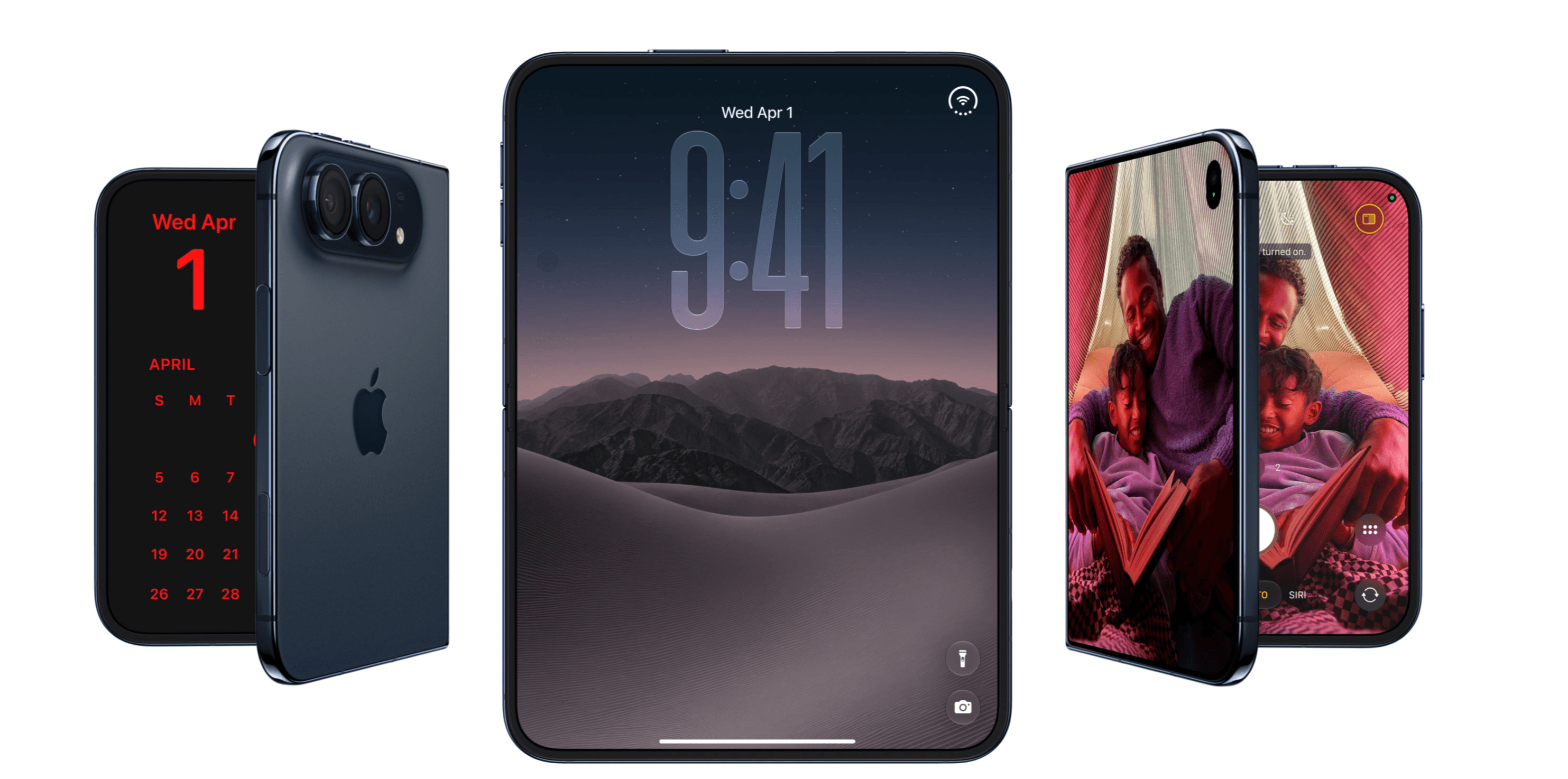
What’s more interesting, however, is what Apple has done with the iPhone Duo’s software to take advantage of that extra space. First off, it’s important to clarify that the iPhone Duo does not run iPadOS and it is not an iPad when you open it. The iPhone Duo runs a special version of iOS that was “inspired” by certain elements of the iPad – such as Split View multitasking, or inter-app drag and drop – but which also introduces new ideas never seen before in either iPadOS or iOS, such as tabletop layouts, Liquid Glass controls on the side of the screen, and more.

Design, Displays, and…Apple Pencil?

First, the hardware. The Duo is made of mirror-polished titanium and weighs 254 grams. Closed, it measures 117.8 × 84.1 × 11.3 mm; open, it’s 117.8 × 164.6 × 5.2 mm. Both OLED displays support ProMotion up to 120Hz, Always-On, and 3,000 nits of peak outdoor brightness. According to Apple, the inner screen gives you 50% more display area than an iPhone 18 Pro Max, and it supports any orientation.

The inner display, just like high-end iPad Pro models, has a nano-texture finish, which has been designed to reduce glare and make the crease less visible. Note the distinction here: Apple isn’t saying there’s no crease; they’re saying the material “minimizes crease visibility”. Judging from early pictures and hands-on videos posted online, it appears that the crease will be slightly visible when the inner display is viewed from certain angles.

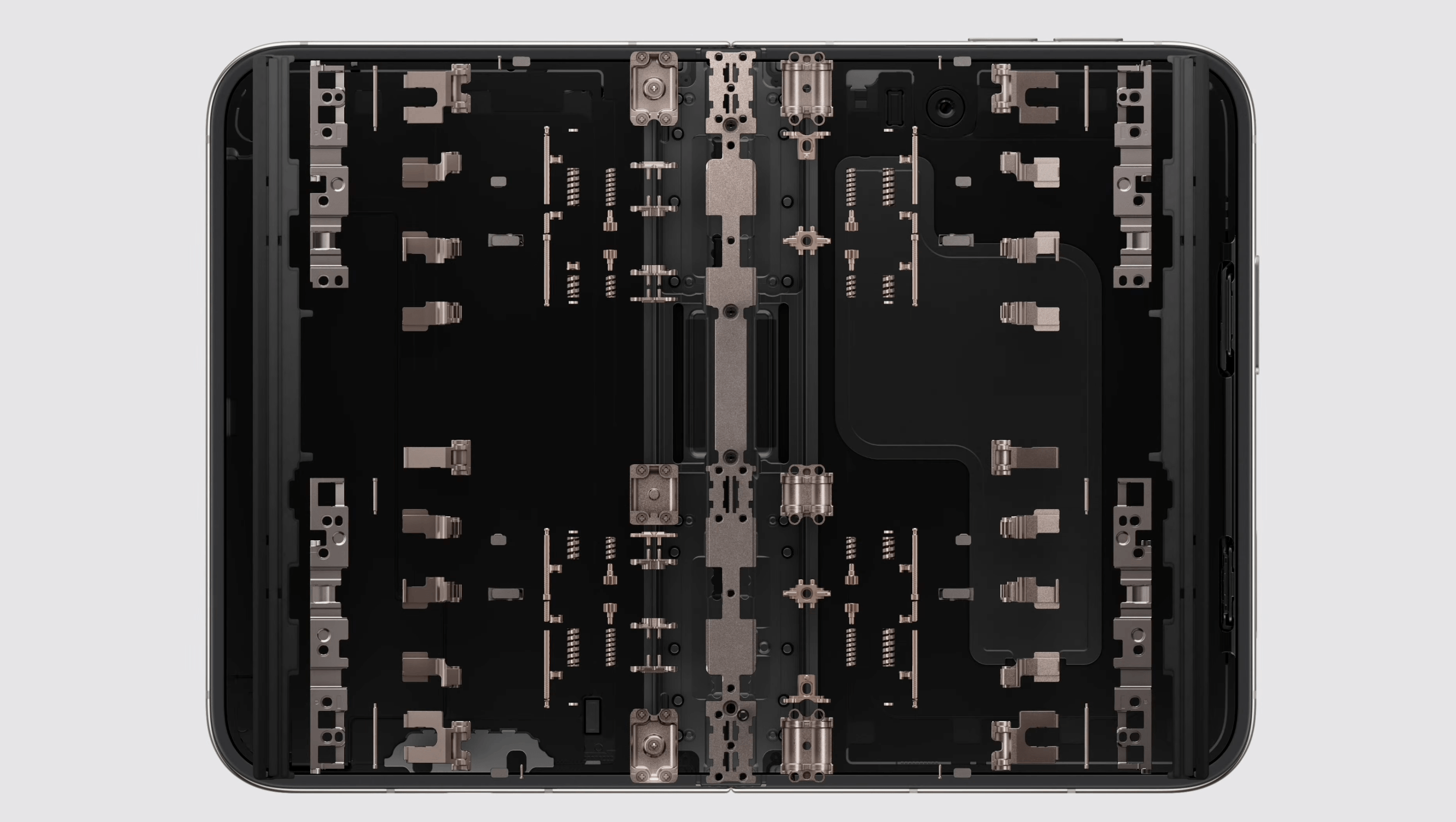
During the event’s video, Apple was also very proud to show off the hinge mechanism they designed for the iPhone Duo, which is comprised of over 100 components that support the center of the display:
Johny Srouji’s salary, visualized.

Johny Srouji’s salary, visualized.

Ceramic Shield protects the back of the device, with Ceramic Shield 2 on the outer display. The Duo also carries an IP68 rating for dust and water resistance. These are reassuring details in theory, but, as with any foldable, durability will have to be tested over time.

Now, what is arguably a pain point of this first-generation iPhone Duo is the lack of Face ID. Instead, Apple has put Touch ID in the side button, similar to the iPad mini, so it works regardless of whether the phone is open or closed. After nine years of Face ID on the iPhone, it’s going to be tough to get reacquainted with Touch ID; I hope that Apple’s placement of the button and support for multiple fingerprints will alleviate those concerns. We’ll see.
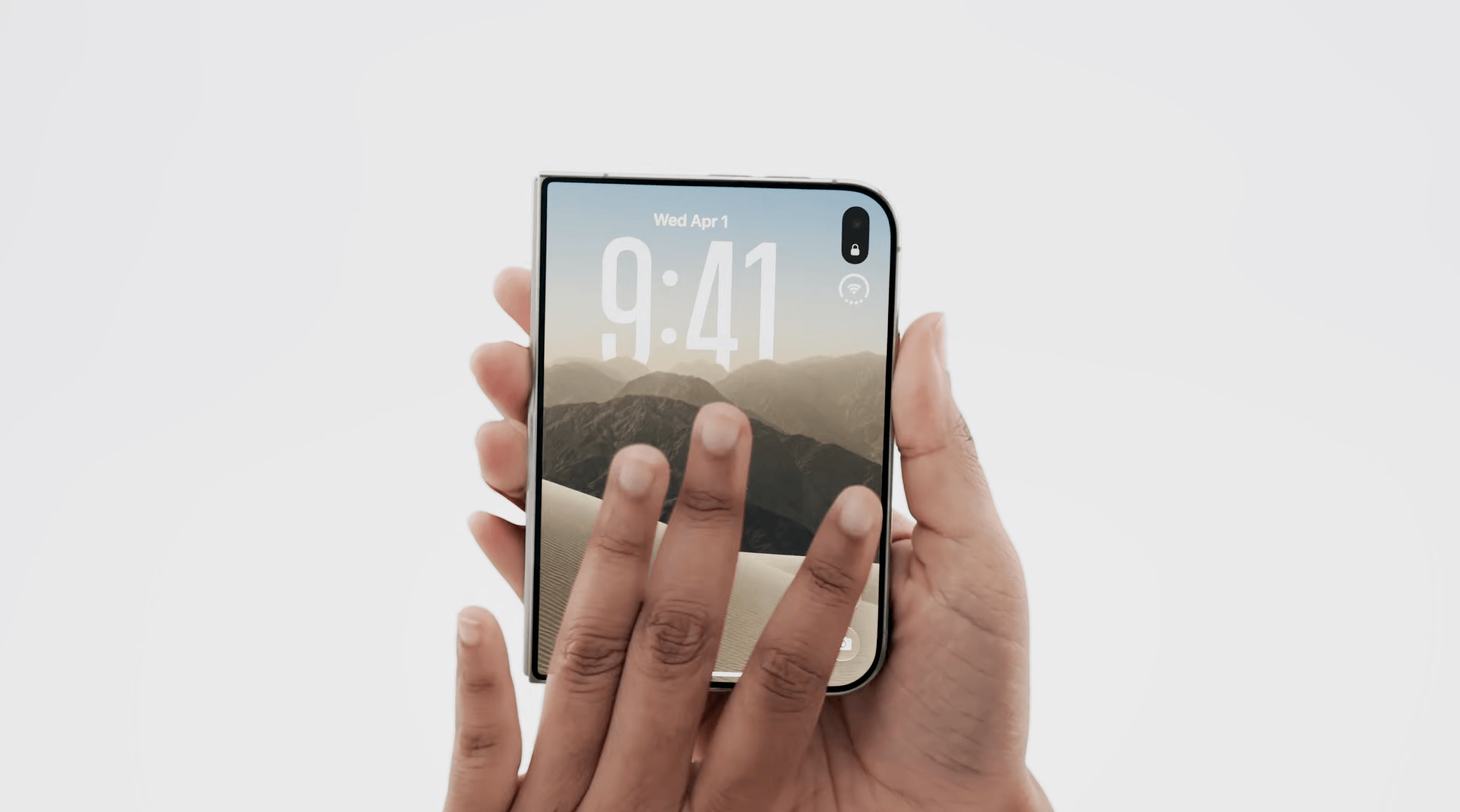
You can also unlock the Duo with an Apple Watch, which I assume is going to be similar to how this feature works with a nearby paired Mac. If that method works well, there’s a chance we won’t miss Face ID’s simplicity much, after all.

Lastly, in a first for an iPhone, both screens will support the Apple Pencil (USB-C model). This is what it looks like:
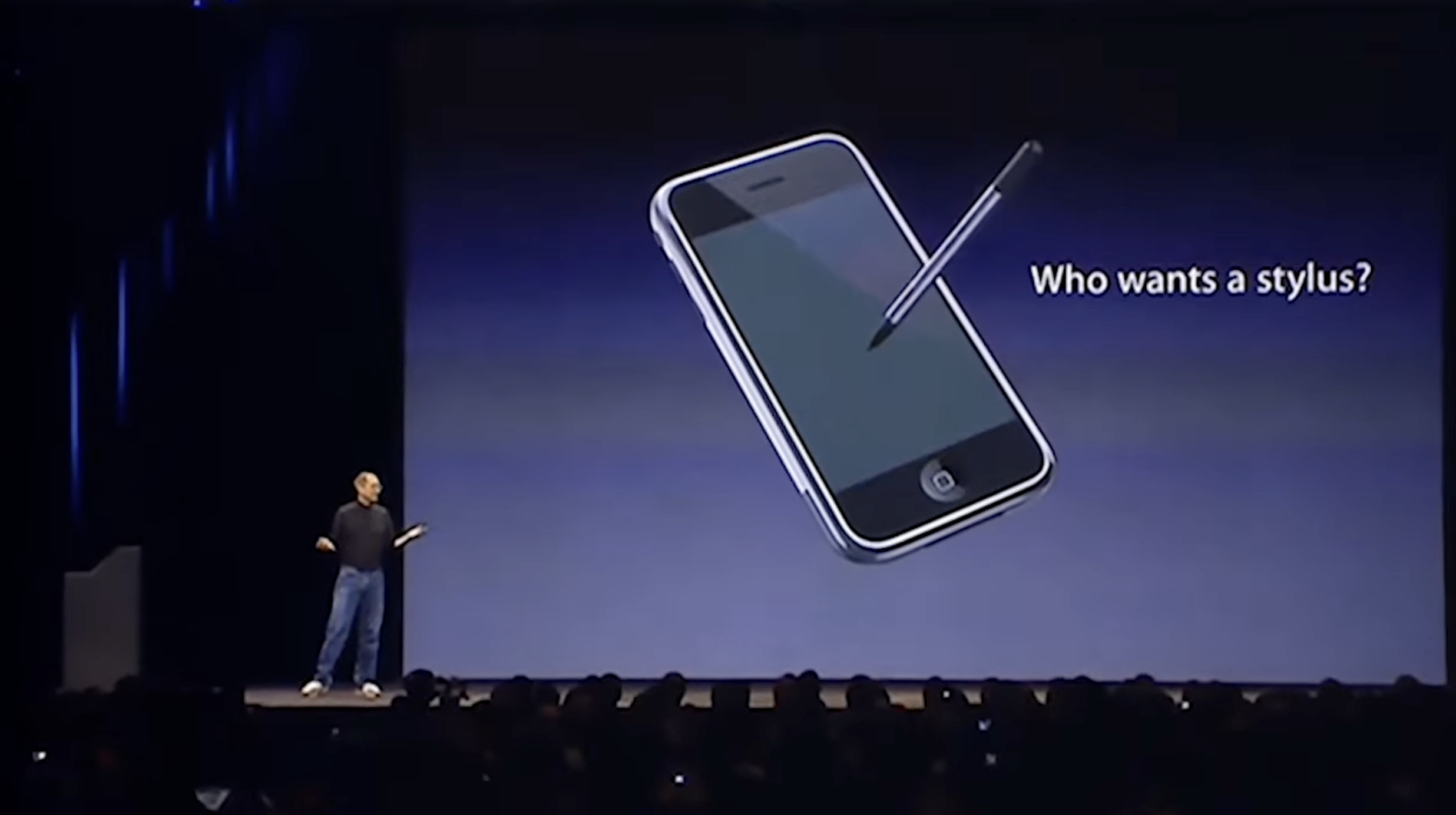
Sorry, wrong file. This is what it looks like:
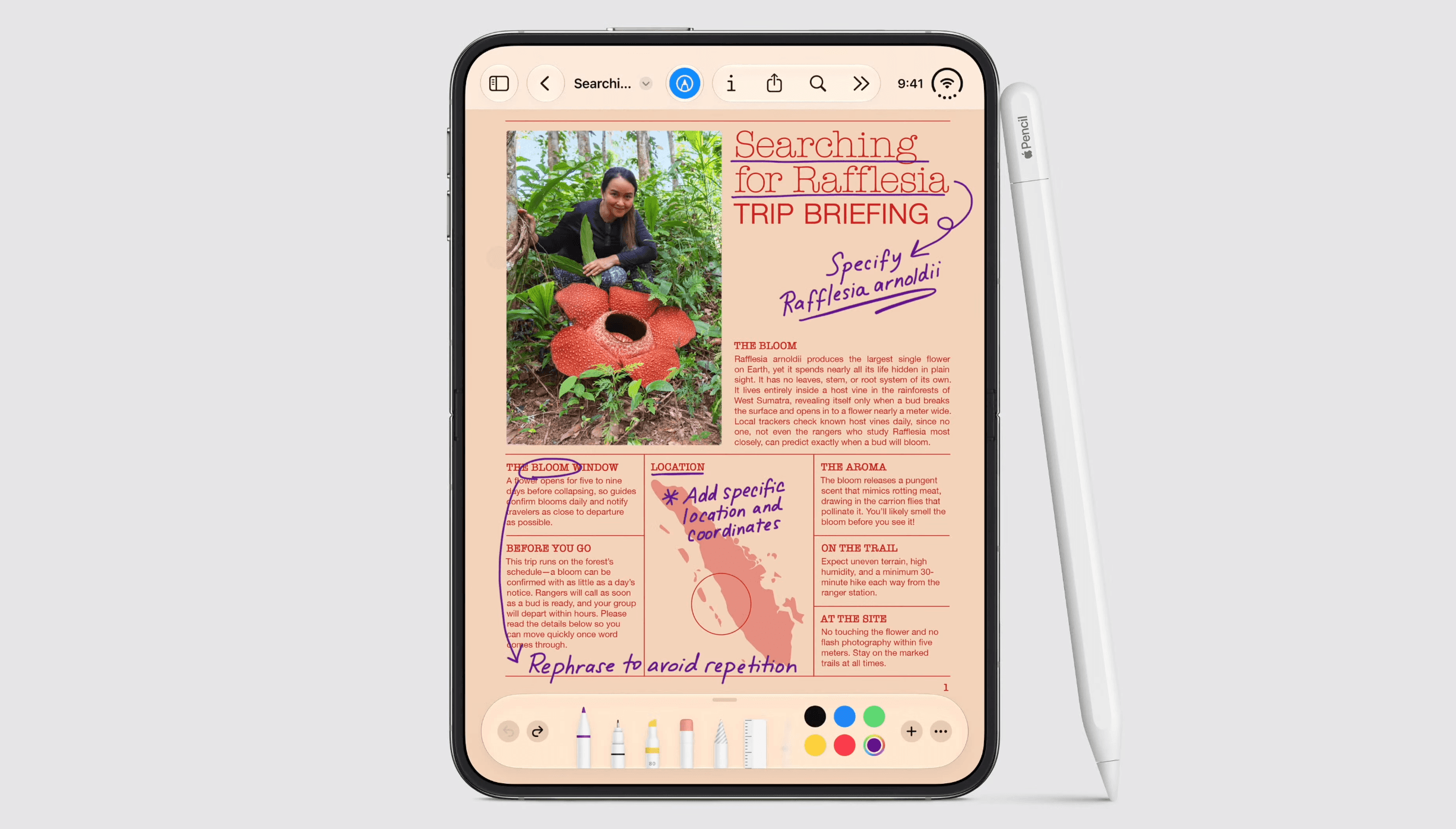
In the announcement video, Apple said Pencil integration will be available “later this year”.

Cameras

The camera system is another area where the Duo differs from the Pro models. In the Duo, you get a 48MP Fusion Main camera with a fixed ƒ/1.6 aperture, plus a 48MP Fusion Ultra Wide with an ƒ/2.2 aperture and macro support. There’s no dedicated Telephoto lens, although the Main camera offers an optical-quality 2x option. The outer display has a 12MP Center Stage camera, while a separate FaceTime camera sits underneath the inner display and records video at up to 1080p and 60 fps. From Apple’s demo videos, it appears that the area surrounding the under-display camera will look slightly dimmer; I’d like to understand if this is something that will be visible at all times, or if it’s a UI decision to indicate where the camera actually is.
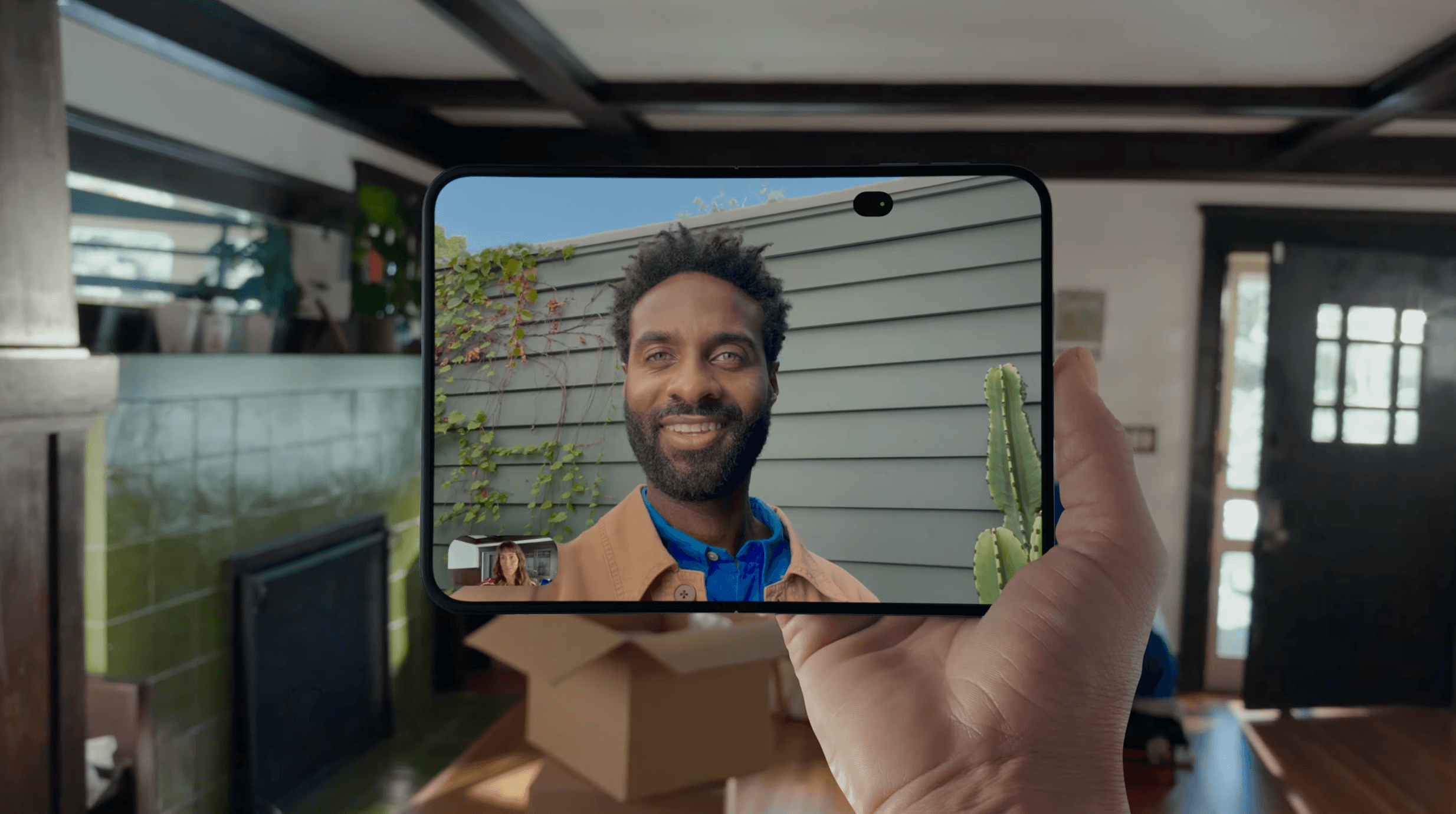
The under-display camera “lights up” in software during a FaceTime call.

The under-display camera “lights up” in software during a FaceTime call.

What the Duo offers is also a series of features designed around the idea of having two screens. With Duo Preview, the person you’re photographing can see the live camera view on the outer display and adjust their pose or framing if they want to. You can use that screen to take selfies with the rear cameras, too. Kid Cue takes a more playful approach, putting Peanuts animations (and ideally something else, too?) on the outer display to get children to look at the camera while you’re framing a shot.
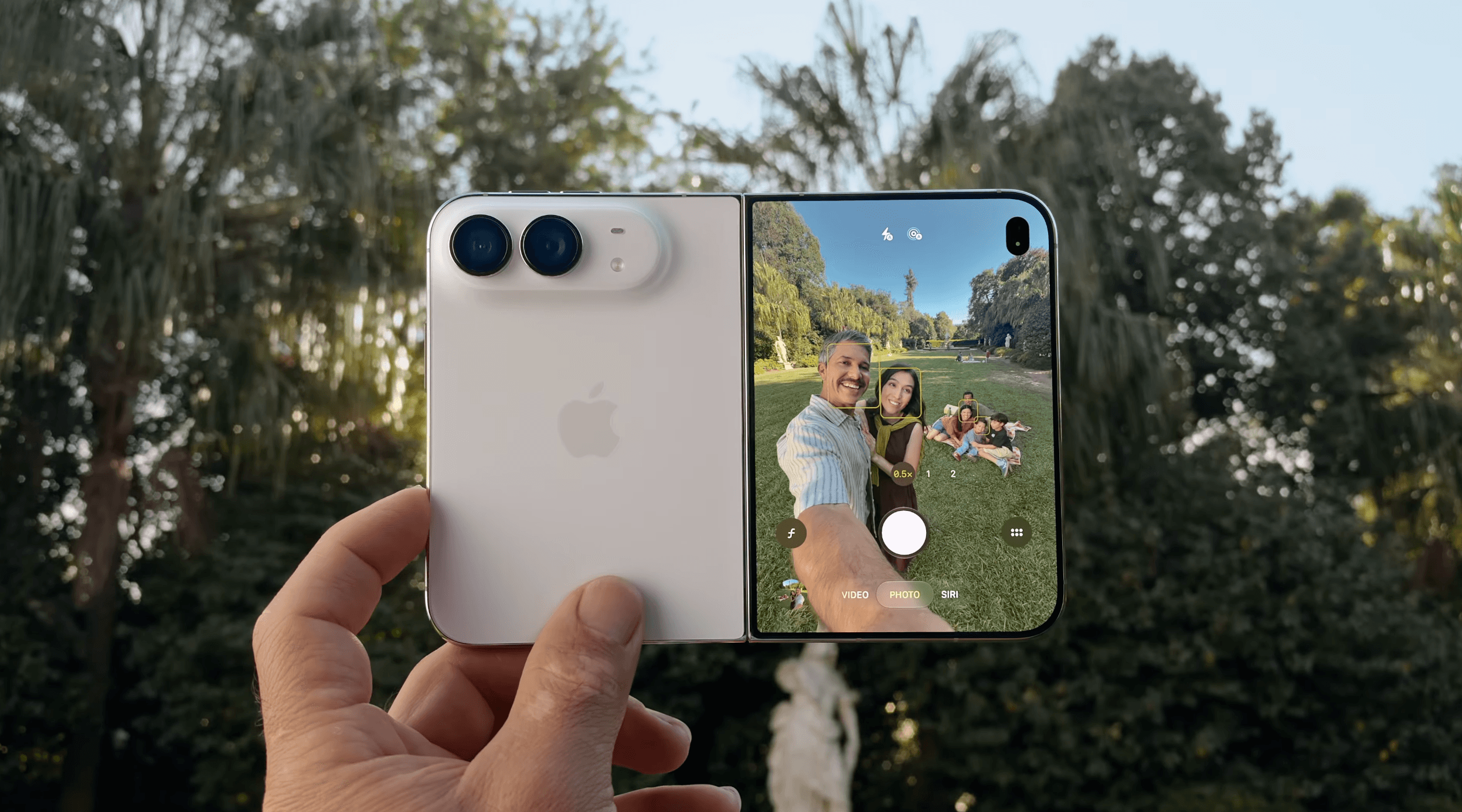
With the Duo propped up thanks to one of its “halves”, the new Smart Take feature uses on-device AI to recognize when people are posing and automatically take their photo. And Duo FaceTime lets someone sitting with you join a call using the outer screen and camera, rather than having everyone squeeze into the same shot.

We’ve seen some of these features on other foldables before, but I think Apple is offering a more complete, consistent package with these different “postures” for the iPhone Duo and the Camera app from the get-go.

Performance and Battery

The Duo runs the same A20 Pro as the Pro models, paired with its own vapor chamber.

Battery life is a little more complicated to describe when a phone has two displays. Apple quotes up to 31 hours of video playback on the inner screen or 44 hours on the outer one. The company also gives a separate estimate of up to 24 hours of “typical use”, based on using the two screens equally. Obviously, how you divide your time between the displays will make a difference here.

For charging, you’re looking at up to 50% in around 20 minutes with a 60W-capable wired adapter, or around 30 minutes with a compatible MagSafe charger and adapter. MagSafe and Qi2 both support up to 25W.

iOS and Multitasking

As a longtime iPad user, this is the part of the Duo’s story that interests me most. And I feel that, as someone who’s spent over a decade witnessing the iPad’s multitasking evolution, I’ve been waiting for this kind of iPhone model to arrive, and I can’t wait to get my hands on it.

Apple will ship the iPhone Duo with iOS 27.1, and the iOS interface has been adapted to function as a hybrid of a miniaturized iPadOS and an enlarged iOS that moves several controls off to the side of the screen.

For starters, Lock Screen controls, the Home Screen dock, and app navigation are moving to the side to make more vertical room for content. This makes sense given the device’s atypically short aspect ratio; as you can see from one of Apple’s shots, it seems like bottom tab bars will automatically be anchored on the right side of the screen and displayed vertically.
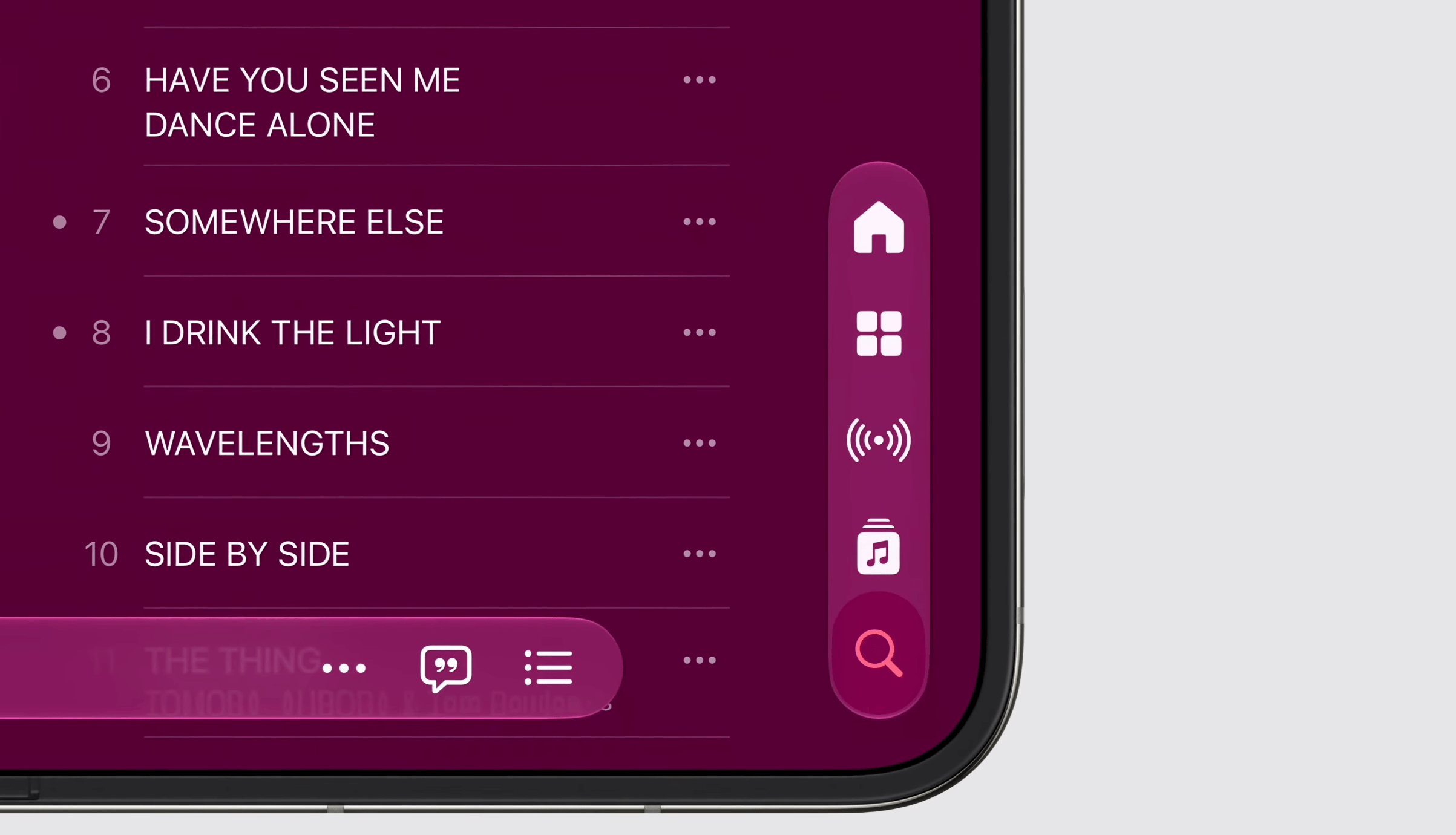
The Music tab bar on iPhone Duo.
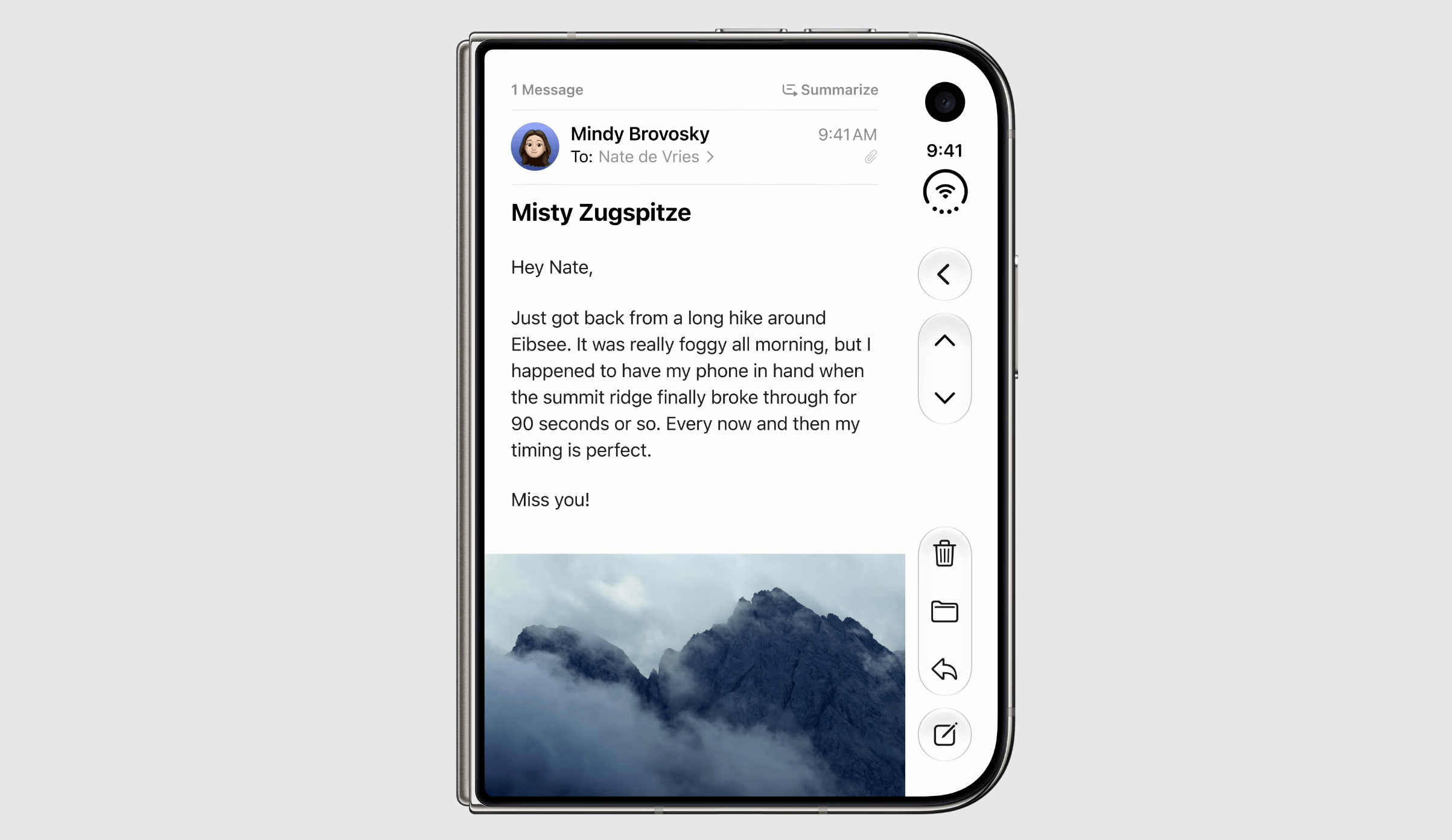
The Music tab bar on iPhone Duo.

More toolbars on the Duo.

More toolbars on the Duo.

When you open the Duo, the Home Screen displays two pages at the same time, which you can customize with widgets. It’s unclear, at the moment, whether the dock will support adding more than four app icons to it (my money is, sadly, on “no”).
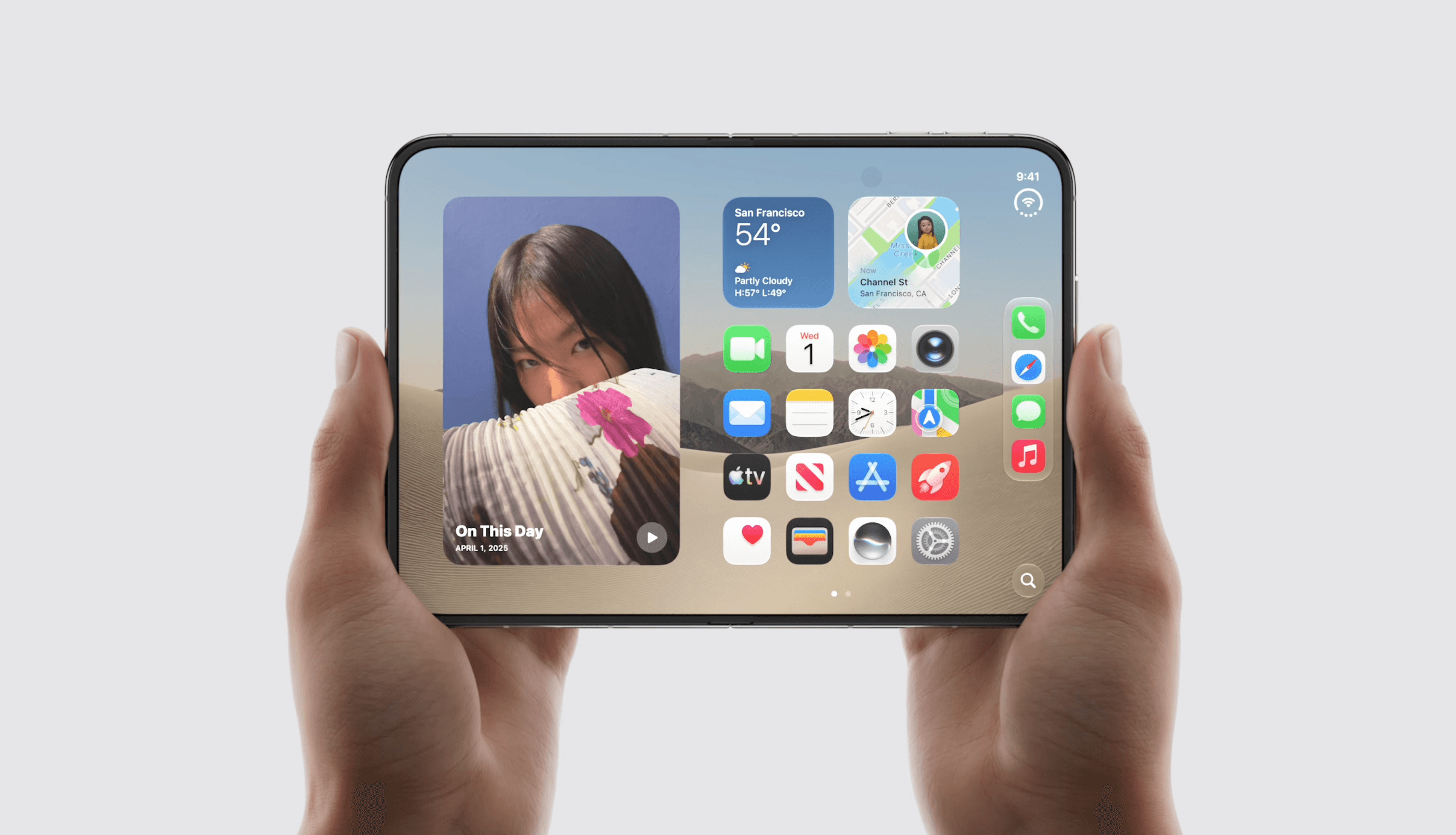
The Home Screen.

The Home Screen.

Even the Dynamic Island has been rethought as a vertical element along the side of both displays.

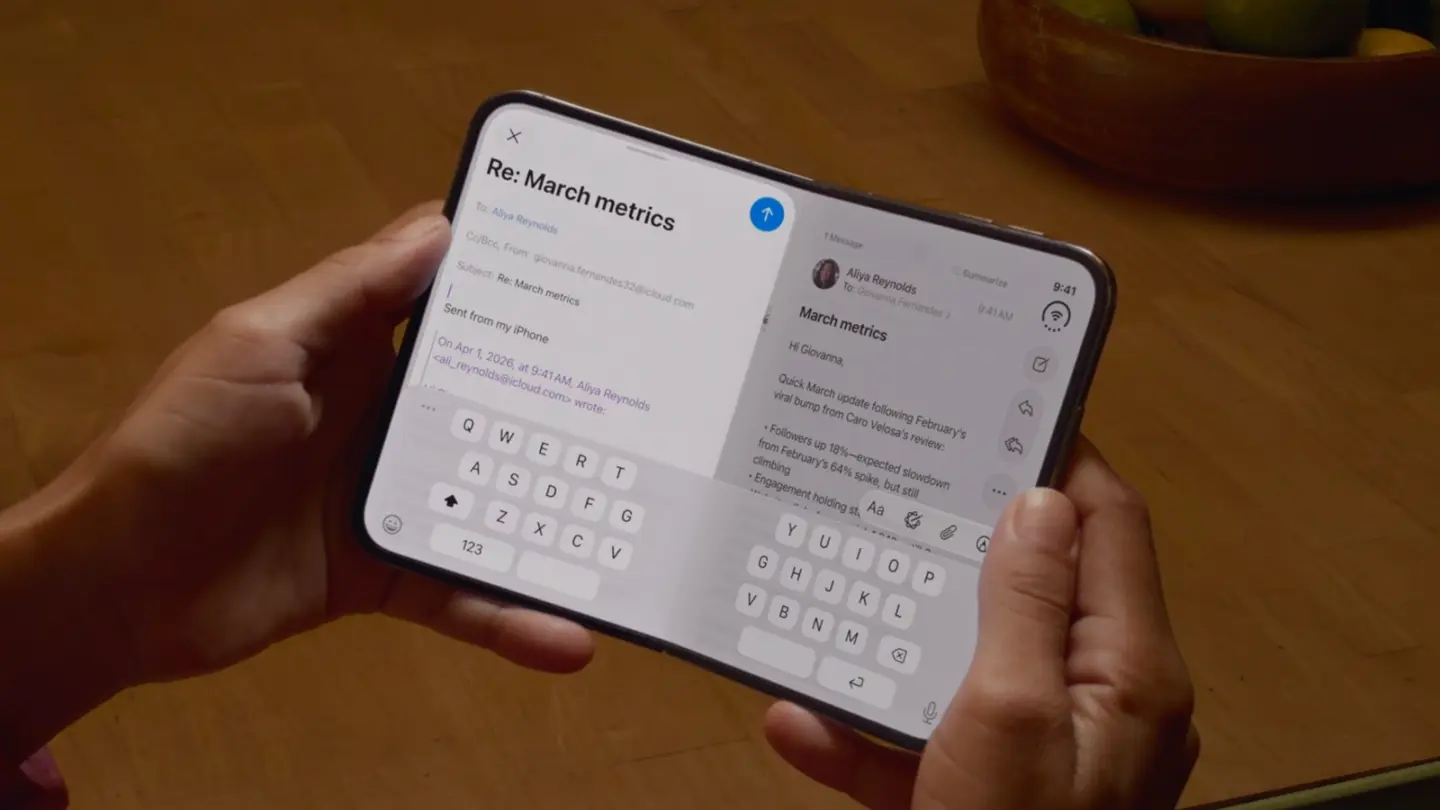
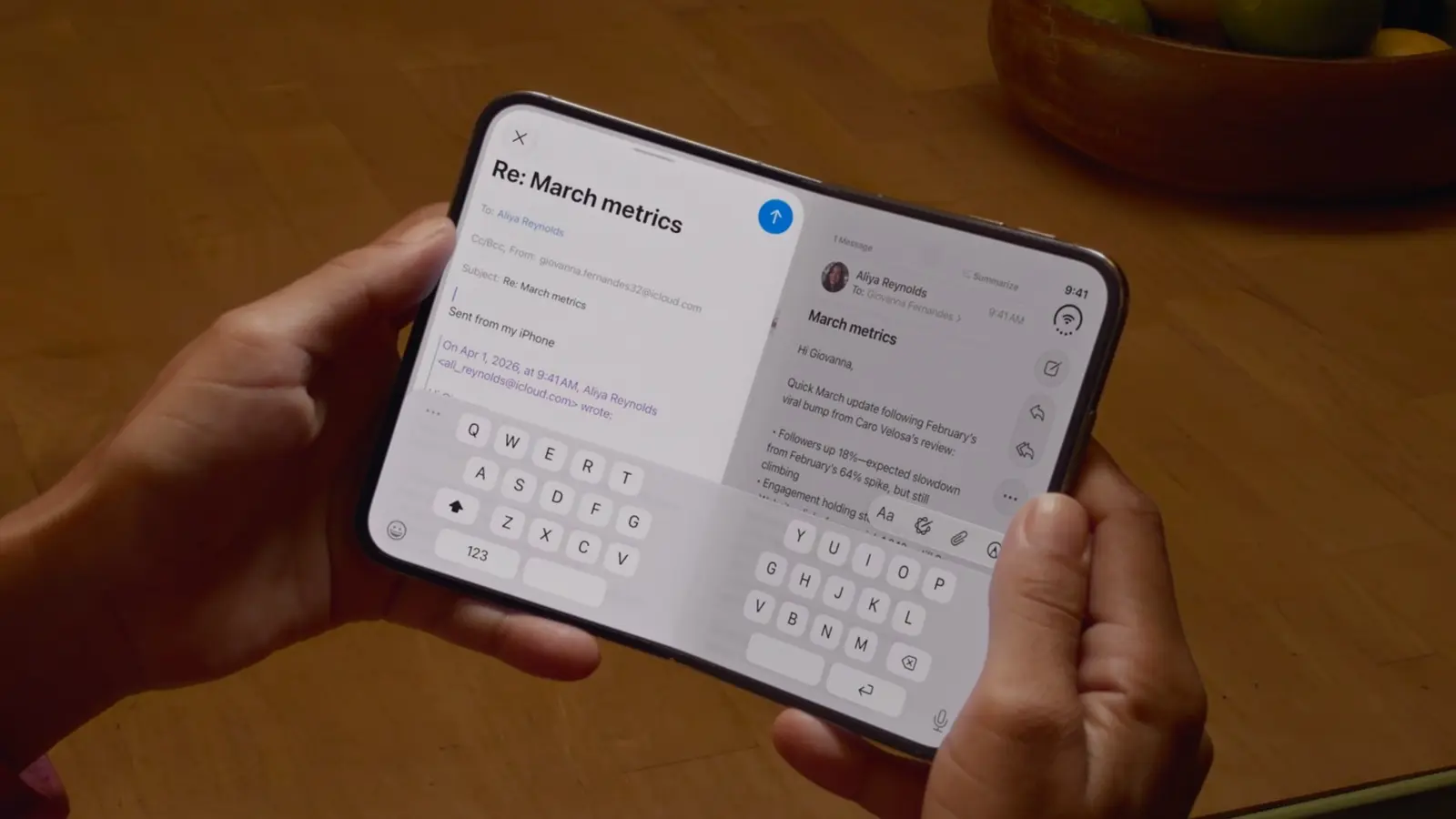
Thus, the idea here is that iOS should follow along as you fold, rotate, or flip the Duo. This kind of layout flexibility is unprecedented for iOS, and when you factor in the fact that iOS 27 will be able to measure the angle to which the Duo is open in real time, it opens the door to some fascinating software design decisions. For example, iOS can dynamically adapt to a not-fully-open Duo and change the keyboard layout to move the keys away from the folding area:
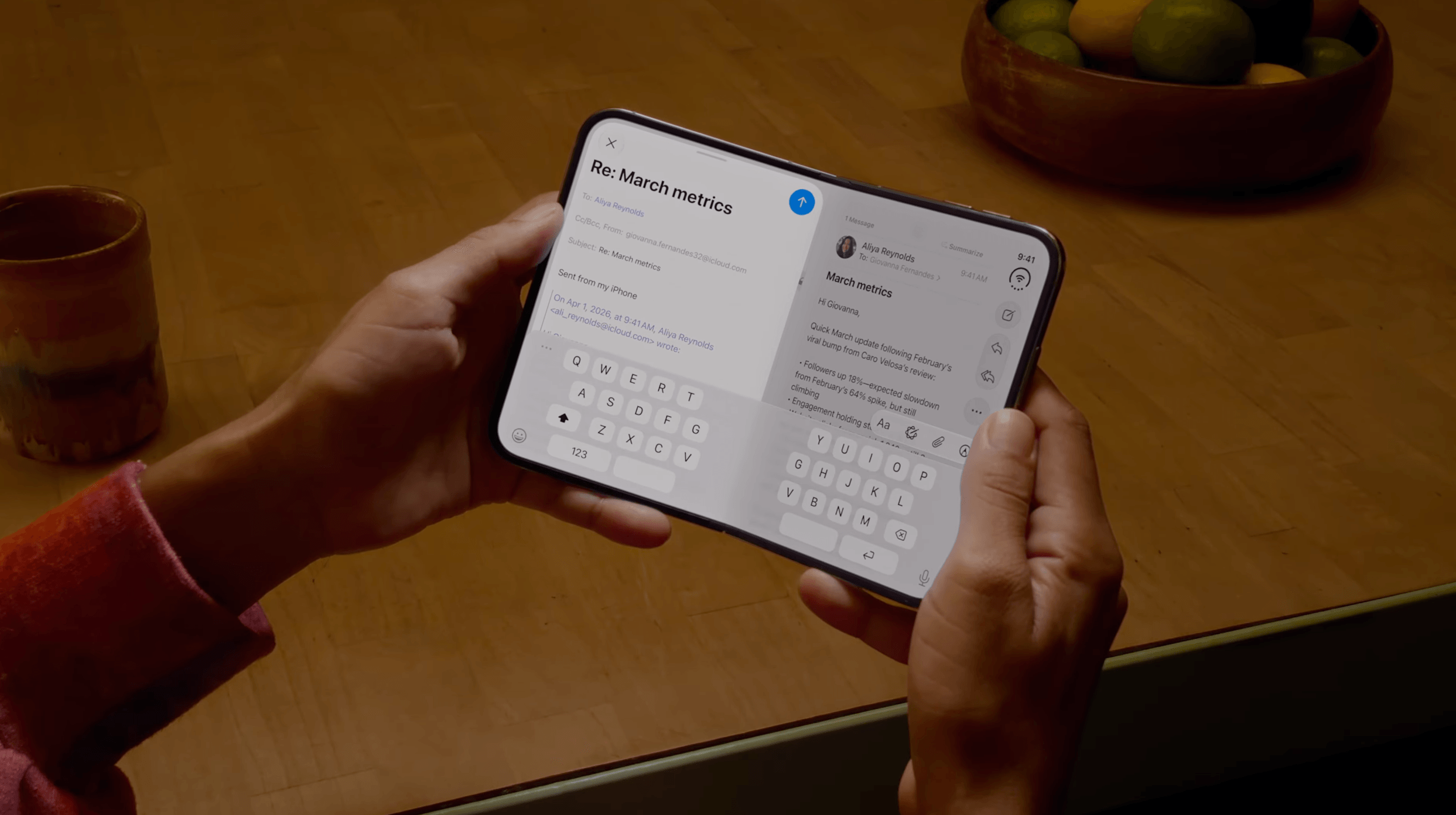
Or, it can put the keyboard on the part of the screen that’s sitting flat on a surface:
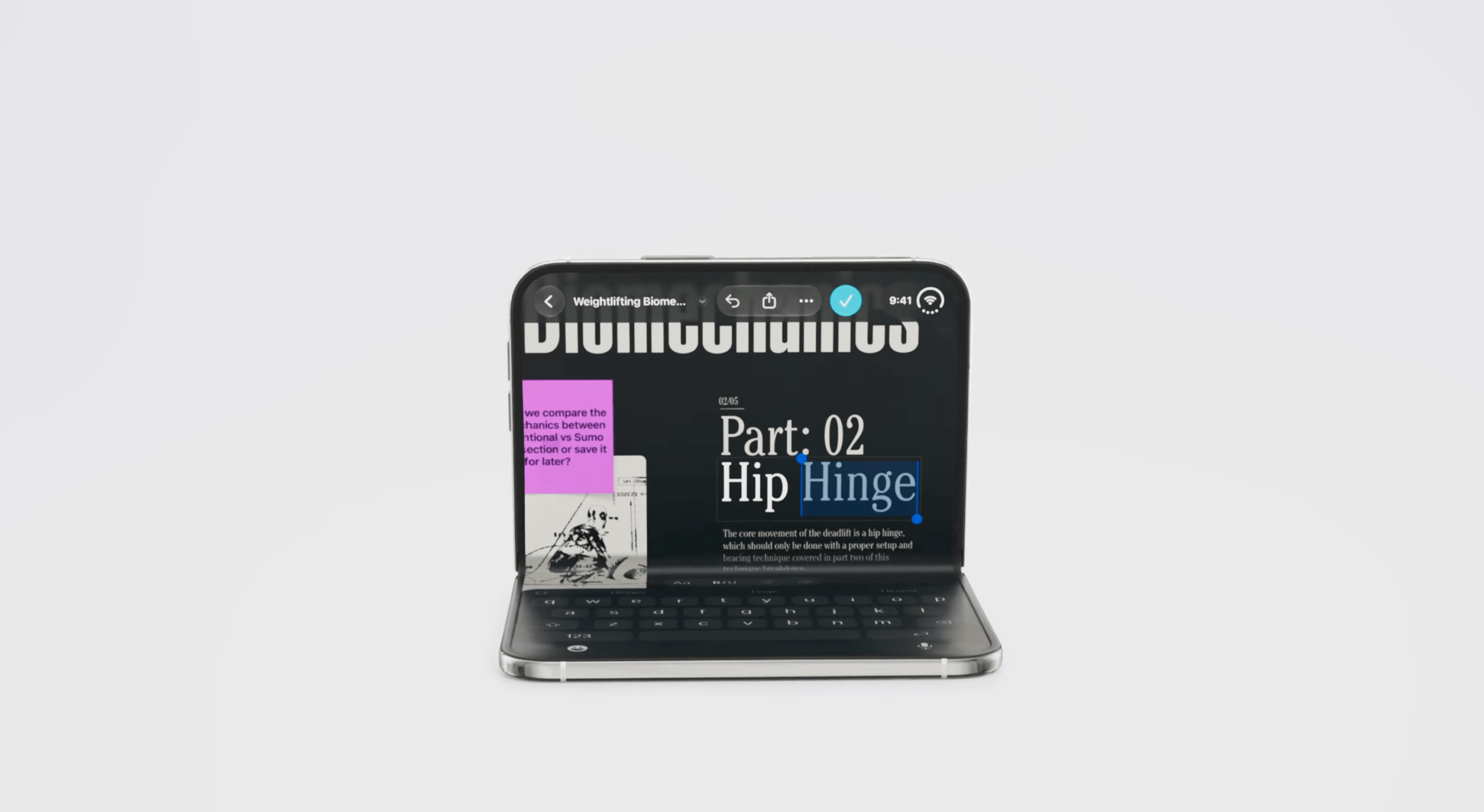
Or, you can turn the device to portrait mode, and type on it as if it were a smaller iPad mini:
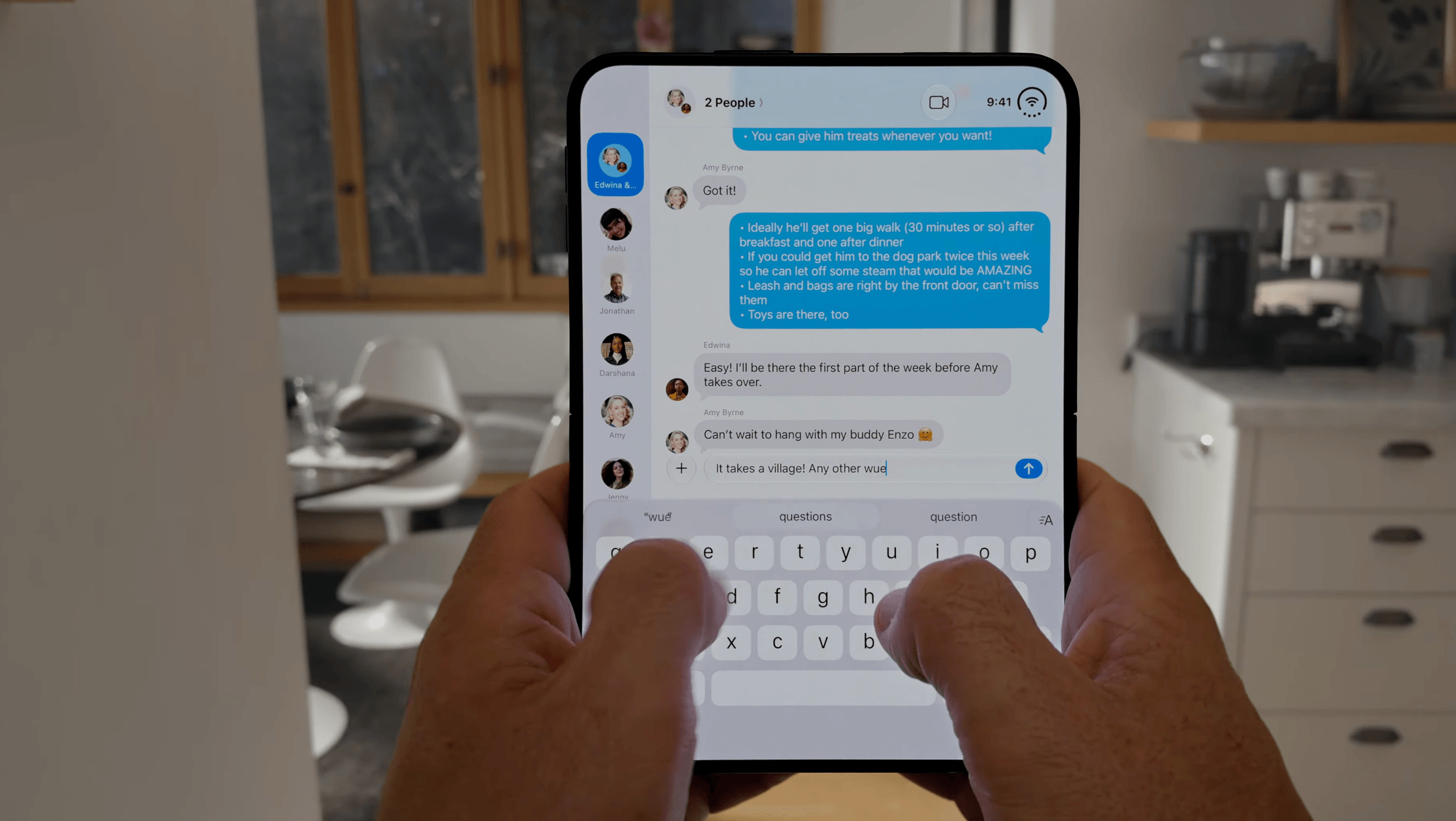
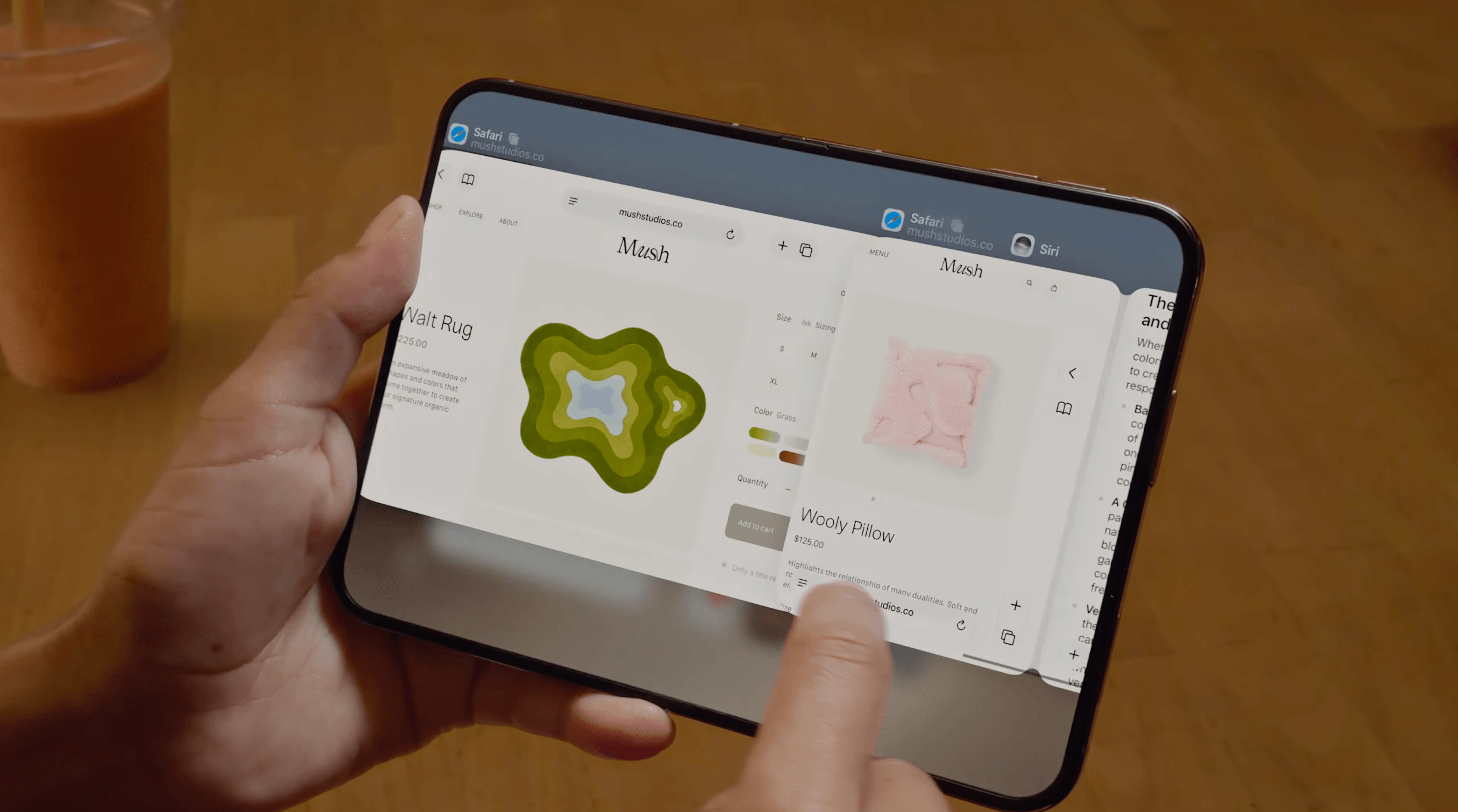
Then there’s Split View, which brings two apps side by side to the iPhone for the first time. You can also open two windows of the same app (like on an iPad) and save pairs of apps to return to later (like on Android). At the moment, it seems like the only way to add apps to Split View is from the Home Screen on one side of the screen; I’d love to know if dragging apps from Spotlight will also be supported.
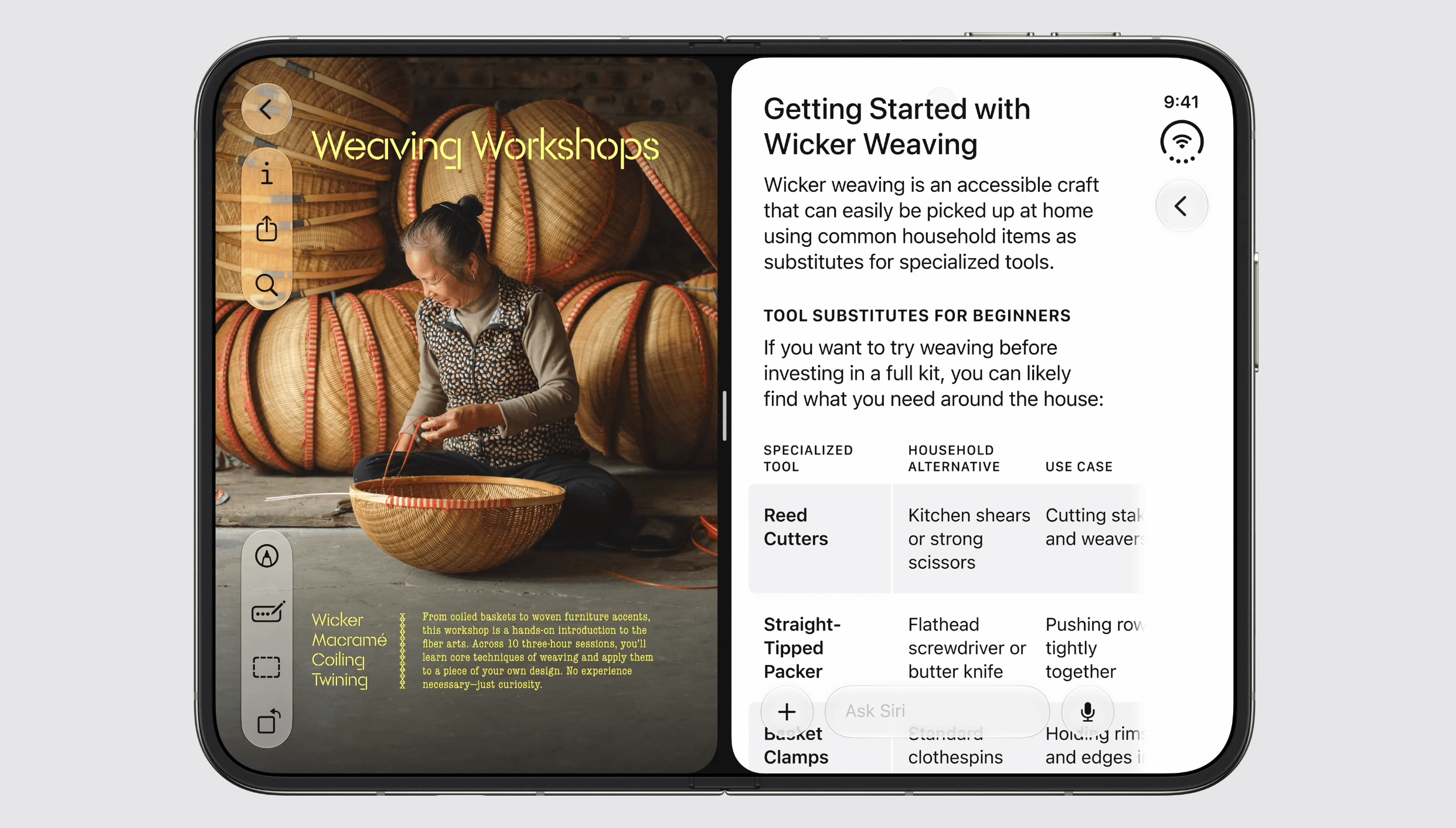
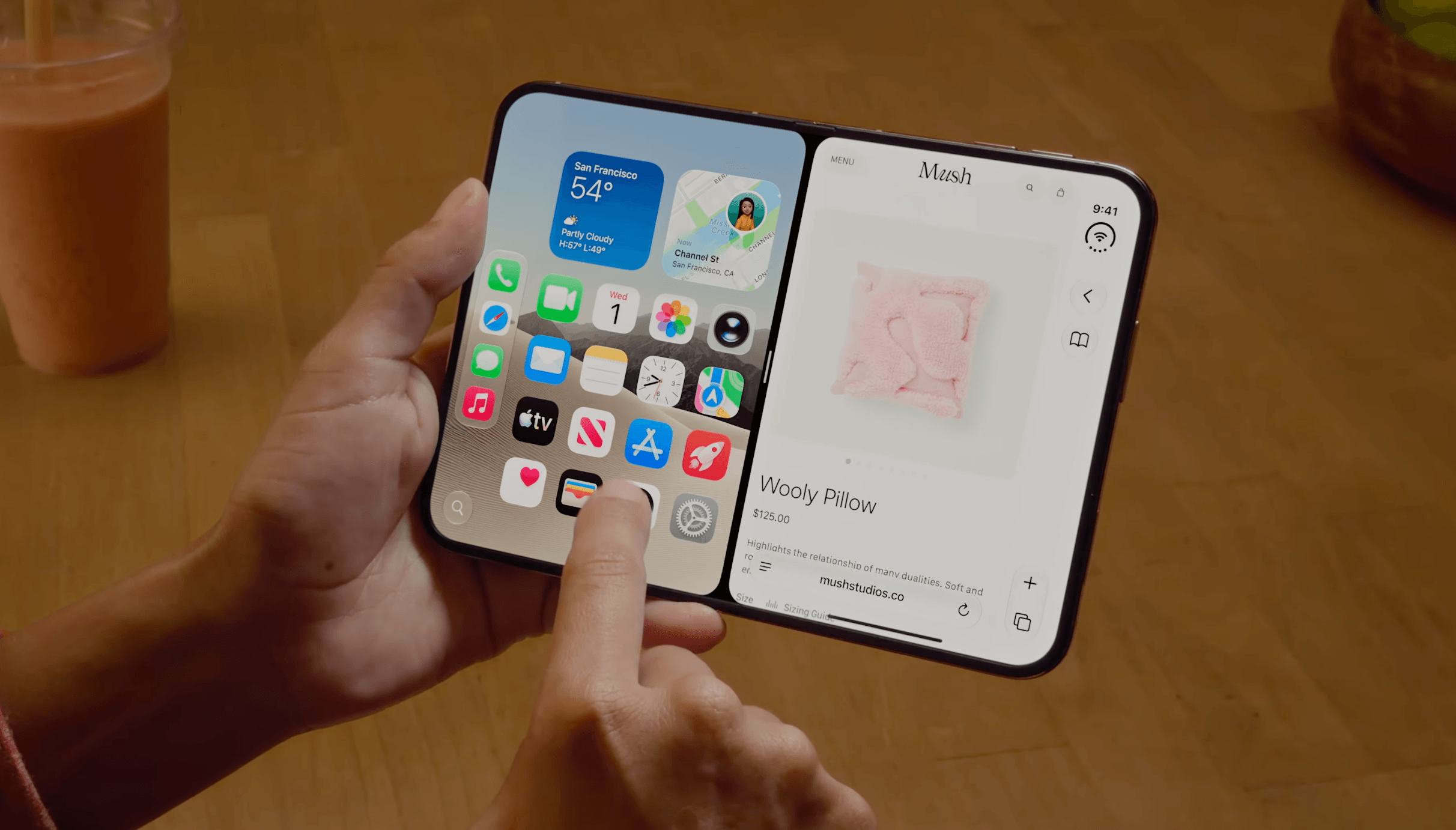
Starting Split View from the Home Screen.
Starting Split View from the Home Screen.

Creating app pairs to come back to later.

Creating app pairs to come back to later.

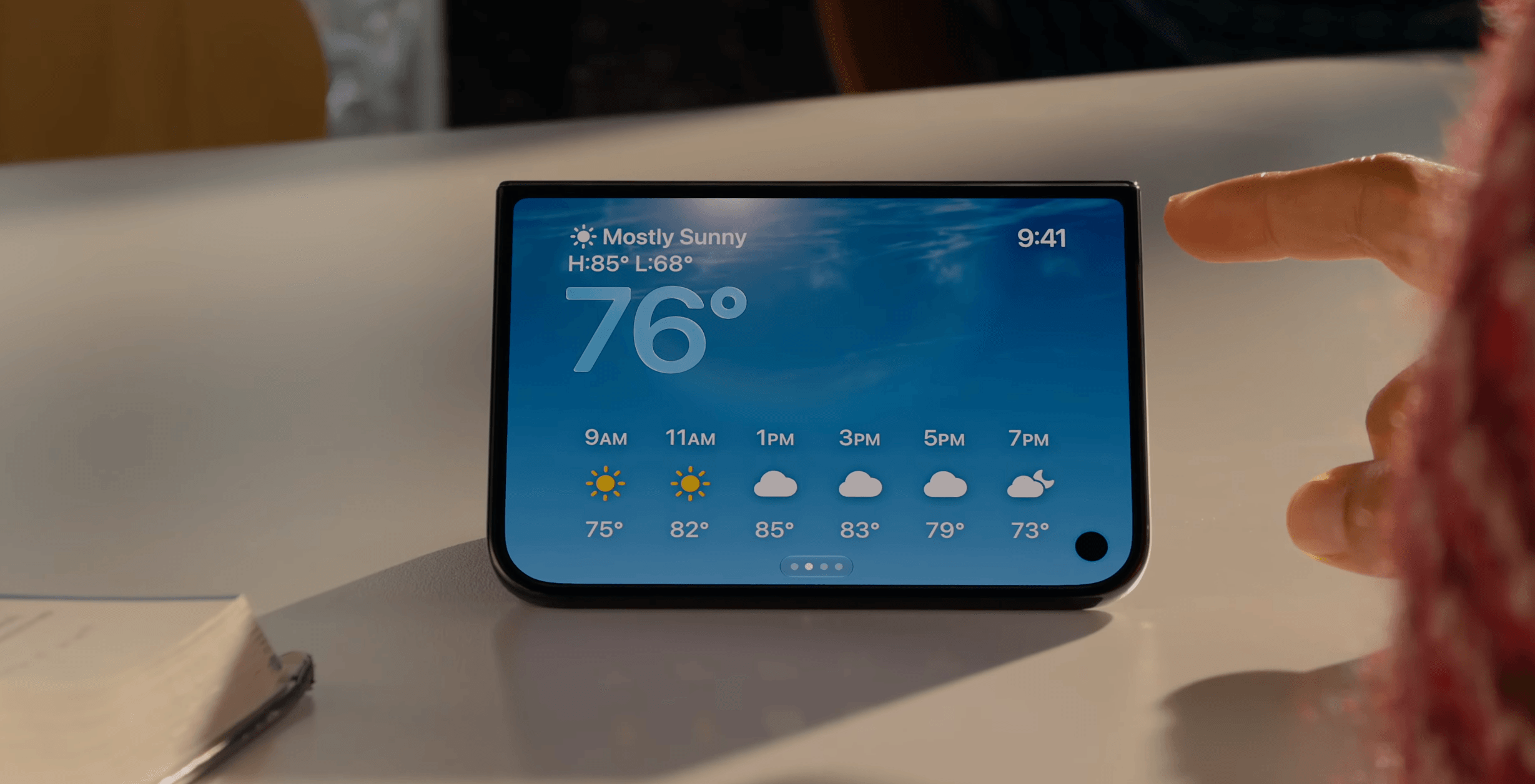
Another nice touch: StandBy no longer requires a charger on the Duo.
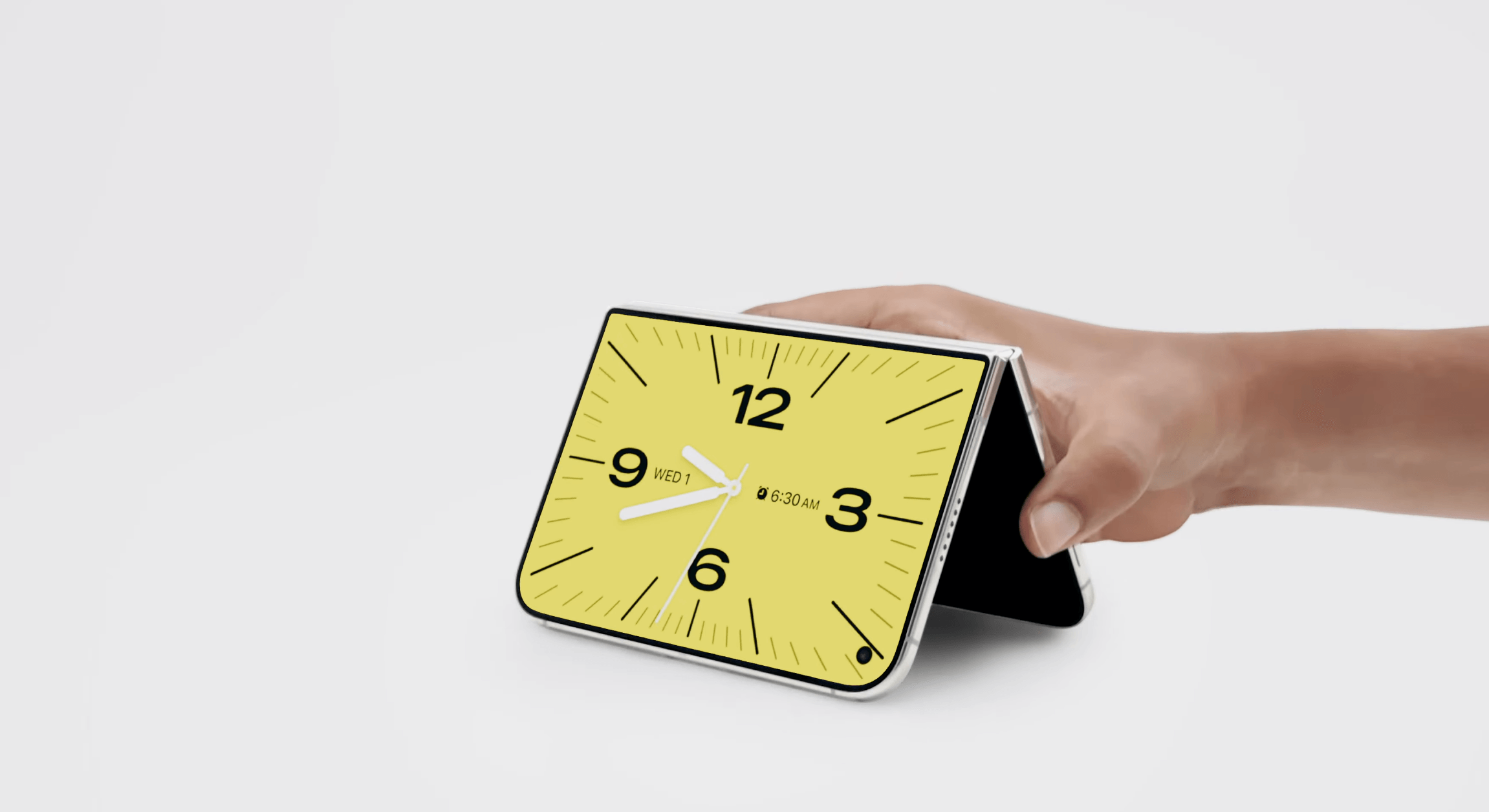
Prop the phone up, and you can use either display for widgets, photos, or a clock. There are new Calendar and Weather faces, Shared Albums in the Photos face, and more customization options, too.

Pricing and Availability

The iPhone Duo starts at $1,999 in the U.S. and comes in night sky and star white, with 256GB, 512GB, 1TB, or 2TB of storage. Preorders open October 16 at 5 a.m. Pacific, with availability on October 23 and a second regional rollout on October 30.
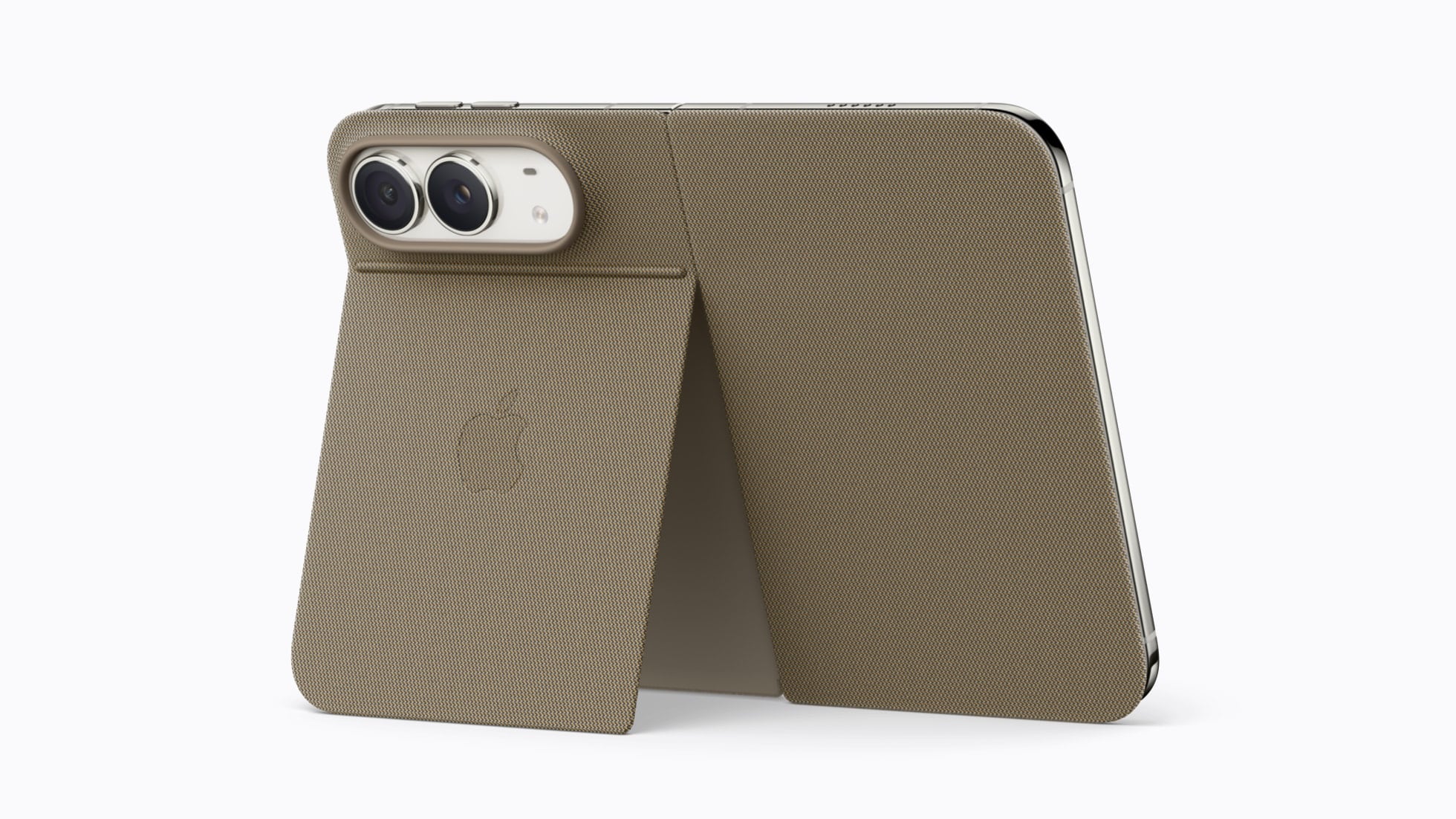
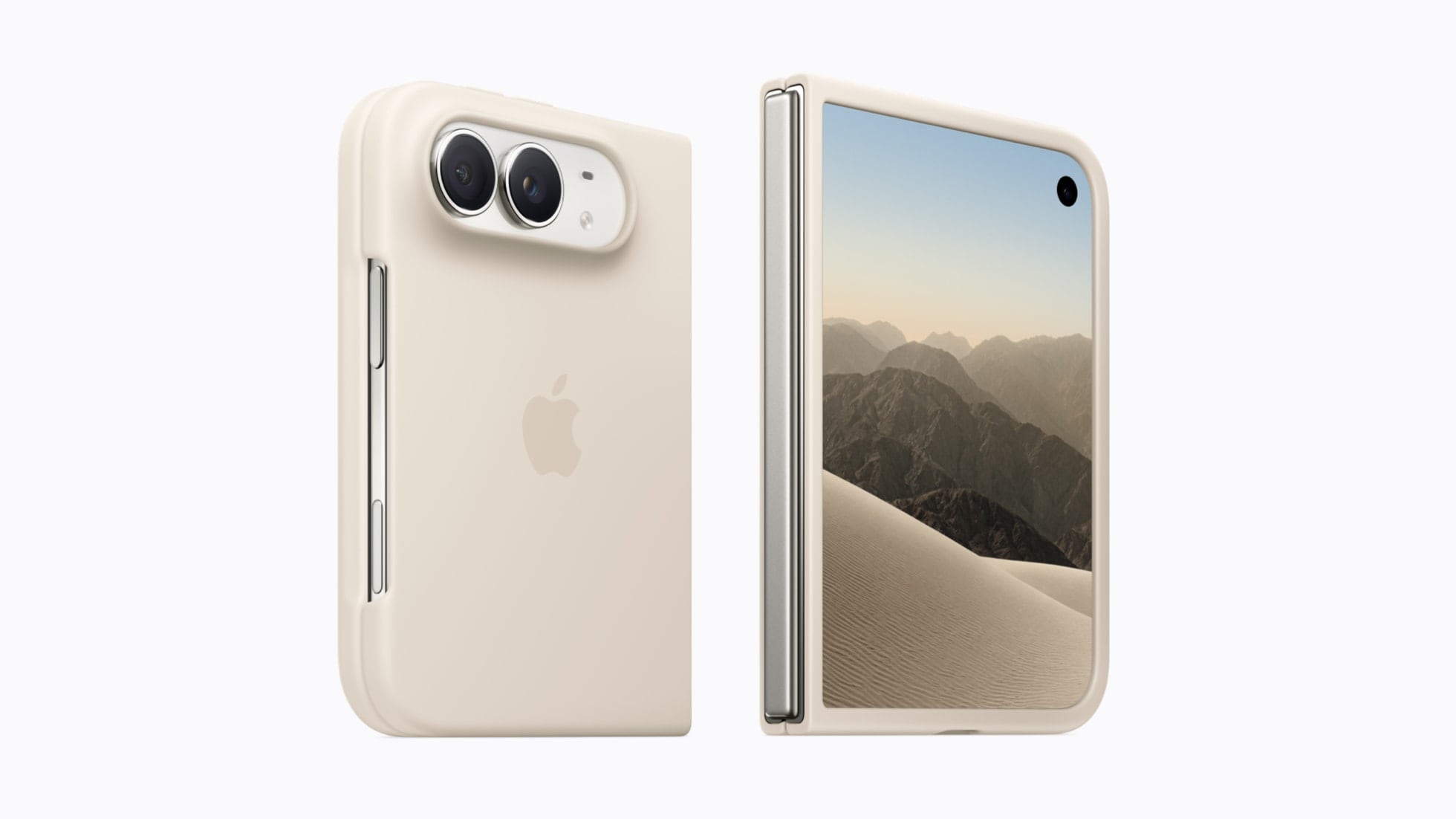
Apple is also selling a $79 Duo Case in navy blue and sand, plus a $129 Duo Folio with Kickstand in navy blue and taupe. The latter adds an adjustable stand for reading, watching videos, or FaceTime; both support MagSafe and can be ordered starting October 16. The full hardware specifications are available on Apple’s website.


As you can probably tell from this story, I’m going to get an iPhone Duo as soon as possible, and it’s going to be my primary device for the foreseeable future. I’ve been waiting for Apple to make an iPhone inspired by the iPad for a long time.

From what I’ve seen today, I think Apple is right: the iPhone Duo truly feels like the most transformational iPhone since the original.

October 23 can’t come soon enough.


You can follow all of our September 2026 Apple event coverage through our September 2026 Apple Event hub or subscribe to the dedicated September 2026 Apple event RSS feed.

  •  

Apple’s Surprise and Shine Event: All the New Accessories

Apple’s hardware announcements usually bring a wave of smaller additions to the Apple Store. We’ve gone through the new cases, straps, wallets, and Apple Watch bands introduced alongside today’s products and collected the details below.

iPhone cases and accessories

iPhone 18 Pro and iPhone 18 Pro Max cases

Apple announced new silicone and TechWoven cases for the iPhone 18 Pro and iPhone 18 Pro Max. The silicone case is $49 in the U.S. and comes in Burgundy, Olive, Crisp Blue, Navy Blue, Magenta, and Black. The TechWoven case is $59 in the U.S. and comes in Burgundy, Olive, Taupe, Chambray Blue, Mulberry, and Black. Apple is also offering a clear case for $49 in the U.S.
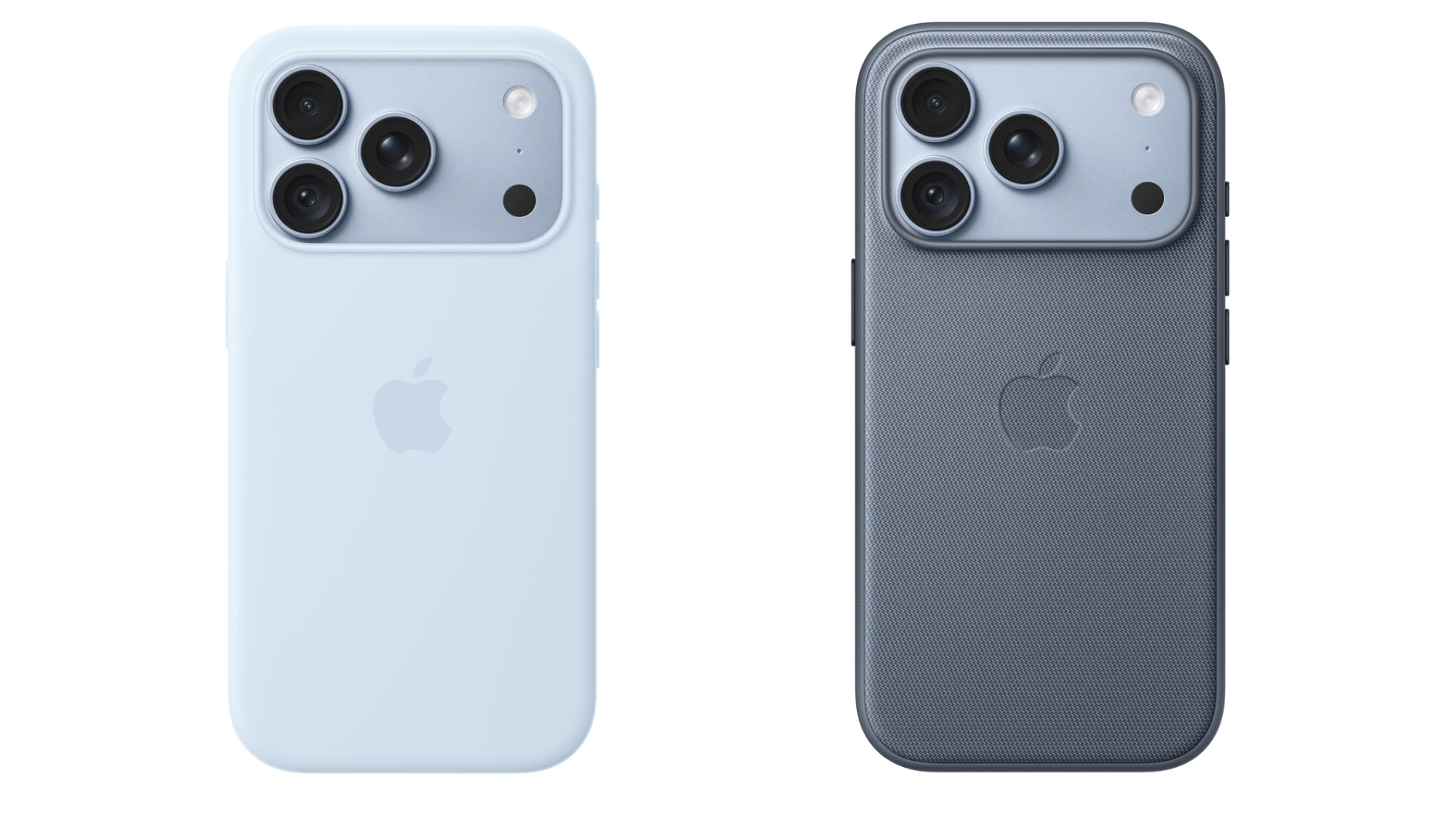
Silicone case (left) and TechWoven case (right) for iPhone 18 Pro.

Silicone case (left) and TechWoven case (right) for iPhone 18 Pro.

iPhone Duo cases

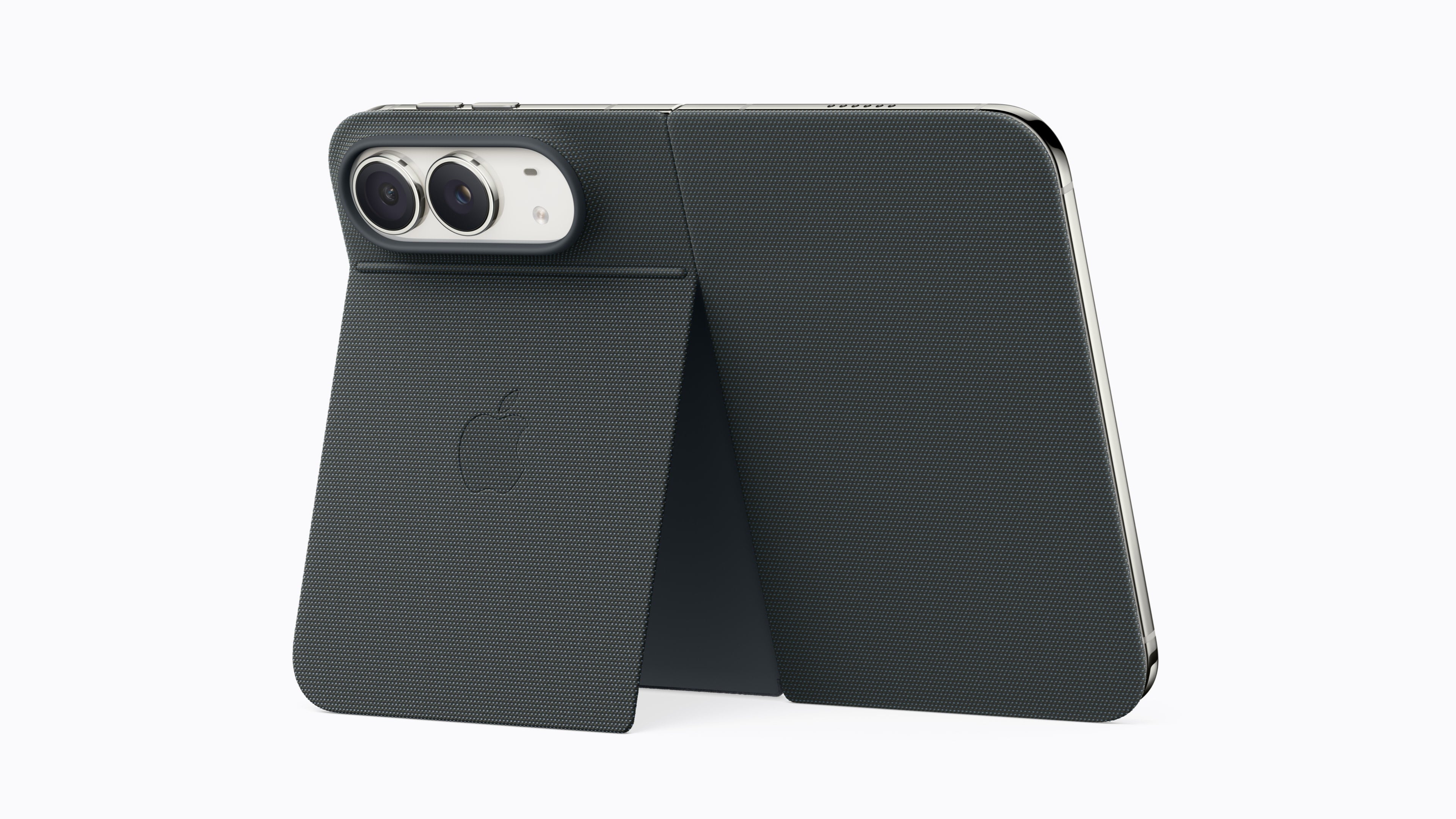
Apple announced two cases for the upcoming iPhone Duo. The first is simply called the iPhone Duo Case. It will cost $79 in the U.S. and comes in Sand and Navy Blue. The second is the iPhone Duo Folio with Kickstand, which comes in Taupe and Navy Blue for $129 in the U.S. Its built-in stand snaps back into place when not in use.
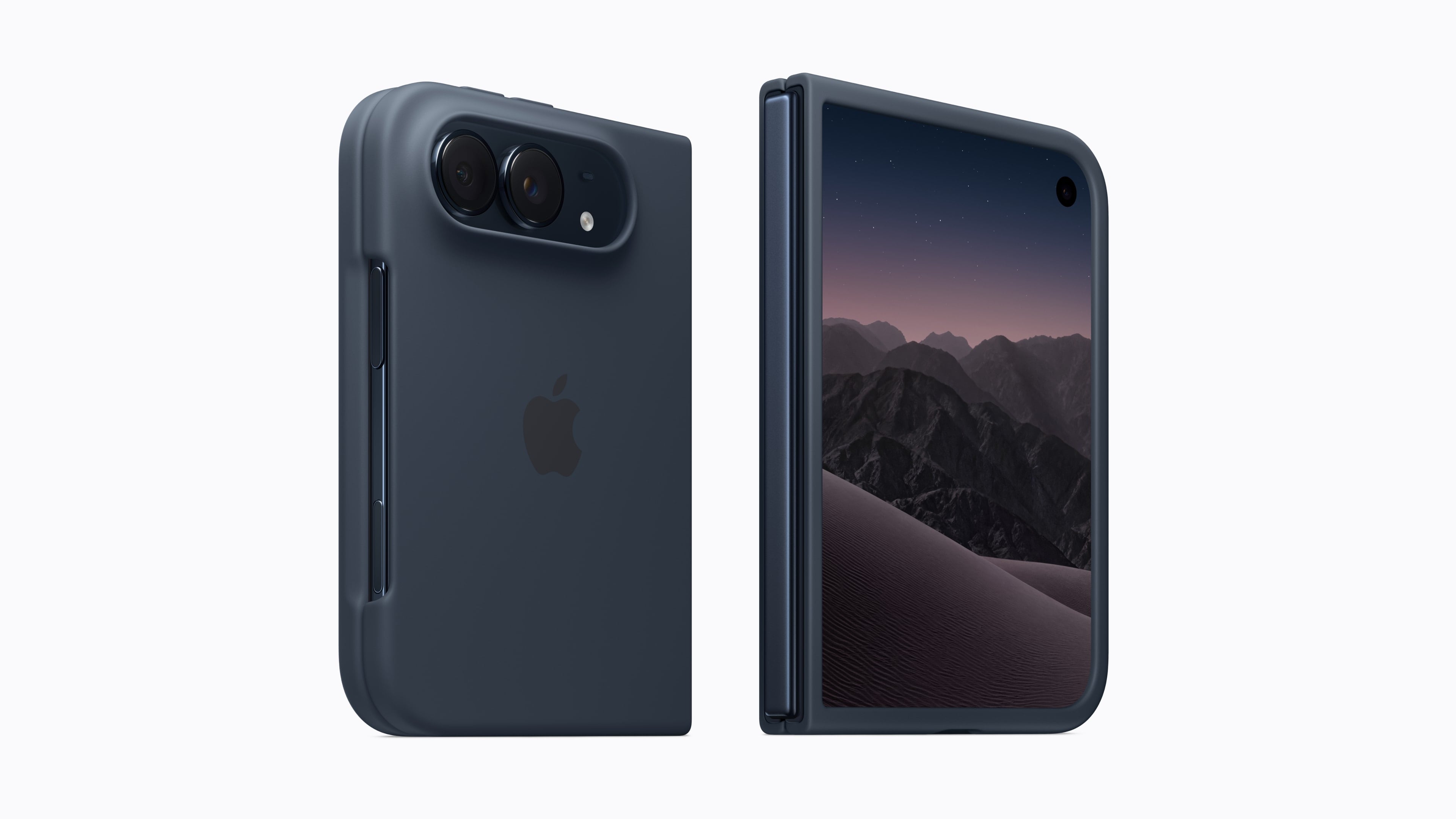
The iPhone Duo Case.
The iPhone Duo Case.

The iPhone Duo Folio with Kickstand.

The iPhone Duo Folio with Kickstand.

iPhone Wrist and Crossbody Straps

Apple’s Wrist Strap and Crossbody Strap are available in a variety of colors and attach to select Apple iPhone cases. The Wrist Strap is $29 in the U.S. and comes in Burgundy, Olive, Crisp Blue, Taupe, Magenta, and Black. The Crossbody Strap is $59 in the U.S. and comes in Burgundy, Olive, Crisp Blue, Navy Blue, Taupe, Magenta, Light Gray, Black, and Sand.
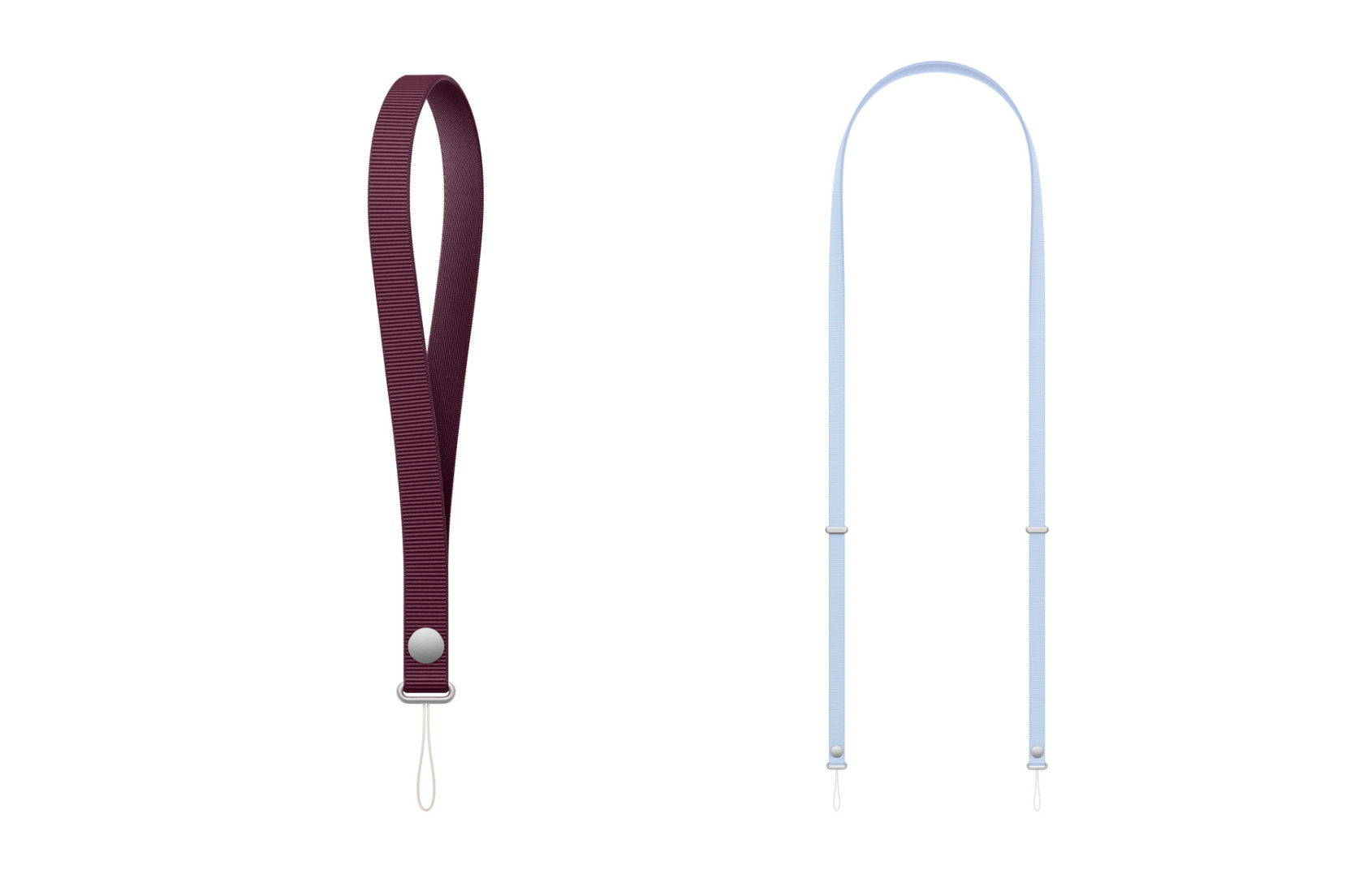
Wrist Strap (left) and Crossbody Strap (right).

Wrist Strap (left) and Crossbody Strap (right).

FineWoven Wallet

Apple has also refreshed its iPhone FineWoven Wallet with MagSafe. It costs $59 in the U.S. and comes in Dark Olive, Burgundy, Wildflower Blue, Magenta, Navy, and Black.
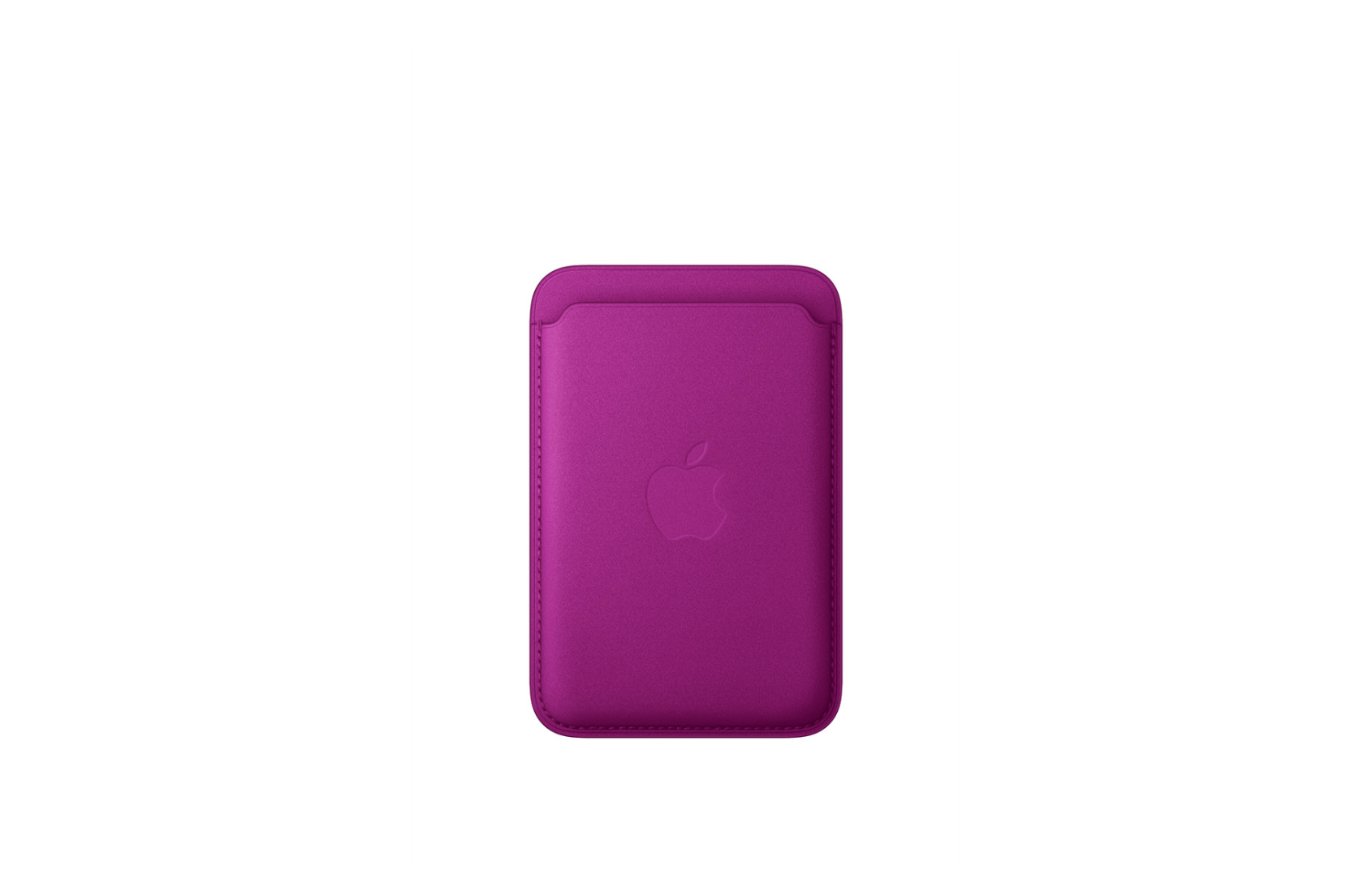
The FineWoven Wallet.

The FineWoven Wallet.

Apple Watch bands

Apple’s latest band lineup includes new colors and styles across Apple, Nike, and Hermès models. Note that for some bands, the accompanying image only includes representative colors and not all available colors.
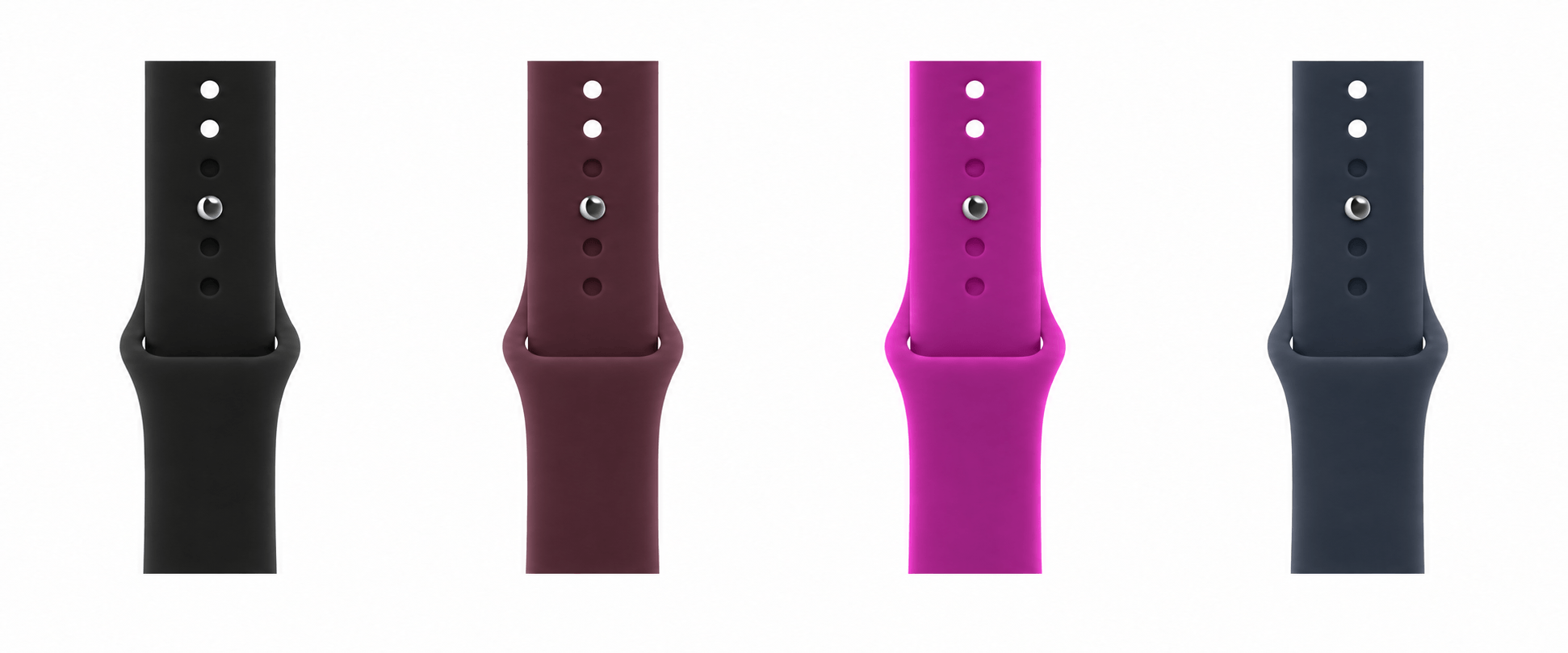
Apple and Nike bands

Sport Band

Sport Bands.

Sport Bands.

Colors: Black, Burgundy, Magenta, Navy Blue, Olive, Pale Succulent, Sand, Wildflower Blue
Price: $49 (U.S.)
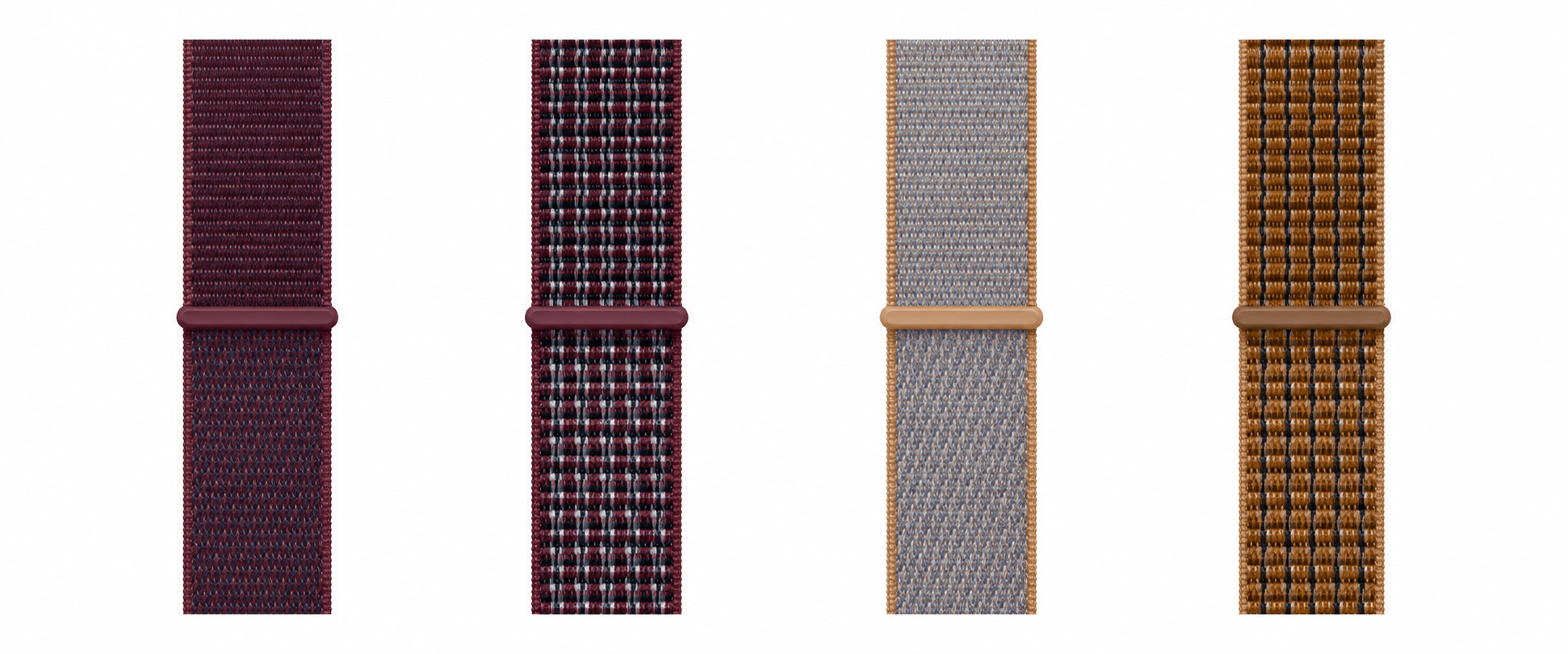
Sport Loop

Sport Loops.

Sport Loops.

Colors: Burgundy, Burgundy Plaid, Chambray Blue, Light Umber Plaid, Limestone, Magenta, Olive
Price: $49 (U.S.)
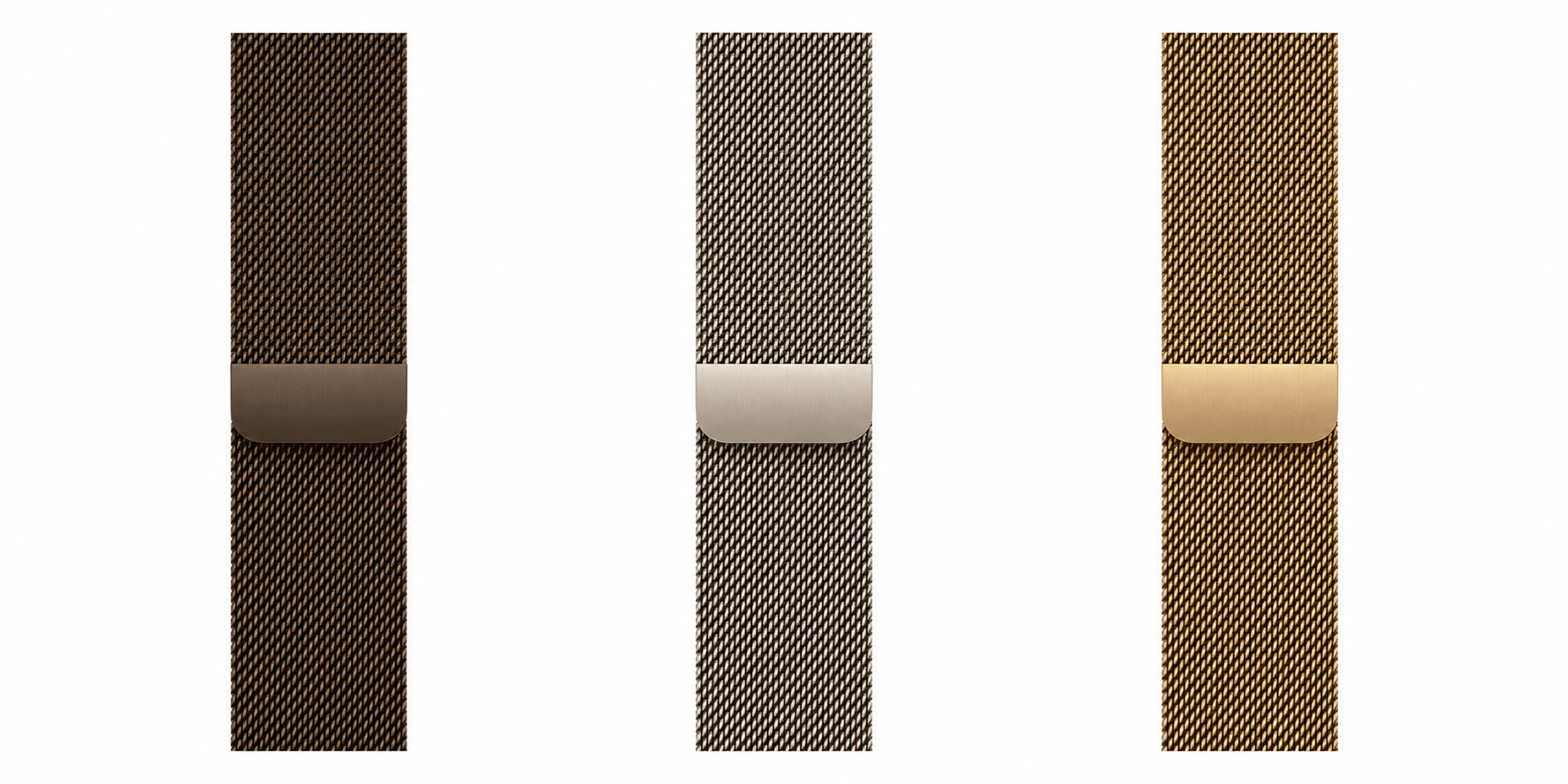
Milanese Loop

Milanese Loop.

Milanese Loop.

Colors: Dark Bronze, Natural, Radiant Gold
Price: $99 (U.S.)
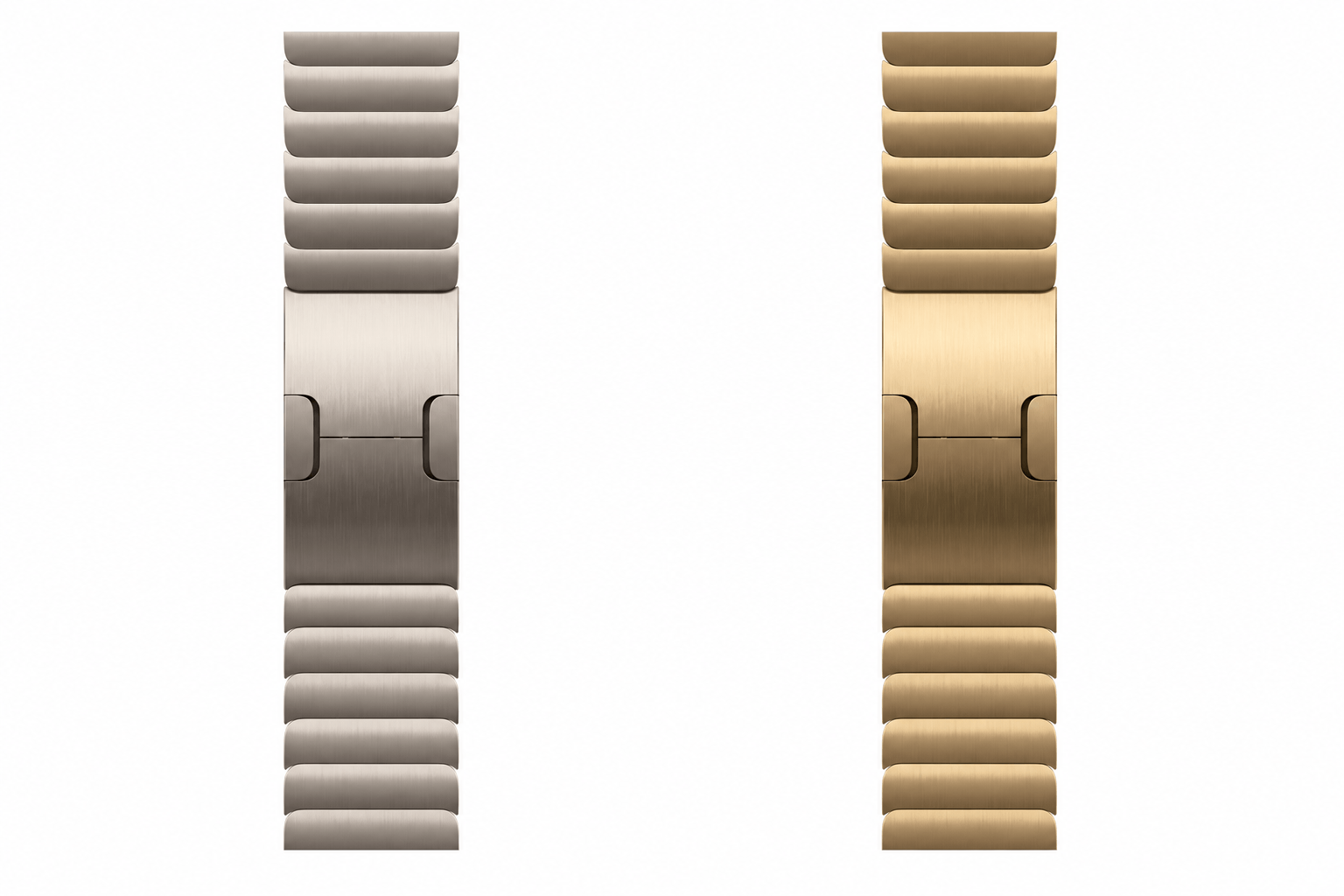
Link Bracelet

Link Bracelet.

Link Bracelet.

Colors: Natural, Radiant Gold
Price: $349 (U.S.)
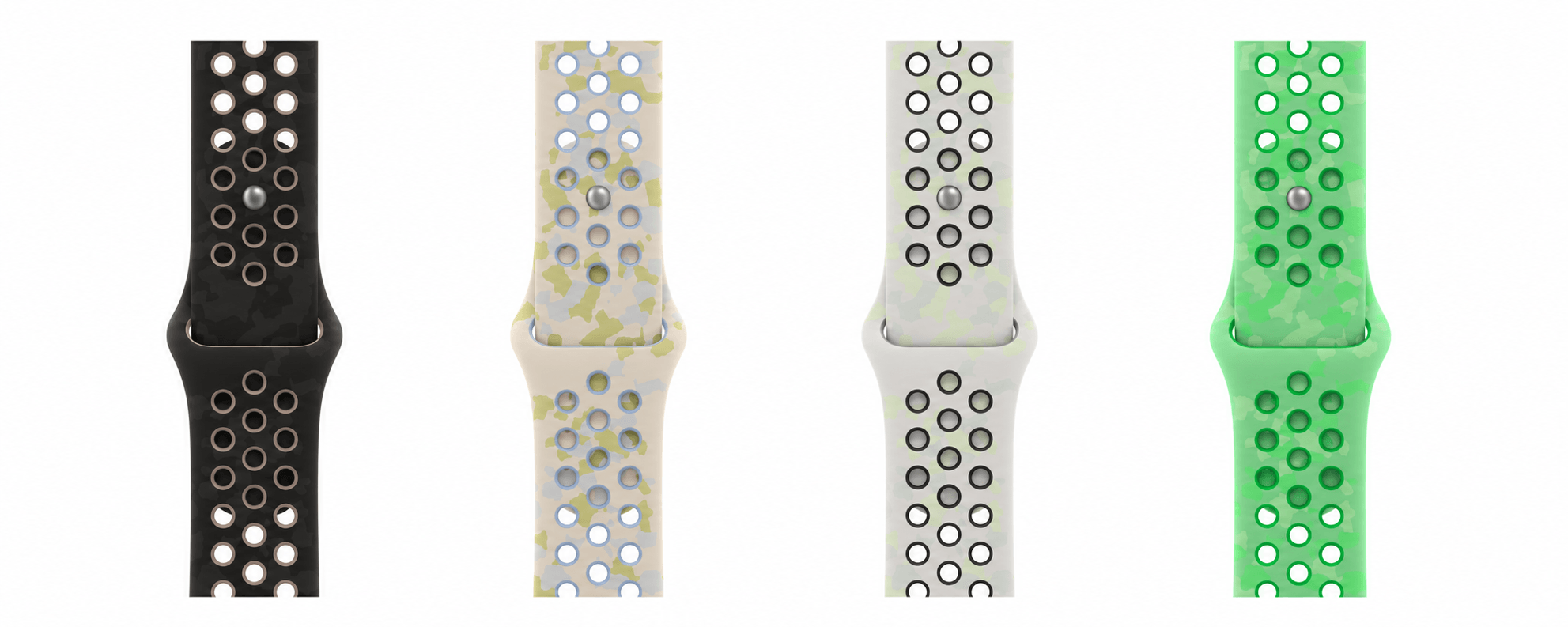
Nike Sport Band

Nike Sport Band.

Nike Sport Band.

Colors: After Dark Black, Chalk Calm, Essential White, Green Spark, Pavement Grey
Price: $49 (U.S.)
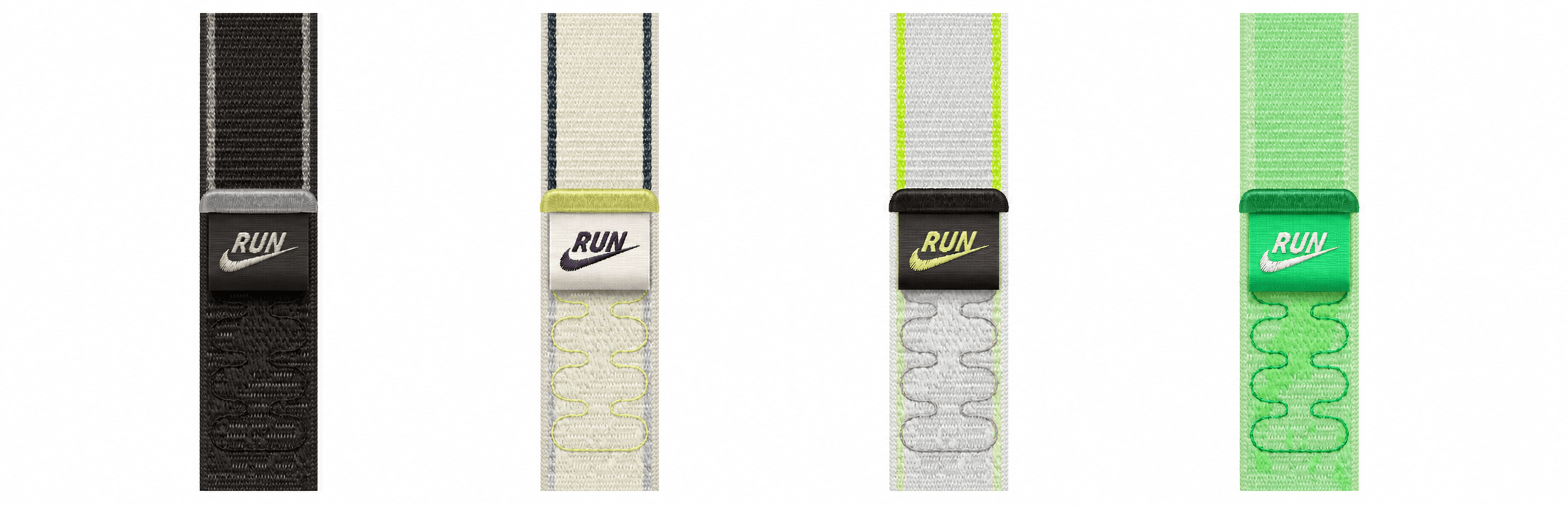
Nike Sport Loop

Nike Sport Loop.

Nike Sport Loop.

Colors: After Dark Black, Chalk Calm, Essential White, Green Spark, Pavement Grey
Price: $49 (U.S.)
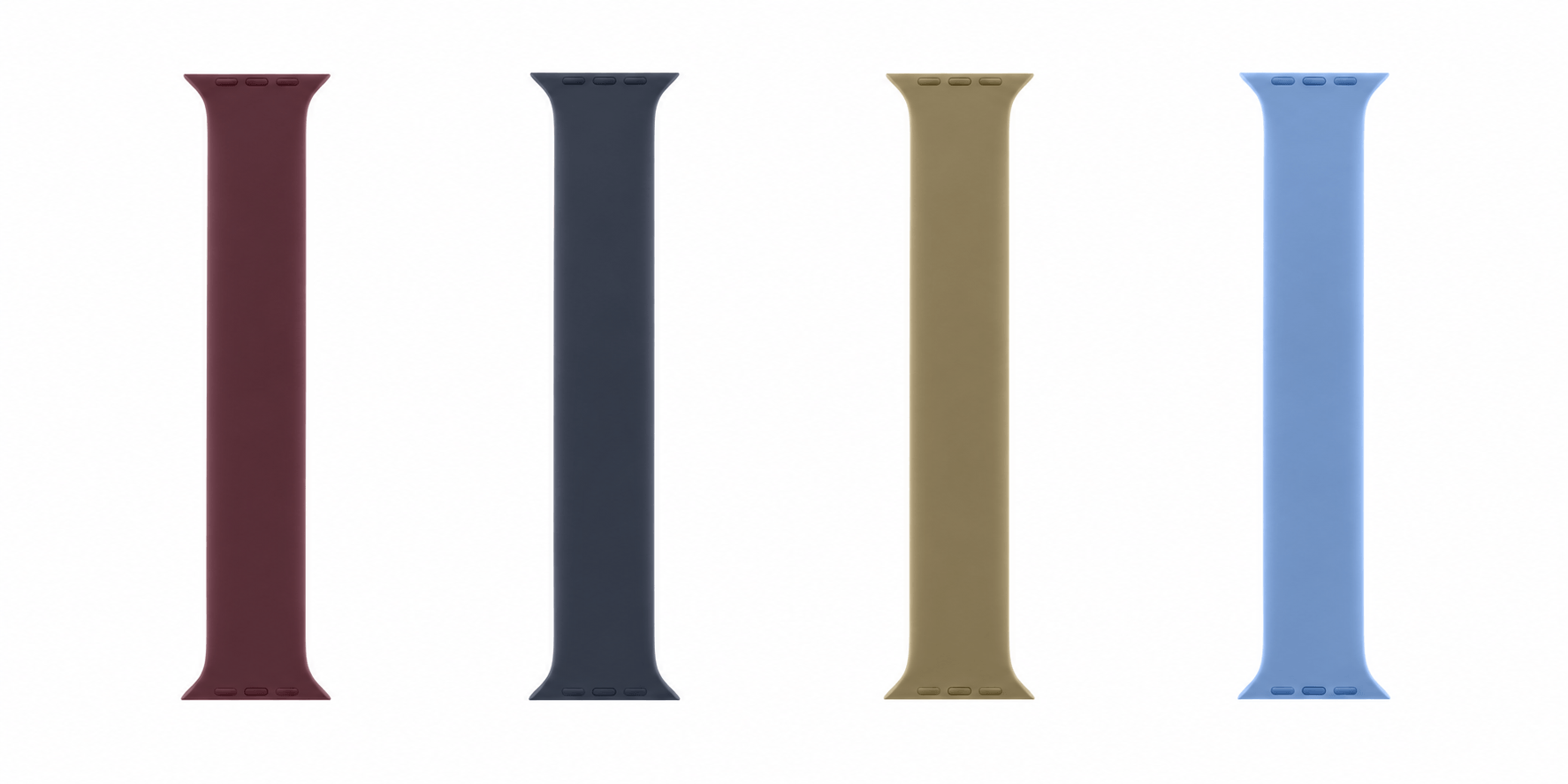
Solo Loop

Solo Loop.

Solo Loop.

Colors: Burgundy, Navy Blue, Olive, Wildflower Blue
Price: $49 (U.S.)
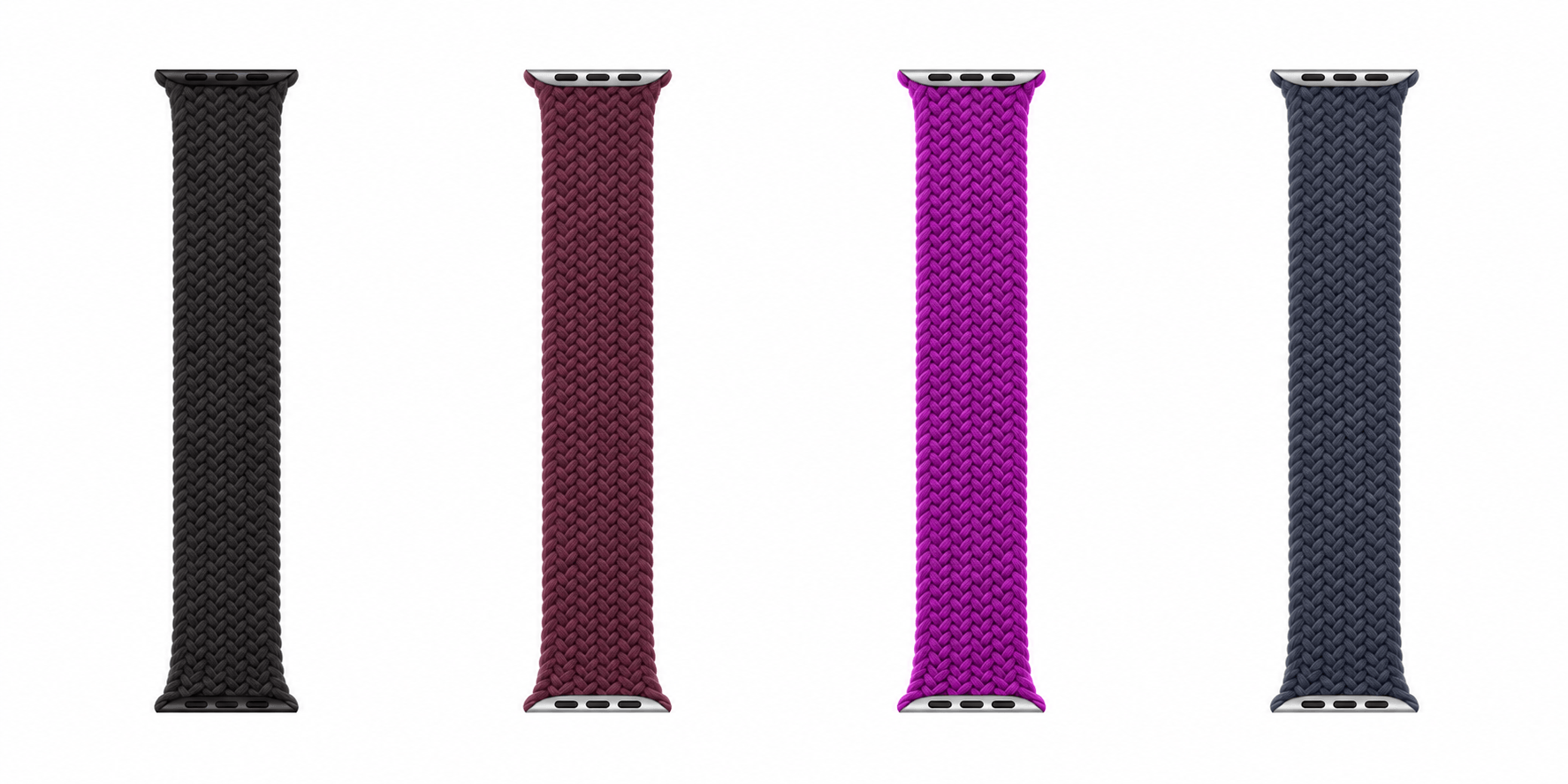
Braided Solo Loop

Braided Solo Loop.

Braided Solo Loop.

Colors: Black, Burgundy, Magenta, Navy Blue, Olive, Wildflower Blue
Price: $99 (U.S.)
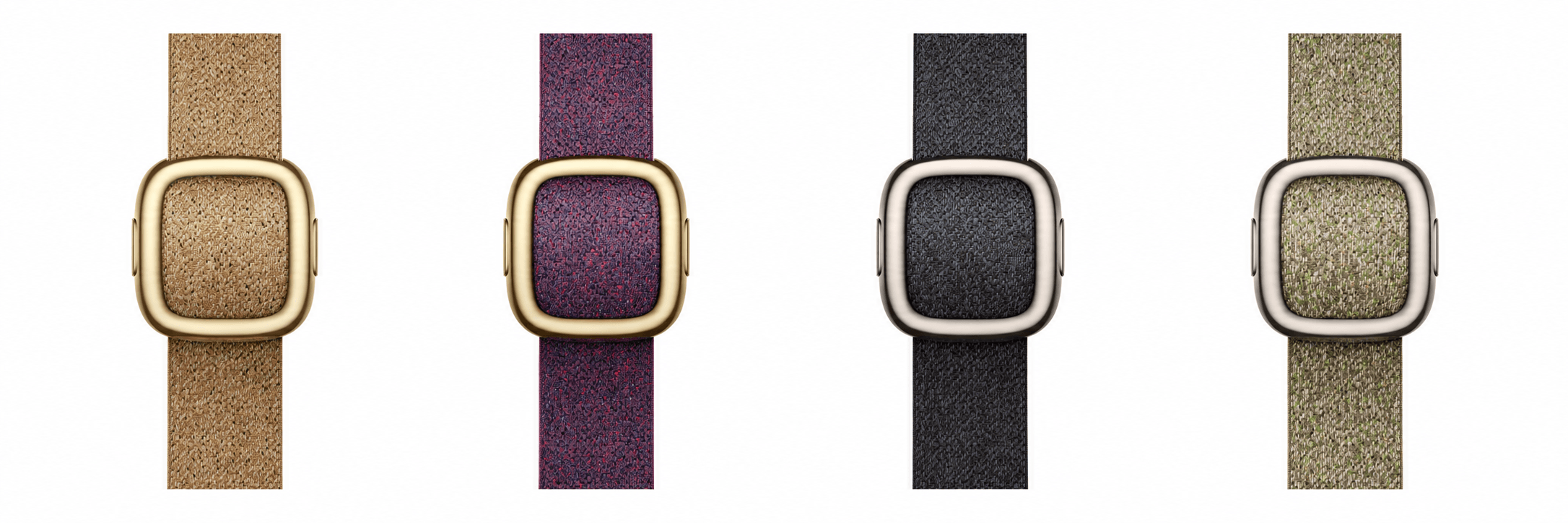
Modern Buckle

Modern Buckle.

Modern Buckle.

Colors: Camel, Mulberry, Navy Blue, Sage
Price: $199 (U.S.)
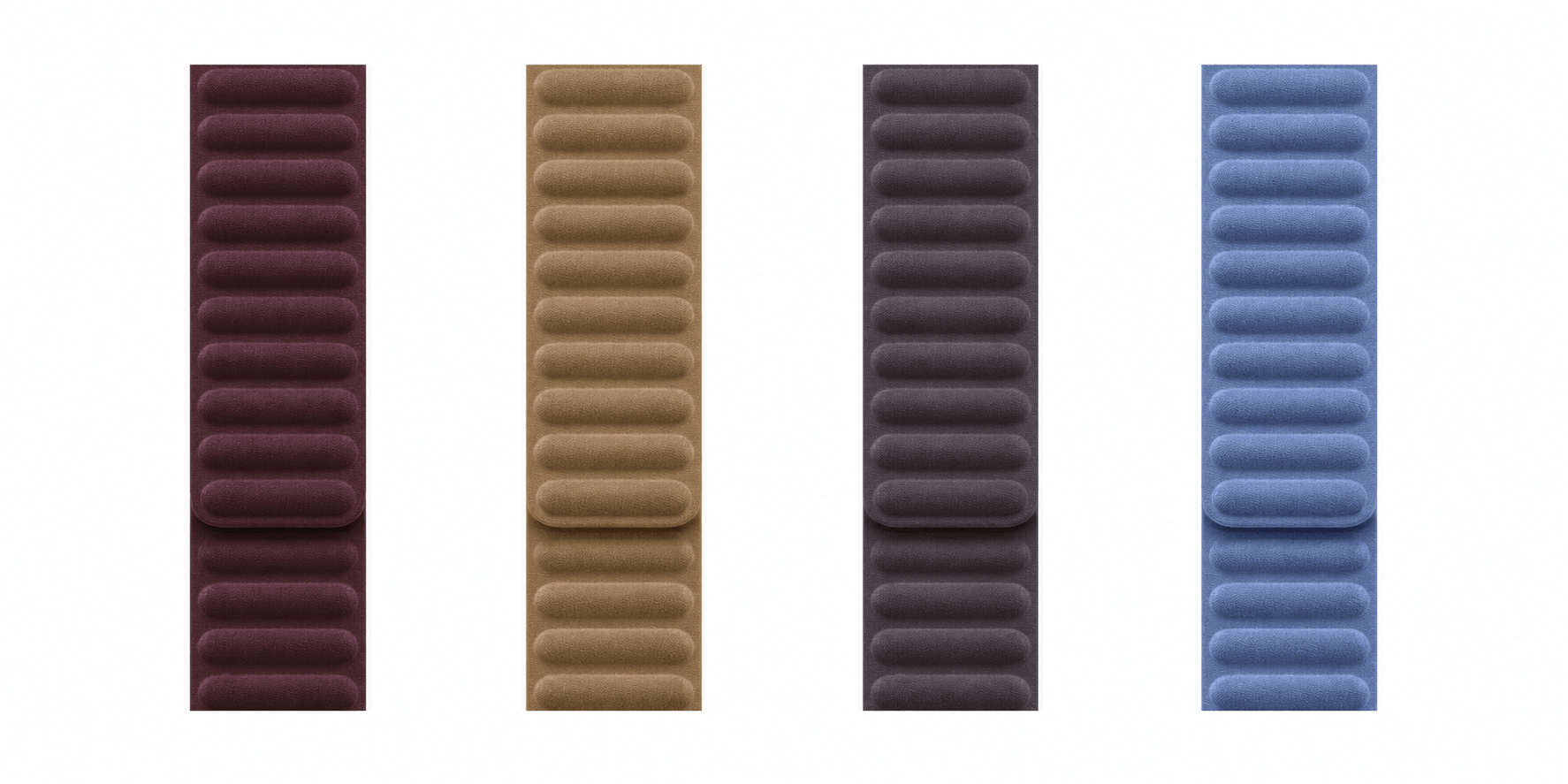
Magnetic Link

Magnetic Link.

Magnetic Link.

Colors: Burgundy, Camel, Midnight, Wildflower Blue
Price: $99 (U.S.)
Apple Watch Ultra bands

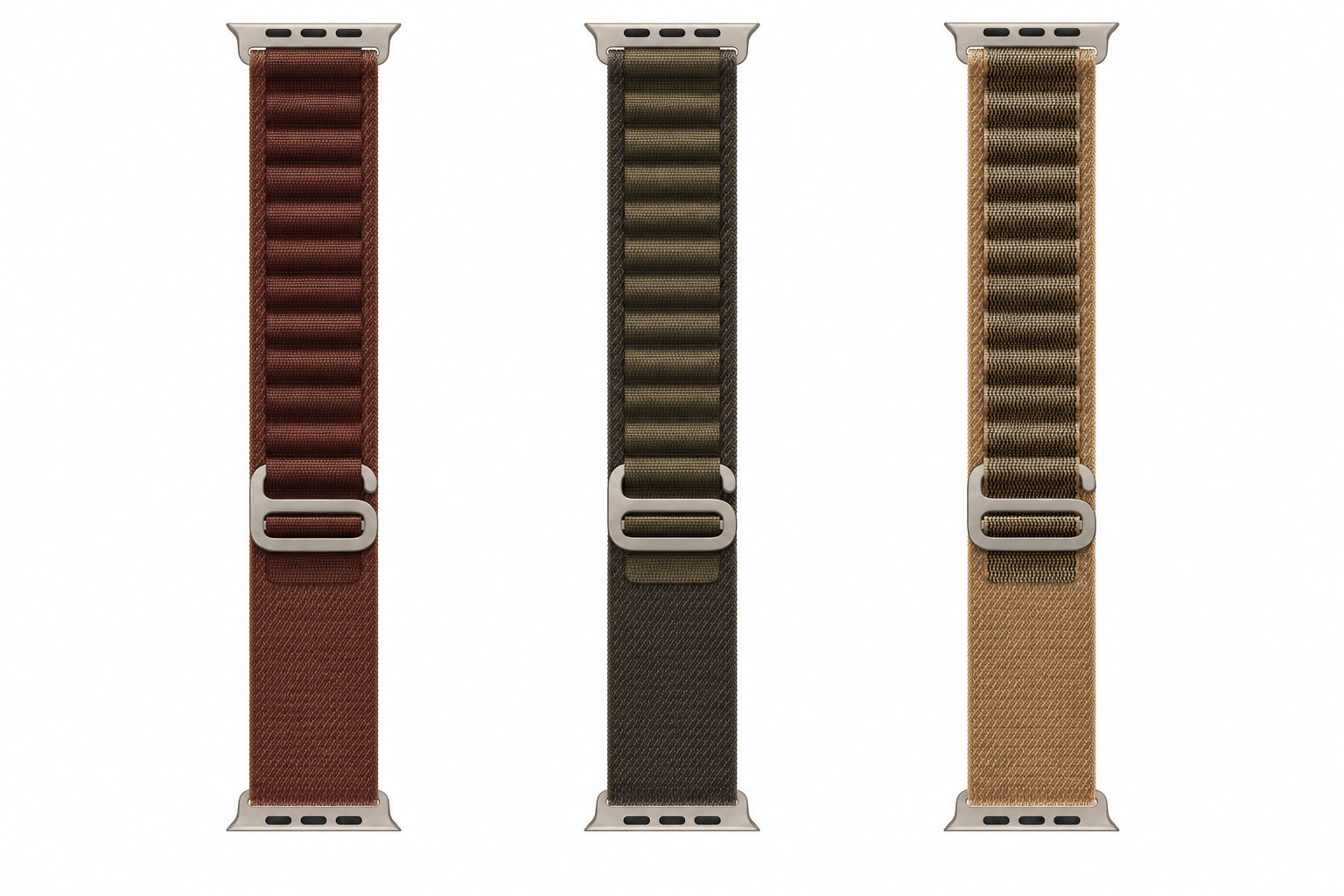
Alpine Loop

Alpine Loop bands.

Alpine Loop bands.

Colors: Burgundy, Dark Olive, Desert
Price: $99 (U.S.)
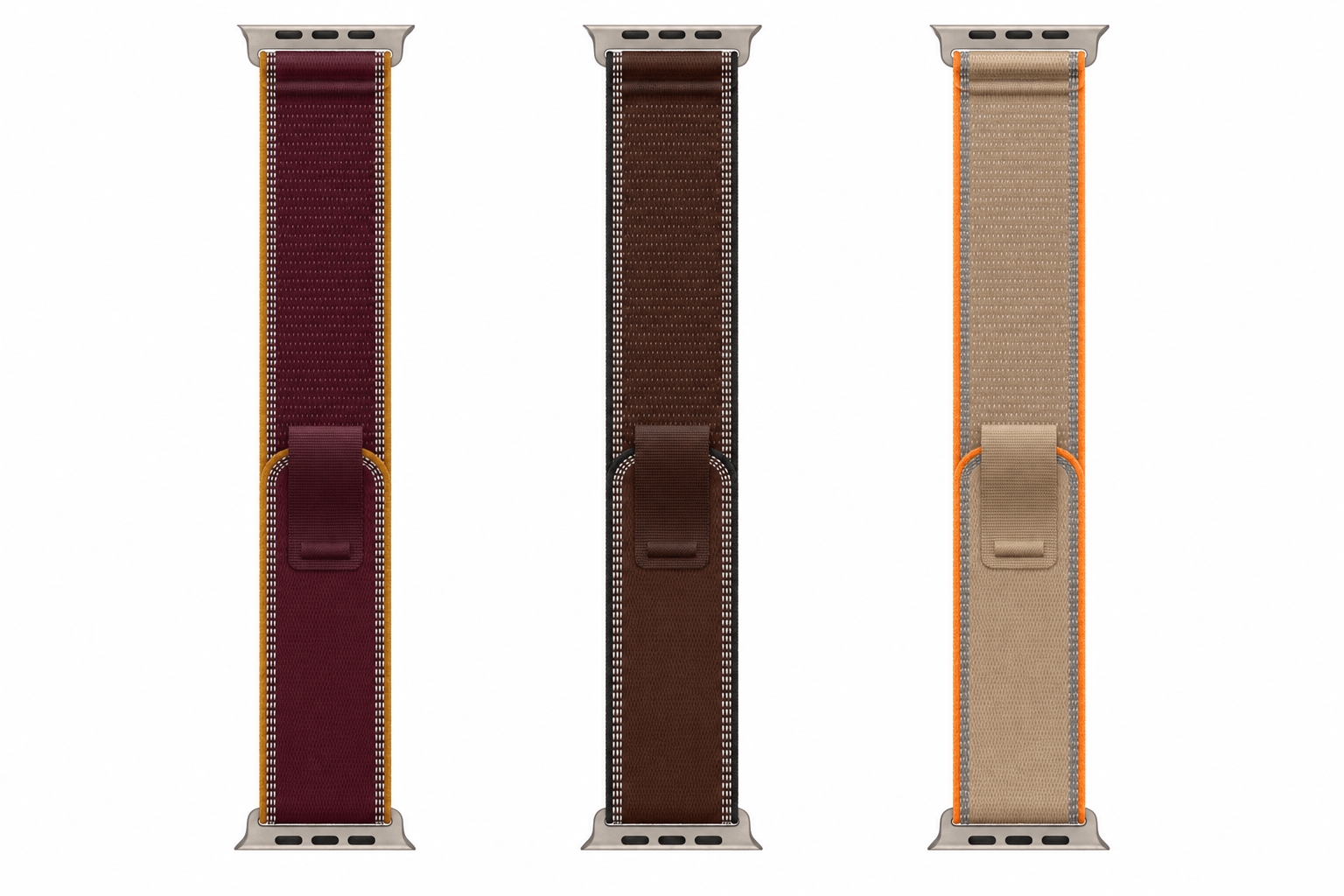
Trail Loop

Trail Loop bands.

Trail Loop bands.

Colors: Burgundy, Dark Umber, Sand
Price: $99 (U.S.)
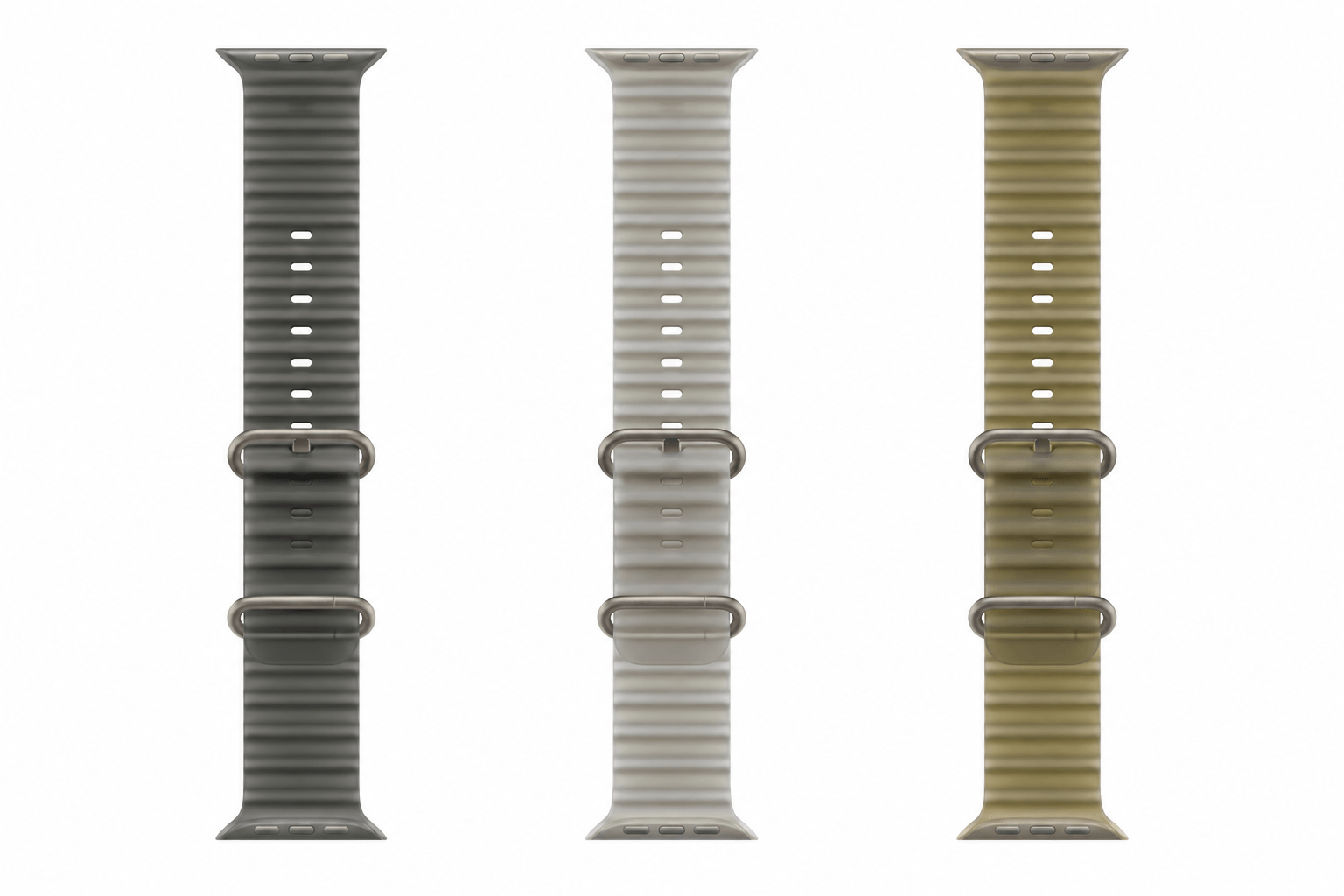
Ocean Band

Ocean Bands.

Ocean Bands.

Colors: Translucent Black, Translucent Gray, Translucent Kelp
Price: $99 (U.S.)
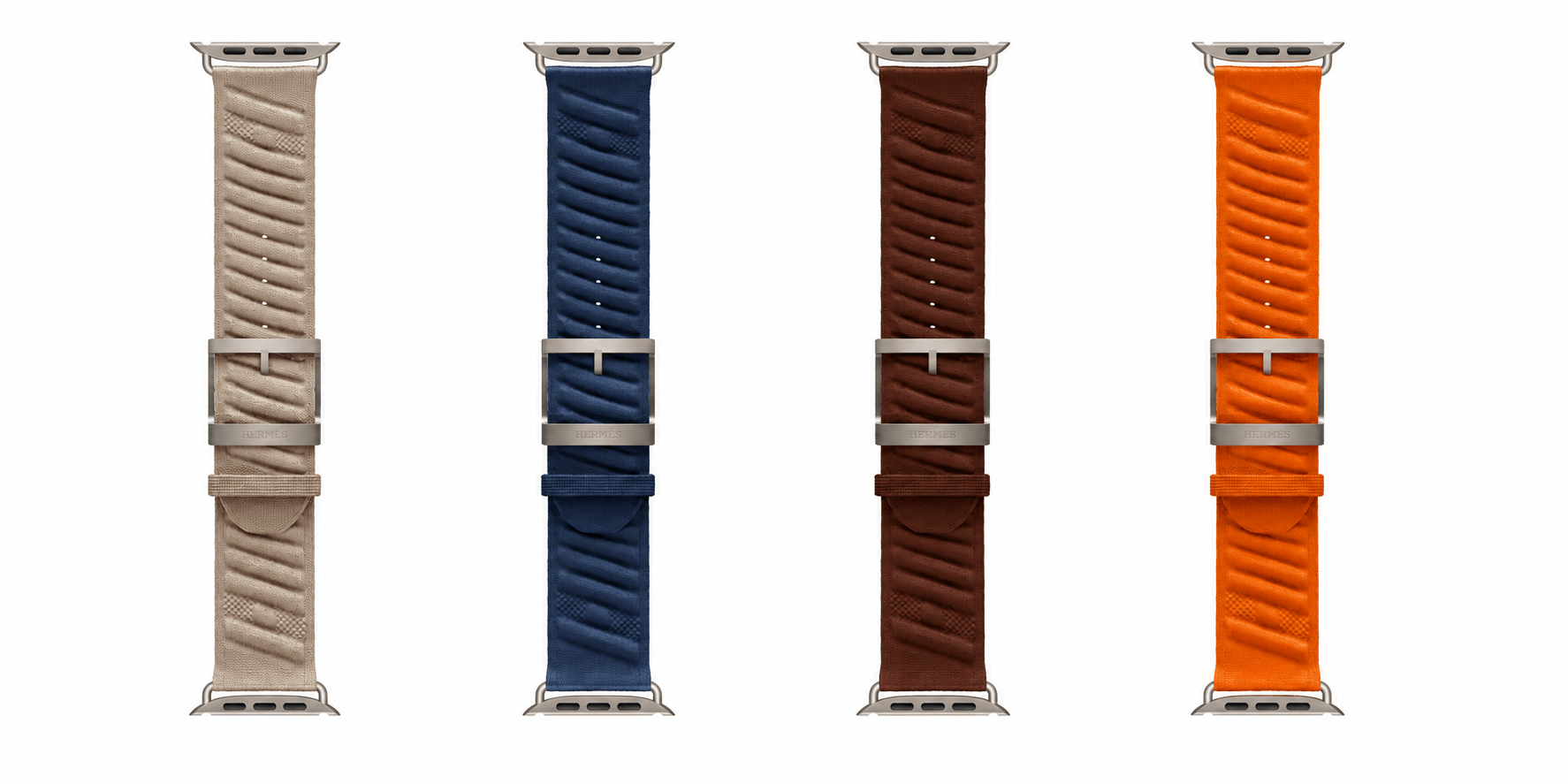
Hermès bands

Hermès En Mer

Hermès En Mer.

Hermès En Mer.

Colors: Argile, Bleu Nuit, Bordeaux, Orange
Price: $549 (U.S.)
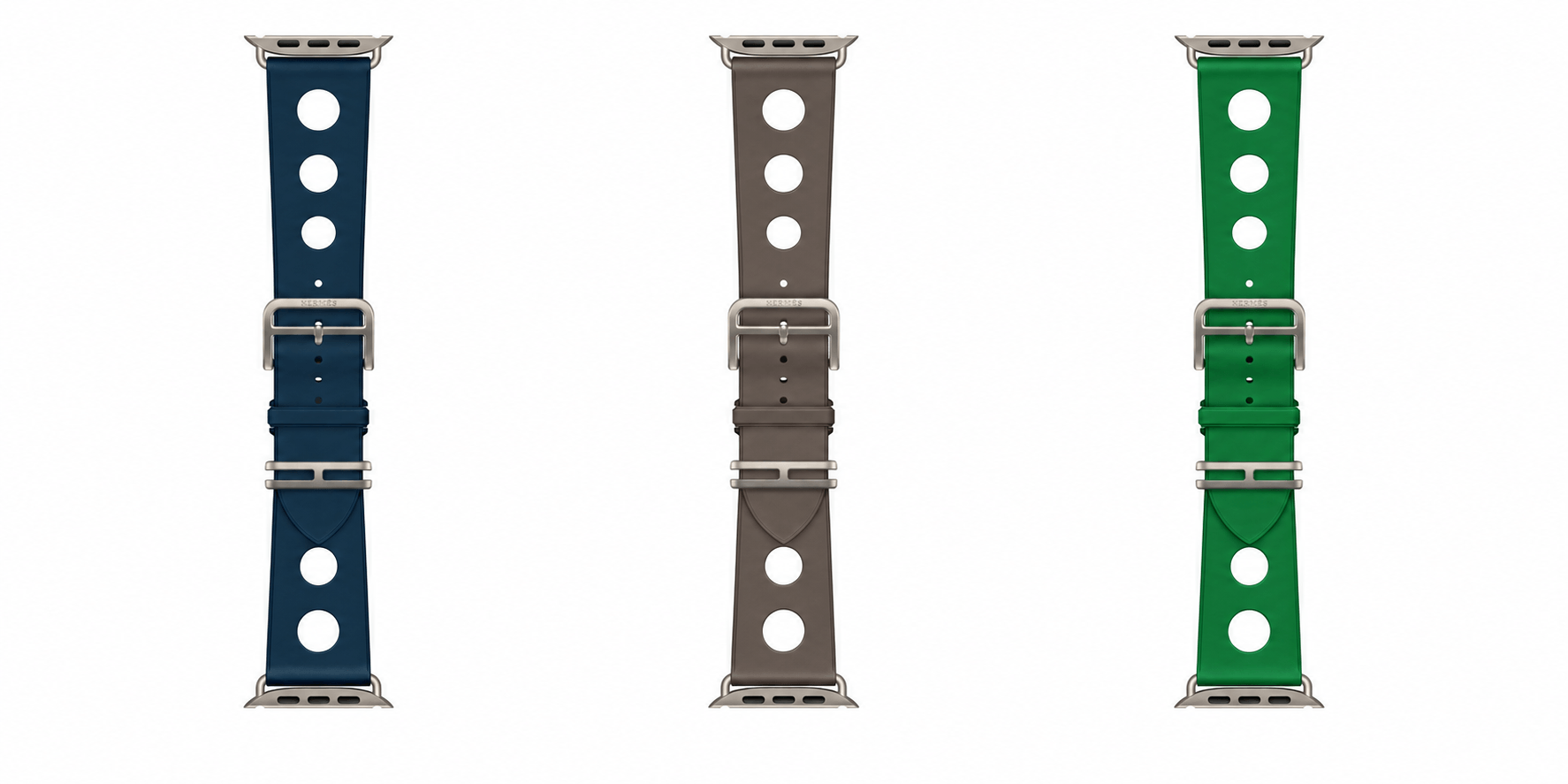
Hermès Scub’H Diving

Hermès Scub’H Diving.

Hermès Scub’H Diving.

Colors: Bleu De Malte, Gris Titane, Vert Vertigo
Price: $549 (U.S.)
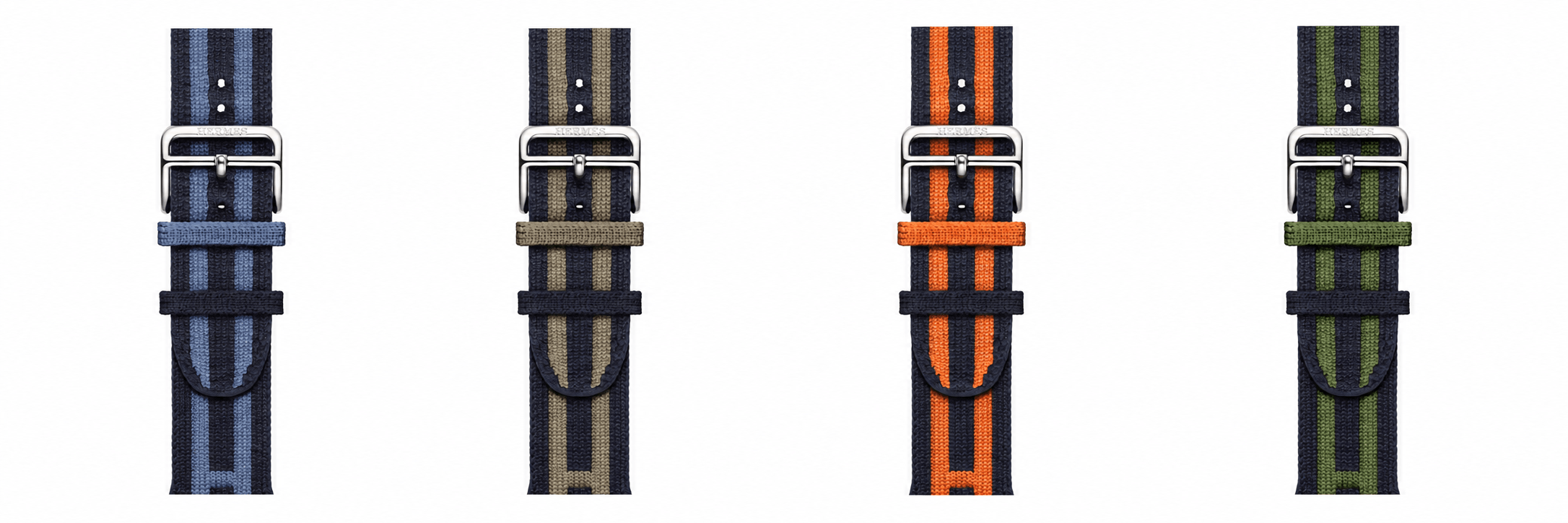
Hermès Rocabar Club

Hermès Rocabar Club.

Hermès Rocabar Club.

Colors: Bleu Nuit/Bleu Brighton, Bleu Nuit/Gris Titane, Bleu Nuit/Orange, Bleu Nuit/Vert
Price: $499 (U.S.)
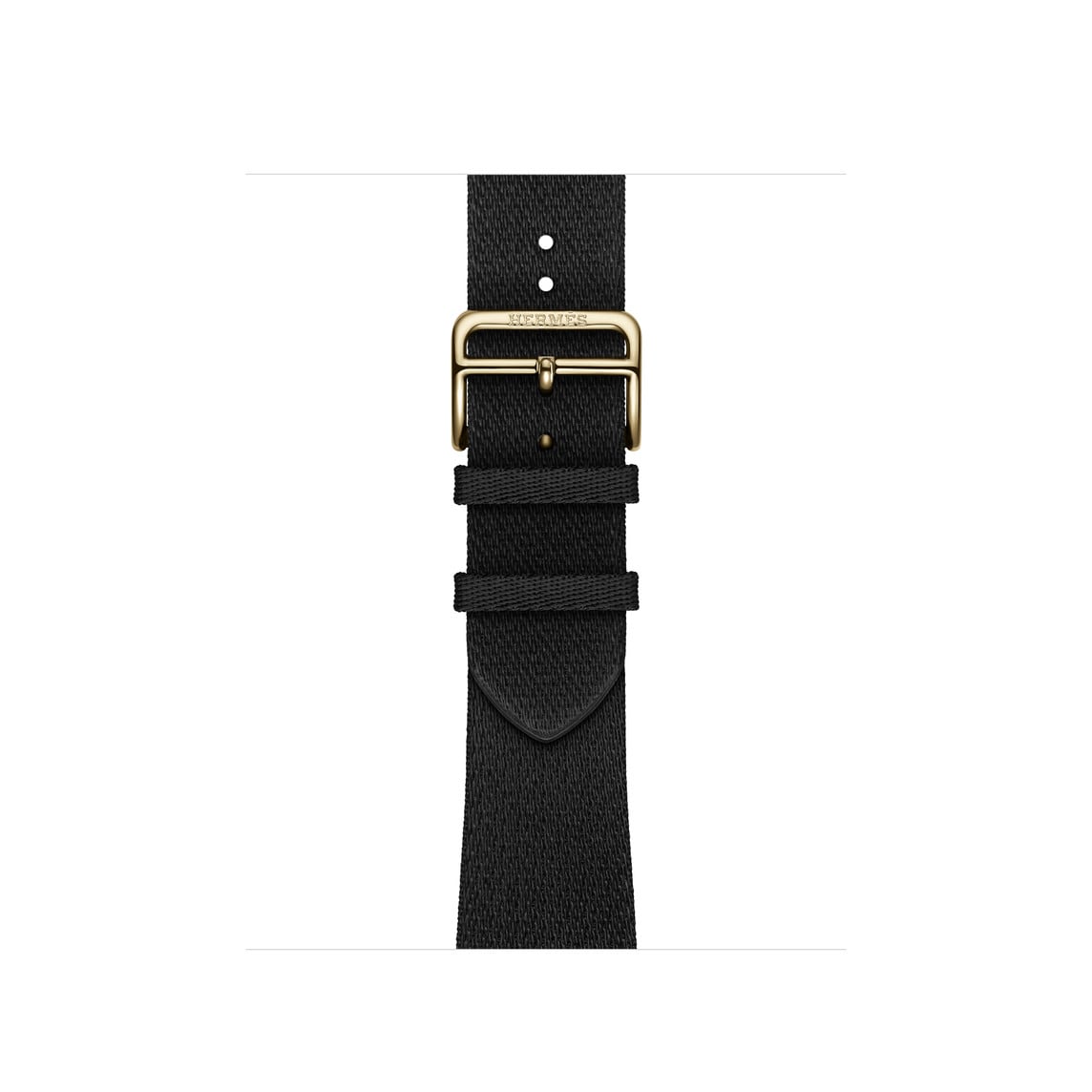
Hermès Satin Clou de Selle

Hermès Satin Clou de Selle.

Hermès Satin Clou de Selle.

Colors: Noir
Price: $499 (U.S.)
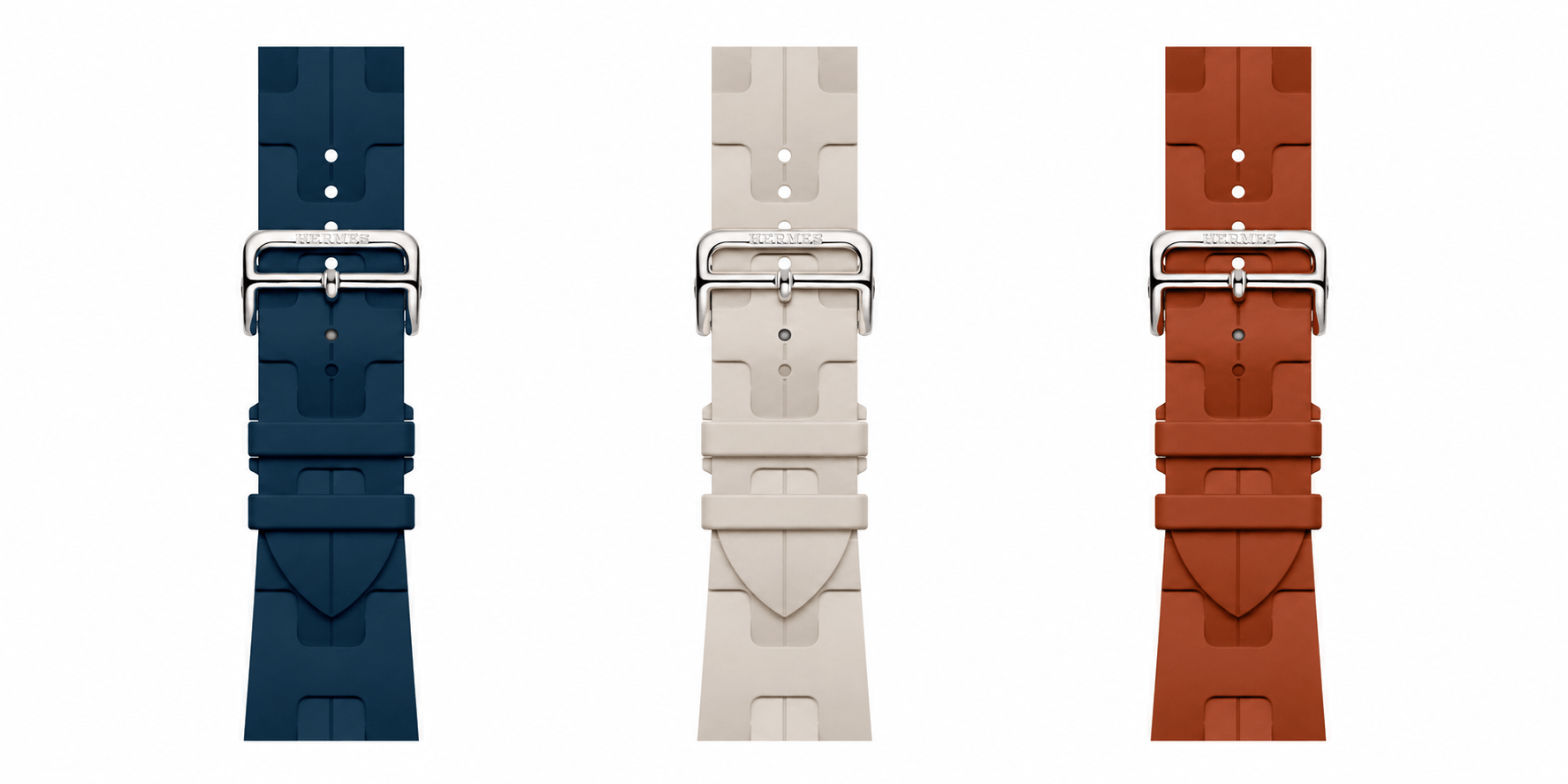
Hermès Kilim Single Tour

Hermès Kilim Single Tour.

Hermès Kilim Single Tour.

Colors: Bleu De Malte, Béton, Cuivre
Price: $499 (U.S.)


You can follow all of our September 2026 Apple event coverage through our September 2026 Apple Event hub or subscribe to the dedicated September 2026 Apple event RSS feed.
  •  

Apple Watch Series 12 and Apple Watch Ultra 4: The MacStories Overview

Source: Apple.

Source: Apple.

At today’s Surprise and Shine event, Apple introduced the new Apple Watch Series 12 and Apple Watch Ultra 4. Both models build on the devices’ existing designs, adding new health and fitness features as well as what Apple calls Audio Intelligence. The star of the Apple Watch show that powers those features on both models is the brand-new S11 chip. Let’s dig into the details of what the new chip and improved sensors means to both models.
Apple Watch Series 12

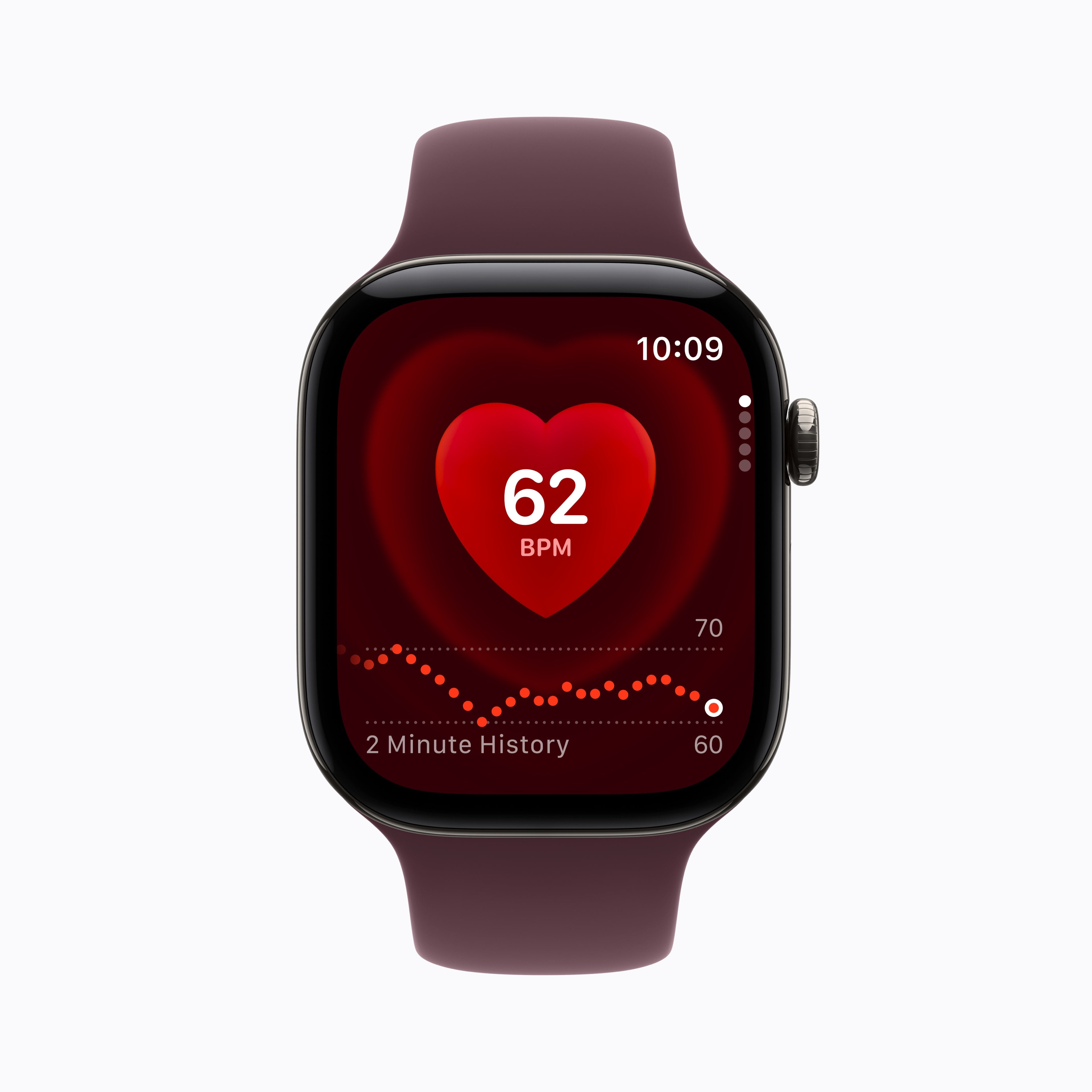
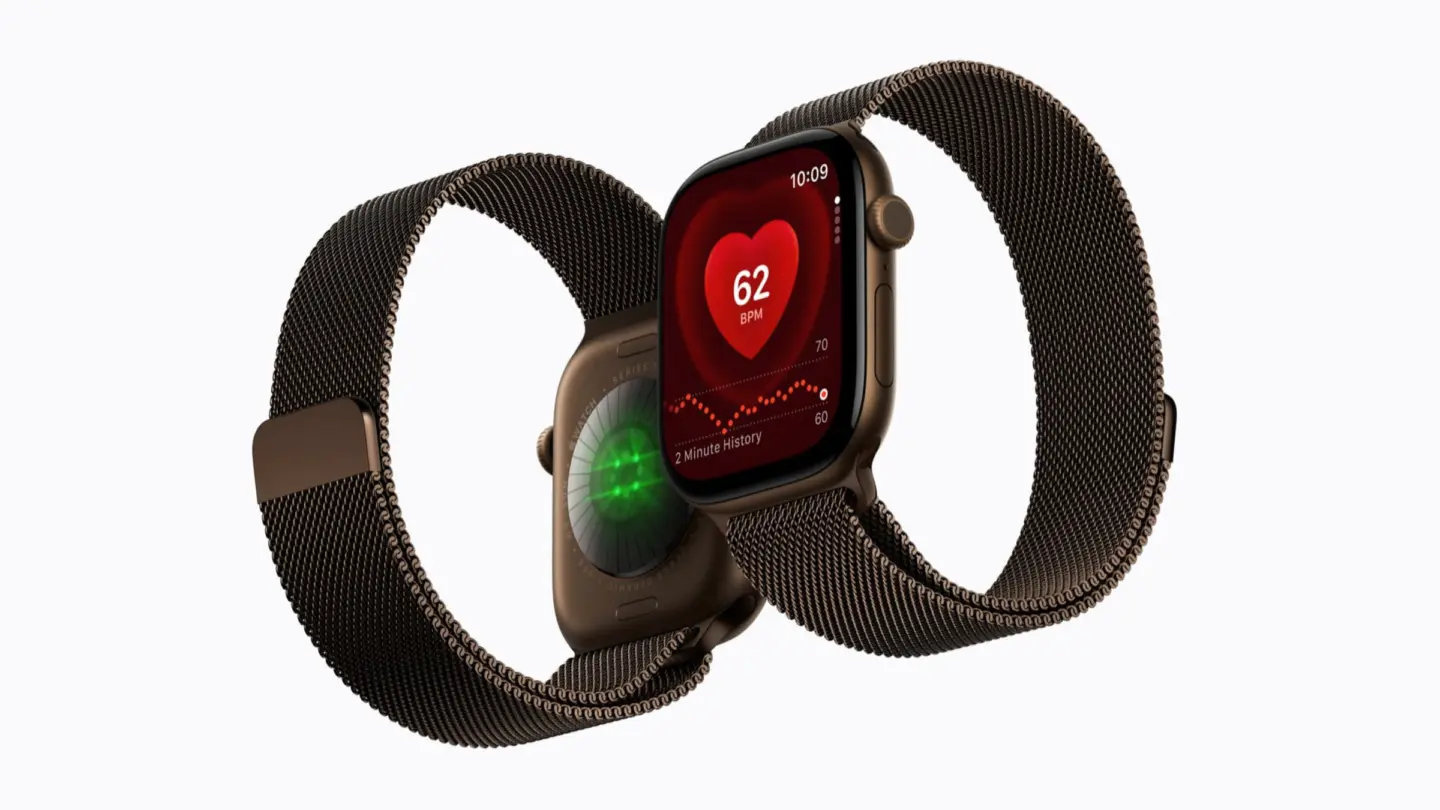
The Series 12 takes a heart reat measurement every five seconds. Source: Apple.

The Series 12 takes a heart reat measurement every five seconds. Source: Apple.

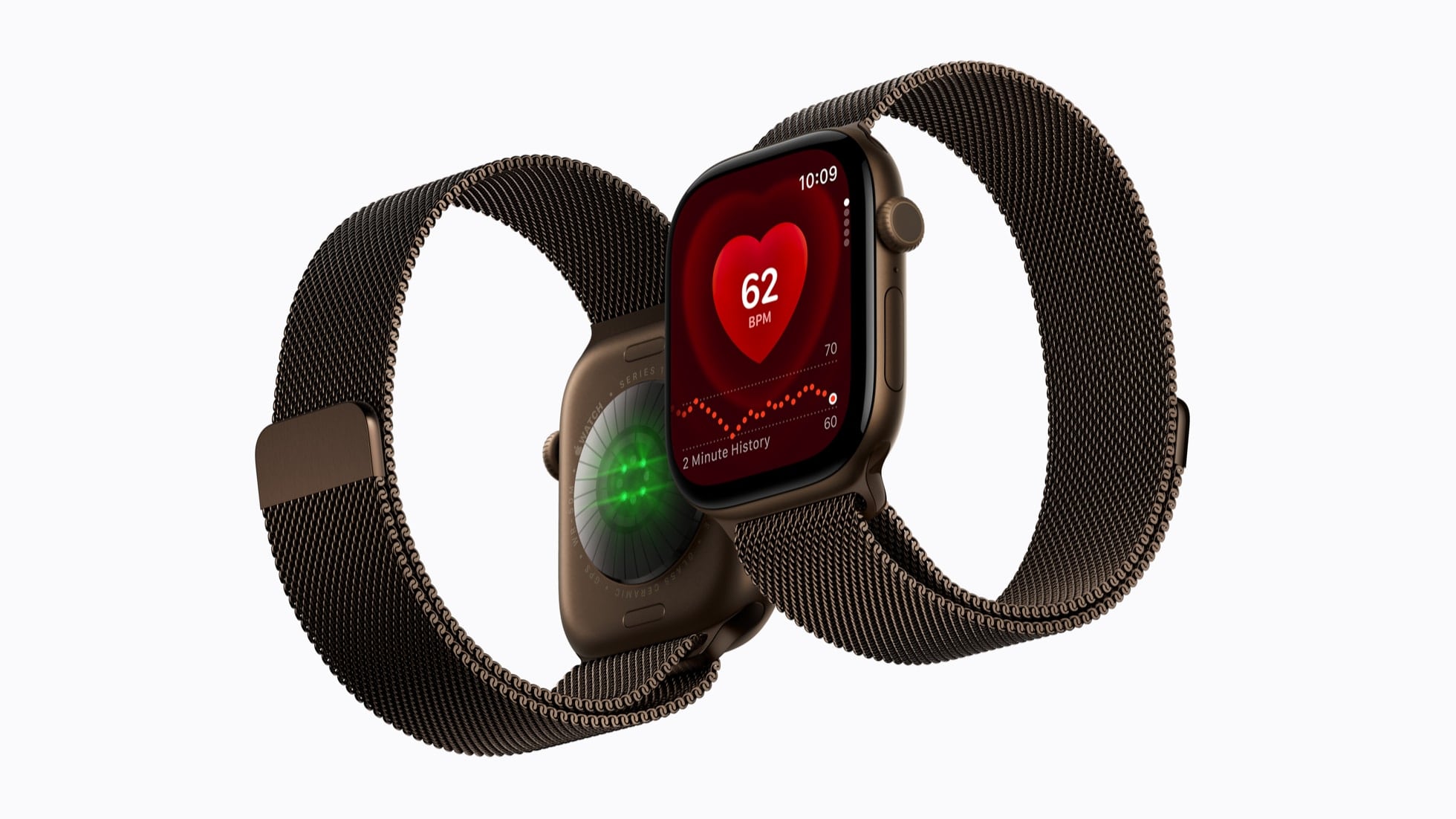
The new Apple Watch Series 12 comes in 42 and 46mm sizes and is equipped with the new S11 chip. Apple says that enables the device to take sixty times the heart rate measurements and 24x HRV readings compared to the Series 11 Watch. More heart rate measurements and HRV readings mean more accurate and meaningful readings; in fact, better than any other wearable on the market, according to Apple. Apple says step tracking is more accurate, too.

The Series 12 has improved sensors, too. There’s a larger, more power-efficient green LED array for measuring your heart rate every five seconds and a Secure Exclave for processing audio privately and securely. On the outside, the Series 12 features Ceramic Shield 2, making it tougher than the Series 11. The case is now IP6X rated for dust and can be used to six meters of depth. Plus, the battery is rated to last 24 hours during normal use and a 15-minute charge will power it sufficiently to last 12 hours.
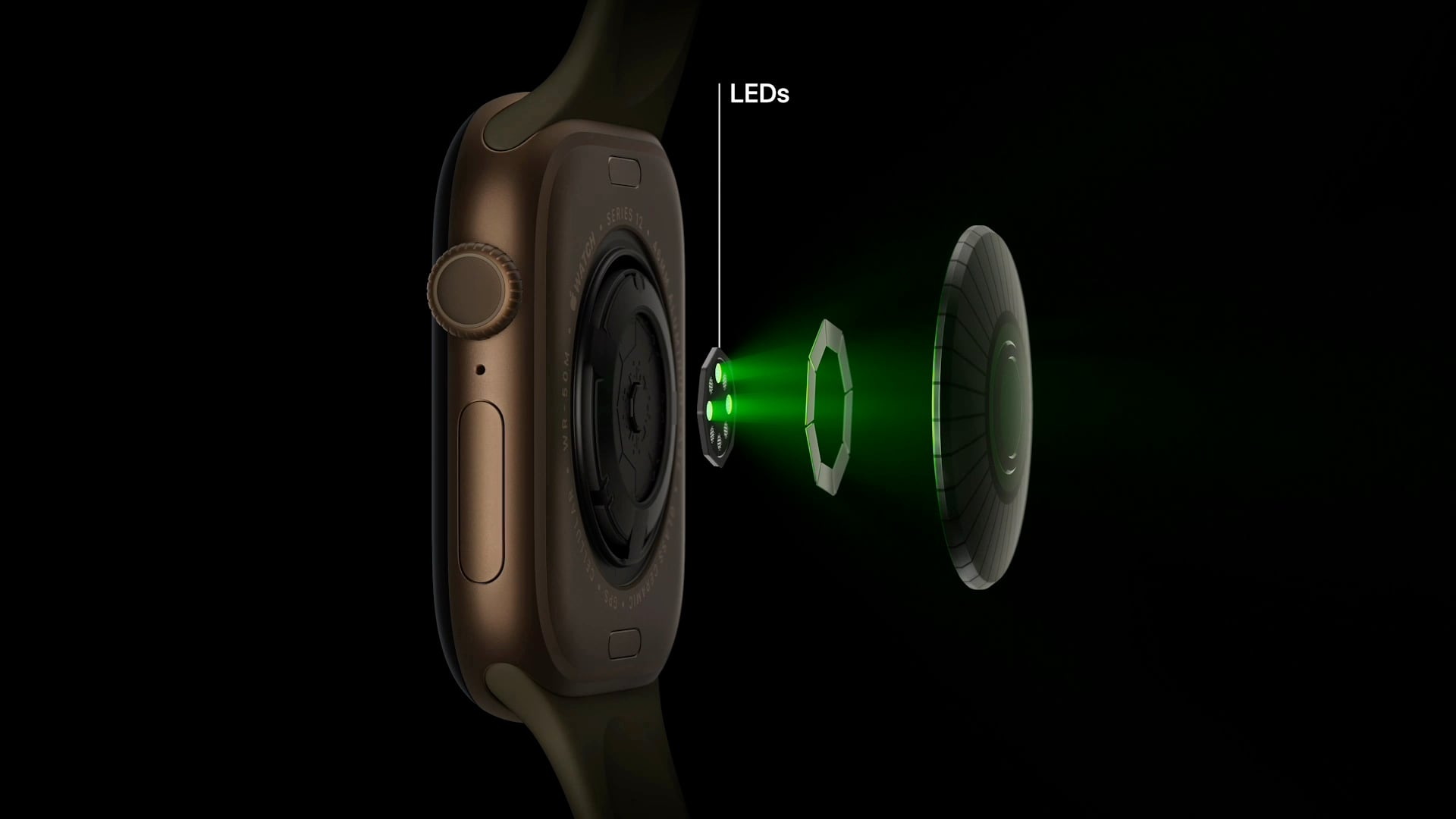
Improved sensors. Source: Apple.

Improved sensors. Source: Apple.

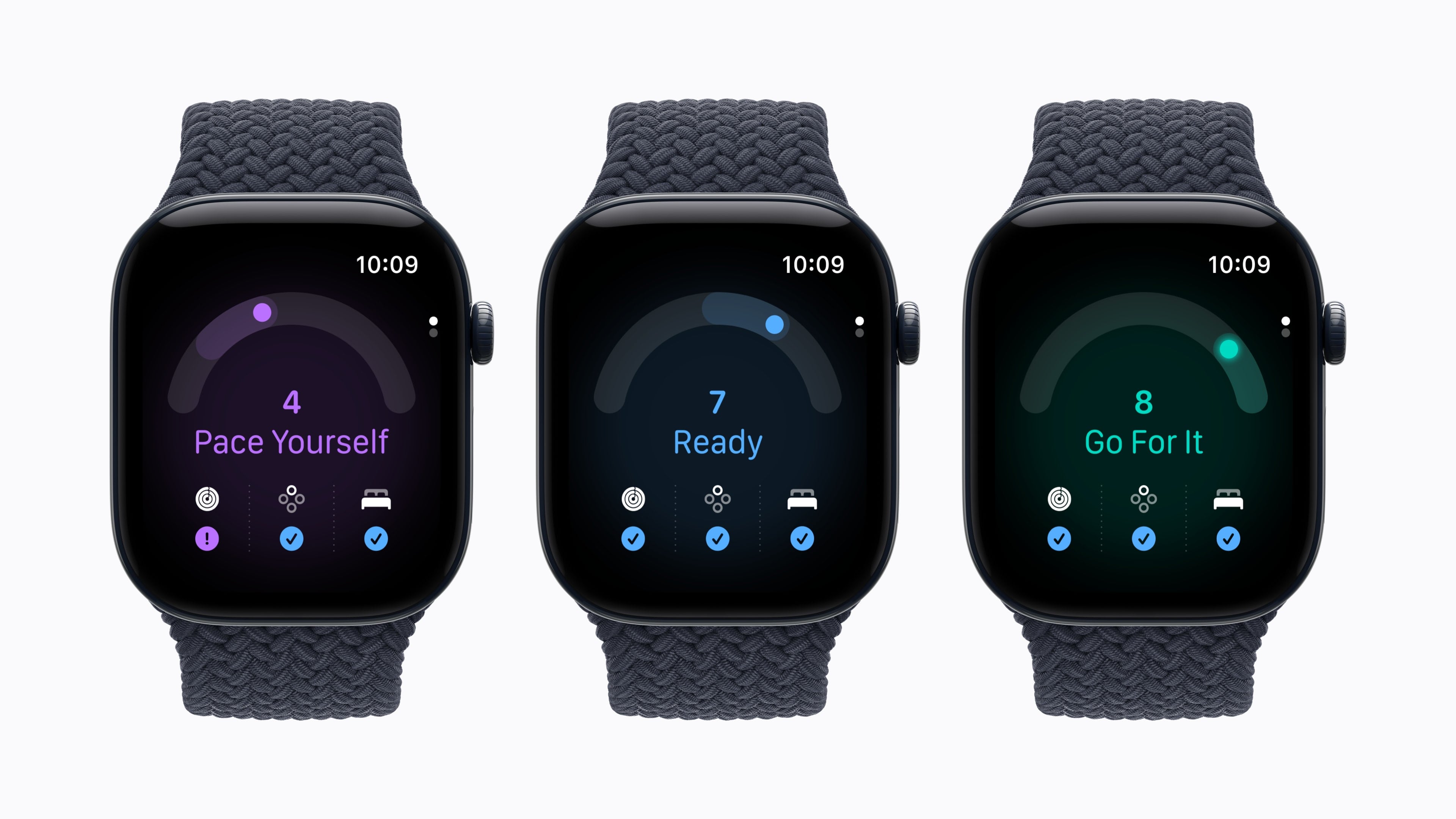
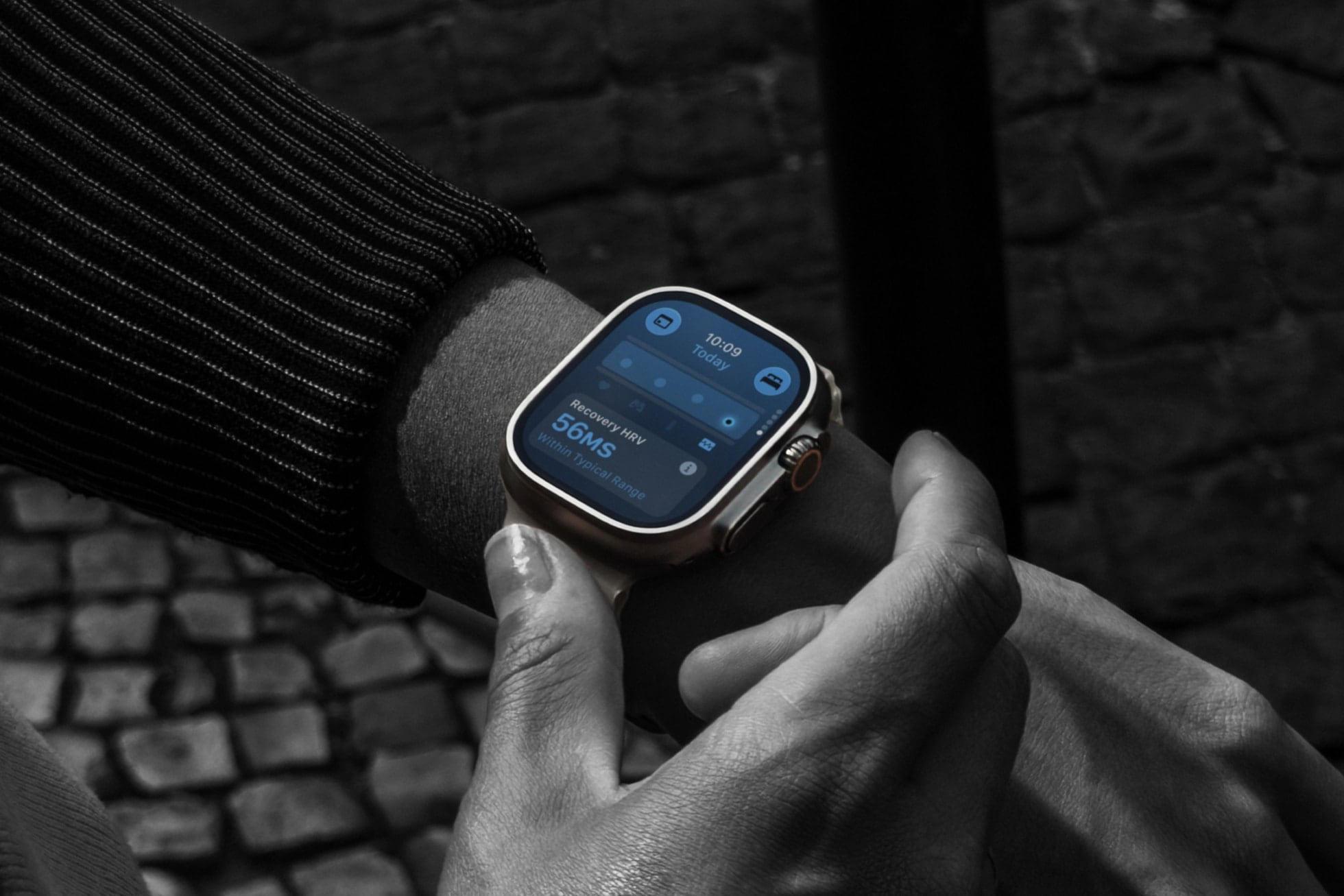
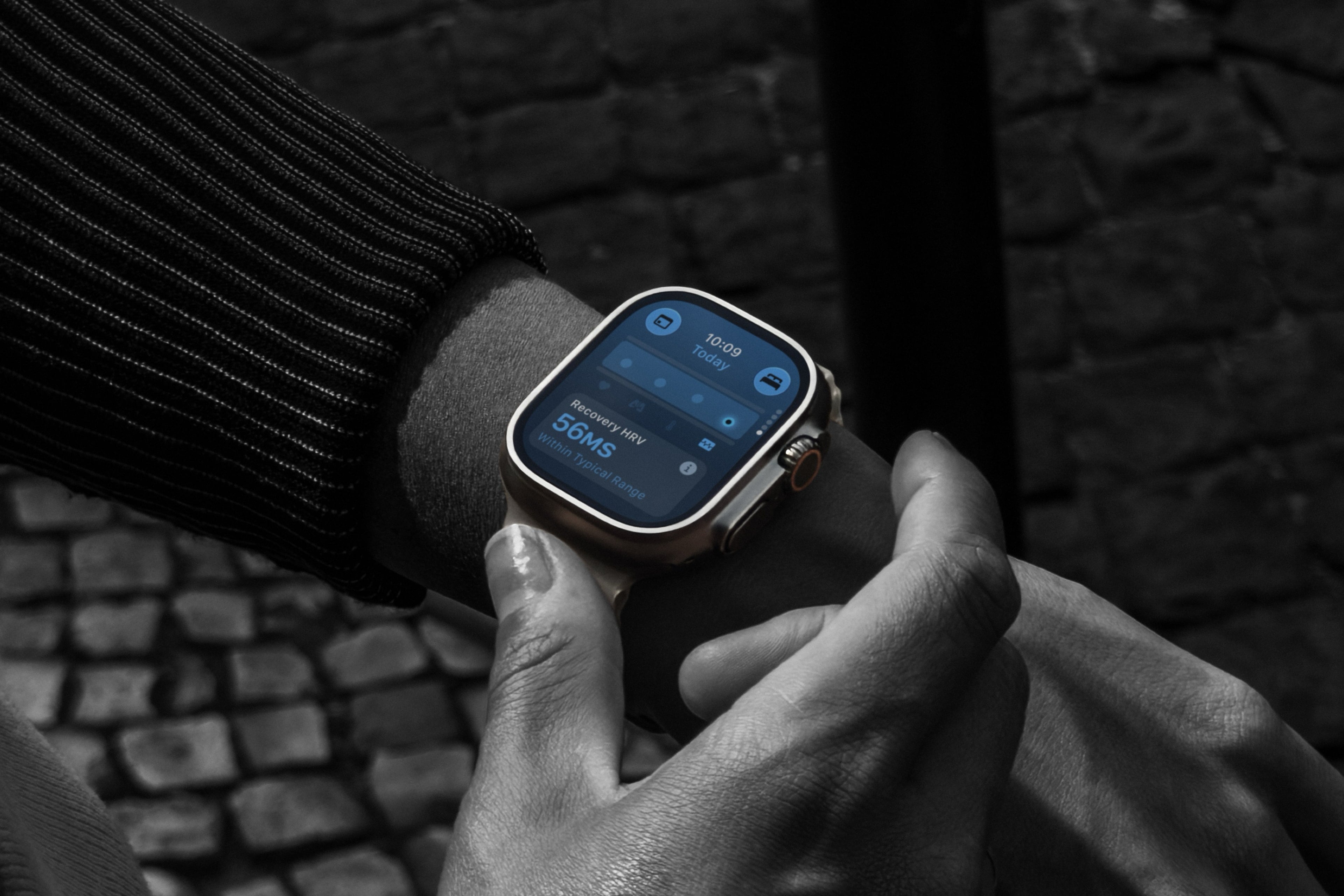
HRV readings have been added to your overnight vitals statistics to provide a more complete picture of your health, and Apple has added daytime vitals which you can track during the day. The new health sensing features also enable Readiness, a daily score that uses your vitals to give you a sense of whether your body is ready for a big workout or whether you should take it easy.

The Series 12 comes in a wide array of finishes, too, including aluminum, titanium, and ceramic. The aluminum model comes in Dark Bronze, Light Gold, Black, and Space Gray. Titanium is polished and comes in Radiant Gold and Natural. Finally, Ceramic comes in Pearl White and Night Blue. Aluminum models start at $399, titanium at $699, and ceramic at $899. It’s great to see so many different choices and styles. We’ll have a separate story that covers Apple Watch bands and other accessories on the site soon.
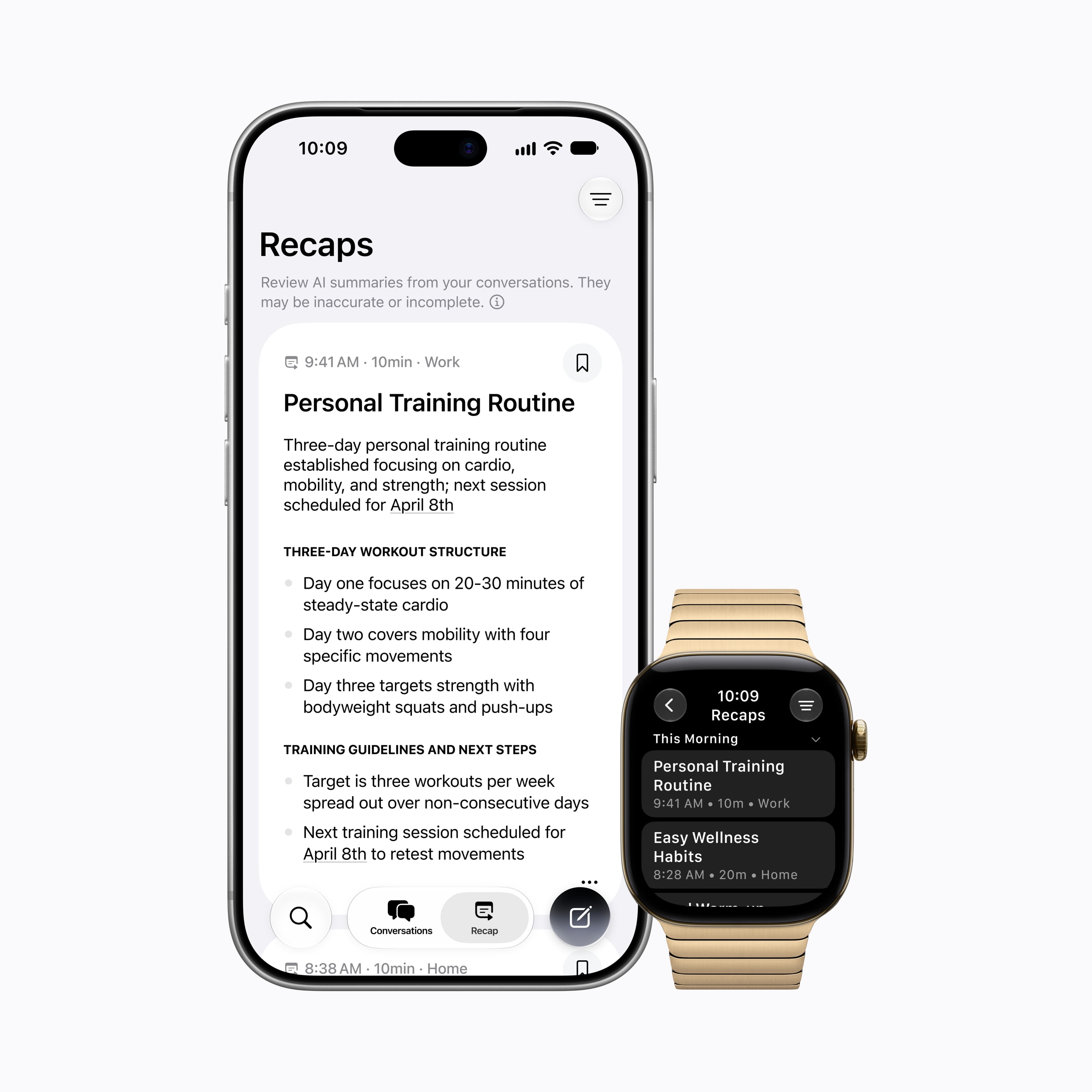
Siri Recap, which is coming later this year. Source: Apple.

Siri Recap, which is coming later this year. Source: Apple.

With the richer data delivered by the S11 chip that powers Apple’s new Health Sensing System, the company revealed a wide variety of new software features, including:

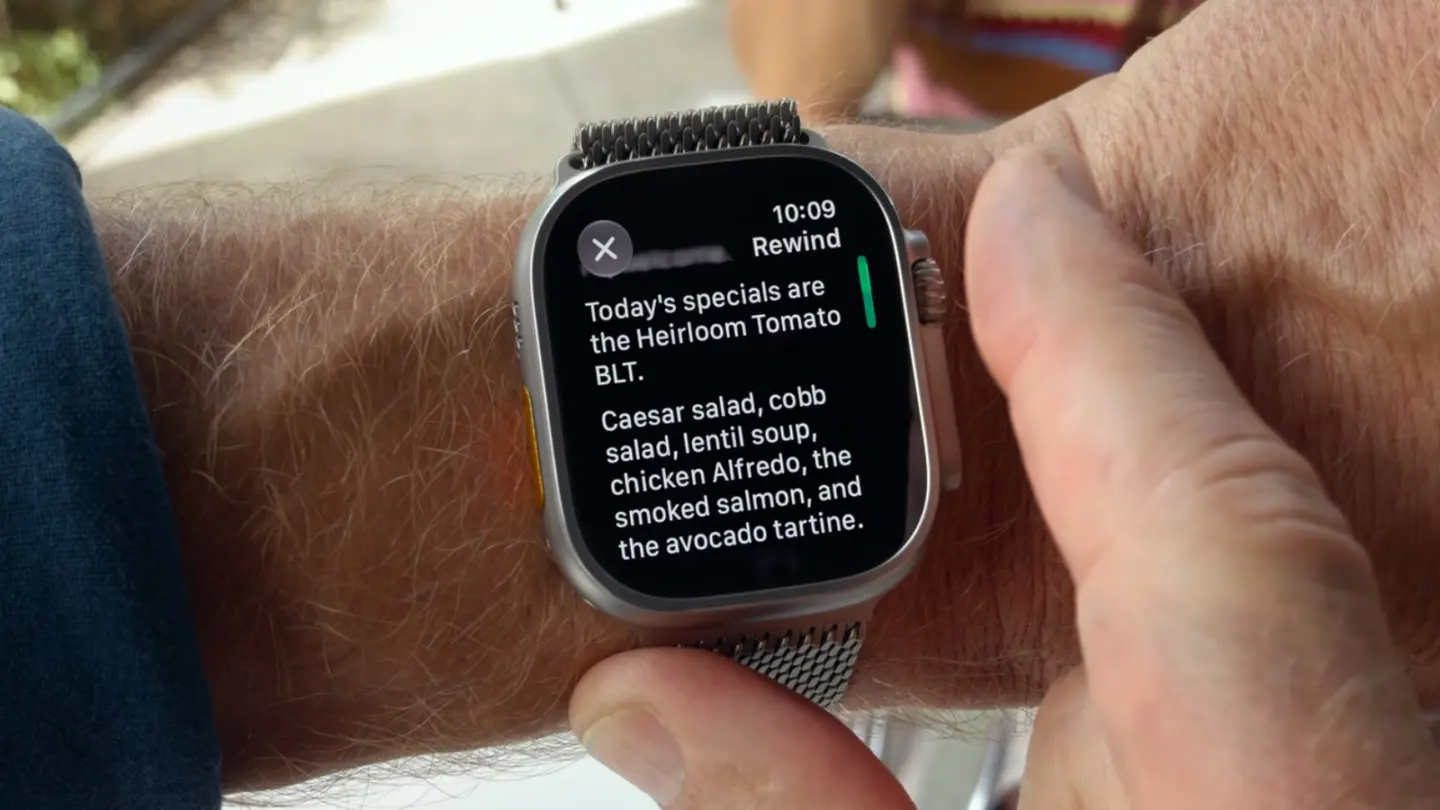
  • Live Rewind, which with a double press of the Digital Crown displays a transcript of the last 15 seconds of a conversation, allowing you to see what was spoken as text. The feature plays a chime and shows an animation when it’s activated.
  • Siri Recap, which can be activated at all times, on a schedule, or on demand via Control Center and produces a summary of conversations.
  • Sound recognition using on-device intelligence to detect alarms, a baby crying, sirens, and other sounds.
  • Automatic song detection with Shazam.

It’s worth noting that Siri Recap and Live Rewind won’t be available until later this year.

The Series 12 looks to be a big step forward for the Apple Watch. Some years in the past have been hardware-focused, while others have leaned into new watchOS features. This year, users get both in what appear to be meaningful measures, which is great.
Apple Watch Ultra 4

Source: Apple.

Source: Apple.

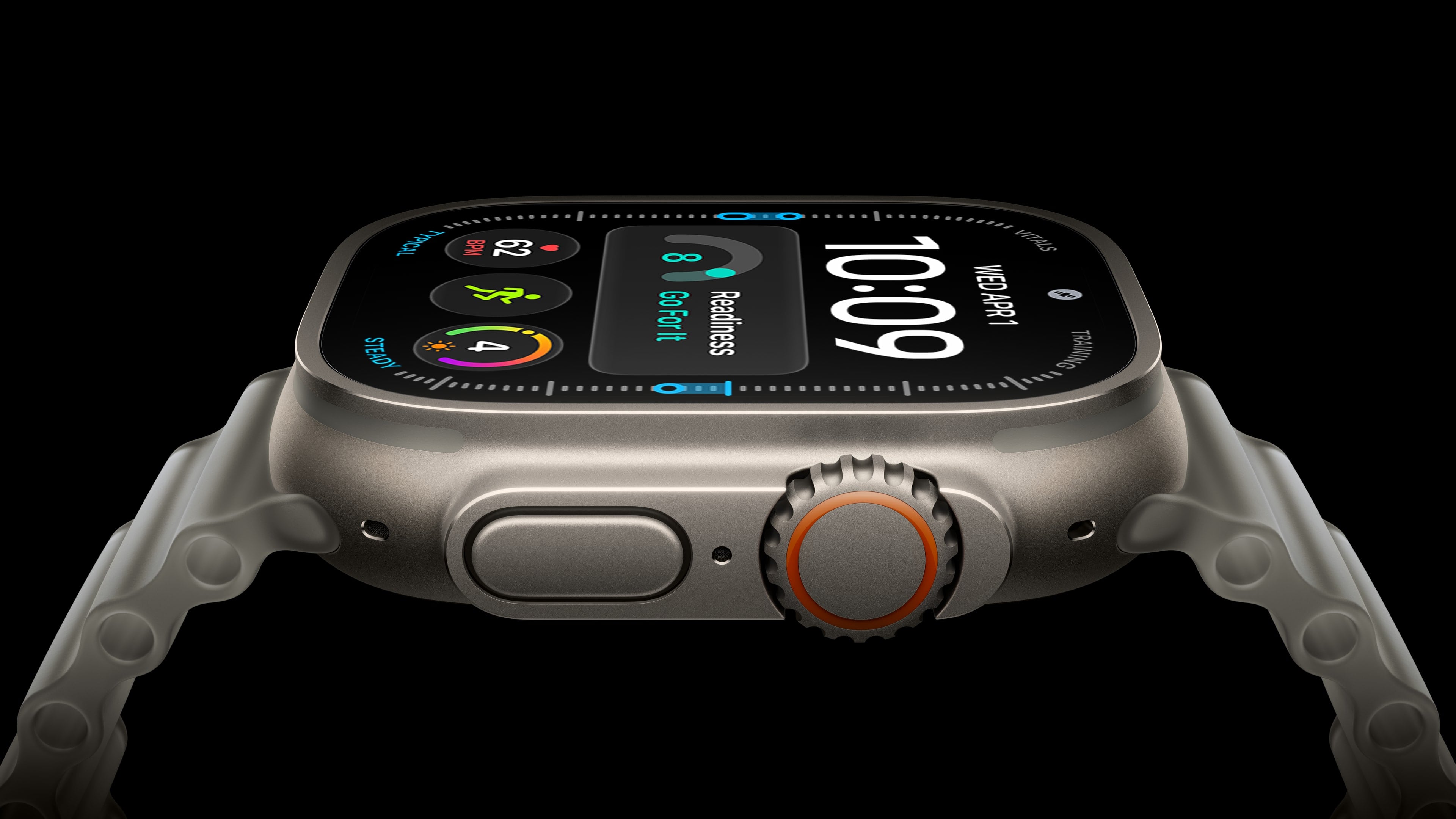
Personally, I’m even more excited for the Apple Watch Ultra 4, which starts at $799. I love its battery life, which is getting even better this year, as well as the fitness features. The Ultra 4’s color options are far more limited than finishes available with the Series 12, with options for natural and black titanium. I realize the Ultra is a more utilitarian watch than the Series 12, but I still wish Apple would expand their case and band choices a little more.

That said, there are a lot of other features to like in the latest model. The battery life is now rated at 50 hours up from 45, and the Ultra benefits from the same chip and sensor improvements found in the Series 12. Plus, in Low Power mode, the Ultra 4 can last for as much as 84 hours, which is truly impressive. Fast charging enables 18 hours of battery life, which is something I know I’ll appreciate when I’m ready to run and find my watch battery nearly spent. The Extended Workout mode for runs, hikes, and walks can last for up to 45 hours, too.
Source: Apple.

Source: Apple.

Like the Series 12, the Ultra 4 incorporates the S11 chip and new sensors. That enables Readiness on the Ultra 4 and more meaningful heart rate and HRV readings. Audio Intelligence is part of the Ultra 4’s software story, too, with Live Rewind, Siri Recap, sound recognition, and automated Shazam results available too. So, as with past Ultra models, the big difference between the Ultra 4 and the Series 12 is the display size and battery life, which I expect will come in handy with the watch’s new capabilities.
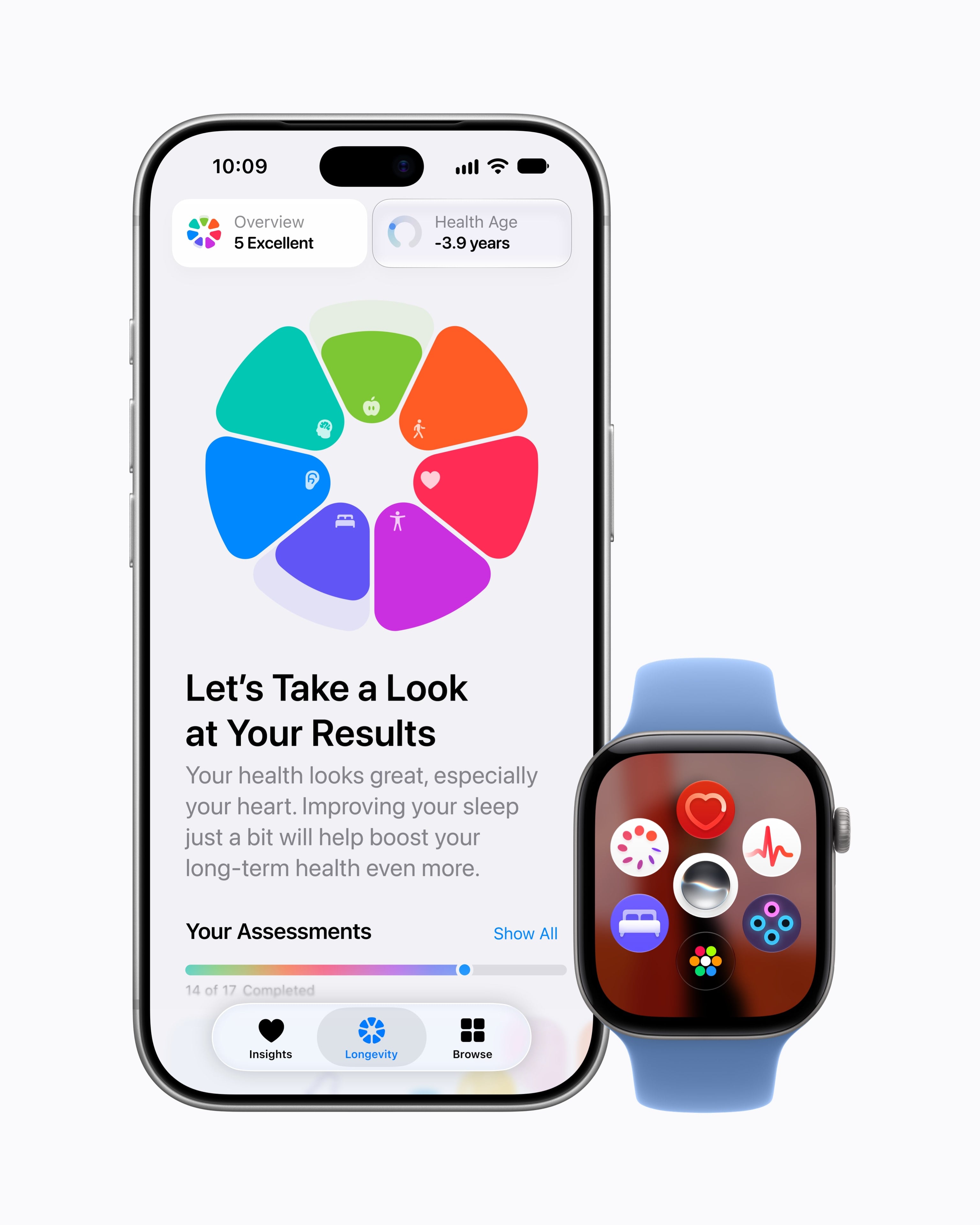
Health

The Health app will be updated later this year.

The Health app will be updated later this year.

Finally, the iPhone’s Health app is being updated with a new design and incorporates the enhanced data collected by the new Apple Watch models. There will be a new Insights tab that provides health information based on the data stored in the app. Plus, Health will include a Longevity tab for longitudinal health data and a Health age calculation to give users a sense of their health relative to their age. It’s worth noting that the updated Health app, like Siri Recap and Live Rewind, won’t debut until later this year.


This is the first year in a long while that i’ve been excited about new Apple Watches. I’d convinced myself that this year would amount to small, incremental changes that wouldn’t justify an update for another year or two Instead, I immediately ordered the Apple Watch Ultra 4. I love the combination of more and better health readings, Readiness, and the new Health app, and I’m intrigued by what I can get out of Audio Intelligence in my day-to-day life. I’ll know soon enough I guess because mine arrives next Friday.


You can follow all of our September 2026 Apple event coverage through our September 2026 Apple Event hub or subscribe to the dedicated September 2026 Apple event RSS feed.
  •  

Apple’s Surprise and Shine Event: By the Numbers

Apple covered a lot of ground at today’s Surprise and Shine event, and the numbers help put the announcements in perspective.

After every Apple event, we like to collect the notable specs, comparisons, and other stats from the presentation and Apple’s supporting materials (Tech Specs pages and Newsroom posts). This year, I wanted to make this article a little more special than usual, so I did two things: I set up a workflow to collect even more data during the event (a combination of transcription and, later, YouTube summarization), and I’ve created a few interactive widgets explore some of the latest specs and numbers in more detail.

You can find the complete set of numbers below. Enjoy memorizing all of these.
iPhone 18 Pro and iPhone 18 Pro Max

Dimensions and Displays

  • 150 x 71.9 x 8.75 mm: Height, width, and depth of iPhone 18 Pro, respectively.
  • 211g: Weight of iPhone 18 Pro.
  • 163.4 x 78 x 8.75 mm: Height, width, and depth of iPhone 18 Pro Max, respectively.
  • 249g: Weight of iPhone 18 Pro Max.

Camera

  • 48MP: Fusion Main camera resolution, with a 24mm-equivalent lens and variable aperture.
  • 6 blades: The Main camera uses laser-cut blades to adjust its aperture.
  • 4 settings: Manual Main-camera apertures: f/1.48, f/1.8, f/2.8, and f/4.0. Apple’s examples use f/1.48 for low light, f/1.8 for portraits, and f/4.0 for groups.
  • Around 50% more light: Enters when the variable aperture opens in darker environments. 23:48
  • 12MP at 2x: Optical-quality Telephoto option from the Main camera, at a 48mm-equivalent focal length.
  • 48MP at 4x: Fusion Telephoto camera with a 100mm-equivalent f/2.8 lens.
  • 12MP at 8x: Optical-quality Telephoto option with a 200mm-equivalent f/2.8 lens.
  • 16x: Optical-quality zoom range: 8x optical-quality zoom in and 2x optical zoom out.
  • Up to 40x / 24x: Digital zoom for photos and video, respectively.
  • 18MP: Center Stage front camera with an f/1.9 aperture.
  • Up to 4K at 120 / 60 fps: ProRes recording from the rear and front cameras, respectively, with external recording.
  • 1080p at 30 fps: Spatial video recording.
  • 4 microphones: Studio-quality microphones for recording.

A20 Pro and Performance

  • 3x more surface area: Vapor chamber comparison with iPhone 17 Pro.
  • Up to 40% gain: Sustained performance with the redesigned thermal system, compared with the previous generation.
  • Up to 2x better: Sustained performance compared with iPhone 16 Pro and older. 20:12
  • Up to 120 fps: Monster Hunter Outlanders supports iOS-exclusive Cinematic Graphics using the A20 Pro GPU; the game is due later in 2026. (22:19)

Apple’s Speed Claims from the September Event

Each bar is time. Grey is the old model, red is the new one.
  1. A20 Pro CPU20% faster
    Before
    Now
    Against A19 Pro. Stated in the iPhone Duo announcement; the 18 Pro post says only “faster than the competition”.
  2. A20 Pro GPU40% faster
    Before
    Now
    Against A19 Pro. Graphics rendering, not app speed.
  3. AI processing2× the power
    Before
    Now
    Against A19 Pro. Dual 16-core Neural Engine, 32 cores in all.
  4. GPU Neural Accelerator math2× faster
    Before
    Now
    8-bit floating-point arithmetic on the new accelerators, not overall app or model speed.
  5. Memory bandwidth50% more
    Before
    Now
    Against A19 Pro.
  6. Sustained performance, iPhone 18 Pro40% better
    Before
    Now
    Against iPhone 17 Pro, with the redesigned vapor chamber. Up to 2× against iPhone 16 Pro and older. iPhone Duo gets up to 35% with its own thermal design.
  7. C2 modem uploads50% faster
    Before
    Now
    Against C1X. Uploads only, and the modem uses 15% less energy.
Claims from Apple’s September 9, 2026 announcements and footnotes.

Battery and Charging

  • Up to 36 hours: Video playback on eSIM-only iPhone 18 Pro.
  • Up to 45 hours: Video playback on eSIM-only iPhone 18 Pro Max.
  • Up to 50% in around 15 minutes: Wired charging on both Pro models, using a 60W-capable USB-C cable and a compatible 60W-capable-or-higher adapter with Adjustable Voltage Supply (AVS).
  • Up to 50% in 30 minutes: Wireless charging on both Pro models, using MagSafe and a 35W-or-higher adapter, both sold separately.
  • 5 minutes: Wired charging provides around 7 hours of video playback on iPhone 18 Pro Max.
  • Up to 30 hours: iPhone 18 Pro Max usage on a full charge under Apple’s new representative usage model.
  • 2 additional hours: Video playback on eSIM-only models compared with models that retain the physical SIM.
  • Up to 24 hours: iPhone 18 Pro usage per charge under Apple’s new representative battery usage model. (21:06)
  • 5 minutes: Faster wired charging provides around 6 hours of video playback on iPhone 18 Pro. (21:33)
  • Up to 33 hours: Streamed video playback on iPhone 18 Pro in the U.S. eSIM-only configuration.
  • Up to 40 hours: Streamed video playback on iPhone 18 Pro Max in the U.S. eSIM-only configuration.

Dynamic Island

  • Up to 3 Live Activities: Can appear together in the Dynamic Island now.

Finishes, Storage, and Pricing

  • 4 finishes: Black, silver, glacier, and burgundy.
  • From $1,199: U.S. starting price for iPhone 18 Pro.
  • From $1,299: U.S. starting price for iPhone 18 Pro Max.
  • From $49.95 and $54.12 per month: U.S. Apple Card installments over 24 months for iPhone 18 Pro and Pro Max, respectively; eligibility and carrier selection apply.
  • $175-$885: U.S. Apple Trade In credit for an eligible iPhone 13 or later; value depends on the device.
  • Up to $1,200: U.S. select-carrier credits toward either Pro model for an iPhone 14-or-later trade-in, in any condition; carrier eligibility rules apply.
  • From $34.99 per month: U.S. Apple Upgrade lease for iPhone 18 Pro over 24 months through Klarna; eligibility and an eligible carrier are required.

Availability

  • September 12, 2026: Pre-orders begin at 5 a.m. PT in more than 65 countries and regions.
  • 20 more countries and regions: Availability expands on September 25, 2026.

Accessories

  • $49 each: U.S. price for the Clear Case or Silicone Case with MagSafe.
  • $59 each: U.S. price for the TechWoven Case, FineWoven Wallet, or Crossbody Strap.
  • $29: U.S. Wrist Strap price.
  • 6 colors: Wrist Strap options: black, taupe, olive, crisp blue, magenta, and burgundy.
  • 100% recycled polyester: Yarn used in the Wrist Strap.

iPhone Duo

Displays

  • 7.6 inches: Inner Super Retina XDR display; 7.58 inches diagonally as a standard rectangle, with a smaller actual viewable area.
  • 5.4 inches: Outer Super Retina XDR display; 5.36 inches diagonally as a standard rectangle, with a smaller actual viewable area.
  • 90%: Outer display screen area relative to iPhone 18 Pro.
  • 50% larger: Inner display screen area compared with iPhone 18 Pro Max.
  • Later in 2026: Planned support for Apple Pencil with USB-C on either display.
  • 80% larger: Inner display screen area compared with iPhone 18 Pro. (1:02:00)
  • 1878 x 2670 pixels: Inner display resolution at 430 ppi.
  • 1398 x 2034 pixels: Outer display resolution at 460 ppi.

Design and Durability

  • Grade 5 titanium: Material used for the enclosure.
  • 3x better: Ceramic Shield 2 scratch resistance on the outer display compared with the previous generation.
  • More than 100 components: In the hinge controlling opening, closing, and center-display support.
  • Up to 40% higher stiffness: Custom polymer in the inner display’s nano-textured cover layer, compared with other materials used in the industry.
  • 2 colors: Star white and night sky.
  • 3x stronger: Ceramic fibers in the antenna-split reinforcement inserts compared with Grade 5 titanium. (1:03:31)
  • Up to 25 microlayers: Of custom photopolymer are 3D-printed after a laser scans each unit, to eliminate residual display waviness. (1:09:55)
  • 117.8 x 164.6 x 5.2 mm: Height, width, and depth with Duo open.
  • 117.8 x 84.1 x 11.3 mm: Height, width, and depth with Duo folded.
  • 254g: Weight of iPhone Duo.
  • 4 sensors: Ambient light sensors.

Cameras

  • 48MP: Fusion Main camera with a 26mm-equivalent f/1.6 lens, photo capture at up to 48MP, and zero shutter lag.
  • 24MP: Default rear-camera photo resolution.
  • 2x: Integrated optical-quality Telephoto option from the Fusion Main camera: 12MP, 52mm-equivalent, f/1.6.
  • 12MP: Outer Center Stage camera with an f/2.2 aperture.
  • f/1.8: Under-display FaceTime camera, with 1080p video recording at 30 or 60 fps.
  • 4x: Optical-quality zoom range: 2x optical-quality zoom in and 2x optical zoom out.
  • Up to 10x / 6x: Digital zoom for photos and video, respectively.

Multitasking

  • 2 Home Screen pages: Shown when Duo is open, with Today View on the left.
  • 2 apps or windows: Split View can show apps side by side, or two windows of the same app.

Performance

  • Up to 35% better: Sustained performance with A20 Pro and Duo’s custom vapor chamber, compared with iPhone 17 Pro.
  • Up to 20% faster: A20 Pro’s 6-core CPU compared with A19 Pro, as described for iPhone Duo.

Battery and Charging

  • 2 batteries: One high-energy battery on each side, managed together by energy-rebalancing algorithms.
  • Up to 31 hours: Video playback using the inner display.
  • Up to 44 hours: Video playback using the outer display.
  • Up to 24 hours: Usage per charge when the inner and outer displays are used equally.
  • Up to 50% in around 20 minutes: Wired charging with Duo open, using a 60W-capable-or-higher USB-C cable and a compatible 60W-capable-or-higher USB PD adapter.
  • Up to 50% in around 30 minutes: Wireless charging with MagSafe or Qi2; Apple’s MagSafe test used Duo open and requires a 35W-or-higher adapter.
  • 5 minutes: Fast charging provides up to 5 hours of video playback using the outer display. (1:12:43)
  • Up to 37 hours: Streamed video playback on iPhone Duo using the outer display.
  • Up to 26 hours: Streamed video playback on iPhone Duo using the inner display.

Pricing and Availability

  • From $1,999: U.S. starting price for iPhone Duo.
  • From $83.29 per month: U.S. Apple Card installments over 24 months; eligibility and carrier selection apply.
  • From $57.99 per month: U.S. Apple Upgrade lease over 24 months through Klarna; 12-month terms are also offered.
  • October 16, 2026: Pre-orders begin at 5 a.m. PT in more than 70 countries and regions.
  • October 23, 2026: Initial availability for iPhone Duo.
  • 28 more countries and regions: Availability expands on October 30, 2026.

Accessories

  • $79: U.S. price for iPhone Duo Case, in navy blue or sand; orders begin October 16.
  • $129: U.S. price for iPhone Duo Folio with Kickstand, in navy blue or taupe; orders begin October 16.
  • Qi2 25W: Charger compatibility for both Duo cases, alongside MagSafe and Qi-certified chargers.

iPhone 18 Pro and iPhone Duo

Displays and Durability

  • 3,000 nits: Peak outdoor brightness on both Duo displays and both Pro-model displays.
  • IP68: Laboratory water- and dust-resistance rating for all three iPhones, tested at a maximum depth of 6 meters for up to 30 minutes.
  • Up to 120Hz: ProMotion adaptive refresh rate on both Duo displays and both Pro-model displays.
  • 2,000,000:1: Typical display contrast ratio.
  • 1,000 / 1,600 / 1 nits: Maximum typical, peak HDR, and minimum display brightness, respectively.

Camera Features

  • Up to 60 fps: Videos can receive Cinematic effects after capture.
  • 4K: Time-lapse recording now supports this resolution and Dolby Vision HDR.
  • 48MP: Fusion Ultra Wide camera shared by the three iPhones: 13mm-equivalent, f/2.2, 120-degree field of view, and 48MP macro photography.
  • 4K at 120 fps: Dolby Vision recording with the Fusion Main camera on iPhone Duo and both iPhone 18 Pro models.
  • Up to 4K at 60 / 30 fps: Dolby Vision Cinematic mode capture from the rear and Center Stage front cameras, respectively.
  • Up to 2.8K at 60 fps: Dolby Vision Action mode recording.
  • Up to 240 fps: Rear-camera slow-motion video at 1080p; Fusion Main also supports 4K Dolby Vision slow motion up to 120 fps.
  • Up to 4K at 30 fps: Dolby Vision Dual Capture recording.
  • Up to 4K at 60 fps: Dolby Vision QuickTake recording from the rear or Center Stage front camera.
  • 8MP: Still photos captured while recording 4K video.
  • Up to 63MP: Panorama photo resolution.
  • 6 effects: Portrait Lighting effects.

A20 Pro

  • 2 nm: Manufacturing process for A20 Pro.
  • 6 cores: A20 Pro CPU: 2 super cores and 4 efficiency cores, with integrated Neural Accelerators.
  • 7 cores: A20 Pro GPU.
  • 50% more: A20 Pro memory bandwidth compared with A19 Pro.
  • Up to 40% faster: A20 Pro graphics performance compared with A19 Pro.
  • 32 cores: Total in the A20 Pro Dual 16-core Neural Engine.
  • 2x: A20 Pro AI processing power compared with A19 Pro.
  • Up to 20% faster: New A20 Pro super cores. (16:49)
  • 2x faster: 8-bit floating-point math on the new GPU Neural Accelerators. (17:30)

A-Series Chip Gains Over the Years

Each bar is the gain Apple claimed over the previous year’s chip.
2022A16 Bionic
CPUno figure
GPUno figure
Neural Engineno figure
Sustainedno figure
No year-over-year figures anywhere. The announcement said the 6-core CPU was up to 40% faster than the competition, the GPU had 50% more memory bandwidth, and the Neural Engine did nearly 17 trillion operations a second. The 2022 product page said only “faster 6-core CPU” and that the display was up to 2× brighter in the sun than iPhone 13 Pro.
2023A17 Pro
CPU+10%
GPU+20%
Neural Engine2×
Sustainedno figure
Ray tracing up to 4× faster than A16 Bionic. The Neural Engine does nearly 35 trillion operations a second. The 2023 product page put the GPU up to 70% faster than iPhone 12 Pro’s. USB 3 transfers up to 20× faster than USB 2.
2024A18 Pro
CPU+15%
GPU+20%
Neural Engineno figure
Sustained+20%
The CPU does the same work 15% faster using 20% less power. Ray tracing up to 2× faster. Memory bandwidth up 17%. The Neural Engine is “faster and more efficient”, with no figure. Apple’s compare page put A18 Pro at up to 30% faster CPU and 40% faster GPU than iPhone 14 Pro, 40% and 50% than 13 Pro, and 60% and 2× than 12 Pro.
2025A19 Pro
CPUno figure
GPU3×peak compute
Neural Engineno figure
Sustained+40%
Apple gave no CPU or graphics figure against A18 Pro. The 3× is peak GPU compute for AI work from the Neural Accelerators in each GPU core, over the previous generation. With the vapor chamber, sustained performance is up to 40% better than iPhone 16 Pro. Against older phones, Apple’s compare page says the CPU is up to 20% faster than iPhone 15 Pro, 40% faster than 14 Pro, and 50% faster than 13 Pro, and the GPU up to 50% faster than 15 Pro, 2× 14 Pro, and 2.2× 13 Pro.
2026A20 Pro
CPU+20%
GPU+40%
Neural Engine2×AI processing
Sustained+40%
From the September 9, 2026 announcements. The 6-core CPU is up to 20% faster than A19 Pro (stated in the iPhone Duo announcement; the 18 Pro post says only “faster than the competition”). The new 7-core GPU is up to 40% faster. The Dual 16-core Neural Engine has 32 cores and double the AI processing power.
Sources: Apple Newsroom announcements and product pages for iPhone 14 Pro (2022), 15 Pro (2023), 16 Pro (2024), and 17 Pro (2025); the older product pages were fetched via the Internet Archive. “No figure” means Apple made no year-over-year claim for that part.

Connectivity

  • Wi-Fi 7 and Bluetooth 6: Supported by the N1 wireless chip, alongside Thread.
  • 15% less energy: C2 modem consumption compared with C1X.
  • Over 500 carriers: Support eSIM worldwide.
  • 2 iPhones: Users can switch between them with the same phone number through iPhone Handoff; launch carriers are T-Mobile in the U.S. and Telekom Germany.
  • Up to 50% faster: C2 modem uploads compared with C1X. (1:11:42)
  • Up to 10Gb/s: USB 3 data transfers through USB-C, requiring a USB 3 cable rated for 10Gb/s.

Charging

  • Up to 25W: MagSafe and Qi2 wireless charging.

Storage and SIMs

  • 256GB, 512GB, 1TB, and 2TB: Storage options for iPhone 18 Pro, iPhone 18 Pro Max, and iPhone Duo.
  • 2 active eSIMs: Dual eSIM support; stores 8 or more eSIM profiles.
  • Approximately 7GB: Storage used by on-device Apple Intelligence models; the models can be removed by turning Apple Intelligence off.
  • Approximately 12-24GB: Space used by a standard configuration, including iOS 27 and removable Apple apps.
  • About 4.5GB: Storage used by Apple apps that can be deleted and downloaded again.

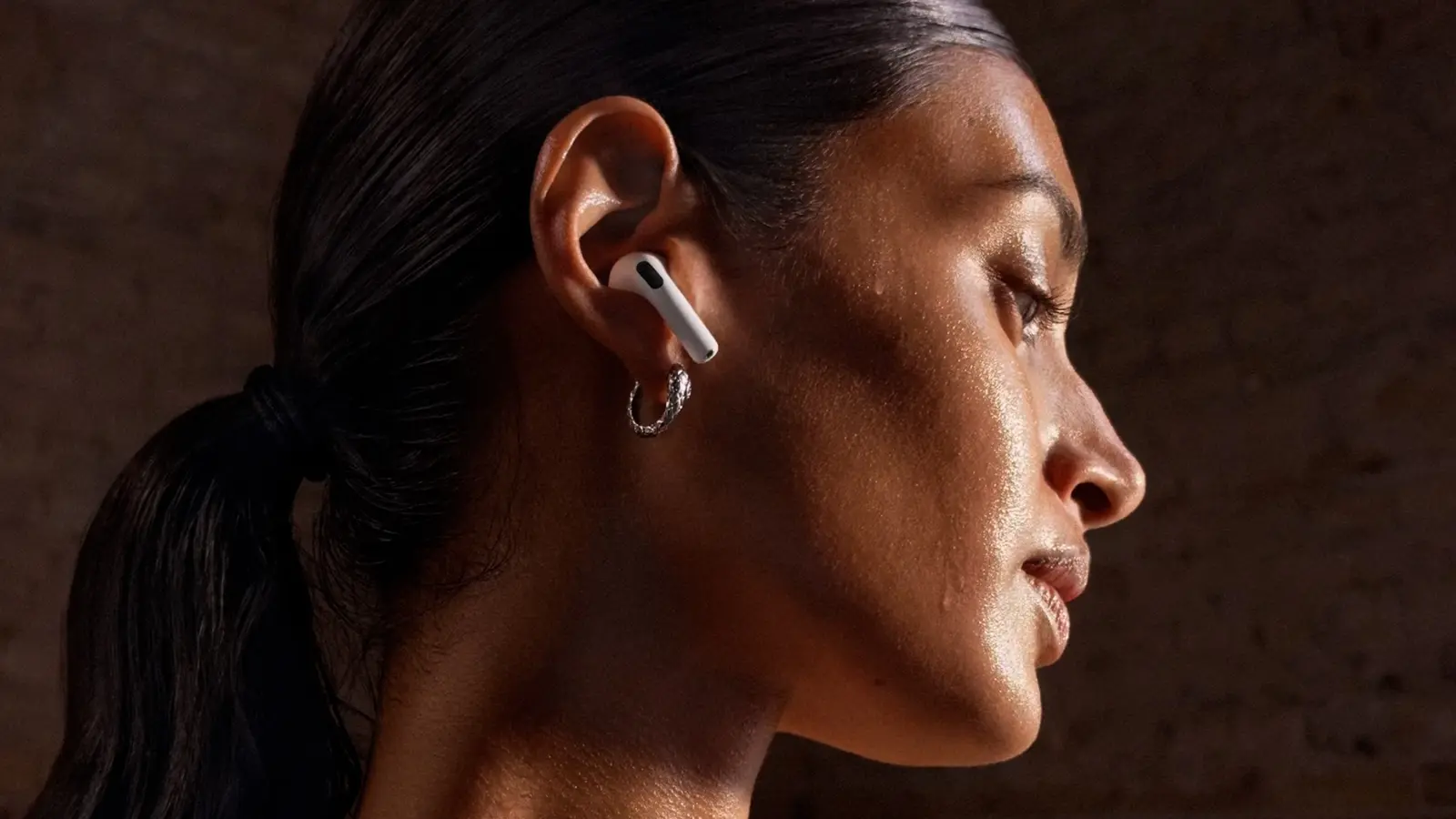
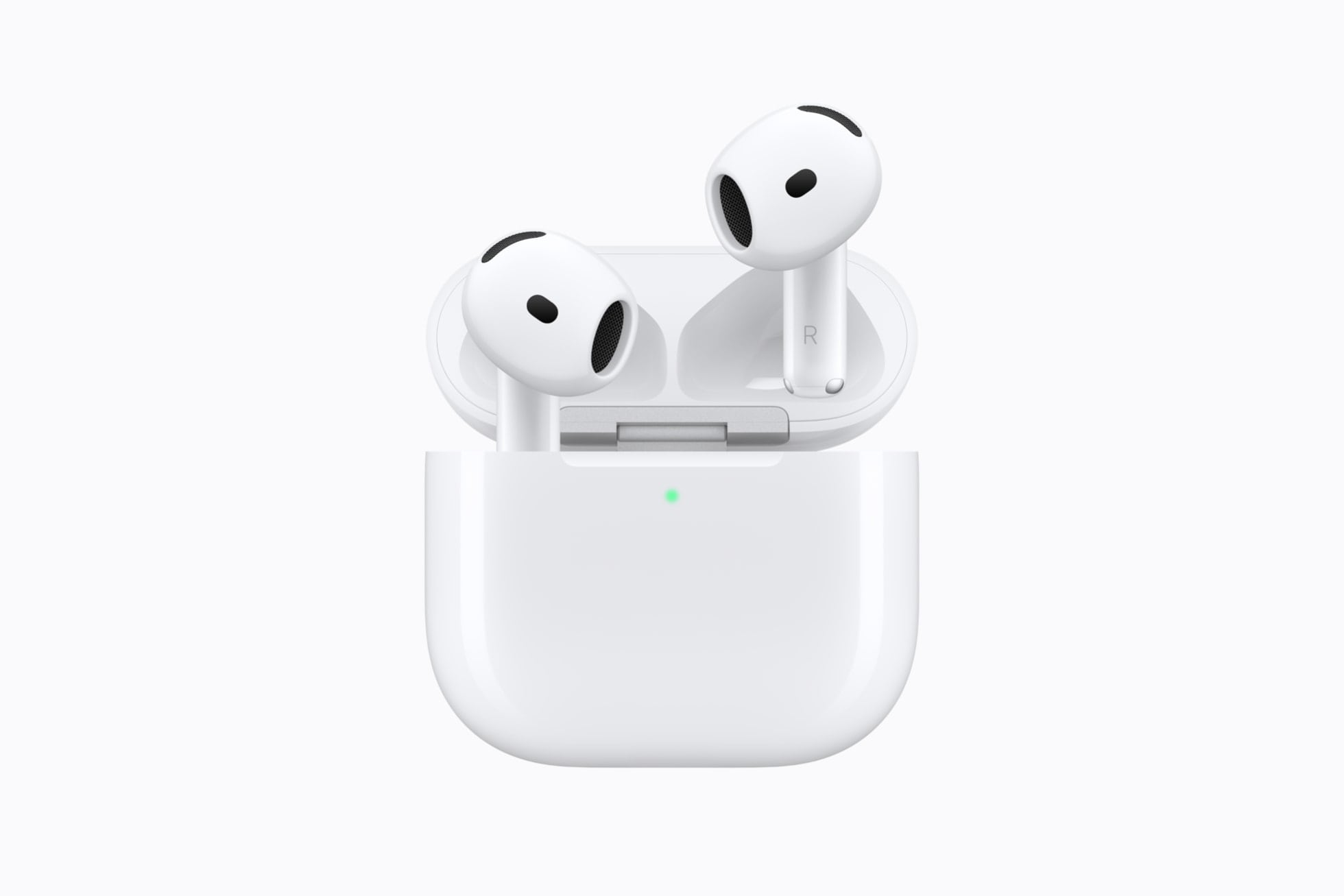
AirPods 5

Noise Cancellation

  • Up to 50% more: External noise removed compared with AirPods 4 with Active Noise Cancellation.

Battery Life

  • Up to 5 hours: Playback with Active Noise Cancellation on a single charge, on the Wireless Charging Case model.
  • 1 hour longer: Single-charge playback with Active Noise Cancellation on the Wireless Charging Case model, compared with AirPods 4 with ANC.
  • Up to 22 hours: Playback with Active Noise Cancellation using the Wireless Charging Case model and its case.
  • Up to 4 hours: Listening with Active Noise Cancellation on a single charge, on the $129 model. (36:11)
  • Up to 20 hours: Listening with Active Noise Cancellation using the $129 model and its charging case. (36:11)

Pricing and Availability

  • $129: U.S. price for AirPods 5, including Active Noise Cancellation.
  • $149: U.S. price for AirPods 5 with Wireless Charging Case, longer battery life, and on-stem volume control.
  • More than 65 other countries and regions: Pre-orders are available in these markets in addition to the U.S.
  • $30 less: U.S. price reduction for AirPods 5 with Wireless Charging Case, compared with AirPods 4 with Active Noise Cancellation. (37:16)

Apple Watch Series 12

Battery and Charging

  • Up to 24 hours: Everyday battery life under Apple’s test profile, which includes sleep tracking.
  • Up to 10 hours: Outdoor workout battery life, tested during Outdoor Run sessions without iPhone and with the heart-rate sensor on.
  • 25% more: Outdoor workout battery life than the previous model.
  • 15 minutes: Charging provides up to 12 hours of additional battery life, tested with Apple’s Magnetic Fast Charger and 20W USB-C adapter.
  • 50% more: Additional battery life from a 15-minute charge compared with the previous model.

Design and Bands

  • 60% tougher: Ceramic Shield 2 on aluminum models compared with the Ion-X glass on aluminum Apple Watch Series 11.
  • 42mm and 46mm: Case sizes for Apple Watch Series 12.
  • 4 aluminum finishes: Dark bronze, black, light gold, and space gray.
  • 2 titanium finishes: Radiant gold and natural titanium for the standard titanium models.
  • 2 ceramic finishes: Pearl white and night blue.
  • 5 new colors: Nike Sport Bands and Nike Sport Loops: essential white, chalk calm, pavement grey, after dark black, and green spark.

Pricing and Availability

  • From $399: U.S. starting price for Apple Watch Series 12.
  • From $11.99 per month: U.S. Apple Upgrade lease over 24 months through Klarna; Apple’s 42mm example is $21.99 per month for a 12-month term, excluding taxes and trade-in credit.

Apple Watch Ultra 4

Battery and Workout Modes

  • Up to 50 hours: Everyday battery life under Apple’s mixed-use test profile.
  • Up to 84 hours: Battery life in Low Power Mode.
  • 15 minutes: Charging adds up to 18 hours of battery life, tested with Apple’s Magnetic Fast Charger and 20W USB-C adapter.
  • Up to 25 hours: Outdoor workout tracking in Extended Workout mode with full GPS and heart-rate readings; Low Power Mode is enabled and running-form metrics are unavailable.
  • 25% increase: Extended Workout battery life compared with the previous model.
  • Up to 45 hours: Outdoor runs, walks, and hikes in Max Extended Workout mode; Low Power Mode is enabled, with alerts, splits, and some metrics unavailable.
  • Every second: GPS readings continue in Max Extended Workout mode.
  • Up to 18 hours: Workout tracking with full GPS and heart-rate readings. 52:03

Finishes and Bands

  • 2 titanium finishes: Natural and black titanium.
  • 3 Trail Loop colors: Dark umber, sand, and burgundy.
  • 3 Alpine Loop colors: Desert, dark olive, and burgundy.
  • 3 new Ocean Band colors: Translucent gray, translucent kelp, and translucent black, in translucent silicone.
  • 4 options: Fathom and Wonder watch-face options on Apple Watch Hermes Ultra 4, from the ocean surface to the seabed.

Pricing, Availability, and Satellite

  • From $799: U.S. starting price for Apple Watch Ultra 4.
  • From $24.99 per month: U.S. Apple Upgrade lease over 24 months through Klarna; Apple’s $799 model example costs $44.99 per month over 12 months, excluding taxes and trade-in credit.
  • 2 years free: Emergency SOS, Find My, and Messages via satellite with activation of Ultra 3 or later; Find My and Messages require a carrier plan.

Apple Watch Series 12 and Ultra 4

Health Sensing and Readiness

  • Over 1,000 participants: In Apple’s heart-rate accuracy study comparing the new sensing system with leading wearables.
  • Every 5 seconds: Passive heart-rate measurements throughout the day.
  • Up to 24 times more often: Heart rate variability (HRV) measurements.
  • As often as every 5 minutes: Heart rate variability (HRV) measurements on Series 12 and Ultra 4.
  • 2 HRV variants: Recovery HRV and overall HRV are available in the Heart Rate app.
  • 0-10: Readiness score, updated throughout the day, with recommendations of Recover, Pace Yourself, Ready, or Go For It.
  • 1,000 steps: Accuracy test used for Apple’s step-tracking comparison, checked against video step counting.
  • 22 years or older: Intended age range for the ECG app.
  • 18 years or older: Intended age range for sleep apnea notifications, for people without an existing sleep apnea diagnosis.
  • 40 years or older: Age range for cycle deviation notifications that include perimenopause.
  • 3 core elements: Improved in the Health Sensing System: electrode surface area, photodiode arrangement, and green LEDs. 39:58
  • 60 times more frequent: Background heart-rate readings compared with before. 40:37

Health App and Lab Tests

  • Over 50 biomarkers: Planned lab tests ordered through the redesigned Health app will measure these key biomarkers.
  • $119: Price for the planned lab tests ordered through the Health app in the U.S.
  • Approximately 2,000 locations: Quest Diagnostics sites in the U.S. for the planned Health app lab service.
  • Later in 2026: The redesigned Health app is planned to launch, starting in U.S. English, with more languages to follow. 46:02

Intelligence and watchOS

  • 15 seconds: Previous conversation shown as text by Live Rewind, arriving in beta in late 2026, initially in English and outside the EU.
  • 5 apps: Siri-suggested icons in the dynamic app grid in watchOS 27.
  • 2 languages: Workout Buddy supports English and Spanish; use without iPhone nearby requires Wi-Fi or cellular, a paired Apple Intelligence-enabled iPhone, and Bluetooth headphones.

Availability

  • More than 50 other countries and regions: Watch Series 12 and Ultra 4 pre-orders are offered in addition to Australia, Canada, France, Germany, India, Japan, the UAE, the UK, and the U.S.

And More…

Siri and Apple Intelligence

  • Over 2.5 billion requests per day: Made by Siri users. 11:39
  • Over 300,000 apps: Already work with Siri AI, including existing actions such as messaging and audio playback. 12:28
  • 16 languages: Supported by Apple Intelligence with the September OS releases. 15:35

Software and Services

  • 13 years: Minimum age for Siri AI.
  • 1 additional year: Free satellite features for eligible existing iPhone 14, 15, and 16 users activated in a supported country before Apple’s September 9 midnight PT cutoff.
  • 3 months free: Apple One for new or qualified returning subscribers buying an eligible device, including either Pro model; offer begins September 17 in selected markets.
  • At least 12GB: Unified memory required for Apple’s most powerful on-device model on supported iPads with M4 or later and Macs with M3 or later.
  • 3 months: Apple Fitness+ and Apple Music offers for new subscribers buying Series 12, SE 3, or Ultra 4; regional and service eligibility applies.
  • Up to 80% faster: AirDrop transfers with iOS 27. 30:07

You can follow all of our September 2026 Apple event coverage through our September 2026 Apple Event hub or subscribe to the dedicated September 2026 Apple event RSS feed.
  •  
❌