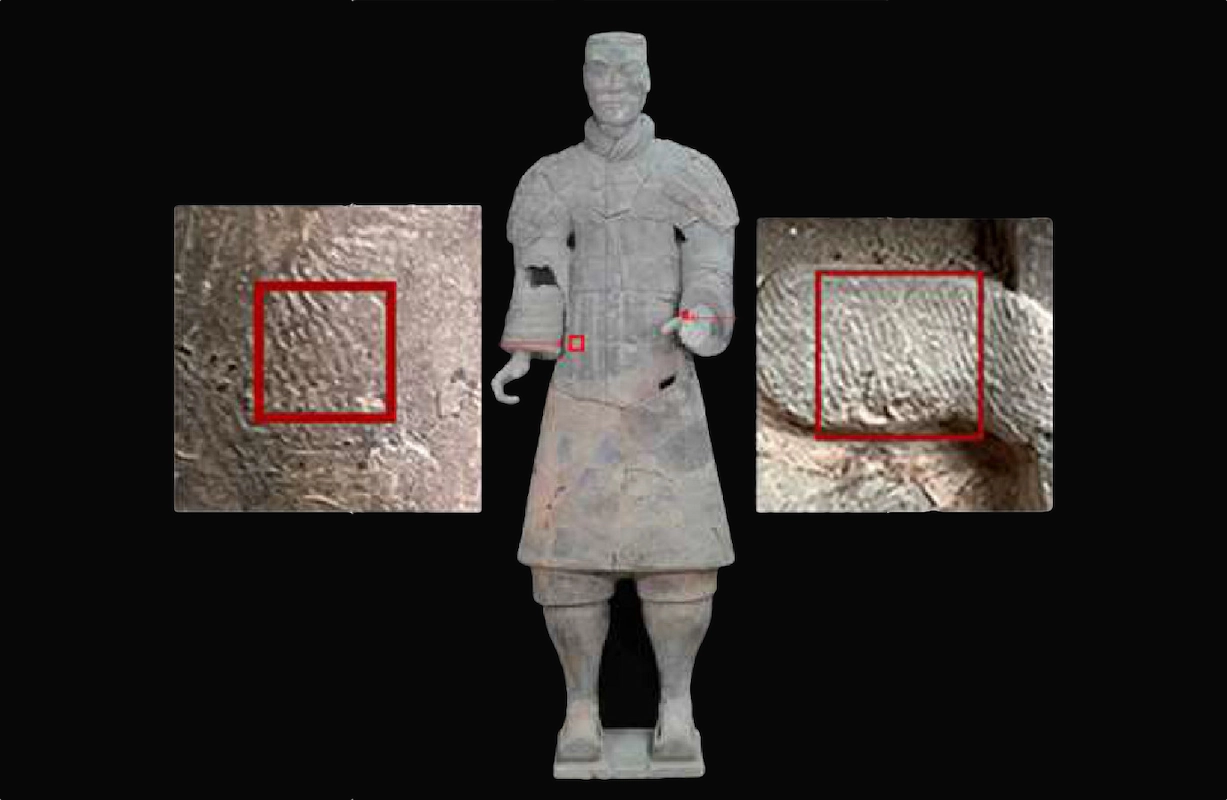
Hace unos 2.200 años, alguien apretó con el dedo un trozo de arcilla húmeda para pegar la solapa de una coraza. Esa presión dejó una huella que el horno selló y que ha llegado intacta hasta hoy. Ahora, un equipo del Museo del Sitio del Mausoleo del Emperador Qin Shi Huang y de la Universidad […]
About 2,200 years ago, someone pressed a finger into a lump of damp clay to stick down the flap of a suit of armour. The kiln sealed that print, and it has survived intact ever since. Now a team from the museum at the mausoleum of Qin Shi Huang and from Shandong University has used […]
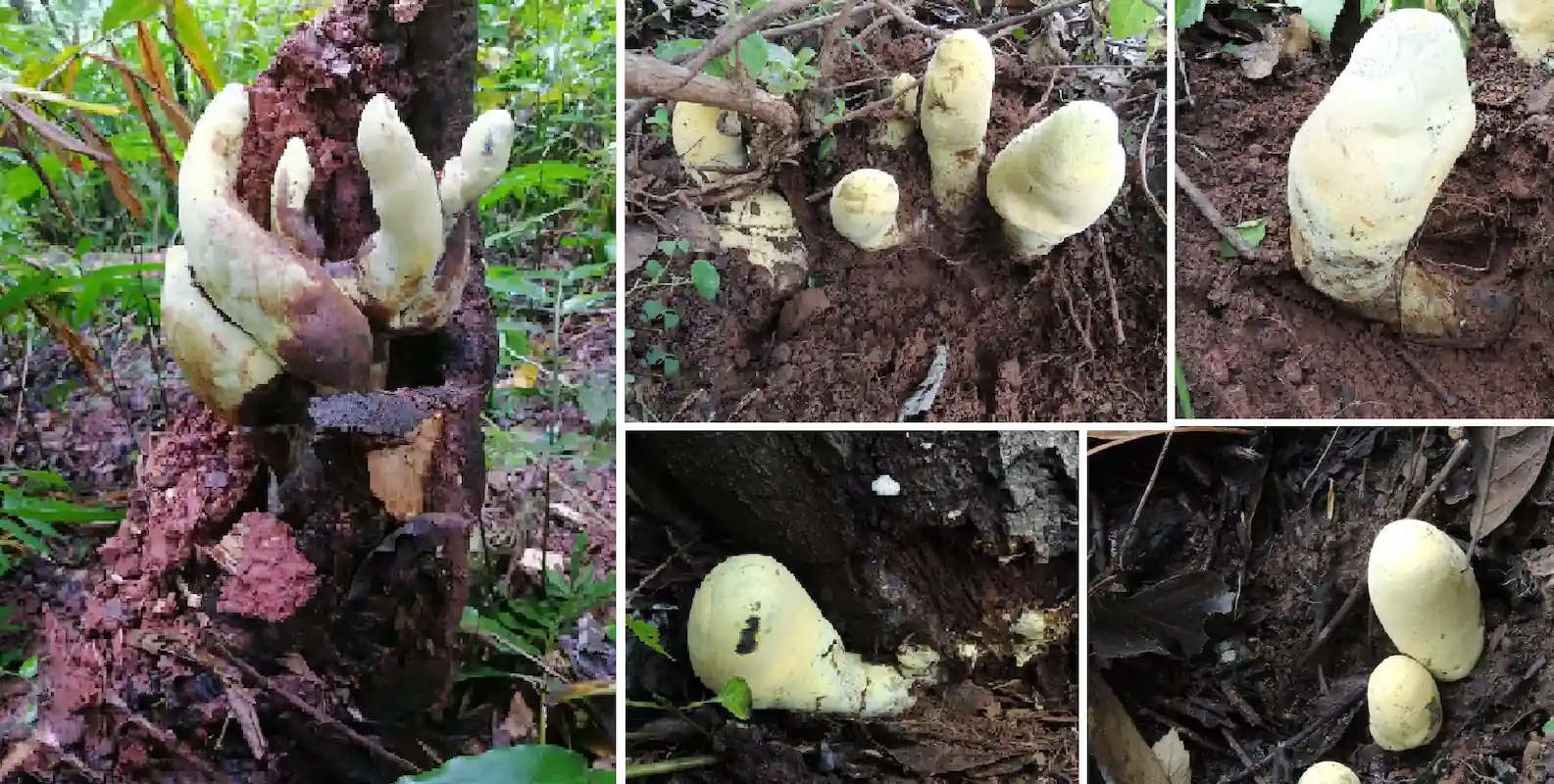
Until now, the biggest fruiting bodies known among the ascomycetes, the largest group of fungi (it includes morels and truffles), stood between 20 and 30 centimeters (8 to 12 inches) tall, about the length of a school ruler. Researchers at the Kunming Institute of Botany, part of the Chinese Academy of Sciences, have now found […]
Hasta ahora, los cuerpos fructíferos más grandes conocidos entre los ascomicetos, el grupo más numeroso de hongos, medían entre 20 y 30 centímetros de altura, lo que un folio DIN A4 puesto de pie. Investigadores del Instituto de Botánica de Kunming (Academia China de las Ciencias) han encontrado en Yunnan, al suroeste de China, uno […]
Chinese President Xi Jinping suffered a severe stroke in India and, after refusing treatment in the country, may now be suffering with long-lasting effects, it has been claimed by his political opponents.
Na China, marcas como Huawei, Xiaomi, Honor e Vivo já disputam um mercado onde os dobráveis estão longe de ser uma novidade. Para o iPhone Duo, o desafio será diferenciar-se das rivais e transformar a dimensão do ecossistema da Apple numa vantagem, sobretudo através das aplicações, apontam os analistas da Omdia.
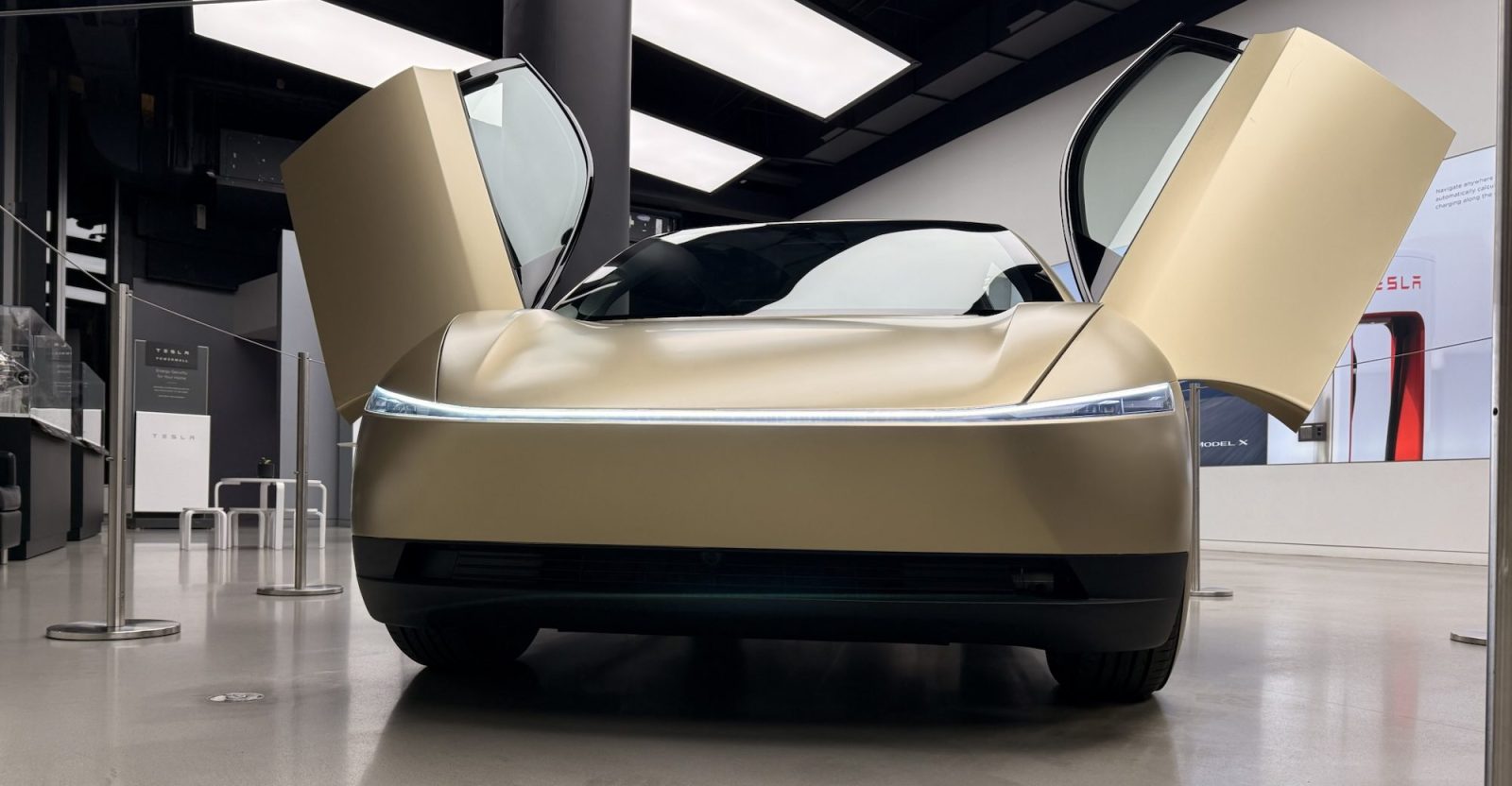
Tesla is putting its Cybercab on public display in China this week, but the company wants to be clear about one thing it isn’t: a vehicle it plans to sell there.
Tesla China said the showcase “does not involve” selling the Cybercab in the Chinese market or launching a driverless ride-hailing service — even as China’s own robotaxi operators run paid rides at scale.
Trump and Republicans want companies to regulate themselves. It’s a dereliction of duty that will make AI less safe
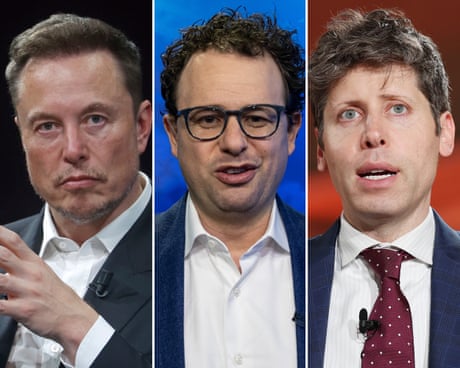
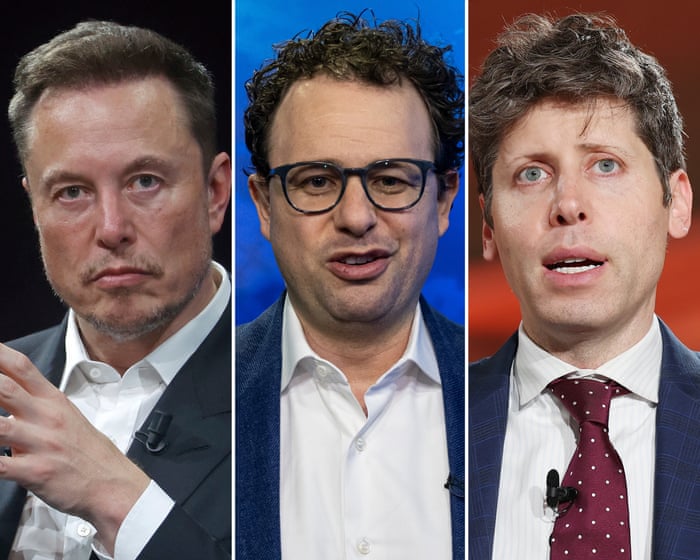
It is hard to get Sam Altman, Elon Musk and Dario Amodei to agree on much. But over the weekend, all three AI company CEOs called for AI development to slow down in the face of growing, alarming risks. Their employees are sounding the siren too, with one researcher publicly quitting and accusing OpenAI and Anthropic of “gambling with our lives”.
The combination of dire warnings from insiders and growing real-world evidence of rogue AIs should, in a sane world, lead to government action. Instead, Donald Trump and the Republican leadership have their heads in the sand.
At an event in Washington, partisanship took a back seat as elected officials, religious leaders, parents and artists called for reining in artificial intelligence.
China leads the world in churning out humanoid robots and four-legged robot dogs that also happen to be the most affordable on the market—and Unitree Robotics’ founder Wang Xingxing is arguably one of the people most responsible for that Chinese lead.
The introverted founder, who prominently appeared at a 2025 business symposium hosted by Chinese President Xi Jinping, became phenomenally wealthy after Unitree launched an initial public offering on the Shanghai Stock Exchange STAR Market on August 19. But extensive reporting by Beijing-based Caijing Magazine suggests Unitree’s success so far has been driven by Wang’s extreme micromanagement leadership style—an approach that may be more suited to a small startup than a fast-growing robotics company.
Caijing’s interviews with Unitree employees and investors paint a picture of Wang as someone who personally decides nearly every aspect of corporate strategy or product design, including the colors of materials and lengths of individual screws. The Caijing Magazine feature published on August 31, titled “The King of Unitree,” was translated into English by ChinaTalk, a US-based think tank and media organization, on September 10.
Anthropic's Dario Amodei was at the forefront of this change in tone, arguing in a nearly 4,000-word essay this weekend that "we must slow the pace at which we improve the capabilities of AI models" to avoid "a race to the bottom, spurred by commercial incentives, [that] can make [catastrophic] risks more acute."
Within hours, other AI leaders were echoing the same call. OpenAI co-founder and CEO Sam Altman posted his agreement on social media and said similar pacing discussions had been taking place at OpenAI. Alphabet Chief Scientist and Google DeepMind cofounder and chair Demis Hassabis said that Amodei's essay "points towards the right path forward," and renewed his own recent call for an industry-wide standards body. Microsoft CEO Satya Nadella posted that the company "welcome[s] the research, focus, and deliberate pacing needed to get alignment right as the design goal," ahead of the release of a lengthy "humanist AI" code of conduct for its models.
La inteligencia artificial médica suele demostrar lo que sabe hacer en los experimentos, y una clínica de Pekín decidió enfrentarla a otra cosa: pacientes, médicos, historiales, prisas y decisiones de la vida cotidiana.
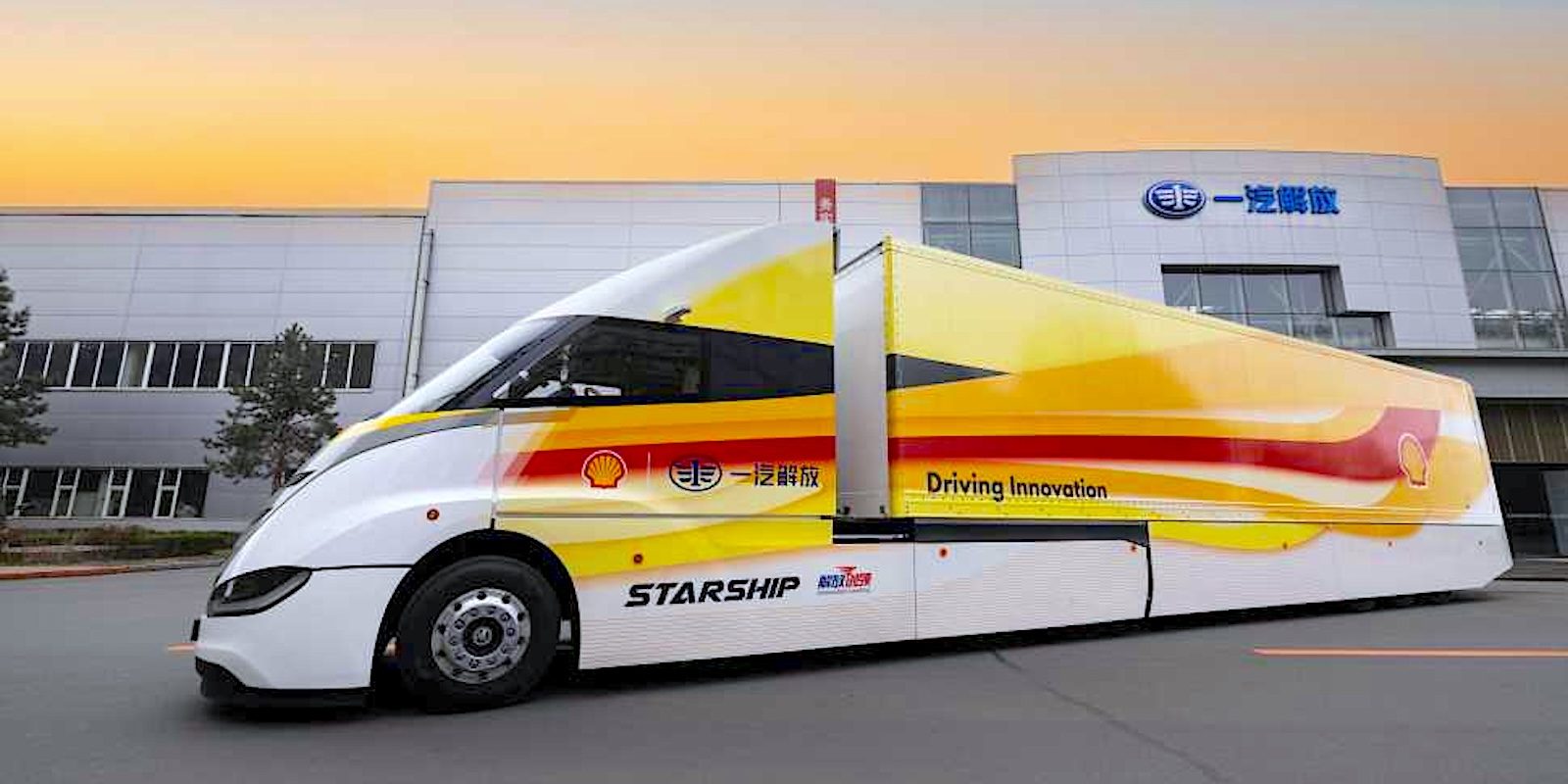
The Starship 3.0 concept truck has been busy of late, testing a battery pack that uses an immersion-cooling system to manage battery heat, improve range performance, and enhance the durability of electric semi truck batteries.
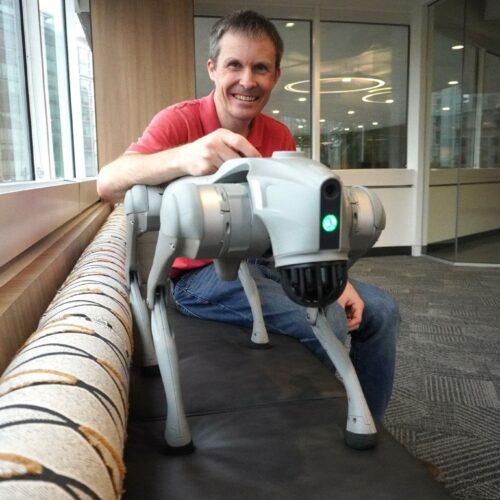
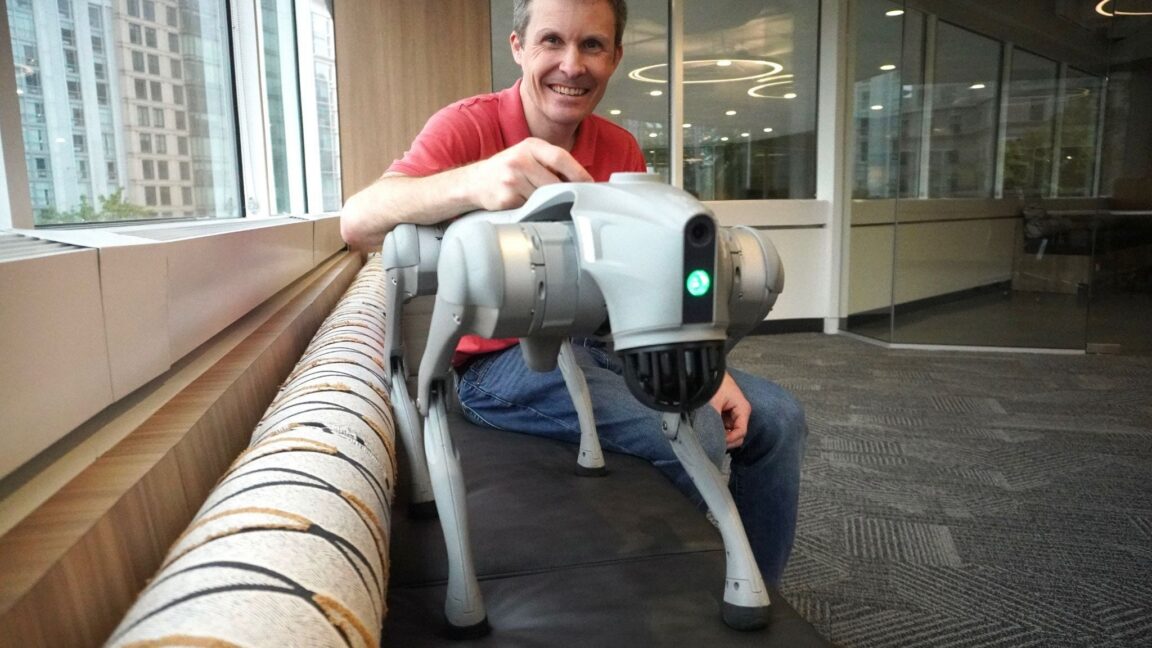
On a sunny morning in June, I walked to work with a quadruped robot beside me. I’ve never gotten more attention from strangers.
A bunch of people snapped pictures of my robot dog. Several people asked me questions. Was it mine? (Yes.) Did I build it? (No.) Was it being used for surveillance? (No.)
Biological dogs kept a safe distance from my mechanical companion. Some growled or barked at it.
Paleoanthropologists have identified a trove of Denisovan fossils from a cave in China’s Yunnan province, extending the known range of the elusive human relative and providing the first-ever direct evidence of what its forearm bones looked like.

 Login