 Login

Best AA Batteries for Cold Weather? How Battery Chemistry Affects Outdoor Electronics
A wildlife camera can report a healthy battery level indoors, then shut down after one freezing night in

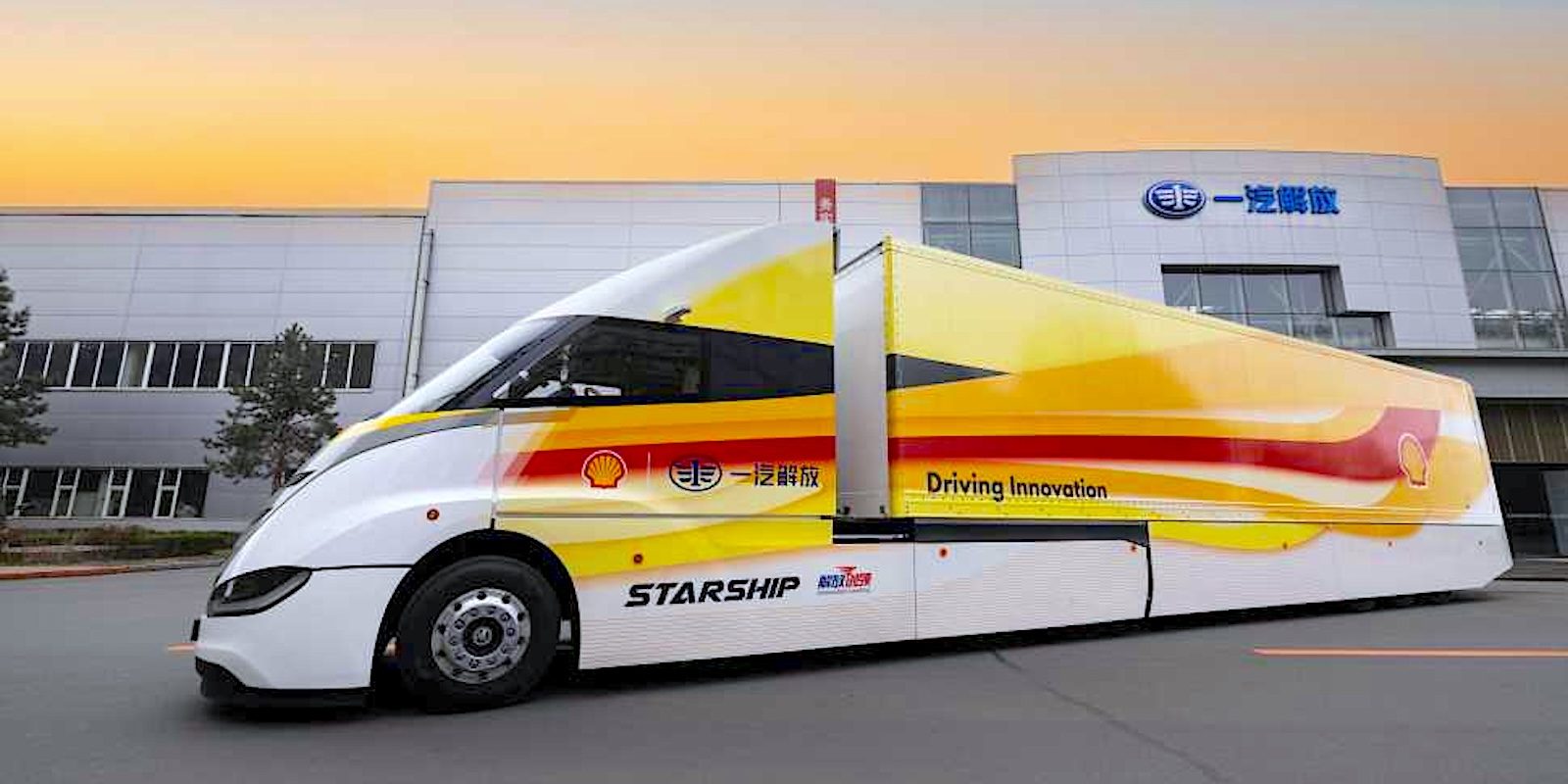
The Starship 3.0 concept truck has been busy of late, testing a battery pack that uses an immersion-cooling system to manage battery heat, improve range performance, and enhance the durability of electric semi truck batteries.
more…
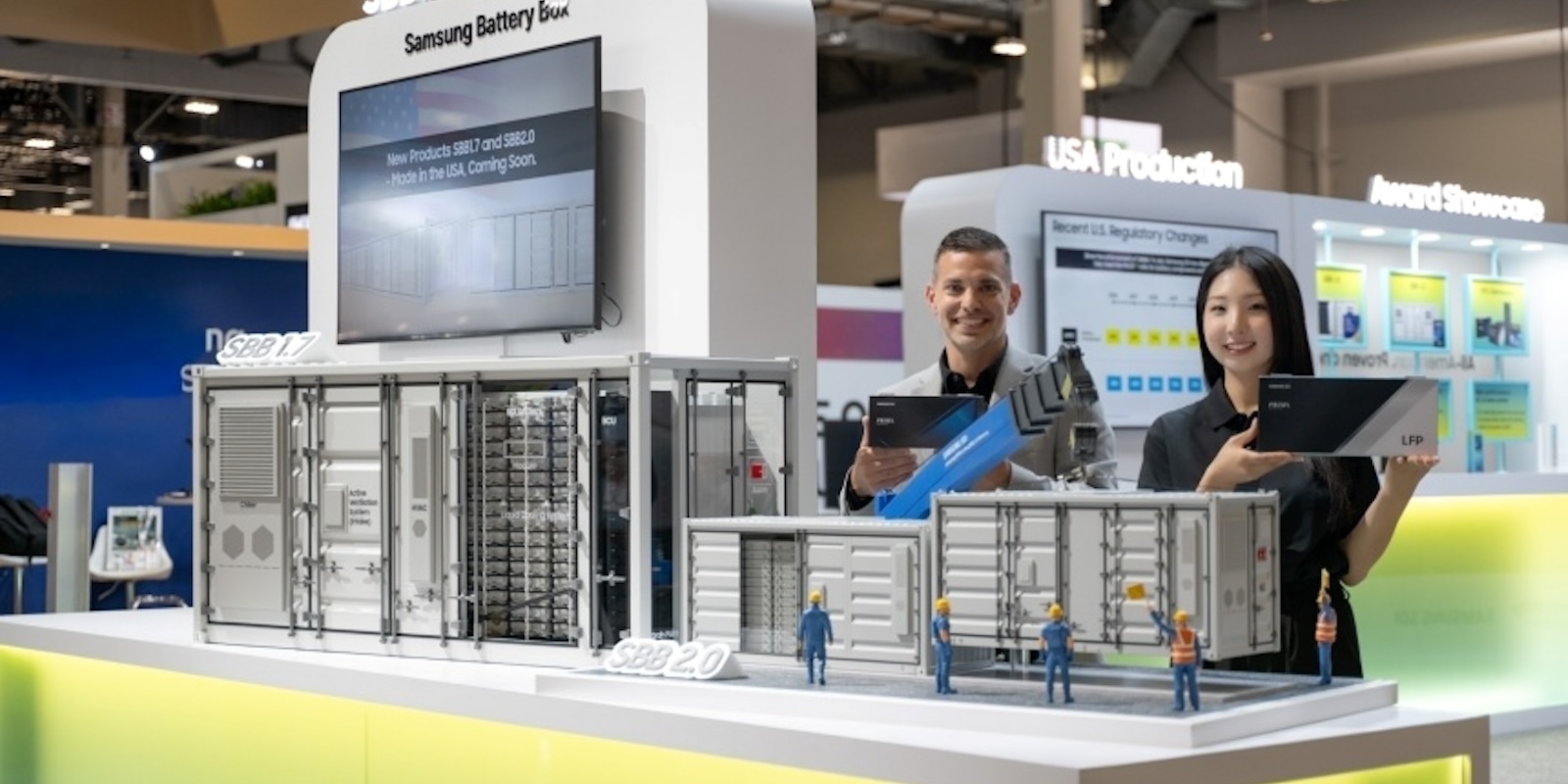
Samsung SDI is taking full control of its Indiana battery plant. The South Korean cell maker is buying out General Motors’ 49.99% stake in their joint venture, according to a regulatory filing, ending GM’s ownership in the $3.5 billion factory.
That turns the New Carlisle, Indiana plant into Samsung SDI’s first wholly owned battery factory in North America.
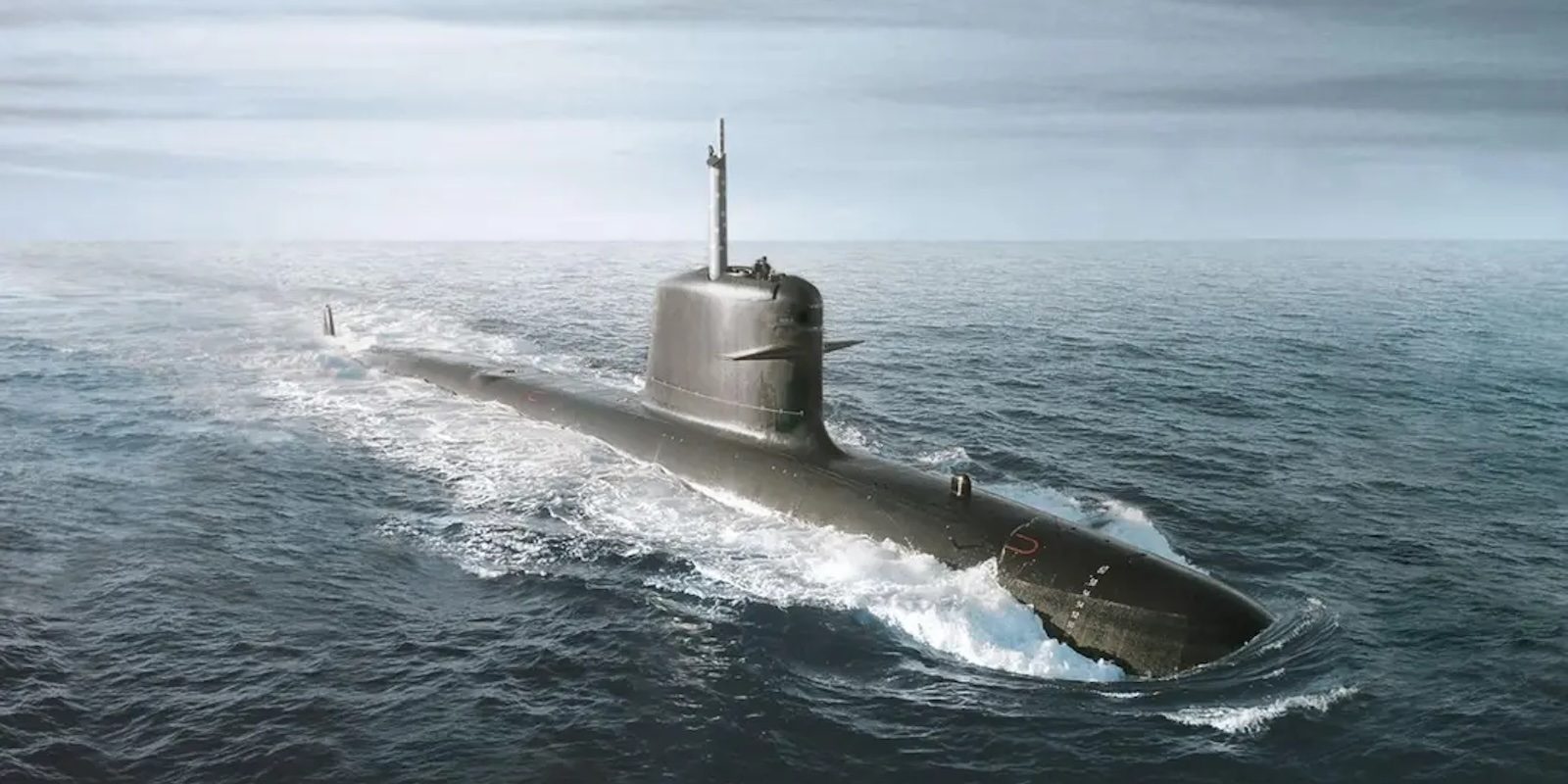
European defense contractor Saft is set to supply lithium-ion battery systems for the next generation of naval submarines, replacing decades-old lead-acid technology with EV-style packs that promise higher energy density, faster charging, and superior underwater endurance.
The Varta crisis has entered another severe phase after the German battery manufacturer lost the customer responsible for nearly all production at its specialized factory in Nördlingen.
Varta has not publicly identified that customer, but reports from German media and industry sources point to Apple. The iPhone maker is reportedly moving battery orders for a future AirPods generation to a lower-cost supplier in China.
The decision will lead Varta to stop producing rechargeable button cells in Nördlingen during fall 2026. Approximately 350 jobs will be eliminated across the factory and the company headquarters in nearby Ellwangen.
Describing the development as a complete corporate collapse would go too far. Varta continues operating other battery businesses and recently completed an extensive financial restructuring backed by Porsche. The loss of Apple, however, has destroyed the economic foundation of a production site created around one highly influential customer.
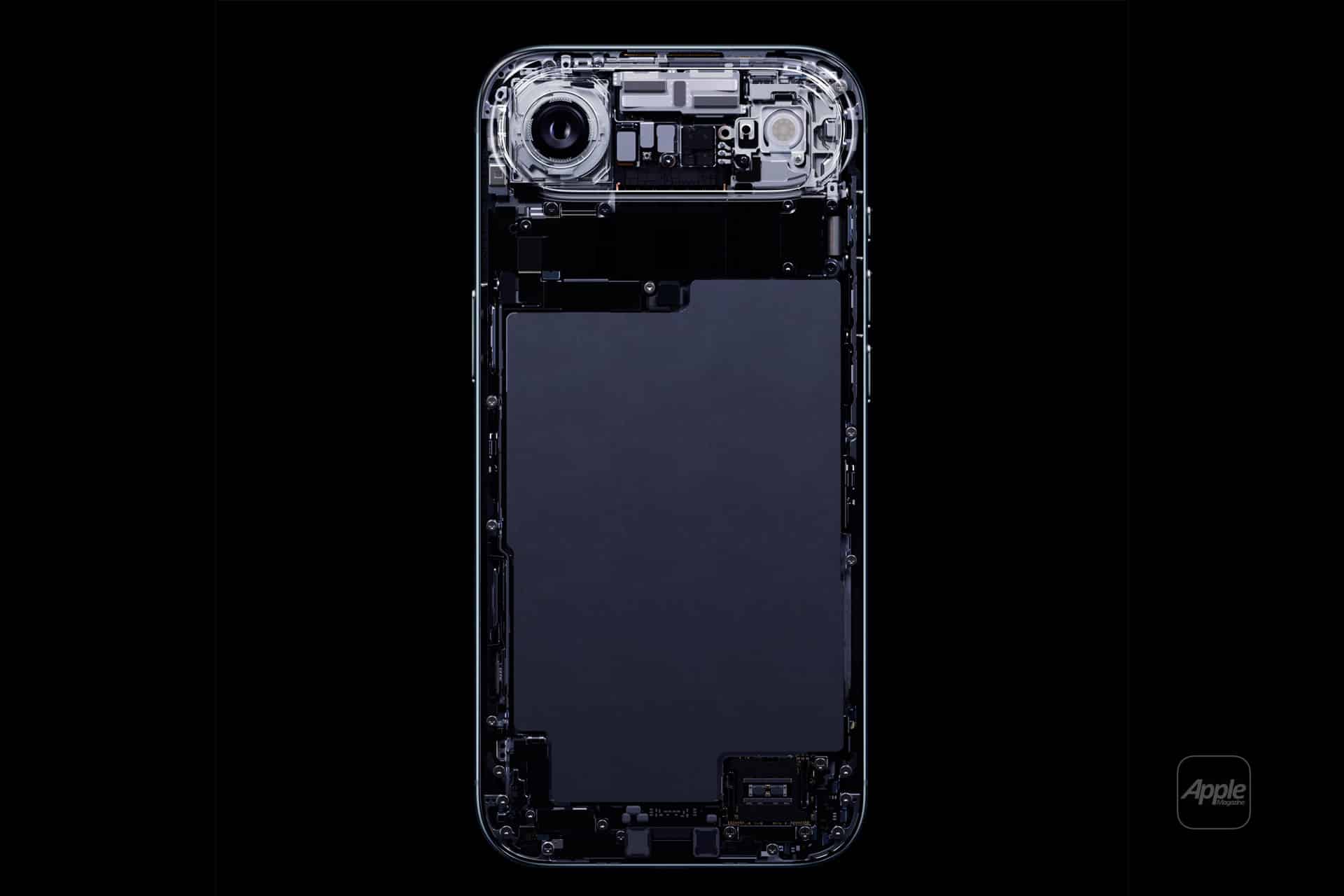
The Varta crisis illustrates how a large technology customer can transform a supplier and then leave it with capacity that cannot easily be reassigned.
Varta became an important producer of CoinPower lithium-ion cells, small rechargeable batteries designed for wireless earbuds and other compact devices. Teardowns of AirPods Pro models identified Varta cells inside the earbuds, although Apple does not publicly discuss most component suppliers by product.
Demand from premium wireless headphones helped Varta expand rapidly. In 2020, its Microbatteries and Solutions division generated approximately €508 million in revenue, representing growth of 49% from the previous year.
The company invested heavily in production as wireless earbuds became a mass-market category. Apple demand provided the volume needed to justify specialized lines, equipment and hiring in Germany.
That dependence became dangerous when AirPods production weakened and Apple began adding other battery suppliers. A factory developed for unusually large orders could not operate efficiently once those orders declined.
The customer now leaving Nördlingen had previously accounted for nearly the entire capacity of the site. Varta says it has gained other customers, but their combined demand is not sufficient to keep the specialized factory running.
The plant is therefore closing not because rechargeable button cells have disappeared, but because replacing one customer of Apple scale requires far more than several smaller contracts.
German reports indicate that price was the decisive factor behind the supplier change.
Varta battery quality was reportedly equal to or better than the competing product. The German manufacturer could not, however, match the cost offered for the next generation of cells from China.
Battery production in Germany faces higher labor, energy and operating expenses than many Asian manufacturing centers. Chinese suppliers also benefit from extensive domestic electronics supply chains, access to materials and production volumes spread across numerous customers.
Apple has enormous leverage when negotiating component contracts. AirPods ship in sufficient quantities for a small difference in the cost of each battery to produce substantial savings across an entire product cycle.
The company regularly qualifies multiple suppliers for components when technical requirements and available capacity permit. Competition can reduce prices, protect production against interruptions and prevent one manufacturer from gaining excessive influence over the supply chain.
For Varta, that process brought the opposite effect. The supplier expanded to serve Apple and then faced declining utilization as the customer divided orders among additional manufacturers.
The latest move appears more final. Varta expects the contract to expire at the end of October, removing the volume that kept Nördlingen economically viable.
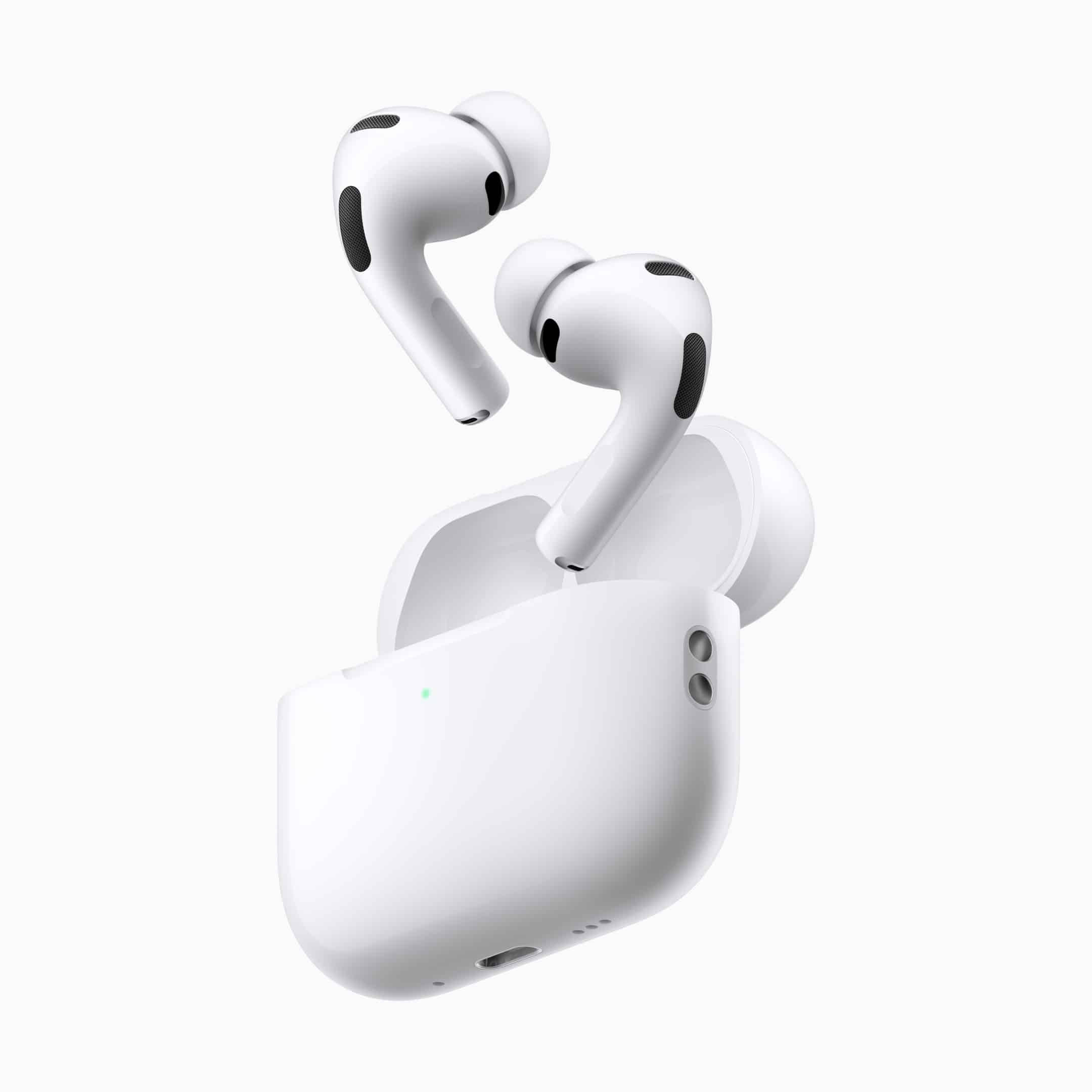
The reported decision does not mean Apple is moving its complete production network toward China.
Apple has spent several years expanding device assembly and component production in India, Vietnam and other countries. AirPods manufacturing has grown in India, while Macs, iPads and wearables are assembled across a wider group of Asian locations.
The Varta case concerns a particular component for which a Chinese supplier reportedly offered a more competitive price. It shows that diversification away from one country can coexist with cost-driven sourcing from that same country.
Apple may reduce its dependence on Chinese final assembly while continuing to purchase Chinese batteries, displays, enclosures or electronic components when suppliers provide the required scale and pricing.
That balance creates a difficult environment for European manufacturers. Political interest in domestic technology production does not guarantee that major customers will accept higher component prices.
Premium engineering can protect a contract when it produces a measurable advantage in battery capacity, safety, dimensions or lifespan. Once competing suppliers reach comparable performance, procurement decisions become increasingly sensitive to cost.
The Varta crisis suggests that manufacturing location and supplier history carried less weight than the economics of the next AirPods battery.
Apple did not create every problem affecting Varta.
The company entered the current dispute after years of debt, costly investments, volatile customer orders, supply-chain problems and weaker demand in parts of its energy-storage business. A cyberattack in early 2024 also disrupted production and delayed financial reporting.
Varta warned that its earlier restructuring plan might fail after Apple reduced AirPods production. By mid-2024, the company had reached a point where it could no longer service its debt without another intervention.
A pre-insolvency restructuring reduced financial liabilities from approximately €485 million to €200 million. Porsche and majority shareholder Michael Tojner agreed to provide new capital, while creditors supplied additional financing.
Existing shareholders lost their investment as Varta was removed from the stock market. The process preserved the operating company but demonstrated how little financial room remained for another major disruption.
Varta reported a loss of €64.5 million for 2024. Although that was an improvement from the previous year, the business remained dependent on successful restructuring and stronger performance from its surviving divisions.
The Apple contract loss therefore did not independently bring down a healthy battery group. It struck a manufacturer that had already narrowly avoided insolvency.

Porsche participation gives Varta a future in automotive batteries, but it does not rescue the Nördlingen button-cell operation.
The automaker invested in the restructuring and took control of the V4Drive business, which develops high-performance cylindrical lithium-ion cells for hybrid and performance vehicles. Porsche gains greater access to battery technology while helping retain part of that expertise in Germany.
Varta also continues producing household batteries and energy-storage systems. Those businesses serve different customers and do not depend on the machinery used for tiny CoinPower cells.
Employees affected by the Nördlingen closure may be offered positions at other locations, although Varta has not indicated how many can realistically be transferred. The company and its works council are negotiating measures for the workers whose roles will disappear.
The shutdown leaves a modern production unit without enough demand only a few years after wireless earbuds were presented as one of Varta most promising growth markets.
Its remaining automotive operation now has the security of a strategic customer with a direct ownership interest. The microbattery division learned the cost of building a factory around a customer that never made the same commitment.
The post Varta Crisis Deepens After Apple Battery Defection appeared first on AppleMagazine.
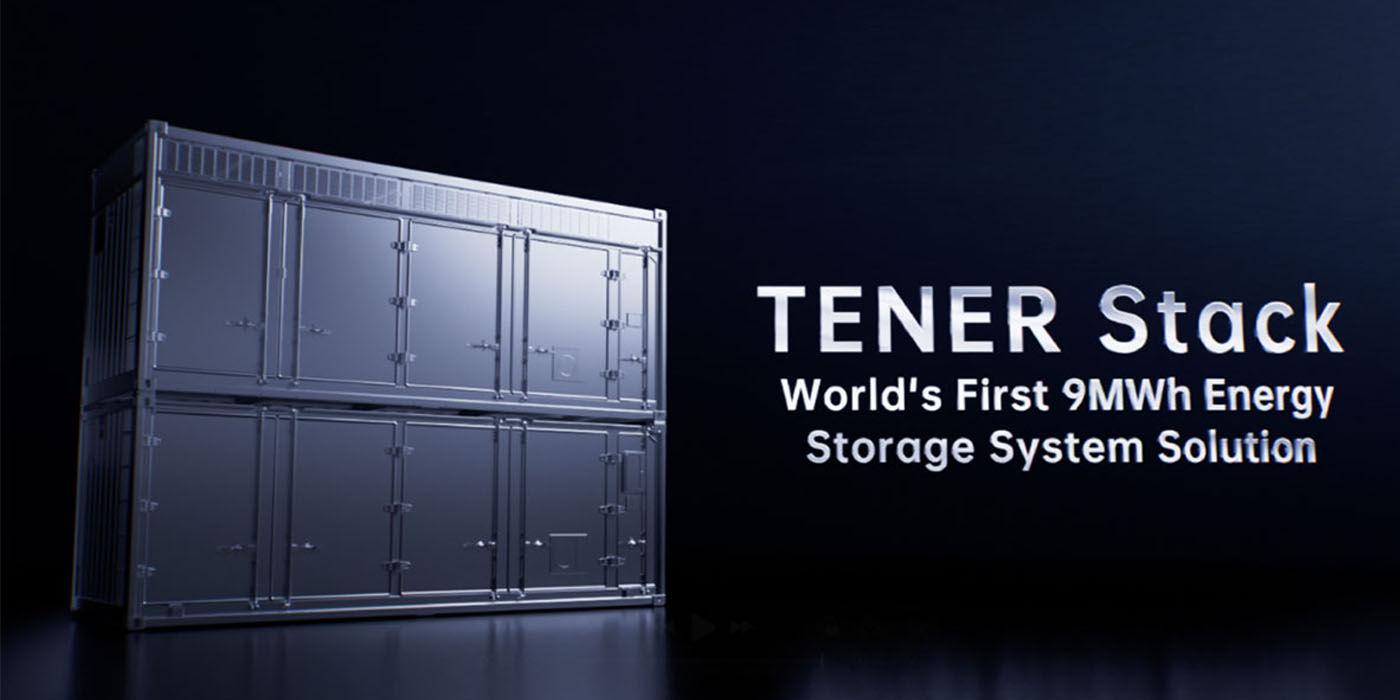
CATL has signed a memorandum of understanding with Dutch energy company Alfen to deploy 5 GWh of its Tener Sodium energy storage systems across Europe, one of the largest sodium-ion commitments the region has seen.
The batteries are rated for 15,000 cycles and a 25-to-30-year service life — the pitch that sodium-ion’s longevity, not its energy density, is what wins grid storage.

© Leah Millis/Reuters

© Collin Chappelle for The New York Times
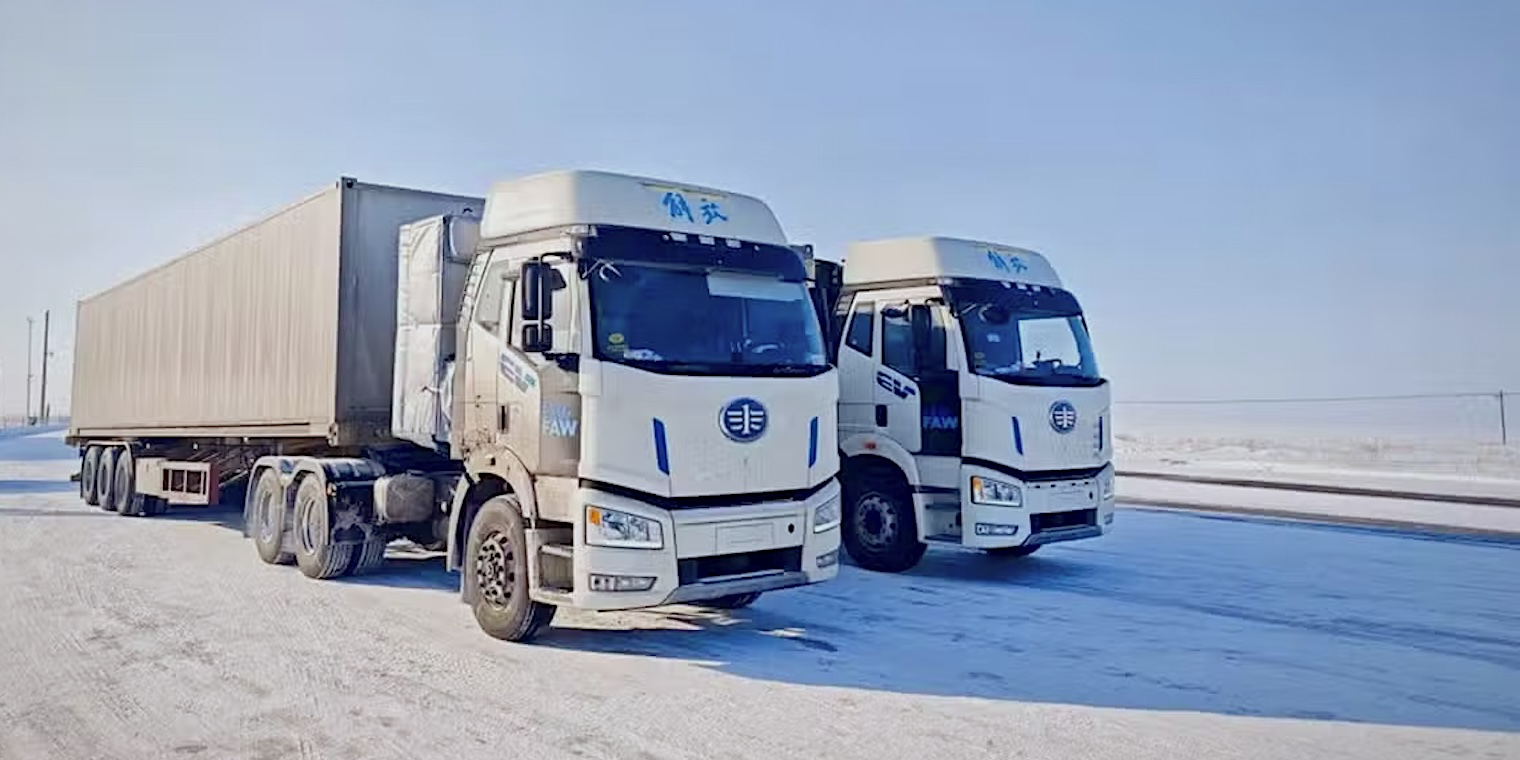
Made from more affordable and more abundant materials than li-ion, sodium batteries promise more abundant and more affordable electric vehicles – but will sodium batteries be practical for commercial trucks? Chinese truck brand FAW Jiefang is working to find out.
In the ever-evolving landscape of energy storage technologies, the lithium–sulfur (Li–S) battery stands out for its promise to deliver unmatched energy density and reduced costs compared to traditional lithium-ion batteries. However, progress toward commercial viability has been hampered by complex electrochemical challenges, particularly those involving interfacial charge transfer dynamics. A new study, recently published in Nature, unveils groundbreaking insights into the intricate reaction pathways occurring at solid–liquid interfaces within Li–S batteries, illuminating mechanisms that govern lithium sulfide deposition under realistic, lean electrolyte conditions.
The difficulty in understanding and controlling the conversion of lithium polysulfides (LiPSs) during battery cycling stems largely from the dynamic and highly concentrated nature of reactant distributions at the electrode–electrolyte interface. In these environments, the balance between surface-bound and dissolved species dictates the overall electrochemical performance. The new research deploys advanced in situ liquid-cell electron microscopy techniques to directly visualize these sophisticated concentration gradients, a feat that has eluded scientists due to the liquid phase’s complexity and the scales involved.
What emerges from this study is a revelation of concentration-driven phase segregation phenomena right at the interfacial layers, termed high-concentration interfacial layers (HCILs). These HCILs form as LiPSs aggregate in the immediate vicinity of the electrode surface during cycling, dramatically altering the local reaction environment. This segregation is not merely a passive occurrence; it actively directs charge-transfer dynamics by establishing competitive conditions between surface-mediated and solution-based pathways. The delicate interplay in these zones influences where and how lithium sulfide (Li₂S) nucleates and grows, directly impacting the battery’s capacity retention and cycling stability.
Complementing the microscopy observations, computational explorations using density functional theory (DFT) provide a molecular-level understanding of how LiPS clusters modify their electronic structure upon aggregation. The study identifies that the molecular geometries and orbital hybridizations evolve as LiPSs coalesce, resulting in enhanced electronic interactions that facilitate charge transfer through the concentrated clusters. This phenomenon fundamentally challenges previously held models which treated LiPS species largely as isolated entities, offering a new paradigm that accounts for collective behavior in highly concentrated solutions.
The practical implications of these mechanistic insights are far-reaching. By comprehending how HCILs govern interfacial reaction pathways, the researchers have engineered electrodes that strategically balance surface and solution reactions amidst high LiPS concentrations. These meticulously optimized electrodes enable impressive fast-charging capabilities—reaching rates up to 4 C with current densities of 26.8 mA cm⁻²—without compromising energy density, which itself surges beyond 400 Wh kg⁻¹. Such milestones represent a substantial leap forward in the achievable performance metrics for Li–S battery technology.
This study’s significance extends beyond the immediate Li–S chemistry, addressing a broader challenge in electrochemical energy conversion: capturing and controlling complex interfacial phenomena under dynamically varying concentrations. The in situ liquid-cell electron microscopy method establishes a powerful approach for observing reactive species and phase evolution directly in their native electrochemical environment. As such, it holds promise to transform research across a host of energy storage and catalysis systems where interfacial reactions dictate overall function.
Notably, this work also clarifies why lean electrolyte conditions—essential for practical high-energy devices—have historically been so difficult to optimize. The rich detail uncovered concerning phase segregation and charge transfer competition suggests that managing HCIL formation and stability may be the key to unlocking robust Li₂S deposition and dissolution cycles. Hence, this strategy could mitigate common pitfalls like cathode passivation and capacity fading, which have limited long-term operational viability.
The fusion of experimental visualization with robust theoretical modeling provides a comprehensive framework that future researchers and engineers can exploit to rationally design electrode interfaces. Moving past empirical trial-and-error, the ability to predict and control molecular aggregation behavior and its effects on electronic properties opens new avenues for tuning battery chemistry on an atomic scale. Such sophistication could accelerate the sustainable deployment of lithium–sulfur batteries within electric vehicles, grid storage, and portable electronics.
Moreover, the study emphasizes the profound impact of molecular-level phenomena on macroscopic performance metrics such as charging speed and energy density. By showing that the electrochemical environment at the nanoscale directly modulates reaction kinetics and phase evolution, this research bridges a critical knowledge gap between fundamental science and technological application. It highlights the necessity for integrated approaches combining real-time imaging, theoretical insight, and materials engineering.
Looking ahead, the insights gained are poised to influence material selection, electrolyte formulation, and cell architecture design. Tailoring these elements to favor desirable HCIL characteristics could lead to batteries that not only charge rapidly and store vast amounts of energy but also maintain stability over many cycles. Furthermore, the foundational principles elucidated may inspire innovations beyond lithium–sulfur systems, potentially transforming a range of emerging battery chemistries where interface complexity rules.
In conclusion, this remarkable study marks a pivotal advance in understanding and harnessing the subtleties of interfacial charge transfer within lithium–sulfur batteries. By unraveling the competitive reactions shaped by concentration gradients and molecular aggregation, it charts a pathway toward high-performance batteries ready for real-world demands. As energy storage solutions continue to underpin the clean energy transition, such elegant fusion of fundamental science and engineering innovation will be indispensable for propelling next-generation technologies.
Subject of Research: Charge transfer and reaction mechanisms at solid–liquid interfaces in lithium–sulfur batteries.
Article Title: Revealing competitive interfacial reactions in high-energy Li–S batteries.
Article References:
Zhou, S., Pei, F., Zheng, Q. et al. Revealing competitive interfacial reactions in high-energy Li–S batteries. Nature (2026). https://doi.org/10.1038/s41586-025-09473-2
Image Credits: AI Generated

© Rebecca Cook/Reuters
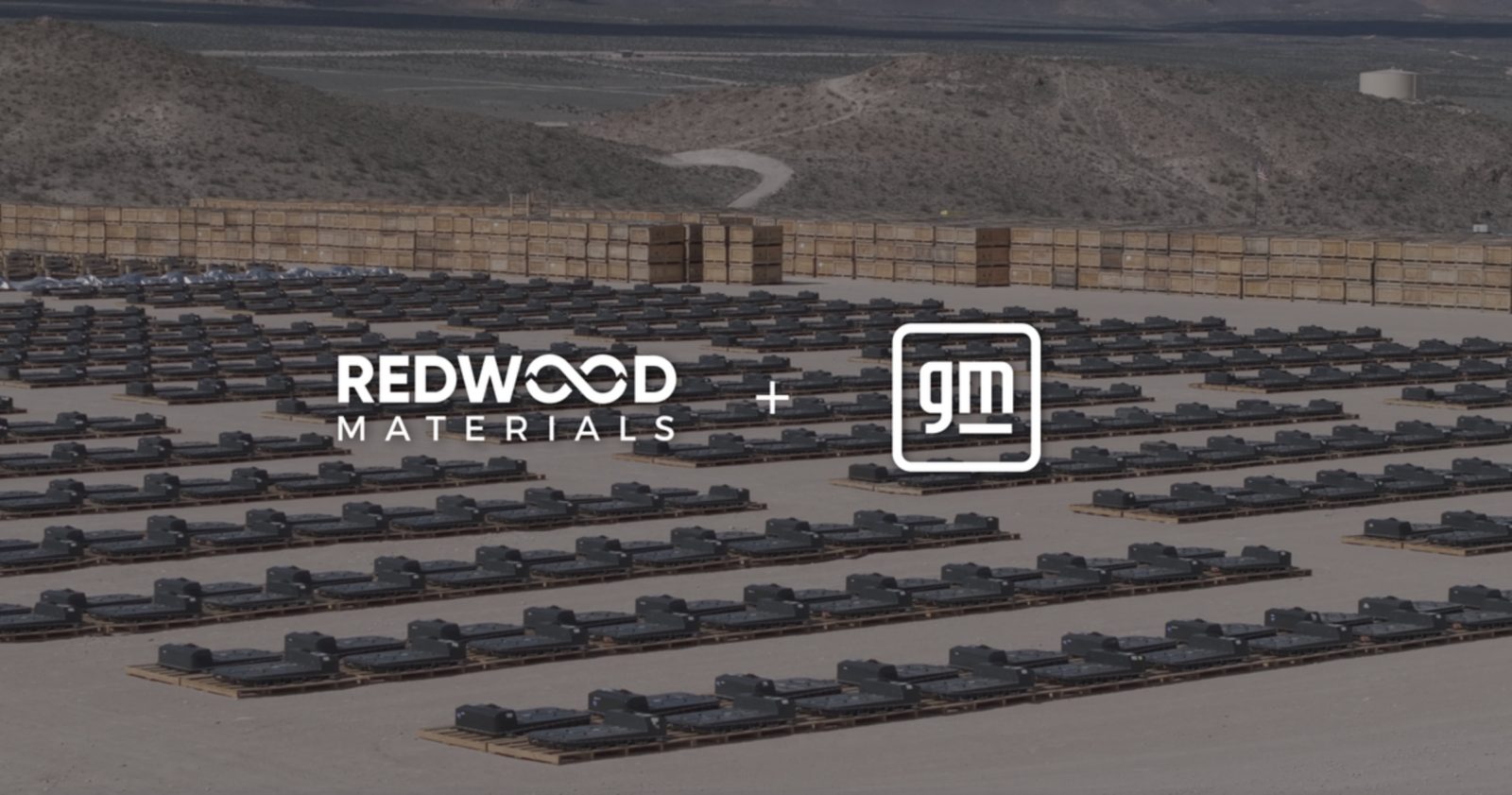
General Motors has expanded its partnership with Redwood Materials to cover every stage of the battery lifecycle — manufacturing scrap recovery, end-of-life recycling, and now second-life energy storage deployed at a GM factory. It’s the first automaker to hit all three with JB Straubel’s company.
The latest piece is a 1.5 MW / 7.2 MWh energy storage system built from roughly 100 repurposed GM battery packs, set to be installed at a GM manufacturing plant in Michigan. Redwood says the system will save the plant more than $3 million in electricity costs over its lifetime.
While we make batteries based on many different chemistries, nothing has approached the massive scale at which we can produce lithium batteries. That scale makes the economics of lithium-ion batteries hard to compete with. Even if we develop a superior battery technology, it's unclear whether we can get manufacturing costs down quickly enough to compete with the efficiency of the lithium supply chain and manufacturing.
The one thing that could change the dynamics is a supply crunch. While lithium is extremely widespread, lithium that can be extracted economically is a different matter. It's cheapest to extract it from brines, and lithium-rich brines are largely limited to South America. We do obtain some lithium from other sources, but it's considerably more expensive.
In today's issue of Science, however, a research team has identified an energy-efficient means of extracting lithium from rocks. The process they've designed uses far less energy than existing ones, regenerates all its starting chemicals, and produces byproducts that could also be sold.


© Cavan Images
