❌

Reading view

Lower CMR-measured venous flow linked to Fontan outcomes at moderate altitude

Cardiovascular magnetic resonance measurements identified a hemodynamic pattern associated with death or heart-transplant referral or listing in people with Fontan circulation, according to a retrospective study of 182 patients followed at a moderate-altitude center. Patients who later experienced the composite outcome had a lower superior vena cava flow index than those who did not. In time-to-event analysis, each 0.1-liter-per-minute-per-square-meter increase in the indexed flow was associated with a 30% lower hazard of the outcome.

The association remained in an exploratory model that also included ventricular ejection fraction, but the researchers said the estimate requires prospective, multicenter validation before clinical application. The cohort comprised people who had undergone Fontan palliation between 1999 and 2021 at a tertiary institution approximately 5,118 feet above sea level. Fontan circulation passively directs systemic venous blood into the pulmonary arteries without the support of a sub-pulmonary ventricle.

Eligible participants had a clinically indicated CMR examination at least five years after Fontan completion, a threshold selected to match the center’s routine surveillance practice. For patients with multiple examinations, investigators used the last CMR obtained before an outcome or censoring. Most participants, 173 of 182, or 95%, had an extracardiac conduit Fontan circulation, and 76, or 42%, underwent a Damus–Kaye–Stansel anastomosis.

At CMR, the median body surface area was 1.43 square meters, with an interquartile range of 1.16 to 1.69 square meters. The median age at Fontan completion was 3.2 years, and the median interval between surgery and imaging was 10.9 years. Median follow-up after CMR was 4.7 years, while participants’ median home elevation was 5,221 feet above sea level.

Hypoplastic left heart syndrome was the most common underlying diagnosis, accounting for 35% of the cohort, followed by tricuspid atresia at 30%. The systemic ventricle was left-dominant in 53% and right-dominant in 47%. Magnetic resonance examinations were performed on 1.5- or 3.0-tesla scanners, with cine imaging used to assess ventricular function and phase-contrast sequences used to measure blood flow.

The primary endpoint combined death with referral or listing for heart transplantation. Fourteen patients, or 7.7% of the cohort, met that endpoint during follow-up: two died and 12 were referred or listed for transplantation. Among patients who experienced the outcome, the median time from CMR to the first qualifying event was 1.2 years, with an interquartile range of 0.5 to 2.5 years.

The median superior vena cava flow index was 0.54 liters per minute per square meter among patients with the primary outcome, compared with 0.82 liters per minute per square meter among those without it; the difference was statistically significant, with a p-value of 0.011. The superior vena cava-to-ascending-aorta flow ratio was also lower in the event group, with medians of 0.22 and 0.30, respectively. Several other CMR flow measures did not differ significantly between patients with and without the primary outcome.

These included flow indices in the ascending aorta, right pulmonary artery, left pulmonary artery and inferior vena cava, as well as calculated systemic-to-pulmonary collateral flow. Receiver operating characteristic analysis indicated that superior vena cava flow index discriminated between patients who met the endpoint and those who did not with an area under the curve of 0.74 and a 95% confidence interval of 0.56 to 0.92. A data-derived threshold of 0.66 liters per minute per square meter, selected using the Youden index, yielded 70% sensitivity and 75% specificity.

Kaplan–Meier curves showed significantly poorer event-free survival among patients below that threshold. Because the threshold and discrimination measures came from the same cohort, they are exploratory rather than externally validated clinical cutoffs. Univariable Cox proportional hazards regression found a hazard ratio of 0.70 for each 0.1-liter-per-minute-per-square-meter increase in superior vena cava flow index, with a 95% confidence interval of 0.50 to 0.92 and a p-value of 0.008.

Right-dominant ventricular morphology was also associated with a higher hazard than left-ventricular dominance, with a hazard ratio of 3.21, a 95% confidence interval of 1.00 to 10.29 and a p-value of 0.049. The investigators constructed a two-variable Cox model containing superior vena cava flow index and ejection fraction. Each one-percentage-point increase in ejection fraction was associated with an adjusted hazard ratio of 0.92, with a 95% confidence interval of 0.86 to 0.97.

Because only 14 primary events occurred, the multivariable analysis was deliberately restricted and was intended to test whether the flow association persisted beyond ventricular function rather than develop a full prediction model. Internal bootstrap analysis using 2,500 resamples produced a median hazard ratio of 0.71 for superior vena cava flow index and 0.92 for ejection fraction, close to the original adjusted estimates. Collinearity between the two variables was negligible, with a Spearman absolute correlation below 0.1, an R-squared value of 0.008 and a variance inflation factor of 1.01.

Tests did not indicate violation of the proportional-hazards assumption. Ventricular measures also differed according to morphology: in the right-dominant subgroup, patients with events had larger indexed ventricular volumes and lower ejection fraction than those without events, whereas comparable differences were not statistically significant in the smaller left-dominant event subgroup. The study does not establish why lower superior vena cava flow was associated with poorer outcomes.

One proposed explanation is that chronic hypobaric exposure at moderate altitude promotes pulmonary vasoconstriction and raises pulmonary vascular resistance, potentially restricting passive flow through the Fontan pathway. However, pulmonary vascular resistance was not directly measured, and the cohort included no sea-level comparator, so the study cannot determine whether altitude caused the observed hemodynamic pattern. Other possible contributors include anatomical differences in the superior vena cava, systemic venovenous collateral vessels that divert blood around the pulmonary vascular bed, and differences in preload or single-ventricle filling.

The findings therefore associate reduced indexed flow with an unfavorable hemodynamic state rather than demonstrate a specific underlying mechanism. Important limitations constrain the results. The retrospective, single-center design creates the possibility of selection bias, and clinically performed CMR examinations were not acquired at standardized surveillance intervals.

Selecting the last scan before an outcome or censoring may introduce reverse-causation bias because patients approaching clinical deterioration could have been imaged nearer the event. Clinically relevant potential confounders—including functional class, cardiopulmonary exercise capacity, resting oxygen saturation, natriuretic peptide levels, catheterization-derived Fontan pressure and pulmonary vascular resistance, pulmonary vasodilator therapy, arrhythmia burden and the severity of liver disease—were unavailable or not incorporated. The small number of events also leaves the multivariable estimates vulnerable to overfitting despite the deliberately parsimonious model and bootstrap resampling.

Furthermore, the predominance of fenestrated extracardiac conduit Fontan circulation limits generalizability to other surgical configurations. The results position superior vena cava flow index as a candidate prognostic marker that may complement ventricular size and ejection fraction in longitudinal assessment of Fontan circulation, but they do not establish a clinical measurement rule or treatment strategy. Prospective, multicenter studies comparing cohorts across elevations would be needed to test the temporal relationship, determine whether altitude modifies the association, and establish external validity.

The authors also identified four-dimensional flow CMR as a possible tool for characterizing three-dimensional flow patterns and energy loss within the Fontan pathway. Further work could compare imaging signatures with exercise physiology, biomarkers of end-organ dysfunction and pulmonary vascular imaging. Until those studies are completed, the association between reduced superior vena cava flow and adverse outcomes should be regarded as an exploratory finding that requires independent validation.

Subject of Research: Association between CMR-derived blood flow and adverse outcomes in people with Fontan circulation

Article Title: Cardiovascular magnetic resonance–derived hemodynamics predict adverse outcomes after Fontan palliation

Article References: Platnick, C., Frank, B., Romanowicz, J., Gonzalez De Alba, C., Chase, M., Umer, A., Chaudhuri, N. R., Awori, J., Chauhan, D., Mascio, C. E., Udassi, J. P., & Hedjazi Moghari, M. (2026). Cardiovascular magnetic resonance–derived hemodynamics predict adverse outcomes after Fontan palliation. Frontiers in Cardiovascular Medicine, 13, Article 1937933. https://doi.org/10.3389/fcvm.2026.1937933

Image Credits: AI Generated

DOI: 10.3389/fcvm.2026.1937933

Keywords: Fontan circulation, cardiovascular magnetic resonance, superior vena cava flow, heart transplantation, congenital heart disease, risk stratification, ventricular function, moderate altitude, flow quantification, retrospective cohort, Cardiovascular, magnetic

  •  

New York’s first microdrama film festival searches for its audience

Actors Taye Diggs, Autumn Federici, Gary Entin, Troy Brookins, Edmund Entin and Eric Guilmette standing on a red carpet together.
Actors Taye Diggs, Autumn Federici, Gary Entin, Troy Brookins, Edmund Entin and Eric Guilmette attend the world premiere of Microhouse Films and Lifetime's Reunion Island during the ALZA Festival. | Getty Images for Lifetime.

It remains to be seen if people really want to watch vertical content on horizontal TV screens, but many filmmakers and creators were confident that their latest projects would play well at Alza - New York City's first microdrama film festival. Founded by former Tribeca Festival chief operating officer Pete Torres, Alza, which took place October 16th through 18th, was billed as a showcase for the "the creativity, innovation, and growing cultural impact of stories made for the vertical screen." The festival featured a selection of microdrama and film premieres as well as industry-focused panels with executives who all seemed to genuinely beli …

Read the full story at The Verge.

  •  

Microsoft Reportedly Projects $1,200 To $1,800 Price For Next-Gen Xbox

An anonymous reader quotes a report from Ars Technica: We haven't heard many details about Microsoft's upcoming "Project Helix" gaming hardware since the company announced it in March as a device that will "play your Xbox and PC games." In a new wide-ranging profile of Xbox CEO Asha Sharma, though, Fortune alludes to a dual release strategy for upcoming Microsoft gaming hardware, with "a next-generation handheld device" planned by the end of next year and a 2028 holiday season console release that could cost between $1,200 and $1,800. That future console price range is based on what has "internally been projected" at the company, according to Fortune. But the price for consumers could come down if "Microsoft decides to subsidize the cost," the outlet says, as many console makers have done in the past. While a $1,200 starting price would be historically high for the game console market, even accounting for inflation, it also reflects a new normal: The slowdown in Moore's Law and AI-driven component shortages mean cutting-edge gaming hardware just isn't as cheap as it used to be. This year, the Steam Machine broke the $1,000 starting price, while the 2-year-old technology in the PlayStation 5 Pro is now going for $900, and the 6-year-old Xbox Series X now starts at $750.

Read more of this story at Slashdot.

  •  

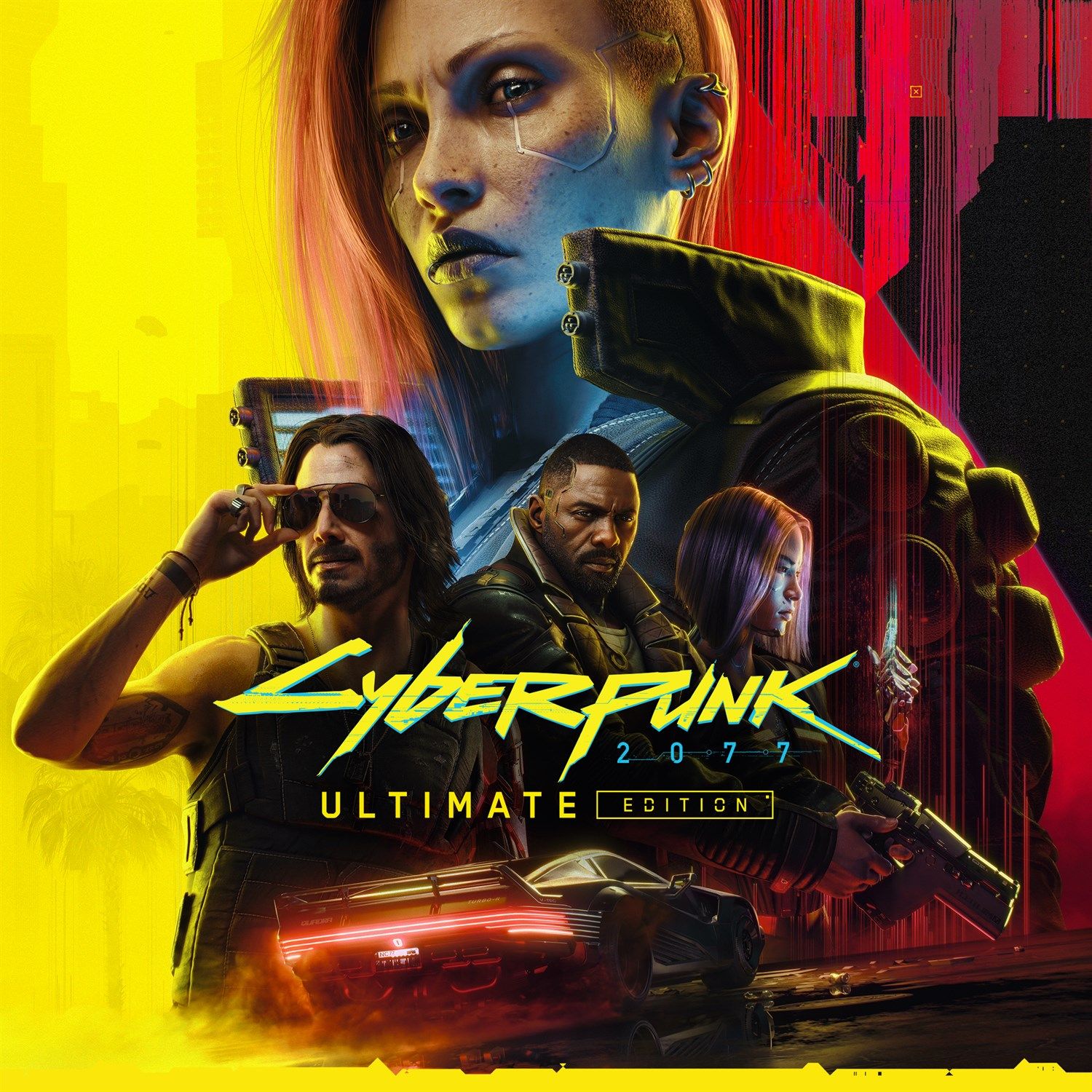
Cyberpunk 2077 2.5 update details revealed as it gets Xbox Play Anywhere support

CD Projekt Red has finished divulging the full details of Cyberpunk 2077's 2.5 update coming to home consoles and PC on October 22, 2026.

The update will feature a new questline that acts as a prologue to Cyberpunk: Edgerunners season 2, dual-wielding pistols, new Cyberware and cosmetic customization options, FOV sliders on consoles, mod support on consoles, and more.

Additionally, Cyberpunk 2077 has just received Xbox Play Anywhere support, so it can be played on all platforms within the Xbox ecosystem, like Xbox Series X|S, Windows PC, and compatible handhelds like the Xbox Ally via Xbox Cloud Gaming.

Here are all the full details and patch notes for Cyberpunk 2077's 2.5 update.

Click here to expand the full list ↴

Cyberpunk 2077 2.5 update — patch notes

  • Edgerunners Content
    • Added a new side quest, Clampdown, set before the events of Cyberpunk: Edgerunners 2. To unlock it, complete The Heist and two gigs for Wakako, then wait for a message from her.
    • Added a new 5-piece gear set based on the character King, which can be obtained during the Clampdown side quest.
    • Added a new radio station, HKGN 102.0 FM, featuring a selection of tracks from the Cyberpunk: Edgerunners series.
  • Show Off
    • A brand-new clothing collection has arrived in Night City! 5 new outfit sets can now be purchased from certain clothing vendors:
    • Maxiwear: available in Heywood, Arroyo, Little China
    • Jinguji: available in City Center
    • NetWatch: available in Kabuki, Japantown
    • IconAmerica: available in Pacifica, Badlands, Northside
    • And one more set that will hit Night City shelves just a little later...
    • The NUS Infiltrator clothing set can be now purchased from clothing vendors in Kabuki and Japantown.
    • 4 new TWINTONE skins for Quadra Turbo-R V-Tech are now available via Twitch Drops.
    • Some of the hairstyles that were previously exclusive to NPCs are now available for V. Please note that some hairstyles are available only to feminine or masculine body types.
    • Show off your chrome! You can now customize your hand cyberware. Equip your Mantis Blades, Gorilla Arms, Monowire or Projectile Launch System, and visit one of 5 Glamdocs (marked with a spray paint icon on the map) to give your implants a fresh, new look. Each Glamdoc is located in a unique shop, along with their own intro scene with voiceover and animations, and offers a unique catalog of cyberware skins with customizable colors.
    • Sometimes one gun just isn't enough. The new Double Trouble perk in the Cool tree (along with four auxiliary perks) introduces an entirely new playstyle, allowing you to dual-wield Pistols and Revolvers from the Power category.
    • Added frames from the Cyberpunk Trading Card Game to Photo Mode, allowing you to make your preem shots look like custom cards.
    • Added new poses in Photo Mode to show off your dual-wielding prowess.
  • Mod the World
    • Added Cross-Platform Mod Support, powered by mod.io, a first step into cross-platform modding that allows you to easily browse and install a selection of player-created mods directly from the in-game menu. More mods will become available over time. The feature is available on PC, Mac, PlayStation 5, PlayStation 5 Pro and Xbox Series X|S.
  • Upgrading the World
    • Welcome to Paradise! Added a new side quest that takes you on a journey to uncover a mystery and explore Night City on a guided tour narrated by Richard Night. It unlocks after completing The Heist and reaching level 15 Street Cred.
    • Added 12 new Minor Arcana Tarot Cards to discover across Night City. The Tarot menu now has separate sections for Major and Minor Arcana. The new tarot cards are part of a new side quest, an extension of Fool on the Hill, which activates after scanning any of the new cards. Collect them all to get a special reward.
  • Quality of Life
    • Saves in the “Load Game” menu are now grouped by separate playthroughs.
    • Added item filters to apartment and vehicle stashes.
    • Modded saves in the "Load Game" menu are now marked with a dedicated icon. Please note that achievements and trophies cannot be earned while playing on console from a modded save file.
    • Added an FOV (Field Of View) slider on consoles.
    • Updated the selection of AMD FSR options. FSR 3 upscaling is no longer included, while FSR 2.1, FSR 4, and FSR 3.1 Frame Generation remain available.
    • Updated the CD PROJEKT RED Account connection, My Rewards and telemetry consent menus.
  • Technology
    • Added support for DLSS 4.5, including up to 6X Multi Frame Generation or Dynamic Multi Frame Generation, and the 2nd Generation Transformer Model.
    • Added support for glasses-free 3D effects on compatible Samsung Odyssey 3D monitors, along with a Motion Comfort setting that lets you balance 3D depth and viewing comfort.
    • Added support for MetalFX Frame Interpolation and Denoising on Mac.
    • Added a toggle in settings for FSR Anti-Lag 2.
    • Introduced various performance optimizations, including improvements specifically for Ray Tracing and for PlayStation 5 Pro.
    • Improved HDR rendering to provide more accurate colors, brightness, and contrast on compatible displays.
  • Fixes
    • Fixed an issue on Nintendo Switch 2 where saving the game could result in a "Save failed - insufficient space" error.
    • Fixed an issue where adjusting HDR settings on PlayStation 5 had no effect.
    • Things Done Changed - Fixed an issue where the Delamain cab could get stuck after crashing into another vehicle, blocking quest progression.
    • Fixed an issue where enabling Film Grain had no effect.
    • Fixed an issue where tagging enemies while scanning could also cause V to crouch or stand up when using certain control schemes.
    • Fixed an issue where controller settings for the Third-Person Camera were missing.
    • Fixed several typos in various languages.
    • Added various other fixes for features and content introduced since Patch 2.1.

Dual-wielding pistols and FOV sliders on consoles? Sign me up!

Thought you were done with Night City? Well, Night City isn't quite done with you.Patch notes for Cyberpunk 2077’s Edgerunners 2 Update (2.5) are now available for you to ready up and review before going live on the streets tomorrow.Jack in: https://t.co/pae5wylOdP https://t.co/QOcX5VljR2October 21, 2026

Overall, all these new features sound cool. My favorite aspects of this update are mowing down enemies while dual-wielding guns and the FOV slider that will allow me to adjust the game's first-person view so it won't feel so cramped and claustrophobic on Xbox anymore.

Of course, mod support so we can customize Cyberpunk 2077 however we like, and customizing my cybernetic upgrades' looks is pretty awesome too.

But what do you think? Is this update worth another playthrough of Cyberpunk 2077? Will it motivate you to play it for the first time if you haven't already, or have you decided to move on and wait for Cyberpunk 2077's sequel?

If you have any thoughts on the subject, please let us know in the comments, on Reddit, or in the poll.

Cyberpunk 2077: Ultimate Edition (PC, GOG): was $59.99 now $22.99

Fight, kill, and survive the dystopian nightmare of Night City and become a legend in the hit open-world RPG, Cyberpunk 2077. The Ultimate Edition combines the base game with its Phantom Liberty DLC into one definitive package.

• Xbox Store Page
• Steam Store PageView Deal

Click to join us on r/WindowsCentral

Join us on Reddit at r/WindowsCentral to share your insights and discuss our latest news, reviews, and more.

  •  

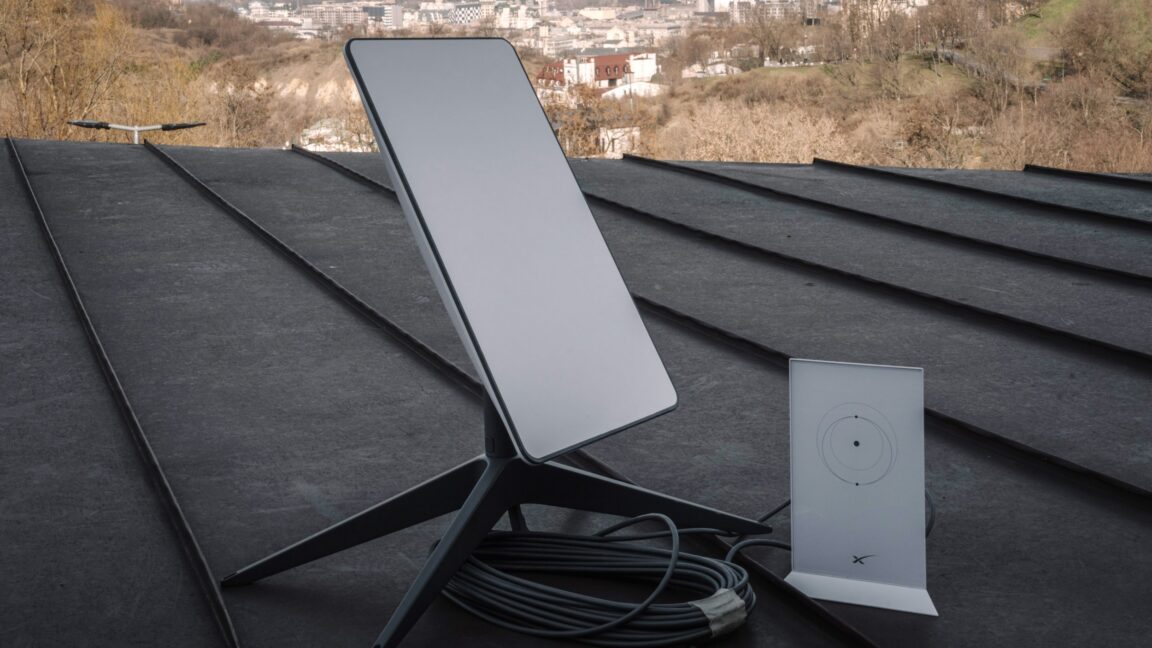
Report: Musk ordered Starlink slowdown in Ukraine, then blamed it on Trump

A Wall Street Journal report said SpaceX CEO Elon Musk ordered the Starlink throttling that blindsided Ukraine's air assault forces last week, despite Musk's claim that all decisions on the military version of Starlink are made by the US military and President Trump.

Trump denied ordering the restrictions. While Musk may have spoken to Trump and administration officials before the decision, The Wall Street Journal reported yesterday that Musk made the final call. The decision came after both Musk and Trump criticized Ukraine for attacking Russian diesel refineries.

"Elon Musk ordered the slowdown of a military-grade version of Starlink relied on by Ukraine, a decision that sparked panic in Kyiv and confusion inside the Trump administration," the WSJ wrote, citing unnamed US officials and people familiar with the matter. The report said that "Musk capped the speeds at which Ukrainian hardware could stay connected to the satellite-based network... rendering some offensive drones and interceptor drones virtually useless."

Read full article

Comments

© Getty Images | Bloomberg

  •  

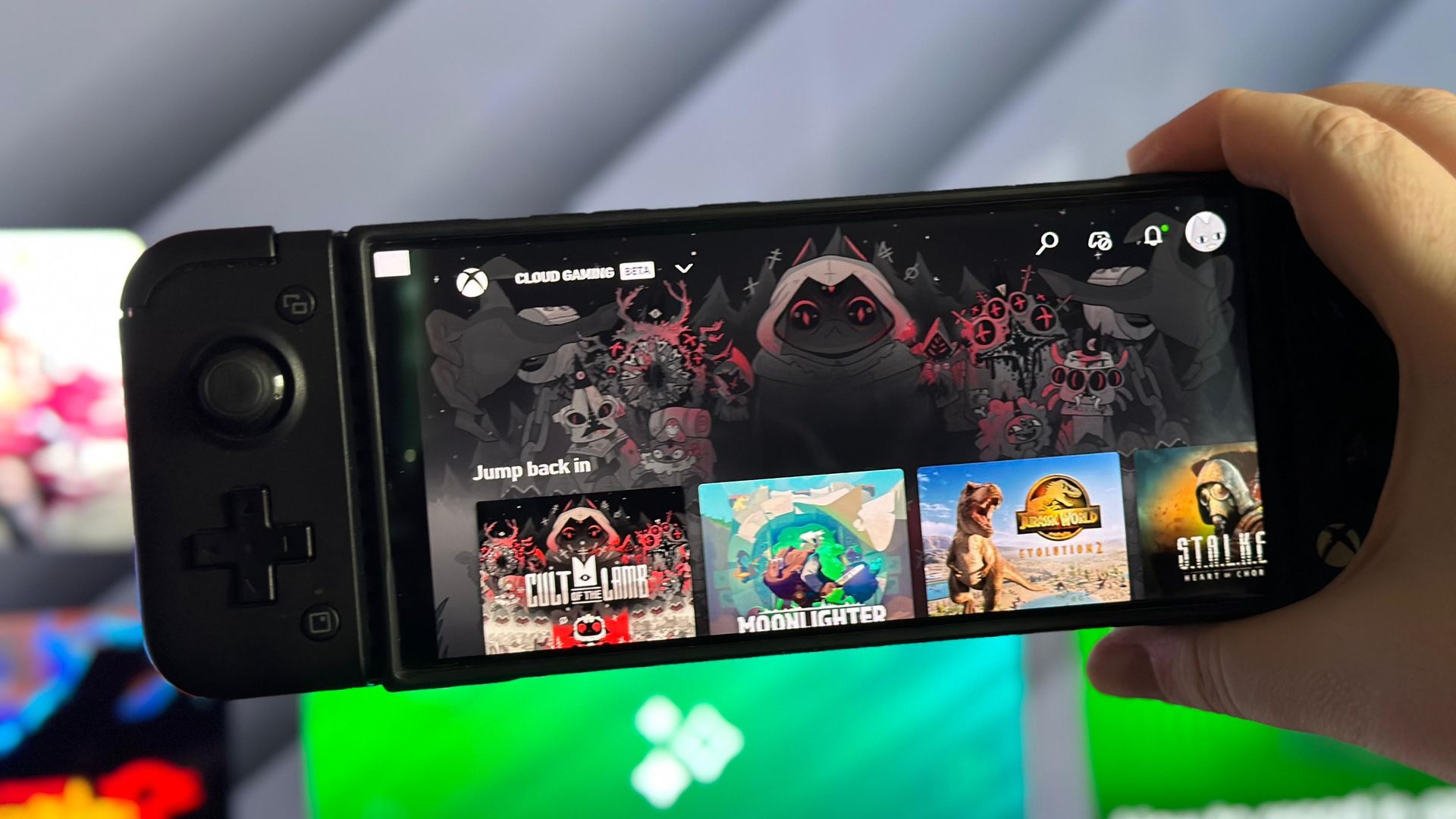
Microsoft’s new playtime pass brings hourly access to Xbox Cloud Gaming

A few weeks ago, Microsoft unveiled pretty huge limits on Xbox Cloud Gaming, which up until now has been unlimited for Xbox Game Pass Ultimate users.

Starting in November, Xbox Cloud Gaming via Xbox Game Pass Ultimate will be limited to 15 hours, with Premium users getting 10, and basic users getting 5. The breakdown of the limitations can be seen below.

However, Microsoft just revealed that users will be able to move beyond these limits with new cloud playtime passes — which don't require Xbox Game Pass at all.

Xbox Cloud Gaming access via playtime passes

Xbox Cloud Gaming access in hours

Resolution and bitrate

Price

10 hours

Up to ~1080p

$3.99

25 hours

Up to ~1080p

$7.99

50 hours

Up to ~1080p

$11.99

30 minutes per session

Up to ~1080p

Free with ads

In a blog post, Microsoft says, "Cloud playtime packs provide an ad-free cloud gaming experience, including shorter wait times, high-quality streaming, and playtime that remains available until it's used."

Unlike some other providers, these playtime passes don't expire until they're actually fully used. You could buy the 50-hour pass and just keep it rolling throughout the year, for example, using it when needed. Some other services put a limit on when the passes can be used, i.e., they expire within the month.

For those on Xbox Game Pass, these are the current limits you get with Xbox Cloud Gaming.

Xbox Game Pass Tier

Features

Resolution

Price (US)

Essential

5 hours per month, with 50+ games

Up to ~1080p

$9.99/mo

Premium

10 hours per month, with 200+ games

Up to ~1080p

$14.99/mo

Ultimate

15 hours per month, with 400+ games, and day-one Xbox titles

Up to 1440p

$22.99/mo

Microsoft says that these new passes will go live for Xbox Insider Program members today, as well as a new free ad-supported tier. I'm told it comes with a 30-minute session limit for the Xbox Insider Program test run.

After 30 minutes, an ad will play, and then users will have to re-queue to resume their session. The ad-based option is, indeed, an option, and probably designed to on-ramp players to a more premium offering.

Is this all in preparation for Grand Theft Auto 6?

Xbox Cloud Gaming

Xbox Cloud Gaming is quite good, but it'll be interesting to see how well this token-based playtime system is received. (Image credit: Windows Central | Jez Corden)

Recently, Tom Warren at The Verge reported that Microsoft has landed Xbox Cloud Gaming rights for Grand Theft Auto 6, although it led to a very curiously worded denial from Xbox. Microsoft said specifically that they won't be streaming GTA 6 on PC, nor exclusively ... but left the door open for console streaming. Perhaps Microsoft has landed some form of access for streaming GTA 6 via Xbox Cloud Gaming, specifically to Xbox consoles.

The Xbox One console range can stream Xbox Cloud titles, and there are still hundreds of thousands of users on the previous-gen console platform, given that games like Fortnite, Roblox, Minecraft, and others are still fully updated on PS4 and Xbox One.

RELATED: Best Xbox Cloud Gaming controllers

It's entirely possible that Microsoft has landed some form of cloud streaming deal specifically for Xbox consoles, offering Xbox One players a chance to join in on the GTA 6 fun without having to upgrade to one of the more expensive modern systems. Microsoft also has a few PC games on Xbox Cloud Gaming too ... perhaps World of Warcraft: Forever could jump on this bandwagon as well, given that WoW:F won't be native on consoles for now.

This is speculation for the time being, though. I'm also curious how well received the pricing tiers will be for users who are active on Xbox Cloud Gaming. As an Ultimate subscriber, 15 hours is already way more than I use cloud these days (since getting an Xbox Ally ... which will get even better with FSR 4.1 soon).

But Xbox consoles have become prohibitively expensive in some regions. Xbox Cloud Gaming has been a useful bridge for some, but perhaps not at these new prices. I'm curious what you think?

Click to join us on r/WindowsCentral

Join us on Reddit at r/WindowsCentral to share your insights and discuss our latest news, reviews, and more.

  •  

Gen X and Boomer ‘Progressives’ Are Conditioned to Support Open Borders

Boomer and Gen X 'progressives' have been conditioned to view mass immigration through the outdated lens of 1980s race politics and much smaller 20th century flows, preventing constructive debate, says Andrew Devine.

The post Gen X and Boomer ‘Progressives’ Are Conditioned to Support Open Borders appeared first on The Daily Sceptic.

  •  

EA lays off 400 staff and closes Bioware

Electronic Arts (EA) is officially closing the doors of BioWare, creators of Dragon Age and Mass Effect, as reported by Jason Schreier at Bloomberg. This comes as part of a corporate restructuring that will cut 400 jobs. The lay offs representing about 3% of EAs total workforce and include roughly 50 jobs at BioWare.

Rest in peace Bioware :(

The javelins from Electronic Arts' Anthem.

Anthem had great promise but ultimately failed to deliver (Image credit: Electronic Arts (EA))

BioWare, founded in 1995 and acquired by EA in 2007 leaves behind a profound legacy in the role-playing genre. Its future has been on shaky ground given the reception and well-reported behind-the-scenes issues surrounding its most recent title, Dragon Age: The Veilguard, which missed sales expectations. This followed the failure of the overhyped Anthem. However, I was one of many hoping for redemption with the promise of an upcoming Mass Effect 5 that was in early development. Unfortunately, that has now been cancelled.

According to an internal letter from EA Chief Operating Officer David Tinson and Chief Studios Officer Cam Weber, the publisher is taking a "hard look" at its operations. The cancellation of Mass Effect 5 is included in a bunch of cancelled projects, as well as a planned The Sims game code-named Project Lotus, shifting focus instead to a venture called Project Evergreen.


These sweeping cuts follow EA's transition to a private company in August, prompted by a $55 billion leveraged buyout led by Saudi Arabia’s investment fund. The acquisition placed nearly $18 billion in debt on the publisher's books, triggering a directive to slash up to $700 million in research and development costs.

Despite the closures, EA reaffirmed its commitment to its sports portfolio, Apex Legends, and upcoming action-adventure titles, including the next Star Wars Jedi game and Marvel’s Iron Man. EA will also continue developing Skate, though the team behind it will be downsized.

Additionally, the Battlefield franchise will continue, with Respawn and DICE collaborating on a new project rumored to be another entry in the Star Wars: Battlefront series.

"These games became so much more because you played them."

BioWare have put out a heartfelt statement on social media reminding us of all the great games they've worked on, from Baldur's Gate to Star Wars: Knights of the Old Republic. BioWare were truly legendary and this loss will be felt acutely across the community.

https://t.co/TicSujMWpsOctober 21, 2026

Click to join us on r/WindowsCentral

Join us on Reddit at r/WindowsCentral to share your insights and discuss our latest news, reviews, and more.

  •  

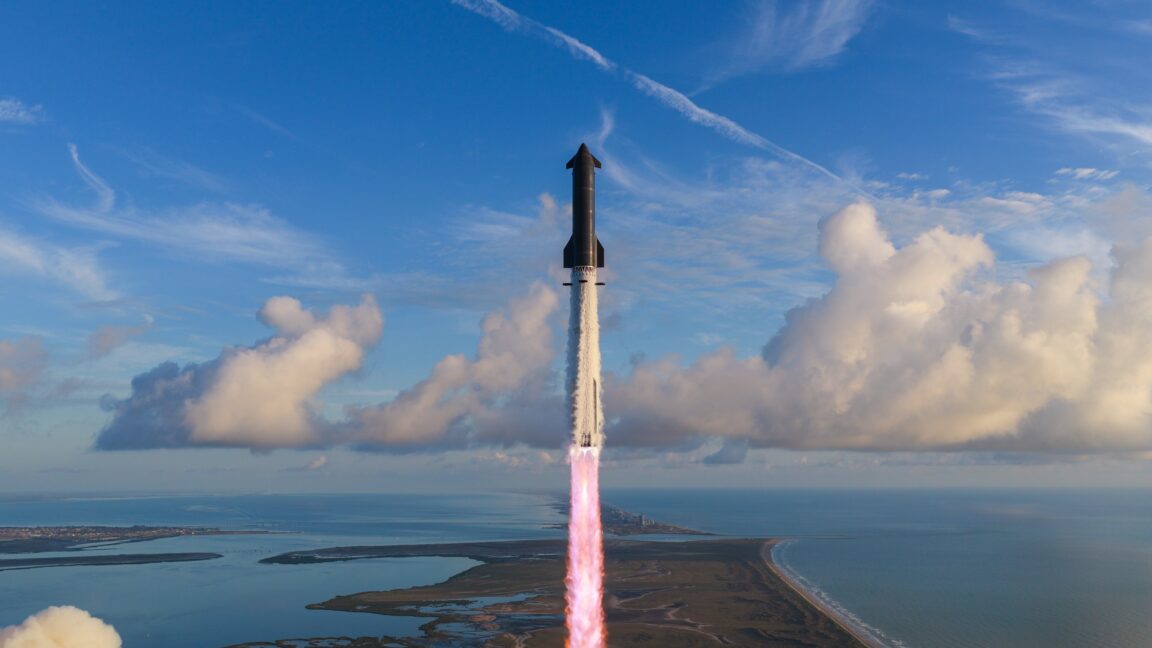
SpaceX to attempt Starship catch on next flight, with eye on rapid cadence increase

In its current iteration, SpaceX is largely a data company seeking to provide enormous amounts of compute for artificial intelligence. During an earnings call on Tuesday afternoon, company officials spent much of their time discussing ambitious plans to roll out up to 10 GW of compute in 2027—on the ground.

Gone are the days of aspirational talk about sending humans to Mars and settling the red planet. Now it is almost all about artificial intelligence and the data needed to support its expansion. However, the company's long-term ambitions to provide data services from space, initially with the Starlink Internet constellation and eventually through the "Starmind" data center constellation, still rely on an actual rocket.

That would be the Starship vehicle, and during the earnings call, SpaceX founder Elon Musk and the company's president and chief operating officer, Gwynne Shotwell, provided new performance targets for the vehicle.

Read full article

Comments

© SpaceX

  •  

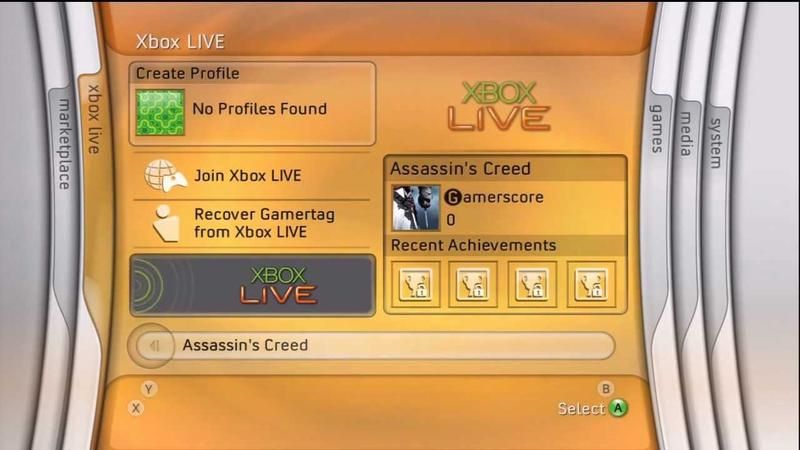
Xbox Labs Revives the Classic Xbox 360 Dashboard

Not long ago, Xbox unveiled Xbox Labs, an initiative created by CEO Asha Sharma to research and explore new and emerging technologies across gaming. It is, of course, a direct response to the wave of AI modding and game mashups we’ve been seeing online, whether it’s Minecraft in Elden Ring, Halo in Fallout, or Skate in Call of Duty. Xbox has clearly seen these projects and is wondering how they could benefit the platform.

While nothing major has happened on that front yet, Xbox Labs is still in its infancy. Scott Van Vliet, who has been tasked with leading the initiative, recently took to X (formerly Twitter) to show off what he’s been cooking, and boy, does it tickle my nostalgia bone.

Van Vliet has shared footage of the original Xbox 360 Blades dashboard running in a web browser on his PC, alongside the NXE dashboard from 2008 and the Metro dashboard from 2011.

On X, Van Vliet stated: “I've been cooking up retro vibes in XBOX LABS. Tell @asha_shar and I your favorite era!”

I've been cooking up retro vibes in XBOX LABS. Tell @asha_shar and I your favorite era! pic.twitter.com/GOEUJzF6sWOctober 20, 2026

This actually prompted a response from Sharma, who quote replied: “Blades on web. Do we like this experiment?”

Could the Xbox 360 Blades dashboard actually return?

Xbox 360 Blades Dashboard

360 blades dashboard (Image credit: TechnoBuffalo)

This isn’t the first time Sharma has mentioned the Blades dashboard, either. When she was first appointed as CEO, one of her earliest tweets asked fans if they “should bring the blade dashboard?” back, and yes, her wording was rather weird.

At the time, it seemed like just good PR, a way of letting fans know she was aware of the older days of Xbox. Now, however, this new Xbox Labs experiment is giving me, and many others, hope that maybe, next generation, we could get a more customizable dashboard experience.

Personally, I think dropping a retro Blades dashboard in honor of Xbox turning 25 years old would be pretty amazing. It’s probably a big ask, though, and I’m not sure how Xbox would fit the seemingly required ad spot onto a Blades dashboard.

That said, let me know: would you like to see the return of Blades, or do you have fond memories of a different dashboard? Let me know in the comments!

Click to join us on r/WindowsCentral

(Image credit: Future)

Join us on Reddit at r/WindowsCentral to share your insights and discuss our latest news, reviews, and more.

  •  

OPPO dá impulso a estratégia para top 3 nos smartphones premium. Linha Find X10 é um dos trunfos

A OPPO acaba de anunciar os novos smartphones da linha Find X10 que chegam ao mercado internacional meses depois do lançamento na China. Elvis Zhou, CEO da OPPO Europe diz que há mais modelos na calha e define estratégia para ser alternativa à Apple e Samsung nos modelos premium.

The post OPPO dá impulso a estratégia para top 3 nos smartphones premium. Linha Find X10 é um dos trunfos appeared first on Tek Notícias.

  •  

AMD brings official Ryzen overclocking to Linux with AOD driver support

While Windows overclockers have spent years lazily sliding UI controls to adjust frequency curves and tweak voltages inside Ryzen Master, Linux users have largely had to treat their CPU tuning like an archaeological dig into the opaque veil of UEFI/BIOS firmware. Well, rejoice, Linux users, as AMD has officially published a fresh set of patches for the Linux kernel introducing AOD (AMD Overclocking Driver) support for Ryzen processors, Phoronix reports.

Instead of forcing developers to reverse-engineer closed-source firmware hooks or rely on messy, machine-specific ACPI workarounds, this new kernel driver is a direct pipeline to AMD's platform adjustments. By exposing core tuning capabilities straight through the standard sysfs interface, AMD is laying down an official, upstreamed foundation for software-level CPU management.

Right out of the gate, the driver handles platform-level SMT toggling, memory clock visibility, and power tunables. That's right: you can now toggle Simultaneous Multithreading (SMT) dynamically through this driver interface. That works through the CPU hotplugging mechanism and acts as a clean alternative to passing the old 'nosmt' boot parameter to the kernel. The new driver also allows real-time monitoring of memory clocks, and initial power controls are being wired up, too.

A screenshot of AMD's Ryzen Master CPU tuning tool.

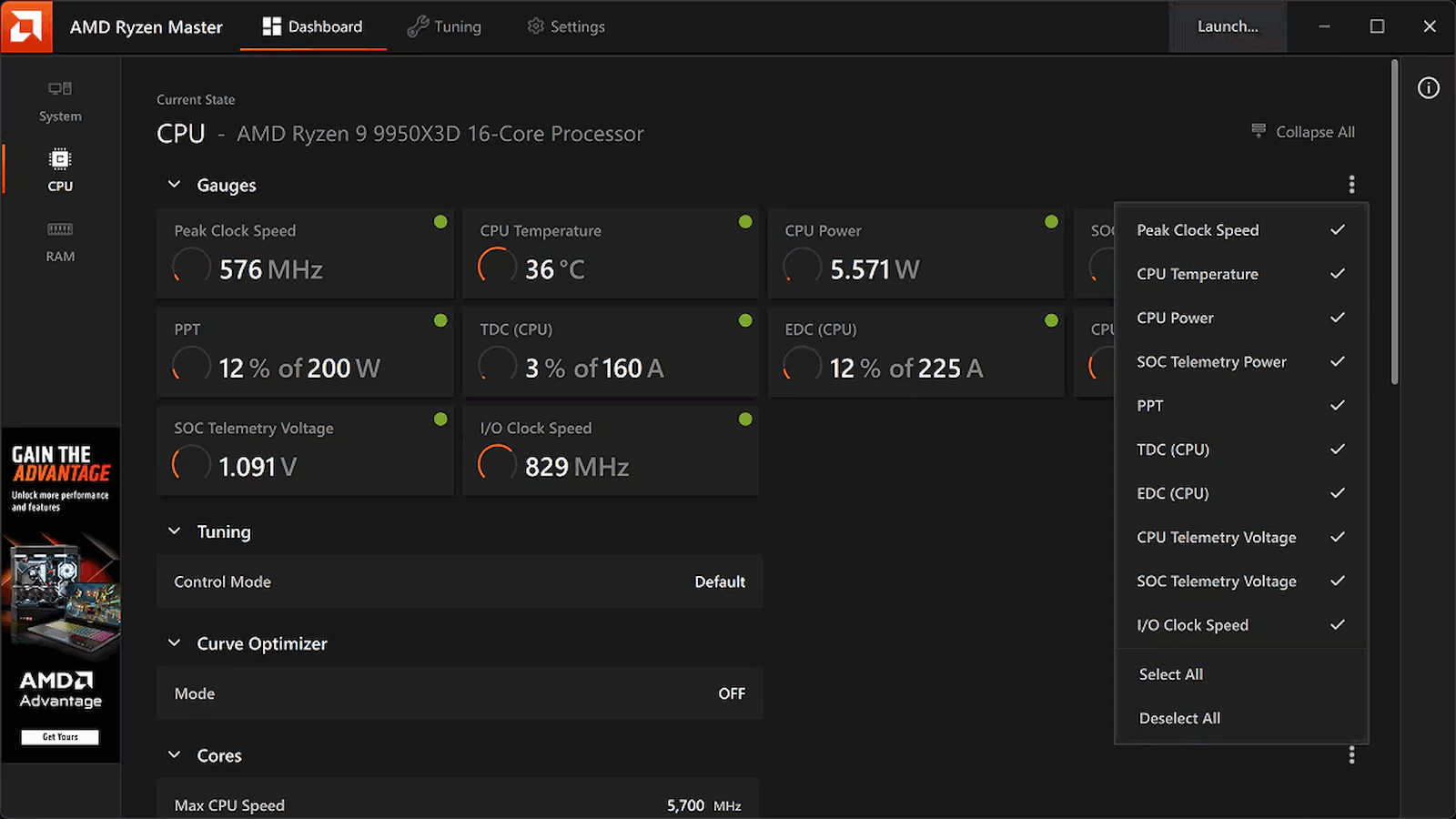
This tool isn't available on Linux, and may never be, but at least its functions will be soon. (Image credit: AMD)

Now, if you're expecting a polished, one-click official AMD application equivalent to Ryzen Master for Linux, just pump the brakes. AMD is following its open-source amdgpu graphics driver playbook here, building the kernel plumbing and then leaving the user-space presentation layer entirely up to the community. That means you're going to have to wait for utilities like CoreCtrl to build out interfaces for this new driver, but it shouldn't be long now before that work gets underway in earnest.

This approach is arguably a better fit for the Linux philosophy anyway. Because the controls are being exposed via clean kernel sysfs nodes, it won't be long before independent developers integrate these knobs into powerhouse open-source monitoring and tuning suites, or even write dedicated desktop environment extensions specifically for the purpose of tweaking Ryzen processors.

The new patches are currently winding their way through review on the mailing lists, meaning mainstream kernel integration is on the horizon. For a DIY enthusiast who loves squeezing every last MHz out of silicon while maintaining a fully open-source software stack, this is easily the most exciting hardware-enablement milestone I've seen in a long time.

  •  

Xbox’s reported $150B valuation highlights the scale of Microsoft’s gaming empire

Rumors that Microsoft was willing to sell off its entire Xbox division have been swirling for a while. While those reports never came to fruition, a new report from The Information reveals that there was indeed interest from private equity firms.

According to the outlet, Xbox was valued between $100 billion and $150 billion. The report does say that the discussions were short-lived and strictly exploratory, with no formal negotiations ever taking place. It remains unclear which specific firms were involved in the talks.

Fortunately for fans, this never happened. It’s hard to imagine private equity firms managing Xbox any better than the disastrous past few years have been. In fact, I'd go as far as to say that Xbox seems to be back on track under CEO Asha Sharma, who recently dispelled concerns about the business shuttering during an interview with Fortune.

I think that we’re going to be an important part of Microsoft for a very long time

Asha Sharma - CEO of XBOX

That comment feels like a direct jab at online folk who have long claimed Microsoft is exiting the gaming space. But I digress.

A $100 Billion Xbox Buyout Would Have Changed Everything

The Xbox 360's infamous Red Ring of Death.

Xbox Red ring of death (Image credit: Jeff the Trojan / Flickr)

A future where Xbox was purchased for over $100 billion would have been a wild timeline. It’s also interesting to compare that valuation to what Microsoft paid for Activision Blizzard King in 2022, which was nearly $70 billion. If you subtract that acquisition cost from the current valuation, it suggests Xbox without Activision is worth somewhere between $30 billion and $80 billion. That is a massive figure, regardless of where on that spectrum you land.

It’s no secret that Xbox has been struggling these past few years. I’m glad Microsoft stuck it out and has seemingly started making positive changes. It really boggles my mind what was going on within the division during the Phil Spencer era. As much as I believe he did amazing work for the brand, the direction Xbox was heading felt like a recipe for disaster.

Let me know your thoughts. Would you have been happier seeing Xbox purchased by a private equity firm, or are you glad Microsoft stuck to its guns and appointed Asha Sharma?

Leave a comment down below and be sure to take part in our poll too!

Click to join us on r/WindowsCentral

Join us on Reddit at r/WindowsCentral to share your insights and discuss our latest news, reviews, and more.

  •  

Xbox Series S owners are probably feeling pretty good about FSR 4.1 right now

AMD and Microsoft this week took the lid off plans for expanding FSR 4.1 tech to Xbox Series X|S, AMD Ryzen gaming handhelds (like the Xbox Ally X), Ryzen APUs, and older Radeon RX 6000 GPUs.

The official announcement comes after teasing the move earlier this month.

I can't help but see this as one of the most important things that Microsoft could possibly do for current-gen Xbox owners who likely just found out that their consoles will need to last longer than expected.

A longer life for your gaming devices? No better time than now.

To say I'm relieved about FSR 4.1 coming to Xbox Series X|S and Xbox gaming handhelds is an understatement, and I don't think the news could have come at a better time.

Xbox's next-gen Helix device has reportedly been pushed to 2028. That puts the current generation, which launched in 2020, at roughly eight years of required service before it "retires."

That's a long time to ask the flagship Xbox Series X to remain relevant, and the situation only worsens for the weaker (but more affordable) Xbox Series S.

In our new world of inflated hardware prices, caused by AI-fueled memory and storage shortages, landing a free performance upgrade of this caliber is an outright life preserver for the entire Xbox lineup, including consoles and gaming handhelds.

With so many gamers already feeling the burn of high prices within (and outside) their favorite hobby, improved upscaling is basically the cheapest hardware upgrade I can think of.

The Xbox Series S has the most to gain

Xbox Series X, Series S

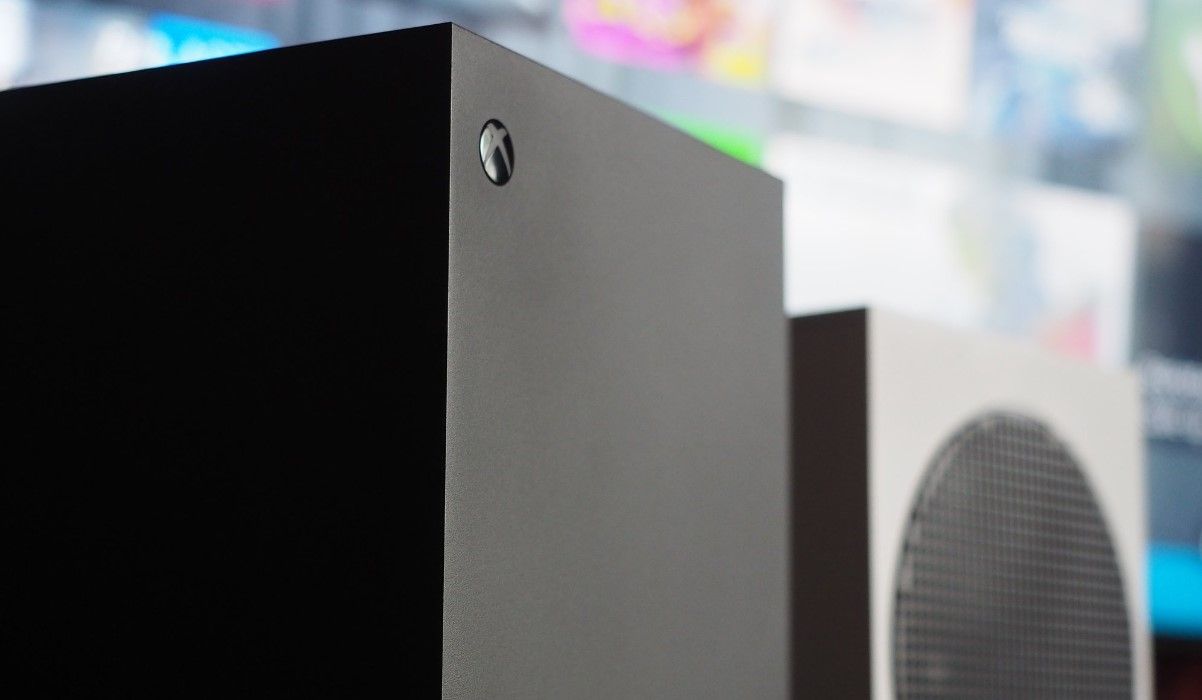
The Xbox Series X and Series S will each receive the FSR 4.1 update, but the latter should stand to gain the most. (Image credit: Windows Central | Jez Corden)

Where I live, the Xbox Series S is essentially the only console I can buy for less than $1,000.

It's great for plenty of people, but it has undoubtedly always been living in the shadow of compromise compared to its Series X sibling. Less performance, lower resolutions ... you get the idea.

This is where an improved upscaler like FSR 4.1 that can work better with fewer pixels should make the most difference. But it's not going to be a magic bullet that solves every issue.

The reality of what to expect from the FSR 4.1 upgrade

Blood of Dawnwalker with FSR 4.1

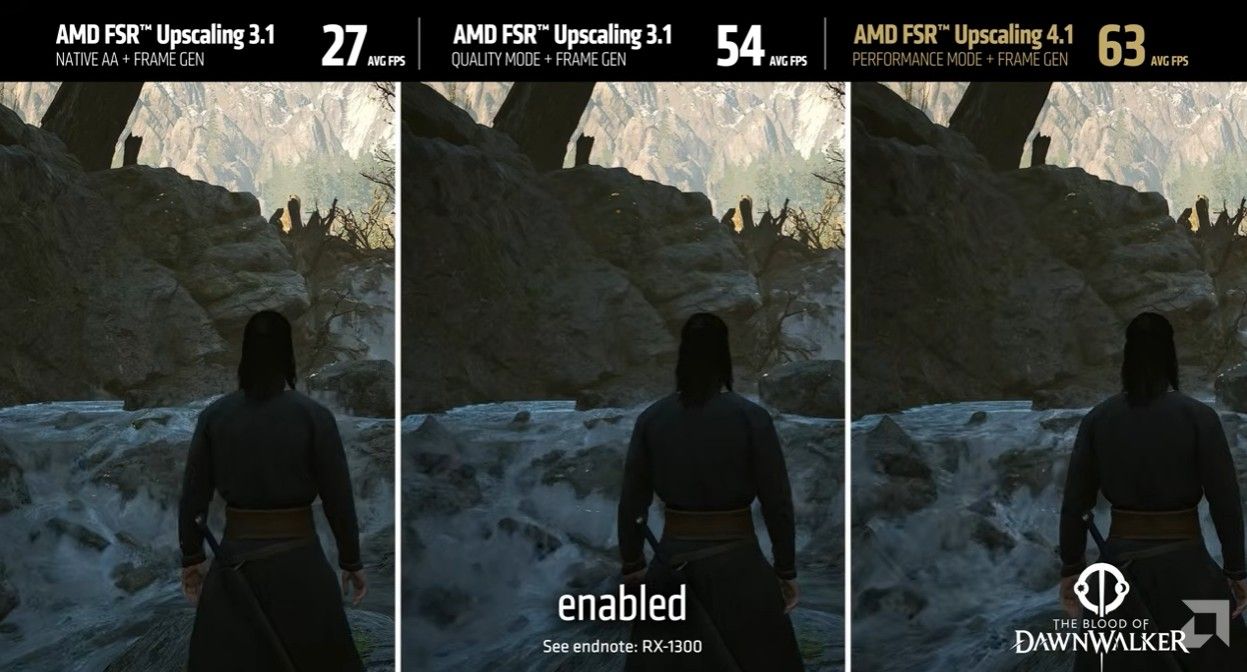
An example showing Blood of Dawnwalker with FSR 3.1 and FSR 4.1. (Image credit: AMD)

I'm not looking to oversell FSR 4.1. It's not just going to suddenly arrive for every game. Developers need to patch the update into their games, and the timeline for that is still muddy.

My colleague Jez Corden believes it will be "sooner than you think," with FSR 4.1 becoming available for Xbox game developers "in the next couple of weeks."

The first wave of Xbox games with FSR 4.1 is expected to be small, with a "handful" of titles ready for the 2026 holiday season. More will then trickle out through 2027 (and beyond).

It's not going to be a magic bullet that solves every issue.

There's also the performance factor. Yes, FSR 4.1 is going to boost framerates on Xbox, but the Series S likely won't see the same boost as the Series X due to its weaker hardware that uses INT8 shaders.

We won't know just how well this change affects the Xbox devices until it arrives, but don't expect your Series S to suddenly feel like a Series X.

Xbox's future is becoming clearer

Xbox Helix logos

Xbox Helix isn't expected to arrive until 2028. (Image credit: Windows Central)

There's an overarching ecosystem theme here that I think many are overlooking.

With this update, Xbox Series X|S, Xbox Ally handhelds, and PCs will all sit at the same upscaling table, making it easier for developers to implement.

Add this to the news that FSR Diamond will arrive as an upgraded upscaling technique for Xbox Helix, and it certainly feels to me like Microsoft is laying a strong foundation for developers who want to create across the entire Xbox ecosystem, now and in the future.

If that actually pans out as I imagine, Xbox Series S owners will continue to benefit from upgrades and updates intended for other devices, which is a great place to be.

What I'm keeping an eye on

The biggest hurdle now? Developers going back and adding FSR 4.1 support to their Xbox games. Once a steady stream begins, this will all start to feel a lot more real. Especially if they're games that already require performance mode to run at an acceptable framerate.

I'm not rushing out to buy an Xbox Series S with this news, but it is certainly heartening. If you're already a Series S owner, you should be feeling pretty good about your device.

Do you plan to stick with your Xbox Series S until Helix arrives? Are you no longer on the fence about buying a Series S in 2026? Let me know in the comments section below!

Click to join us on r/WindowsCentral

Join us on Reddit at r/WindowsCentral to share your insights and discuss our latest news, reviews, and more.

  •  

Análise TEK: OPPO X10 Pro Max estica a fotografia a 200 MP em todas as câmaras mas tropeça num fator essencial

O novo smartphone da OPPO é um dos candidatos ao top de melhores smartphones do ano, com foco especial na fotografia e um sistema de três câmaras de 200 MP. O TEK Notícias já testou o X10 Pro Max e há muitos pontos positivos, mas também apostas arriscadas.

The post Análise TEK: OPPO X10 Pro Max estica a fotografia a 200 MP em todas as câmaras mas tropeça num fator essencial appeared first on Tek Notícias.

  •  

Votre eau citronnée du matin fait-elle vraiment maigrir ?

Détox, perte de poids, métabolisme relancé, pH rééquilibré : l'eau citronnée du matin porte une quantité de promesses dont aucune ne résiste à l'examen. Il reste quelques bénéfices réels, mais modestes. Et un risque bien documenté, systématiquement passé sous silence : l'érosion de l'émail...

  •  

Elon Musk’s Growing Death Toll: “What He Put Into the Woodchipper Were Children”

As Elon Musk tries to save face by claiming he’ll give every American child a chunk of SpaceX stock, here’s a chilling reminder of what he did that affected millions of children the second he had a whiff of federal power.

In a new interview, the documentary filmmaker Alex Gibney, who directed a just-released four-hour look at the billionaire’s life titled “Musk,” discussed the staggering death toll of Musk’s cuts to USAID, calling it a “crime against humanity.”

“There was an estimate that what [Musk] did by so suddenly cutting USAID would cost through disease and starvation as many as 14 million lives,” he told journalist Katie Couric. “Even if you discount that by an enormous amount, we know that within about a year of those summary cuts — where they were literally burning food that had already been paid for that was going to starving children — 500,000 children died.”

Musk, to Gibney’s astonishment, even joked about the cuts by saying he’d “put USAID into the woodchipper.” 

“What he put into the woodchipper,” Gibney said, “were children.”

Gibney, whose documentary Musk called a “hit piece,” is drawing from a 2025 study published in The Lancet, one of the most prestigious medical journals. It estimated the impact of Musk effectively neutering USAID by implementing a freeze on its foreign aid funding — which went to programs to combat HIV/AIDS, malaria, and to address food insecurities — and slashing nearly 10,000 employees. 

In sum, the researchers found that the “steep funding cuts could result in more than 14 million additional all-age deaths, including 4.5 million in children younger than age five, by 2030.”

Even conservative estimates concurred that the number of deaths would be staggering. A tracker created by Brooke Nichols, a professor and infectious disease mathematical modeler at Boston University, projects the 1-year death toll caused by the USAID cuts at 518,000 children.

It’s a touchy subject for Musk, who continues to bristle at accusations that his actions could’ve caused harm. This summer, he challenged his critics to “cite a single name of someone who died” as a result of him gutting USAID. Nicholas Kristof, a Pulitzer Prize-winning journalist, took him up on it and gave him a list of the specific children who had died directly from his policies, many of whom were in South Sudan and Liberia — places he had visited in person to talk to locals and healthcare workers.

Musk, rather than countering his arguments, called Kristof “evil.”

More on Elon Musk: Elon Musk Says It Was the Pentagon That Shut Down Starlink for the Ukrainian Military

The post Elon Musk’s Growing Death Toll: “What He Put Into the Woodchipper Were Children” appeared first on Futurism.

  •  

SpaceX aumenta receitas em mais de 100% com inteligência artificial a ganhar peso

Os mais recentes números da SpaceX mostram uma transformação no peso dos diferentes negócios da empresa de Elon Musk, com a IA a assumir um papel central no crescimento financeiro.

The post SpaceX aumenta receitas em mais de 100% com inteligência artificial a ganhar peso appeared first on Tek Notícias.

  •  
❌