The Nyrius Phoenix Home is a new wireless HDMI adapter with 500ft line-of-sight range, 75ft through walls or floors
Delivers 4K resolution with Dolby Atmos, DTS and 7.1-channel surround support
Launches for $199.99 for the basic transmitter and receiver
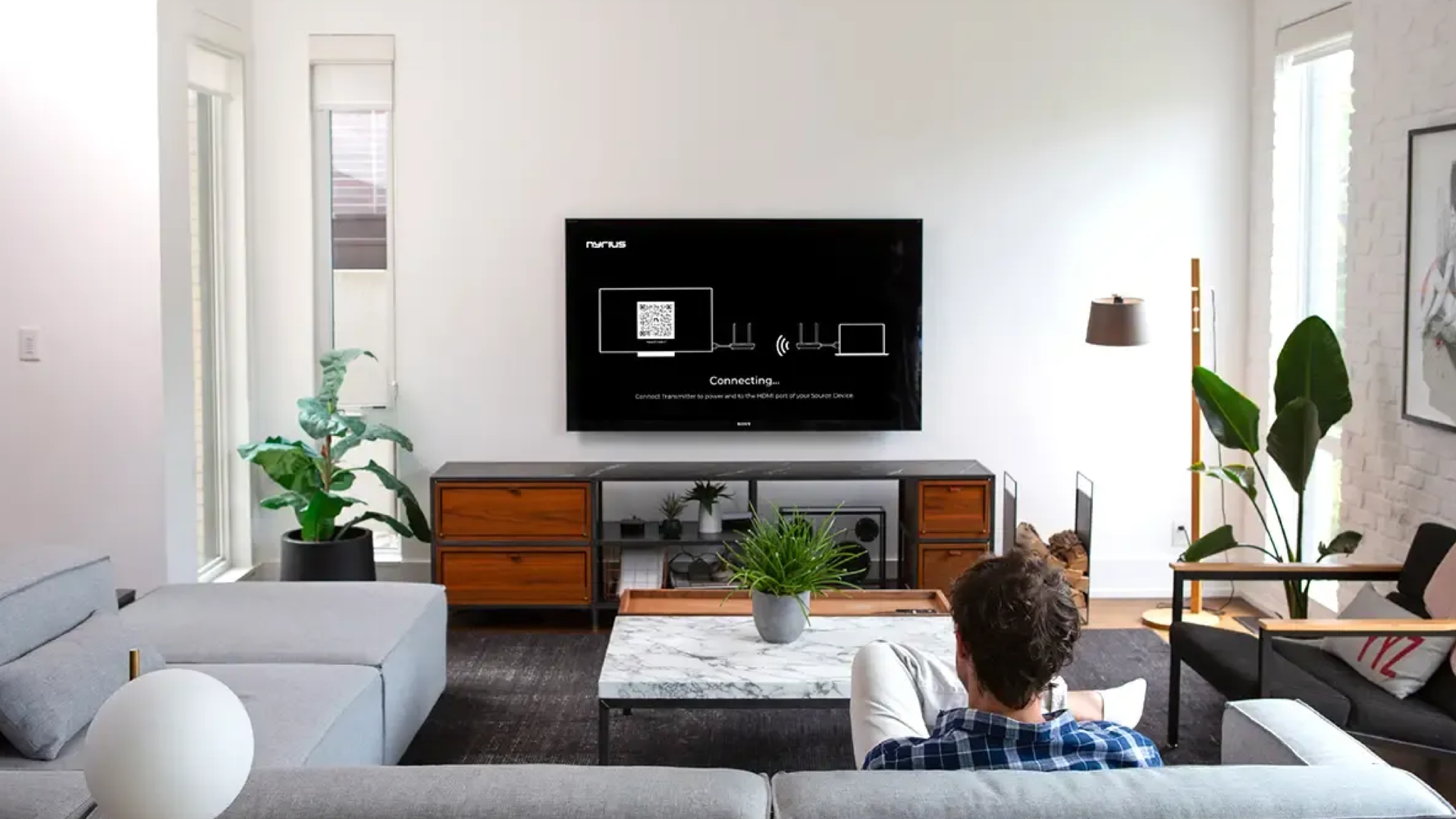
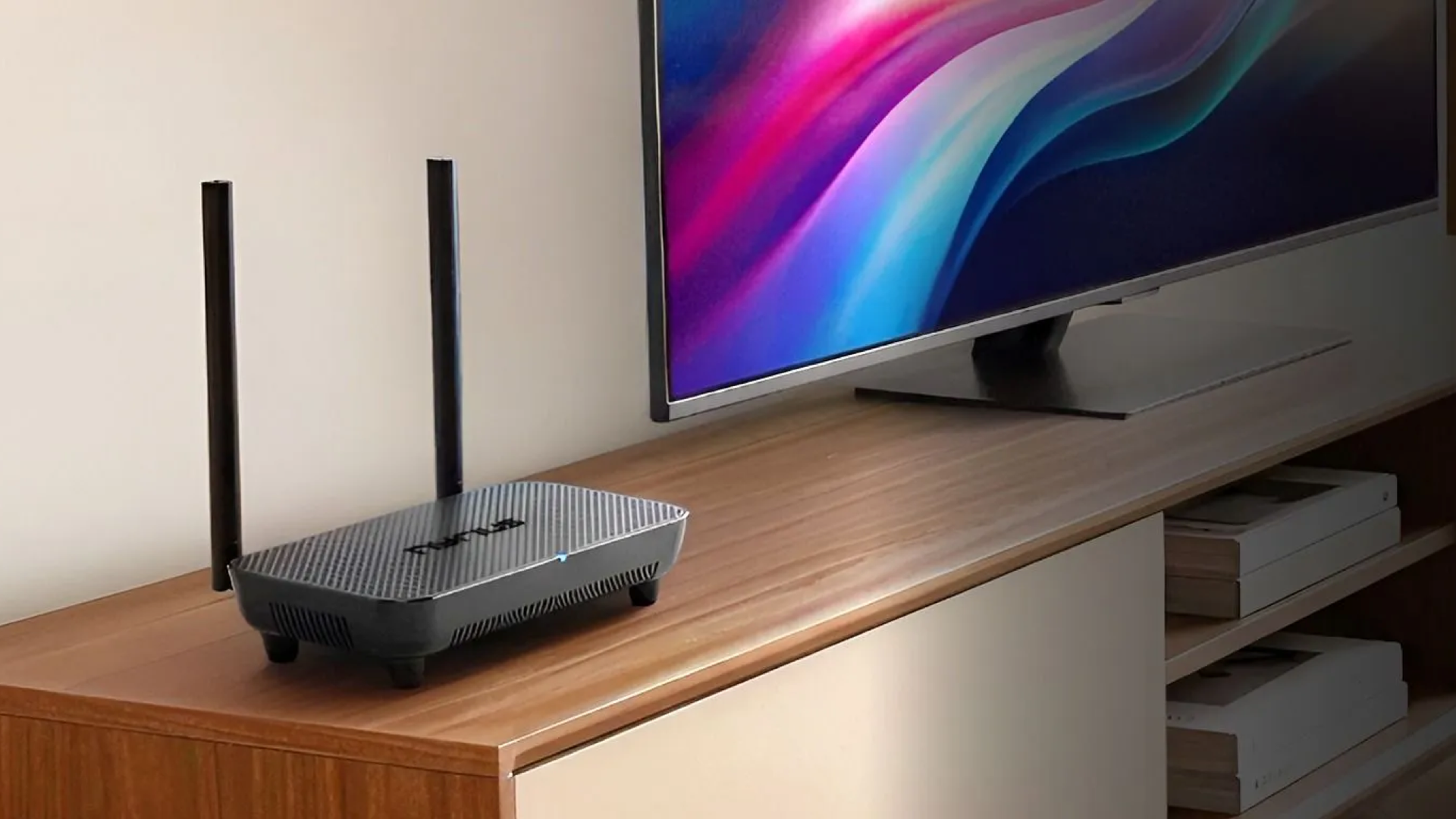
The Nyrius Phoenix Home is a true 4K wireless streamer that takes an HDMI source such as your games console, Apple TV 4K or Blu-ray player (or any combination through an AV receiver) and sends it to your TV, projector or desktop monitor.
It's designed to be simple, so there's one HDMI input on the transmitter and one HDMI output on the receiver — and it promises a 500-foot range in plain air, or 75 feet through walls and floors.
This means it could be used as part of a home theater setup, beaming video from your source to your projector or TV across the room without cables, or it could be used as an alternative to running and HDMI cable through your walls so you can send video to other parts of the house.
This isn't the first such streamer by any means, but it's very aggressively priced for a 4K wireless HDMI adapter and delivers an impressive specification for its relatively low price.
(Image credit: Nyrius)
Nyrius Phoenix Home: key features and specifications
With the Phoenix Home's 500-foot line-of-sight range, I'm thinking it could be good for movies or sporting events with friends outdoors with a projector or outdoor TV.
Transmitting up to 75 feet through walls and floors means you can use it to stream from a computer in one room to a TV in another, provided the computer has an HDMI output or an HDMI adapter: the Phoenix Home only supports HDMI input.
The Phoenix Home also features USB-C that you can use to remotely control a computer by connecting it to the transmitter and using a keyboard and mouse with the receiver. There's also an IR extender for remote controllers.
The Phoenix Home transmits up to 4K resolution at up to 60fps, and it supports DTS, Dolby Atmos and 7.1-channel surround.
I think there are multiple applications for this kind of device at home as well as in business or educational spaces: it's a good solution for renters who can't start drilling cable runs everywhere, and for rooms that weren't made with AV systems in mind.
A few TV companies have been thinking about rooms where you want to mount the TV above the fireplace or another feature and have your AV receiver, consoles or other home theater gear somewhere else. If you saw Samsung's Wireless One Connect Box or LG's Zero Connect and wished you too could have a wire-free TV, you don't need to splash your cash on one of this year's best TVs to cut the cables: this will provide a similar option for $199.
Our one worry would be what the latency is like for gaming, which we'd have to test to be sure about. But if you're looking to cut the cables for making it easy to move movies around the home, this looks like a very affordable and effective way to do it, and is available now.
Thinking of buying a new TV?
Try our TV size and model finder! You tell it how far you sit from your TV, we'll tell you what size to buy based on viewing angle advice from image quality experts, and we'll recommend our three top TVs at that size for different prices.
Panasonic launches new DMR-4X10¹⁰ 4K Blu-ray player in Japan
Also includes 4K tuners, 10TB of local storage for recordings, Blu-ray recording, and support for cloud storage
About $2,800 / £2,080 / AU$3,930
Blu-ray fans should be feeling blessed this month: with new players decidedly thin on the ground, September has brought us news of not one but two 4K Blu-ray players — though neither is really aimed at the average movie enthusiast.
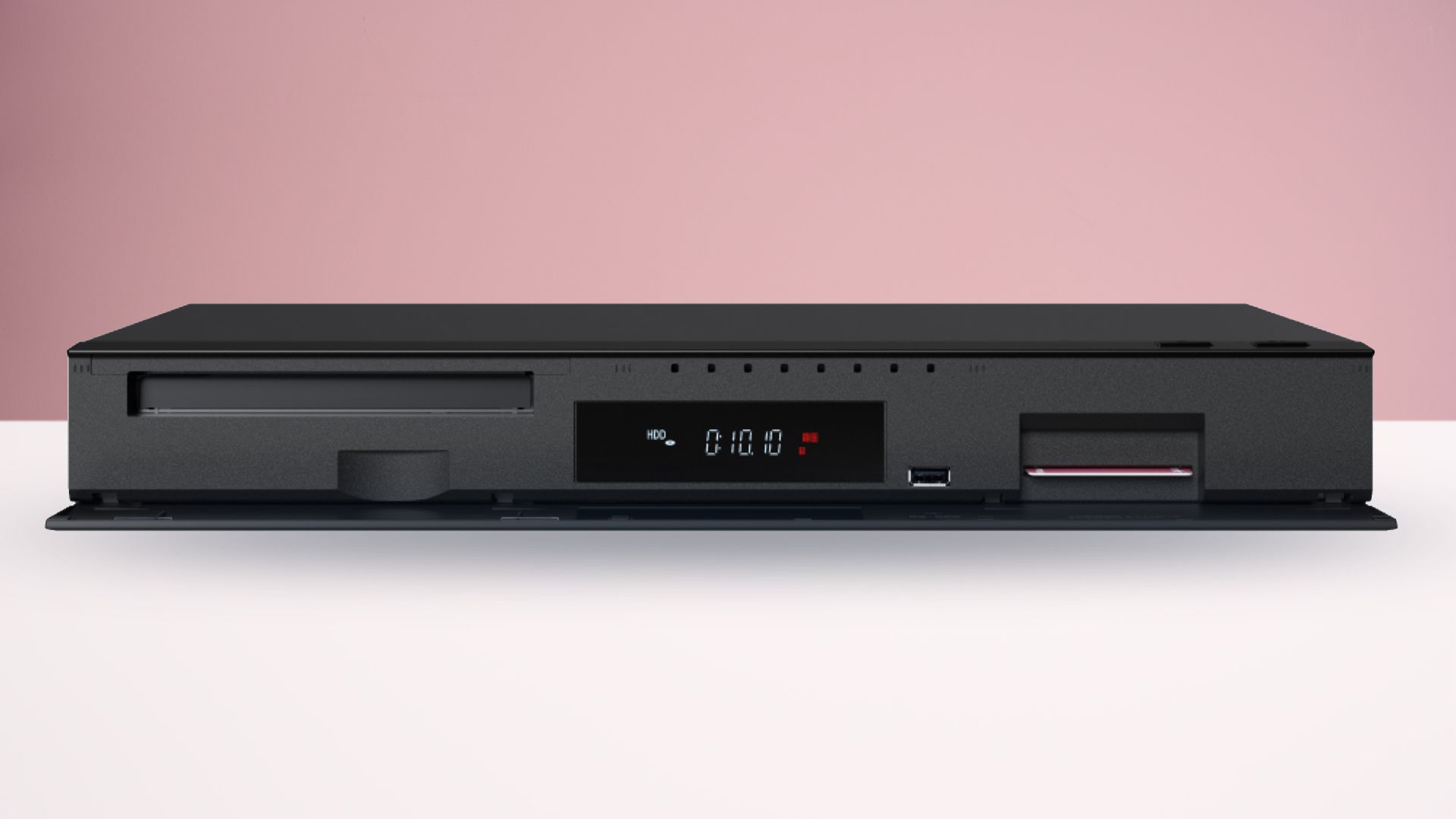
The new Panasonic DMR-4X10¹⁰ is a flagship 4K player with a bunch of other neat tricks up its sleeve, and while it's likely to stay as a Japan-only release, we're still happy to see new players being made.
A 434,500 yen, which works out at about $2,800 / £2,080 / AU$3,930, it's a fair bit cheaper than this month's other new Blu-ray player, the Magnetar Ultima: that costs a cool $12,000 (about £8,895 / AU$16,687).
(Image credit: Panasonic)
Panasonic DMR-4X10¹⁰: key features
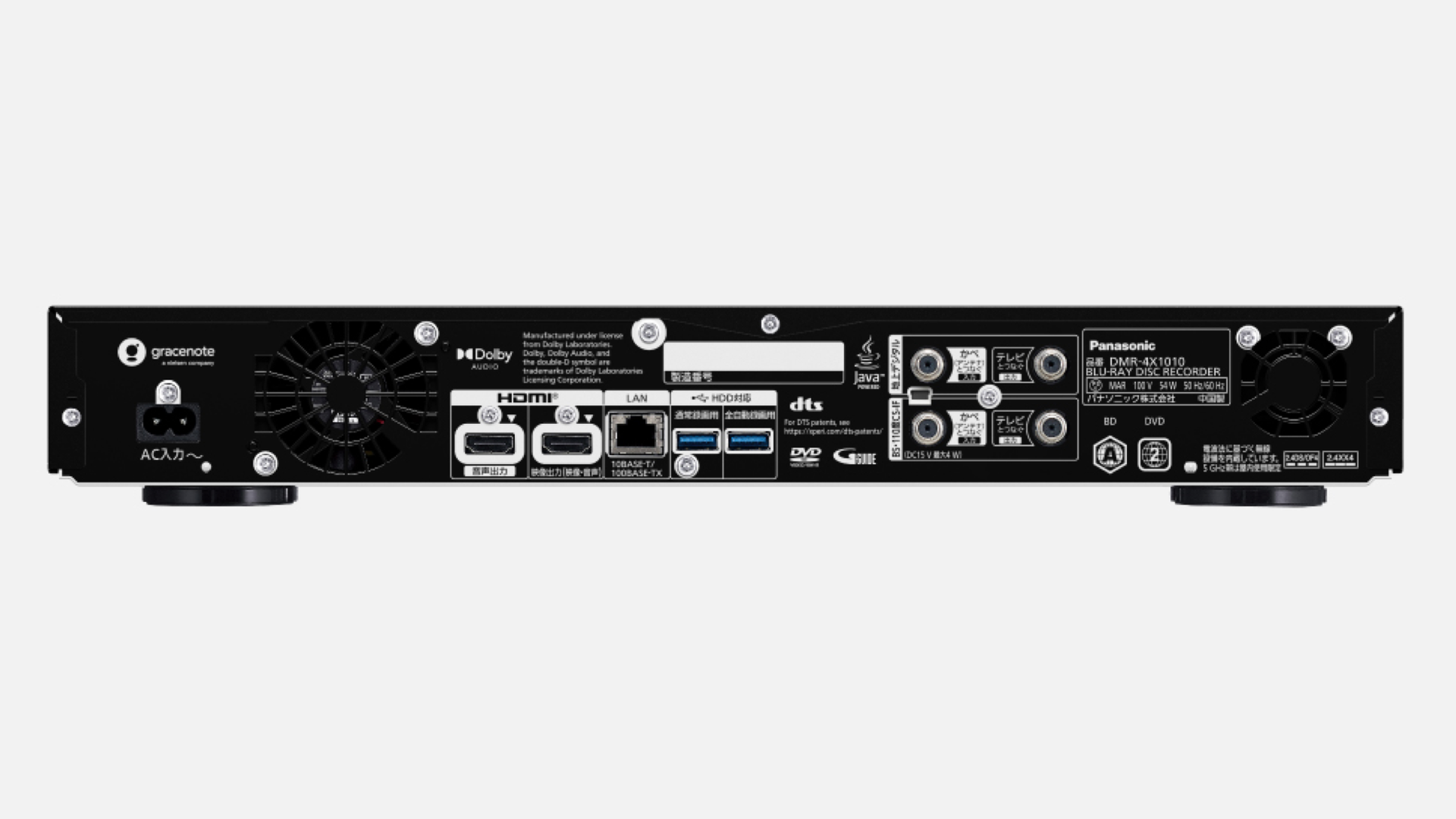
The Panasonic DMR-4X10¹⁰ not plays 4K Blu-rays, regular Blu-rays and DVDs, it also features 4K broadcast tuners and includes a giant 10TB hard drive for recording shows and movies. There's also the option of cloud recording of up to 10TB via Google Drive or Microsoft OneDrive, so you can access recordings on your phone or store Blu-ray disc images in the cloud.
It even records to BD-R/RE discs of up to 100GB, if you prefer. Recording from live broadcast isn't that popular worldwide, but evidently it's popular enough in Japan to make this the ultimate 'own your copies' machine.
The player uses an AVC encoder for high-definition recording, and Panasonic says the encoder can compress 24Mbps signals to around 1.6Mbps to maximize recording space… though, again, it does come with 10 terabytes.
The DMR-4X10¹⁰ also works with Panasonic's AI Viera system, which can automatically adjust the picture quality to fit the scene — so bright and vivid if you're watching sports, and richer contrast if you're watching a noir movie. AI can also adjust the audio to make it more immersive.
The new player launches through authorized dealers on October 22, 2026, and exclusively to the Japanese market.
But the release of this model and the Magnetar show that companies aren't blind to the desire for new options — I just hope we might get something more affordable and mainstream than these at some point.
Panasonic 4K Blu-ray players are now more expensive in the US
Some retailers have stock at the previous price
Tariffs and the ongoing component crisis strike again
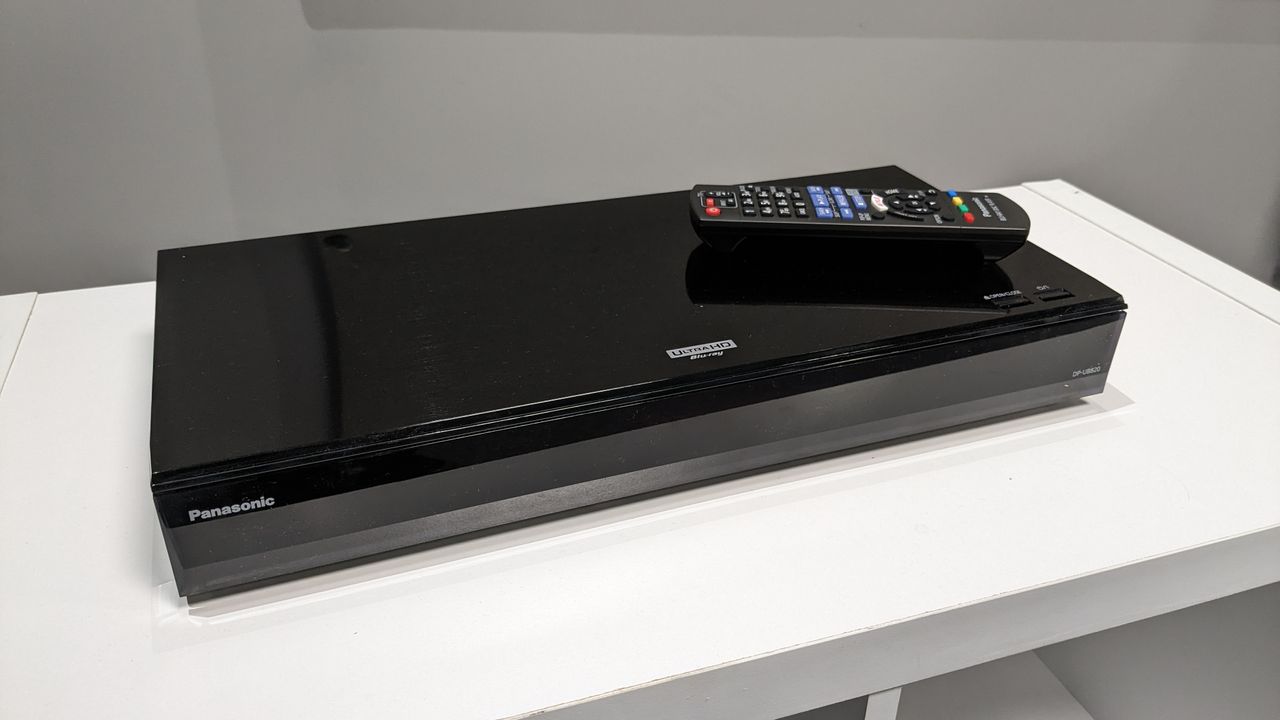
I hate to be the bearer of bad news, but if you've been putting off buying the Panasonic DP-UB820 Blu-ray player — our pick of the best 4K Blu-ray players on the market — its price, along with other Panasonic players, has rocketed.
The eagle-eyed Harrybalzac71 on the r/4kbluray subreddit spotted the new prices in Panasonic's updated US shop listings. And in those listings, our favorite Blu-Ray player has gone up by $100, reaching a new list price of $649.
The player has also had an increase in recent months in the UK to £429, having been listed at £349 for some time, so while the price isn't as high as the US still, it's still notably higher.
When the DP-UB820 launched, it was priced at $499 / £349 / AU$769, though the price people have expected to mainly find it at has fluctuated over time, and it's had price rises before — it was $549 most recently.
Panasonic: new prices for US Blu-ray players
The new prices have caused bafflement on the subreddit: as WorryTurbulent3924 recalls, "I price matched my 820 for $349 at best buy slightly over a year ago. Wtf happened?" Other redditors shared similar stories.
There are six US models, and their new prices are:
DP-UB450: $299.99
DP-UB420: $369.99
DP-UB820: $649.99
DP-UB9000: $1,299.99
DP-UB154: $299.99
DP-UB150: $209.99
There is some good news: some Panasonic players are still in retail at the older price, so at the time of writing a third-party seller has the DP-UB820 is on Amazon for $539.99 and it's on Best Buy for $549.99. Both are showing as stock available, but when that stock runs out you're likely to see higher prices afterwards — the main official Amazon sales page is already showing $649.
It's a shame, but unfortunately it's something we've gotten used to – not just in Blu-ray players but in PCs, PlayStations, Steam Machines and other electronics too. The triple whammy of AI-related shortages, inflation and (in the US) tariffs is sending prices into orbit.
From now, it looks like buyers will have to hope we get deals that take it back to the previous price of $549.
The Panasonic UB820 has been the sweet spot of 4K Blu-ray players available today, which is why this one is such a focus for us and the 4K Blu-ray community. It's the only player available today that has total format support and isn't priced like a high-end reference machine.
Thinking of buying a new TV?
Try our TV size and model finder! You tell it how far you sit from your TV, we'll tell you what size to buy based on viewing angle advice from image quality experts, and we'll recommend our three top TVs at that size for different prices.
iPhone 18 launch, Apple Park, iPhone 18, iPhone 18 Pro, iPhone 18 Pro Max, iPhone Ultra, foldable iPhone, Apple event, September event, John Ternus, Steve Jobs Theater, iOS 27, iPhone camera, variable aperture, liquid metal hinge, foldable display, hands-on event, product launch, Cupertino, smartphone news
The iPhone 18 launch is turning Apple Park into more than a stage for Wednesday’s presentation. The September 9 Apple event already carries unusual expectations around a possible foldable iPhone, a new generation of Pro cameras, and John Ternus’ first major product introduction as CEO. Reports of additional event staff now suggest that the experience awaiting invited media could be larger and more demanding than a conventional iPhone demonstration.
The official event announcement confirms that “Surprise and shine” begins September 9 at 10 a.m. Pacific Time, with worldwide streaming through apple.com, Apple TV, and YouTube. The invited audience will attend from Apple Park, but the increased activity surrounding the event does not necessarily mean that the company will abandon its carefully produced video format for a completely live keynote.
A polished presentation can explain specifications, introduce software, and display new hardware from perfect angles. It cannot reproduce the first sensation of opening a foldable screen, examining a crease under direct light, testing a mechanical hinge, or watching a camera respond as the lighting changes. Those moments happen after the main presentation, inside the hands-on areas where early opinions begin to form.
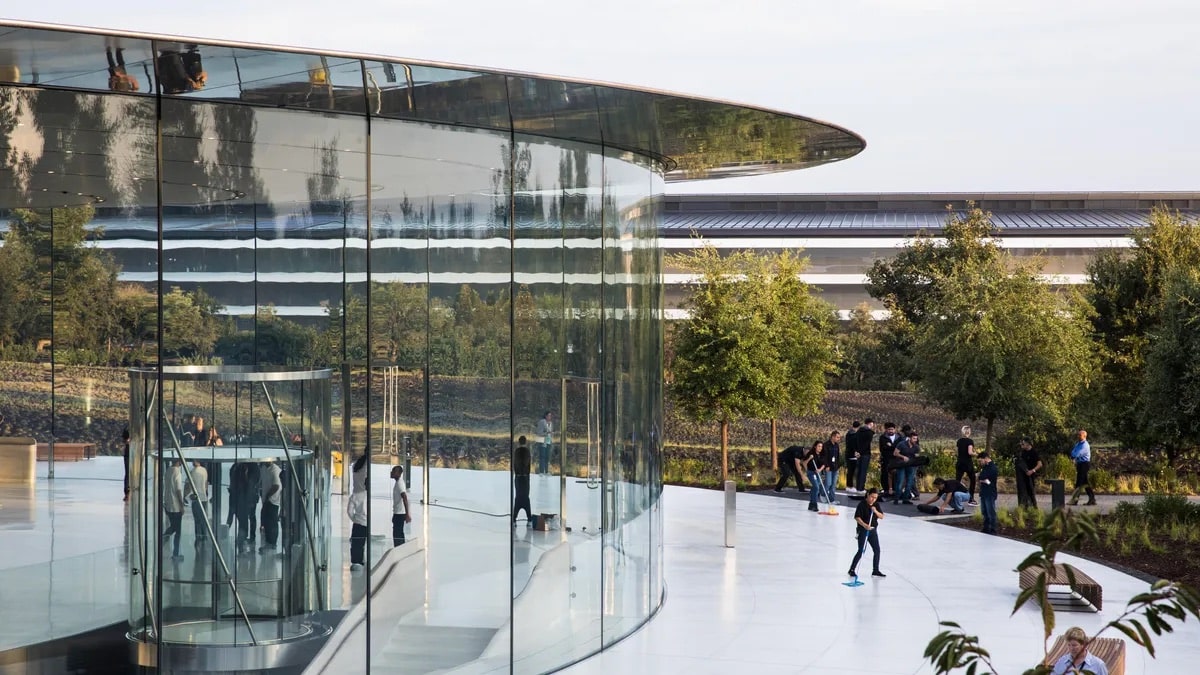
Apple Park Scales Up for the iPhone 18 Launch
The first indication of a larger operation arrived through an internal program for US retail employees. According to reporting distributed by Bloomberg, store employees were invited to enter a lottery for positions supporting the in-person unveiling.
Selected employees were expected to organize lines, check in guests, provide directions, welcome attendees, and assist security teams. Employees who participated in WWDC 2026 or the iPhone 17 event were reportedly excluded, allowing another group of retail workers to experience the launch.
The existence of the lottery does not prove that the keynote itself will return to a traditional live-stage presentation. Apple has previously recruited retail employees to support events, and the company has not disclosed how many people were selected this year.
It does confirm that the Apple Park gathering requires a substantial customer-facing operation beyond the team producing the presentation. Retail employees already know how to direct visitors, explain products without overwhelming them, manage queues, and identify when someone needs technical help.
Those skills become particularly useful during an event attended by journalists, photographers, analysts, creators, and international guests, all trying to reach the same devices within a short period. Additional staff can prevent the hands-on area from becoming a crowded ring around a few demonstration tables.
The iPhone 18 launch may also require more movement between specialized spaces. A conventional phone can be displayed in rows according to color or size. A foldable model needs room for repeated opening and closing, interface demonstrations, durability questions, and comparisons between its exterior and interior screens. Camera testing requires a different environment again.
Apple Park does not need to undergo a permanent architectural transformation for that expansion. Modular tables, managed lighting, guided demonstrations, additional charging equipment, and more employees can significantly enlarge the experience around Steve Jobs Theater for a single afternoon.
Image Credit: AppleMagazine
A Foldable iPhone Needs a Different Kind of Demo
The rumored iPhone Ultra is likely to attract the longest lines if it appears on Wednesday. It would represent the first substantially new iPhone form factor since the current full-screen design became established, and its appeal cannot be communicated through processor charts alone.
Visitors will want to know how the hinge feels at different angles, whether the device stays open when partially folded, how much pressure is required to close it, and whether both sides align evenly. They will inspect the central folding area under bright light and move a finger across the display to determine whether the crease is visible, noticeable by touch, or effectively hidden during normal use.
Display stress remains one of the most difficult engineering problems in the foldable category. TrendForce’s analysis of foldable display technology explains that crease reduction depends on controlling stress across the panel’s multilayer structure. Ultra-thin glass, optically clear adhesive, support plates, and the position of the display’s neutral layer can all influence how the screen behaves after repeated folding.
Reports have associated the iPhone Ultra with a liquid-metal hinge and a virtually creaseless internal display, but neither detail has been announced. Even if the production device resembles those descriptions, “virtually creaseless” will remain a subjective claim until people can examine the screen from different angles and under different lighting conditions.
Apple will consequently need demonstration units that are fully accessible rather than fixed behind stands. A journalist should be able to fold the device repeatedly, rotate the internal display, type with the phone partially open, and watch iOS 27 transfer an activity between the exterior and interior screens.
Those interface transitions could be as revealing as the physical hardware. A larger display gains value when an app can reveal another column, create a more capable workspace, or reposition controls without simply enlarging the standard iPhone interface.
Demonstrators may need to direct visitors toward examples that reveal those differences within the limited time available. Mail, Maps, Photos, Safari, video calling, document editing, and drag-and-drop workflows could communicate the benefit of the larger display faster than a static home screen.
The hands-on area must also answer durability questions without pretending that a few minutes can replace months of ownership. Hinge resistance, protection around the folding axis, weight distribution, screen reflections, and off-center visibility can be judged immediately. Long-term wear, dust resistance, and thousands of folding cycles cannot.
Camera Testing Could Become Part of the Event
The Pro camera system is expected to receive one of the lineup’s most technical hardware changes. Previous iPhone 18 Pro camera reporting has centered on a mechanical or variable aperture, which could physically alter the amount of light passing through the main lens.
A conventional fixed-aperture smartphone camera manages exposure through shutter speed, sensor sensitivity, computational processing, and other electronic controls. A mechanical aperture can change the physical opening through which light reaches the sensor. Depending on its design, that could provide additional control over exposure, depth of field, highlights, and the appearance of subjects at different distances.
Current pre-event iPhone 18 expectations indicate that the feature may be exclusive to the iPhone 18 Pro Max, although its final availability will remain uncertain until the presentation.
A normal demonstration table would reveal little about such a camera system. Effective testing requires contrast, motion, faces, reflections, foreground objects, and meaningful changes in brightness.
Apple has previously used prepared scenes to demonstrate cameras, making controlled lighting stations a reasonable possibility for the iPhone 18 launch. No dependable report has confirmed that a dedicated photography pavilion or a particular new installation has been constructed for Wednesday, however.
A useful setup would allow creators to move between bright and dim areas while watching the aperture respond. A foreground object positioned near a person could demonstrate changes in depth of field. Directional lights could reveal highlight handling, while a darker scene could test whether the physical aperture works smoothly with computational photography.
Video creates another challenge. Any aperture adjustment during recording must appear gradual rather than causing sudden jumps in exposure or background separation. If manual control is available, photographers will immediately look for the number of supported aperture positions and whether a chosen setting can be locked before recording.
These demonstrations would offer the in-person audience something that cannot be reproduced during the stream. The presentation can display carefully selected photographs and video clips, but activity around the camera stations will reveal how quickly professionals understand the controls and whether the results remain convincing outside a prepared promotional sequence.
John Ternus Faces His First Apple Park Test
Wednesday’s event will be John Ternus’ first major product launch as CEO. That creates an unusual balance between continuity and change. The campus, production team, executives, and controlled demonstrations remain familiar, while the person responsible for the final message has changed.
Ternus does not need to replace every established event practice during his first days in the role. A larger in-person component would let him place more attention on direct product experience without sacrificing the timing and visual precision of a prerecorded presentation.
A live welcome, appearances around the campus, and extended media access after the video could establish his presence without forcing the event into an entirely different format. His background in hardware engineering also makes this a suitable launch for more detailed demonstrations, particularly if the lineup includes a new hinge, display construction, or mechanical camera component.
The hardware surrounding the iPhone 18 launch will test how well the company explains unfamiliar decisions. A foldable iPhone must justify its size, construction, software behavior, and likely premium price within minutes. The Pro camera must demonstrate an advantage that remains visible after computational processing. Accessories must protect new shapes without making them unpleasant to hold.
Retail employees working at Apple Park can observe those reactions closely. They will hear which controls require an explanation, which accessories create hesitation, and which claims prompt the same questions repeatedly. That experience can return to stores before customers begin arriving for demonstrations of their own.
The Hands-On Area Becomes the Real Examination
Apple controls every frame of its presentation video, but it cannot control every observation made after the screens turn off. A foldable display will be photographed from difficult angles. Its hinge will be opened hundreds of times. Camera samples will be compared before visitors have left Apple Park. Any awkward transition, reflection, or confusing control will circulate within minutes.
This makes the in-person operation more demanding than a larger guest list might suggest. Every demonstration unit must remain charged, connected, clean, updated, and ready for the next visitor. Foldable devices may require closer inspection between sessions, while camera areas need staff who understand both the feature and the conditions created to demonstrate it.
The employees around those spaces should provide enough guidance to help visitors locate unfamiliar features without turning every interaction into another scripted presentation. Excessive control makes a demonstration feel artificial; too little creates confusion and crowded tables.
Apple Park therefore becomes a second launch platform after the worldwide stream. The video introduces the products, while the hands-on area exposes them to fingers, lenses, questions, and immediate judgment. By Wednesday afternoon, the questions repeated most frequently around those demonstration tables may offer the first indication of how easily the iPhone 18 lineup can explain itself.
Apple’s new CEO is expected to walk onto the Steve Jobs Theater floor eight days into the job. That is not the same thing as bringing back the old live keynote.
John Ternus officially became Apple’s CEO today. His first public test arrives almost immediately: the company’s “Surprise and shine” event on Wednesday, September 9, at 10 a.m. Pacific, live-streamed from Apple Park.
Fans have been asking the obvious question. After years of polished, pre-taped presentations, will Ternus restore the live, in-the-room keynote that defined Steve Jobs and, for a long stretch, Tim Cook?
The short answer: he is expected on stage. The long answer is that Apple has not announced a return to a fully live show.
Ternus has already appeared in product videos and on stage as hardware chief. That experience matters now that he is the face of the company.
What Apple has actually confirmed
Apple has confirmed the date, the venue, and the livestream. It has not confirmed the format of the presentation itself. Invitations went out with the tagline “Surprise and shine.” They name no presenter and no product.
Recent Apple events have followed a hybrid script: a small invited crowd at the Steve Jobs Theater, executives appearing in person for greetings, then a pre-recorded keynote on the big screen. Coverage of this year’s event still describes that same mix. Trusted Reviews put it plainly: Apple is expected to combine an in-person gathering with a prerecorded presentation, as it has in recent launches.
Why people think Ternus will still walk out
That hybrid format still leaves room for a live moment, and almost everyone covering the company expects Ternus to take it.
CNBC’s Apple reporters said investors and longtime watchers expect him on stage on September 9. Skipping it, they argued, would raise questions he does not want in his first month. The theater is small. The stream is not. Tens of millions of people watch these events. This is how a new CEO introduces himself.
That tracks with how Apple used WWDC in June. Cook hosted what was widely treated as his last major keynote as CEO. Ternus was on campus, mingling with attendees, and did not appear in the taped presentation. Hardware was not the story that day. It will be on September 9.
Why a full live return is a bigger leap than it sounds
Apple did not abandon live keynotes on a whim. The taped format gives the company control over demos, lighting, product shots, and timing. A foldable iPhone, if it arrives as expected, is a hinge-and-glass product. That is exactly the kind of device companies prefer to show in a controlled video rather than risk a live snag in front of the world.
A live keynote also changes the job. Jobs treated the stage as theater. Cook simply wasn’t good at it. Ternus is an engineer who spent 25 years inside hardware, not a showman by reputation. Appearing in person to open and close the event is a natural first step. Performing an hour of unrehearsed product theater is a different bet.W
What September 9 is actually for
The event is already loaded even without a format change. It is Ternus’s first major launch as CEO. It is expected to include iPhone 18 Pro models and, according to a wide range of reports, Apple’s first foldable iPhone. A rebuilt Siri is also in the mix after the WWDC preview. The standard iPhone 18 is widely expected to slip later, which would make this a premium-heavy fall show rather than the usual full-lineup dump.
The realistic headline for next week
Ternus will almost certainly step onto the floor of the Steve Jobs Theater. He will greet the room. He will be the person associated with whatever Apple unveils. It won;t be, on current evidence, a return to a live keynote.
MacDailyNews Take: From what we’ve already seen of Ternus on-stage, he could handle it:
If Apple flips back to the live format at the last minute, that will be news — and we’d love to see it, even if it risks mistakes, because it would be an important statement.
Please help support MacDailyNews — and enjoy subscriber-only articles, comments, chat, and more — by subscribing to our Substack: macdailynews.substack.com. Thank you!
McIntosh MX124 AV processor launches for a cool $15,000 (about £11,079 / AU$21,423)
13.4 audio channels to 7.4.6 or 9.4.4 speaker configurations in Dolby Atmos and DTS:X Pro
7x 8K HDMI inputs and extensive additional connectivity, plus Dirac Live
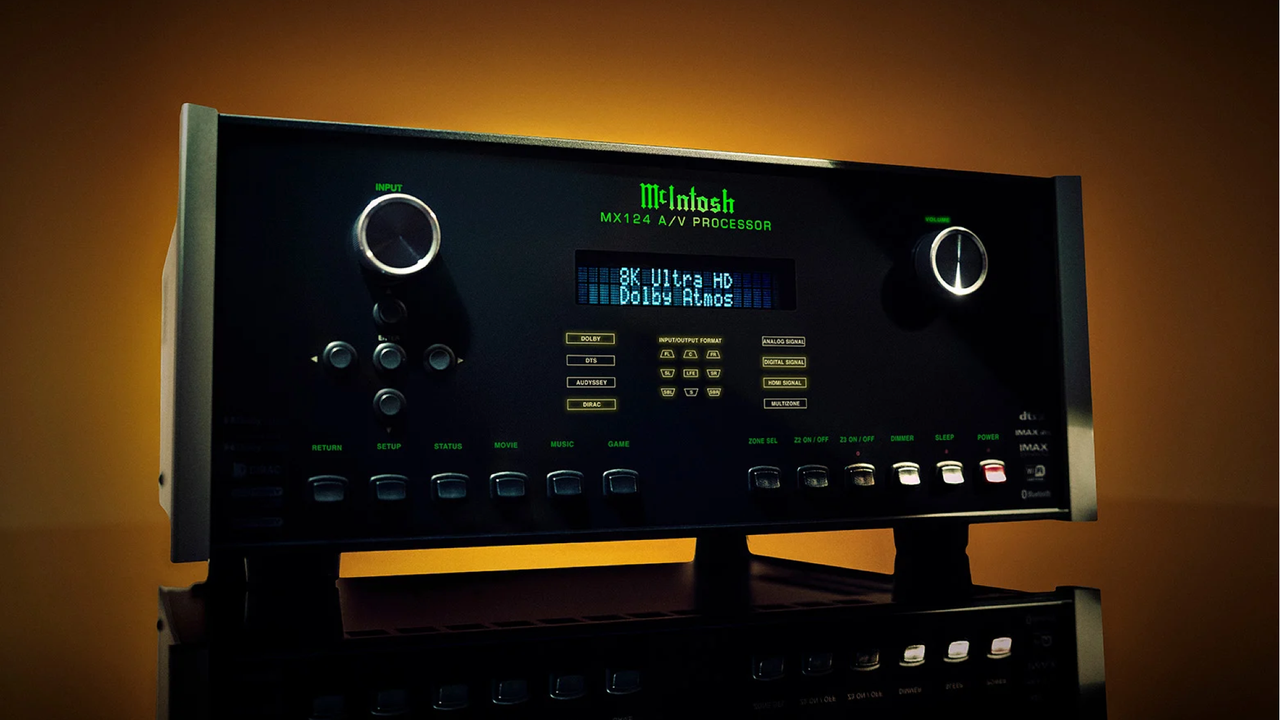
If you're looking for an AV processor so future-proof that your grandkids will want to inherit it, McIntosh Labs may have just the thing. The new MX124 A/V Processor is designed for "today's "most advanced home cinema systems" according to the company, and comes with extensive connectivity options, as you'd expect.
As you'd expect from McIntosh, it's a tough-looking thing, and to my eyes it resembles something from a 1960s recording studio or NASA control center. But while it may look a little retro on the outside, what's inside is bang up to date.
Its 13 surround channels with four inividual subwoofer outputs support speaker configurations of up to 7.4.6 or 9.4.4, and it has superb wired and wireless connectivity for your AV components.
(Image credit: McIntosh Labs)
McIntosh MX124 AV processor: key features and pricing
The McIntosh MX124 A/V Processor is designed to sit at the center of a reference-spec home theater system, handling the audio and video sources and routing the audio to the appropriate amplifiers via its balanced or unbalanced outputs.
It has seven HDMI inputs and three outputs, including one with eARC for your TV, and all the HDMI inputs support 8K at 60Hz and 4K at 120Hz. They're compatible with Dolby Vision, HDR10+, HLG and IMAX Enhanced, and they also support HDCP 2.3, Rec.2020, 4:4:4 Color Spacing, Dynamic Lip-sync, 3D Video Passthrough, ALLM, VRR and Quick Frame Transport.
There are four dedicated digital audio inputs, one balanced and eight unbalanced analog stereo inputs, component and composite video inputs, and dual analog stereo outputs to accommodate two additional listening zones.
For streaming, the MX124 supports AirPlay, Bluetooth, Qobuz Connect, Spotify Connect, Tidal Connect and Roon Ready, supporting hi-res audio streaming at up to 32-bit/192kHz.
The MX124 also features Dirac Live Room Correction and Bass Control, with licenses included for both. It can also deliver Audyssey MultEQ XT32 room calibration if that's your preferred option.
As this is a premium AV product, it's been designed with professional installation in mind, and it's certified Connects With Control4 for simple and efficient setup and pre-configuration. It features RS232 for automation control and is suitable for rack mounting.
McIntosh didn't include pricing details in its official announcement but retailers are listing the new MX124 with a price tag of $15,000 (about £11,079 / AU$21,423). And as I mentioned above, that's excluding amplification.
Try our TV size and model finder! You tell it how far you sit from your TV, we'll tell you what size to buy based on viewing angle advice from image quality experts, and we'll recommend our three top TVs at that size for different prices.
Loewe's Antares is a 4K OLED TV with triple tuner, HDMI 2.1 and 144Hz VRR
Selection of wall mounts, floor stands, rotatable table stands and speakers
From £2,500 (about $3,350 / AU$4,799)
German luxury brand Loewe has unveiled what it calls its "most individual Smart OLED TV to date," the Loewe Antares. It's a 4K TV with a modular design that enables you to personalize it to suit your particular preferences.
The Antares TV features interchangeable aluminum onlays with a range of fabric colors, and flexible setup options including a universal table stand, multiple floor stands including a motorized stand, and several wall mount options. The table stand can rotate and offers three height positions.
The TV has Loewe's Invisible Sound integrated speaker system, but you can specify it with lots of beefier options. You can add the Loewe Soundbar Antares, which is a front-firing 80W soundbar designed specifically for these TVs, and/or an optional subwoofer.
You can also specify your Antares with other Loewe audio products including the multi.room amp, Klang subwoofer, We.BOOST wireless surround sound system and the we.BOOST center speaker, though the TV itself can be the center speaker in the wireless surround system if you prefer.
(Image credit: Loewe)
Loewe Antaras: key features and pricing
Each Antares TV has a 4K OLED panel that's been "individually calibrated before leaving the factory" according to Loewe. Loewe is one of the few companies that gets raw OLED panels from LG Display and finishes the manufacturing itself, but the company confirmed that this is an OLED EX panel with Double Rate Driving technology, which suggests it's the same panel tech used in the five-star (albeit cheaper) LG C6 OLED TV, plus whatever finishing touches and calibration Loewe has added.
There's support for both Dolby Vision IQ and HDR10+ Adaptive when it comes to HDR. There's a dual-channel, triple-tuner setup with USB recording, parallel TV viewing and timeshift functionality, and the OS is a customized version of Vidaa OS, with key streaming apps, Apple AirPlay, Miracast and Matter on board.
For gamers there's HDMI 2.1 support, with 144Hz VRR at 4K, and a dedicated low-latency gaming mode. There are multiple sizes here, from the compact 42-inch to the range-topping 77-inch.
As you'd expect from Loewe these are premium priced TVs. Prices start at £2,500 (about $3,350 / AU$4,799) and rise to £4,000 (about $5,370 / AU$7,675). The Loewe Antares soundbar is £300 (about $400 / AU$575).
At the moment this is a UK-only release, though Loewe told TechRadar that a US launch is being considered, but isn't confirmed yet.
Thinking of buying a new TV?
Try our TV size and model finder! You tell it how far you sit from your TV, we'll tell you what size to buy based on viewing angle advice from image quality experts, and we'll recommend our three top TVs at that size for different prices.
We're nearing the end of the World Cup 2026 group stages, and things are hotting up — both metaphorically and literally. A temperatures in my living room soar, I've decided it's time to take my game viewing outside, where I can enjoy the action with the cool evening breeze on my face.
For that, I need a projector — and now's a really good time to buy one. We're in the middle of the Amazon Prime Day sale (with retailers like Currys, AO and Very running rival deals events), so there are plenty of discounts to be had if you know where to look.
Below, I've rounded up the best projector deals I've spotted, including the ones I'm deciding between for my own al fresco watch parties. I've stuck to sub-£450 buys here, which means they're more basic options, and most are compact and portable, too. If you're looking for something higher-end that will be more of a permanent fixture, head to our best projector guide for our top picks.
Xgimi's range is worth checking out in particular, as are Anker's Nebula projectors. We haven't reviewed these specific models, but we have tested similar products from those brands, and been impressed. Our Anker Nebula Mars 3 is the larger and higher-specced sibling of the Mars 3 Air Mini featured below, for instance, and scored four stars in our review. We called the Xgimi Mogo 3 "a strong contender for the portable projector crown", too — and its successor is included in my deals roundup.
Scroll down for more excellent deals, and happy watching...
It's Blu-ray's 20th anniversary, which gave me an excuse to lock myself in a room for a work day with 4 discs released in 2026 that I missed testing previously.
In his rethinking of Jean Genet’s classic work about class and power, Kip Williams ponders “a world that gives you every opportunity not to be yourself.”

 Login