❌

Reading view

Telegram Temporarily Removed for CSAM

Hartley Charlton (The Verge):

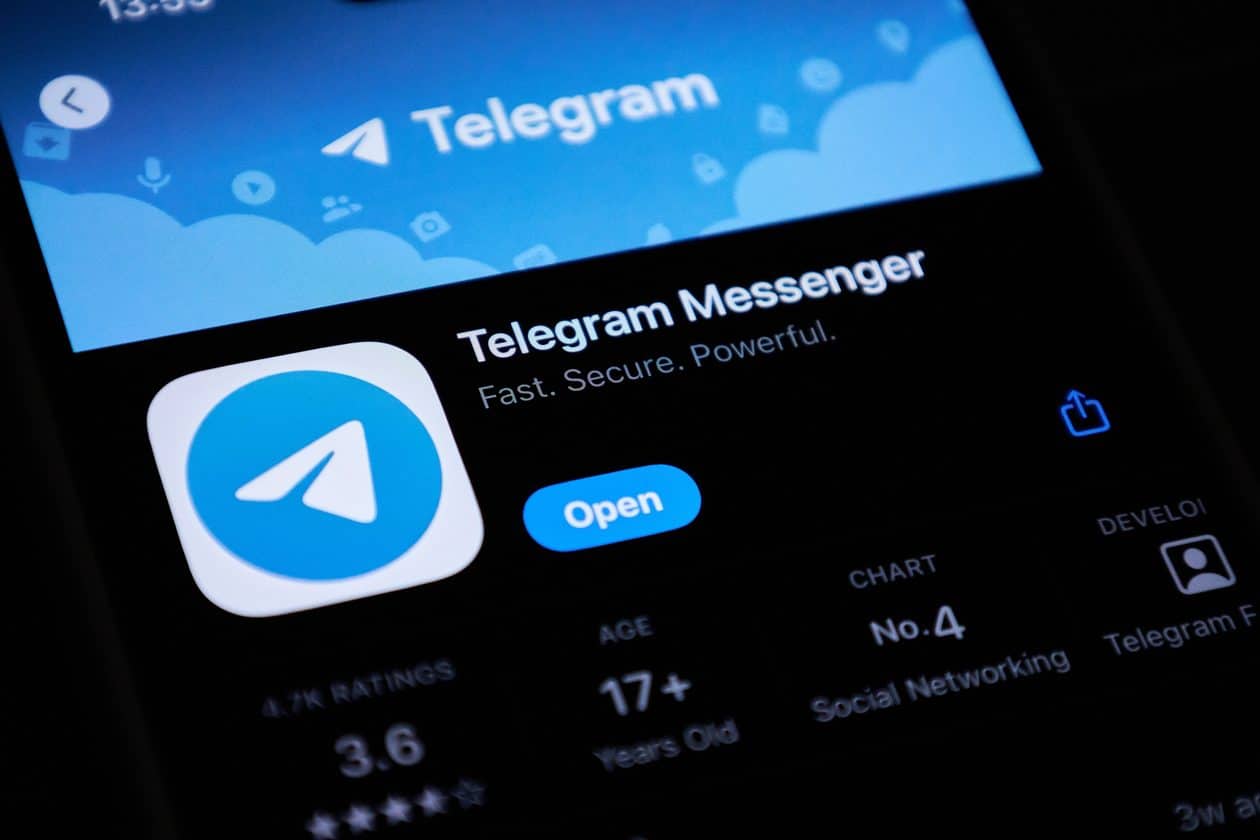
Apple briefly removed Telegram from the App Store on Monday night after a review found content that violated its guidelines against child sexual abuse material (CSAM), but restored the app a short while later, according to Reuters.

It seems like this was a symbolic gesture. Removing the app didn’t affect any of the customers who had already downloaded it. Probably none of them saw the image. And restoring the app doesn’t mean that it’s completely free from CSAM—probably none of the major platforms is. It just means that Telegram did the obvious thing after the violation was reported, which presumably they would have done, anyway.

Jeff Johnson:

They removed an entire app for ONE app user???

And before even contacting the developer? Telegram banning the account is what actually prevented users from potentially seeing the CSAM. Apple’s action seems like either a mistake or trying to send them a message.

I would note, by the way, that the Telegram app was apparently never removed from the Mac App Store. Which goes to show how little Apple cares about the Mac App Store.

Telegram:

I’m sure this stance will be applied equally to all other apps in the store, in the future right? @Apple

Pavel Durov (Telegram, MacRumors):

Because Telegram quickly removes illegal content from public groups using all kinds of moderation tools, the attacker had to resort to a technical trick. He inserted AI-modified illegal content by editing an old message in an active group chat. As a result the content was effectively hidden from the group’s members, preventing them from seeing/reporting it.

The attacker was a takedown extortionist: someone who demands ransom from group owners in exchange for not targeting their communities. These extortionists use automated accounts to plant illegal content in public groups and then report it directly to Apple, attempting to trigger the removal of legitimate communities whose owners refused to pay them.

[…]

Extortionists have found a way to manipulate Apple into overreacting. Apple removed Telegram from the App Store before contacting us. This creates a potential systemic risk for every mobile app that hosts user-generated content. If an app used by more than a billion people can be removed from the App Store without prior warning, any app can be.

Marcus Mendes:

During the time the app was unavailable, many speculated that the move was politically motivated, or perhaps in response to the recent discovery that Telegram has allegedly been using an obfuscated private UIKit API to animate its emoji picker.

It’s sad but kind of hilarious that both of these so disparate theories were considered possible. Durov really does have political enemies, and Apple really does seem to have it out for Telegram. But, also, using private API to animate emojis totally seems like something that Telegram would do and that Apple would overreact to.

Previously:

Update (2026-08-06): Matt Burgess (Hacker News):

Over the last nine months, Mark Zuckerberg’s Meta has run dozens of paid ads that include explicit AI-generated child sexual abuse material (CSAM) and images of minors alongside sexually suggestive statements, according to details of the ads shared with WIRED. The ads, which in some cases reached several thousand accounts, were targeted at people living in the United States, United Kingdom, and more than a dozen European countries.

This is much worse than what happened with Telegram, yet Apple didn’t overreact.

There’s also the Twitter/Grok case.

Previously:

  •  

Telegram CEO accuses ‘takedown extortionist’ of manipulating Apple into brief App Store removal

Apple App Store

Apple briefly removed Telegram from its App Store late on Monday after detecting child sexual abuse material (CSAM) in a public group. The messaging app was restored within about 40 minutes once Telegram deleted the content and banned the responsible user. Telegram CEO Pavel Durov later described the incident as the work of a “takedown extortionist” who deliberately planted AI-modified illegal content to trigger the removal and pressure online communities.

According to Durov’s statement on X (see below), the attacker edited an old message in an active public group chat to insert the prohibited material. Because the edit was backdated, the content remained effectively invisible to ordinary group members, limiting their ability to report it through normal channels and helping it evade some of Telegram’s automated moderation tools. The perpetrator then reportedly flagged the material directly to Apple.

Durov characterized the actor as a takedown extortionist—someone who demands payment from group owners in exchange for not targeting their communities. These operators, he said, rely on automated accounts to seed illegal material in public groups and then report it to platform gatekeepers such as Apple in an effort to force the removal of legitimate communities whose administrators refuse to pay.

“From a practical standpoint, illegal pornographic content in Telegram’s public groups is not a systemic problem,” Durov wrote. “Our moderation is effective. The fact that attackers must resort to backdated, effectively invisible content and other technical tricks proves this.” He emphasized that Telegram routinely removes illegal material from public groups using a range of moderation tools.

Apple confirmed that a content review had identified CSAM that violated App Store guidelines. The company stated that Telegram “promptly removed the content and banned the user,” after which the app was returned to the store. Apple has not publicly addressed Durov’s claim that an extortionist manipulated the process. Durov noted that Apple pulled Telegram before contacting the company.

Durov framed the episode as a warning for other developers. “Extortionists have found a way to manipulate Apple into overreacting,” he said. “This creates a potential systemic risk for every mobile app that hosts user-generated content. If an app used by more than a billion people can be removed from the App Store without prior warning, any app can be.” He also cautioned that the tactics used by such coordinated reporting groups are evolving and that other platforms may be less prepared to identify and counter them.

The incident underscores ongoing tensions between large platforms that host user-generated content, the moderation challenges they face, and the policies of mobile app marketplaces that can unilaterally restrict distribution. Telegram continues to operate normally on iOS following the short-lived removal.

Pavel Durov via X:
‎

Last night Apple briefly removed Telegram from the AppStore because a user had planted illegal porn in a public chat.

Telegram was restored within hours. But I want to explain what happened — to warn other app developers and help protect online communities from similar attacks.

Because Telegram quickly removes illegal content from public groups using all kinds of moderation tools, the attacker had to resort to a technical trick. He inserted AI-modified illegal content by editing an old message in an active group chat. As a result the content was effectively hidden from the group’s members, preventing them from seeing/reporting it.

The attacker was a takedown extortionist: someone who demands ransom from group owners in exchange for not targeting their communities. These extortionists use automated accounts to plant illegal content in public groups and then report it directly to Apple, attempting to trigger the removal of legitimate communities whose owners refused to pay them.

From a practical standpoint, illegal pornographic content in Telegram’s public groups is not a systemic problem. Our moderation is effective. The fact that attackers must resort to backdated, effectively invisible content and other technical tricks proves this.

⚠ However, there are two important lessons here for app developers and online communities:

— Extortionists have found a way to manipulate Apple into overreacting. Apple removed Telegram from the App Store before contacting us. This creates a potential systemic risk for every mobile app that hosts user-generated content. If an app used by more than a billion people can be removed from the App Store without prior warning, any app can be.

— The tactics used by takedown extortionists are evolving, putting communities across social platforms at risk. Telegram has extensive experience identifying the tricks used by coordinated reporting gangs and protecting legitimate communities (even when doing so risks our own app being temporarily removed from the App Store). Other platforms may not be equally prepared.

Stay vigilant! ☝

‎
MacDailyNews Take: Apple’s App Store really is one of history’s most profitable cans of worms.

It’s an astonishing money machine: the broader App Store ecosystem facilitated over $1.4 trillion in developer billings and sales in 2025 alone. Physical goods and services (retail, food delivery, travel, etc.) made up the bulk (~$1.1 trillion), where Apple takes no commission. Digital goods and services accounted for about $149 billion, and in-app advertising another $151 billion. On the digital slice Apple typically charges 15–30%, generating many billions in high-margin revenue that helps power its Services business.

Yet the same walld garden that produces those results is a perpetual source of headaches. Apple’s near-total control over iOS distribution and payments has fueled years of antitrust battles — Epic Games, the U.S. DOJ, EU Digital Markets Act enforcement, court findings of non-compliance, and ongoing developer lawsuits. Critics call the commission the “Apple Tax,” complain about arbitrary review decisions, limited sideloading or alternative stores (outside certain regulated markets), and the risk that a single content flag can yank a major app offline without warning.

The recent Telegram episode fits the pattern perfectly. A brief App Store removal triggered by planted illegal content (which Telegram says was the work of a takedown extortionist) showed how Apple’s gatekeeper power can be gamed or lead to rapid, high-stakes reactions.


‎
Please help support MacDailyNews — and enjoy subscriber-only articles, comments, chat, and more — by subscribing to our Substack: macdailynews.substack.com. Thank you!

Support MacDailyNews at no extra cost to you by using this link to shop at Amazon.

The post Telegram CEO accuses ‘takedown extortionist’ of manipulating Apple into brief App Store removal appeared first on MacDailyNews.

  •  

Telegram é removido temporariamente da App Store por conteúdo ilegal [atualizado]

Usuários do Telegram notaram ontem que o aplicativo do mensageiro para iOS ficou indisponível na App Store por um breve período, o que deixou muita gente confusa.

Contatada pela Reuters, a Apple explicou que tirou o mensageiro do ar após um usuário ter reportado a presença de “material de abuso sexual infantil” na plataforma, o que obviamente vai contra as regras da sua loja.

Ainda segundo a gigante de Cupertino, a página do Telegram foi restaurada depois que a equipe do mensageiro removeu o conteúdo supracitado e baniu o usuário responsável pela publicação.

Em resposta, o mensageiro disse que possui uma política de “tolerância zero” contra esse tipo de conteúdo, além de ter bloqueado mais de 338.000 grupos e canais com material ilegal ao longo do último ano.

Ainda assim, a equipe do app ironizou a decisão da Apple nas redes sociais, dando a entender que a companhia não aplica o mesmo tratamento a outros apps. Ela também aproveitou a situação para divulgar uma página com dados sobre a moderação de conteúdo na plataforma:

I'm sure this stance will be applied equally to all other apps in the store, in the future right? @Apple

(btw: https://t.co/ZRYqIGaxVH)

— Telegram Messenger (@telegram) August 4, 2026
Tenho certeza de que essa postura será aplicada igualmente a todos os outros aplicativos da loja no futuro, certo? @Apple

(Aliás: telegram.org/safety#csam-gr…)

Outra pessoa a ir às redes sociais para comentar esse pequeno imbróglio foi o CEO 1Chief executive officer, ou diretor executivo. da Epic Games, Tim Sweeney, que criticou a falta de transparência na tomada de decisão da Apple, além de classificá-la como “arbitrária”. Em guerra com a fabricante do iPhone há alguns anos por conta das regras da App Store, ele aproveitou a situação para dizer que a loja da Maçã “precisa desesperadamente de concorrência”:

Such arbitrary policy enforcement, by a monopoly gatekeeper, creates a perfect storm of fear and acquiescence by developers who are victims of Apple’s monopoly. Speak up and criticize their gatekeeping and maybe they’ll enforce the rules one way rather than the other way.

— Tim Sweeney (@TimSweeneyEpic) August 4, 2026
A App Store da Apple precisa desesperadamente de concorrência global. A Apple remove arbitrariamente uma ferramenta vital de comunicação e privacidade, tornando-a inacessível a bilhões de usuários, e infelizmente isso é considerado normal.

A Apple declarou que removeu o aplicativo para um bilhão de pessoas porque um usuário do Telegram publicou algo horrível e ilegal. A empresa não explicou como, se esse é o padrão para remoção de aplicativos, qualquer aplicativo de comunicação, incluindo o iMessage, poderia operar em larga escala.

Essa aplicação arbitrária de políticas, por parte de um monopólio, cria a tempestade perfeita de medo e aquiescência por parte dos desenvolvedores, que são vítimas do monopólio da Apple. Manifeste-se e critique essa postura de controle, e talvez eles passem a aplicar as regras de uma forma, em vez de outra.

Questionada sobre os comentários de Sweeney, a Apple preferiu não emitir uma resposta.

Atualização 04/08/2026 às 13:10

O chefão do Telegram, Pavel Durov, finalmente se pronunciou sobre a remoção do seu app da App Store por meio de uma mensagem no seu canal pessoal.

Segundo ele, todo esse imbróglio foi provocado por um único usuário mal intencionado, que plantou conteúdo impróprio modificado por inteligência artificial (IA) em um grupo público na plataforma. Para tal, essa pessoa editou uma mensagem antiga na conversa, o que acabou fazendo com que ela passasse despercebida pelos administradores do grupo.

Ainda de acordo com Durov, esse usuário era um extorsionista — ou seja, uma pessoa que usa “contas automatizadas para plantar conteúdo ilegal em grupos públicos e depois denunciá-lo diretamente à Apple, tentando provocar a remoção de comunidades legítimas” cujos donos se recusaram a pagar o resgate.

O executivo também garantiu que a presença de conteúdo desse tipo na plataforma não representa um problema sistêmico e que sua equipe de moderação é efetiva, além de ter criticado a Apple por ter removido o app de sua loja sem contatar o Telegram primeiro. “Se um aplicativo usado por mais de 1 bilhão de pessoas pode ser removido da App Store sem aviso prévio, qualquer aplicativo pode ser”, comentou.

Notas de rodapé

  • 1
    Chief executive officer, ou diretor executivo.

  •  

WhatsApp agora permite iniciar conversas só com o nome de usuário

Após três meses em fase de testes, o recurso de nome de usuário do WhatsApp finalmente parece estar funcionando entre os usuários que já haviam reservado seu username, ampliando a disponibilidade da funcionalidade.

Aos que efetuaram a reserva, o WhatsApp começou a exibir um banner no topo da lista de conversas, informando que ele já está ativo e explicando que agora ele pode ser compartilhado com outras pessoas. Caso você queira verificar o nome de usuário de algum dos seus contatos, basta abrir a conversa com ele para conferi-lo.

Exibição de notificação sobre nome de usuário no WhatsApp
Imagem: WABetaInfo

De acordo com o WABetaInfo, o recurso está sendo liberado de forma gradual para quem já reservou um nome de usuário. Se esse for o seu caso, basta tocar no botão de adicionar (na aba Conversas) para abrir a lista de contatos, e em seguida, digitar o nome de usuário na barra de pesquisa.

Vale lembrar que isso não afetará a visualização dos números de telefone nos contatos com os quais você já iniciou uma conversa anteriormente. Nos moldes de rivais como o Telegram, os nomes de usuário apenas introduzem uma nova opção de acionar um determinado contato, alterando a primeira interação dos usuários, já que o número de telefone deixa de ser a única forma de iniciar uma conversa.

O WhatsApp está liberando o recurso completo de nomes de usuário para “uma fração muito limitada da sua base instalada no iOS e Android”, incluindo tanto versões betas quanto estáveis do aplicativo.

  •  
❌