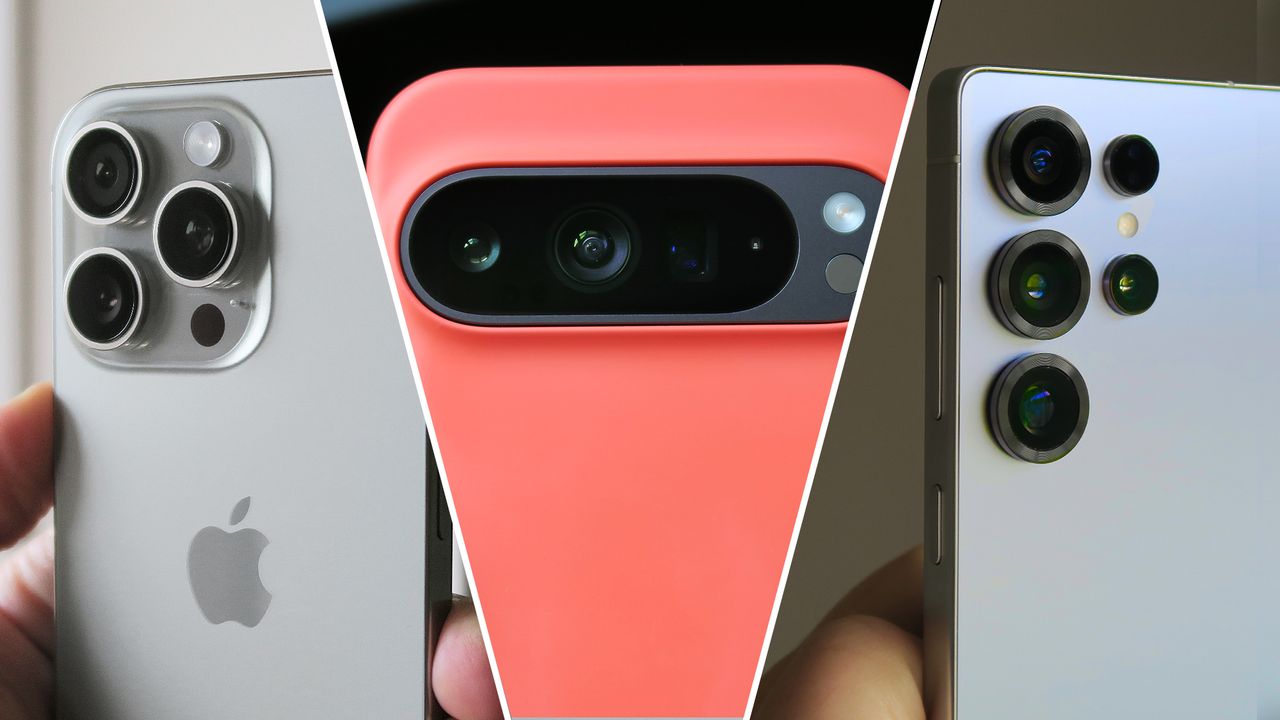
While they may be some of the most exciting phone launches in recent memory — and it’s great that the foldable iPhone has finally seen the light of day — the biggest takeaway, is that every single new handset is more expensive than ever.This is clearly indicative of the ongoing RAM and storage shortages — even older phones have quietly received price hikes — and will likely make the latest smartphone releases too expensive for many consumers.
Featuring a Qualcomm Snapdragon 8 Elite Gen 5 chipset, 12GB of RAM, four rear cameras and a new built-in Privacy Display screen, there’s a lot to love with the Samsung Galaxy S26 Ultra, and it can easily hold up for years to come, especially with up to 7 years of Android updates and security support.
I especially loved the Privacy Display screen, which marked a major hardware innovation amid a sea of similar-looking phones in 2026. Super Steady Horizontal Lock for shooting video makes the S26 Ultra great for action shots (and a neat party trick, too!), while the included S Pen stylus remains a nice bonus that most handsets don’t offer.
One great plus of buying the Galaxy S26 Ultra now is the stable release of One UI 9, which is built on Android 17 and features a redesigned quick settings menu, customisable Control Centre, My FanCam and improved multitasking controls.
Personally, you really can’t go wrong with the Samsung Galaxy S26 Ultra if you’re prioritising raw power and smarts in an Android phone, and this discount makes the handset a great pick during a time of component shortages.
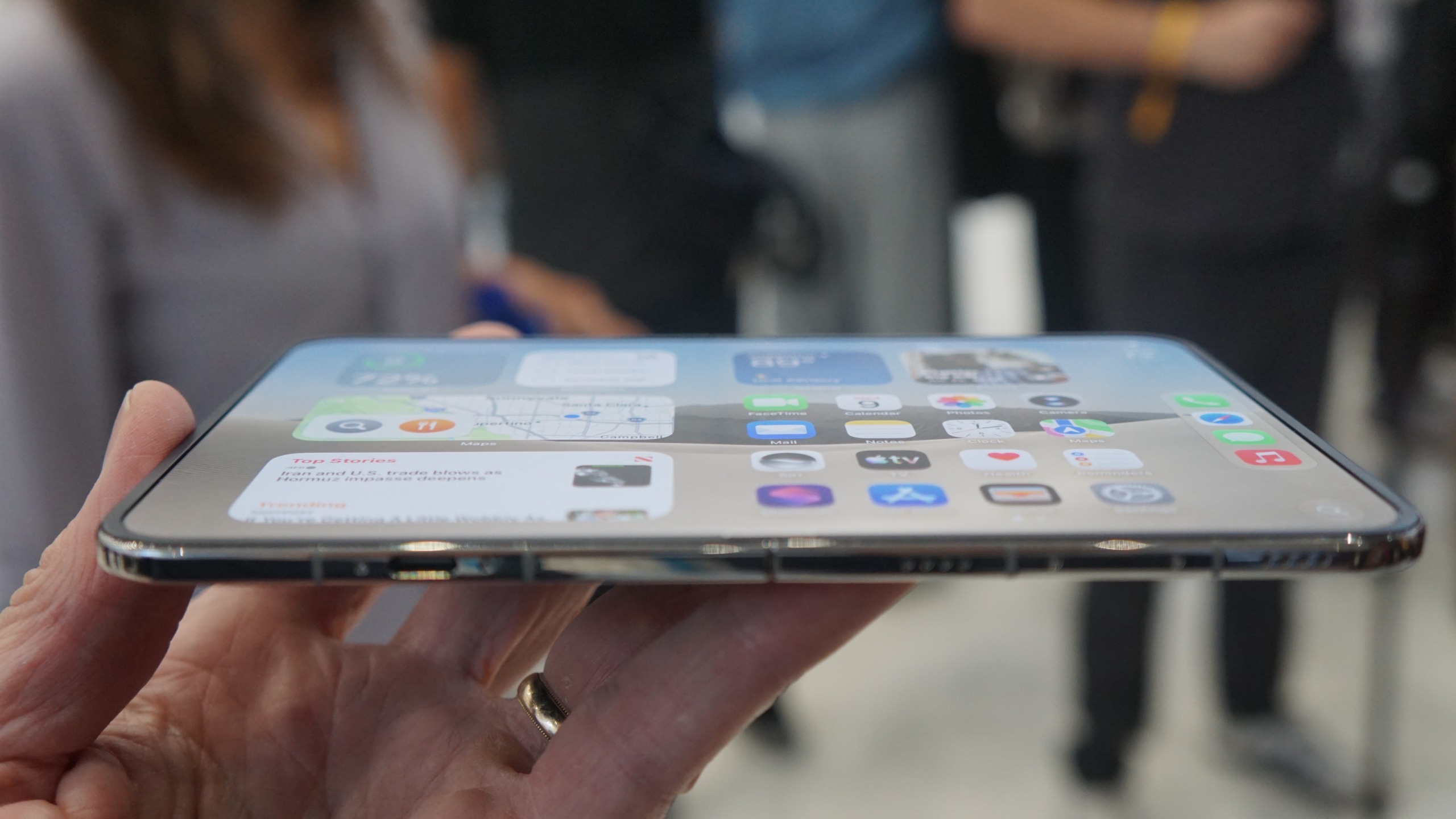
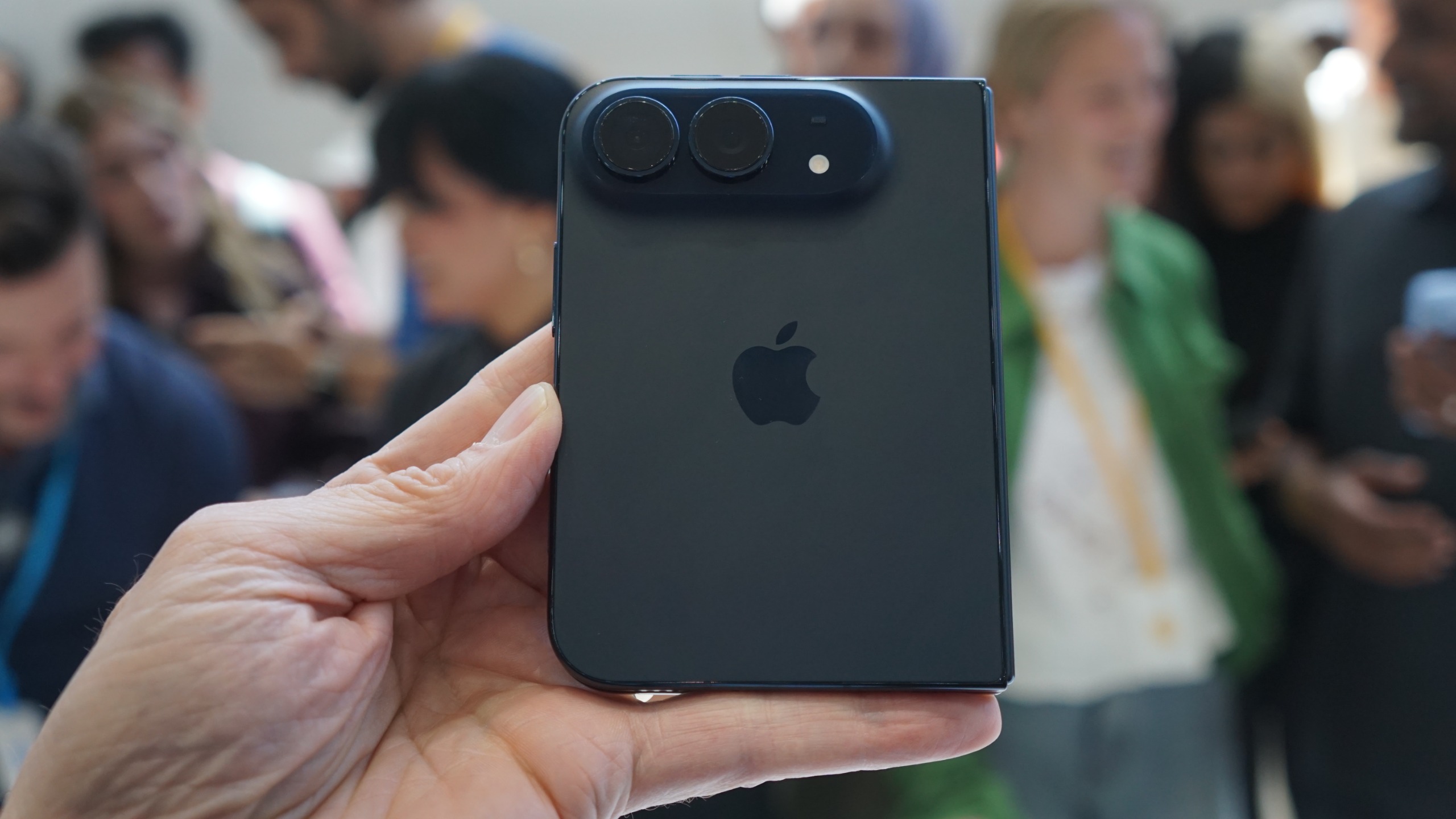
It took years, but Apple finally gave the world its first foldable phone — the iPhone Duo — at its Surprise and Shine event earlier this week. The Duo steps into a busy foldables market, with one particular model primed to give it a run for its money: the Samsung Galaxy Z Fold 8.
The Z Fold 8 is the latest in a long line of Galaxy foldables, and Apple's first foldable bears a number of similarities to Samsung's passport-shaped device. But for anyone considering investing in either the Z Fold 8 or iPhone Duo, there are a number of key differences to be aware of.
There’s still a month to go until iPhone Duo preorders open, and even longer until the device begins shipping (October 23). But still, there’s no time like the present to check out seven major areas in which the iPhone Duo and the Galaxy Z Fold 8 differ.
A dollar disparity
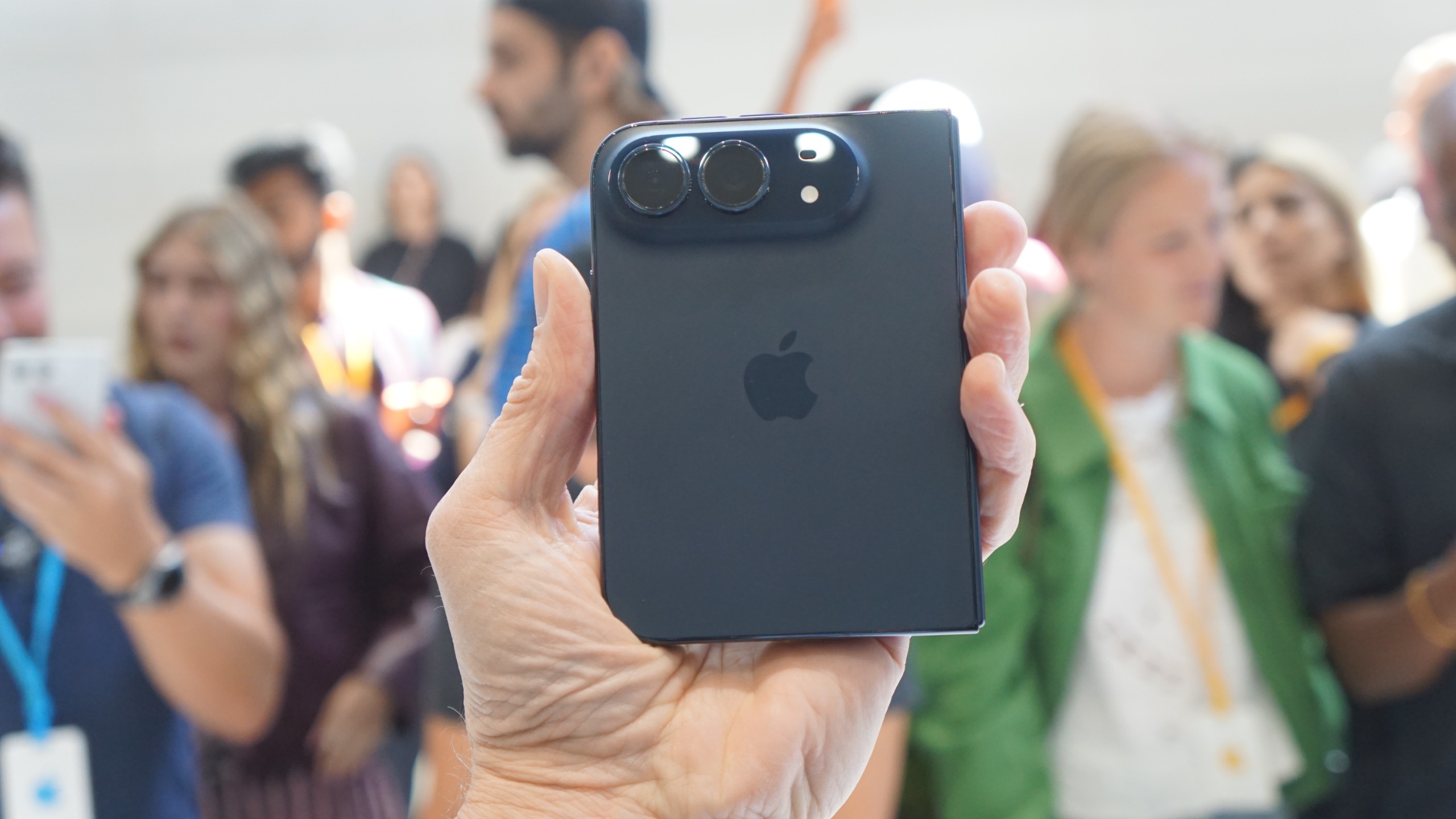
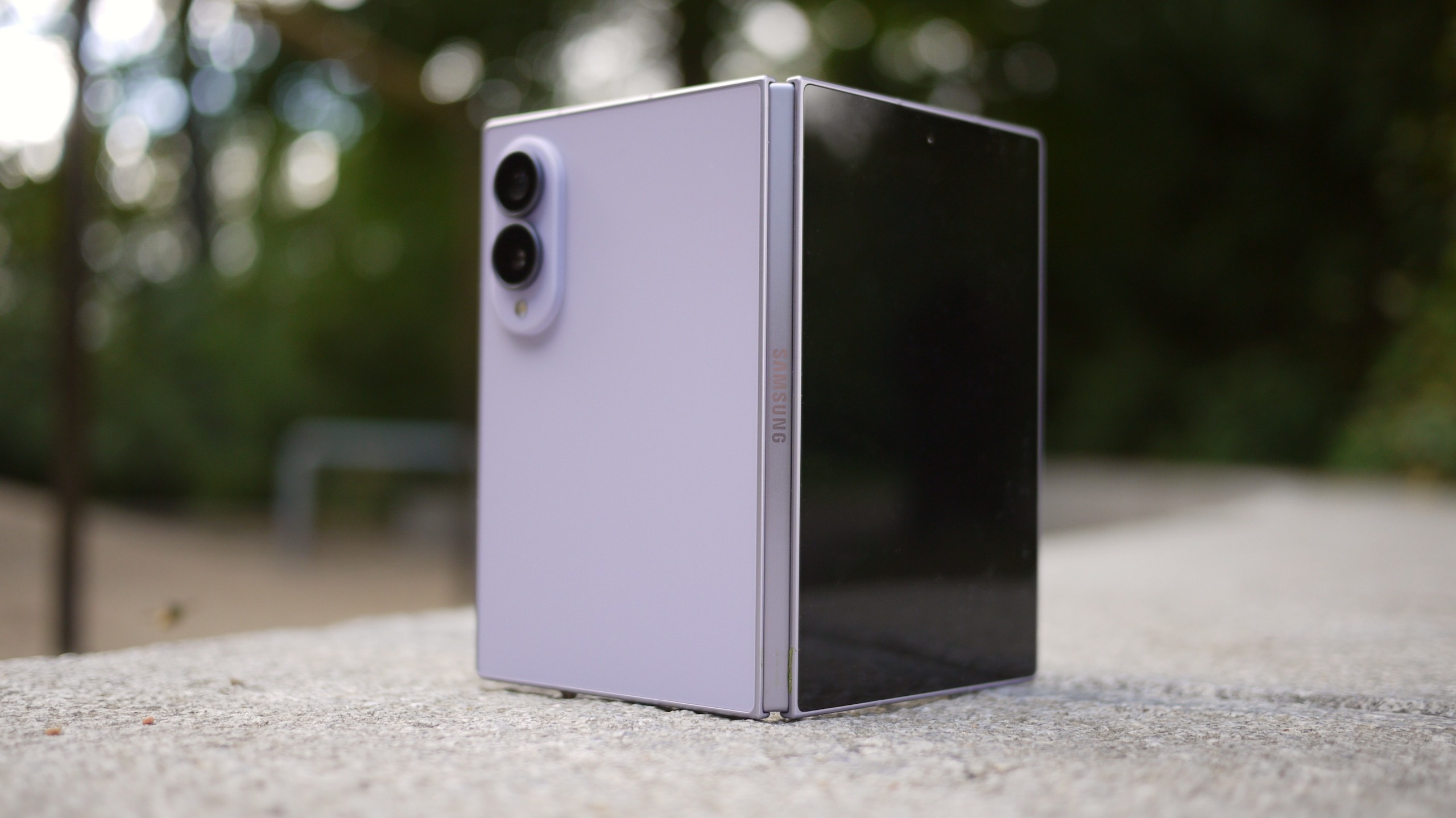
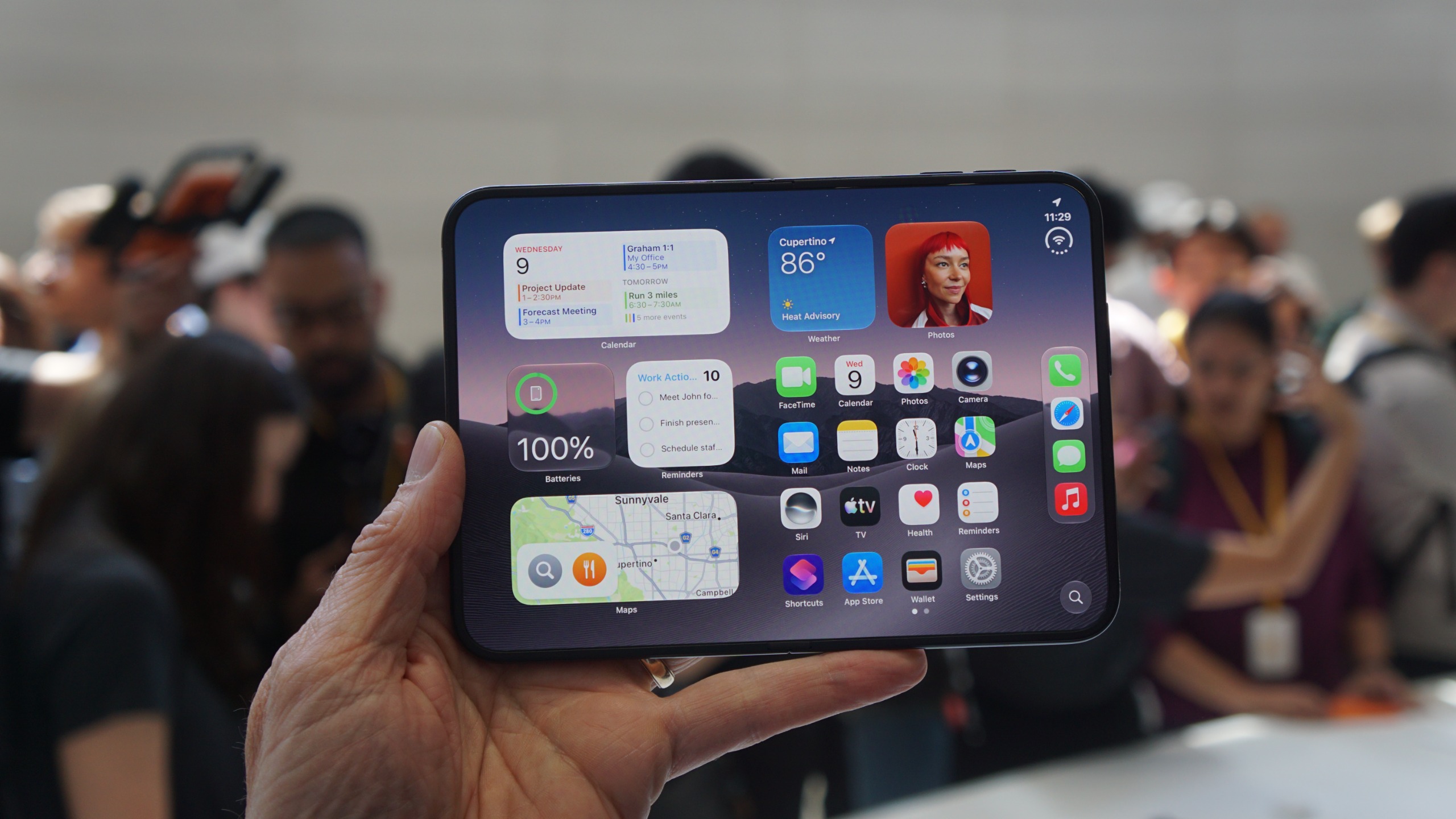
The iPhone DuoLance Ulanoff / FutureSamsung Galaxy Z Fold 8Peter Hoffmann
The first notable difference between the iPhone Duo and Galaxy Z Fold 8 is how much they cost.
The iPhone Duo retails for $1,999 /£1,999 / AU$3,499, which is significantly more than the Galaxy Z Fold 8's $1,899 / £1,699 / AU$2,699 (at least in certain regions), with both phones starting with the same 256GB of storage. If you want the best deal on a wide foldable, Samsung has the clear advantage.
Diverging displays
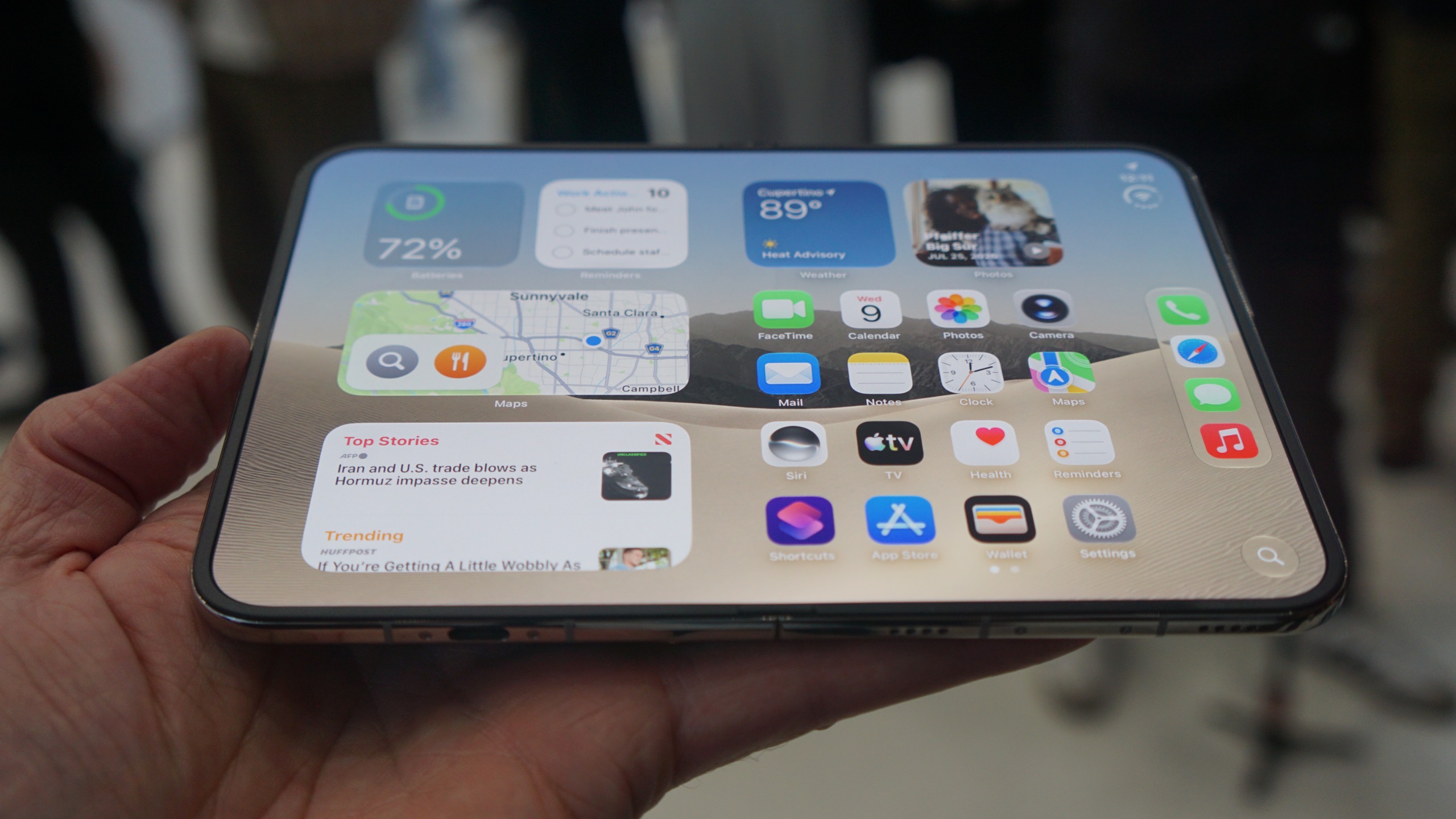
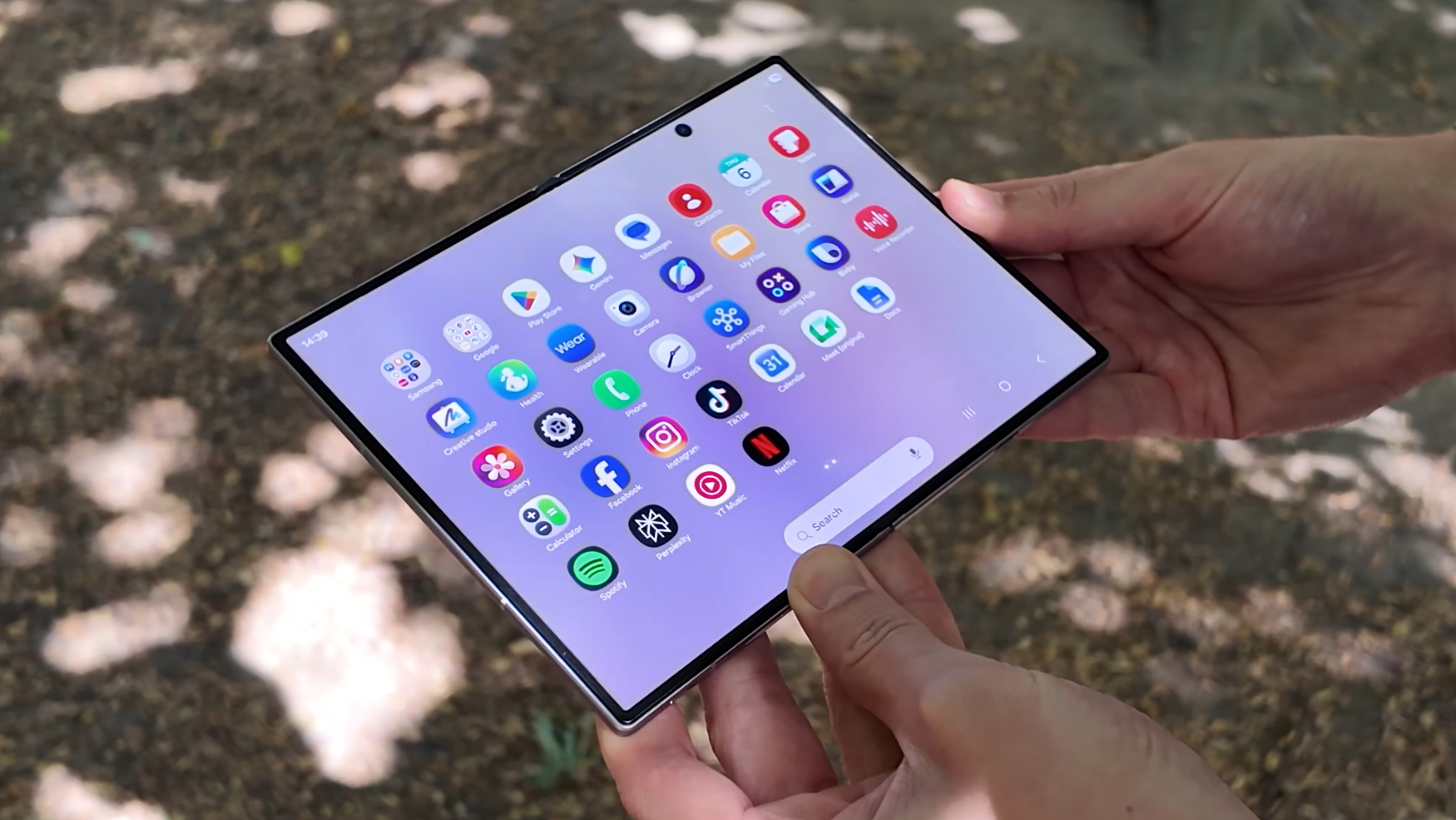
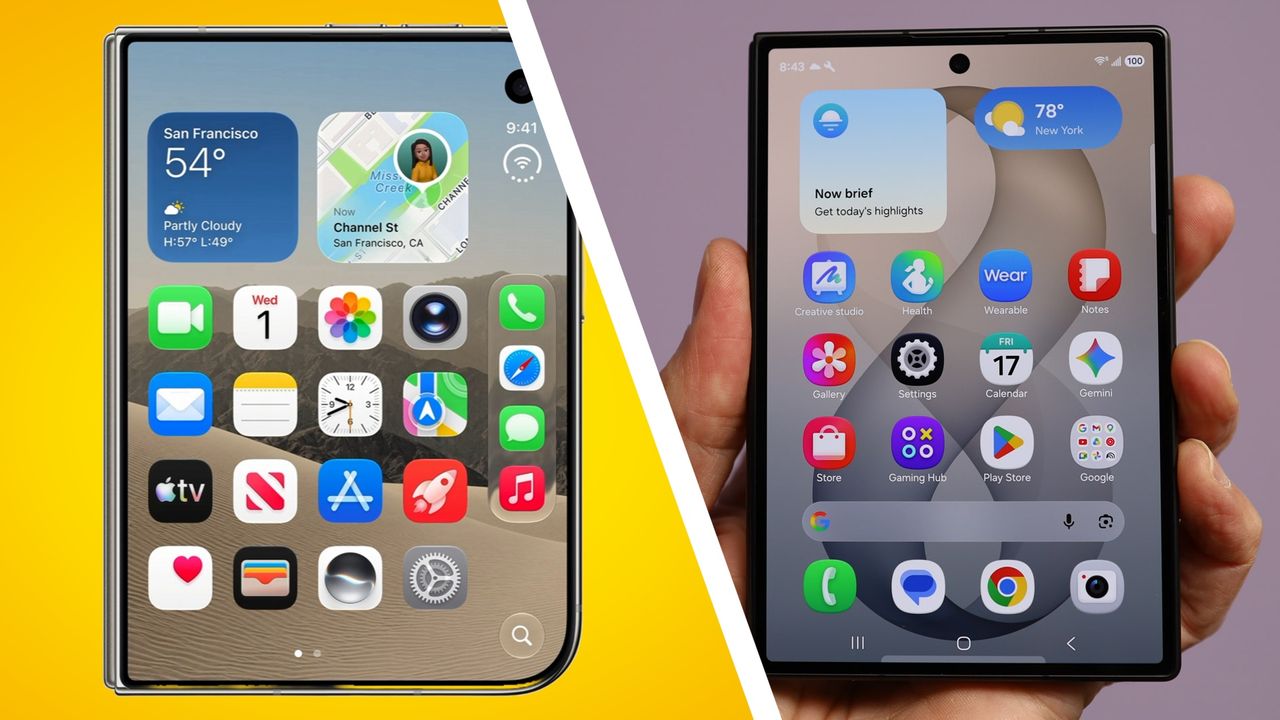
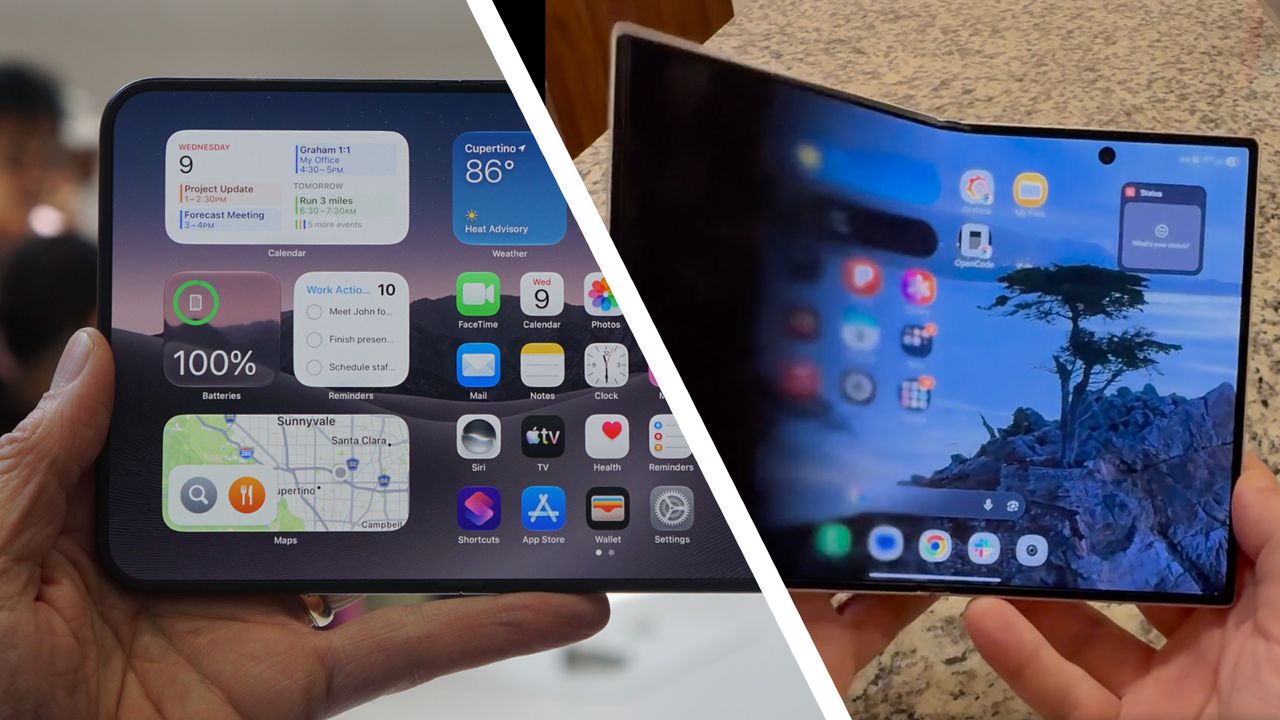
The iPhone DuoLance Ulanoff / FutureSamsung Galaxy Z Fold 8Future
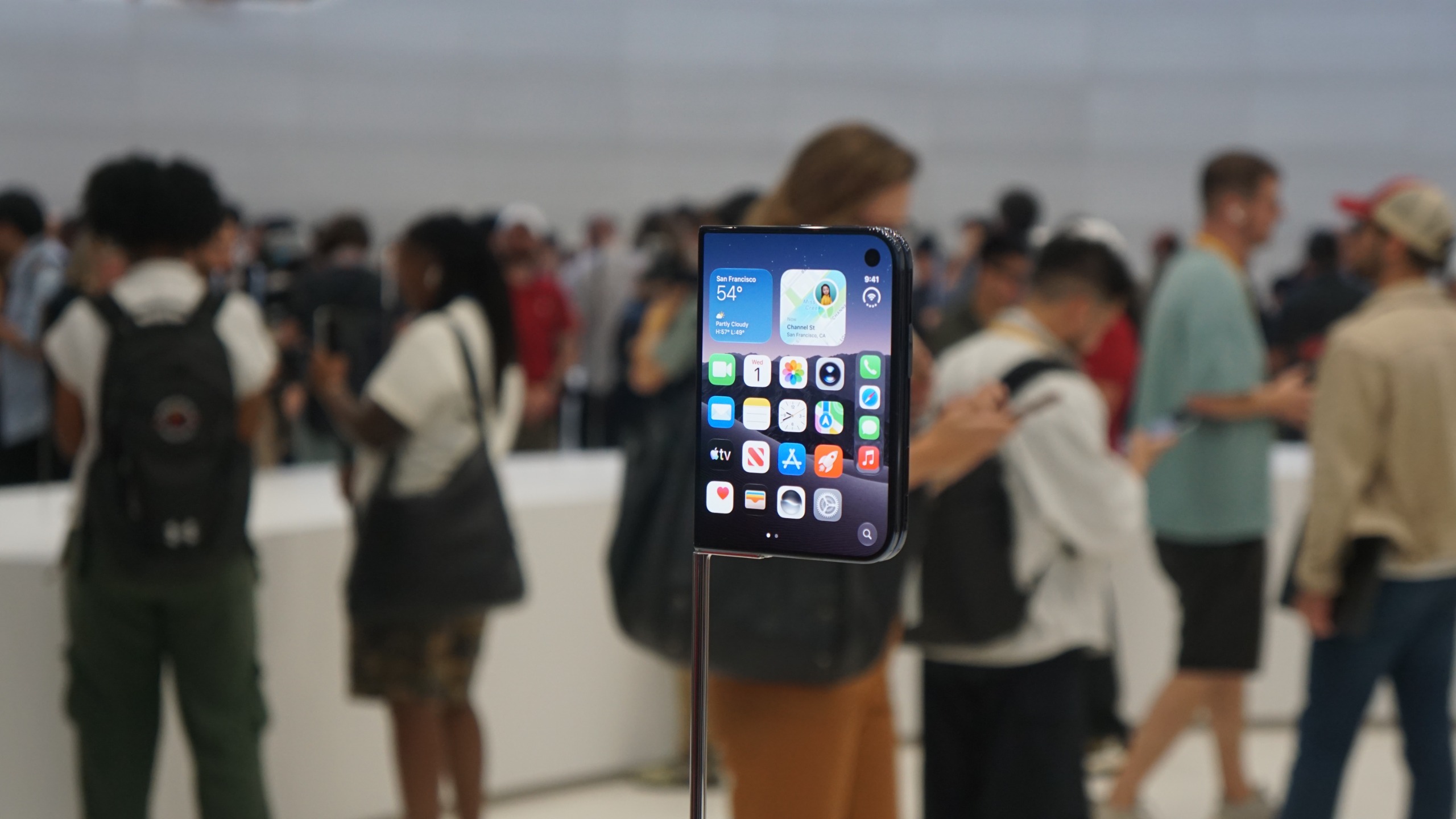
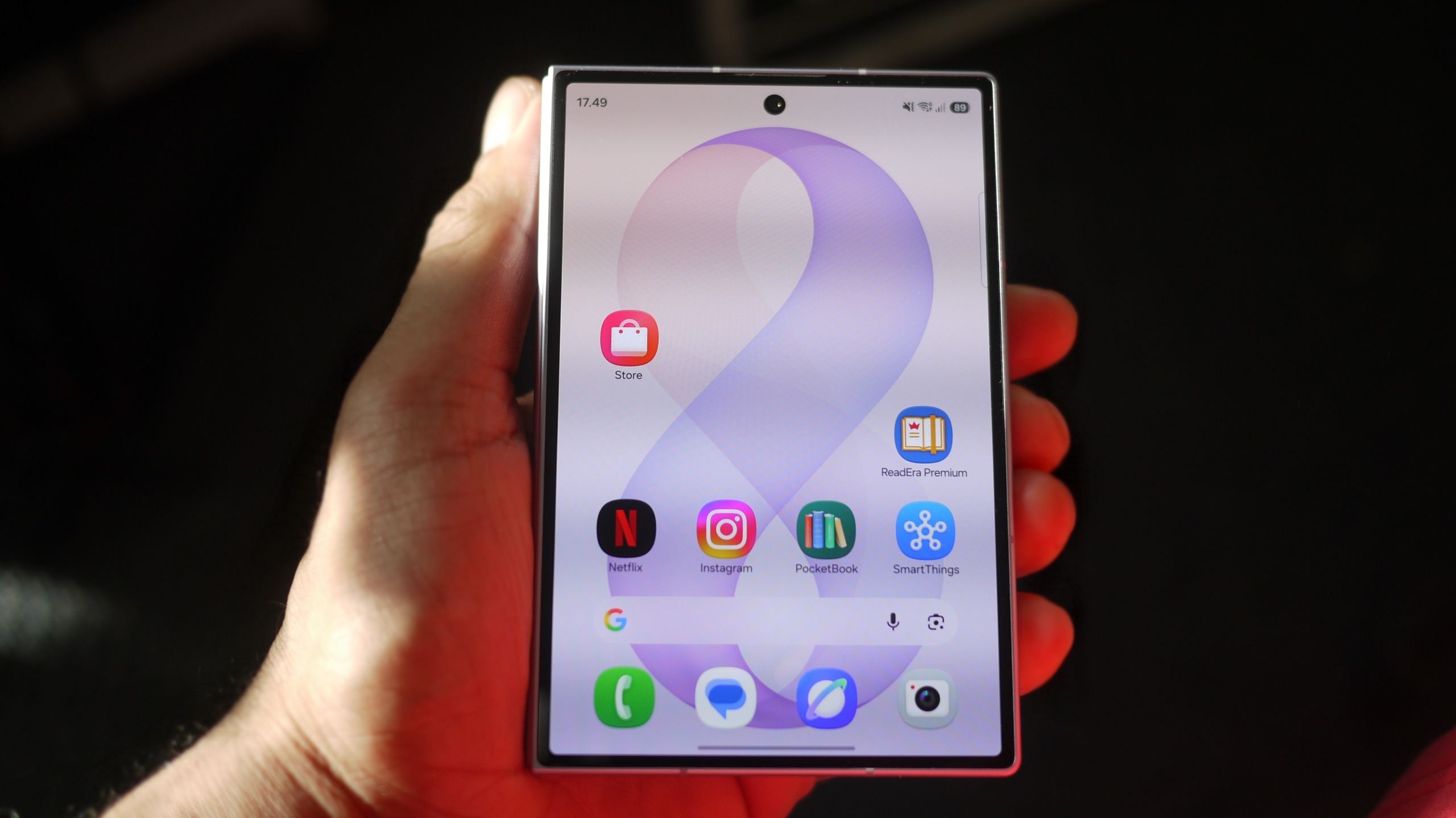
Both Samsung and Apple have gone for roughly the same shapes for their respective foldable displays, but with a small size difference. The iPhone Duo uses a 7.6-inch main inner display and a 5.4-inch outer display. The Galaxy Z Fold 8’s inner display also measures 7.6 inches across, but its outer screen is marginally larger at 5.5 inches.
There’s also an interesting split in how Samsung and Apple have treated the material in their phones' screens. The iPhone Duo uses a matte-like nano-texture display instead of a glossier, anti-glare coating like the Galaxy Z Fold 8. Both materials serve the same purpose — to make the screen easier to read under bright light. But which one is better remains to be seen at this point.
Apple has also given the iPhone Duo stylus support on both displays, via the Apple Pencil USB-C. Samsung used to offer stylus support on its foldables, but unfortunately for wannabe doodlers, the Galaxy Z Fold 8 does not work with any of Samsung’s S Pens.
Different designs and mismatching materials
The iPhone DuoLance Ulanoff / FutureSamsung Galaxy Z Fold 8Richard Priday / TechRadar
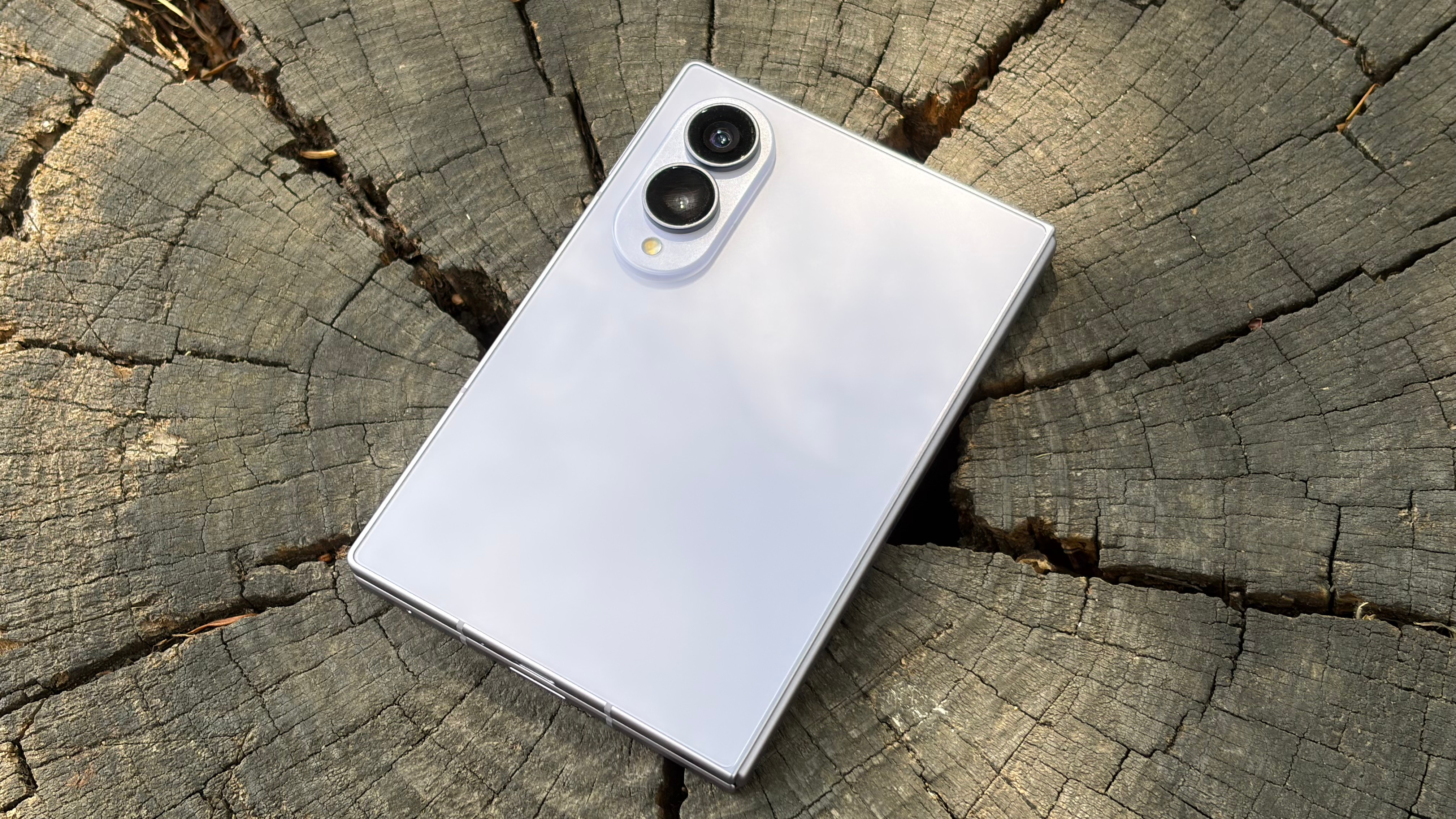
Despite their similar passport shapes, the iPhone Duo and Galaxy Z Fold 8 do differ quite significantly in terms of design.
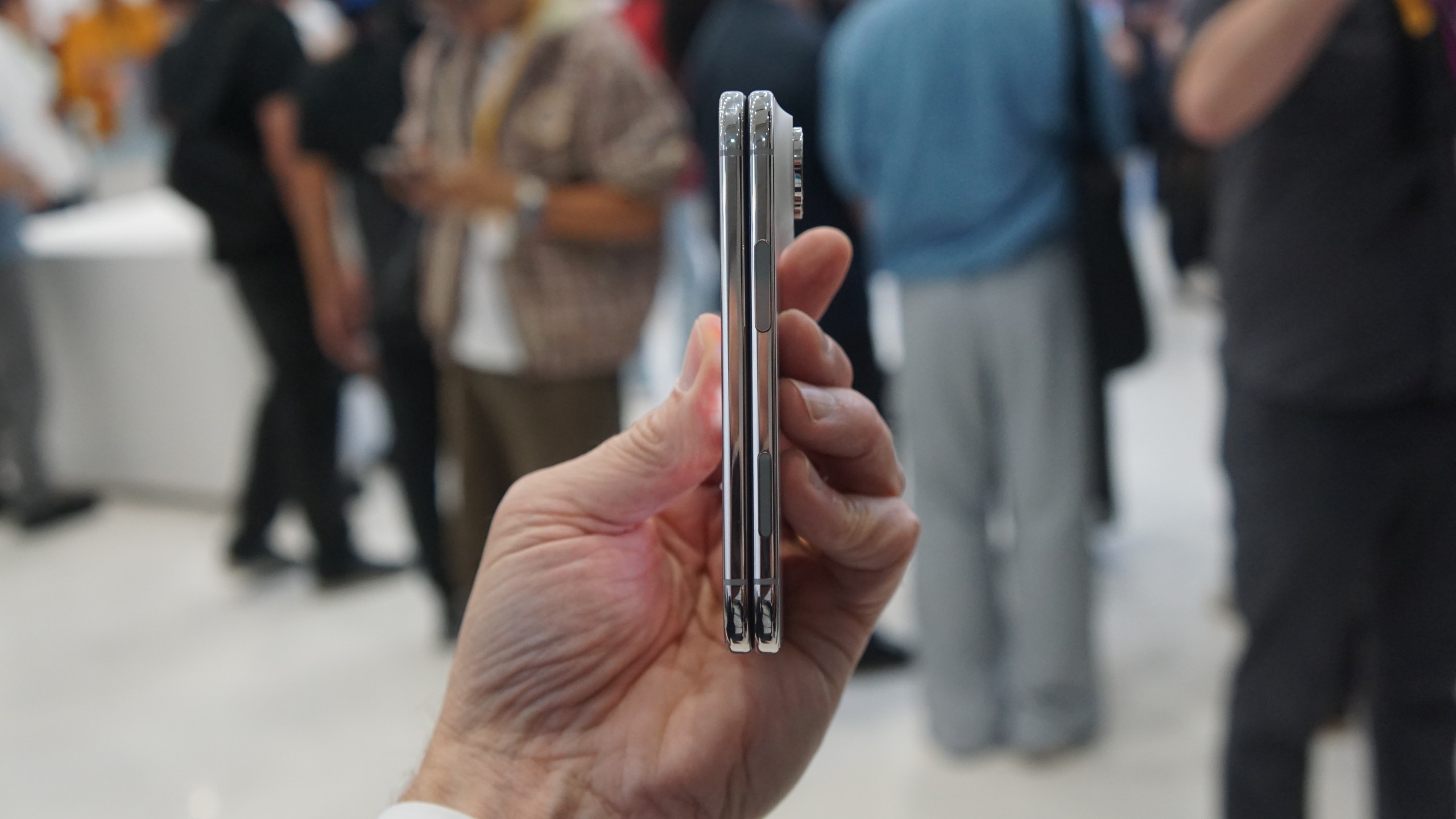
The iPhone Duo, for instance, has four rounded corners when open, but when closed, it has two right-angled corners on the hinge side. Samsung, by contrast, has gone with pointed corners all around on the Galaxy Z Fold 8, which arguably gives it a more cohesive look.
For side rail materials, it’s a case of polished titanium on the iPhone Duo versus matte aluminum on the Galaxy Z Fold 8. Both look great on their respective phones, but which finish is better will be up to the viewer.
These two phones also use different display materials to shore up their durability. Apple has equipped the Duo with its own Ceramic Shield 2 toughened glass on the front, and the original Ceramic Shield on the back. Samsung instead uses Gorilla Glass Ceramic 3 and Gorilla Glass Victus 2 to protect the Galaxy Z Fold 8’s front and back, respectively.
Apple has also equipped the iPhone Duo with the same Camera Control key that you find on other iPhones, making the edges of the phone surprisingly busy. Samsung lacks equivalents for these buttons on the Galaxy Z Fold 8, which simply offers a power button and volume controls.
Interestingly, the iPhone Duo is some 53g heavier than the Z Fold 8 (254g vs 201g), but it does offer IP68 water and dust resistance, while the Z Fold 8 only offers IP48-level protection.
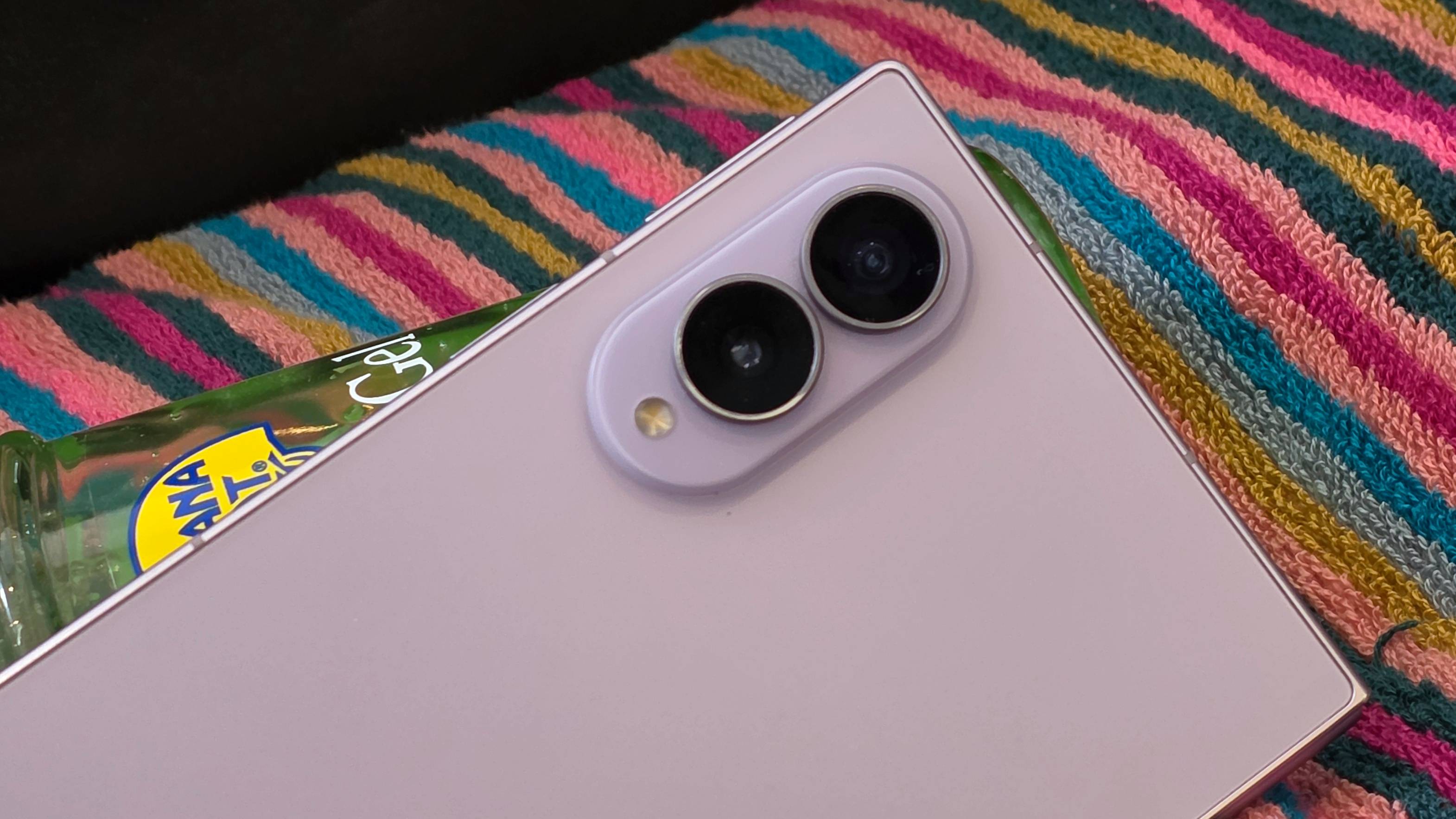
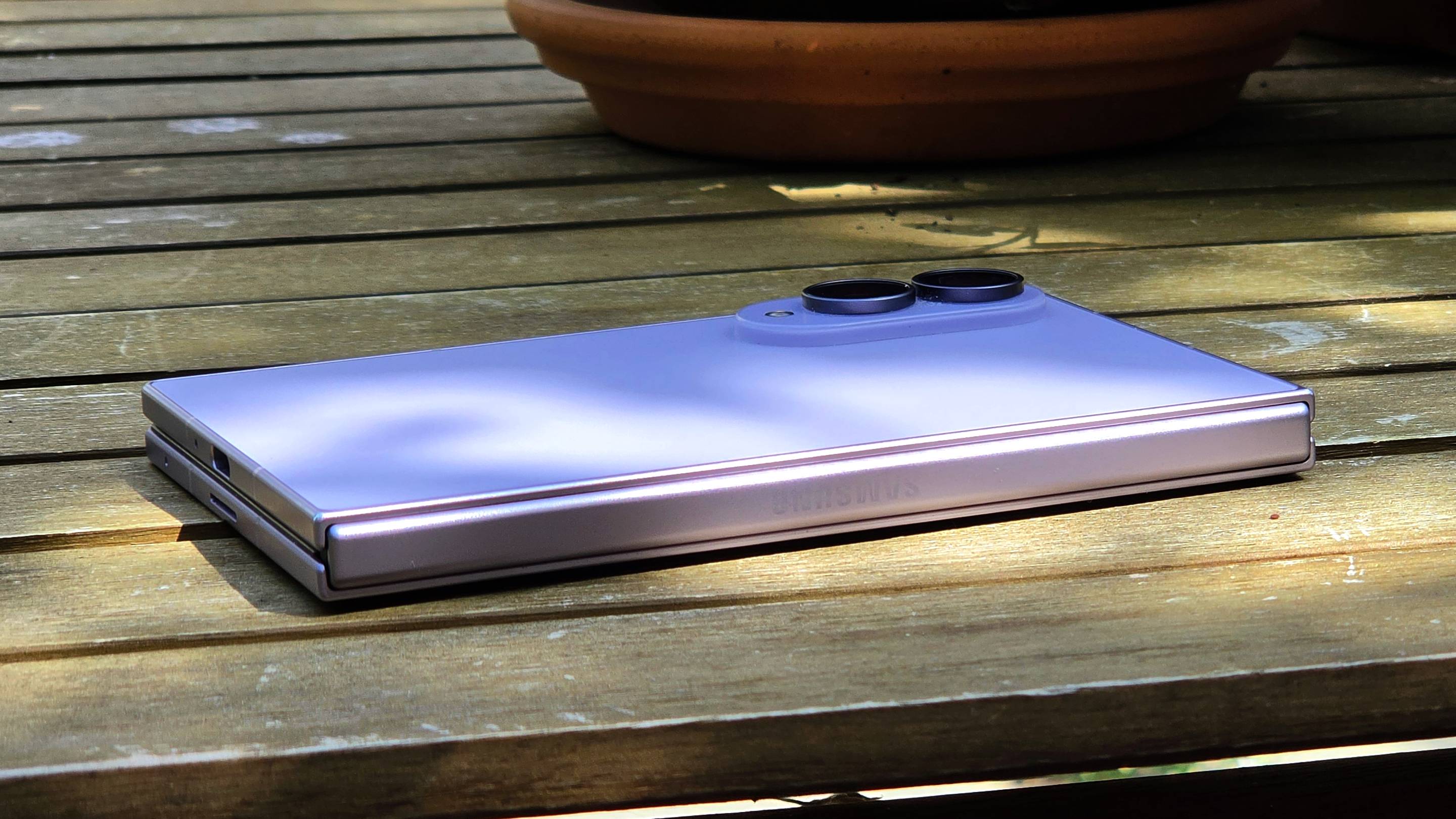
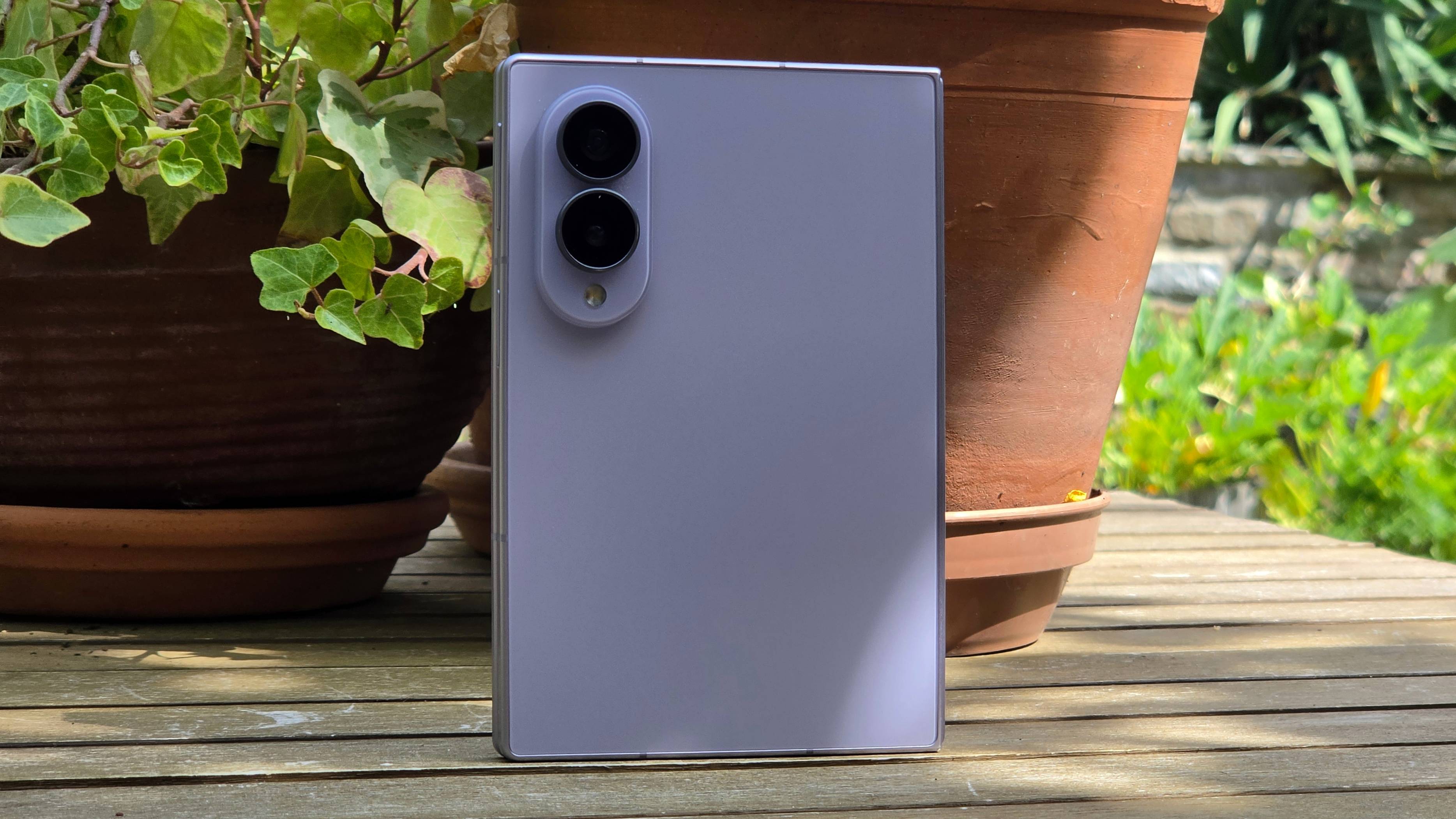
The last thing to mention is color options. The iPhone Duo comes in either Star White or Night Sky (deep blue), while the Galaxy Z Fold 8 has a wider selection of Lavender, Graphite, Cream, and Pistachio.
SIM support split
The iPhone DuoLance Ulanoff / FutureSamsung Galaxy Z Fold 8Peter Hoffmann
When it comes to actually adding your phone number to one of these phones, there’s an important difference to consider here too. The Galaxy Z Fold 8 offers a physical SIM slot as well as eSIM support for virtual numbers. However, the iPhone Duo is eSIM-only worldwide.
You can easily convert a regular SIM into an eSIM during phone set-up. But unless you re-request a SIM card from your carrier, you’ll be locked into the eSIM way of life from then on.
Branching battery tech
The iPhone DuoLance Ulanoff / FutureSamsung Galaxy Z Fold 8Peter Hoffmann
Since Apple doesn’t publish its battery sizes itself, we don’t know right now what the capacity of the iPhone Duo is. Instead, Apple says its internal testing reveals the iPhone Duo is capable of 31 hours of video playback when using the inner display, 44 hours when just using the outer display, or “all-day” battery life when it comes to general use.
Samsung’s testing promise for the Galaxy Z Fold 8 is 26 hours of video playback, which sounds like it’s inferior to Apple's on paper. However, without doing consistent battery testing on both phones, we don’t yet know for sure which phone will last longer in the real world.
For refuelling, Apple claims the iPhone Duo can charge up to 50% full in 20 mins with a compatible wired charger, or 30 minutes with a MagSafe or Qi2 wireless charger. Samsung’s claim is a 63% wired charge in 30 minutes, which doesn’t quite map onto Apple’s information either. This will also require some of our own testing to figure out which device charges faster.
Contrasting cameras
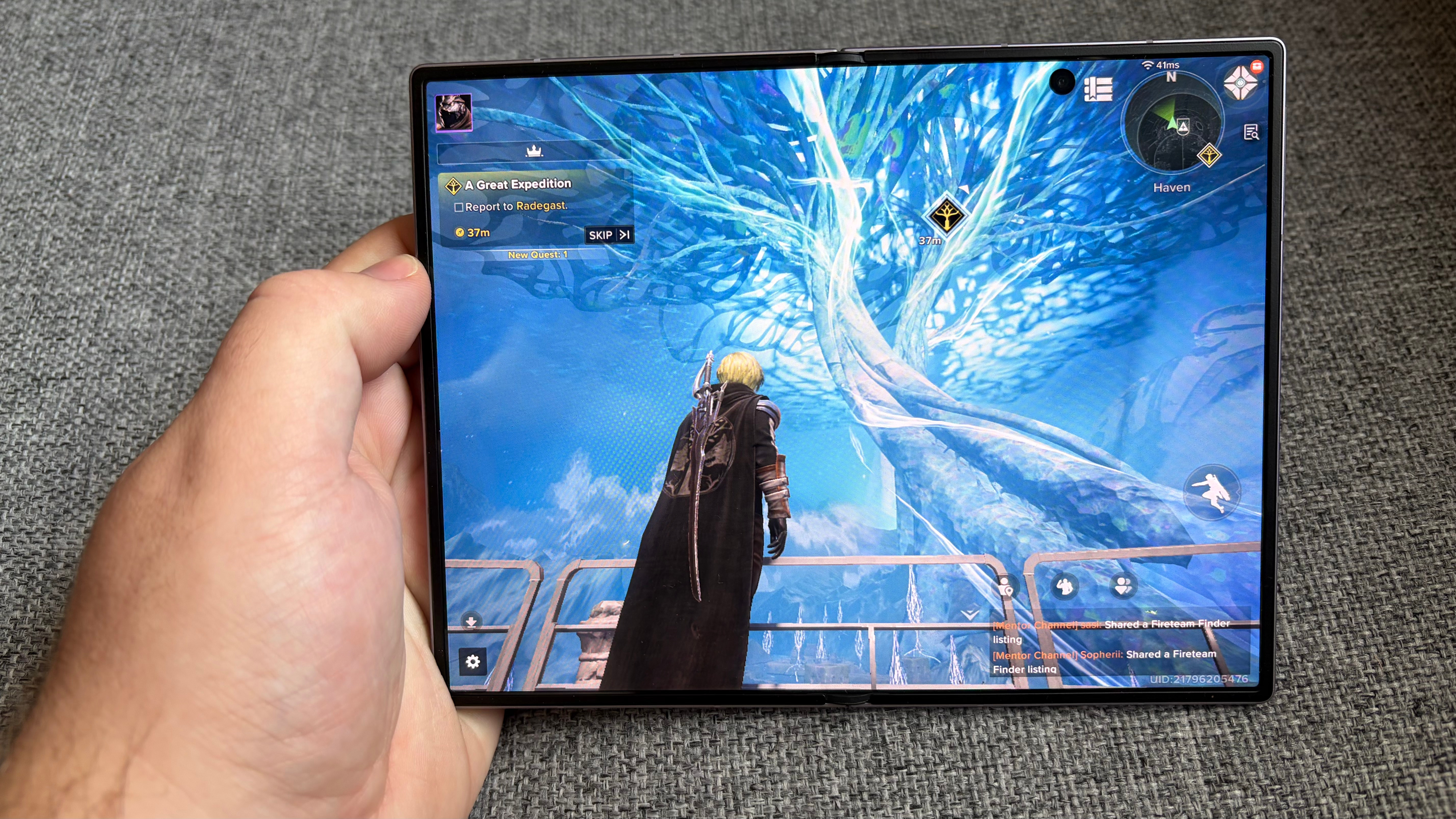
The iPhone DuoLance Ulanoff / FutureThe Samsung Galaxy Z Fold 8Future
The iPhone Duo and Galaxy Z Fold 8 each have four cameras, serving the same purposes. But there are some technical differences to pay attention to.
On the back of the iPhone Duo, Apple has stuck with its typical 48MP main and 48MP ultra-wide combination. That puts the Duo at a small resolution disadvantage compared to the Galaxy Z Fold 8, which boasts two rear 50MP cameras.
However, things change for front-facing cameras. Samsung uses 10MP front cameras on the inside and outside of the Z Fold 8, but Apple uses one higher-res 12MP front camera on the outer display, and an under-display inner camera of currently unknown resolution.
Samsung used to use this kind of camera on its older Galaxy Z Folds, but the Galaxy Z Fold 8 has a more typical punch-hole cutout, removing a bit of the display but guaranteeing higher-quality shots. Maybe Apple has worked out how to take clear, attractive photos through display layers, but it’s not something we’ve seen any other company manage, even after the technology has existed for several years.
Potentially polarized performance
The iPhone DuoLance Ulanoff / FutureSamsung Galaxy Z Fold 8Richard Priday / TechRadar
The silicon inside the Galaxy Z Fold 8 is a known quantity. The Snapdragon 8 Elite Gen 5 for Galaxy has appeared in other premium Samsung phones this year, including the Galaxy S26 Ultra, and it’s a monstrously powerful chipset.
The iPhone Duo contains Apple’s brand-new A20 Pro chip. Since it’s fresh out of the foundry, we will have to wait for test results to know if it’s more powerful, less powerful, or about the same as the Snapdragon silicon in the Z Fold 8.
We don’t know if there’s any RAM capacity difference, but for storage, you can get 256GB, 512GB, and 1TB versions of both the iPhone Duo and the Samsung Galaxy Z Fold 8. However, Apple also offers a 2TB edition of the iPhone Duo if you want even more space for your files.
Based on these differences, would you rather buy the iPhone Duo or Samsung Galaxy Z Fold 8? Let us know in the comments below.
The iPhone Duo animation has been recreated on a Galaxy Z Fold 8
For now, it's only a demo — not something you can set up yourself
Samsung would need to implement the hack for it to work system-wide
The initial reactions to Apple's new, foldable iPhone Duo seem to be largely positive, with a lot of praise for the various software tweaks that have been implemented in iOS 27 for the new form factor — including a cool transition animation that shows up when you switch between the inner and outer screens.
As you open up or close the main 7.6-inch display, the wallpaper dissolves and seems to pass through the moving half of the screen to reappear on the other side. It's a neat effect, and one Android user has wasted no time in recreating the effect on their Samsung Galaxy Z Fold 8 foldable.
"Felt a bit of FOMO seeing that cool iPhone Duo animation Apple showed off today, so I poked around and found that the Z Fold 8 has a really accurate hinge sensor," explains the user in question on Reddit. "I realized it would be pretty simple to take the hinge sensor values and use them to drive a transition animation on both screens."
It works really nicely too, as you can see from the video embedded below. The half of the display that's opening and closing looks like it becomes semi-transparent as it moves, revealing what's underneath — though as with the iPhone Duo, it's all trickery involving motion sensors and gradients.
Unfortunately, this is only a demo for now — as in, an app that screenshots the display, then shows how an open/close animation could potentially work. It's not actually something you can apply at the system level and use across all your apps, and the developer says only Samsung would have the necessary access for that.
The reactions in the Reddit thread are overwhelmingly positive, nevertheless. The hack gets described at various points as "great", "awesome", and "so cool" — and it's genuinely impressive that it was created so soon after Apple's event. It seems a lot of Samsung foldable owners would want this on their phones.
There is perhaps a word of warning here for iPhone Duo buyers. When asked about using the effect, the original poster says "honestly, it looks cool for the first minute, but it gets really annoying after that", adding that "the effect is also only convincing head on" and "any difference in viewing angles really breaks the illusion".
Whether or not that's the case on Apple's foldable remains to be seen, but it's worth considering. For the time being at least, the iPhone Duo is the only folding handset that has this particular animation — and if you've really got to have it, pre-orders open on Friday, October 16, with prices starting at $1,999 / £1,999 / AU$3,499.
In the two weeks since the phones showed up at my door, I've taken hundreds of pictures on them (349 on the Fold 8 and 307 on the Ultra, to be precise). They've come with me on multiple holidays, been used for product photography for reviews I've published, and even accompanied me on a film location scout day, which saw them get a lot of use.
You'd expect that the Samsung Galaxy Z Fold 8 Ultra would be my default photography foldable. As I'll explain a little later, it's simply a better camera phone, offering better-looking photos thanks to having more cameras.
However, that's not been the case. When I need to grab a shot, I've found myself reaching for whichever pocket the 'standard' Galaxy Z Fold 8 is in. And the reason has little to do with its photography chops.
Size matters more than sensors
(Image credit: Future / Tom Bedford)
The benefit of the best camera phone over a DSLR or mirrorless camera is convenience. You don't have to sling them over your neck or tote them around in a carry case; they fit in your pocket and, more importantly, come out of your pocket in a pinch.
The Galaxy Z Fold 8 Ultra is a long, thin phone; we're talking 158.4mm tall and just 72.8mm wide when it's folded (8.9mm thick and 215g heavy, if we're trying to get all the dimensions). When I put it in my trouser pocket, it digs its way right into the bottom, yet still sticks out the top a fair way.
Yet removing it can be quite a faff due to its frame. I have to angle and adjust it, feeling like Ross, Rachel and Chandler trying to pivot it to remove it.
By contrast, removing the Galaxy Z Fold 8 from my pocket is a breeze because of how small and stumpy it is when folded (123.9 x 81.9 x 9.7mm, 201g, just so we've got everything). It comes out easier than an average, non-folding smartphone.
Quite a vapid reason to prefer one phone over the other, right? But try to imagine this removing process 50, 60, 70 times in one day, when I'm on holiday or a recce; the Z Fold 8 Ultra becomes more effort than it's worth.
In fact, most of the Z Fold 8 Ultra's shots are from specific shoots or sessions, when I knew I'd be using the phone lots, and so didn't put it in my pocket at all.
One is clearly a better camera phone
(Image credit: Future / Tom Bedford)
Despite the Samsung Galaxy Z Fold 8 being my preferred photography phone, I'm under no illusions about which takes better pictures.
Both phones have a 50MP f/1.9 ultra-wide camera, and two 10MP f/2.2 selfie cameras. But from here, the Ultra is, as you'd imagine, better.
For starters, its main sensor is more powerful, packing in 200 megapixels and an f/1.7 focal length, compared to the Z Fold 8's 50MP f/1.8. As photographers know, though, it's not all about megapixels, and I found it's the zoom lens that made the Ultra better.
The Galaxy Z Fold 8 Ultra has a 10MP telephoto camera which supports a 3x zoom. On paper, it's the same unit the Samsung Galaxy S26 Ultra packs.
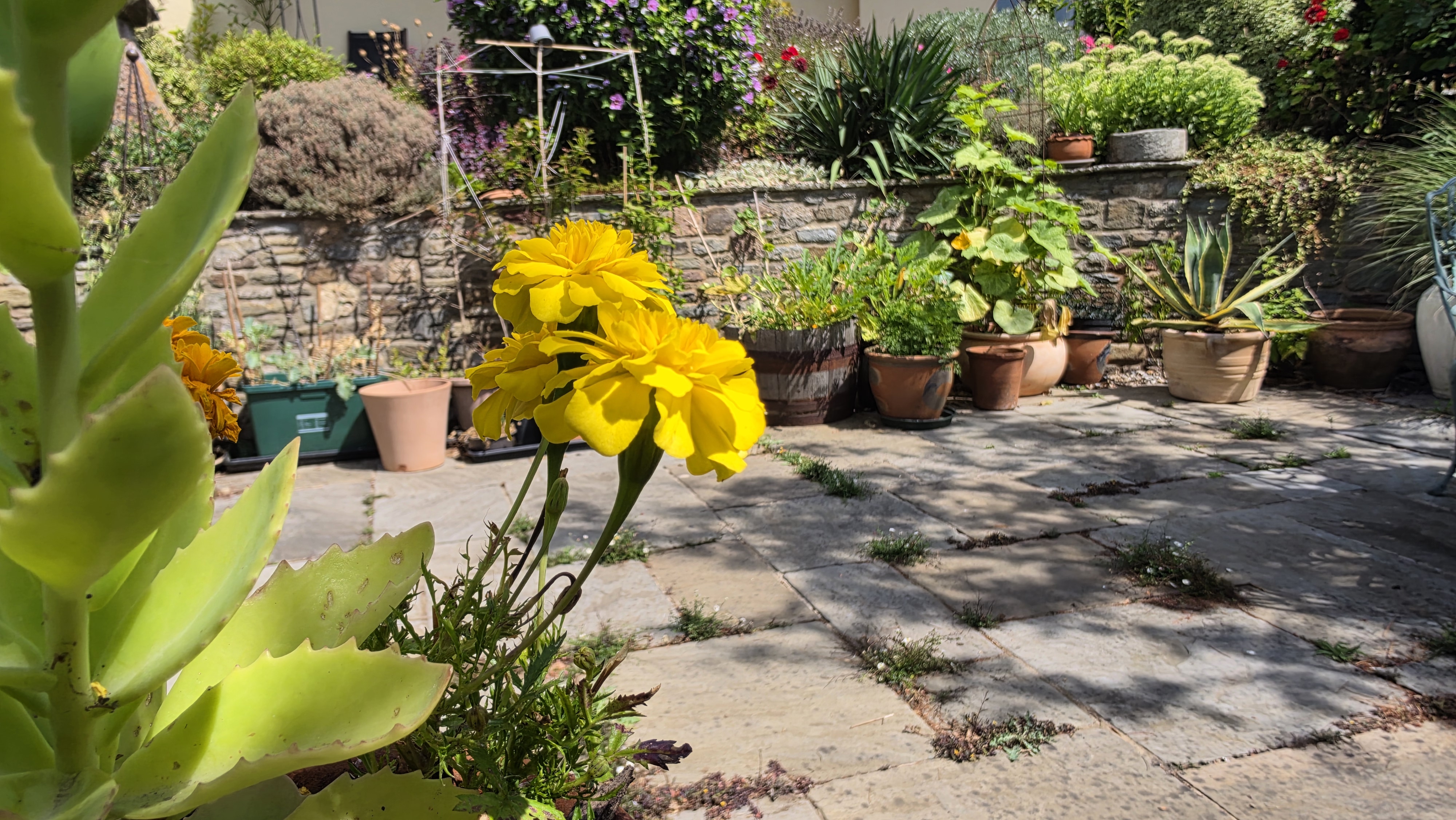
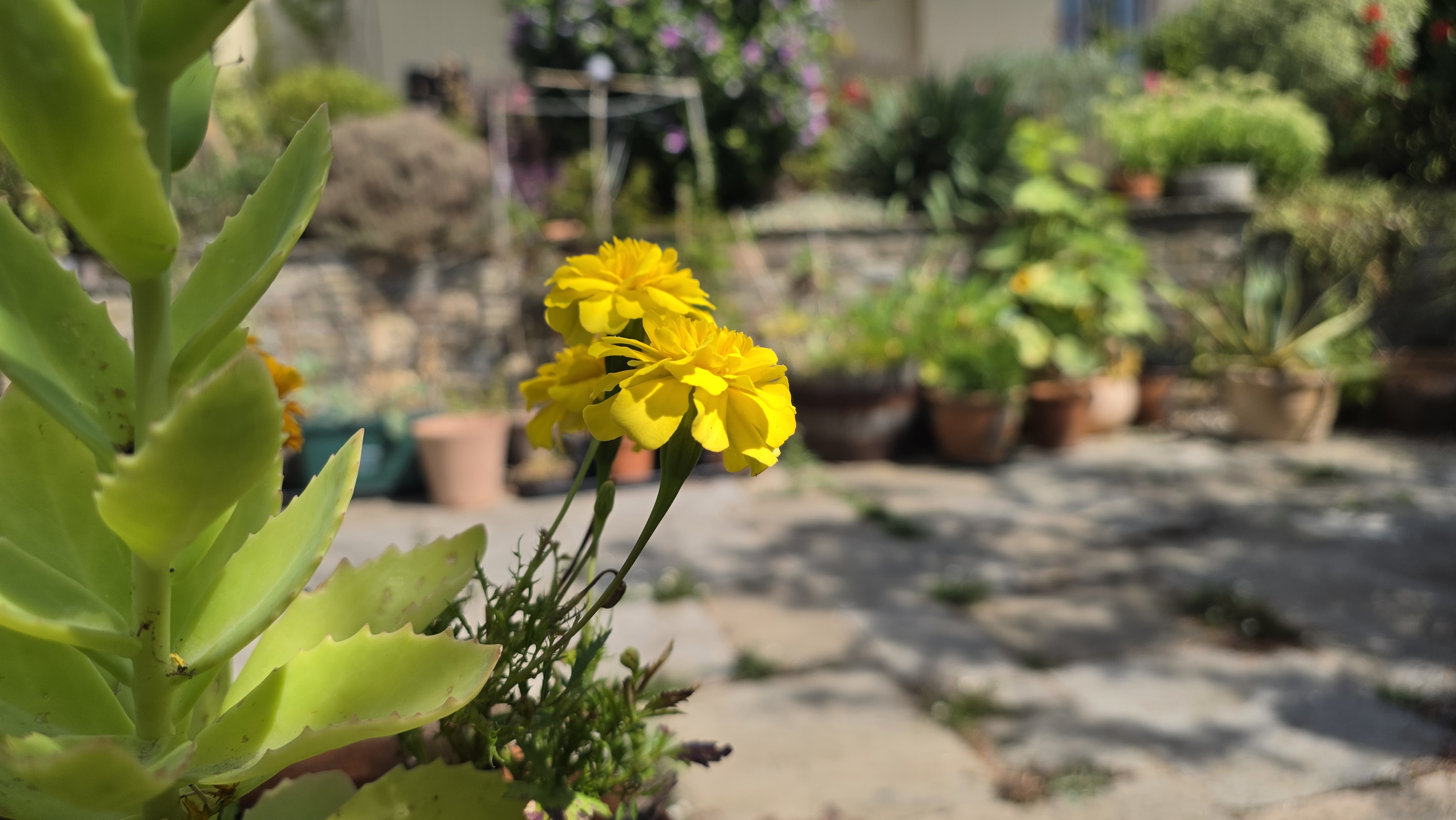
A picture of some yellow flowers, in a garden, captured on the Fold 8....Future...and the same picture on the Fold 8 Ultra. So far, pretty similar, albeit with some added blur.FutureGetting closer into the flowers on the Z Fold 8, it basically looks like I've cropped the previous image...Future... but zooming in on the Z Fold 8 Ultra gives some real depth of field, making for a better picture.Future
A zoom lens gives the Z Fold 8 Ultra much, much more versatility for photography; in fact, I'd wager at least half of my pictures on the phone use this snapper. Its 67mm lens gives much nicer, softer depth of field than the main camera, even if the app keeps jumping between optical and digital zoom when you're using it.
When you zoom in on the Galaxy Z Fold 8, you're just getting digital zoom. The flower pictures above will show you how this looks in comparison to optical; it's fine, but to camera phone photographers, it won't compete.
As you'll notice when you look at the above pictures too, the Z Fold 8 Ultra offers some extra bokeh on the 1x zoom picture, likely thanks to the extra information presented from all those excess pixels it's capturing. However, for the most part, I've found them pretty matched when it comes to these 'standard' pictures taken on the wide camera.
Want some more Z Fold 8 Ultra camera samples? Every shot of the Z Fold 8 in this article was taken on the Ultra phone, using the 3x camera (hence why you're not seeing the Ultra in the shots).
Photography is only part of the process
(Image credit: Future / Tom Bedford)
Despite its lesser camera performance, I'm still using the Galaxy Z Fold 8 as my go-to photography phone. And the convenience of pulling it out of my pocket is only one reason. Another is what happens once I've captured the picture.
The inner, or main, screen of the Z Fold 8 has a 4:3 aspect ratio. For some comparison, the Z Fold 8 Ultra is 0.9:1, which is close enough to square that I feel comfortable referring to it as such for the rest of this article.
I don't know about you, but I don't capture or use square photos. I imagine you're in the same boat, given that Instagram basically single-handedly killed them off several years ago. No: for me, it's 16:9. Not only is this the required aspect ratio for every single website I write for, but it's a wide-screen aspect ratio which is appropriate for film reference shots, all-encompassing panoramas, or dramatic action shots. But the point I'm about to make would stand even more if you shoot in the camera app's default 4:3.
(Image credit: Future / Tom Bedford)
A wider display is much better for editing pictures. If you look at a wide snap on the Z Fold 8 Ultra's square display, you're given loads of black bars (or dead space) at the top and bottom. These are still present on the Z Fold 8, but much smaller, offering just enough space to house the edit controls.
When I'm holding an open Z Fold 8, I also find that my hands are in the perfect spot to easily manipulate the picture. Thanks to its display edges being taller, I have to move them around much more on the Ultra phone.
Based on coverage of the phones, both by critics and online users who've grabbed an early purchase of the phones, the aspect ratio is proving pretty divisive for the new phones. Some prefer the older shape of the Z Fold 8 Ultra; others like the 'passport'-style Z Fold 8. And for tasks like photo editing, I much, much prefer the latter.
Good, better, best
(Image credit: Future / Tom Bedford)
People who've read this article after glimpsing through the specs list of these new folding phones might find my preference for the worse one a little baffling. But those who've had hands-on time with the Z Fold 8 might understand my stance.
But if you're looking for a great camera phone, I'd be remiss not to mention something. Neither of these phones, not even the triple-camera Z Fold 8 Ultra, is actually a dedicated camera phone. They're fine for photography, but they won't hold a candle to the best mobiles on the market.
The Samsung Galaxy S26 Ultra would be a much better pick for people who want a camera phone, and don't need something that folds.
Don't just stick to Samsung, either. I've found most Galaxy phones have below-average battery lives — it's actually pretty poor on the Z Fold 8, at least compared to a non-folding phone, which cut some of my photo shoots short.
But if your main priority is a bending mobile, and the camera chops are a secondary consideration, don't rely on the specs list: the form factor is just as important.
The Samsung Galaxy Z Fold 8 is smaller, cheaper, and has fewer cameras than the Galaxy Z Fold 8 Ultra, but it may end up being the most popular Galaxy foldable to date.
Why? Because its 7.6-inch inner screen has a 4:3 aspect ratio, which is supposedly “the new standard for viewing content,” as Samsung told us in an interview — and if there’s one thing most of us can’t get enough of in 2026, it’s content.
The Galaxy Z Fold 8 Ultra, meanwhile, has an eight-inch inner screen with a 10:9 aspect ratio, which is great for spreadsheets and multitasking, but less brilliant for movies and YouTube videos.
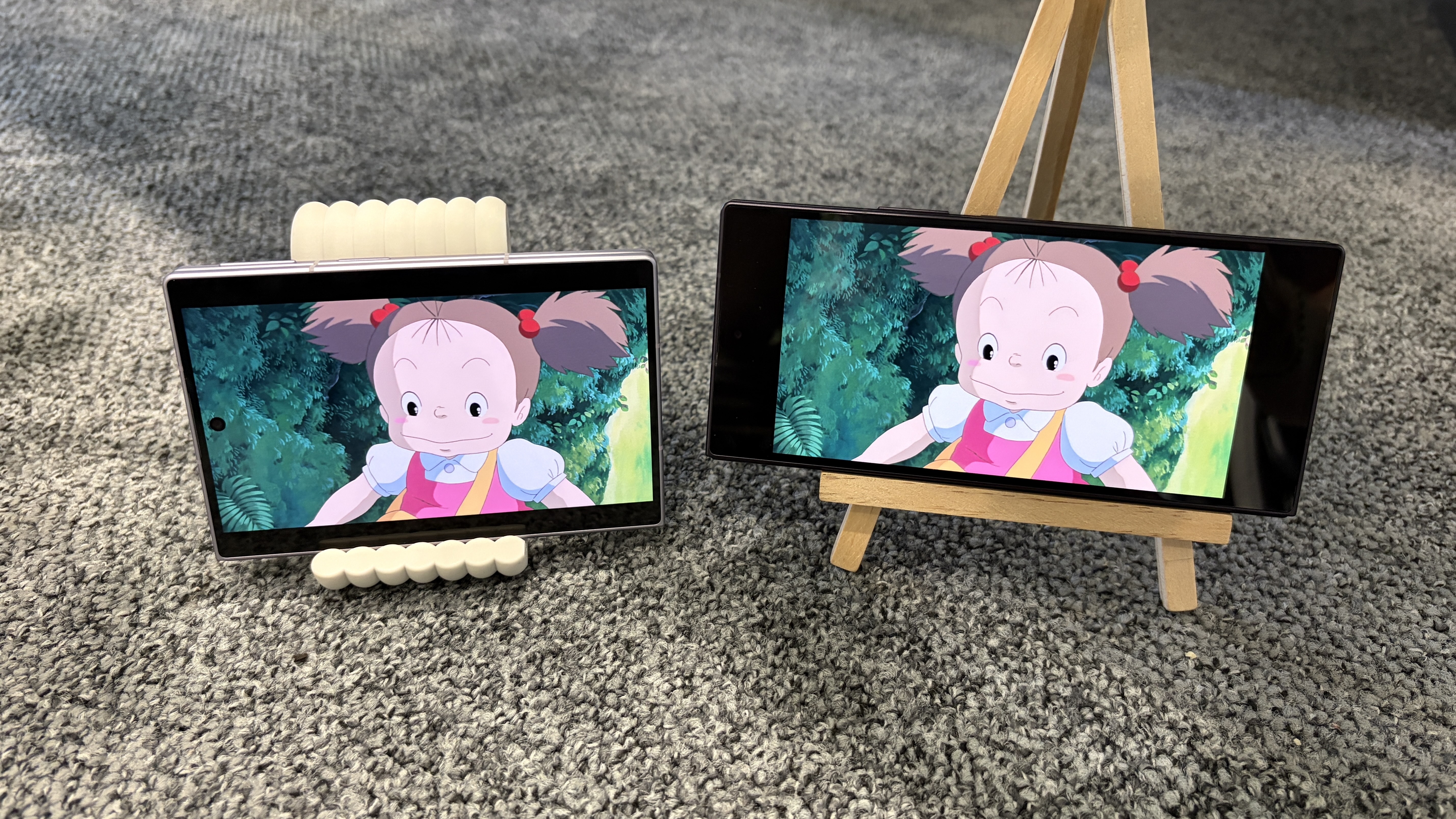
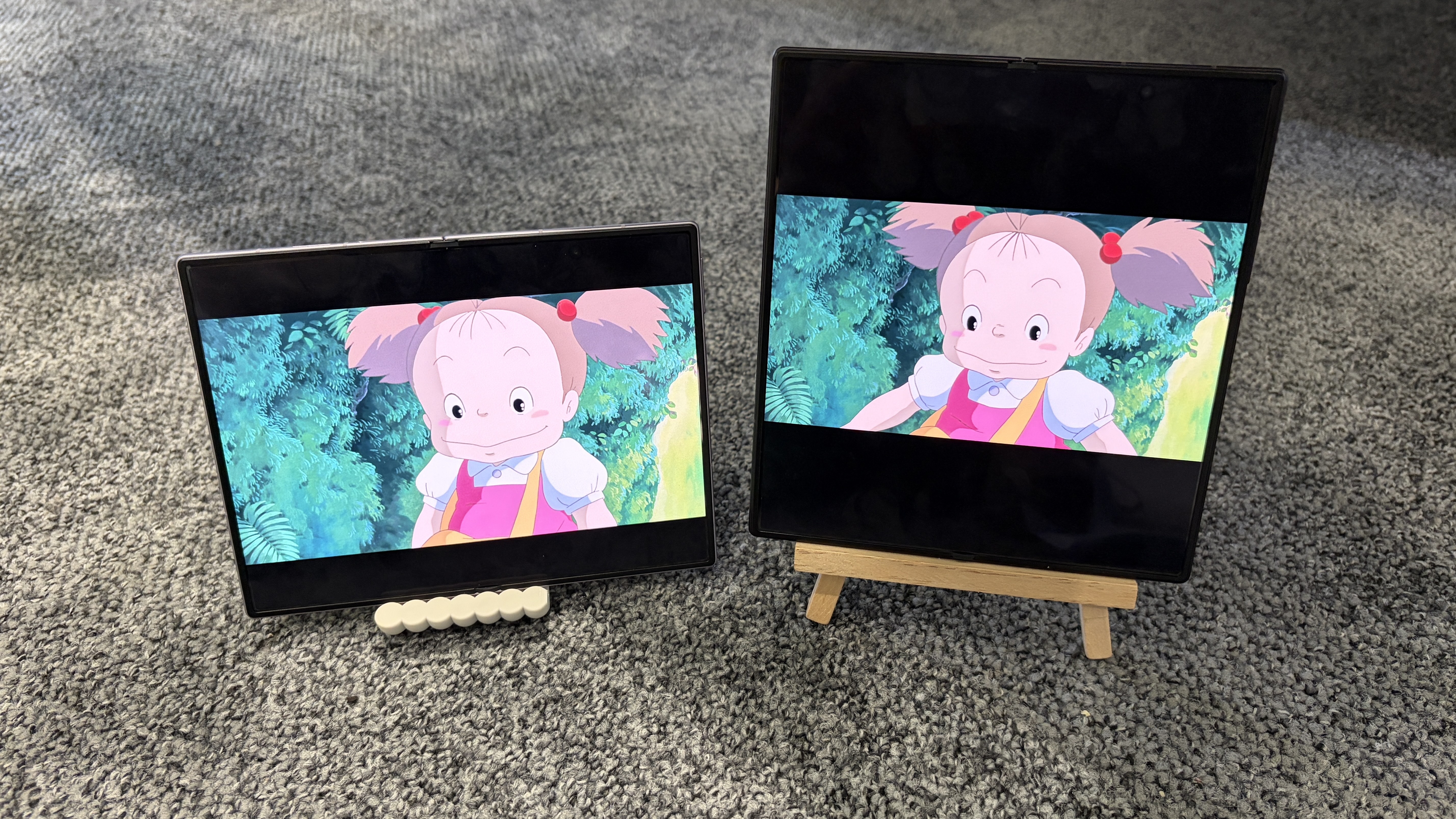
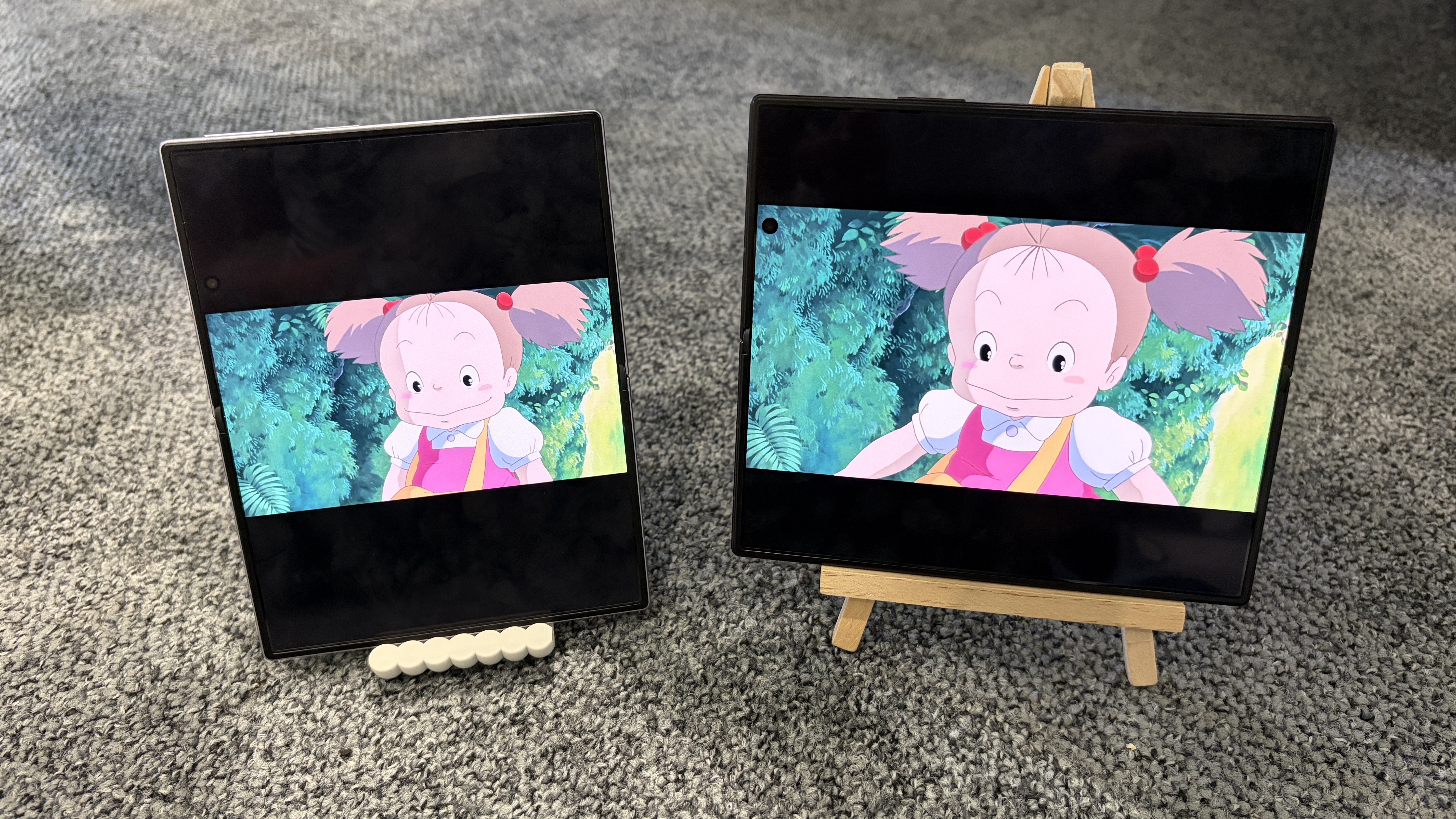
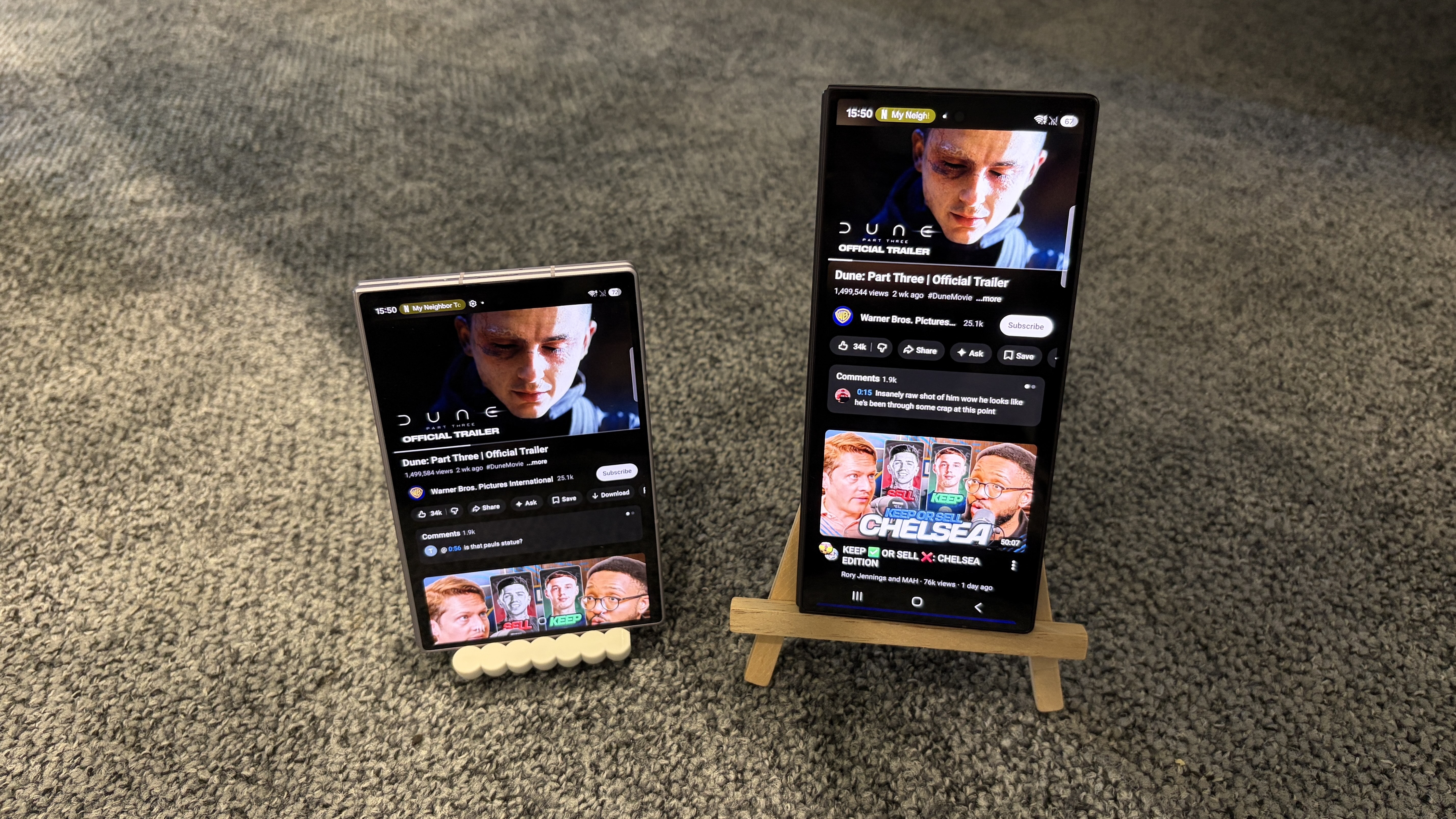
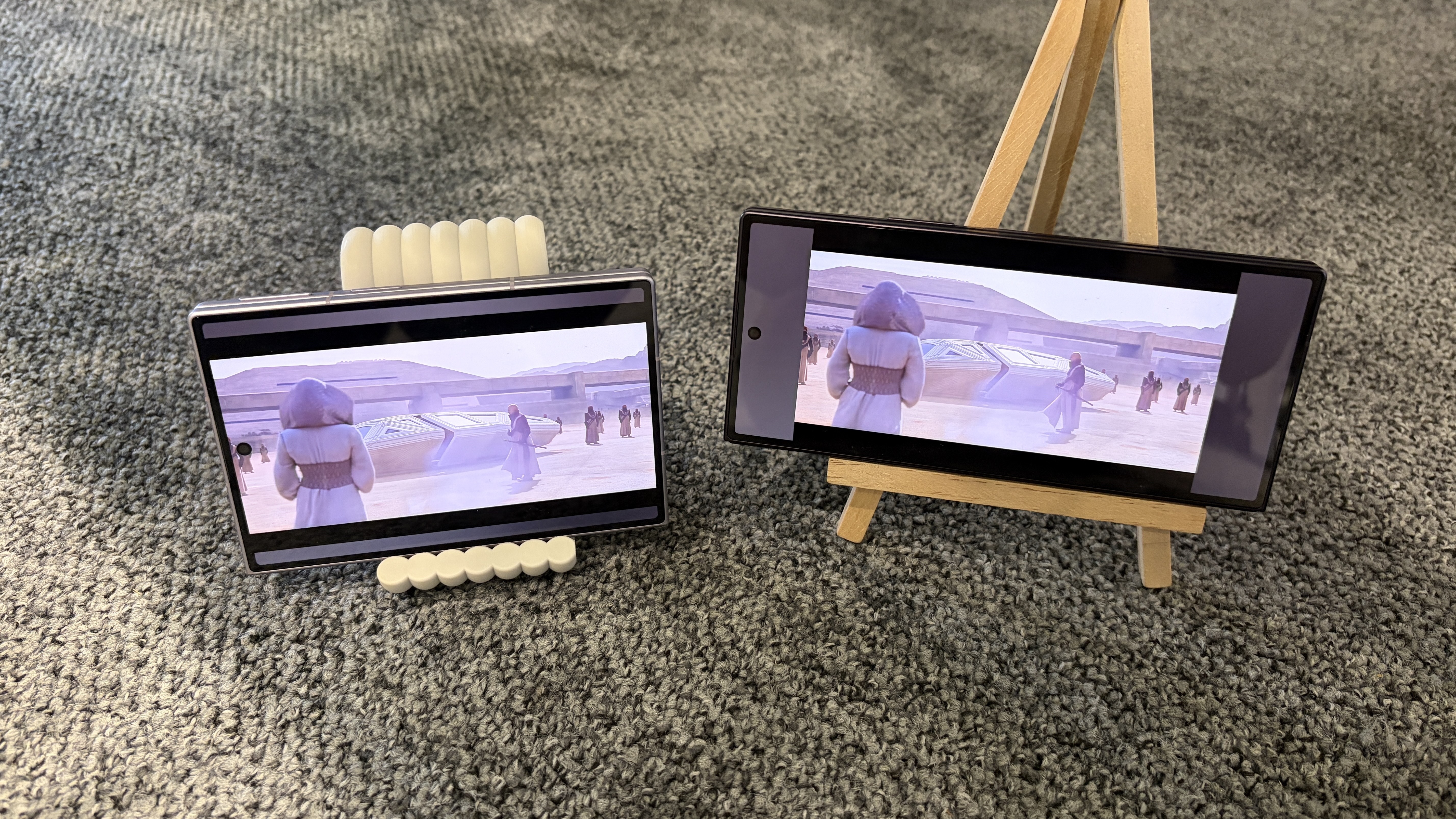
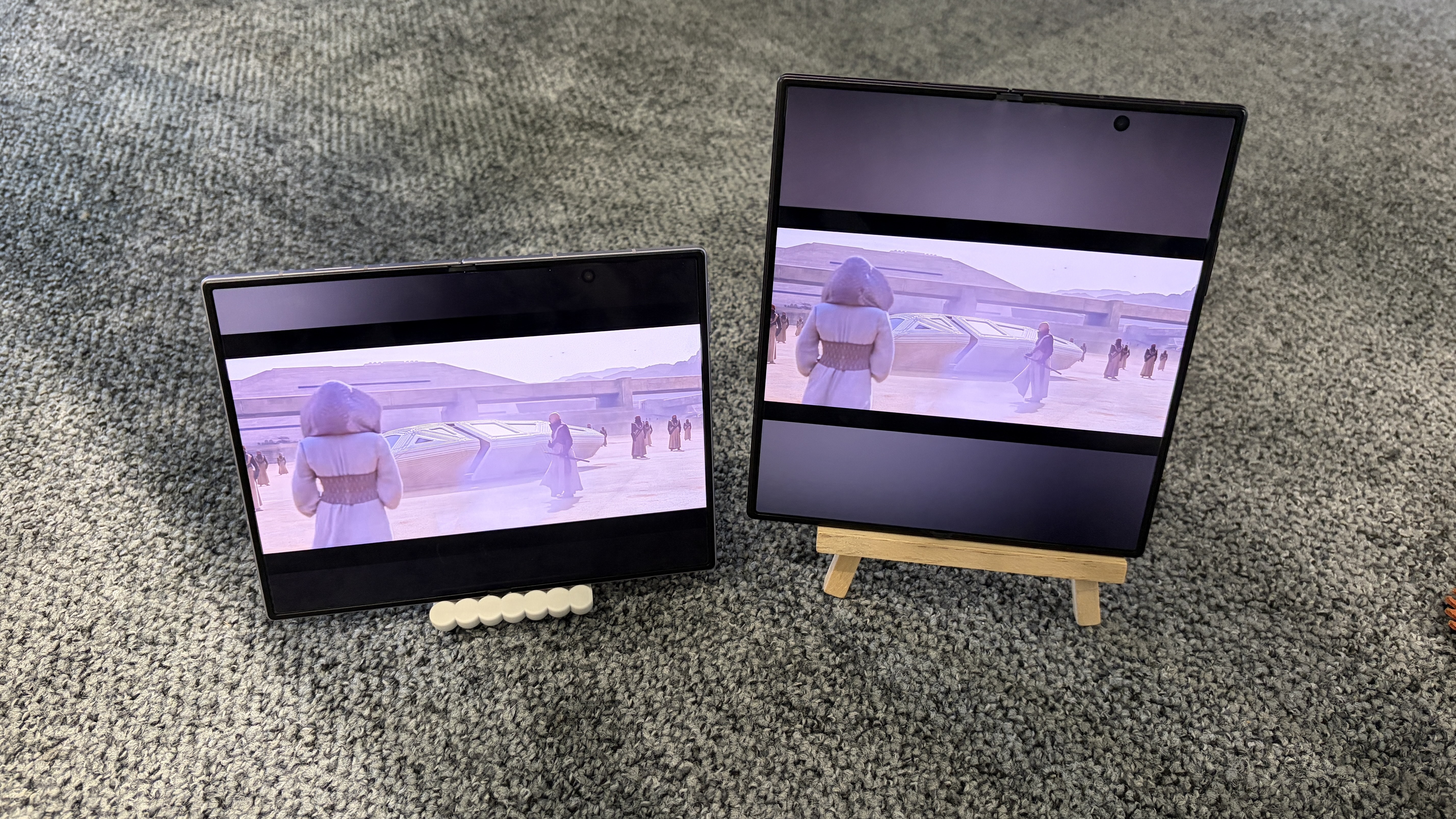
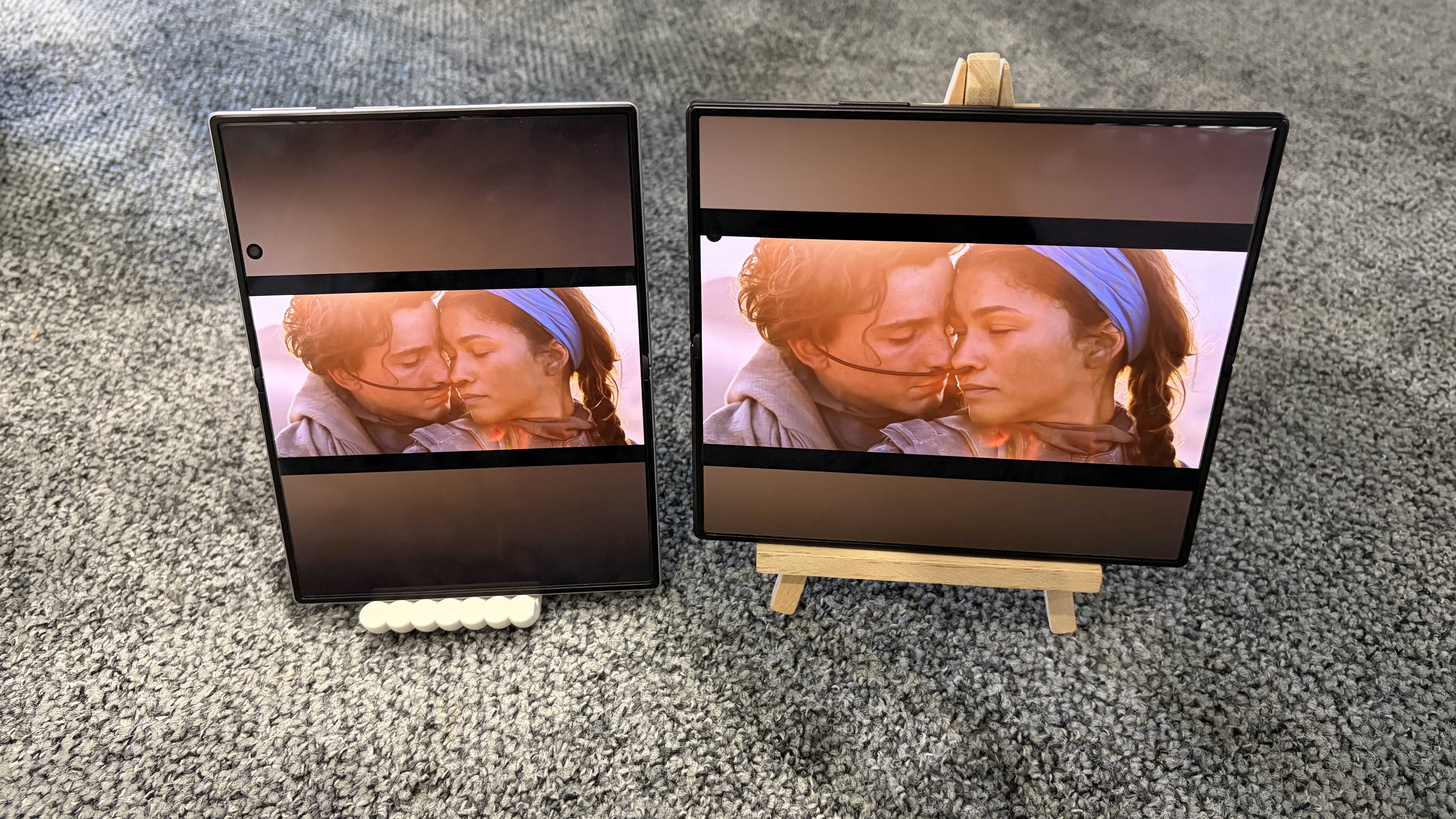
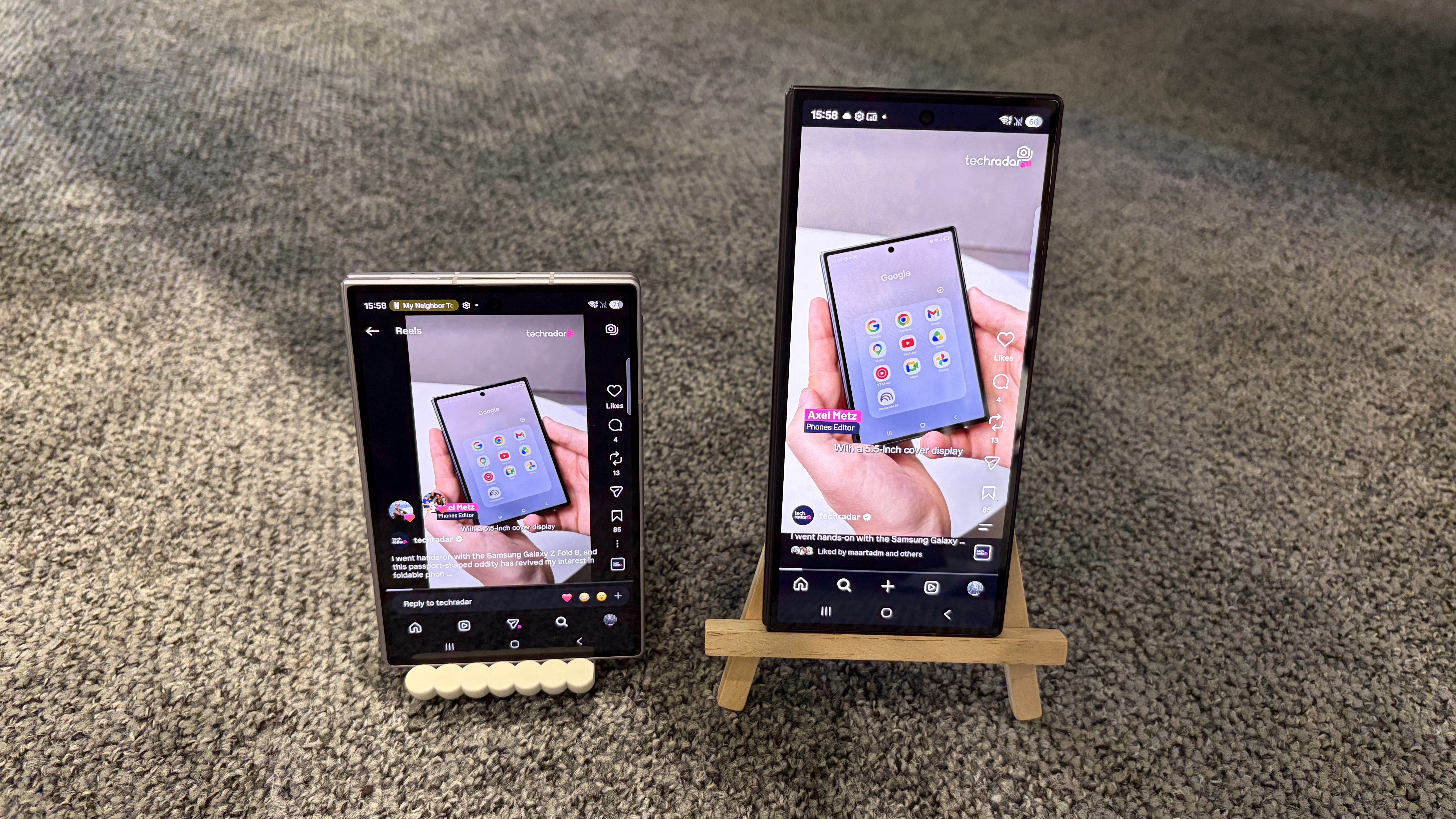
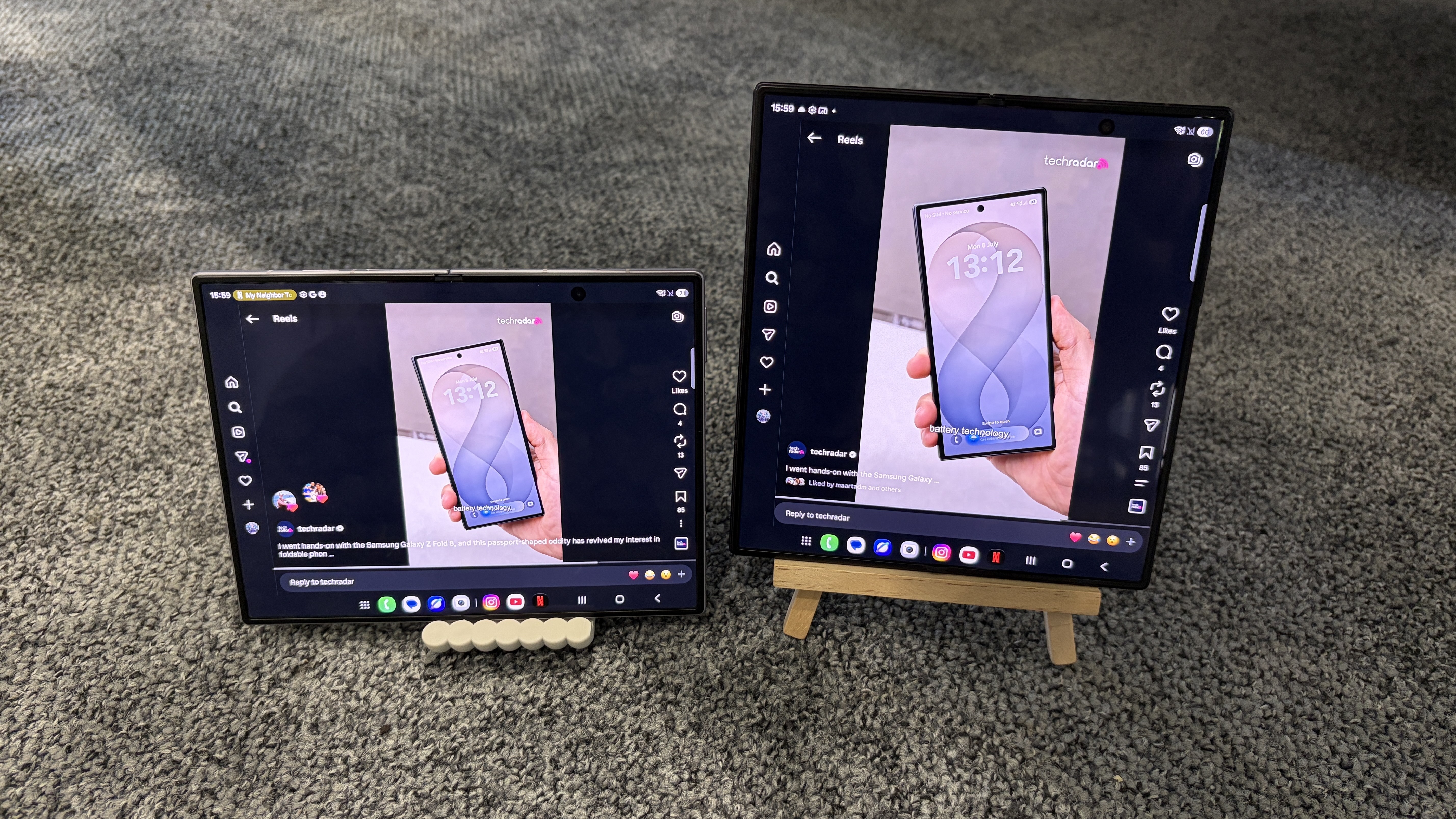
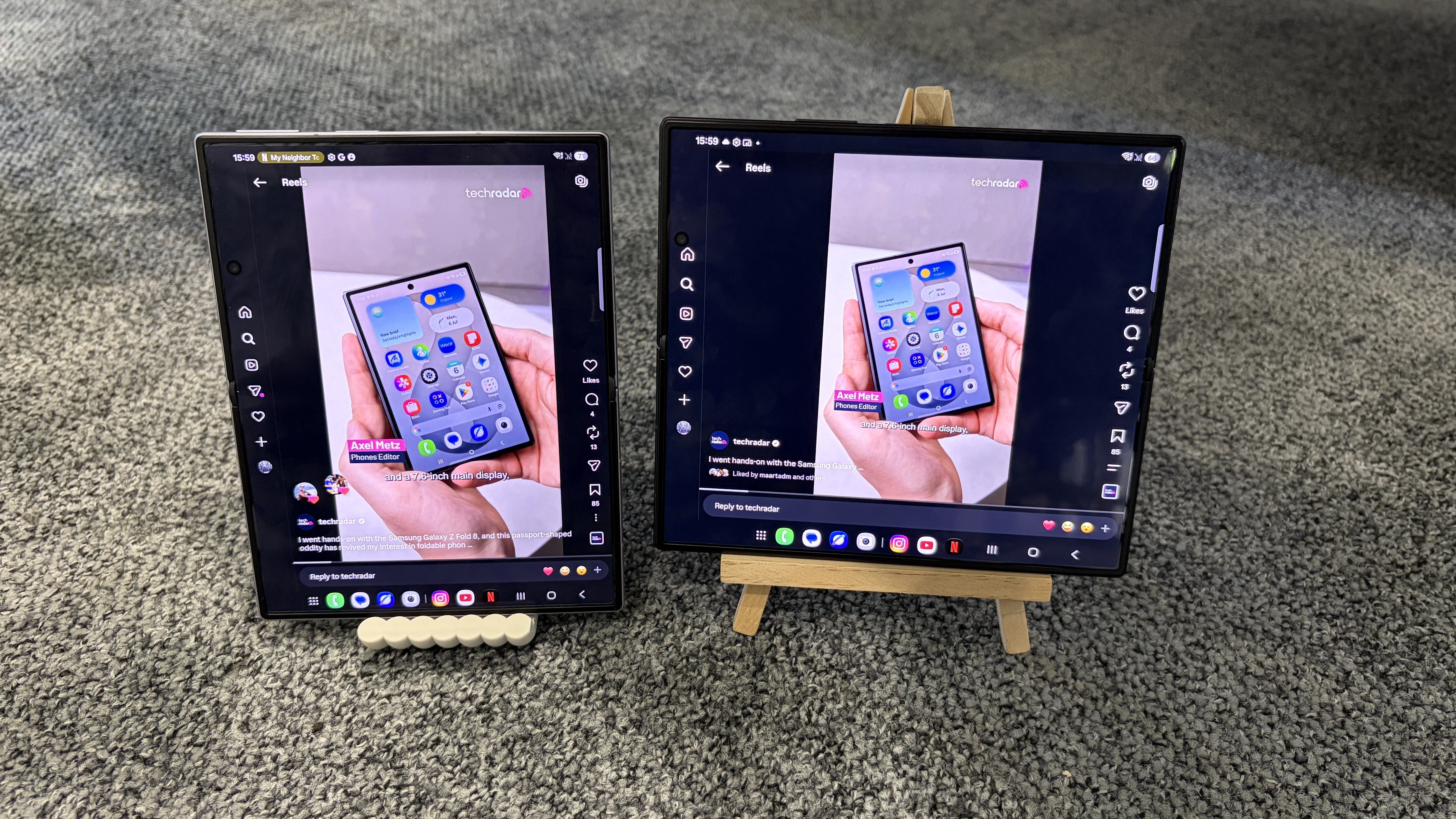
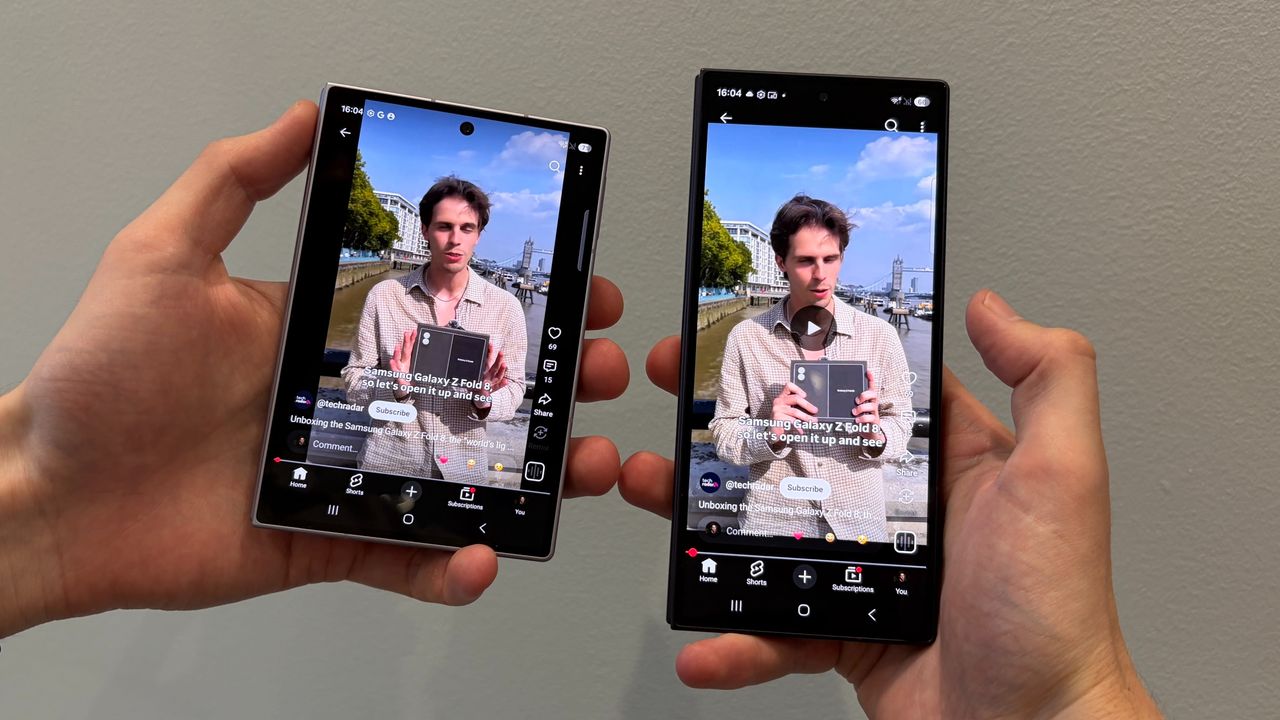
Don’t believe me (or Samsung)? I compared the experience of streaming Netflix, watching YouTube, and scrolling through Instagram Reels on the Galaxy Z Fold 8 and Galaxy Z Fold 8 Ultra — in both portrait and landscape orientations, where possible — to help you visualize the aspect ratio differences between these two devices.
Check out the side-by-side comparisons for each platform below, and let me know in the comments section which phone you’d prefer to use for watching videos. I've also included a roundup of each model's respective size specs for added context.
Samsung Galaxy Z Fold 8 Ultra
Samsung Galaxy Z Fold 8
Dimensions (unfolded):
158.4 x 143.2 x 4.1mm
161.4 x 123.9 x 4.5mm
Dimensions (folded):
158.4 x 72.8 x 8.9mm
81.9 x 123.9 x 9.7mm
Display (unfolded):
8 inches, 10:9
7.6 inches, 4:3
Display (folded):
6.5 inches, 21:9
5.5 inches. 16:10
Netflix
Z Fold 8 (10:16) / Z Fold 8 Ultra (9:21)
(Image credit: Future)
Z Fold 8 (4:3) / Z Fold 8 Ultra (10:9)
(Image credit: Future)
Z Fold 8 (3:4) / Z Fold 8 Ultra (9:10)
(Image credit: Future)
YouTube
Z Fold 8 (16:10) / Z Fold 8 Ultra (21:9)
With either phone in this orientation, expanding the YouTube video automatically switches the orientation to landscape (see the next photo) (Image credit: Future)
Z Fold 8 (10:16) / Z Fold 8 Ultra (9:21)
(Image credit: Future)
Z Fold 8 (4:3) / Z Fold 8 Ultra (10:9)
(Image credit: Future)
Z Fold 8 (3:4) / Z Fold 8 Ultra (9:10)
(Image credit: Future)
Instagram Reels
Z Fold 8 (16:10) / Z Fold 8 Ultra (21:9)
(Image credit: Future)
Z Fold 8 (4:3) / Z Fold 8 Ultra (10:9)
(Image credit: Future)
Z Fold 8 (3:4) / Z Fold 8 Ultra (9:10)
(Image credit: Future)
Verdict
For Netflix and YouTube, the Galaxy Z Fold 8 provides a cleaner viewing experience than the Galaxy Z Fold 8 Ultra in every orientation except 3:4. The black bars above and below the video are noticeably narrower than those on the Galaxy Z Fold 8 Ultra, and there's no awkward pillarboxing (i.e., bars on either side of the video) when using the Galaxy Z Fold 8 in 10:16 (you'll notice that content wraps around the phone's punch-hole camera, which doesn't happen on the Galaxy Z Fold 8 Ultra).
Of course, if you use the Galaxy Z Fold 8 in 3:4, the black bars are much bigger than those on the Galaxy Z Fold 8 Ultra, but Samsung itself admits that this orientation is “more natural for reading e-books or browsing the web,” which gives the smaller device another nice win over the pricier model.
The Instagram Reels-watching experience is pretty similar across both phones, but given the Galaxy Z Fold 8's lighter weight (201g vs 215g), I'd give it the edge here, too.
So there you have it: if watching videos and scrolling through social media is your priority, the Galaxy Z Fold 8 is a better buy than the Galaxy Z Fold 8 Ultra.
Of course, there is much more to both phones than their respective displays — the Galaxy Z Fold 8 Ultra has better cameras, for instance — so I wouldn't jump headfirst into buying one over the other until you've read our full Samsung Galaxy Z Fold 8 Ultra vs Galaxy Z Fold 8 comparison.
Side note: You're not able to watch videos in 16:10 (Z Fold 8) or 21:9 (Z Fold 8 Ultra) on Netflix, nor videos in 10:16 (Z Fold 8) or 9:21 (Z Fold 8 Ultra) on Instagram, hence why these options don't appear in the above comparison.
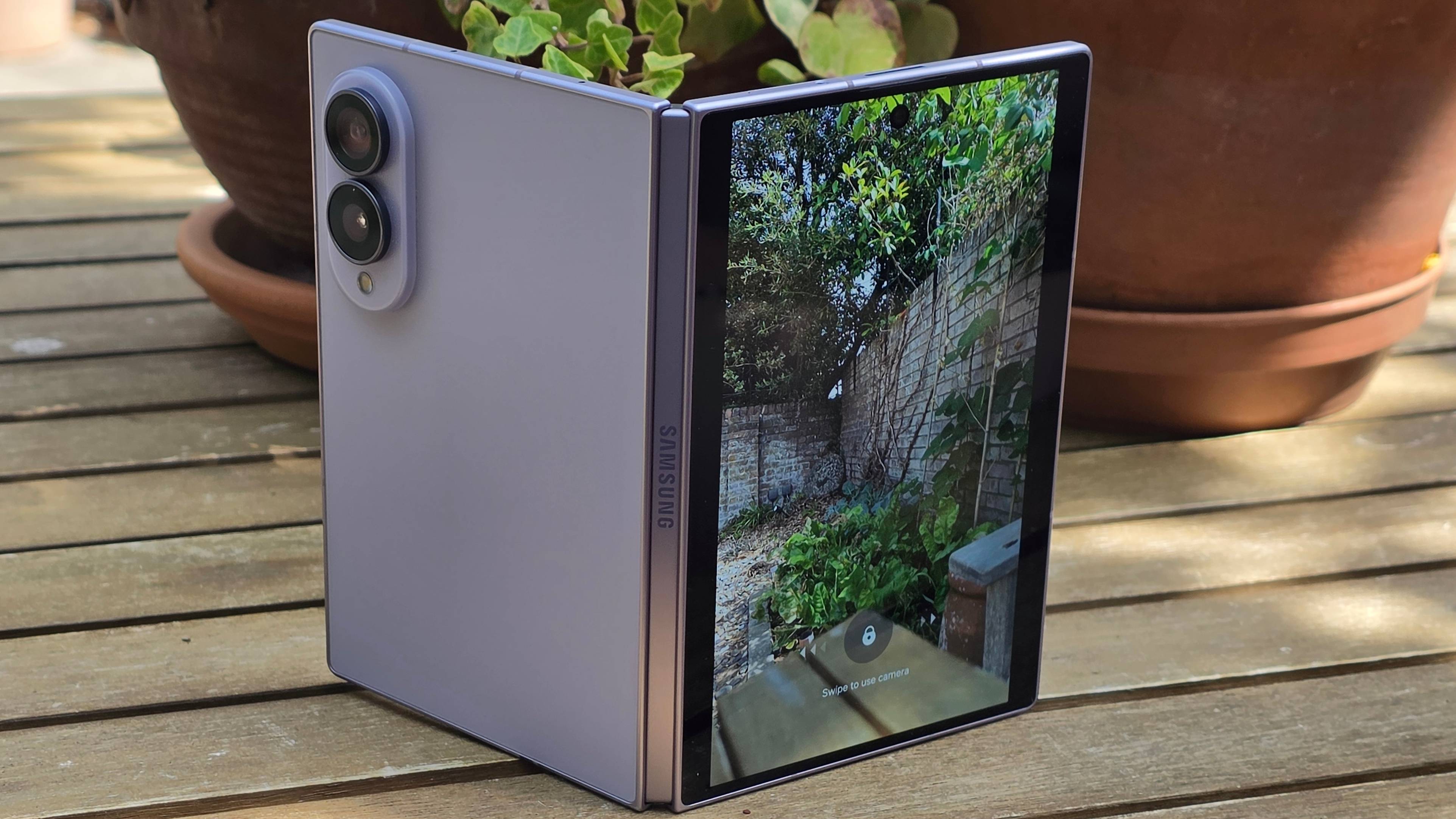
Isn’t it funny that we take the flexible screen so for granted that we complain over a crease and lack of flatness? The screen folds to become half its size and unfolds to about the size of a mini-tablet, and we’re still not satisfied. I guess that’s what makes us — or maybe Samsung — human. You see, it wasn’t satisfied, either, at least with the already quite thin and pretty remarkable Samsung Galaxy Z Fold 7.
That 4.2mm thick device that features two displays and yet is somehow lighter than the Galaxy S26 Ultra was close to flat and did have a less noticeable crease at the bend, but apparently Samsung thought it could do better, which is how we got the Samsung Galaxy Z Fold 8 Ultra, unveiled at Galaxy Unpacked on July 22.
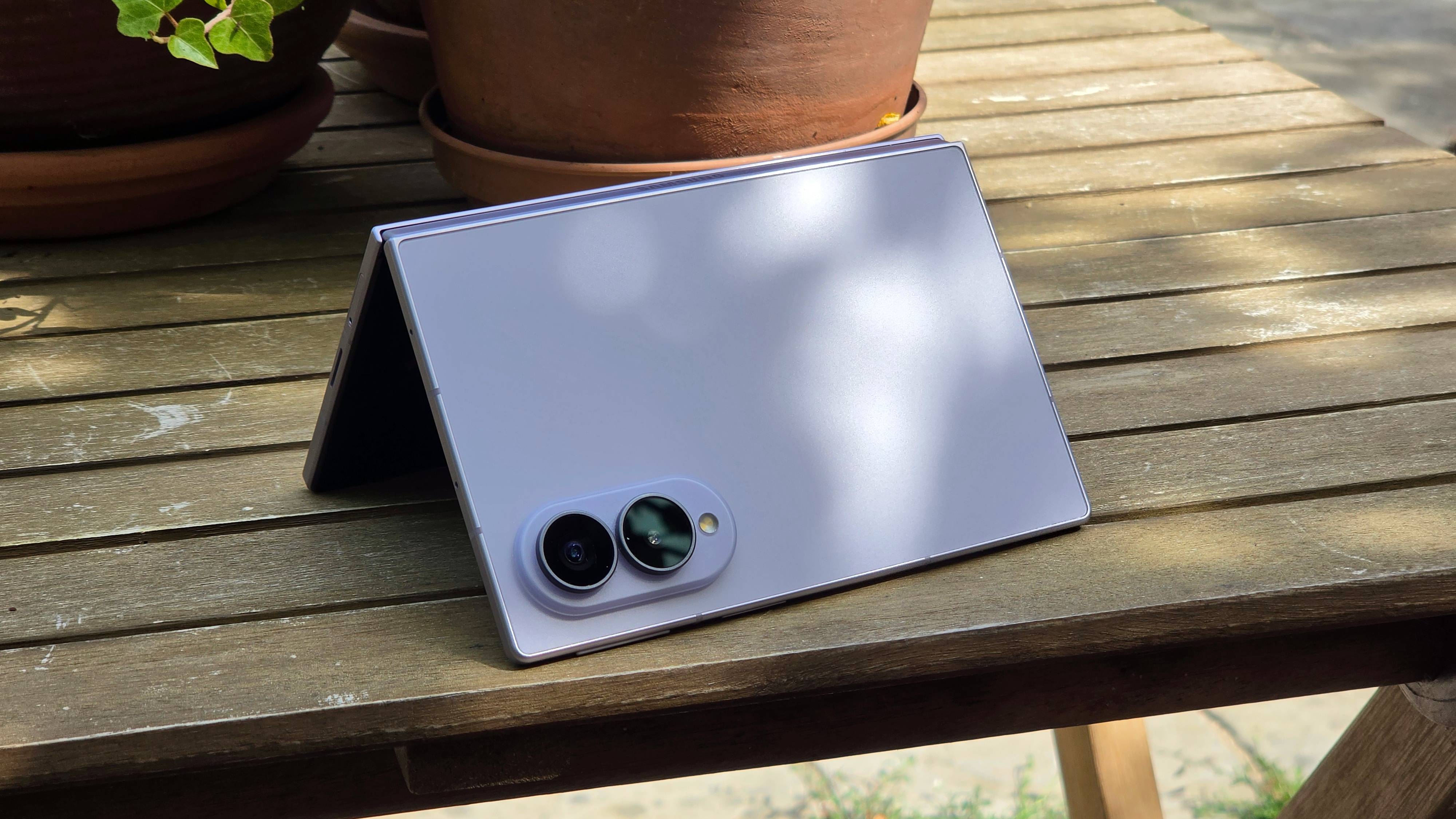
That’s right, it’s now an Ultra device, though that has more to do with the other new entry in the folding lineup: the 4:3 ratio Samsung Galaxy Z Fold 8. This new Galaxy Z Fold 8 Ultra is not, after all, a full-scale redesign and is, instead, a refinement that brings better cameras (an upgraded 200MP camera with an f-stop adjustment, a new 50MP ultra-wide that matches the Galaxy S26 Ultra), a new 5,000mAh silicon-carbon battery, an anti-reflective coating on the display, and, somehow, a thinner body.
The Samsung Galaxy Z Fold 7 on the right and the new Galaxy Z Fold 8 Ultra on the left. Note the drastically reduced crease.Lance Ulanoff / FutureAnother look that also shows you the flatness of the new device.Lance Ulanoff / Future
The slimming
At 4.1mm, you might be hard-pressed to notice the difference between Samsung's two most recent foldable flagships, though I can tell you that the chassis is now so thin, it barely squeezes in a USB-C port.
What is noticeable, though, is that the Galaxy Z Fold 8 Ultra unfolds its 8.1-inch OLED display effectively flat, and the crease is all but gone. (The phone actually almost snaps to flat and is somewhat less adjustable between flat and folded modes.)
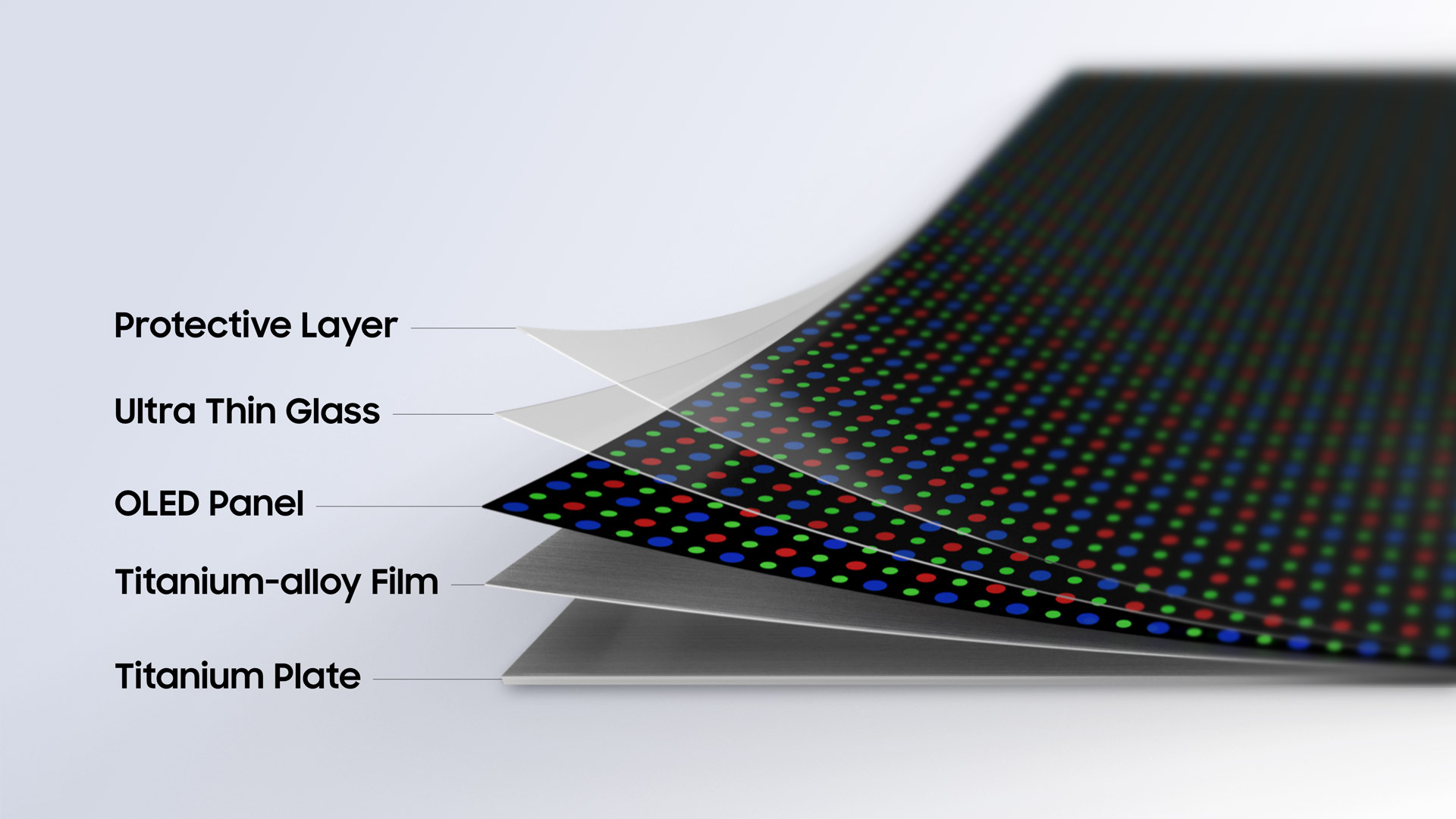
That’s due to the lightweight but also very strong titanium architecture behind that OLED panel. There has been a rigid titanium backplate behind the OLED panel since the Galaxy Z Fold 7, but the lattice work along the crease — in the center of the panel — has been totally redesigned from a seemingly infinite series of parallel holes to holes that start narrow on top but open up on the opposite side (it’s sort of an “A” shape). Stacked on top of that panel now is another far more flexible titanium alloy sheet (a mix of titanium and other metals like aluminum and chrome). It’s about as flexible as a sheet of paper (I touched it, I know) but with infinitely more strength.
Here's a cool look at the entire makeup of the Samsung Galaxy Z Fold 8 Ultra and Z Fold 8's new Flex Titanium technology. (Image credit: Future)
The combination of these two panels, which are sandwiched and glued together along with the OLED panel, an ultra-thin glass pane, and a plastic screen protector, all work in concert to allow the panel to be both 30% easier to open (a new chamfered display frame edge also assists here) and more inclined to pop out flat. And that makes the crease almost invisible.
I know all this because I met with Samsung Electronics and Samsung Display engineers in South Korea who worked together to bring the Z Fold 8 Ultra to life.
(Image credit: Samsung Display)
Even though I sort of understood how these elements worked together to make a flatter whole, I couldn’t entirely figure out how the rigid back plane was flexible enough to make the folding and unfolding possible, but Byung Duk Yang, EVP at Core Component Technology Team, Samsung Electronics, put a finer point on it for me.
Sitting next to a specially designed flexible display blow-out diorama featuring all those aforementioned panels hanging inside like so many curtains, Yang explained, “You’re right. Titanium is basically not flexible. We use a titanium plate already, but there are micro-holes to get the stretchability — so that is basic titanium. But this time we used the new titanium alloy — we needed some stretchability. That’s why it is not 100% titanium; it’s titanium alloy.”
The switch to the titanium alloy, which replaced a thicker polymer layer, is key because, with titanium’s ability to better withstand long-term deformation, it’s less likely that the now mostly hidden crease will grow more prominent over time.
As I noted, people tend to, with these foldables, fixate on the crease, but Yang explained that in designing these panels, Samsung Display has many considerations. “The crease itself is not our only top priority. We have to consider durability and surface quality.”
Stress tests
One of the benefits of the new Flex Titanium technology is that the folding phones will be more durable over time: the titanium plate and titanium alloy sheet both resist long-term deformation far better than the old polymer sheet. In Samsung's Gumi Automation Labs, it tests the Z Fold 8 and Z Fold 8 Ultra phone displays' bending and response.SamsungSamsungSamsung
I also traveled to Samsung’s Gumi Factory City in South Korea, where I witnessed the new Galaxy Z Fold 8 Ultra and its new sibling, the Galaxy Z Fold 8, undergo rigorous stress tests that included extreme heating and cooling, folding and unfolding tens of thousands of times, and ball-drop tests in which metal balls are repeatedly dropped on the screens from various heights.
From what I could tell, the Z Fold 8 and Z Fold 8 Ultra are quite resilient and, in the Z Fold 8 Ultras I saw, less reflective.
The new antireflective coating appears to do its part in helping the flexible display hide the crease. After all, less light is bouncing back to your eyes. And when I visited the Gumi testing lab, I saw how they used a special box with a dome of brilliant white light and a spectrometer to test display reflectivity. The light robotically moved around the Z Fold 8 Ultra panel to assess general reflectivity but also how the light might bounce off the crease. Results are gathered by a computer in a lab that runs 24 hours a day. We were, by the way, the first reporters ever to see it in person.
The new Samsung Galaxy Z Fold 8 Ultra is about as flat as it can get.Lance Ulanoff / FutureLance Ulanoff / FutureLance Ulanoff / Future
I’ve been pondering, though, what comes next for the Galaxy Z Fold lineup. Unless Samsung removes the USB-C port, it really can’t get any thinner. But the display could get at least one cool improvement; Samsung confirmed to me that they are thinking about how the Privacy Display on the Galaxy S26 Ultra might come to a future folding device. As you may recall, that privacy technology works at a pixel level to hide your screen from prying eyes, so it would require a very specific update to the flexible OLED panel.
In the meantime, though, consumers will have to consider this new Galaxy Z Fold 8 Ultra, perhaps the thinnest, flattest, and fullest expression of Samsung’s foldable ambitions.
A smartphone can be a major investment — especially if you’re shopping for one of the best phones around — so it’s important to be sure that the device you’re buying isn’t just good for now, but good for many years to come.
Software support is a key factor in determining how long a phone will last, and in recent years, manufacturers have been committing to much longer product support windows than they used to. But not all phones get the same amount of support, and indeed some older phones will be approaching their final update in 2026.
So, below, we’ve detailed how long phones from Apple, Samsung, Google, and Motorola will continue to receive updates.
To keep things simple, we've focused on major brands with US availability, but if you have a recent high-end phone from the likes of Honor, Oppo, or Xiaomi, it will likely be in line for between five and six years of updates from its launch date. Older and lower-end models tend to be in the two-to-three-year range.
Apple iPhones
The iPhone 17 Pro (Image credit: Lance Ulanoff / Future)
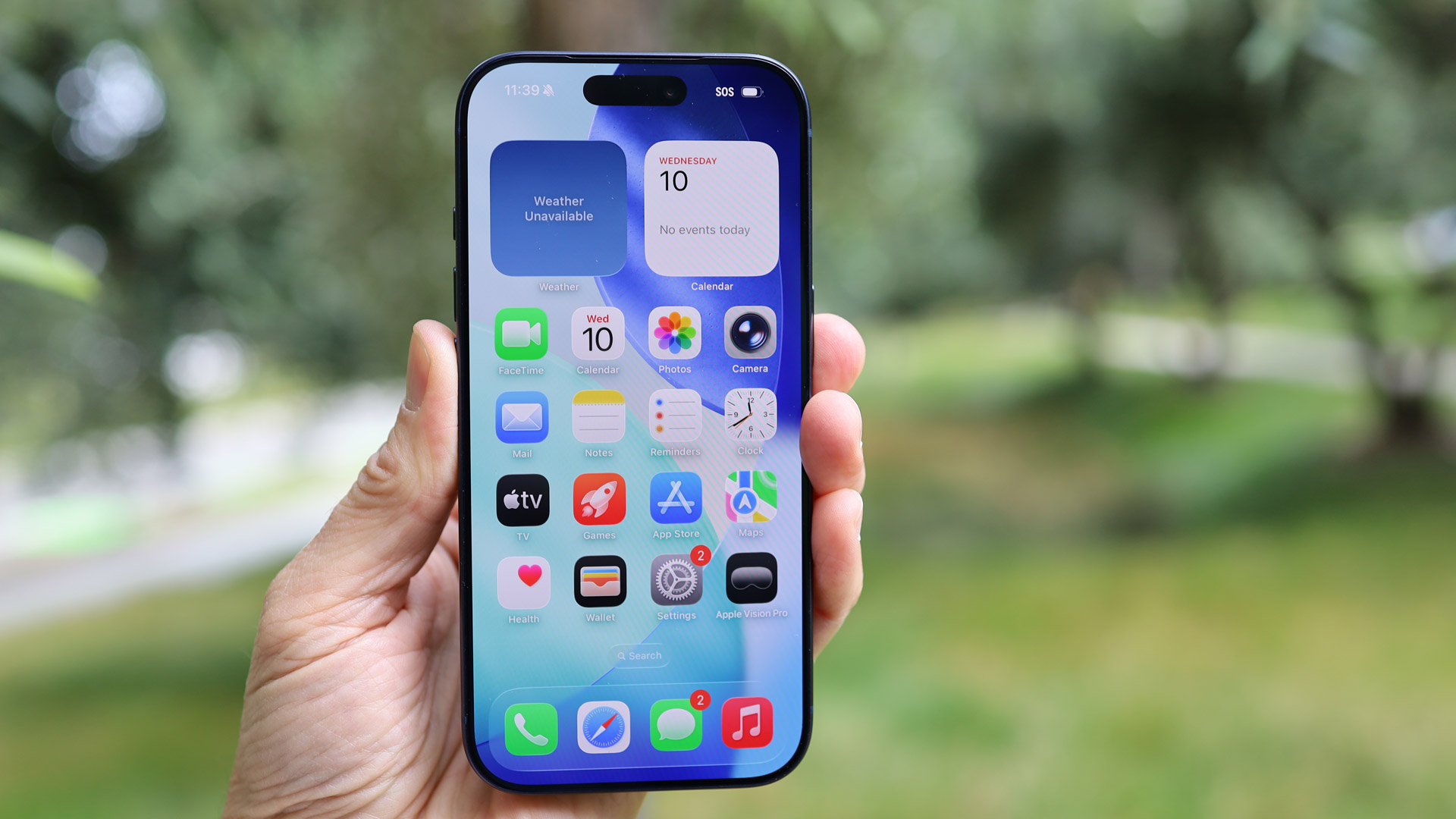
Apple never used to commit to a specific support window for its phones, but that changed in 2024, when new UK regulations required brands to outline a minimum support window. As a result, Apple now promises a minimum of five years — but this only applies to security updates, not the kinds of iOS updates that add new software features. And five years is a minimum, with Apple often going beyond that number anyway.
All of which is to say we can’t be certain when iPhones will get their final update, but typically, they’re supported for between five and seven years.
So, the list below is our best guess for how many years of updates each currently supported iPhone model has left.
iPhone 17 series — 4-6 years (last update in 2030, 2031, or 2032)
iPhone Air — 4-6 years (last update in 2030, 2031, or 2032)
iPhone 16 series — 3-5 years (last update in 2029, 2030 or 2031)
iPhone 15 series — 2-4 years (last update in 2028, 2029, or 2030)
iPhone 14 series — 1-3 years (last update in 2027, 2028, or 2029)
iPhone SE (2022) — 1-3 years (last update in 2027, 2028, or 2029)
iPhone 13 series — 0-2 years (last update in 2026, 2027, or 2028)
iPhone 12 series — 0-2 years (last update in 2026, 2027, or 2028)
iPhone 11 series — final update will probably be this year with iOS 27
iPhone SE (2020) — final update will probably be this year with iOS 27
Samsung Galaxy phones
The Samsung Galaxy S26 Plus (Image credit: Future/Rami Tabari)
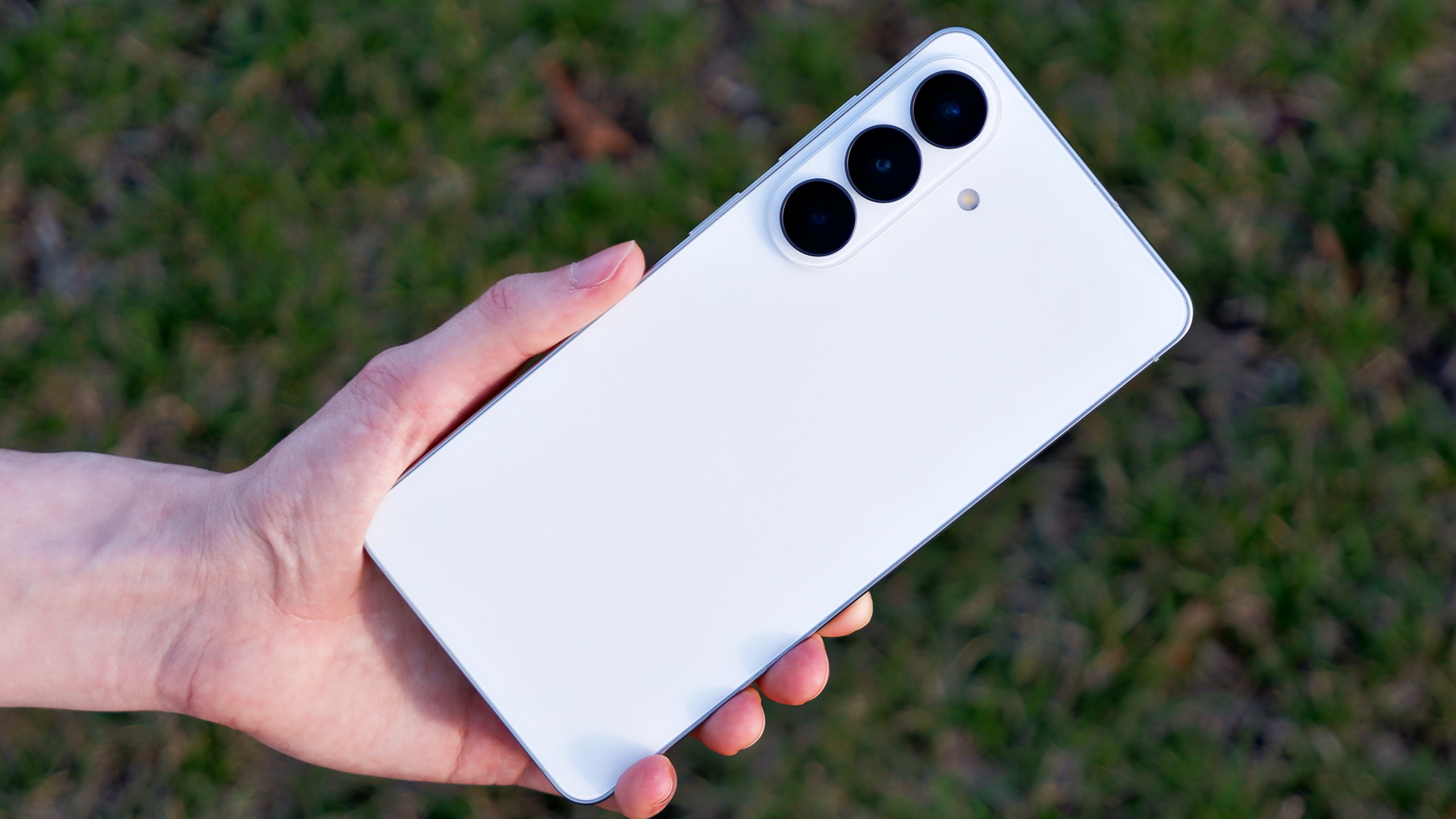
Samsung offers as much as seven years of support for some of its recent phones, but older and lower-end handsets get fewer updates, so how long your phone will be updated for can be quite variable depending on the model.
Samsung Galaxy S26 series — 7 years (last update in 2033)
Samsung Galaxy A36 — 5 years (last update in 2031)
Samsung Galaxy A26 — 5 years (last update in 2031)
Samsung Galaxy A17 — 5 years (last update in 2031)
Samsung Galaxy A17 — 4 years (last update in 2030)
Samsung Galaxy A55 — 1 year (last update in 2027, security patches until 2029)
Samsung Galaxy A35 — 1 year (last update in 2027, security patches until 2029)
Samsung Galaxy M35 — 1 year (last update in 2027, security patches until 2029)
Samsung Galaxy A25 — 1 year (last update in 2027, security patches until 2028)
Samsung Galaxy A54 — final Android update this year (2026), final security patch in 2028
Samsung Galaxy A34 — final Android update this year (2026), final security patch in 2028
Samsung Galaxy S23 series — final Android update this year (2026), final security patch in 2028
Samsung Galaxy Z Fold 5 — final Android update this year (2026), final security patch in 2028
Samsung Galaxy Z Flip 5 — final Android update this year (2026), final security patch in 2028
Samsung Galaxy M54 — final Android update this year (2026), final security patch in 2028
Google Pixel phones
The Google Pixel 10 (Image credit: Philip Berne / Future)
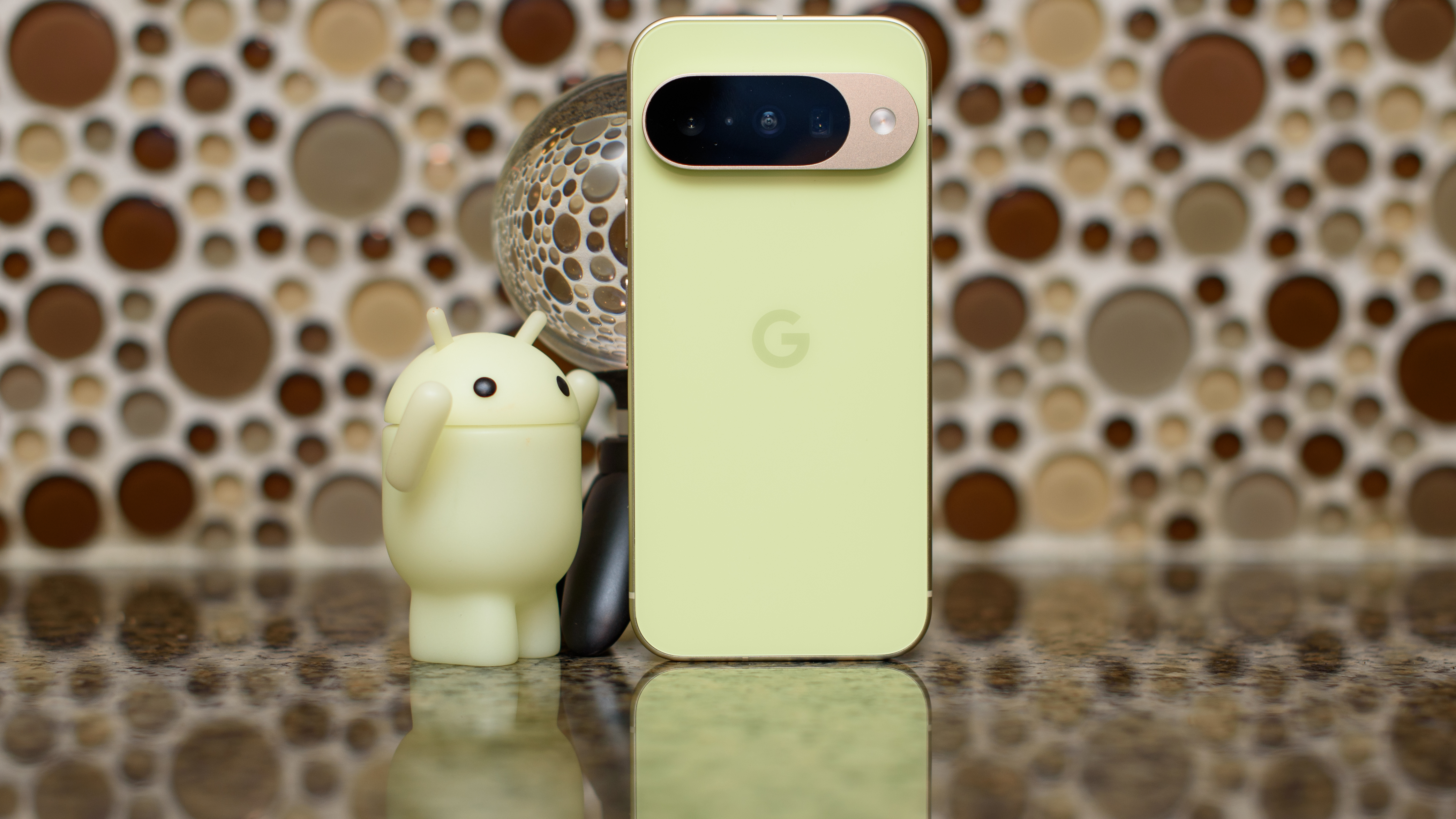
Google has committed to supporting all handsets from the Pixel 8 onwards for seven years, while phones from the Pixel 6 and Pixel 7 lines get five years of support.
Note that, as a-series models launch later than their mainline siblings, they technically get supported for longer. But depending on when major new Android versions launch, they may not get additional significant updates.
Google Pixel 6 series (excluding 6a) — final update this year (2026)
Motorola phones
The Motorola Edge 70 (Image credit: Future)
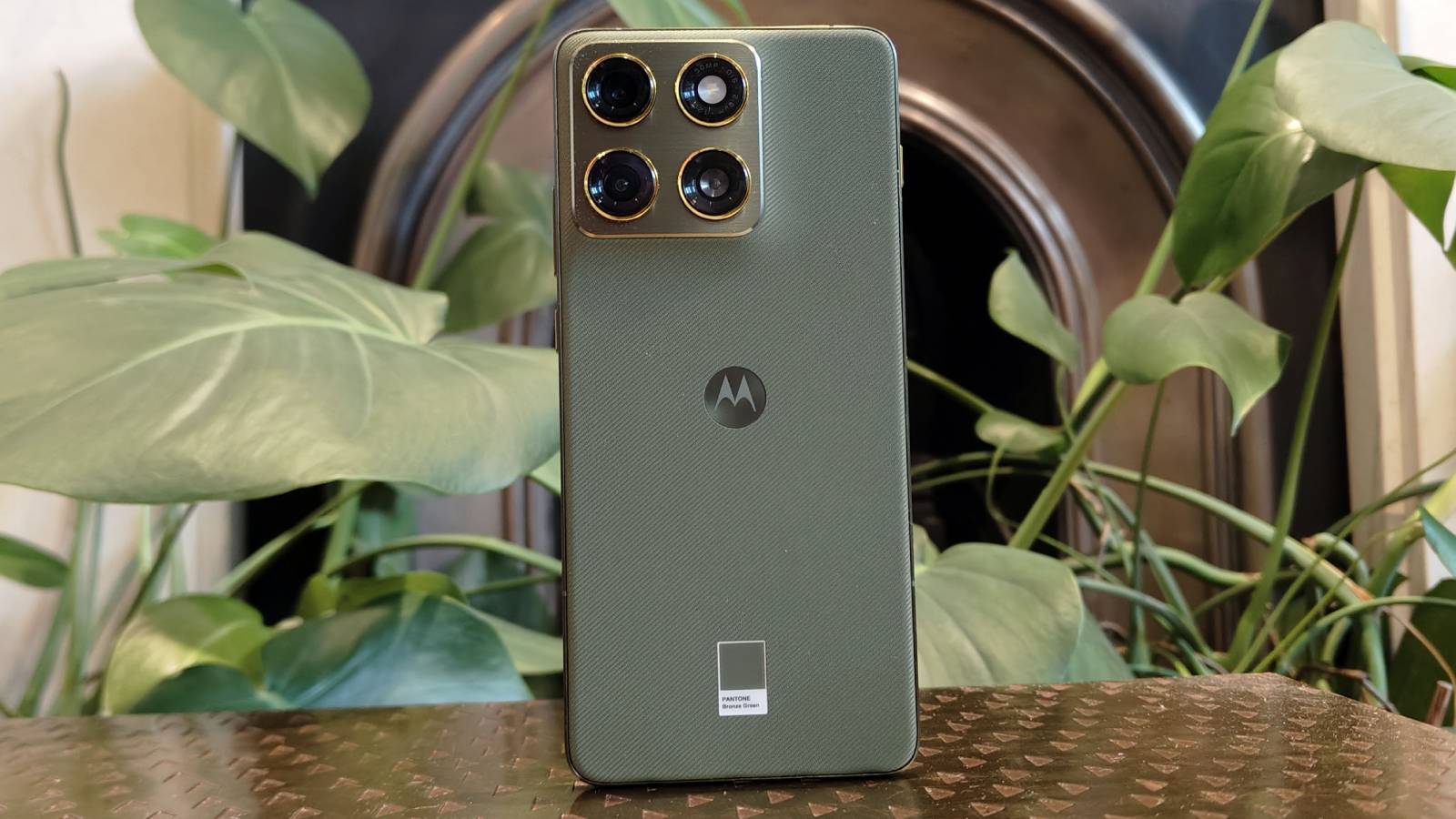
Motorola’s update commitments feel quite messy and inconsistent, with some phones getting more or fewer updates than you might expect, but you’ll find an overview of the currently supported handsets below.
Motorola Signature — 7 years (last update in early 2033)
Motorola Edge 70 series — 3 years (last update in 2029, security patches until 2031)
Motorola Edge 60 Neo — 3 years (last update in 2029, security patches until 2031)

 Login