❌

Reading view

Rising temperatures could boost pregnancy risks worldwide β€” here's how

Rising temperatures around the globe are contributing to a range of health risks, from infectious disease to food insecurity and wildfire smoke. Extreme heat is another major public health concern, as climate change drives up both average temperatures and the frequency of extremely hot days. This August was the world's hottest on record, and it drove upticks in heat-related emergency visits and deaths in various U.S. states.

Hotter weather is expected to pose dangerous health risks for millions, and pregnant people are especially vulnerable to its impacts, experts caution.

"Pregnant people are physiologically more vulnerable to heat," Dr. Susanna Esposito, a pediatrician at the University of Parma in Italy, told Live Science. "Climate adaptation should treat pregnant people as a priority population."

Extreme heat is linked to adverse birth outcomes that can be fatal for both mothers and newborns. Heat can also hinder fetuses' development, contributing to long-term health and cognitive effects.

Scientists and public health experts are working to identify the thresholds between safe and dangerous heat for maternal and prenatal health. As the planet warms, how will that affect the risks associated with pregnancy? And how can those risks be countered?

Low birth weight

When the body tries to cool down, blood moves to the extremities to dissipate heat through the skin's surface. Some studies suggest that, in a pregnant person, this may reduce blood flow to the placenta, which in turn reduces the organ's supply of oxygen and nutrients. This is thought to contribute to low birth weight, which is associated with a heightened risk of illness and death shortly after birth, as well as cognitive and mental-health challenges later in life.

Heat stress may also spike the body's levels of cortisol beyond what they should be in a healthy pregnancy, studies in lab animals suggest. This may expose developing fetuses to more cortisol than usual, affecting some aspects of development and functions of the placenta. This mechanism is not fully understood in humans yet, though.

That said, several studies in humans support the notion of a link between heat exposure and low birth weight. Mothers who were pregnant during a 2003 heat wave in France were more than twice as likely to have a baby of low birth weight than mothers whose pregnancies did not coincide with the extreme heat. The trend was especially strong when the heat wave hit during a person's first trimester.

In a study conducted in Arizona, hotter temperatures during the third trimester were also associated with lower birth weight, said study co-author Kristin Mickelson, a social-health psychologist who studies public health at the Arizona State University.

A woman wearing a hospital gown holds her pregnant stomach.

Exposure to extreme heat has been linked to a higher chance of babies being born at a low weight. The reasons why are still being studied, however. (Image credit: Jose Luis Pelaez Inc via Getty Images)

Preterm and early birth

Preterm delivery β€” before 37 weeks of gestation β€” is one of the most concerning health outcomes that's been linked to heat, Esposito told Live Science. The risk of neurological and developmental disabilities is higher in preterm babies than in full-term babies.

"If you're born preterm, you have a heightened risk of all sorts of adversities throughout infancy, but then also extending into childhood and even longer term," said Clara Heil, health researcher at Lund University in Sweden.

Severe heat may make preterm birth more likely. A review of 70 studies suggests that the chance of preterm birth is 16% higher when a multiday heat wave hits during the final weeks of pregnancy. Regarding average temperatures across an entire pregnancy, each additional 1.8 degrees Fahrenheit (1 degree Celsius) boosts the risk of preterm birth by 5%, the same review found.

High temperatures have also been tied to early births, which occur after 37 weeks of pregnancy but before 39 completed weeks. Early birth is associated with an increased risk of hospitalizations through childhood and slower neurologic development.

A study analyzing 56 million U.S. births across two decades suggested there was about 1 more early birth per 100,000 pregnancies on days with a maximum temperature above 90 F (32.2 C), compared to 60 to 70 F (15 to 21 C). Deliveries on hot days were typically about six days earlier than anticipated, but some were up to two weeks early.

With average temperatures continuing to rise, early and premature births could become more common. The United Nations predicts that the world is set to cross the 1.5 C (2.7 F) threshold of warming compared with pre-industrial levels, likely within the next five years, and we may even surpass the 2 C (3.6 F) threshold in that timeframe.

"We can probably expect to see these temperatures, or worse, in the upcoming years," Lizbeth Burgos Ochoa, statistician at Tilburg University in the Netherlands, told Live Science.

Preeclampsia, heart defects and other risks

Maternal heat exposure has also been associated with an increased risk of preeclampsia, a pregnancy complication related to blood pressure that can be fatal. In a 2011 study conducted in France, hotter temperatures during the first trimester were associated with a slightly increased risk of severe preeclampsia, although more research is needed to understand why.

Heat exposure has also been linked to other conditions of pregnancy, including gestational diabetes and hypertension, as well as increased emergency hospital admissions during pregnancy, overall.

Additional studies have highlighted potential risks for developing fetuses and newborns. For example, following a heat wave in Canada, the risk of a baby being born with critical heart defects was 6% higher, one study found. Babies with the highest risk had been exposed to temperatures of 86 F (30 C) or higher for at least 15 days during the first trimester of pregnancy.

Extreme heat waves may also raise the chance of stillbirth, according to a study conducted across six U.S. states. Four consecutive unusually hot days β€” exceeding the 97.5th percentile of temperature for a given county β€” in the last week of pregnancy was linked to a 3% increase in the risk of stillbirth.

These studies are observational, so they show links between heat and pregnancy outcomes but cannot directly show that the heat spurred the increased risks. They also don't take into account study participants' home environments or strategies for cooling off, so they don't provide a full picture of how much heat they were exposed to.
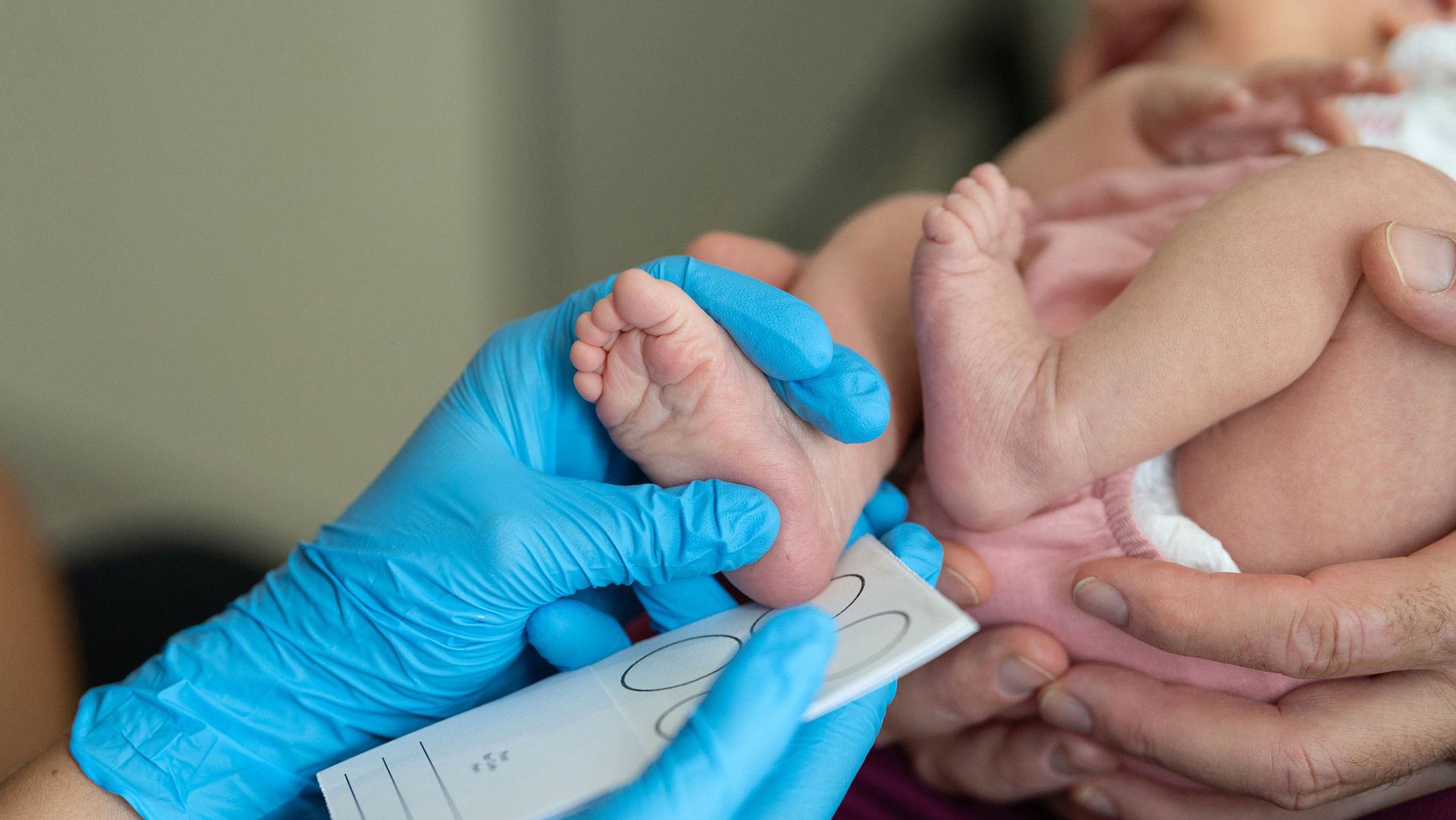
A blue gloved hand measures an infant's foot.

Studies suggest that both maternal, prenatal and newborn health can be negatively impacted by exposure to extreme heat during pregnancy. (Image credit: Abraham Gonzalez Fernandez viaGetty Images)

Caring for pregnant people and the next generation

Researchers are still working to understand what temperatures pregnant people should be most concerned about.

"It would be [helpful] to understand what level of heat becomes dangerous to women," Heil said. "Is there a threshold where it becomes difficult for the body to dissipate heat? And especially for the pregnant body, which is different from the non-pregnant body, to cope with that heat?"

Heil and her research team synthesized over 100 studies on heat and poor birth outcomes, such as stillbirth, preterm birth, placental abruption and preeclampsia. The studies varied considerably in that they covered different timeframes, focusing on just one trimester or all three, for instance. But in general, their results converged on a pattern: The risk of poor outcomes rose as temperatures hit about 87 F (30.5 C). At 102 F (39 C), the combined risk of poor outcomes rose by 20%.

This summer, daytime maximum temperatures in the continental U.S. averaged a record-breaking 88.6 F (31.4 C). The number of days per year over 105 F (35 C) is expected to triple in the U.S. by midcentury.

Heat's detrimental effects on birth outcomes are even more extreme for those with disadvantaged socioeconomic conditions, Burgos Ochoa noted. People with lower incomes are less likely to have air conditioning, and neighborhoods with a lower median income tend to have less green space, which contributes to trapped heat in their immediate surroundings. Expanding green spaces and adding bodies of water can help cool down neighborhoods and mitigate heat impacts on health, she said.

Heil's research team has developed a phone app for pregnant people and those who have recently given birth that forecasts the risk of heat stress and suggests actions to take to mitigate those risks, such as hydrating or changing clothing. Heil is hopeful that the app and similar early-warning systems can make a difference.

"Maternal health should be at the top [of our concerns], because it is about the next generation," Mickelson said. "If we don't take care of the mothers that are giving birth to the next generation, that's going to have long-term consequences down the road."

This article is for informational purposes only and is not meant to offer medical advice.

Help us improve Live Science Pro: We're always trying to make our content better. Leave us feedback about Pro here.

  •  

Testosterone for menopause: The treatment is rising in popularity, but does it work?

If you're approaching menopause, you are likely being bombarded by online ads for treatments promising relief for everything from hot flashes to brain fog. Some of these therapies have been approved by the Food and Drug Administration (FDA) and have strong evidence to support them β€” but one hormone-based treatment that's gaining in popularity has much less science to back its use for menopause.

More doctors are writing their menopausal patients prescriptions for testosterone therapy. A 2026 study conducted in the U.S. recorded over 90,000 off-label prescriptions for testosterone to women in 2025, mainly among women ages 45 to 64 and those with diagnoses of menopause. This marked a 58.7% increase from 2024.

These prescriptions are "off-label" because the FDA has not yet approved testosterone as a treatment for menopause, perimenopause (the transition into menopause) or postmenopause (the time period afterward).

So, does scientific evidence support the use of testosterone to alleviate menopause symptoms? Or is it too soon to say?

A close up of a blue box's label that reads

While testosterone treatment for menopause has gained popularity, there's limited evidence to back up its use, experts say. (Image credit: Bloomberg via Getty Images)

No direct link to menopause symptoms

Although often called a "male" hormone, testosterone is also produced by females, albeit at lower levels than in males, on average.

There's a common misconception that females experience "androgen deficiency" β€” a marked decline in testosterone and related hormones β€” leading up to menopause, said Susan Davis, a professor of endocrinology and the head of the Women's Health Research Program at Monash University in Australia. This is not the case.

Rather, in females, testosterone levels tend to drop slowly between ages 20 and 60, and there's a slight rebound from age 60 onward. Menopause, which generally occurs around age 51 to 52, is not linked to a marked decline in testosterone. Estrogen and progesterone fluctuate during perimenopause and then decline sharply, and these changes clearly contribute to the telltale symptoms of perimenopause and menopause.

Placebo-controlled trials have not been able to show that testosterone treatment helps to alleviate brain fog or improve well-being, mood, bone density or muscle function in menopausal patients, said Davis, who has conducted a number of these trials herself.

"Telling women that fatigue, low mood, brain fog are symptoms of androgen deficiency is completely untrue," she emphasized.

On Sept. 17, the FDA held a public workshop to evaluate the evidence for testosterone therapy for menopause, concluding that more evidence is needed to fully assess the use of the hormone as a menopause treatment.

Testosterone for low sex drive?

There is some evidence to suggest that testosterone might help to treat a condition called hypoactive sexual desire disorder (HSDD) in postmenopausal women. HSDD describes when a person has little to no sex drive and it causes them distress. Men and women of many ages experience it, so the condition is not unique to menopause. But it can sometimes develop in perimenopausal and postmenopausal women.

A review of 36 randomized trials involving 8,480 participants found that testosterone treatment delivered with skin patches was associated with 0.85 additional satisfying sexual events per month in postmenopausal women, compared to a placebo. This observed effect is not huge, Dr. Nanette Santoro, a professor of obstetrics and gynecology at the University of Colorado School of Medicine, told Live Science in an email.

Of all the studies done to date, if there was a screaming benefit, you think you would have seen it.

Susan Davis, head of the Women's Health Research Program at Monash University

Lately, anecdotal accounts of postmenopausal women having "fantastic sexual awakenings" after taking testosterone have been floating around, Santoro said. But these anecdotes haven't been backed by hard data yet. "Patients are being bombarded with a tsunami of information providing them with the most sky-high expectations imaginable," she said.

Notably, testosterone is not FDA approved as a treatment for HSDD in menopause yet. A drug called flibanserin, which affects serotonin in the brain, is approved to treat HSDD for pre- and postmenopausal women under age 65.

Placebo effects muddy the data

The placebo effect β€” when patients perceive an improvement in their health or well-being despite receiving a treatment with no active ingredient β€” can also complicate testosterone trials.

Davis said that in her patient groups, it's common for about 1 in 3 trial participants to report an improvement of their symptoms even though they are taking a placebo. Other trials have reported similar findings in their placebo groups, with about 30% to 40% experiencing some improvement in sexual desire and satisfaction, for example.

"I wouldn't say that there is definitely not a benefit," Davis said. "It's just that a benefit has not been shown."

One study trying to address this gap is the U.K. National Institute for Health and Care Research's ESTEEM trial. This large-scale, gold-standard trial aims to recruit hundreds of menopausal women and test whether using testosterone cream can reliably improve their quality of life. The cream will deliver testosterone through the skin and be applied to the lower abdomen and thighs. (Doctors often advise women to apply the creams in this way because those body parts are easy to hide if the treatment causes localized hair growth that the patients would prefer to conceal.)

The trial runners will track participants' symptoms linked to menopause, looking at sleep quality, memory performance, feelings of anxiousness, migraines, body mass, and overall well-being. The results of that trial are currently expected by 2028.

In the meantime, though, there isn't strong evidence that testosterone directly improves symptoms of menopause beyond HSDD. "Of all the studies done to date, if there was a screaming benefit, you think you would have seen it," Davis said.

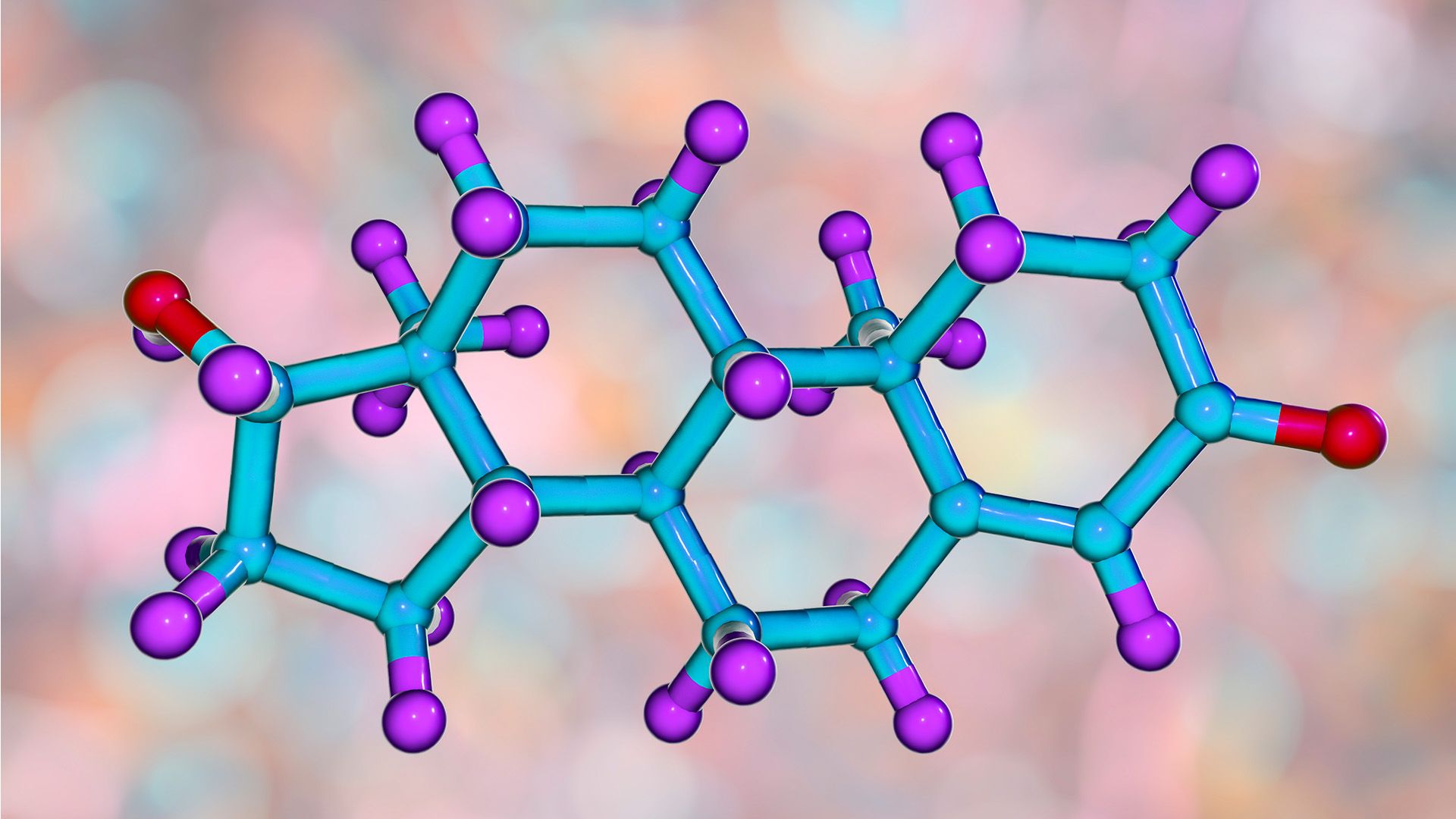
A blue and purple molecule with a few ends colored red.

Females' testosterone levels generally decline throughout adulthood, with a slight increase after age 60. However, there isn't a sharp dip in testosterone around the time of menopause. (Image credit: KATERYNA KON/SCIENCE PHOTO LIBRARY via Getty Images)

Could taking testosterone for menopause be harmful?

Testosterone treatments available in most countries are not necessarily dosed for use in female patients. Only four countries β€” Australia, South Africa, New Zealand and the United Kingdom β€” have authorized a testosterone cream that's specifically formulated and dosed for women. These products differ from testosterone therapies for men in that they contain lower doses of the hormone. They are available to postmenopausal women with HSDD, specifically.

In other countries, such as the U.S., doctors are left trying to adapt medication dosed for males for their female patients, which can lead to a wide variation in dosing. And the effects of these different dosing regimens are poorly understood for female patients. "It is not necessarily unsafe to use male preparations for women, it's just that much, much less must be used," Santoro said.

Excessive doses raise concern about unwanted masculinizing effects, such as clitoral enlargement, voice deepening, hair thinning, baldness, and rapid growth of facial and body hair, Santoro said. (These masculinizing effects might be sought after in the context of gender-affirming care for transgender men and transmasculine people, but would often be undesirable for cisgender women.)

Additionally, the potential impacts of extra testosterone on cardiovascular health and breast cancer risk are poorly understood, Santoro noted. At lower doses, testosterone can cause mild acne, oily skin, and some increase in facial and body hair growth in postmenopausal women, trials have found; if these symptoms remain mild, they are generally considered acceptable.

Testosterone is being used off-label in the U.S., which means the "safety, efficacy and appropriate dosing for that use have not been evaluated and approved by the FDA," a spokesperson for the agency told Live Science in an email. The dosages and formulations approved for males "may differ substantially from what might be appropriate for women, whose testosterone levels and metabolic profiles are clinically distinct," the spokesperson said.

Anecdotally, Santoro encountered one female patient who had received very high levels of testosterone through an implant placed under the skin, which had been prescribed to her by a different doctor. She started losing her hair and seeing sizable growth in her clitoris, while her breasts started "shrinking away."

"Women are being prescribed some very big doses in North America, and no one studied the safety of these," Santoro said.

At the end of the day, Davis argues that women deserve to be given accurate information, given that navigating menopause can already feel like "swimming through wet cement." Good menopause care not only involves discussing potential pharmacological treatments, but also evaluating a patient's lifestyle, such as diet and exercise, and discussing societal pressures that often affect menopausal people. For instance, they may face pressure to maintain an active sex life and younger-looking physique.

When it comes to hyped therapies like testosterone, she said, "just be cautious about people who tell you they've got the answer that no one else has got."

This article is for informational purposes only and is not meant to offer medical advice.

Help us improve Live Science Pro: We're always trying to make our content better. Leave us feedback about Pro here.
  •  

Tapeworm drug could help treat endometriosis, mouse study hints

A modified tapeworm medication could be a promising new treatment for endometriosis, an early study in mice hints.

In endometriosis, tissue similar to the lining of the uterus grows outside the organ, and these patches of tissue, called "lesions," trigger painful inflammation and heavy menstrual bleeding. In the new study, scientists fitted an anti-worm drug with nanotech armor, and it directly targeted these painful lesions in laboratory mice.

The treatment reduced inflammation and slowed or prevented further spread of the lesions, researchers reported in August in the journal Advanced Healthcare Materials. The team is already working on bringing the new drug to clinical trials and hopes this will bring fresh attention to an understudied disease with limited treatment options.

Rogue immune cells are a promising drug target

Endometriosis is a chronic, hormone-driven condition that affects roughly 10% of reproductive-age females β€ͺ—‬ an estimated 190 million individuals worldwide. "The main symptoms are chronic pelvic pain and infertility," said Ioannis Simitsidellis, a postdoctoral researcher at the University of Edinburgh's Centres for Reproductive Health and Inflammation Research, who wasn't involved in the study.

There is currently no cure, so existing treatments aim to alleviate the symptoms. Hormonal medications can stall the menstrual cycle to limit the growth and inflammation of the lesions, while surgery can physically remove lesions. However, the former can come with side effects, such as nausea and mood swings, and lesions often regrow after surgery. So additional options are needed.

In previous research with mice, study co-author Kanako Hayashi, a professor in the Washington State University School of Molecular Biosciences, identified a group of rogue immune cells specific to endometrial lesion tissue. These cells turbocharged the painful inflammatory reactions and drove the growth of more of this problematic tissue.

The cells also happen to have a unique chemical label, called a folate receptor, which makes them an excellent potential drug target. But why start from scratch when there's an existing medication that might do the trick?

Enter niclosamide, a drug approved by the Food and Drug Administration to treat tapeworm infections. In recent years, clinicians have been exploring whether this medicine could also prove effective for other conditions, ranging from cancer to Parkinson's disease.

The drug is attached in such a way that when it is in systemic circulation, nothing happens until it goes inside the diseased cells.

Anjali Sharma, nanomedicine specialist at the University of Michigan

"We have reported that niclosamide inhibits endometriosis progression, suppressing the inflammatory mechanisms and cytokine secretions," said Hayashi, referencing more of the group's past work in mice. However, several issues made the drug impractical: It doesn't dissolve well in water, last long in the body, or target the cells where it's needed most.

So the researchers teamed up with Anjali Sharma, a nanomedicine specialist at the University of Michigan, to tweak the drug's structure. Using click chemistry β€” a simple reaction that bolts together two chemical building blocks β€” Sharma attached the niclosamide unit to a large, tree-like molecule called a dendrimer. This helped the drug dissolve better in blood.

She then added a folate group, which ensured that the modified medication would only target the rogue immune cells with the complementary receptor.

"The drug is attached in such a way that when it is in systemic circulation, nothing happens until it goes inside the diseased cells," Sharma said. Once there, it is slowly released inside the cell over a period of two weeks. "Basically, the dendrimer is like the Uber, the folate is like the GPS, and the drug is like the passenger," she explained.

The next steps

With these practical issues resolved, the team tested the modified drug in a mouse model, which mimics the lesions seen in endometriosis in humans. Scans of the mice showed that the treatment directly zeroed in on the affected endometrial tissue and didn't accumulate in other organs, like the liver.

Treating mice with a single injection dramatically reduced their pain symptoms, compared with untreated mice. It also slowed β€ͺ—‬ or, in some cases, entirely halted β€ͺ—‬ the growth of new lesions.

Because mice don't naturally menstruate or develop endometriosis, there is still significant work to do before these findings can be replicated in humans. But for now, the study is a promising stepping stone for future research, Simitsidellis said.

"There's a lot of potential in repurposing of drugs that have been tested in clinical trials to see if they would be effective in endometriosis β€ͺ—‬ for example, targeting inflammation or immune cell dysfunction," he told Live Science. "The next steps would be to replicate on larger sample sizes and, if that's promising, do a phase one clinical trial in humans." That initial trial would test the treatment's safety in patients, while later trials would look at its effectiveness for endometriosis.

Even at this early stage, though, patients are clamoring to get involved in the upcoming research. Hayashi and Sharma have received hundreds of emails asking to join a future trial.

"They are really suffering," Hayashi said. "Endometriosis is an understudied, underacknowledged, underfunded disease, but hopefully we can make this a solution in the near future."

This article is for informational purposes only and is not meant to offer medical advice.

  •  

Bacterial 'postbiotic' may help preserve fertility in the aging uterus, preliminary research suggests

Bolstering a type of bacteria that lives in the uterus may help counter age-related changes that can make it harder to get pregnant, a new study suggests.

While fertility decline is often linked to changes in egg number or quality, the uterus also becomes less receptive to an implanting embryo with age. The new research suggests that changes in the bacteria living there may be part of the reason.

In experiments, treating aged mice and lab-grown human uterine cells with a specific species of Lactobacillus, a group of bacteria often found in the uterus, reduced signs of aging in the uterine lining and improved embryo implantation. This improvement was also seen with a specific byproduct of Lactobacillus.

The findings, published Thursday (Aug. 6) in the journal Cell Host & Microbe, suggest that the uterine microbiome could be a promising target for treating age-related infertility. However, experts who were not involved in the study cautioned that the research is still preliminary.

"This is an interesting and promising approach, but we still don't know whether these findings will translate into meaningful improvements in human fertility," said Dr. Alex Robles, a fertility specialist at Columbia University Fertility Center who was not involved in the study.

"The microbiome can be influenced by many factors, including genetics, diet, geography, environmental exposures and other lifestyle practices," he told Live Science in an email, "which is why it's important to validate these findings across diverse populations before developing broadly applicable treatments."

To explore whether and how the uterine microbiome changes with age, the study researchers analyzed samples of the endometrium β€” tissue from the lining of the uterus β€” from 149 women ages 20 to 45 who were undergoing fertility treatment in China. The older women had lower levels of beneficial Lactobacillus bacteria, particularly L. gasseri and L. crispatus. These bacteria are generally associated with a healthy reproductive tract.

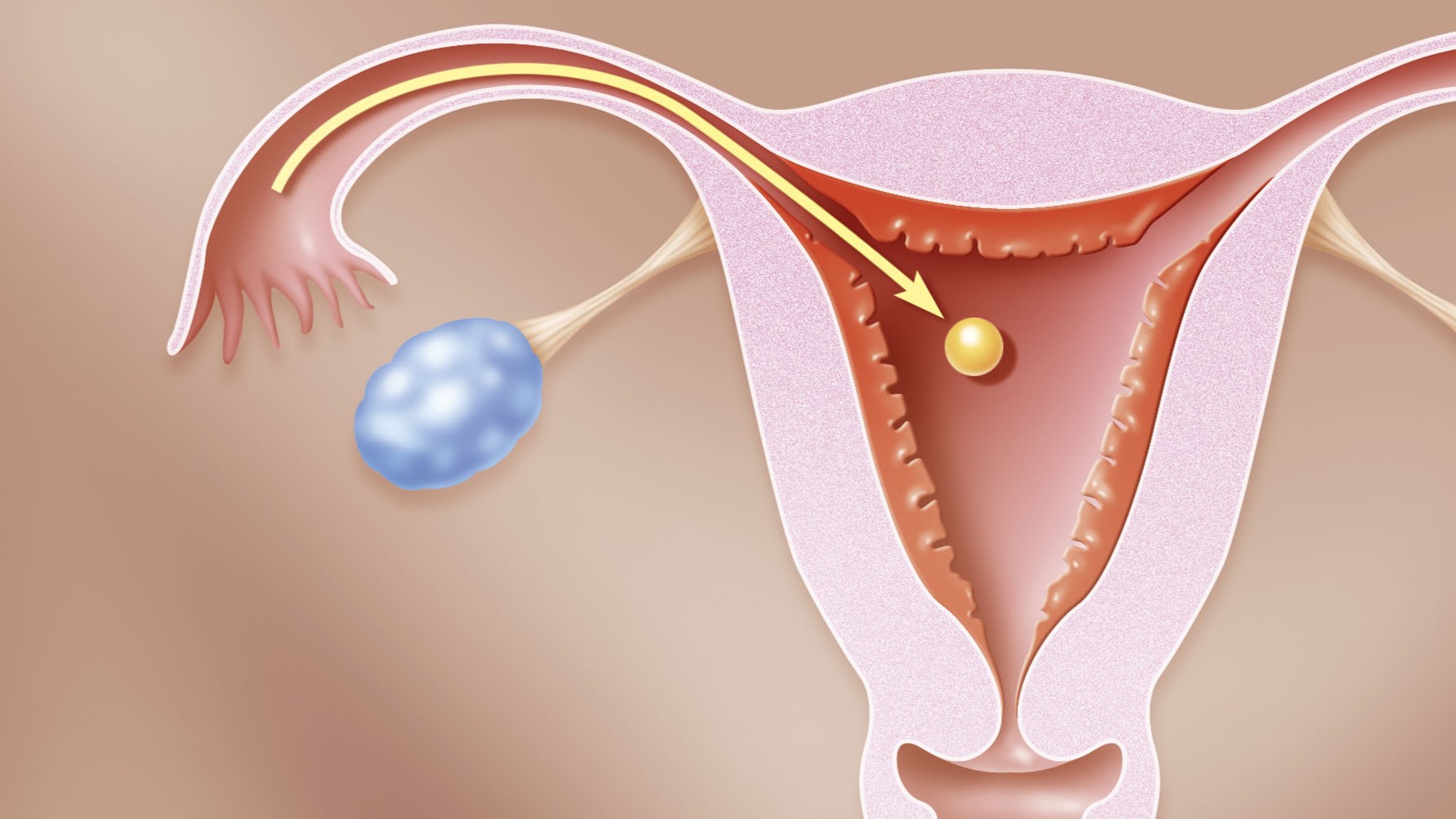
diagram of an ovary, fallopian tube and uterus, showing an egg traveling from the ovary to the uterus

With age, the lining of the uterus typically becomes less receptive to implantation, lowering the chance of pregnancy. (Image credit: BSIPΒ /Β Contributor vis Getty Images)

"One finding that surprised us was that overall microbial diversity did not change markedly across the different age groups," study co-author Dr. Rong Li, deputy director of the Department of Obstetrics and Gynecology at Peking University Third Hospital in Beijing, said in a statement. "Instead, the major differences involved particular bacterial species."

Later, 93 of the women underwent in vitro fertilization (IVF), and of those, 56 became pregnant. Those who became pregnant had higher levels of Lactobacillus in their uterine lining than those who did not get pregnant. That said, the pregnancy rates were similar across women of different ages who underwent IVF.

To better understand the effect of these bacteria on the uterus, the team isolated five Lactobacillus species and tested how they interacted with uterine cells. L. gasseri stood out because it attached strongly to uterine cells, and this attachment was associated with reduced inflammation and lower damage from oxidative stress. The bacterium also produced large amounts of exopolysaccharides (EPS), a type of sugar molecule.

The researchers then purified these sugars into a postbiotic they call LG-EPS. Unlike probiotics, postbiotics are products of bacterial cells and thus do not contain live bacteria.

Then, the researchers ran tests in older female mice (roughly equivalent to a middle-aged woman) to see whether introducing L. gasseri or LG-EPS to the vaginal canal could affect the aging uterus. After four weeks of daily vaginal treatment with either the bacterium or the postbiotic, the mice had fewer signs of uterine aging, less inflammation and higher embryo implantation rates than the untreated animals did. (That said, the team did not measure how much of each treatment actually reached the uterus.)

When they tried the same test with a modified strain of L. gasseri that could not make EPS, they found that many of these benefits disappeared. That suggested that the exopolysaccharides were responsible for much of the benefit. LG-EPS also reduced signs of aging in artificially aged human uterine cells, improving their ability to support embryo implantation.

Further experiments suggested that the postbiotic works by modifying a signaling pathway that helps control cell growth and tissue repair. This pathway was overactive in aged mice and uterine cells, but treatment helped to normalize its activity. Blocking a key protein in the same pathway eliminated the treatment's effects.

Robles said postbiotic treatments could be especially interesting because they may be easier to manufacture than treatments containing live bacteria. "If confirmed in future studies, these treatments could potentially be used alongside IVF to improve the uterine environment before embryo transfer," he suggested.

But he cautioned that the study should not prompt people to try over-the-counter probiotics or other supplements as ad hoc fertility treatments.

"The reproductive tract is a delicate ecosystem, and introducing or eliminating certain bacteria could have unintended consequences," Robles said. "We do not fully understand what constitutes a 'healthy' uterine microbiome. As such, any intervention should be approached with caution."

This article is for informational purposes only and is not meant to offer medical advice.

  •  

Military's testosterone screening program could lead to overtreatment and side effects, including impaired T production

As recently as 2019, U.S. military health researchers had concerns about testosterone levels among the troops. Their worries were not that male service members didn't have enough of the hormone, as current Defense Secretary Pete Hegseth fears. Instead, experts worried about the troops' inappropriate use of testosterone replacement therapy (TRT), the practice of using injectables or gels to increase a person's circulating testosterone.

"Out of every 1,000 male service members, almost 3 are inappropriately receiving TRT," researchers wrote in a report published on Health.mil, the military's health system website. (That report is available on the Wayback Machine.)

This could lead to harmful side effects, the report authors noted.

"Those being inappropriately treated may experience adverse effects of the medication," including obstructive sleep apnea and edema, the report continued. TRT may worsen sleep apnea and cause swelling in the limbs from water retention. "These adverse effects have the potential to impact deployability and medical readiness."

In short, supplementing testosterone unnecessarily could reduce military readiness, rather than boost it, per the report authors. Now, in a reversal of these concerns, more service members might find themselves offered TRT in the wake of a new military policy announced July 15 by the Department of Defense. It states that all active-duty and reserve service members' testosterone levels will be tested annually starting at age 30.

It is unclear how the policy might affect female service members. Live Science contacted the Department of Defense, which declined to answer questions about the expected testing protocol or criteria for offering service members TRT.

Such an initiative goes well beyond what medical organizations recommend regarding hormone screening for men, experts told Live Science. And while the screening could catch some service members who actually need treatment, the policy might also lead to overtreatment and, in turn, unwanted side effects.

"One of my big, big concerns around this is, how are these tests going to be conducted?" said Luke Cox, a lecturer in sport and exercise science at Swansea University in the U.K. who studies performance-enhancing drugs, including steroidal hormones like testosterone.

Testosterone and military readiness

Testosterone has strong cultural connections with hypermasculinity. As the primary hormone responsible for the development of male sexual characteristics, it's been associated with concepts of strength, aggression and virility. Hegseth continued this pattern by tying the hormone to military readiness in a video announcing the policy change.

"[I]t's about restoring and optimizing your natural capabilities, projecting your longevity and ensuring you have the biological foundation required to sustain the fight," Hegseth said.

That rhetoric aligns with promises made in advertisements for TRT, which pitch testosterone as a tool to "attain that higher level of living," Cox told Live Science. The clinical trial data is more circumspect, however.

In men with genuinely low circulating testosterone levels β€” often defined as lower than 300 nanograms per deciliter (ng/dL) β€” TRT does have benefits. (This 300 ng/dL threshold isn't the universal definition for "low testosterone," as not everyone below that line has troubling symptoms. We'll unpack that later.)

Much of the clearest evidence of benefit is for sexual symptoms: In a large clinical trial, men with low testosterone saw increased sexual desire and sexual activity, such as masturbating or having sex, after TRT. For men whose levels are not low, additional supplementation hasn't been shown to have a clear benefit in the bedroom.

TRT has been shown to improve mood and reduce depressive symptoms in men with low testosterone, and in older men, it's also been shown to improve bone density. Boosting testosterone also boosts muscle mass in middle-aged and older men.

Illustration of dozens of human sperm.

One side effect of TRT is that it often dramatically lowers sperm count, because supplementing testosterone prompts the body to stop making it in the testes. (Image credit: SCIEPRO/SCIENCE PHOTO LIBRARY via Getty Images)

Most of this research has been done on men over age 40, because testosterone naturally declines with age. Low testosterone is rarer in younger men, although exact estimates of its prevalence vary. Estimates also vary among older age groups, but a large study called the European Male Ageing Study found that 0.1% of 40- to 49 year-olds had low testosterone, along with symptoms such as fatigue or low sexual desire. That number rose to 5.1% among those in their 70s.

In 2024, 42.8% of active-duty military members, including men and women, were 25 and younger. Only 8.3% were 41 or older. But the prevalence of low testosterone is generally on the rise, said Dr. Joshua Halpern, chief scientific officer and regional medical director at Posterity Health and a reproductive urologist at Northwestern University's Feinberg School of Medicine.

It will be very important for them and their physicians to understand the risks of treatment and the alternatives that may be more appropriate for preserving their fertility.

Dr. Joshua Halpern, Posterity Health and Northwestern University's Feinberg School of Medicine

Studies suggest that testosterone levels are lower, on average, in young men today than they were in the year 2000. Scientists have theorized that this trend may stem from increases in body mass index, as well as other factors, such as sedentary lifestyles, changing diets and exposure to environmental toxins, according to a 2020 article in Urology Times.

"While active service members are typically among the healthiest of men, and therefore at lower risk for testosterone deficiency, a significant proportion of service members could have a low testosterone number," Halpern told Live Science. "But that doesn't necessarily mean they should receive treatment."

Treating with testosterone

There is no universal testosterone level that is definitively "too low." The cutoff of 300 ng/dL is based on the point at which symptoms of low testosterone β€ͺ—‬ such as fatigue, low libido and poor mood β€ͺ—‬ tend to present themselves. However, some men have no problems associated with low or low-to-normal numbers.

Plus, testosterone doesn't act in isolation. In fact, some symptoms of "low T" in aging men may actually arise from low estrogen, which stems from these individuals' declining testosterone levels. That's because the male body converts a portion of its total testosterone into estrogen. The two hormones normally work together to regulate sexual desire and erectile function, while estrogen specifically regulates fat accumulation, studies suggest.

There is also a broad range of "normal," running from around 300 to 1,000 ng/dL. For that reason, the American Urological Association recommends testing only if a man is experiencing symptoms that point to low testosterone.

"Making a diagnosis of testosterone deficiency in the absence of signs and/or symptoms increases the likelihood of making a false diagnosis and reduces the potential benefit of testosterone therapy," the association's guidelines state.

Testosterone also has a complicated role in the body. It can affect mood, energy and bone health, but the hormone itself can also be affected by health conditions and lifestyle factors. Studies suggest that intense periods of physical training can temporarily suppress testosterone in military members. That finding tracks with civilian studies that have found that levels can shift dramatically based on people's recent sleep and exercise.

That's why doctors recommend two separate blood tests, both taken in the morning, before diagnosing low testosterone. This helps to ensure that a person's levels are consistently in a low range.

In some cases, it may be that the best treatment isn't TRT but rather an approach that addresses the underlying health conditions that are affecting testosterone levels. This might include assessing whether a patient has sleep apnea and treating it if they do, for example.

Meanwhile, pushing testosterone levels too high can lead to erythrocytosis, an overconcentration of red blood cells that can bring a risk of blood clots and stroke. What constitutes "too much" varies person to person. Due to some testosterone being converted into estrogen, too-high levels can also lead to unwanted side effects like breast growth in some men on TRT.

The other major side effect of TRT is that testosterone replacement shuts off the body's own production of testosterone in the testes. TRT only raises the level of testosterone circulating in the blood, not in the testes where sperm production takes place. Sensing the testosterone in the bloodstream, the brain suppresses its production in the testes, thus diminishing or stopping sperm production. This can cause infertility, and sperm production may take several years to recover after a person stops TRT.

"[F]or young service members who are found to have low testosterone, it will be very important for them and their physicians to understand the risks of treatment and the alternatives that may be more appropriate for preserving their fertility," Halpern said.

Meanwhile, a federal judge has questioned the treatment program. An ongoing lawsuit against the federal government's ban on transgender troops states that "the Armed Forces must adhere to high mental and physical health standards ... without the benefit of routine medical treatment or special provisions." The judge raised questions about how the TRT that will be offered to cis men differs from that which transgender men would use.

This article is for informational purposes only and is not meant to offer medical advice.

  •  
❌