Login

Elon Musk Says SpaceX and Tesla Are Exploring a Merger
A deal would consolidate Elon Musk’s holdings in rockets, cars and artificial intelligence into a company worth well over $3 trillion.

Daniel Biedermann is a partner at NewSpace Capital. He contributed this article to Space.com's Expert Voices: Op-Ed & Insights.
Jeff Bezos, the founder and former CEO of Amazon, recently said that Blue Origin, his space technology company, is likely to go public in the coming years. The announcement has (unsurprisingly) attracted considerable attention, not least because Bezos has spent more than two decades financing the company largely from his personal wealth. He has invested billions of dollars in developing rockets, spacecraft and other forms of technology, often with very little prospect of an immediate return. But although Bezos has now raised the possibility of an initial public offering, he has given no firm indication of when one might happen. He may be right to keep his options open.
Bezos founded Blue Origin in 2000. Because he has financed so much of its development by himself, the company has been able to pursue ambitious engineering projects without the financial pressures that publicly listed businesses typically face. But developing reusable rockets, manufacturing spacecraft and building the infrastructure needed for future lunar missions requires extraordinary amounts of capital: These projects can take decades to complete, and even the wealthiest investors must think hard about how best to finance them over the long term. Bezos, then, has good reasons to seek additional sources of investment — particularly as Blue Origin prepares to expand its commercial operations.
An IPO would give Blue Origin the means to raise substantial capital from public investors and reduce its dependence on Bezos's personal wealth. The company could then use that money to expand manufacturing, develop new technology and compete for a greater share of the growing space market. Public ownership would also give existing investors the power to sell some of their holdings and could make it easier for Blue Origin to finance acquisitions. But the company would also have to meet the expectations of shareholders, who would expect to see regular evidence of commercial progress. This, I suspect, is why Bezos wants to establish a stronger business before committing to a listing.
It might have much to prove commercially, but Blue Origin’s technical progress has been remarkable. In January 2025, its New Glenn rocket reached orbit for the first time — a significant achievement for a vehicle built to compete in the heavy-lift launch market. The company has also secured government and commercial contracts and continued developing its lunar capabilities. But it will eventually have to demonstrate that it can launch New Glenn frequently, reliably and at a commercially competitive cost, and it is still some way away from that point.
Some will be asking whether Bezos wants to raise money to accelerate growth or simply to reduce the amount he himself must invest. Such doubts could affect the company's valuation and make it harder to attract investors who share its long-term ambitions. But again, this suggests Bezos is playing the long game. And given the enthusiasm that has surrounded some billionaire-led space ventures, this is sensible. Investors have sometimes attached extraordinary valuations to companies with ambitious plans but limited commercial experience. Space businesses certainly require ambition: engineers will often spend years developing technology before they can sell it. But investors have to distinguish between technical achievement and commercial performance. At the end of the day, they are seeking a strong rate of return.
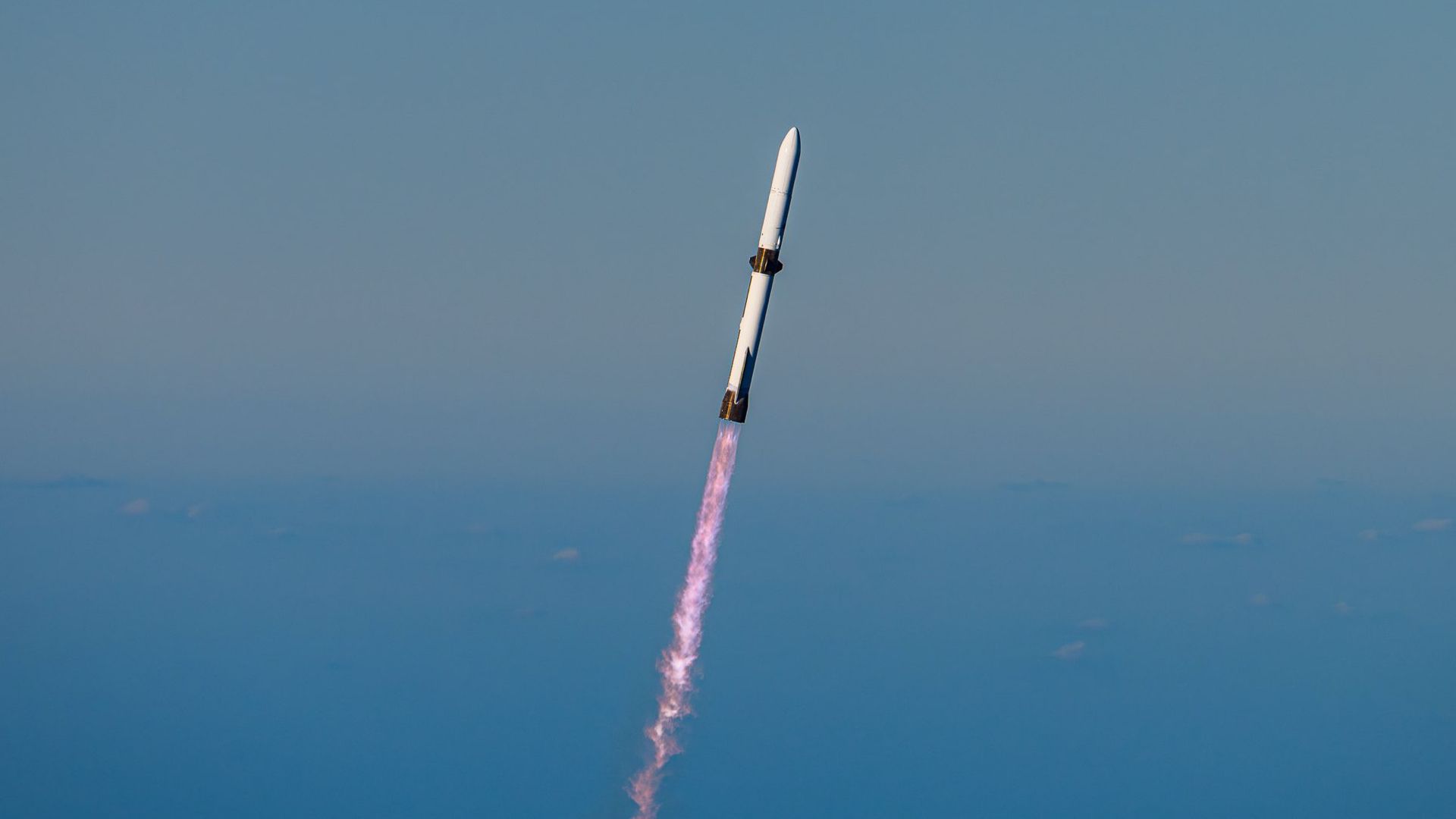
What’s also worth considering is how Blue Origin's progress could benefit the wider space industry, particularly the specialist companies that supply technology to larger manufacturers and operators. SpaceX has achieved remarkable success in part by developing and manufacturing much of its technology internally. This includes its rockets, spacecraft and satellites. Blue Origin also does something similar, undertaking substantial engineering and manufacturing work itself, but it is not quite so vertically integrated, and thus may have greater scope to work with external suppliers as it expands. It already buys parts, equipment and services from hundreds of businesses. If it can successfully increase its production and launch activity, these suppliers could receive more orders and gain opportunities to develop new technologies. That’s to the good of the sector as a whole.
Why? Because a successful space industry needs more than a handful of large launch providers. It needs companies specializing in satellite communications, propulsion, electronics, software and other areas. Such businesses may have developed highly sophisticated products, but they need bigger customers and predictable demand to expand and produce more. Blue Origin could become an important customer for some of these, particularly if it chooses to buy specialist technology rather than make everything internally. Greater competition between the bigger space companies could translate to more potential customers for suppliers and fewer dependent commercial relationships.
Investors would benefit. There’s real potential in businesses that provide the technology and services on which larger space companies depend — the ‘picks and shovels.’ These can sometimes serve several customers and markets, making them less dependent on the success of a single program. A growing Blue Origin would create more opportunities for companies like these — although, of course, much will depend on how Bezos chooses to organize its supply chain. We shouldn’t assume that Blue Origin will become more open to external suppliers than its competitors, but the possibility is at least worth entertaining.
As it is, Bezos still faces substantial challenges. Blue Origin is not yet a commercially mature business. The company must increase its launch activity; it must demonstrate its reliability; and it must compete for customers in the public and private sectors. It must also decide how much technology to manufacture internally and whether and where third parties can provide better products or products at a lower cost. Bezos has the resources to give the company time to answer these questions, and he appears to be willing to use them. If he continues to prioritize commercial performance before pursuing an IPO, then Blue Origin could eventually enter the public markets in a much stronger position.
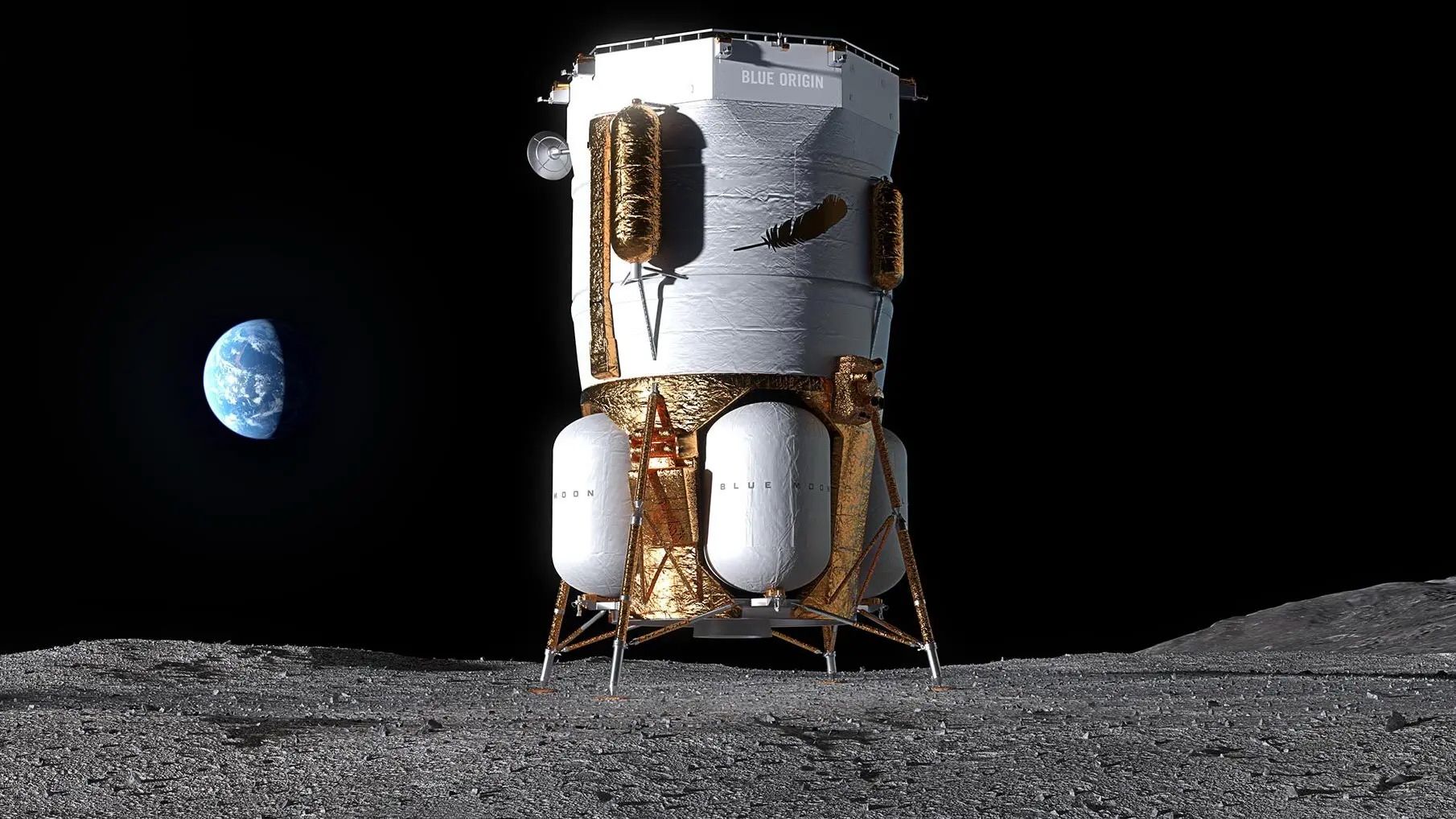
Stoke Space has amassed a substantial sum during its latest round of financing and is revealing exactly where it plans to invest its new stack of cash.
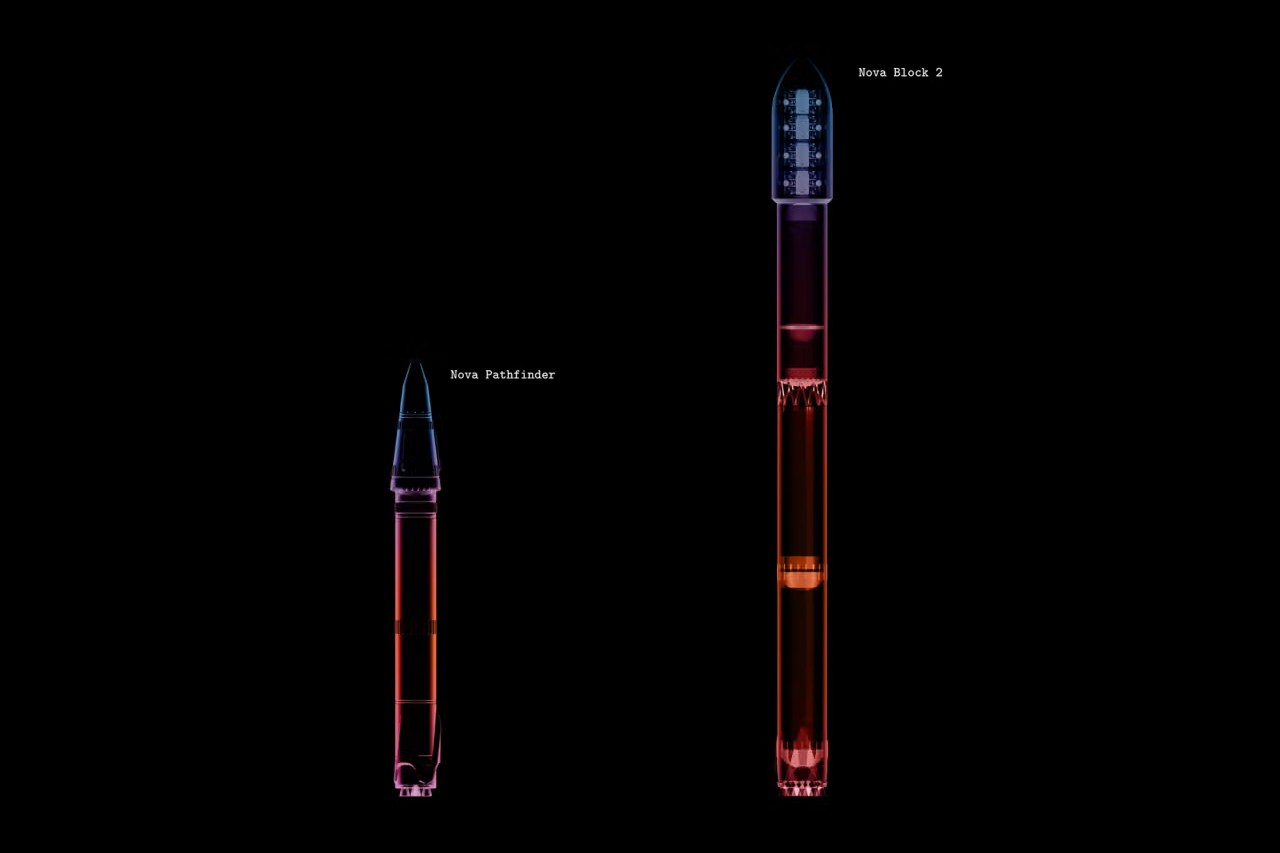
The Kent, Washington-based company just raised $1 billion via its"Series E" capital campaign, bringing Stoke’s total investor haul to $2.3 billion. The Sept. 8 announcement provided a development update for Stoke’s fully reusable Nova Pathfinder launch vehicle and included plans for its never-before-seen Nova Block 2 rocket, a more powerful system designed to be able to deliver up to 15 tons to low Earth orbit (LEO).
“We are humbled by the trust our investors and customers have placed in us in pursuit of this critical generational challenge,” said Andy Lapsa, Stoke CEO and co-founder. “This investment enables us to scale toward delivering the capability and cadence our customers require.”
Nova Pathfinder is Stoke’s first orbital launch vehicle (the largest first rocket ever undertaken by a U.S. launch company, according to Stoke), and is based on the same technologies the company is building into its Block 2 design. Both two-stage vehicles are being manufactured with full and rapid reusability in mind, with Pathfinder serving as the proving ground for that architecture.
Pathfinder's first stage is powered by seven Stoke-designed full-flow, staged-combustion (FFSC) Zenith rocket engines, fueled by liquid oxygen and liquefied natural gas (LNG). The first stage on Nova Block 2 will be equipped with 14 Zeniths. Stoke calls FFSC “perhaps the most difficult rocket engine cycle to develop,” but highlights its advantages; the tech leaves fewer residuals like soot around the engines and reduces the amount of maintenance needed between flights, according to the company.
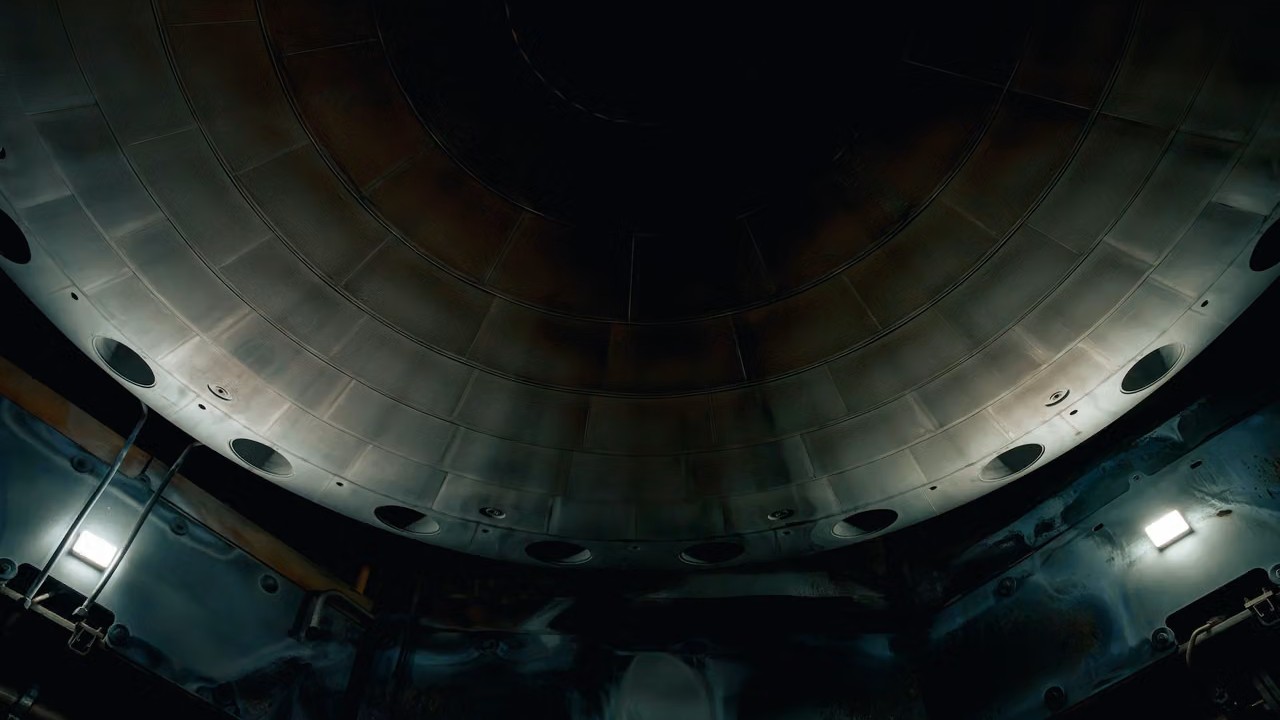
The upper stage of both rockets is the more atypical approach to spacecraft design, compared to other vehicles of the same launch class. The aft end of Nova’s second stage is designed with a heat shield to protect the vehicle during reentry through Earth’s atmosphere. Instead of the ceramic tiles historically used on the heat shields of previous spacecraft, the dome-like structure at the base of Nova’s upper stage is made of metal, which is actively cooled by the liquid hydrogen that fuels the stage’s Andromeda propulsion system.
Rather than a single large, vacuum-optimized engine bell at its center, Nova’s upper stage features 12 small dual-thrust chambers integrated into a circle around the outer edges of the vehicle’s heat shield. Stoke successfully completed a “hopper” test flight of Pathfinder’s upper stage engine system in 2023, flying the vehicle about 30 feet (10 meters) into the air before it safely touched down.
Scaling up to Block 2, Stoke plans to equip the upper-stage system with independent systems for each of the 12 engines, potentially increasing thrust by over a factor of five, according to the company. Block 2’s upper stage also drops Pathfinder’s tapered design in favor of cylindrical tanks, increasing propellant and payload volume to accommodate a 5-meter-wide (16.4 feet) fairing.
Stoke says the larger Block 2 configuration has been in the works alongside Pathfinder for several years. The company is developing the more powerful rocket to support large commercial and national security satellite constellations, of which there soon may be a high demand.
Nova Block 2’s closest competitors are SpaceX’s Falcon 9 rocket and Rocket Lab’s upcoming Neutron launch vehicle, which is still under development. And Falcon 9 is already being sundowned by SpaceX as the company gets closer to operational flights with its next-generation Starship rocket. While certain Falcon 9 flights for NASA, like crew launches to the International Space Station, are expected to continue until at least 2030, SpaceX CEO Elon Musk has said that Starship’s ultimate success “means winding down Falcon.” The timing should line up with when Stoke hopes to step in with Nova Block 2. Block 2’s first launch is targeted for 2029, with production and flight cadence expected to increase from there.
As Stoke ramps up development for its upgraded launch vehicle, the company’s fresh round of funding will also go toward construction of the physical infrastructure Stoke needs to build, test and eventually operate both vehicles. The company is planning a 475-acre (192 hectares) expansion to its 75-acre (30 hectares) Moses Lake Test Site in Washington to support propulsion and vehicle testing as Pathfinder nears its first launch and Block 2 hardware begins coming online.
Stoke is also expanding its operations at Cape Canaveral Space Force Station (CCSFS) in Florida. The company was selected by the U.S. Space Force in 2023 to manage CCSFS’s Space Launch Complex-14, where it’s now building a new payload processing facility sized to accommodate both vehicles. And to complete its full reusability system, the company is also developing an offshore recovery platform.
Pathfinder has a much shorter timeline to the launch pad. Stoke is targeting early 2027 for Pathfinder’s debut launch, which the company plans to send to orbit with a customer payload. If that’s successful, Stoke hopes to fly multiple Pathfinder missions throughout 2027 and 2028 while Block 2 development and testing continue in parallel.
Once Block 2 does reach the launch pad, Stoke plans to keep Pathfinder in service. “We see value in having more than one way to serve the market, since some missions are particularly well suited to the Pathfinder configuration,” the company said.
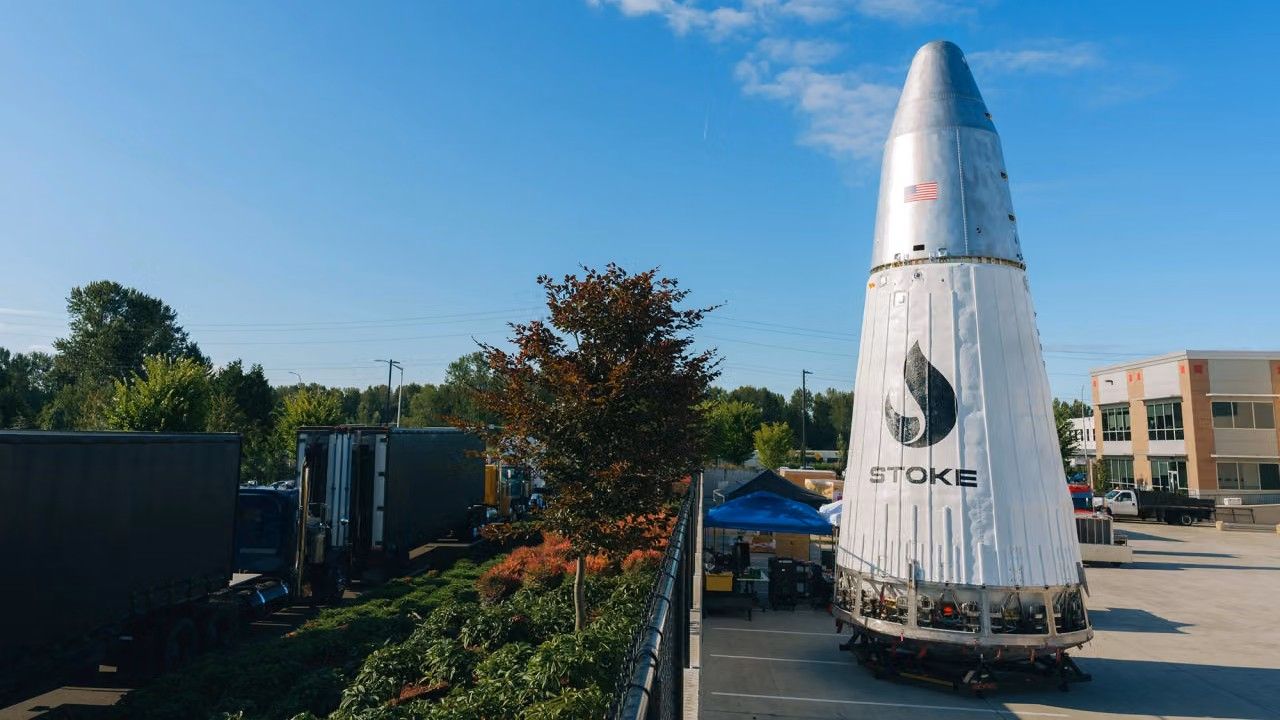
It's Juneteenth in the U.S. today (June 19), a federal holiday that commemorates the end of slavery in America.
Though the Civil War ended in April of 1865, it wasn't until June 19 that same year when Union soldiers officially enforced the law that all enslaved people would be free. But the end of slavery was only the beginning of the challenges soon to follow; for one, segregation between Black and white people in the U.S., both systemic and informal, persisted for years. And we still live in a time when active racism, and the consequences of prior racism, trickle into many aspects of society.
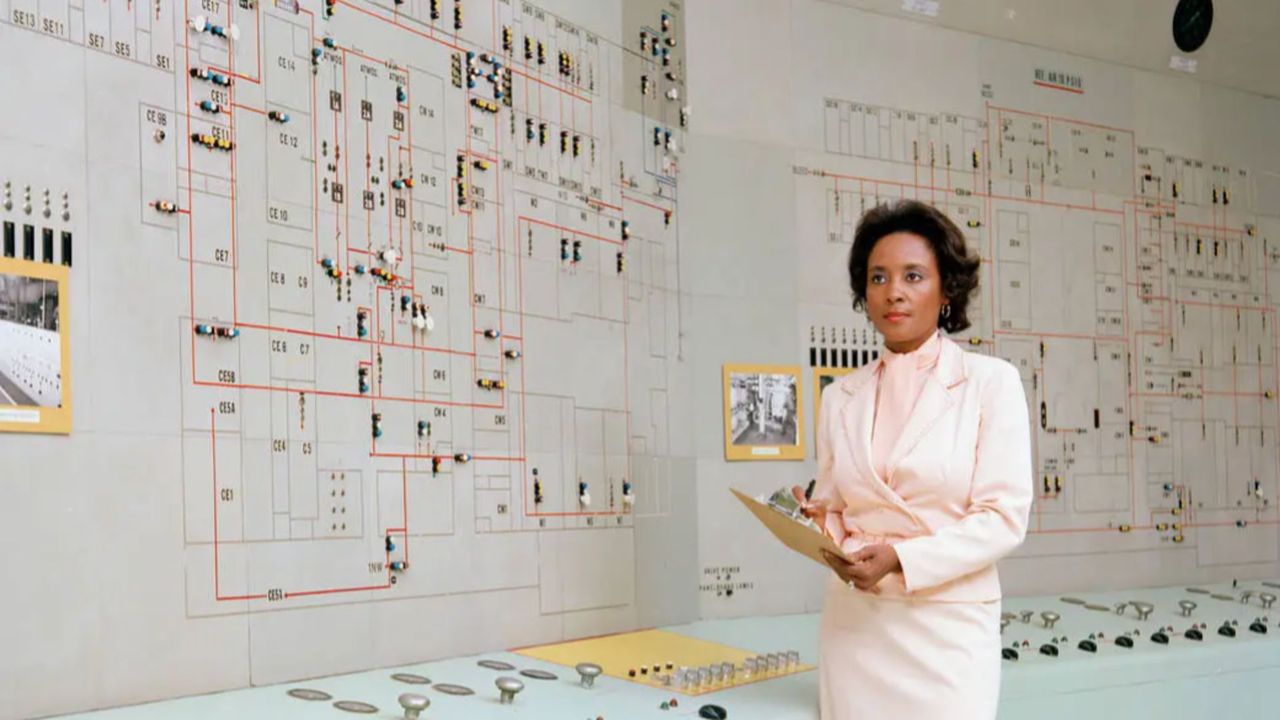
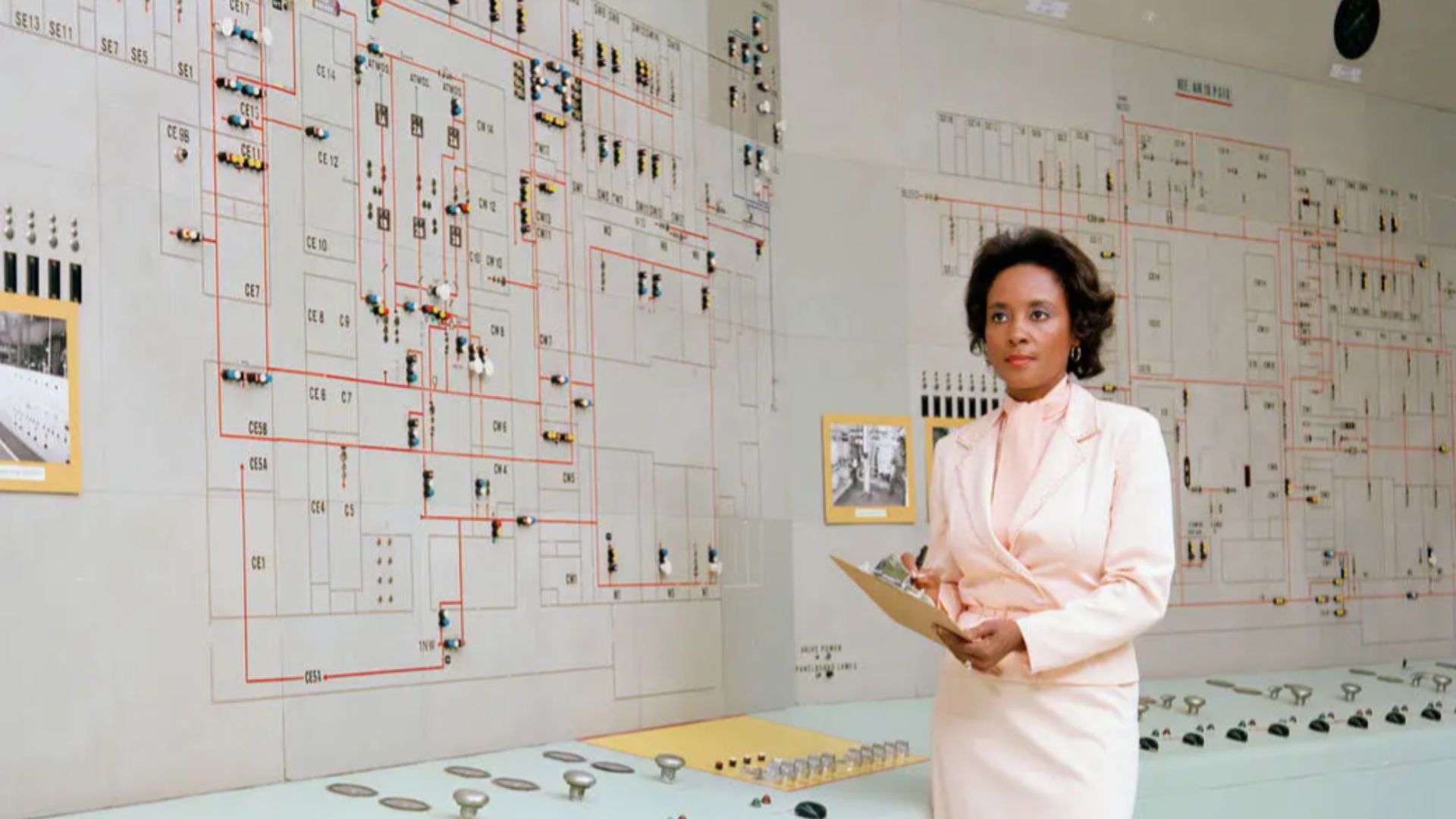
It indeed affected NASA; Black women at the agency were once discriminated against despite making serious contributions to the space program. Our image of the day today celebrates the accomplishments of one such woman, Annie Easley.
In 1955, Annie Easley started working for NASA's predecessor organization, the National Advisory Committee for Aeronautics (NACA). Her job was to serve as a "human computer," which was a position unique to the time. (NACA was dissolved in 1958, and its duties and personnel were taken on by the newly created NASA.)
Human computers at NACA and NASA were women who worked as basically early versions of computer programmers. To be a human computer, you had to be extremely good at mathematics, performing reliable calculations on a consistent basis to aid space missions.
Eventually, though, NASA moved toward the use of machine computers more often; Easley transitioned along with the space agency, ultimately becoming a full-fledged computer programmer.
As NASA explains, Easley's career shifted once again as it progressed. After some time, she took a position as the space agency's EEO, or Equal Employment Opportunity, counselor. She worked with NACA/NASA for 34 years before retiring in 1989. She passed away in 2011.
Like Easley, many of NASA's human computers became computer programmers once the agency made the transition to relying more heavily on machine computers. They together performed hundreds of thousands of calculations for the space program.
Easley alone was able to develop code that was crucial in research of energy-conversion systems, which paved the way for hybrid vehicles like the Centaur upper-stage rocket. Down the line, this work of hers contributed to the 1997 launch of the Cassini spacecraft that headed to Saturn.
However, the story wasn't as golden as it sounds retrospectively. Though NACA started hiring white women as "computers" in 1935, the agency didn't begin allowing Black women to enter the workforce until 1943. And that was only due to a shortage of professionals because of World War 2. In fact, human computers at the agency were not called professionals but rather "subprofessionals," and they were regularly talked down to by men who worked at the organization.
Black women had it particularly bad: They had to jump through hoops imposed by both racism and sexism.
Easley was one of just four African Americans out of 2,500 employees at NACA when she was hired.
In a 2001 interview, Easley recalled her mother saying to her: "'You can be anything you want to. It doesn't matter what you look like, what your size is, what your color is. You can be anything you want to, but you do have to work at it.'"
"I still believe that," she said.