Login

NASA’s Swift Observatory resumed science observations, at least for now
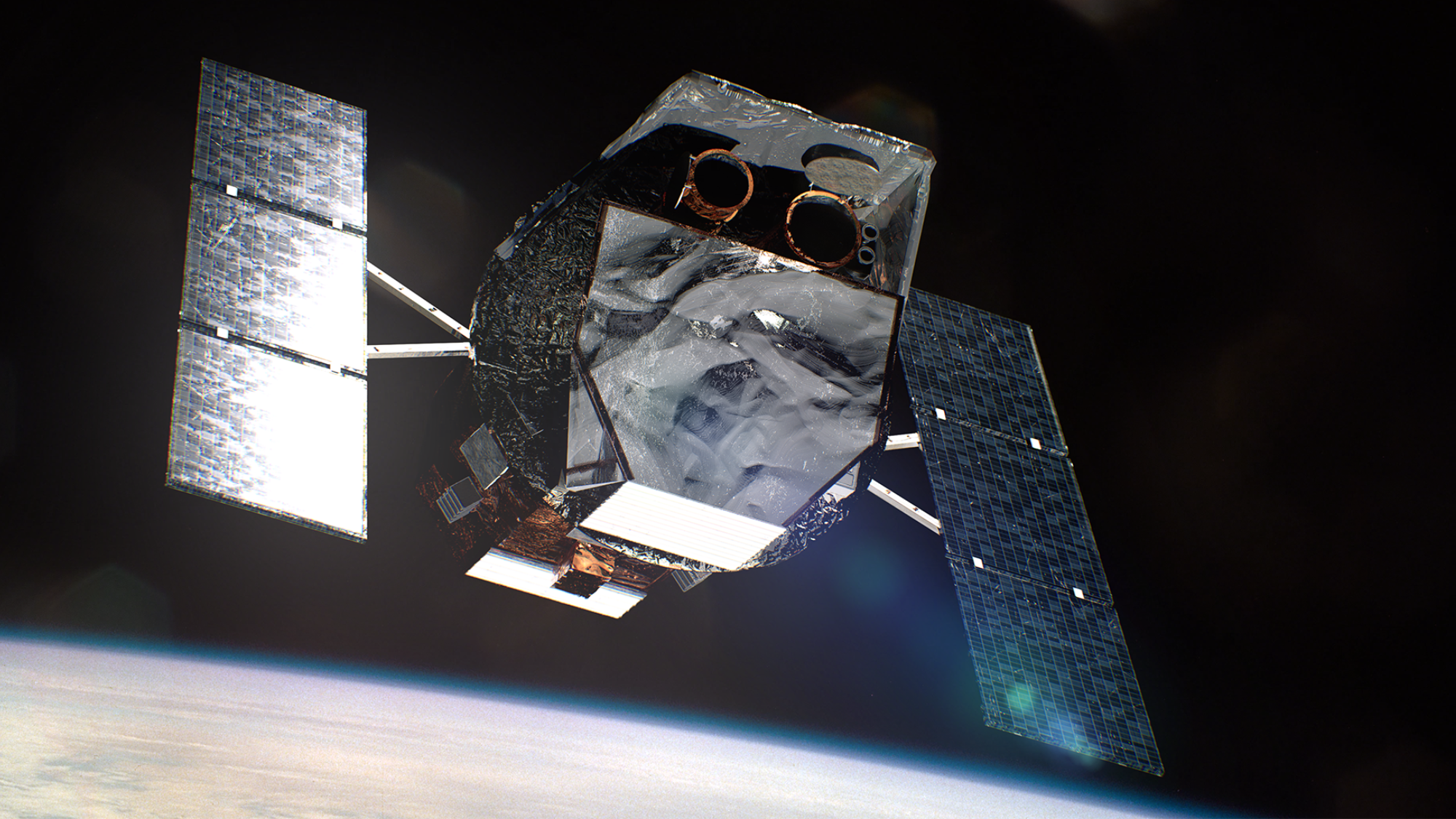
NASA’s Neil Gehrels Swift Observatory is back to business after months flying in a stripped-down mode while it waited for a rescue mission that ultimately failed. On August 26, the agency switched Swift’s Ultraviolet/Optical Telescope and X-ray Telescope back on. A third instrument, the Burst Alert Telescope (BAT), remains offline while a team works to return it to data collection in the coming weeks.
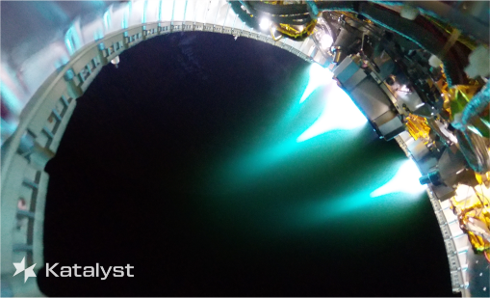
Earlier this month, Link, the Katalyst Space spacecraft that was originally set to rescue Swift conducted in-space tests and maneuvers to test its capabilities for future, and hopefully successful, missions.
“Katalyst continues to demonstrate as many of LINK’s capabilities in space as possible, to collect data to inform future spacecraft servicing technology and operations,” per a statement from NASA on September 4.
It also snapped a few photos of Swift from about 9 miles away. “We got so close, but so far,” Katalyst’s CEOGhonhee Lee told the Associated Press.
The shutdowns, put in place in February, were part of an effort to give Swift more time. The observatory has studied powerful explosions called gamma-ray bursts since 2004. Unlike other low-orbit satellites, Swift does not have a propulsion system that can counteract the pull of the Earth orbit. At the same time, increased solar activity has caused the Earth’s upper atmosphere to expand, increasing the atmospheric drag on Swift faster than anticipated.
That force would eventually cause the satellite to fall into the Earth’s atmosphere and burn up. So, in 2025, NASA enlisted Katalyst Space to build Link to capture Swift and lift it into higher orbit. However, those plans were scrapped on August 19 after Link went into an uncontrollable spin.
With science operations now resumed, NASA believes Swift will reach an altitude 185 miles (300 kilometers) for the next one to two months. After that threshold, “operating the telescope becomes difficult, and the spacecraft’s rate of descent quickly increases,” the agency explained in a statement.
At that point, the satellite’s 22-year observation of the cosmos will finally come to an end. It’s expected to fall back to Earth sometime between October and late December. One thing is for certain, Swift served us well.
The post NASA’s Swift Observatory resumed science observations, at least for now appeared first on Popular Science.