Login

EU approves sending mountains of trash to Turkey despite environmental fears
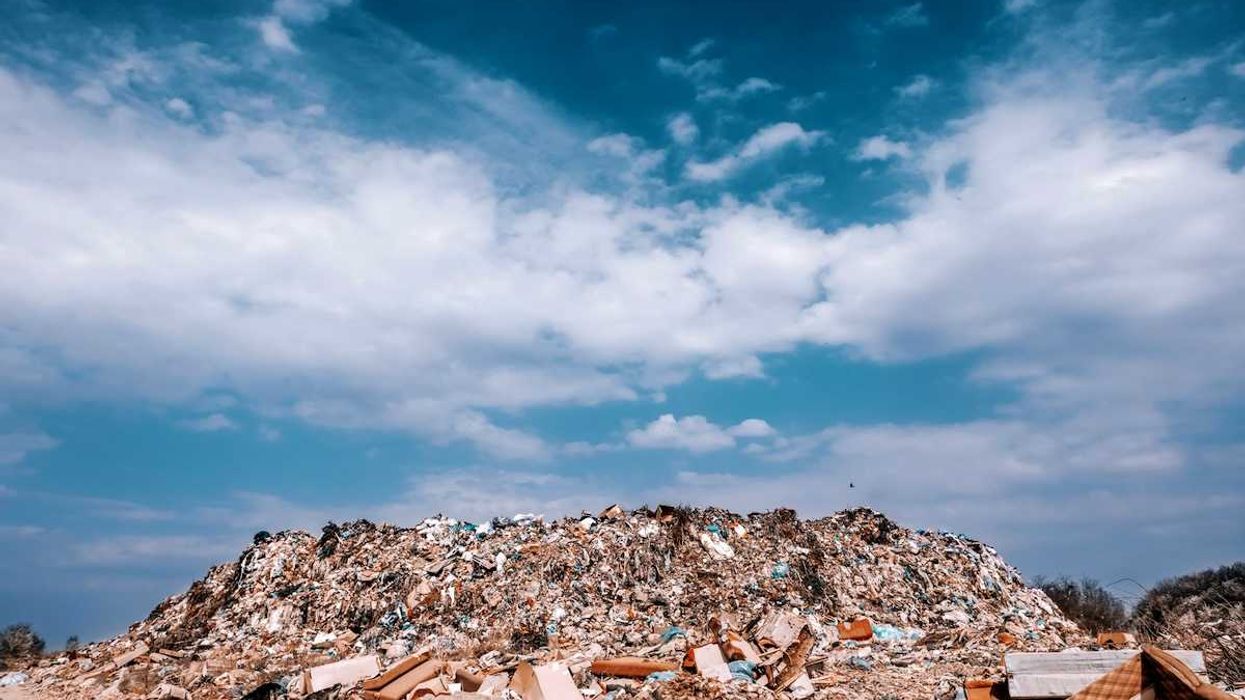
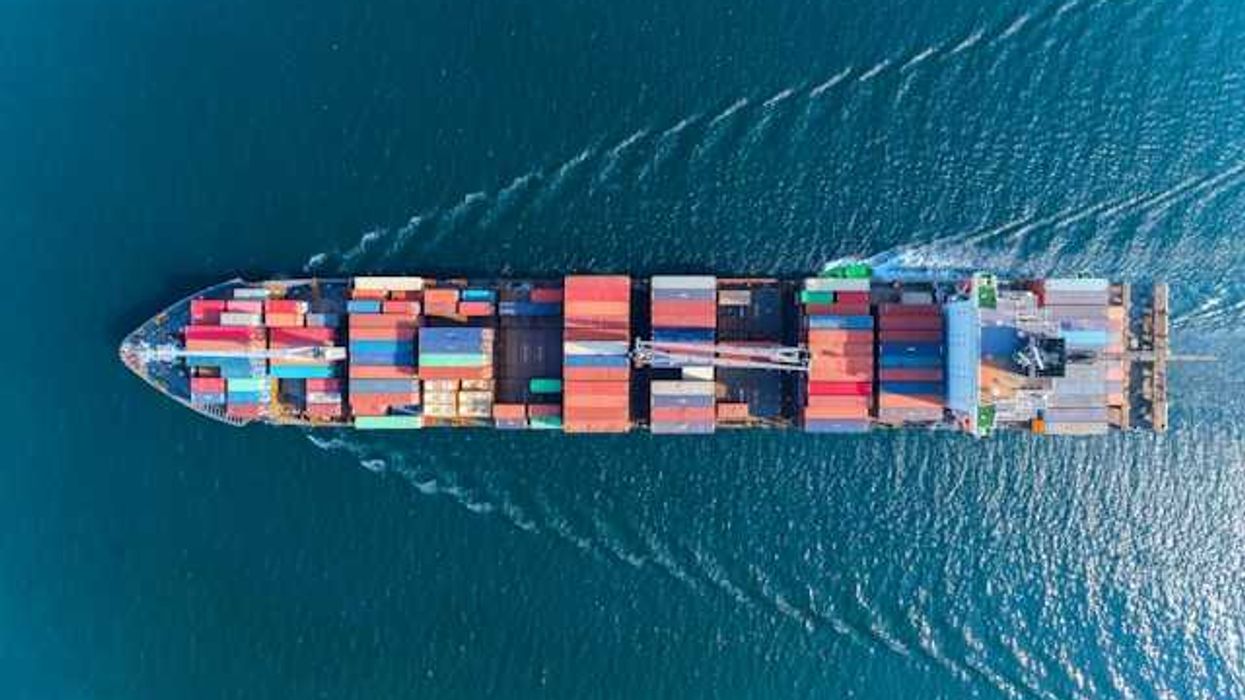
Only 10% of the shiploads of European plastic waste sent to Turkey is recycled, experts estimate.
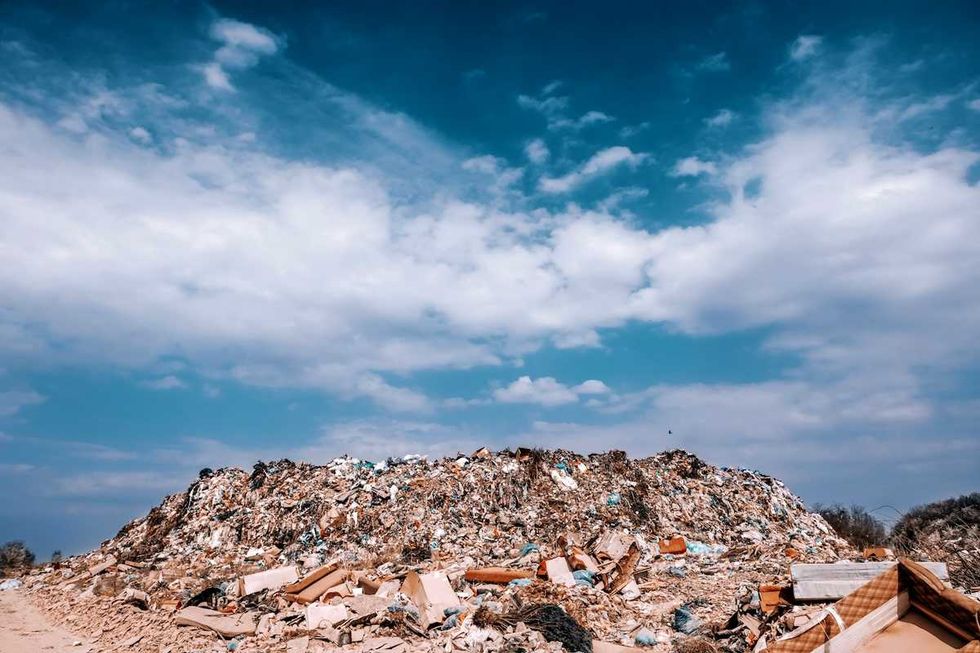

Only 10% of the shiploads of European plastic waste sent to Turkey is recycled, experts estimate.
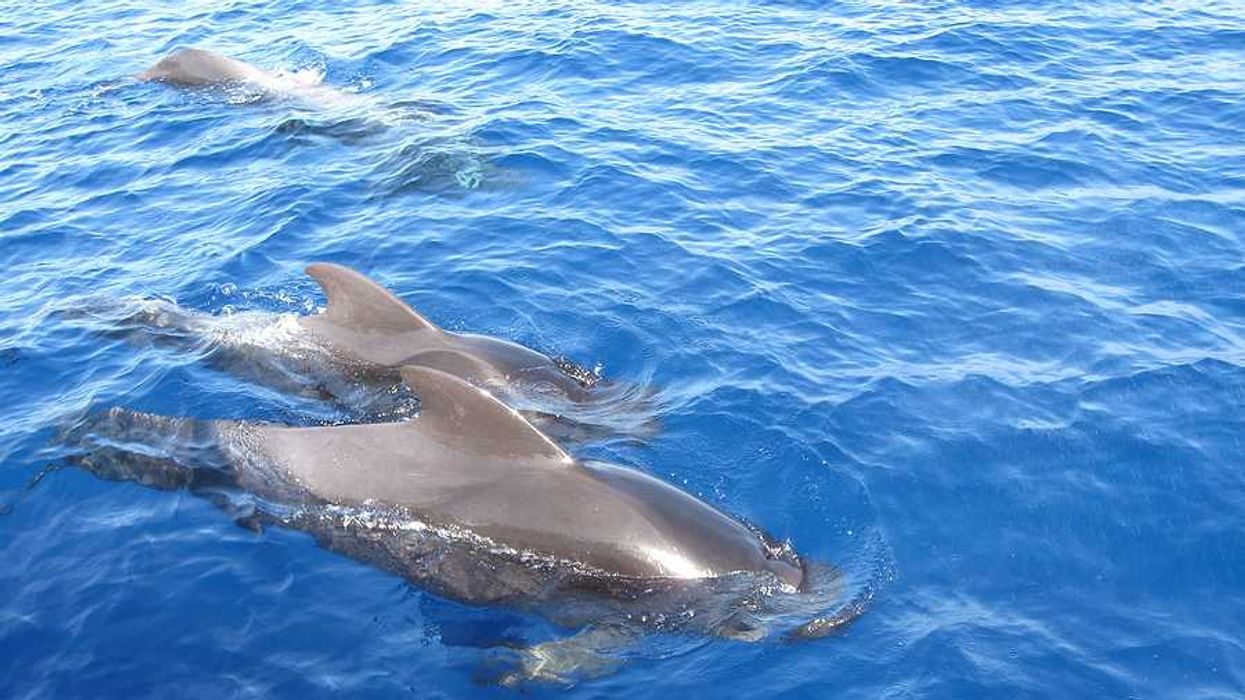
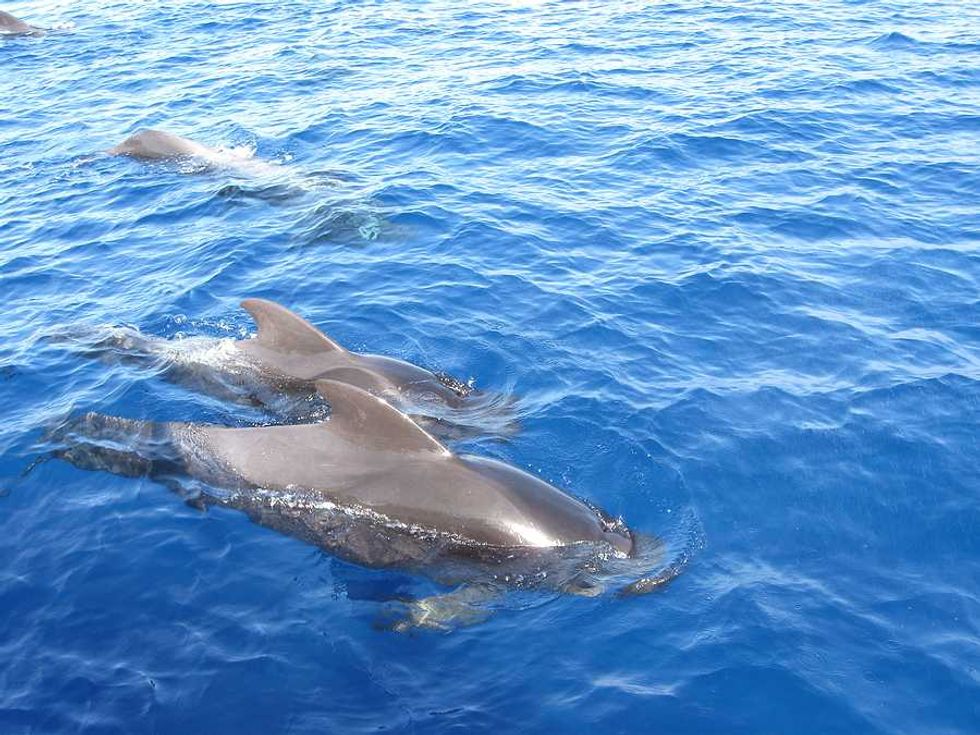
Kristi West, a lead researcher from the University of Hawaiʻi at Mānoa's Health and Stranding Lab, found that 23% of the pilot whales she examined over a 13-year period had plastic in their stomachs.
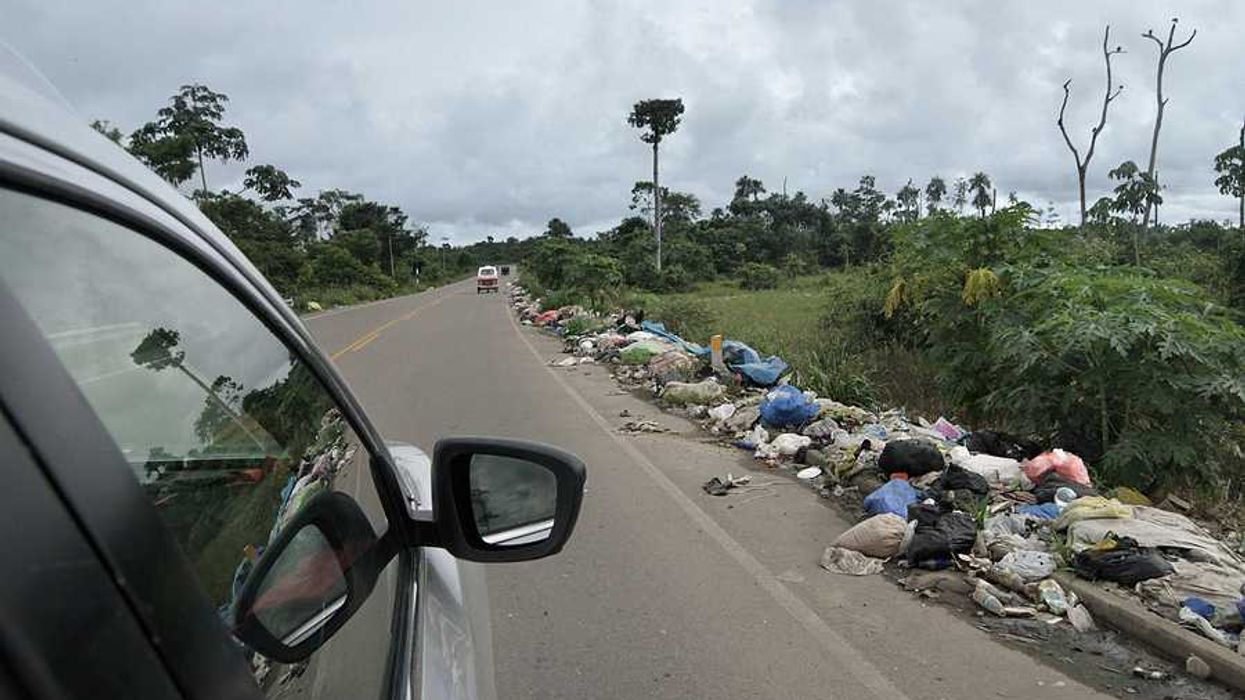
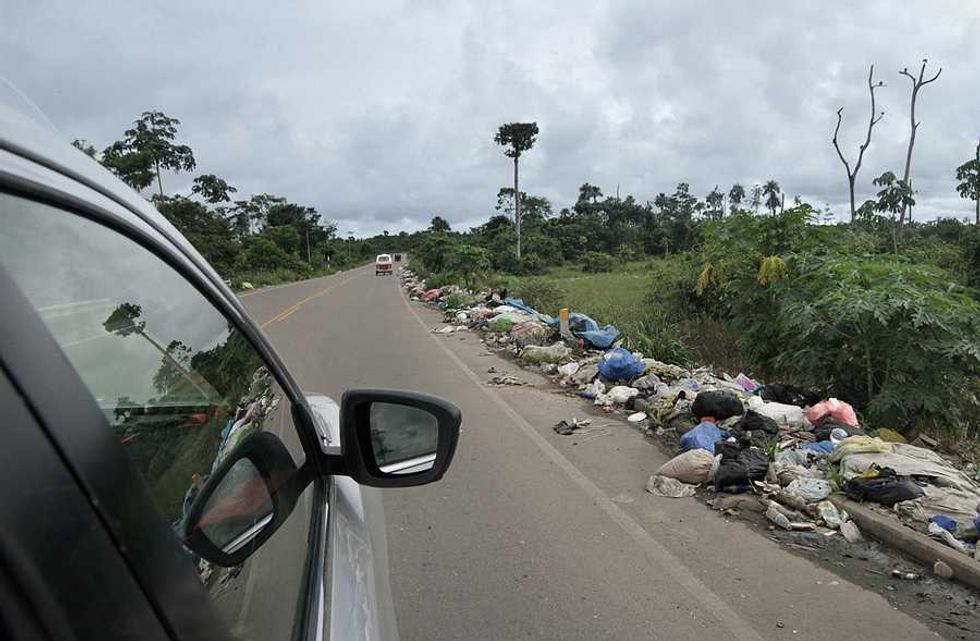
Since China banned the import of plastic waste in 2018, plastic pollution has had a growing impact on the people and ecosystems of Latin America.
The Mediterranean coast faces rising microplastic contamination as researchers trace pollution to waste processing, runoff, and record rainfall.
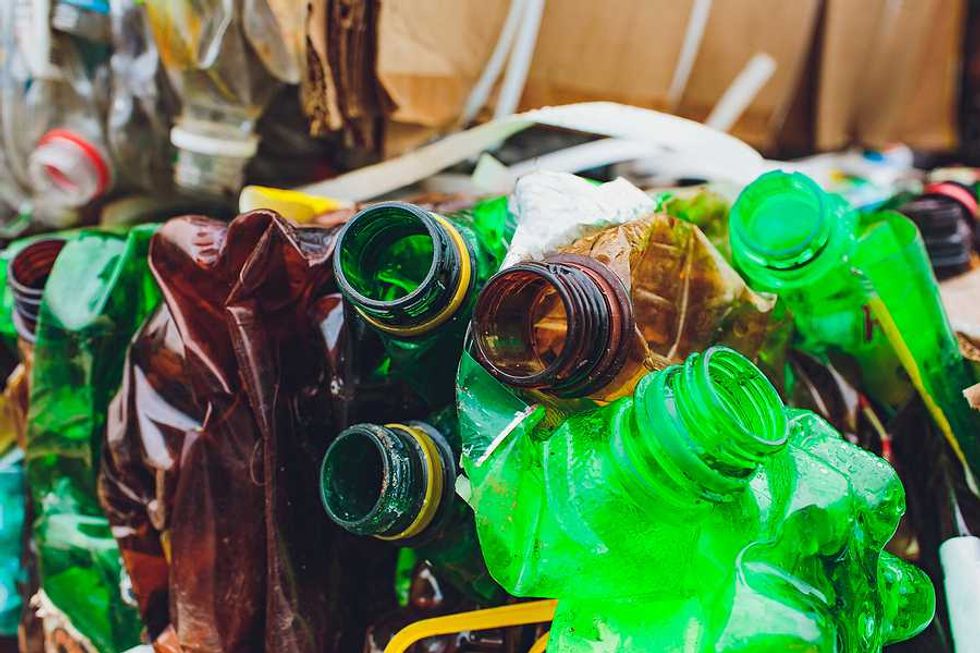
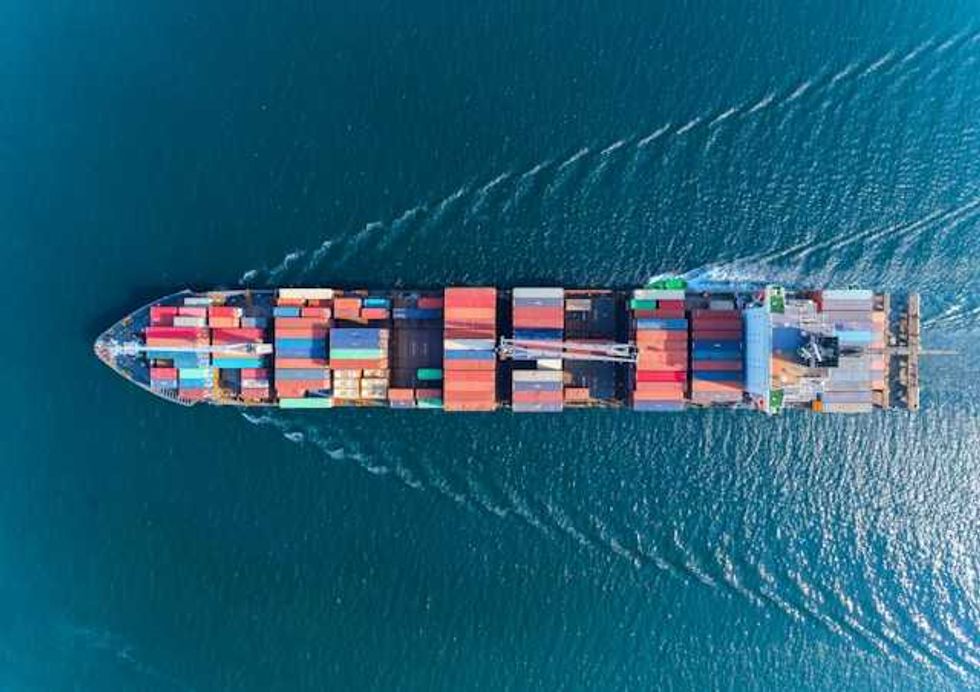
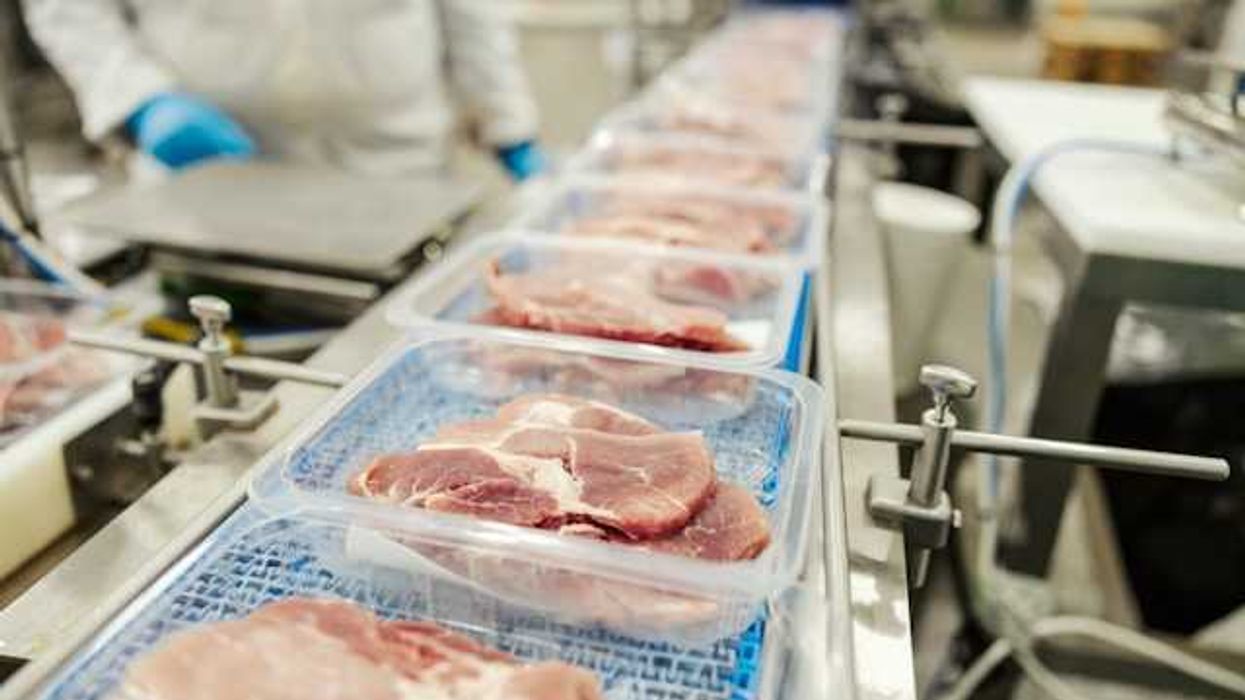
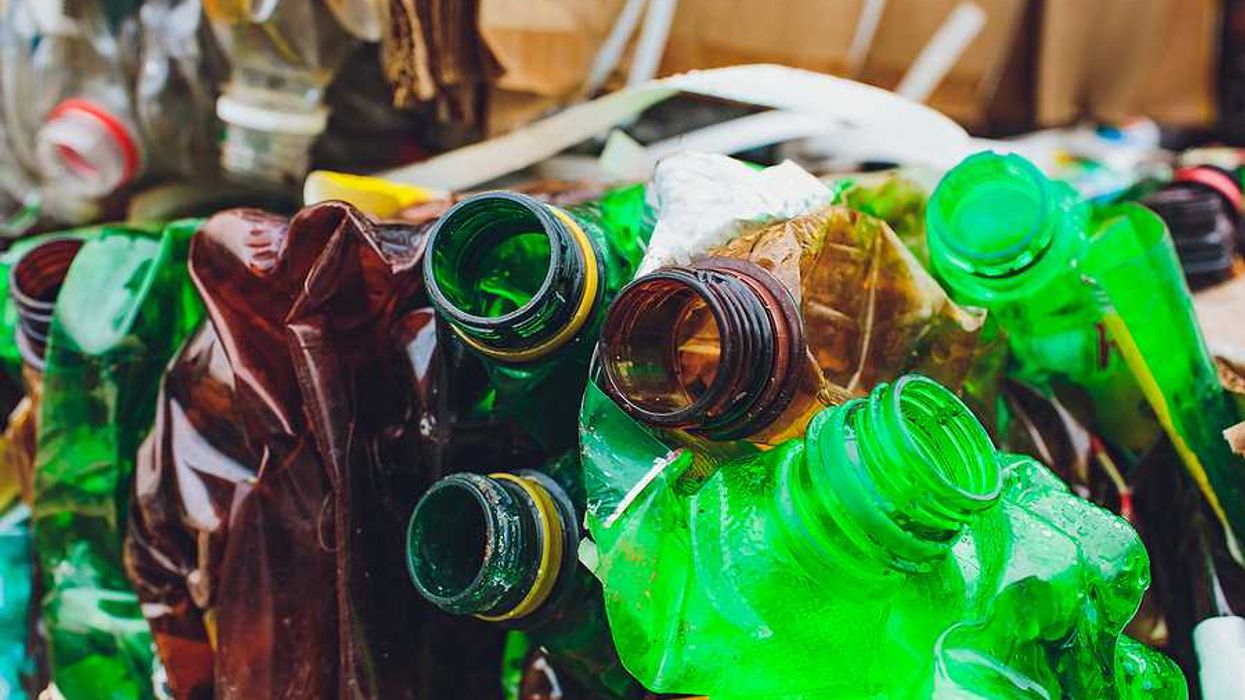
New EU packaging regulations will come into force this week which set EU-wide limits on PFAS, or "forever chemicals", in food-contact packaging and set targets to cut the bloc's waste, especially of oil-derived plastics.
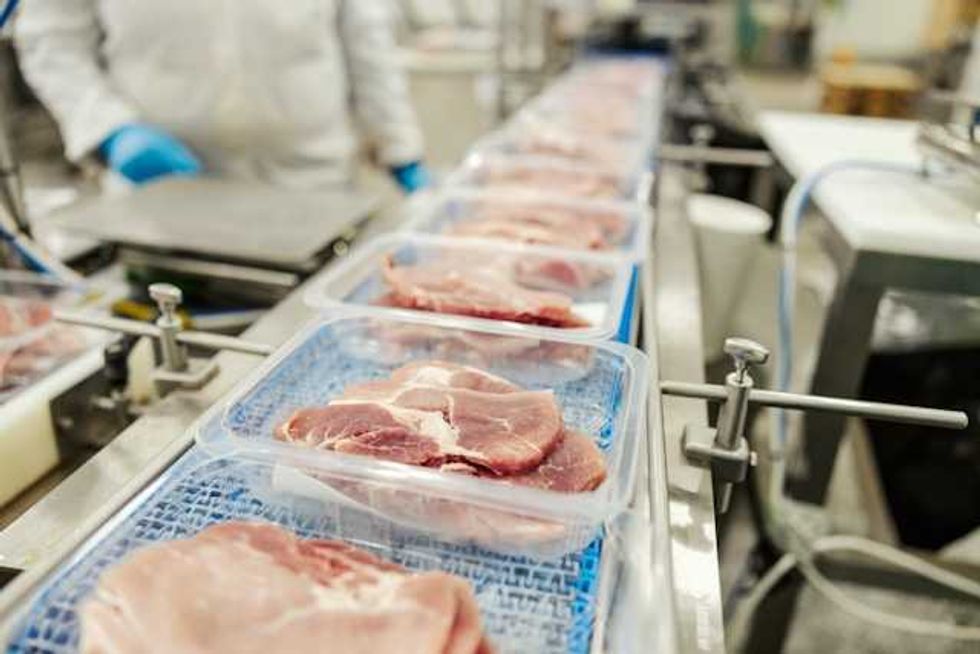
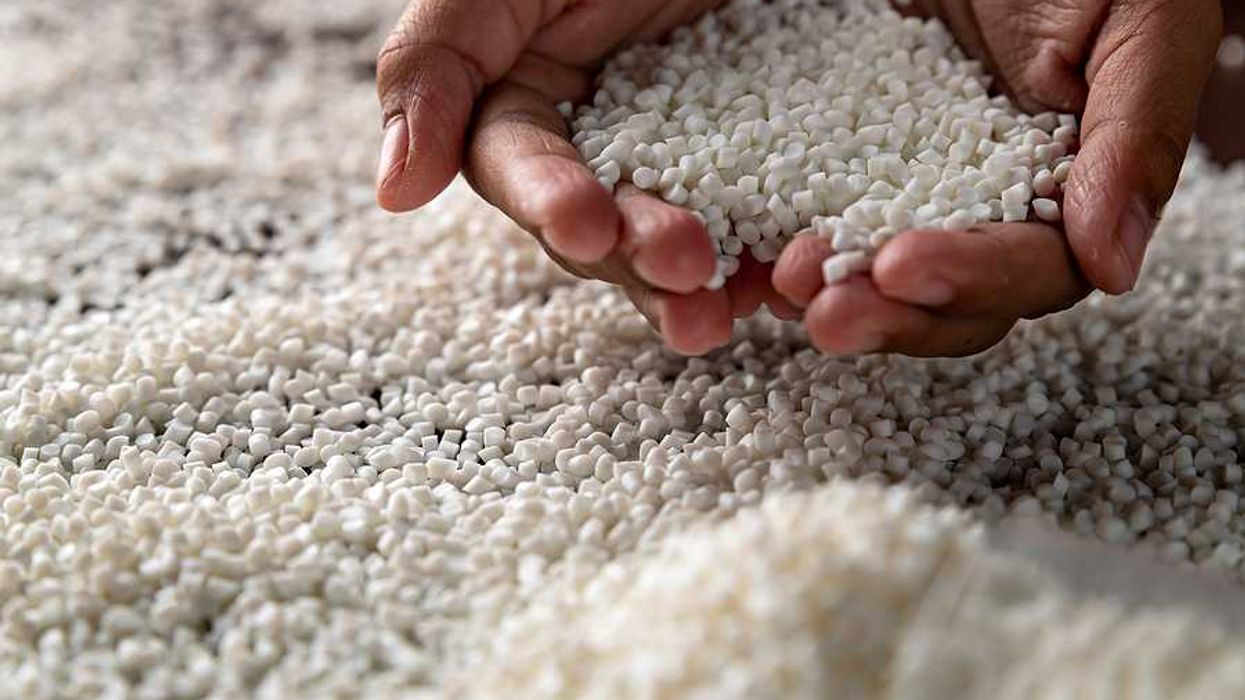
Companies that manufacture, use, or transport nurdles must report spills and will be required to develop plans to limit them in storm runoff.
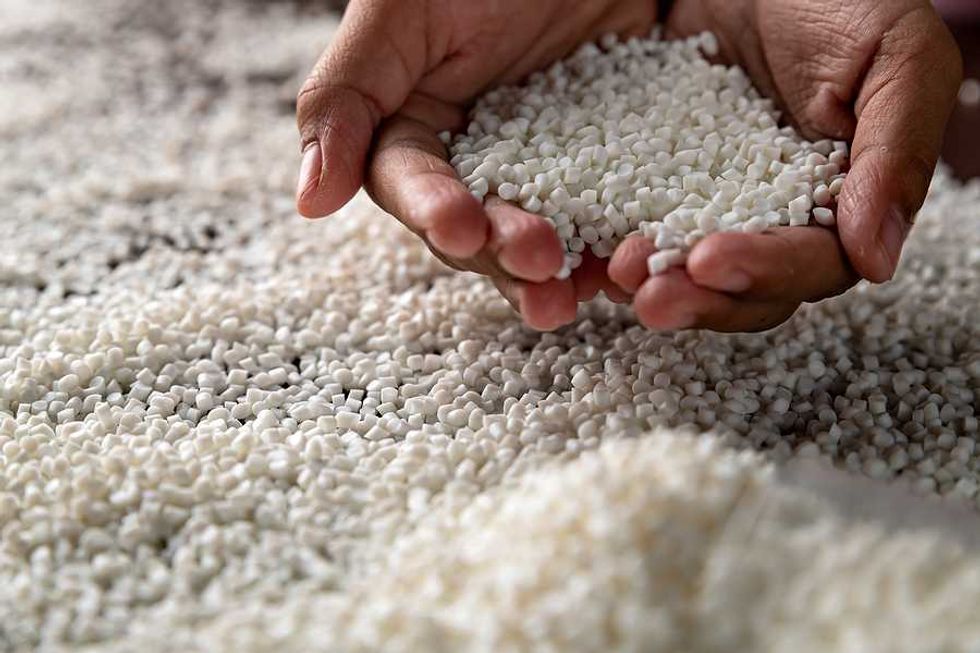

At a Massachusetts lab, pebble-sized pellets are transformed into forks and films that won’t leave microplastics in the environment.


One year after negotiations for a global plastics treaty collapsed in Geneva, a new document has been released to revive the process.
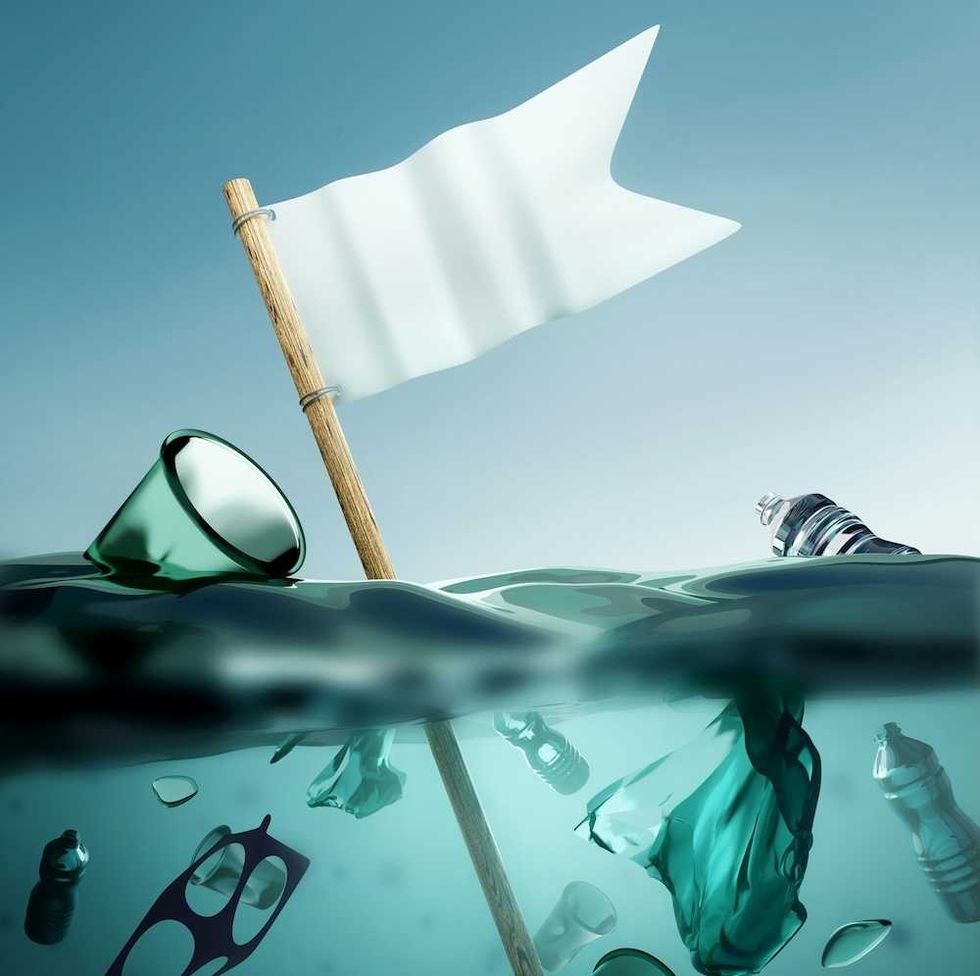
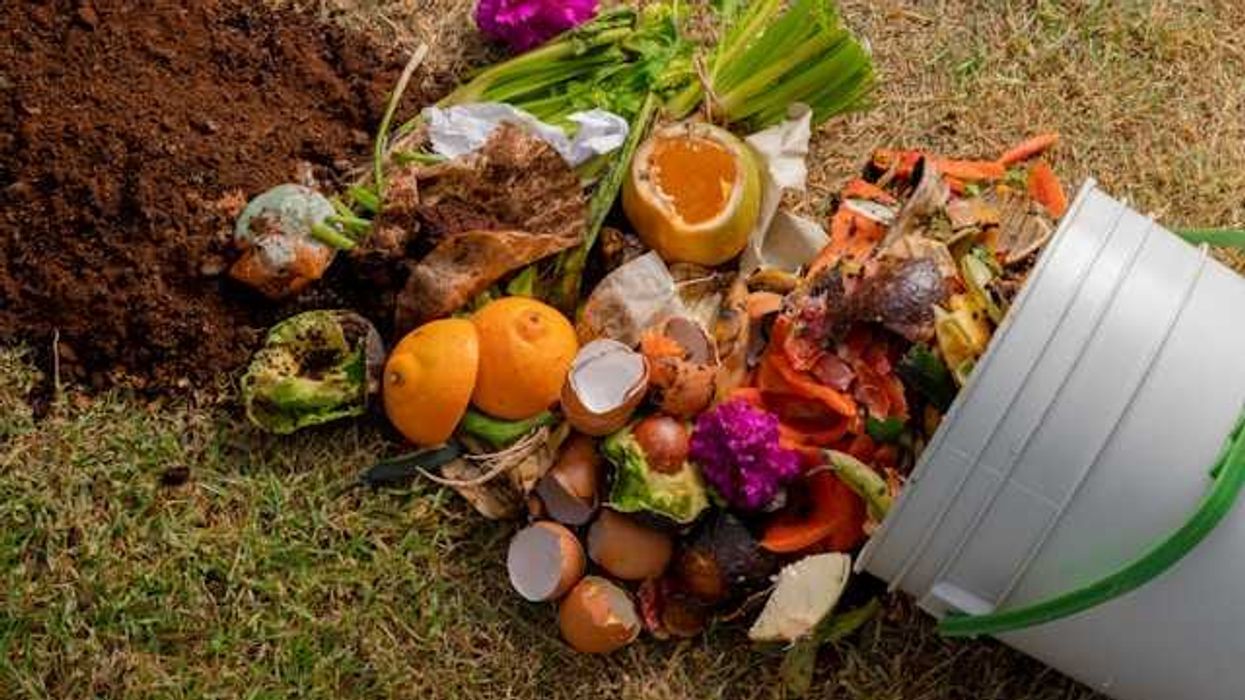
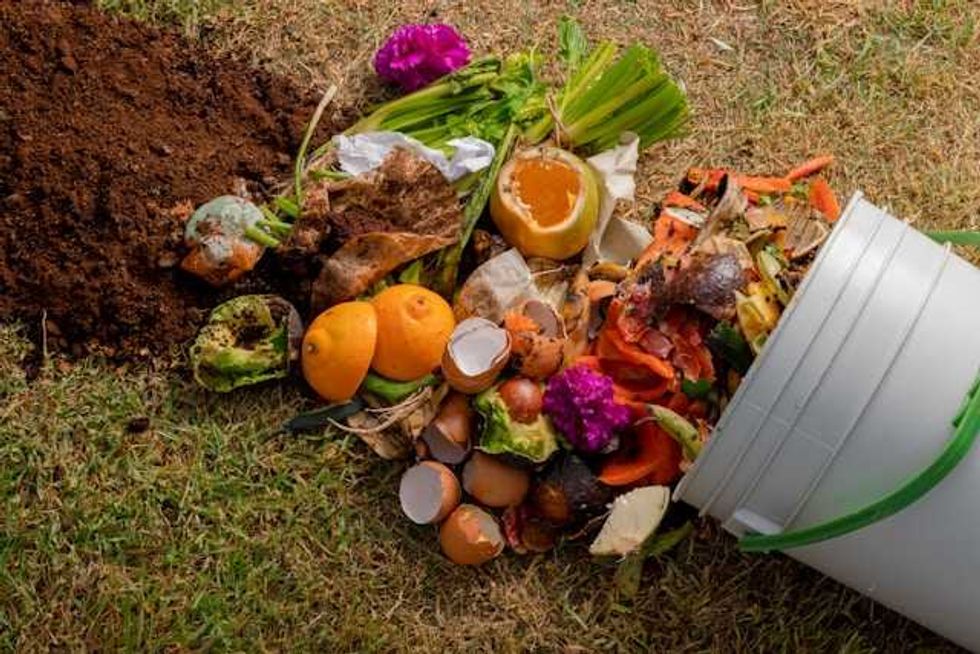
Researchers find microplastics can persist in compost, leaching into agricultural soils.
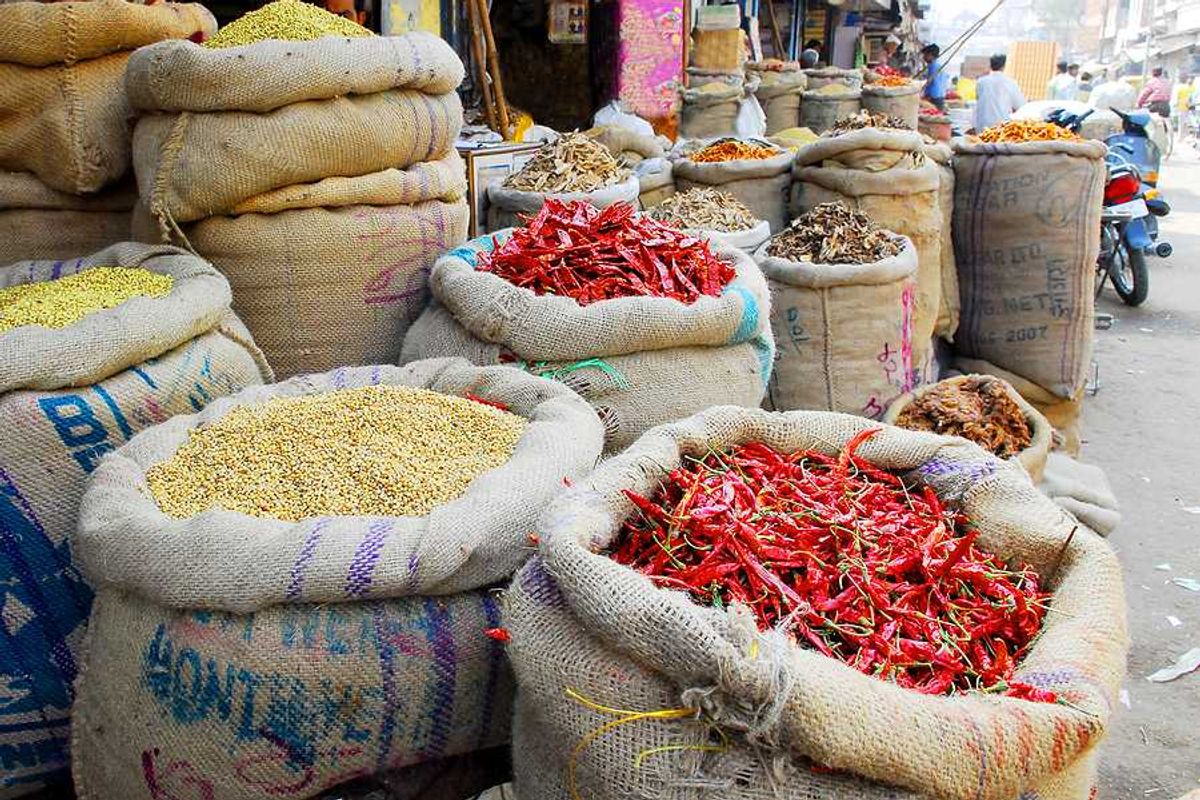
Despite being the world’s second-largest producer of jute, a biodegradable fiber, Bangladesh faces the daunting task of combating the onslaught of hazardous plastic-based packaging and synthetic fibers.
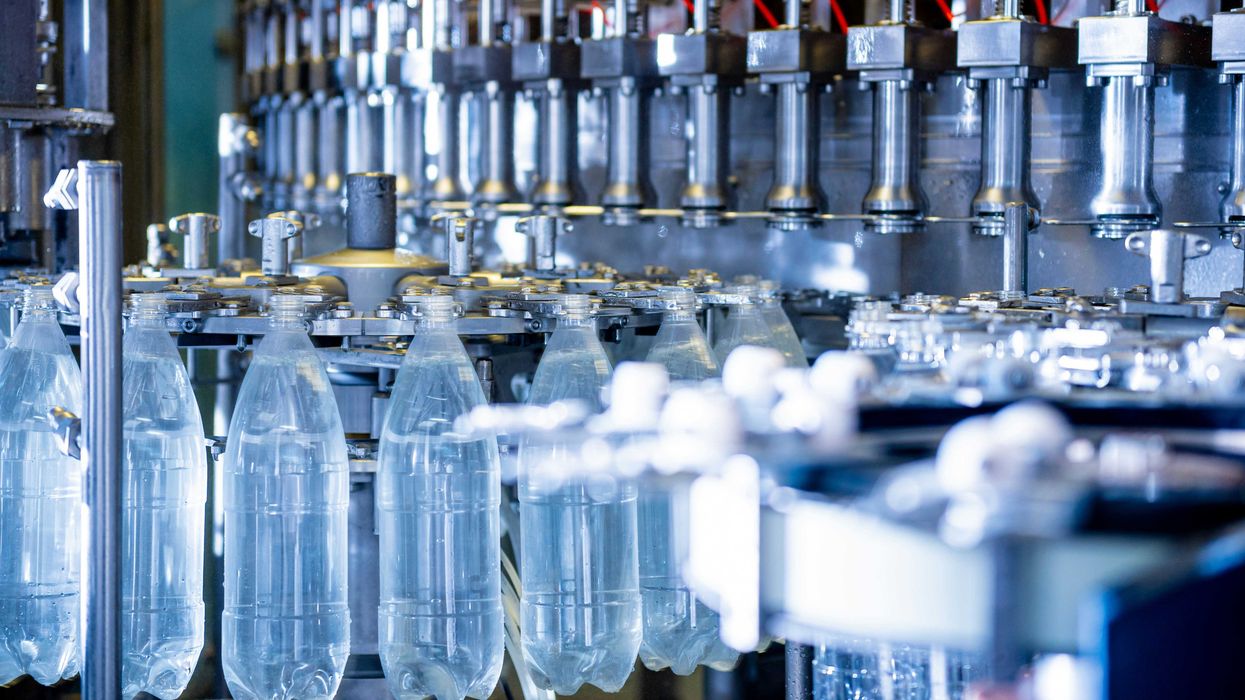
In a recent study published by The Lancet Planetary Health, researchers examined the health costs of pollutants released by plastics across their full lifecycle and emphasized the need for international policy that reduces plastic production.
In short:
Key quote:
“Efforts to address plastics pollution through waste management alone overlook or understate health risks related to climate change, air pollution, and chemical toxicity, perpetuating adverse consequences for health.”
Why this matters:
There are an estimated 57 million tons of plastic pollution generated globally each year. The UN Global Plastics Treaty — which aims to tackle the plastic crisis on an international scale — has approached a critical juncture, with a sixth round of negotiations ending without consensus last year. So far, the process has been severely hampered by some member states’ (including the U.S.) attempts to narrow the treaty’s scope to focus primarily on waste management, and exclude considerations of human health or limits on future plastic production. Scientists have emphasized how the treaty could be a meaningful tool for reducing plastic pollution and protecting human health, as long as it includes solutions that address the full lifecycle of plastics and require ambitious reductions on the production of new plastics.
Related EHN coverage:
More resources: The Scientists’ Coalition for an Effective Plastics Treaty is an international network of independent scientific and technical experts created to ensure the Plastics Treaty is based in accurate and up-to-date science. Their website includes fact sheets, policy briefs and other resources on the environmental and health effects of plastics.

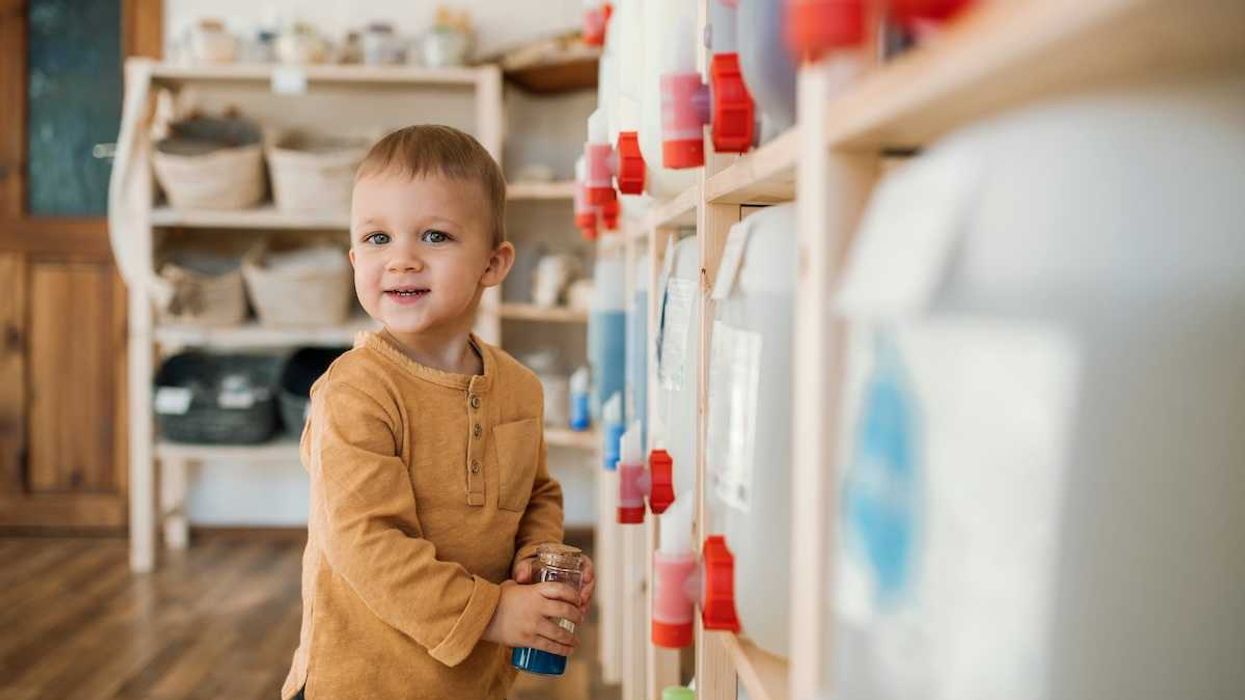
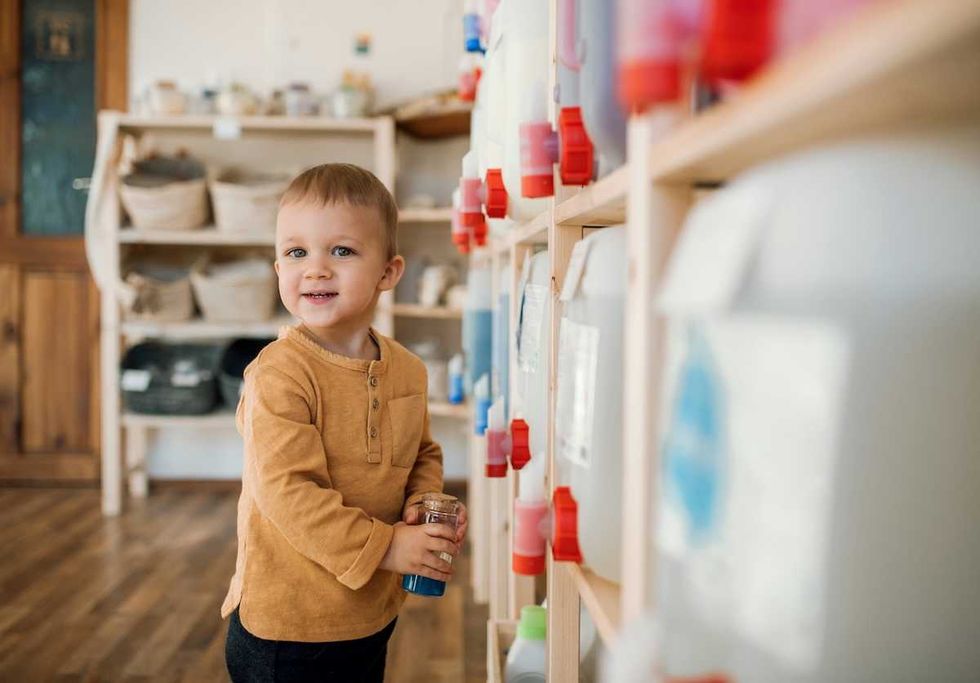
A zero-waste shop set up by a district council provides plastic-free products at affordable prices in a country that gets through 164 million sachets a day.