❌

Reading view

Woman 'saw dead people' and fired a gun at them after taking too many aspirin

The patient: A 65-year-old woman in Michigan

The symptoms: The woman arrived at the emergency room via ambulance and asked to see a psychiatrist for her visual hallucinations. "I'm seeing dead people," she told clinicians, adding that she'd even fired a gun at her hallucinations in one instance, according to a report of her case. (The report does not describe what the hallucinations looked like.)

Despite this reaction to her hallucinations, she was calm and alert during her physical exam, with normal vital signs other than high blood pressure. She reported a history of high blood pressure, diabetes, heart failure and chronic back pain but no prior psychiatric history.

What happened next: Since the woman had no past psychiatric history, doctors opted for a medical assessment before consulting a psychiatrist. A blood test revealed mild metabolic acidosis, meaning her blood was too acidic. A toxicology screen detected high levels of salicylates, a class of compound that includes acetylsalicylic acid, better known as aspirin.

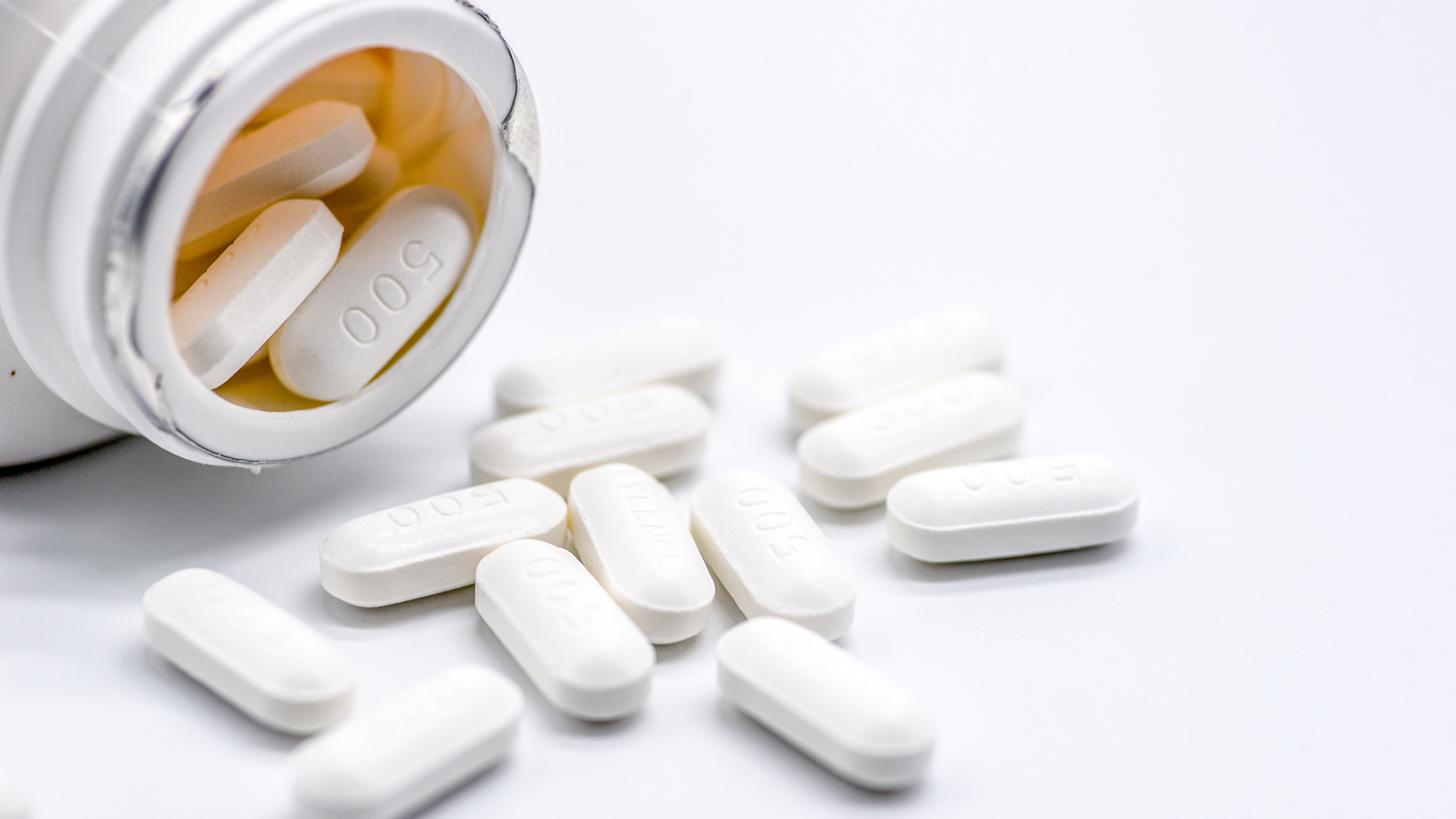
The diagnosis: When questioned, the woman acknowledged that she had been taking over 15 aspirin pills a day for multiple weeks. Each of these pills, marketed for back and body pain, contained 500 milligrams of aspirin.

Upon further questioning, the woman confirmed that she had tinnitus (ringing in her ears), which is a classic symptom of salicylate toxicity. In other words, she'd overdosed on aspirin.

The treatment: Doctors consulted experts at Michigan's poison control center, who recommended intravenous (IV) treatment with sodium bicarbonate (the chemical name for baking soda). This treatment alkalinizes blood and urine, meaning it makes them less acidic. This enables more salicylate to be excreted through the kidneys, allowing the drug to be eliminated through the urine.

After 11 hours of the IV treatment, the woman's blood salicylate levels dropped from 28.8 milligrams per deciliter (mg/dL) to 18.3 mg/dL. Her hallucinations ceased and the tinnitus improved within 48 hours of her arrival at the hospital. She was discharged without having seen a psychiatrist.

Close-up photo of a woman's ear

Ringing in the ear is a common symptom associated with aspirin overdose. (Image credit: liza5450/Getty Images)

What makes the case unique: Aspirin is generally safe when used in doses indicated on the bottle or advised by a person's doctors. However, taking too much aspirin can irritate the gastrointestinal tract, as well as disrupt the activity of parts of the nervous system.

At high enough doses, salicylates can stimulate part of the brain called the medulla, which regulates breathing. This results in hyperventilation that causes the body to lose too much carbon dioxide, and at first, the blood becomes more alkaline. This process is known as respiratory alkalinosis.

However, salicylates also disrupt metabolism, leading to metabolic acidosis from a buildup of lactic acid in the body, as the woman experienced. When metabolic acidosis overwhelms the respiratory alkalinosis and causes the blood to acidify, organ damage can occur. These metabolic effects may also explain the tinnitus, as it drives increases in arachidonic acid that stimulate receptors in the inner ear.

The woman's daily intake of roughly 75 milligrams of aspirin per kilogram of body weight was about half the typical dose associated with acute salicylate poisoning. However, it was still a large amount to take every day for weeks, and older age is also a risk factor for severe outcomes of acute salicylate toxicity.

The authors of the case report noted that although she had tinnitus, she lacked many other hallmark symptoms of salicylate overdose, such as nausea and fever.

To the clinicians, the woman's case served as a reminder that long-term aspirin toxicity may result in different symptoms than acute poisoning does. In past case reports, other patients with chronic salicylate toxicity have also reported visual hallucinations. But that potential symptom is not as well understood as more common symptoms like tinnitus.

The case report authors added that longer-term exposure to aspirin may be associated with more neurological symptoms because chronic exposure increases the odds of the drug crossing the blood-brain barrier β€” a gatekeeper that allows only certain substances from the blood into the brain. They added that doctors should consider poisoning, including salicylate toxicity, for patients with psychotic symptoms with no clear cause.

For more intriguing medical cases, check out our Diagnostic Dilemma archives.

This article is for informational purposes only and is not meant to offer medical advice.

Can you guess the diagnosis in these strange medical cases? Find out with our diagnostic dilemma quiz!

  •  

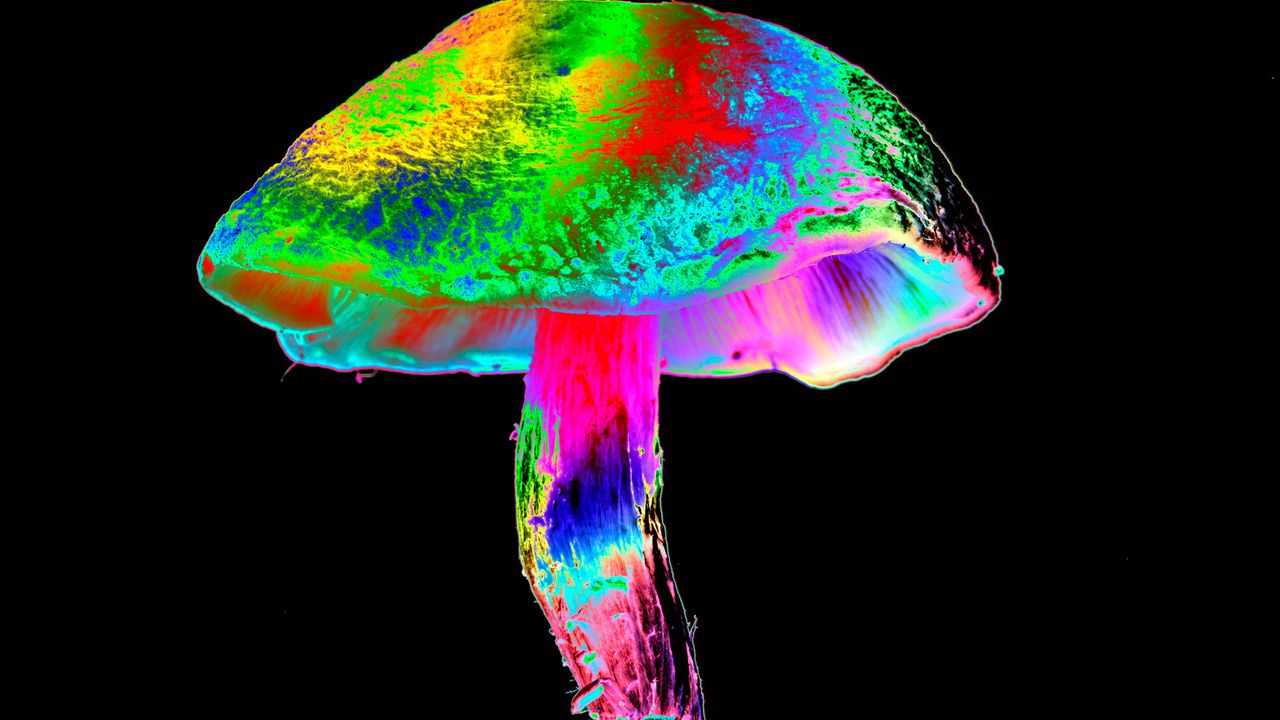
Psilocybin may protect against a common, debilitating side effect of chemotherapy, early study finds

Chemotherapy can save lives, but for many cancer patients, it leaves behind a painful legacy: damaged nerves that burn, tingle or go numb. Now, researchers report that a psychedelic compound may protect those nerves β€” not through its mind-bending effects, but by helping neurons keep their internal power supplies moving.

A new mouse study, published Thursday (Sept. 3) in the journal Science, suggests that psilocybin, the psychedelic compound in "magic mushrooms," may help prevent this painful and sometimes permanent side effect of chemotherapy, known as chemotherapy-induced peripheral neuropathy (CIPN).

In experiments in mice, psilocybin prevented nerve damage from CIPN that can cause pain, numbness and heightened sensitivity to cold and touch. Two doses of the drug given prior to chemotherapy garnered protection that persisted through as many as six rounds of the cancer treatment, according to the study.

CIPN affects roughly one-third to one-half of people receiving certain chemotherapies, said Dr. Thomas Strouse, a professor of clinical psychiatry and a neuropathy researcher at UCLA who was not involved in the study. In severe cases, the neuropathy can force doctors to reduce or stop chemotherapy. It can also contribute to mobility problems, which raise the risk of falls and fractures.

"It's a big deal, big problem," Strouse said. Researchers have been searching for a way to prevent it for a long time, he added.

Keeping nerve cells fueled

Initially, the researchers weren't looking for a neuropathy treatment, said study co-author Dr. Moran Amit, a cancer surgeon and researcher at The University of Texas MD Anderson Cancer Center. His team was investigating whether compounds that promote neuroplasticity β€” the nervous system's ability to change and adapt β€” might protect nerves and improve existing cancer treatments.

After testing several psychedelic compounds, they "very early on focused on psilocybin because this was the most effective one" for relieving neuropathy symptoms, Amit told Live Science. The psychedelic has been explored as a treatment for psychiatric disorders such as depression, in which it might promote "hyperconnectivity" between certain brain regions.

In the new study, protection against CIPN emerged as an unexpected effect of the drug.

To investigate how that protection worked, the researchers studied mice treated with cisplatin, a chemotherapy drug known to frequently cause neuropathy. Two doses of psilocybin β€” given nine days and two days before the first chemotherapy session, respectively β€” completely prevented the mice from developing hypersensitivity, and it also reduced cold sensitivity and preserved nerve endings in the skin.

The team then ran experiments using human sensory neurons and peripheral nerves that had been removed during surgery. These analyses pointed to a possible explanation: a process called mitochondrial trafficking.

Mitochondria generate the energy that cells need, but neurons present an unusual logistical challenge. Some peripheral nerves extend over enormous distances, so their mitochondria must be transported along structural tracks, called microtubules, to reach far-flung nerve endings. That in itself is an energy-intensive process.

Amit compared those microtubules to a railroad system: Chemotherapy can damage both the mitochondria themselves and the tracks they travel along.

In further experiments with human neurons, the team found that cisplatin depleted mitochondria and ATP (adenosine triphosphate) β€” cells' main energy currency β€” from the wires that extend from nerves. Psilocybin didn't restore the mitochondria's overall energy-producing capacity. Instead, it preserved their ability to travel and maintained their normal levels of ATP production, specifically within the nerve projections. That suggests the drug may help keep energy supplies where they're needed most.

The effect depended on the serotonin receptor 5-HT2A, which is responsible for many of psilocybin's psychedelic effects as well. Intriguingly, a compound called TBG β€” designed to activate 5-HT2A without causing hallucinations β€” also protected mice from neuropathy.

However, Amit cautioned that psilocybin's psychedelic effects may also be playing a neuroprotective role that we have yet to understand, so it's unclear if the effect should be avoided in humans.

A woman sitting in a medical chair receives an IV.

Chemotherapy can have a wide range of side effects, including nerve damage. (Image credit: Fly View Productions via Getty Images)

A long way from patients

Strouse noted that mitochondrial damage in CIPN isn't a new idea. "What's novel is looking at psilocybin as a protectant," he said.

He also cautioned that different chemotherapy drugs may cause neuropathy through distinct mechanisms, so the protection demonstrated against one chemotherapy drug may not translate broadly.

Most importantly, the researchers have not shown that psilocybin prevents neuropathy in humans yet.

"The main thing is that it was never tested for this indication specifically in a systematic way in humans," Amit said. His team is now preparing a clinical trial at MD Anderson to test the approach. The research is part of MD Anderson's Cancer Neuroscience Program, a multidisciplinary effort that studies interactions between cancer and the nervous system, with an emphasis on improving patients' quality of life.

Human trials will need to establish both the effectiveness and safety of using psilocybin for this purpose, Strouse said, particularly before oncologists would consider giving a psychedelic drug alongside cancer treatment.

This article is for informational purposes only and is not meant to offer medical advice.

  •  
❌