Login

Polaroid vs Instax? I’m an instant camera addict and I’m team Polaroid all the way — here’s why
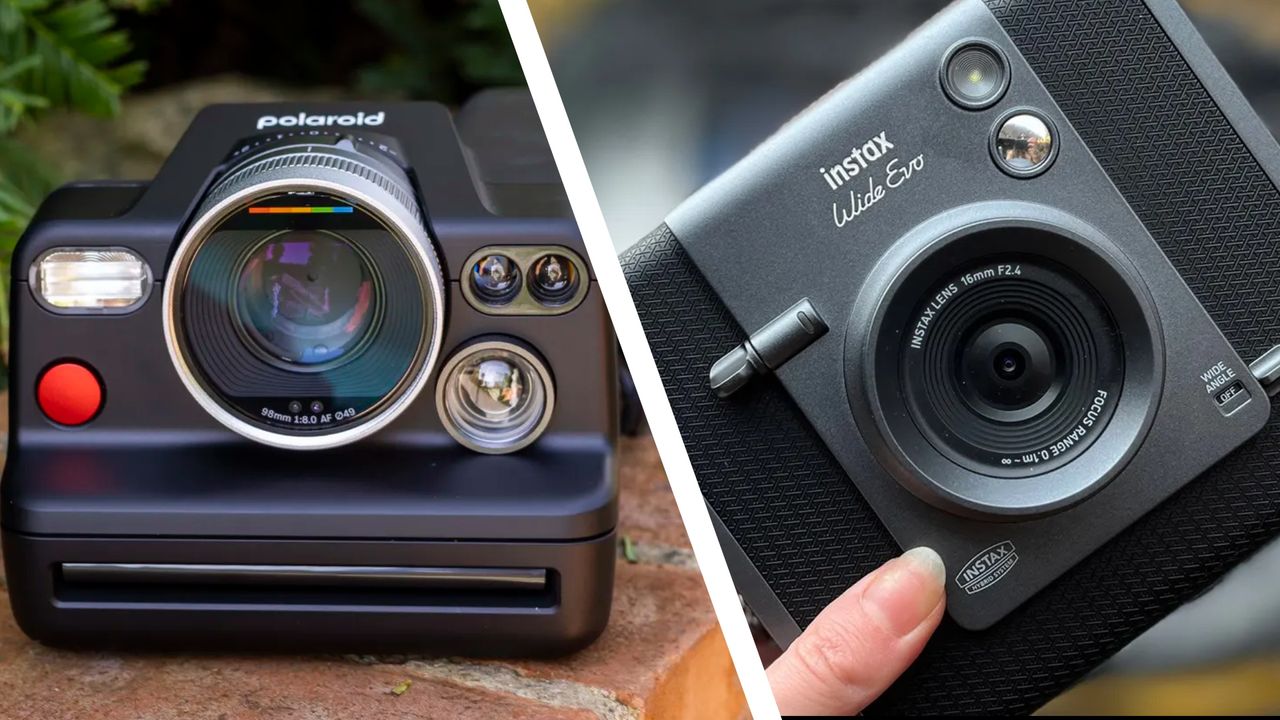
If you’re looking to buy an instant film camera, there are only two serious names in the game: Polaroid, and Fujifilm Instax. While some manufacturers like Canon and Kodak offer digital instant-print cameras that use techniques like dye-sublimation to create instant prints of digital images on specialist paper, it’s not the same. For the true alchemical magic of instant film, you Polaroid and Instax are the big hitters.
Polaroid is undoubtedly the better-known brand name due to its long history, dating back to the 1940s (though hitting major popularity in the 70s). It spent a few years in the wilderness following a bankruptcy in the early 2000s, before being purchased and revitalised in 2017 by an analog film collective called The Impossible Project. All the proper Polaroid cameras you can buy new today have been released since this renaissance.
Instax cameras may not have the historical cachet of Polaroids, but they are massively popular — Fujifilm reported last year that its Instax line has sold more than 100 million units since its inception in 1998. I don’t have similar sales data on post-revival Polaroid, but frankly, I don’t think it’s anywhere close.
Ultimately, there are compelling reasons to choose either brand. The Instax mini 12 is TR's pick as the best instant camera, and I can see why — it's a great option for the majority of users. But for me personally, it’s Polaroid all the way.
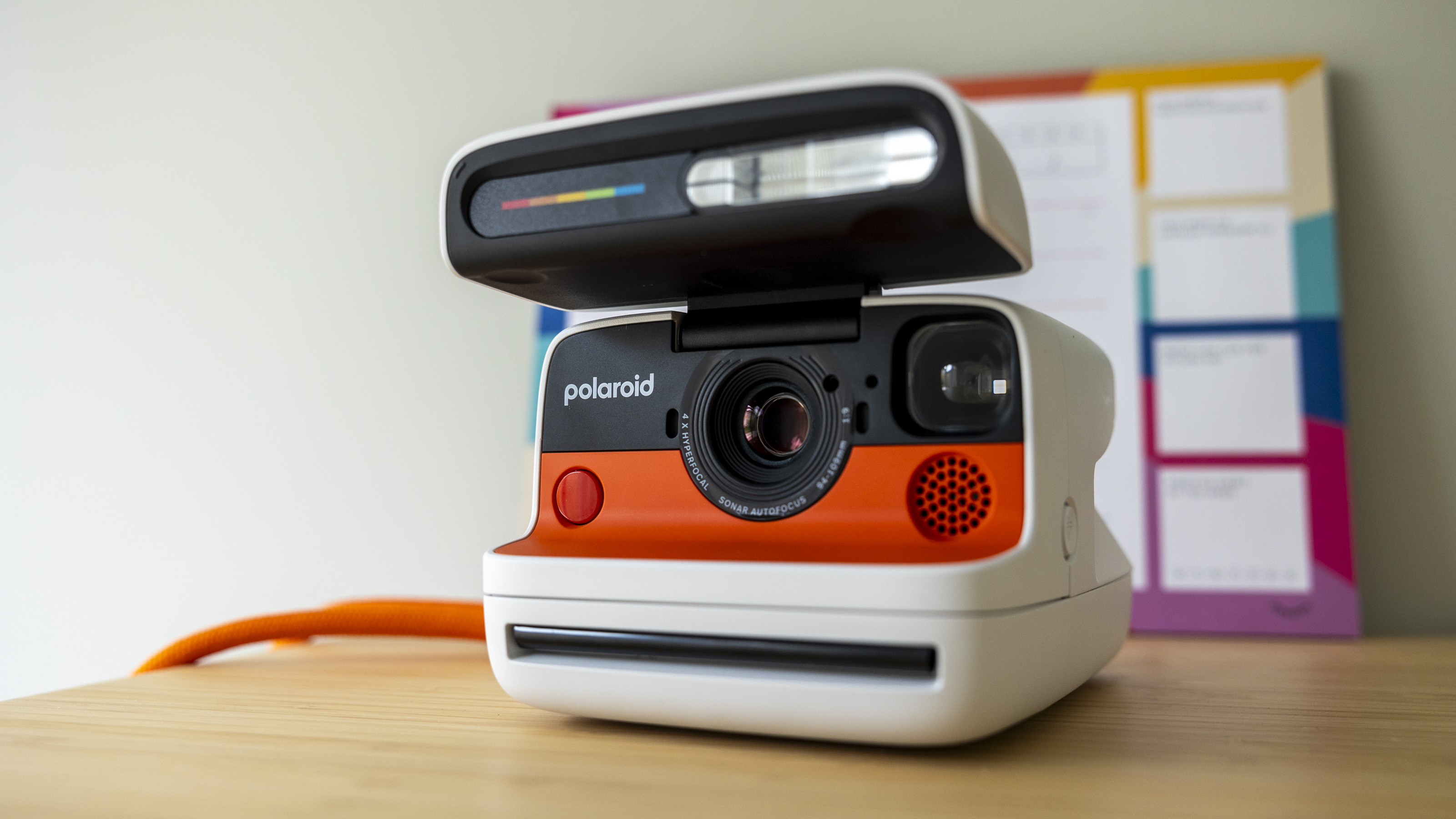
Why I’ll pick Polaroid every time
It’s not a question of print size, as both brands have similar offerings. Fujifilm Instax Wide film is about the same size as a Polaroid I-Type (or SX-70) print, just rectangular rather than square. Polaroid’s smaller ‘Go’ film produces prints of comparable dimensions to Instax mini.
What it’s all about is vibe. Scoff if you want, but come on — you’re shooting instant film. You’re not here for accurate colors or pitch-perfect sharpness, you’re here because you love the tangibility of holding a print in your hands, the transportative lo-fi look of a format that’s been around for half a century. It’s all vibe.
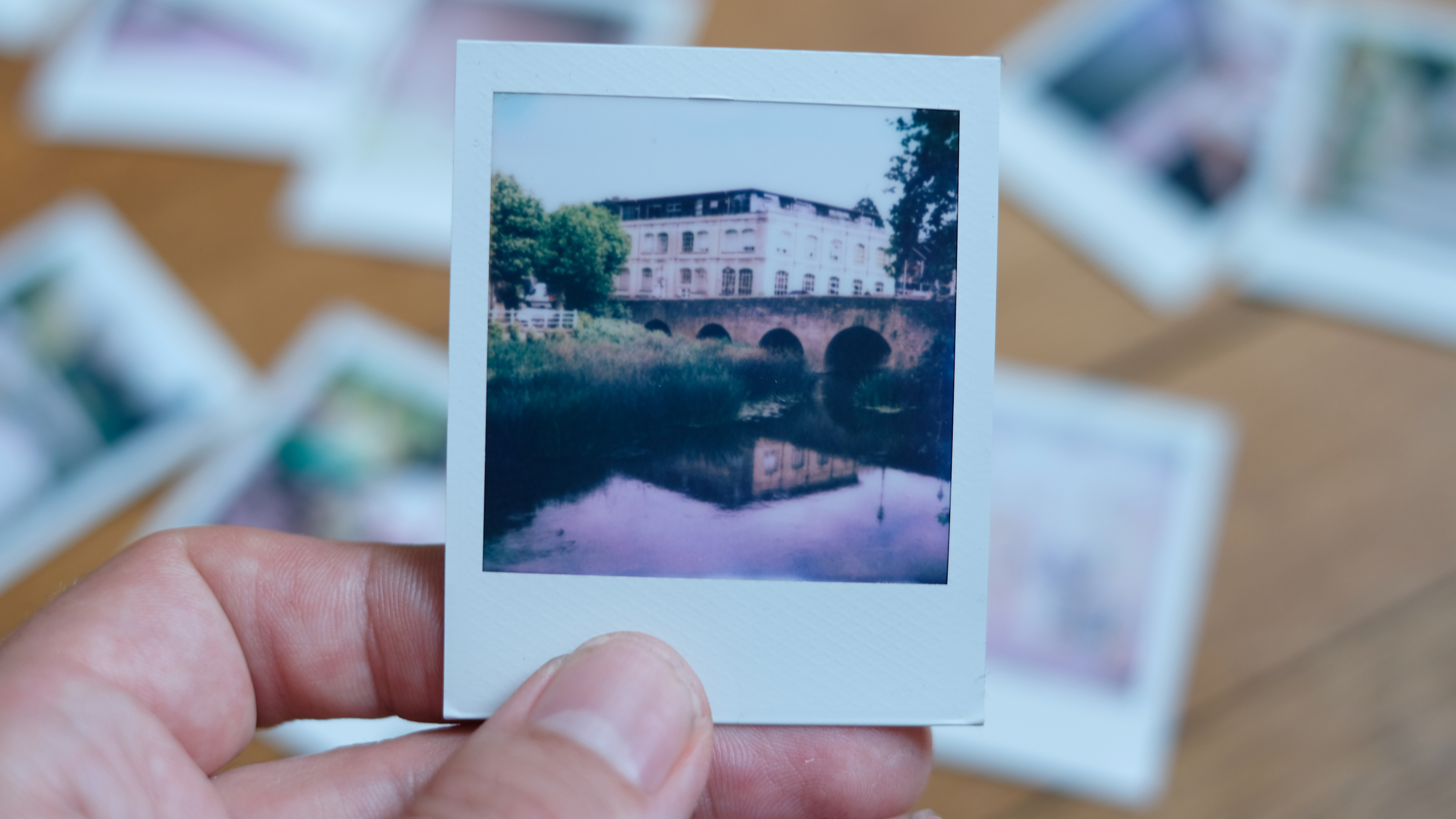
I’ve shot Polaroid and Instax prints side by side before for comparison. Once, while I was viewing them, my partner made an astute observation that I have since stolen and made my own: the Instax catches your eye first, but you end up liking the Polaroid more. Instax prints are bright and vivid, with naturalistic colors and a decent level of detail, especially the Wide format. They’re fun and kitschy.
But Polaroid images just have that inimitable retro glow that instantly transports me back in time. The softer, more muted color palette makes images less immediately striking, but more satisfying the longer I look at them. There’s a richness to them, a greater sense of depth and subtle tonality. If I were embarking on an artistic project with instant film, there’s no question which format I’d choose. It wouldn’t even be a decision.

Instax cameras are easier to use for sure — most are just point and shoot. If I were recommending an instant camera for a family, or for someone who isn’t an experienced photographer, I’d go with Instax. But for me, as someone who knows my way around a camera, the depth of control offered by the top-end Polaroid cameras leaves Instax in the dust.
Connect to the Polaroid app, which works very smoothly and is highly intuitive, and you can completely program in your settings, taking total control over your images. Want to try your hand at creating long exposures on instant film? It’s straightforward on a Polaroid Flip or Polaroid I-2, and impossible on an Instax Mini 99.
Sure, Polaroids aren’t perfect. The ongoing cost of I-Type film is a sore point, with packs of eight shots costing the same as a pack of 20 shots of Instax Wide or Mini. This sucks. No way to pretend it doesn’t. Buying in bulk can help a little, though honestly not a lot. At least the smaller Polaroid Go film is much cheaper, and I prefer it to Instax Mini. Again, its subtler look is less striking, but richer.
Do you agree? Let me know which is your preferred instant-film format in the poll above. And if you’re looking for an instant-film camera to buy, see my explainer on why the Polaroid Go Gen 2 is the best buy you can make this Prime Day and click on today's best deals where you live using the links below.