❌

Reading view

Impulse Space Unveils New Electric Propulsion System to Enable Hybrid Spaceflight Strategy for Extended Missions

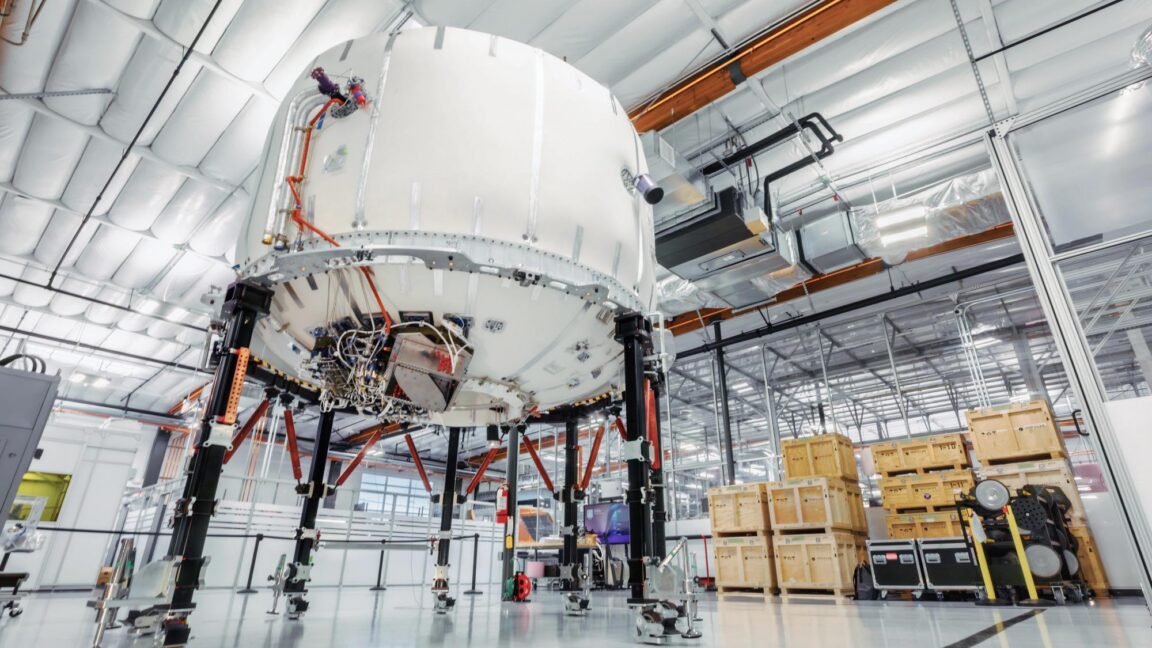
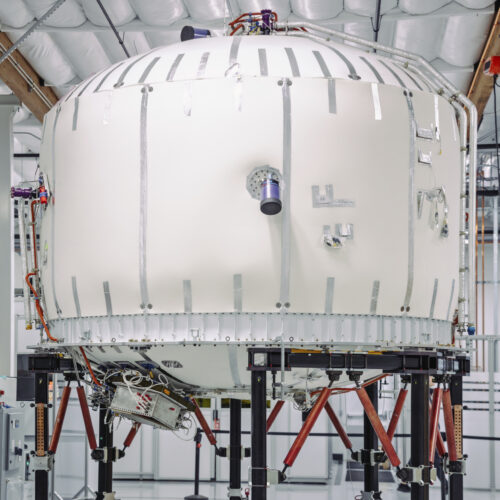
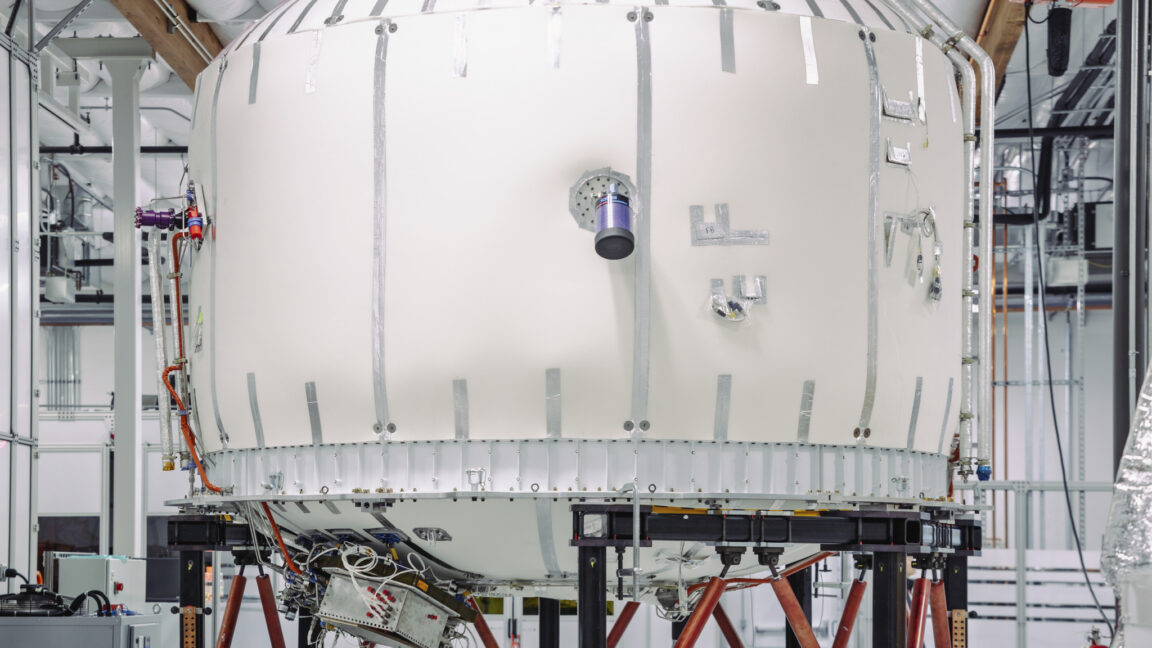
Impulse Space has unveiled its first electric propulsion system, designed to work in tandem with chemical rocket engines to extend the capabilities of spacecraft during long space missions.

On Tuesday, the California-based company revealed Electra, which complements traditional rocket propulsion, rather than replacing it, providing a new layer of efficiency for spaceflight aided by electric thrusters.

“As launch becomes more accessible, the next frontier is enabling spacecraft to do more once they arrive in orbit,” said Tom Mueller, founder, CEO, and chief technology officer of Impulse, in a statement.

The Future is Electric

While electric propulsion systems produce lower levels of thrust compared to chemical rockets, they also consume far less propellant during spaceflight. Because of this, they are an ideal candidate for certain tasks, such as station keeping—the process where a spacecraft’s assigned orbit is maintained over long periods of months, or even years.

Presently, as much as 50% of a conventional spacecraft’s chemical propellant can be required solely for maintaining its orbit for the duration of a mission. Assigning those duties to an electric propulsion system allows chemical fuel to be reallocated toward higher-value mission operations, which include rapid orbital transfers and time-sensitive maneuvers.

Rapid Pace for Development

Electra was developed entirely in-house and in under a year, the company said in a statement this week. Engineers required less than half that time to advance from initial design stages to completion of a functioning propulsion system.

Almost all major components, which include Electra’s thruster and supporting avionics systems, were designed, manufactured, and tested in-house.

“The best part of building Electra has been the opportunity to move fast and try new things,” said Charlie Kelly, Lead Electric Propulsion Engineer at Impulse.

“We get to turn ideas into plasma in a matter of weeks or months, not years,” Kelly added.

Advancing Future Space Propulsion

Presently, the company is rapidly developing its next-generation designs, and qualification is currently underway for Electra’s integration with Mira, Impulse’s orbital transfer vehicle.

An initial in-space demonstration is expected to take place aboard Impulse’s GEO Express 1 mission next year, as part of the Caravan 1 mission.

The Next Generation of Spacecraft

In the past, The Debrief has reported on next-generation electric propulsion concepts, which include similar technologiesthat bring together modern chemical and electrical thruster systems currently used to propel spacecraft into a singular, hybrid system.

For Impulse, the new propulsion system represents another step toward building what it characterizes as a complete in-space mobility architecture—extending beyond launch itself to support satellite servicing, orbital transfers, cargo transportation, and future operations throughout cislunar space and beyond.

With an ever-increasing level of commercial activity in Earth orbit, such technologies will help to propel spacecraft for much longer periods, enabling long-duration space missions that reduce overall costs and fuel requirements.

“Our strategy has always been to develop the mobility technologies needed to support all missions after launch,” Mueller said this week, adding that “electric propulsion is an essential component of that strategy.”

Additional details about the company’s novel propulsion designs can be found at Impulse Space’s website.

Micah Hanks is the Editor-in-Chief and Co-Founder of The Debrief. A longtime reporter on science, defense, and technology with a focus on space and astronomy, he can be reached at micah@thedebrief.org. Follow him on X @MicahHanks, and at micahhanks.com.
  •  

The Space Force is now seeking to buy up to $30 billion in rocket launches

It seems as though $5.6 billion wasn't enough. That was the news from the US Space Force on Friday, when military officials announced they were tripling the maximum value of one of the service's National Security Space Launch contracts to $17 billion.

The expansion of the Space Force's National Security Space Launch (NSSL) Phase 3 contract comes as the Pentagon signals rising demand for military satellite launches. The NSSL program is set up to allow Space Systems Command, which oversees the Space Force's launch program, to select from a pool of launch providers for individual missions to deliver the military's satellites to orbit.

The NSSL program has two parts. Lane 1 covers the Space Force's more risk-tolerant missions, such as medium-lift launches with experimental payloads or rideshare missions carrying satellites for the Pentagon's surveillance or data relay constellations. Lane 2 includes higher-priority strategic missions, like the government's largest and most expensive spy satellites, or radiation-hardened communications satellites designed to survive a nuclear war.

Read full article

Comments

© SpaceX

  •  

Satellite investment sets annual record halfway through 2026

Investment in satellite companies reached $8.1 billion in the first half of 2026, already surpassing every previous annual total tracked by early-stage investor Space Capital.

The post Satellite investment sets annual record halfway through 2026 appeared first on SpaceNews.

  •  

The newest entrant in the military’s launch competition isn't actually a launch company

This week the US Space Force brought two more companies into the pool of bidders eligible to compete for its launch contracts—Impulse Space and Relativity Space. For a rocket company, cracking into the lucrative US military launch market is both a sign of maturity, as well as an important source of revenue.

The inclusion of Relativity Space, which is making credible progress toward the launch of its heavy-lift Terran R rocket, is perhaps not a huge surprise. Under the leadership of former Google chief executive Eric Schmidt, the company has continued to work toward bringing the partly reusable rocket to the launch pad.

The addition of Impulse Space, however, was something of a surprise. The company specializes in building spacecraft for in-space operations, rather than launching from Earth.

Read full article

Comments

© Impulse Space

  •  

Impulse Space raises $500 million as orbital maneuvering race heats up

Getting around space, as it turns out, is kind of a big deal.

On Tuesday, Impulse Space, a company dedicated to improving space mobility, announced it has raised $500 million in Series D funding. Since it was founded five years ago by SpaceX veteran Tom Mueller, the company has now raised more than $1 billion.

"Timing is everything," Mueller said in an interview about the new round of funding. By this, he means the company has found its way into a lot of markets.

Read full article

Comments

© Impulse Space

  •  
❌