Enterprise-sized businesses spend, on average, 28 percent of their software budgets on unwanted upgrades, migrations, and licensing changes. Often, those firms' IT heads think those changes are detrimental.
Those results are according to a survey of 2,018 chief information officers and senior IT decision-makers at companies with at least 10,000 employees that Origina commissioned for its report, “The Software Tax.” About half of the respondents (1,011) are from the US, and the rest are from the United Kingdom. All respondents worked at companies with at least $1 billion in annual revenue.
Keep in mind that Origina provides maintenance for various enterprise software. Its report points to independent software maintenance as a way for IT leaders to regain control over software budgets, illustrating its potential bias. A third-party research consultancy, Censuswide, conducted the survey.
TechCrunch Founder Summit is a full-day gathering in Boston on November 4 where founders across all stages connect with top VCs and experienced entrepreneurs to gain tactical insights on building and scaling their companies.
Ofcom boss Dame Melanie Dawes has admitted today that tech firms have paid just two of the eleven fines handed out under the Online Safety Act since March last year. Giving evidence to the Culture, Media and Sport Committee, she conceded nine remain unpaid, four of the offending sites have simply geo-blocked the UK, and three are still up and running with nothing changed.
American courts have, by now, provided their preliminary view on the likelihood of Ofcom’s enforcement powers being successful in U.S. courts – the obiter dicta in 4chan v. Ofcom, the opinion in the case we filed against Ofcom in the federal District Court for the District of Columbia a little over a year ago.
[…]
Ofcom can’t enforce the Online Safety Act in America. Ofcom knows it, Ofcom has known it for a long time, and now, Ofcom has, finally, admitted it.
[…]
The GRANITE Act, a foreign censorship shield now before both the House and Senate (H.R. 10174 / S. 5478), is one proposed legal response America could adopt. The HOMEFRONT Act, H.R. 10309, is another. Either of GRANITE or HOMEFRONT would strip sovereign immunity from foreign censors and let Americans targeted by their orders drag those agencies into federal court, where they could be held accountable for their actions.
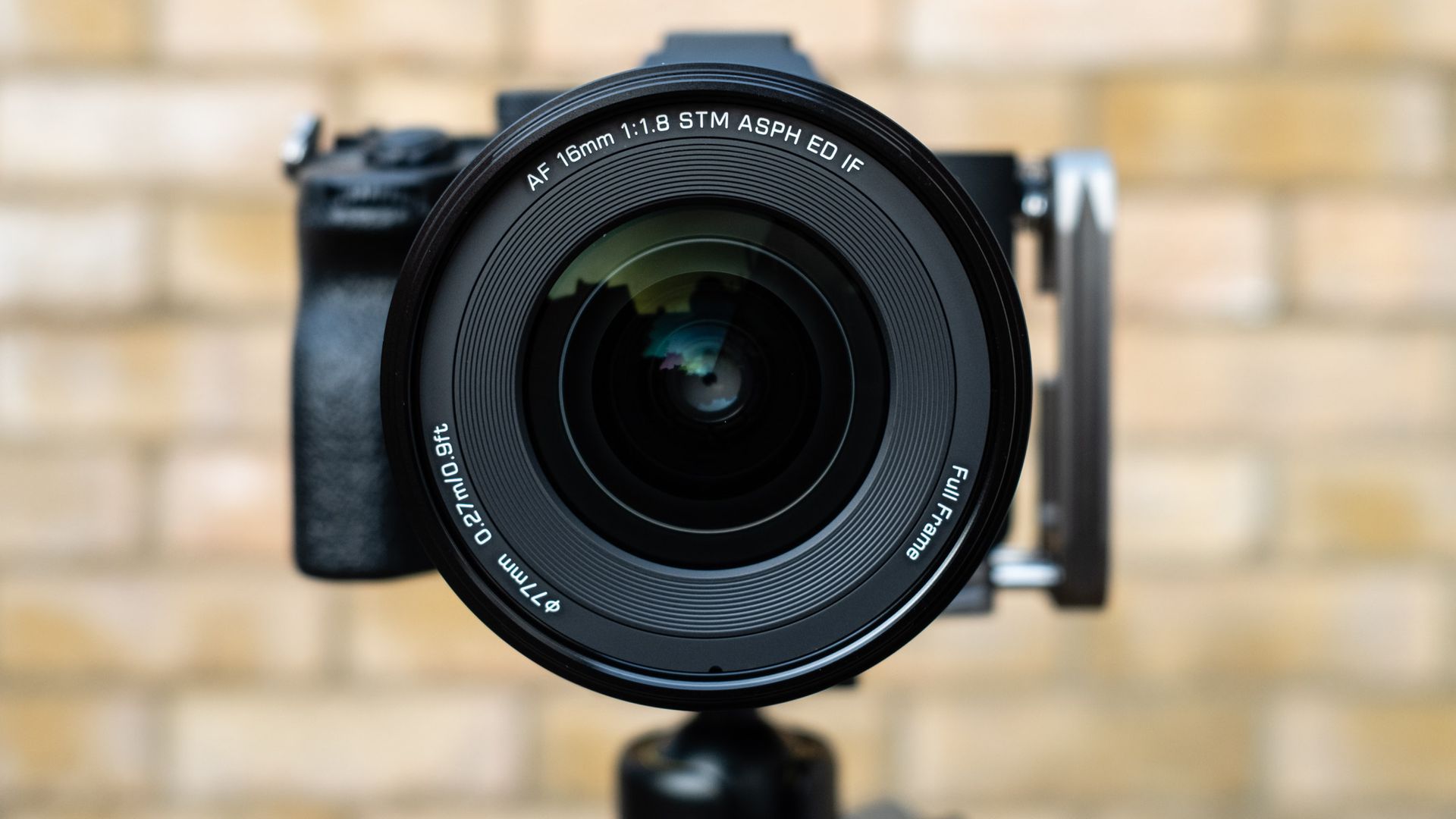
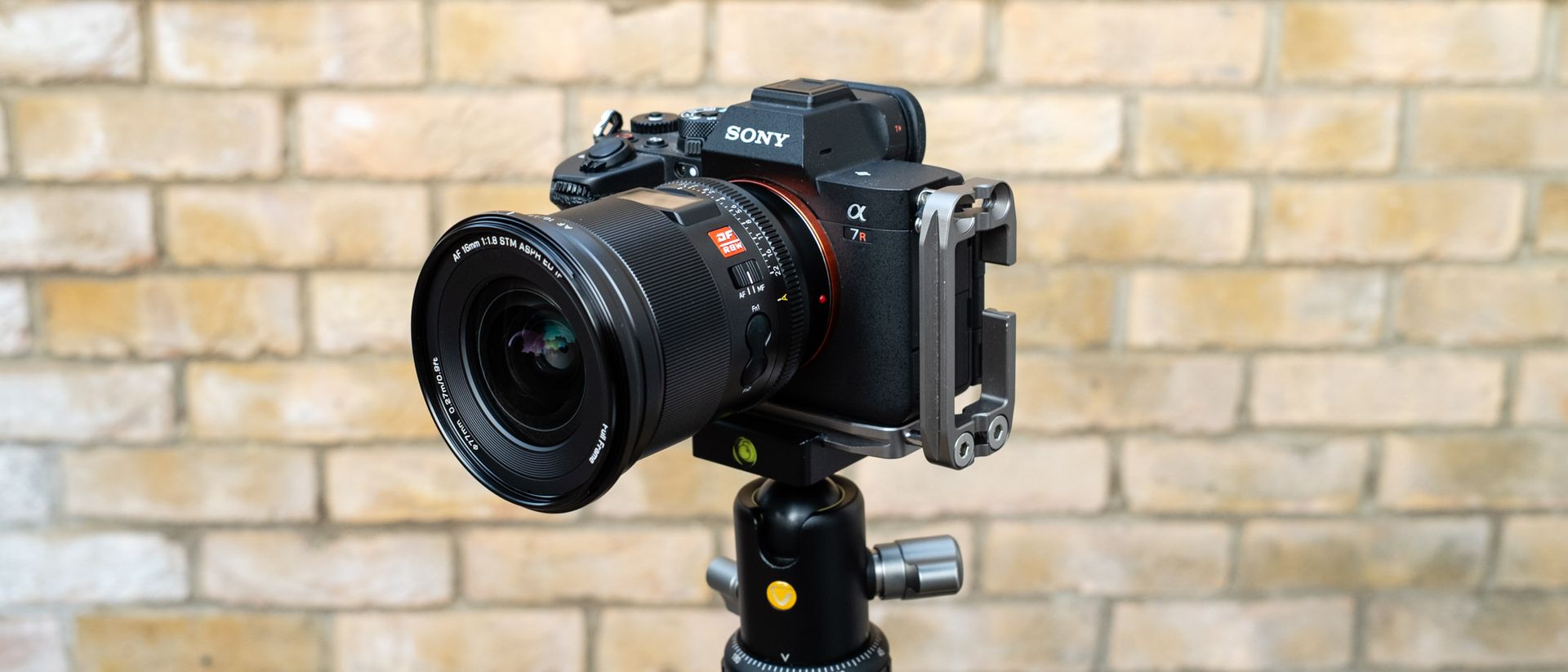
As you know, prime lenses come in a wide range of sizes and focal lengths, and every once in a while, one comes along and seems to grab you by the scruff of your neck. One such lens is the Viltrox AF 16mm f/1.8 FE, which is an impressive and useful lens for astrophotography thanks to its wide-angle field of view and fast maximum aperture.
This lens is one of the wider prime lenses that are available and could be one of the best third-party lenses for astrophotography. With a price of just $464 (£533), this is one of the most cost-effective wide-angle primes, but rather than being a second-rate lens, its build quality and image quality are fantastic. It’s not the best, but it’s undoubtedly a lens you would enjoy.
Image quality is excellent overall, with no need for lens corrections, except for vignette removal when shooting wide open. With near-perfect sharpness and minimal distortion and aberrations straight out of the camera, perhaps the weight of the lens is a small price to pay.
The lens is made up of 15 elements in 12 groups and is built like a tank, with an all-metal body. It is pretty heavy, though, weighing in at 19.4 oz (550 g) despite its relatively compact size. Attach this lens to one of the best Sony camerasand you will have a formidable combination. The 16mm f/1.8 is also available in the Nikon Z-mount.
Viltrox AF 16mm f/1.8 FE lens review
Viltrox AF 16mm f/1.8 FE: Performance
The Viltrox AF 16mm f/1.8 FE has a 77 mm filter thread. (Image credit: James Abbott)
Great image quality
Impressively sharp at f/1.8
Excellent corner sharpness
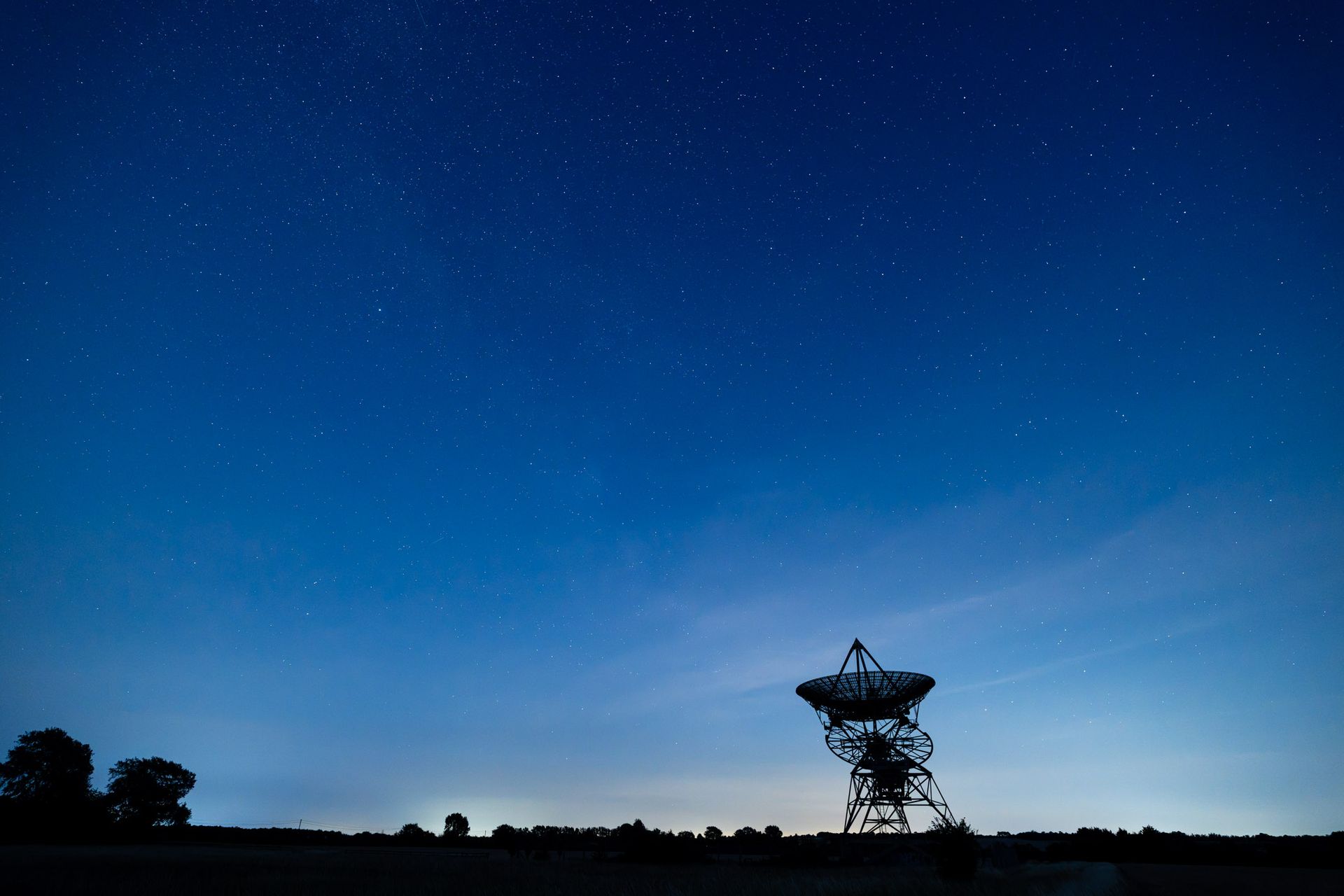
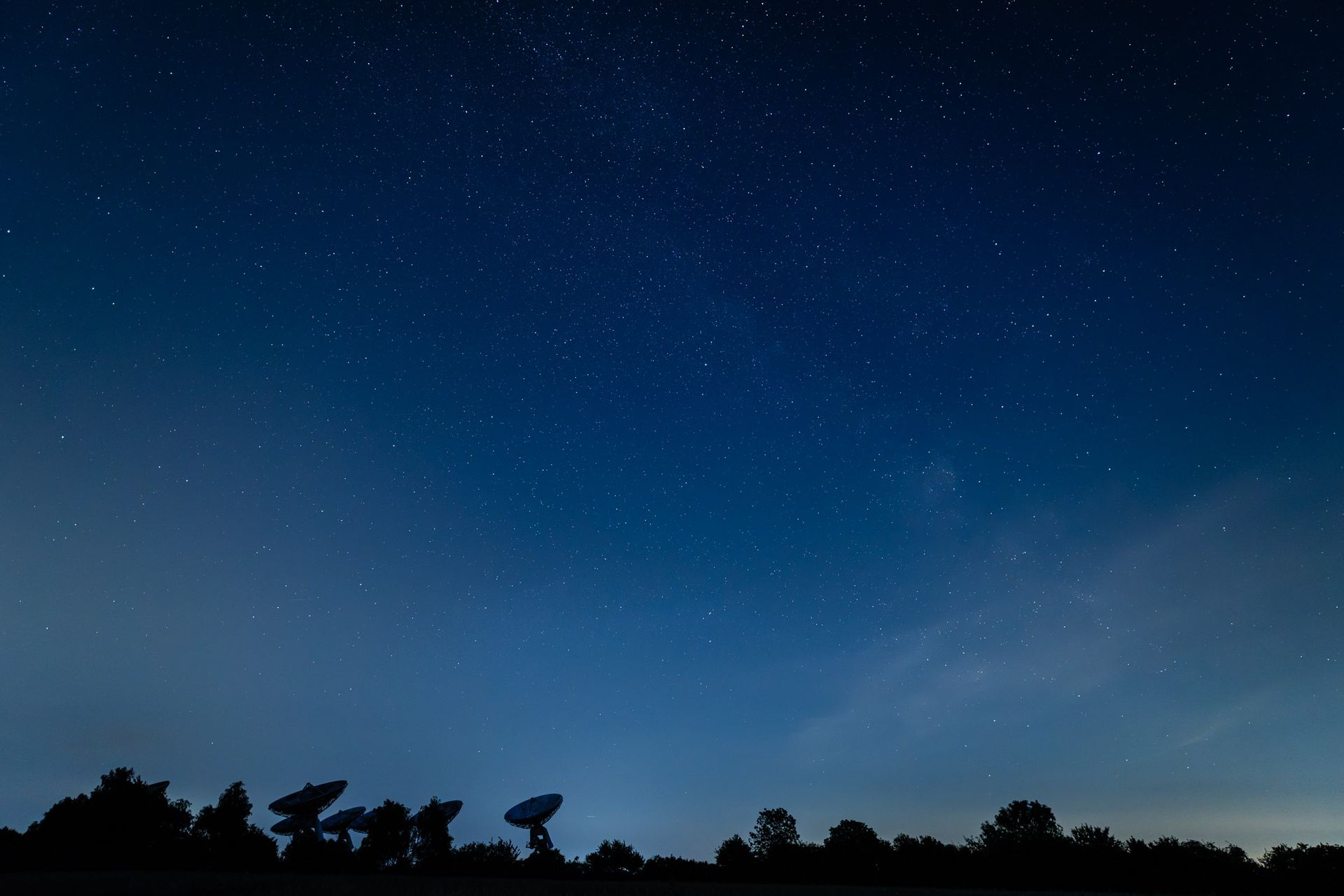
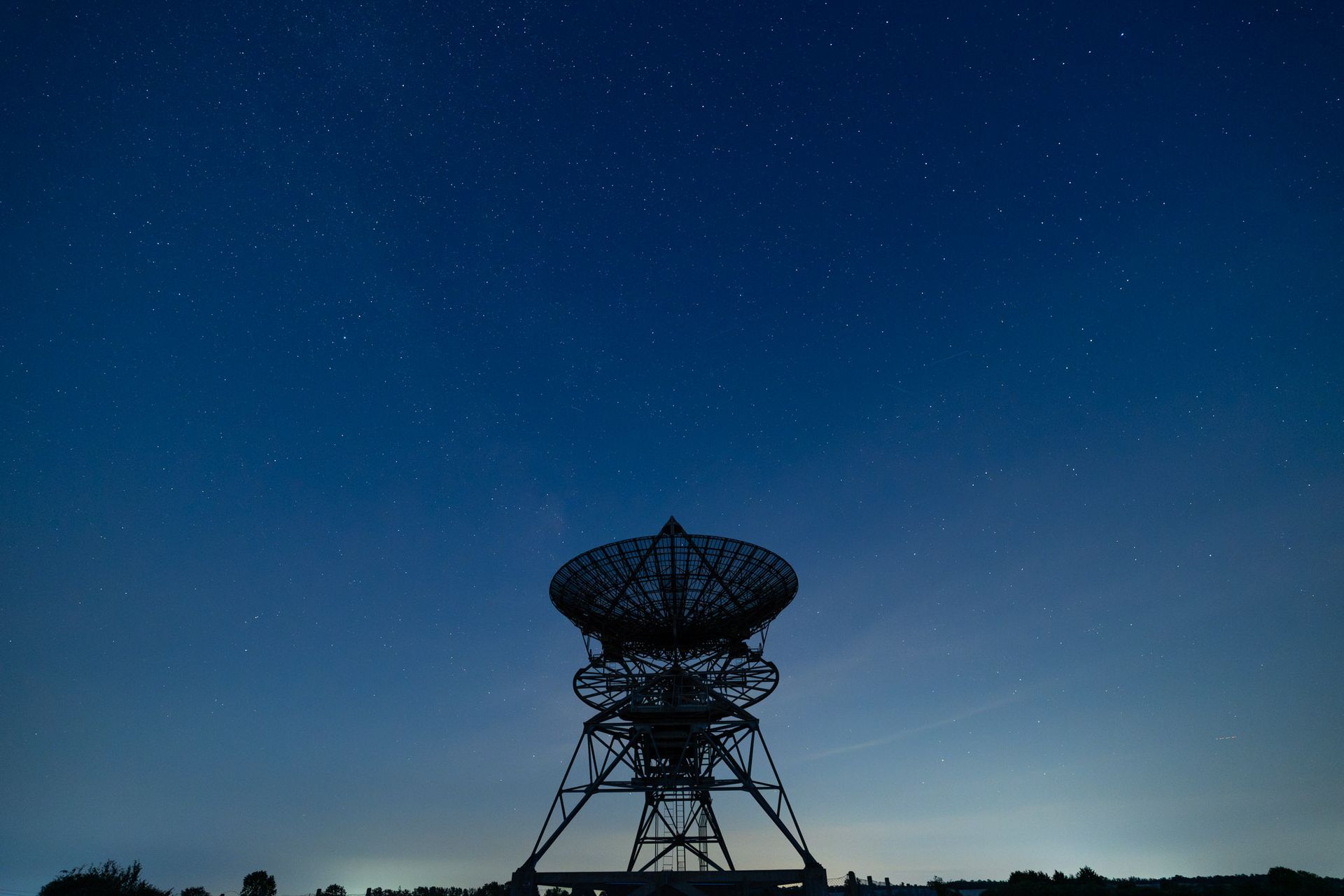
With a focal length of 16mm and a maximum aperture of f/1.8, this is clearly a great lens for astrophotography from a technical point of view. The light-gathering capabilities are excellent, to say the least, and during testing it was possible to shoot at a range of ISO levels with a moonless sky. Even ISO 800 was often high enough for a correct exposure.
The image quality produced by the 16mm f/1.8 is great, with excellent levels of sharpness across the frame. What’s most important here is that even corner sharpness is fantastic when wide open at f/1.8. This is the aperture setting where vignetting is at its strongest, but it reduces drastically when you stop down to f/2.8 and is completely gone by the time you stop down to f/4.
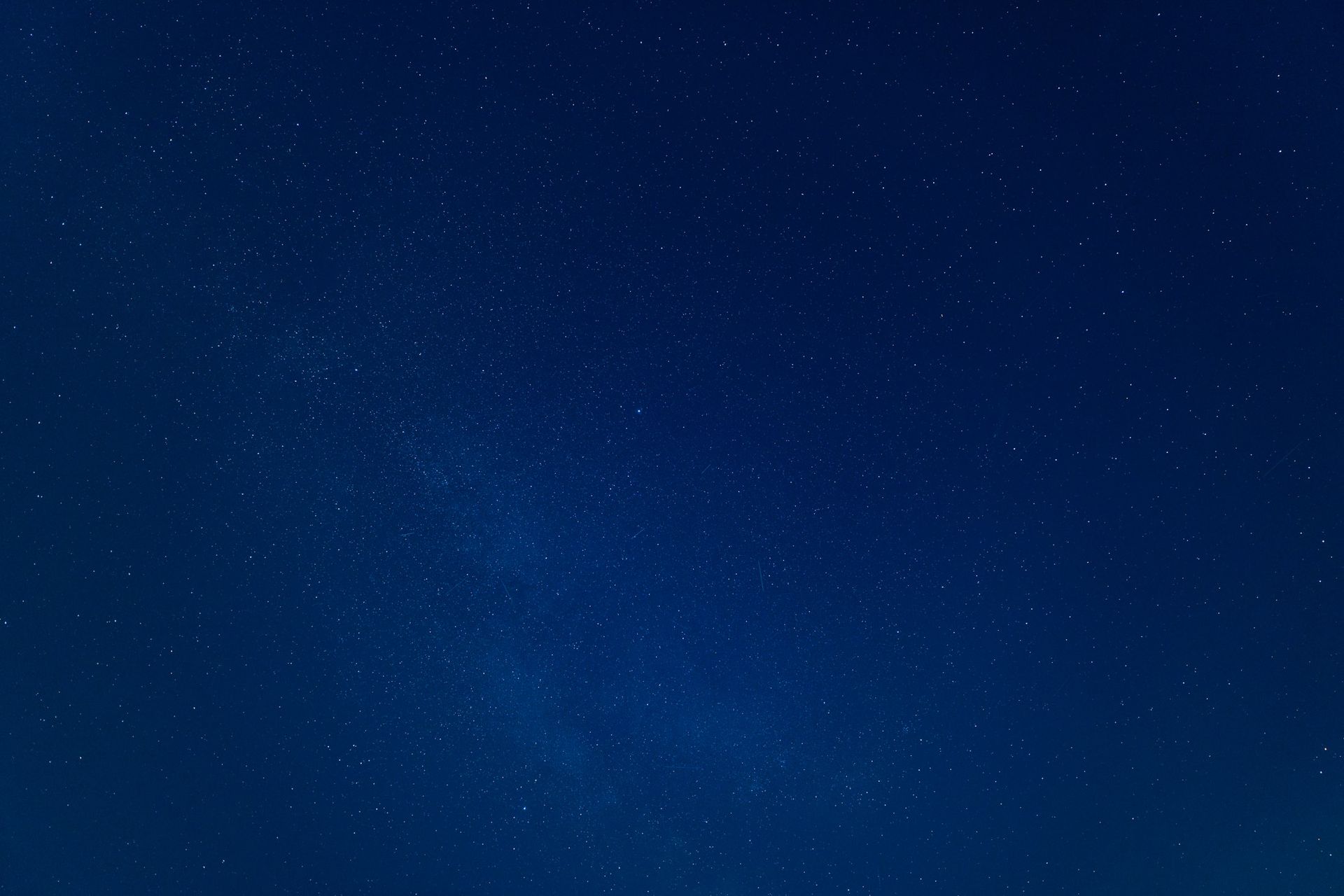
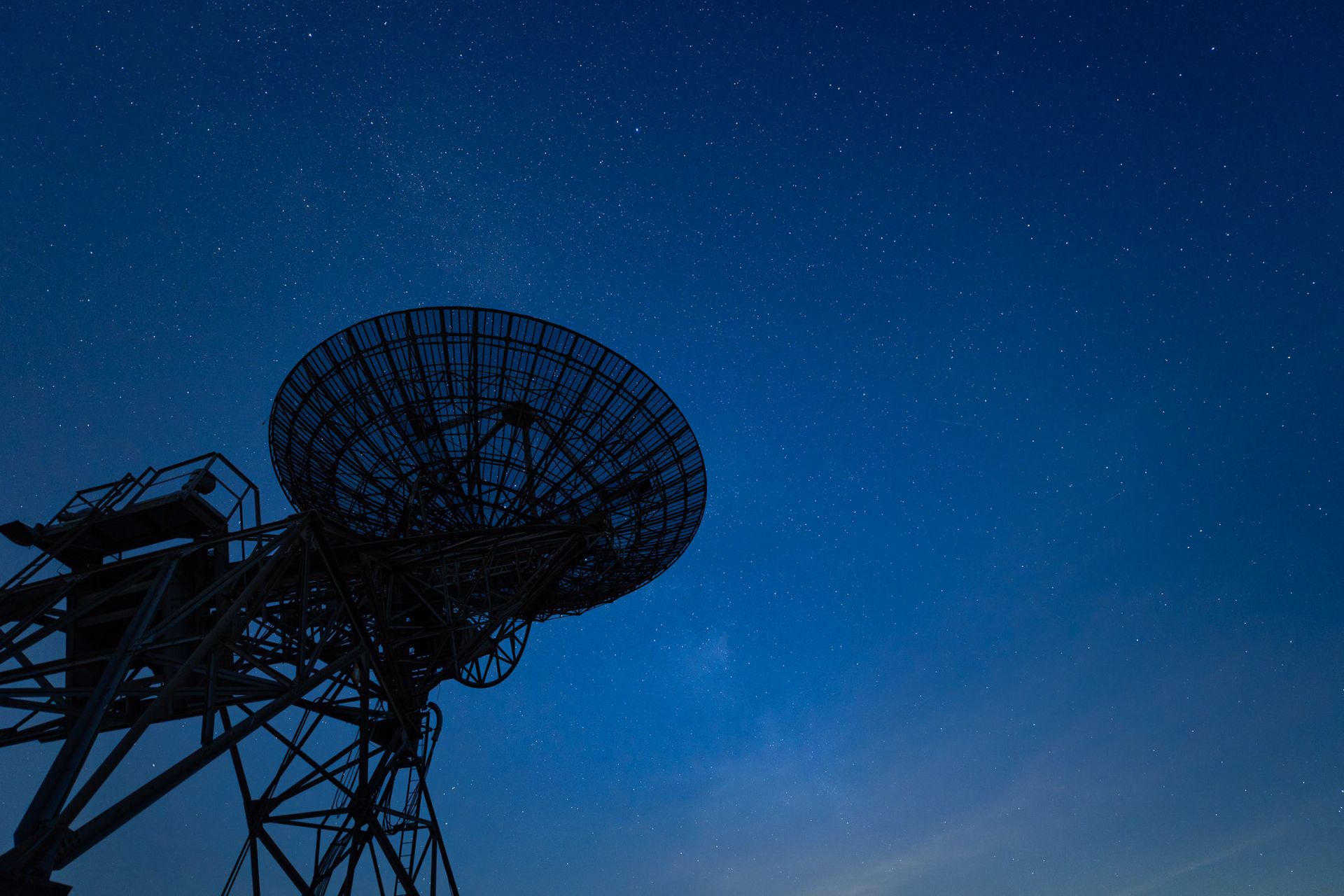
Aperture f/2.8, shutter speed 5 secs, ISO 1600. Shot with a Sony A7R V and a Viltrox AF 16mm f/1.8 FE on a Three Legged Thing PUNKS Brian 2.0 tripod.James AbbottAperture f/1.8, shutter speed 5 secs, ISO 400. Shot with a Sony A7R V and a Viltrox AF 16mm f/1.8 FE on a Three Legged Thing PUNKS Brian 2.0 tripod.James AbbottAperture f/2.8, shutter speed 5 secs, ISO 1250. Shot with a Sony A7R V and a Viltrox AF 16mm f/1.8 FE on a Three Legged Thing PUNKS Brian 2.0 tripod.James AbbottAperture f/1.8, shutter speed 5 secs, ISO 800. Shot with a Sony A7R V and a Viltrox AF 16mm f/1.8 FE on a Three Legged Thing PUNKS Brian 2.0 tripod.James AbbottAperture f/1.8, shutter speed 5 secs, ISO 800. Shot with a Sony A7R V and a Viltrox AF 16mm f/1.8 FE on a Three Legged Thing PUNKS Brian 2.0 tripod.James Abbott
Luckily, though, there is a lens profile in Adobe Camera Raw and Adobe Lightroom that completely removes vignetting. There’s also only minimal chromatic aberration and a tiny amount of barrel distortion, which is impressive given the wide field of view produced by the lens.
As mentioned before, sharpness is great wide open and improves incrementally as you stop down up to the sweet spot of the lens, which is f/8. Sharpness drops slightly at f/11, and it’s at f/16 where diffraction begins to soften the image overall. This increases further when you stop down to f/22.
These latter apertures aren’t relevant to astrophotography; the medium ones aren’t either but the sharpness produced at f/1.8 and f/2.8 is exactly what you want.
Viltrox AF 16mm f/1.8 FE: Design
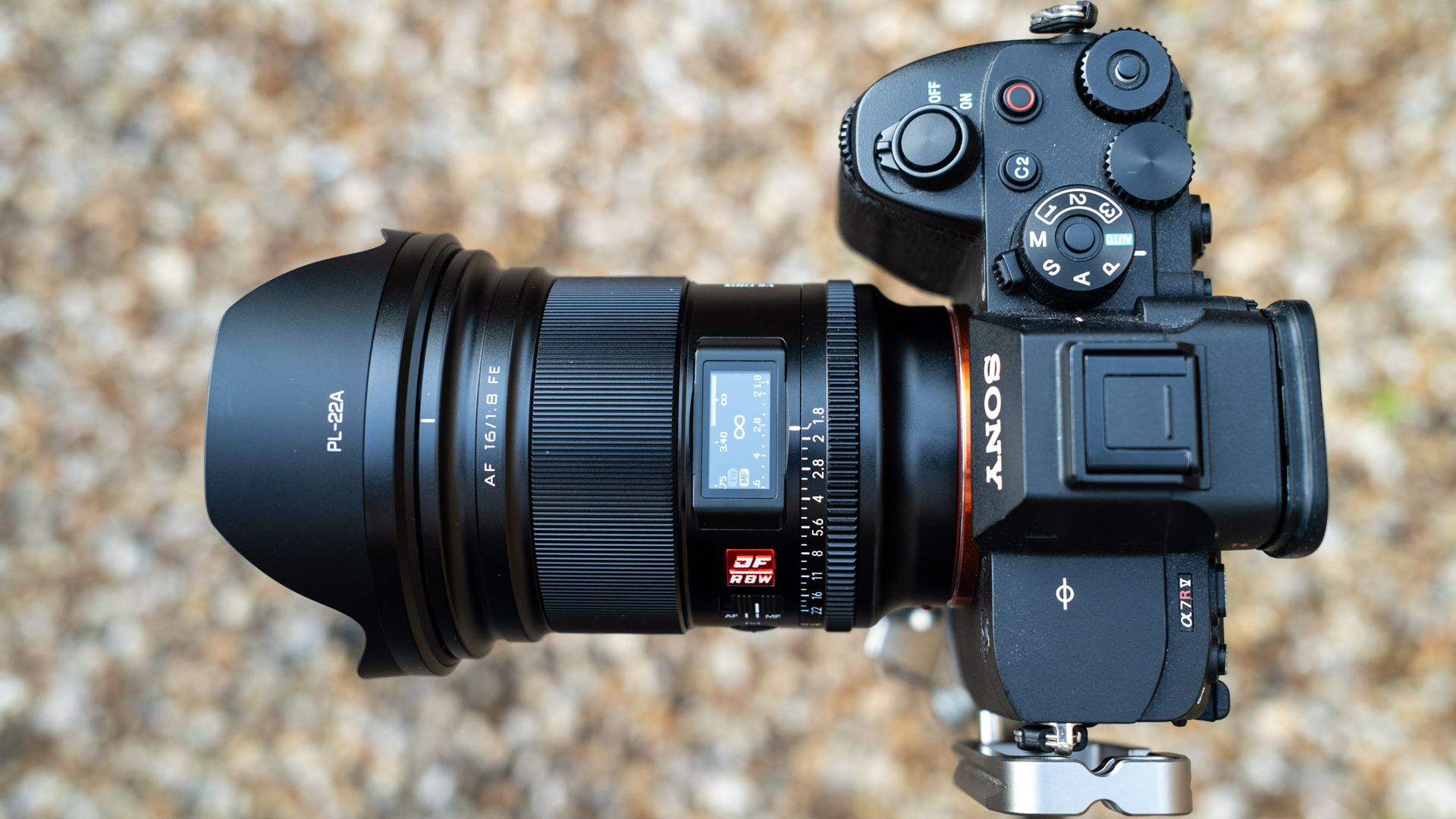
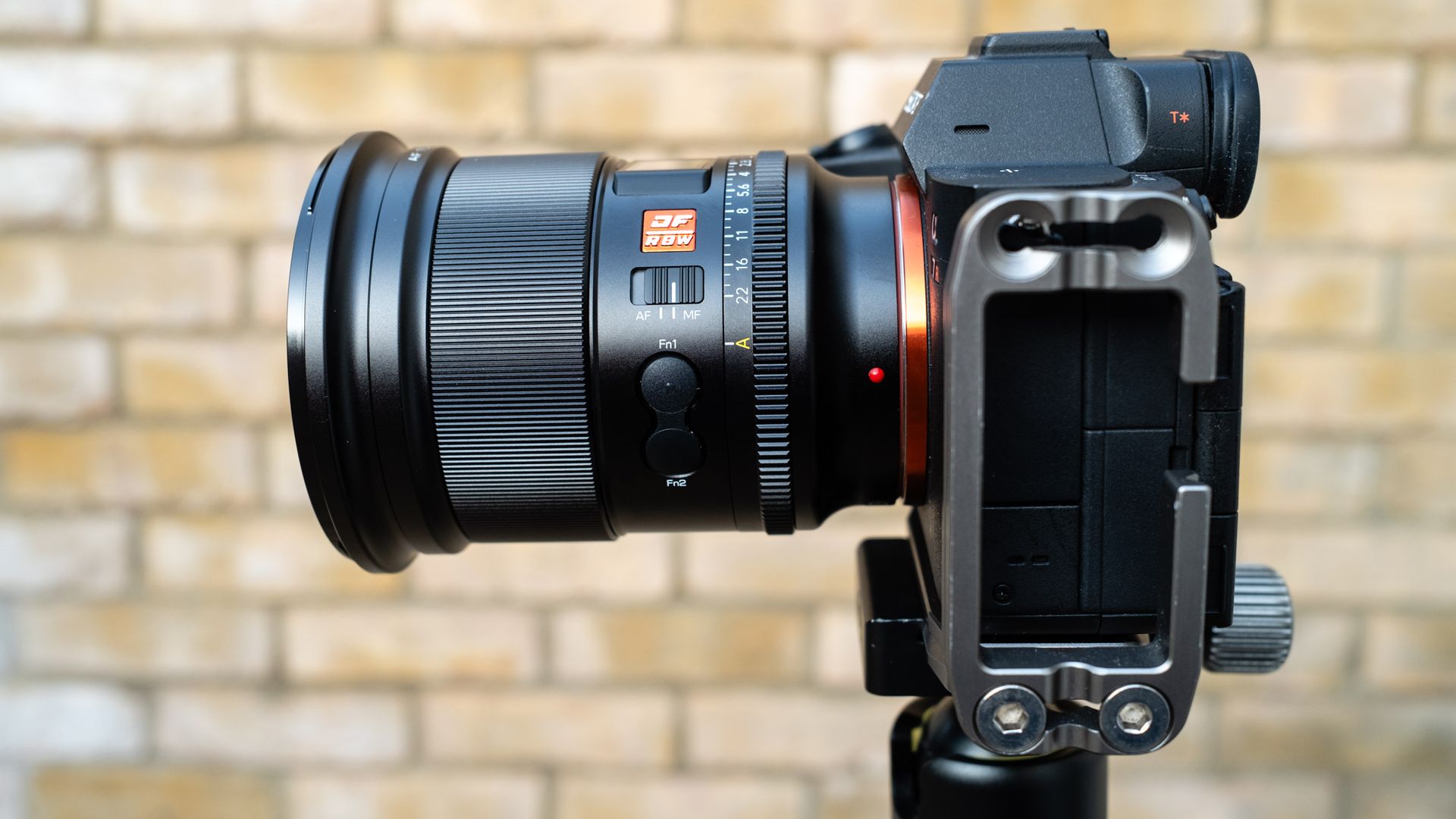
The Viltrox AF 16mm f/1.8 FE lens is compact but quite heavy. (Image credit: James Abbott)
Weather-sealed build
Compact yet heavy
Great handling
The 16mm f/1.8 lens is something of an oddity in one respect: it’s both compact and heavy considering its size, although this comes down to its optical construction. The lens weighs 19.4 oz (550 g) with a size of just 3.35 x 4.06 in (85.2 x 103 mm). It does, however, balance well with Sony A-series cameras.
The 16mm f/1.8 is made up of 15 elements in 12 groups, including four ED glass and three aspherical lenses. The optical construction is designed to deliver sharpness, detail and high contrast with minimal distortion. It’s fair to say it achieves these. Of course, you will experience some perspective distortion when tilting the lens up to capture more of the night sky when there are ground elements in the foreground.
Unlike some wide-angle lenses, the front element isn’t bulbous, and it features an HD nano multilayer coating with a water-resistant and antifouling coating. The filter thread is also just 77mm, so you can easily attach screw-in and square filters if you use them for your astrophotography.
The minimum focusing distance of the lens is 10.6 inches (27 cm), which is great for landscape photographers but less important for astrophotographers.
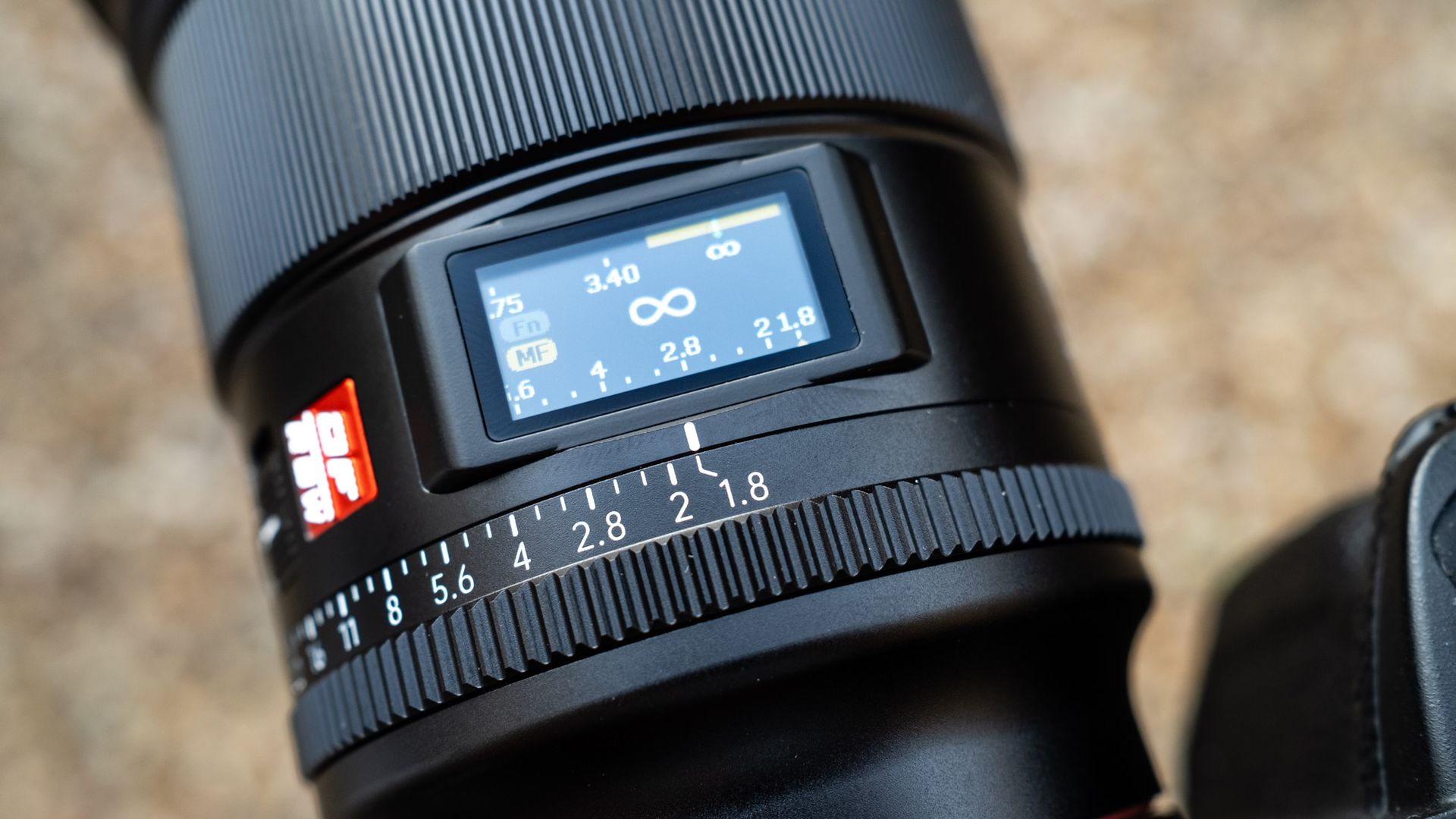
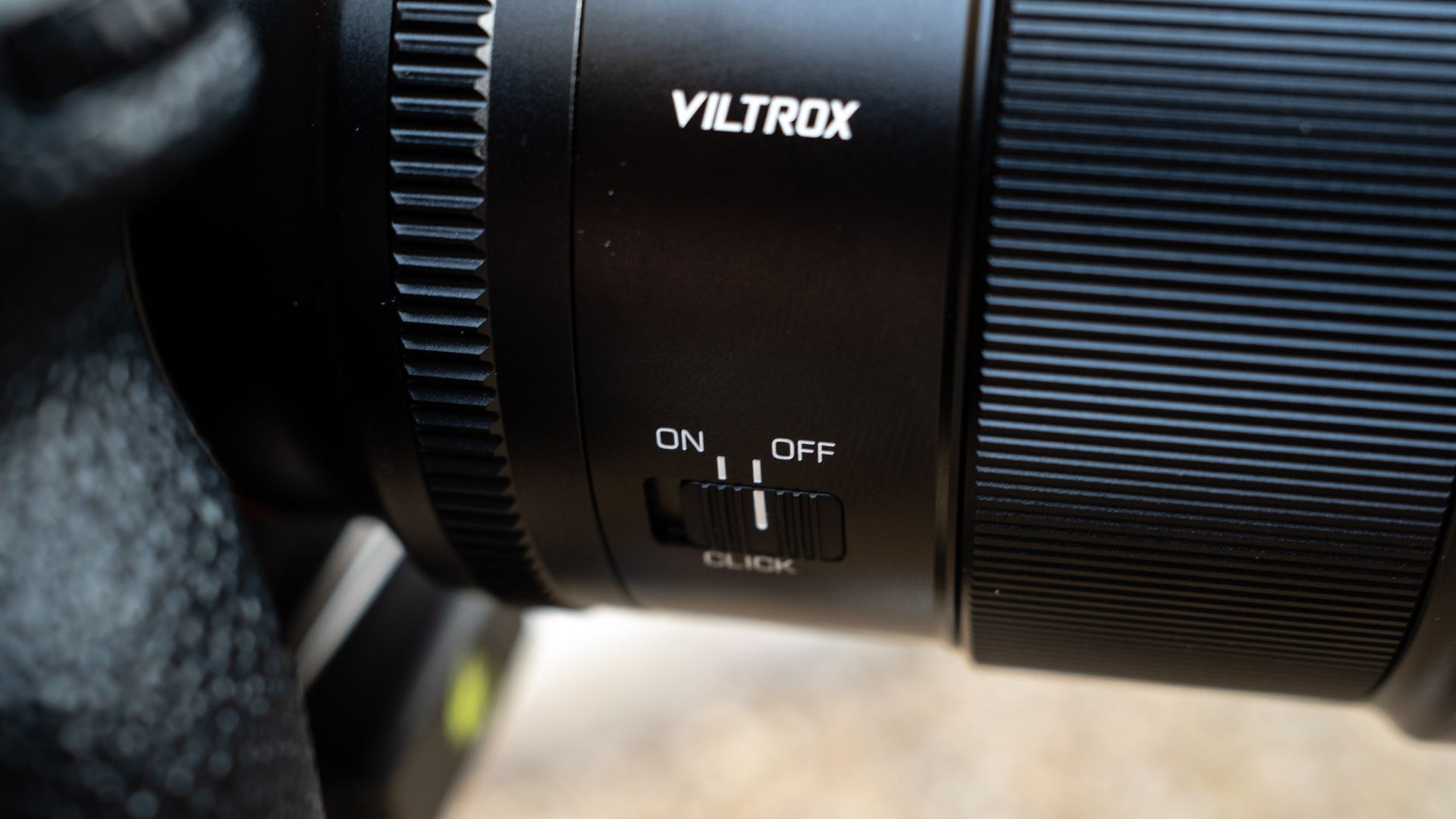
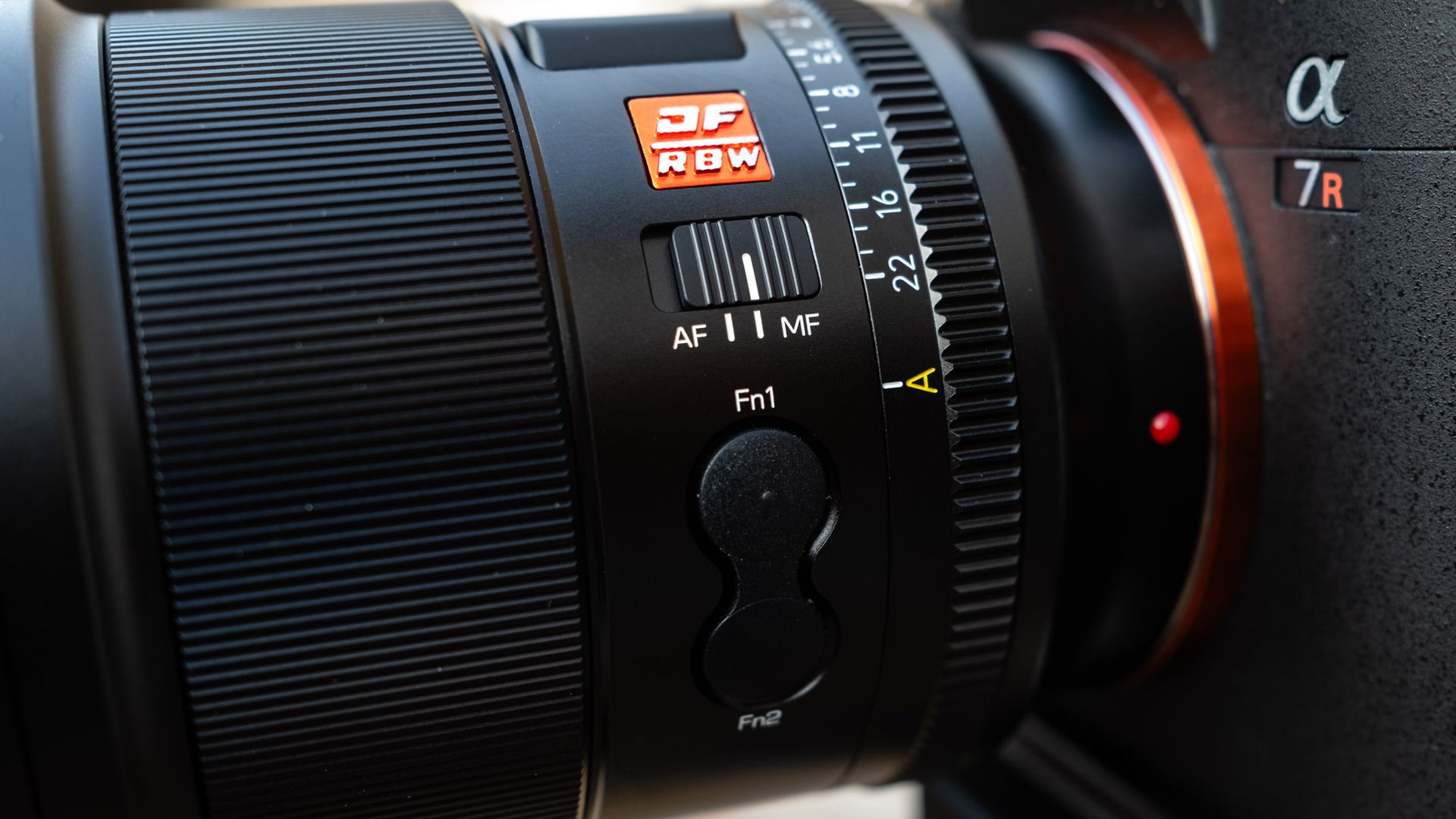
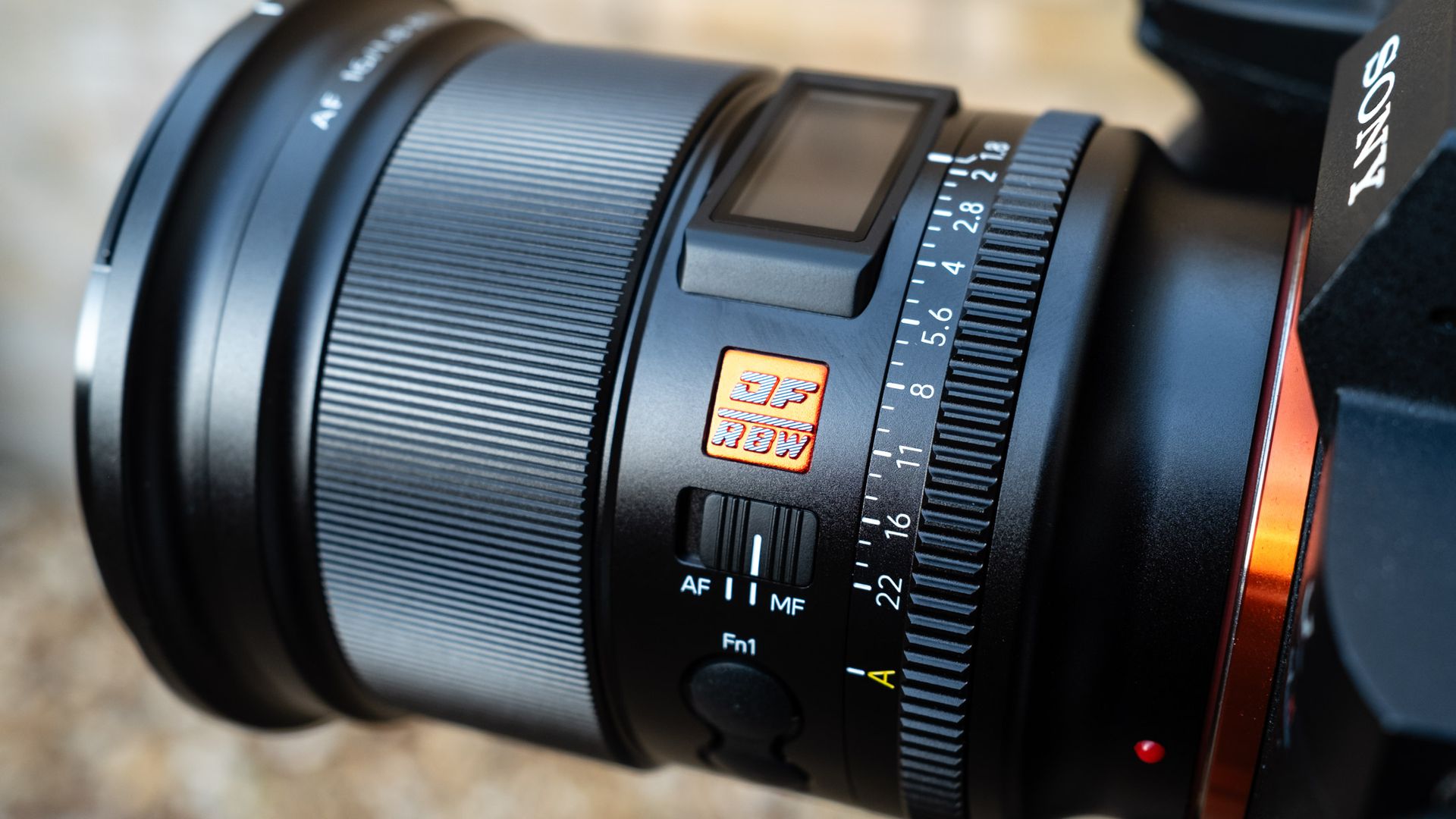
The color screen is great for night shooting.James AbbottThe aperture ring can be set to click or clickless operation.James AbbottMain controls on the left side of the lens.James AbbottThe all-metal body has a premium look and feel.James Abbott
Build quality is impressive thanks to an all-metal body and weather-sealing. This gives the lens a premium look, and it feels robust in the hand. There’s also a useful digital color screen that displays lens information.
When it comes to controls, there are possibly a few more on this lens than you might find on the average prime. There’s a manual focusing ring that’s wide enough for use when wearing gloves, a manual aperture ring that can be set to stepped and stepless operation using a switch on one side of the lens, two customizable Fn buttons and an AF/MF switch.
Viltrox AF 16mm f/1.8 FE: Functionality
The Viltrox AF 16mm f/1.8 FE is excellent for astrophotography. (Image credit: James Abbott)
Small color digital screen
Customizable Fn buttons
105.6-degree field of view
The Viltrox AF 16mm f/1.8 FE is a full-frame lens offering a generous 105.6-degree field of view, allowing you to capture more of the night sky. This lens naturally works with all Sony FE bodies, and if you shoot APS-C, it will give you an equivalent focal length of 24mm. This means if you currently own an APS-C camera but plan to upgrade to full-frame, this lens could comfortably join you on that journey.
As prime lenses go, this one has a few more bells and whistles than most, so there are a few more things to talk about than usual. Focusing is internal, so the front element doesn’t rotate or extend outwards, which is great when using filters.
For astrophotography, manual focus is the only way to go, but this lens also has autofocus for when you’re shooting other subjects. The autofocus isn't the fastest we’ve seen, taking about 0.25 seconds to lock onto subjects when the lens is wide open, or 0.5 seconds when stopped down. This is driven by an SMT stepping motor, which is quiet but audible.
One feature that you don’t see on many lenses is a small color digital screen on the top of the lens. This shows the focus distance, aperture setting and the active Fn control. Is it a gimmick? A bit. Is it useful? Yes. For astrophotography, the screen is definitely useful because it’s illuminated.
As with most Viltrox lenses, there’s also a USB-C port on the lens mount so it can be powered. This allows you to connect the lens to the Viltrox Lens app via Bluetooth to update firmware and customize the Fn buttons and the digital screen’s welcome screen. This makes firmware updates incredibly easy, which is a great feature to have.
Viltrox AF 16mm f/1.8 FE: User reviews
In online reviews, users consistently highlight the lens's value and image quality. Build quality comes up time and time again, thanks to the all-metal build.
Many users report that overall, the lens offers much more than you’d expect for the price and even more than some more expensive lenses.
How we tested the Viltrox AF 16mm f/1.8 FE
The Viltrox AF 16mm f/1.8 FE was tested in combination with the Sony A7R V, which offers an unforgivingly high resolution. The lens was tested at night with a focus on astrophotography, and in daylight to assess sharpness, distortion and general functionality for an all-round approach to testing.
Should you buy the Viltrox AF 16mm f/1.8 FE?
Buy it if:
✅ You’re on a budget: The Viltrox AF 16mm f/1.8 FE is less expensive than alternative lenses offering the same focal length and maximum aperture.
✅ You want a wide-angle prime: Thanks to its wide field of view, you can capture more of the night sky, while the fast maximum aperture is ideal for astrophotography.
Don't buy it if:
❌ You would like flexibility: If you would like the flexibility of a variable focal length, a zoom lens is the only way to go. They are typically slower than primes, though.
❌ You'd like a wider view: This is a lovely wide lens, but you can get wider options as both primes and zooms.
Since there are only a few alternatives to the Viltrox AF 16mm f/1.8 FE, and given that it offers excellent value for money, this is absolutely a lens worth considering if you need a wide-angle prime.
Furthermore, you’ll struggle to find a similar alternative with the same balance of overall build quality and price. Image quality is excellent, even in the corners and edges of the frame when shooting wide open with minimal distortion.
The two customizable Fn buttons and the illuminated color screen that provides useful lens information are extremely helpful when shooting in the dark.
With a price of $464 (£533) and given its build quality, image quality and overall handling, this lens represents excellent value for money. And while it may be a full-frame lens, APS-C users can still enjoy a 24mm equivalent focal length, so it’s a useful lens for astrophotography whichever format you shoot with.
This is a professional-quality lens with a mid-range price tag, and like other Viltrox lenses, you get the lens, a lens hood, front and rear lens caps and a soft lens case in the box.
If this lens isn't for you
The Viltrox AF 35mm f/1.2 LAB FE is a slightly less wide Viltrox lens with a much faster aperture and is part of the company’s flagship LAB series.
The Sony FE 20mm f/1.8 G is a fantastic wide-angle prime offering excellent image quality in a compact and lightweight form factor.
The Sigma 14mm f/1.4 DG DN Art is something of a beast, both in terms of specs and its size. With a 14mm focal length and f/1.4 maximum aperture, it’s perfect for astrophotography.
O novo smartphone da OPPO é um dos candidatos ao top de melhores smartphones do ano, com foco especial na fotografia e um sistema de três câmaras de 200 MP. O TEK Notícias já testou o X10 Pro Max e há muitos pontos positivos, mas também apostas arriscadas.
Détox, perte de poids, métabolisme relancé, pH rééquilibré : l'eau citronnée du matin porte une quantité de promesses dont aucune ne résiste à l'examen. Il reste quelques bénéfices réels, mais modestes. Et un risque bien documenté, systématiquement passé sous silence : l'érosion de l'émail...
Website admins, brace yourselves. Fixes for what are believed to be uncommonly severe vulnerabilities are scheduled to drop in a little more than 12 hours for PHP, a programming language that powers websites and Web applications everywhere.
PHP maintainers said Monday that they planned to release patches for two vulnerabilities, both with severity ratings of 9.2 out of a possible 10.
Waiting for PHP2Shell
“All PHP users are encouraged to prepare now so they can upgrade as soon as the release is available,” the advisory stated. “We reserve the right to release earlier should details of either vulnerability become public, or should evidence of active exploitation appear in the wild.”
In a MacVoices After Dark supplemental, members of the panel continue their discussion of Apple’s HomeView and Apple TV announcements. Pricing, functionality, and real-world value are debated as they examine HomeView’s potential as a smart home controller, its limitations compared to an iPad, and possible future capabilities. Apple TV’s higher price raises questions about performance, […]
Security personnel around the world are on high alert Tuesday following the discovery of eight TLS certificates with private keys so weak they could allow anyone to mint trusted browser and app credentials for any site on the Internet.
As of late morning Tuesday, browser makers and some major apps and programming languages had blocked all eight of the intermediate certificates. There are no reports of certificate transparency logs, which track the issuance of all browser-trusted certificates, showing the compromised keys being used maliciously. The threat remains far from over, however, because it will be hard and time-consuming to update other key parts of the Internet, such as Linux distributions and embedded and Internet of Things devices.
One word: bonkers
The eight intermediate certificates belong to India-based certificate authority eMudhra Limited. An informal advisory published to emudhra.we-have-a-problem.com over on Tuesday posted the message “We have a problem here - Wayne.” The words were digitally signed using the private key of one of the eMudhra certificates. With proof that the reporting party had control of the key, defenders scrambled because the same key could be used to sign unauthorized certificates that would be trusted by millions of servers worldwide.
The best stargazing apps can take your observation of the night sky to the next level, whether that's using augmented reality (AR mode) to identify stars or looking up the next lunar eclipse.
However, the bright light emitted by smartphone screens can prevent your eyes from adjusting to the dark. If you're using one of the best telescopes, you'll want to preserve your night vision even more. Fortunately, there are ways to all but eliminate this problem.
Why are bright screens bad for stargazing?
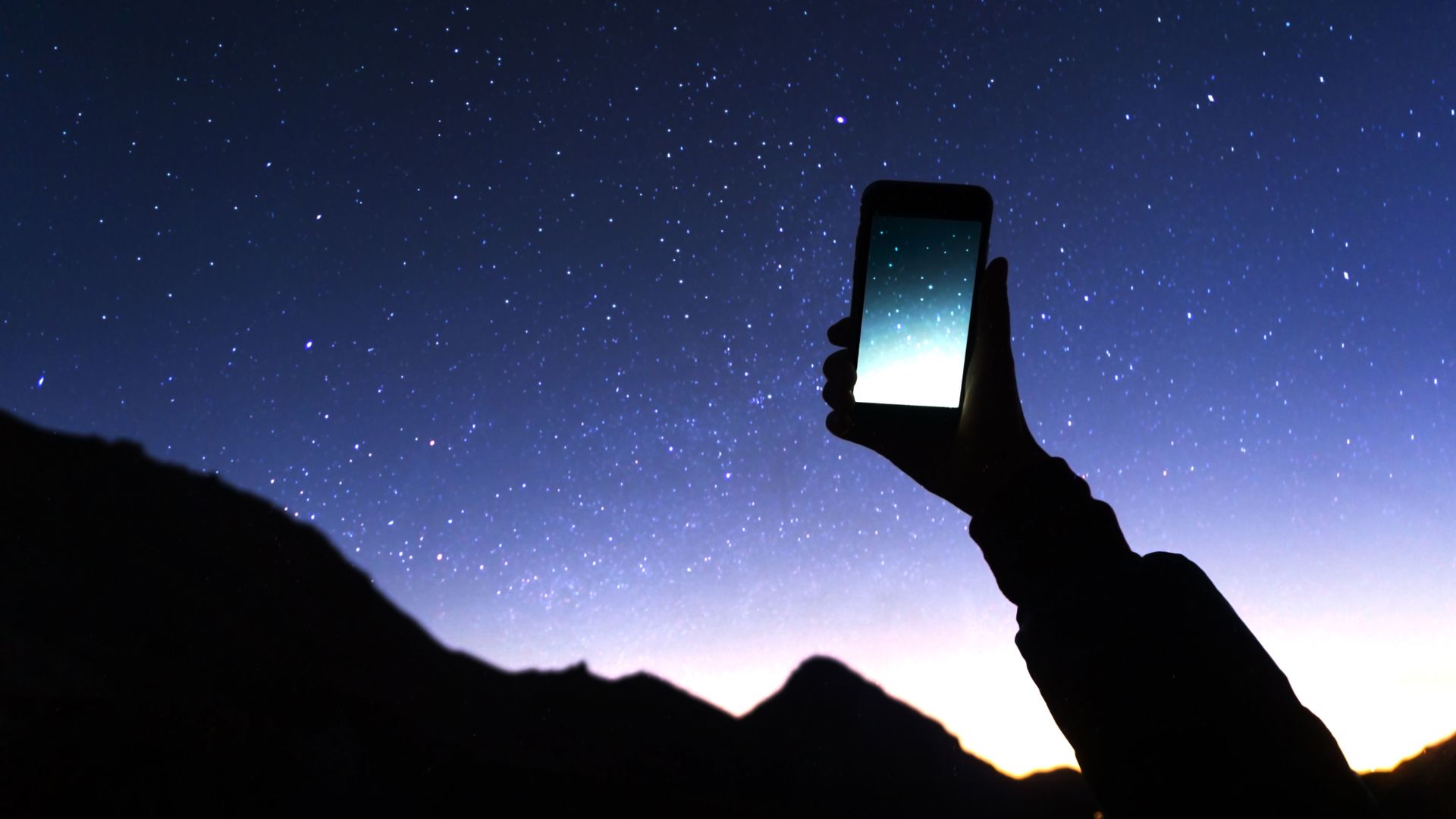
The brighter your screen, the harder you'll find it to spot distant objects in the night sky. (Image credit: Getty Images)
When you step out into the dark, it can take up to 20-30 minutes for your vision to adjust. The rod cells in your eyes build up a chemical known as rhodopsin, which gives you night vision.
However, bright light bleaches that chemical, negatively impacting your night vision. So when you look through a telescope, binoculars or just turn your eyes to the night sky after peering at a bright phone screen, it'll be harder for you to pick out fainter objects such as galaxies and nebulas.
One way of fixing this problem is simply to put your phone away and wait another 20-30 minutes. But if you're using a stargazing app to help you navigate the night skies, that's not really an option.
The good news is that, between individual stargazing apps and your phone's own built-in features, you can minimize the impact of your smartphone's screen light.
How to block white light in stargazing apps
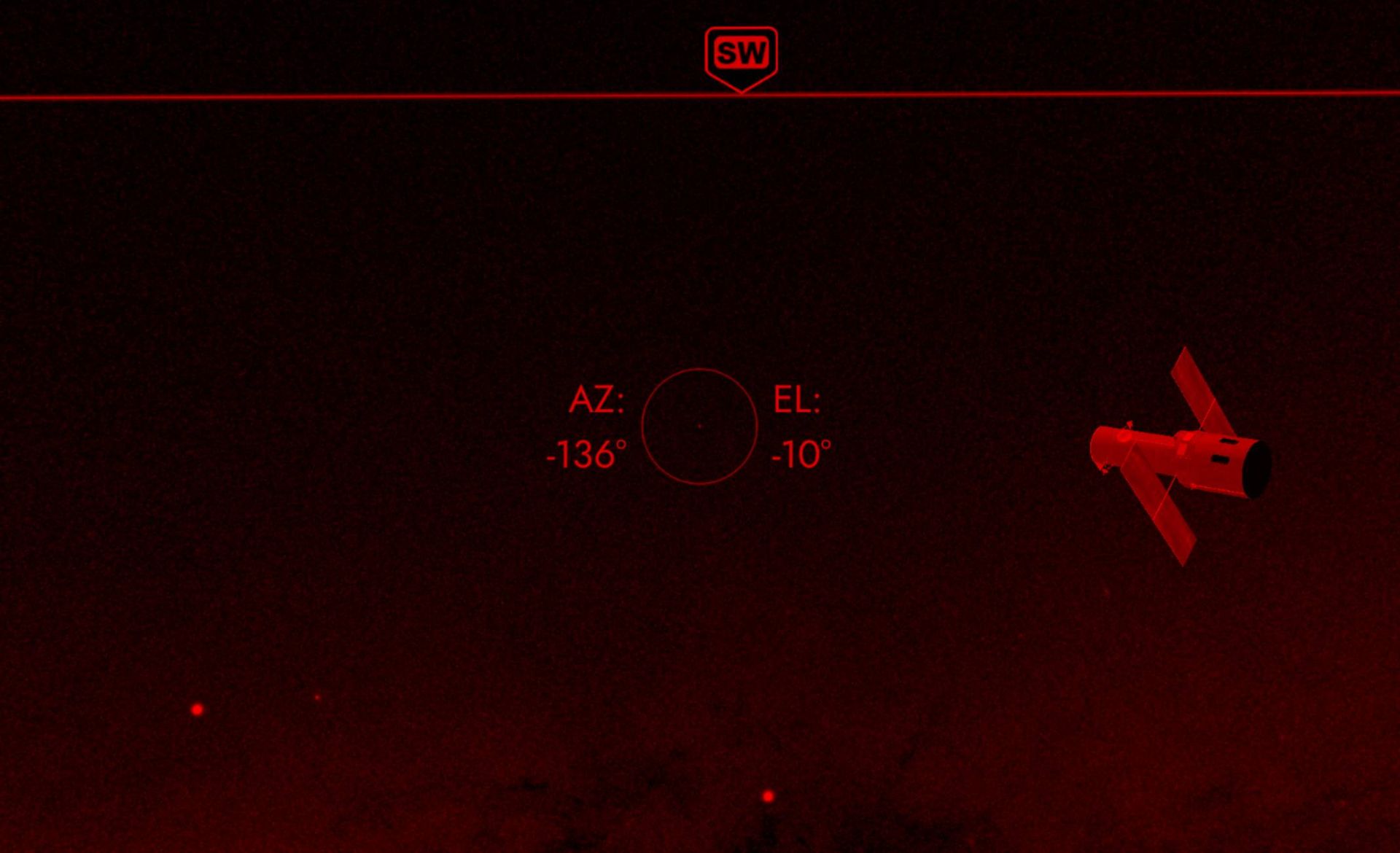
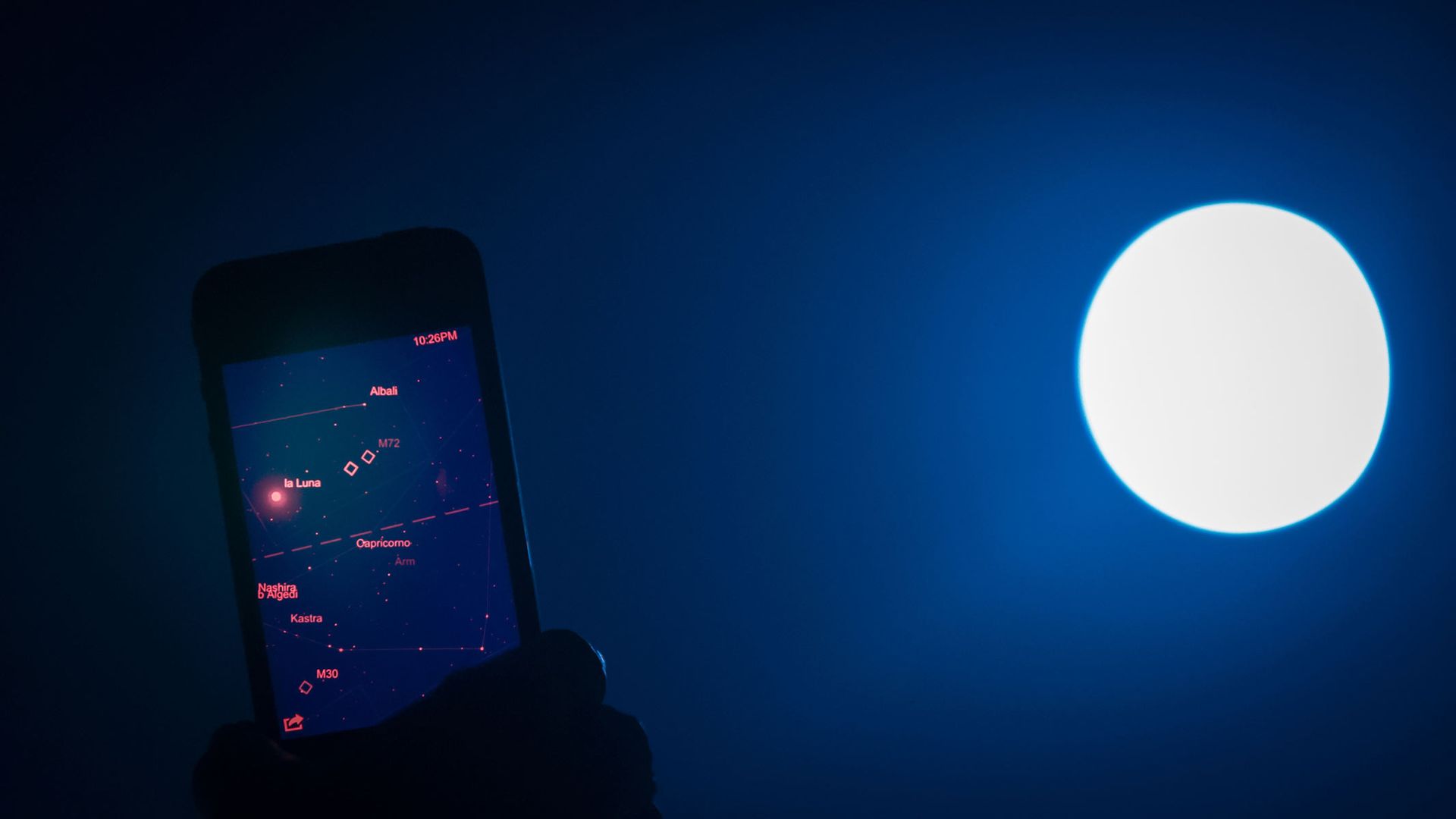
SkyView and several other stargazing apps let you apply a red filter. (Image credit: Skyview)
Many of the best stargazing apps will let you enable a red light filter or similar, though this option may not always be present in the free version. Here's how to do that in three of our favorite stargazing apps:
SkyView: Tap the screen, tap the horizontal lines, tap on Settings, then Display, then Night Mode and Red.
Star Walk 2: Tap the horizontal lines, tap on Settings, then tap the button next to Night Mode.
Sky Tonight: Tap the horizontal lines, tap on Settings, then Tools, then Night Mode.
All these modes will minimize the amount of white light coming from the app. However, be aware that this is only within the app. Once you go back to your phone's main menu, it will be at full color. With the red screen naturally looking darker, you may have turned up the brightness on your phone, so making the switch away from the app will be quite the shock.
If you want to dim your whole phone or put it into red light mode, here's how to do that on Android or iPhone.
How to block white light on Android phones
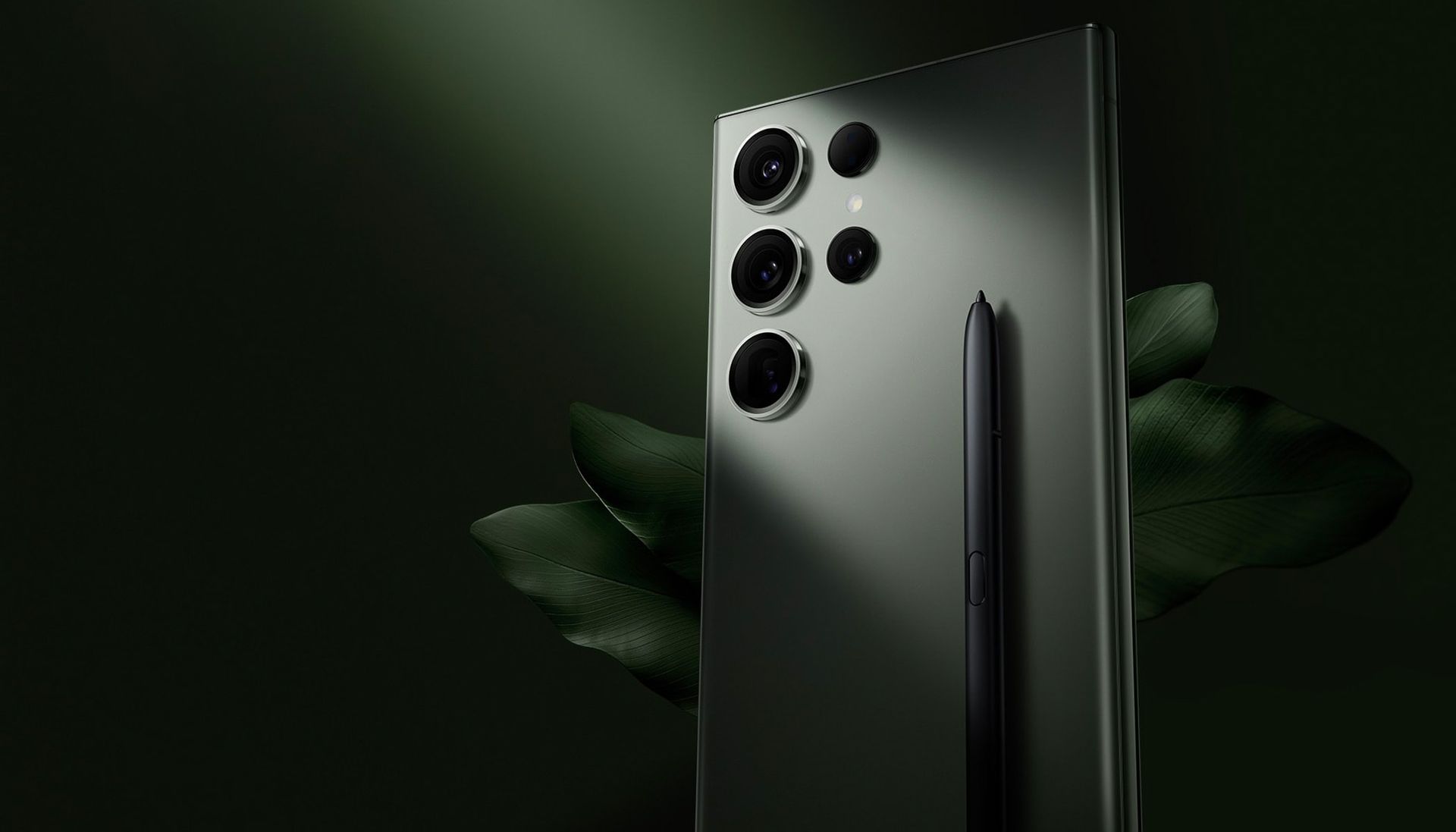
Many Android phones, including recent Pixel and Samsung models, include the equivalent of a red filter. (Image credit: Samsung)
On Android, there are several ways to minimize the impact of bright light, depending on the model and make of phone you have.
One near-universal option is to dim your smartphone. Swipe down the notification panel from the top of the screen and you'll see a brightness slider. Slide this to the left to dim your phone.
We'd also recommend disabling adaptive brightness in the Display section of your phone's settings. You may also have an Extra Dim option in the Accessibility menu — just don't dim the screen to the point of not being able to see it at all!
Some Android phones, such as recent Samsung and Google Pixel models, also offer a Red Filter. On some, you'll find this in Accessibility, then Vision Enhancements, then Color Filter. You can then choose the color you want and also tweak the opacity.
All the above options will let you continue to use your smartphone for stargazing, while minimizing its negative impact on your night vision.
How to block white light on Apple iPhones
Apple's iPhones also offer an option to minimize the effect of white light. (Image credit: Apple)
As with Android phones, iPhones have a built-in option to dim the screen brightness. In this case, you swipe down from the top of the screen and look for the vertical brightness slider, represented by a sun icon. Reduce the slider as much as you're comfortable with, dimming the screen while still keeping it visible.
Beyond that, recent iPhones also offer the ability to apply a color filter, again via their Accessibility options. Here's how to do that.
First, tap on the Settings icon, then pick Accessibility. Select Display & Text Size and go to Color Filters. Tap the Color Filter button. Then, pick Color Tint and move the Hue and Intensity sliders all the way to the right.
Muse, the new general-purpose AI agent from Meta, can expose sensitive information when users share conversations through web links, researchers reported Monday. In response to questions from Ars about the behavior, Meta said it's suspending the sharing feature while the company reviews it and considers making changes.
Like many online services, Muse has allowed users to share searches, conversations, images, and similar content with other people. Such share features usually involve clicking an option to create a unique URL that anyone can use to load a page hosting the content. To keep potentially sensitive information from being accessible to unintended people, the URLs typically contain a long sequence of text that can’t be easily guessed.
A single query is all that's required
Muse, which Meta CEO Mark Zuckerberg said last month was “built from the ground up for privacy and security,” seems to take the same precautions. But a central design decision for constructing URLs has made the links easy to discover. As a result, researchers from security firm Claroc said they were able to enumerate 6,800 links Muse users created for sharing conversations with others. After opening a few hundred of them, the researchers found information that was clearly not intended to be publicly available, including:
Se retrouver sans voix en pleine dispute, puis voir tous ses arguments revenir une fois la conversation terminée : la situation est courante. Elle ne traduit pas un manque de répartie. Une psychologue clinicienne y distingue trois mécanismes très différents, dont un qu'il vaut mieux ne pas...
Recently fixed vulnerabilities in the Plex Media Server are under active exploitation in attacks that, when successful, install malware, including cryptominers and residential proxy apps, a researcher said.
Plex fixed four vulnerabilities at the start of last month. Three weeks later, published CVE designations revealed five vulnerabilities, with one of them carrying a severity rating of 8.6 out of 10. A researcher last week revealed an exploit that chained four of them together to achieve remote code execution of the device running a vulnerable Plex version. The researcher named the chain "Plex2Shell."
Complex exploit chain
The new details allowed a separate researcher to create a honeypot that could track attempts in the wild to exploit the vulnerability chain. Within a day, the researcher began seeing active scanning of the simulated Plex server and eventually successful attempts to infect devices. So far, successful attacks are installing two payloads. One is a cryptominer, which uses the device to mine cryptocurrency and deposit it into a wallet controlled by the attacker. The other payload is residential proxy software, which allows people to anonymize their Internet activity (much of it illegal) by connecting to the infected box and then using it to send the user’s traffic to a final destination.
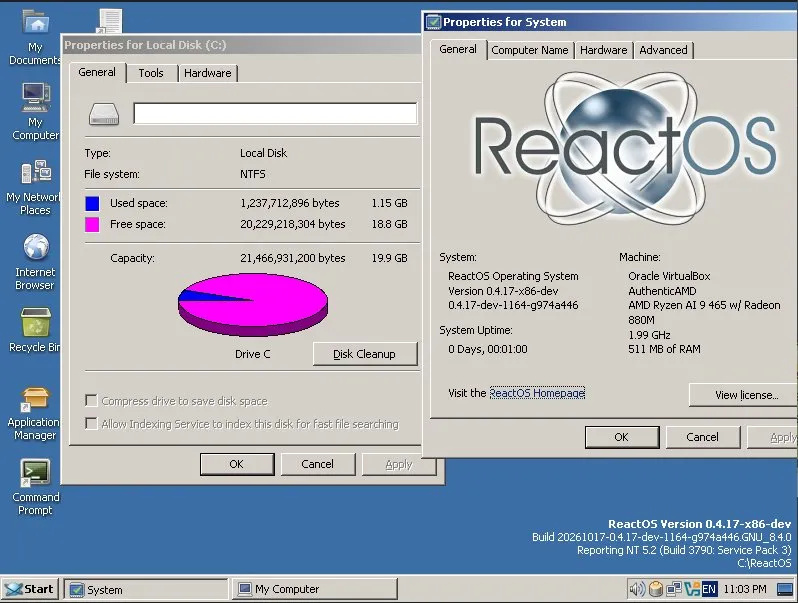
Open source Windows alternative ReactOS has reached a major milestone: The operating system can now be installed directly onto an NTFS drive partition. As reported by Phoronix, the move to NTFS clears a long-standing hurdle for the project and brings it one step closer to finally reaching beta.
Prior to this latest announcement, ReactOS required users to keep a FAT32 partition for installations. A proprietary Microsoft-developed filesystem, NTFS can trace its roots back through the Windows NT family lineage starting in 1993 with Windows NT 3.1. The variant introduced with Windows XP in 2001 remains the standard used by most Windows systems today. With ReactOS's stated goal of reaching binary compatibility with Windows Server 2003, being confined to FAT32 partitions was a practical barrier to clear on the way to reproducing the Windows environment.
However, users looking to hop off the Windows train shouldn't be grabbing their bags just yet. ReactOS wrote that the new driver still "lacks caching (which causes inferior performance), journaling and security support." So while the new driver is here, even the most intrepid of OS tinkerers should tread carefully. The ReactOS team warned in its announcement on X that there are still "potentially undiscovered bugs."
En Sardaigne, des personnes âgées vivant dans une région réputée pour sa longévité se distinguent par une plus grande ouverture d'esprit que leurs voisins d'une zone rurale comparable. Elles ne déclarent pourtant pas une meilleure qualité de vie liée à la santé. L'étude, menée sur 125 personnes,...
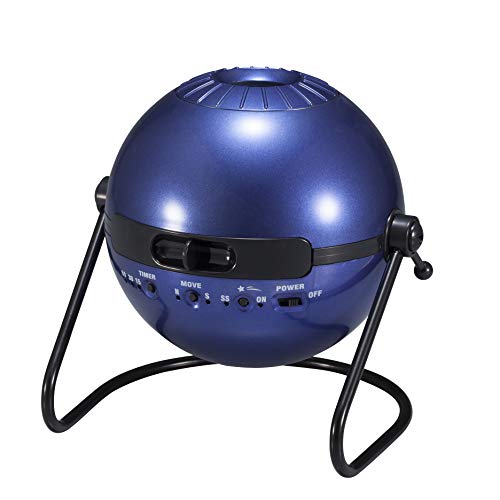
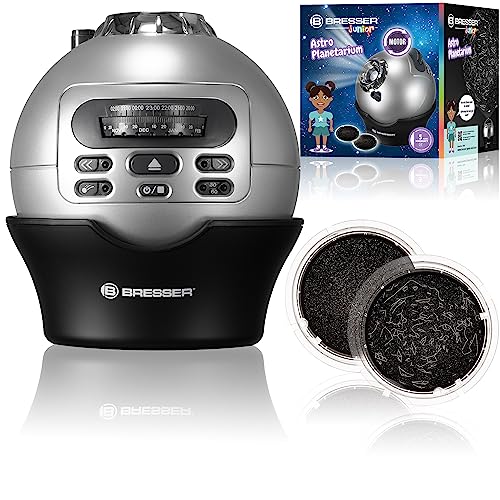
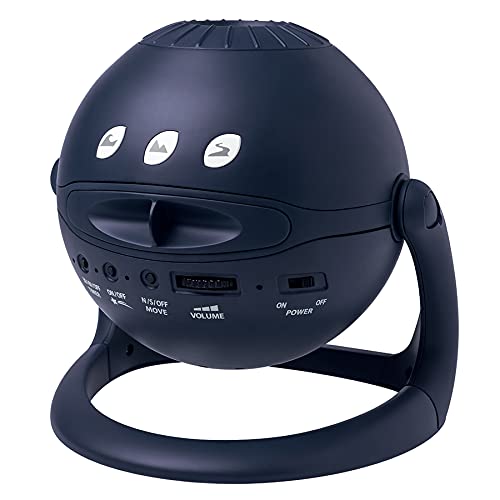
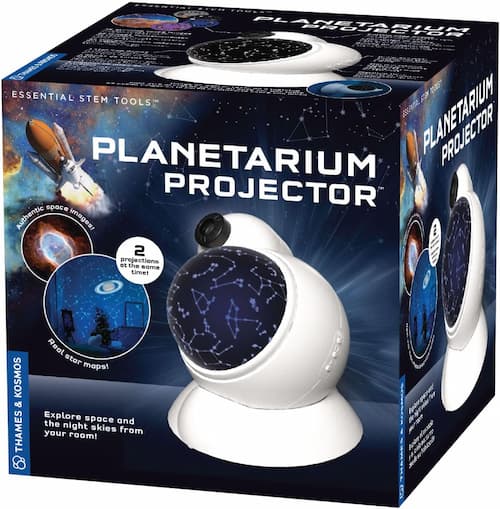
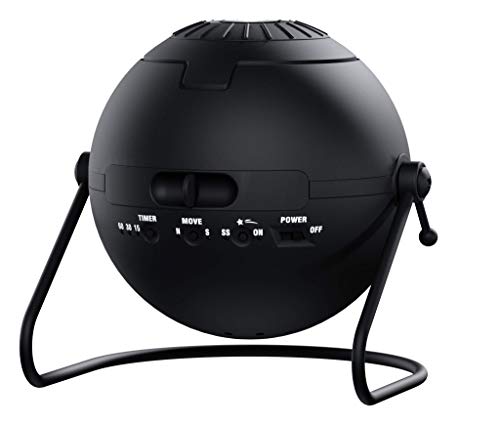
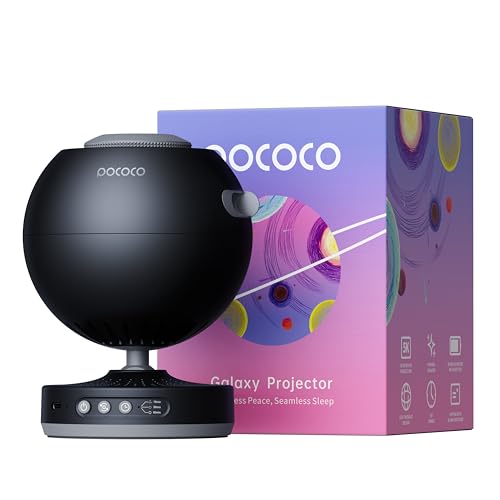
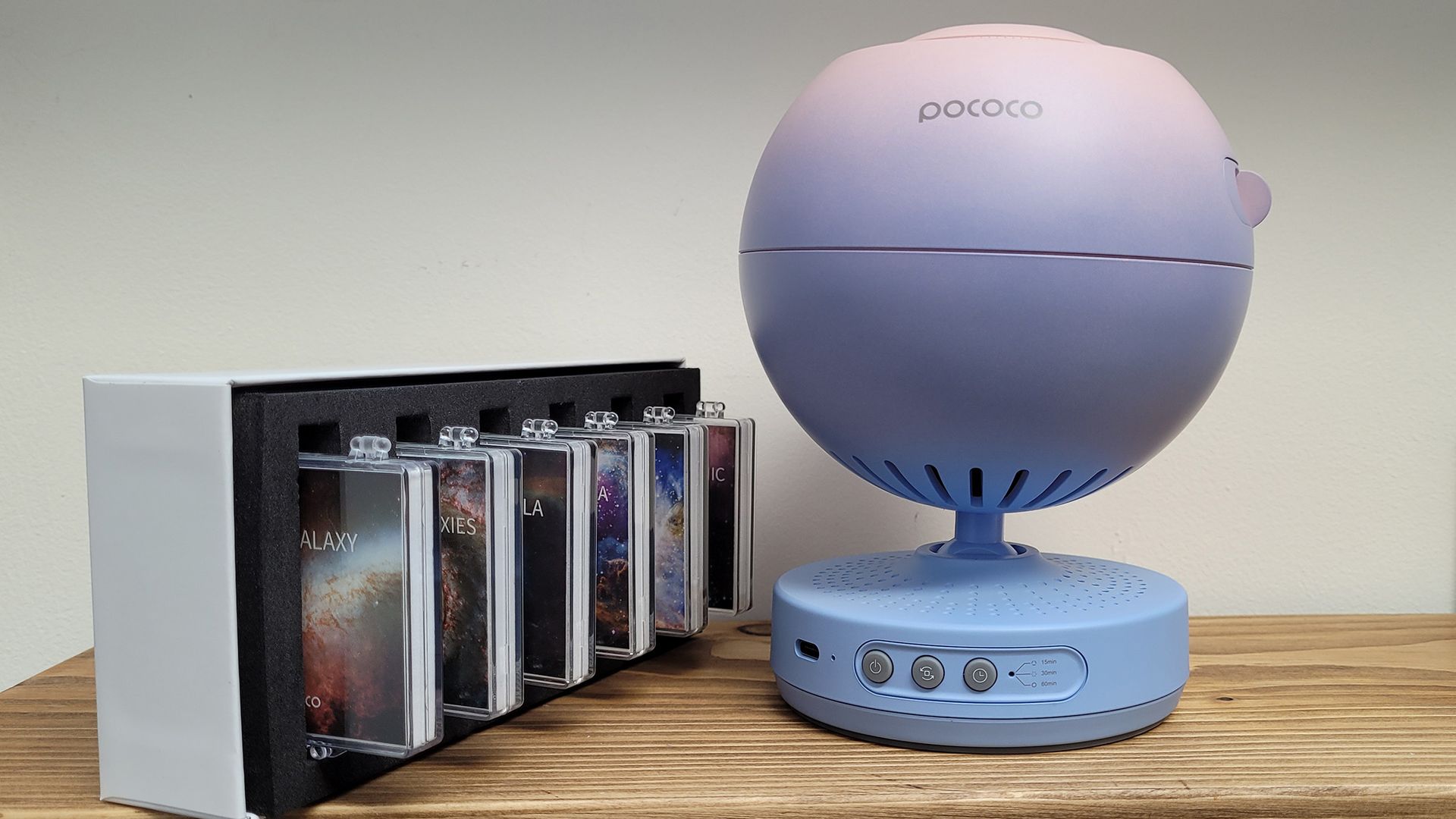
Want to educate young children about the wonders of the cosmos? Depending on the time of year, your location and the weather, your hopes to see the night sky in real life might not be as easy as heading into the backyard and peering up. That's why one of the best star projectors might be the solution.
That's why we've picked out six star projectors that actually deliver scientifically accurate images, from projections of the northern hemisphere to breathtaking pictures from the Hubble Space Telescope.
Any one of these will turn your home into a private planetarium. Each comes with several swappable images, and you can purchase additional slides/discs for the Homestar and Pococo models. If you're seeking to stimulate a child's interest in space and STEM or just take your friends on a journey through space, these are the scientifically accurate projectors to purchase.

 Login