❌

Reading view

UK chancellor urged to remove ‘hidden taxes’ from energy bills

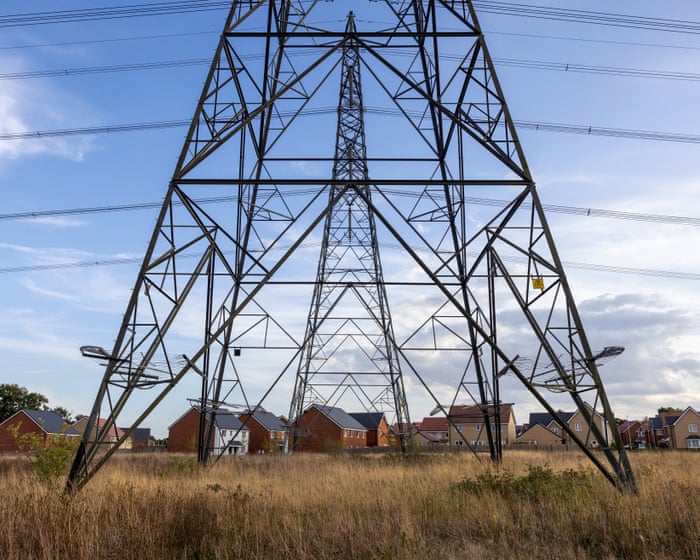
Businesses, charities and other groups sign letter calling for levies to be paid by the government

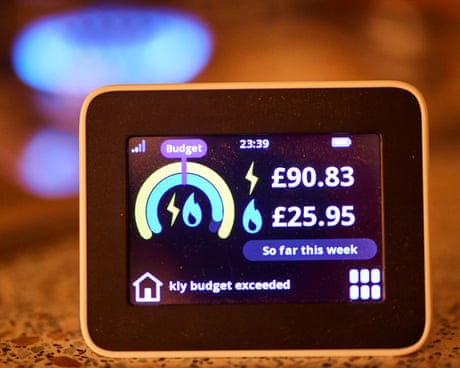
More than 120 organisations including big businesses and charities have called for the removal of “hidden taxes” added to energy bills to help reduce costs for consumers and prevent businesses closing.

In a letter to the chancellor the signatories – including Energy UK, business trade body the CBI, End Fuel Poverty and Age UK – called for levies amounting to 10% of energy bills that fund policies to be paid for by the government. John Healey is to present his first budget on 28 October.

Continue reading...

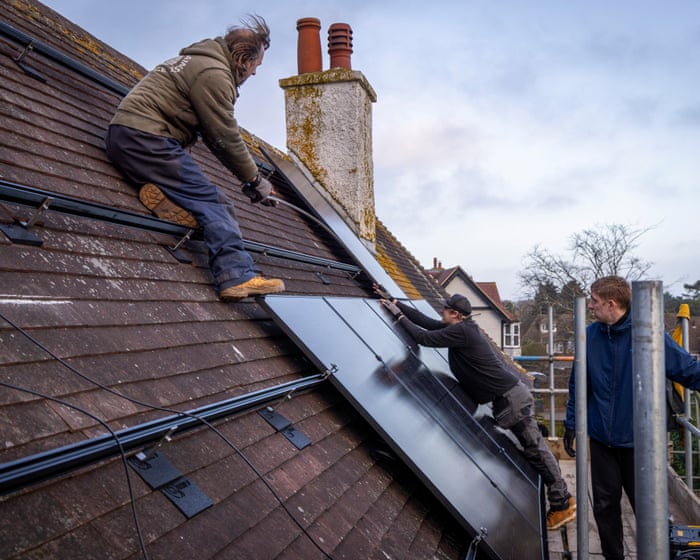
© Photograph: Christopher Thomond/The Guardian
© Photograph: Christopher Thomond/The Guardian

© Photograph: Christopher Thomond/The Guardian

  •  

Speed up electricity grid upgrade or else face higher bills, warns UK watchdog

National Audit Office says failure to implement £70bn modernisation would also hold back economic growth

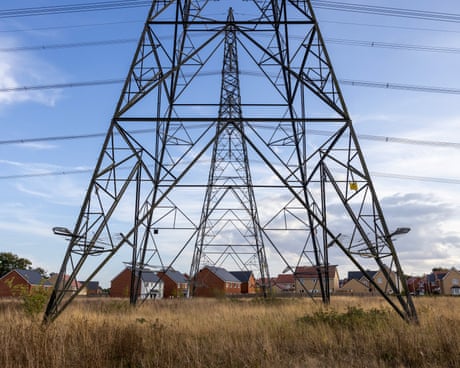
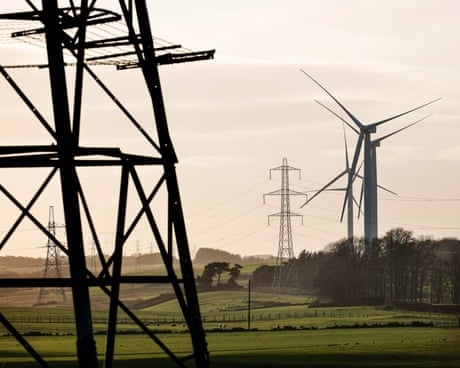
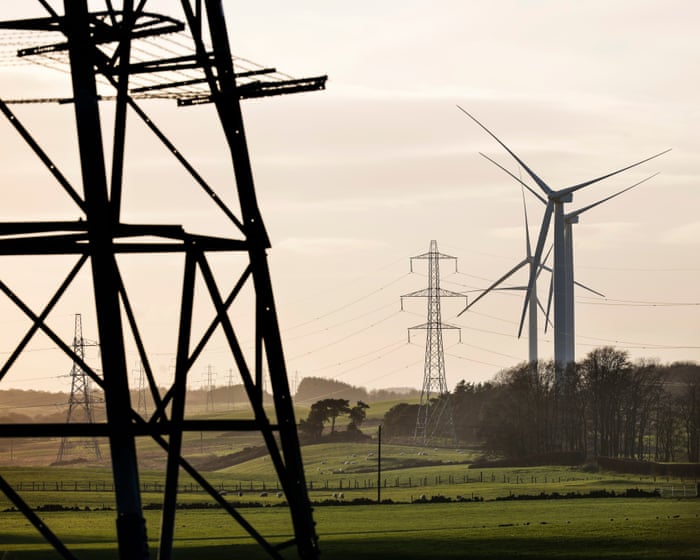
Consumers will pay higher energy bills unless the UK government speeds up work on a vast programme of upgrades to the electricity grid to enable the switch to renewables, the public spending watchdog has warned.

The National Audit Office (NAO) said that without faster action the extra costs associated with managing the ageing power network, which are ultimately passed on to the public, could reach £7.8bn a year by 2030.

Continue reading...

© Photograph: Alan Majchrowicz/Getty Images

© Photograph: Alan Majchrowicz/Getty Images

© Photograph: Alan Majchrowicz/Getty Images

  •  

Britain is OK with public ownership, but only by foreign powers. Why?

Arthur Downing, author of Power and the People: A History of British Energy, says all-encompassing rapid transition will need a mutualised system

Have you ever wondered why it is that most houses in the UK are reliant on gas boilers? Not what’s stopping more people from replacing them with heat pumps, but instead why and how the gas boiler became so ubiquitous in the first place?

Arthur Downing, the author of the new book Power and the People: A History of British Energy, can tell you exactly why. “We only have boilers in our houses because of a state-owned enterprise that went into everybody’s home and installed natural gas-suitable appliances at no direct cost,” he says. The nationalised gas industry of the 1940s to the 1980s, which oversaw this huge project, was for three decades one of the “most dynamic, innovative, efficient industries in Britain”, Downing says. Yet few of us would use these terms to describe it as such now.

Continue reading...

© Photograph: Daniel Leal/AFP/Getty Images

© Photograph: Daniel Leal/AFP/Getty Images

© Photograph: Daniel Leal/AFP/Getty Images

  •  

Solar cuts ‘at least £400 from bills in even the cloudiest British areas’

Savings grow as energy prices in Great Britain rise and cost of panel installation falls, analysis finds

Households in Great Britain’s cloudiest regions could still save more than £400 a year on their energy bills by installing rooftop solar panels, research has found.

Rising wholesale energy prices mean the potential savings from a home solar panel system have climbed in recent years, as the cost of installation has continued to fall, leading to increased demand.

Continue reading...

© Photograph: Washington Imaging/Alamy

© Photograph: Washington Imaging/Alamy

© Photograph: Washington Imaging/Alamy

  •  

Why solar bonds are a bright idea | Letter

A financial model that could cut the cost of installing solar panels for many homeowners is welcomed by Alexis Abramson

The UK proposal to use “solar bonds” to make rooftop solar more affordable is a smart solution to a fundamental problem: the rising cost of capital (Cut cost of loans for solar panels on UK homes, ministers urged, 21 August).

A household that can pay for solar upfront saves money from day one. For everyone else, high-interest financing can consume much of those savings and ultimately deter people from installing the technology. A solar bond structure changes that equation: investors receive a modest, guaranteed return, and homeowners get access to cheaper capital. Because the loan is attached to the property rather than the individual, there’s no issue if the person moves.

Continue reading...

© Photograph: Andrew Aitchison/In Pictures/Getty Images

© Photograph: Andrew Aitchison/In Pictures/Getty Images

© Photograph: Andrew Aitchison/In Pictures/Getty Images

  •  

The Guardian view on energy costs: vulnerable households need help with their bills | Editorial

Soaring prices are plunging struggling families into debt. The government must support them in the short term as it invests in a clean energy future

Fuelled by the consequences of Donald Trump’s disastrous war on Iran, household energy debt in Britain is continuing to soar, rising to a record £6bn by the end of June. That figure is set to hit £7bn by the end of the year, as the government’s cap on gas and electricity prices goes up to a three-year high in October. The human cost among the less well off will be more people regularly choosing whether to skip meals, ignore other bills or stay cold this winter.

Such is life at the sharp end of the cost of living crisis, which Andy Burnham has made it his priority to address since arriving in Downing Street. The day after he became prime minister, Mr Burnham announced that VAT would be removed from electricity bills from the beginning of October. But the Middle East-related rise in the price cap, announced on Wednesday, more than wipes out the effect of his cut. In an era of geopolitical volatility, high energy costs have become the new normal.

Do you have an opinion on the issues raised in this article? If you would like to submit a response of up to 300 words by email to be considered for publication in our letters section, please click here.

Continue reading...

© Photograph: Dan Kitwood/Getty Images

© Photograph: Dan Kitwood/Getty Images

© Photograph: Dan Kitwood/Getty Images

  •  

Tell us: have you installed renewable energy sources in your home?

We would like to hear from people who have recently installed renewable energy sources in their home, or considered doing so

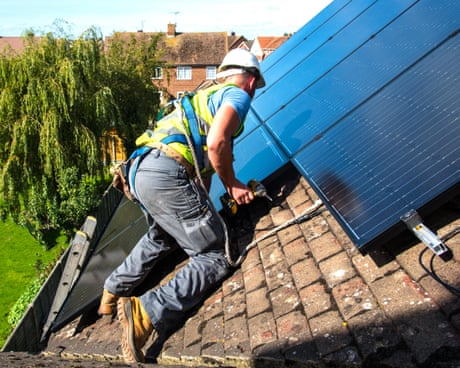
Great Britain has recorded more new solar power installations in the first half of this year than in any six-month period since 2011, with most of the new panels going onto household rooftops rather than large-scale solar farms.

The government’s data also shows a rise in households turning to other low-carbon technology: applications to the boiler upgrade scheme, which offers grants for replacing gas boilers with greener alternatives, reached 4,512 last month – up 21% on June last year – with demand for heat pumps expected to climb further in the months ahead.

Continue reading...

© Photograph: David Pearson/Alamy

© Photograph: David Pearson/Alamy

© Photograph: David Pearson/Alamy

  •  

New solar panels in Great Britain at 15-year high as fossil fuel costs soar

Boom in solar farms and home installations in first half of 2026 began shortly after start of US-Israel war against Iran

Great Britain has recorded more new solar power installations in the first half of this year than in any six-month period since 2011, as households turn to rooftop panels to help cut their energy bills.

An analysis of the government’s official figures shows that Great Britain added 142,536 solar installations in the first six months of the year, putting it on track to top last year’s record solar additions.

Continue reading...

© Photograph: Climate Central

© Photograph: Climate Central

© Photograph: Climate Central

  •  

Customers prefer AI chatbots, says British Gas owner as 1,300 call centre and back office jobs axed

CEO Chris O’Shea defends Centrica’s plans as it reports rise in retail profits following focus on bigger margins

The owner of British Gas has claimed that most households would rather speak with an AI chatbot than deal with the company’s staff as it prepares to cut 1,300 jobs from its call centres and back office.

Centrica, the supplier’s FTSE 100 owner, plans to cut 800 jobs as the company carries out a “targeted deployment of AI tools”, on top of the 500 cuts it confirmed last month.

Continue reading...

© Photograph: Owen Humphreys/PA

© Photograph: Owen Humphreys/PA

© Photograph: Owen Humphreys/PA

  •  

UK households free to install plug-in balcony solar panels from end of August

Law change means renters and flat owners may be able to cut bills as energy costs soar amid Iran war

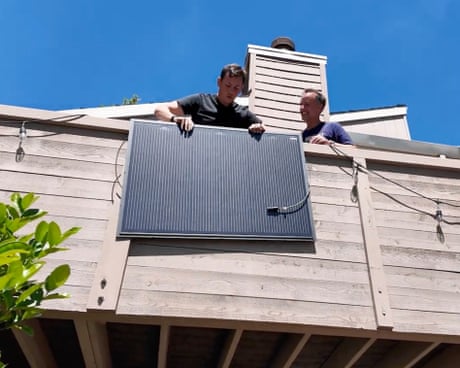
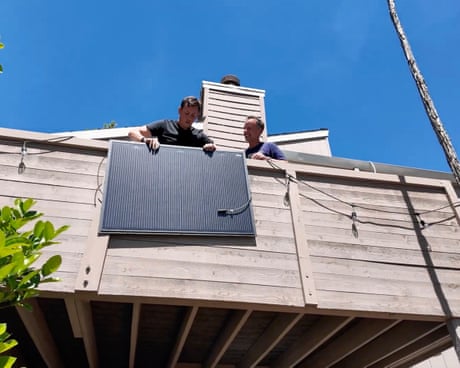
British households will be able to buy plug-in solar panels later this summer after the government changed the law so the UK’s biggest retailers could bring them to market for the first time.

People across the country will be able to join the millions across Europe generating their own electricity using “balcony solar panels” from 27 August, according to legislation passed last week.

Continue reading...

© Photograph: Ronald Rampsch/Alamy

© Photograph: Ronald Rampsch/Alamy

© Photograph: Ronald Rampsch/Alamy

  •  

Low-cost loans for solar panels could save households hundreds on bills – thinktanks

New Economics Foundation and Finance Innovation Lab suggest loan scheme backed by Bank of England could benefit up to 8m homes

Millions of UK households could save hundreds of pounds a year on their energy bills if the government were to approve low-cost loans for solar panel installation, research has found.

Solar panels with batteries are one of the cheapest ways to generate electricity and reduce energy bills, but with an upfront cost of about £6,000 they are still beyond the reach of most cash-strapped UK households while other countries forge ahead with installation.

Continue reading...

© Photograph: Paul Martin/Alamy

© Photograph: Paul Martin/Alamy

© Photograph: Paul Martin/Alamy

  •  

ScottishPower owes me £1,000 in solar panel payments

For months I’ve been trying to receive my FIT payment, which should be more than £1,000

I moved into my new house 14 months ago, and soon afterwards applied to ScottishPower, with whom the solar panels are registered for a feed-in tariff (Fit), for transfer of ownership of the panels and the tariff.

After many emails back and forth, I got a response saying they had all the information required.

Continue reading...

© Photograph: Timon Schneider/Alamy

© Photograph: Timon Schneider/Alamy

© Photograph: Timon Schneider/Alamy

  •  

Retail giants join UK government drive to boost ‘plug-in’ balcony solar panels

Asda, Amazon and B&Q among retailers in talks to sell devices that feed into household sockets and can cut electricity bills by 30%

Bosses of some of Britain’s biggest retailers are discussing plans with the government to start selling plug-in solar panels as part of a drive to encourage more UK homes to generate their own electricity.

Executives from brands including Currys, B&Q and Amazon met Martin McCluskey, the minister for energy consumers, on Tuesday to discuss guidelines for selling “balcony solar panels” to the British public.

Continue reading...

© Photograph: Climate Central

© Photograph: Climate Central

© Photograph: Climate Central

  •  

Households could save £200 on energy bills in plan to break link between gas and electricity prices, says thinktank

Government plan to de-link gas and electricity prices aims to reduce bills for consumers after global surge in prices

Households in England, Scotland and Wales could save nearly £200 a year on their energy bills if the government stepped into the market to act as the sole buyer of electricity, according to a thinktank.

The research found that public procurement of electricity, meaning the government would become the “single buyer” of power before it is resold to consumers, could shave billions of pounds from electricity prices.

Continue reading...

© Photograph: Bloomberg/Getty Images

© Photograph: Bloomberg/Getty Images

© Photograph: Bloomberg/Getty Images

  •  

Ofgem should tell it straight: electricity prices are set to stay high for years | Nils Pratley

Regulator could do us all a favour with clear multi-year forecasts and breakdowns of electricity pricing

It is easy to predict where the energy regulator will set the next quarterly price cap on Wednesday. It’s just a matter of tracking wholesale prices in Ofgem’s relevant backward-looking “observation period”. Energy consultant Cornwall Insight thinks the typical household bill be £1,850, an increase of £209 from the previous quarter. It will be surprising if it is out by more than a few quid.

One can also make a fair guess at the regulator’s messaging. It will talk about the unavoidable impact from the surge in energy prices that followed the closure of the strait of Hormuz. It may also say the increase would be even greater than 13% without the additional wind and solar generation on the system these days. Fair enough. Gas sets the wholesale price of electricity only 60% of the time now, down from 90% not long ago.

Continue reading...

© Photograph: Murdo MacLeod/The Guardian

© Photograph: Murdo MacLeod/The Guardian

© Photograph: Murdo MacLeod/The Guardian

  •  
❌