❌

Reading view

I opened ASUS' gigantic $2,499 ROG Xbox Ally X20 Pelican case, and there's a lot to unpack, literally

This might be the most over-the-top gaming handheld unboxing I've ever done

What does $2,499 worth of ROG Xbox Ally look like?

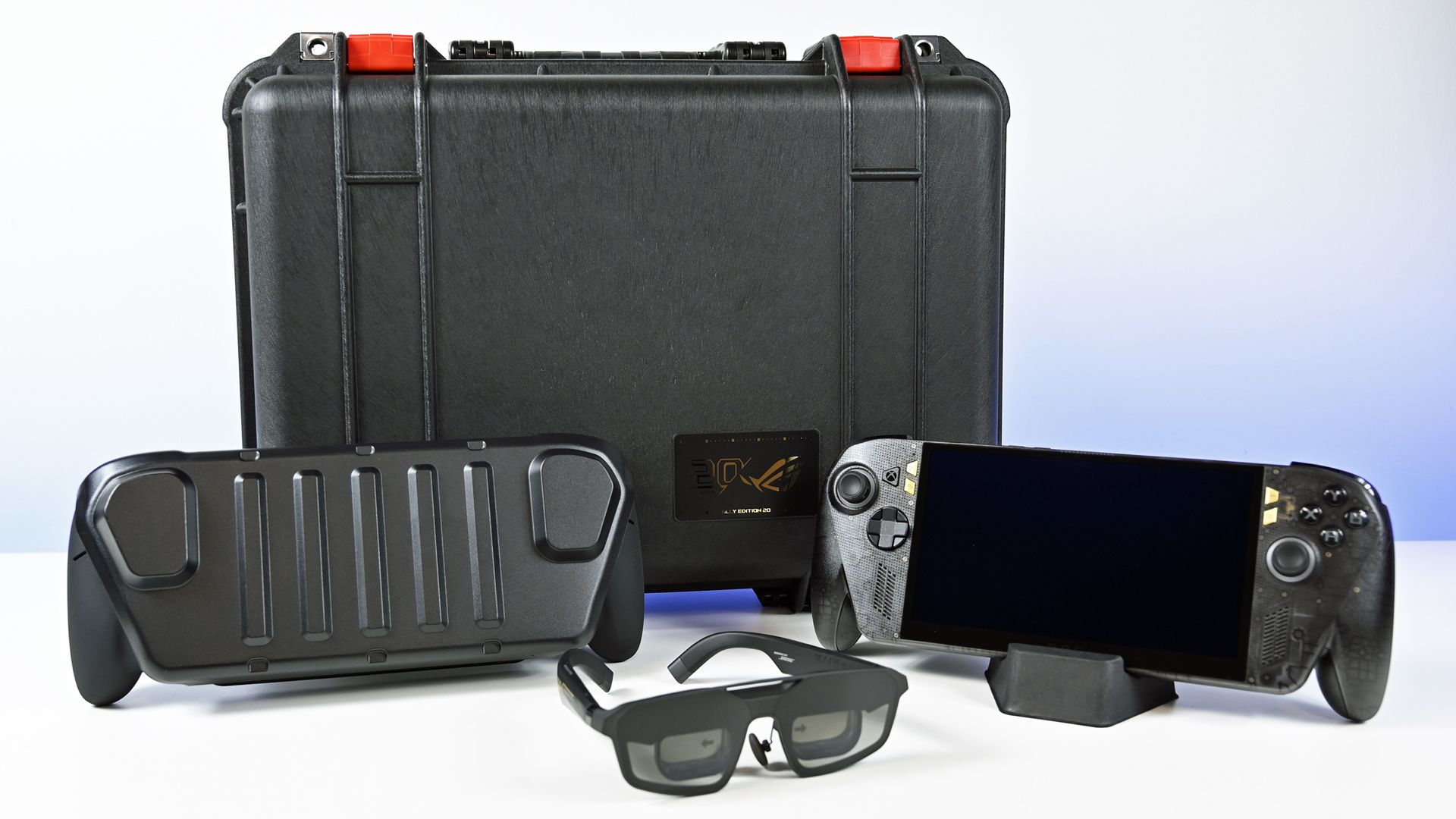
Well, apparently it looks like an enormous, heavy-duty Pelican case that feels like it should contain either extremely expensive gaming hardware or something you've been tasked with delivering to a secret government facility.

Inside is the new ROG Xbox Ally X20 (now available at Best Buy), ASUS' limited-edition handheld celebrating 20 years of its Republic of Gamers brand, along with the new ROG XREAL R1 Edition 20 AR glasses, a custom dbrand Killswitch and skin, and all the accompanying accessories.

There's even an empty cutout where you can add your own Xbox controller, which is objectively kind of fun (as it implies I'm going to show up randomly to public places carrying this kit, which is certainly a baller move).

And yes, I unboxed the whole ridiculous thing (see video below):

Let's talk about this Pelican case
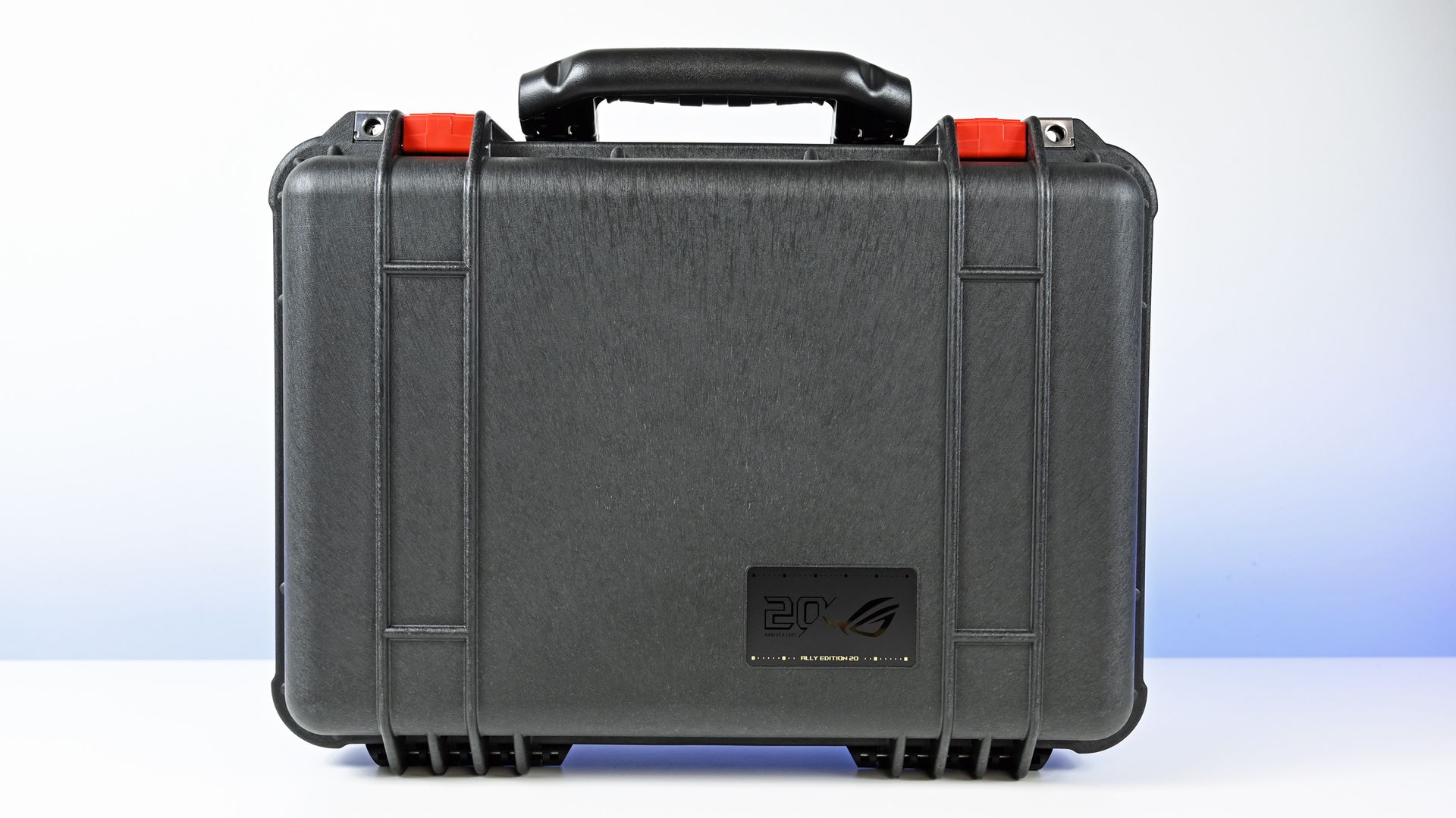
Front view of the closed black Pelican Protector Case with red latches and a gold 20th Anniversary ROG badge.

Front view of the closed black Pelican Protector Case with red latches and a gold 20th Anniversary ROG badge. (Image credit: Daniel Rubino)

The first thing you'll notice is that ASUS didn't exactly go for subtlety.

The X20 bundle arrives inside a custom Pelican Protector Case, with everything nestled into its own section. And having now handled the thing, I can confirm two things: it's incredibly substantial, and it has some of the most satisfying, snappy latches I've ever used on a case (with holes for padlocks, natch!).

Opening it feels like an event.

That's appropriate because the hardware inside isn't exactly normal either. The X20 uses a translucent black chassis with gold accents underneath, giving it a distinct throwback look that fits the 20th-anniversary theme without making the handheld look like a toy.

Even the Xbox logo/button now glows green (and you can set it to static, pulsing, or fading), which is really sharp-looking and reminds you this is XBOX FIRST.

More importantly, I've now spent some actual time using the X20, and I'm warming up to this thing considerably.

That OLED display really does make a difference
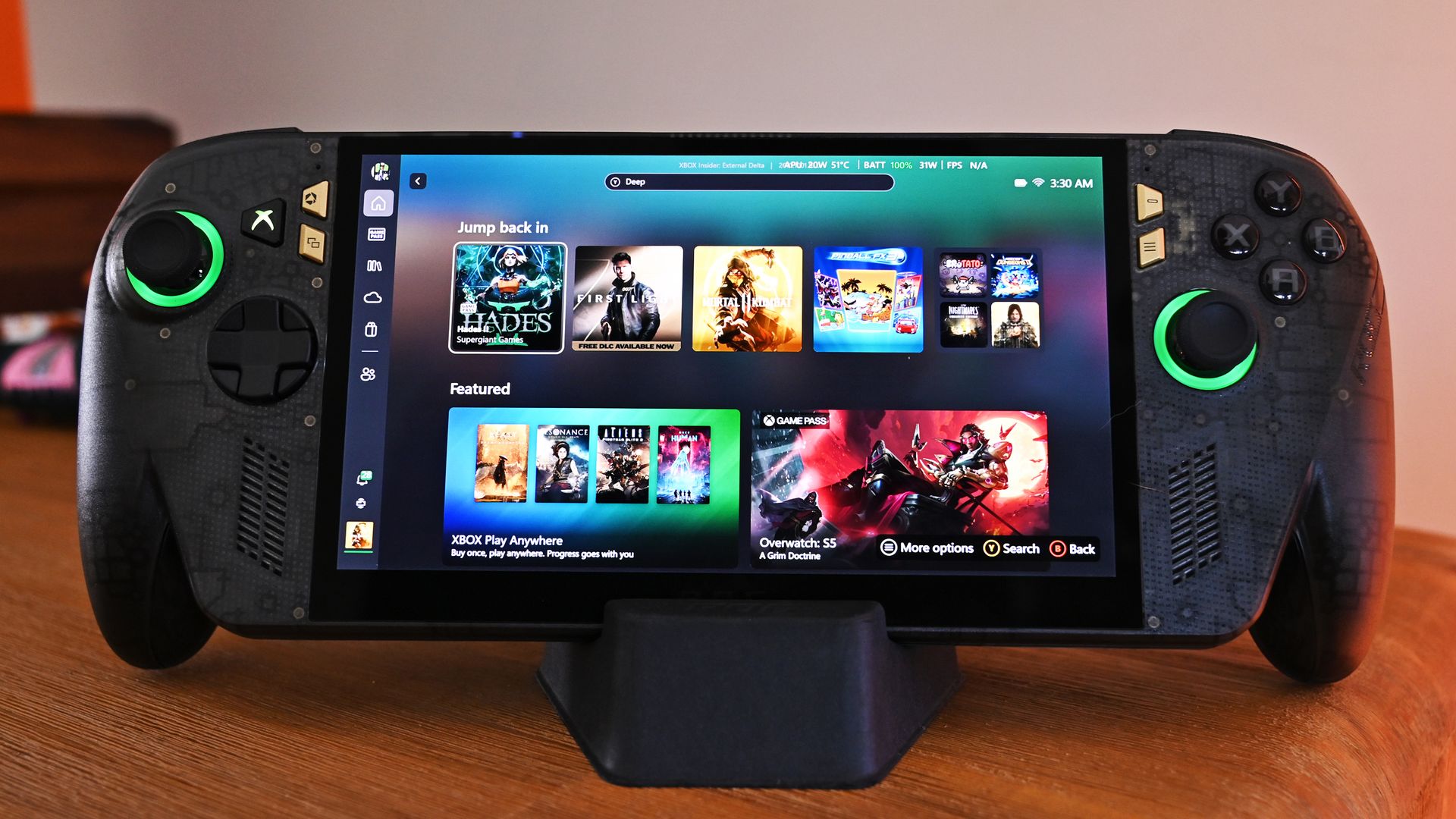
Front view of the ROG Ally X20 handheld resting on a desk dock, showing the Xbox dashboard game tiles and illuminated green joystick rings.

ASUS' new 7.4-inch ROG Nebula HDR OLED display (120Hz VRR) is a huge selling point and upgrade over the current Ally X's LCD panel (7-inch, IPS). (Image credit: Daniel Rubino)

The centerpiece is ASUS' new 7.4-inch ROG Nebula HDR OLED display, a 1080p panel capable of 120Hz with FreeSync Premium Pro and VRR support from 30Hz to 120Hz. It can also reach a claimed 1,400-nit peak brightness.

And yeah, it's good.

The OLED panel is one of those upgrades that becomes immediately obvious when you put the X20 in front of you. It's a significant improvement over the display on the existing ROG Xbox Ally X and gives ASUS' latest handheld some real visual punch.

I spent most of the evening trying various games, including one of my recent favorites, Deep Rock Galactic: Survivor (Xbox Play Anywhere; also on sale right now for under $8!). That game has, in my opinion, some outstanding HDR graphics that really shine on this device.

Perhaps even more surprising are the speakers.
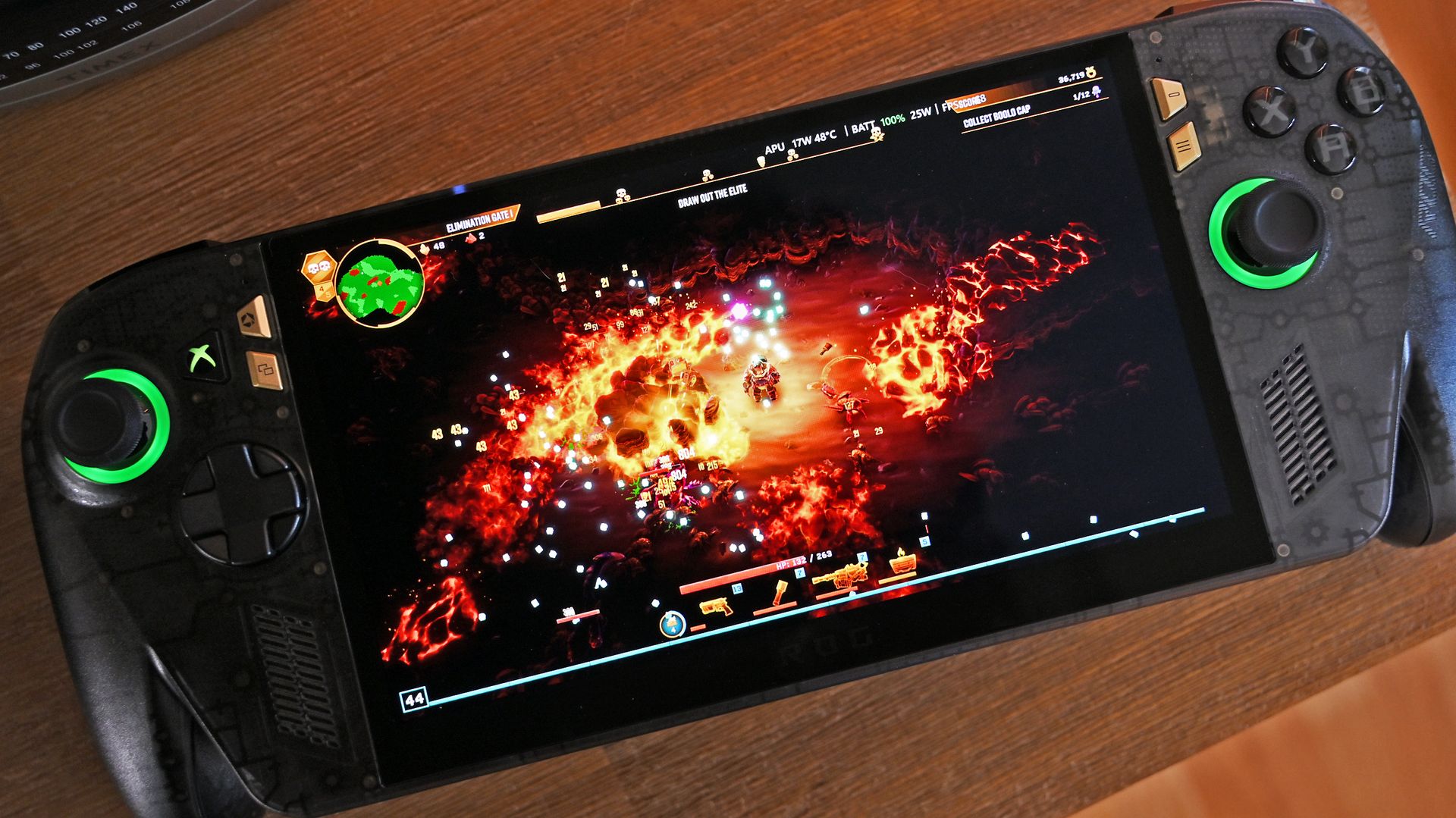
Top-down view of the ROG Ally X20 handheld running an action game with fiery explosions, showing green glowing joystick rings and a dbrand custom skin.

Playing Deep Rock Galactic: Survivor on the X20's OLED display is a dream. (Image credit: Daniel Rubino)

They're absurdly loud. In fact, they're the loudest speakers I've heard on a gaming handheld so far, and between the audio and that OLED screen, the X20 makes a surprisingly strong first impression before you even start digging into performance.

Underneath all of that is AMD's Ryzen AI Z2 Extreme, paired with 24GB of LPDDR5X memory, a 1TB M.2 2280 SSD and an 80Wh battery. ASUS has also redesigned the cooling system, while TMR joysticks, a transforming D-pad, and rubberized grips round out some of the hardware changes.

Then ASUS throws a 171-inch virtual display into the box
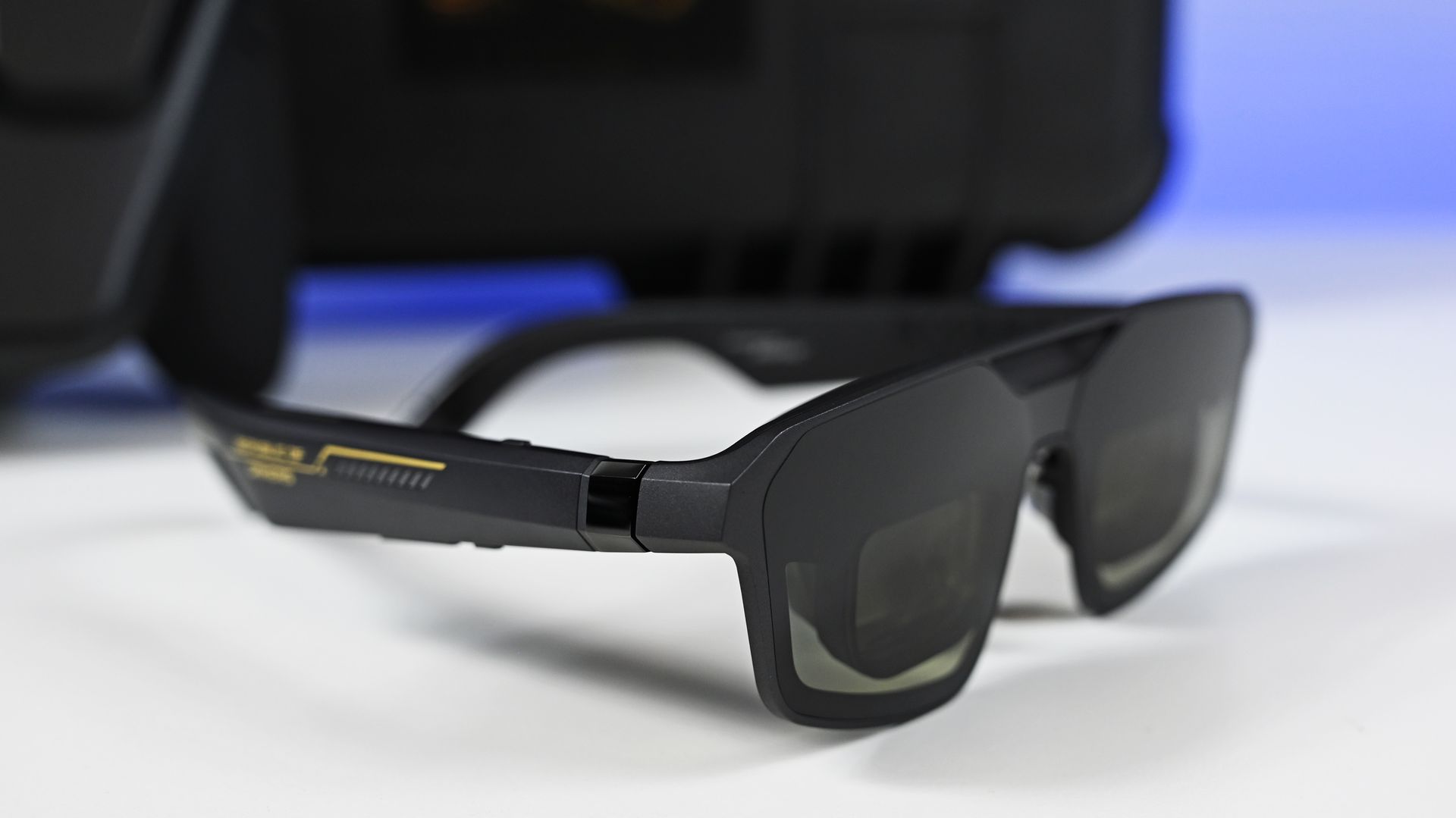
Three-quarter angle view of the ROG XREAL R1 Edition 20 AR smart glasses resting on a white tabletop.

The ROG XREAL R1 Edition 20 AR smart glasses with 240Hz refresh and OLED internal displays. (Image credit: Daniel Rubino)

Because apparently a $2,499 bundle needs more toys.

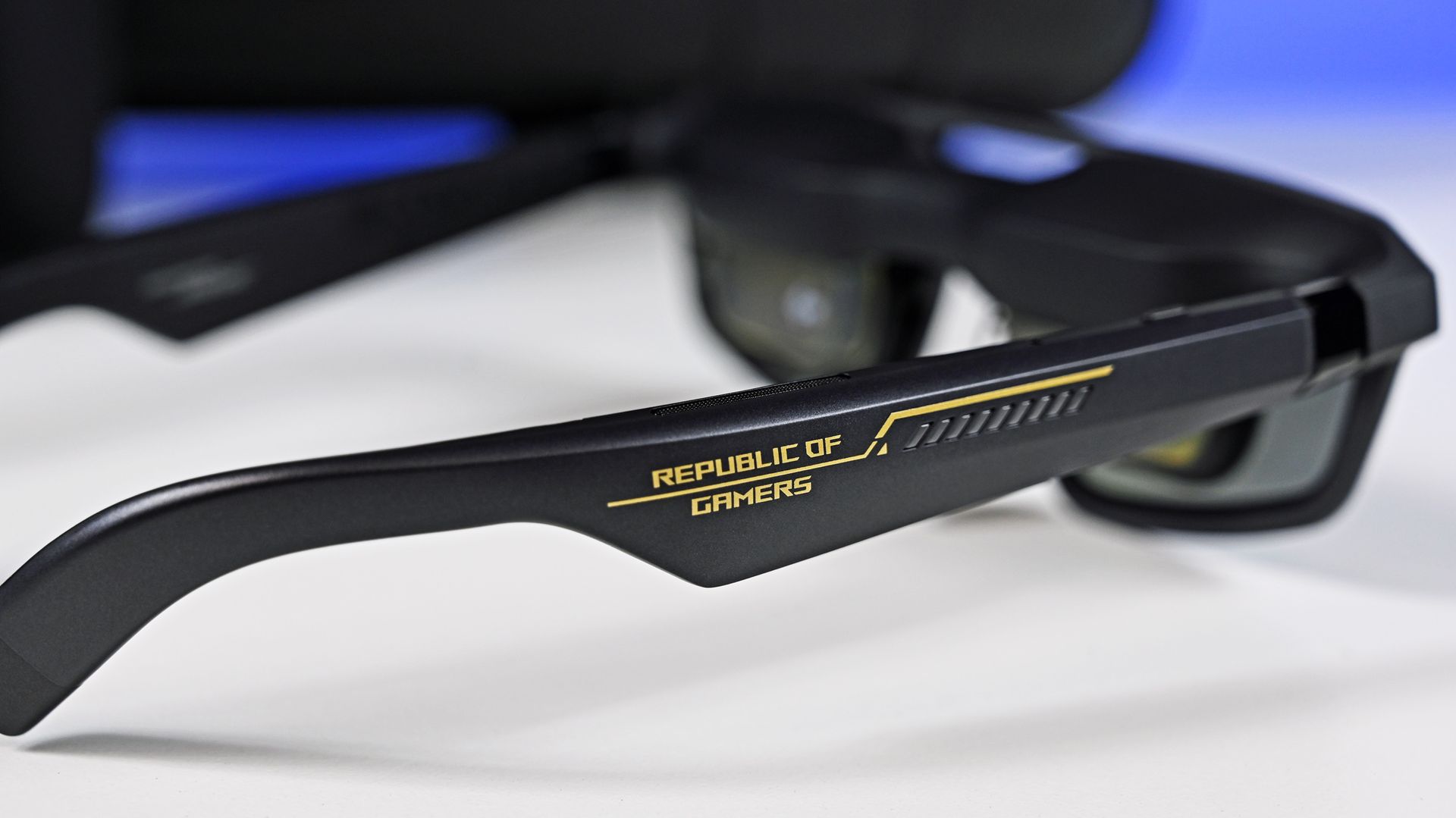
The ROG XREAL R1 Edition 20 Gaming AR Glasses (MSRP: $849) can create a virtual display of up to 171 inches viewed from roughly 13 feet away. They use Micro-OLED panels and support up to a 240Hz refresh rate, along with native 3DoF tracking and an Anchor Mode that can keep the virtual screen fixed in position while you move your head.
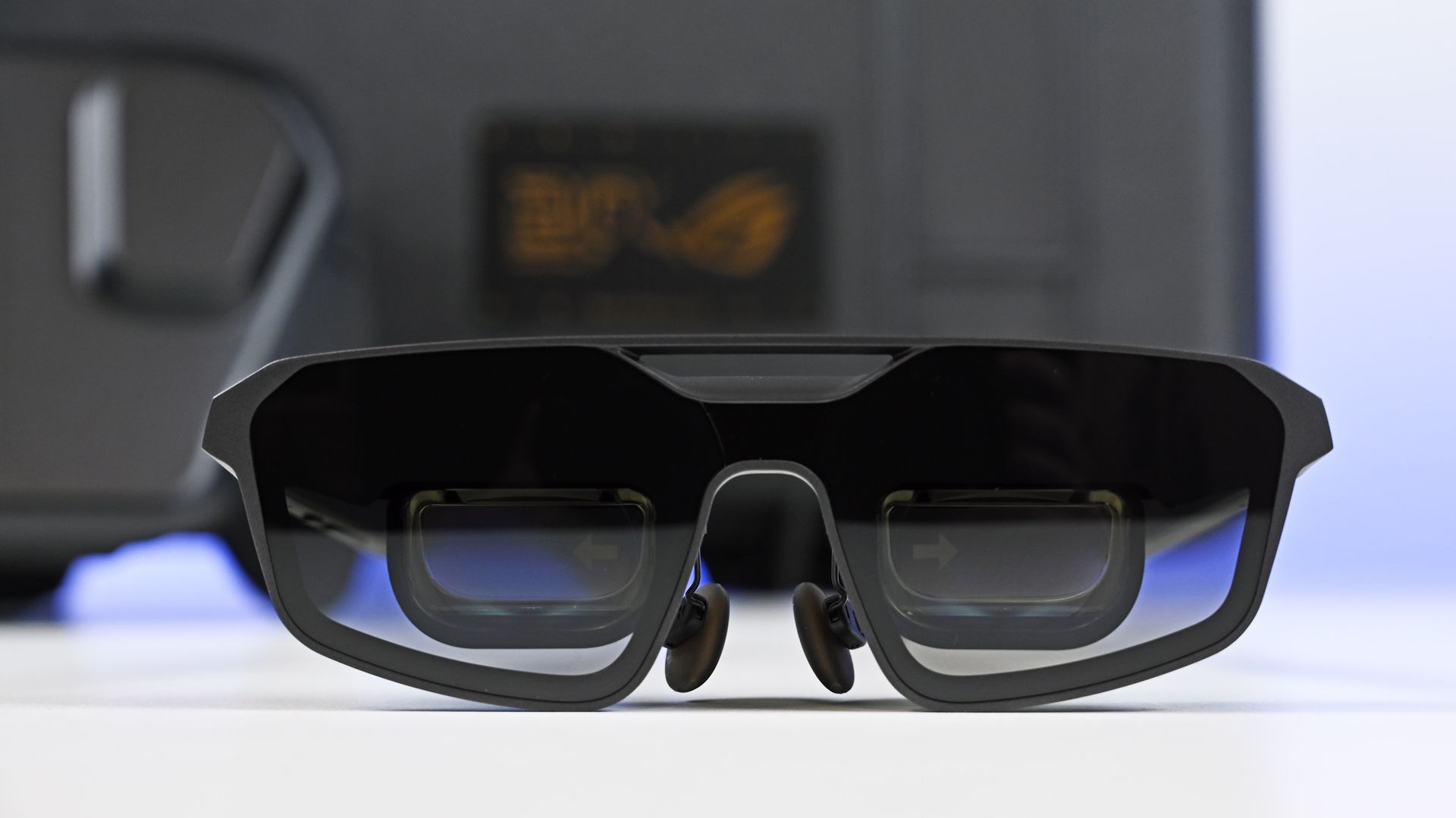
Front view of the matte black ROG XREAL R1 Edition 20 AR glasses, highlighting the tinted lenses and dual display prisms.

Front view of the matte black ROG XREAL R1 Edition 20 AR glasses, with tinted lenses and dual display prisms. (Image credit: Daniel Rubino)

You also get a custom dbrand Killswitch (see our review) designed for the X20, complete with an exclusive skin and stick caps. I'm torn about using it. On one side, it's an excellent case with a cover, making it perfect for tossing in the bag. On the other, you're now covering 80% of the translucent case, which seems kinda sacrilegious.

There's a 68W charger in the package too, along with the various accessories for the glasses.

It's basically the "give me everything" configuration.

$2,499 is bonkers, but thankfully you don't need to spend that much
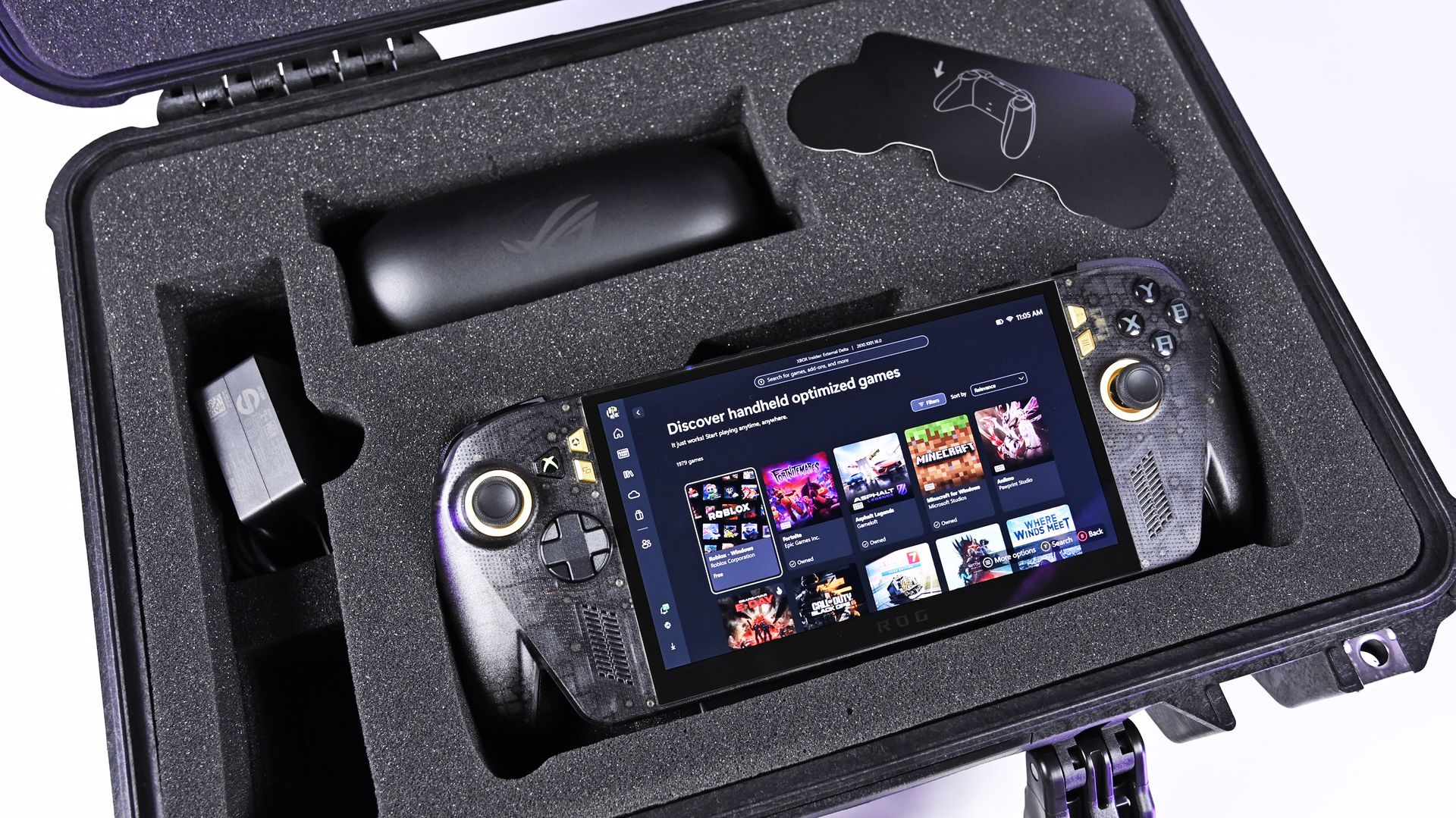
Open Pelican case with custom foam holding the powered-on ROG Ally X20 handheld, 68W charger, and AR glasses case.

The Pelican case with custom foam holding the powered-on ROG Ally X20 handheld, 68W charger, and AR glasses case. (Image credit: Daniel Rubino)

Let's be realistic: $2,499 for a gaming handheld bundle is an enormous amount of money.

This isn't the mainstream X20 package. It's a collector's bundle for the hardcore ROG enthusiast who wants the limited-edition machine, AR glasses, custom accessories, and a Pelican case capable of making the whole setup feel like precious cargo.

The good news is that ASUS isn't forcing you to buy all of that.

The ROG Xbox Ally X20 is also available by itself for $1,299, compared with $999 for the existing ROG Xbox Ally X. Both the standalone X20 and bundle are available in the U.S. through ASUS and Best Buy.
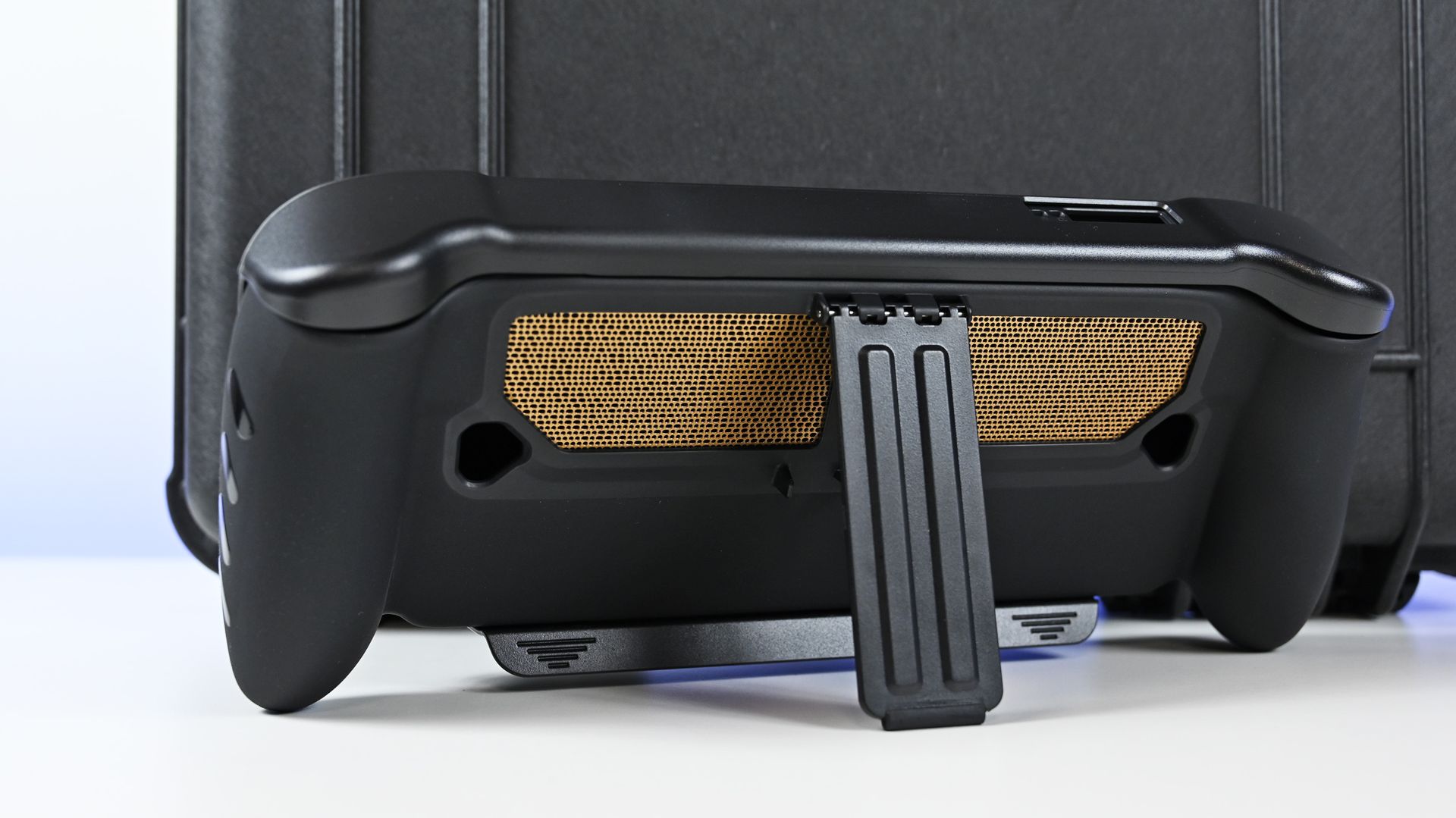
Rear view of the ROG Ally X20 in a black dbrand Killswitch case, showing the deployed kickstand and gold mesh vent skin.
Daniel Rubino
Side profile of the ROG XREAL AR glasses arm, featuring gold
Daniel Rubino
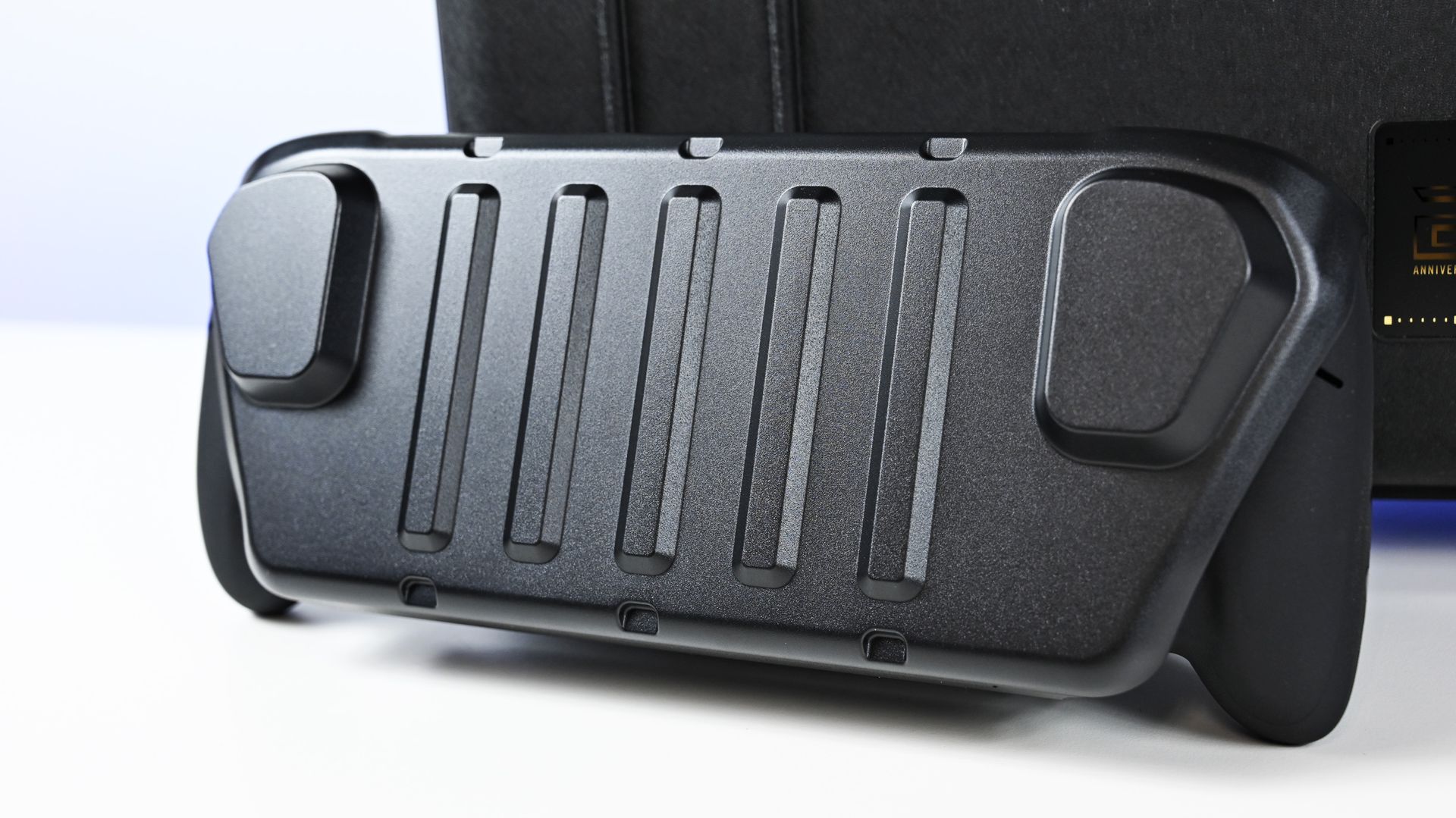
Front view of the ROG Ally X20 fitted with a ribbed, matte black dbrand Killswitch protective travel cover.
Daniel Rubino
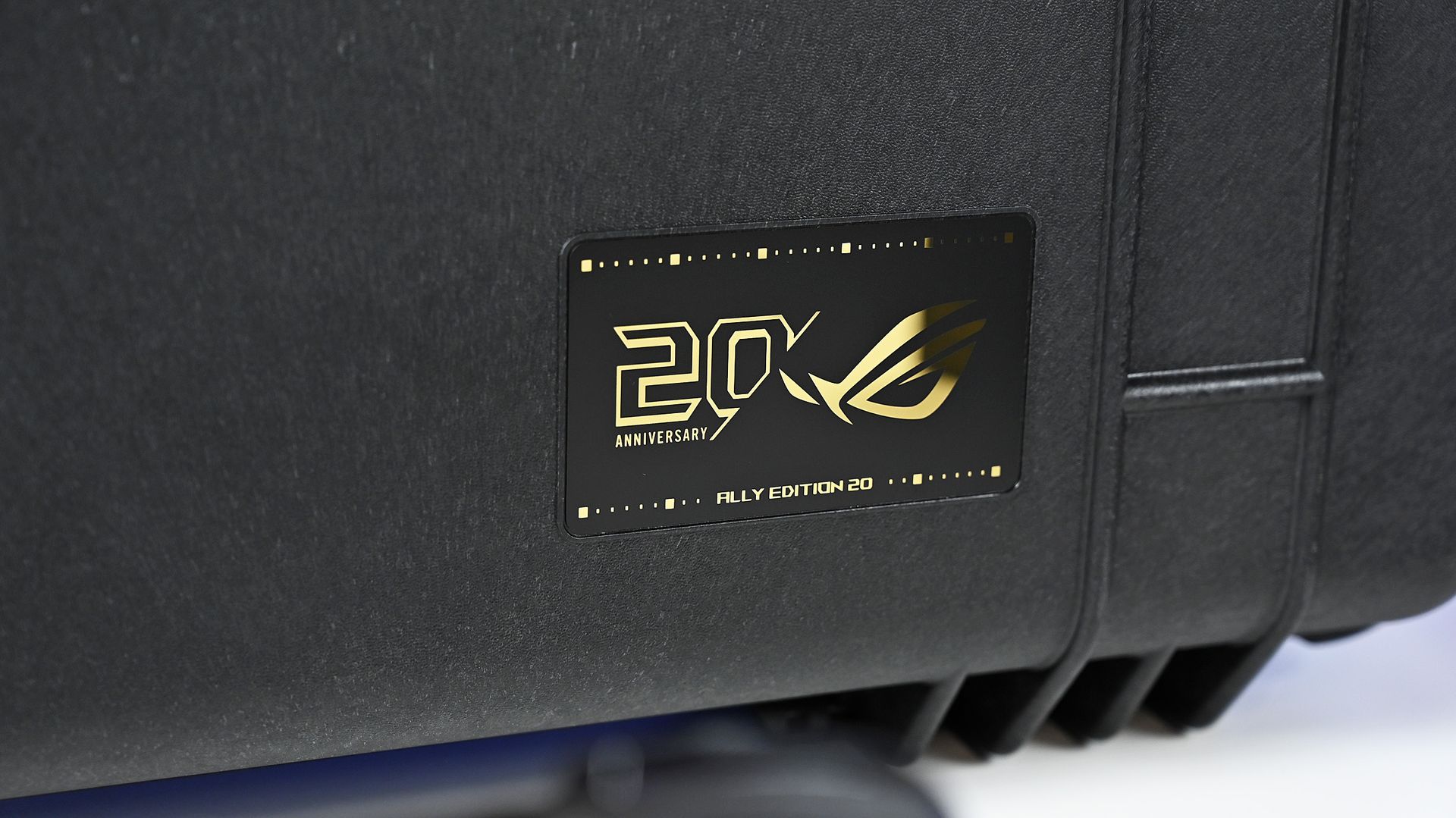
Close-up of the Pelican case's gold 20th Anniversary ROG badge, reading
Daniel Rubino
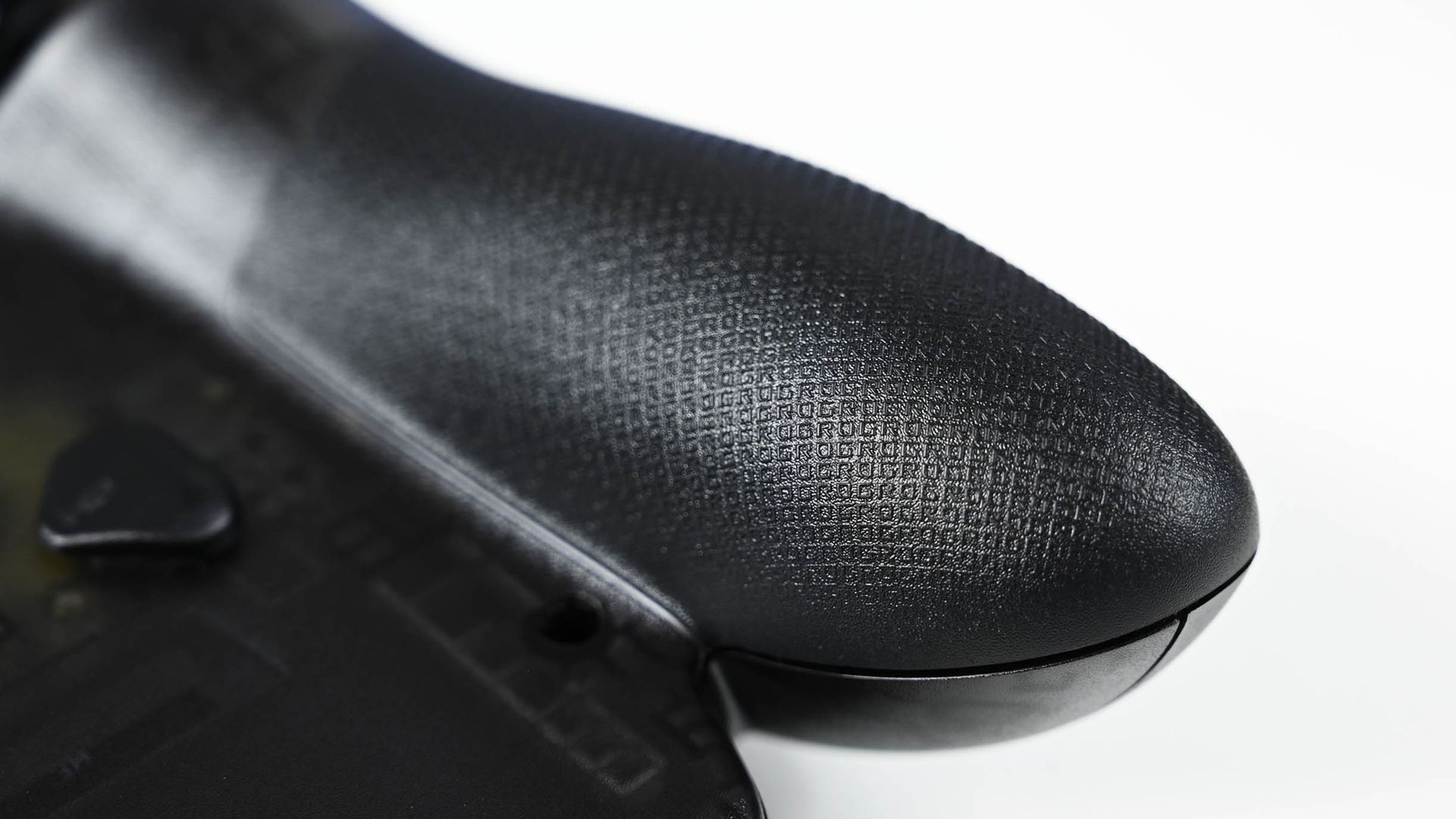
Close-up of the ROG Ally handheld grip, showing a textured anti-slip surface patterned with repeating micro
Daniel Rubino

And after spending more time with it, that's the version I'm increasingly interested in.

At $1,299, the X20 certainly isn't cheap either. But the combination of its excellent OLED display, booming speakers, unique translucent design and other hardware improvements is making it feel like a much more substantial upgrade over the current Ally X than I initially expected.

I'll have a lot more to say about that very soon.

Stay tuned to Windows Central for my full ROG Xbox Ally X20 review in the coming week, where I'll answer the question that really matters: is ASUS' new $1,299 handheld actually worth it?
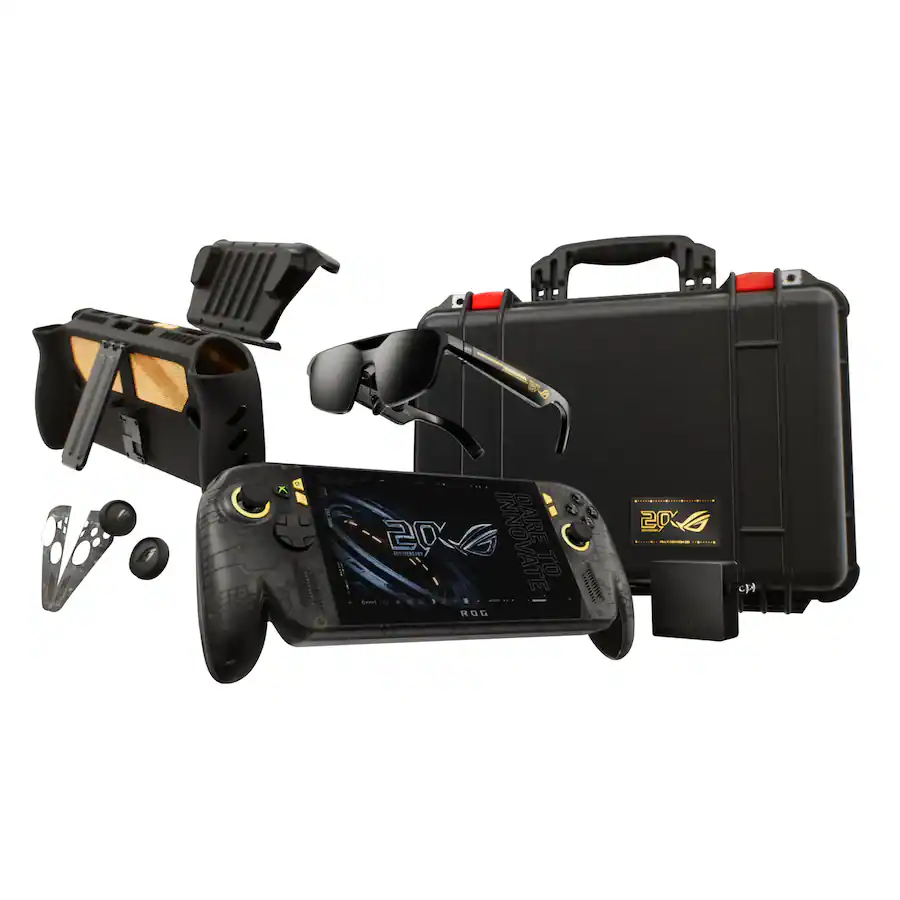
Stock image of the ASUS ROG Xbox Ally X20 Annivesary edition and kit.

Now available
ASUS
ROG Xbox Ally X20 Bundle

Twenty years of ROG innovation, marked by the limited ROG Edition 20 lineup in an exclusive colorway. The ROG XBOX Ally X20 Bundle carries that celebration forward, pairing the handheld with the ROG XREAL R1 Edition 20 Gaming AR glasses to create a complete gaming setup that travels with you.

Click to join us on r/WindowsCentral

Join us on Reddit at r/WindowsCentral to share your insights and discuss our latest news, reviews, and more.
  •  

Steam Deck 2 handheld plans haven't been affected by the RAM crisis, even if Valve's Steam Machine PC and Steam Frame VR were more expensive than planned.

Valve's popular Steam Deck handheld pushed handheld gaming PCs into the mainstream with its affordable, Linux-based console, and its potential successor seemingly aims to make the same impact. Speaking to IGN's Jacqueline Thomas, Valve software developer Pierre-Loup Griffais touched on the fabled 'Steam Deck 2' and whether the ongoing RAM crisis could affect its development.

We want to make sure there's a very delineated performance improvement for something like a future Steam Deck.

Pierre-Loup Griffais, Valve

When asked whether ongoing hardware shortages β€” which have already affected pricing for its Steam Machine PC and Steam Frame VR headset β€” have changed how Valve thinks about a Steam Deck successor, Griffais answered, "Not really." For now, it sounds like any potential 'Steam Deck 2' will target the same balance of performance and affordability as before, but is that realistic?

Steam Deck performance was crushed years ago

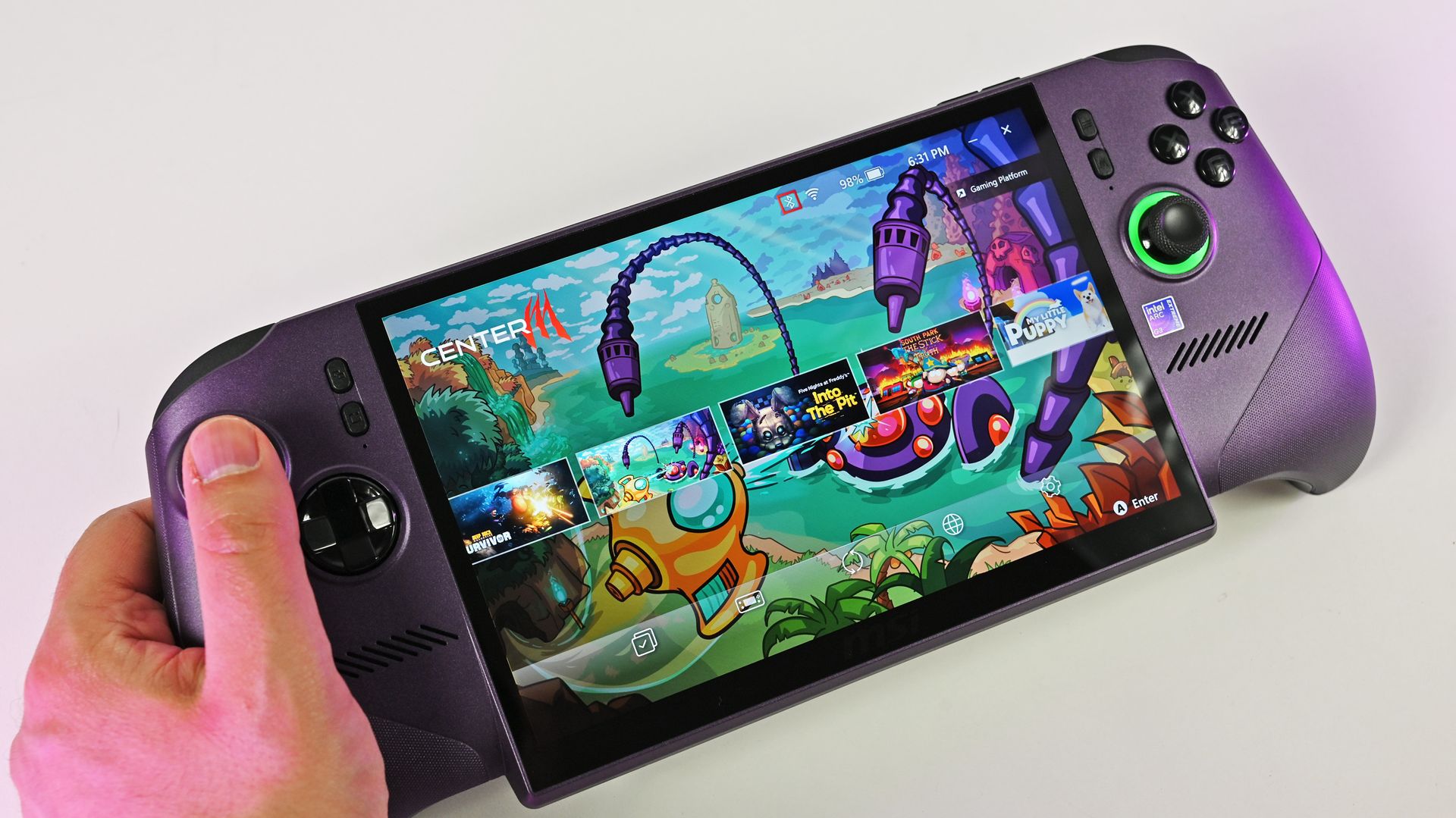
A person holds the metallic purple MSI Claw 8 EX AI+ handheld gaming PC, showcasing its large screen running the MSI Center M game launcher.

MSI Claw 8 EX AI+ stands as one of the best Windows-based handhelds today. (Image credit: Daniel Rubino)

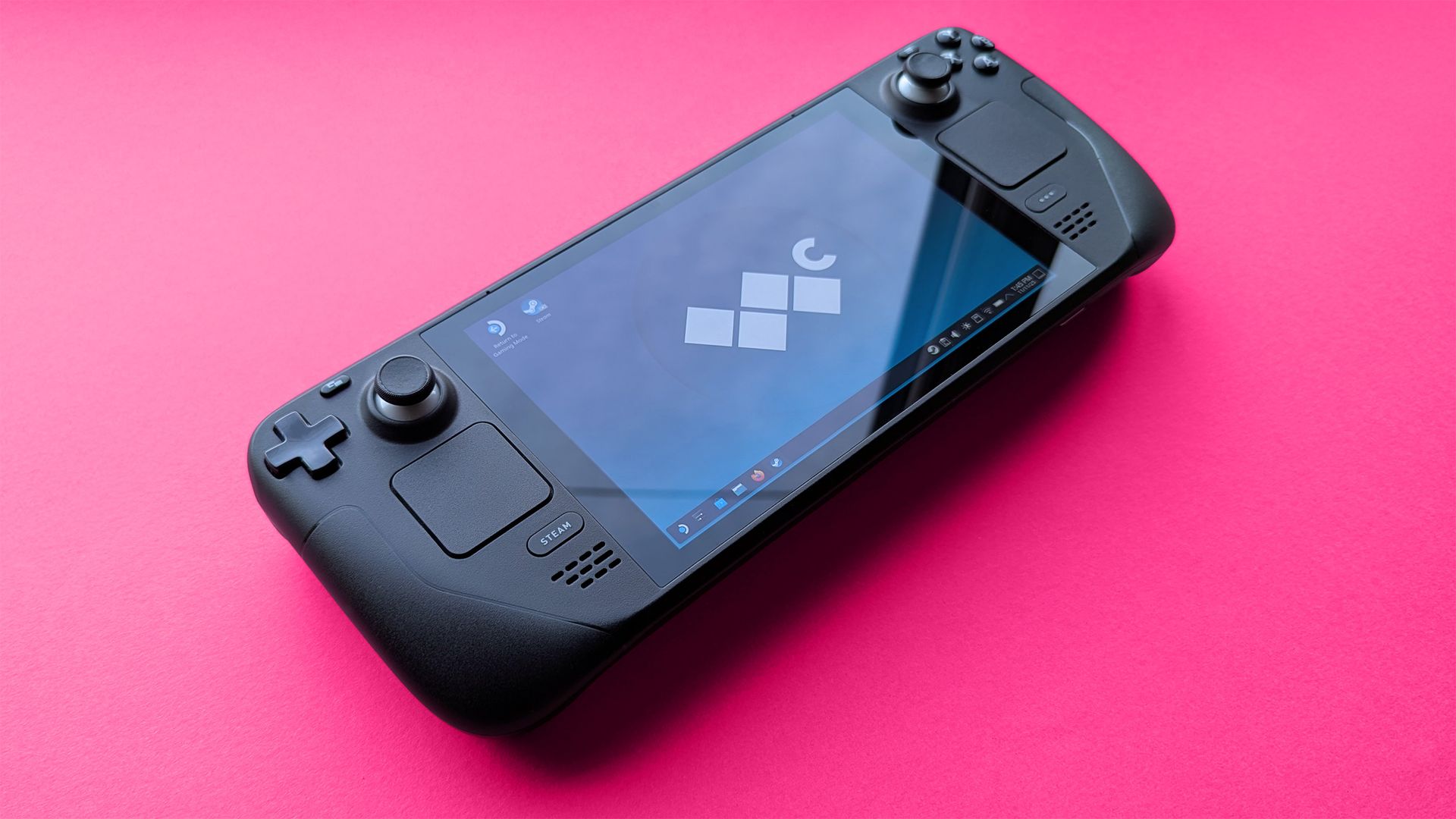
For clarity, I use my Steam Deck almost every day, and it still powers through my library of built-for-Windows PC games with relative success. However, there's no denying its age, and the custom-made Zen 2/RDNA 2 APU doesn't stand a chance in many of the AAA games released in the past few years. For those demanding titles, plenty of Windows-based handhelds are far better suited.

Of course, higher-end options like ASUS ROG's "next-gen" Xbox Ally X and the all-out powerhouse MSI Claw 8 EX AI+ don't offer higher performance without asking for more cash. On the contrary, the Ally X starts at $999.99, while the Claw 8 EX AI+ moves closer to $1,800, which is a far cry from the $399 to $649 window that the Steam Deck originally targeted.

Unfortunately, much like the Claw [8 EX AI+], the Steam Machine is a premium engineering marvel suffering from historically terrible macroeconomic timing.

Daniel Rubino, Windows Central

In that, I'm trying to stay grounded when I hear that Valve's plans haven't changed for the Steam Deck 2 (or whatever it might be called), because that never necessarily meant it would target the same price point as its first handheld. After all, the company just launched its new Steam Frame VR headset for $1,059, which is higher than it originally planned (via PC Gamer).

So, Valve is stuck between a rock and a hard place: sourcing a follow-up (presumably also custom-made) processor and the corresponding components for a mass-produced handheld without pricing it so high that it loses mainstream appeal. It won't be easy, and I wouldn't be surprised if we don't hear anything concrete about the Steam Deck 2 for a few years.

Click to join us on r/WindowsCentral

Join us on Reddit at r/WindowsCentral to share your insights and discuss our latest news, reviews, and more.
  •  

My biggest Steam Deck regret was losing native PC Game Pass, but an open-source project called Xodus might finally undo that mistake

I've spent a lot of time this summer gaming on my Steam Deck. It's hot outside, it's hot inside, and my desktop gaming PC simply creates too much heat.

The only major problem I have with my Steam Deck is that it doesn't play nicely with PC Game Pass, to which I'm a subscriber. Yeah, I could stream games to my handheld, but there's now a better solution in the works.

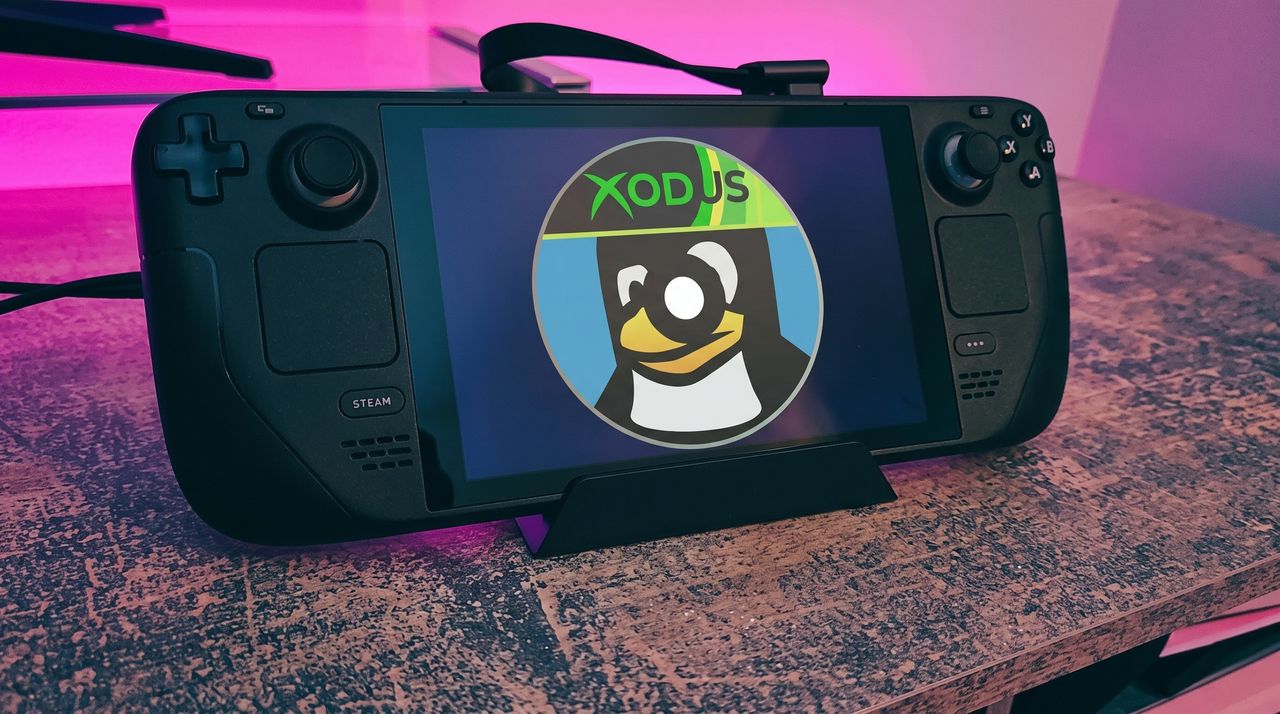
I'm talking about Xodus, an open-source project that's attempting to build a bridge between PC Game Pass and Linux systems, including the Steam Deck. The project is also attempting to iron out similar issues on macOS. No Windows install needed.

Xodus comes from the developers behind the Heroic Games Launcher, a separate open-source app that brings Epic, GOG, and Amazon Prime titles to Steam Deck (it also works on Windows, macOS, and other Linux systems).

The developers are undoubtedly up against a grind with this project. Xbox PC games that come from the Xbox app rely primarily on a Microsoft Game Development Kit (GDK) runtime, which is a far cry from DirectX and Win32 layers that Valve's Proton already handles quite well.

This Microsoft GDK is really what has kept PC Game Pass from running directly on the Steam Deck (and macOS) for so long.

Is Xodus ready for public release?

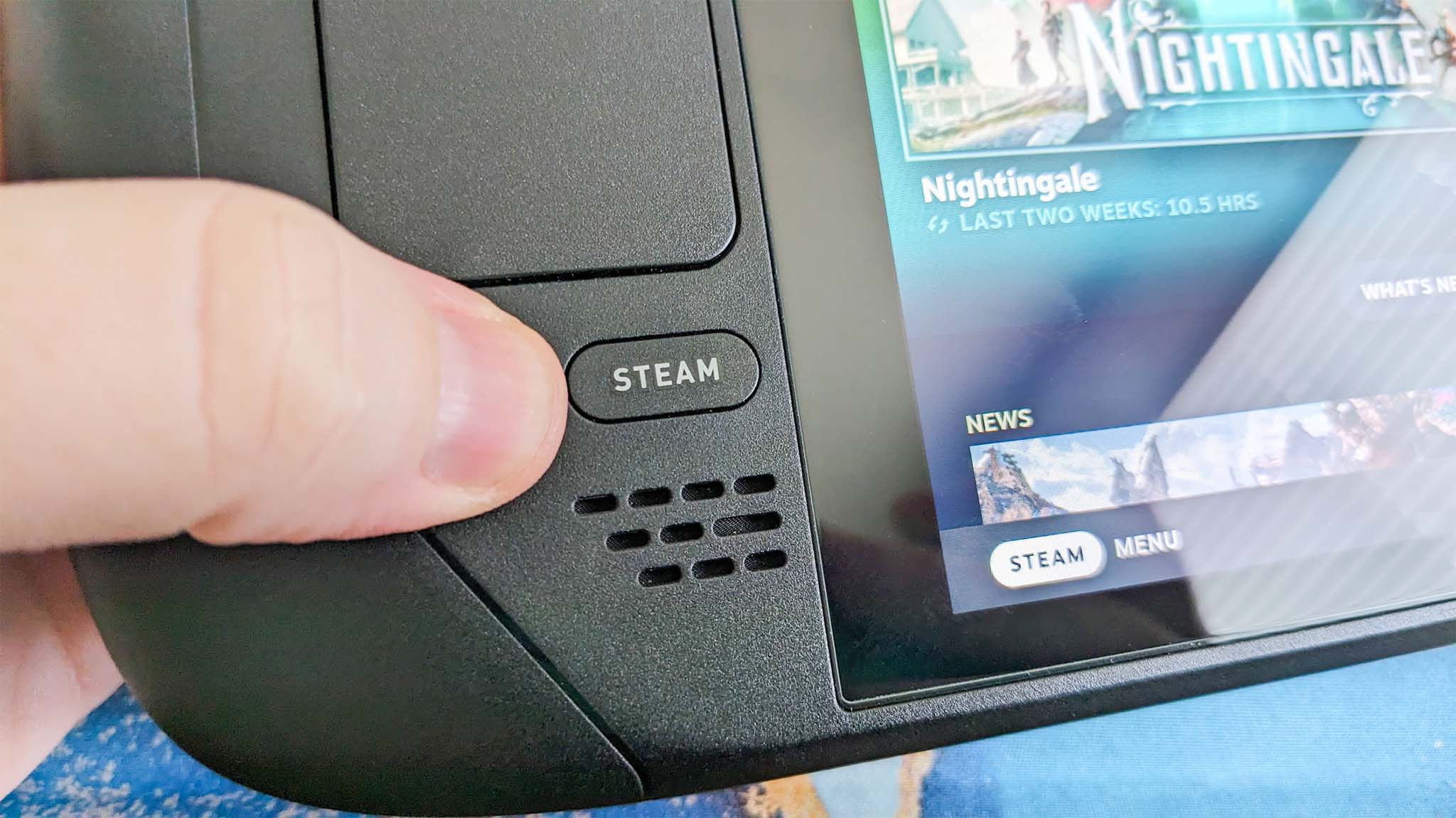
Steam Deck Steam button.

Xodus could finally bridge the gap between PC Game Pass and Steam Deck. (Image credit: Rebecca Spear / Windows Centarl)

According to updates shared on the Xodus GitHub page, the developers have cracked Xbox authorization, license checks, and MSIXVC package (the containers that PC games come in) download and decryption.

In a Reddit post, a Xodus developer noted that the team's main focus is now getting the Software Development Kit (SDK) for each title to run through Wine. It appears that Xodus has its own Wine and Proton forks for this purpose, as well as an open-source version of the xgameruntime.dll file that Game Pass games depend on.

Xodus likely won't support all Game Pass games when it launches, either. Older games that eschew GDK and MSIXVC for UWP will likely come later, if at all.

Why I'm so excited to try out Xodus on my Steam Deck

Steam and PC Game Pass

PC Game Pass on Steam would open up a whole lot of new options for gaming on the go. (Image credit: Future)

As mentioned, the biggest drawback to my Steam Deck, aside from its growing age, is its lack of native PC Game Pass support.

Sure, I could upgrade to a newer handheld that natively runs Windows, but it looks like I might not need to quite yet. That's especially exciting considering just how expensive gaming handhelds have become of late.

Then there's the Steam Machine, another Valve device running the Linux-based SteamOS. A whole bunch of gamers recently got their hands on the Steam Machine when it launched in June, and making PC Game Pass an option can only benefit Microsoft.

Here's the rub: Xodus has no affiliation with Microsoft. It's an unofficial community project created by independent developers. Does that mean Microsoft will have a problem with it? Not likely, but you never can tell.

Xodus still doesn't have an official release date, but it's something I'll be keeping my eyes on as it progresses. If you're a Linux gamer who wishes they could use PC Game Pass natively, you'll definitely want to keep watch as well.

What do you think about Xodus as a bridge between Steam Deck/Machine and PC Game Pass? Is it something you'd use regularly? Do you already have an alternative method that works better for you? Let me know in the comments section below!

(via VideoCardz.com)

Click to join us on r/WindowsCentral

Join us on Reddit at r/WindowsCentral to share your insights and discuss our latest news, reviews, and more.
  •  
❌