
 Login

iPhone Colors 2026: New Pro and Ultra Shades Won’t Erase Complaints
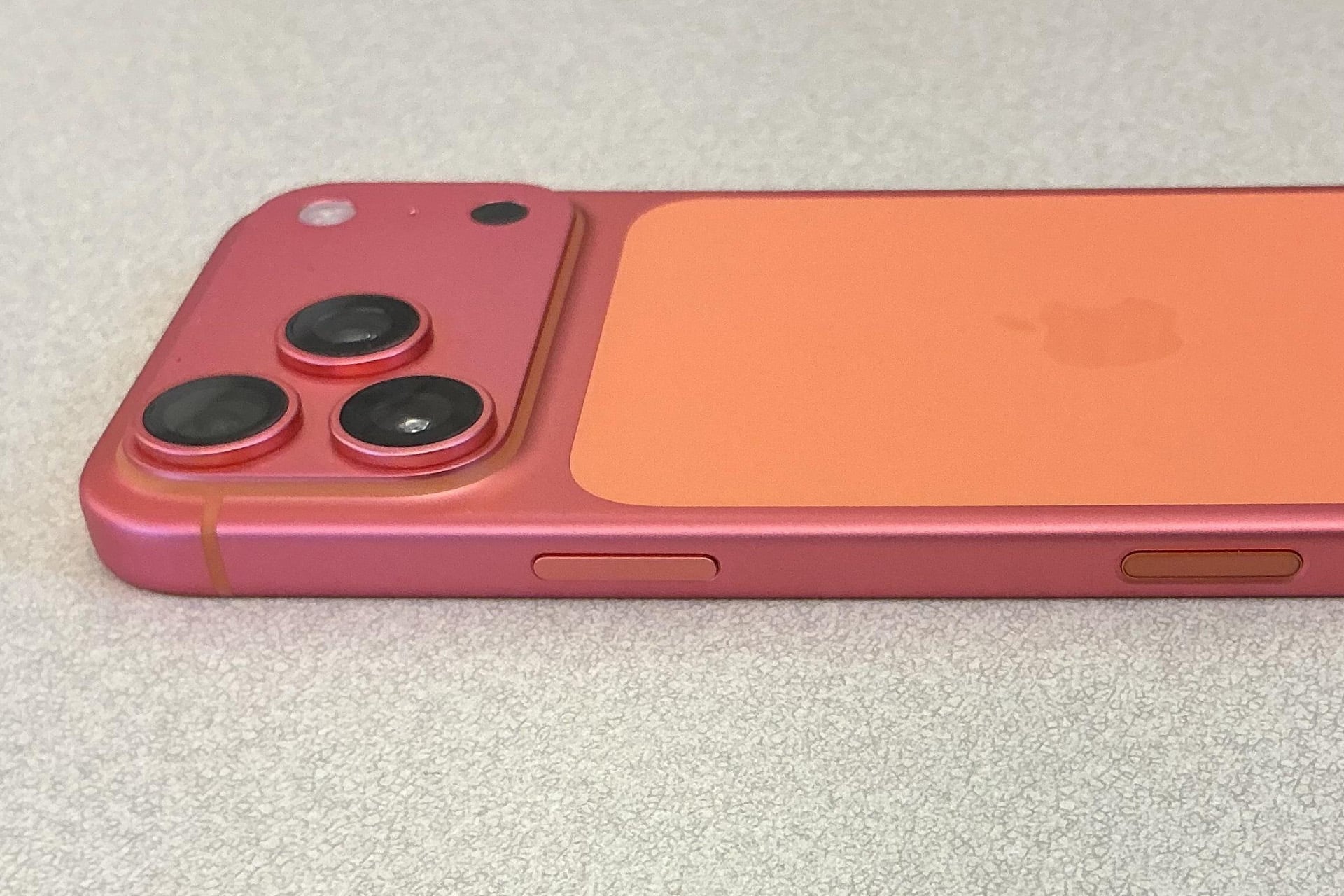
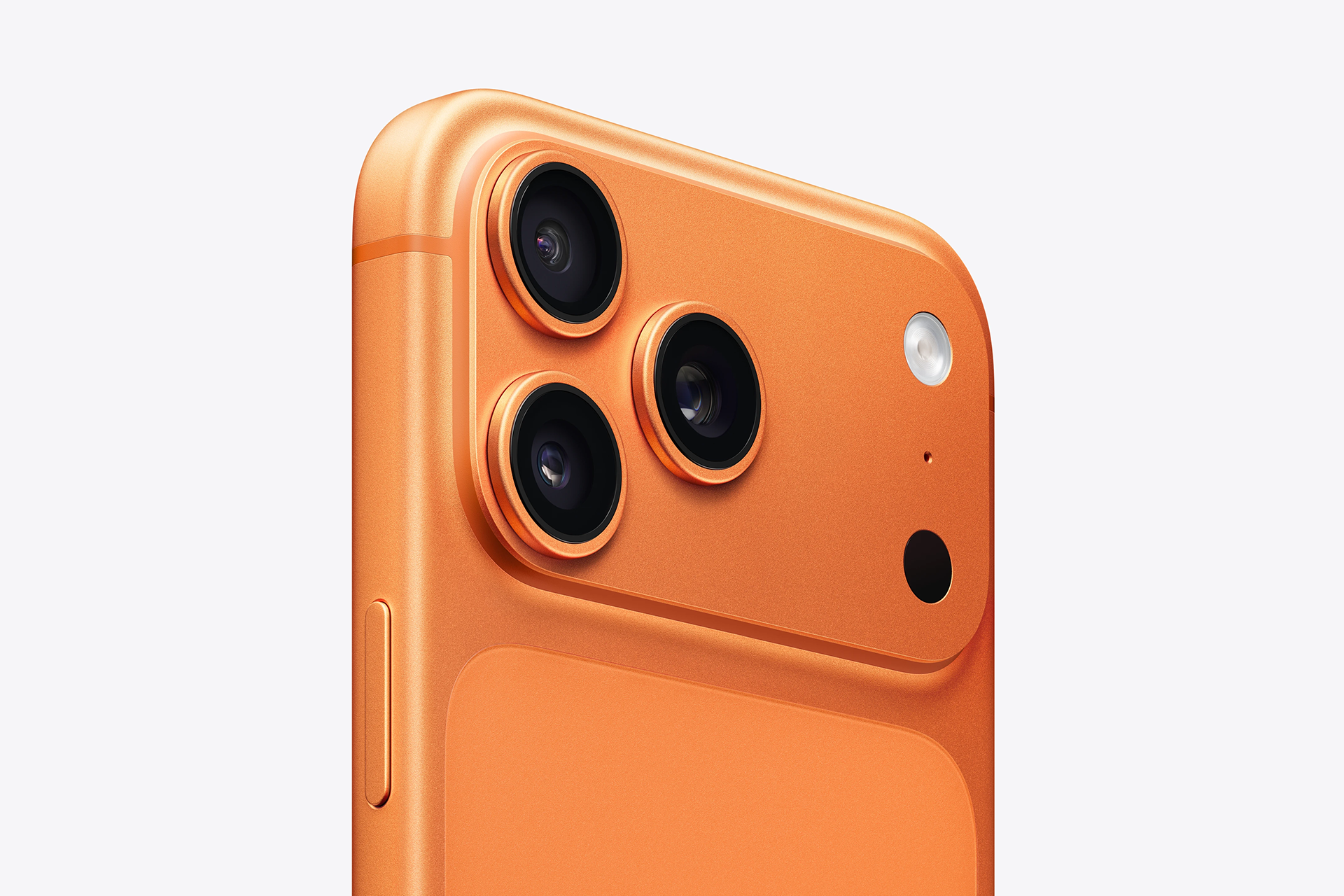
New iPhone colors could give Wednesday’s launch an immediate visual refresh, with Dark Cherry and lighter blue finishes among the shades rumored for the iPhone 18 Pro generation. But replacing Cosmic Orange in the promotional photographs would leave an uncomfortable question behind: what happens to customers whose orange iPhone 17 Pro has reportedly turned pink?
Owners have posted accounts of discoloration on Reddit and Apple’s own community forum. Some describe receiving replacement devices; others say their requests were rejected as cosmetic issues. The reports establish a reason for scrutiny, although they do not establish how frequently the problem occurs or whether every affected phone shares the same cause.
Apple does not appear to have published a dedicated technical explanation or a general service program addressing these complaints. With another generation approaching, the company has an opportunity to explain what owners should expect from the finish on an expensive phone—and from support when that finish changes.
The iPhone Colors Expected This Week
The most consistent iPhone 18 Pro rumors center on Dark Cherry, sometimes described as burgundy or deep red, and Sky Blue, also called Light Blue. The neutral option remains disputed.
According to the latest color-leak roundup, Sonny Dickson shared an image of alleged SIM trays suggesting Silver, Dark Cherry, and Sky Blue. A separate claim from Fixed Focus Digital points to Black taking Silver’s place.
That leaves a plausible three-color lineup without agreement on all three finishes. The names also remain unofficial; a supplier’s description does not necessarily become the name displayed in the Apple Store.
The same reporting favors black and white for the foldable iPhone Ultra. A purported reddish version lost credibility after Mark Gurman identified the images associated with it as Xiaomi renders, and the post sharing them was subsequently deleted.
Cosmic Orange is absent from these leading launch rumors. Its possible departure would fit the annual rotation of signature shades, but there is no evidence that Apple is changing colors because of the discoloration complaints.
For buyers, the distinction is straightforward: a new shade may make the next phone look different. Its name cannot establish that its finish will age better.

Cosmic Orange Owners Have Described Different Outcomes
One detailed Reddit replacement account describes an iPhone 17 Pro camera plateau turning pink approximately two weeks after purchase. The owner said the rest of the phone was protected by a case and denied using bleach, peroxide, or other treatments to produce the change.
According to that account, Apple Support escalated the case and supplied a warranty replacement without initially identifying the cause. The owner posted comparison images and later said an engineer contacted them after receiving the original phone, asking questions about usage and environmental conditions.
That reported follow-up complicates any claim that Apple has ignored every customer. At least some owners describe service and further investigation.
A separate Reddit complaint about a salmon-pink camera plateau describes a less satisfactory experience. The owner said the change became noticeable after several months and continued to develop. They reported being directed toward cleaning guidance and told that assistance would be outside warranty coverage, despite saying they had used only a microfiber cloth.
These accounts are owner testimony, not independently inspected service records. Different histories or inspection findings could explain different decisions. Even so, they expose the uncertainty customers face when trying to understand whether a changing finish is considered wear, external damage, or a possible manufacturing problem.
Someone seeking help should not have to reconstruct an unofficial support policy from strangers’ experiences.
Complaints Also Appear on Apple’s Community Forum
The discussion extends beyond Reddit. In an Apple Community post about orange iPhone 17 Pro Max discoloration, an owner described color damage after approximately four months and said support had classified it as cosmetic and outside warranty coverage.
Apple Community is a customer discussion forum hosted by Apple. A complaint appearing there is evidence that an owner raised the issue publicly; replies from community participants do not amount to an official engineering finding or company statement.
The posts also cannot tell us the failure rate. A forum collects people who have a reason to speak, and the same incident can circulate through multiple websites. Counting photographs, comments, or reposts would not produce a reliable estimate of affected devices.
But the absence of a reliable denominator should not make individual complaints disappear. A customer does not need to demonstrate that thousands of other phones have changed color before their own device deserves an inspection and a reasoned response.
The unresolved issue is how Apple distinguishes those cases and communicates the result.
Cleaning Guidance Is Not a Diagnosis
Apple’s official iPhone cleaning instructions advise against products containing bleach or hydrogen peroxide. They recommend appropriate gentle cleaning methods and warn against abrasives and several categories of household cleaner.
That guidance is useful for protecting a device. It does not establish that prohibited cleaning products caused every Cosmic Orange complaint.
Some owners expressly deny using those substances. Their statements cannot rule out every possible exposure, but a general warning cannot substitute for examining what happened to a particular phone.
Suggestions involving sunlight, chemical reactions, or variations in the finish’s protective treatment continue to circulate. None should be presented as the universal explanation without testing that connects the proposed cause to the reported changes.
A credible public response could explain whether Apple has identified a recurring mechanism, whether certain production periods require attention, and what service teams should examine. If the company concludes that several unrelated causes are involved, that would also be useful information.
The current uncertainty leaves customers debating material science when they should be able to ask a much simpler question: why does this phone no longer look like the one they bought?

A Premium Finish Is Part of the Product
Color is something Apple asks customers to choose deliberately. It receives prominent space in launch presentations, retail displays, advertising, and the ordering process. Buyers coordinate cases and accessories around it, and some wait for a particular finish to become available.
It is reasonable to expect that choice to survive ordinary use.
Normal wear exists, and no finish should be described as indestructible. Scratches, impacts, and chemical exposure can alter a device. A reported change from orange to pink, however, warrants an explanation rather than an assumption that every visible change belongs in the same category.
The financial stakes are also difficult to quantify responsibly. There is no verified public count of affected Cosmic Orange devices, no established failure rate, and no disclosed average remediation cost. Those gaps prevent a credible estimate of billion-dollar exposure.
The purchase value of potentially affected phones would not equal Apple’s repair liability in any event. A repair, replacement, refund, and lost future sale are different costs.
The more immediate commercial concern is confidence. A customer who receives a satisfactory explanation may accept a service decision even when it is disappointing. A customer who feels dismissed may carry that experience into their next purchase—and into conversations with other buyers.
New Colors Need Evidence That Lasts Beyond Launch Day
Dark Cherry could become the finish most associated with the iPhone 18 Pro. The Ultra’s rumored neutral palette could place greater attention on the foldable design itself. Neither possibility tells us how those surfaces will look after months in pockets, cases, cars, and everyday handling.
Early product photographs will help buyers judge appearance. Longer ownership will reveal whether the finish retains it.
For existing Cosmic Orange owners noticing a change, documenting the phone under consistent lighting is a useful first step. Images taken on different days can help distinguish a developing alteration from reflections or camera white balance. Photographs of the complete device can also show whether the change is limited to exposed areas.
Keeping the purchase receipt, support case number, and written inspection outcome makes subsequent conversations easier. If service is declined, the useful question is what finding led to that decision and whether the device was assessed for a possible materials or workmanship issue.
A new color announcement will not supply those answers to someone still holding the previous generation.

The post iPhone Colors 2026: New Pro and Ultra Shades Won’t Erase Complaints appeared first on AppleMagazine.
