❌

Reading view

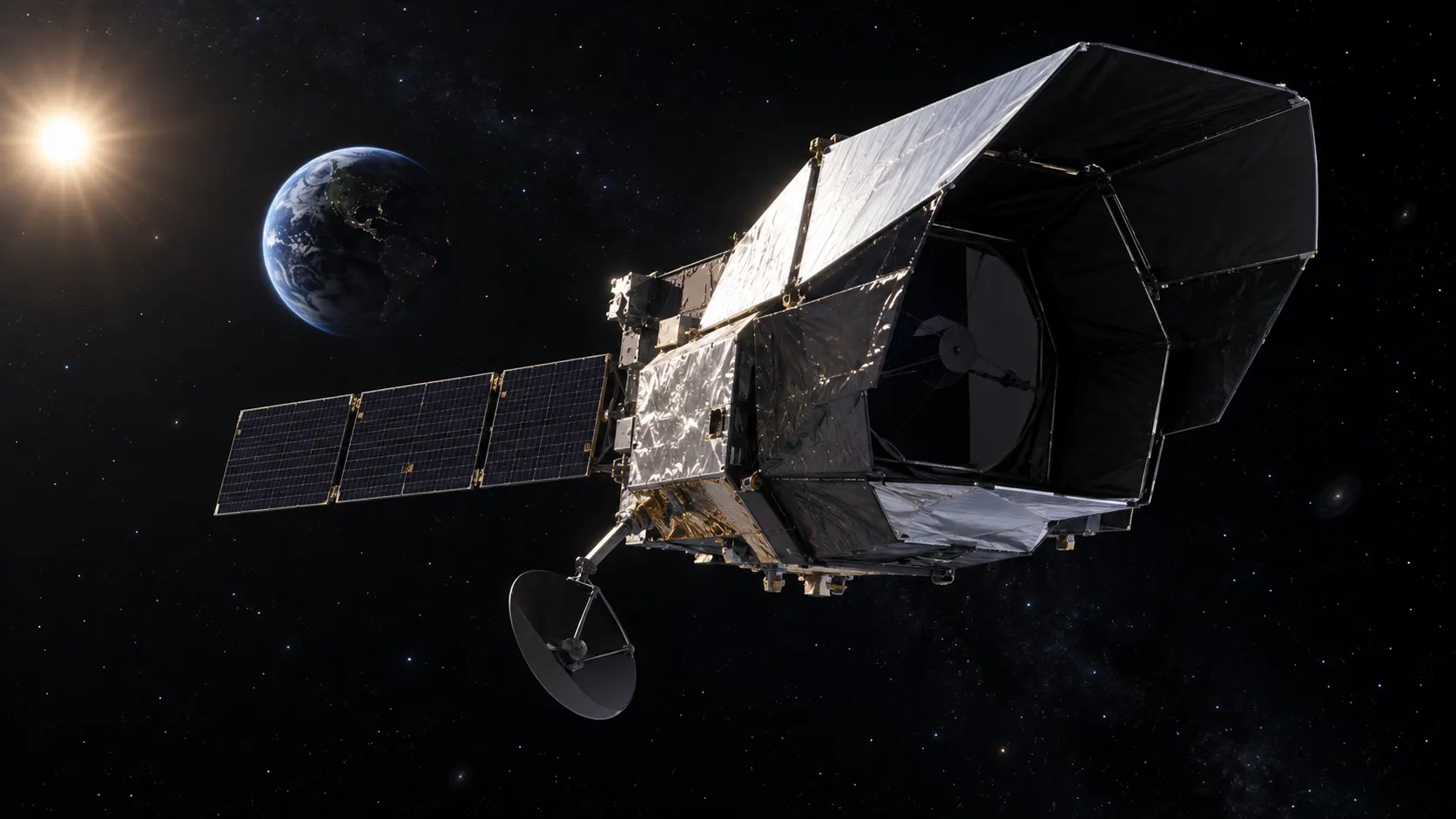
Roman Is on Its Way to L2. Why Are Its First Days in Space So Carefully Choreographed?

Roman’s antenna, sunshade and visor are deployed. Here is why the telescope’s three-month commissioning journey matters before its first images arrive.

The post Roman Is on Its Way to L2. Why Are Its First Days in Space So Carefully Choreographed? appeared first on Curiosmos.
  •  

The Sun’s Ancient Journey Through the Galaxy May Have Changed Earth’s Climate

Two NASA-funded studies trace how the Sun’s changing galactic surroundings may have altered Earth’s climate and helped warm the young planet.

The post The Sun’s Ancient Journey Through the Galaxy May Have Changed Earth’s Climate appeared first on Curiosmos.

  •  

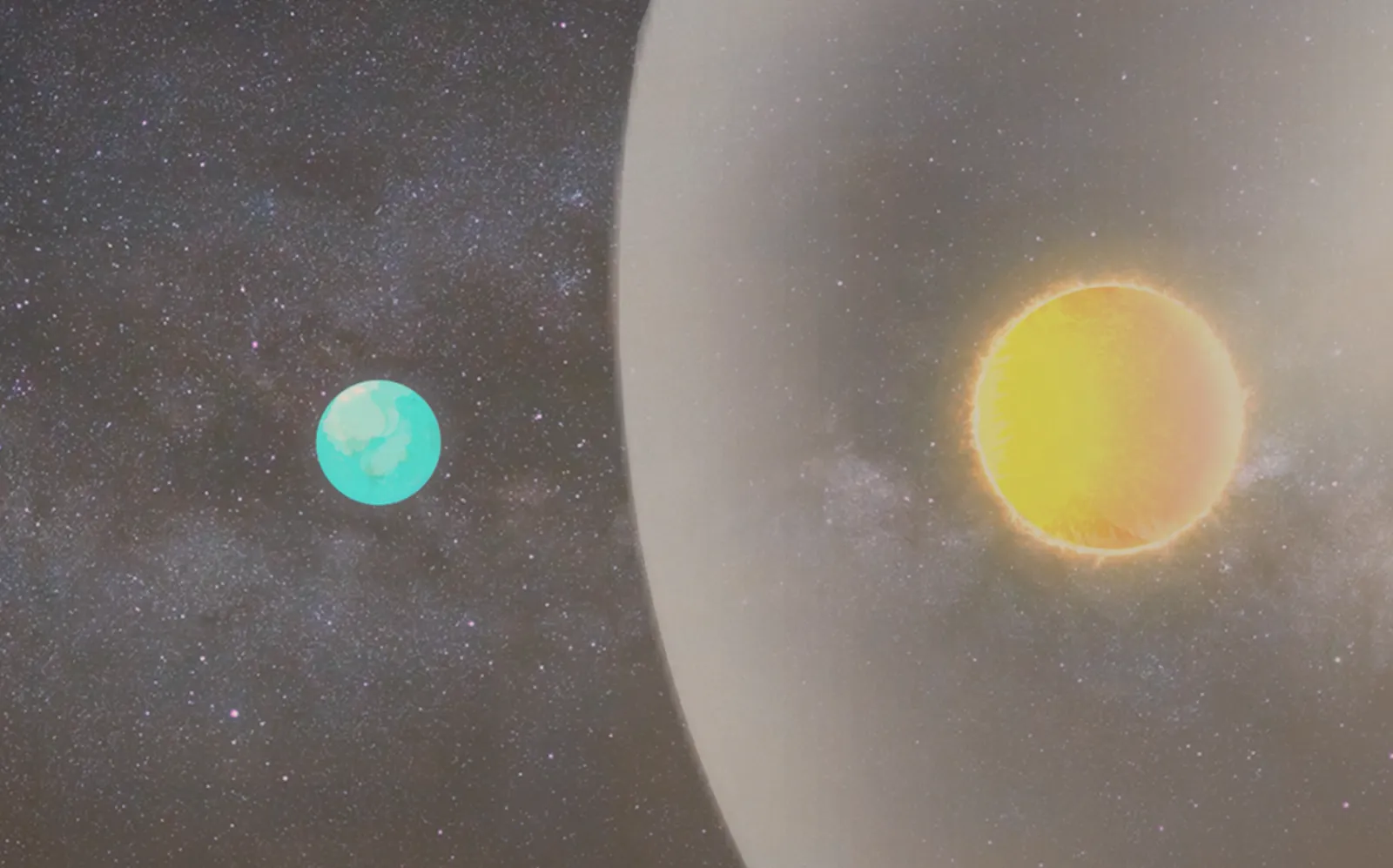
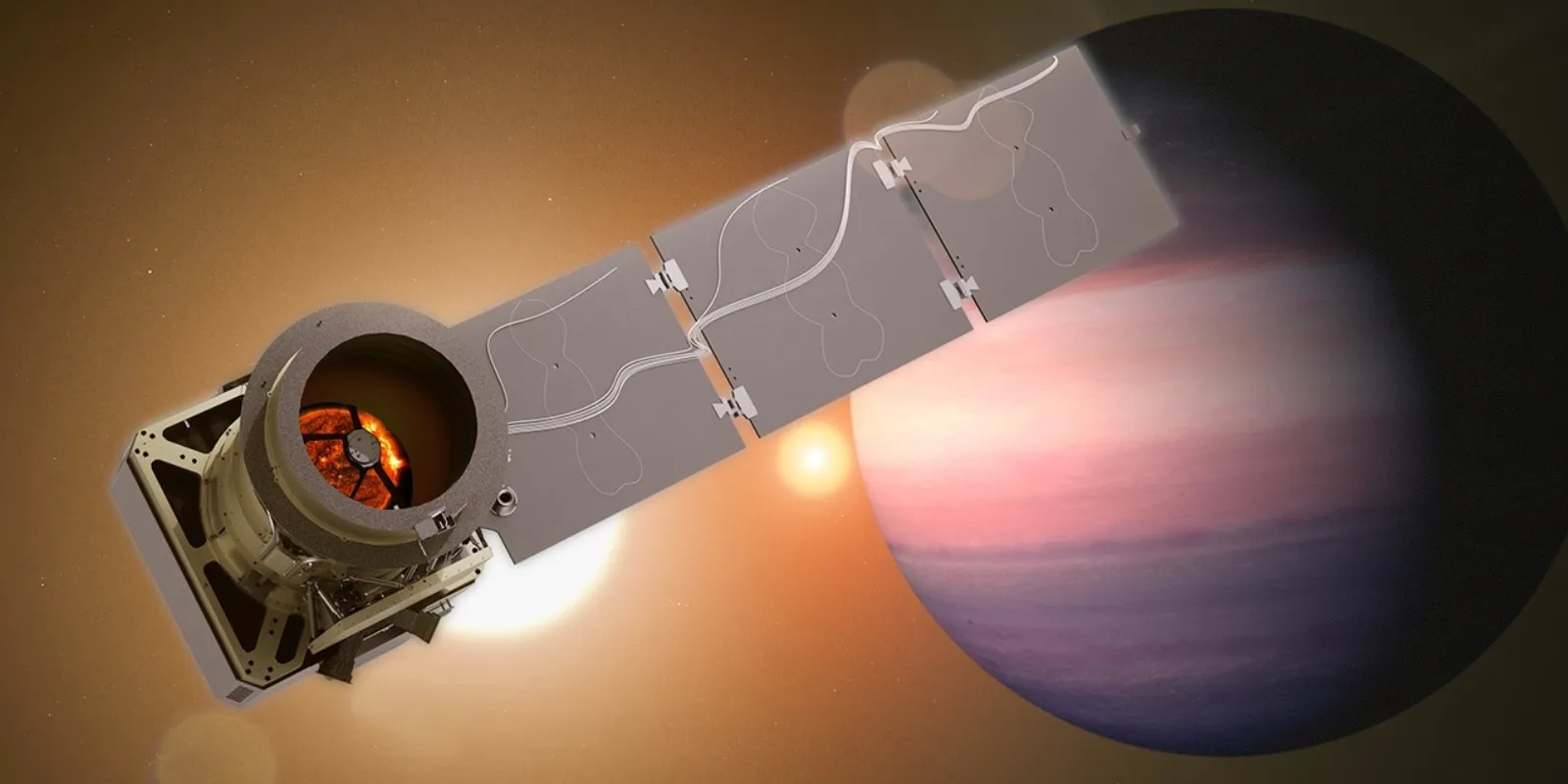
NASA’s Pandora Mission Begins Separating Planet Light From Star Light

NASA’s Pandora satellite has started science observations of at least 20 exoplanets, measuring their host stars so Webb’s atmospheric results can be read more reliably.

The post NASA’s Pandora Mission Begins Separating Planet Light From Star Light appeared first on Curiosmos.

  •  

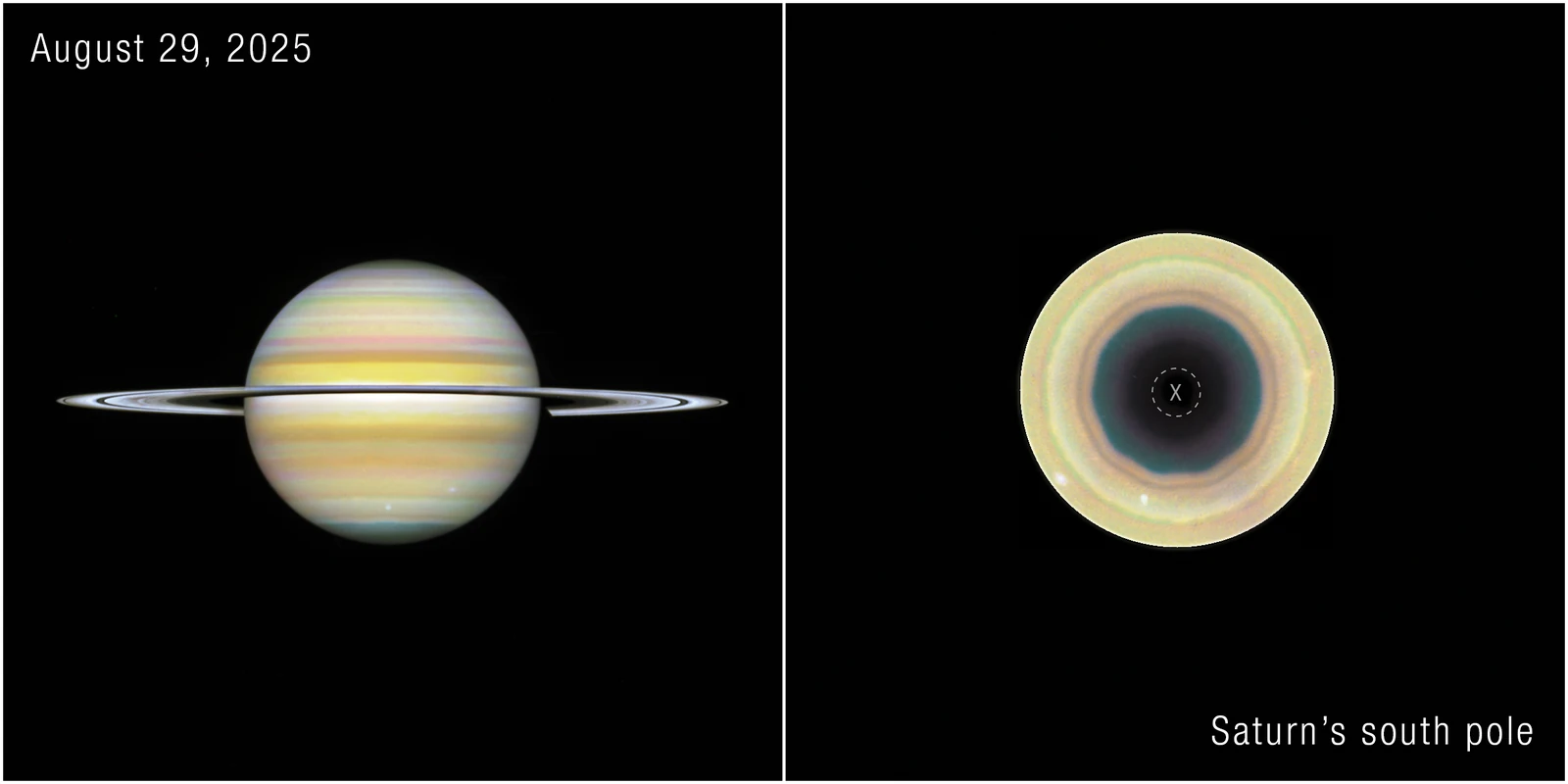
Saturn Has a New Geometric Storm at Its South Pole. Why Is It Taking Shape Now?

Hubble has found a growing ten-sided atmospheric wave around Saturn’s south pole—the first large regular-sided jet seen there. Saturn has long been known for a strange shape in its clouds. A vast hexagon circles the planet’s north pole, holding its form for more than four decades. Now astronomers have found something that looks as if […]

The post Saturn Has a New Geometric Storm at Its South Pole. Why Is It Taking Shape Now? appeared first on Curiosmos.
  •  

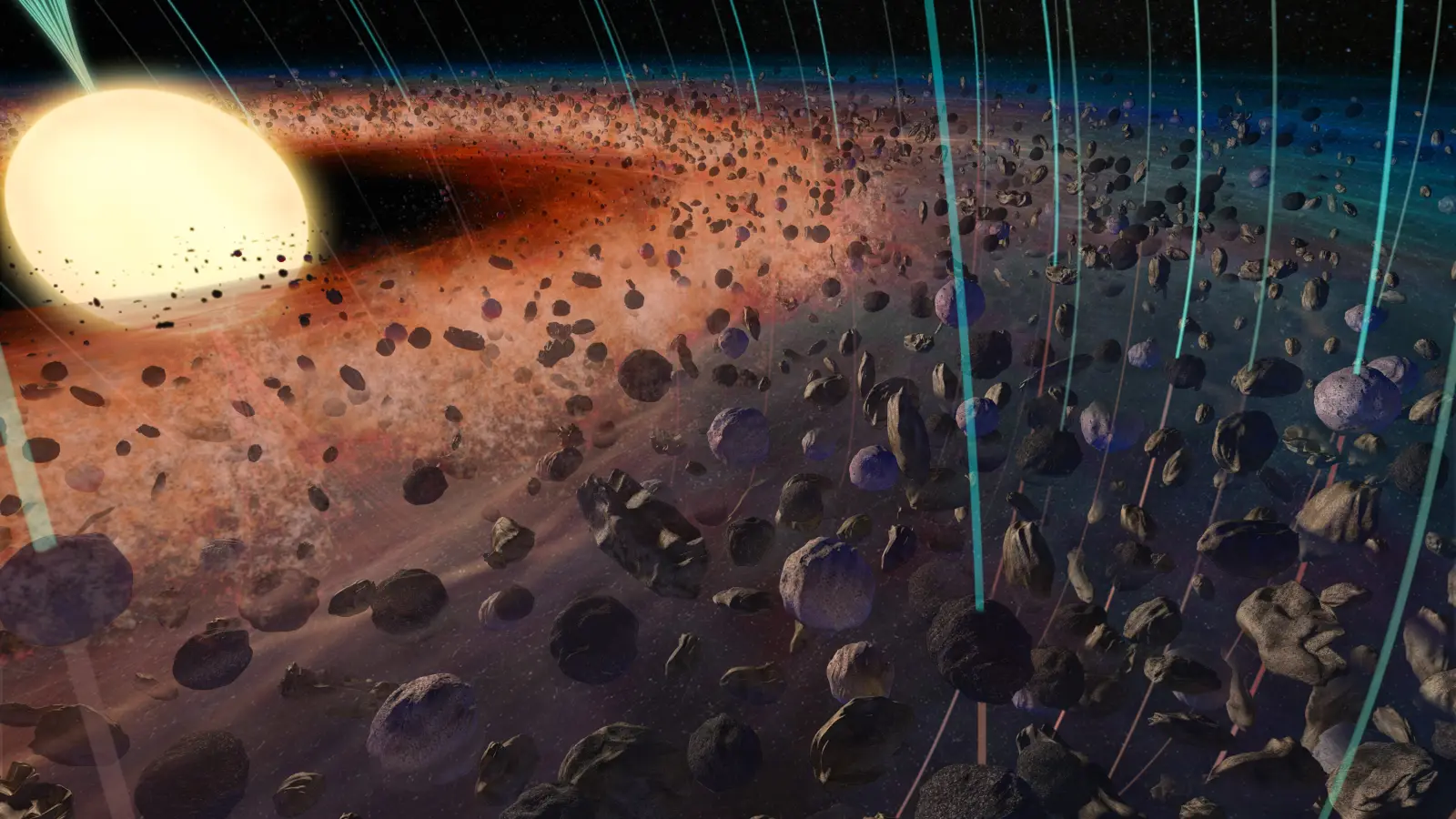
Hubble and Webb Found Tiny Worlds That Still Remember How the Solar System Formed

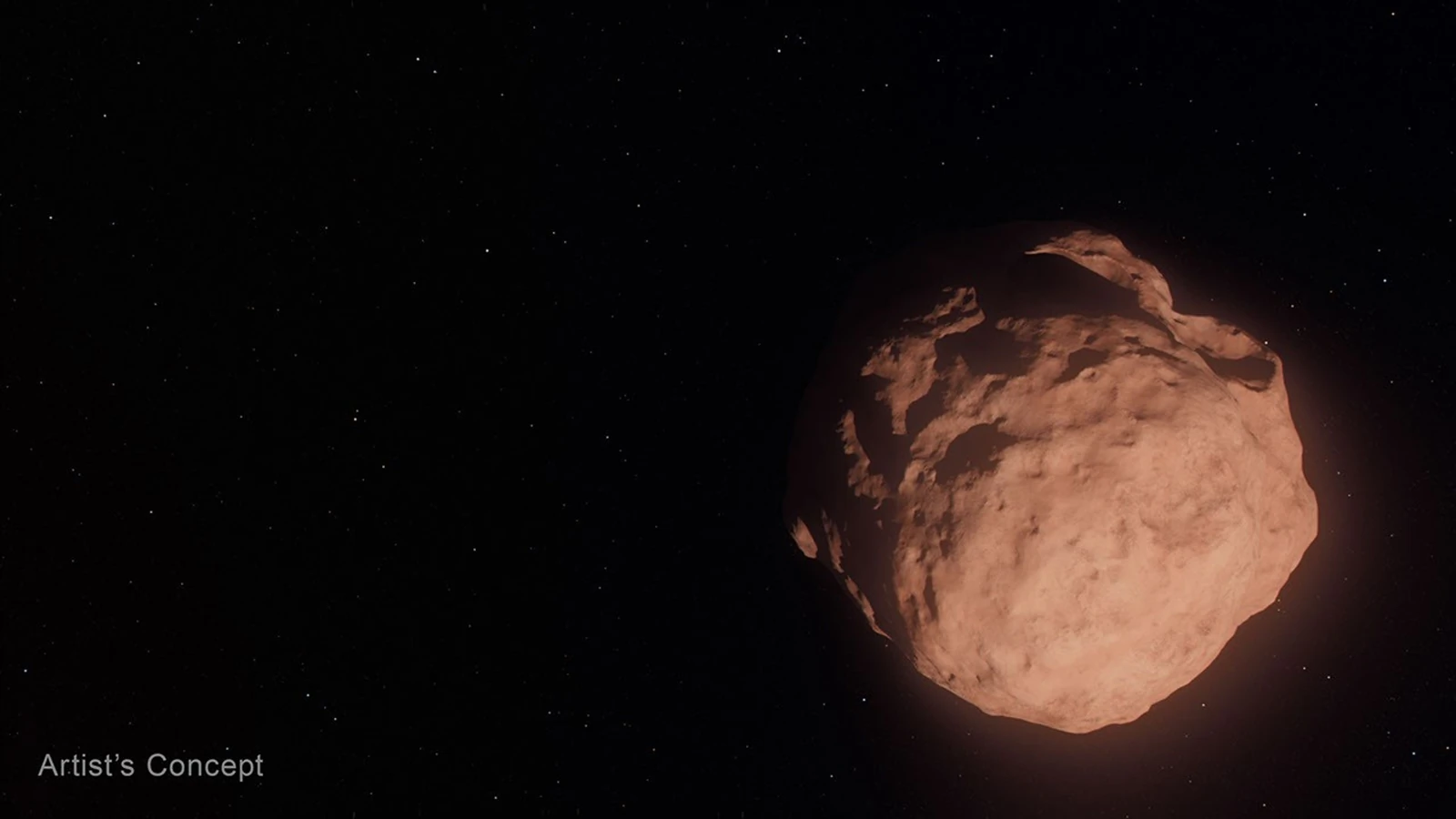
Twenty-seven faint objects beyond Neptune are giving astronomers a rare look at the planet-building material that survived when the outer solar system stopped growing. The outer solar system is not empty. Beyond Neptune, in the cold region known as the Kuiper Belt, countless small bodies travel around the Sun. Most are so faint that even […]

The post Hubble and Webb Found Tiny Worlds That Still Remember How the Solar System Formed appeared first on Curiosmos.
  •  

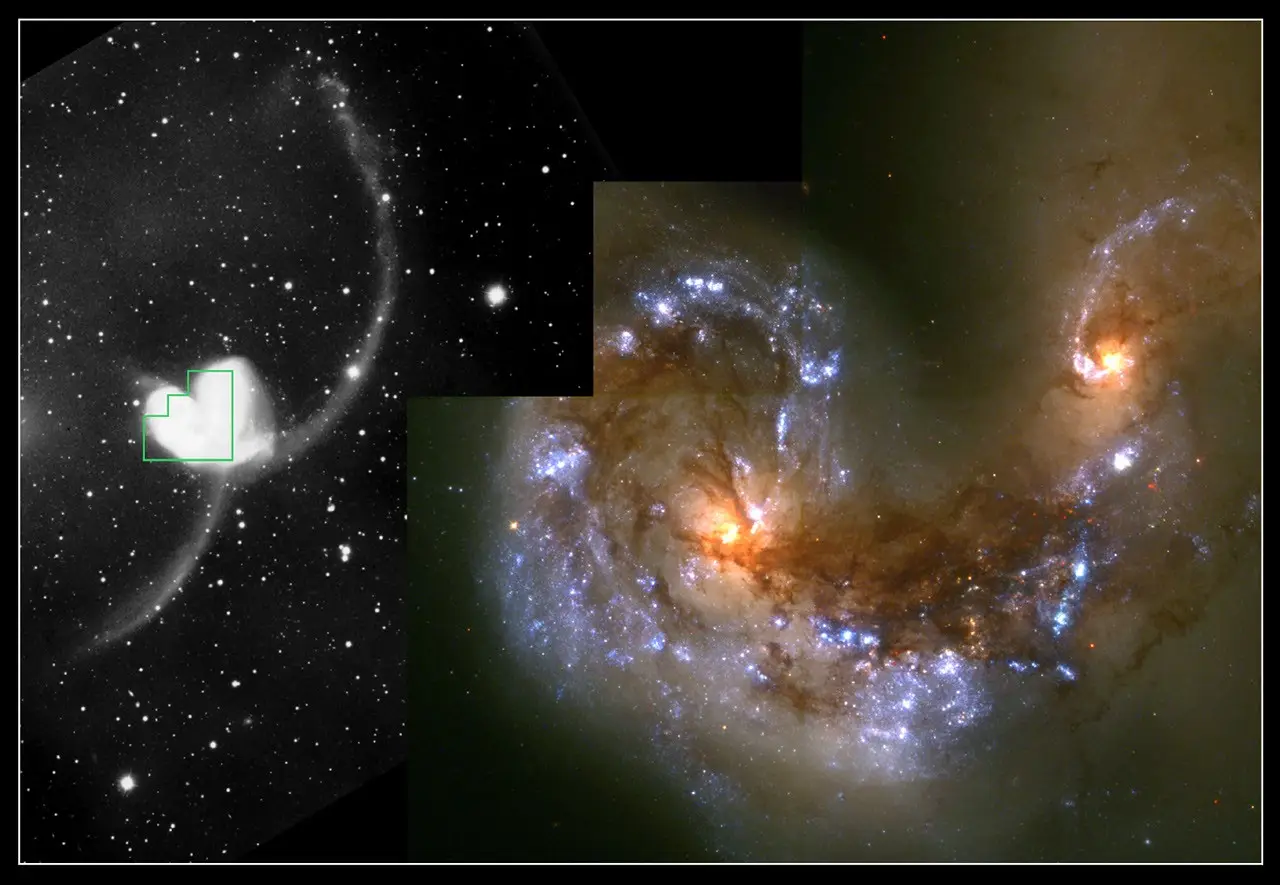
Astronomers Found 84 Strange X-Ray Sources Hiding in Six Galaxies. What Are They?

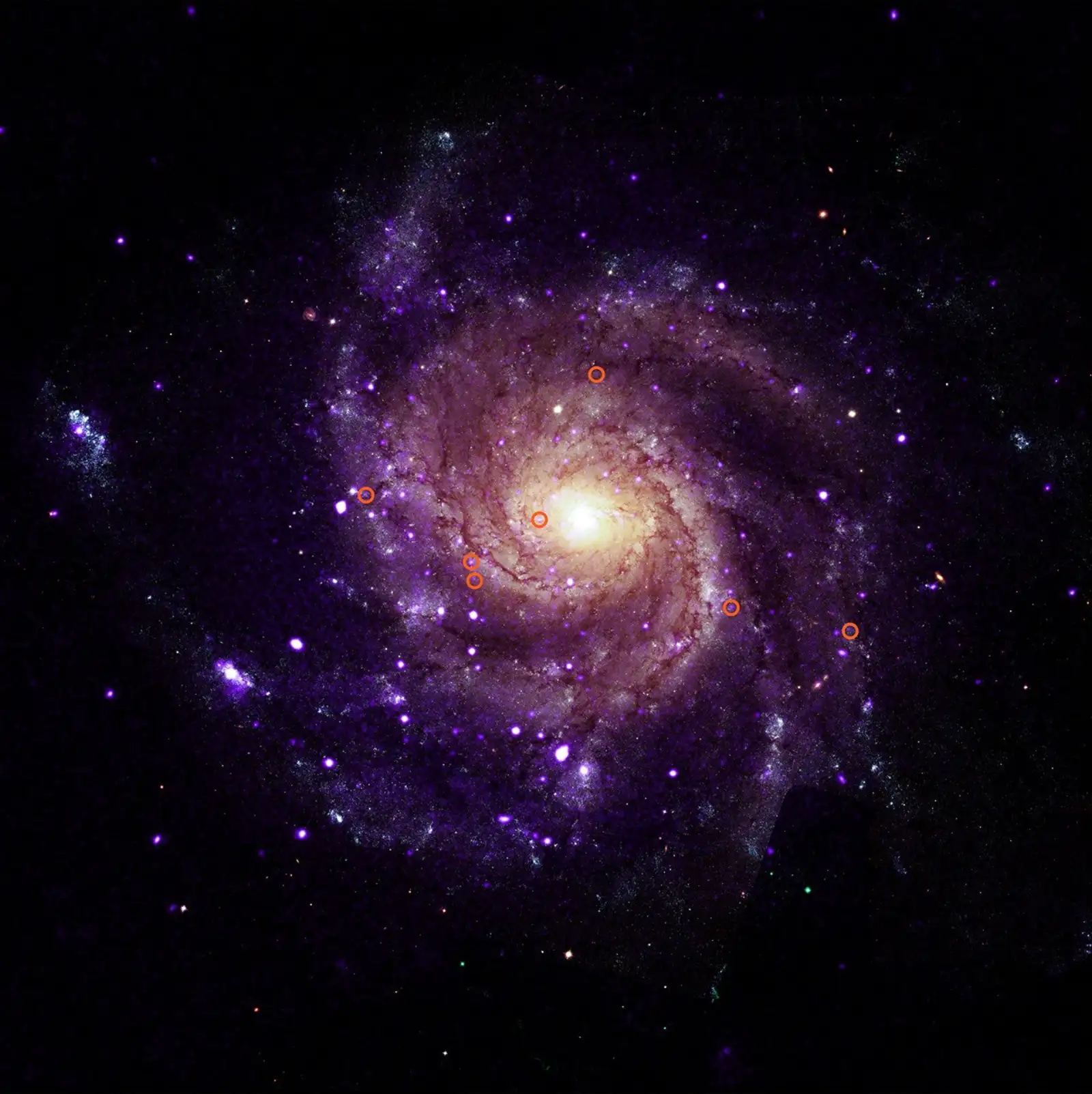
The objects are unusually soft in X-rays but bright in extreme ultraviolet light—exactly the combination that makes them difficult to find and potentially important to the history of stars and galaxies. A galaxy can be full of powerful objects and still keep some of them hidden in plain sight. That is what makes a new […]

The post Astronomers Found 84 Strange X-Ray Sources Hiding in Six Galaxies. What Are They? appeared first on Curiosmos.
  •  

Hubble Reveals a 210-Light-Year Cavity Where Stars Are Reshaping Their Neighborhood

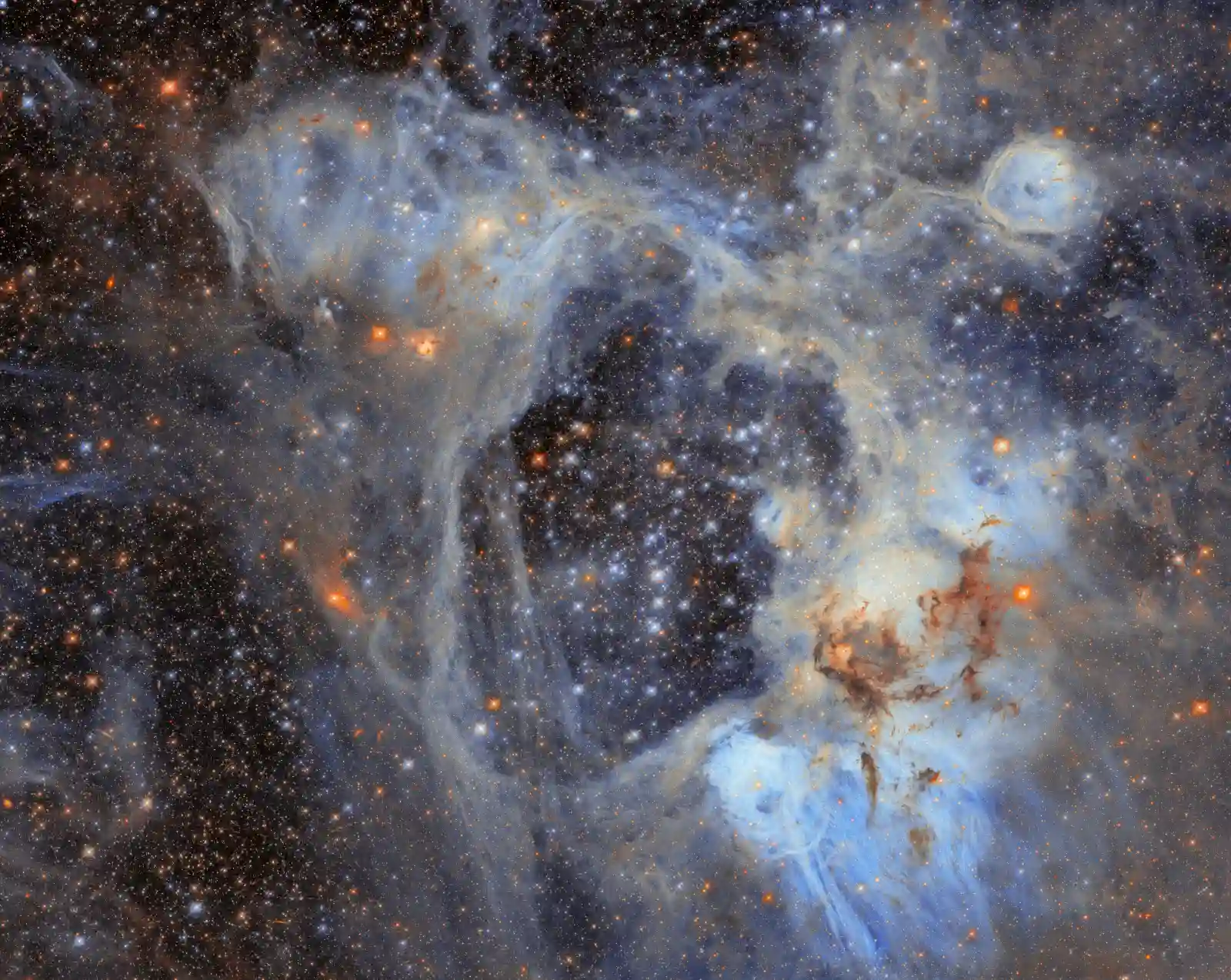
Look into the middle of N44 and the most striking feature is what seems to be missing. A vast opening interrupts the glowing gas, while stars crowd the surrounding scene. What could carve a cavity this large—and what happens to the material pushed out of the way? A Hubble image released by NASA on September […]

The post Hubble Reveals a 210-Light-Year Cavity Where Stars Are Reshaping Their Neighborhood appeared first on Curiosmos.
  •  

Dragonfly’s Titan Destination Has a Name—and a Question About Life’s Ingredients

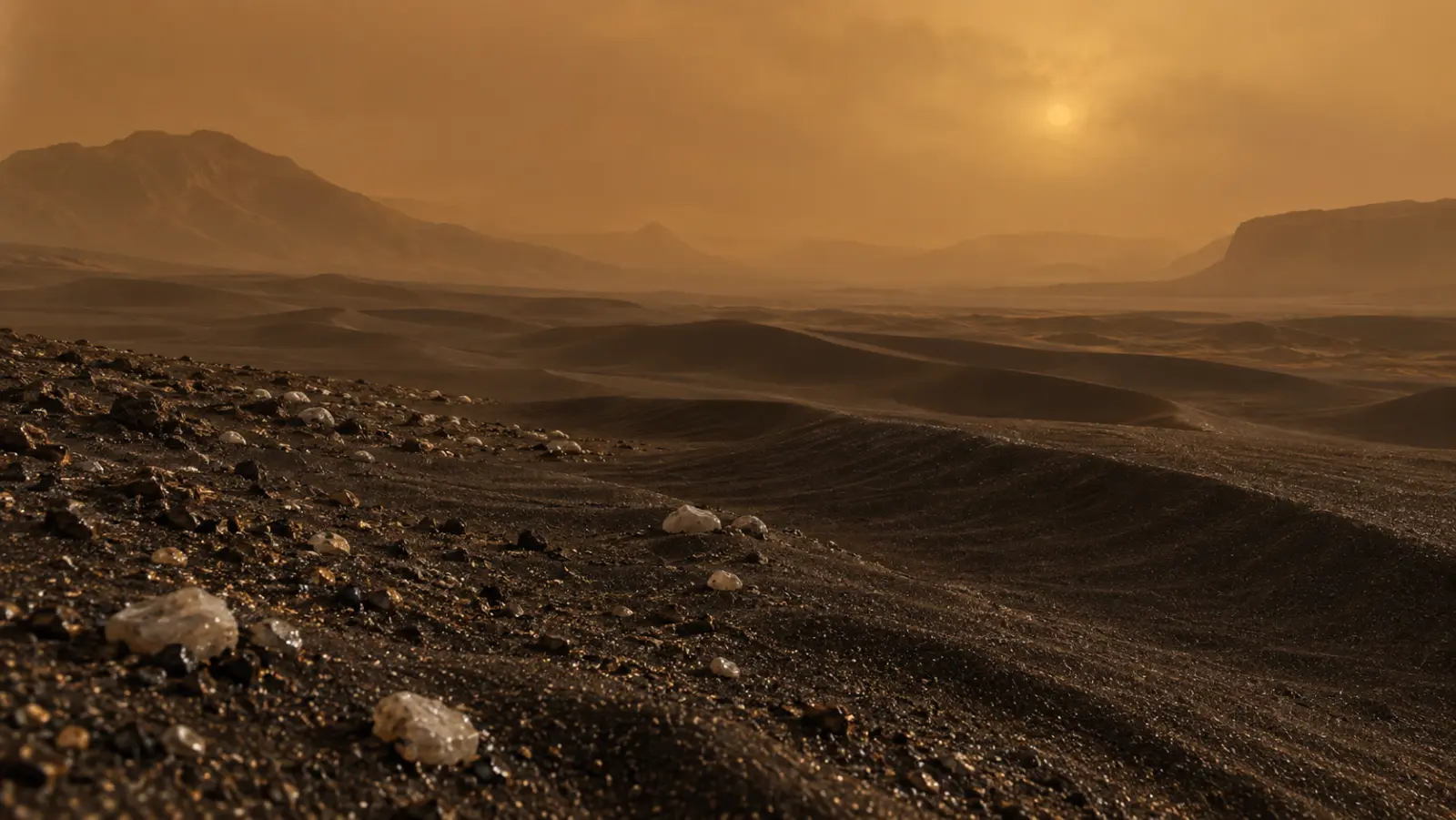
What might happen when the ingredients of life have an entire landscape in which to react? On Titan, NASA hopes to investigate that question by flying from one patch of ground to another. The Dragonfly rotorcraft is taking shape at the Johns Hopkins Applied Physics Laboratory in Maryland. In a September 2 mission update, NASA […]

The post Dragonfly’s Titan Destination Has a Name—and a Question About Life’s Ingredients appeared first on Curiosmos.
  •  

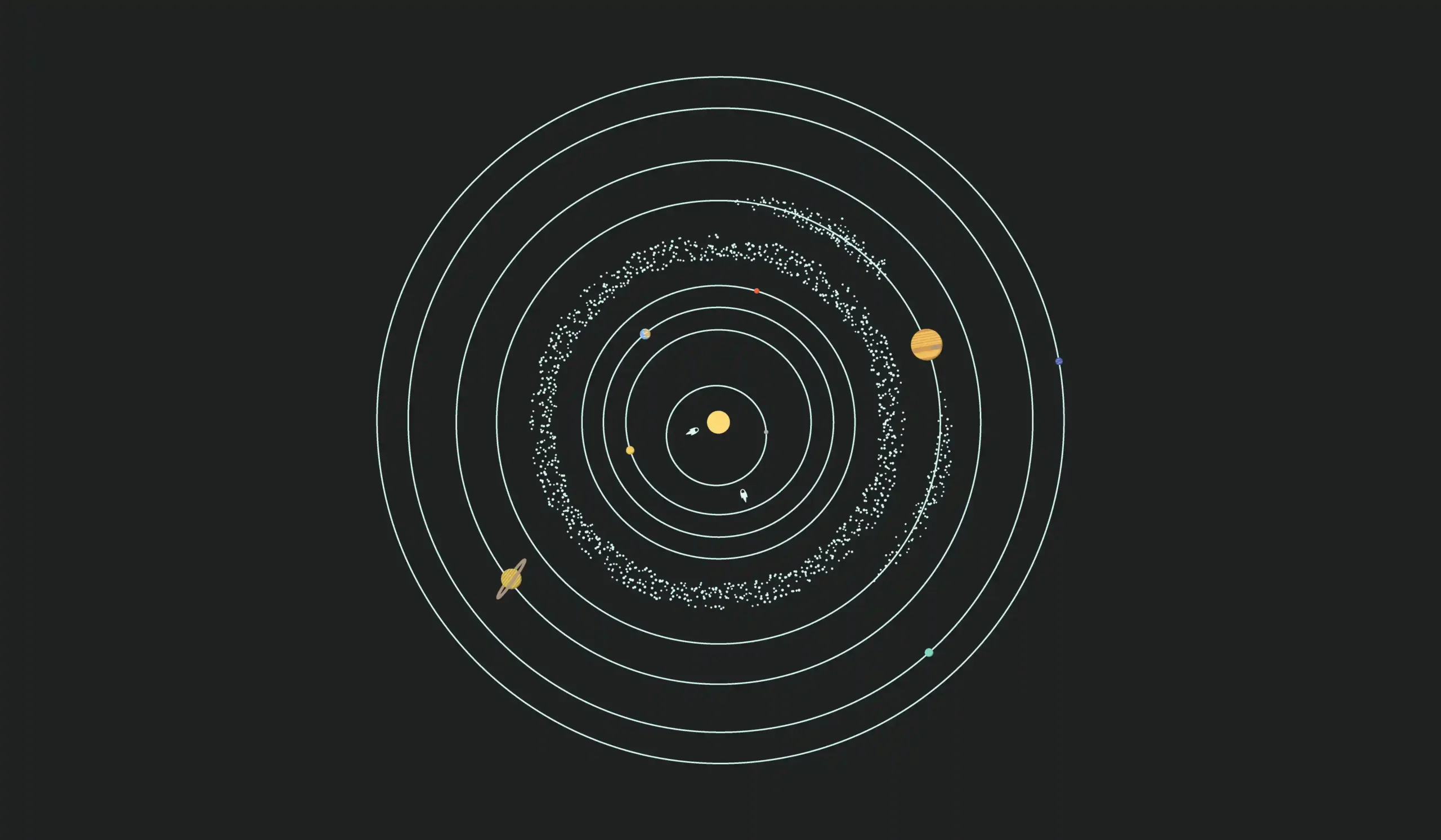
What Is the Solar System? How Our Cosmic Neighborhood Took Shape

Look up at the night sky and it is easy to imagine a few bright worlds hanging in an empty blackness. But what are we really looking at when we say “the Solar System”? It is a family shaped by one star’s gravity, built from the same ancient disk of gas and dust, and still […]

The post What Is the Solar System? How Our Cosmic Neighborhood Took Shape appeared first on Curiosmos.
  •  

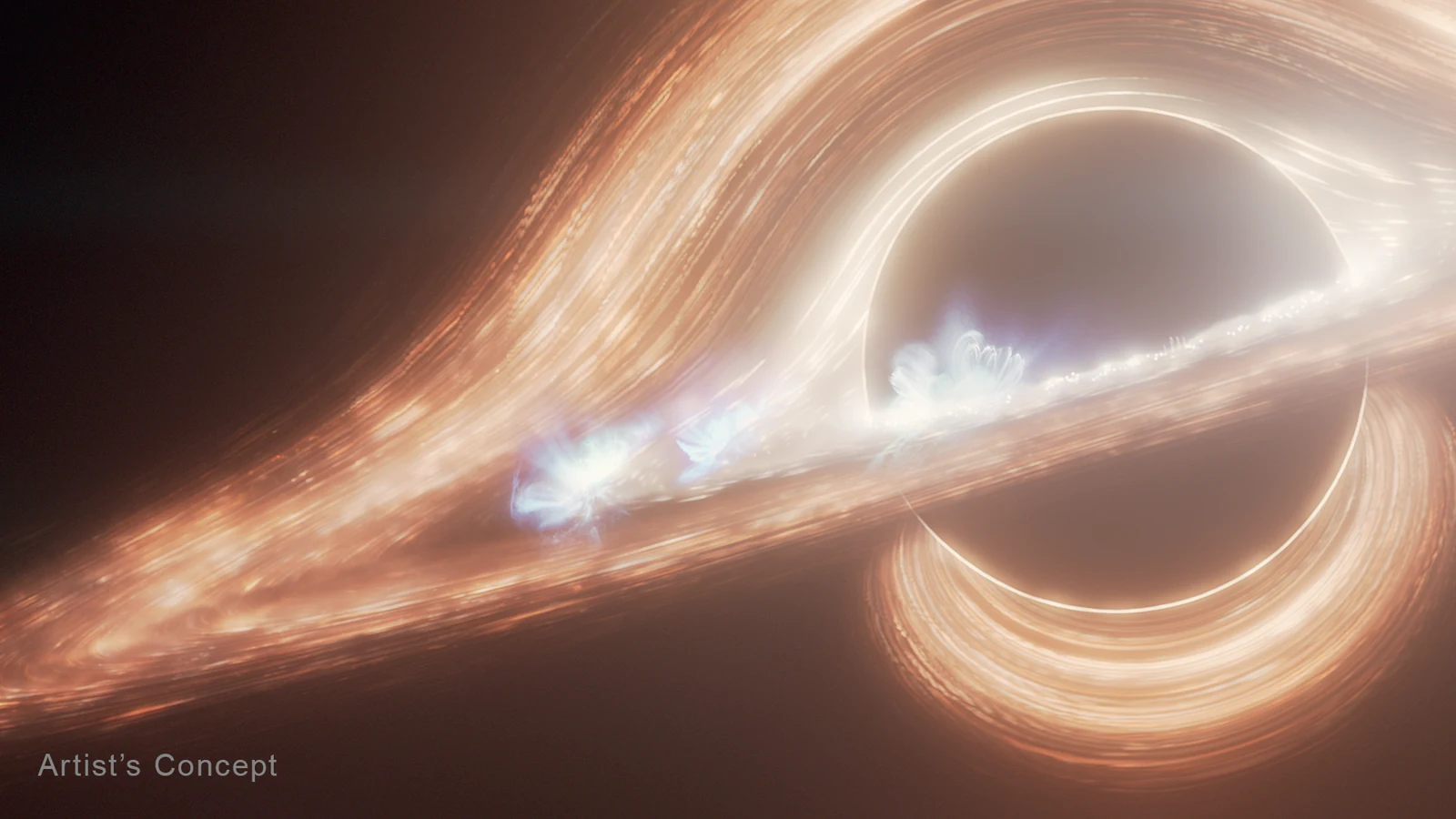
Neutron Star or Black Hole? The Signals Astronomers Use to Tell Them Apart

A brilliant X-ray source is not automatically a black hole. Matter falling toward a neutron star can also become intensely luminous, and some neutron stars have surprised astronomers by producing far more radiation than expected. Identifying the object requires evidence about its mass, its rotation and whether incoming gas encounters a material surface. The distinction […]

The post Neutron Star or Black Hole? The Signals Astronomers Use to Tell Them Apart appeared first on Curiosmos.
  •  

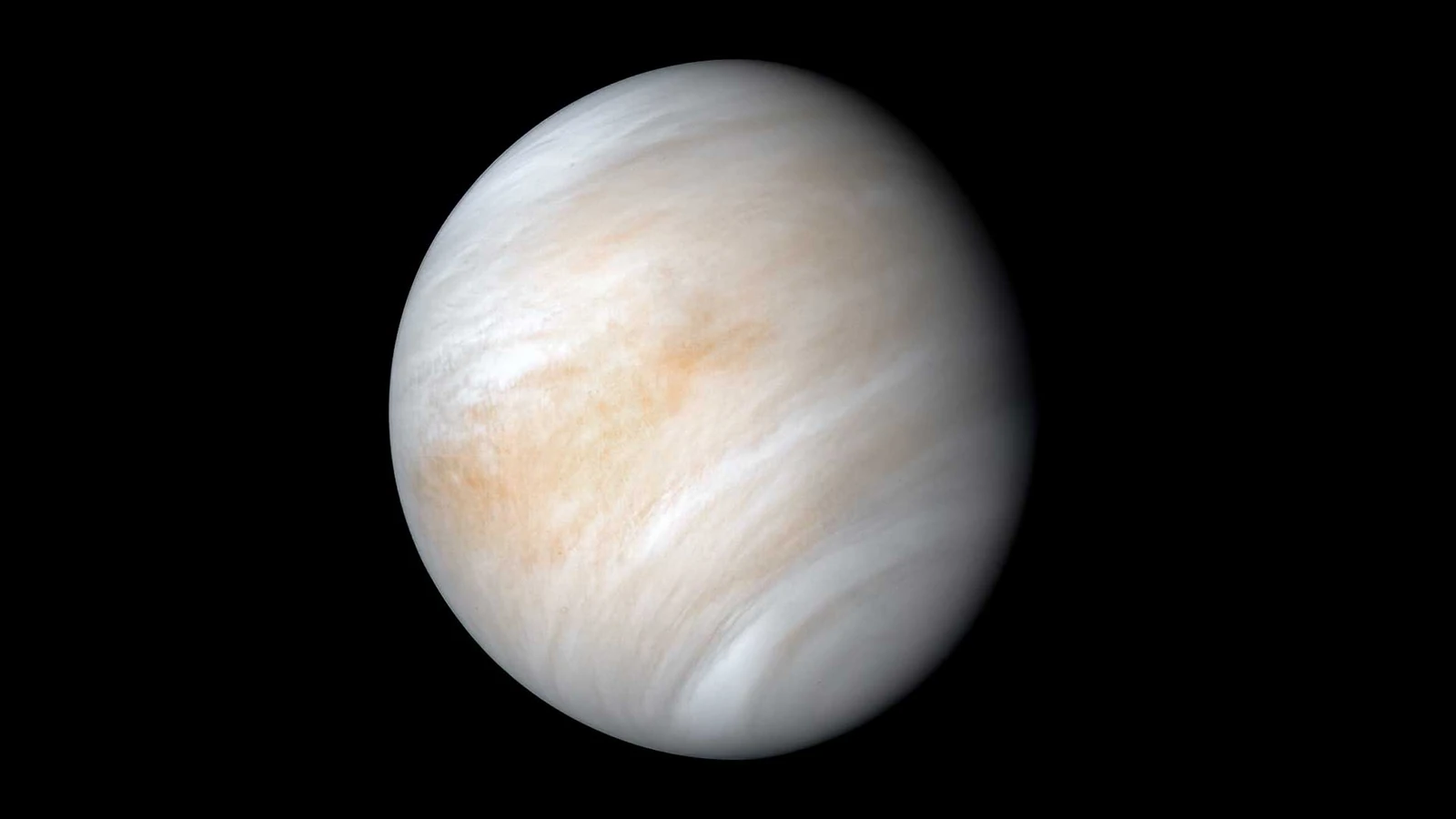
Why Venus Can Shine Brightest When It Looks Like a Crescent

Venus can reach its greatest brilliance while a telescope shows only a crescent. A nearly full Venus exposes more of its sunlit hemisphere, yet that does not necessarily deliver more light to Earth. The missing part of the explanation is distance: a closer crescent can look much larger than a distant, almost fully illuminated disk. […]

The post Why Venus Can Shine Brightest When It Looks Like a Crescent appeared first on Curiosmos.

  •  

Saturn Has a Ten-Sided Wave at Its South Pole. How Does It Compare With the Hexagon?

Saturn’s south pole has a ten-sided atmospheric wave, giving astronomers a new counterpart to the planet’s famous northern hexagon. The southern pattern appears to be evolving, raising a question that a single striking image cannot answer: will it become another enduring feature of the planet’s weather? A study announced on September 2 traces the feature […]

The post Saturn Has a Ten-Sided Wave at Its South Pole. How Does It Compare With the Hexagon? appeared first on Curiosmos.
  •  

Webb Finds 27 Tiny Worlds Beyond Neptune. Their Colors Hold a Clue to the Solar System’s Past

Twenty-seven faint objects beyond Neptune have emerged from a deep James Webb Space Telescope survey, extending the search for the solar system’s building blocks to worlds only kilometres across. Hubble observations of part of the sample add a second clue: their colors resemble those of larger objects, suggesting that size alone has not erased the […]

The post Webb Finds 27 Tiny Worlds Beyond Neptune. Their Colors Hold a Clue to the Solar System’s Past appeared first on Curiosmos.

  •  

What Is Dark Energy? The Mystery Behind the Universe’s Accelerating Expansion

Dark energy is one of the least satisfying names in astronomy because it sounds more specific than it is. Scientists did not discover a glowing substance called dark energy. They gave that name to the unknown influence associated with the accelerating expansion of the universe. The evidence is strong that the expansion is speeding up […]

The post What Is Dark Energy? The Mystery Behind the Universe’s Accelerating Expansion appeared first on Curiosmos.

  •  

How Fast Does Light Travel? The Cosmic Speed Limit Explained

In empty space, light travels at exactly 299,792,458 meters per second. That is about 300,000 kilometers per second, or 186,282 miles per second. It is the fastest speed at which matter, energy, or information can travel through the universe. The number is so large that it is easy to treat light as instantaneous. Across cosmic […]

The post How Fast Does Light Travel? The Cosmic Speed Limit Explained appeared first on Curiosmos.

  •  
❌