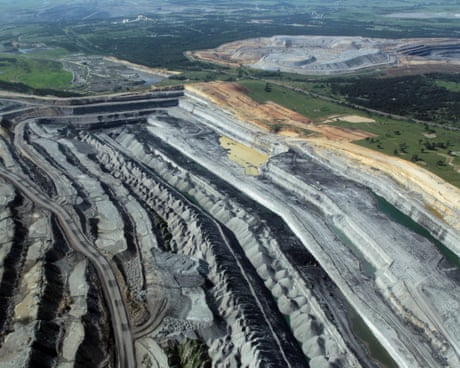
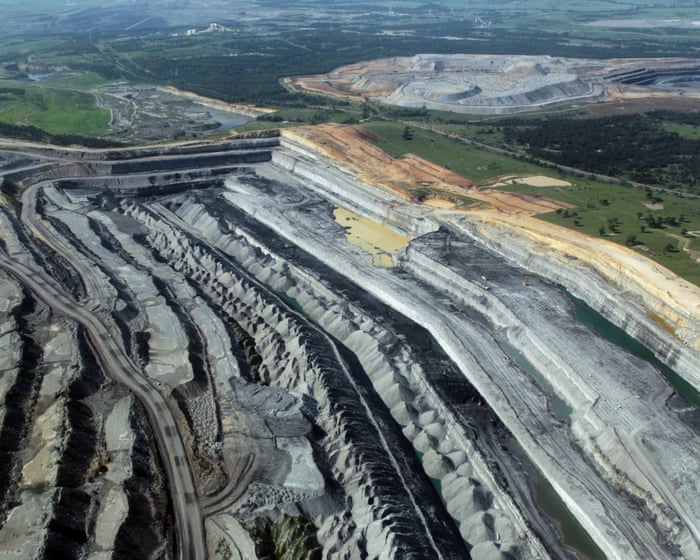
Queenslanders’ right to object to mining projects – including coal – would be “gutted” by new legislation that would ban opponents from being heard in court without the minister’s approval and then only if they owned a property within a 125km radius of the project.
The Greens have called the move “corrupt” and community action group Lock the Gate Alliance said the state’s LNP government was “tearing up democratic and environmental protections just to make life easier for mining companies”.
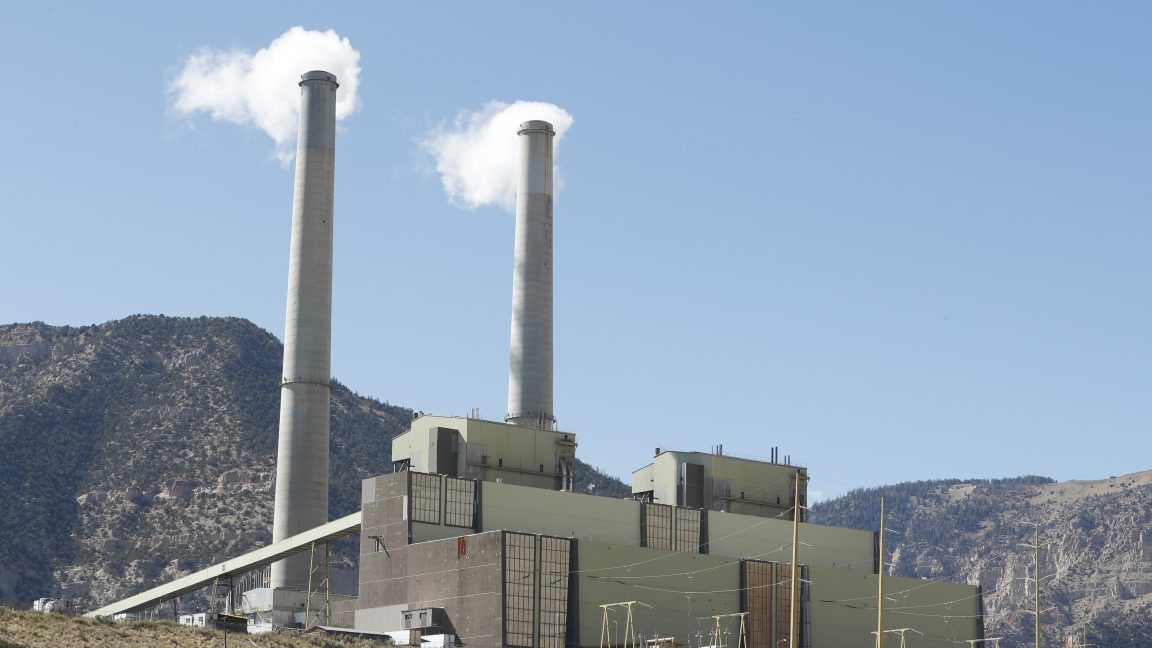
On the heels of the hottest summer on record and a United Nations report warning that global temperatures are likely to push climate risks to “increasingly dangerous heights,” the Trump administration overturned most of a Biden-era rule limiting climate pollution from power plants, the second-largest source of greenhouse gas emissions.
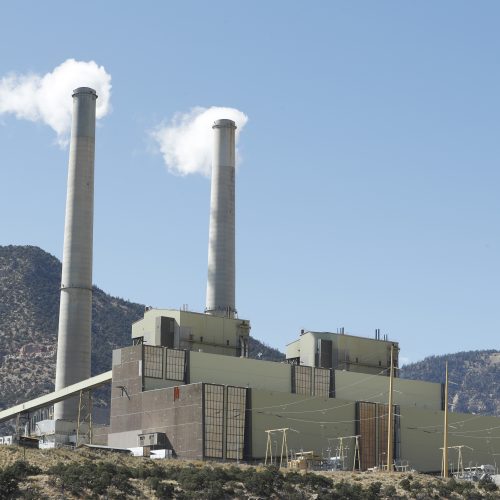
The Environmental Protection Agency announced a final plan Monday that guts the 2024 Carbon Pollution Standards, which the agency said exceeds its authority under the Clean Air Act by requiring control technologies “that are not adequately demonstrated.” The agency also proposed revoking “all remaining GHG emissions requirements for power plants,” arguing their emissions “have no material impact on climate change.”
The plan to revoke the Carbon Pollution Standards was initially revealed last spring.
Trump’s EPA strips itself of regulating ability, gutting Clean Air Act in what experts say is a gift to planet polluters
On the heels of the hottest summer ever recorded in the US, the Trump administration has said it will erase any limits on emissions from coal and gas plants that are dangerously heating up our planet.
The US Environmental Protection Agency said it will strip itself of its ability to regulate greenhouse gas emissions coming from power plants under the Clean Air Act, removing a key tool to address the climate crisis.
Silicosis sufferers are getting younger as Trump and the coal mining industry push back on protections
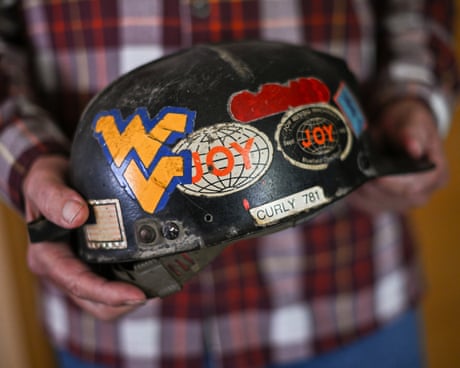
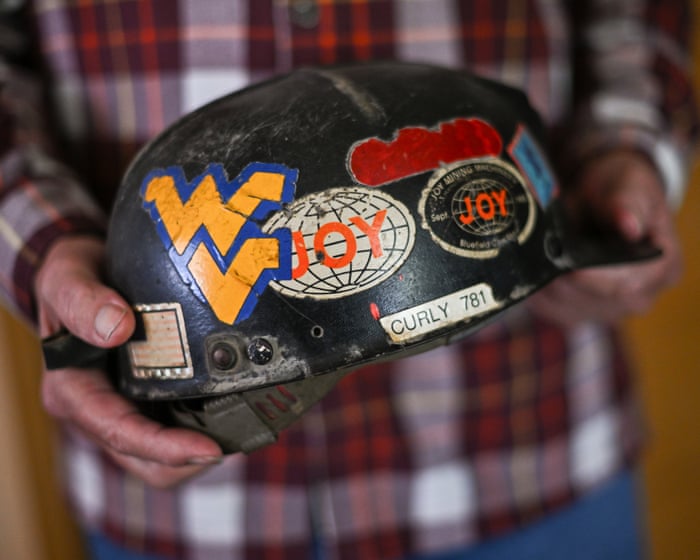
Silicosis is one of the oldest workplace hazards and public health experts have known for decades how to prevent it. Yet a new wave of workers, from Appalachian coalminers to Latino countertop fabrication workers, are developing and dying from the disease as industry fights new protections and regulators fail to defend the rules that could protect them.
John Robinson’s grandfather developed black lung back when coalminers could spend decades in the mines before being diagnosed with the disease, often dying in their 60s, 70s and 80s. But Robinson, who mined for coal in south-west Virginia, was diagnosed when he was 47. He’s part of a trend that has grown over the past two decades in central Appalachia, where more coalminers are developing black lung disease at younger ages.
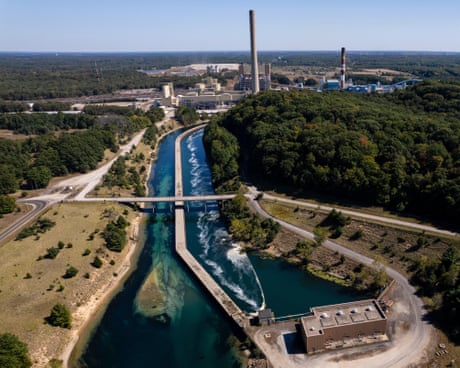
The 64-year-old Michigan power plant was set to retire. Then the Trump administration intervened in a way that overstepped its authority, a court ruled.
Michigan case is one of several legal disputes as Trump administration uses emergency powers to force a half-dozen coal-fired plants from closing
In a defeat for the Trump administration, a federal court on Friday ruled that the energy department exceeded its authority when it forced a Michigan coal-fired power plant to stay open past its scheduled retirement date last year.
The energy secretary, Chris Wright, had said the 64-year-old JH Campbell Generating plant was needed to ensure reliable electricity in the region, and he used emergency powers to keep it operating. Environmental groups and three states – Michigan, Illinois and Minnesota – went to court to try to overturn orders keeping the plant online.
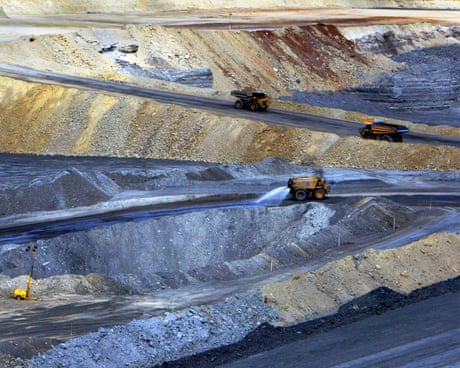
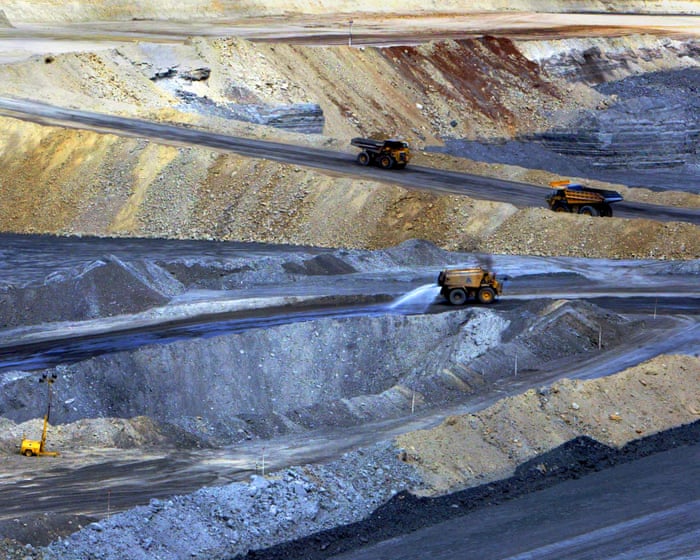
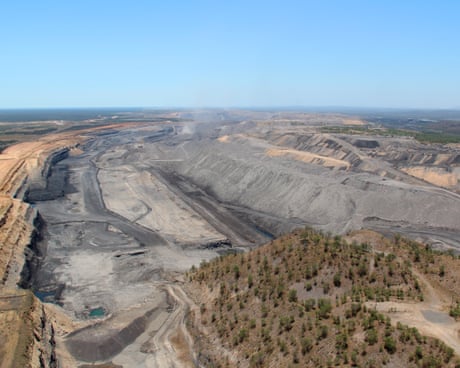
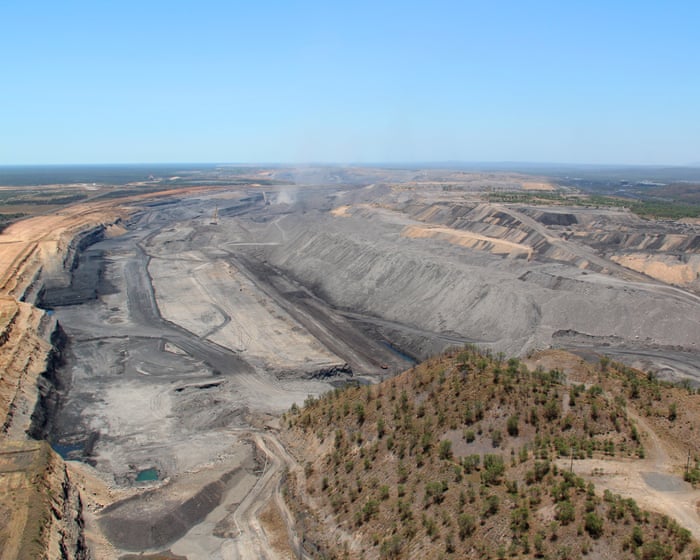
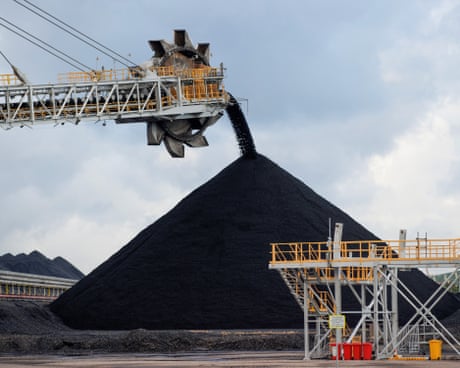
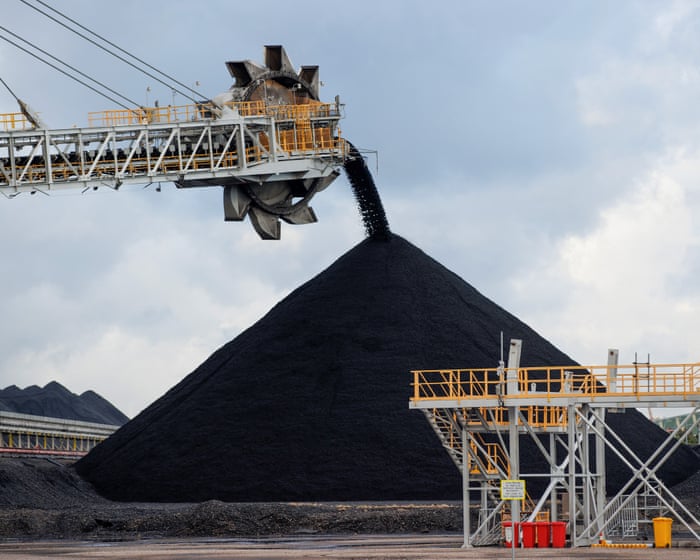
Australia’s new national agency for environmental protection has approved its first coal project, allowing a Queensland open-cut mine to keep digging until 2055 while clearing threatened woodland and koala habitat.
The confirmation of the extension of the Saraji mine, which digs and exports coal for steel making, comes after the prime minister, Anthony Albanese, denied this week there was tension over Australia’s fossil fuel exports during talks with Pacific leaders.
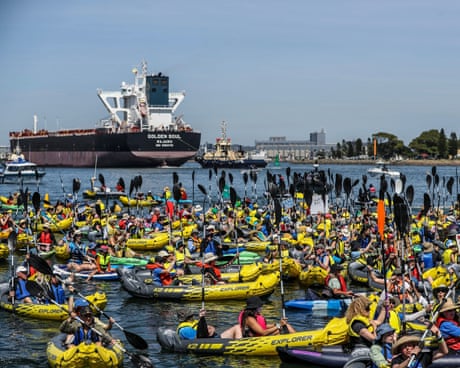
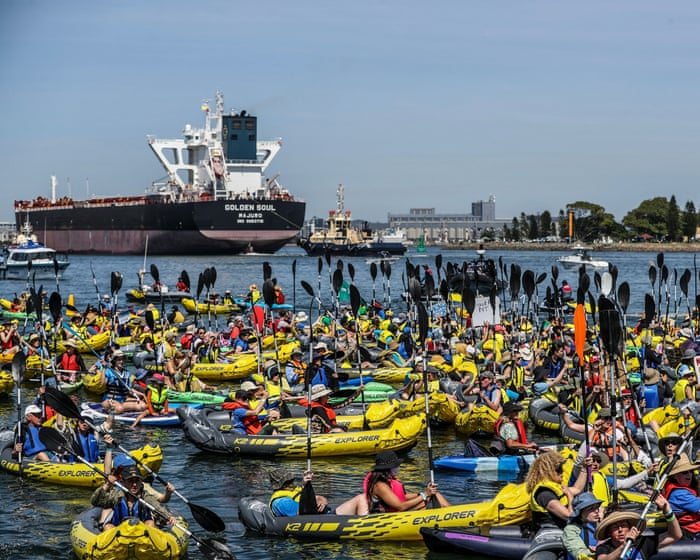
Police have dropped charges against more than 100 protesters two years after they blockaded the port of Newcastle as part of one of Australia’s largest climate protests.
In the Newcastle local court on Friday, the police prosecutor withdrew charges against 125 protesters. Legal group Climate Defenders Australia, which is representing the bulk of the protesters, said it had petitioned police to do so.
A different kind of energy project has arrived in central Utah’s Castle Valley, with the launch of Green River Energy Center—a facility boasting a million solar panels and close to 500 batteries spanning several square miles.
The sprawling new facility, which officially went online in June, was recently captured in satellite images obtained by the U.S. Geological Survey’s Landsat-8 satellite.
The region has long been associated with energy production, beginning with coal mines beneath Utah’s Wasatch Plateau, which, in the late 1800s, helped establish the region as an important source of fuel well over a century ago.
Now, with the launch of the Green River Energy Center, the massive energy facility, located around 130 miles south of Salt Lake City, reportedly boasts 400 megawatts of solar-generating capacity along with another 400 megawatts of battery storage.
At such production levels, the new facility now ranks among some of the largest and most promising utility-scale solar and battery projects that U.S. officials anticipate will be linked to the U.S. electrical grid by the end of the year.
(Image Credit: Lauren DauphinUSGS/NASA)
Growing Concerns of U.S. Power System Failures
The Green River Energy Center has launched its operations amid growing concerns about the strain on the power grid that ensues during the summer amid elevated temperatures. On Sunday, the U.S. Department of Energy (DOE) issued an emergency order to help ensure power could be maintained across 17 U.S. states that are currently being impacted by extreme temperatures.
The order specifically orders generation units maintained by Southwest Power Pool, Inc., to be dispatched, along with maintaining its backup generation resources only as a last resort before any declaration of an Energy Emergency alert (EEA) 3.
“The Trump Administration is tapping into an abundant supply of unused backup generation to maintain affordable, reliable, and secure power for hardworking American families and businesses,” said U.S. Secretary of Energy Chris Wright in a statement.
Batteries and a Million Solar Panels
With its unprecedented million-solar-panel facility, the Green River Energy Center is anticipated to become a major provider to Salt Lake City and other parts of Utah, with project staff estimating that it could generate enough electricity to serve more than 100,000 homes.
Although the site’s massive solar array is what is most eye-catching in the newly released satellite imagery, it is the facility’s battery system that has been getting attention. A primary reason is the system’s ability to store electricity produced during periods of strong sunlight and heat, the likes of which many states are currently experiencing. This allows the facility to continue supplying power even after sunset, or during periods of cloud coverage where less solar generation is available.
Additionally, the project leverages Castle Valley’s existing energy infrastructure. Transmission lines dating back to the region’s coal-powered energy facilities can now help move electricity back into the broader grid, which helps the project build off of existing power infrastructure in the region.
Coal Remains Important
Coal still plays an important role in Utah’s history. The state’s official rock, this fundamental fuel source has long been what drives the state’s energy systems, although that has significantly declined in recent years.
Coal still accounted for close to 75 percent of Utah’s electricity generation a little more than a decade ago. As of 2025, that figure had fallen to nearly half, while solar power had seen a major increase in use during the same period, rising from almost no use in 2015 to producing close to 14 percent of the state’s electricity by 2025.
The Big Picture
More than just revealing a view of power generation facilities like the Green River Energy Center from space, satellite observations that include the new Landsat imagery can help document changes like these, as energy infrastructure expands across the landscape.
That data can often be vital in terms of helping planners and policymakers working to evaluate the renewable energy potential of a region like central Utah, as well as helping to monitor how new energy systems are adopted and perform over time.
For Castle Valley, the Green River Energy Center represents the latest chapter in a long history of producing energy for Utah, and one that builds on some of the fundamental infrastructure that taps into the state’s history of coal production.
Additional details about the new Landsat-8 imagery can be found here.
Micah Hanks is the Editor-in-Chief and Co-Founder of The Debrief. A longtime reporter on science, defense, and technology with a focus on space and astronomy, he can be reached atmicah@thedebrief.org. Follow him on X @MicahHanks, and at micahhanks.com.
At Branxton community hall in the New South Wales Hunter Valley last week, local resident Janet Murray was given five minutes to speak about plans for the state’s biggest coalmine extension.
Before her were dozens of people, also there to share their views about whether the 19-year extension proposed by Hunter Valley Operations (HVO) should be allowed to proceed.
A 201-million-year-old climate catastrophe turned Europe into a landscape of fern savannahs that repeatedly caught fire, according to new research published in the journal Nature Geoscience.
Campaigners hope move will force commercial banks to rethink holding assets linked to the fossil fuel
Climate campaigners have declared a victory after the Bank of England said it would no longer accept bonds linked to one of the most polluting industries on the planet for key loan arrangements.
The ban, which comes into force in October, marks a fresh crackdown on thermal coal, which is burned in power plants to create electricity, and has long been a target of green policy activists.
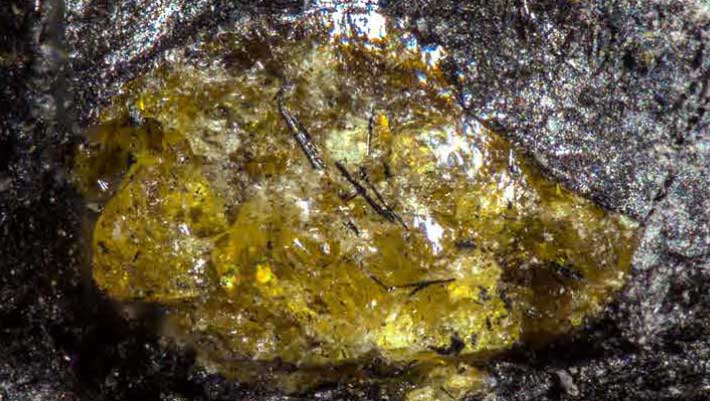
Paleontologists in China have discovered what they say is the earliest confirmed pieces of amber ever found, a fossilized resin roughly 385 million years old (Middle Devonian epoch) that predates the previous record-holder by about 65 million years.
There are far better ways to tackle climate breakdown, but successive governments have chosen to listen to the fossil fuel companies instead
The new prime minister will be looking for money? Well, here’s £21.7bn lying on the ground. The government could cancel its deranged, disastrous carbon capture and storage (CCS) programme at no cost to public welfare: in fact, it would greatly reduce the harm we will suffer.
Lanchester Wines in north-east England uses heat from a disused coalmine to maintain wine temperatures and with 23,000 flooded mines in the UK, there’s huge potential for more businesses and homes to follow its lead
Shove them in a fridge, stash them in a cellar – this is how most people store their favourite bottles of wine. But if you have warehouses full of thousands of vintages, you have to think a little differently.
For the last eight winters, Lanchester Wines has used heat from a disused coalmine to maintain ideal storage temperatures at its facilities in the north-east of England, helping to prevent freezing or spoilage.
On Thursday, President Donald Trump announced his administration's latest attempt to prop up the US coal industry during an incoherent press event that randomly oscillated between energy issues and Trump's fixation with building and renovating monuments in DC. The energy portion of the events was also frequently disconnected from reality.
"Today we're taking historic action to bring down the price of energy and the cost of living for all Americans with the power of clean, beautiful coal," said Trump, apparently unaware that coal is one of the most expensive means of generating electricity in the US.
With wind and solar power getting cheaper, coal has become the second-most expensive way of producing electricity, trailing only the cost of building a new nuclear plant. As a result, no new coal plants have been completed in over a decade, and coal has gone from powering over half the electrical grid to producing only about 15 percent of the nation's electricity. That's before the indirect costs of coal use are considered. It produces the most greenhouse gas emissions per unit of energy, releases dangerous particulates and chemicals into the atmosphere, and leaves behind ash that has high levels of toxic metals.

 Login