A whistleblower lawsuit in California is alleging millions of pounds of Driscoll's fruit containing non-compliant levels of pesticides and chemicals crossed the border into Canada, and the company tried to cover it up.
Paracetamol, ibuprofen, carbamazepine, diclofenac, and other pharmaceuticals are being found in the Baltic Sea. Researchers say changing how some medicines are prescribed, used, and disposed of could help reduce the flow.
A cancer-linked pesticide banned in more than 60 countries around the world contaminates an estimated 25% of river and stream miles in the lower 48 U.S. states, including many waterways used for drinking water, according to a new analysis.
More than 50 years after oil drilling was carried out, Kenya's Kargi community is suing BP, alleging contaminated water contributed to cancers and livestock deaths.
Some German politicians are calling for a delay to the EU plan to phase out gas-powered vehicles, saying cars must be judged on the entire carbon footprint. But the full picture still says EVs are more climate friendly.
Chemours , DuPont, and Corteva on Thursday reached a $455 million settlement with North Carolina and 11 local entities over PFAS contamination claims tied to Chemours' Fayetteville Works plant and other historical discharges.
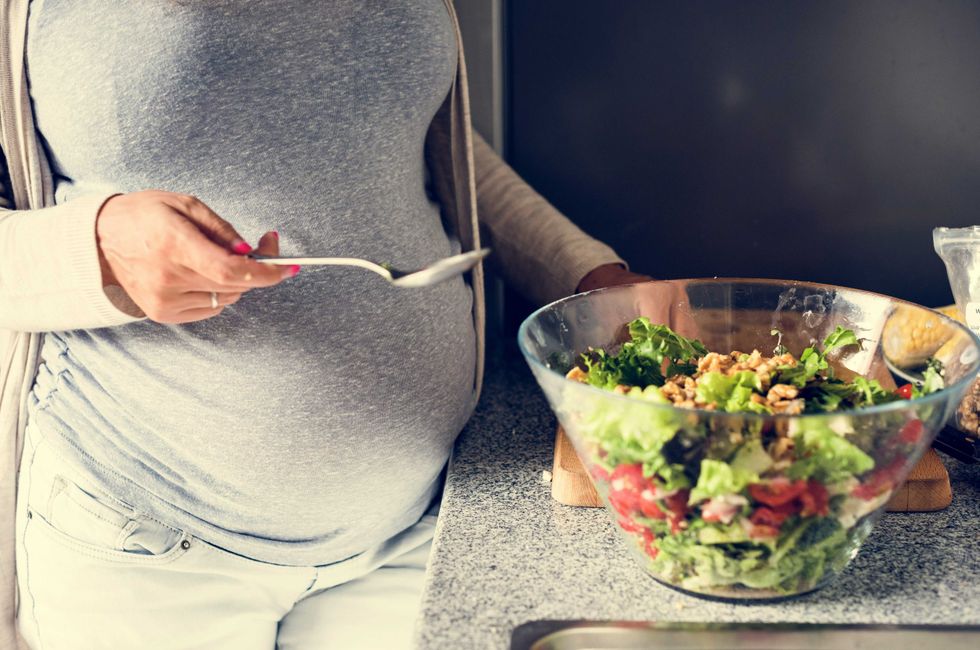
In a recent study published in The American Journal of Clinical Nutrition, researchers examined whether American dietary guidelines designed to promote optimal nutrition during pregnancy also helped minimize exposure to toxic chemicals.
In short:
Pregnant women who more closely followed the United States Dietary Guidelines for Americans (DGA) had lower exposure levels to some phthalates, bisphenols, and organophosphate esters (a class of chemical flame retardants and plasticizers).
However, closely following DGA recommendations was also associated with higher exposure to some insecticides, parabens, and benzophenones.
Overall, a diet that meets protein, whole grain, vegetable, and fruit needs - dietary patterns that are generally associated with a lower consumption of processed and packaged foods - may reduce exposure to many toxic chemicals.
Key quote:
“Although updated recommendations can help on the individual level, given the widespread exposure to many known reproductive and developmental toxicants, efforts should ultimately focus on reducing these contaminants throughout the food supply.”
Why this matters:
Exposure to toxic chemicals has been shown to result in pregnancy complications and harm to babies’ neurodevelopment, growth, and cognitive, metabolic and reproductive health, resulting in long-term and potentially severe outcomes. While studies such as this show that lifestyle choices like diet can influence chemical exposure, the increasing use of synthetic chemicals and plastic throughout the modern food system introduces opportunities for contamination from initial processing to preparation for a wide variety of foods. Research has shown that regulatory and policy interventions are more effective, more consistent, and have a more widespread impact than strategies that put the burden on individual consumers to protect themselves.
In a recent study published by The Lancet Planetary Health, researchers examined the health costs of pollutants released by plastics across their full lifecycle and emphasized the need for international policy that reduces plastic production.
In short:
Every stage of the plastic lifecycle contributes to human health threats including global warming, air pollution, cancer, and disease, with primary plastic production and plastic burning causing the greatest harm.
The authors estimated that continuing with the current pace of plastic production would result in an additional 83 million disability-adjusted life-years (a measurement of healthy years of life lost to disability or disease) between 2016 and 2040.
Out of all interventions modeled, restricting the primary production of plastic was the most effective way to reduce health impacts, and was substantially more effective than improving waste management and recycling alone.
Key quote:
“Efforts to address plastics pollution through waste management alone overlook or understate health risks related to climate change, air pollution, and chemical toxicity, perpetuating adverse consequences for health.”
Why this matters:
There are an estimated 57 million tons of plastic pollution generated globally each year. The UN Global Plastics Treaty — which aims to tackle the plastic crisis on an international scale — has approached a critical juncture, with a sixth round of negotiations ending without consensus last year. So far, the process has been severely hampered by some member states’ (including the U.S.) attempts to narrow the treaty’s scope to focus primarily on waste management, and exclude considerations of human health or limits on future plastic production. Scientists have emphasized how the treaty could be a meaningful tool for reducing plastic pollution and protecting human health, as long as it includes solutions that address the full lifecycle of plastics and require ambitious reductions on the production of new plastics.
More resources: The Scientists’ Coalition for an Effective Plastics Treaty is an international network of independent scientific and technical experts created to ensure the Plastics Treaty is based in accurate and up-to-date science. Their website includes fact sheets, policy briefs and other resources on the environmental and health effects of plastics.
Rows of black and white plastic weed mats are giving vegetable seedlings their best start in life. But disposing of them has become a logistical and cost burden.

 Login