❌

Reading view

Huawei’s car unit joins CATL’s 2,520-station battery swap network
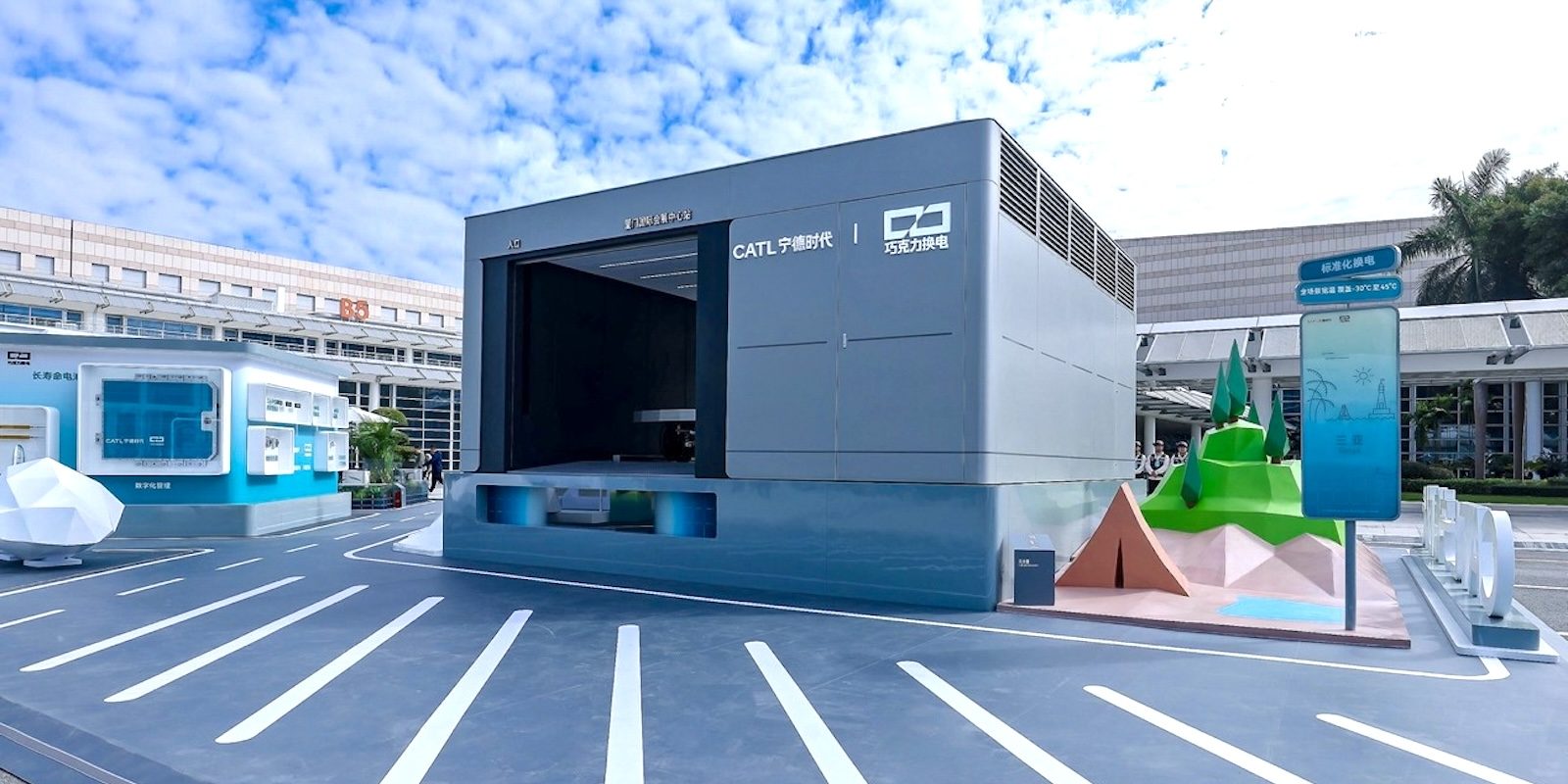
Huawei’s smart car business is signing on to CATL’s battery swap network, giving the world’s largest battery maker another heavyweight partner for a technology most of the industry wrote off a decade ago.

Yinwang, the Huawei-controlled automotive unit also known as Newcool, signed a strategic cooperation framework with CATL and its swap subsidiary CAES on Monday. CATL’s Choco-swap network already counts 2,520 stations across about 200 Chinese cities.

more…
  •  

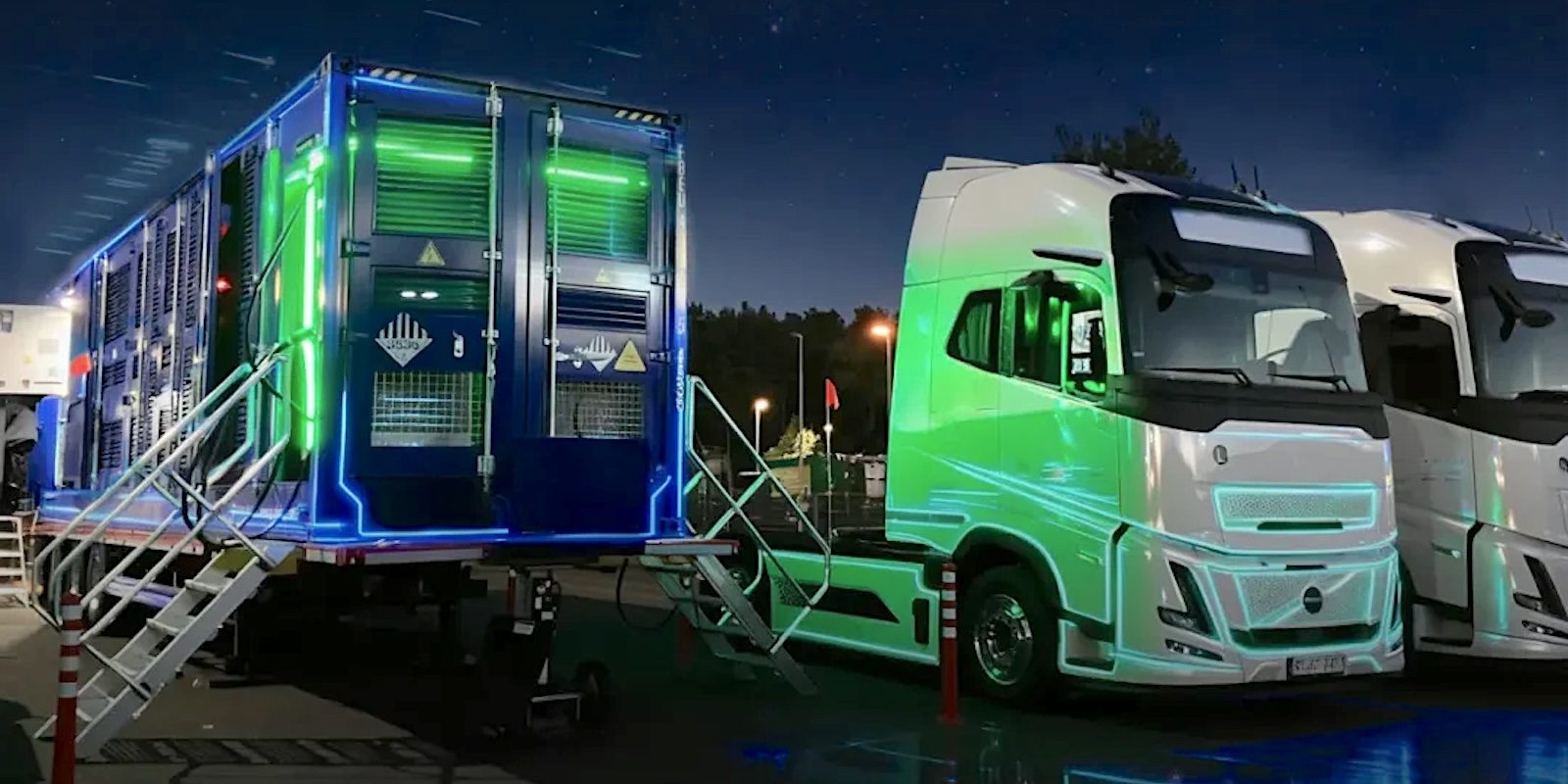
Swaptopus inches towards reality asΒ CATL reveals new semi truck battery

In a move that challenges Orange Juicer and Buick Electra for the highly coveted Best Name in the EV Business title, a new venture between CATL and Octopus Energy called β€œSwaptopus” has been formed to build out a European battery swap network for commercial trucks.

more…
  •  

CATL’s 30-year sodium-ion battery takes over grid storage

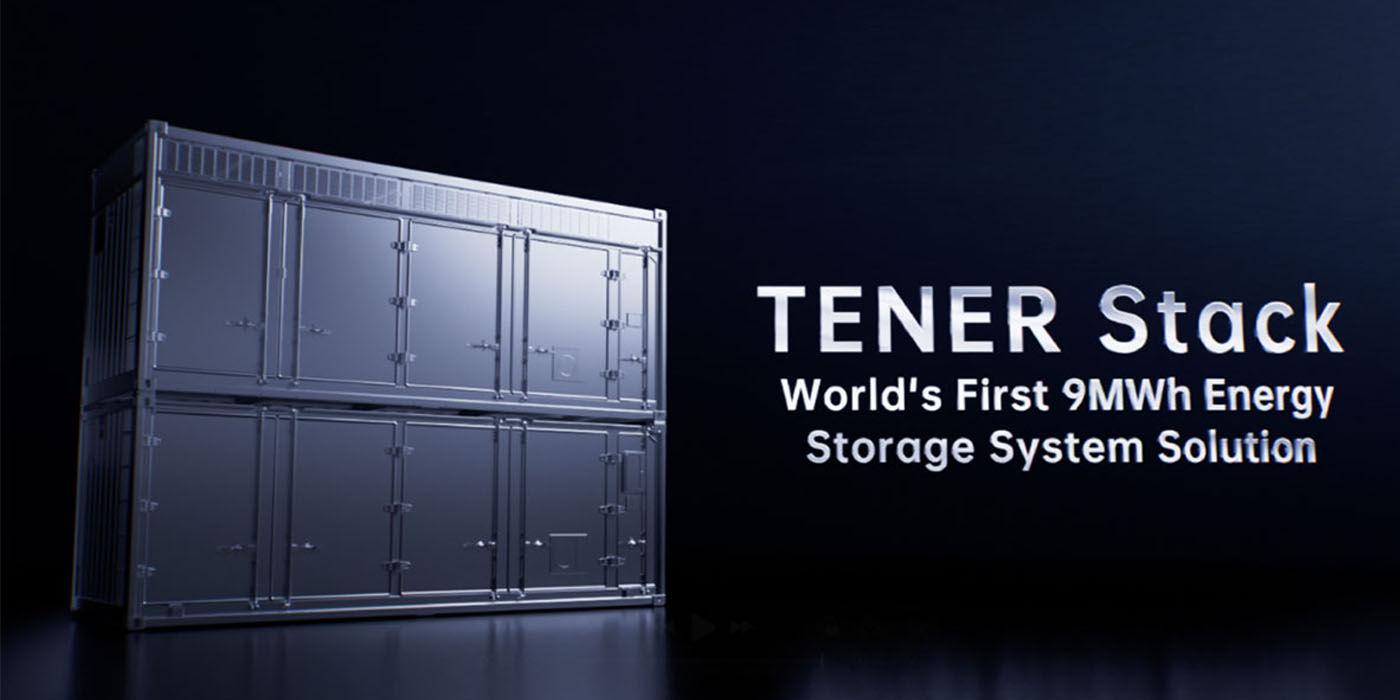
CATL has signed a memorandum of understanding with Dutch energy company Alfen to deploy 5 GWh of its Tener Sodium energy storage systems across Europe, one of the largest sodium-ion commitments the region has seen.

The batteries are rated for 15,000 cycles and a 25-to-30-year service life β€” the pitch that sodium-ion’s longevity, not its energy density, is what wins grid storage.

  •  

Tesla’s LFP battery holds its charge better, study says

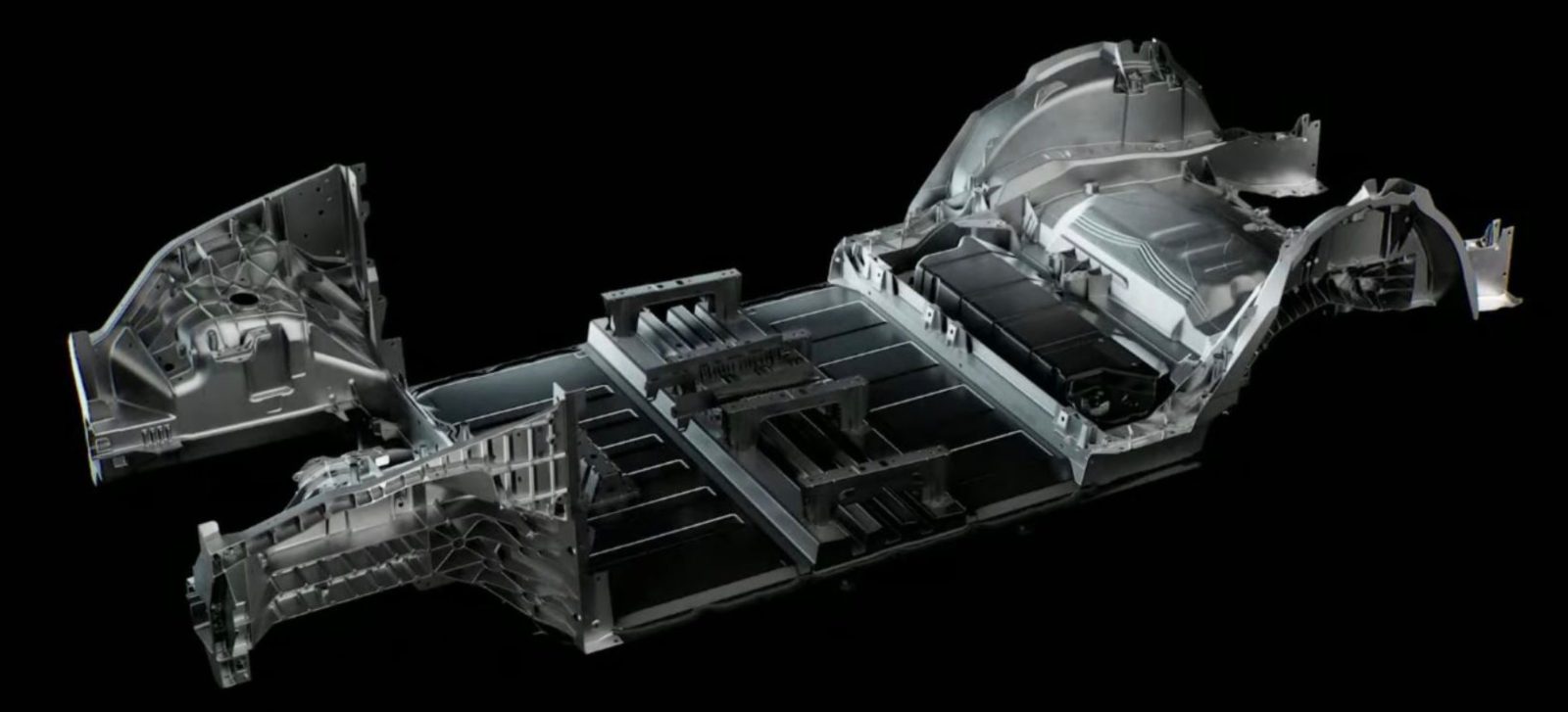
A new analysis of nearly 10,000 real-world EV battery tests found that the same Tesla Model 3 holds up very differently depending on which battery it was built with β€” and the cheaper LFP version comes out on top.

The Model 3 with CATL’s lithium iron phosphate (LFP) pack averaged 93.3% battery health among cars that had driven more than 62,000 miles, beating every nickel-based version of the car in the dataset.

  •  

Chinese sodium-ion battery matches Tesla on build quality, teardown finds

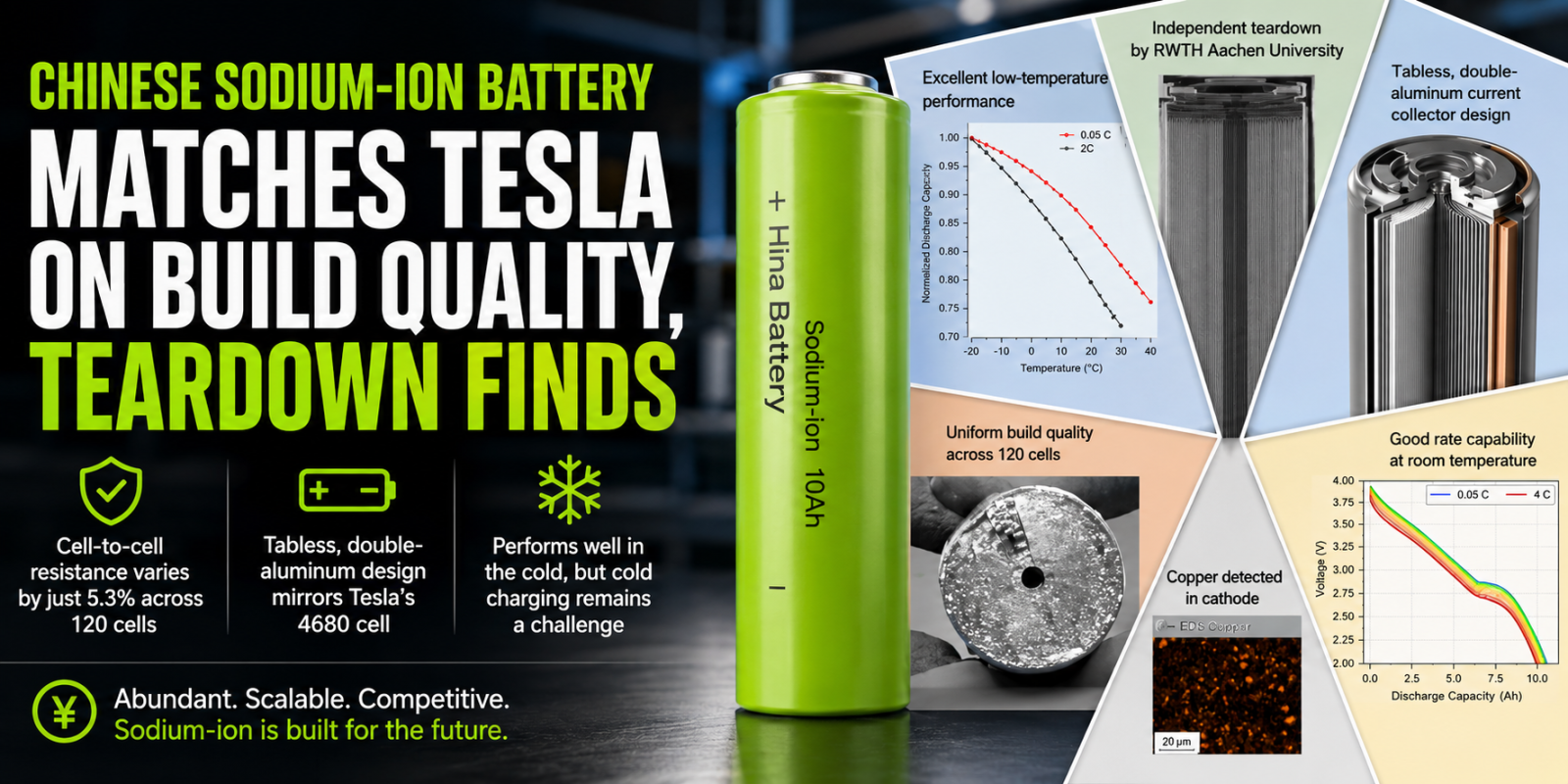
A commercial sodium-ion battery from Chinese manufacturer Hina matches Tesla’s lithium-ion cells on manufacturing quality and internal design, according to an independent teardown published in the Cell Press journal Cell Reports Physical Science.

Researchers at Germany’s RWTH Aachen University measured cell-to-cell resistance varying by just 5.3% across 120 cells β€” a sign of tightly controlled mass production rivaling the best lithium cells on the market.

  •  
❌