Login

SoundSource 6.1.5




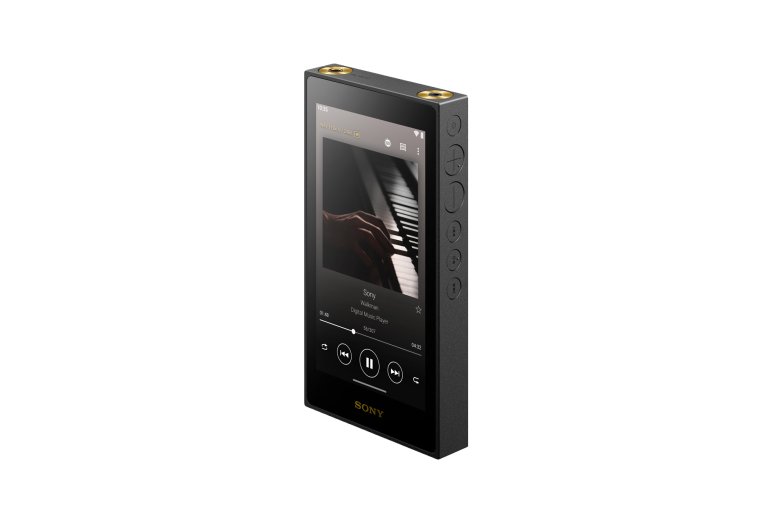
Just when you think Sony’s 2026 product parade is over, there’s one more thing for audiophiles to add to their Christmas wishlist. While the first half of the year focused on playback devices (flagship true wireless earbuds, powerful party speakers), and just last week there was a spatial microphone for content capture, now there’s something to bridge the gap: The Walkman. But this isn’t the portable cassette player of the ’80s and ’90s, even though those are so haute right now. No, these Walkmen are digital audio players (DAPs), with optimized signal paths and DSP that make all your streaming services and downloaded music (up to 384 kHz/32-bit PCM) sound extra expressive (and you can even display a cassette tape screensaver or use a “Vinyl Processor,” if you’re analog maxxing).
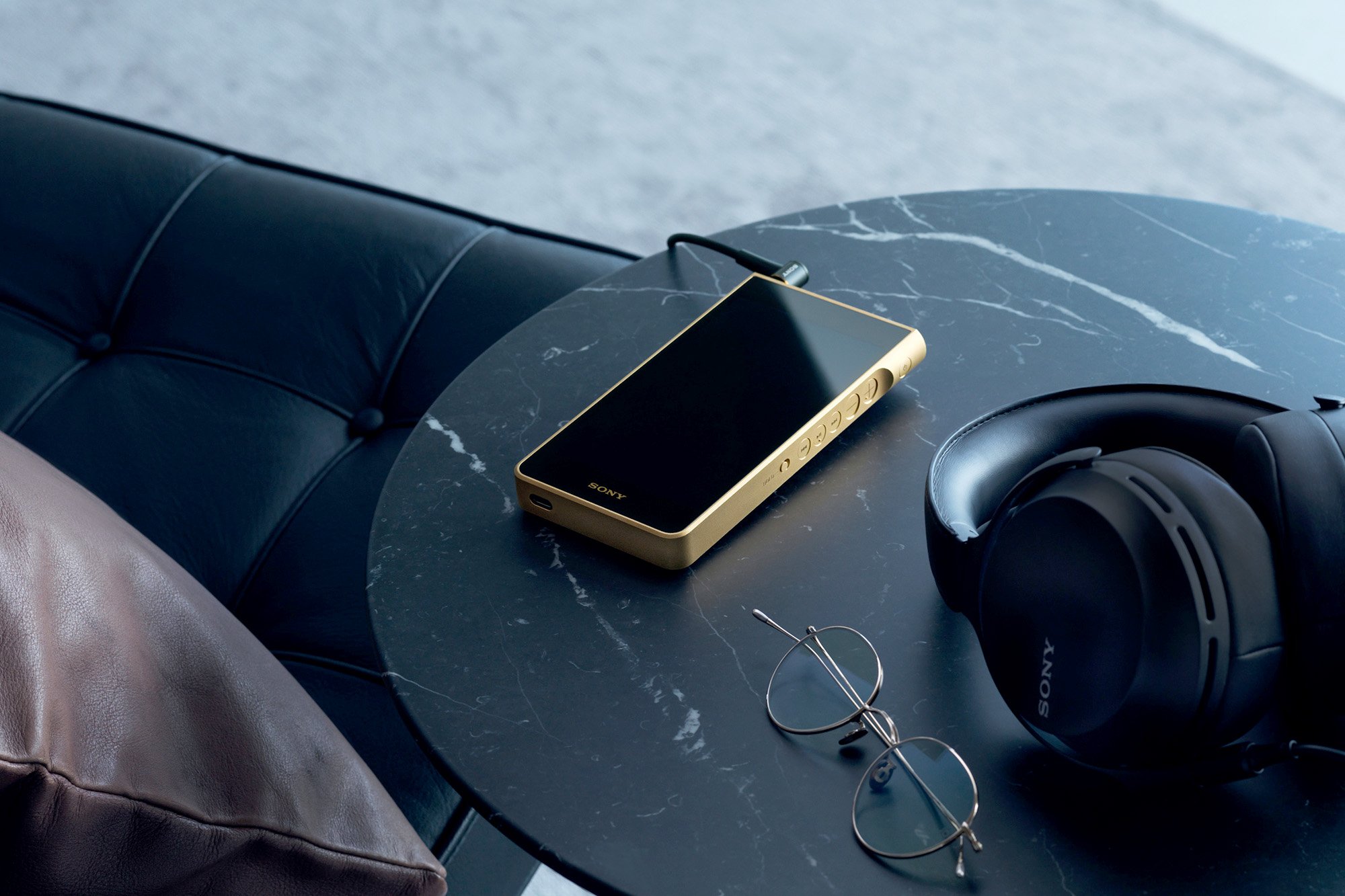
Kicking off the next-generation refresh, the NW-ZX900 has new premium parts, including an ultra-low-noise LDO regulator and crystal oscillators shared with the higher-end models for stable voltage to the audio block. The chassis is a mix of milled aluminum and press-formed oxygen-free copper (OFC) components. Most obvious is the updated 5″ 1920×1080 TFT color display, offering larger, clearer album art and a responsive way to control the Android 16-based system. As for the audio, with its 20-40,000 Hz frequency response, the 11.2MHz DSD Remastering Engine and S-Master HX digital amp technology, plus a balanced 4.4mm output with 250mW+250mW High Gain Mode (a distinct improvement over the previous, power-capped ZX700), deliver the best sound from your wired headphones or in-ear monitors. And a battery life of up to 40 hours of lower-bitrate MP3 playback, or up to 35 hours with the streaming service apps, ensures you’ll make it through that playlist.
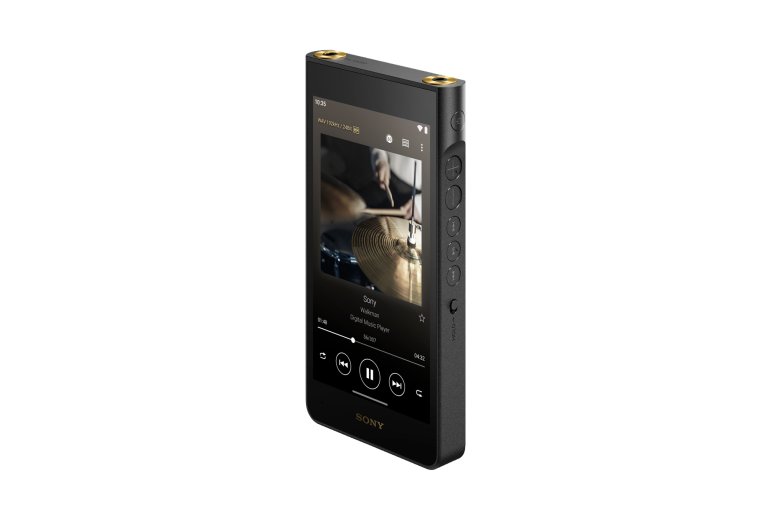
Step up to the 425g NW-WM1AM3, and you get a new low-resistance oxygen-free chassis for stronger grounding, as well as a 5.5″ 1920×1080 Full HD screen. The elevated materials extend to a direct OFC audio power supply, OFC cable at the headphone output, and OFC copper-wound large coil. In addition, there are dual large solid polymer capacitors, Gold vapor-deposited ultra-low phase-noise clocks, 10-layer low-dielectric PCBs, and a higher-performance low-power SoC to run the DSD Remastering Engine, newly developed look-ahead Noise Shaper with Light / Balance / Deep modes, 10-band equalizer, C Phase Linearizer, Dynamic Normalizer, and DSEE Ultimate signal enhancement of whatever you play off the 128GB internal storage, microSD slot, or streaming services. The power-supply architecture, battery figures, and audio processing are shared with the flagship (showcased below), so you get the best balance of performance and value for those flagship wired headphones (but there’s no shame in a little Bluetooth 5.4 LDAC action with the 1000X The ColleXion headphones, or LC3/AAC/aptX Adaptive with another top pick).
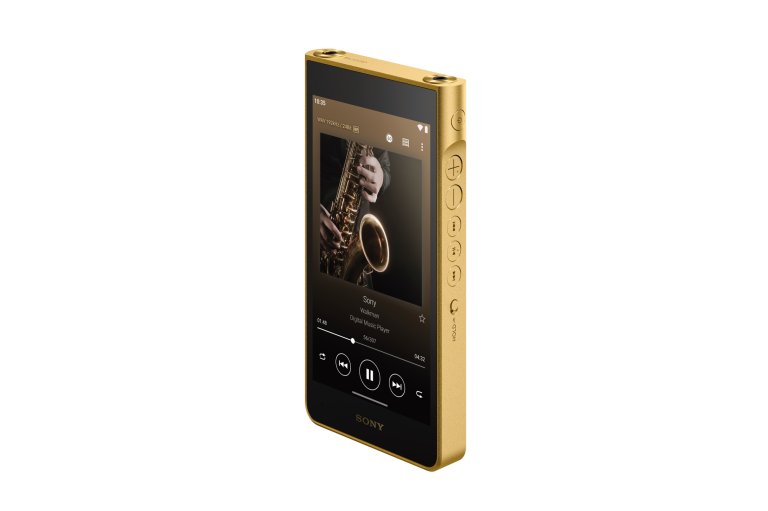
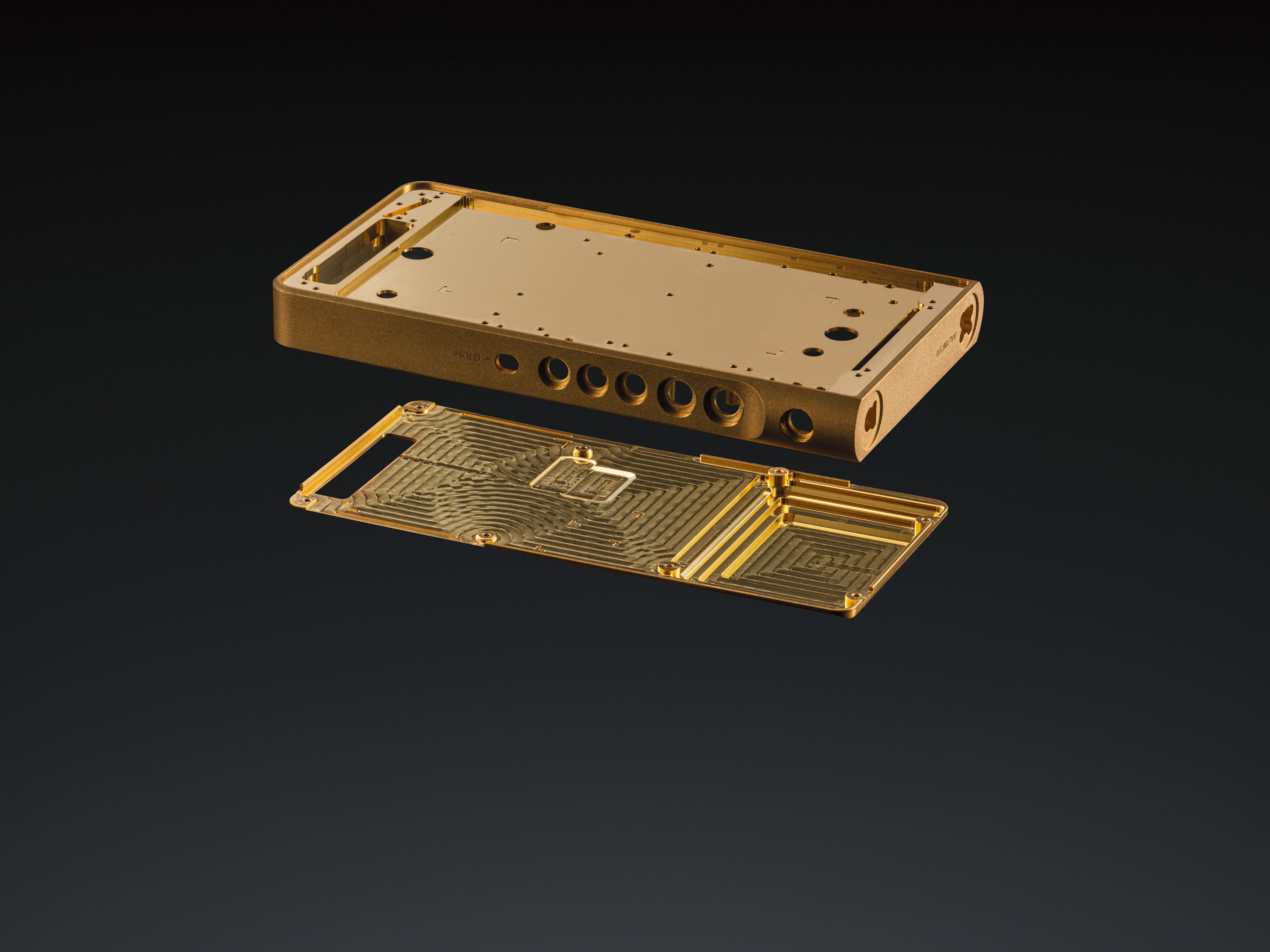
As for the cost-no-object NW-WM1ZM3 flagship, it’s all about mechanical construction. This 670g investment gets you a 99.99% (4N) OFC precision-milled main chassis with a precision-machined (not press-formed) OFC rear chassis that uses 99.96% pure OFC with direct gold plating to further enhance ground stability. It’s all held together with low-resistance, direct-coupled gold-plated screws for a lower-resistance mechanical path, plus 4-wire braided KIMBER KABLE is implemented in the balanced output. The promise of this reinforced architecture and isolated circuitry is a wider soundstage, stronger low-frequency presence, and clearer fine detail for a more analog character. In addition, internal storage is doubled to 256GB.
A caveat for all three models: Despite there being a USB-C port, it is not intended to be used as an audio out. Just power and file transfer. Though it can be used as an external DAC for a PC. Listening, however, is done only via the 3.5mm/4.4mm ports or wireless codecs.



The post Sony wants to DAP up your digital audio with the Walkman Signature Series appeared first on Popular Science.
The death of the disc has been greatly exaggerated. Whether your preferred platters are shiny or groovy, companies are producing new … spins … on how to play CDs and LPs. Just this week, NAD Electronics announced a CD player, while Cambridge Audio and Andover Audio have turntables. Meanwhile, Focal-Naim elevates its immersive connected audio hub, for those audiophiles who have embraced an all-in-one system with expressive Dolby Atmos. Below you’ll find more information on all these discerning digital and premium analog audio accessories.
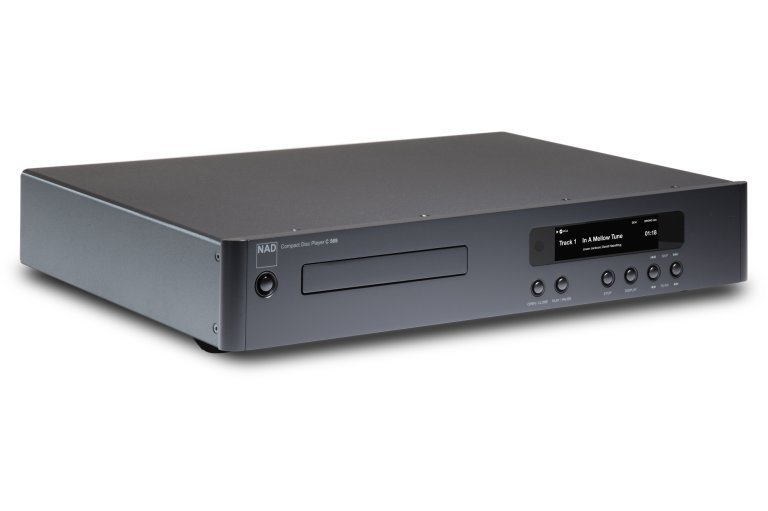
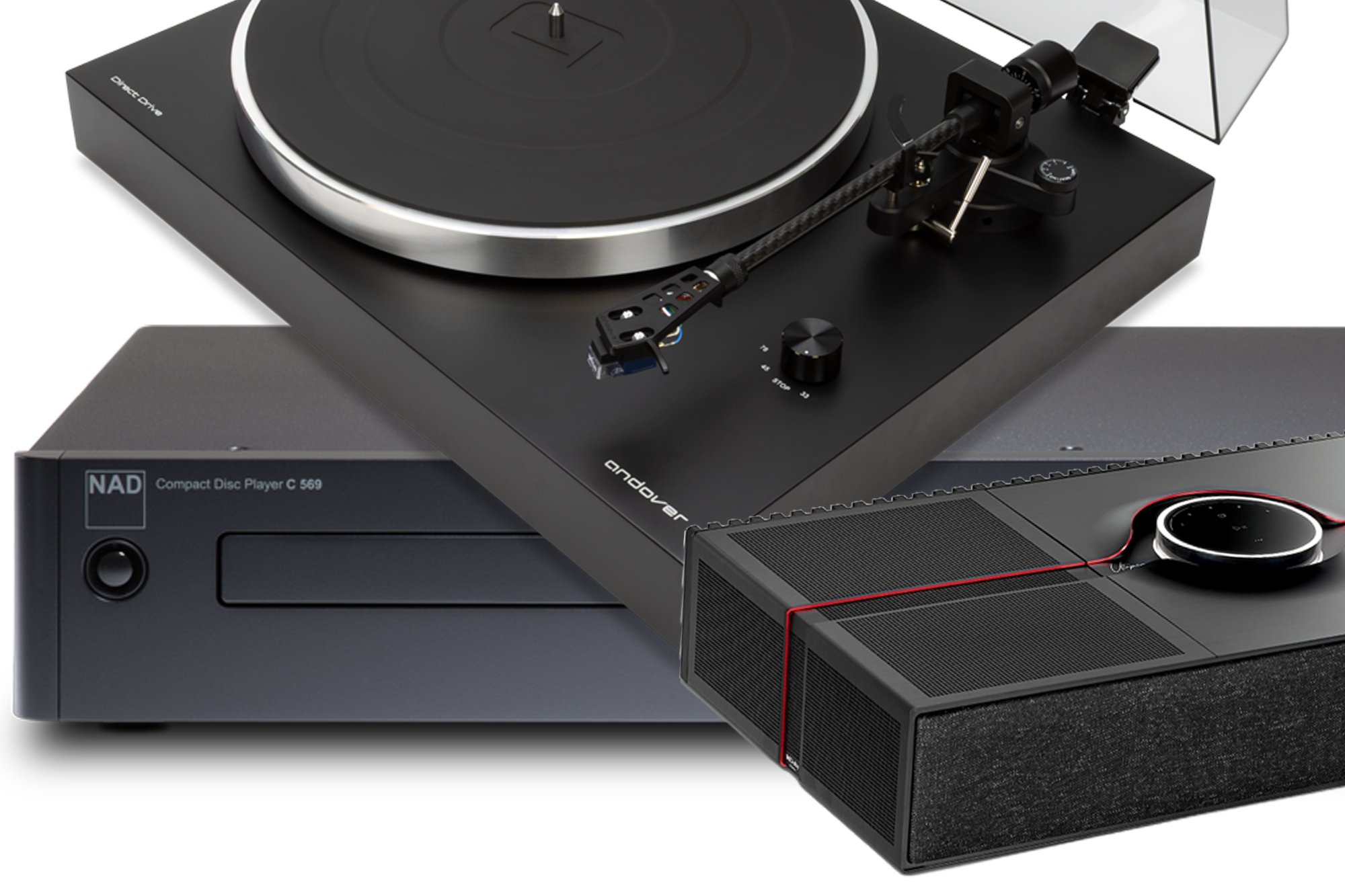
The C 569 is NAD Electronics’ mid-tier CD player in its Classic Series, featuring a combination of proprietary refinements to get the most from Rush remasters to Olivia Rodrigo. Dynamic Digital Headroom purports to eliminate inter-sample clipping, for more expressive transients. QRONO d2a refines the timing of PCM and MQA-encoded music. And it all runs through an ESS SABRE DAC if you want to use the low-noise, detail-rich analog outputs with any system featuring an RCA in, or utilize the TOSLINK or COAX digital outputs if you want to pair with an even more premium DAC, like that in the new NAD C 359S Class AB integrated amplifier with built-in BluOS streaming and more. The C 569 will be available late November through NAD dealers/website and Amazon at $999 USD. The NAD C 359S amplifier is available today through NAD dealers for $1,299.
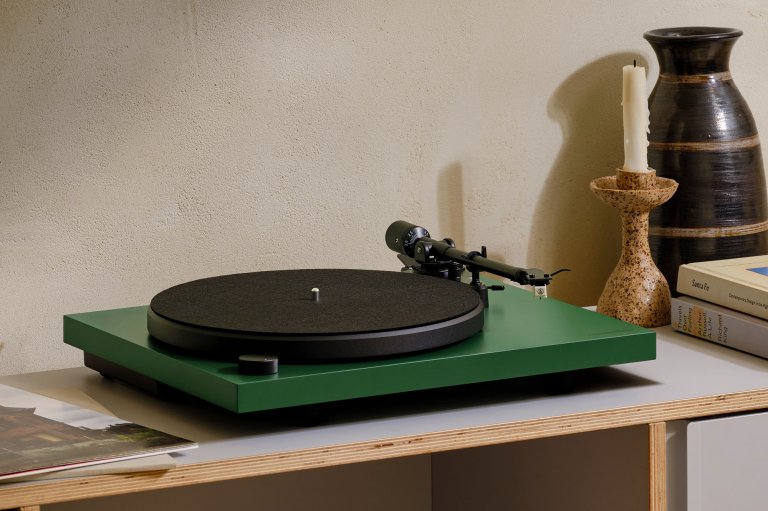
If you’re getting into vinyls, the Cambridge Audio Spira is a ready-to-play, belt-drive, Bluetooth-equipped 33/45 turntable that can work with a traditional two-channel components stack, active speakers, or wireless speakers/headphones. It comes with a pre-fitted and aligned Audio-Technica AT3600L cartridge (upgradeable later to an elliptical stylus), plus a built-in phono stage to ensure it’s plug-and-play. But you can also bypass the phono stage if you want to upgrade to a more refined preamp. The steel platter and adjustable tracking/anti-skate give you stability and control no matter how it’s connected. And it comes in five colors that correspond to the Cambridge Audio L/R powered speaker series. The Cambridge Audio Spira will be available from the brand and partners priced at $499.
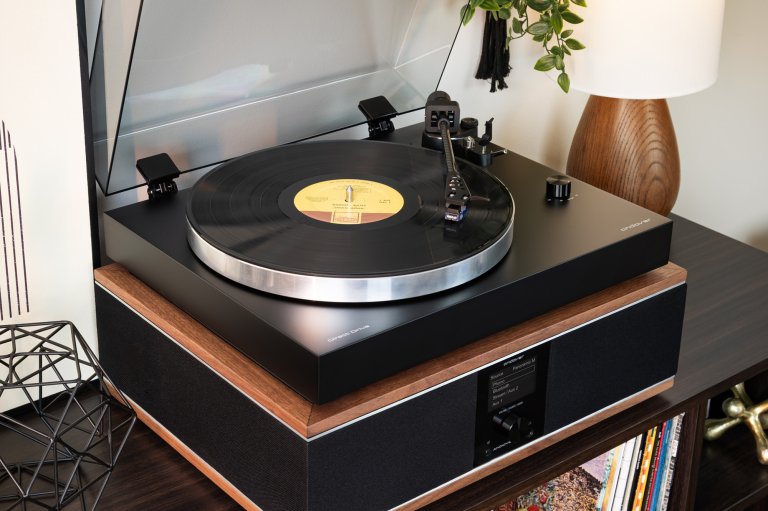
Looking for a step up? The Andover-One DD is a direct-drive turntable that brings together lots of top-notch components in a flagship system. The digitally controlled direct-drive motor supports 33 1/3, 45, qand 78 rpm playback with fractional wow and flutter. It’s a foundation engineered to eliminate high-frequency motor vibrations that impede detail retrieval. Further damping vibrations is the straight tonearm with a carbon-fiber armtube and support for cartridges weighing 2.5g to 6.2g, and it comes fitted with an Audio-Technica AT-VM520xEB moving-magnet cartridge. Tracking force, anti-skating, and vertical tracking angle controls complete the flexible setup, which sits by the cast-aluminum platter on a matte black MDF plinth. The Andover-One DD Turntable is available now for $999. Pair the turntable with the Andover-One SB (as shown above) for a high-fidelity, feedback-free, compact cabinet of clarity.
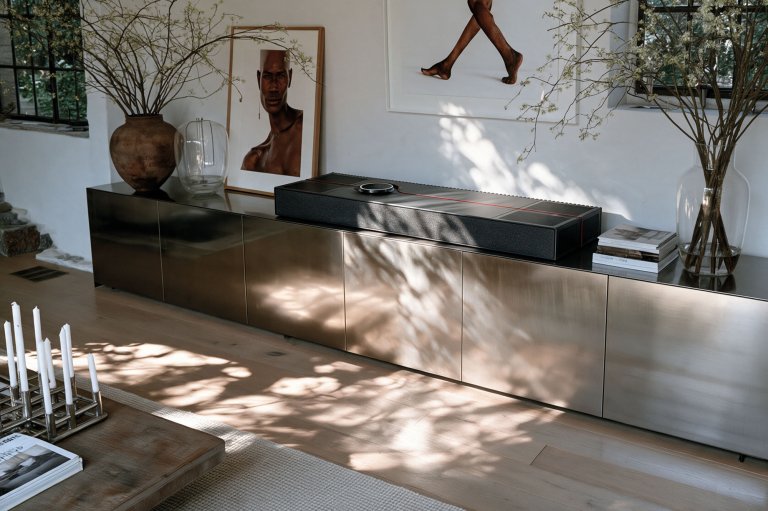
The first Naim Audio product to get the premier Utopia designation, the latest Mu-so hi-fi audio hub features the most powerful Naim amplifier ever developed for this type of form factor. Inside, 720W of Class D and A/B power push 15 speakers (7 on the front, 2 on each side, 4 on the top). This 7.1.2 capacity of 3″ ‘M’-shaped drivers and PRISM tweeters (both by Focal) allows for ultra-detailed, no-distortion Dolby Atmos, as well as Sphere Music, Sphere Movie, Sphere Video Game, and Sphere Podcast modes that expand stereo content with ADAPT technology that takes into account your room’s configuration. (And, having heard a demo of the sibling Mu-so Hekla at Audio Advice Live in Raleigh this past August, I can confirm it works wonders.) There’s the Naim Pulse Platform for DSP and high-resolution streaming up to 384 kHz / 32-bit (good for Qobuz Connect, though there’s plenty of Google Cast, AirPlay 2, Spotify Connect, etc. support). TOSLINK allows you to plug in, say, a CD player or a TV, though the HDMI eARC is the preferred input for folks who are going to pair the Mu-so Utopia with a cinematic setup, which it will render well. Also, it’s pretty. The Naim Audio Mu-so Utopia will be available in January 2027 for $6,500 USD, exclusively through the Focal Powered by Naim network of authorized retailers.
The post These four companies ain’t playin’ when it comes to playback appeared first on Popular Science.
CMF recently became its own company in India, divesting from Nothing. The company is now moving quickly with a new product launch that looks like a fresh carton of milk.
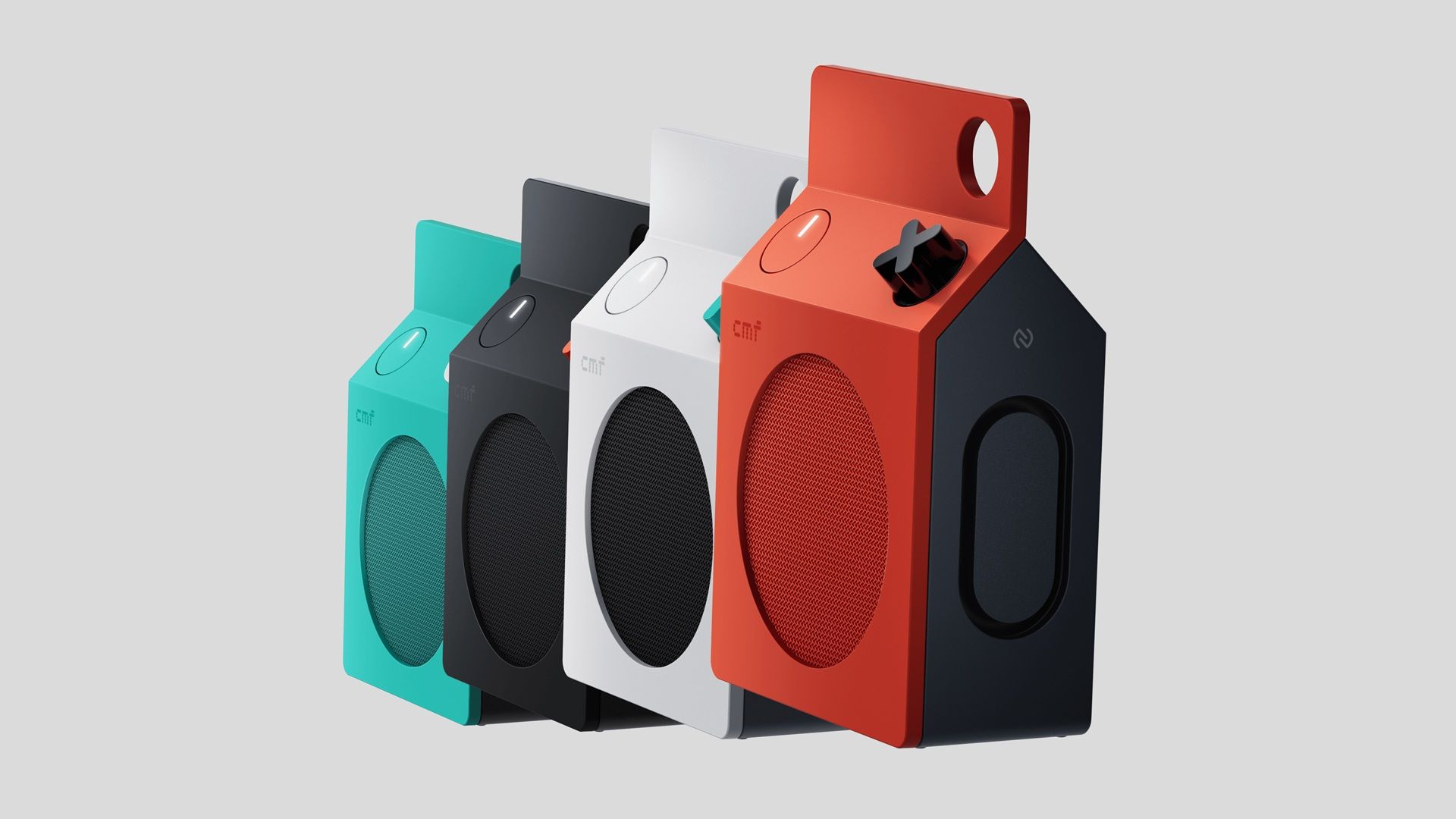
This morning (Oct. 12), CMF announced its first wave of speakers: the Speaker S and Speaker M. These speakers take inspiration from classic cartons of milk, but they're packed full of sound for any occasion. CMF says it went with a design that was "something unique" and fit its brand. The Speaker S looks like the milk cartons you'd get in school for lunch. It features a custom-tuned 45 mm driver in a short form factor.
CMF states it worked to enhance the lower frequencies on the Speaker S to achieve "deeper, more resonant bass." What's more, the Speaker S is aimed at portability since it's a bit smaller than the Speaker M. If you have two of the same model (Speaker S, in this case), CMF says users can turn them into "dedicated left and right channels" with Stereo Mode. Users can fill an area with more sound, as if they were using a standard sound system.
If you're sticking with one speaker, CMF's Wide Soundstage brings more audio depth to that solo device. Adaptive Tuning handles the speaker's EQ; however, users can create custom EQs using the Nothing X app.
Party Mode leans on Android's Auracast to sync multiple speakers. CMF states this will work with its speakers and devices from other companies.
The CMF Speaker S features 18 hours of audio playback "at 50% volume with Ultra Bass on." A quick 10-minute charge reportedly delivers one hour of audio. Speaker S supports Tap to Pair, Bluetooth 6.0, and USB-C lossless audio.
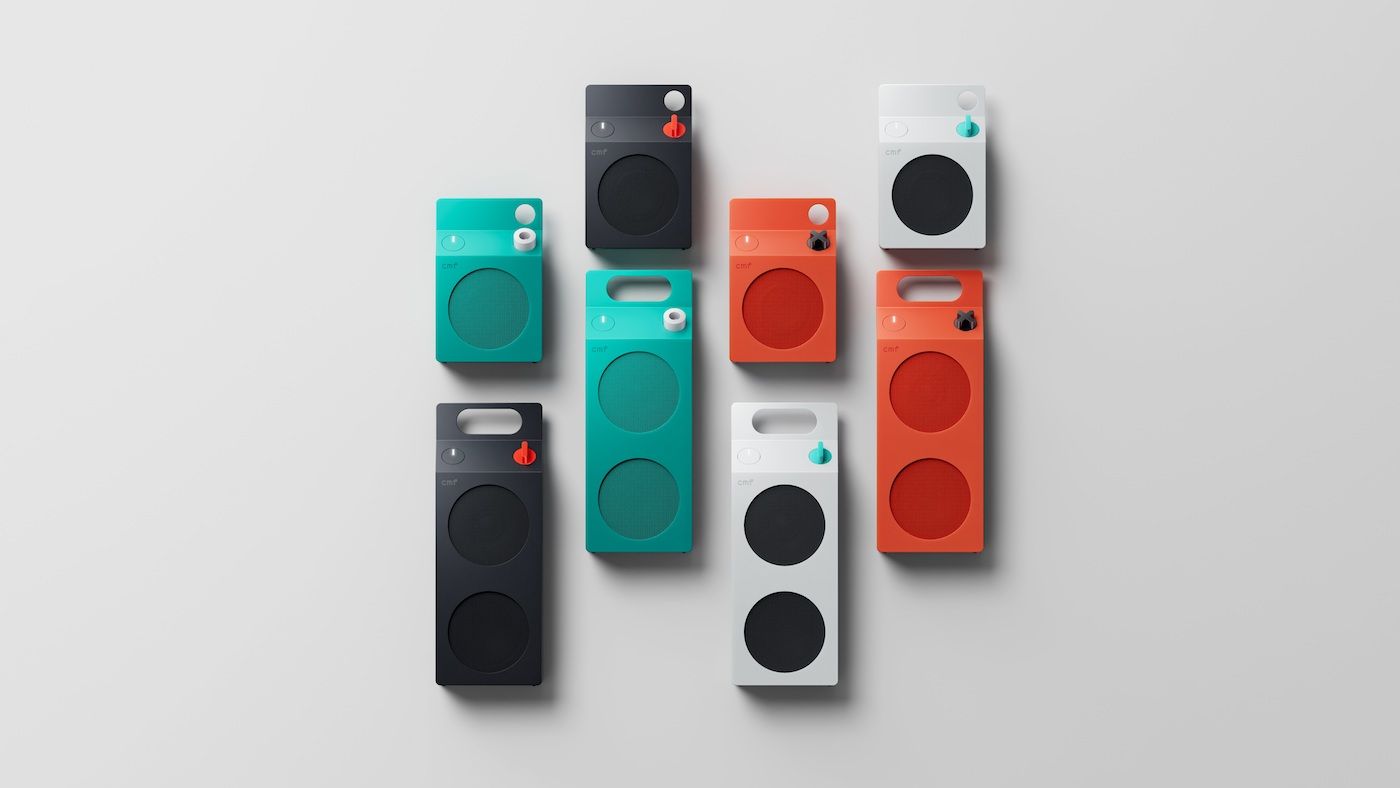
The CMF Speaker S is available in white, dark grey, orange, and turquoise. Consumers can purchase the speaker for $59.
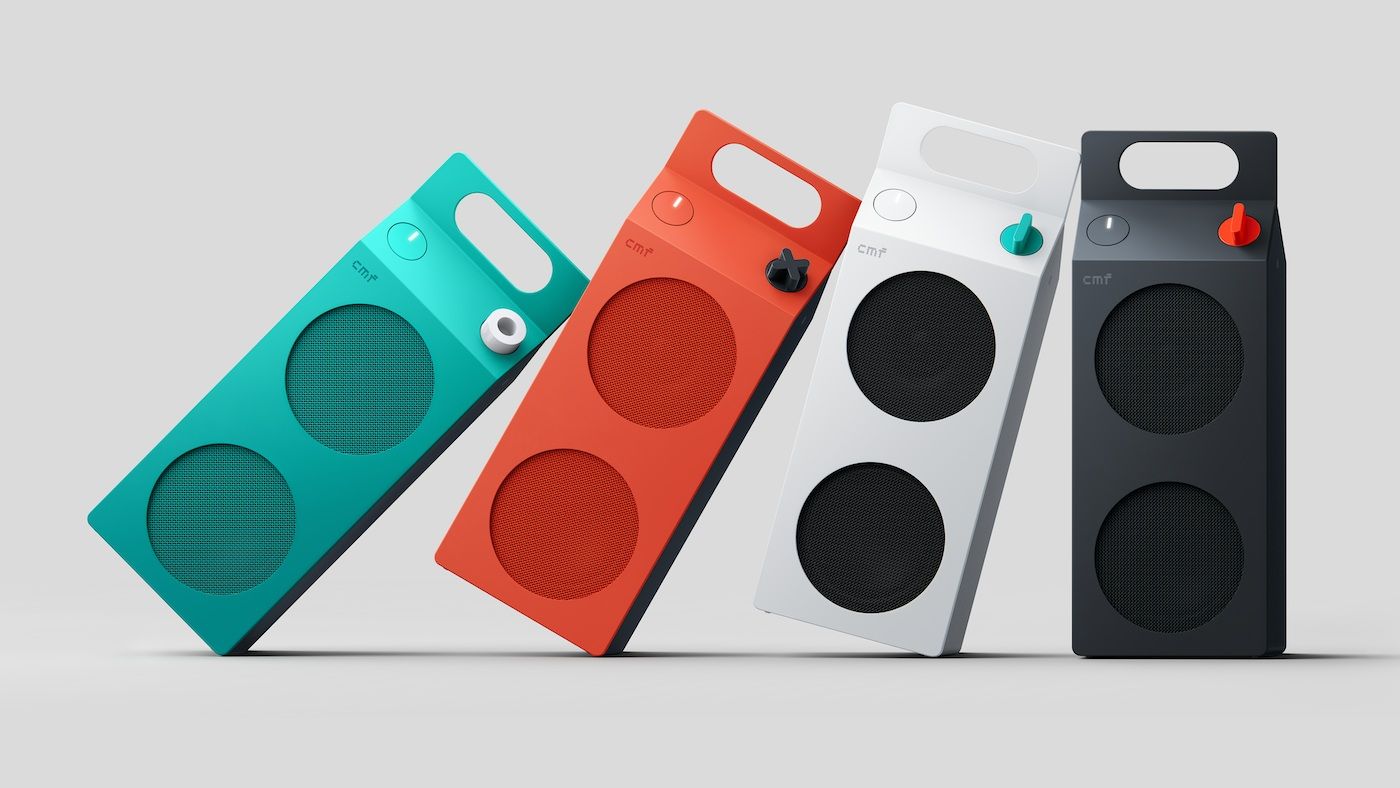
The CMF Speaker M retains many of the same features as the Speaker S. Consumers will find Ultra Bass, offering "controlled low-end impact for playlists that need extra weight." This feature toggles on and off, letting users fine-tune their audio experience at a moment's notice. The Speaker M also provides Party Mode, Stereo Mode, Wide Soundstage, Adaptive Tuning, and Custom EQs.
However, the primary difference lies in its design. The Speaker M is taller, with a dedicated subwoofer and tweeter. CMF wanted to up the ante with the Speaker M's audio capabilities over the Speaker S. The post states the Speaker M pushes its clarity and bass for a "balanced" experience when broadcasting in larger rooms.
The Speaker M supports USB-C lossless audio, Tap to Pair, Bluetooth 6.0, Dual Device connection, and more. Its battery will support 18 hours of audio at 50% volume with Ultra Bass enabled, similar to the Speaker S.
Consumers can pick up the CMF Speaker M today (Oct. 12) in white, dark grey, orange, and turquoise for $109.
While the CMF Speaker S and Speaker M may look like completed products, the company says consumers can change their designs. CMF states users can take off the Speaker S and Speaker M's volume knobs and panels and switch them out. You can "mix and match," or you could 3D print your own designs.
CMF has provided users with the STL files required to begin 3D printing.
Samsung could soon have a challenger to Apple's AirPods Max and Sony's flagship over-ear headphones, with the company reportedly working on a new pair called Galaxy Studio.
For years, brands like Sony, Apple, Bose, and Sennheiser have dominated the premium over-ear headphone market in the U.S. But it looks like another major brand could be joining the competition very soon. According to a new leak, Samsung is developing its own pair of over-ear headphones to complement the Galaxy Buds lineup, and they could be called Galaxy Studio.
As spotted by 9to5Google, leaker evowizz on X has shared that Samsung's upcoming over-ear headphones will carry the Galaxy Studio branding. Interestingly, this is the same leaker who first revealed details about Samsung's open-ear earbuds, which officially launched earlier this month as the Galaxy Buds On. And now, the leaker has shared the name of Samsung's next audio product as well.
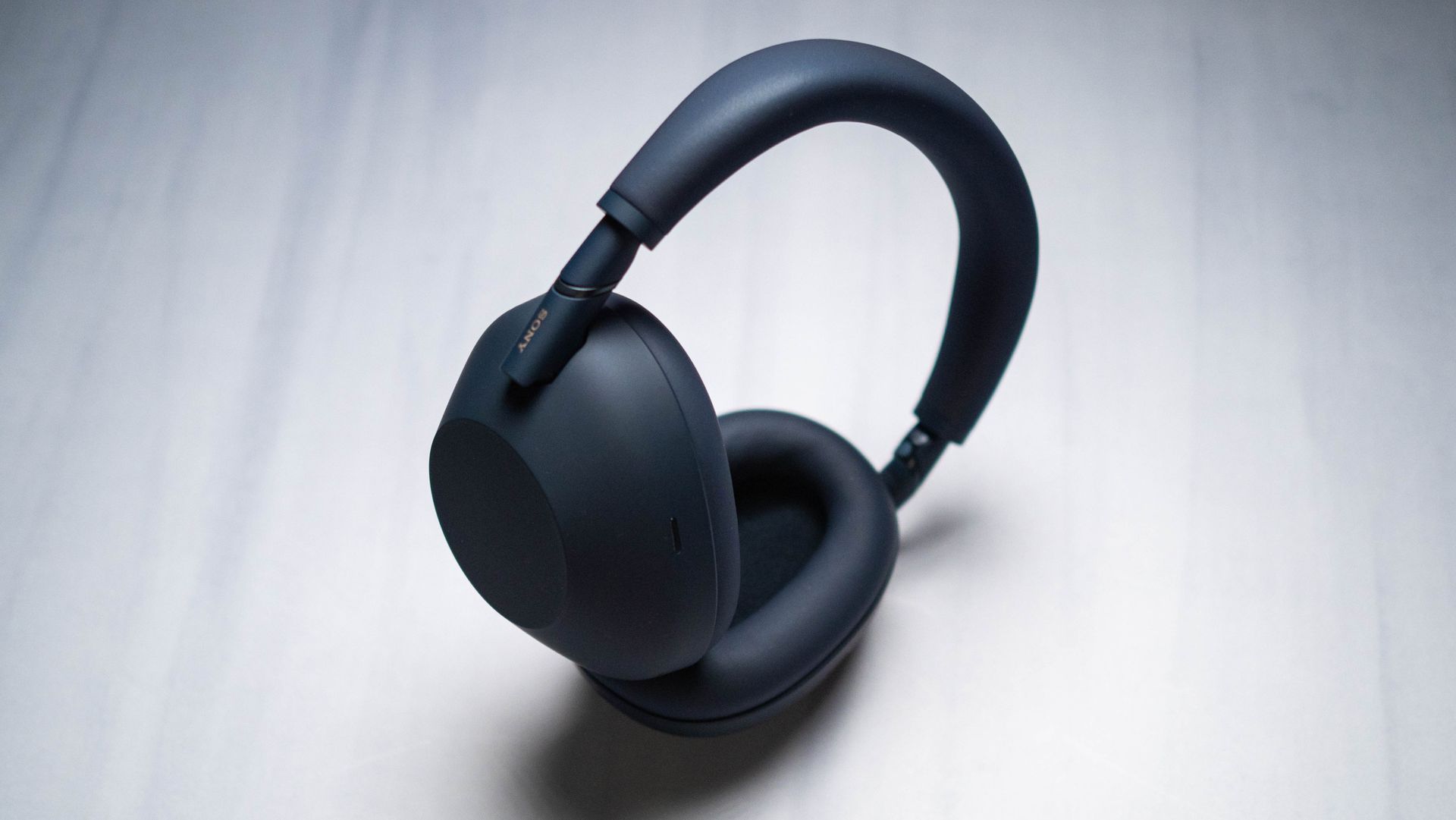
There isn't much information about the Galaxy Studio headphones just yet. We don't know what they'll look like, what features they'll offer, or how Samsung plans to position them against premium headphones like the AirPods Max and Sony's WH-1000X series.
There's also no word on when Samsung plans to launch the Galaxy Studio. However, with the name now reportedly surfacing, there's a chance we could start hearing more about the headphones over the coming weeks.
Samsung still has a few major products left to unveil this year. The company is reportedly preparing to launch its first Galaxy Glasses powered by Android XR sometime in November, and it's possible Samsung could use the same event to introduce its new over-ear headphones as well.
Of course, that's just speculation for now, and Samsung hasn't officially confirmed the Galaxy Studio headphones. But it'll be interesting to see what the company comes up with, especially considering how competitive the premium headphone market already is. We'll update this article as more details about the Galaxy Studio emerge.
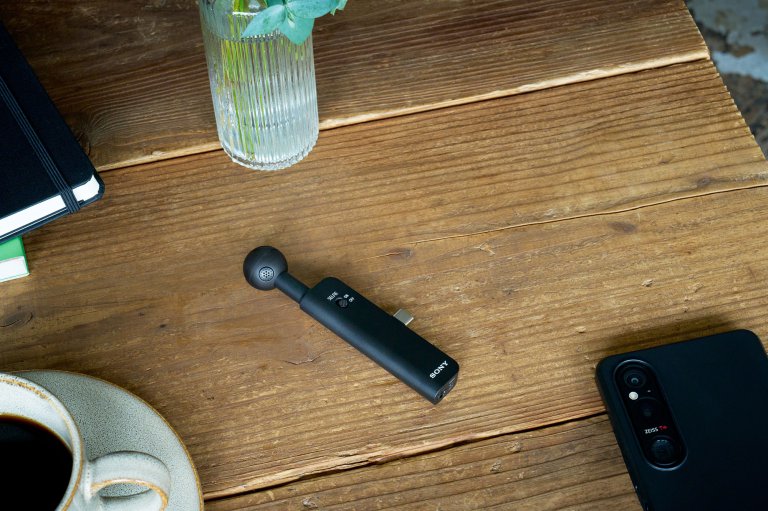
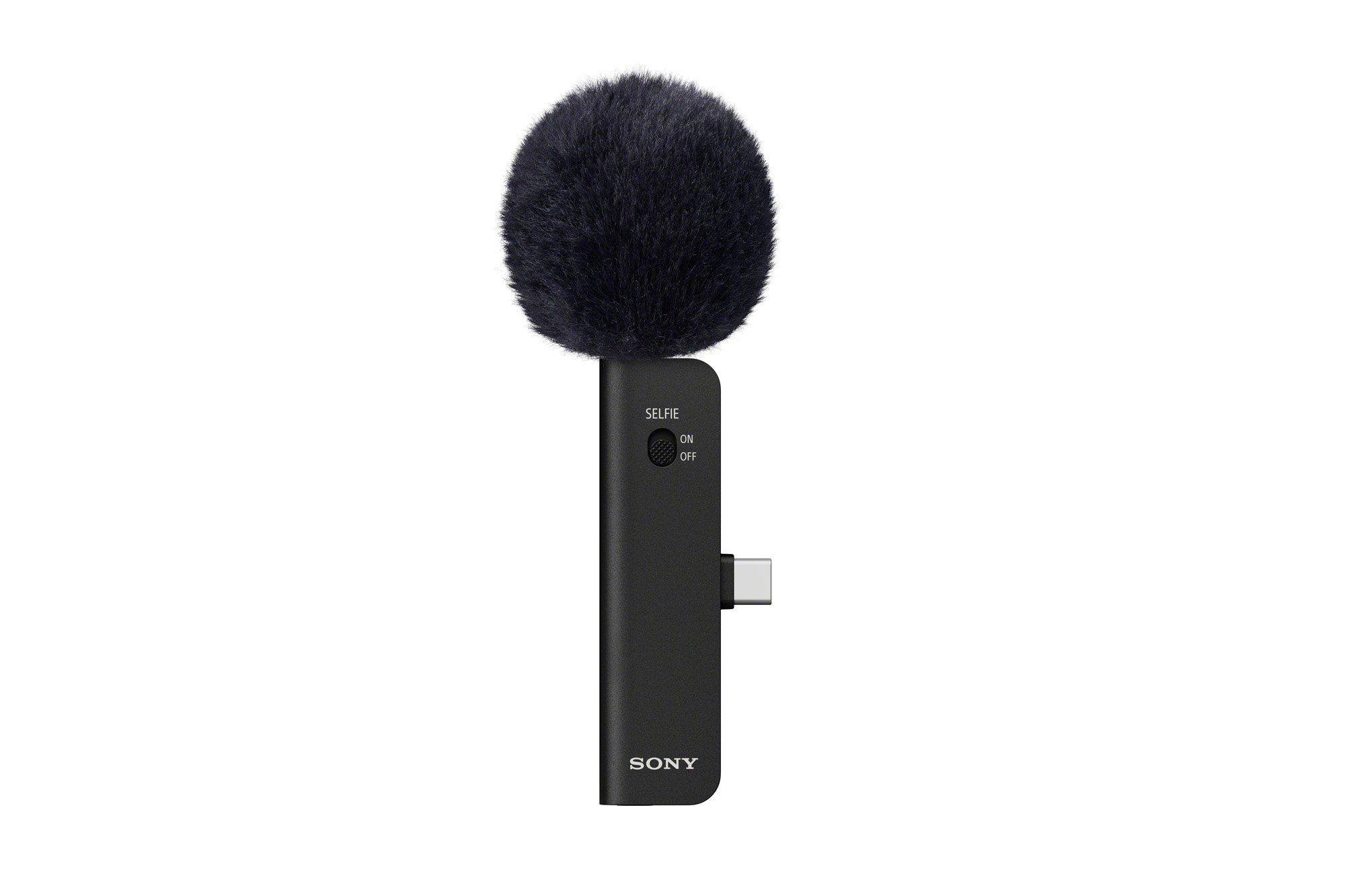
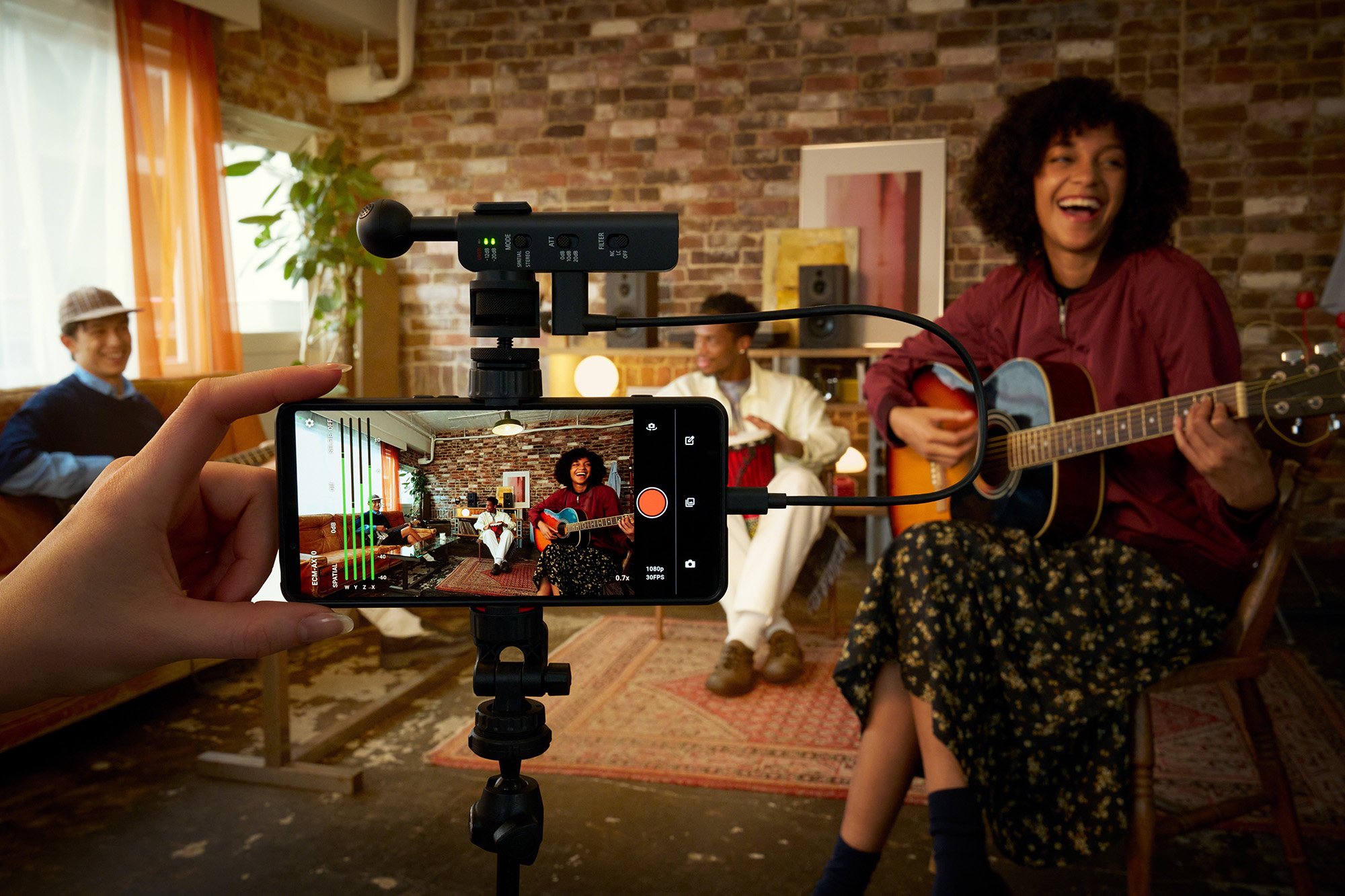
Sony spent 2026 releasing tons of top-notch playback products, from Bluetooth headphones to DJ-friendly party speakers to surprisingly affordable pro IEMs. Now the Japanese giant introduces something to capture immersive content you can play on all those audio accessories. The ECM-AX10 is a compact USB-C microphone for vloggers, mobile filmmakers, and content creators, and the world’s first Eclipsa Audio-certified mic for smartphones.
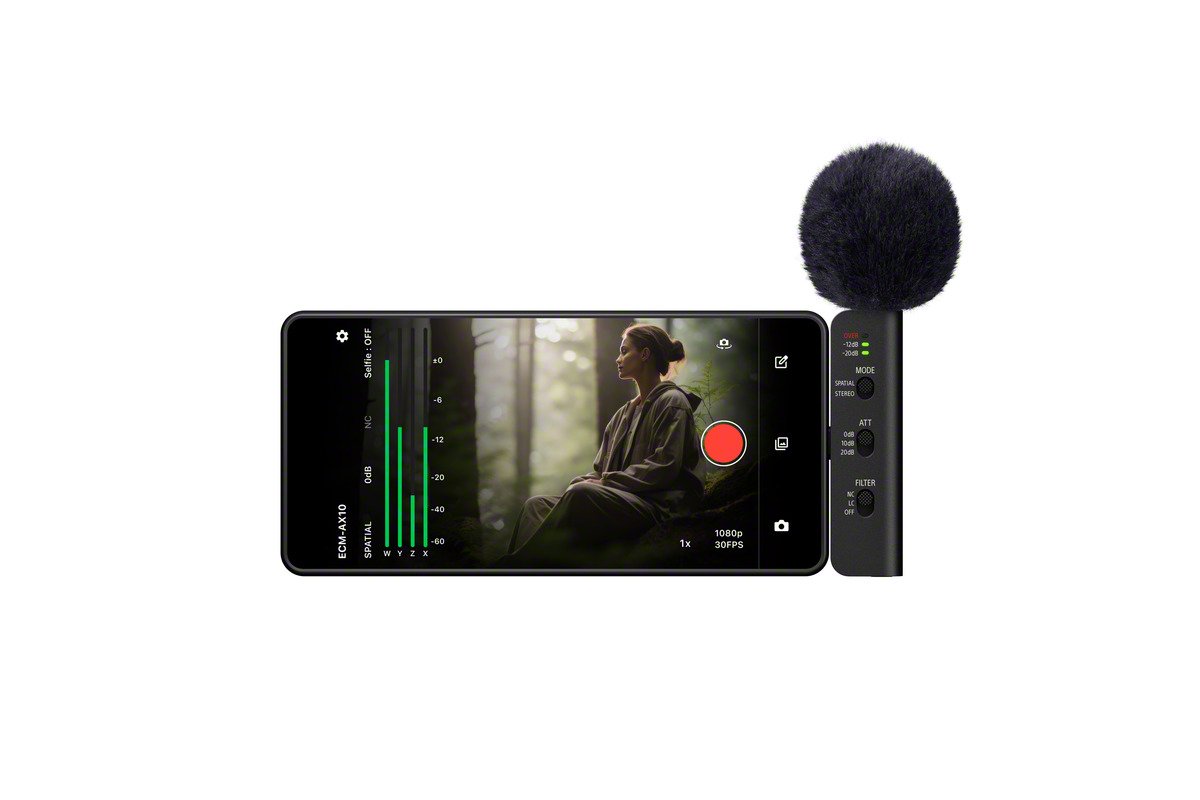
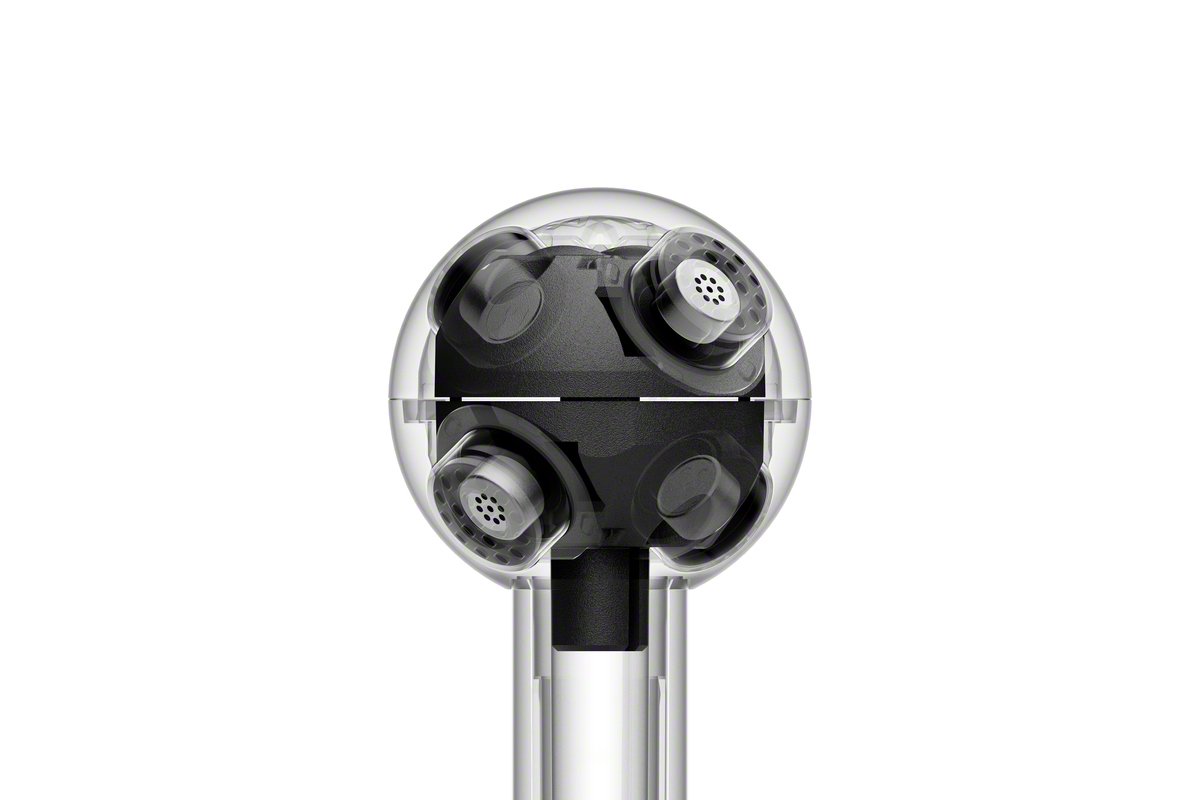
Featuring four omnidirectional capsules, the ECM-AX10 can record Ambisonics, binaural, and stereo. This lets you capture the sense of space, direction, and distance appropriate for the project/format, whether it’s travel reels or festival feels, sports cheers or reviewing gear.
Ambisonics’s four-channel 48 kHz/32-bit float capabilities, plus Sony’s Spatial Audio Video Tool, mean you can publish a full-sphere Eclipsa Audio experience on YouTube, based on the open IAMF (Immersive Audio Model and Format) standard. The Binaural recording’s two channels of that 48 kHz/16-, 24-, or 32-bit quality can be translated to 360 Reality Audio for headphone-optimized 3D rendering. And stereo is, well, stereo. You know it, you love it, you want some more of it. It makes the microphone compatible with general recording and video apps and whatever social channel you prefer.
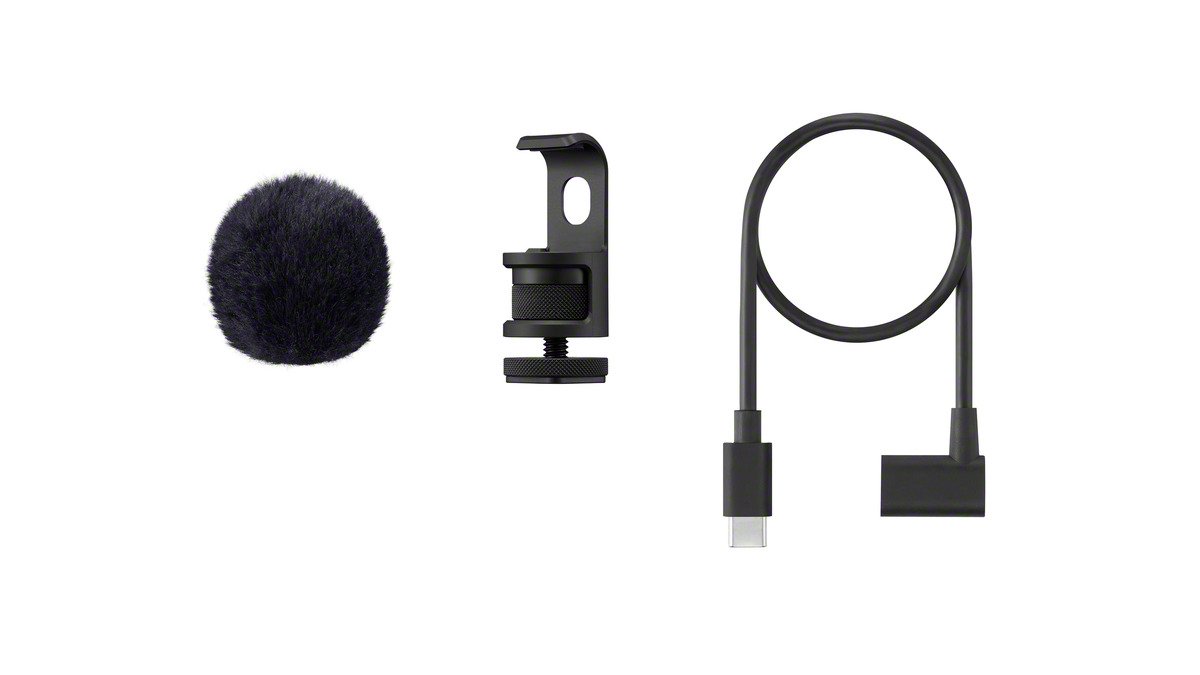
As for the package these containers come in, the ECM-AX10 is 24g, has a Selfie Mode for rear or front-facing alignment, includes an attenuator (ATT) switch that drops sensitivity -20dBFS to avoid overloading (plus additional Noise Cut controls), features a 3-axis gyroscope and 3-axis accelerometer to keep audio aligned with the video’s orientation, and offers a 3.5mm minijack for wired monitoring (a great opportunity to try those Sony IER-M500 IEMs, or others). There’s also a windscreen; spacer sheet; shoe-mount microphone holder (Cold shoe / No electrical contacts); and USB-C extension cable in the package.
Thanks to the ECM-AX10, you don’t have to risk your $15,000 C-800G to capture engaging, expressive, like you were there ambiance.
The post Sony’s new USB-C spatial mic captures the world around you without capturing you in wires appeared first on Popular Science.
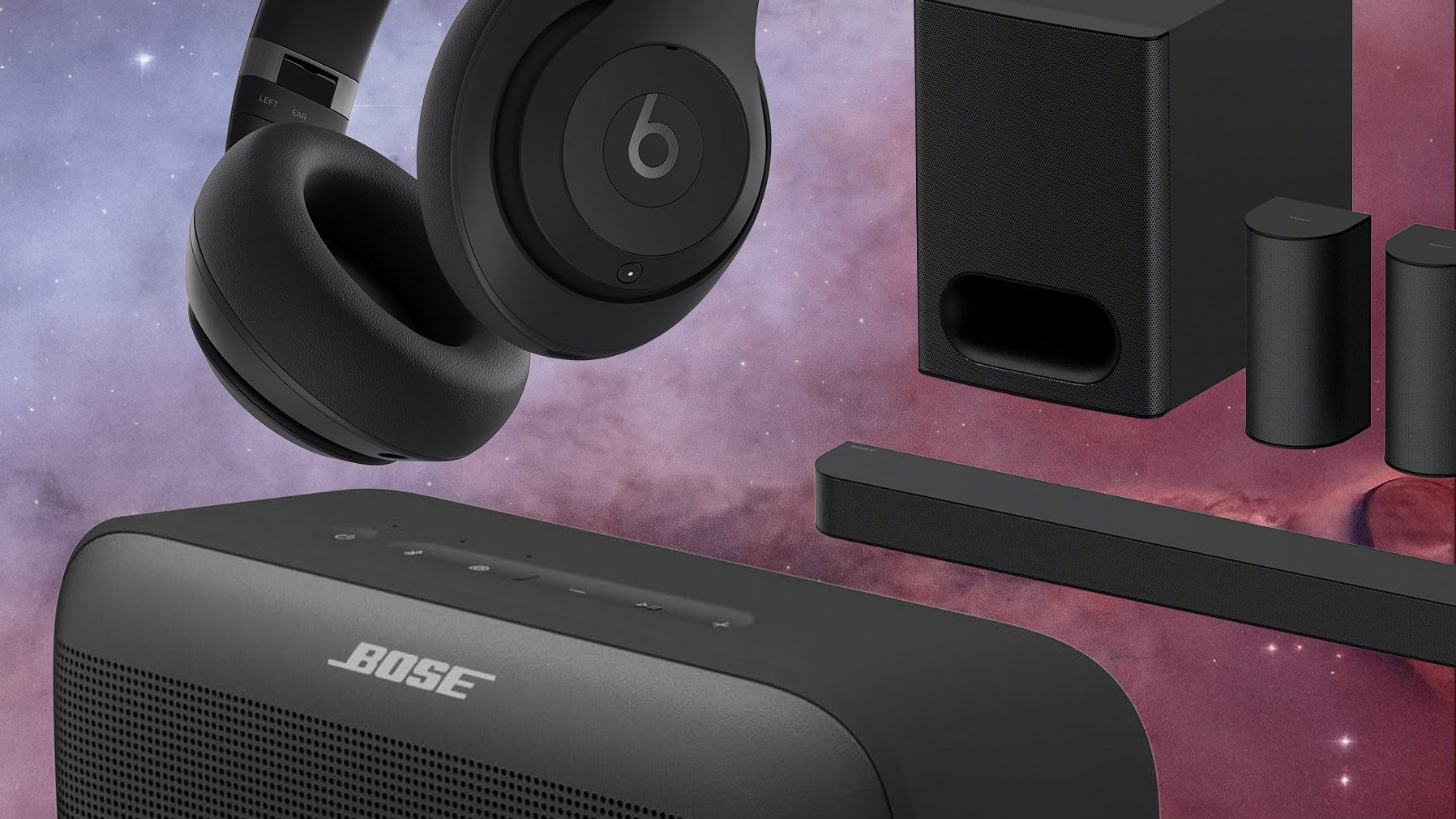
Update, 7:35 pm ET, Wednesday, Oct. 7: We rechecked every price on Amazon this evening. The Beats Studio Pro are now $149.95, four listings came out because Amazon no longer shows a buy box for them or only one third-party unit is left, and several prices and Prime labels changed. More deals are in our live Prime Big Deal Days roundup.
The Beats Studio Pro are $149.95 on Amazon until the sale ends at 2:59am ET Thursday. That’s half off their $299.99 list price, and Amazon doesn’t require Prime for it. Sony’s WH-1000XM6 are $378, and the rest of the page runs from $27.95 JBL earbuds to $899 Sonos and Bose soundbars. Many of the deals that started with the sale on October 6 are Prime member prices, and each one is labeled.
Noise-canceling over-ear headphones at half price
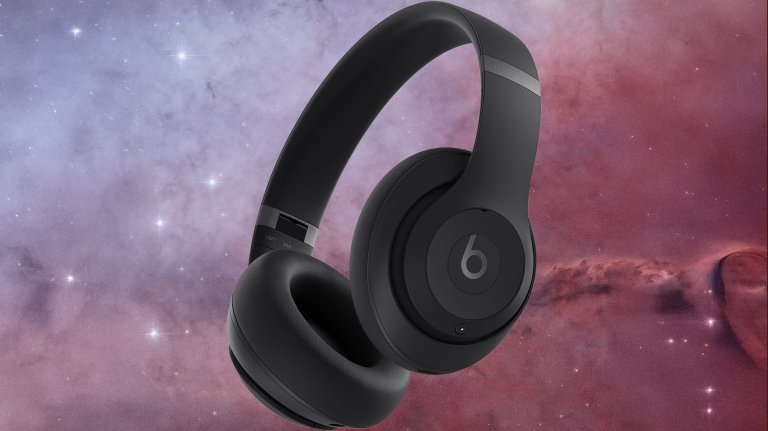
The Beats Studio Pro are half off at $149.95, and Amazon sells them directly without a Prime requirement. Beats rates the battery for up to 40 hours with noise canceling off and up to 24 hours with it on, and lists lossless audio over the USB-C port. They pair with iPhones and Android phones alike.
Ear-hook workout earbuds with heart rate monitoring
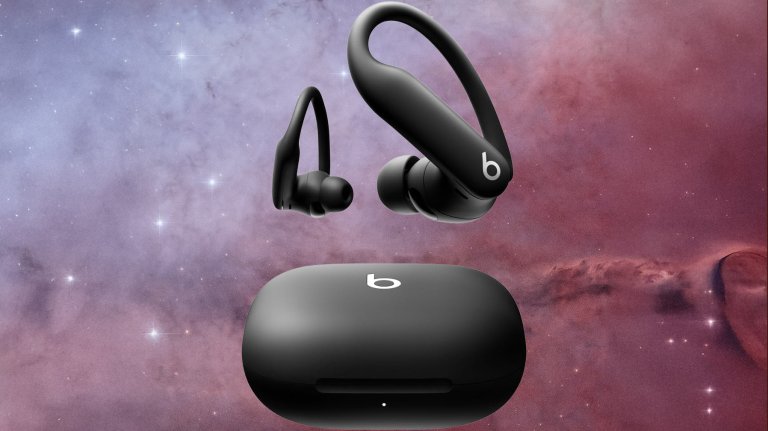
Beats builds the Powerbeats Pro 2 around what it calls secure-fit ear hooks, and at $179.95 the workout earbuds are about $70 off their $249.99 list price. Beats lists noise canceling, heart rate monitoring, and sweat and water resistance, and rates them for up to 45 hours of playback with the charging case. If you’d rather have wingtips than hooks, the Beats Powerbeats Fit are $159.95, about $40 off their $199.99 list price.
A waterproof Bose speaker at $90 off
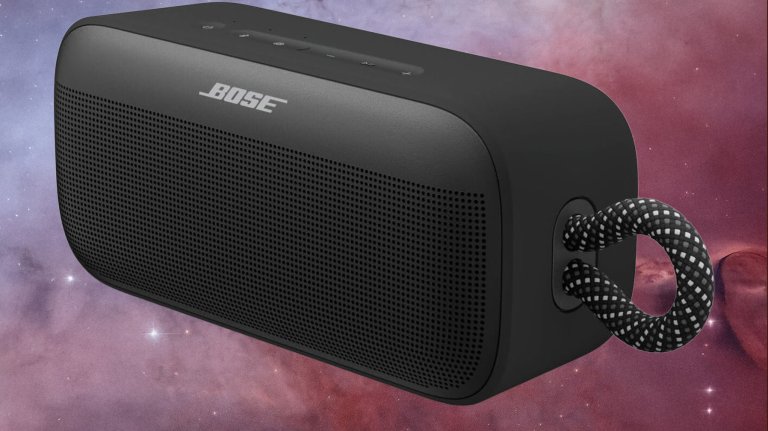
Ninety dollars off puts the Bose SoundLink Plus at $179. Bose rates it for up to 20 hours on a charge and lists it as waterproof and dustproof. The bigger Bose SoundLink Max is $279, $120 off.
A waterproof Marshall speaker at $80 off
At $99.99, the Marshall Emberton III is $80 off its $179.99 list price, and the deal doesn’t require Prime. Marshall lists it as a waterproof and dustproof portable speaker with 32-plus hours of playtime. The larger Marshall Middleton is $149.99 for Prime members, and the Marshall Acton III home speaker is $189.99.
Sony’s WH-1000XM6 are $378, $81.99 off their $459.99 list price, and Sony’s listing cites 12 microphones and up to 30 hours of battery. Nothing’s Headphone (1) are $189 for Prime members, and Nothing’s listing cites up to 80 hours of playback. More Soundcore models are in our Anker and Soundcore deals post, and our Apple deals post covers AirPods and Beats.
The Sonos Era 100 SL is $149, $40 off its $189 list price, and the JBL Charge 6 is $149.95 with a built-in power bank, according to JBL’s listing. The JBL Go 4 is $34.95 for Prime members. Our Logitech deals post covers the Ultimate Ears speakers, and the deals under $50 post collects cheaper picks.
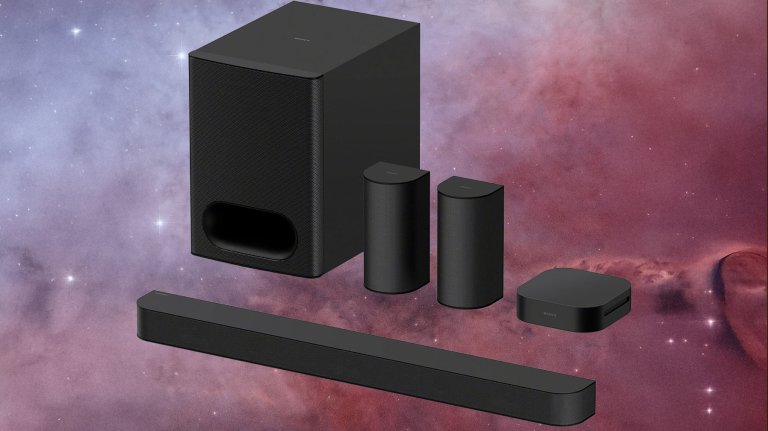
Sony’s BRAVIA Theater System 6 is $548, $251.99 off its $799.99 list price, and the BRAVIA Theater Bar 6 is $448. The Sonos Arc Ultra and the Bose Lifestyle Ultra Soundbar are both $899, $200 off. Our TV and home theater deals post covers the TVs these pair with.
The sale ends at 11:59pm PT on Wednesday, October 7, which is 2:59am ET on Thursday. At about 7:35pm ET, Amazon’s countdown on the Skullcandy Crusher Evo at $89.99 showed roughly seven and a half hours left.
Yes. The Sony WH-1000XM6 are $378, $81.99 under their $459.99 list price.
Yes. The Apple AirPods Pro 3 are $179, $70 off their $249 list price.
Yes. The Bose SoundLink Plus is $179, $90 off its $269 list price, and the Bose SoundLink Max is $279, $120 off its list price. The Bose SoundLink Flex (2nd Gen) is $99, down from a typical price of $119.99.
For many of them. Amazon lists the Sennheiser Momentum 4 at $170.99, the Nothing Headphone (1) at $189 and the Marshall Middleton at $149.99 as Prime member prices. The Beats Studio Pro at $149.95 and the AirPods Pro 3 at $179 showed no Prime requirement when we checked at 7:35pm ET on October 7.
Yes. The Sony WH-CH520 are $33 without Prime, the Soundcore Q20i are $37.97 for Prime members, and the JBL Vibe Beam earbuds are $27.95.
The post The best last-minute audio deals for Amazon Prime Big Deal Days appeared first on Popular Science.
Google has started rolling out a new update for the Pixel Buds that brings several new features, and at the same time, the company has slashed $60 off the Pixel Buds Pro 2's price.
Last month, Google started rolling out a feature for Pixel Buds that lets users control their earbuds' settings just by asking Gemini. While you could already ask Gemini to do things like change the volume, the new integration goes much deeper, letting you adjust the EQ, enable or disable ANC, and change other Pixel Buds settings using your voice.
Alongside that, Google has now started rolling out another sizable update for the Pixel Buds Pro, Pixel Buds Pro 2, and Pixel Buds 2a. One of the biggest additions for the Pixel Buds Pro 2 is Dynamic Active Noise Cancellation.
Google previously explained that Dynamic ANC automatically adjusts the noise cancellation based on the seal of the earbuds in your ears. So, if the Pixel Buds move slightly and the seal changes, the earbuds can automatically compensate and adjust the ANC accordingly. That feature is now starting to become available on the Pixel Buds Pro 2.
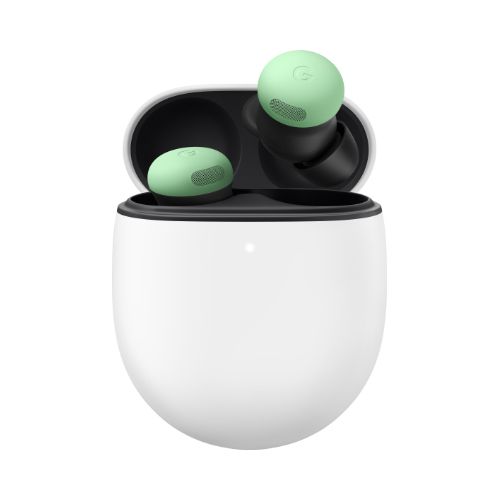
The Google Pixel Buds Pro 2 are already priced at the lower end of the premium wireless earbuds market, and this Amazon deal shaves another 26% off the sticker price. That brings the Pixel Buds Pro 2 down under $170, which is a stunning price for earbuds that can hang with the best of the best.View Deal
✅ Recommended if: You use a Pixel phone, want strong ANC and Gemini integration, like Google's latest Pixel Buds features, or want premium wireless earbuds for under $200.
❌ Skip this deal if: You don't use Android, want the absolute best battery life, or don't care about Pixel-exclusive features and ecosystem integration.
Google has also added a new tap-to-mute and unmute gesture for calls. So, if you're in an online meeting or taking a phone call, you can simply tap the surface of your Pixel Buds to quickly mute or unmute your microphone.
The Pixel Buds can now automatically pause media playback when you fall asleep as well. This feature requires a paired Pixel Watch to detect when you've fallen asleep, after which your earbuds can pause playback, disable touch gestures, and silence notifications.
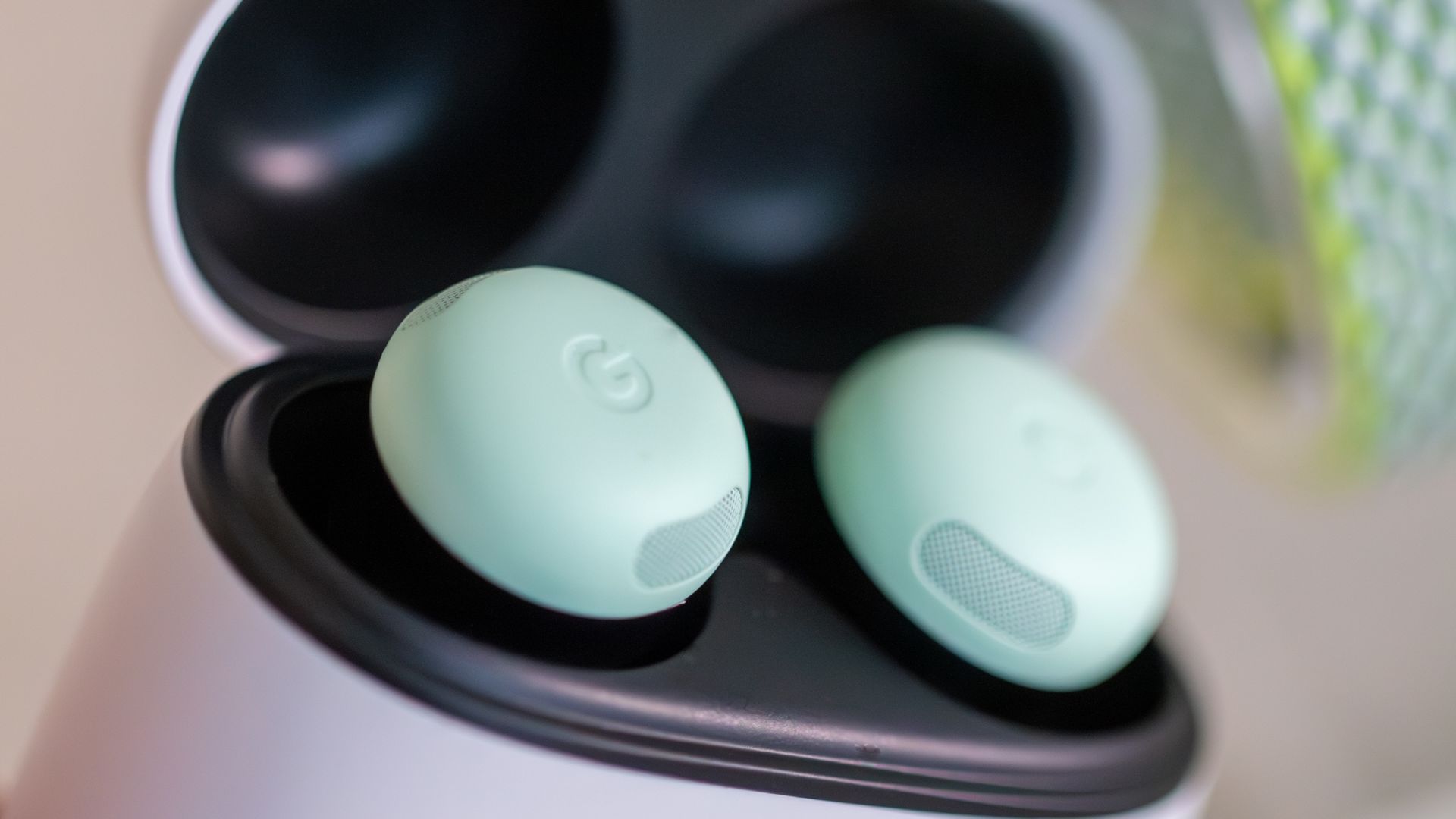
Enhanced Live Translate is also starting to roll out. You can now leave your phone in your pocket and start translating using a gesture on the earbuds. Google says the Pixel Buds now work more seamlessly with the Google Translate app to make on-the-go translations easier.
To get these features, make sure you're running the latest version of the Pixel Buds app and look for firmware version release_6.144. You can also manually check for the update by heading to More Settings > Firmware > Check for updates.
And if you've been thinking about buying the Pixel Buds Pro 2, this might be a particularly good time. Thanks to the ongoing Amazon sale, the Pixel Buds Pro 2 are currently $60 off, dropping from their usual $230 price to just $170.
So, not only are you getting them for considerably less right now, but Google has also made the Pixel Buds Pro 2 noticeably more capable with the latest software update.
It’s been just over two years since Dyson introduced its second pair of headphones, the OnTrac, to the world. While they were a significant improvement — both in terms of sound and general design — over the Zone, I ultimately found in my Dyson OnTrac review that they still couldn’t quite challenge the class leaders — namely Sony and Bose.
A strong factor in that realisation was their exorbitant AU$799 price tag. Not only was that too much for the Dyson headphones (regardless of brand name), it also allowed other manufacturers to charge AU$700 or more for their premium cans — here’s looking at you, Sony, Bose and Sennheiser.
Now, two years later, the Dyson OnTrac has plummeted to a much more acceptable AU$299 during Dyson’s Spring Sale event. At this price, I think they’re worth a look. The noise cancellation is very good, and a 55-hour battery life gives them greater stamina than the closest competitors. I also can’t really fault the ability to customise them, since it’s a feature that’s still pretty unique. That being said, they’re incredibly heavy, so I found I could only wear them for short stints.
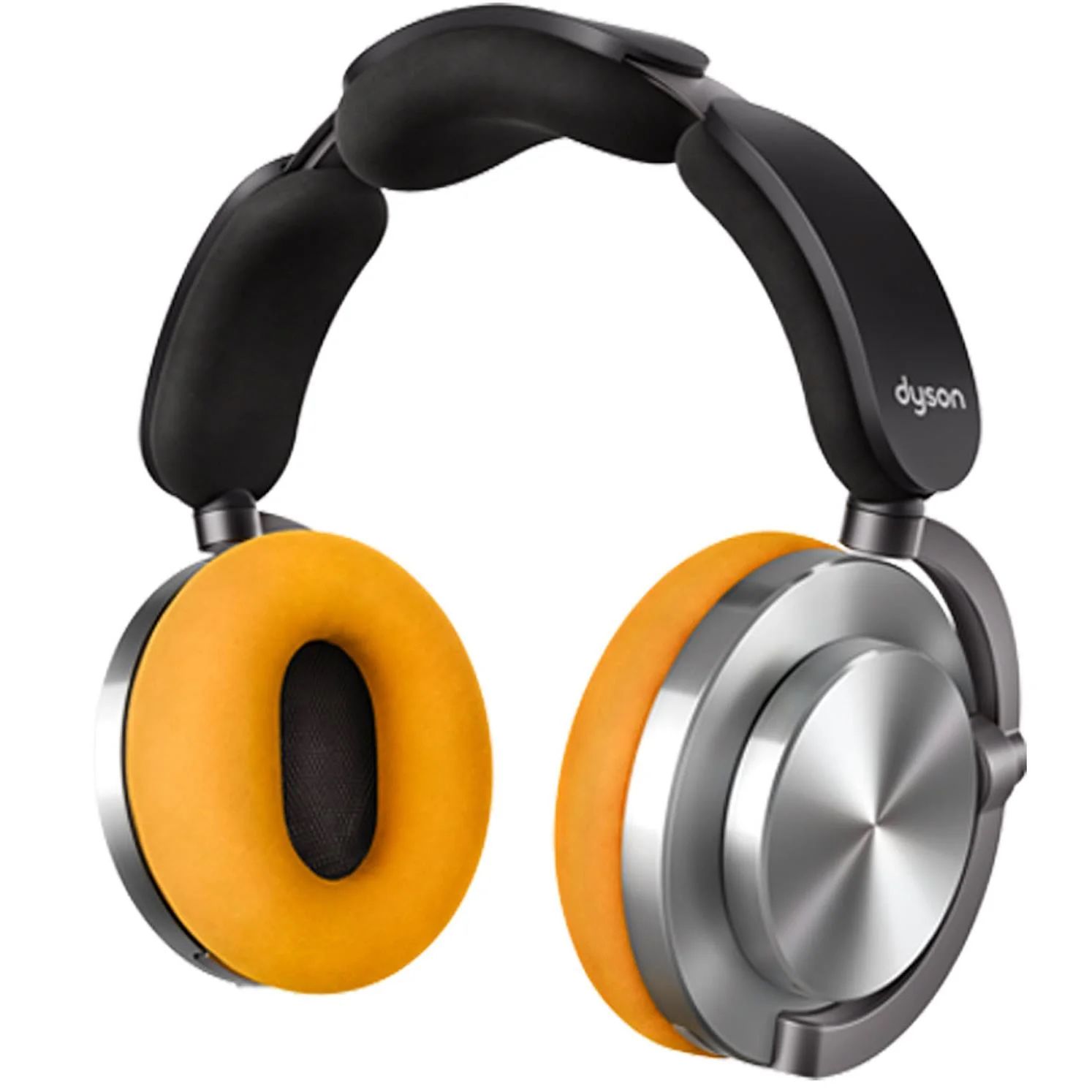
At this price, the Dyson OnTrac becomes a lot easier to recommend, although I’d still tread with caution. Their looks may make them stand out from the crowd, but where audio quality is concerned, they can be beaten. Although I don’t see them getting any cheaper, even during Black Friday 2026 sales in Australia later this year.View Deal
However, for your AU$300, or thereabouts, you’re not short of great alternatives. So, if you’ve got a burning desire to invest in a new set of mid-priced headphones, take a look at my top recommendations below.
Do note that Amazon recently announced dates for its Prime Big Deal Days sales event. If experience is anything to go by, there’s a good chance my three recommended pairs of headphones below could receive bigger discounts when Prime Big Deal Days kicks off, but they’re worth every cent even right now.
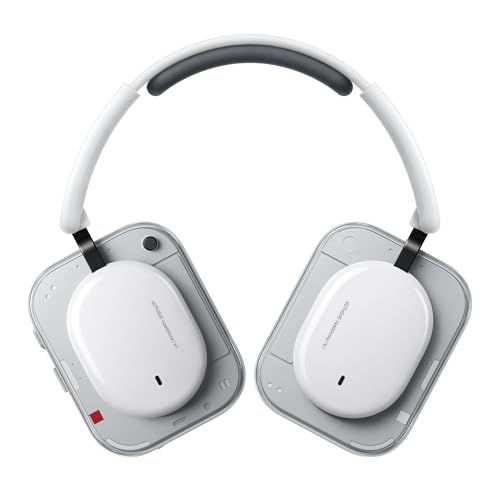
For just under AU$200 (for the white model), the Nothing Headphone (a) are a terrific buy. A vast improvement over the Headphone (1), this newer set delivers a detailed, expansive soundstage coupled with good noise cancellation. Plus, their 135-hour battery life eclipses the OnTrac by some margin. View Deal
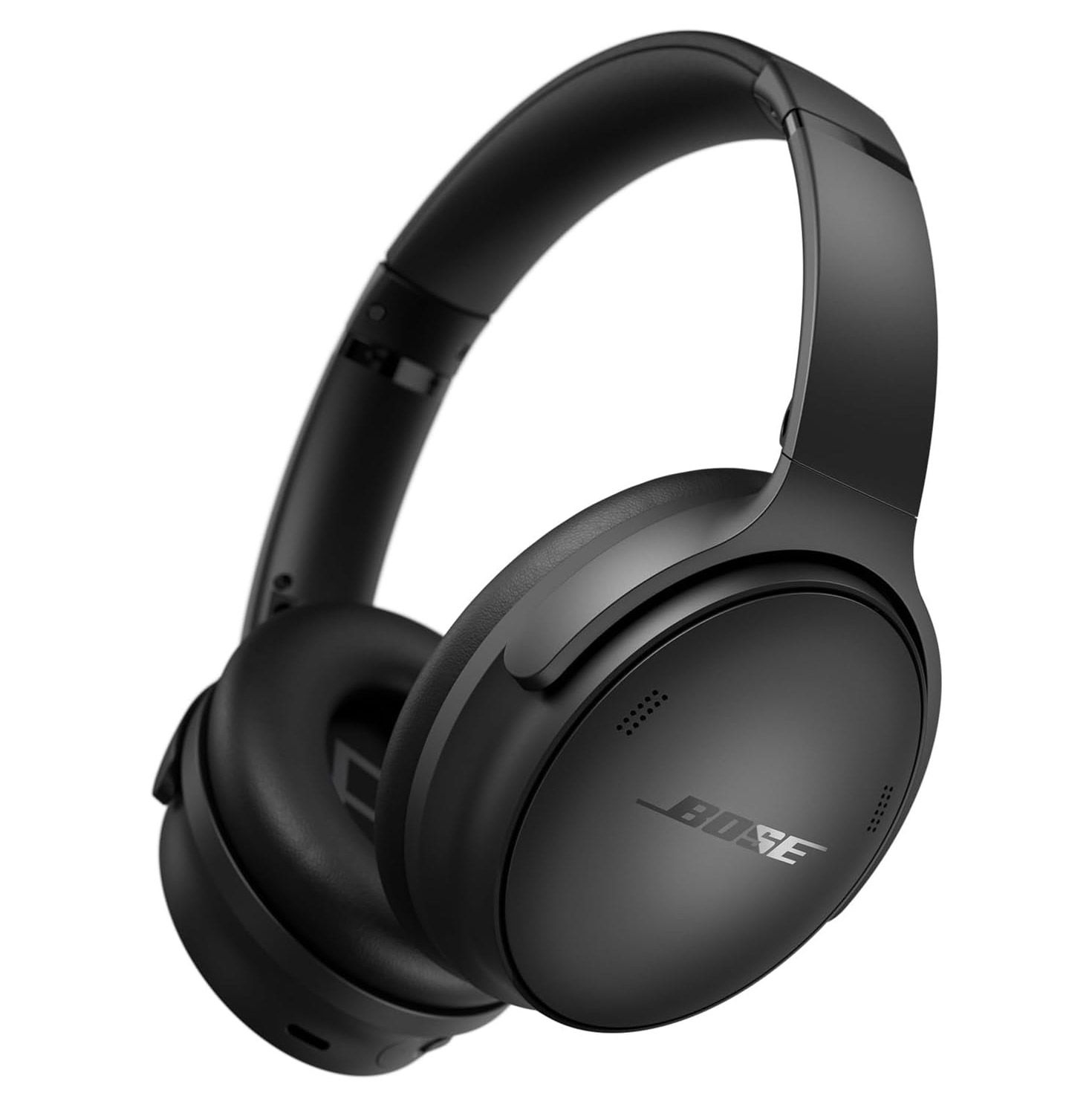
QuietComfort SC: was $499.95 now $349.99
Nearly as good as the premium QuietComfort Ultra, the SC misses out on the Immersive Audio mode — though they do come with a soft case. They have dropped to well below AU$300 before, which could happen during the next Prime Day sales event. View Deal
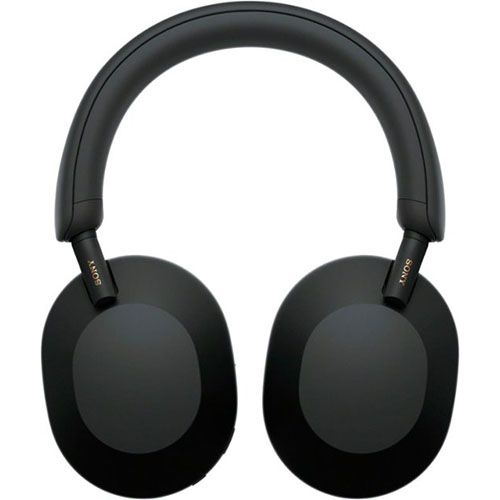
If your budget can stretch, the Sony WH-1000XM5 will reward you with superior sound quality, incredible comfort and excellent ANC. They’re comfortable to wear for long periods and benefit from a smartphone app that opens up a huge world of customisation.View Deal
AirPods 5 bring Active Noise Cancellation to Apple’s most affordable current AirPods while pushing the open-ear design closer to capabilities previously associated with more expensive models. The new generation starts at $129 and uses redesigned acoustics and computational audio to remove up to 50% more external noise than AirPods 4 with Active Noise Cancellation.
Apple is also splitting the range into two versions. The standard $129 AirPods 5 include ANC and USB-C charging, while a $149 model adds a Wireless Charging Case, longer battery life, a case speaker for Find My, and volume adjustment directly from the stems.
Both models are available for preorder ahead of their September 18 release in the U.S. and more than 65 other countries and regions.
The changes make the distinction between Apple’s entry-level AirPods and its more advanced headphones less dependent on headline software features. Adaptive Audio, Transparency, Conversation Awareness, Personalized Spatial Audio, Live Translation, and Siri AI are all part of the AirPods 5 experience.

Active Noise Cancellation is particularly difficult to implement in an open-ear earbud because there is no silicone tip forming a physical seal inside the ear canal.
Apple has approached that limitation with a new multiport acoustic architecture, revised computational audio algorithms, and the H2 headphone chip. The company says AirPods 5 can cancel up to 50% more noise than AirPods 4 with ANC.
That improvement does not turn the design into an AirPods Pro-style sealed earbud. AirPods 5 remain open-ear headphones, retaining the fit preferred by people who dislike the pressure or isolation associated with in-ear tips.
The acoustic system has also been redesigned around a wider variety of ear shapes. Next-generation Adaptive EQ continuously adjusts sound based on how each earbud sits, while Apple says the revised architecture produces richer and more detailed playback.
Transparency mode has been updated to reproduce voices and environmental sounds more naturally. Adaptive Audio can move between Transparency and noise cancellation according to surrounding conditions, while Conversation Awareness automatically reduces media volume when the wearer begins speaking to someone nearby.
Personalized Spatial Audio with dynamic head tracking remains supported for compatible music, movies, and other content.
AirPods 5 are rated IP57 for dust, sweat, and water resistance, making them better suited to workouts and changing weather conditions, although they are not waterproof.
Apple’s pricing makes the $149 Wireless Charging Case version more than a different charging option.
Standard AirPods 5 provide up to four hours of listening on one charge with ANC enabled and up to 20 hours when the USB-C case is included.
AirPods 5 with Wireless Charging Case increase those figures to five hours from the earbuds and up to 22 hours with the case while ANC is active.
The upgraded case can charge through USB-C, an Apple Watch charger, or a Qi-certified wireless charger. It also contains a speaker that can assist with locating the case through Find My.
The more expensive model introduces another difference directly on the earbuds. Users can swipe up or down on a stem to adjust volume, bringing a control familiar from AirPods Pro to Apple’s open-ear form factor.
That leaves buyers with a relatively straightforward tradeoff. The $129 version provides the central audio experience, including ANC, without requiring a step up for the main listening features. Spending another $20 adds more convenient charging, slightly longer battery life, Find My assistance from the case speaker, and physical volume adjustment.
Placing either AirPods 5 model in its charging case for five minutes provides about one additional hour of listening.

AirPods 5 arrive as Apple makes voice interaction a larger part of the AirPods experience.
When paired with a compatible iPhone, Siri AI can be accessed hands-free. The assistant can work with personal context from information such as messages, emails, and photos, respond to open-ended questions, and perform supported actions in apps.
Head gestures remain part of the experience. Users can nod to accept certain Siri prompts or shake their head to decline them, allowing calls and notifications to be handled without speaking or touching the earbuds.
Live Translation provides another use for the microphones and ANC system.
After compatible languages are downloaded and the feature is configured through Apple’s Translate app, a user can hear another person’s speech translated through AirPods. Translation can be started through Siri, the iPhone Action button, the Translate app, or by pressing and holding both AirPods stems simultaneously.
When two people are each using compatible AirPods and supported iPhones, both participants can hear translated versions of the conversation in their chosen languages.
Live Translation requires an Apple Intelligence-enabled iPhone 15 Pro or later, compatible AirPods, current software, and the latest AirPods firmware, with availability varying by language and region. Apple also notes that generated translations can contain errors, making verification appropriate when accuracy is especially significant.
The fifth-generation model represents a different kind of upgrade from simply adding another listening mode.
ANC is now standard across both AirPods 5 configurations, instead of requiring buyers to choose a separate ANC version as they did with AirPods 4. Apple has then moved the pricing distinction toward charging, battery endurance, Find My hardware, and physical controls.
The earbuds continue to use Bluetooth 5.3 and the H2 chip, with dual beamforming microphones, an inward-facing microphone, optical in-ear detection, motion and speech accelerometers, and force sensors built into the stems.
Each earbud weighs 4.3 grams, preserving the lightweight character of the open-ear line despite the additional capabilities.
The new acoustic architecture may be the more consequential change over time. Open-ear earbuds cannot rely on a tight seal to block surrounding sound, so gains in ANC depend heavily on microphone placement, acoustic design, fit, and real-time processing. Apple’s claim of up to 50% more noise removal over the previous generation represents a substantial step for that format rather than simply matching the behavior of sealed earbuds.
AirPods 5 start at $129, while AirPods 5 with Wireless Charging Case cost $149. Both reach stores on September 18, giving the open-ear AirPods line a standard feature set that now includes noise cancellation without pushing buyers to a higher-priced model to get it.

The post AirPods 5 bring stronger open-ear noise cancellation and smarter listening features appeared first on AppleMagazine.
It's time for TechRadar's annual tech awards, and this year we're doing it differently. For the first time, we have a complete set of categories where the winners are chosen 100% by you, the TechRadar readers.
The TechRadar Readers' Choice Awards 2026 comprises nearly 100 categories, but we know that not everyone is interested in voting in every one, so on this page you can vote in just our TV, Streaming and Audio categories.
These include soundbars, projectors, Bluetooth speakers, headphones and earbuds, as well as televisions and streaming services. You can vote in the survey just below — or follow the links to see other specific categories, or to vote on the full list instead.
The shortlists were chosen by TechRadar's editors based on the best products we've tested or the most popular products of the year. You'll need to vote before 00:01am PST / 03:01am EST / 08:01am BST on Wednesday October 7th 2026 for it to be counted.
Once the deadline has passed at 00:01am PST / 03:01am EST / 08:01am BST on Wednesday October 7th 2026, we'll tally your votes to find the winners in each category.
We'll announce the winners in our big TechRadar Awards 2026 Week, starting Monday October 19th. We'll reveal the winners of the Reader's Choice Awards, as well as the winners of our TechRadar Product of the Year Awards, which are chosen solely by our expert judges.
How many products will do the double? We'll be curious to see — but right now, all you can do is vote for what you think should win, so vote away!

If you need a headset to use at work, Bose's QuietComfort Ultra Gen II and the Sony WH-1000XM6 are undoubtedly good choices. I prefer the Bose because of its comfort and sound quality, and it is the headset I use while traveling.
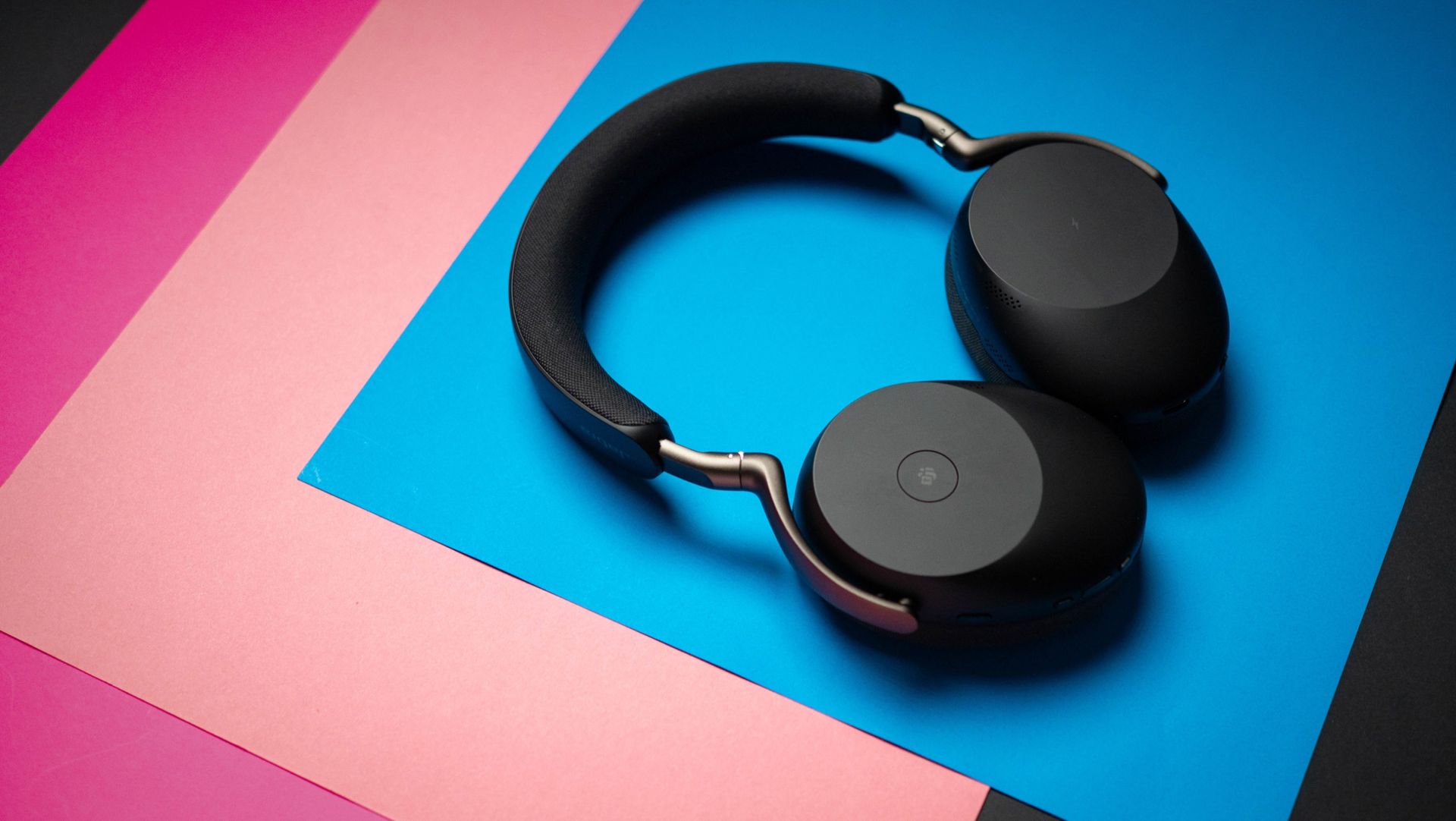
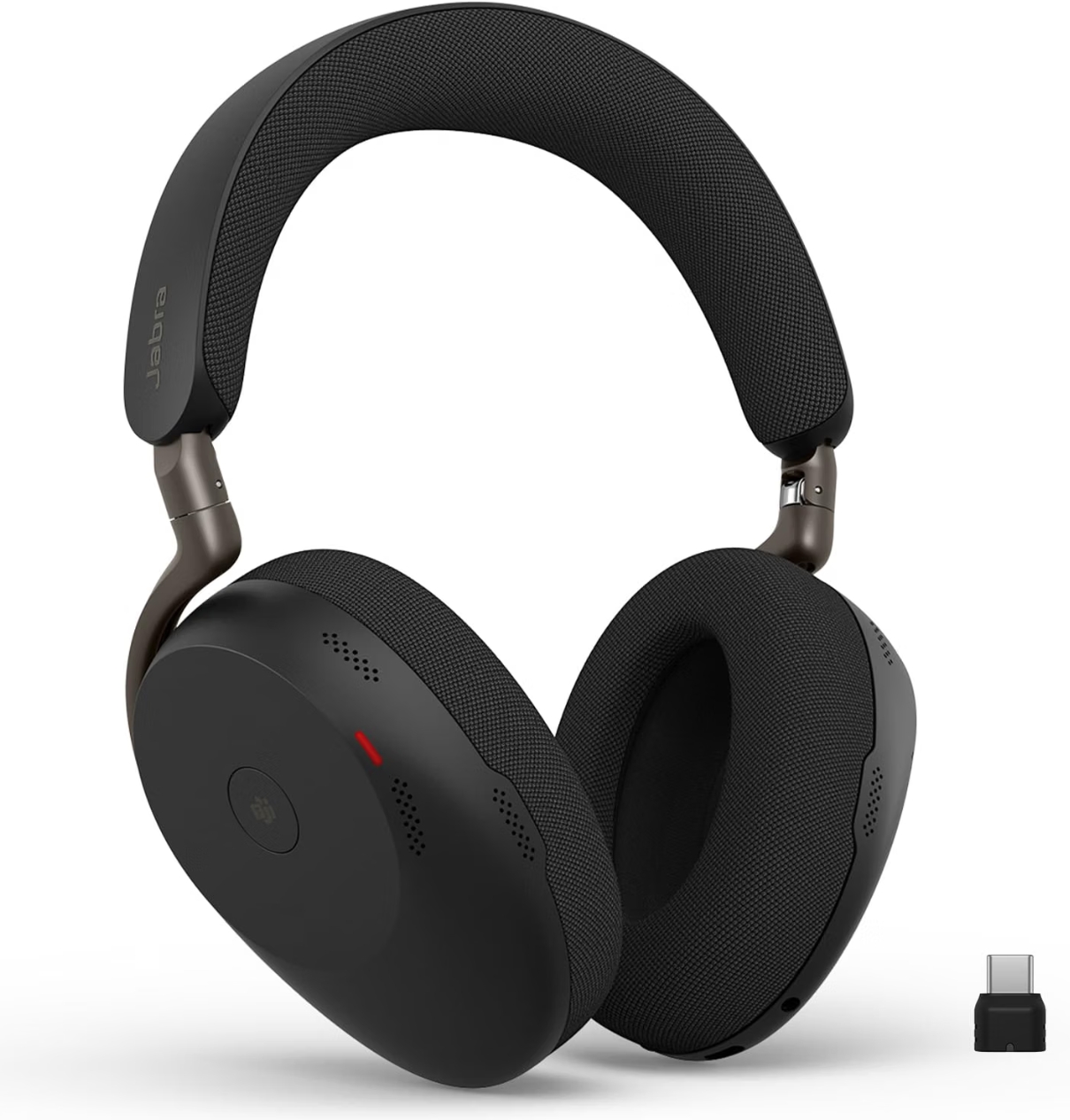
But I found out recently that there is a better choice: Jabra's Evolve3 85. It is positioned as a work headset, but it does so much more; I used it for the better part of three months now, and I'm convinced that it is better than what Bose and Sony have to offer. Coming in at $475, it is on the higher end of the scale, but it has meaningful advantages over its immediate rivals.
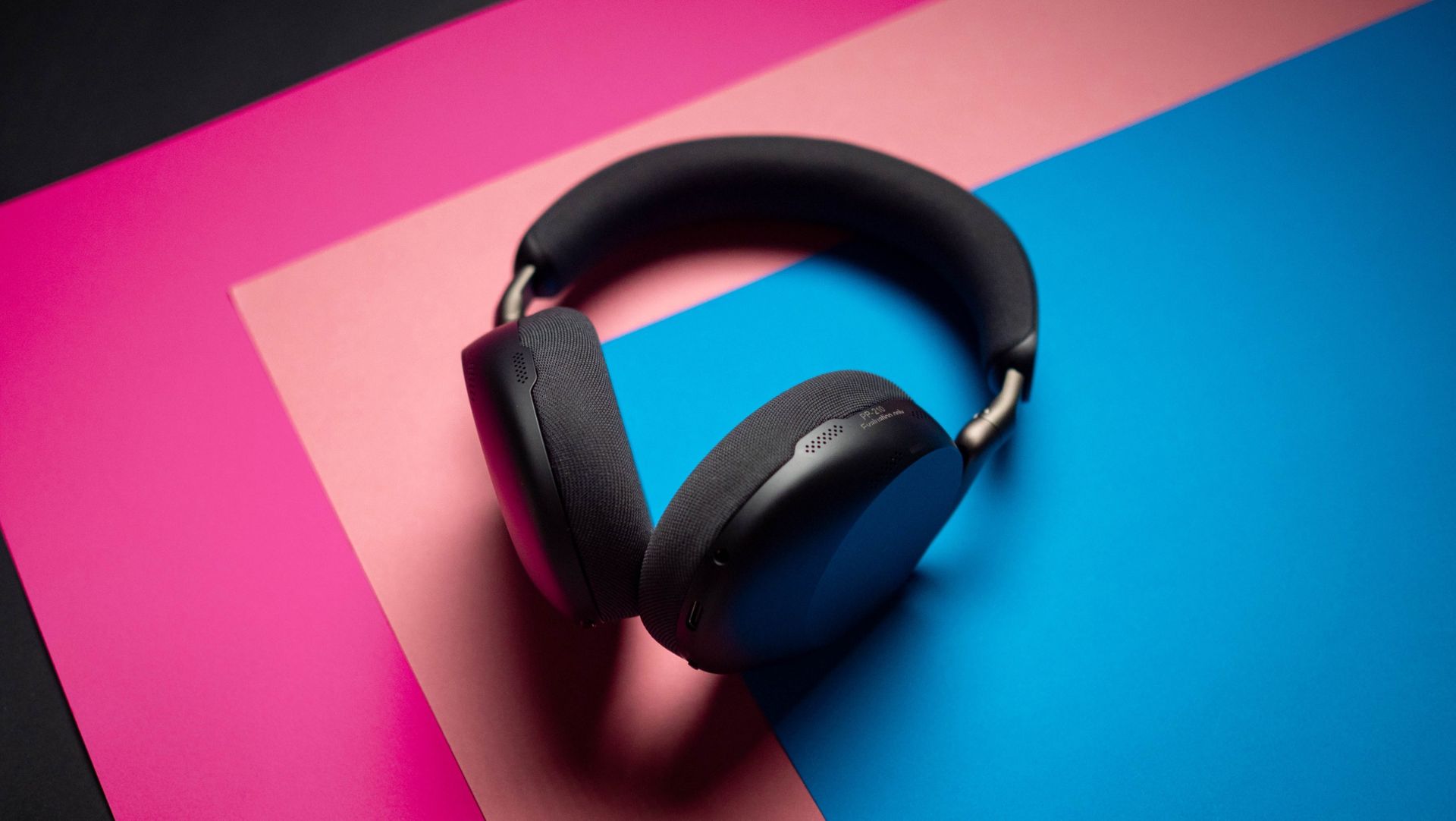
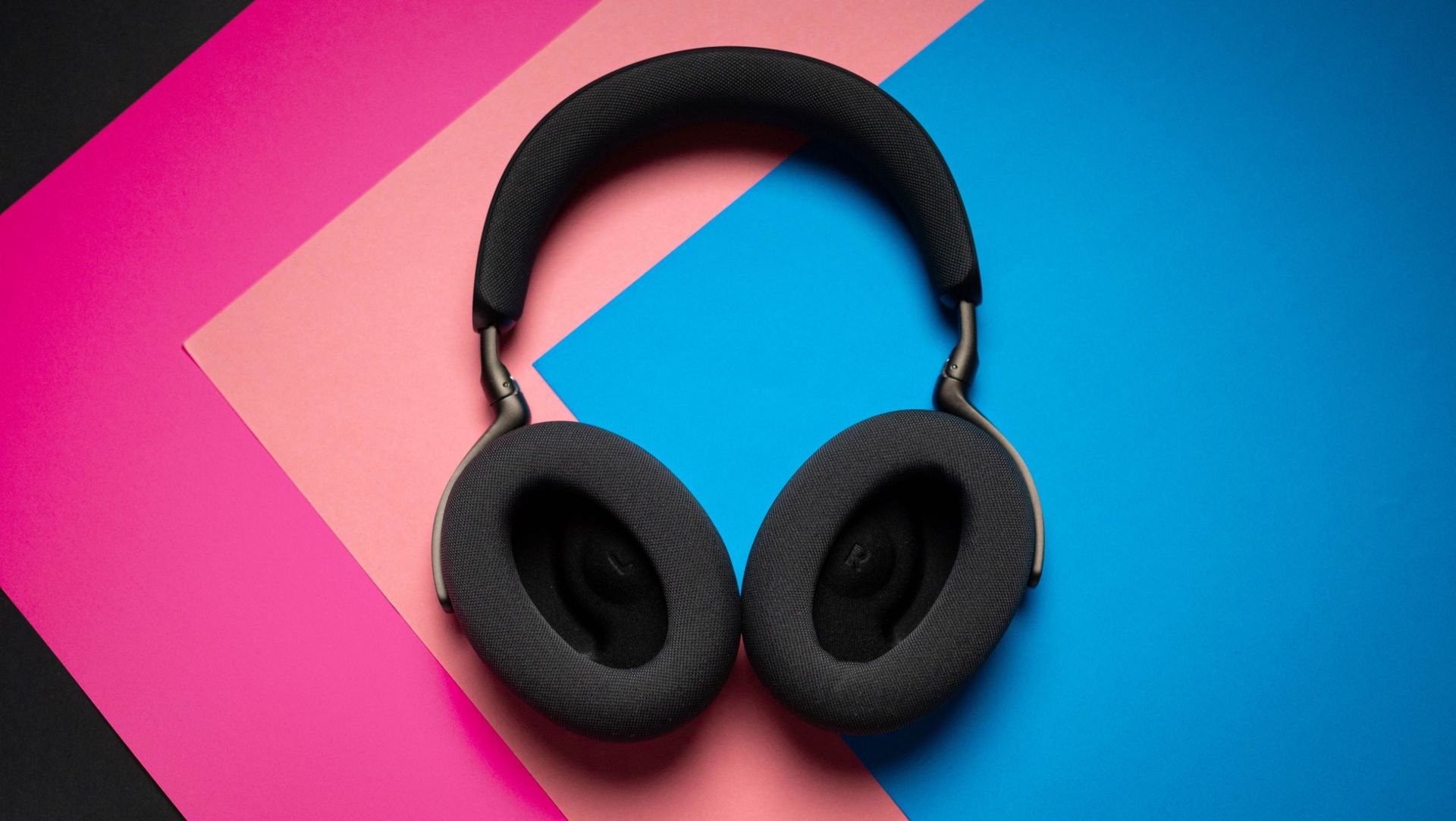
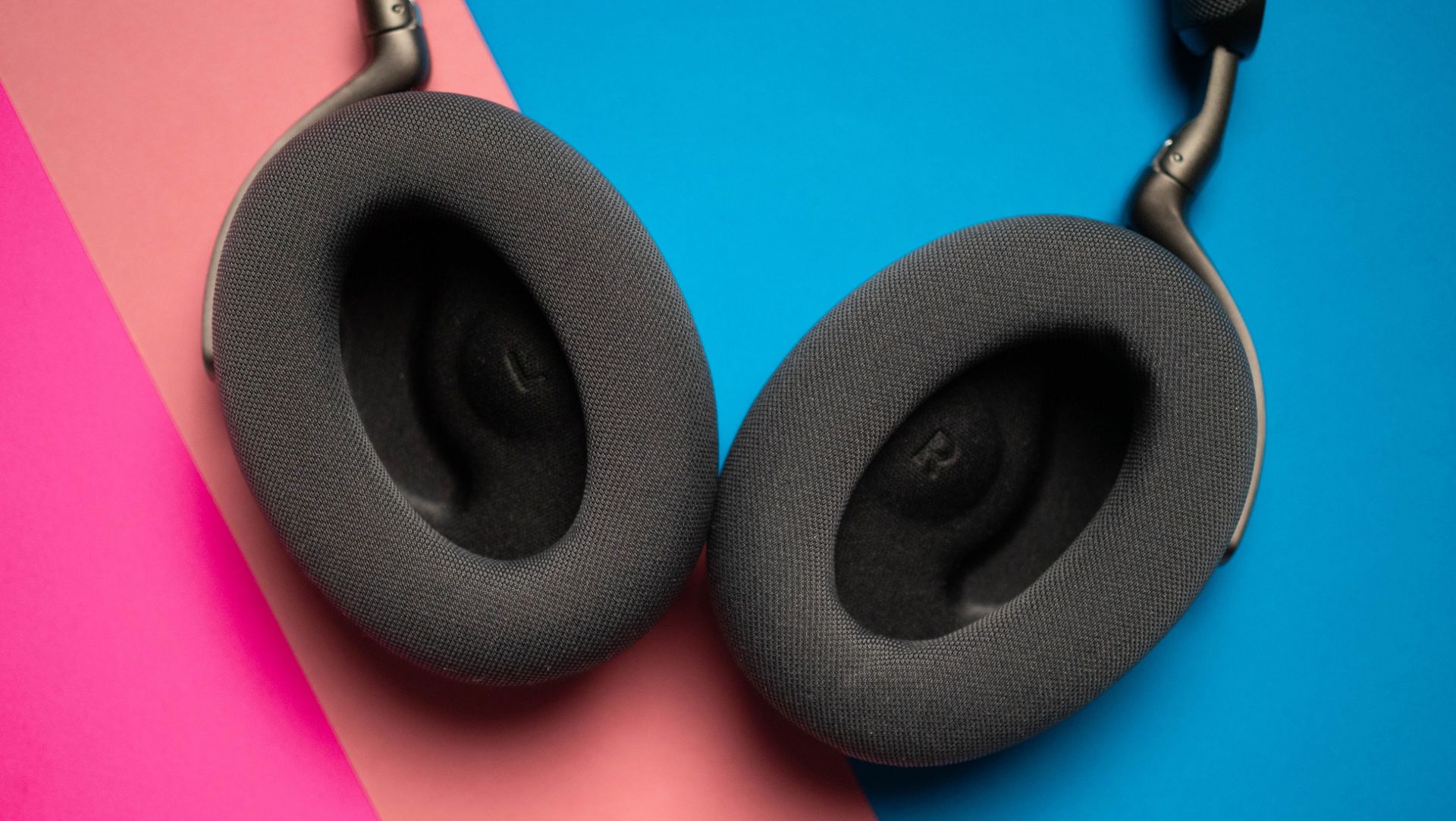
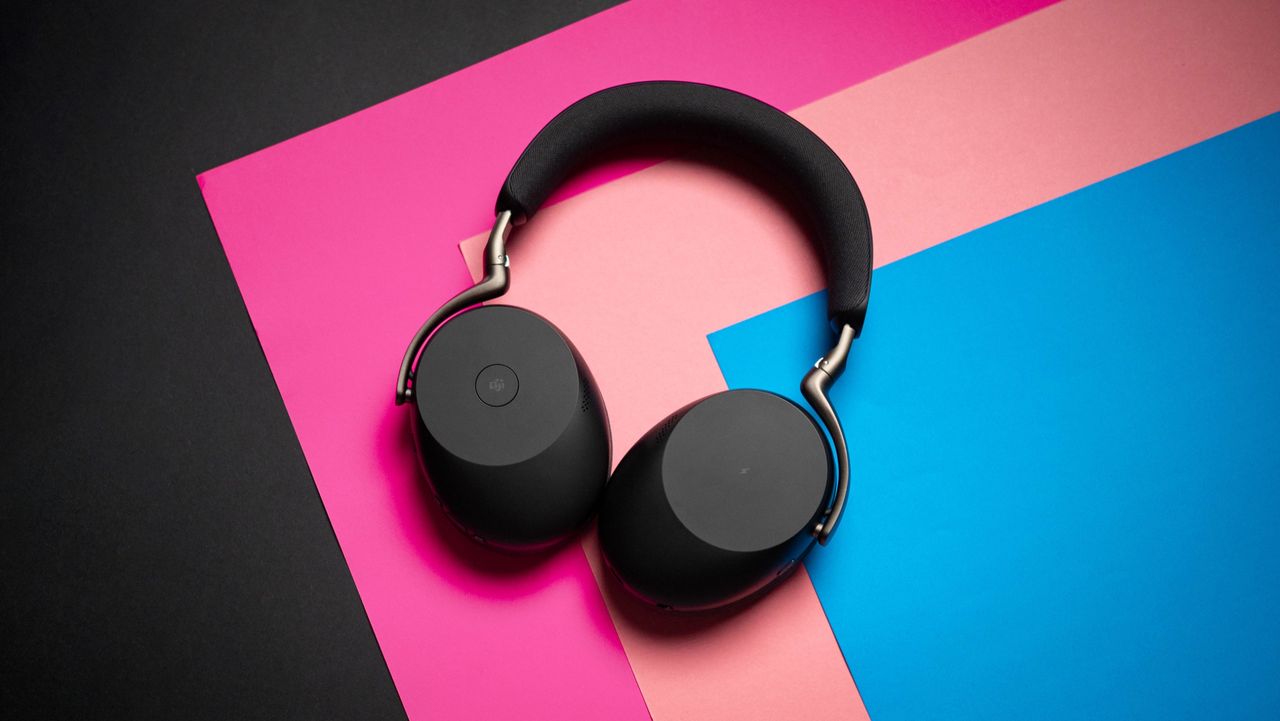
Let's start with the design. The Evolve3 85 is the lightest headset in its category at 220g, and I immediately noticed the difference. Bose and Sony's headsets are at least 30g heavier, and switching between the QC Ultra Gen II and the Evolve3 85, it's clear that Jabra nailed the comfort. The lightweight design ensures you get a fit that doesn't lead to any fatigue even with all-day use.
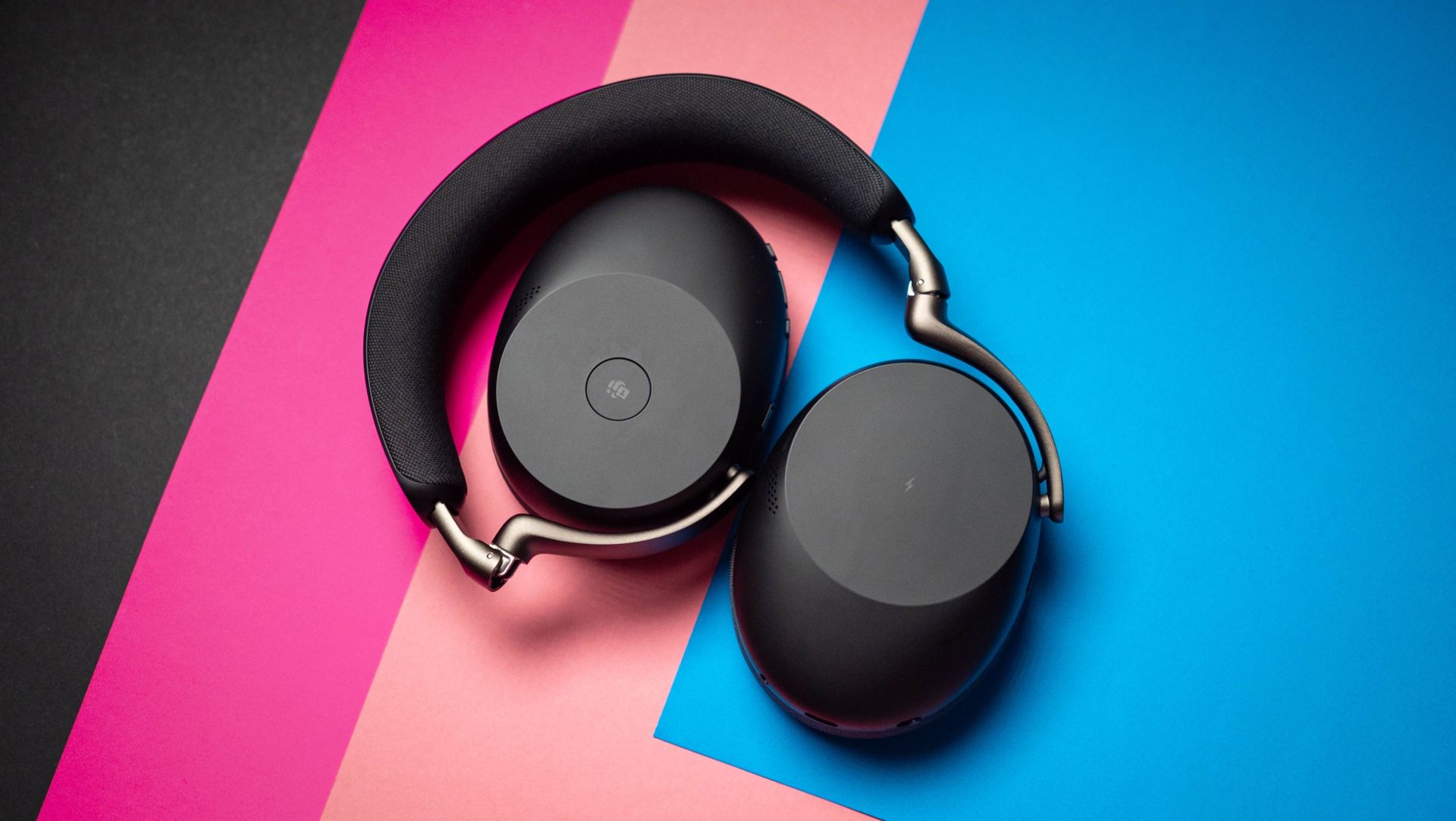
The ear cushions have a breathable design, and that extends to the headband as well. Build quality is great, and while it is light, you never get a feeling that it is flimsy — it's built to last. Another positive is the case; the headset folds flat and fits snugly into the bundled case, which is significantly smaller than what you get with Bose and Sony. This is a big deal in and of itself, as the Evolve3 85 doesn't take up anywhere as much room in your bag.
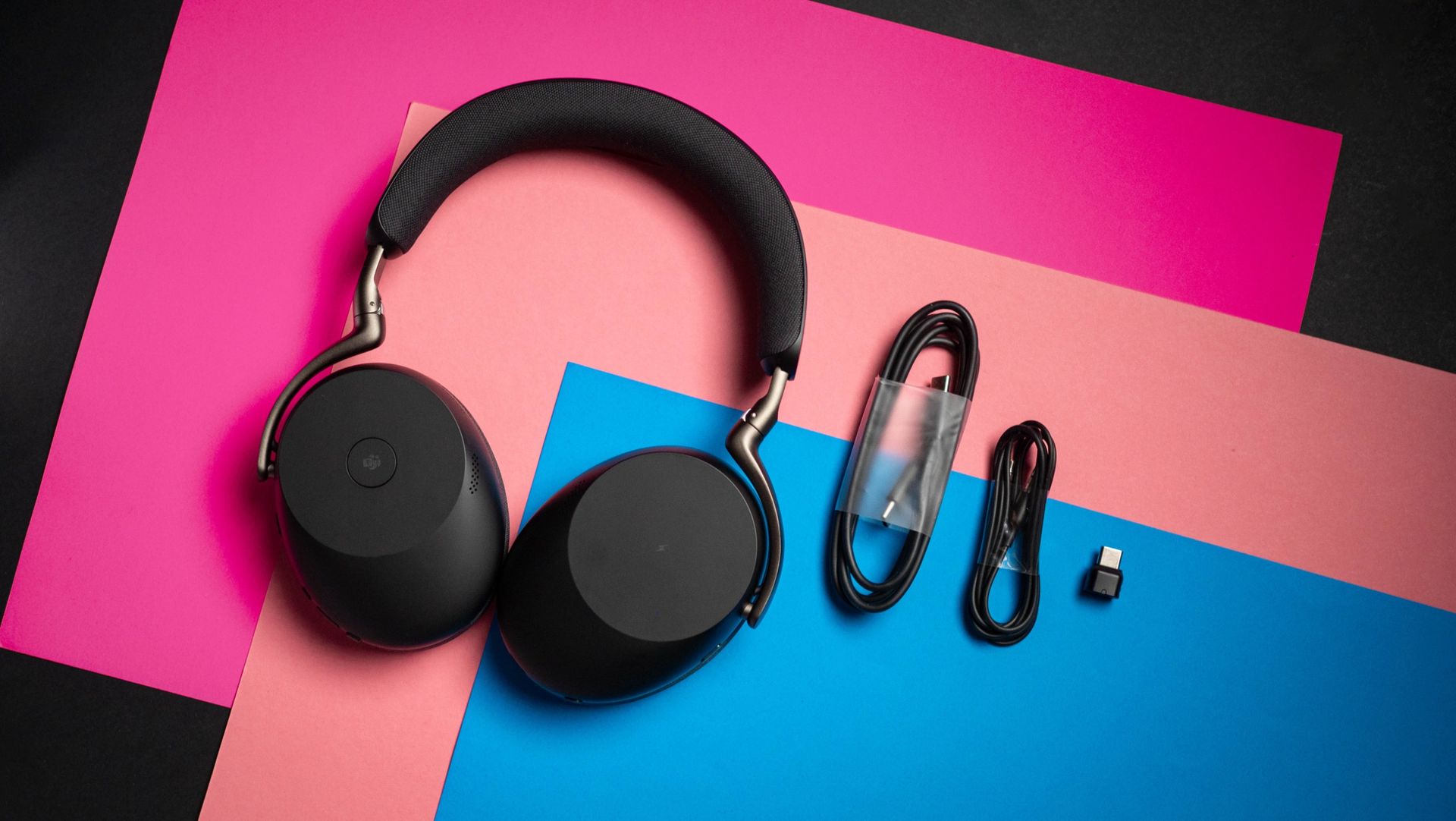
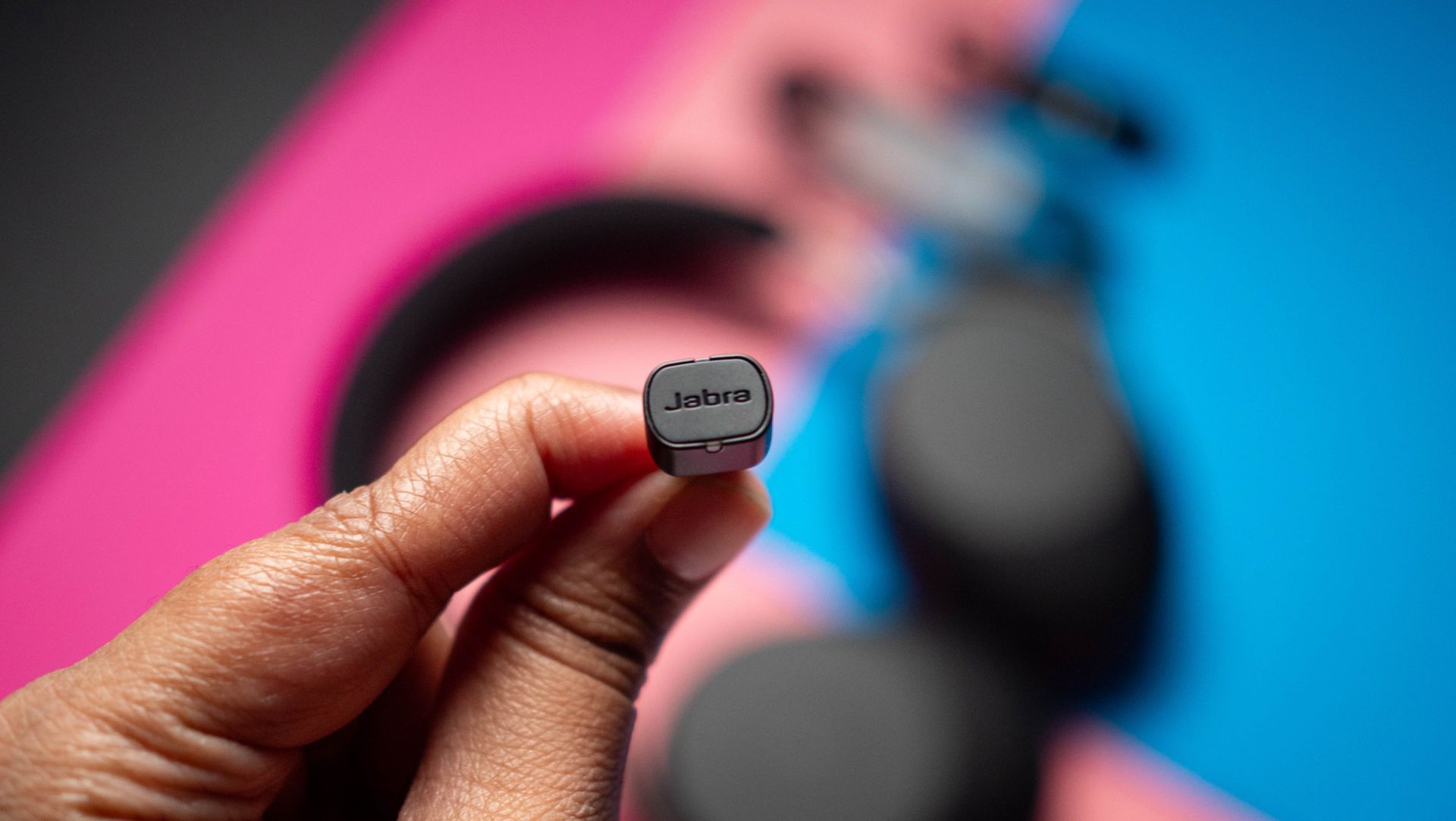
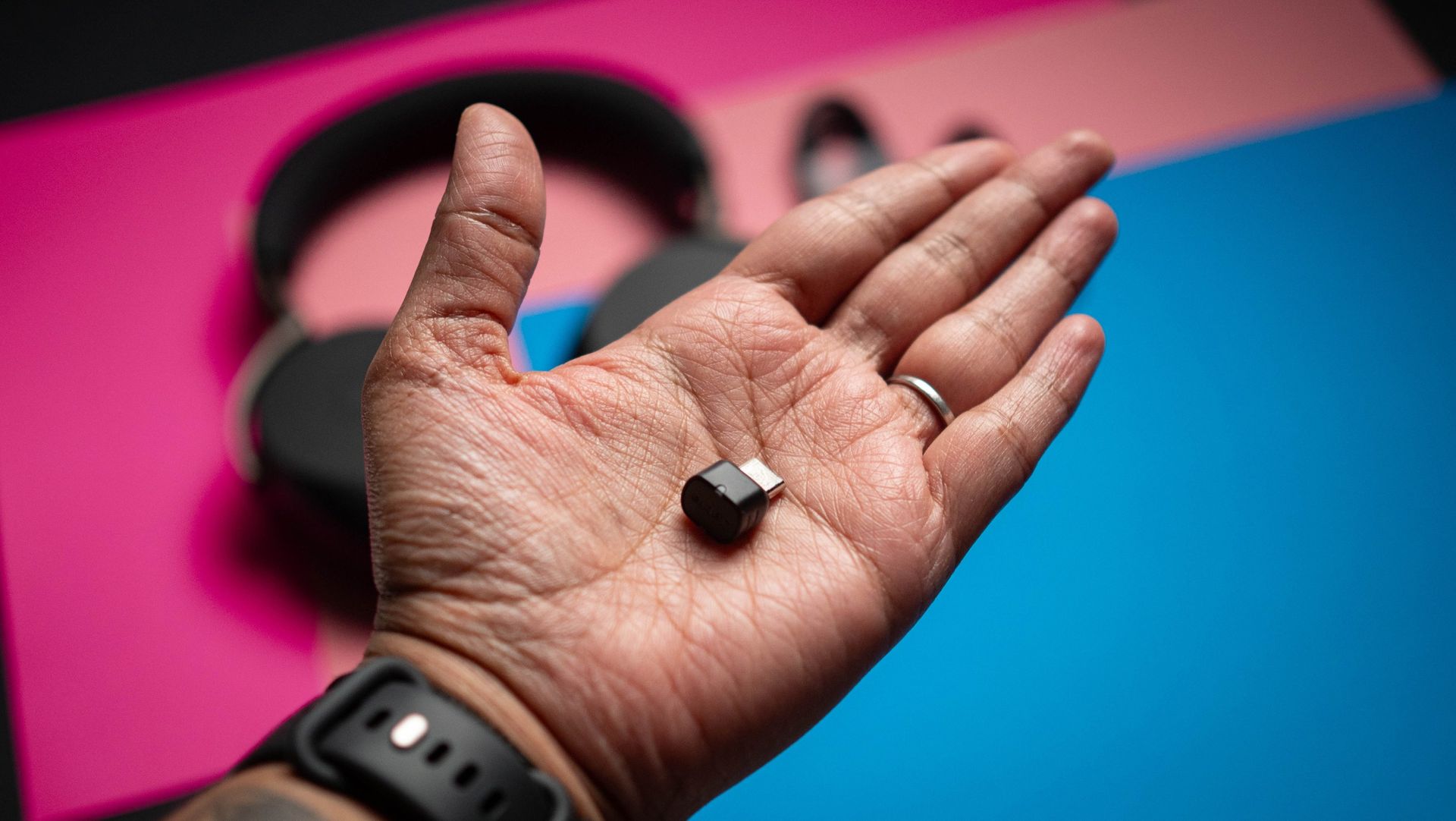
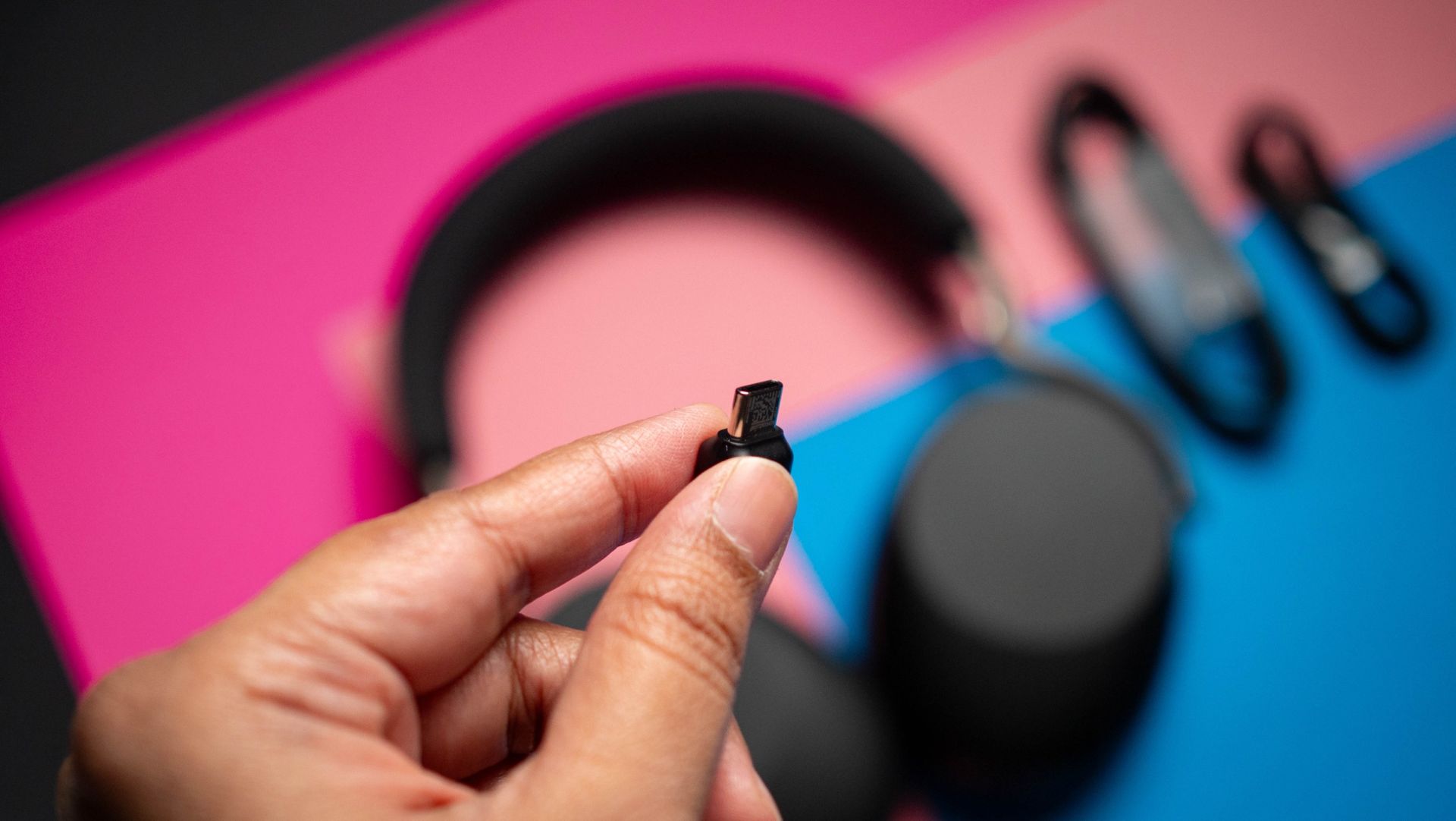
I also like the connectivity on offer. The Evolve3 85 uses Bluetooth 5.3, and I didn't see any issues pairing the headset with my Pixel 11 Pro XL, Find X9 Ultra, X9 Pro, Galaxy Z Fold 8 Ultra, iPhone 17 Pro, or the iPad Pro M4. It has Fast Pair, so it's about as easy to connect it to an Android device. There's also USB-C and 3.5mm connectivity if you want to plug the headset in, and my favorite inclusion is a USB-C receiver that lets me use the headset with my Windows machine.
I don't like using Bluetooth with Windows; my Gigabyte motherboard has a Bluetooth modem that's built clearly as an afterthought, because it is flaky at the best of times. As such, the convenience of being able to use a receiver to connect the headset with Windows is just great, and I like that Jabra went with USB-C. You also get USB-C and 3.5mm cables in the box, and I like the attention to detail that the brand lavished when it comes to connectivity.
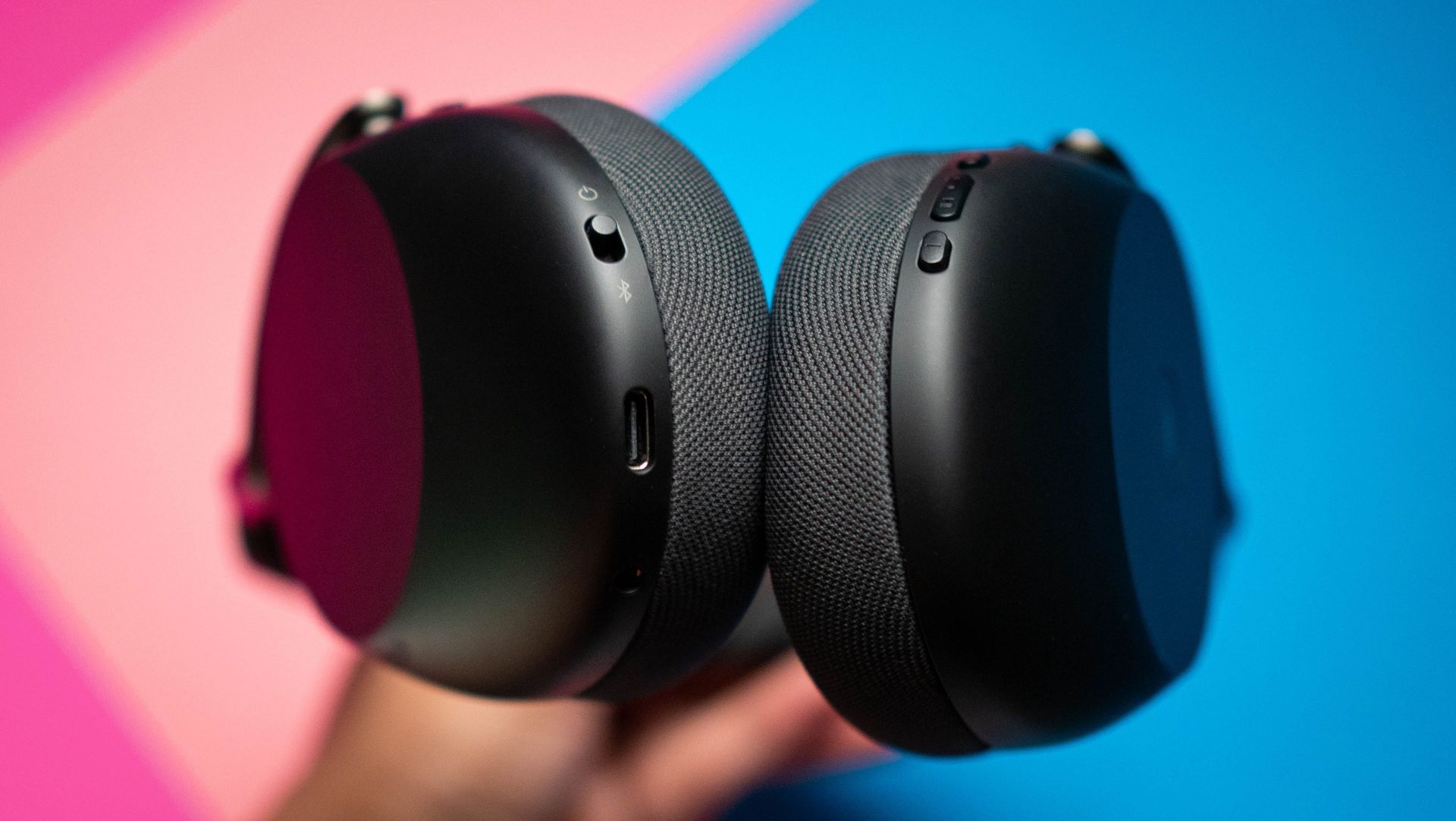
Connectivity is a big part of what makes a work-related headset stand out, and the Evolve3 85 excels in this area. Oh, and you can easily change the battery itself, should you need to down the line. I like tech that's built to last, and given that batteries tend to degrade over time, they're usually the biggest point of failure in a headset, so it's good to see Jabra addressing the issue.
There are other niceties as well; Jabra's ClearVoice does a good job tuning out ambient noises when you're talking, and it holds up astonishingly well. I use NVIDIA Broadcast to do the same, but ClearVoice is a good enough alternative. On that note, it has dedicated ANC as well, and it does an effective job blocking sounds in your surroundings if you're in a meeting or outdoors. The headset pairs with whichever digital assistant you use on your phone, and there are physical controls.
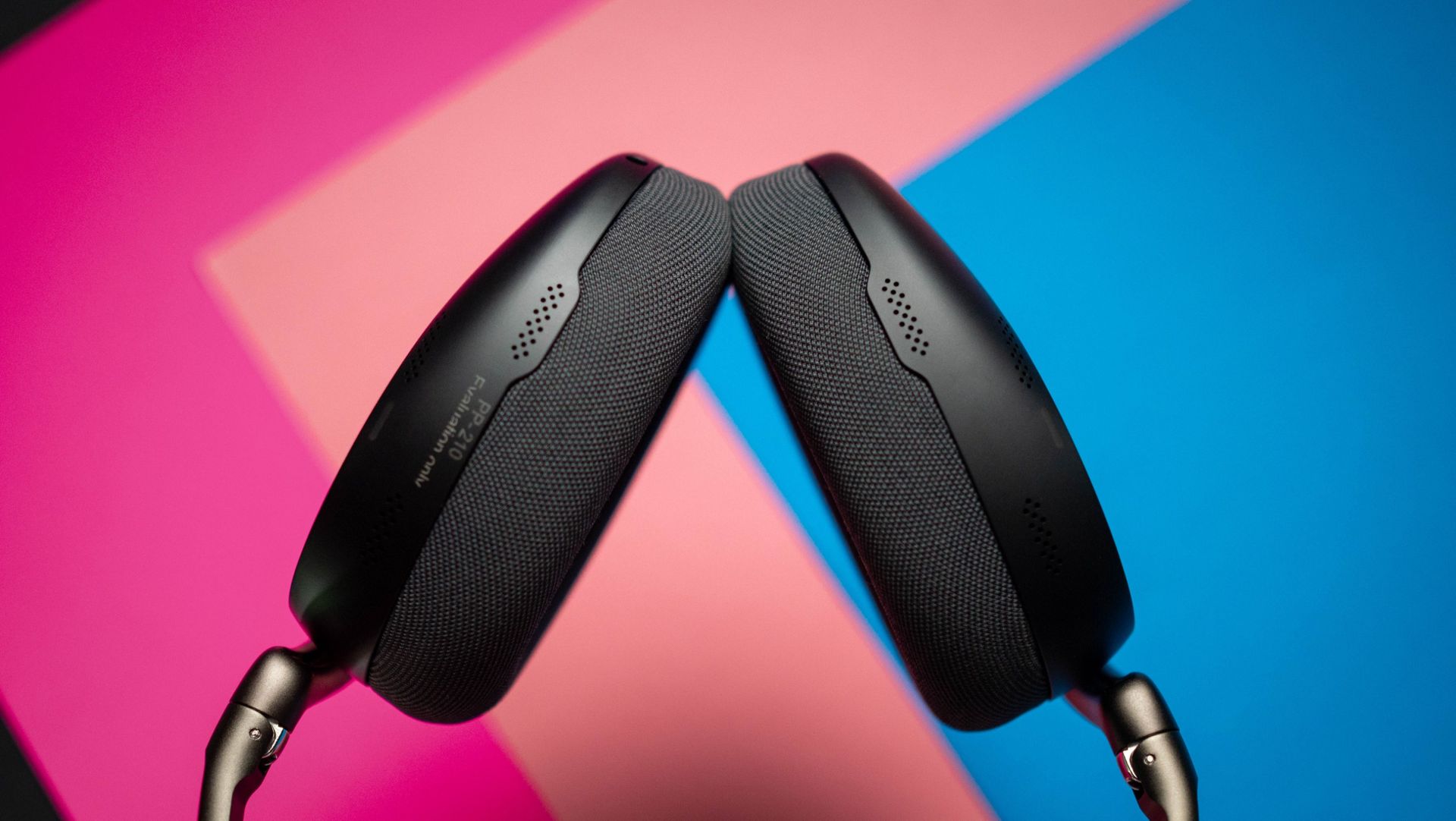
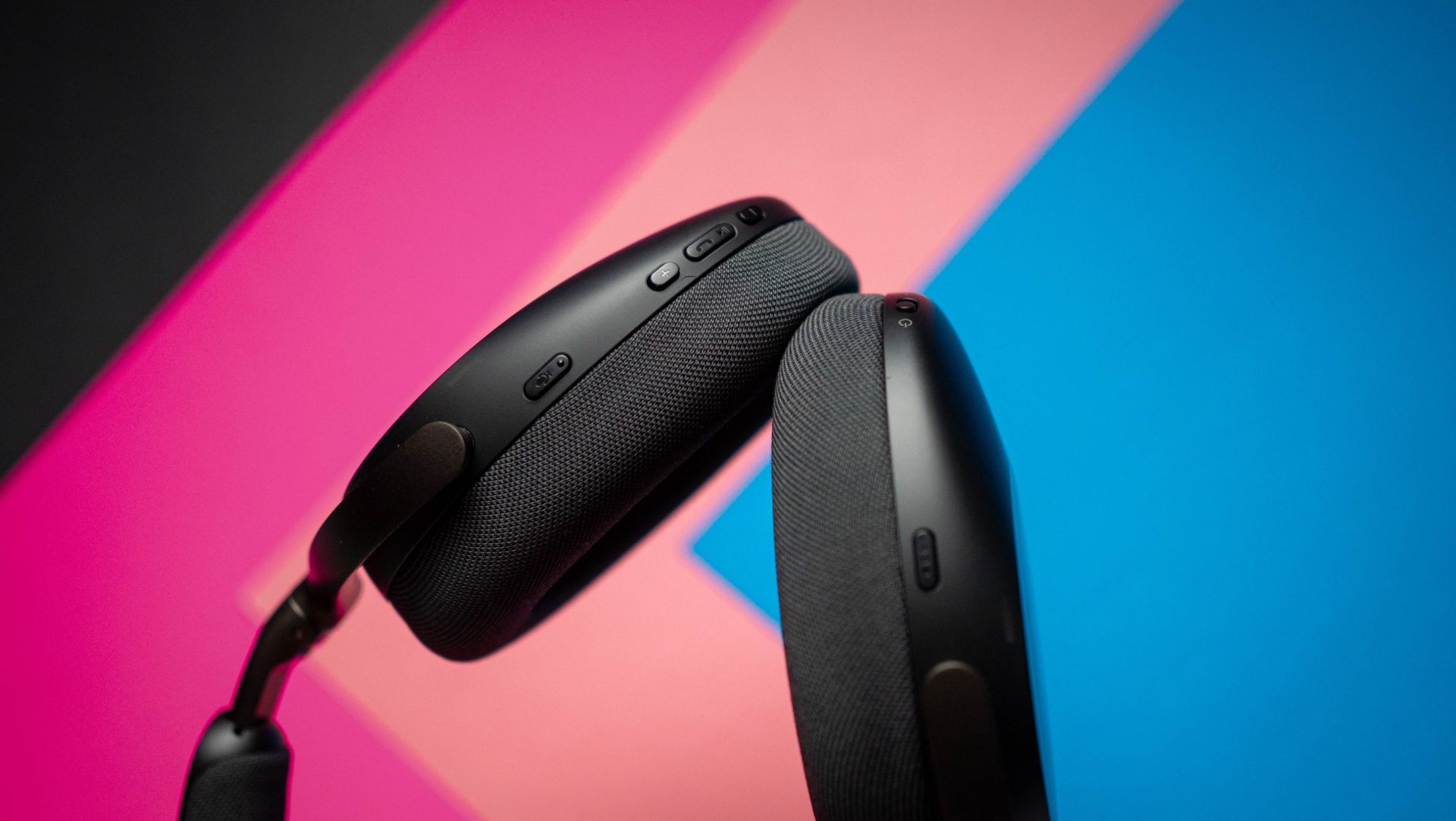
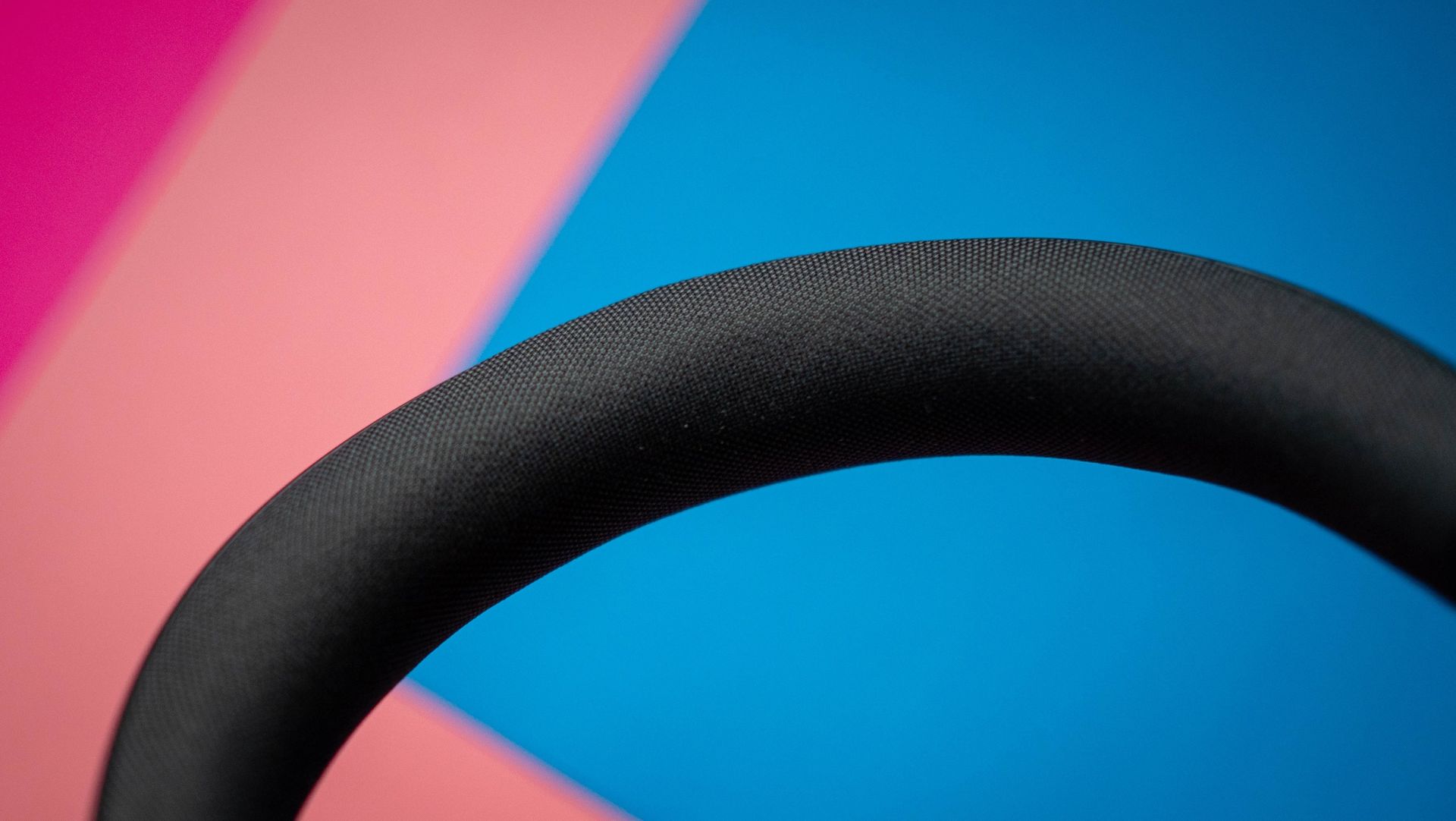
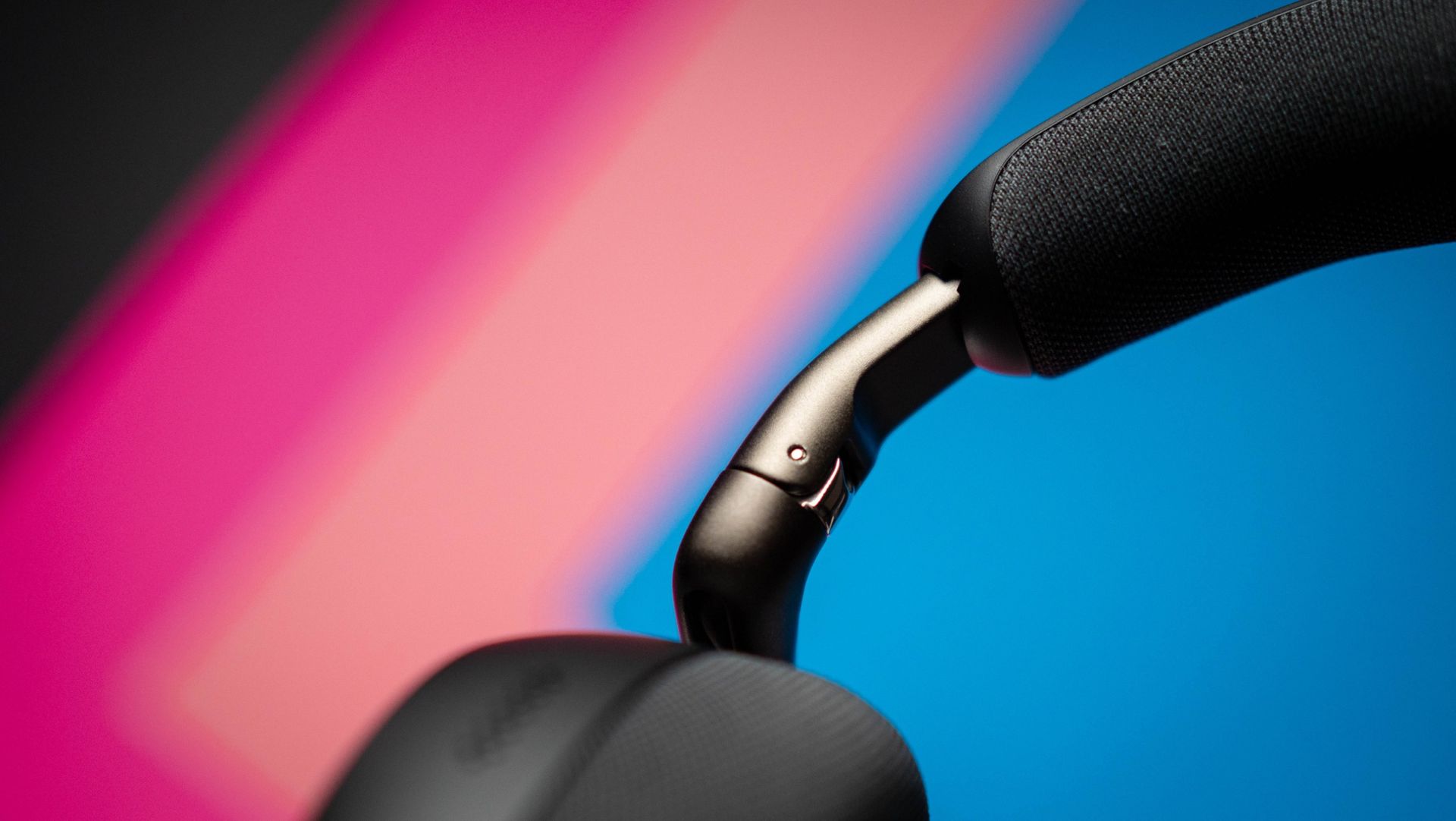
Sound quality is pretty good, too. Honestly, given how much Jabra positioned this as a work headset, I didn't think it would sound as good as its rivals, but the 32mm drivers do a great job. You get a detailed sound with plenty of bass, clean mids, and a tight treble. It's obviously built for meetings, but the headset is just as effective at extended music listening sessions. In fact, the only problem is that you don't get AptX codecs — it is limited to SBC and AAC.
Another thing Jabra does well is charging tech; the Evolve3 85 includes wireless charging, and I didn't realize just how convenient this is until I used the headset — I now want all of my Bluetooth headsets to have this as standard. There's fast charging too, with a 5-minute charge delivering five hours of power. The headset lasts well over 23 hours of meetings, with regular music listening at 60 hours — double that of Bose and Sony. Basically, you'll only need to charge it once a week even if you use it all day.
You get six mics in total, and they use MEMS solid-state tech, delivering better fidelity and low distortion. I attended dozens of meetings with the Evolve3 85 over Google Meet, Zoom, and Microsoft Teams, and the headset did a brilliant job.
While the Evolve3 85 is targeted as a work headset, it is just as great to listen to music or podcasts, and the lightweight design combined with all the extra features gives it a unique advantage you just don't see in this category.
With a highly comfortable design, great sound quality, and unique features designed for meetings, the Evolve3 85 is the best work headset around.
On our podcast I’m known as the Apple hater, but over the past year I’ve let up a little — even defended the company.
I’ve said Apple could be the only company capable of releasing camera glasses without major backlash thanks to privacy-first approach, celebrated its approach to AI as possibly genius if the bubble does pop, and most recently said the iPhone Duo looks great and that the visible crease in some shots should be ignored — as if it’s like the Z Fold 8 Ultra you’ll never see it while you’re using it.
But in our most recent episode, I saw something that I couldn’t believe in the new AirPods 5 specs. I had to actually message our Audio Editor because I thought I must be wrong.
How are on-bud volume controls only now coming to AirPods? And how are they reserved for the pricier model?
I brought this up in the podcast, but my Apple-wielding colleagues — Axel Metz and Matt Evans — argued the feature isn’t that useful anyway. Those with Pro-level AirPods that boast volume controls noted that they rarely use them
Folks, that’s beside the point.
Volume controls are one of the most basic earbuds functions. Take a minute to scroll through Amazon, and you can find dozens of wireless earbuds under $20 that offer volume controls. This shouldn’t be something reserved for the fifth generation of a premium earbuds brand like AirPods. It’s absurd!
Oh, and I think volume controls on the buds are useful, for what it’s worth. If I’ve set my phone up to watch a YouTube video and the volume spikes, I want to be able to quickly swipe down without reaching over; or I might want to change the volume of my workout tunes mid-session without pulling my phone out and risking getting distracted.
Sure, it’s not a game changer, but as I said already, it’s a basic feature we should expect. It would be like if your iPhone didn’t have an email app — there are ways around it, but why cut off the root of the problem?
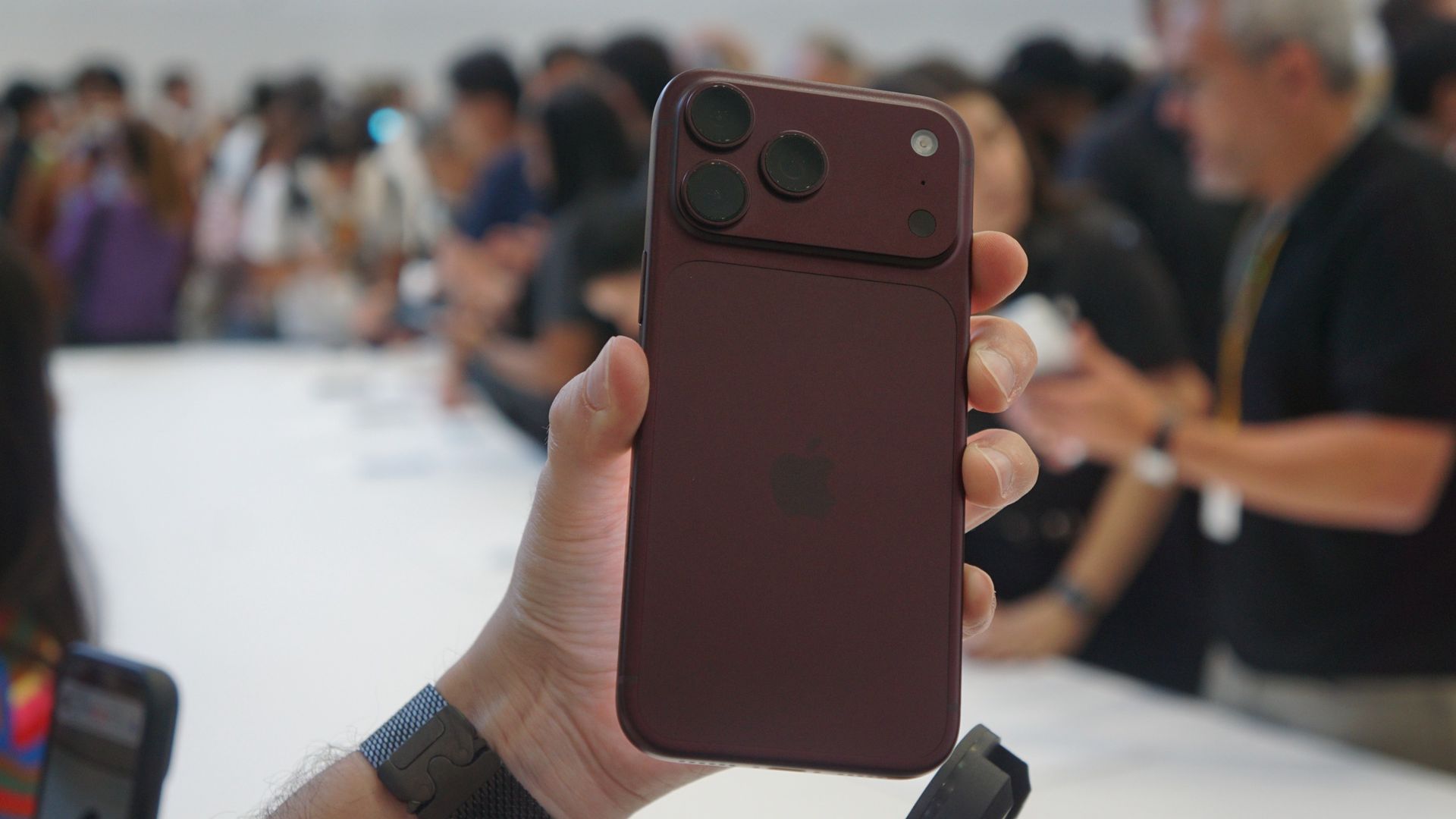
What really grinds my gears, however, is that volume controls still aren’t truly standard. If you get the base $129 / £119 / AU$219 AirPods, you’ll be out of luck — you need to pay extra for the $149 / £139 / AU$249 model with a wireless charging case.
This isn’t anywhere near as egregious as those ridiculously expensive Mac Pro wheels from early 2020 — back when we could worry about such trivialities in the ‘before times’ — but it feels like a remnant of Apple’s arrogance, and the quality that has put me off the company’s tech for all these years.
People can get the earbuds they want, and I’m sure the AirPods 5 will be just as solid as the previous generation. But when there are so many excellent audio options out there, my philosophy is to get a pair that respects you, offers genuine value for money, and won’t nickel-and-dime you for features that should have been added back in the first-generation model — not as an upcharge on the fifth-generation iteration.



Nothing's first over-ear headphones made a splash when they debuted. Now, rumors suggest the company wants to make even more noise with a "Pro" model.
Late this week, a post by Dealabs suggests Nothing is developing a "Headphone 1 Pro" model, and a launch could be closer than we think (via 9to5Google). As with any device, especially one marked by "Pro," design changes/improvements are possible. The publication claims the Pro headphones could feature "aluminum and glass" on their body. The idea could be to not only separate the Pro from the base model, but also to solidify a "premium" aesthetic, as the post notes.
White and black colorways are supposedly likely once this (allegedly) hits the market around September 29, 2026. However, rumors claim Nothing plans to make the Pro tag matter with a triple audio driver. Improved bass, sharper audio precision, and improved treble were mentioned.
Whispers allege real-time "adaptive" ANC that could outshine the original's. Battery life is another highlight. The Pro model could offer 60 hours of playback time. What's not clear is whether this is with ANC active or not. The original model could run for 35 hours with ANC on and 80 hours with it off. If this higher number concerns the former, that could be a huge boon to consumers.
There's nothing official, but rumors claim the Headphone 1 Pro could run consumers $399 in the U.S.
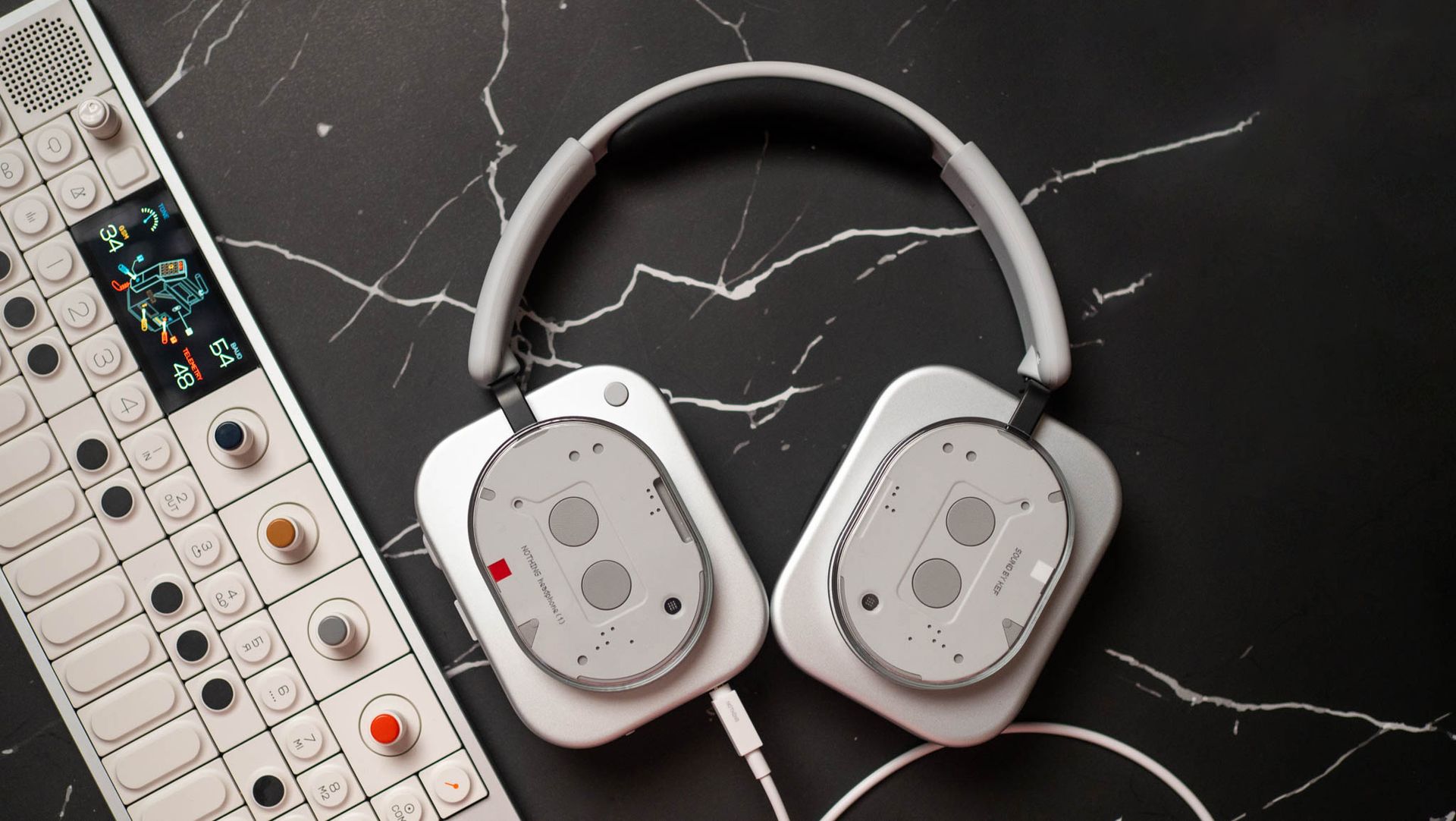
The idea of a Pro headphone from Nothing sounds intriguing. I'm not really a fan of wearing over-ear headphones out or away from my computer. I'm a gamer, so that's usually when I'll ever wear something like this. But there's a huge market for over-ear headphones. Music is probably the best thing for them. You can connect them to your phone, get a workout in, or hop on the bus or train and immerse yourself in sound. That's what I'd like from Nothing. If it's going Pro, go immersive, too.
If you take a quick step back to when the Headphone 1 launched, Nothing stuck them with a $299 price tag in the U.S. The Pro model would ask for ~$100 more, if we're to believe these early rumors. Anyway, Nothing wanted to make a bold statement with these headphones. The device brought back real, physical buttons, rollers, and paddles that make the experience more manageable.
There were pieces of aluminum that accented the Headphone 1. The Pro version could take that up a bit, and with more glass, too. In our experience, the Headphone 1 was a good piece of hardware. In fact, it was arguably one of the best audio products of 2025. Considering the positioning of the controls, the Headphone 1 made it easy to control our music. What's more, since these buttons are physical, we avoided those accidental song skips or pauses.
Nothing equipped the Headphone 1 with "a custom 40mm driver with sound tuned by KEF" that sounded "amazing," per Android Central's Harish Jonnalagadda.

There's extensive choice if you want to get a pair of decent earbuds. Bose, Sennheiser, and Sony continue to be heavy-hitters in this category (I use my Bose QuietComfort Ultra Gen II while traveling), and phone brands also a good job with their earbuds — Google's Pixel Buds Pro 2 and Samsung Galaxy Buds 4 Pro deliver a vibrant sound with plenty of useful features.
But if you want the best sound quality, you'll need to turn your attention to Noble Audio. The boutique brand is known for its IEMs, and it has ventured into wireless earbuds in recent years. I've heard plenty of great things about the brand, so I was excited to get my hands on the FoKus Amadeus. Retailing for $320 on Amazon, the Amadeus is in the similar price bracket as the Bose QC Ultra Gen II and Sony WF-1000XM6, but what you're getting here is markedly different.
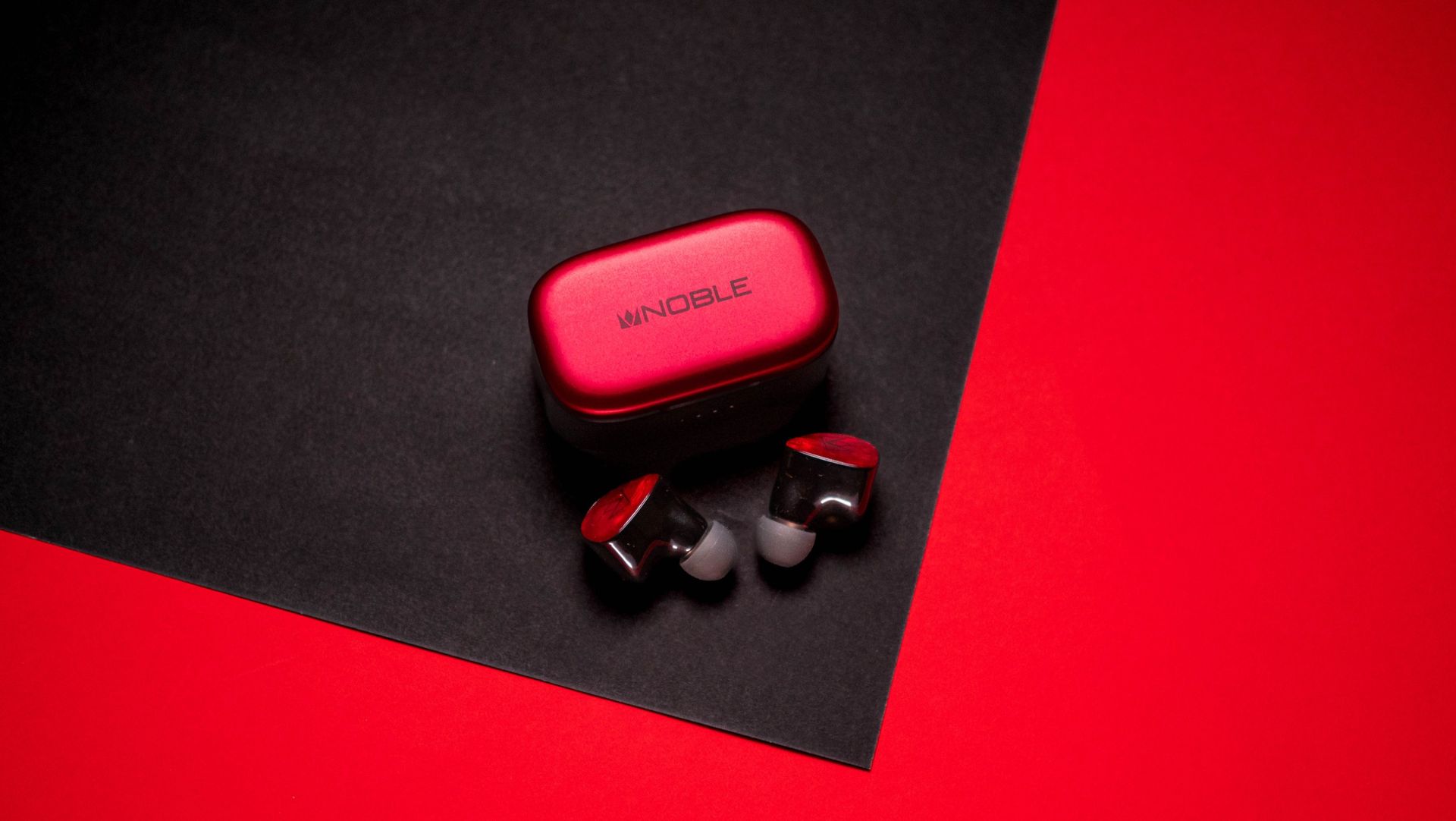
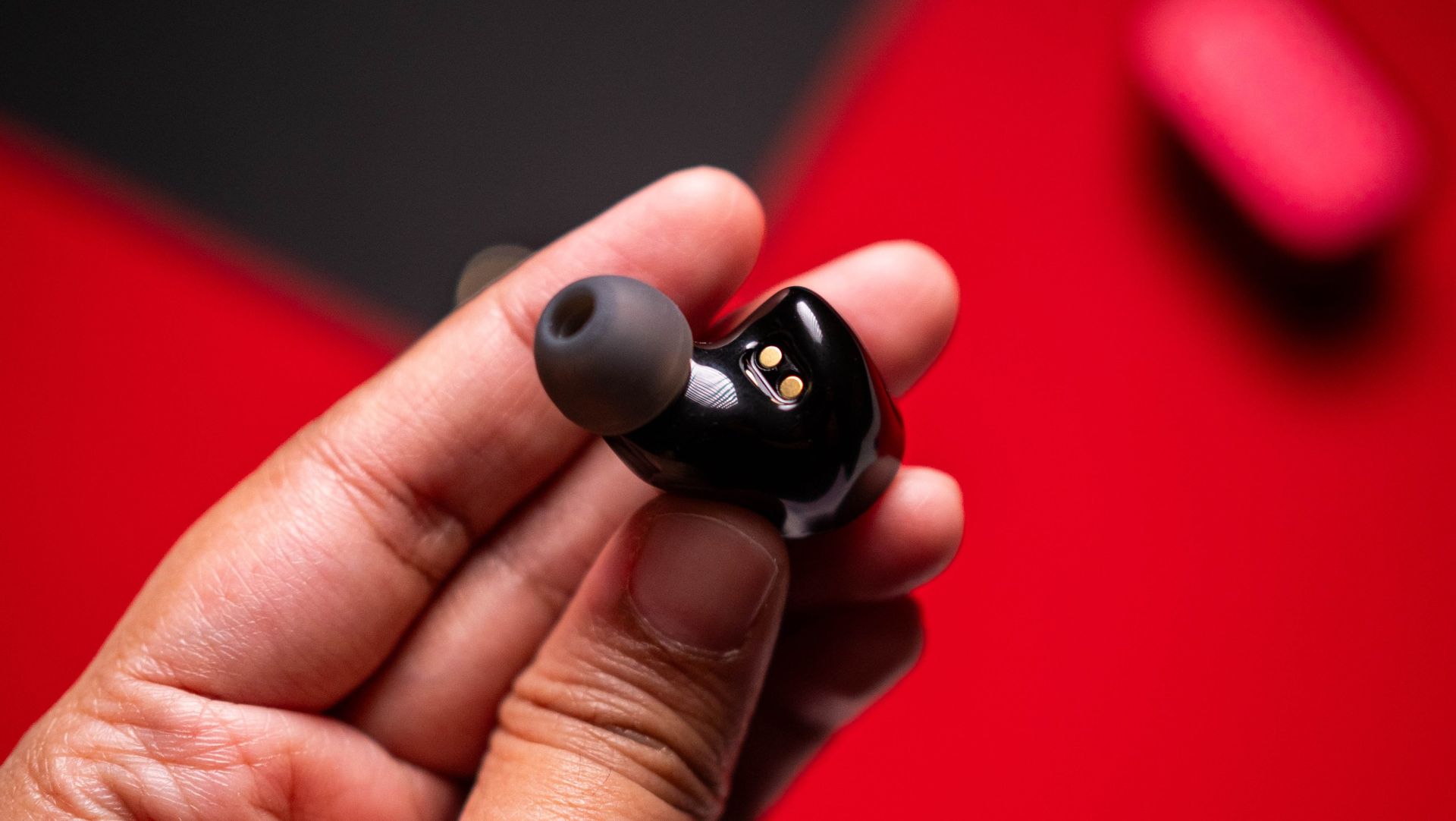
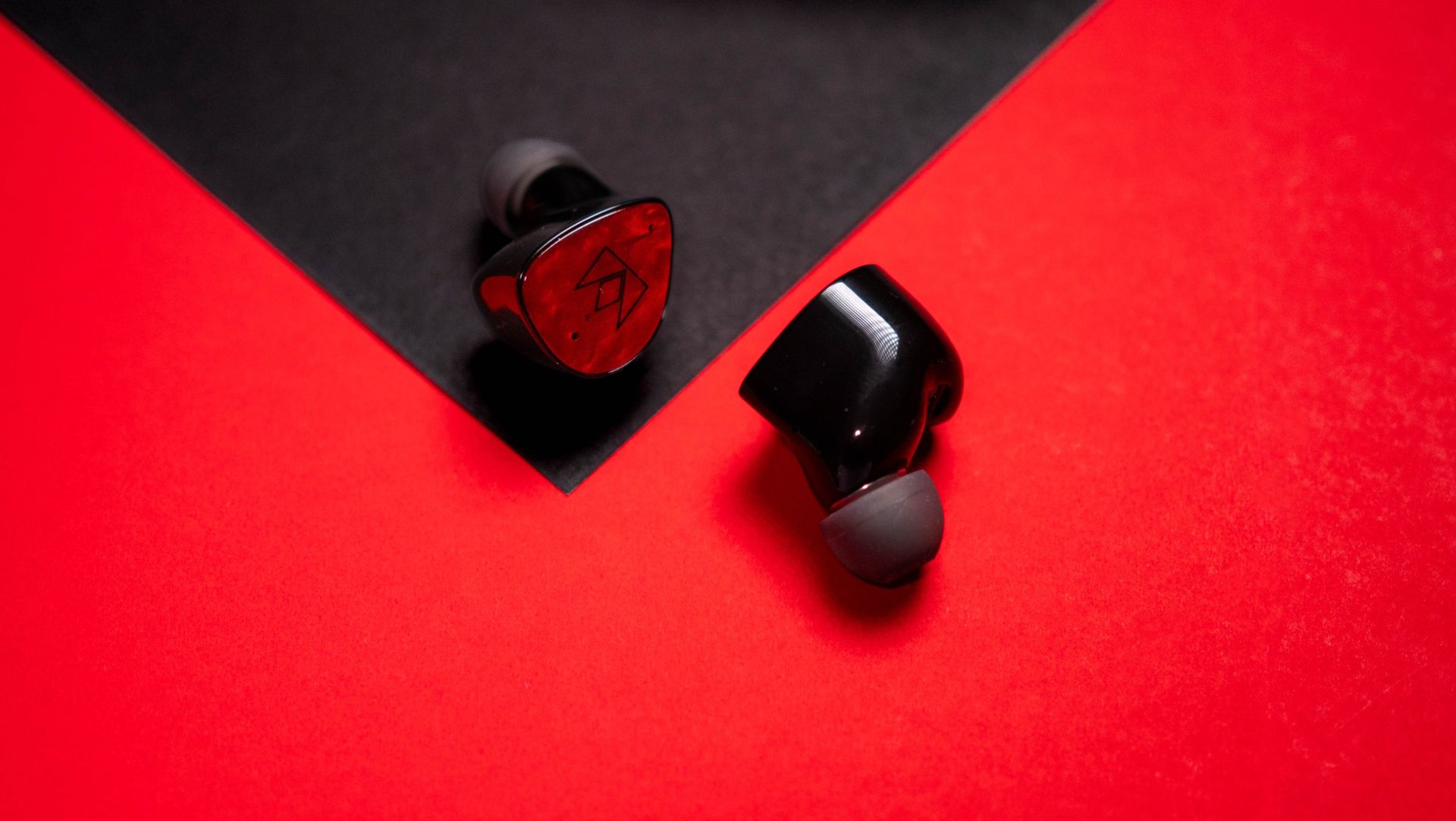
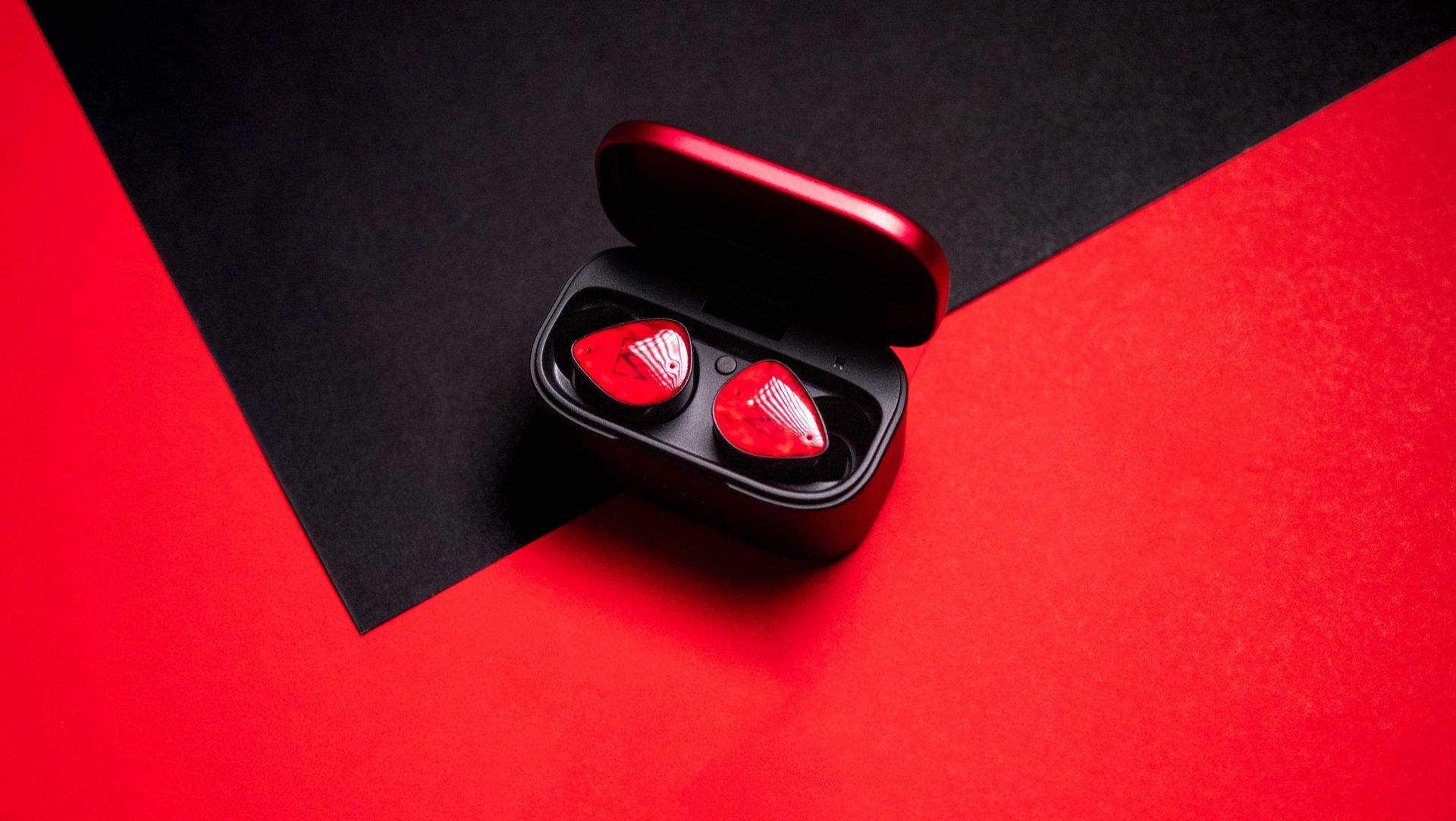
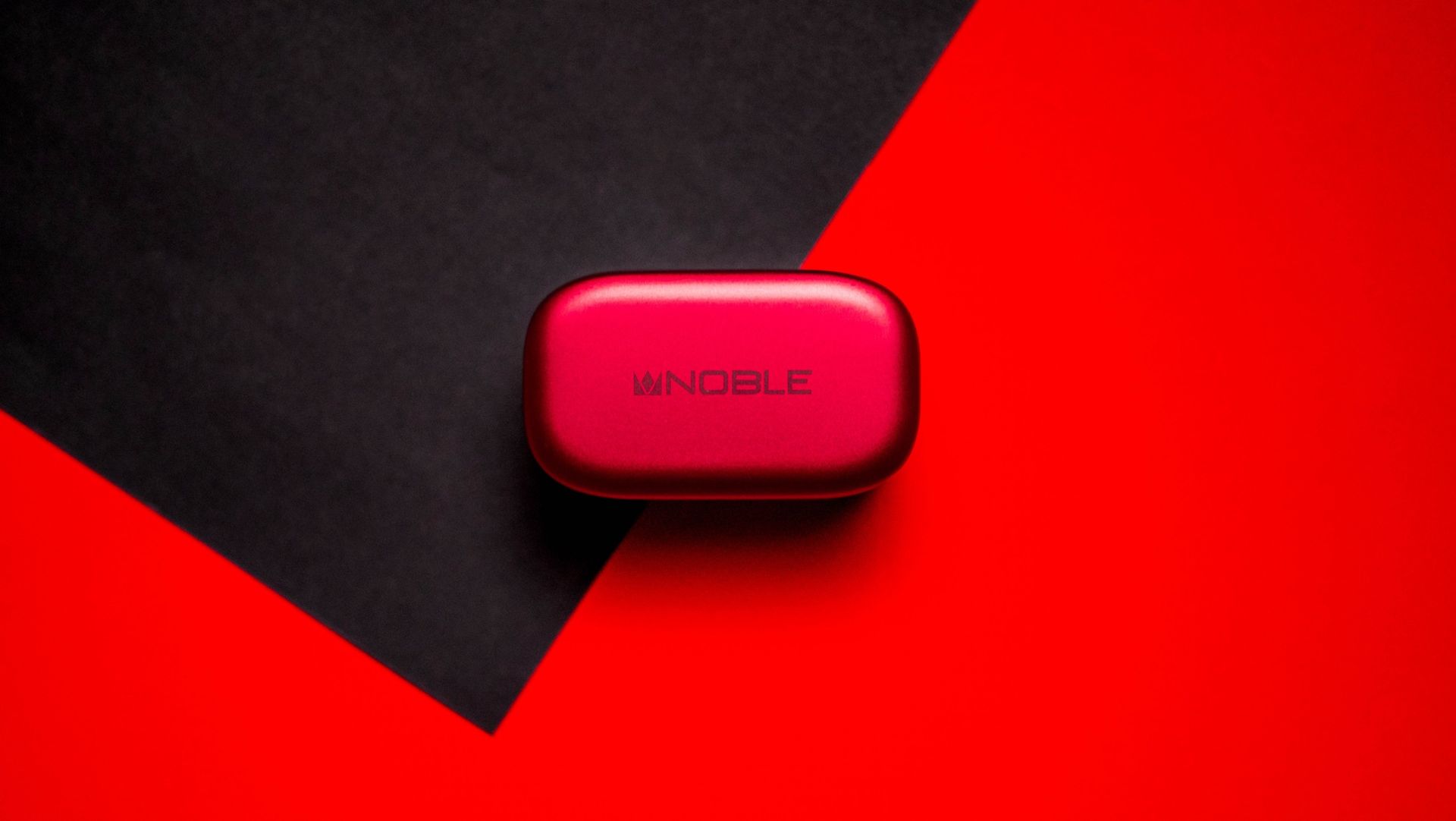
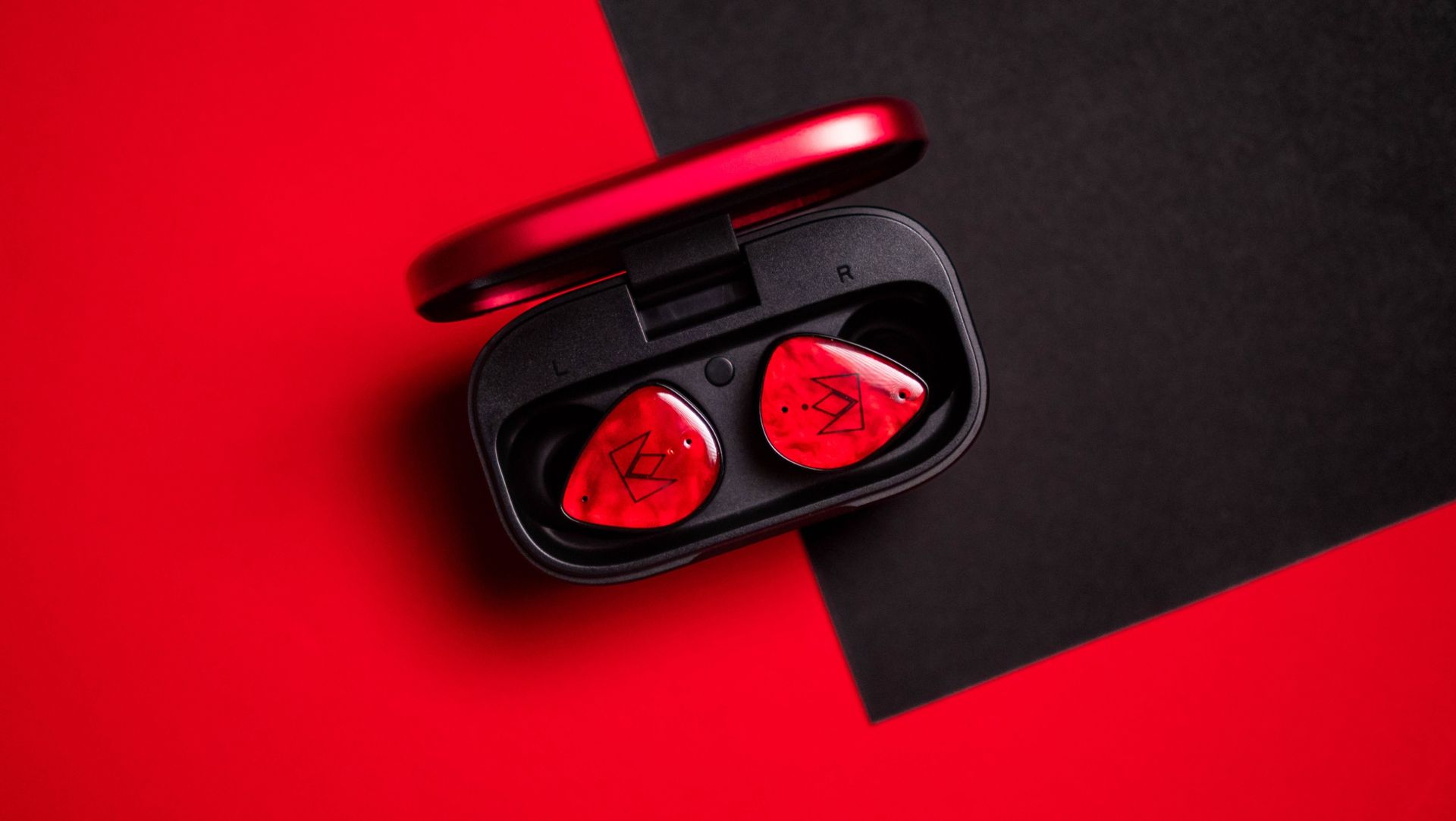
For starters, the design of the FoKus Amadeus is unlike any other earbuds around. Mainstream brands play it pretty safe with their designs, and they're not meant to stand out — that isn't the case here. With a bright red design and a custom shell that's bigger than most earbuds, these are guaranteed to grab attention.
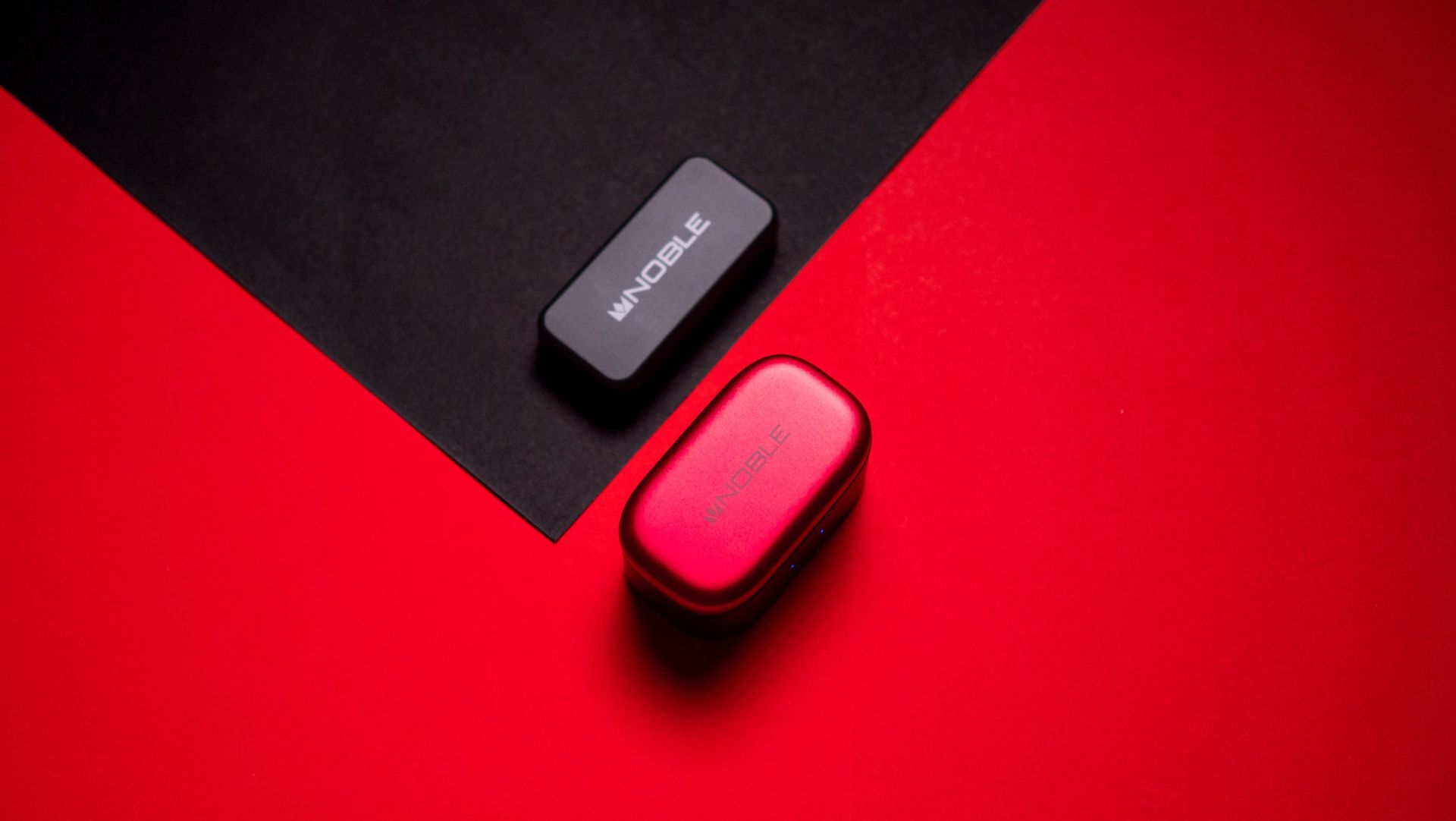
Like the Amadeus name, the red design is an homage to Mozart’s signature tailcoat, says Noble. Build quality is great, and while the size of the shell means the earbuds jut out, I didn't see any issues with comfort. Each bud weighs 7g, and that's in line with other products in this category. The only omission is ingress protection, so I wouldn't suggest using these at the gym. Just like the buds, the case itself is bigger, but the square design makes it easy to take anywhere.
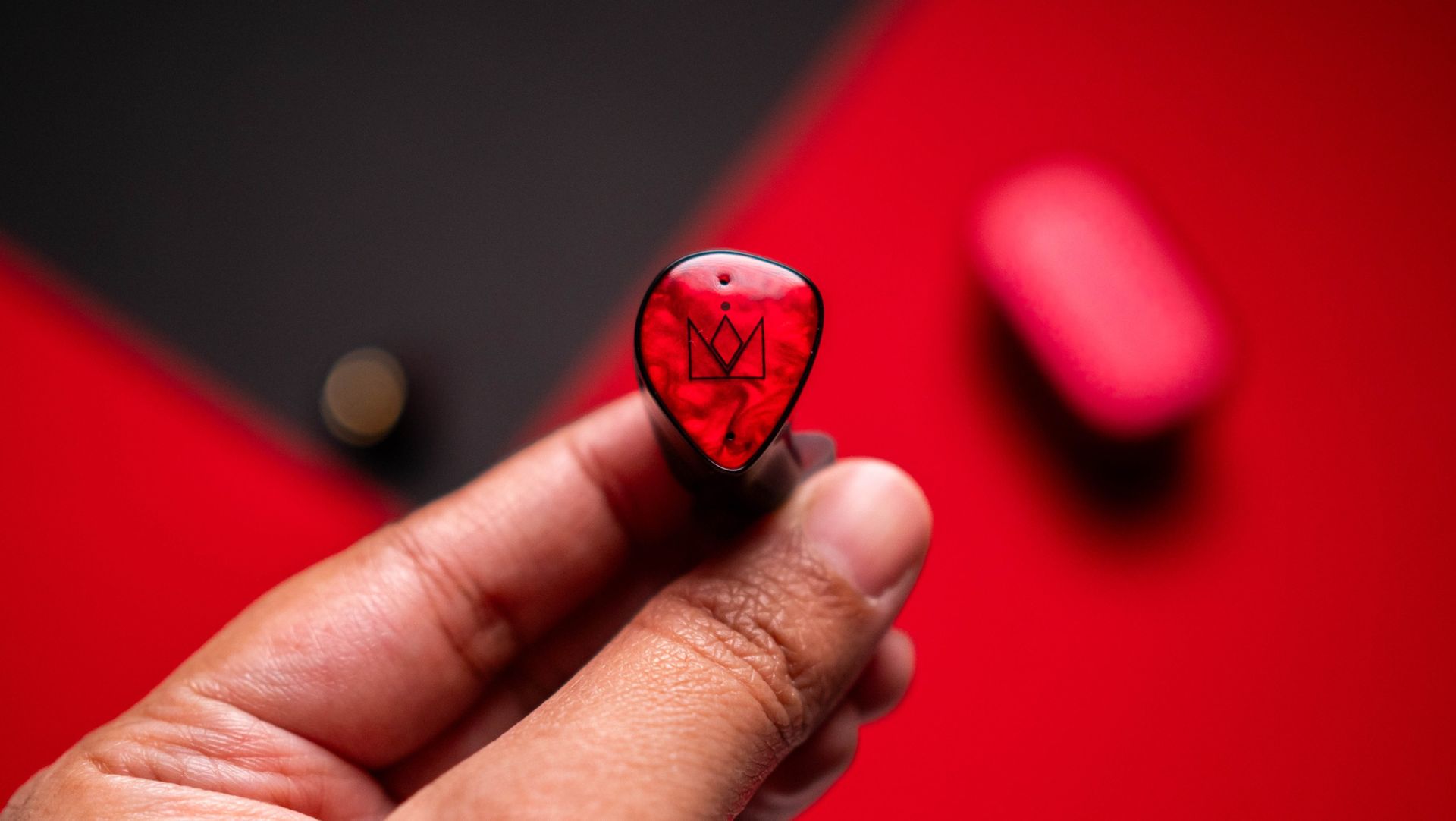
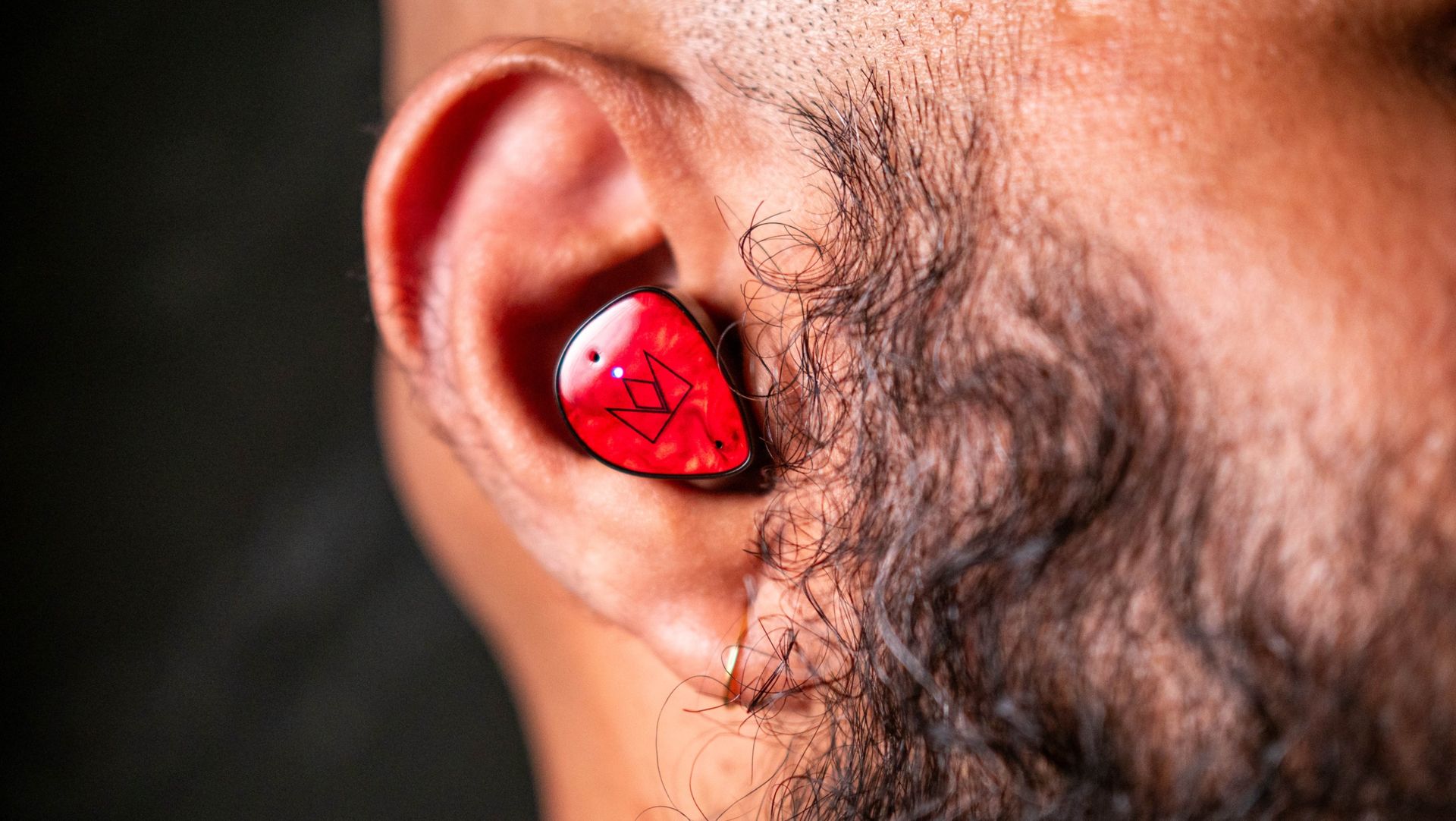
Coming to connectivity, the Amadeus gets Bluetooth 5.4 via Qualcomm’s QCC3091 modem, and there's SBC, AAC, LDAC, and AptX Adaptive. The buds connect to two devices at once, and I had no problems pairing with my Pixel 11 Pro XL, Find X9 Ultra, and iPad Pro M4. There's good ANC as well, and the buds did a great job tuning out the ambient sounds in my surroundings.
Obviously, sound quality is where the Amadeus excels. The sound signature from the 8.3mm dynamic driver is tuned towards musicality, and you get a good bass rumble with clean mids and a nice treble extension. These are particularly great with vocals, and the soundstage is significantly wider than any other earbuds in this category. There's a level of dynamism to the sound that you just don't get with Bose or Sony, and that ultimately makes the Amadeus enjoyable even in extended listening sessions.
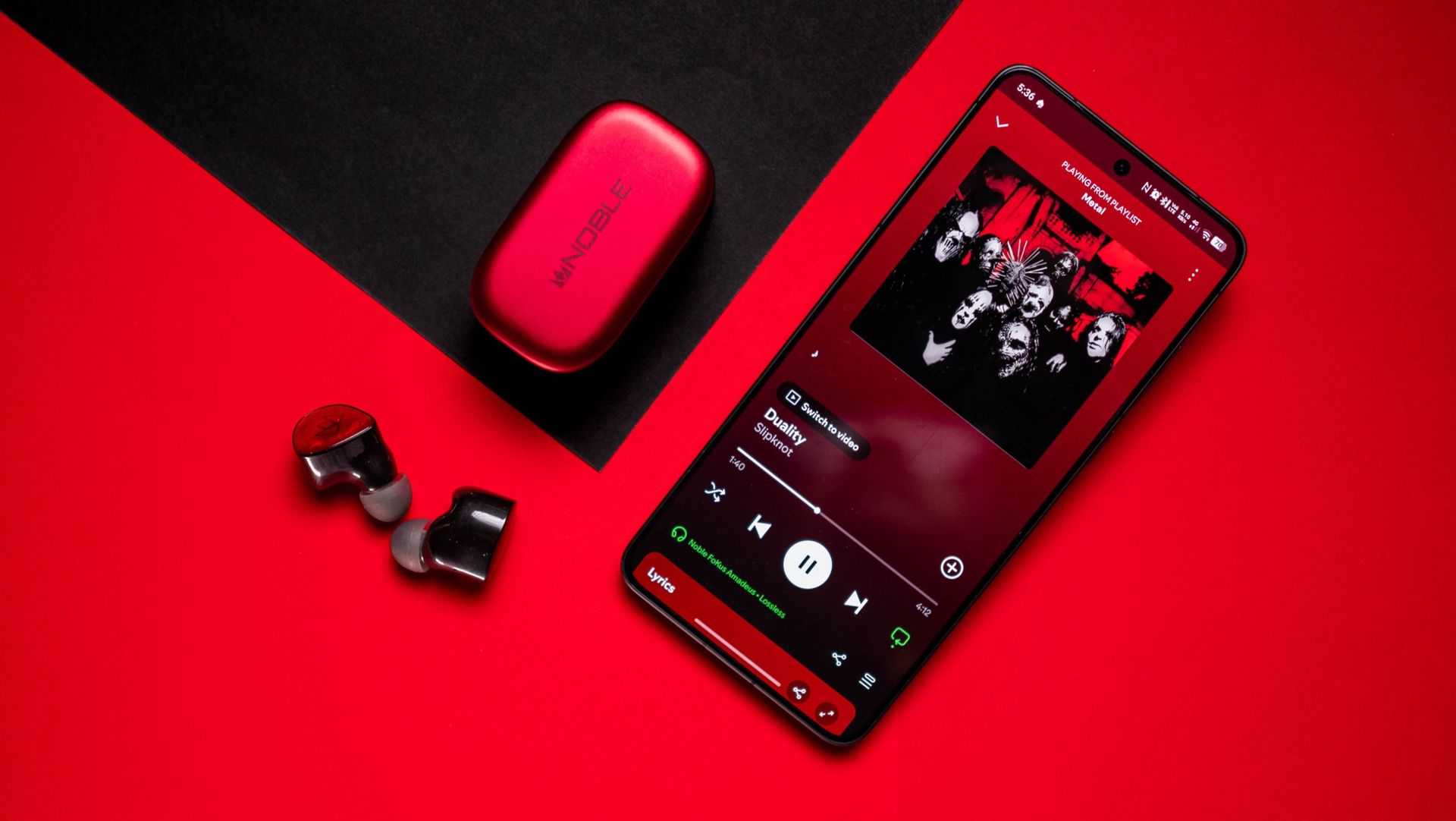
Another thing I like is the sheer level of customizability to the sound. Noble uses Audiodo to tune the sound of the Amadeus to your individual preferences. This is done by a listening test that lasts up to three minutes, and then you get a custom EQ that's tailored to your ears. The tech works exceedingly well, and it makes a big difference to the sound. In addition to Audiodo, you get a 10-band EQ and custom modes that let you tweak the sound profile to a granular degree.
Then there's the app; the Noble FoKus app has to be the best of any buds I used. You get a minimal interface without any overt styling (looking at you, Sennheiser), but there's an extensive amount of customizability when it comes to adjusting the sound.
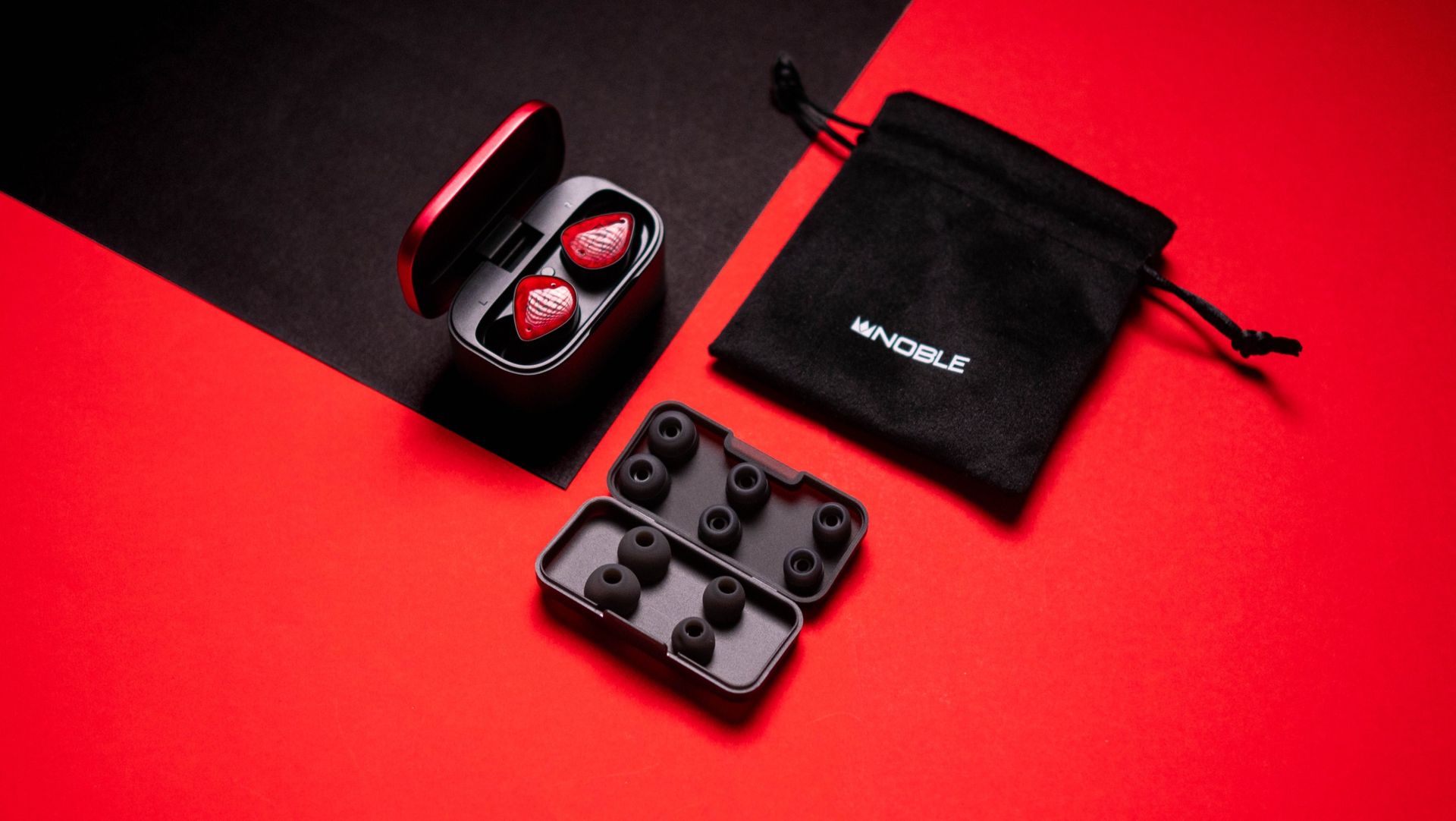
I got good battery life as well. The Amadeus lasted close to eight hours between charges, and each bud has a 65mAh battery. The case provides an additional 2.5 times charge via a 500mAh battery, so you get just around 40 hours before you'll need to plug in the case. There is fast charging that gives you two hours of music with a 10-minute charge, and a full charge takes just over 90 minutes.
I know that's $320 is at the higher end of the scale when it comes to earbuds, and to its credit, Noble Audio didn't omit anything in the FoKus Amadeus. The design stands out quite a bit, but the earbuds are comfortable to wear, and the sound quality is outstanding; if you've used Bose's QC Ultra or any of Sony's earbuds, you will see an immediate difference when switching to these — I did.

The FoKus Amadeus is designed to stand out, and the sound quality is immersive like no other earbuds in this category.