At the narrowest point of the Karmsundet, the channel that separates the island of Karmøy from the mainland on Norway’s west coast, five stones stand upright on a hillside. Some are more than five metres (16 ft) tall. They were raised inside a cairn, a mound of piled stones, laid out in the shape of […]
In 2006, the Carabinieri, Italy’s national military police, raised the alarm about illegal digging in a forest of oaks and chestnuts near Vetralla, in the province of Viterbo, north of Rome. The Soprintendenza, the state body in charge of archaeology in the region, sent a team to the site for an emergency excavation in May […]
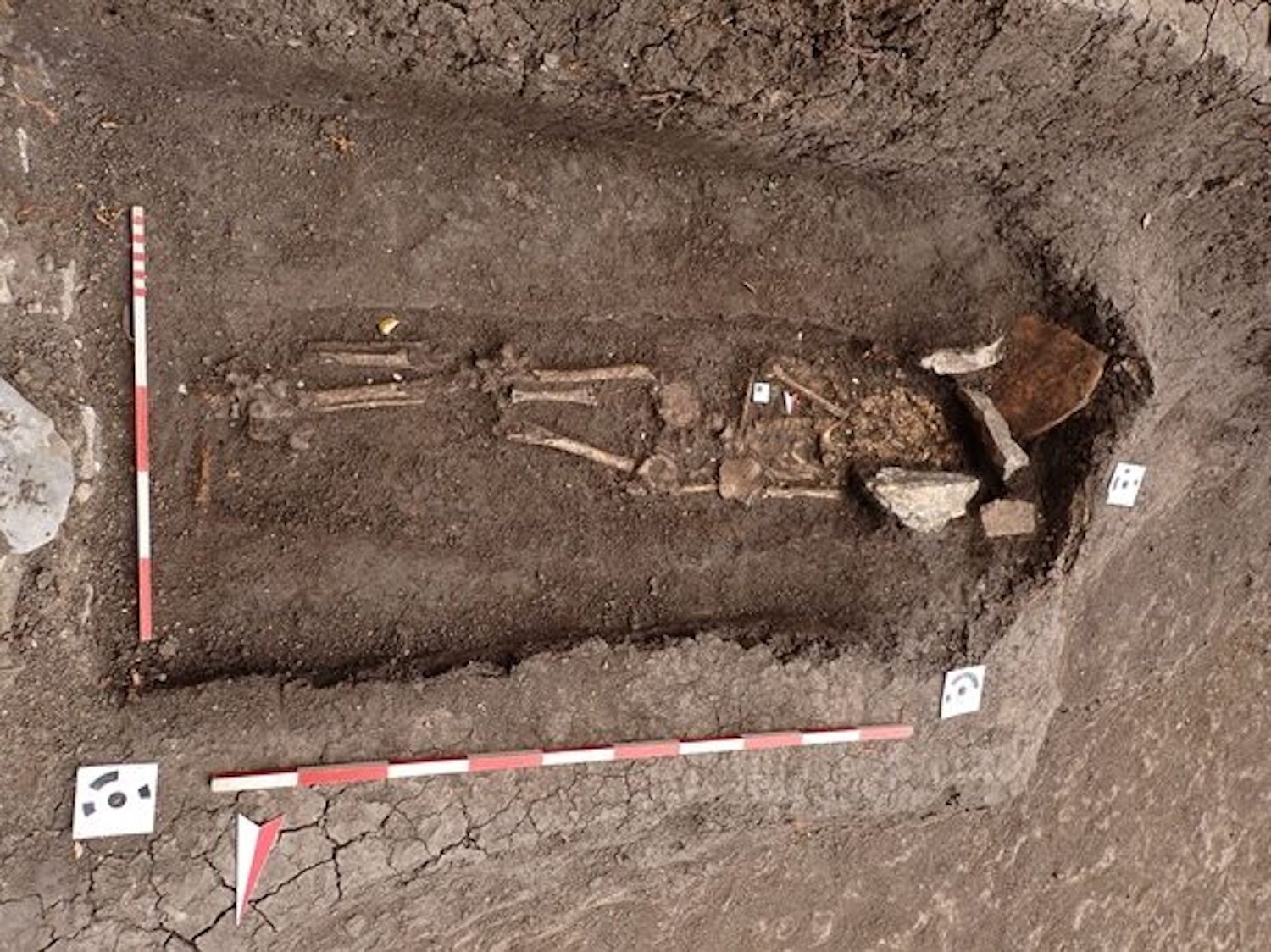
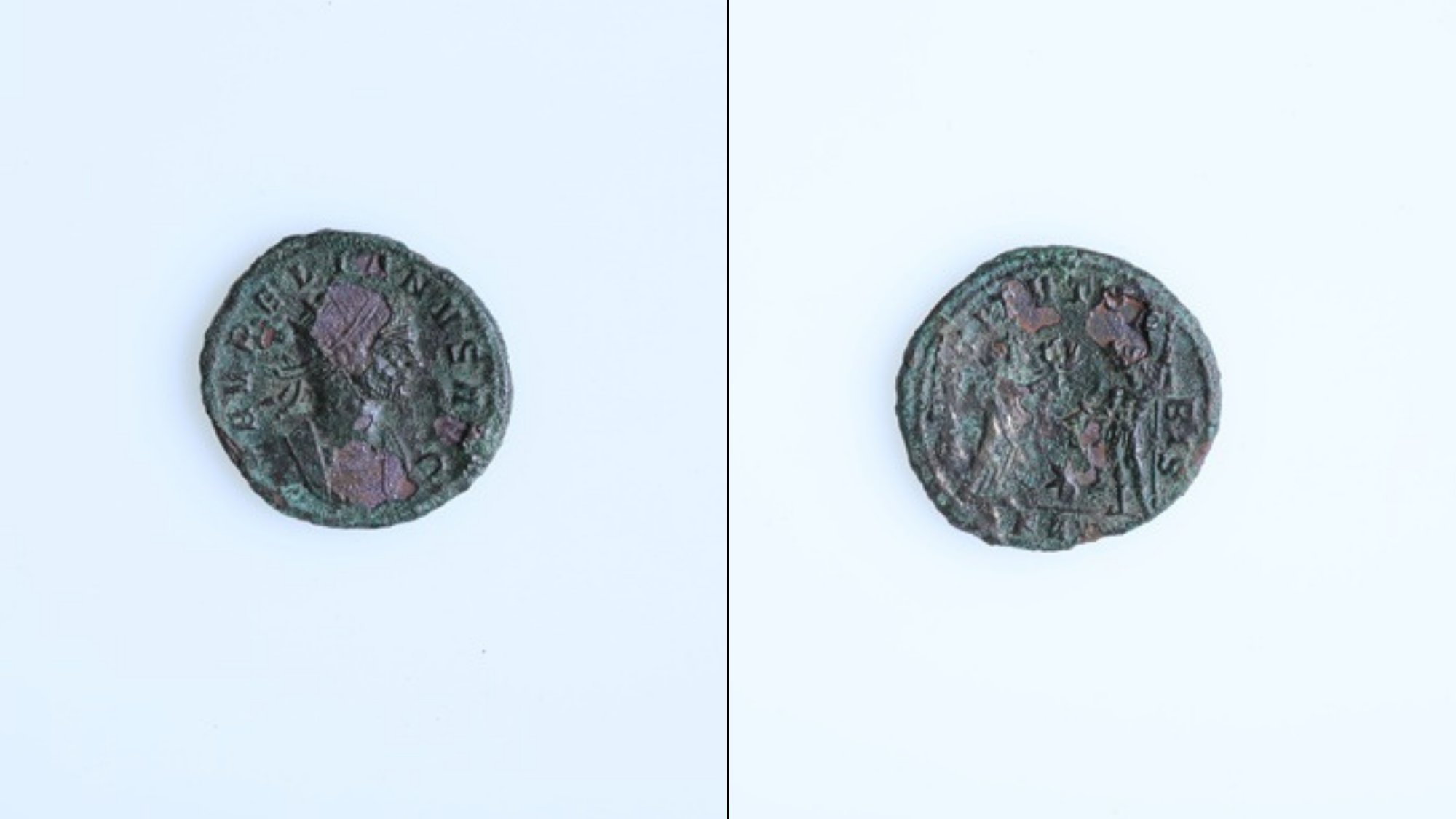
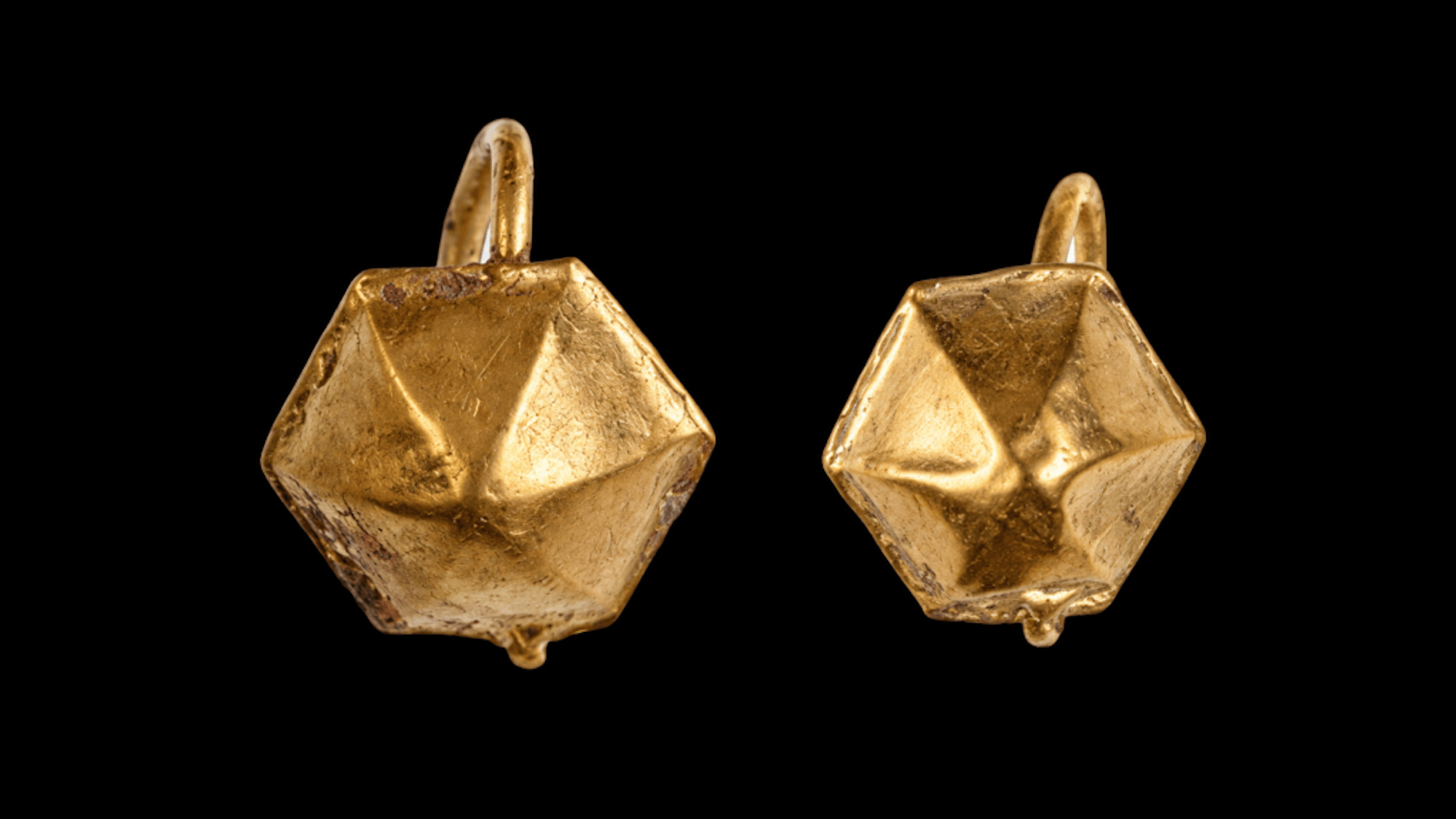
Not far from the Black Sea, a child’s grave uncovered in present-day Bulgaria has provided archaeologists a somber look at Roman funerary practices. Flagged in the city of Stara Zagora during a site survey for a new apartment complex and parking garage project, the burial contained stunningly preserved gold earrings as well as a single, small coin known as an antoninianus. But while the currency’s age is traceable to within a year of its minting, the bronze piece may also represent a grieving family’s hopes for their child’s safe passage into the afterlife.
The Roman empire at its height included over 1.9 million square miles of territory, including much of central Europe and central Asia. Rome annexed the region of Thrace in 46 CE, and eventually renamed the city of Stara Zagora as Ulpia AugustaTraiana in honor of Emperor Trajan (98 to 117 CE). Augusta Traiana quickly grew into one of Thrace’s most prominent urban hubs, becoming so prosperous that Rome ultimately granted permission to build its own coin mint during the second and third centuries CE.
Over 1,750 years later, Augusta Traiana’s remnants exist underneath a city once again known as Stara Zagora. Ruins of the Roman empire are regularly unearthed through the town, including the recent discovery of a large cemetery used for nearly three centuries outside Augusta Traiana’s original walls. Among the 135 graves, researchers identified a child buried with a pair of gold earrings and one of Thrace’s bronze coins. Although details about the young individual’s death and identity remain unclear, the coin clearly dates to either 274 or 275 CE. Archaeologists assume the child likely died either around that time period, or soon after.
While researchers may never learn the precise circumstances of the burial, ancient Greek and Roman funerary beliefs suggest the coin served a specific purpose. It’s possible the child’s family intentionally placed the currency with the deceased as payment to Charon, the ferryman who brought souls to the afterlife. Knowing this, it may be that grieving relatives hoped to impart one final gift to their loved one.
Neanderthals left plenty of traces in the western Pyrenees, the mountain range that separates Spain from France. Stone tools, butchered animal bones, the leftovers of their camps. What nobody had ever found in Navarre, the region of northern Spain whose capital is Pamplona, was a single bone of the people themselves. On Monday that changed, […]
On a patch of bare rock in western Malta, roughly 80 by 100 metres (260 by 330 feet), dozens of parallel grooves cross, overlap and merge into one another. The spot, Misraħ Għar il-Kbir, is popularly known as Clapham Junction, after the busy railway junction in London. It is far from the only place like […]
About 2,200 years ago, someone pressed a finger into a lump of damp clay to stick down the flap of a suit of armour. The kiln sealed that print, and it has survived intact ever since. Now a team from the museum at the mausoleum of Qin Shi Huang and from Shandong University has used […]
Around 4,200 years ago, in the dry south-east of the Iberian Peninsula, a society began building cities on hilltops, stockpiling grain on a large scale and arming its warriors with halberds (blades like axe heads mounted on long poles) and metal swords. Archaeologists call it El Argar. Further north, in what are now La Mancha, […]
Anyone who wants to build a house on the waterfront at Meria, at the northern tip of Corsica, has to let archaeologists look underneath first. The rule comes from the island’s regional archaeology service (the DRAC of Corsica). It has just paid off. Working on the plot, a team from Inrap, France’s national institute for […]
Around 1200 BC, the eastern Mediterranean fell apart. The great empires of the Bronze Age collapsed, many cities were destroyed or emptied, writing disappeared from much of the region, and long-distance trade shrank to almost nothing. Archaeologists call what came next the dark age, and the name is earned: with few texts and almost no […]
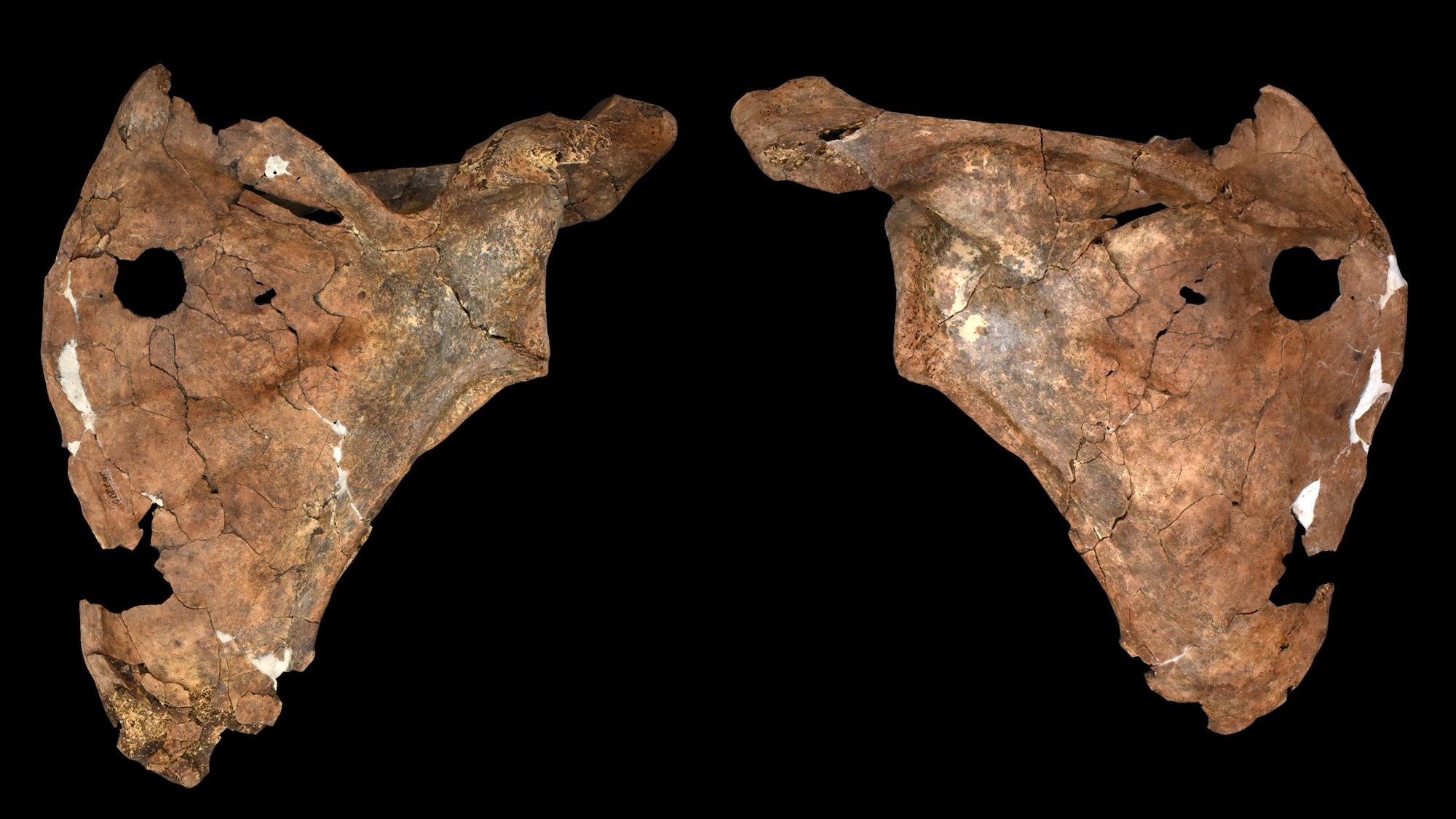
A small puncture wound through a 75,000-year-old Neanderthal shoulder blade may be the earliest evidence of death by spear on humanity’s family tree. Given forensic details such as the entry angle and overall damage, researchers believe the injury was made as an intentionally fatal “heart shot” that killed the ancient hominin within moments. The discovery is detailed in a study published today in the journal Scientific Reports.
In addition to the grisly injury, the nearly translucent bone itself makes this evidence even more striking.
“It’s extraordinary to have a perfectly preserved scapula from 75,000 years ago. These bones are so thin that you often don’t get complete scapulae from modern burials,” explained University of Cambridge archaeologist and study co-author Emma Pomeroy. “We were able to lift it out in one piece from under almost eight meters [roughly 26 feet] of rock and sediment.”
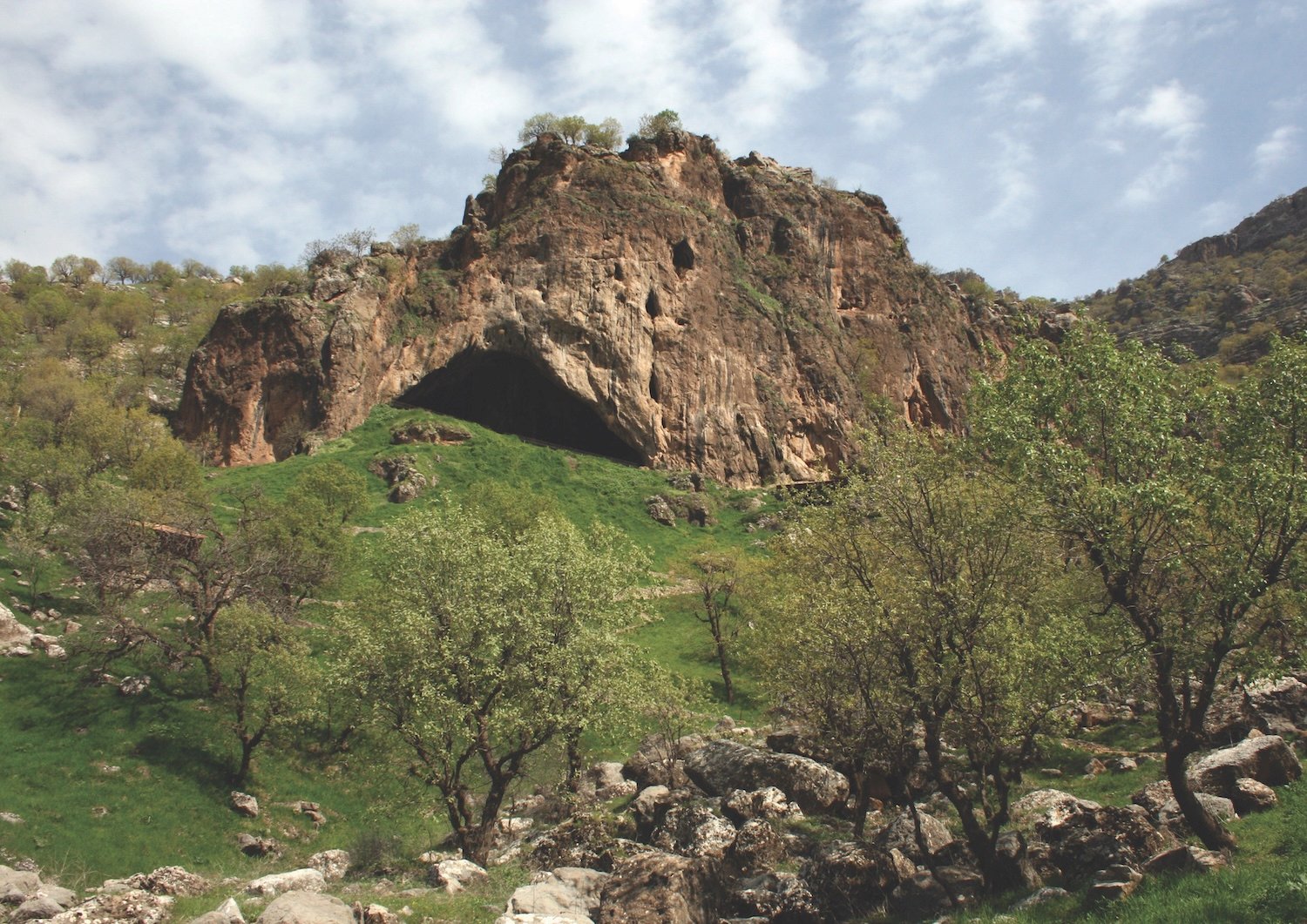
Pomeroy and her colleagues excavated the remains from inside Shanidar Cave, an archaeological site in Iraqi Kurdistan famous for containing evidence of ritualistic Neanderthal burials. The roughly 0.6 inch, nearly circular perforation on the bone was likely made with a wooden spear, since a stone or flint tip would create a flatter injury and leave behind microscopic mineral shards. The individual who inflicted the fatal injury drove the spear downward through the victim’s left chest cavity from the front, piercing major arteries and the lungs before creating the hole in the left scapula.
Located in Iraqi Kurdistan, Shanidar is a famous cave containing what appears to be early examples of Neanderthal funeral rituals. Credit: Graeme Barker
Remnants of a wooden spear weren’t found near the Neanderthal’s remains, which is understandable since the material often decomposes so quickly. That said, prior archaeological digs have revealed similar prehistoric wooden weapons dating as far back as 400,000 years. Pomeroy’s team believes a rounded spear carved from wood almost certainly caused the killing blow.
“Holes left by recreations of spears from this time are an excellent fit for the one we found in the Neanderthal scapula. That early technology absolutely works for this wound,” said Pomeroy.
Although it’s possible that a mishap like a hunting accident was the cause of death, Pomeroy argues the cumulative details suggest something far more purposeful.
“The position of the wound and the force required to push it right through the Neanderthal’s body bear the hallmarks of an intended kill shot directed towards the heart,” she added.
Another major injury the victim sustained before the possible stabbing supports this hypothesis—and complicates the story. In addition to the scapula, archaeologists documented a pair of left ribs, a right rib fragment, a nearly complete right hand, and seven teeth. Collectively, the remains indicate the Neanderthal was about 45 years old at the time of death. However, dental damage reveals the individual suffered a severe blunt-force blow to the front of the face at least a year before death. This injury split a lower front incisor lengthwise and even rotated some teeth inward.
“There’s no doubt that [they] would have had difficulty communicating and been in absolute agony for a long period of time,” said Pomeroy.
Despite this blow to the mouth, the Neanderthal survived for months or even years. This was only possible because others must have cared for the individual, including duties as simple as preparing softer foods to eat. In this sense, there is a distinct possibility the spear wound was a final, merciful act by someone close to them. According to Pomeroy, the prehistoric scene showcases both the highs and lows of what it means to be a human.
“On the one hand, we have evidence of a terribly violent end,” she said. “On the other, this was clearly an individual who was cared for during their lifetime.”
They’re some of Earth’s most powerful athletes, traversing thousands of miles of rough terrain in sub-zero temperatures, through blinding snow, and biting winds. Sled dogs have been helping humans travel across the planet’s coldest regions for centuries, hauling supplies, people, and equipment across the snow and ice. In the process, this important role that goes above and beyond simply being “man’s best friend” could have a visible impact on their evolution.
Sled dogs may have evolved shorter legs to help them pull loads more efficiently. Currently working sled dogs and those that lived about 2,000 years ago have six percent shorter leg bones than similar species, according to a study published today in the journal iScience. These findings could help biologists trace the origins of sled dogs and understand more about how dog-powered transportation spread over the past 9,000 years.
“Sled dogs have played an indispensable role in communities in the Arctic,” Mitya Kletzerman, a study co-author and an archeologist at the University of Haifa in Israel, said in a statement. “Without dogs, people couldn’t move as efficiently to hunt, relocate as conditions changed, or travel between communities to exchange knowledge and share new ideas. Understanding how the practice evolved could give us new insights into how people adapted to life in the Arctic.”
As of now, our earliest archeological evidence associated with dog sledding comes from 9,000-year-old sled parts and dog remains uncovered in 2017 on Zhokhov Island (present-day Russia). Sledding equipment like this is rarely found in the archaeological record, so it has remained difficult to pinpoint when and where the practice first emerged or spread.
Earlier studies have shown that work associated with humans can leave traces in an animal’s skeleton. Reindeer used for racing, carrying loads, and pulling have limb bone differences compared to those that do not pull. Kletzerman and her team were curious if sled dogs have also developed particular skeletal traits that have helped them adapt to all of the physical demands of pulling a sled.
In the study, the team developed a biomechanical model to help them understand how a dog’s body handles the work of pulling a sled. The model showed that one effective way to pull a sled loaded with material is for a dog to lower its center of gravity. This increases the canine’s ability to generate pulling force.
“When people or animals pull a load, it tends to tip them backward. A lower or more forward position of the center of mass counteracts this effect, allowing greater pulling force,” Kletzerman explained.
They then tested whether modern sled dogs have skeletal proportions that can lower their center of mass. They analyzed bones in 60 different modern canids, including sled dogs, wolves, spitzes, and mongrels. They then compared the lengths of five leg bones. Three in the forelegs (the humerus, radius, and ulna) and two in the hind legs (femur and tibia).
After accounting for overall skeletal size, they found that sled dogs have relatively shorter radius, ulna, and tibia bones than their non-sled pulling counterparts. These bones measured about six percent shorter on average.
“It’s unclear how this trait developed, but selective pressure may have preserved it, because it gave sled dogs an advantage over other dogs,” Kletzerman said.
To see if this characteristic already existed in ancient dogs, the team analyzed 82 ancient dog bones and three skeletons. The three skeletons were from ritually buried dogs uncovered from three archaeological sites associated with ancestral Inuit populations in present-day Chukotka, Russia, and date to 2,000 to 500 years ago.
Nearly 89 percent of the bones were consistent with the modern sled-dog pattern of shorter leg bones, as were all three ritually buried dogs. According to the team, this suggests that the skeletal pattern may be an effective way to identify that canine remains belonged to a sled dog, even when archaeological remains are incomplete or do not have any direct evidence of sled equipment.
“Dogs have been working alongside humans for thousands of years, but we’re only beginning to understand how that partnership shaped them,” Kletzerman concluded.
Thanks to some medieval human teeth, archaeologists have pinpointed when lead production first expanded across Europe during the Middle Ages. By examining dental enamel collected from graves located in central England, researchers now know the post-Roman society started mining and smelting again during the mid-7th century. As the team explains in a study published today in the journal Antiquity, the consequences of exposure to the toxic were stark—but distributed unequally among locals.
Humanity’s complicated relationship with lead dates back over 9,000 years, and our environmental exposure to the toxic metal is traceable as far as two million years ago. Lead was instrumental in prehistoric smelting advancements, and its invaluable properties paved technological progress all the way through the Industrial Revolution. However, lead is now known to cause various early developmental issues and its uses are dwindling, but tracing our reliance on the material helps contextualize and understand a society’s historical arc.
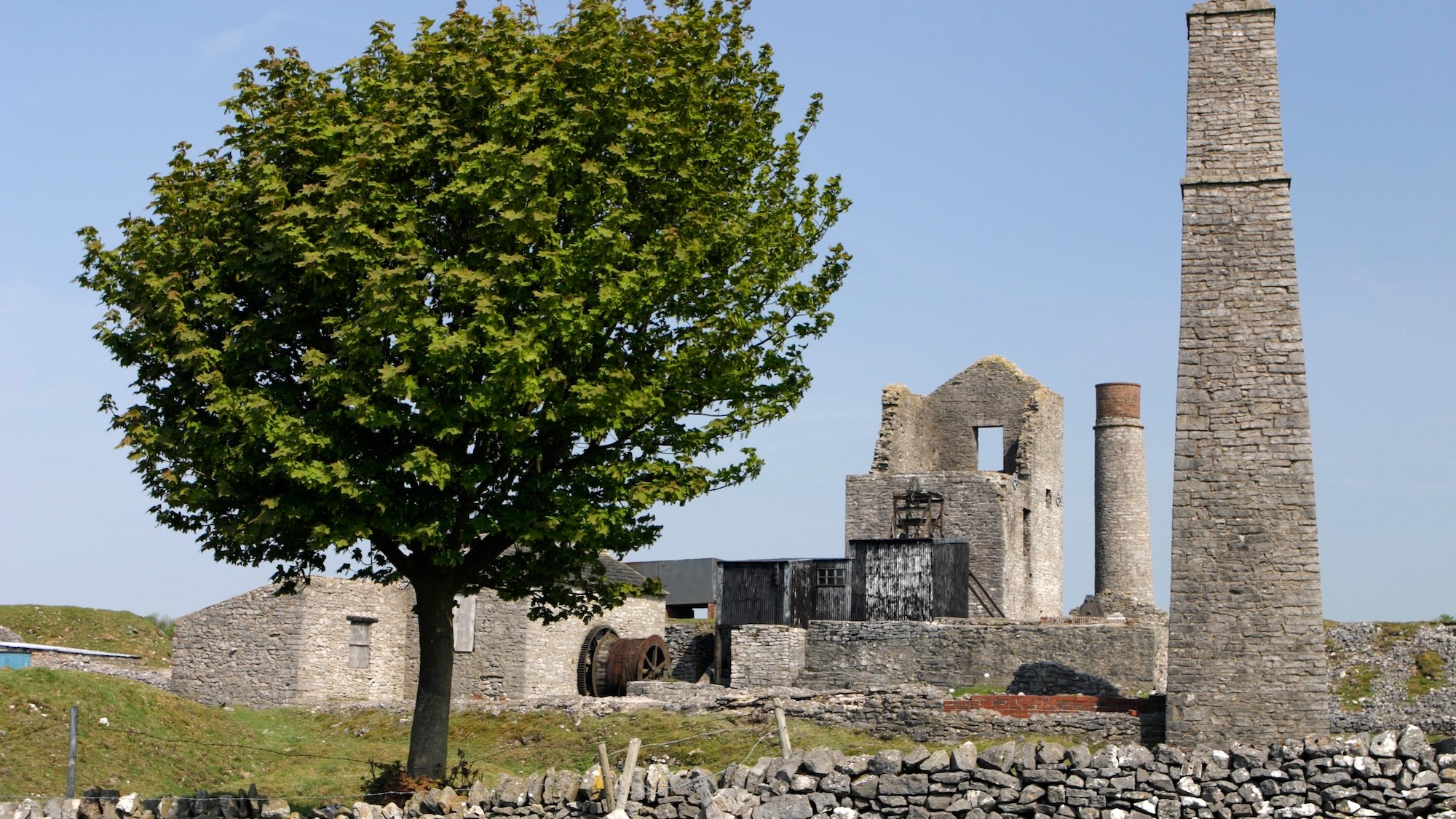
Researching these metals also isn’t easy. From the 16th to 19th centuries, manufacturers constantly re-smelted lead waste from ancient Rome and medieval England, which destroyed any discernible way to examine its prior origins and uses. Archaeologists including University of Nottingham’s Christopher Loveluck knew of another way to trace lead production in the Derbyshire Peak District, one of Europe’s largest providers of the metal during the Middle Ages
“The team is delighted to have finally confirmed definitively the date by which the early medieval lead industry was established in the Peak District…through evidence provided by the people themselves,” Loveluck said in the study’s accompanying announcement.
Archaeologists analyzed teeth from bodies buried in three Peak District cemeteries dating back to between 650 and 1500 CE. More specifically, they focused on tooth enamel. The external protective layer finishes forming during childhood, meaning any prior lead exposure stays embedded in the enamel for the rest of an individual’s life. Loveluck and his colleagues discovered that by the 7th century, the Derbyshire children’s lead levels were the same, if not higher, than those of children who lived in industrialized cities during the mid-18th and 19th centuries. By the mid-8th century, the growing lead industry had even begun to seep into surrounding regions like Castleton.
Teeth samples showed lead exposure reached its highest levels during the late 12th and early 13th centuries, which aligns with previous historical and environmental data. While the metal’s presence was ubiquitous among the population, it wasn’t necessarily the same across class or gender. High status gravesites included weapons and other personal items with lower lead concentrations than those seen in the graves of poorer residents. This implies that while the upper class owned lead-imbued possessions, they were higher quality objects. Meanwhile, working class families employed in mines and factories routinely exposed their children to larger amounts of lead.
There is also evidence that suggests women were especially at risk during this era. Three women who died between 17 and 25 years old showed particularly increased lead quantities in their tooth enamel. Overall, most of the men survived to middle or old age, while women often died during young adulthood.
“Our results indicate that in these mining communities, girls and boys alike were raised in dangerously polluted home environments,” said Castleton excavation co-director and study co-author Anna Bloxam. “This exposure…perhaps contributed to higher rates of premature death among women of child-bearing age.”
Lead contamination is still a serious issue today, although overall conditions have improved greatly since medieval England. Still, the underlying problems of environmental degradation and socio-economic vulnerabilities remain relevant today.
“This study has enabled us, for the first time…to look more deeply into the profound impact lead production had on individuals and the communities they lived in,” added University of Sheffield historian and study co-author Colin Merrony.
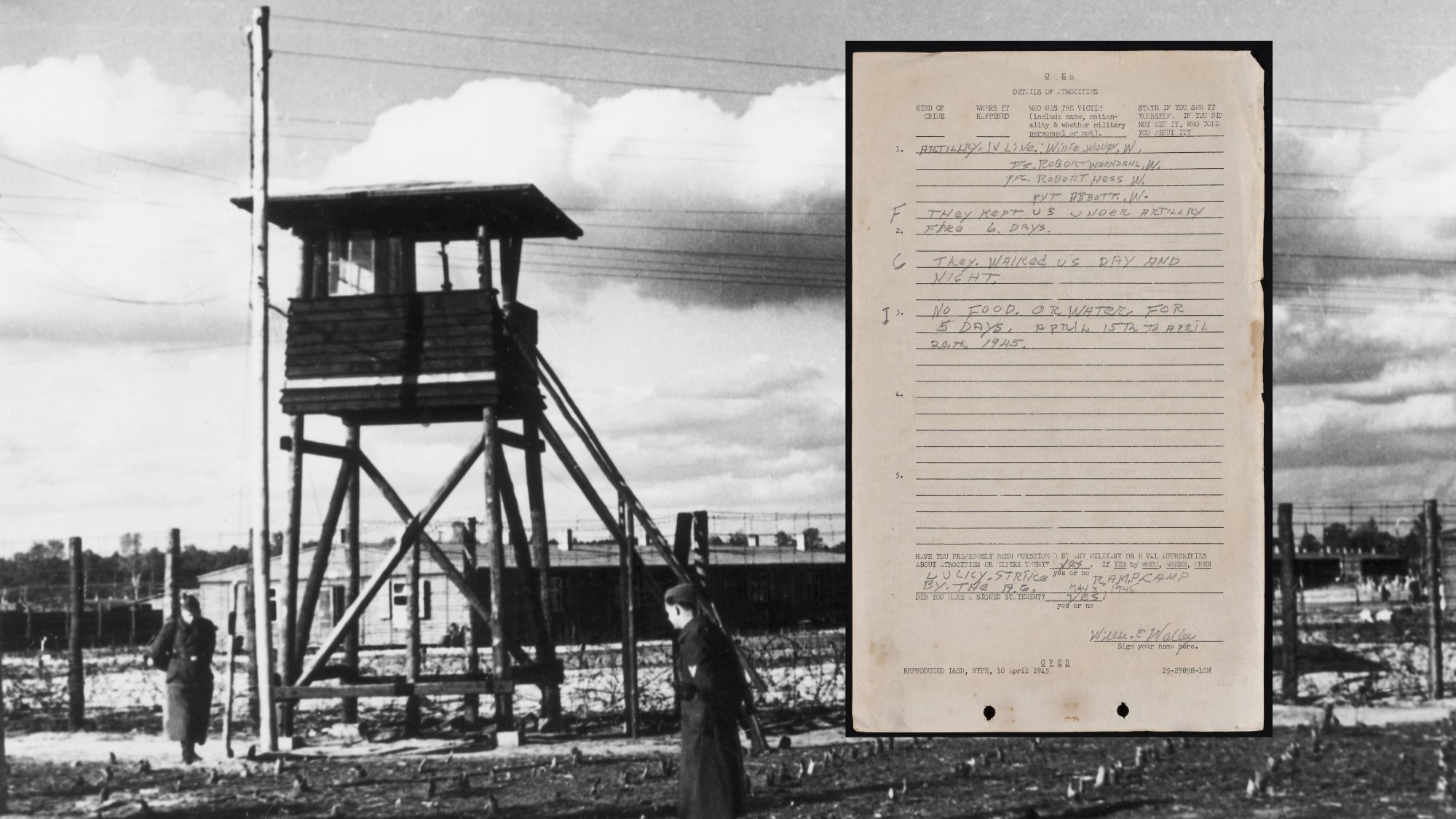
A man in upstate New York discovered more than cobwebs and missing holiday decorations while recently cleaning out his garage. Behind a small wood plank, homeowner Jason Hurdle spotted a long-forgotten crawlspace stuffed with vintage milk pails, a safe, and a dusty box of files. Hurdle intended to simply toss the papers in the trash, until a perfectly timed gust of wind removed the crate’s lid. Only then did he realize the box’s true contents: dozens of reports labeled “Secret” relating to Stalag Luft 3, an infamous prison camp run by the Nazi Luftwaffe near Germany’s western border during World War II. Over 300 pages of handwritten accounts from U.S. soldiers recounting their brutal incarcerations at the facility under conditions “not fit for humans.”
“I feel the hurt, the pain, and a lot of things these guys have been through,” Hurdle recently told local news outlet WHEC.
A visit from specialists at the National Archives quickly confirmed the authenticity of the questionnaires, which were compiled in 1945 following Allied liberations of German POW camps. The box was clearly intended for use as evidence of war crimes, which the reports corroborate in tragic detail. Soldiers wrote about living in facilities with “no heat, no beds” while exposed to the elements and vermin. Other troops recalled grueling work on rail lines while witnessing beatings, executions, and even the “cold blooded murder” of surrendering armed forces. Stalag Luft 3 is famously the site of a breakout later recounted by former prisoner Paul Brickhill in the book and 1963 film adaptation, The Great Escape.
“When I first laid them on the table in front of them, the first thing the one agent said was, ‘These are original, we want these,’” added Hurdle.
It’s still unclear how the box ended up inside the garage crawlspace. Hurdle suspects they may have belonged to a retired U.S. Army officer who once lived next door, especially since the box also contained other personal items from the man’s family. In any case, the indispensable historical accounts are now under the care of the National Archives, who have since digitized and unclassified the reports. The entirety of the discovery is now available online to the public.
Typical brains function smoothly, with neurons (nerve cells) firing rhythmically like predictable weather patterns.
But in epileptic brains, a sunny day can suddenly turn dark and stormy. Neurons will just be trucking along, operating in the controlled and routine way that keeps a body’s mental and physical functions stable when, all of a sudden, they freak out, pulsing with an electrochemical intensity that causes confusion and uncontrollable jerking.
The broken doll movement and unexpected mental interruptions of epileptic seizureshave probably always been unsettling. Some cultures have explained their onset as the consequence of religious sin, others as divine intervention or a sign of sacredness.
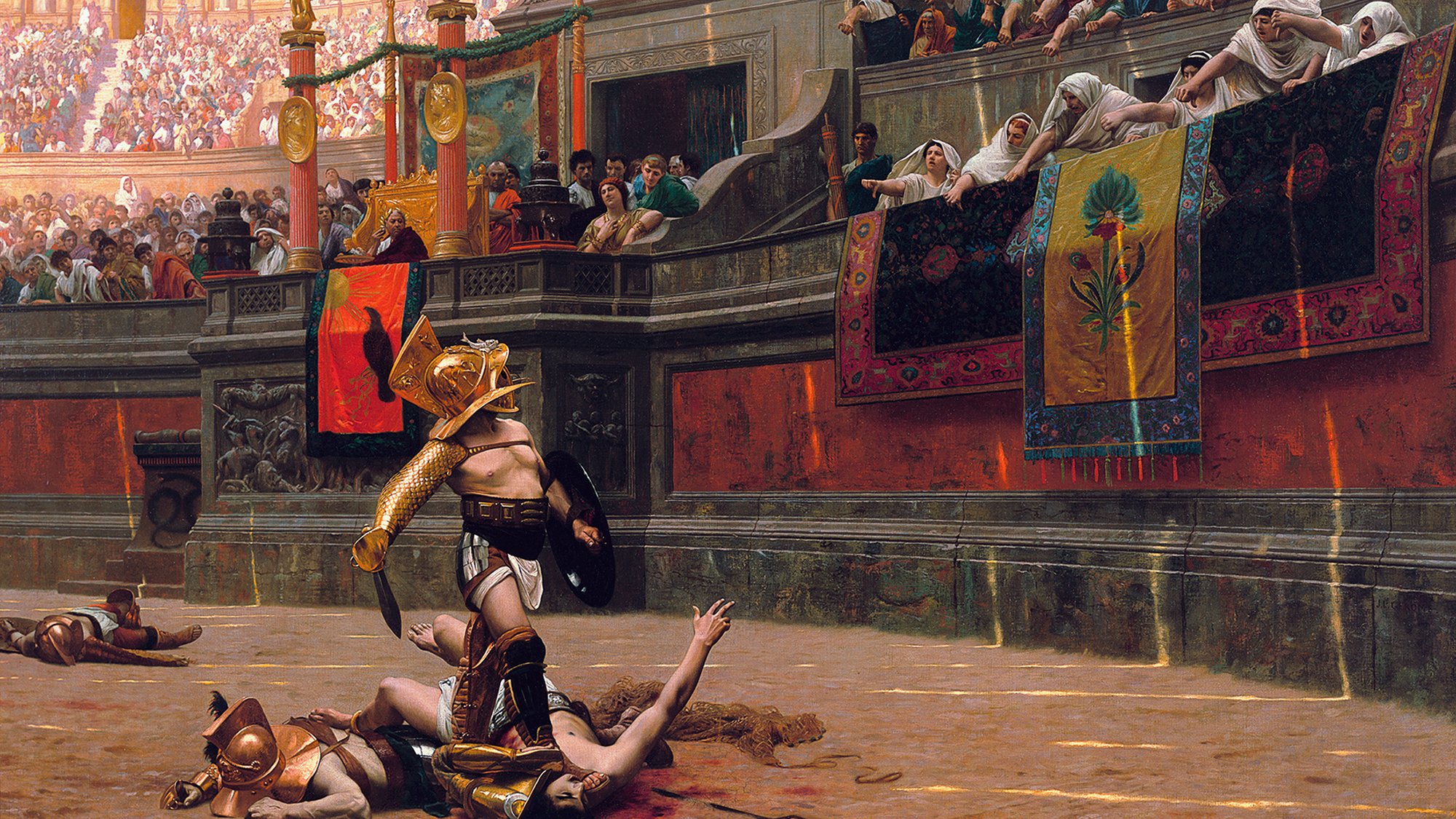
To the ancient Romans, epilepsy was a contagious disease caused by evil spirits or demonic possession, and there was only one way to cure it—with the blood of a gladiator.
Drinking the “hot blood from the throat of a gladiator” is first recommended in the Book on Medicine in 40 C.E. and, over the next 500 years, Roman doctors experimented with exactly how to administer the cure: three spoonfuls a day for 30 days, sucking directly from a bleeding wound, filling a cup with the dripping blood of the slaughtered.
In the sixth century, one physician’s method was to burn a rag soaked in the blood of a swordsman and mix its ashes with wine. “With seven doses you will free the patient of epilepsy,” he wrote. “Often applied with excellent results.”
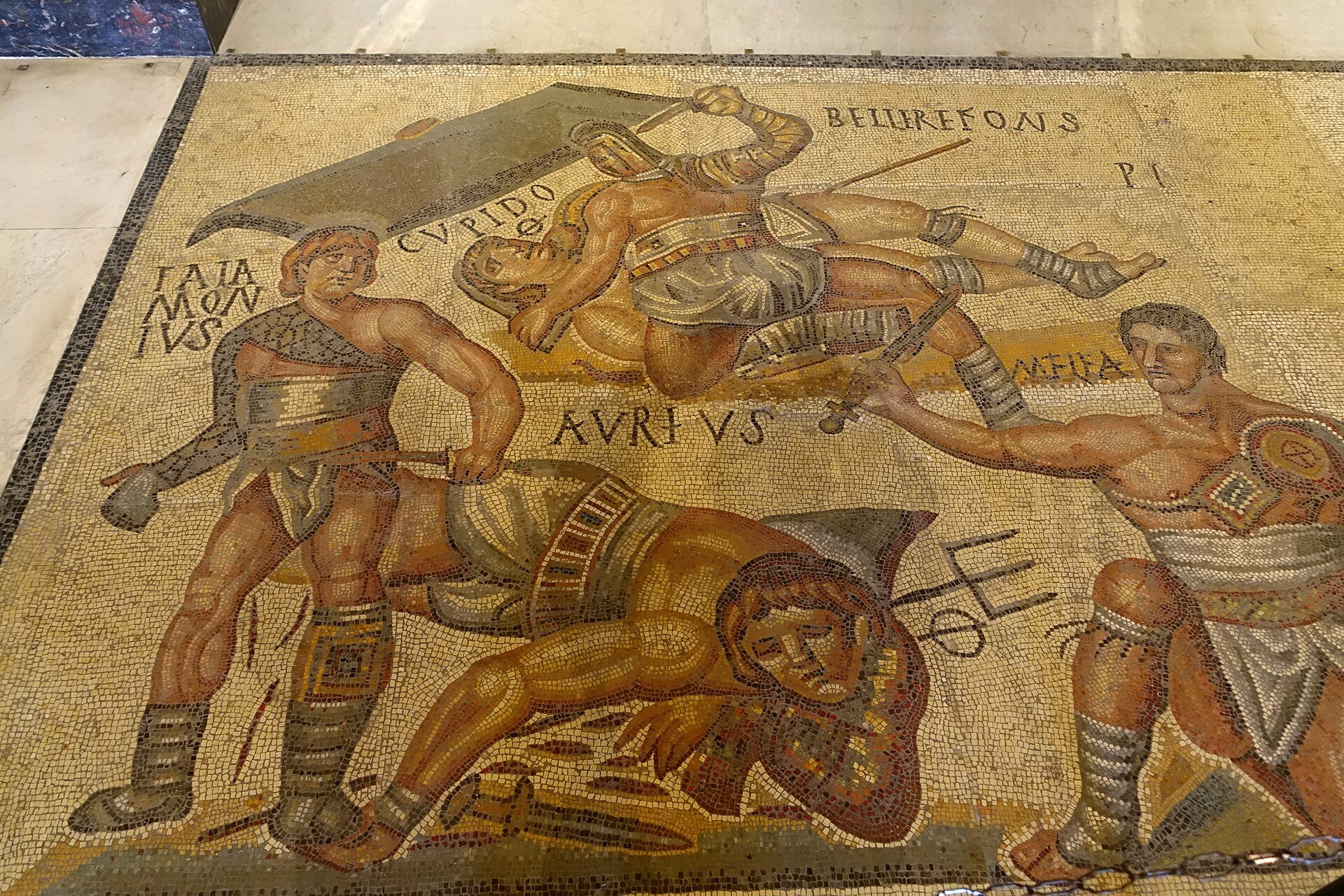
This famous fourth-century C.E. Roman mosaic at the Villa Borghese depicts gladiators fighting to the death. Image: Public Domain / Picasa
“Magic is not logic,” he explains. “People are healed by those things and procedures they expect to be healed from.”
Gladiators weren’t exactly average Romans. In the early days of the republic, their death in combat had religious associations, with fallen gladiators believed to be offerings to the gods or escorts for the dead into the next world. Even as gladiatorial combat later lost its religious connotations, the dramatic circumstances of the contestants’ deaths still made their blood a potent epileptic cure.
Belief in the remedy likely had something to do with what Moog and Karenberg describe as “the illusion of therapeutic effectiveness.” Since the symptoms of some forms of epilepsy affect only children before disappearing completely around puberty, a child who consumed gladiator blood while still symptomatic would appear to anyone unfamiliar with the disorder as having been cured by it.
When gladiatorial combat was outlawed in the Roman Empire around 400 C.E., physicians were forced to look for an alternative treatment for epileptic patients. They found it in the blood of those executed by decapitation.
“The blood of the decapitated was the blood of ‘noble’ criminals, and this might have been important when searching for a substitute for gladiator’s blood,” says Moog. It seems not to have been the legendary strength and virility of the gladiator that imbued a person’s blood with healing power, then, but the way they died—by the blade of a sword (or later a guillotine).
There was a practical element to using blood from an execution too, Moog continues. “In the case, for example, of a hanging, you’d have to hurt the body of the executed yourself. And wounding a corpse was in many cultures regarded as a bad thing.”
The blood spilled by decapitation, on the other hand, “was easy to get.”
The new twist on the old remedy apparently proved just as enduring as the original. The blood of the executed was a “miracle cure” for epilepsy all the way until the 20th-century invention of anti-epileptic pharmaceuticals.
In That Time When, Popular Science tells the weirdest, most surprising, and little-known stories that shaped science, engineering, and innovation.
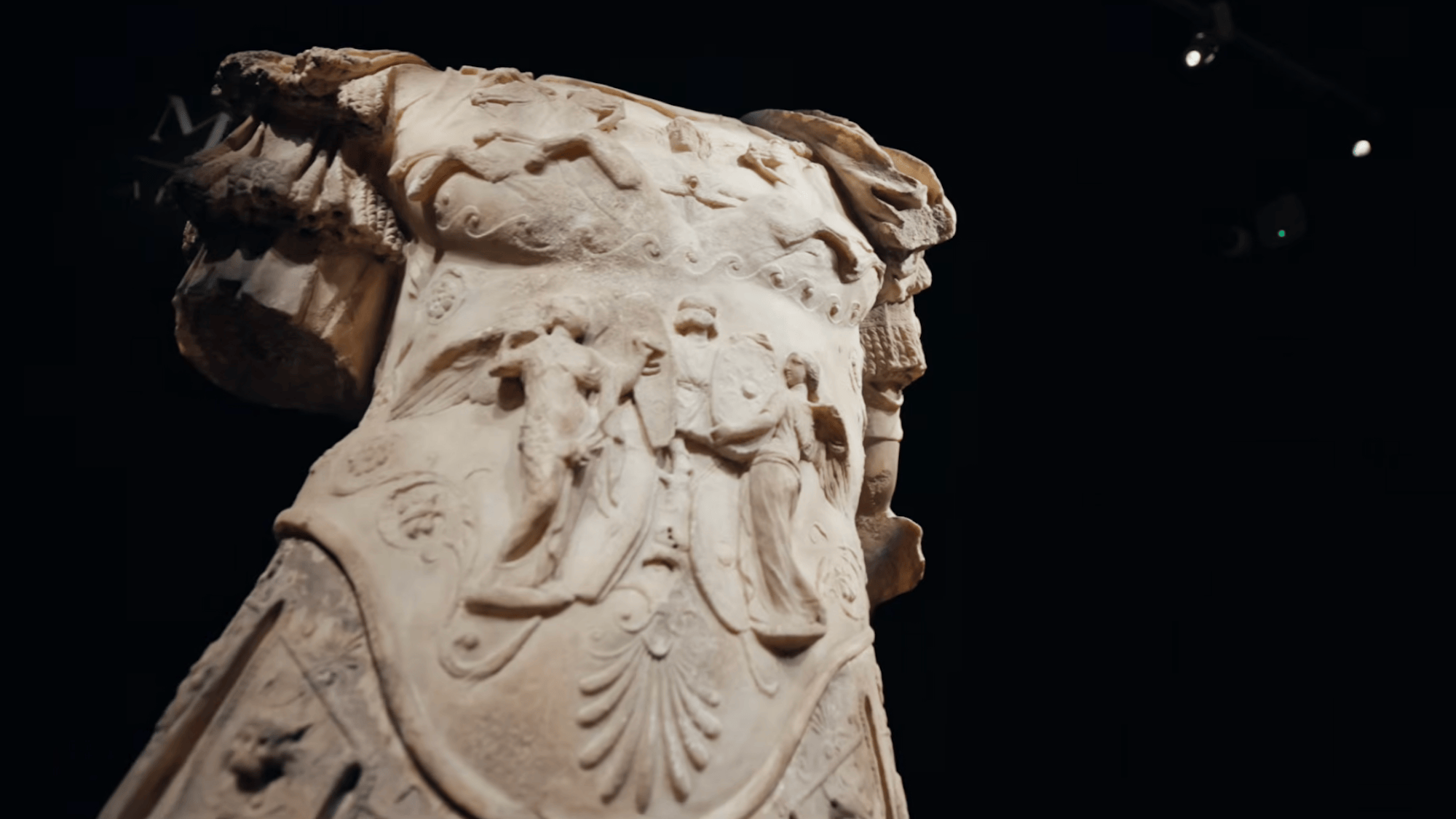
A 2,000-year-old marble sculpture slated for auction later this month is more than a well-preserved piece of artistic history. From its original vantage point inside an ancient temple in present-day Croatia, the depiction of an emperor’s decorative chestplate reminded the recently conquered residents that the age of the Roman empire had arrived.
The intricately detailed bust dates back to the Julio-Claudian era (27 BCE–68 CE), and was crafted from highly coveted marble mined from the Aegean island of Paros. While only the torso remains intact today, the fragment is appropriate given its larger context. Government officials intended sculptures like these to be a permanent temple fixture, so their limbs and heads were regularly updated to depict the current reigning emperor. The monument was more than a way to depict Rome’s ultimate authority—it embodied the very concept of imperial authority.
Reinforcing Roman rule in a conquered town like Salona was vital during this era. The Julio-Claudian period saw Rome’s first five emperors consolidating power and expanding their territory. Erecting these monumental odes ensured the conquered saw visual reminders of the empire’s strength every day.
“The Romans at this period in time were asking, ‘How does this convey power? How do you legitimize a new imperial structure? What iconography do you land on to convey these things?’” Alexandra Olsman, an antiquities specialist on sculpture and works of art at Sotheby’s, explained in an accompanying video.
Every detail carved onto the cuirass ties back to this concept. Its centerpiece depicts the sun god, Sol, riding his four-horse chariot known as a quadriga over the sea to announce the dawn of a new day. According to Olsman, the intentional choice of subject matter declares the victory of order over chaos. Beneath Sol are two images of the goddess Victoria on either side of a tropaeum—a visualization of defeated armies’ abandoned shields, weaponry, and even a conquered enemy’s head. Finally, the smaller images of ram and feline faces on overlapping leather straps represent strength and wards against evil.
“This is Rome becoming Rome in a sculpture,” Olsman added.
Ancient geographers listed many cities called Arsinoe, from Cyprus to Cilicia (in what is now southern Turkey), from Ephesus to the Gulf of Suez. Most of them were linked to the Ptolemies, the dynasty that ruled Egypt after the death of Alexander the Great. One, however, lies far from the Nile. It stood in the […]
The shoulder blade is such a wide and flat bone that in some areas it becomes almost translucent when held up to the light. That is why it is rare to find it whole, even in modern burials, and why it so surprised archaeologists from the University of Cambridge that from Shanidar Cave, in Iraqi […]
Tucked among the Greek temples that made Agrigento famous, on the south coast of Sicily, there is a narrow valley of orange and olive trees. An international team has been digging there for three years. The third season in the Kolymbethra valley and on the Case Montana plateau ends on October 24. According to the […]
About 13,800 years ago, Magdalenian hunters in northern Spain were still visiting the cave of Altamira, famous today for its painted bison. (The cave’s entrance would collapse around 13,000 years ago.) On the other side of the world, a different group of hunters was setting up camp on a ridge above the Tanana River, in […]
A man in Behbeit el-Hagar, a village in Egypt’s Gharbia province, was working on a plot of land in front of his house when he came across a block covered in carvings. He told the local antiquities inspectorate. What came out of the ground afterwards, according to a statement from Egypt’s Ministry of Tourism and […]

 Login