❌

Reading view

Nepal floods: how measuring snow in the Himalayas could help avoid future disasters

The massive and deadly floods on the Nepal-Tibet border are a stark reminder of why the world needs to constantly update its understanding of the fragile ecosystem in the Himalayas.

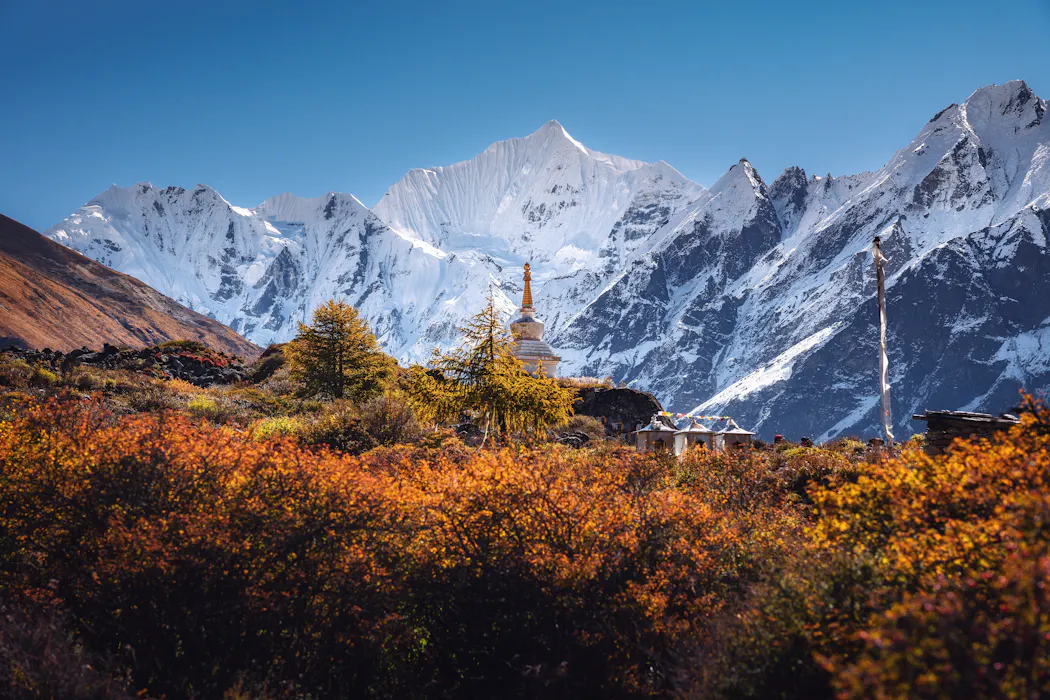
These towering mountains contain nearly 90,000 glaciers, which sustain ten major river systems. Countries nearby, including India, Pakistan, China, Afghanistan, Nepal and Bhutan, are reliant on water resources that cross borders here. As major river-based hydro economies, their agricultural production, energy security and wider economic stability depend on the availability and the timing of river flows.

Changes in snowmelt, glacier retreat and water availability can cause untold hardship for millions of people relying on it. It can also create incredible danger as seen in August 2026, when a flash flood caused by a collapsed glacier washed away villages, bridges and roads on both sides of the Tibet-Nepal border, killing more than 1,000 people.

Understanding and measuring winter snowfall in these regions is exceptionally important. It is the main source of freshwater when it is released by snow melting during the region’s warm and early-summer crop growing seasons, when local communities need it most.


Read more: Nepal-Tibet disaster linked to climate change – a glaciologist explains


Understanding future Himalayan hazards

No one knows precisely how much water the mountains currently provide, and how this will change. This knowledge gap also hinders our understanding of the occurrence of geo-hazards including avalanches triggered by extreme snowfall events and flooding caused by the rapid melting of snow.

The recent Nepal disaster could be related to a spell of unusually warm weather. This may have weakened the snowpack creating a rapid melt. I work with a team of glaciologists at the British Antarctic Survey, whose team had sensors six miles (10km) away from the site. Results suggest that enhanced melting could have introduced water into the crevasses weakening the ice-rock connections.

Studies project that roughly half of the glacier ice in the Himalayas (equivalent to about two billion Olympic swimming pools) could melt by the end of this century – enough to raise sea levels by over a centimetre but there is still considerable uncertainty in these projections.

This is because we do not have enough measurements of snowfall and ice across large areas in this challenging terrain. As a result, scientists often have to extrapolate from relatively small numbers of observations to enormous and highly varied terrain.

Computer-based tools (known as models) that combine available observations with information about land and the atmosphere have proved to be indispensable and often come to rescue when gap-filling is necessary. But models are only as good as the observations used to constrain them.

New scientific approaches are beginning to offer solutions, but they are rather sparse and insufficient on their own beyond the region where they have been tested.

For example, my recent study with colleagues found a new way to accurately measure mountain snowfall reducing measurement errors dramatically – measuring snow has been a long-standing problem because of which mountain water resources have been hugely underestimated over the years.

Measuring Himalayan glaciers.

Another regional study recently reported a measure of the water stored in some of the key Nepalese glaciers using an airborne method that involves taking an aerial survey of the region using instruments mounted on a helicopter. Scientists are also using a technique known as radar interferometry, which uses a combination of radio waves to detect very fast-moving mountain slopes that risk collapsing.

A combination of one or more such techniques could be used to predict where snowfall is concentrated, how much water it is likely to contribute to the region and also identify areas at risk. New information could be used to cast early warning preparedness strategies feeding into a forewarning system for timely evacuation of the region’s most vulnerable.

What happens next?

Scientific innovation alone will not be enough. There is an urgent need for proven ideas to be commercially adapted and systematically deployed across critical zones. The numbers and the imminent dangers involved can now no longer be left to discussions in research papers and conferences, they must be made public on the equivalent of a war footing.

An evacuation success story from the Swiss village of Blatten in 2025 shows what this can achieve. Hundreds of people were moved out before a huge section of the glacier broke off. The authorities had already identified areas at risk and publicly shared hazard maps. Continuous monitoring of the landscape, precipitation and ground movement fed into an early warning system.

But success stories from the west cannot simply be transplanted wholesale into the Himalayan context because of the region’s inhospitable elevation, harsh weather and limited infrastructure. An approach that factors in indigenous and traditional knowledge should be part of plans and policies.

What is also needed in the Himalayas is a far more highly coordinated monitoring network that brings together everyone who depends on and manages mountain water. This would include potential state and non-state organisations, researchers, local authorities and mountain communities. Communities should be central to this effort. Local people can help install and maintain monitoring equipment, collect observations and contribute knowledge of their own environment.

Examples of existing successes from the region include the use of community-managed reservoirs to artificially store meltwater, the construction of ice stupas (an artificial glacier) and glacier grafting techniques to grow new, water-producing glaciers designed to gradually release water during the growing season. The community-based flood warning system in parts of Nepal’s Koshi basin is a success story but is limited in its approach to provide alerts during a cascading disaster, such as the one we witnessed recently.

These results should help policymakers and scientists understand how communities dependent on mountain ecosystems are responding to change – and what support they need to adapt to reduce their vulnerability to future hydro-climatic shocks, such as droughts and floods.

Regardless of the current changes in Himalayan snowfall and glacier melt, local people need to play a vital role in helping measure what is happening in the climate system. And that, as well as countries working more closely together, should help with the future planning that is desperately needed.

The Conversation

Siddharth Gumber receives funding from the National Environmental Research Council (NERC), The TEAMx-FLOW project (NE/Z50399X/1).

  •  

How studying astronauts could help tackle ageing on Earth

Vladi333/Shutterstock

Astronauts who undergo long-duration spaceflight aboard the International Space Station often return with health problems that resemble some age-related conditions in people on Earth.

Remarkably, some of this decline reverses within months of their return but others persist. This raises an intriguing question: what can be learned from these rapid changes and could they help prevent or reverse aspects of age-related decline on Earth?

That question has turned space into a laboratory for ageing research. Spaceflight reproduces many features of ageing. Astronauts also experience unusual conditions, including very low gravity, increased radiation and disrupted sleep. Even so, changes that usually develop over decades on Earth can appear within weeks or months in space, giving scientists an opportunity to observe some ageing-related processes in fast-forward.

A 2026 study, which tracked four astronauts during the nine-day Axiom-2 mission, examined chemical markers attached to DNA that can be used to estimate biological age. This is an estimate of how old the body appears to be based on molecular changes, rather than the number of years a person has lived.

The astronauts’ estimated biological age increased during the mission and began to fall after they returned to Earth. This does not mean that they physically aged by years in a matter of days. With only four participants, the study cannot provide firm conclusions, but it shows how rapidly the body can respond to the conditions of spaceflight.

Why would leaving gravity behind affect the body in ways that resemble ageing? On Earth, muscles, bones, and the cardiovascular system and other organs are adapted to function under the constant pull of gravity. That continual mechanical load helps keep these systems healthy, although their function often declines later in life. In space, many of those demands disappear.

When muscles age in fast-forward

Skeletal muscle provides one of the clearest examples. Astronauts lose muscle mass and strength at a startling rate in very low gravity, even while exercising for around two hours a day to attempt to limit the effects.

Some of the biological processes involved may overlap with those associated with sarcopenia, the age-related loss of muscle strength and mass that increases the risk of frailty, falls and loss of independence.

Scientists are still working out how closely muscle loss in space resembles sarcopenia, because similar effects can arise through different biological processes. The crucial difference is timescale. That compression is exactly what drew our team to space.

Through our UK Space Agency-funded MicroAge mission, we sent lab-grown human muscle constructs to the International Space Station.

These miniature muscles, roughly the size of a grain of rice, were engineered from human muscle stem cells. Using lab-grown tissue, rather than relying solely on the limited number of astronauts available for study, allowed us to compare muscle adaptations in very low gravity with those seen during ageing on Earth. It also allowed us to carry out early tests of possible ways to protect muscle. If some of the same mechanisms are involved in both settings, space could provide a useful opportunity to study years of biological change over the course of months for a single mission.

Our follow-up mission, MicroAge II, will explore the biology of this decline in greater detail. It focuses on mitochondria, the structures inside cells that produce most of the energy those cells need. Problems with mitochondria are recognised as one process involved in muscle ageing on Earth.

MicroAge II will investigate whether similar changes to their structure and function also contribute to rapid muscle loss in space. Why does any of this have significance beyond the space station?

Loss of muscle mass and function is one of the most consequential aspects of growing older. It underlies frailty, falls and the loss of independence that many people fear, yet effective treatments remain limited. Testing potential interventions in populations that age over decades is inevitably slow. Space research will hopefully help scientists identify relevant biological processes and test early ideas more rapidly.

Experiments in space cannot replace final clinical studies involving older people, however. Any treatment suggested by this work would still require extensive testing on Earth to establish whether it is safe and effective but would identify potential drug candidates far more quickly.

The Conversation

Samantha Jones receives funding from UK Space Agency.

Anne McArdle currently receives research funding from the Medical Research Council, the Biotechnology and Biological Sciences Research Council and UK Space Agency.

  •  

AI is making disinformation harder to spot – but we’ve found a new way to catch it

Do you ever see comments on social media that seem way off topic, but still manage to wrench the discussion around to divisive political debate?

A discussion about the cost of living suddenly becomes an argument about immigration. A conversation about the war in Ukraine turns into claims about government corruption. It can feel jarring – and sometimes this is deliberate.

As generative AI becomes more powerful, malicious groups are increasingly using it to produce and spread disinformation online. Automated accounts can flood social media with convincing comments designed to sow division, inflame political debate and undermine trust in reliable information.

But our latest research offers a way to spot these attempts. Rather than trying to identify whether a post was written by AI, we focus on something different: whether it’s trying to derail the conversation.

Until recently, identifying malicious accounts was often quite straightforward. Many campaigns relied on people writing in a second language. So, posts sometimes contained grammatical mistakes or unusual word choices. Detection systems could look for these patterns in the language used.

But generative AI has changed that. AI systems can now produce fluent, natural-sounding text that is much harder to distinguish from human writing. For example, patterns like use of em-dashes and the word “delve” used to be telltale signs of a text being generated by AI. But AIs are adapting, and these older systems are increasingly ineffective.

Trying to detect AI purely from the words people use is becoming a losing battle. We believe the better approach is to look at what a message is trying to achieve.

Looking for signs

Attempts to spread disinformation often work by steering conversations away from their original topic, towards more polarising issues. So, instead of analysing individual words, we set out to build a system that could recognise this phenomenon in online discussions.

We analysed comments posted beneath BBC News videos on YouTube, a platform that has previously been targeted by organised disinformation campaigns.

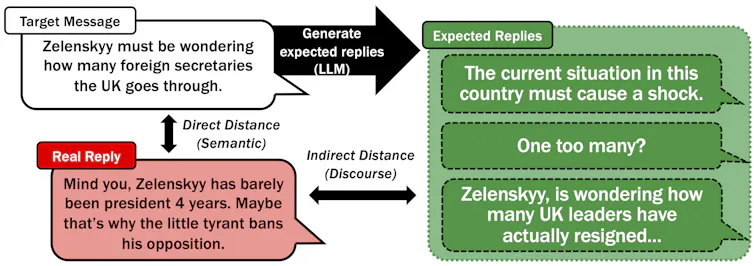
For example, imagine a comment about Ukraine’s president, Volodymyr Zelensky, interacting with senior UK political figures: “Zelensky must be wondering how many foreign secretaries the UK goes through.” Now, imagine another person responding: “Mind you, Zelensky has barely been president for four years. Maybe that’s why the little tyrant bans his opposition.”

Whether that second point is true or false is not the issue. Instead of responding to the original comment, it redirects the conversation towards a different, more divisive topic.

This is known as a red herring: introducing an unrelated issue that distracts from the original discussion. These kinds of shift are difficult for conventional disinformation detection systems to identify, because they are not tied to particular words or phrases.

Composite photo collage of a person sitting at a chair with a manipulative hand hanging over them.
36% of derailing messages online included ‘red herrings’. Roman Samborskyi/Shutterstock

We manually analysed more than 1,600 comments under BBC News videos, labelling them according to 25 different features of online discussion – and discovered some clear patterns.

We found that 36% of derailing messages had red herrings, 65% had leaps in logic known as “non sequiturs”, and 20% contained personal attacks. They were also much less likely to acknowledge previous comments or express empathy.

Spotting manipulation

The next step was to see whether an AI system could recognise these patterns automatically. We used an AI to catch an AI.

For every genuine online comment, we asked an AI large language model to generate several reasonable, relevant responses. Returning to the example of UK foreign secretaries, the AI suggested replies such as: “The current situation in this country must come as quite a shock” or “One too many?”. Both responded directly to the original point.

The system then compares the real response with our AI-generated replies. If the actual comment differs substantially, it may indicate that someone is attempting to steer the conversation in a different direction. So, rather than searching for suspicious words, our system looks for unexpected changes in the flow of the discussion.

How the system works:

A diagram of a system for detecting derailing discourse
Discourse derailment is measured by the distance between the real reply and a set of expected replies generated by an AI. Krykoniuk, Hopkin-King & Roberts: Using LLMs to identify discourse derailment as a potential cue for disinformation in social media posts (2026)., CC BY

We tested this approach using our manually labelled dataset. In our second study, the system correctly identified derailing comments around 77% of the time.

That’s far from perfect, but no detection system is – particularly when analysing something as complex as human conversation. However, our approach performed around twice as well as existing systems based on word-level sentiment analysis. It also achieved results comparable with the level of agreement between human researchers.

Our approach is effective because the AI learns what a typical response to a conversation looks like. When a reply unexpectedly changes the discussion, the system can identify that change and analyse patterns that earlier methods couldn’t detect.


Read more: Why science GCSEs matter more than we think in a post-truth age


Of course, going off topic isn’t necessarily a sign of malicious intent or disinformation. People naturally take conversations in unexpected directions, and there are many legitimate reasons why discussions evolve.

For that reason, this technology may act as an early-warning system rather than a replacement for human judgment. It could help moderators identify conversations that deserve closer attention – but any final decisions should remain with trained experts.

There are also important ethical questions to address. AI systems can reflect biases in the data they are trained on, and they still do not understand conversations in quite the same way that people do. Improving how AI represents and interprets human discussion remains a challenge.

As AI-generated content becomes increasingly difficult to distinguish from human writing, detecting disinformation requires more than simply searching for telltale words. It requires understanding how conversations work, how they are manipulated, and when someone is trying to quietly steer them off course.

The Conversation

Seán Roberts was funded by the AI and autonomy for intelligence, surveillance and reconnaissance (A2ISR) project at the Defence Science and Technology Laboratory (Dstl) through the Defence and Security Accelerator (DASA), which is part of the UK Ministry of Defence, United Kingdom.

Kateryna Krykoniuk was funded by the AI and autonomy for intelligence, surveillance and reconnaissance (A2ISR) project at the Defence Science and Technology Laboratory (Dstl) through the Defence and Security Accelerator (DASA), which is part of the UK Ministry of Defence, United Kingdom.

  •  

What really happens to your data when you click ‘delete’?

Roman Samborskyi/Shutterstock

Deletion is a common part of modern life. We send files and folders to the recycle bin all the time, and often get rid of unwanted personal accounts. But do you know what really happens when you hit the “delete” button?

The process of deletion is often poorly explained by tech providers. Lack of transparency around how requests are processed, and the absence of clear confirmation that data has been removed, are frequently highlighted in research.

These issues are not limited to operating systems. On social media platforms and a wide range of subscription services, deletion mechanisms are often just as unclear. Such misconceptions can have serious implications for the wellbeing of users, exposing them to security and privacy vulnerabilities.

A further complication is that many users fear losing data, files, photos and videos through accidental deletion – a condition dubbed “diagraphephobia”. Though this is not a recognised pathology, studies of digital hoarding behaviour show that some people get very anxious at the thought of losing or accidentally deleting personal information such as photos and music.

Such concerns extend the amount of personal data that sits untended but undeleted, ready for potential misappropriation.

Deletion vs erasure

A common misconception is thinking deletion means erasure – the idea that once a deleted item is no longer visible, it has been completely erased with no means of retrieving it. This is largely wrong.

When users delete files – moving them to the trash bin, then deleting permanently – the data isn’t actually erased. Rather, the system marks storage space as reusable and updates metadata to unlink the file. But the underlying content often remains recoverable with the right tools, especially when data is duplicated across multiple systems or devices.

More robust forms of deletion include physical destruction of the storage medium, overwriting the memory blocks with new data to bury the original, or encrypting the data and then destroying the key.

However, such methods can be expensive and may render the storage device unusable (for example, when overwriting data on magnetic media). The characteristics of cloud infrastructure also pose challenges to secure data deletion.

Similarly, content on public social networks may not really be erased after deletion due to replies, comments and internet archives which can all store the posts in some fashion. The meaning of a deleted tweet can, for example, be recreated based on replies and mentions.

Zombie accounts

Another misconception is that deleting an app from a device automatically deletes the associated account. Users often leave mobile app accounts undeleted because they are unaware of their existence, having deleted the related app.

These are called zombie accounts – abandoned profiles for a wide array of services, from shopping and storage to dating, finance and streaming. Millions of users possess zombie accounts, with personal data that is vulnerable to cyber-attacks and data breaches.

The exponential growth of AI raises a further question: can data really be deleted once it has been used to train AI models? Machine learning modules easily memorise the data they have been trained on, but “unlearning” is difficult.

In theory, people in Europe and many other countries around the world have a leagal “right to be forgotten”. This means they can request the full erasure of any personal data a platform or a company may hold. AI developers are considered data controllers under the EU’s General Data Protection Regulation (GDPR) laws, for example, and are subject to this obligation.

However, there are no clear guidelines on how erasure should be enforced within AI systems. Regulators may request deletion, but AI companies can argue that compliance is infeasible on account of technical constraints.

Explainable deletion

To counter the risks posed by incomplete deletion, I believe there is a pressing need for provision of concise, accessible and clear information about how deletion really works.

One potential approach is “explainable deletion” – a protocol developed by Marvin Ramokapane at the UK’s National Research Centre on Privacy, Harm Reduction and Adversarial Influence Online (Rephrain), based at the University of Bristol.

The intention is to make deletion processes more transparent and understandable without overwhelming the user with too much information in one go.

Explainable deletion breaks down information into six categories: what, how, when, who, where and why (see diagram). Each offers a user bite-size information about that part of the process.

Explainable deletion’s six categories:

Graphic showing the six categories of 'explainable deletion' protocol
Marvin Ramokapane and Dana Lungu, CC BY-SA

Explainable deletion is designed to give users control over their actions, the autonomy to choose the deletion type that is right for them, and the assurance that their desired actions have been fulfilled. It may also tackle the anxiety of accidentally losing data by giving options for data recovery.

While explainable deletion has not yet been adopted in practice, service providers – both platforms and developers – could heighten user trust by adopting such protocols. This framework can also be proof of compliance with GDPR regulations and the right to be forgotten.

Most of us use systems that collect and store our data on a daily basis. If these systems clearly explained what they store and what deletion really means, it could help us to spot the accounts and data that pose a real risk – and to take back control of our digital footprints.

The Conversation

Dana Lungu does not work for, consult, own shares in or receive funding from any company or organisation that would benefit from this article, and has disclosed no relevant affiliations beyond their academic appointment. This article draws on research on 'explainable deletion' by the University of Bristol’s Marvin Ramokapane.

  •  

Great apes were using touch to reassure and keep the peace six million years before humans evolved – new research

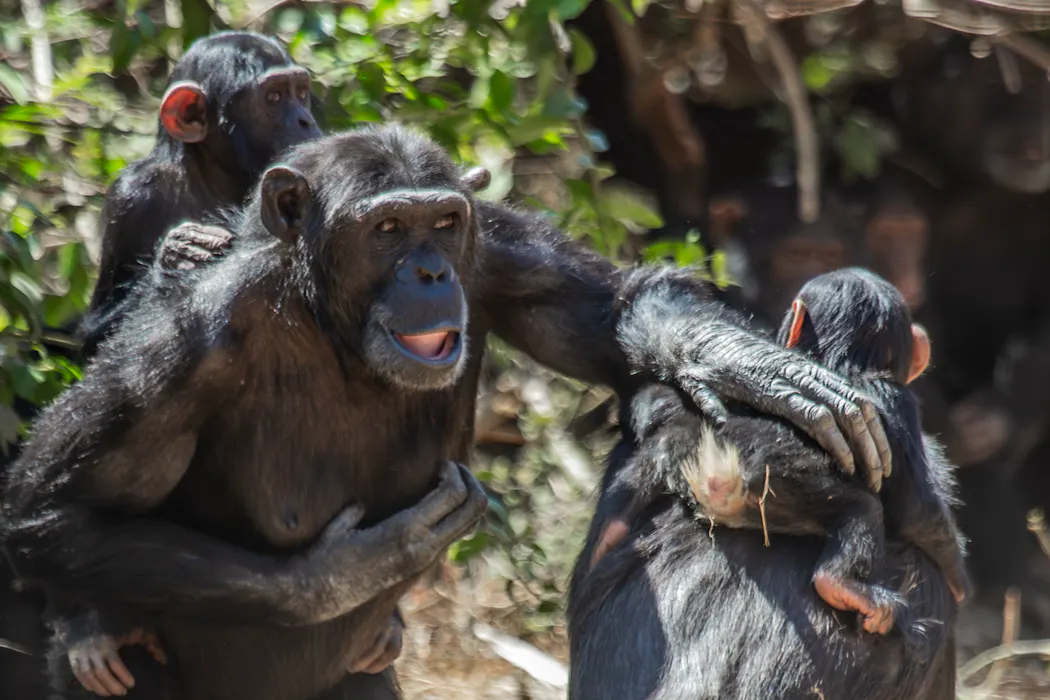
Physical touch may be an important evolutionary tool to help manage social tension and keep the peace. Left: Jake Brooker/Chimfunshi Wildlife Orphanage Trust; Right: Zanna Clay/Lola ya Bonobo Sanctuary, CC BY-NC-ND

During an eight-month-long research trip to the Democratic Republic of Congo (DRC) and Zambia, we studied consolation: the way bonobos and chimpanzees comfort each other after conflicts and distress. But early on, we kept noticing something that didn’t quite fit.

The animals were exchanging a lot of friendly physical contact, embracing, touching and kissing, in competitive situations before any clear conflict or distress signals had broken out. We started wondering what all that touching was actually for.

Our new research into how great apes manage social stress suggests it could be quite important, and that this behaviour dates back at least 6 million years, long before our species evolved. Like us, our closest ape cousins, the bonobos and chimpanzees, also navigate stressful and competitive situations every day.

One example is when they discover a tree laden with ripe fruit. Everyone wants to eat and conflicts of interest can often lead to fights. But something else caught our attention. More often, apes reach out to one another with friendly touch: embracing, patting and making gentle contact.

Our colleague Edwin van Leeuwen, a Dutch biologist, had developed a feeding task to measure social tolerance across great ape groups. This task is called the peanut swing. It involves filling a bamboo trough with peanuts and swinging it over the fence so the food lands in front of the apes. This spreads peanuts evenly across a small area while researchers record who gets food, and how much. We used this test to measure whether groups could share resources peacefully in close proximity.

Because the apes watched the trough being filled, we could observe how they behaved as anticipation built. Friendly touch clustered in the minutes just before the food arrived. Previous researchers called this celebration behaviour. But discovering food is not just a cause to celebrate. It is also tense and risky.

Could friendly physical contact be helping to keep that tension at bay?

To find out, we measured a five-minute anticipation period before the food was released. We watched everything the apes did: friendly contact like kissing, embracing and patting, as well as aggression and threats. Over several months, we filmed 116 apes from five groups across 60 sessions at two African sanctuaries, Lola ya Bonobo in the DRC and Chimfunshi in Zambia.

In both species, the answer was clear. Bonobos and chimpanzees who engaged in more reassuring friendly contact before the food arrived spent significantly more time feeding peacefully alongside others afterwards. This pattern held across most groups and was strongest in the most tolerant ones. Researchers consider tolerance – the willingness to share space without aggression – to be the foundation of cooperation and social learning across the animal kingdom. Our findings suggest that pre-emptive friendly touch may be part of how that tolerance is maintained.

The patterns followed the social structure of each species. In bonobos, female-female pairs were the most likely to show friendly reassurance. This reflects how bonobo society works: females form strong alliances to counter male aggression and occupy high status positions. In chimpanzees, it was males who reassured each other most, reflecting the importance of male coalitions in their societies.

For both apes, these patterns were clearest in the more tolerant groups. In groups with more authoritarian leaders, the pattern disappeared.

Some of the most striking behaviour we saw were among the chimpanzees. During tense moments, they placed fingers, hands and other body parts inside each other’s mouths. They also held each other’s genitals. For a species known for lethal aggression, these are extraordinarily risky things to do.

Perhaps the vulnerability is itself the signal of trust. You only offer a risky contact if you are confident the other animal won’t bite. And this communicates something important about how you see the relationship.


Read more: Inside the sex lives of chimpanzees: it’s about much more than just reproduction


Female chimpanzee offers hand to male who takes it into his mouth.
Hand-in-mouth between male Sims (left) and female Careen: a vulnerable contact which is common during tense competitive periods in chimpanzees. Jake Brooker/Chimfunshi Wildlife Orphanage Trust, CC BY-NC-ND

Touch is among humanity’s oldest forms of communication. Skin-to-skin contact between infants and caregivers is one of the first channels through which attachment forms, long before language develops. A 2006 study found holding a romantic partner’s hand can reduce threat-related brain activity. A 2001 paper found that a brief touch from a stranger can increase cooperation.

Research across five European cultures published in 2015 found that the area of the body you’ll let someone touch maps almost directly onto the strength of your emotional bond with them. There’s plenty of cultural variation though. Brits are famously more guarded about casual contact than other Europeans, and touch between men in many western contexts carries particular social weight.

Perhaps most strikingly, touch before competition makes a difference. A study of negotiators found that pairs who shook hands before bargaining cooperated more, lied less and reached better joint outcomes, even in situations where cooperation came at a personal cost. A handshake may signal something important about intent before a word is even spoken.

But physical contact matters even during competition. A 2010 study of all 30 teams in the US National Basketball Association during the 2008-09 season found that the teams who touched more during games early in the season, through fist bumps, hugs and high fives, performed better and played more cooperatively later. This held even after controlling for player salaries and preseason expectations. In another 2024 study of women’s college basketball, players who received more physical contact from teammates after missing their first free throw were more likely to score on the second.

We see the same thing in genuinely high-stakes situations too. Research analysing street conflicts using CCTV found that witnessing a fight increased anxiety in bystanders. But, those who then engaged in physical contact with others showed reduced anxiety afterwards. A separate study of consolation after street robberies found that the way bystanders approached and touched victims closely mirrored the post-conflict consolation we observe in chimpanzees.

Humans, bonobos and chimpanzees all use reassuring touch but our evolutionary lineages split over 6 million years ago. The simplest explanation is that reassuring touch predates all three of us, and is certainly far older than our own species. So let’s not forget that we hold within us powerful and ancient behaviour that can help us manage our social worlds and maintain peace.

The Conversation

Jake Brooker receives funding from Templeton World Charity Foundation (Diverse Intelligences Initiative) and NWO Talent Programme.

Zanna Clay has received funding from Templeton World Charity Foundation (Diverse Intelligences Initiative) for this work.

  •  

What if disabled astronauts are just better suited to space?

yucelyilmaz/Shutterstock

The UK Space Agency and space startup Vast just signed an agreement to send Paralympic sprinter and below-knee amputee John McFall into orbit as early as 2027. Most coverage framed it as a victory for inclusion. As a space health researcher, I think something far more interesting happened.

For 70 years, spaceflight has assumed a rigid archetype: a healthy white man with a military background. The assumption was that physical uniformity minimised risk. As we prepare for Mars, the evidence increasingly suggests the opposite.

Star Trek understood this decades ago: exploration rewards difference. The further you travel into uncertainty, the more kinds of human experience you need. It debuted in 1966 with a Black female communications officer, a Japanese helmsman, a Russian navigator, a biracial Vulcan, and a captain who made mistakes and felt his humanity down to the last drop.

What strikes me now as a scientist is not how idealistic that vision was, but how practical. Despite decades of spaceflight, we still cannot reliably predict how one person’s health will change in space. Consider Mars 500, a 520-day simulated isolation mission between 2007 and 2011 where six male crew members in identical conditions diverged dramatically in psychological resilience. Two participants remained stable; three developed severe sleep disturbances; and one suffered persistent depression.

Additionally, around 17% of astronauts experience significant physical deterioration in spaceflight despite following identical exercise regimes. Disability does not necessarily introduce uncertainty into spaceflight; uncertainty is already the norm.

Who performs best in space?

Sometimes those excluded perform better. In 1961, several female pilots outperformed the men of Mercury 7 programme, the first US astronauts. Jerrie Cobb scored in the top 2% of all candidates ever assessed by Nasa. Several of the women outperformed the men on cardiovascular endurance. And the late Wally Funk remained in an isolation tank for over ten hours while the male Mercury astronaut record was just over three. But the women never flew. Nasa insisted on military jet pilot experience as an entry requirement, while simultaneously barring women from flying military jets.

About a decade earlier, Nasa recruited eleven deaf men to study motion sickness, a condition affecting 60 to 80% of astronauts in their first days of weightlessness. Motion sickness happens when conflicting inner-ear signals cause nausea and disorientation severe enough to impair performance. Most of the eleven men had lost vestibular function (the inner-ear balance system) following childhood meningitis. In rotating rooms and on rough seas, as experienced test pilots were sick around them, the deaf participants played cards. The trait that excluded them from military careers made them unusually tolerant of the environments that undid everyone else.

Researchers are finally investigating this issue: like asking whether amputees, who carry less mass and respond differently to microgravity, offer advantages in space. People with lower-limb mobility impairments or vascular differences may be naturally adapted to the headward fluid shifts of weightlessness that cause brain swelling and vision changes in around 70% of astronauts.

When a cooling leak filled Italian astronaut Luca Parmitano’s helmet with water during a 2013 spacewalk, it left him nearly blind and deaf to mission control. He survived by navigating back to the airlock using touch alone. On Mars where dust storms reduce vision to near-zero, blind people would have an advantage here as they are dependent on other senses.

There is no perfect astronaut

The myth of the perfect astronaut has always been just that – a myth. Chuck Yeager, celebrated as the gold standard of what an astronaut should be, broke two ribs the night before he broke the sound barrier in 1947. He concealed the injury, improvised a way to seal his cockpit door using a broom handle, and flew anyway. The right stuff was never about physical perfection. It was about adaptation.

In 1985, Soviet cosmonauts Vladimir Dzhanibekov and Viktor Savinykh manually docked with the dead and uncontrolled Salyut 7 station and spent a week manually rewiring it in freezing pitch-black conditions to bring it back to life. For many people in the disability community, navigating broken infrastructure, sensory issues and isolation is an everyday reality. Disabled people spend their lives adapting to environments designed for somebody else. That makes us experts at navigating the unknown.

The real “right stuff” is interdependence: being creative together with your crew when a plan fails. When Apollo 13’s oxygen tank exploded in 1970, the crew came home not because of perfect engineering, but because people depended on each other under pressure. A Mars mission, years from home and communication delays of 20 minutes each way, will demand it. Astronauts will face problems nobody could anticipate, because that is the nature of exploration.

Disability is an extreme environment

Every person who lives long enough will experience disability at some point. It is my normal. In my research career, I have improvised creative solutions to inaccessible equipment, and learned to pace my energy carefully. Even getting into the building or having access to a bathroom could be my engineering problem for the day.

I’ve been told using a mobility aid is unprofessional and for years, even doctors dismissed my symptoms. When they finally had an answer, it came with a caveat: there is no cure and no treatment pathway. The medical system had reached its limit. I had not. These experiences forced me to monitor my own health, adapt and advocate for myself. On a Mars mission, millions of miles from the nearest specialist, every astronaut will need exactly that skill.

Perhaps the most undervalued asset the disability community brings to space is its relationship with joy. Disabled people do not survive extreme environments through stoicism alone. They survive through humour, putting flowers on their wheelchairs (like mine), and deeply loving communities. On a three-year Mars mission, that may be the most critical thing of all.

Design can be better too. Deaf pilot Sheila Xu described in June 2026 at the United Nations how she designed a colour-changing light signal system to use instead of auditory cues during parabolic flights, aircraft that fly a steep arc to produce brief periods of weightlessness, used in astronaut training. It improved safety for everyone on board, deaf or not, when engine roar made verbal commands impossible. This is the “curb cut effect”: solve for the margins, and you make the system better for everyone.

The good news is we are seeing a paradigm shift. In 2021, Hayley Arceneaux spent three days in orbit on SpaceX’s Inspiration4, becoming the first person with a prosthetic bone to reach space. In 2025, ESA engineer Michaela Benthaus became the first wheelchair user on a suborbital commercial flight. McFall’s selection marks the first time a major space agency has cleared a disabled astronaut for long-duration scientific work in orbit.

Progress does not come from excluding each other, but from discovering what becomes possible when the universe’s criteria finally replace our own.

The goal, then, should not be simply to send one disabled astronaut to space and call it progress. It is to involve disabled thinkers, engineers, and designers at every stage of mission planning. The systems they would help build would be demonstrably better for it.

Adaptation, more than perfection, may turn out to be what matters most.

The Conversation

Zoe Elisabeth Swann Baillie, PhD is supported by funding from the Leverhulme Trust via the Leverhulme Centre for Humanity and Space.

  •  

Himalayan snowfall has been miscalculated for years, here’s how we found a new way to measure it

Researchers developed a new way to measure snowfall which will help communities plan on how to use and capture water. Evgeni Fabisuk/Shutterstock

Mountain snow and meltwater from glaciers in the Himalayas determine how much water is available for drinking, farming and hydropower for millions of people in India, Pakistan, Nepal, China and Afghanistan.

This is especially important during the spring and early summer crop-growing season when meltwater helps sustain the flow of rivers and provides the region with a vital buffer against the worst impacts of a dry season or drought. Because many of these rivers cross national borders, changes in water supply can also heighten regional tensions when resources are scarce.

Meltwater from snow is one of the pillars of survival – but it’s proved difficult in the past to get accurate measurements across this challenging terrain.

So measuring where and how much snow falls is essential. My team’s new research gives improved estimates of snowfall across the west-central Himalayas. Results show that in just one winter, the previous best available snowfall analyses underestimated total seasonal snowfall by 37% over Lake Hampta area in Himachal Pradesh. By including new snowfall observations, we reduced that error dramatically.

Why snowfall predictions have been wrong

Because most instruments were originally designed to measure rain over very small areas, rather than snowfall spread across large areas, most calculations of snowfall levels have historically been inaccurate. A rain gauge around the size of a dinner plate was used in the past – too small for the purpose and therefore missing large amounts of snow. These small devices were particularly bad at catching snow during strong winds. As a result, mountain water resources are often misunderstood and have been underestimated by 50–100% over the years.

To change this, we developed a new way to measure snowfall using commercially available water-pressure sensors deployed on the lakebeds. The team installed these instruments at three lakes – Ghepan and Hampta in the western Himalayas, and Mugu in Nepal. Unlike conventional instruments, these sense the whole lake surface – an area of thousands to billions of square metres – to measure the timing and intensity of snowfall. These use water pressure in lakes to directly measure the mass (water content) of accumulating snow, providing an accurate and unbiased estimate of snowfall. This is based on Archimedes principle of displacement: as snow accumulates on a frozen lake, it changes the water pressure beneath.

Snowfall from these devices was analysed and used to refine physical processes in a weather model. This is the same model which provides weather predictions over the UK but is customised for mountainous regions. The results show the model can generally reproduce both when the snow falls and how much accumulates, and is particularly good at representing extreme snowfall events. We now have new insights into where and when snow falls across the region at much finer detail than previous estimates, making mountain water resources more predictable. In contrast, a snowfall map based on previous analysis shows a much more uniform distribution and considerably less snowfall.

Planning for water shortages

This information could help regional communities adapt and improve water planning, help manage reservoirs and protect vulnerable infrastructure from snow-related hazards. It could also support engineering interventions such as snow harvesting in areas that receive abundant snowfall, for example, by artificially storing meltwater in community-managed reservoirs and into ice stupas (an artificial glacier) designed to gradually release water during the growing season.

An understanding of when snow falls will be crucial for predicting when it will melt and how much water will flow into rivers and help communities and policymakers better prepare for future water shortages.

The Himalayan ice fields are important because they are the largest permanent ice-cover outside of the polar regions and contain some of the largest reservoirs of freshwater on earth.

With this region starting to see more water shortages it’s time to start reassessing reliance on mountain water supplies. But how much water the mountains provide, and how it will change, remain remarkably uncertain.

Good measurements of snowfall are now more important than ever for predicting the future of water resources, which until now have been lacking. For example, a single long-running active weather station above 4,000 metres has provided one of the few continuous snowfall records across the vast 566,000 square kilometres of Himalayan headwaters that feed the Brahmaputra, Indus and Ganges river basins.

This work is also deeply personal for me. I grew up in a city just 50 kilometres from the outer Himalayas. On family holidays, I was captivated by the thriving beauty of pines and junipers against the backdrop of the Himalayas, while learning that mountains and rivers are more than just landscapes. Those experiences fostered a lasting connection to the region, and I continue to return to the mountains whenever I can.

Water is a precious commodity upon which every society depends, and shortages can cause untold misery.

With better snowfall estimates, we are already beginning to understand how to make the future of the mountain eco-system more predictable, and help people cope.

The Conversation

Siddharth Gumber receives funding from the National Environmental Research Council (NERC), The Big Thaw project (NE/X005267/1).

  •  

What will AI do for us? Young adults in lower-income countries feel more positive about its potential – new survey

i_am_zews/Shutterstock

Young people in low- and middle-income countries appear generally more optimistic about how AI can enhance their work prospects and social lives than their western peers, according to our new survey of people in ten countries in Africa and South Asia.

While debates in higher-income countries often focus on job losses, misinformation and mental health risks, many of the 1,864 young adults we surveyed (all aged 18-35) placed more emphasis on the opportunities artificial intelligence tools present for them. In particular, nearly 80% of our participants expect AI to deliver improved education and learning for them.

Until now, there has been little evidence of how young people in middle- and low-income countries use AI, and how they feel about this technology – for good and bad. The 2026 youth AI survey – run by global charity Restless Development and academics from the universities of Makerere in Uganda and Cambridge in the UK – seeks to correct this imbalance.

It comes immediately after the UN Independent International Scientific Panel released its preliminary report on AI. Commenting on the need for more science about AI’s use around the world, the UN’s secretary general, António Guterres, admitted: “The world cannot govern what it cannot understand.”

Our responses were collected in Angola, Kenya, India, Nepal, Nigeria, Sierra Leone, Tanzania, Uganda, Zambia and Zimbabwe – with the UK included for comparison. Two-thirds of respondents said they use AI every day, with Meta AI the most common tool, followed by Claude.

The extent of AI use is striking given the obstacles many young people encounter. In every African country surveyed except Nigeria, more than half said high data costs limit their access. Weak internet connections and a lack of digital skills were also raised, with many relying on basic-feature phones. By contrast, UK participants said ethical concerns played a stronger role in limiting their AI usage.

AI work opportunities

While few respondents (14%) said they earn income directly from AI tools yet, half expected AI to improve their employment and economic opportunities within the next five years.

Currently, AI’s main work-related uses among our respondents are learning new skills and job searches. In almost every lower-income country, young people held broadly positive attitudes about AI’s future role in their working lives – although many (32%-50% per country) expressed concerned about its impact on their future income.

How will your income be affected by AI?

Chart showing breakdown of how worried respondents are by AI across 11 surveyed countries.
Sonal Gupta/Youth AI Survey 2026, CC BY-SA

Among those from lower-income countries, more than seven in ten thought AI would bring them better education and learning opportunities in the near future. A 28-year-old self-employed man in Nepal commented: “AI has the potential to empower young people in developing countries like Nepal by improving access to knowledge, digital skills, and economic opportunities.”

Our sentiment analysis found respondents to be most positive in Tanzania and Zambia, with young women there even more upbeat than young men. In the UK, young men diverged from their international peers in feeling more negative towards AI and work.

Biggest AI concerns

Some respondents described AI tools as “Americanised”, built around western norms and unable to grasp local nuance. They worried this could lead to their languages being further marginalised.

“These AI tools are fed major languages that are spoken worldwide, unlike Shona,” said a 25-year-old student in urban Zimbabwe. Shona is spoken by around 14 million people mainly in southern Africa, but is severely underserved by AI and other technology tools.

A Ugandan respondent was similarly critical about provision for her native language, Luganda – the country’s most widely spoken Indigenous language. “AI barely knows the spellings, grammar and how to interpret sentences. It’s not even familiar with our culture at all, which increases mistakes when we get to things concerning our own world.”

What most concerns you about AI?

Chart showing respondents' main AI concerns across 11 surveyed countries.
Dark blue to light green reflects large to small proportions of respondents expressing ‘high levels of concern’ about the issues listed on x-axis. Sonal Gupta/Youth AI Survey 2026, CC BY-SA

Despite the widespread belief that AI would improve education and training, some held strong reservations. A 21-year-old female student in rural Uganda said: “Slowly by slowly, AI is making us dumb. We can no longer think for ourselves.”

The more often these young people use AI, the more worried they appear to be about it. The biggest concerns highlighted by daily users were around who owns their data and the power of AI companies.

Concern about AI’s environmental impact and the welfare of AI workers followed a similar pattern of higher usage co-existing with higher concern. Mental health is the only domain where non-users worry slightly more than daily users.

Gender differences

Significantly more young men (38%) than women (23%) reported having “a lot” of AI knowledge. This probably reflects a combination of diverging gender self-confidence, which tends to emerge from school age, and different levels of AI use. “AI is scary but helpful too,” said one female homemaker in urban Nepal.

Almost twice as many men than women use AI to search for work (33% vs. 17%). This difference is probably rooted in gendered access to data and technology, as well as differing social roles – such as the tendency for women to do more care work.

What have you used AI for in the past month?

Chart showing breakdown of how  respondents used AI in past month, across 11 surveyed countries.
Note: the bars sum to more than 100% because many respondents have multiple uses for Al. Sonal Gupta/Youth AI Survey 2026, CC BY-SA

In most of the ten lower-income countries surveyed, young women expressed greater concern about AI than men – with their biggest concern being over who owns their data. In the UK, 68% of young women were strongly concerned about data ownership, compared with 29% of men.

What young people want from AI

Many of our participants stressed the need for cheaper data and internet connections that work well. But they also want AI tools that fit their lives and culture – and speak their language. Until then, most recognise that talk of AI “leapfrogging” traditional stages of economic and social development is just that – talk.

Some efforts to make AI more inclusive and relevant for lower-income countries are underway. These include initiatives for “frugal AI”, as well as regional collaborations such as Masakhane for African languages and QuechuaBase in Peru.

How can AI be made safer?

Chart showing breakdown of how respondents believe AI can be made safer, across 11 surveyed countries.
Note: the bars do not sum to 100% because survey participants selected multiple responses. Sonal Gupta, CC BY-SA

Most of our participants framed AI safety as much more of a governance problem than a technical one. Many countries are establishing new AI policies, shaped in part by global forums such as the UN-led AI for Good summits. Overwhelmingly, our respondents agreed that governments, not tech companies, should be setting the rules when it comes to AI regulation and privacy protection.

The Conversation

Anna Barford receives funding from UKRI. She has previously been funded by the British Academy, Leverhulme Trust, ESRC, the Asian Development Bank, the Mastercard Foundation, and a philanthropic gift to the University from Unilever. She is a co-director of the Business Fights Poverty Institute and does consultancy work for the International Labour Organization.

Anthony Mugeere works as a Research Fellow for the Advocates Coalition for Development, Uganda's leading thinktank specialising in advocacy and analysis on climate change. He has received funding from the British Academy and the Mastercard Foundation to conduct research on climate change and young people.

Giulia Occhini does not work for, consult, own shares in or receive funding from any company or organisation that would benefit from this article, and has disclosed no relevant affiliations beyond their academic appointment.

  •  

Life in the ancient Arctic: tiny teeth of newly discovered species suggest it was a cradle of mammalian evolution

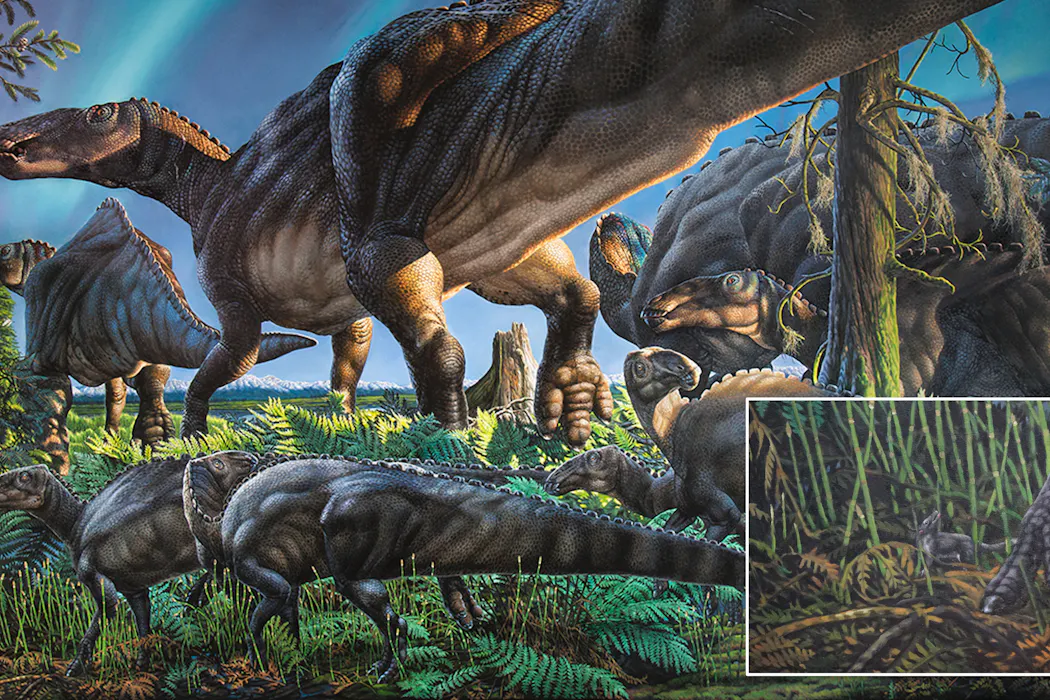
Artist's impression of the Prince Creek Formation in northern Alaska during the Late Cretaceous period, with small mammal highlighted. James Havens, CC BY-NC-SA

A fossil mammal tooth smaller than a grain of rice does not announce itself loudly. It must be hard won from sediment and stone. Then, under a microscope, it reveals itself – no longer just a speck of blackness but a surface of cusps, ridges and worn edges.

It is a small object, easily missed. Yet five such teeth from northern Alaska, belonging to three newly discovered species of long-extinct rodent-like mammals, hold an unexpectedly large history: of polar environments, shifting continents, winter darkness – and of mammals moving through this world that was colder, stranger and more connected than we once imagined.

The fossil mammal teeth at the centre of my new study with US colleagues come from the Late Cretaceous Prince Creek Formation, around 73 million years ago. At that time, northern Alaska’s palaeolatitude was roughly 80-85°N (10-15° closer to the north pole than it is today).

Our discovery shows the Arctic was not simply a cold, lifeless edge of the Cretaceous world, but a place where mammals adapted, diversified, migrated and originated. It raises deeper questions about what it means for a species to be native to a place whose landscapes, climates and inhabitants are forever changing.

The Arctic is not an empty landscape now, and nor was it in the deep past. It was a distinctive and demanding biome, with months of winter darkness, freezing temperatures and strong seasonality.

Rivers crossed this landscape. Plants grew through the long light of summer. Dinosaurs lived and thrived there, and evidence suggests they reared their young in the Arctic. There was also a diversity of birds, fish and mammals: tenacious denizens of the polar dark.

View of Colville River in northern Alaska
Colville River in northern Alaska, where tiny multituberculate fossilised teeth were discovered. Pat Druckenmiller, CC BY-NC-SA

The teeth we found

Finding miniscule fossil mammals is not the kind of palaeontology that begins with a spectacular skeleton weathering from a cliff. It begins with bulk sediment. Bags and buckets of it.

The material is dug out, washed, sieved through fine screens, dried, then meticulously sorted grain by grain beneath a microscope.

Mammalian palaeontology often depends on fragments: a tooth cusp, a root, a worn edge of enamel. It asks for patience more than drama. The field site may be remote, the landscape vast, but the discovery happens at the scale of a fingertip. It is an act of attention.

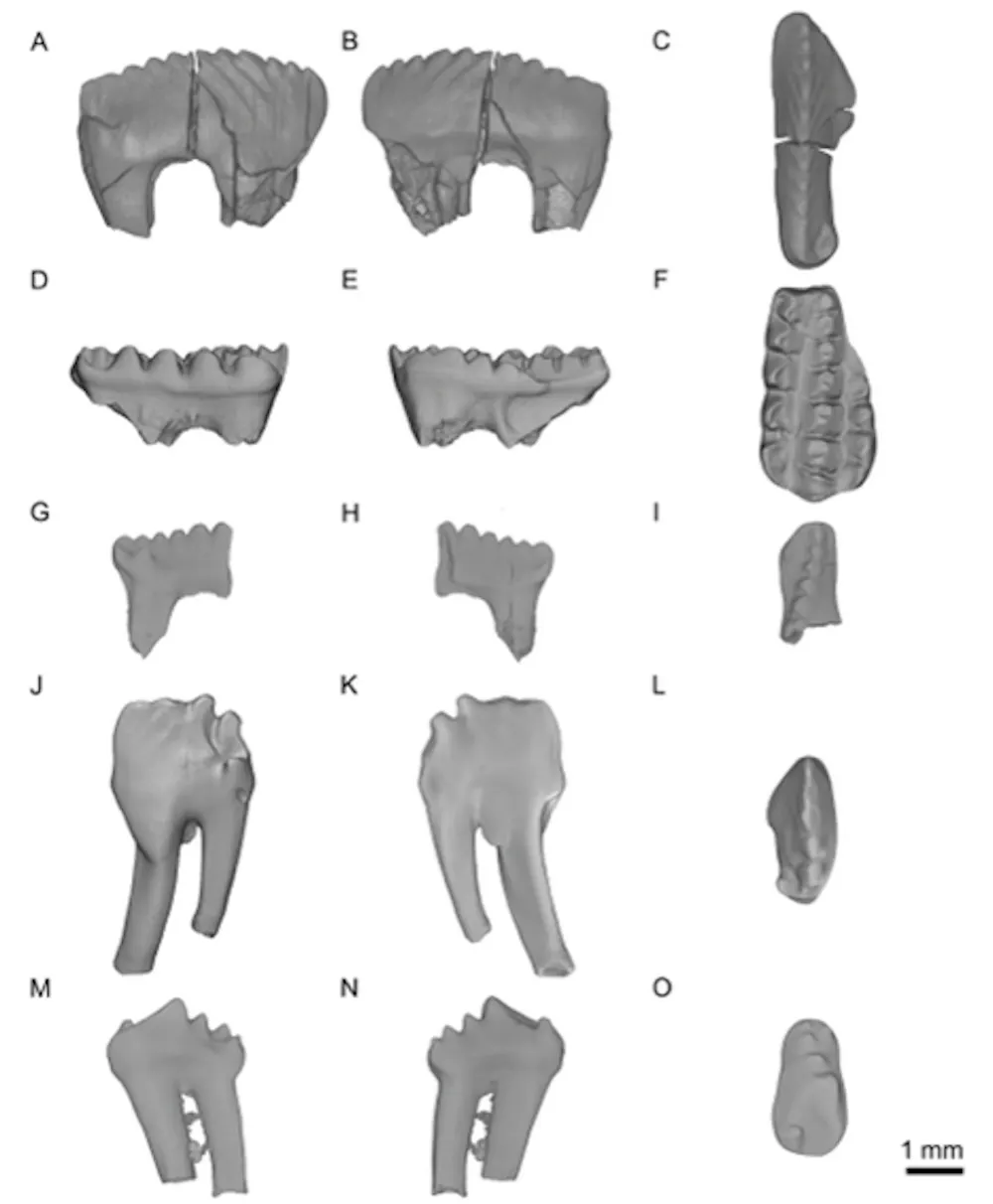
The five teeth described in our new study are multituberculates: a group of rodent-like mammals that lived alongside dinosaurs. They are the longest-lived mammal group to date, with a history spanning well over 100 million years. Our own species Homo sapiens, by comparison, is only a few hundred thousand years old.

But their success was not permanent. After surviving for longer than any other mammalian lineage, multituberculates eventually vanished, with their last representatives disappearing around the Eocene-Oligocene boundary, roughly 34 million years ago.

Multiple images of five fossilised teeth.
Views of five fossilised teeth discovered in Alaska’s Prince Creek Formation. Shelley et al (2026), CC BY-NC-SA

The teeth we found at Prince Creek represent three new species: Camurodon borealis, Kaniqsiqcosmodon polaris and Qayaqgruk peregrinus. The last of these sits especially close to the heart of the story.

Qayaqgruk peregrinus has close evolutionary affinities with a group of multituberculates discovered in Mongolia,, indicating that, many millions of years ago, these minute mammals moved between Asia and North America through a polar land corridor.

This was not the world of Pangaea, the single giant continent of earlier Earth history. By 73 million years ago, the continents were taking on more familiar shapes, but they had not yet settled into the map we know today.

North America was split by a shallow inland sea, and its far northwestern edge lay near northeastern Asia, creating a high-latitude corridor through which animals could move between continents.

The Arctic corridor itself was not unknown. Fossils of dinosaurs, birds and some mammals have shown that animals were migrating between Asia and North America during the Cretaceous.

But for multituberculates, the picture was much less clear. Their fossil record left open whether they crossed between the continents early and repeatedly, or only later in the Cretaceous. Qayaqgruk peregrinus helps close that gap.

Its name draws on the language of the Iñupiat, Alaska Native people, from the region where the fossils were found. Qayaq is a legendary Iñupiaq hero and wanderer whose journeys are told in The Epic of Qayaq.

Many of its Mongolian relatives carry the suffix -baatar, meaning hero in Mongolian, so the name also links its Alaskan discovery to its Asian evolutionary affinities.

Kaniqsiqcosmodon polaris is the oldest known member of the Microcosmodontidae family of multituberculates, suggesting this lineage, later known from North America, may have had a polar origin. Camurodon borealis represents the northernmost known occurrence of the North American family Cimolomyidae.

Five teeth are not a complete ecosystem, but they are enough to show these mammals were not occasional strays at the edge of their range. They belonged to the Arctic.

Surviving mass extinction

Survival in this environment was not a passive condition. Multituberculates survived through the end-Cretaceous mass extinction, 66 million years ago, when as much as 75% of all life on Earth went extinct, including the non-avian dinosaurs.

The adaptations that helped these ancient Arctic species live though deep winter cold, short dark days and seasonal scarcity may have given them advantages when the world’s ecosystems were devastated.

This is not to say the Arctic was a refuge in any simple sense. Evolution is rarely simple – it is full of bottlenecks and unexpected openings. But tiny mammals already adapted to seasonal scarcity may have carried some advantages into a disrupted world.

The Alaskan multituberculates did not belong to the Arctic because they had always been there, or because their lineages had never moved. They belonged because they were part of that ecosystem for a time: shaped by its dark, its cold, its flora, its fauna, its seasons and its routes of passage.

Fossils make this kind of belonging harder to define, but more interesting. They give the word indigenous, at least when we use it for species, a chronology: deep time shows that belonging is not always a matter of original presence, but of ecological participation across changing landscapes.

These five multituberculate teeth from the Prince Creek Formation are small enough to vanish in a pinch of sediment. Yet in their enamel are continents, seasons, darkness, ancestry and journeys.

They show that the ancient Arctic was not an evolutionary margin. It was a living biome, a passage between worlds, and part of the deep history of mammalian evolution.

The Conversation

Sarah Shelley does not work for, consult, own shares in or receive funding from any company or organisation that would benefit from this article, and has disclosed no relevant affiliations beyond their academic appointment.

  •  

Wildfire risk is now spreading to cool climates like the Scottish Highlands and Irish uplands

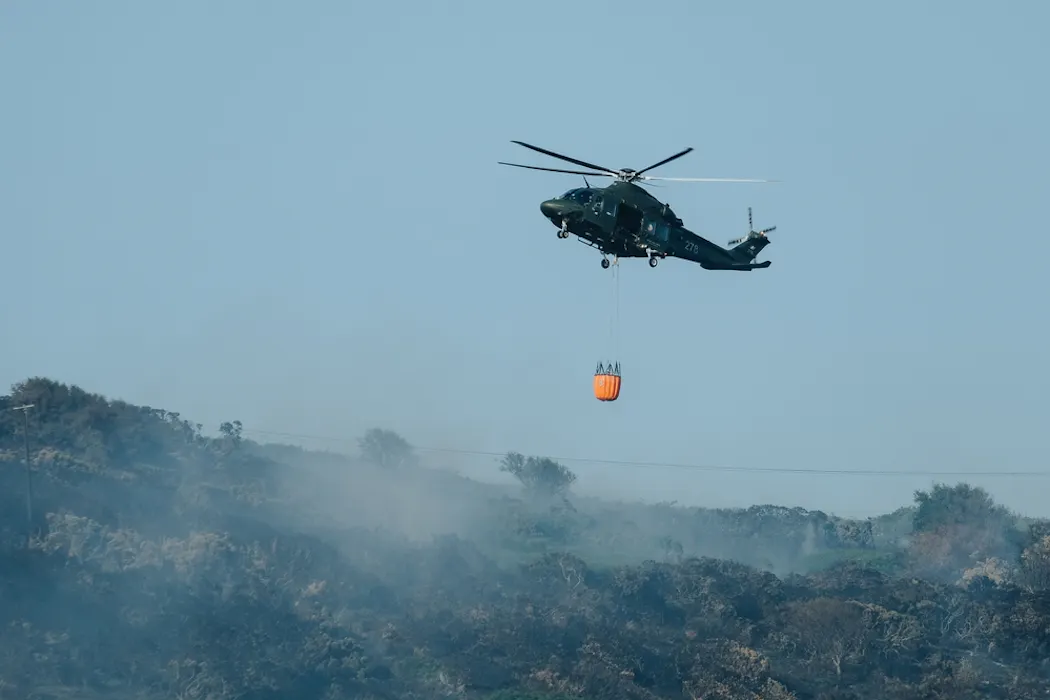
An Irish Air Corps helicopter extinguishing a wildfire in Howth, Dublin, in 2023. Thomas Halpin/Shutterstock

The most destructive wildfire season on record in Europe was in 2025, with more than one million hectares burned and tens of thousands of people displaced by fires across the continent.

For people in Ireland and Britain, the type of destructive wildfires that ravage southern Europe each summer can seem like a distant problem. But these fires are not confined to the dry Mediterranean landscapes of Spain, Portugal and Greece. In recent years, they have started to extend into regions more commonly associated with rain-soaked hills and bogs.

In 2026, this trend has continued with major wildfires breaking out across Scotland, Northern Ireland and Ireland.

As fires spread across the Highlands and Moray in Scotland this April, public warnings focused heavily on dry weather, campfires and accidental ignitions. In Northern Ireland, cautions were issued as firefighters battled several large gorse fires across the Mourne Mountains and other upland ares.

Similar warnings were issued nationally in Ireland over the Easter bank holiday weekend, when the public was urged to avoid lighting fires or bringing barbecues into the countryside. The threat of wildfires is only expected to ramp up this summer as temperatures rise further.

These are important messages. But focusing only on how fires start risks missing a slower and less visible transformation already unfolding across many upland landscapes. The real wildfire story in places like Ireland and Scotland is not just about climate or how fires start. It is also about how rural upland landscapes themselves are changing.

Changing farming styles

Recent research explores how decades of agricultural policy reform under the EU’s common agricultural policy, alongside falling farming populations and declining active land management, are reshaping vegetation patterns across Ireland’s uplands.

Historically, many upland landscapes were actively managed through livestock grazing, cutting and controlled patch burning. These practices helped maintain open landscapes and reduced the build-up of highly flammable vegetation.

But that balance has shifted. Reduced grazing pressure and changing land management practices are contributing to the expansion of highly flammable vegetation such as gorse, heather and purple moor grass.

While lower grazing pressure can bring biodiversity benefits and support natural regeneration, it can also increase the amount and proliferation of flammable vegetation across the landscape, known as fuel loads and fuel continuity. In practice, this means larger and more connected stretches of vegetation that allow fires to spread more rapidly and across greater distances.

A tree on fire as part of a wildfire in Wales.
A forest fire in rural Wales. Groomee/Shutterstock

This is especially concerning in upland areas where the average age of people working on farms is rising, and active land management is declining. Rural depopulation and labour shortages mean fewer people are available to manage what is known as commonages in Ireland and common grazing in Scotland. That means less maintenance of grazing systems and a reduction in the small, controlled vegetation burns that historically decreased wildfire risk by clearing vegetation and creating firebreaks. As one upland farmer in County Kerry recently described it to me: “It’s a bomb waiting to go off.”

Increasing flammability

Climate change is intensifying these risks. Hotter, drier conditions increase the likelihood that vegetation will dry out, increasing flammability. But climate alone does not explain why some landscapes burn more severely than others.

Wildfire risk is also shaped by what is growing on the land, how landscapes are managed, and whether fuel loads are reduced or allowed to accumulate over time. Experts responding to the recent Scottish fires also highlighted the role of vegetation build-up, prolonged dry conditions and changing land management in shaping fire behaviour, warning that historically wetter regions may face increasing wildfire risks in the future.

Similar patterns have already emerged across parts of southern Europe, where rural depopulation and land abandonment have contributed to increasingly severe wildfire regimes.

Recent research from Italy has shown abandoned land, declining grazing and reduced active land management have contributed to fuel accumulation, and to the build-up of dense, continuous vegetation – conditions associated with increasingly large and severe wildfires. While the climates and landscapes of Ireland and Scotland differ from the Mediterranean, similar long-term changes are beginning to emerge here.


Read more: The Pennine hills are full of holes – here’s how they’re helping fight climate change


This creates a difficult tension for policymakers and conservationists. Reduced grazing pressure and natural regeneration can support biodiversity recovery in upland systems. Yet these same changes may also increase wildfire risk where vegetation becomes dense, continuous and unmanaged. The challenge is therefore not choosing between farming or conservation, but finding ways to support landscapes that can sustain biodiversity, rural livelihoods and wildfire resilience together.

Wildfire risk in Ireland and Scotland can no longer be understood simply as a problem of careless ignitions or extreme weather. It runs much deeper than that. It is increasingly tied to long-term changes in how upland landscapes are farmed, governed and managed.

If future policy is serious about reducing wildfire risk, it must look beyond seasonal warnings and begin addressing the deeper forces reshaping our uplands.

The Conversation

Will Hayes is affiliated with the Department of Geography at Royal Holloway, University of London, and the Leverhulme Centre for Wildfires, Environment and Society. Funding for this research was provided by the Leverhulme Trust.

  •  
❌