❌

Reading view

'Faster code is not the same as better software delivered sooner': New report claims AI isn't solving productivity across the entire software development lifecycle - yet

  • Atlassian report claims the number of developers saving significant time through AI is actually dropping
  • Finding information and participating in meetings are major human bottlenecks
  • More then four in five organizations still don't have a clear AI strategy

Nearly nine in 10 (87%) developers surveyed by Atlassian now sayAI is helping them to write and ship code faster, but despite offering significant speed improvements across certain parts of the workflow, three in four (72%) also report either the same or greater friction across the entire lifecycle.

Longer-term optimism around AI's ability to save time is also dropping, with just 25% of developers saving 10+ hours a week when using AI, compared with 68% in 2025.

Ultimately, Atlassian's findings point toward AI simply shifting the bottleneck further downstream rather than tackling time constraints altogether.

Is AI actually helping developers?

The data shows that faster code generation isn't translating into faster software delivery, with the reality of AI-assisted coding now highlighting other areas where AI could actually help. For example, half of developers struggling with finding information (51%) and meeting frequency (50%)

"Faster code is not the same as better software delivered sooner," Atlassian Customer CTO Andrew Boyagi explained. "If teams still struggle to find information, clarify requirements and move work through the delivery process, speeding up coding alone won’t translate into business outcomes."

However, many developers simply feel that AI is being implemented too quickly without consideration for its impacts. Three in five say merely using AI is seen as a positive metric – but its real-world impacts don't fall under that scope.

Companies with an effective strategy were found to be in the best position to reduce friction, where twice as many workers reported positive effects. Still, not even a fifth (17%) of developers say their employer has a clearly communicated and implemented AI strategy.

Now that we're beginning to emerge from the early, experimental years of artificial intelligence, and that use cases are starting to be identified, the report calls for greater consideration and clearer strategies from the top down in order to unlock the real benefits.


Google logo on a black background next to text reading 'Click to follow TechRadar'

  •  

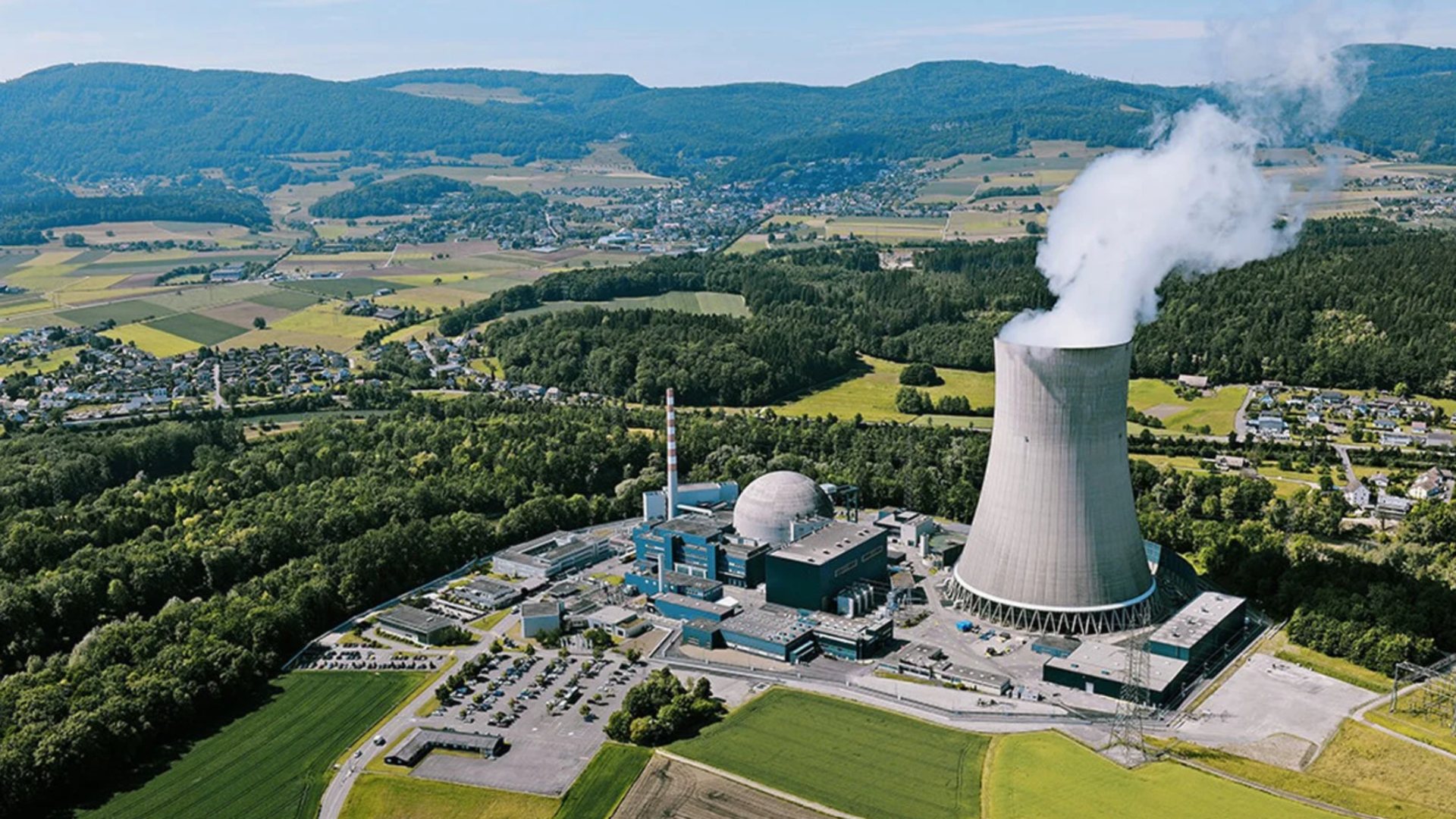
Three dormant US nuclear reactors are being restarted to power AI data centers

  • Three nuclear plants would add 2.25GW of electricity to the grid
  • Microsoft and Google plan to use power from those sites
  • Trump wants 400GW of nuclear capacity by 2050

In its ongoing effort to become an AI global superpower, the US is reportedly gearing up to restart three previously closed nuclear power plants simply to keep up with the energy demands caused by AI data centers.

Together, the three nuclear facilities would likely provide 2.25GW of electricity, or enough to power two million homes and businesses (per The Los Angeles Times).

And the US Department of Energy looks to be a major supporter of the projects, providing up to $4.4 billion in federal loans.

Dormant nuclear plants are being woken to power AI

Microsoft and Google have already signed agreements to purchase electricity from two of those facilities, with power plant restarts now slated for between 2027 and 2029, per the report.

Importantly, these likely mark the first commercial nuclear reactors to be restarted after being formally decommissioned, with rising demand for reliable and low-carbon electricity surging.

The first of three, Palisades Nuclear Plant in Michigan, closed in 2022 nine years before its license was due to expire due to its owner withdrawing from the nuclear power business. Electricity purchase agreements for the plan require it to return to service by March 2027, which is just half a year away.

Crane Clean Energy Center in Pennsylvania is also likely targeting a 2027 online date, with Duane Arnold Energy Center in Iowa looking for a 2029 go-live date.

"For anyone who wants zero carbon, nuclear provides that," nuclear engineering expert Todd Allen explained. "For the Trump administration, which really wants nuclear, this fits that story also."

This, of course, falls under Trump's nuclear plans – a May 2025 executive order revealed plans to quadruple US nuclear generating capacity from around 100GW in 2024 to 400GW by 2050.

Still, these latest plans aren't short of criticism, with concerns over the safety of aging reactors being floated, especially in a world of heightened geopolitical activity and natural disasters.

Google logo on a black background next to text reading 'Click to follow TechRadar'

  •  

Amazon is planning its biggest-ever hiring plan for Christmas 2026 workers

  • Amazon to hire 300,000 workers this Christmas, up from 250,000 last year
  • Average seasonal wages are $20/hour, up around $1 in a year
  • Major healthcare benefit change coming in January 2027

Amazon anticipates creating a massive 300,000 jobs for US workers over the 2026 holiday period, spanning both part-time and seasonal roles as well as full-time options.

The company already generated around 250,000 roles over Christmas 2025, but a further 50,000 roles are set to be created this year as demand for convenient online shopping surges.

But rather than flooding the market with hundreds of thousands of jobs in one go, the company is set to post new vacancies every week between October and December in a more targeted approach, meaning that seasonal jobseekers will need to keep a close eye on the firm's recruitment platform.

Amazon set to hire 300,000 workers this Christmas

Amazon also advertised that there will be opportunities for seasonal recruits to transition into more permanent roles, however the firm didn't explicitly share a figure.

The employer is also set to make an important change to workplace benefits, extending its free healthcare to seasonal employees who work at least 30 hours per week – something it's already been doing with regular full-time employees for several years – however this change won't actually be implemented until the New Year.

Eligible hires from before January 1 will still get this perk after that date, but not before.

Amazon also noted that the average seasonal worker wage stands at $20 per hour, up from the "over $19" it advertised last year when it added 250,000 seasonal roles. This comes just weeks after the company announced it would be raising the minimum (not average) pay for full-time core operations employees to $20 per hour, with an average hourly wage of $24.

Google logo on a black background next to text reading 'Click to follow TechRadar'

  •  

Many firms are still falling behind when it comes to getting their AI infrastructure up to speed

  • Two in three IT leaders say their infrastructure isn't ready to handle AI and analytics
  • Complex data regulations are giving them a major headache
  • AI PCs also form part of the broader infrastructure considerations

According to a new report by Dell, UK businesses are struggling more than their EMEA counterparts when it comes to AI, with three in five (61%) British firms lacking a clear roadmap covering AI, data and security, compared with 46% across EMEA.

But one thing they have in common with their Europe and Middle East counterparts is that legacy infrastructure is likely one of the biggest factors slowing effective AI deployment.

Nearly two-thirds (64%) of IT leaders say their infrastructure is not yet fully prepared to support AI and analytics workloads at scale, noting substantial gaps between ambitions and reality.

Data foundations and IT infrastructure are still holding back AI

Having to coordinate compliance and regulatory factors across their entire stacks is also making it difficult for enterprises to lay out solid foundations, the report claims. More than half (55%) say security and compliance concerns have already slower or delayed their AI strategies, with 64% of leaders worried about regulation compliance when using their data for AI.

And it's not just complex IT infrastructure that's holding back widespread deployment, because even end-user devices need to be considered. Nearly all (92%) respondents agreed that modern devices help them in terms of productivity, but four in five (79%) are being held back by outdated devices.

To that tune, 86% of EMEA leaders now agree that AI PCs will play an important role in their strategies going forward. As of the beginning of 2026, AI PCs accounted for around 44% of all PC shipments (per Omdia tracking), marking a healthy ongoing rise.

"The focus is shifting from exploring what's possible to connecting the infrastructure, data, security and workplace technology needed to turn AI into real business value at scale," UK&I MD and Dell SVP Steve Young explained.

While IT leaders clearly understand some of the factors holding back effective AI deployments, at least two clear challenges are identified in Dell's report – complex regulatory environments and an expensive PC market driven by component shortages.

Google logo on a black background next to text reading 'Click to follow TechRadar'

  •  
❌