
❌

Reading view

Between 1989 and 1997 the United States shipped more than 50 million pet turtles abroad, and enough of the red-eared sliders were later dumped in ponds and rivers when they grew too big that the species now outcompetes native turtles on every continent but Antarctica, listed among the 100 worst invaders on Earth.
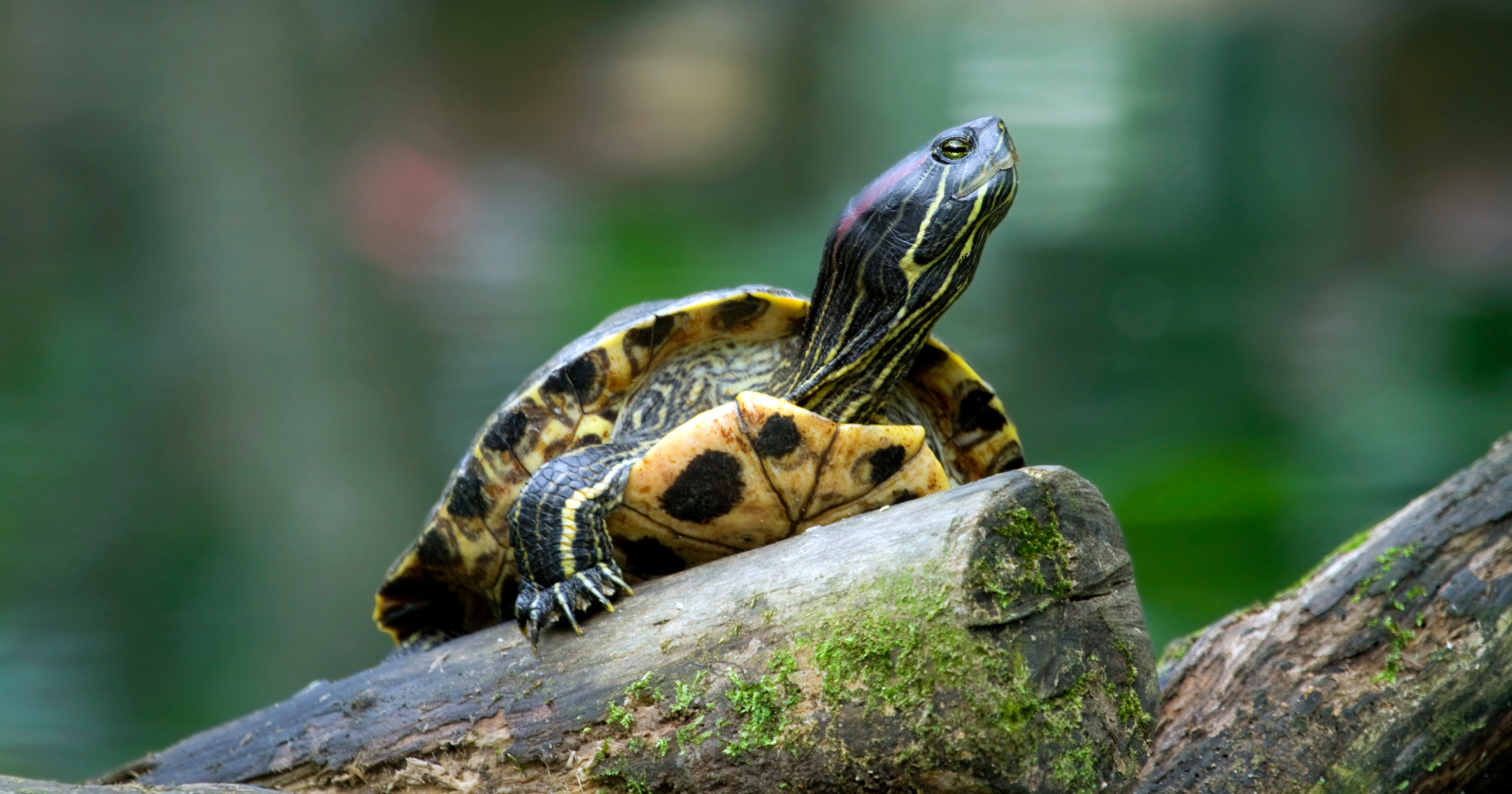
The story begins with a cartoon. In late 1987 a low-budget animated series called Teenage Mutant Ninja Turtles began airing on American children’s television, and within eighteen months it had become the most successful children’s franchise of its decade. Sales of turtle-themed toys, lunchboxes, video games, and Halloween costumes went through the roof. And so did sales of actual pet turtles. American reptile farms, most of them clustered along the Mississippi River basin where the red-eared slider is native, ramped up production to meet the demand. Hatchlings the size of a fifty-cent piece were shipped by the tens of millions to pet stores across the United States and around the world.

What almost nobody selling the turtles bothered to mention was that a hatchling red-eared slider grows into an adult red-eared slider weighing up to three kilograms, requiring a hundred-gallon tank with filtration, and living for forty years or longer. Within a few years, unwanted adult sliders started turning up in ponds, rivers, and public parks in countries where the species had never existed before.

How 52 million turtles left the country

According to the International Union for Conservation of Nature’s Global Invasive Species Database entry on Trachemys scripta elegans, compiled by the IUCN Species Survival Commission’s Invasive Species Specialist Group and citing the original Telecky 2001 tally of the United States pet turtle export trade, more than 52 million red-eared sliders were exported from American turtle farms to overseas pet markets between 1989 and 1997. The primary destination was China, though large numbers also went to Japan, Taiwan, Thailand, South Korea, and Singapore, along with substantial shipments to France, Spain, Italy, Germany, the United Kingdom, Australia, South Africa, and Brazil. The reason American farms could produce sliders at that scale was that the species is remarkably easy to breed in captivity. The reason they were so easy to ship was that a hatchling turtle weighs almost nothing and can be packed into ventilated boxes by the hundreds.

The European Union, watching this happen in real time, banned the import of Trachemys scripta elegans on 22 December 1997. That single regulatory decision effectively ended the American export trade to Europe overnight. By the time it came into effect, however, the damage across the European continent was already done. Feral populations had established themselves in France, Spain, Italy, Portugal, Slovenia, Greece, Germany, Austria, Switzerland, the Netherlands, Belgium, Poland, Latvia, and the United Kingdom. Similar populations were showing up in the wetlands of every country the trade had reached. The turtles that had already been sold were still alive. Their owners were still tiring of them. The ponds behind their houses were still available.

If our animal kingdom fascinates you, you’ll enjoy this video we made on the recorded adventure of a young elephant bull, and what his route revealed: 

What happens when a tank turtle meets a lake

The red-eared slider turns out to be an unusually well-equipped invader. It reaches sexual maturity in three to four years, which is faster than most native freshwater turtles it competes with. Females can lay up to six clutches per year of up to thirty eggs each, giving the species a reproductive rate roughly two or three times higher than the European pond turtle it is now displacing across much of the continent. Adults tolerate a wide range of water conditions, from clean rural rivers to heavily polluted urban canals. They are omnivorous and will eat almost anything a freshwater environment can offer. They are aggressive at basking sites and will physically displace smaller native turtles from the sunning logs they need for thermoregulation.

The competitive dynamic has been most extensively studied in France, where researchers from the University of Paris-Sud have been documenting the interaction between introduced sliders and the native European pond turtle (Emys orbicularis) for the past two decades. What they have found is that in ponds where sliders are present, the native pond turtles are pushed to lower-quality basking sites, tend to survive at lower rates, and produce fewer offspring per breeding season. The European pond turtle is classified as Near Threatened on the IUCN Red List. Every additional slider in a European wetland adds to the pressure. Similar competitive displacement has been documented in Washington State against the Pacific pond turtle, in Australia against native short-necked turtles, and across Asia against a dozen freshwater species that had evolved in the absence of anything resembling a Mississippi-basin generalist.

According to The Nature Conservancy’s 2019 Cool Green Science article on American species invading other countries, written by staff science journalist Justine E. Hausheer, the geographic reach of the red-eared slider now covers essentially every continent where freshwater habitat and moderate temperatures exist. Established feral populations have been confirmed in the western United States, Australia, New Zealand, Europe, Great Britain, South Africa, the Caribbean, the Middle East, Southeast Asia, and several Pacific island groups. Only Antarctica remains slider-free, and even that exemption is only because Antarctica has no freshwater ponds and does not get above freezing for most of the year. If it did, and it had ponds, the sliders would probably be there too.

The IUCN Species Survival Commission’s Invasive Species Specialist Group formally listed the red-eared slider on the Global Invasive Species Database’s roster of the hundred worst invasive species anywhere in the world. The species now ranks number 93 on that list. It sits alongside brown rats, feral cats, cane toads, and the emerald ash borer as a species whose global spread has caused measurable and lasting ecological harm. Australia’s Vertebrate Pests Committee has assigned it a threat category of EXTREME. Multiple European countries have banned its sale, its keeping as a pet, or both. Illegal shipments continue anyway. Buddhist mercy ceremonies in parts of East Asia continue to release captive-bred sliders into rivers as an act of religious devotion, unaware or unbothered that the specific animal being released is an invasive species that will outcompete the native turtles the ceremony was originally designed to protect.

What the whole episode represents is one of the more improbable ecological consequences of a late-1980s children’s television programme. The Ninja Turtles cartoon ran for ten years. American reptile farms produced tens of millions of live turtles to meet the resulting demand. The turtles grew larger than their owners expected. The owners released them into the nearest available water. And forty years later, a native North American reptile that once occupied the freshwater ponds of a few states along the Gulf Coast now occupies almost every freshwater pond on the planet warm enough to support it. The turtles never asked to be there. They just weren’t given much choice. And once they arrived, they turned out to be remarkably well-suited to staying.

The post Between 1989 and 1997 the United States shipped more than 50 million pet turtles abroad, and enough of the red-eared sliders were later dumped in ponds and rivers when they grew too big that the species now outcompetes native turtles on every continent but Antarctica, listed among the 100 worst invaders on Earth. appeared first on Space Daily.
  •  

More than 2,500 retired New York subway cars were dropped into the Atlantic between 2001 and 2010, not as illegal dumping but as a planned reef programme, and marine biologists who kept watch found the sunken trains quickly turned into some of the richest artificial habitats along the eastern seaboard.

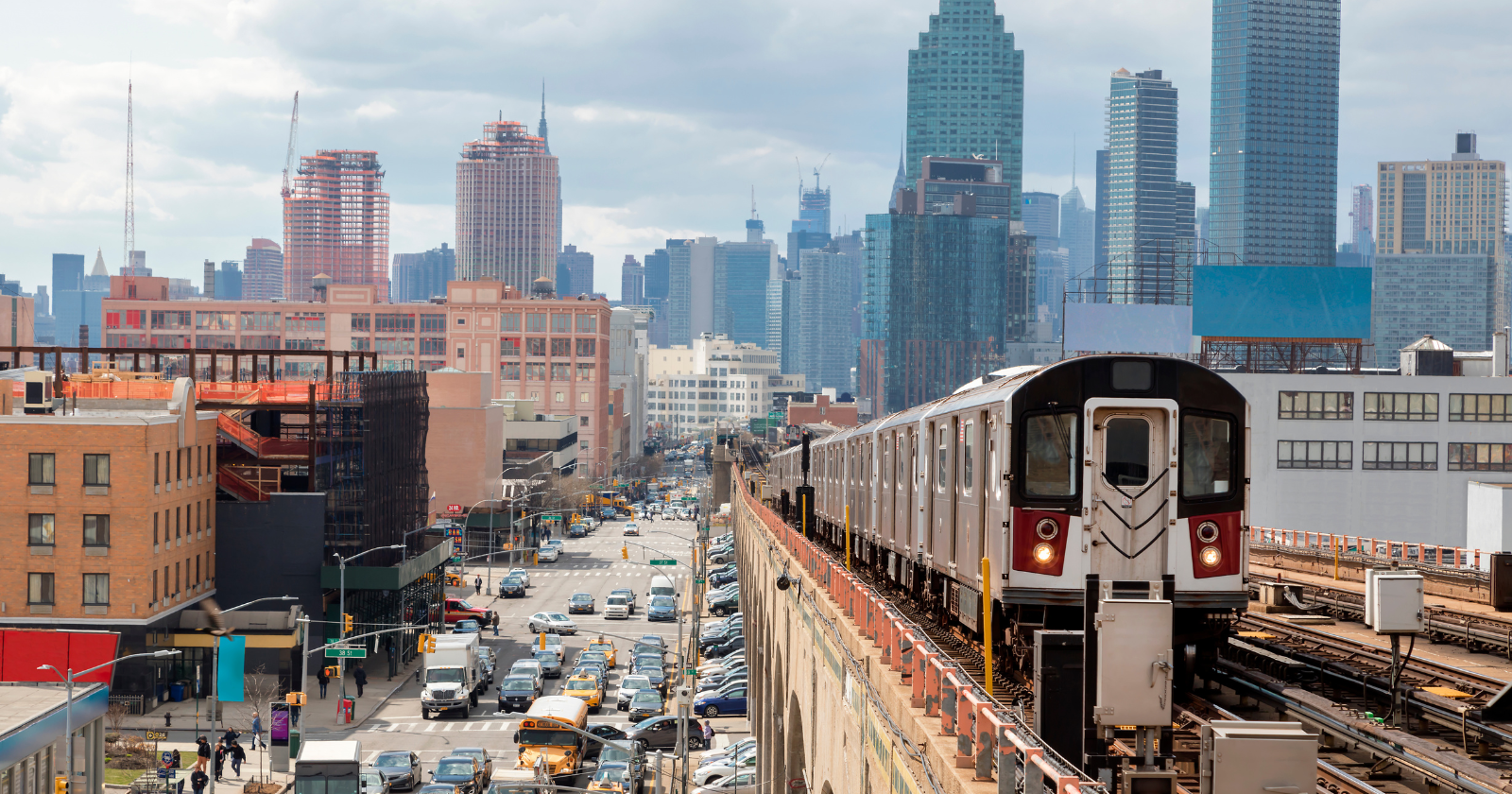
The Metropolitan Transportation Authority, which runs the New York City subway system, had a problem in the late 1990s. It was in the middle of a major fleet modernisation programme that was going to retire roughly two and a half thousand ageing subway cars over the following decade. These were mostly the red-painted R-33 and R-36 cars that generations of New Yorkers had ridden through the 1970s, 80s and 90s, followed by the older stainless steel Brightliners that would come off the tracks later. Each retired car was worth essentially nothing as scrap. Each also cost the MTA roughly twelve thousand dollars to dispose of through conventional demolition. Which meant the total disposal bill for the fleet retirement, at prevailing rates, was going to run to something north of thirty million dollars. And the MTA, being a public transit authority in a permanent state of budget crisis, was not enthusiastic about that particular expense.

The solution the agency arrived at, in partnership with a handful of coastal state governments and the U.S. Fish and Wildlife Service, was one of the more counterintuitive recycling programmes of the early twenty-first century. Instead of paying to demolish the cars, the MTA would clean them, ship them south by rail and barge, and drop them into the ocean off the eastern seaboard. There they would form artificial reefs. The states would get new marine habitat for essentially free. The MTA would save the disposal costs. And the fish would, in theory, work out what to do with the rest.

How you turn a subway car into a reef

According to the New York Transit Museum’s own summary of the MTA Artificial Reefing Program, produced in collaboration with the programme’s former director Michael Zacchea and Robert Martore of the South Carolina Department of Natural Resources, the operation ran from August 2001 through to April 2010 and deployed more than 2,500 deaccessioned train cars to underwater sites off the coasts of New Jersey, Delaware, Virginia, South Carolina, and Georgia. The first phase concentrated on the Redbird fleet, which was already being pulled off the tracks in 2001, and which had a particularly recognisable red livery that made the sunken cars a photographable subject long after they had gone down. The Delaware Bay took approximately six hundred and nineteen Redbird cars alone, at a site now known as the Redbird Reef, located sixteen and a half nautical miles off Indian River Inlet at a depth of around eighty feet. Subsequent phases involved the stainless steel Brightliner fleet, which was deployed at reef sites further down the coast through the second half of the decade.

The engineering of the actual reef deployment was not trivial. Each car had to be stripped down first. According to the New Jersey Division of Fish and Wildlife’s own news bulletin on the deployment of 44 stainless steel subway cars at the Atlantic City Reef site in April 2008, every car went through a full preparation process before it went into the water. Windows were removed. Wiring was pulled out. Plastic components, degradable materials, hydraulic fluids, oils, and grease were all stripped or drained. The remaining shell was inspected to make sure that when the car eventually corroded, nothing toxic would leach into the surrounding marine environment. Only after that inspection was the cleaned steel body loaded onto a barge and towed offshore.

The actual sinking process was almost comically straightforward. The cars, weighing around eighteen tonnes each in their prepared state, were rolled off the deck of the barge by a hydraulic tipping mechanism and simply dropped through the water column to the seabed below. The MTA covered all of the cleaning, transport, and deployment costs. Individual cars in the New Jersey deployment measured roughly sixty feet long, ten feet wide, and eleven feet tall. Deployed in tight clusters at pre-selected coordinates, they formed roughly the same kind of hard-structure habitat that a natural rocky reef would offer, but at a scale and geometry that had never previously existed on the sandy Atlantic continental shelf.

What the fish did with them

What happened next surprised the marine biologists monitoring the sites, though it probably shouldn’t have. The subway car reefs, unlike almost any natural feature of the mid-Atlantic seabed, offered vertical structure. They offered cavities and shelter. They offered hard surfaces for sessile organisms to colonise. And they were essentially unlimited in supply. Marine invertebrates began settling on the exposed steel within weeks. Barnacles arrived. Blue mussels followed. Sponges and soft corals began to establish themselves on the vertical surfaces. Within a year or two, the once-bare metal shells of the retired subway cars had become the physical scaffolding of thriving benthic communities that had not existed anywhere on that stretch of ocean floor beforehand.

The fish arrived in response. Delaware’s Department of Natural Resources and Environmental Control has since documented that the invertebrate communities colonising the artificial reef structures provide up to four hundred times more food per square foot than the bare sandy ocean floor they replaced. Species that had been effectively absent from the region because of the lack of suitable habitat began to appear regularly at the sites. Sea bass, tautog, tuna, mackerel, flounder, scup, and triggerfish were all documented in significant numbers within a few years of the deployments. Recreational fishing operators in the coastal towns of Delaware, New Jersey, and Virginia found their nearshore catches rising. Dive operators found themselves with a genuinely unusual attraction to offer. The sunken subway cars, which had cost the MTA nothing to dispose of and had cost the states essentially nothing to acquire, became one of the more productive artificial reef complexes anywhere on the North American Atlantic coast.

The programme was not without complications. Inspection reports from New Jersey in 2009 found that some of the newer stainless steel subway cars were showing significant structural damage after only a few years underwater, which prompted the state to pause further stainless steel deployments while investigations continued. Not every car remained intact. Not every deployment site delivered the ecological returns the biologists had hoped for. And the specific question of whether artificial reefs simply concentrate existing fish populations rather than creating new ones is still debated within the marine biology community. But the general pattern held across the majority of the deployment sites through the 2010s and 2020s. The bare sand became structured habitat. The structured habitat became invertebrate communities. The invertebrate communities became feeding grounds. And the feeding grounds became fisheries.

By the time the programme officially ended on Earth Day 2010, 2,580 New York subway cars had been placed on ocean reef sites along the eastern seaboard of the United States. The MTA had saved something close to thirty million dollars in disposal costs. Delaware alone had received nearly a thousand of them. The Redbird Reef off Slaughter Beach now covers roughly 1.3 square miles of what used to be featureless sand and is one of the most biologically productive stretches of continental shelf in the entire mid-Atlantic region. Which is a strange kind of legacy for a fleet of subway trains that once carried millions of people through the tunnels underneath Manhattan and Queens. The trains never made it to the recycling yard. They made it to the ocean floor instead. And the fish have been living in them ever since.

The post More than 2,500 retired New York subway cars were dropped into the Atlantic between 2001 and 2010, not as illegal dumping but as a planned reef programme, and marine biologists who kept watch found the sunken trains quickly turned into some of the richest artificial habitats along the eastern seaboard. appeared first on Space Daily.

  •  
❌