❌

Reading view

International Observe the Moon Night 2026 is on Sept. 19: Here's how to join in

Moon lovers rejoice! International Observe the Moon Night returns on Sept. 19. Here's everything you need to know about how to participate in the annual celebration of Earth's natural satellite both in-person and from the comfort of your home.

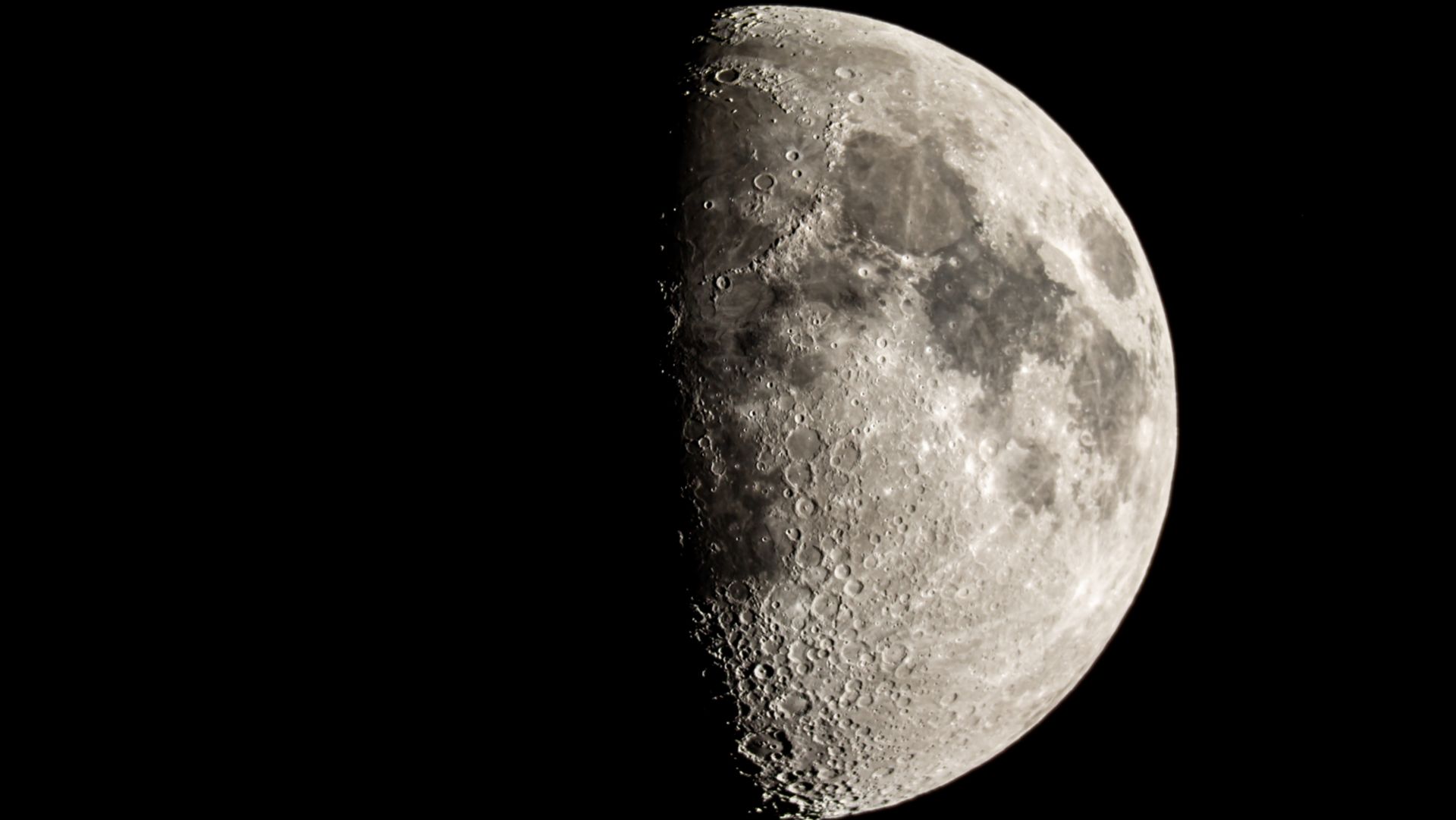
International Observe the Moon Night takes place around the first quarter moon in September or October, when the moon is conveniently visible in the late afternoon and evening. It's also an excellent phase for exploring features along the terminator β€” the boundary between lunar day and night β€” where long shadows help craters, mountains and other features stand out according to NASA.

The global celebration aims to raise awareness of lunar observation, science and exploration, which has intensified in recent years as NASA and its partners work to return humans to the surface of the moon as part of its Artemis program.

How can I participate?

You can join in with the International Observe the Moon Night celebrations either as part of a group or solo from the comfort of your own home!

Looking for an event near you? Search NASA's interactive global map of hundreds moongazing events from star parties organized by local astronomy groups to virtual events hosted by observatories and passionate amateurs.

Or host your own celebration. NASA has advice on how to host your own private or public event to celebrate the occasion, and you can register on the agency's map so other moon enthusiasts can join you.
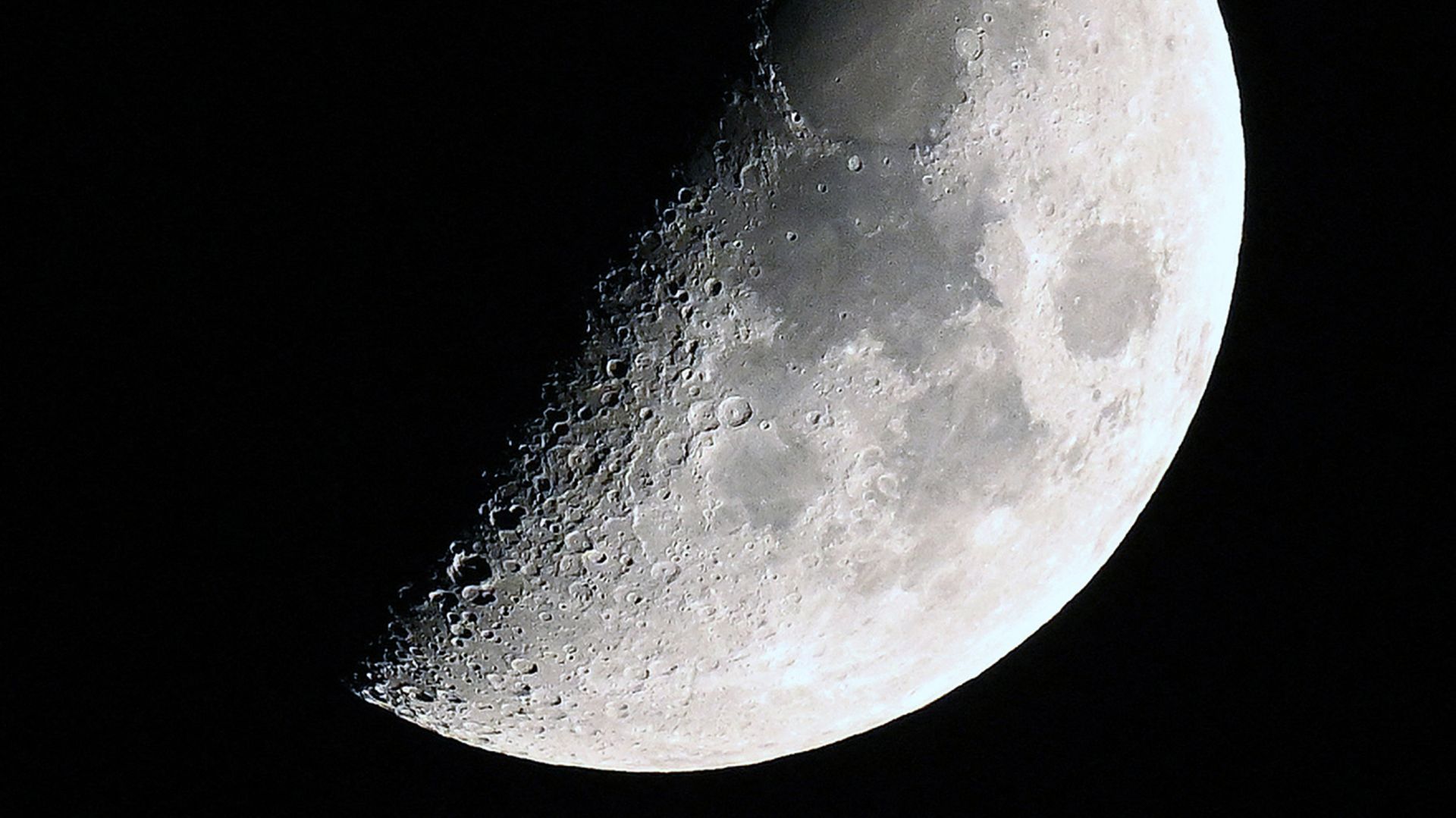
A photo of the moon with its right side lit around the first quarter phase in a black sky.

The first quarter moon shines over Kuwait City. (Image credit: Photo by YASSER AL-ZAYYAT / AFP via Getty Images)

You can also participate from the comfort of your home simply by stepping out to observe the moon with the naked eye, binoculars or a telescope. Or you can peruse hundreds of images of the moon captured by NASA's Lunar Reconnaissance Orbiter and the astronauts of Artemis II as they journeyed to the far side of Earth's moon.
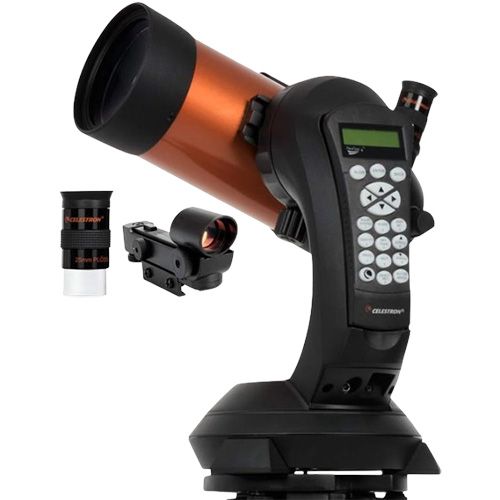
Celestron Nexstar 4SE

Celestron NexStar 4SE

(Image credit: Celestron)

This is a fantastic go-to telescope with a 4-inch aperture that'll help you get quick and steady views of the moon. For more be sure to check out our Celestron Nexstar 4SE review.

Anyone with a 3D printer can also create models of the lunar surface made from LRO data, including the landing site of the historic Apollo 11 mission, which touched down in the Sea of Tranquility in July 1969.

Space.com also has a range of fantastic lunar resources to help you get to know Earth's moon! Be sure to check out our explainer article detailing everything you need to know about the moon, along with the latest news on NASA's Artemis program to return astronauts to the lunar surface and our September full moon guide.

Read more: Apollo landing sites: An observer's guide on how to spot them on the moon.

New to stargazing? No problem! Simply check out our guide to observing the lunar disk, along with our picks of the best binoculars and telescopes that'll have you exploring the wealth of craters and lunar seas scarring the near side of the moon's surface in no time.

Editor's Note: If you would like to share your astrophotography with Space.com's readers, then please send your photo(s), comments, and your name and location to spacephotos@space.com.
  •  

Don't miss Venus shine beside the crescent moon at sunset tonight

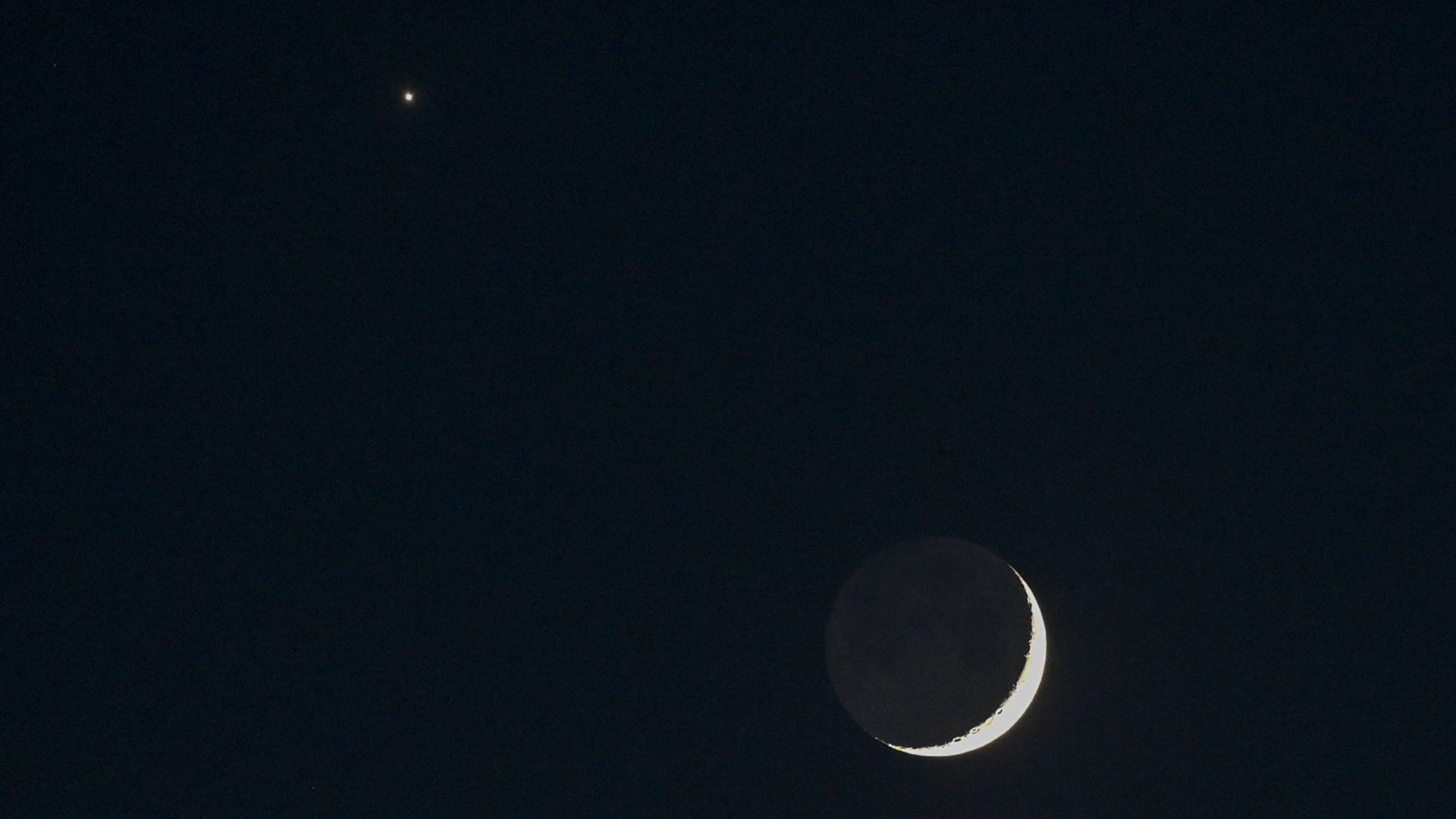
Look west at sunset on Sept. 13 to see brilliant Venus shining close to the delicate arc of the crescent moon. The encounter is a prelude to an even closer meeting the following day, when the moon will pass directly in front of Venus for observers across parts of Europe, Africa and Asia.

Tonight (Sept. 13), Venus will appear as a bright "Evening Star," a little over 5 degrees from the 9%-illuminated waxing moon β€” roughly the width of your three middle fingers held at arm's length against the evening sky.

Venus, often referred to as "Earth's twin" as a result of its similar size and rocky composition, will be easy to spot as a dazzling point of light in the evening sky, while the moon will be a trickier target, with its barely illuminated disk all but lost in the glare of the setting sun.

The moon and Venus will shine less than 10 degrees above the horizon at dusk, so find a spot with a clear view to the west to give yourself the best chance at catching the solar system pairing before they follow the sun out of view a little over an hour after sunset.

The moon and Venus will shine less than 10 degrees above the horizon at sunset and will be visible for less than an hour before the lunar disk follows our parent star below the late summer skyline. Find a spot with a clear view to the west and start scanning the sky as soon as the sun sets to give yourself the best chance at catching the solar system pairing. You can discover the exact timings for sunset for your location using Time and Date's sunset tracker.

Look out for earthshine brightening the unlit side of the lunar disk, as sunlight reflects off our planet to bathe the moon in a subtle glow, revealing ghostly details on the moon's otherwise unlit side. The phenomenon is best viewed on nights surrounding the new moon phase, when Earth is well positioned to bathe its natural satellite in reflected sunlight.

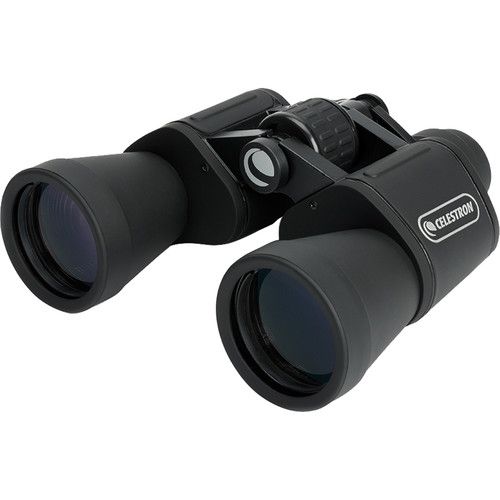
Celestron UpClose G2 10x50

Celestron UpClose G2 10x50 Binocular on a white background

(Image credit: Celestron)

For around $50 you can grab these beginner binoculars for better views of craters and seas on the lunar surface. 10x is enough for a closer look without worrying about excessive shakes during handheld observation.

_

Celestron UpClose G2 10x50 review

Millions of stargazers across parts of Europe, North Africa, the Middle East and southern India will be positioned to see the moon pass directly in front of Venus in the daytime sky starting at 5:26 a.m. EDT (0926 GMT) on Sept. 14, according to in-the-sky.org. Remember: It's never never safe to point a telescope or binoculars at the sun, as doing so can lead to permanent damage to your vision.

The moon and Venus will be below the horizon for viewers in the U.S. as the occultation takes place. By the evening of Sept. 15, the waxing crescent will appear to have leapt to the left of Venus as it nears the point of maximum brightness in its current evening apparition on Sept. 18.

Want to photograph the crescent moon near Venus for yourself? Then check out our guide to photographing the lunar surface with a DSLR or mirrorless camera, along with our roundups of the best lenses and camera bodies for astrophotography.

Editor's Note: If you would like to share your astrophotography with Space.com's readers, then please send your photo(s), comments, and your name and location to spacephotos@space.com.
  •  

Perseid meteors meet mesmerizing star trails over Egypt's Western Desert

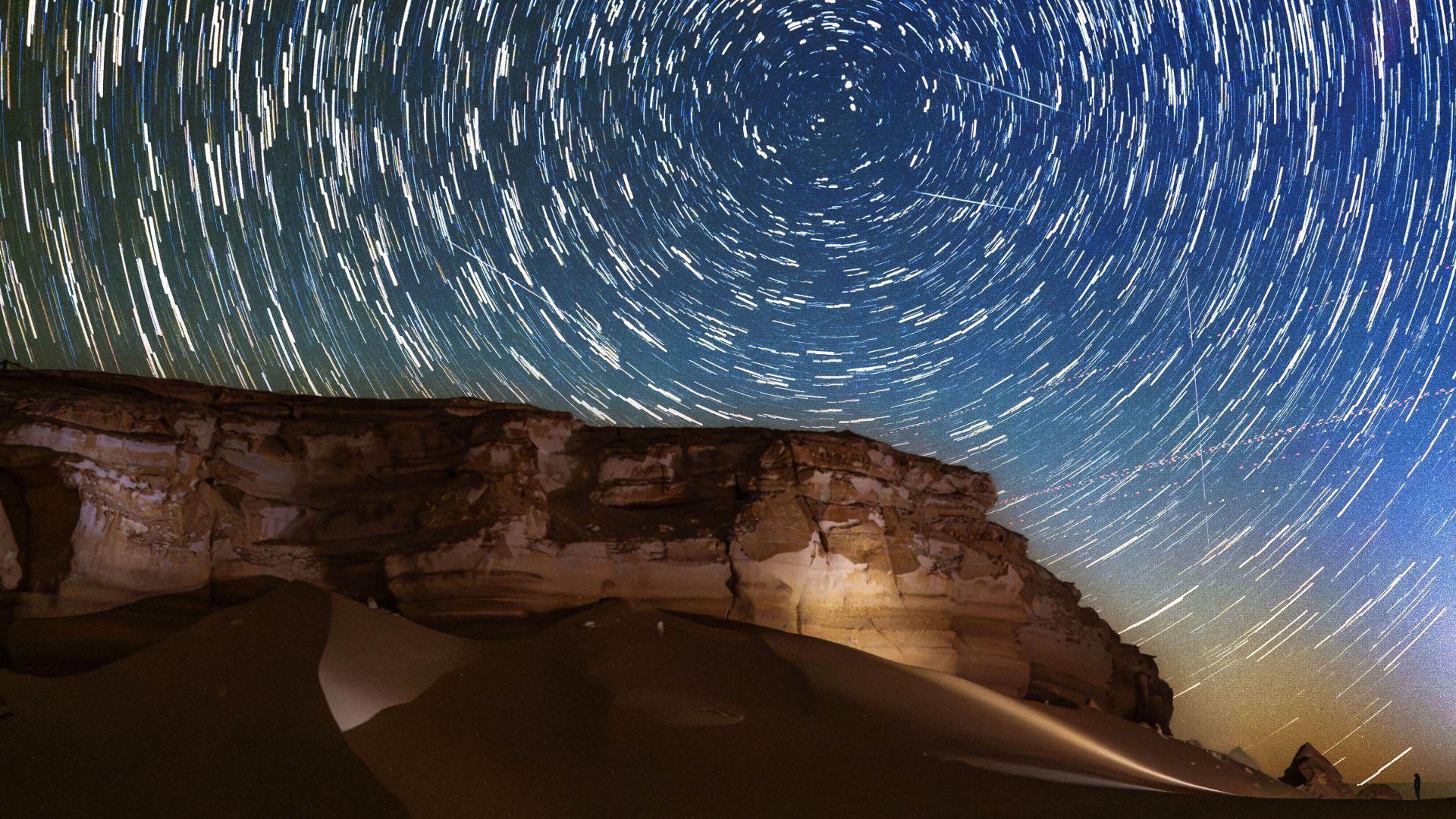
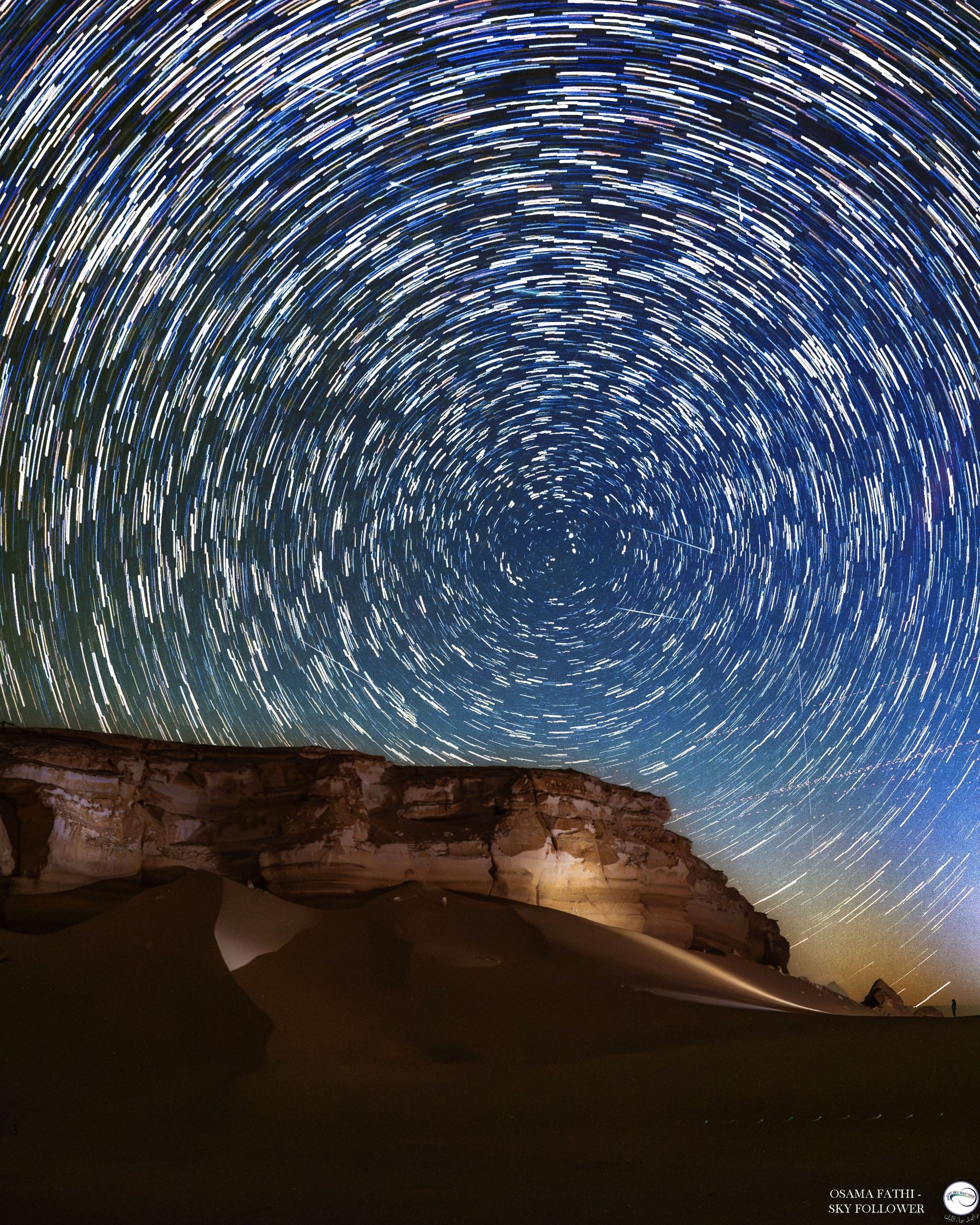
Astrophotographer Osama Fathi created this incredible view of Perseid meteors streaking through circling star trails above Egypt's Western Desert on Aug. 13-14, the night following the shower's peak under dark new-moon skies.

Fathi imaged the star trails in 240 consecutive 25-second exposures, which captured the apparent motion of the stars in Earth's sky as they seemed to circle the celestial north pole and the North Star Polaris. The length of each trail reveals how far the stars appeared to move as Fathi captured their ancient light with his Sony A7 III camera and a 16-35 mm lens during the 100-minute shoot.

But Fathi wasn't alone beneath the desert skies as he captured the scene.

"Capturing this photo in Egypt's Western Desert during the Perseids was an unforgettable experience," Fathi told Space.com in an email. "The night was exceptionally clear and I was surrounded by around 200 fellow astronomy enthusiasts sharing stories, stargazing and photographing the sky."

Star trails circle above a desert at night as meteors streak through the sky.

Perseid meteors and satellites intersect star trails in the skies over Egypt. (Image credit: Osama Fathi)

Perseid meteors appear as unbroken streaks of light, captured in a single exposure as tiny particles β€” often no larger than a grain of sand β€” burn up in Earth's atmosphere in the blink of an eye.

Dotted trails closer to the horizon depict the trajectories of satellites as they passed silently through the skies over Egypt's Western Desert. Fathi captured the landscape and starscape separately before combining, or stacking, the images into a mesmerizing image.

The result is a gorgeous nightscape that highlights the beauty of the natural landscape, the rotation of Earth and the natural light show of the Perseid meteor shower that we experience as Earth passes through the trail of debris shed by comet 109P/Swift-Tuttle.

Want to capture beautiful images of the night sky for yourself? Then be sure to read our guide to photographing star trails, along with our picks of the best cameras and lenses for astrophotography available in 2026.

Editor's Note: If you would like to share your photos of the night sky with Space.com's readers, then please send your photo(s), comments, name and location to spacephotos@space.com.

  •  

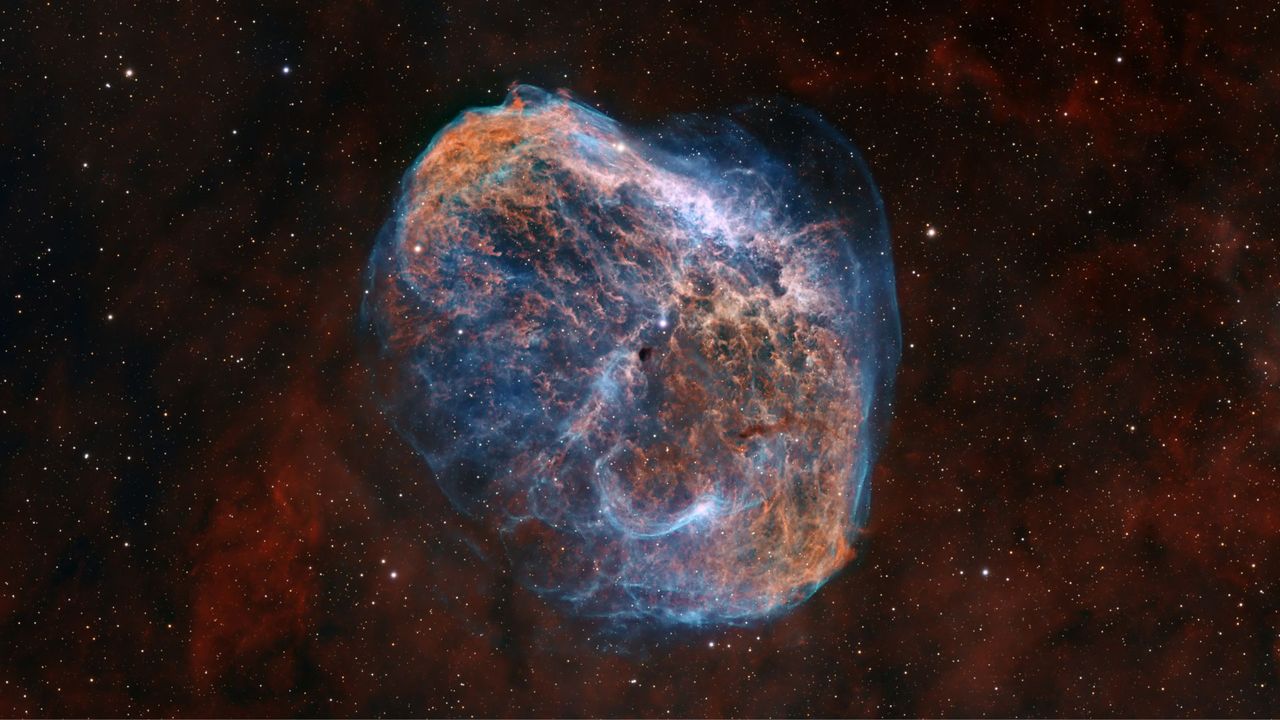
Astrophotographer captures jaw-dropping view of the Crescent Nebula

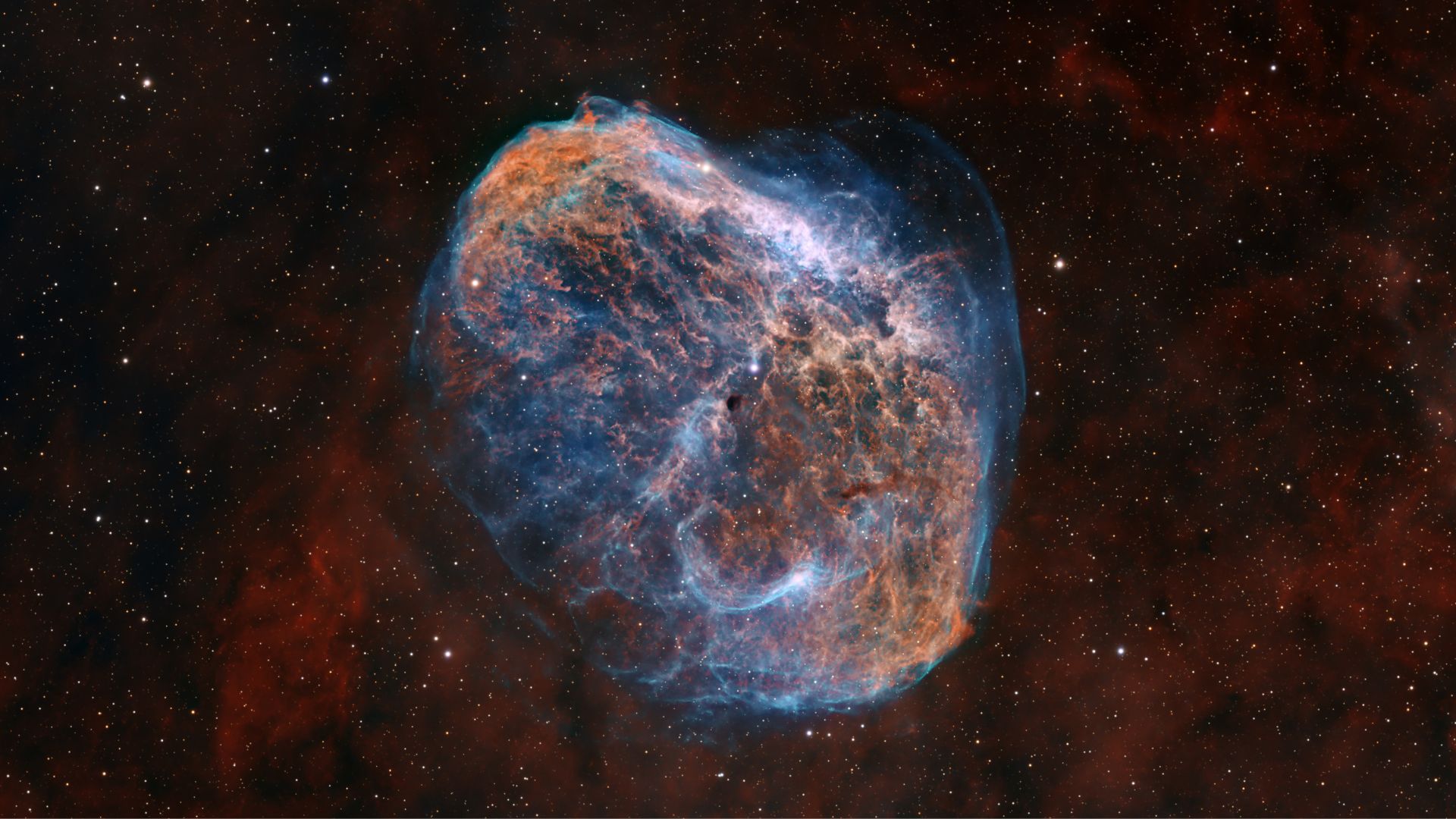
A red and blue nebula glows against distant stars. A bright blue star can be seen glowing in its core.

The Crescent Nebula shines in the constellation Cygnus. (Image credit: Kevin Boardman)

Astrophotographer Kevin Boardman captured this spectacular view of the Crescent Nebula, revealing intricate filaments of gas surrounding a massive star nearing the end of its life some 4,700 light-years from Earth in the constellation Cygnus.

Boardman's image represents a turbulent chapter in the life of the colossal Wolf-Rayet star WR 136 (HD 192163), which, visible as a blue point of light at the center of the image, is expected to end its life in a dramatic supernova explosion in about 100,000 years.

The 25-light-year-wide bubble is formed from stellar material cast off by WR 136 during its transformation into a red giant star, according to NASA. Repeated impacts by fast-moving stellar winds later send shockwaves through the outer shell, creating the complex filaments we see today.

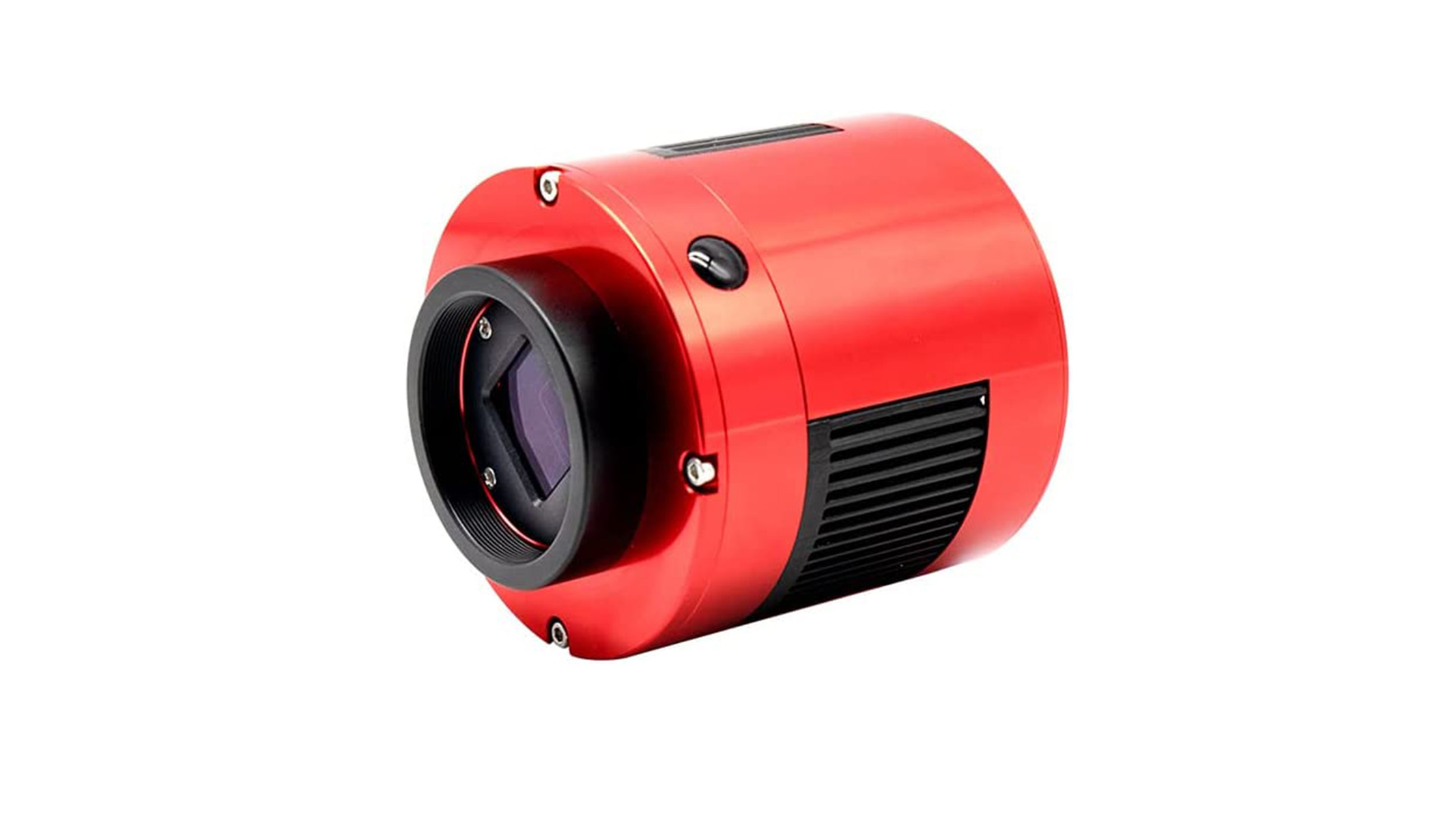
ZWO ASI533MC Pro

A product photo of the ZWO ASI1533MC Pro Camera

(Image credit: Amazon)

The ZWO ASI533MC Pro camera is the best dedicated astro camera out there, in our opinion. It features zero amp glow, 80% quantum efficiency and a 20FPS frame rate. It also features a 9MP sensor and you can check out our ZWO ASI533MC Pro review for a more in-depth look.

Catalogued as NGC 6888, or Caldwell 27, the Crescent Nebula, gets its nickname from its crescent-moon like appearance when observed in certain wavelengths of light. Boardman revealed spectacular detail in the nebula by imaging it with a set of narrowband filters over 16 hours and 18 minutes spread across five nights in late July.

"In the image, orange-red H-alpha reveals the tangled filaments while blue-cyan [O III] outlines emission from doubly ionized oxygen around the shell," Boardman told Space.com in an email. Each filter isolates specific wavelengths of light emitted by ionized gases, allowing different structures within the nebula to stand out.

Boardman collected roughly 12 hours of narrowband data from the nebula itself, along with four hours and 20 minutes of data capturing the surrounding stars, before combining exposures using the astronomy software PixInsight during post-processing.

The Crescent Nebula is too faint to be spotted with the naked eye, but can be seen with a moderate-to-large telescope equipped with a light pollution filter throughout September.

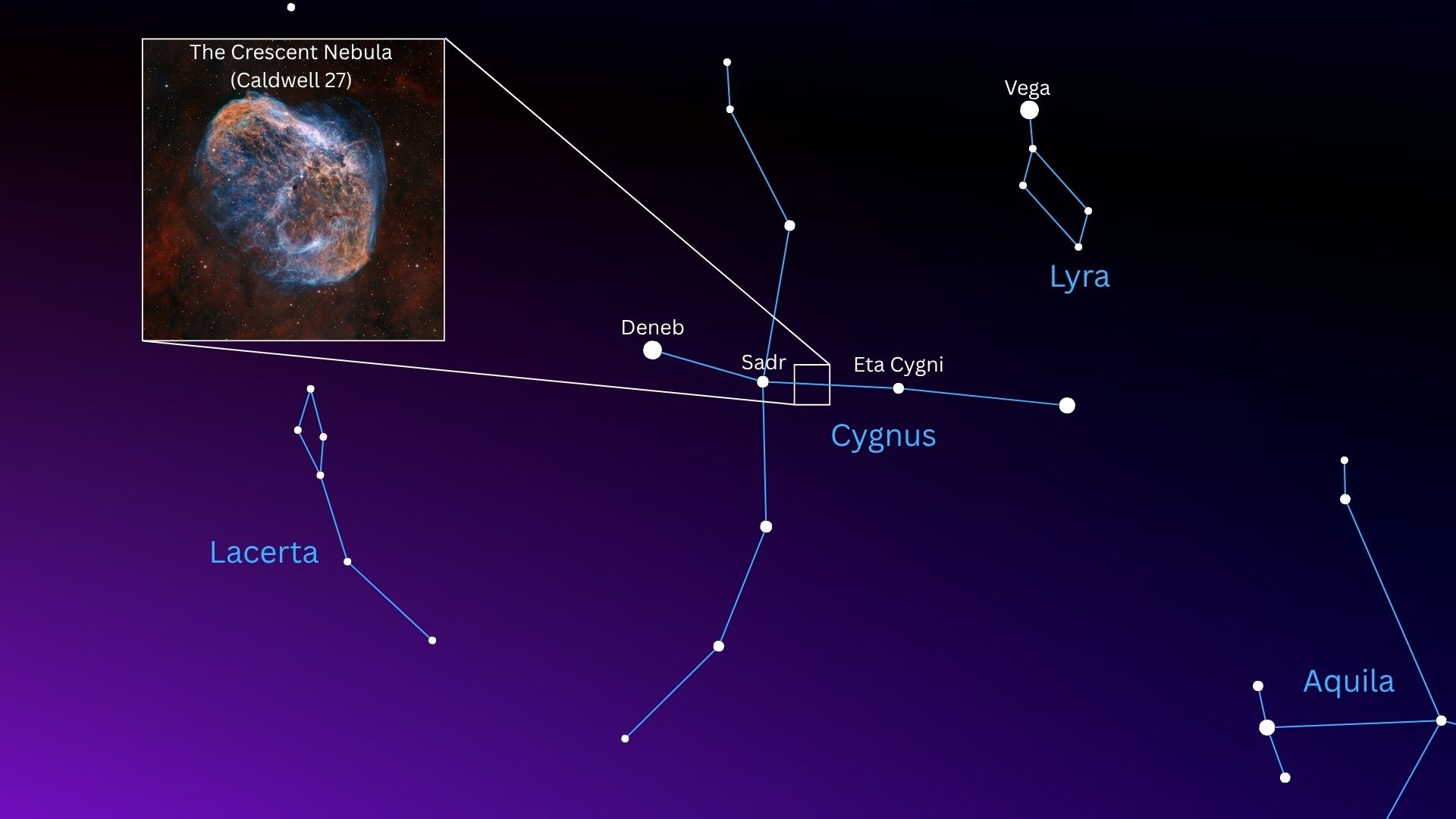
A starchart showing the location of the Crescent Nebula among the stars of the constellation Cygnus.

How to find the Crescent Nebula among the stars of the constellation Cygnus. (Image credit: Inset image: Kevin Boardman, created by Anthony Wood in Canva.)

First, locate the magnitude +2.34 star Sadr at the center of the cross-shaped constellation Cygnus, which appears high overhead for Northern Hemisphere observers in late summer.

Next, locate the dimmer magnitude +4.03 star Eta Cygni using the simplified star chart above, or with the aid of a smartphone astronomy app. The Crescent Nebula lies directly between these two bright stars and is best seen on the dark nights surrounding this month's new moon phase on Sept. 10-11.

Be sure to check out our roundups of the best cameras and lenses for astrophotography if you're looking to upgrade your equipment, along with our picks of the top telescopes for observing the night sky.

Editor's Note: If you would like to share your astrophotography with Space.com's readers, then please send your photo(s), comments, and your name and location to spacephotos@space.com.
  •  
❌