For most people, a minor cut or scrape is no big deal — the body heals itself quickly, and antibiotics can deal with any infections. But some wounds, such as severe burns and diabetic ulcers, are prone to bacterial infections that can become resistant to antibiotics.
"Diabetic wounds are very difficult to heal and people live with these wounds for pretty much the rest of their life," says Vitaliy Khutoryanskiy, a materials scientist at the University of Reading in the United Kingdom.
To address this problem, scientists are developing new ways to treat infected wounds using specially designed nanomaterials that are activated with light and deliver precise antimicrobial action. The approach has shown promise in reducing infection and accelerating wound healing in experiments on mice and pigs but has not yet been tested in people.
Chronic, non-healing wounds offer ideal conditions for the formation of resilient biofilms, which delay healing and significantly raise the risk of amputation. The vast majority of such wounds — over 78 percent — have these stubborn layers of bacteria, which are often antibiotic-resistant.
The new light-activated nanomaterials offer a different way to eradicate bacterial infections, by converting light into localized heat, or by reacting with oxygen present in the tissues to produce toxic molecules that kill bacteria with minimal damage to the surrounding tissue.
Our skin can naturally absorb tiny amounts of radiation but with the help of specially designed nanomaterials, says Zhenpeng Qin, a materials scientist at the University of Texas at Dallas, "you can heat the tissue to a higher temperature." The heat weakens the bacteria and helps with tissue repair. Qin, who coauthored an exploration of the technique in the 2024 Annual Review of Biomedical Engineering, notes that similar, light-triggered therapies have been used to deliver toxins to target certain skin and esophageal cancers, but they have not been applied extensively to wound care.
In one promising study with wounds, Raffaele Mezzenga, a materials scientist from ETH Zurich, and his colleagues began with a naturally occurring antimicrobial protein called lysozyme, which was extracted from egg whites. They engineered the protein into a gel mixed with a light-absorbing dye. In the presence of near-infrared light, the dye heats up, melting the gel and releasing active lysozyme. When the light is turned off and the material cools, the lysozyme reverts to its inactive form.
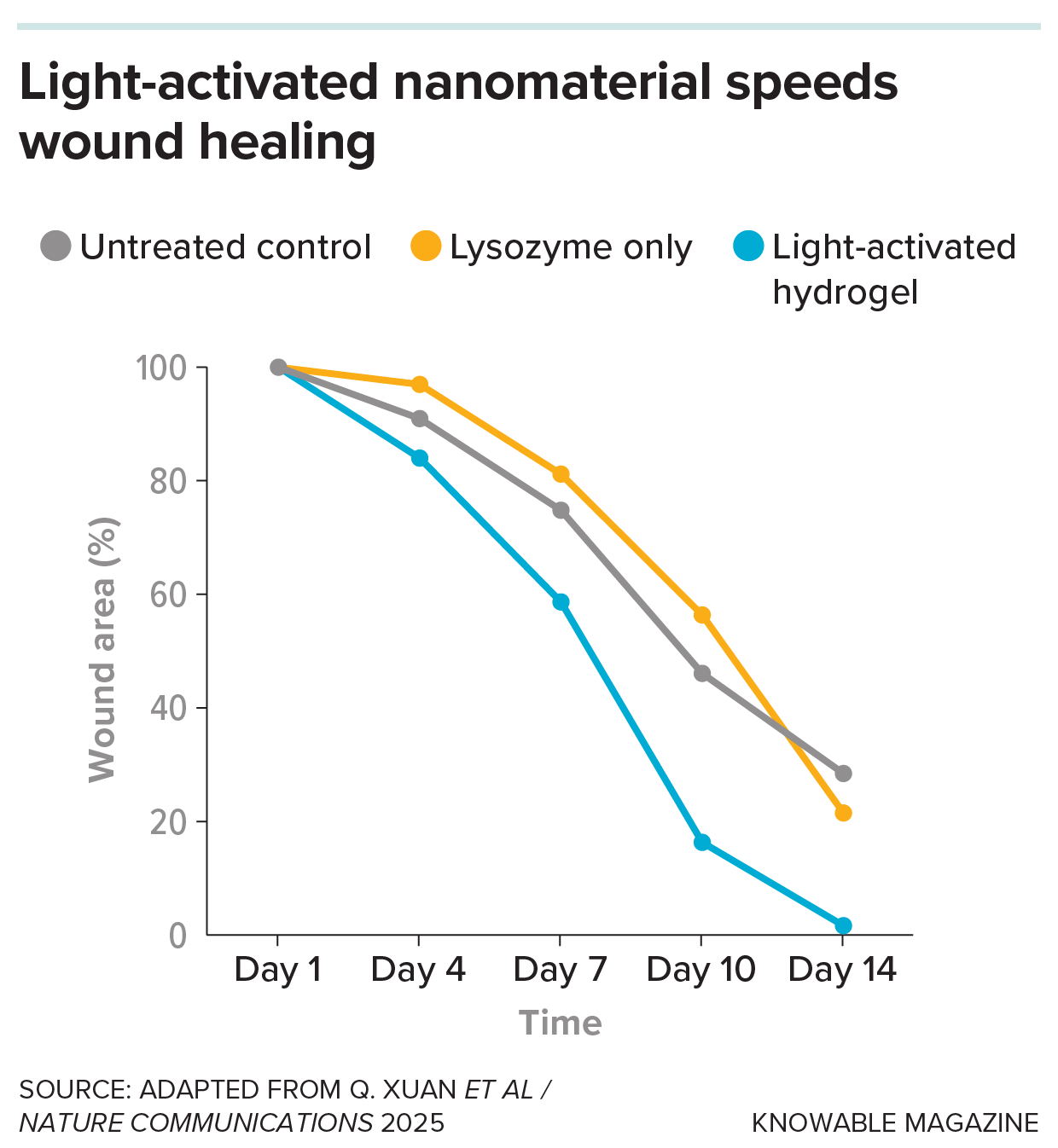
When the team applied the gel to wounds in mice and pigs, they found it eradicated more than 95 percent of the bacteria present. The wounds also healed more quickly, because the lysozyme — which is toxic for healthy cells, too — was activated in the wound only when irradiated with light, saving the skin from overexposure. To boost healing still further, the team added magnesium ions to the gel, which prime immune cells called macrophages to shift from an inflammatory state to one that promotes healing. "The healing will be much faster because you kill the bacteria and heal the wound at the same time," says Mezzenga.
Light-activated nanomaterials that release noxious compounds only when and where they are needed can help eradicate wound infections while preventing damage to unaffected tissues. Here, mice with antibiotic-resistant wound infections were treated with a hydrogel that releases lysozyme, an antibacterial protein, only when activated by light. Their wounds healed more quickly than those of mice left untreated or treated with lysozyme alone. (Image credit: Adapted from Q. Xuan et al/Nature Communications and Knowable Magazine)
Since bacterial biofilms are especially persistent on the surfaces of medical implants — where they can cause recurring infections and sometimes require repeated surgeries or even amputations — the team also tested their gel on infected prosthetic joints in mice. They injected the gel around an infected implanted needle and shone near-infrared light through the skin. The treatment cleared biofilms and eradicated about 99 percent of bacteria around the implant, while preserving bone tissue.
In another recent study, scientists from Gannan Medical University and Shanghai University in China treated wounds using a nanomaterial made of gold nanoparticles and graphene-oxide "quantum dots," which are tiny, carbon-based semiconducting particles. When irradiated with blue light, the gold particles absorb the light energy and convert it into heat, while graphene oxide helps to transfer electrons across the material. This boosts reactions that produce toxic, unstable molecules called reactive oxygen species that react with structures on bacterial membranes and destroy them.
When the scientists added this material to a bacterial solution and shone blue light on it for 10 minutes, the mild heat and reactive oxygen species worked together to cause bacterial membranes to disintegrate. Using a stain that distinguished dead from living bacteria, the researchers confirmed that the treatment had killed 97 percent of the bacteria.
Testing the nanomaterial in mice revealed that after nine days, the wounds on treated mice showed 99 percent healing, while those of untreated mice showed only about 70 percent healing.
While these techniques have shown promise in the lab, further work will be needed before they can be applied to people. "There is still some way to go," says Lars Kaestner, a biologist at Saarland University in Germany. To be useful in a clinical setting, he notes, researchers would need to do extensive safety testing and lower the cost of the nanomaterials.
Nevertheless, the idea provides hope for patients with chronic wounds that fail to heal with conventional antibiotics, particularly as drug-resistant infections become more common in hospitals and diabetic care.
"It's a good concept," says Qin. "Wound healing and antibacterial resistance are very big challenges. And I think any advance that we can make in these areas would be welcome."
Pets form an important part of many people's lives, providing meaningful companionship. However, our pets can sometimes also be a source of unwelcome pathogens and diseases, particularly if they frequently roam outdoors.
We are ecologists and a veterinarian who study wildlife health and the movement of pathogens among wildlife, domestic animals and people. If you let your cat outdoors, or if outdoor cats visit your yard, our recent findings may be relevant.
Zoonotic pathogens are organisms that can infect both animals and humans. From a pathogen's perspective, humans are just another animal host. Wildlife is often emphasized as a source of emerging disease for humans because there are vastly more wild animal species than domestic animal species.
However, even if a pathogen is capable of infecting people, it needs a way to reach us. Humans share more zoonotic pathogens with domestic animals than with wildlife, because domestic animals live close to us. Pathogens benefit even further if they can infect a companion animal.
In our newly published research, we compiled data from more than 400 studies to investigate how a cat's lifestyle, whether they're mostly indoors, outdoor-roaming or feral, affects that cat's likelihood of carrying pathogens that can infect people.
Across this compilation, there were nearly 100 pathogens detected in cats that are considered zoonotic and capable of infecting humans. Familiar examples are rabies, Toxoplasma gondii, roundworms and Salmonella.
Our research
We found that outdoor-roaming pet cats had three to five times the odds of carrying a zoonotic pathogen compared with indoor-only cats. More surprisingly, cats allowed to roam outdoors had similar odds of carrying at least one zoonotic pathogen as feral cats. Outdoor-owned cats carried fewer types of pathogens than feral cats, but the same pathogens that infect feral cats can also infect owned cats.
These risks become a large-scale problem because pet cats that roam freely interact closely with people, wildlife and other domestic animals. Across the studies we reviewed, about 60 per cent of owned cats had unsupervised outdoor access; in some regions, that rate exceeded 90 per cent.
Roaming cats hunt, interact with wildlife or other domestic animals, and move through environments contaminated with pathogens and toxins. Research suggests that cat owners may underestimate hunting by around 80 per cent, meaning that many prey captures and animal contacts go unnoticed.
These interactions are not uncommon and not limited to so-called pest species. Single-country estimates of wildlife killed by cats run into the billions, with more than 2,000 wildlife species documented as prey for domestic cats.
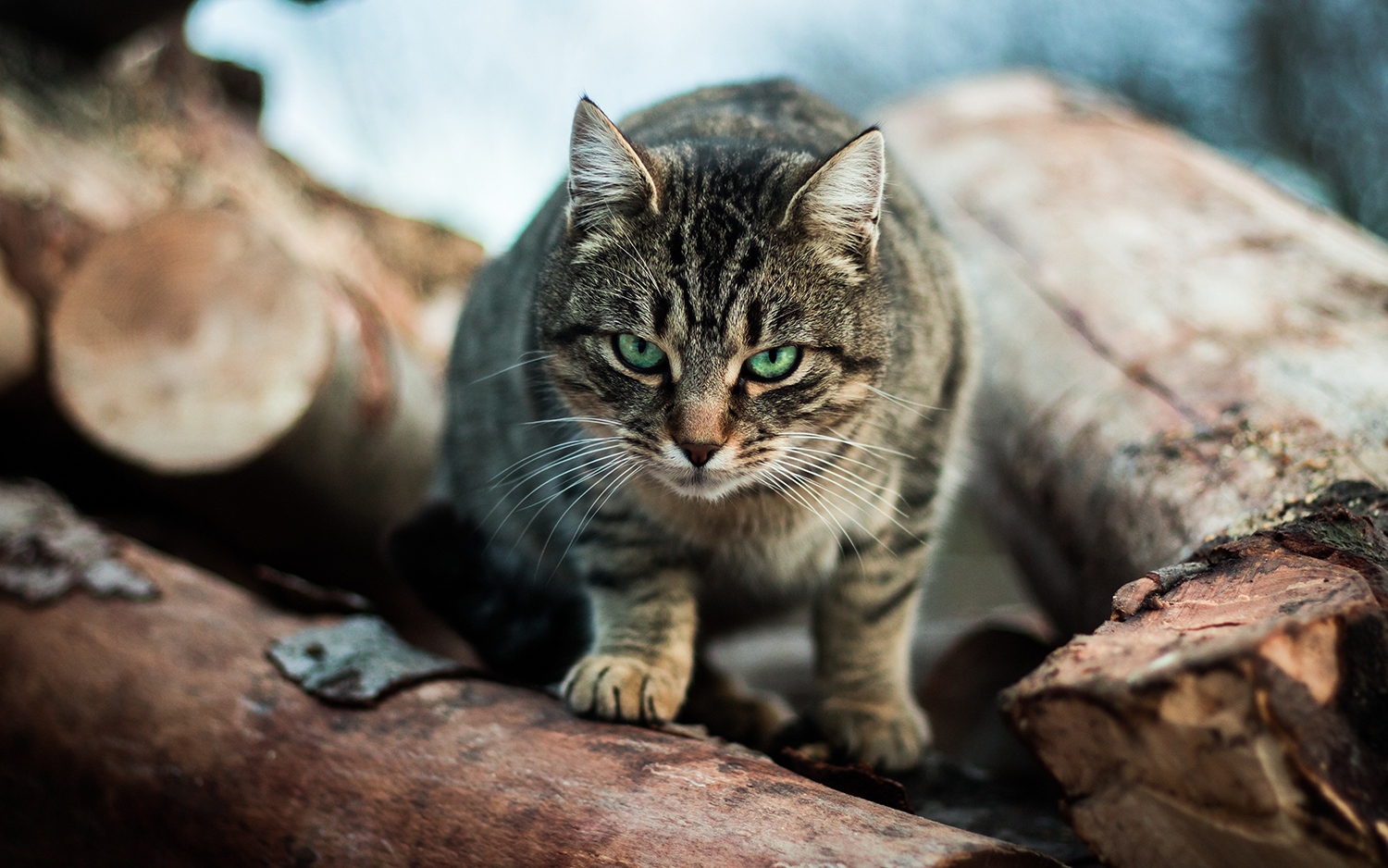
Cats hunt animals that can carry zoonotic pathogens, including rodents, birds and bats, many of which would otherwise have little direct contact with people. (Image credit: Anton Darius)
Cats hunt animals that can carry zoonotic pathogens, including rodents, birds and bats, many of which would otherwise have little direct contact with people. Owned cats might bring home rodents carrying viruses, and there are documented cases of cats bringing rabies-positive bats into homes. A cat returning home with prey can therefore create a pathway by which pathogens circulating in wildlife populations reach people.
Depending on the parasite, feces can contain hundreds to hundreds of thousands of parasite eggs that can persist in soil or water for months to years, which can infect people or other animals that come in contact with those eggs.
What cat owners can do
The most straightforward intervention is also the most economical and humane: prevent unsupervised roaming. That does not mean denying cats access to the outdoors. It can mean building "catios" or enclosures, leash walks, supervised time outside or other forms of contained outdoor access.
Using systems like "catios" or leash walks can help minimize pathogens for cats. (Image credit: Carlos G. Lopez)
Veterinary care still matters. Treating existing parasitic infections and vaccinating against diseases like rabies are essential precautions, even for indoor cats. Since neither vaccines nor anti-parasitic treatment cover the full spectrum of wildlife-associated pathogens, managing exposure remains the more comprehensive protective approach.
The free-roaming debate is often framed as a false choice: either cats roam freely, or they are deprived of a natural life. That framing is misleading and inconsistent with how we manage other companion animals.
We do not assume dogs need unrestricted access to roads, neighbors' yards or to hunt wildlife to have good welfare. Indoor cats and cats with supervised outdoor access can live healthy, enriched and longer lives.
Policies and strategies that address how and where owned cats roam outdoors can help safeguard biodiversity, feline and wildlife welfare and public health. That is the central insight of One Health, that the same choices that protect ecosystems can also protect the animals and people who share them.
This article was co-authored by David Lapen, who works for and receives research funding from Agriculture and Agri-Food Canada.
Goblin sharks (Mitsukurina owstoni) are mysterious, deepwater creatures that have not changed much since they first appeared on Earth 125 million years ago — making them "living fossils." But capturing a recording of the sharks in their deep habitats is exceptionally difficult, and they have previously been seen alive only after being hooked to the surface on fishing lines. Scientists recently filmed not one, but two goblin sharks: The first near Jarvis Island in the South Central Pacific, and the second 6,550 feet (1,997 meters) deep in the Tonga Trench.
If you like your elusive animals on the wilier (and certainly much cuter) side, we also reported on the first ever photographs of the dwarf fox, a species that was believed to be extinct but has been found near a highway in Cozumel, Mexico.
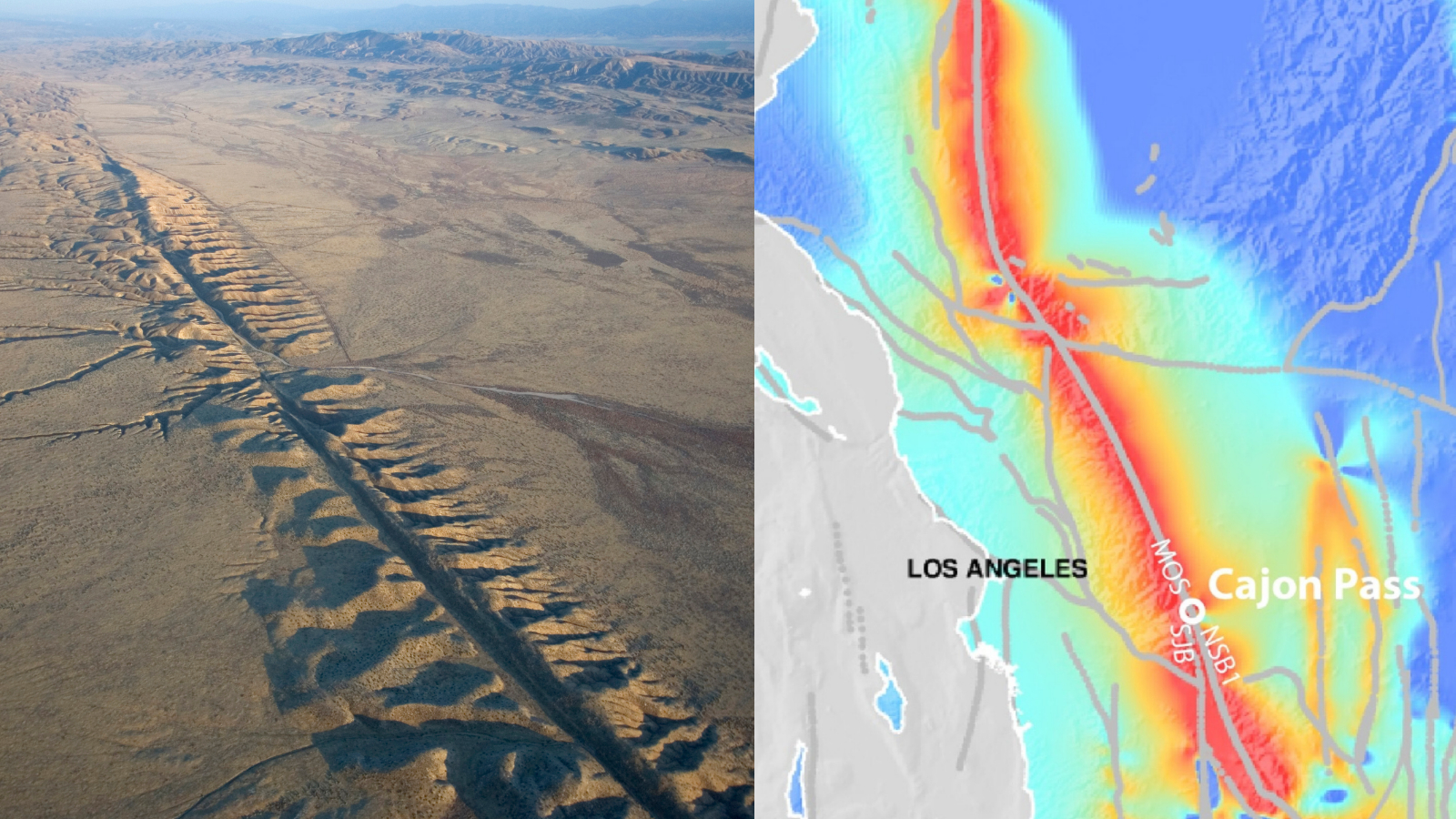
The next major Californian earthquake could be closer than we thought, according to an alarming new study.
The research, based on historical modeling of earthquake activity, found that Southern California's San Andreas and San Jacinto fault systems are at their highest levels of tectonic stress in more than 1,000 years; while also being connected by a "gate" system that could make them rupture together.
The exact odds of each event happening and the timing of a possible future rupture are unknown. But the scientists stress that understanding how much strain is building up inside the system could help to prepare for whatever comes next.
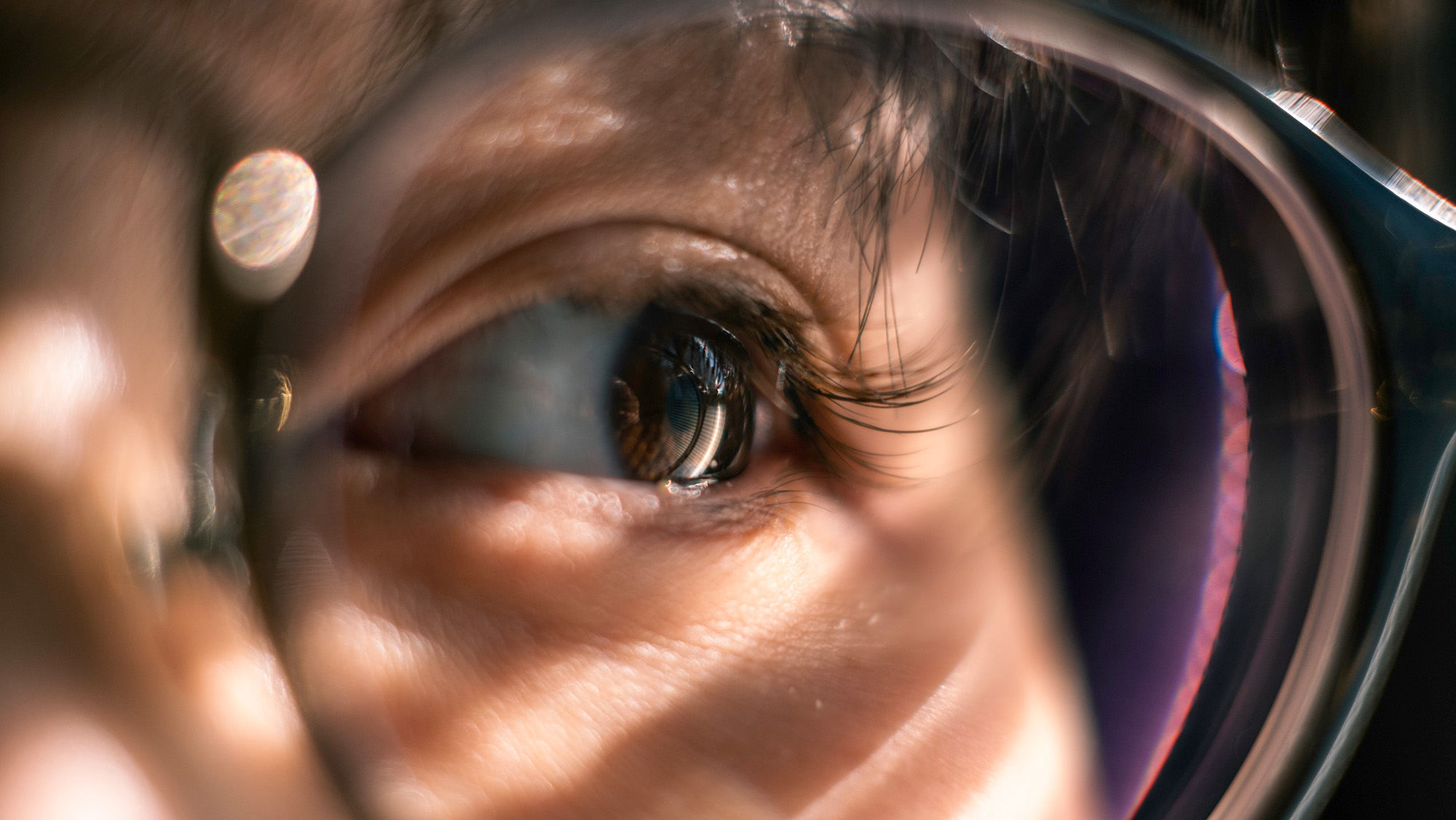
Our eyes are remarkably adaptable, switching from navigating under bright lights to the near pitch-black of a moonless night. But anyone who's stubbed a toe during this acclimation window — and that definitely includes me — may have once or twice asked themselves why it takes our eyes so long to adjust to the dark. Live Science shed a bit of light on the question.
What do you get if you split a photon? Anywhere from zero to an infinite number of more photons, physicists say.
That's the finding made by a new experiment that simulated a photon being sliced by a shutter under various circumstances, revealing the result was anywhere from zero to one to upwards of an infinite swarm of the tiny light particles. The probability of each of these states corresponded to how quickly the shutter cut the photon.
And the unexpected behavior has some truly profound implications for how we view fundamental particles.
China's response to the climate crisis continues to astonish. Over the past two decades, the world's industrial powerhouse has presided over the largest and fastest clean energy buildout in modern history, while also working to bring its carbon emissions to a peak before 2030.
If you're looking for things to keep you busy over the weekend, here are some of the best news analyses, crosswords, interviews, opinion pieces and quizzes published this week.
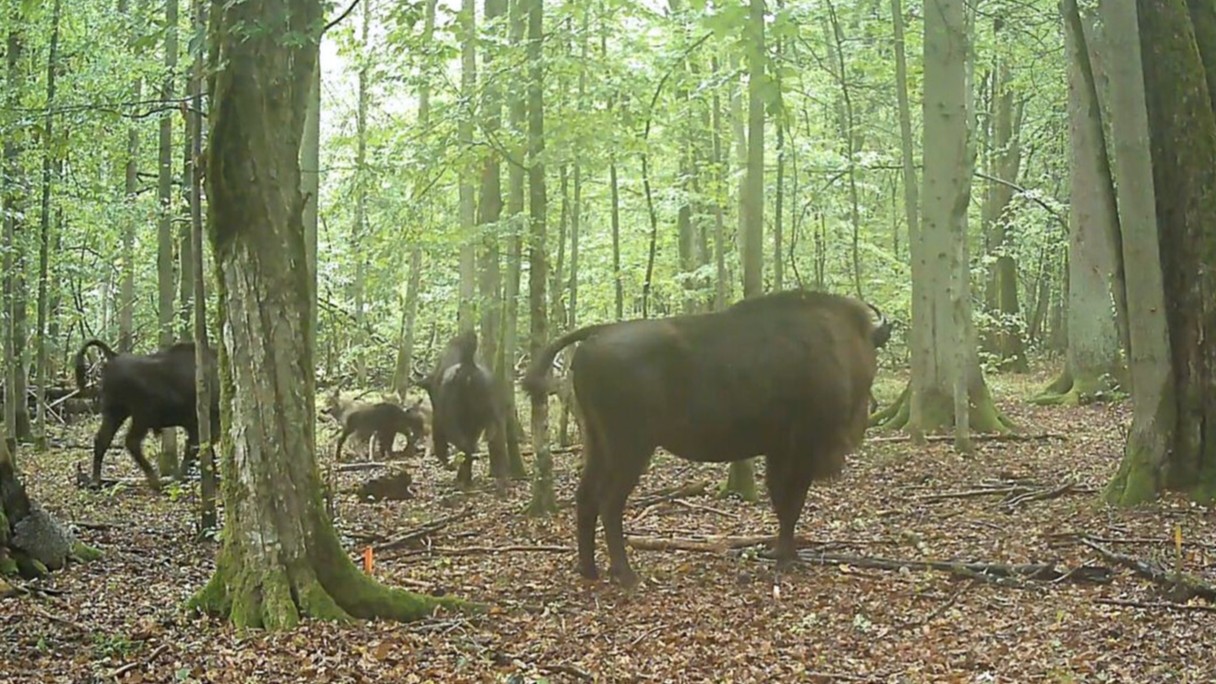
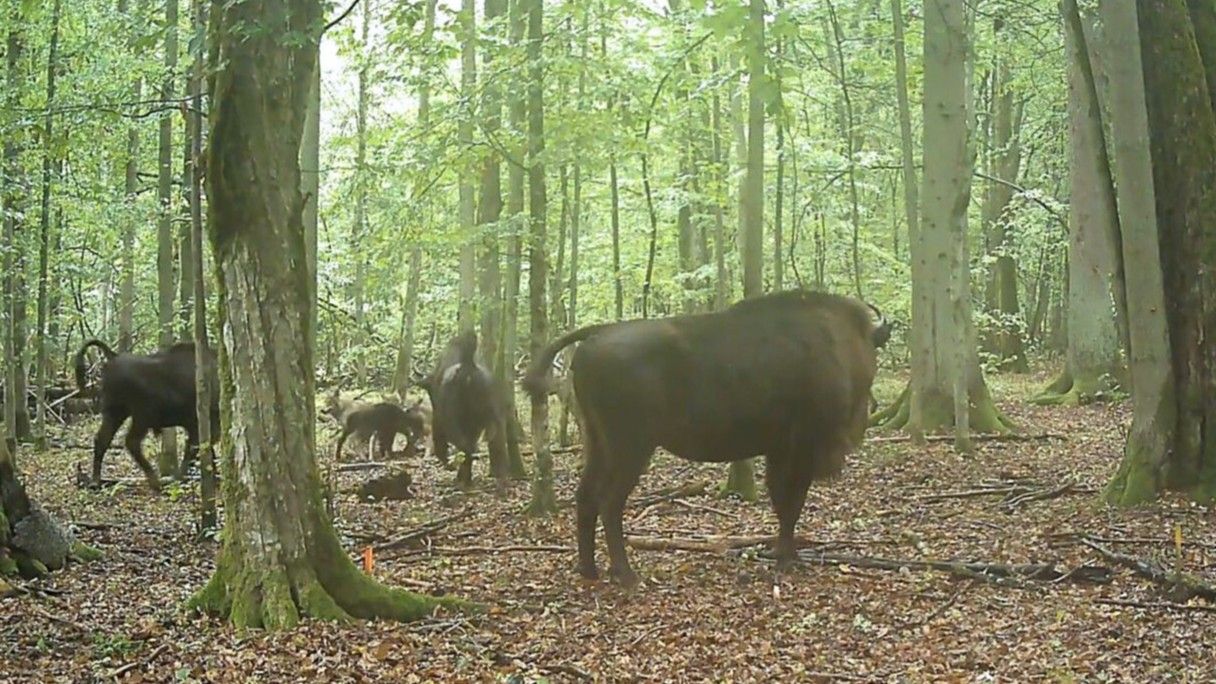
European bison (Bison bonasus) are typically considered to be a non-prey species — only being hunted by humans.
But rare and unexpected camera trap footage from Poland's Bialowieza Primeval Forest (the oldest and best-preserved temperate lowland forest in Europe) has called that into question.
In the video, a herd of bison is recorded rallying around a newborn calf to fend off an attack from five wolves (Canis lupus), successfully driving the predators away. It's a nerve wracking watch, and one that could become more common as wolf packs grow in size thanks to a late 1980s hunting ban across the region.
The symptoms: When the patient reached the hospital, he was bleeding from the mouth and had severe neck pain and stiffness. Upon examining the man, his doctors noted a tear in the back of his throat on the right side.
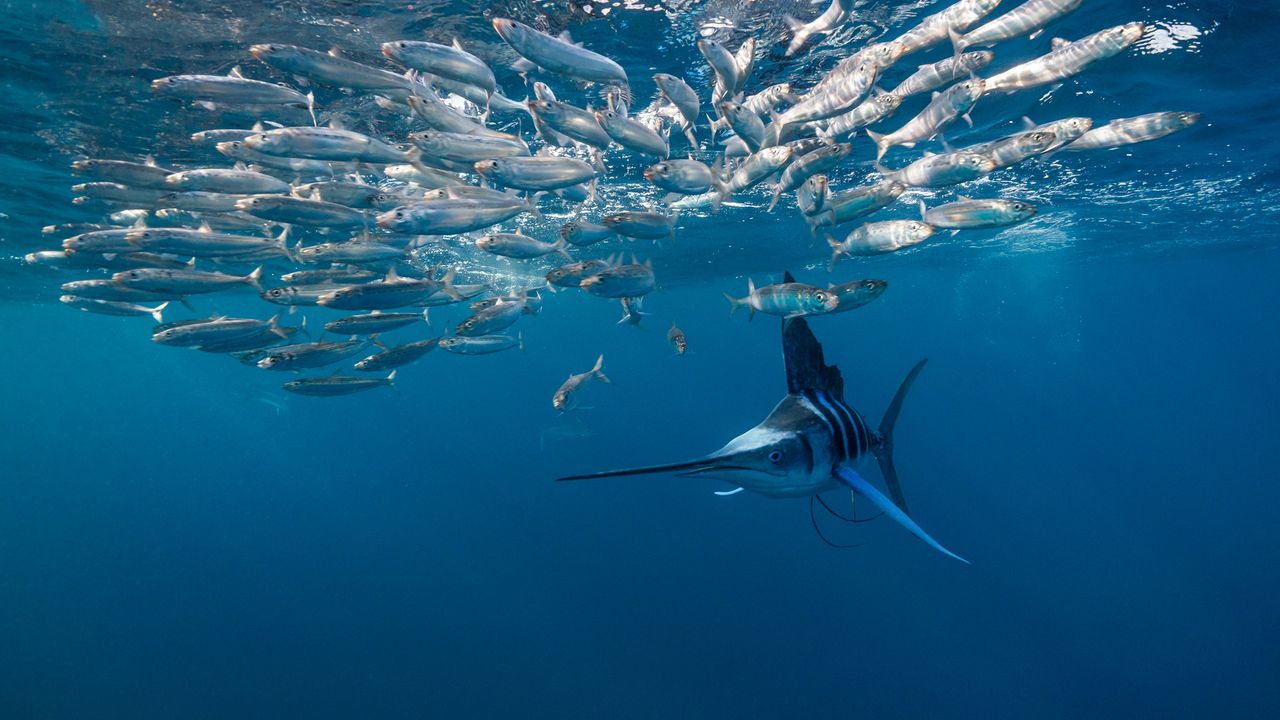
What happened next: The man, a sports fisherman, had been brought to the hospital by boat and helicopter after an accident during an ocean fishing trip. He had caught a white marlin (Kajikia albida), a type of large fish with a long pointy "bill," weighing approximately 60 pounds (27 kilograms). This species can grow up to 180 pounds (82 kg).
As the man leaned over the side of the boat to release the hook from the fish, it jumped and struck him in the mouth with its bill, sending the man tumbling backward into the boat. He felt pain in his neck, which then radiated into his spine.
At the hospital, an X-ray of the man's upper spine did not reveal any abnormalities. However, his intensifying spinal pain and neck stiffness prompted one of the doctors to order a computed tomography (CT) scan of the same area. In the CT scan, physicians noted "a wedge-shaped, hyperdense object," they wrote in a report of the case. The object had penetrated the back of the man's throat and entered his spinal canal. It stuck there, piercing the foramen magnum — a large hole at the base of the skull that the spinal cord passes through.
The diagnosis: The doctors immediately performed surgery on the man to remove the penetrating object. They administered general anesthesia, and the surgeon used retractors — instruments that hold wounds open — to expose the object, which turned out to be the broken tip of a fish bill.
The treatment: The sharp bill fragment was so firmly wedged in the man's skull that the surgeon had to make an additional incision above the man's topmost vertebra in order to remove it, pulling it out along the path of entry. It measured about 1.4 inches (3.5 centimeters) long.
After the fragment was removed, the patient was given five different types of antibiotics both to prevent infection from microbes found in the throat and from bacteria that are unique to marine environments. He was discharged eight days later and continued to take multiple antibiotics for the next two weeks.
At his final follow-up visit, the man had fully recovered and showed no lingering neurological symptoms.
What makes the case unique: In 1848,doctors published the first medical case study of a skull injury from a foreign object: a gunpowder explosion had sent an iron bar through the skull of railroad worker Phineas Gage. Gage recovered, but he exhibited personality changes that doctors attributed to his significant brain injuries.
In another notable case, published in 1895, a man had tripped and fallen face-first onto an oilcan. The spout penetrated his cheek and became stuck at the base of his skull, causing temporary incontinence and permanent memory loss.
Since those 19th-century cases, physicians have reported instances of cranial trauma in different parts of the skull and from a variety of objects, including a crochet hook, a pitchfork, a bike key and a harpoon.
This man's case is the first reported instance of an injury to the foramen magnum, as well as the first injury caused by a fish bill, according to the report.
This article is for informational purposes only and is not meant to offer medical advice.
It's after dark, and the lights go out; a thunderstorm has knocked out your power. At first, it's pitch-black. But slowly, after a while, the light from the moon makes it possible to see your surroundings. The light didn't change; your eyes did.
But why does it take our eyes so long to fully adjust to the dark?
It has to do with the types of cells in the eye and how they evolved, experts told Live Science.
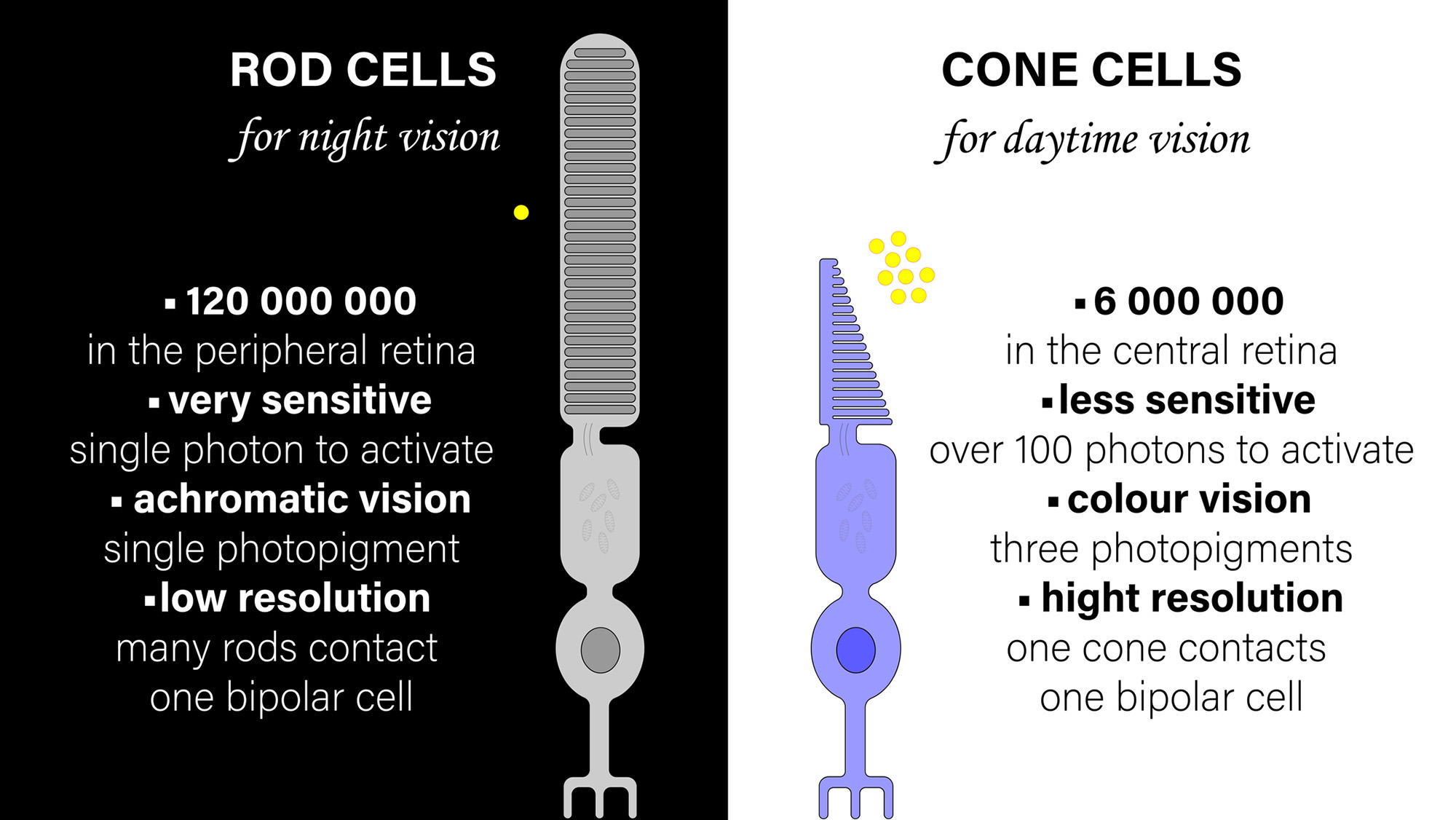
Our eyes use two kinds of cells to sense light. These cells, known as photoreceptors, are called rods and cones, based on their shapes, Alapakkam Sampath, a retinal neuroscientist at UCLA, told Live Science.
Cones are responsible for color vision. Humans possess three kinds of cone cells, which detect red, green or blue light. The colors people can see are a mix of red, green and blue, Anand Swaroop, chief of the Neurobiology Neurodegeneration & Repair Laboratory at the National Eye Institute, told Live Science.
Rods cannot discriminate colors, but they are far more sensitive to light. Each is capable of detecting a single photon, or particle of light. "Rods are what allow you to see in dim light," Swaroop said.
The extraordinary sensitivity of rods has a price, though: Once each rod detects a photon, it can take up to an hour for it to regenerate its ability to see light, Johan Pahlberg, chief of the photoreceptor physiology group at the National Eye Institute, told Live Science.
Rods and cones are photoreceptors, or light-detecting cells, in the retina. (Image credit: Anatoliy Stepura via Getty Images)
The compound that helps rods sense light is called rhodopsin, which is derived from vitamin A, Sampath said. Once each rhodopsin molecule absorbs light, it gets "bleached," meaning it can no longer detect light.
Specifically, rhodopsin is made of two compounds: opsin and retinal, Pahlberg said. When rhodopsin absorbs light, the retinal changes from bent to straight and detaches from the opsin. This retinal eventually makes its way into a part of the eye known as the retinal pigment epithelium, where it can get repaired and resume a bent shape. This retinal can then make its way back to an opsin and reattach to create a functional rhodopsin.
If all of the rods in a human eye are bleached, it may take 45 minutes to an hour for all of them to regenerate, Pahlberg said. However, some rods may regenerate within 10 to 15 minutes to grant some level of vision in dim light, he added.
Rods and cones line the retina, the back part of the eyeball. Rods outnumber cones in most mammal retinas. "In each human eye, there are roughly 6 million cones and 100 million rods," Swaroop said. Sampath noted that "since it takes a lot of time for rods to regenerate, your eyes have a huge number of them to compensate."
Cones are found mostly in the center of the retina, where the eye's lens focuses most of the light it receives, while rods dominate the rest of the retina, Sampath explained. This reflects how during the day, we rely mostly on cone cells for our vision. "Rods are mostly not functional at all during that time," he said.
The human eye does have a quicker way to adjust somewhat to the dark. It can enlarge the pupil, the dark hole at the front of the eye, to let in more light, explained Mark Fairchild, professor of color science at the Rochester Institute of Technology in New York, in an article in The Conversation. However, the vast majority of the eye's adaptation to darkness is due to its rods, and the long amount of time it takes for rods to regenerate explains why it takes so long for eyes to fully adapt to the dark.
Before artificial lighting, humans would typically not experience quick shifts from light to dark. Instead, the ability for human eyes to adapt to the dark would have relied on the setting of the sun, which might take about the same time as rod cells take to regenerate. "There was no evolutionary pressure for it to be faster," Sampath said.
Rods are the most vulnerable cells in the retina to disease and dysfunction, Pahlberg said. This is why older adults often have trouble driving at night. "My colleagues are developing a diagnostic test as a normal part of an eye exam to measure the human adaptation to the dark to see how it changes with age," Sampath noted.
A camera trap in an ancient Polish forest has captured extremely rare and unexpected footage of wolves attacking a bison herd made up of adults, youngsters and a newborn calf, a new study shows.
The event took place on Sept. 15, 2025. Five wolves (Canis lupus) enter the camera frame, closely followed by three bison cows and the newborn calf. In the footage, the cows chase after the wolves, leaving the calf alone and exposed. The wolves then surround the calf, bite its neck and try to drag it away, but two cows come to its rescue. The wolves return and seize the calf a second time in the background of the video — however, this time the entire bison herd comes to its defense to end the attack.
The clip is from the Bialowieza Primeval Forest, the oldest and best-preserved temperate lowland forest in Europe, which hosts the world's biggest population of European bison (Bison bonasus). The forest covers 350,600 acres (141,900 hectares) on the border between Poland and Belarus. There are more than 870 bison on the Polish side, according to the new study, while the Belarussian side has roughly 730 bison.
Also known as "the king of the forest," the European bison is typically considered a non-prey species, meaning it has no predators except humans. But the footage calls this into question.
These still images from the video show (a) the wolves grabbing the newborn calf for the first time; (b) the wolves seizing the newborn calf for the second time; and (c) the bison herd forming a protective circle around the newborn calf after both attacks. (Image credit: Wijnands & Borowik, 2026. (CC BY 4.0). Mammal Research Institute, Polish Academy of Sciences.)
"To our knowledge, we present the first video-recorded evidence of wolves attacking a European bison herd in the Białowieża Primaeval Forest," researchers wrote in the study, published May 29 in the journal Ecology and Evolution. "Although the video did not capture a direct kill, it suggests that other attacks on European bison could potentially be successful."
Historical documents show that wolf attacks on European bison used to be more common, with about 8 kills recorded annually in the Bialowieza Primeval Forest between 1840 and 1849. The forest was a popular hunting ground for monarchs from the 14th century onward, explaining why such detailed records exist.
European bison went extinct in the wild in 1919, but they were reintroduced in the Bialowieza Primeval Forest in 1952. The first confirmed bison kill since then dates to the mid 1990s, and after that, it seems as though wolves stuck to a diet of roe deer (Capreolus capreolus), red deer (Cervus elaphus) and wild boar (Sus scrofa), likely because these are much easier prey than bison, the researchers wrote in the study.
But now, "our observation demonstrated that the European bison is in fact a potential prey for wolves," they wrote. "This raises questions about why predation attempts are so rare, whether the bison can still be described as a non-prey species, and what this could mean for conservation and management of the species."
An intriguing trend in the Bialowieza Primeval Forest is that wolf packs are growing in size, possibly thanks to a late 1980s hunting ban. This shift could increase wolf predation on bison in the future, because bigger packs can handle bigger prey.
"If predation on European bison, specifically young animals, occurs more frequently than previously assumed, wolves could play a small but potentially important role in the natural regulation of bison numbers," the researchers wrote in the study. "In turn, such regulation could possibly lead to mitigation of human-bison conflicts."
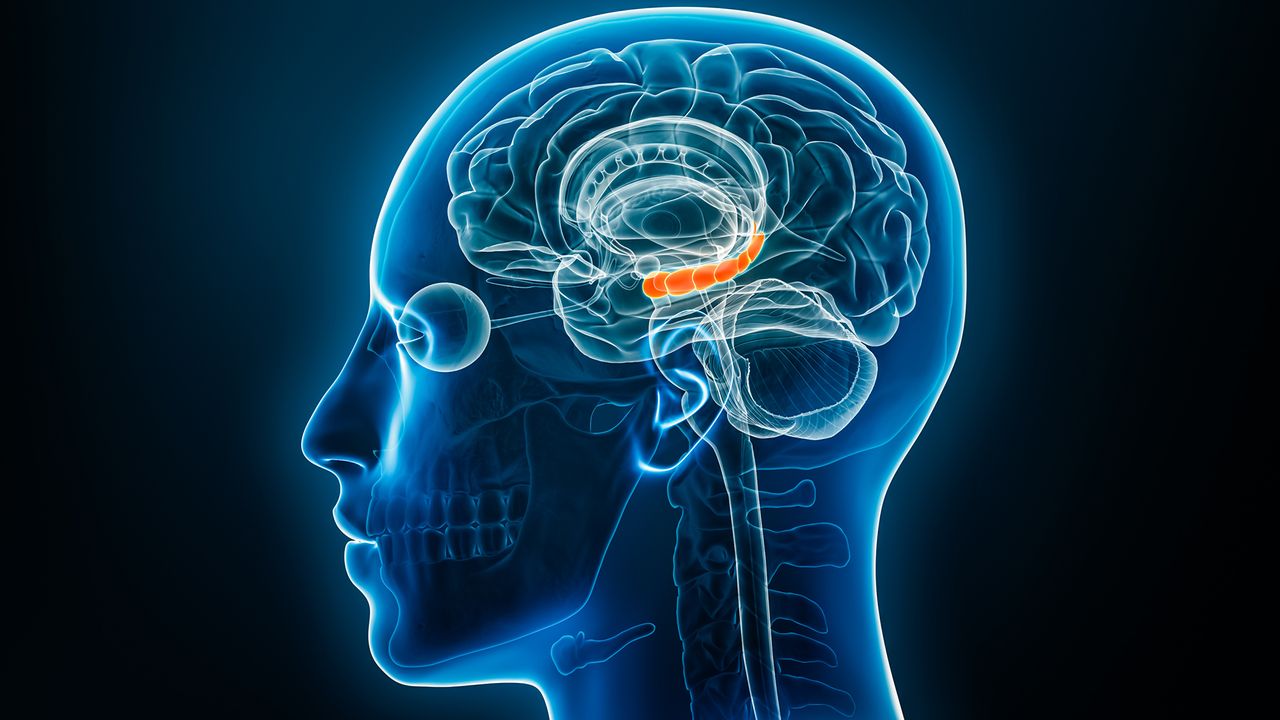
High estrogen in the brain's memory center may worsen one's resilience against traumatic events, swaying the tendency to develop memory problems or post-traumatic stress in the aftermath, a recent study in mice suggests.
The research, published in April in the journal Neuron, explored the effects of estrogen in the mouse brain. It zoomed in on the hippocampus, a key part of the brain involved in learning and memory. Both male and female mammals produce significant amounts of estrogen in the hippocampus, despite it often being framed as a "female" hormone.
"We're so biased to think of female high estrogen, male low estrogen," said study co-author Elizabeth Heller, an associate professor of pharmacology at the University of Pennsylvania Perelman School of Medicine. But "in this local brain region, where you have local production of estrogen, actually sometimes the males are higher than the females depending on the female's cycling," Heller told Live Science. Estrogen levels in the female hippocampus rise and fall in line with the body-wide hormone cycle, while its levels in the male hippocampus remain fairly steady.
The study suggests that these local estrogen concentrations may influence one's vulnerability to memory problems following major acute stress. Although the research was conducted in mice, the authors think it likely has relevance to humans.
"I think this is highly translatable," study senior author Dr. Tallie Z. Baram, a professor, developmental neuroscientist and child neurologist at the University of California, Irvine, told Live Science.
About 10% to 12% of women experience PTSD in their lifetime, compared with 5% to 6% of men. Some of that difference may stem from variance in men's and women's lived experiences; for instance, women have higher rates of sexual assault at young ages than men do. Biological differences between women and men are another potential factor, but their contribution to the phenomenon is poorly understood.
The new study highlights hippocampal estrogen as one difference that might matter. "The research has uncovered important new avenues for research on PTSD," Victoria Luine, a professor emerita of psychology at Hunter College in New York City who wasn't involved in the work, told Live Science in an email.
In the study, researchers simulated acute traumatic events by exposing lab mice to multiple stressors at the same time, including bright lights, loud music and the odors of other stressed-out mice. They ran the mice through various memory tests before and after the stressful experience and compared these rodents with a group that did not experience such stressors.
Compared with unstressed mice, the stressed-out male mice performed worse on the various memory tests, and those deficits persisted for weeks. "Even a month later, they had a memory deficit — so it's a really perseverative effect," Heller said.
The hormone cycles of female mice and humans are similar, but they occur on very different timescales, with the mouse cycle being about one-seventh the length of the human cycle. (Image credit: dra_schwartz via Getty Images)
A similar pattern was seen in female mice that were stressed out during proestrus, the phase of their hormone cycle when estrogen peaks and the body prepares for ovulation. Both sets of mice learned to associate certain cues with the stressful experience and avoid them, with females being more sensitive to those cues than males were.
But interestingly, female mice that were stressed during estrus, when estrogen plummets and ovulation occurs, showed resilience. Their behavior and memory remained comparable to those of unstressed mice. "The female mice that had low levels of estrogen laughed it off — they were completely protected," Baram said.
Studies suggest hippocampal estrogen levels are similar in male and proestrus female mice, while estrus females have lower levels. The researchers confirmed this using a technique called mass spectrometry, finding that estrus mice had half the amount of hippocampal estrogen that the males and proestrus females did.
In this context, that lack of estrogen in the hippocampus appeared to guard against the negative effects of stress. This finding was surprising, Baram noted, because estrogen is generally thought to promote memory function in both sexes and declines in estrogen, as seen during menopause, are tied to memory problems. That said, menopause takes place over a much longer timeline than the female mouse hormone cycle, which takes only four or five days.
A connection to DNA
Why do estrogen levels matter for memory? "Estrogen receptors directly control gene expression," Heller said. By binding to its receptors, estrogen turns the activity of certain genes up or down.
Heller's lab studies mechanisms that control gene activity in the context of psychiatric disorders. One of those mechanisms is chromatin remodeling, meaning changes in how DNA is packaged in a cell that can shift which genes can be activated at a given time. A portion of the chromatin can be "open," exposing genes to machinery that turns them on, or "closed," which typically shuts genes down.
It turns out that the high hippocampal estrogen in male mice and proestrus female mice opens up their chromatin in a way that might leave them vulnerable to memory issues ushered by severe stress. Female mice in estrus, by contrast, have a totally distinct chromatin profile that appears to be protective.
What is it about women at that stage in life that makes them more vulnerable to memory loss with aging?
Tallie Z. Baram, professor, developmental neuroscientist and child neurologist at the University of California, Irvine
"We can see that the function of many of those [open] genes relates to synapse biology," Heller said. Synapses are the points at which different neurons meet and exchange electrical signals, and they're central to the physical structure of memories in the brain.
It may be that, in most circumstances, it's useful to have high levels of hippocampal estrogen because they "open" the chromatin, enabling the hippocampus to forge new memories quickly in response to new experiences, Baram noted. But when these experiences consist of severe acute stress, "that same plasticity, that same ability of the brain to learn, turns problematic," she said. If the results carry over to humans, women may be particularly vulnerable to these memory impacts in certain phases of their menstrual cycles or points in their lifespans when estrogen is high.
In males and females, different flavors of estrogen receptor were responsible for the stress-induced memory issues. The reasons for this difference will be a matter of future study, Baram said. Additionally, future research could attempt to pinpoint exactly where the different estrogen receptors are located throughout the hippocampus, Heller said.
The study provides a "strong demonstration that estrogens drive sex-dependent, stress-induced changes in chromatin networks which can dramatically alter neural functions like memory," Luine said. What's more, "these results present cogent evidence that sex is a powerful biological variable."
It's important to include both sexes in research to truly understand how the brain functions and responds to external factors, like stress, Luine said. "An important aim of this and other studies is to protect humans against PTSD," she added, and this study strongly suggests preventive treatments for PTSD might need to be tailored by sex.
Beyond PTSD, Baram thinks the research could have implications for women's risk of aging-related memory problems and dementia.
The decline of estrogen in menopause is thought to raise this risk, but prior to menopause comes perimenopause — a period with massive spikes in estrogen. The study's findings hint that if stress shows up during perimenopause, the combination of stress and high estrogen levels may contribute to memory problems. Thus, perimenopause may represent another time when women are particularly vulnerable to memory disturbances, Baram suggested.
"We need to start thinking a little bit differently," she said. "What is it about women at that stage in life that makes them more vulnerable to memory loss with aging?"
This article is for informational purposes only and is not meant to offer medical advice.
This article was first published May 4, 2026.
See how much you know about the most complex organ in the human body with our brain quiz!
Never-before-seen fossils of newly hatched crocodile-like creatures are shining new light on how our aquatic ancestors conquered land.
Early four-limbed vertebrates (tetrapods), which would eventually give rise to humans, took their first steps on land in the Devonian period, some 419 million to 359 million years ago, marking one of the most important periods in the evolutionary history of animals.
Now, a new study published Thursday (June 18) in the journal Science has revealed that these early tetrapods were less like amphibians and more like us. Rather than having a tadpole phase in their development, as many amphibians do today, new evidence suggests that they were direct developers — growing from smaller to bigger versions of themselves, like their ancestors, humans and many other animals.
The study is an important contribution to our understanding of early tetrapods' reproductive developmental biology, said Tim Smithson, a visiting academic at the University of Cambridge who specializes in early tetrapods but was not involved in the study.
It suggests that the "earliest tetrapods that took those first steps on to land were able to rely on the successful reproductive and developmental strategies of their forebears," Smithson told Live Science in an email. "Direct development made life easier — one less thing to worry about!"
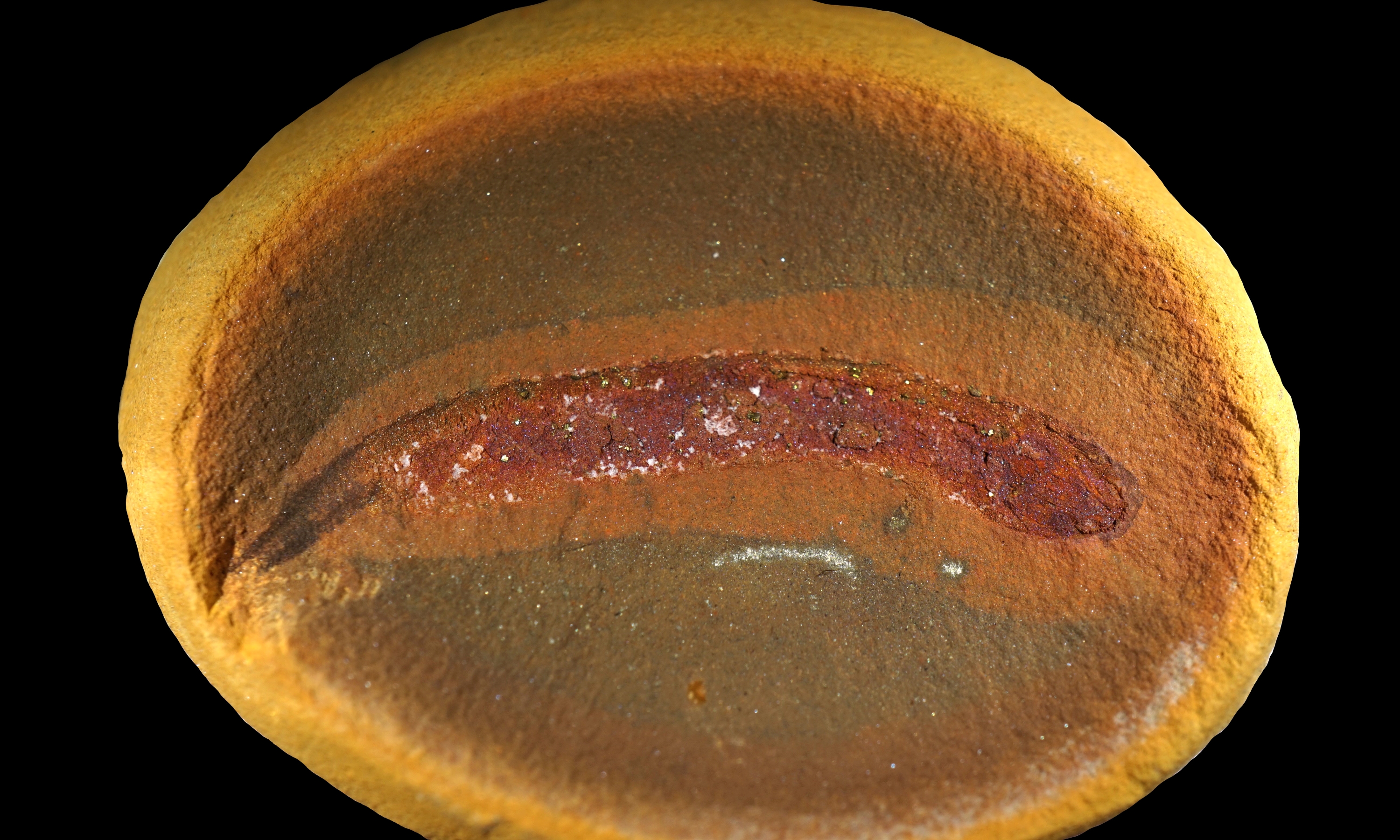
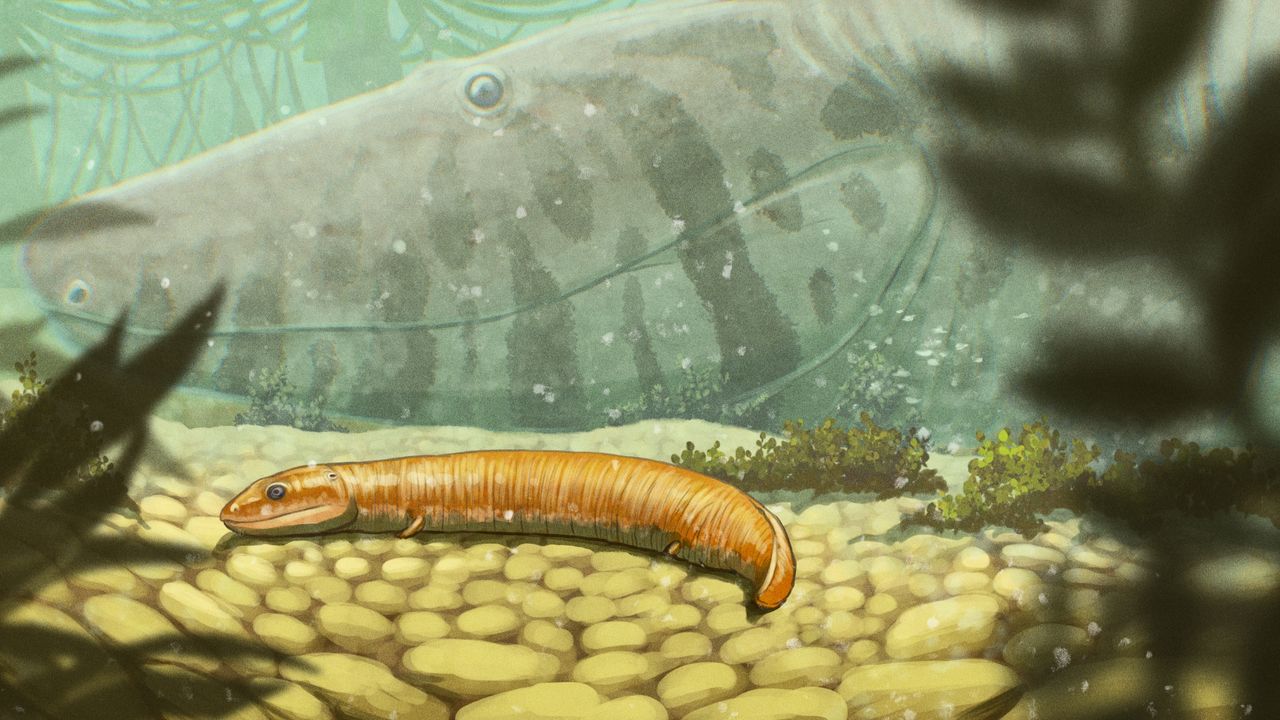
The new research was based partly on fossils from early land-dwelling predators called embolomeres. These animals looked like a cross between a crocodile and an eel and ruled river, lake and swamp habitats 350 million to 280 million years ago, during the Carboniferous and Permian periods. While these creatures could grow to more than 10 feet (3 meters) long as adults, the study unveils rare fossils from Mazon Creek, near Chicago, that preserved embolomeres as hatchlings that were days to a couple of weeks old.
"These are intimate details of the first moments of these animals' lives, and we've never seen that before for this entire part of the evolutionary tree," study co-author Jason Pardo, a postdoctoral fellow of evolutionary biology at Vilnius University in Lithuania and a research associate at the Field Museum in Chicago, told Live Science.
Researchers studied exceptionally well-preserved fossils from Mazon Creek, Illinois. (Image credit: Arjan Mann)
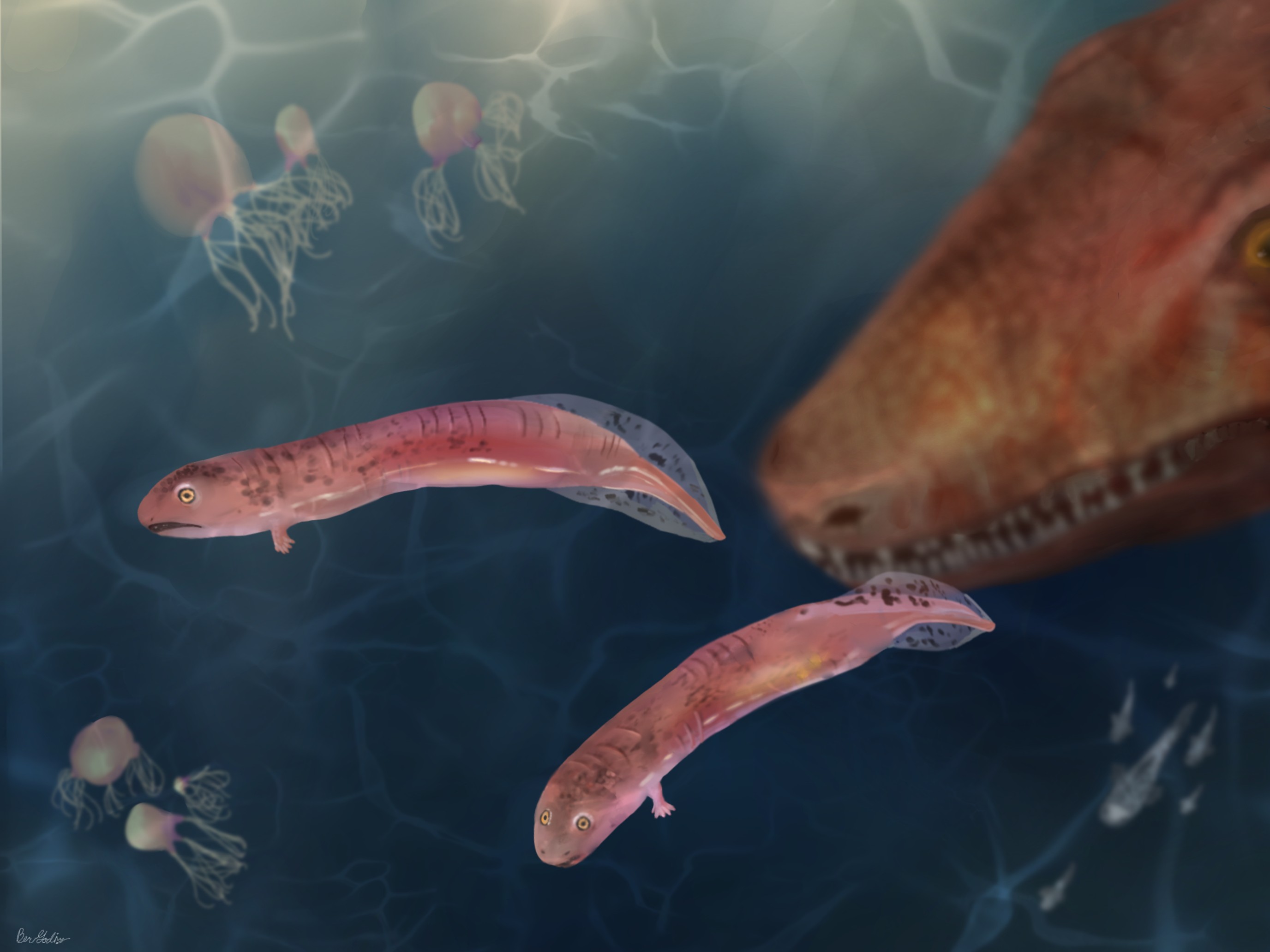
These fossils didn't show evidence of external gills and other tadpole-like features that the researchers would have expected from an early land dweller. The researchers then checked other fossils from before and during the "fin-to-limb transition" but found no evidence of an amphibian-like life cycle in those, either.
"For as long as we've understood evolution, we've assumed this story of how we made that transition from water to land," Pardo said. "We in fact have a completely different story."
Science upended?
A statement released by the Field Museum claimed that the study upends scientists' understanding of how animals conquered the land. However, the experts Live Science spoke to disagreed with this assertion.
"The Mazon Creek material is wonderful, the study is interesting and the interpretation of the fossils is sound, but I don't think the results are terribly surprising," Per Ahlberg, a professor of evolutionary organismal biology at Uppsala University in Sweden, told Live Science in an email.
Ahlberg, who was not involved in the new study, specializes in the early evolution of tetrapods. He noted that scientists knew some early tetrapods had a larval stage similar to that of modern salamanders — namely, those belonging to the group Temnospondyli, which he described as the ancestral stock of modern amphibians. However, he contends that this didn't mean scientists assumed every early tetrapod was the same.
"Nobody has been arguing in recent years that ALL early tetrapods had such a larval stage or that this was essential for enabling the transition to land," Ahlberg said. "I mean, I have been working right at the core of this research field for 40 years and I have never given it any thought."
In response, Pardo agreed that specialists in the field recognized that the data didn't support that early tetrapods had an amphibian-like development. However, he argued that even among specialists, assumptions were still made about metamorphosis — a major developmental transition, like a tadpole transforming into a frog — and amphibian-like bodies.
Young embolomeres, illustrated here, suggest that early tetrapods didn't undergo an amphibian-like metamorphosis. (Image credit: Berit Godring)
"Onto something big"
Study co-author Arjan Mann, an assistant curator of early tetrapods at the Field Museum, first saw the study's first baby embolomere fossil during a 2016 trip to the Field Museum while working on his doctorate. At the time, the fossil was a mystery.
Mann and Pardo mused over the fossil's identity for years before high-resolution scans with scanning electron microscopy at the Canadian Museum of Nature confirmed that the ancient creature was an embolomere, according to the museum's statement.
"I think Jason and I both knew we were onto something big, since fossils of this kind of animal and from this phase, and developmental state in early tetrapod evolution have never been found or studied before," Mann told Live Science in an email.
Along with the embolomeres, the researchers looked at megalichthyid fish from before the land transition and limbless, snake-like creatures known as aistopods from during the land transition. All showed signs of direct development, they said.
"I think the take home message of this study is that we should always challenge conventional wisdom in science, especially when these older ideas do not have substantial backing," Mann said.
Some people from Oceania harbor thousands of genetic variants inherited from the Denisovans — a mysterious group of extinct humans — that are still active in their immune systems today, a new study finds.
The findings, published June 11 in the journal Science, come from the largest-ever map of Denisovan-inherited DNA ever created. The discovery shows that Denisovan DNA "is not just a remnant of ancient liaisons; it continues to influence our biology today," study co-author Serena Tucci, an assistant professor of anthropology and head of the Human Evolutionary Genomics Laboratory at Yale University, said in a statement.
Experiments revealed 3,127 variants inherited from Denisovans that still function in the immune systems of modern-day people; some of these variants switch genes that turn the immune response on or off, according to the new research.
However, because many of the immune system genes identified also affect other bodily functions, it is unclear exactly how these genes benefited survival, study first author Patrick Reilly, an evolutionary genomics researcher at Yale, told Live Science.
Denisovan DNA is active in humans today
Previous research has already found that some modern-day people in Oceania — a region that includes New Guinea, the Solomon Islands and Fiji — have some Denisovan DNA. For example, people from Papua New Guinea are known to carry up to 5% Denisovan DNA in their genomes thanks to prehistoric trysts with the enigmatic group of humans who lived in Asia and disappeared around 30,000 years ago. This is among the highest proportion in the world, with modern-day East Asians typically carrying only around 0.1% Denisovan DNA.
Yet Oceanians are vastly underrepresented in genomic databases. Sequencing the genomes of Oceanians can give a glimpse into the lives of the Denisovans and is essential for closing gaps in health disparities in Pacific Islanders as a whole, Reilly said.
To fill this gap, Tucci and her team sequenced the genomes of 177 Oceanians from 12 populations and compared them to 1,284 previously published genomes from populations worldwide. Then, they compared these segments to the known Denisovan genome and three Neanderthal genomes.
Combined, the team built a catalog containing three times more Denisovan genetic sequences inherited from Denisovans than were previously identified, over 70% of which were unique to Oceanians.
Natural selection increased the frequency of some of these variants in people from Near Oceania, which includes New Guinea, the Bismarck Archipelago and the Solomon Islands in the Pacific Ocean, including genes linked to bone development, metabolism and fertility.
The team also ran experiments to assess whether any of the Densiovan DNA was changing how genes behaved in these populations, Reilly said.
This revealed that Denisovan genetic variants can switch various immune system genes on or off, although the exact immune functions that were targeted varied among the Oceanic populations studied.
Early migrants to Oceania at least 42,000 years ago benefited from Denisovan genes when they entered their new environment and encountered new disease-causing pathogens, Reilly said.
"This is consistent with multiple independent instances of local adaptation in response to novel immune environments and pathogens during human dispersal into the Pacific," the authors wrote in the study.
Although the researchers don't know exactly why natural selection acted on these genes, the findings highlight the major role pathogens played in shaping the way humans and our extinct relatives evolved, Reilly said.
The research is an "outstanding effort to try to understand the biological implications" of the enduring Denisovan genetic variants, Mathilde André, an evolutionary geneticist at the Pasteur Institute in France who was not involved in the study, told Live Science in an email.
The tripling of known Denisovan-inherited genetic sequences, most of which are unique to Oceanians, highlights the need to sequence the genomes from previously unrepresented populations to capture the diversity of Denisovan DNA, André said.
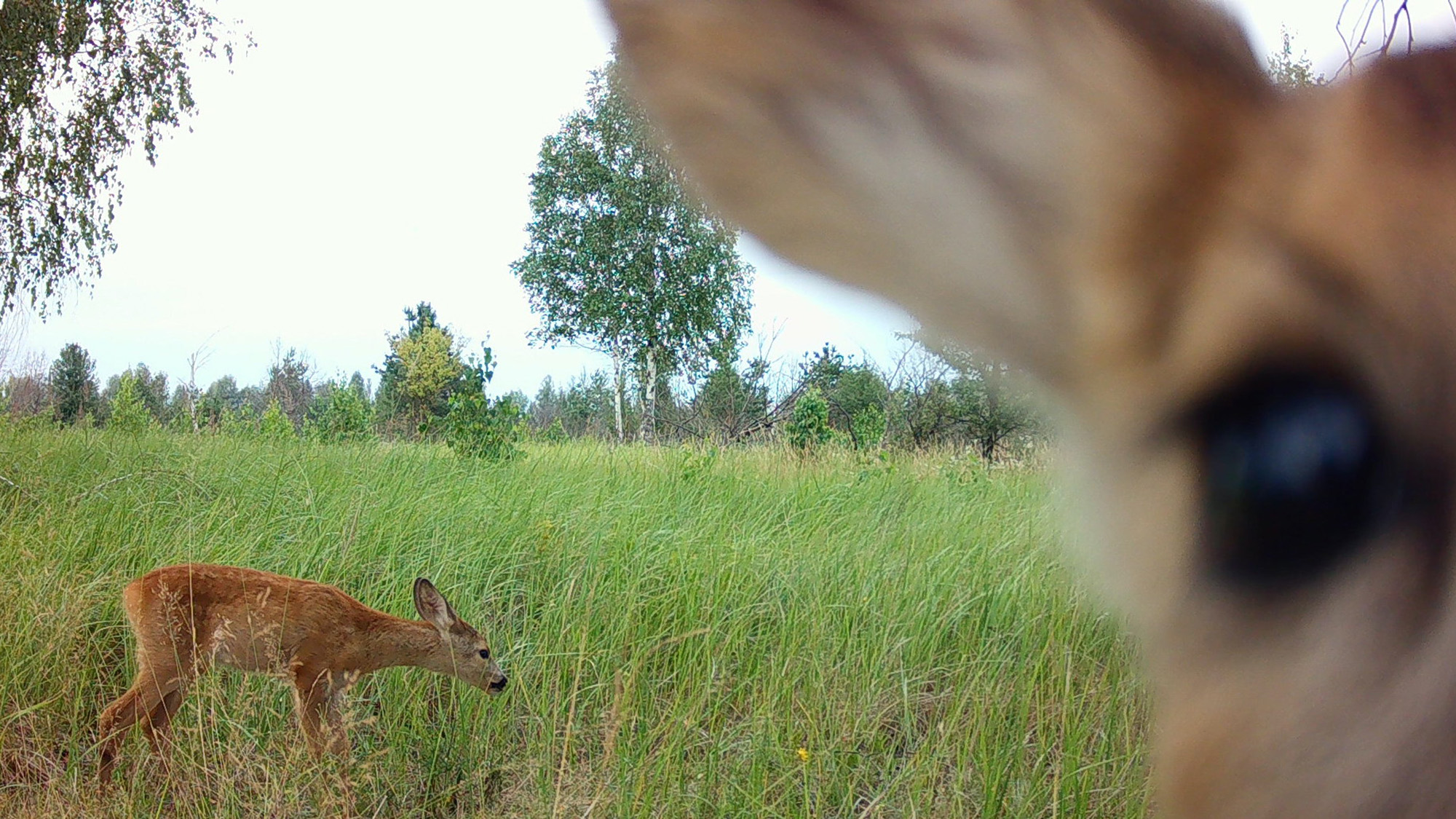
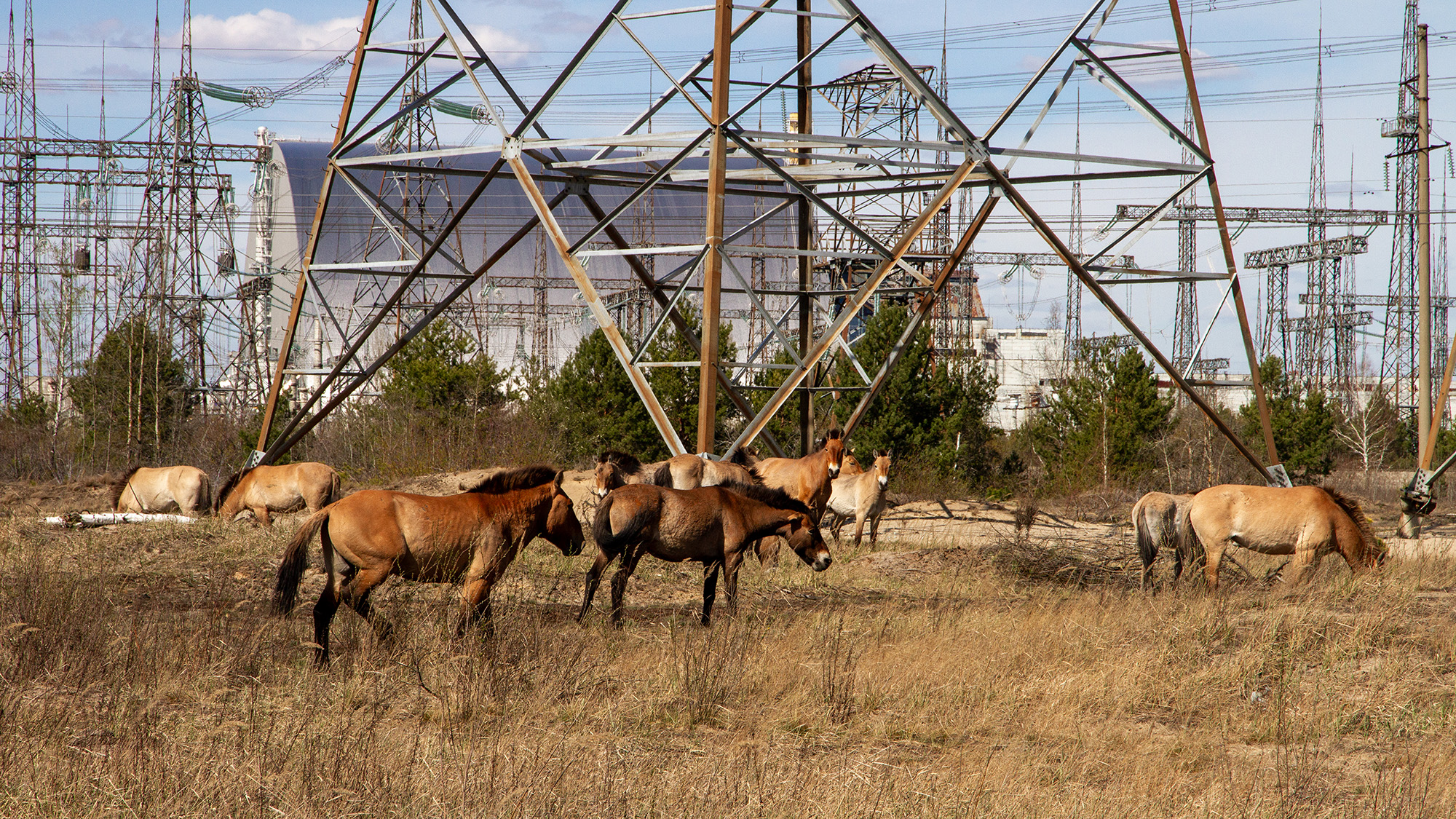
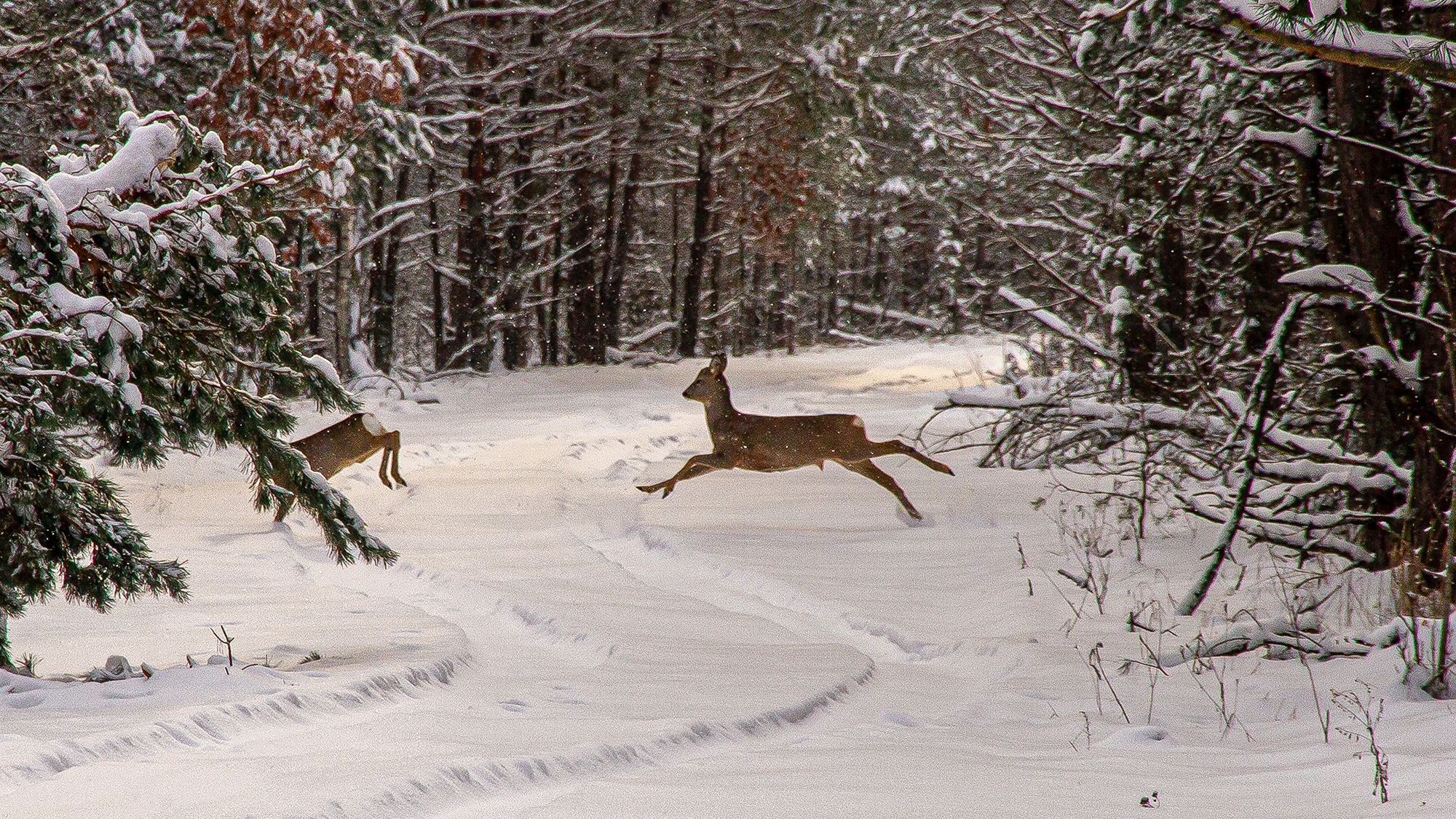
Camera traps from inside the Chernobyl exclusion zone reveal how the occupation of Russian forces at the site in February and March 2022 altered the behavior of wildlife living in the area.
After the invasion, which involved significant armed conflict inside the exclusion zone, mammals like deer and horses became less active and spent less time moving around at night, a new study reports.
Researchers discovered the changes by comparing footage from camera traps collected during the early months of Russia's 2022 invasion with recordings from the same period a year earlier, before the conflict began. The findings, published Thursday (June 18) in the journal Science, offer a rare glimpse of how animals respond to the immediate disruption caused by warfare.
"I wish the opportunity to analyze how the unfolding invasion affected wildlife ha[d] never happened," Svitlana Kudrenko, who conducted the study as part of her PhD at the Albert Ludwig University of Freiburg in Germany, told Live Science in an email. "Unlike in preindustrial times, current interstate conflicts are highly detrimental for wildlife because of a long list of warfare, often operated remotely."
The study took place in the Chernobyl exclusion zone, a roughly 1,000-square-mile (2,600 square kilometers) area surrounding the site of the 1986 Chernobyl nuclear disaster. Following the reactor explosion, authorities evacuated the region and restricted most human activity. Over the decades, with little to no human activity, wildlife populations have flourished, turning the zone into a natural laboratory for scientists studying ecosystem recovery and animal behavior.
But in February 2022, Russian forces seized control of the region during the beginning stages of the invasion of Ukraine. Military vehicles, troop movements, weapons being fired and other wartime disturbances suddenly transformed one of Europe's most unusual wildlife refuges into an active war zone.
To investigate the impact, researchers analyzed data from camera traps already operating in the exclusion zone from 2020 to 2022. Studying the ecological effects of armed conflict is difficult because war zones are dangerous and often hard for researchers to access.
By using the existing network of automated cameras, the scientists captured wildlife responses that would have been impossible to record otherwise. In total, the team analyzed almost 2,000 photographs and videos from the exclusion zone to build a picture of behavioral changes in response to the conflict.
The images and footage revealed responses from 11 wild mammal species, showing that some animals changed their behavior during periods of heavier fighting.
Kudrenko et al (2026)Kateryna KorepanovaKateryna KorepanovaKateryna Korepanova
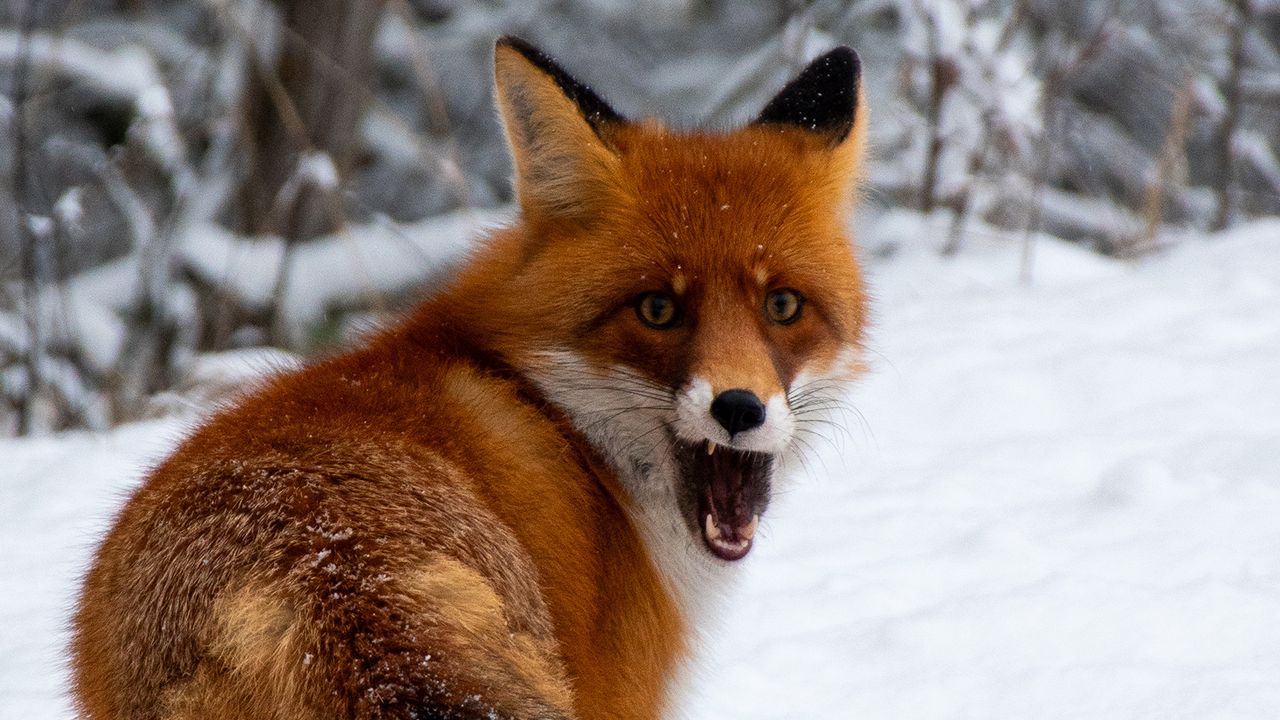
Several mammal species — including roe deer (Capreolus capreolus), red deer (Cervus elaphus), moose (Alces alces) and red foxes (Vulpes vulpes) — were less active during the occupation than before the conflict, especially at night, the team reported.
The findings suggest that the impact of conflict can ripple through entire ecosystems. While Russia no longer occupies the Chernobyl exclusion zone, the authors highlighted that this study still shows how animal behavior can adapt to warfare.
Camera traps could become a valuable tool for measuring the environmental costs of conflict and understanding how wildlife copes with sudden human disturbances across the globe, the researchers added.
"Our study highlights the need to develop and implement research and conservation strategies focusing on armed conflict impacts on wildlife and environment in general, especially in areas of conservation importance," Kudrenko said.
What do you know about the animal kingdom? Test your knowledge with our animal quiz!
By 2030, data centers could rise to sixth in the world for energy consumption, which would have a land footprint the size of Connecticut and release emissions comparable to those of the U.K. in 2025, depending on how much renewable energy is in the mix.
The findings highlight how much additional pressure AI and the infrastructure that supports it could put on the environment and the climate within the next few years. But why does AI have such a huge footprint, who is benefiting or being left out from the opportunities linked to AI's growth, and what can be done to limit the damage?
Sascha Pare: What would you say is the main takeaway from the report?
Kaveh Madani: The main takeaway of this report is that although in the general discourse AI is perceived as something virtual, or digital, or up in the clouds, there is [a] massive physicality to AI and the supply chains and infrastructure that back it up. And that's one thing that this report has tried to do: to remind people that behind every prompt, every use, every interaction, there is some level of impact on the environment. This is because from the top of the supply chain, where the extraction of critical minerals happens, to the point of manufacturing the hardware, the construction of the data centers, then the operation of data centers, and then dealing with the e-waste, there are major environmental impacts. If we take all of those into account, then we realize that what's digital is not necessarily free of impact. There is always some footprint associated with it, and we have to remember that.
SP: Why does AI have such massive land and water footprints, specifically?
KM: The report outlines the carbon, water and land footprints of AI's energy use. All along the supply chain, from the extraction of critical minerals to the point of disposing and dealing with the electronic waste, we have actions and interventions that require water, require land, and are associated with carbon emissions. So, if you think about, for example, the extraction of critical minerals, we know that during the process, a lot of water is being used and a lot of water is being polluted and poisoned. We published a report in April about the water injustice implications of the critical minerals, showing exactly what is happening where we have the extraction of critical minerals.
You have to decide if you want to continue using your water for agriculture or if you want to put it into data centers.
Kaveh Madani
But let's not forget that the [new] report is focused on AI's energy use, and then tries to argue that the energy production process itself requires also a lot of water and land. If you are using hydropower to provide energy to your data center, you're using a lot of land and a lot of water. This applies to all sorts of energy sources, regardless of being clean or not, or if you consider them renewable or not — they all require water and land. On top of this, of course, you need to build data centers on land, but also you need water for cooling. That's why, throughout the supply chain, throughout the life cycle of AI, we have a lot of water and land use, in addition to carbon emissions.
SP: The report is packed with jaw-dropping statistics about how big AI's environmental footprint could get by 2030. But how significant are the impacts?
KM: First of all, it is very hard to estimate exactly how much energy AI is currently using, but we know that roughly 20% of the current load of data centers can be attributed to AI. We are expecting that to be 40% within a few years. And by then, the data centers that back AI's operations are expected to have an energy demand that is about 3% of the total energy demand of the world. This is equivalent to being the sixth-most-energy-intensive country in the world. The water demand of that is also huge; the water footprint associated with that is enough to satisfy the domestic water needs of 1.3 billion people in sub-Saharan Africa.
SP: Can the environment and communities cope with the projected levels of energy and water consumption needed for AI?
KM: There would be places in the world where big decisions must be made, meaning that you have to decide if you want to continue using your water for agriculture or if you want to put it into data centers. Those would be decisions for the communities — and if the communities are not involved, then the most vulnerable, the poor, will be dealing with the consequences.
A Microsoft Azure data center in Aldie, Virginia. (Image credit: Lexi Critchett/Bloomberg via Getty Images)
At the same time, we know that the world's electricity consumption keeps increasing. That's a major problem, because although we are trying to add more and more renewables to the energy supply systems, the renewables cannot keep up with the increasing electricity demand. This means that not only can we not retire the old systems, but we might also need to use more fossil energy to satisfy this growing demand. And of course, that means more pressure on the fragile environment.
We know some of the data centers are being placed in locations that are already dry or suffering from what we refer to as "water bankruptcy," based on the report we published in January. These are major issues. More pressure on the environment [puts] more pressure on humans, and this recipe means [we could have] a kind of reinforcing degradation loop that would jeopardize both nature and human society.
SP: Who is benefiting the most from AI's expansion, and who is being excluded?
KM: AI expansion is benefiting humanity as a whole. It has changed our lifestyle; it has provided a lot of opportunities and improvements. But at the same time, it has some consequences. The issue that we see right now is that the richer communities and countries of the world are the ones that are benefiting from it the most, and within those communities and countries, it's the rich who are also profiting more from the expansion. If you look at the investment landscape of AI, you can see that there is a lot of push from a number of strong players and private investors. And they don't bear the costs when it comes to pollution, water bankruptcy, land degradation and so on.
If you think about the emissions, they are contributing to global warming, and everybody would suffer from it. Even the countries that don't have AI infrastructure are affected: If you think about where the critical minerals come from, you see a lot of poor communities, poor countries and poor regions in Africa, South America, parts of Asia, where people don't have basic infrastructure — they don't even have clean drinking water and energy infrastructure. They don't benefit from this expansion and the profits and utilities it provides. It's the most vulnerable communities and the poor economies that are going to suffer the consequences, while the other ones will benefit more.
SP: How did you estimate AI's growth by 2030, and how likely is it that your numbers will come true, given the fears that AI is a bubble that's about to catastrophically burst?
KM: We were looking at the data centers, and we still think that our projections are conservative. There is a lot of push from the private sector to further growth. Countries are also seeing investment in AI and data centers as an investment in security, sovereignty and other matters, so there's also a competition there. Some of the investments — some of the decisions about expanding AI — are not necessarily based on comprehensive assessments. Investments remain a bid to stay in the race, and that means more and more push. So we think that what we have projected is probably very conservative.
SP: China is scaling up its energy capacity together with data center buildout, and it is putting data centers in the ocean to try to solve the hardware cooling issue. What do you make of this strategy, and should other countries learn from it?
Chinese companies are testing underwater data centers to solve cooling demands. Here, we see a data center under construction at a shipyard in Nantong, in China's eastern Jingsu province. (Image credit: CN-STR / AFP via Getty Images)
KM: China's more centralized decision-making system provides advantages, but I think we need to be careful about generalizing the information of one or two projects highlighted by the media to the overall strategy.
We know that China has been expanding its renewable energy production capacity, and that's definitely a good thing. We have to make sure that the additional load of AI would not mean more fossil energy and would not compromise the decarbonization process. But at the same time, we should note that just scaling up renewables is not sufficient if you're thinking about decarbonization. We need a massive addition of renewables if we're going to reverse climate change, and we are not seeing strong enough signs of that around the world. So that's something that we have to be worried about.
That has been the challenge created for the world because of the expansion of AI. When it comes to putting things under the ocean, I think we do not yet have enough information and enough experience to judge if those things come with less environmental impact. What we hide would not be impact-free; there are also other impacts to worry about.
SP: What are some other solutions to the pressures AI is putting on the environment and people? How should we approach the rapid expansion to ensure it is fair?
KM: We offer a framework based on a number of principles about making the AI governance system more fair and transparent and sustainable. So, those are the principles suggested, and they bring responsibility to all stakeholders, including the developers and service providers — those who provide the technology and have responsibilities of ensuring that their systems are more transparent and efficient.
Then, we have the governments that have the responsibility of ensuring that information becomes available, that footprints are properly monitored and disclosed and regulated. They can use a range of incentives, mechanisms or penalties to ensure that footprints are reduced across the supply chain — and I insist on that — from the mines to the landfill. So, that can be done; pollution taxes can be charged and so on. [Governments should ensure] that those who have to deal with the consequences also benefit from the profits and the opportunities that data centers bring to their communities. Decisions must be made based on resource availability and the environmental consequences taken into account.
Users also can do a better job of making smarter choices by using AI more responsibly and only when it's absolutely necessary. When using AI, choose the right models, and be mindful of what is happening behind the scenes. Is it really necessary to generate another image? Is it really necessary to generate a video? Is it necessary to use the model in the "thinking mode"? Together, all the stakeholders can make a difference, and users can also call for more transparency and force governments to take action to force the service providers to provide more information and be more transparent.
Editor's note: This interview has been condensed and lightly edited for clarity.
Rainforests are some of the most important and diverse ecosystems on Earth. Found across several continents, these vast forests are home to millions of plants and animal species, many of which can't be found anywhere else. Many rainforests, both tropical and temperate, also play a crucial role in regulating the planet's climate by absorbing carbon dioxide and producing oxygen.
Rainforests vary immensely in size. Some stretch across multiple countries and cover millions of square miles, while others are much smaller but still support incredible biodiversity. Understanding the relative size of these rainforests helps us appreciate their role on our planet and the challenges involved in preserving them.
In this quiz, you'll test your knowledge by sorting the top 10 biggest rainforests from largest to smallest. Click on and drag the blue rectangles to place them in the right order. Remember to log in to put your name on the leaderboard; hints are available if you click the yellow button.
Evidence of two ancient wooden posts aligned with the summer and winter solstices has been discovered near Stonehenge in southwest England. The posts have rotted away, and only traces of the postholes survive. But archaeologists say the structure predated Stonehenge, and they think it was a temporary religious monument until a permanent one was built. They even suggest it may have been a Stonehenge prototype.
Analysis suggests that ancient people used the posts to mark the summer and winter solstices, Phil Harding, an archaeologist at Wessex Archaeology who's leading the project, noted at a news conference on Wednesday (June 17).
"These people were capable of establishing the points on the horizon where the sun rises in the midsummer and sets in midwinter," he said. "This was a pioneering achievement." (The 2026 summer solstice will be celebrated at Stonehenge on June 21.)
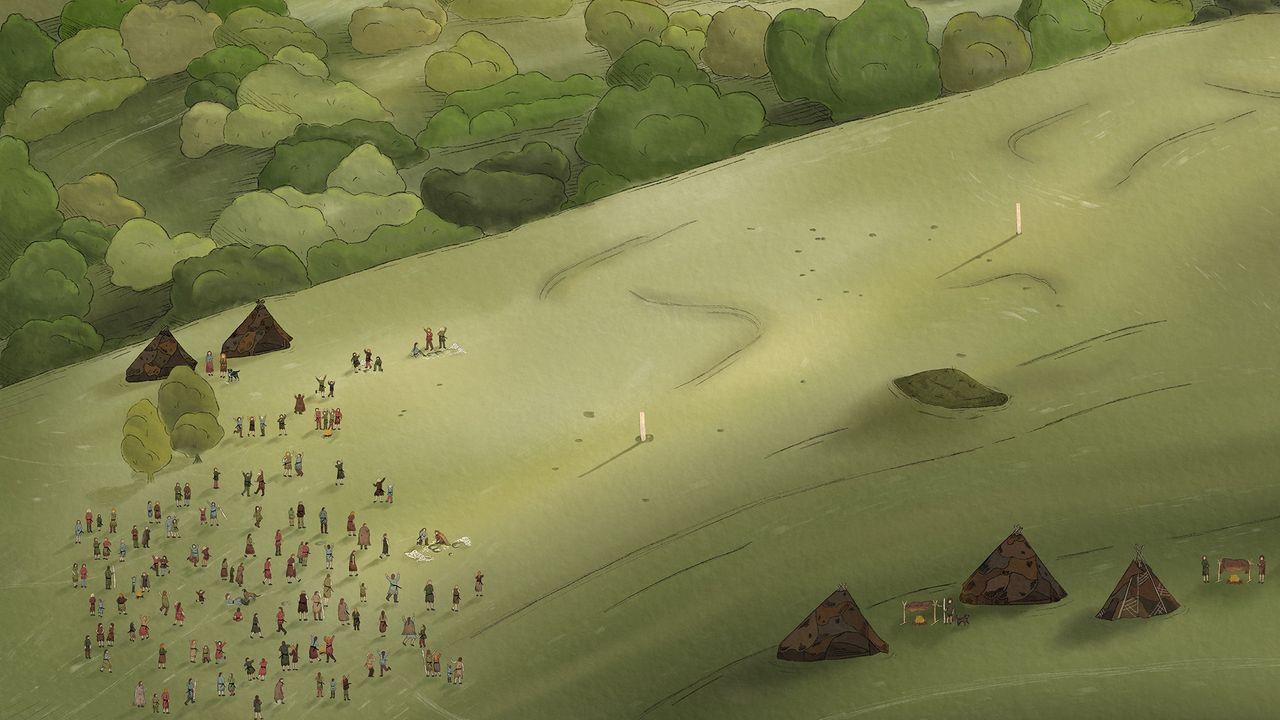
Harding's team at Wessex Archaeology, a private firm that often works for the government and local authorities, publicly announced the finds June 18 in the U.K., and a report on their research will be peer-reviewed and published. The ancient monument consisted of the two large, wooden posts, about 400 feet (120 meters) apart, on land near the village of Bulford, a few miles east of Stonehenge.
The land is now controlled by the U.K. Ministry of Defence, but archaeologists have been allowed to excavate there since 2015. They previously found traces of two "henges" — rings of ditches and banks made from earth — and dozens of Neolithic pits from about 5,000 years ago, centuries before Stonehenge was completed. The pits were filled with animal bones, pottery, flints and charcoal, and the researchers think they date to the time that the first phase of Stonehenge was being built.
Solstice alignment
The posts were aligned to point along an axis that marked the direction of sunrise on the summer solstice, or "midsummer's day," and the setting of the sun exactly six months later, at the winter solstice, or "midwinter's day," according to a statement from Wessex Archaeology. The same astronomical alignments are seen at Stonehenge.
The animal bones and other signs of feasting in the pits at Bulford are evidence of large numbers of people gathering for religious festivals. (Signs of ancient feasting have also been found at Stonehenge.)
"When we talk about the solstice, we're talking about religion," Matt Leivers, an archaeologist at Wessex Archaeology and one of the researchers, said in the statement. "What we see at Bulford, and later at Stonehenge, is a way of celebrating and marking the passage of time, but it's also about making sure the world keeps working as it should."
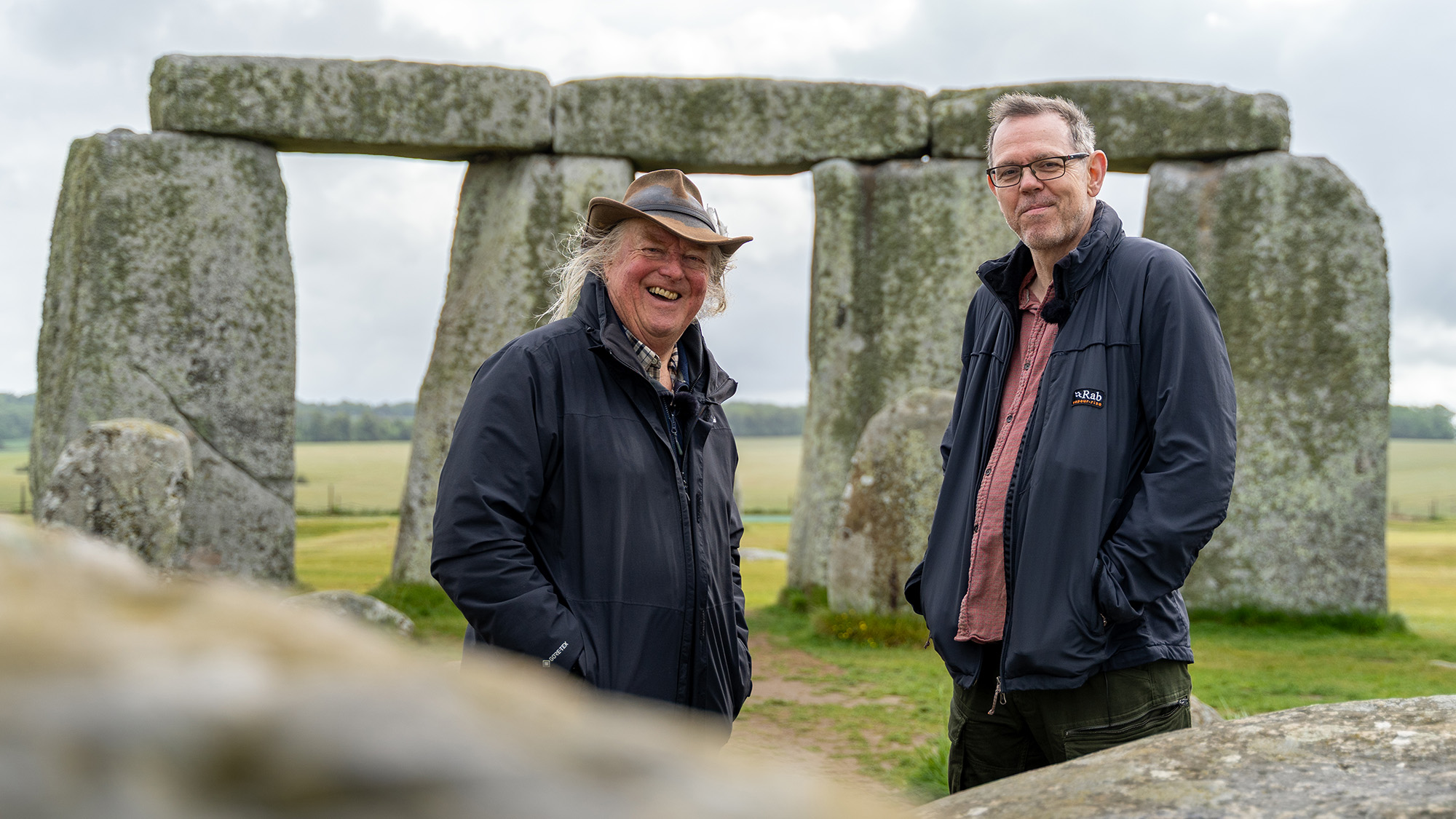
Archaeologists Phil Harding (left) and Matt Leivers led the excavations at the Bulford site, a few miles east of Stonehenge. (Image credit: Wessex Archaeology)
The site predates the largest circles of stones at Stonehenge, which have the same alignments. "What we've discovered at Bulford is 500 years earlier than the famous stones we know so well," Harding said. The researchers even suggest that the Bulford monument may have been a sort of prototype for Stonehenge itself.
Ancient stones
Stonehenge is the world's most famous Neolithic monument, but its original purpose was long a mystery. Archaeological investigations have established that the first earthwork henge was started there about 5,000 years ago, and the famous central stones were added about 500 years later.
Recent discoveries at Stonehenge include evidence of ancient cremations, and many archaeologists now think the monument was originally a burial site. If that's the case, the alignment with sunset on the winter solstice might have represented "new life," as the days then became longer and warmer after the depths of winter. However, no human remains have been found at the Bulford site.
Susan Greaney, an archaeologist at the University of Exeter who was not involved in the research, said the new finds show the importance of the region to prehistoric people. "It is intriguing to think that simple posts were erected here to align with the solstices around 500 years before Stonehenge was built," she told Live Science.
The Bulford monument may have been a temporary "model" for Stonehenge itself, Amanda Chadburn, an independent archaeologist who wasn't involved in the research, told Live Science "If you were designing a very complicated piece of engineering like Stonehenge," she said, "you would have had to understand how to make it before starting."
See how much you know about Stonehenge with our Stonehenge quiz!
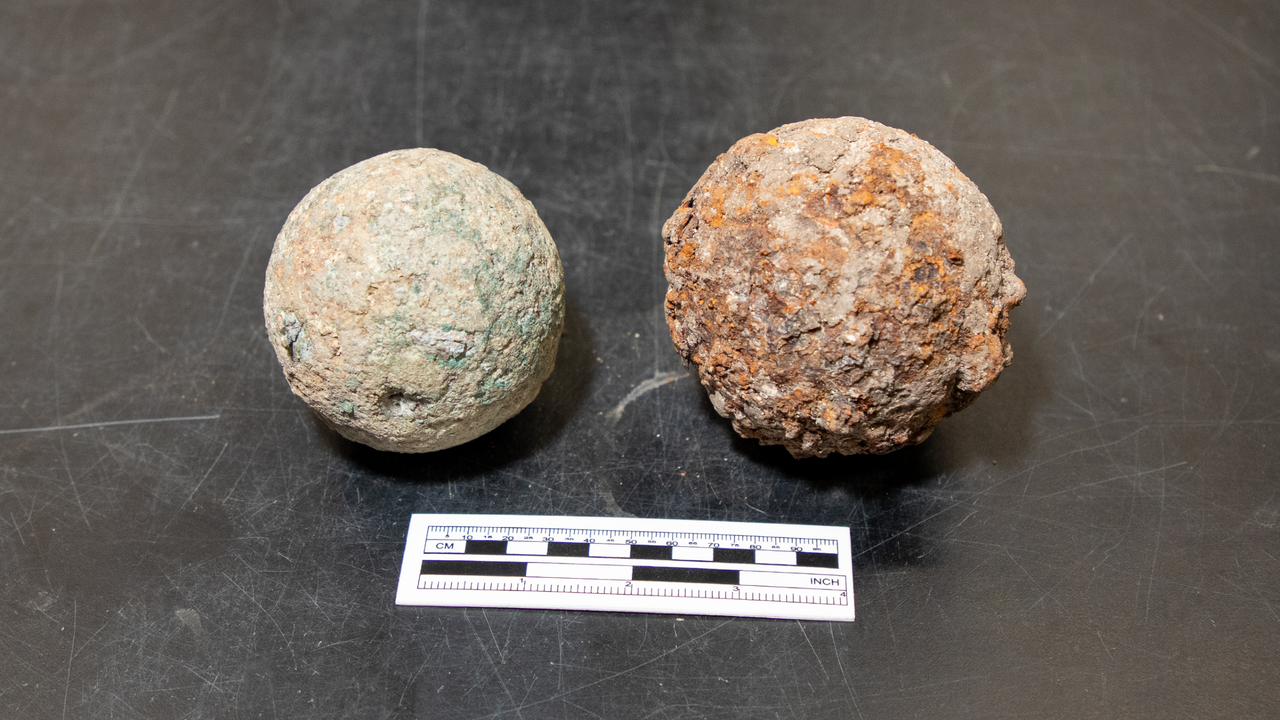
Archaeologists have discovered an iron cannonball fired by Texans at the Battle of the Alamo in 1836. This is the second intact cannonball they have discovered from the famous conflict. The first one, a bronze cannonball, was found earlier this year and was likely fired by the Mexican army.
"It's a huge deal," Tiffany Lindley, director of archaeology at the Alamo, said in a video statement from Alamo Trust. "We all thought, 'There's no way we can top it,'" she said, referring to the bronze cannonball discovered March 5, just a day before the 190th anniversary of the conflict that killed Davy Crockett, "and then we found another one."
Both cannonballs were recovered from the northeast corner of the church at the Alamo, which was originally built in 1718 as a Spanish mission and fortress in what is now San Antonio. But the Alamo is better known as the location of an 1836 battle during the Texas Revolution, in which Anglo-American settlers and Hispanic Texans known as Tejanos seceded from the Republic of Mexico.
In a 13-day siege culminating in a deadly assault on March 6, 1836, Mexican troops, commanded by Gen. Antonio López de Santa Anna, surrounded the Alamo and killed the 180 Texan rebels defending the structure, including Davy Crockett. The cry "Remember the Alamo!" was used in later skirmishes in the Texas Revolution as soldiers fought Mexican troops for independence.
The newly excavated iron cannonball was found June 2, according to a statement from Alamo Trust.
Of the two cannonballs, "the newest one is slightly larger" and was likely fired from a cannon that shot 6-pound [2.7 kilogram] cannonballs, Kolby Lanham, a senior researcher and historian at the Alamo, said in the statement. "The likelihood is that the bronze one belonged to the Mexican Army and the iron one belonged to the Texans."
Over the years, archaeologists have found numerous pieces of ammunition and shrapnel at the Alamo, Lindley said, but these cannonballs are the first examples of solid shots — spherical projectiles fired from a gun or cannon — they have ever found.
"It's just a huge kind of once-in-a-lifetime deal," Lanham said. "But obviously, it's happened twice."
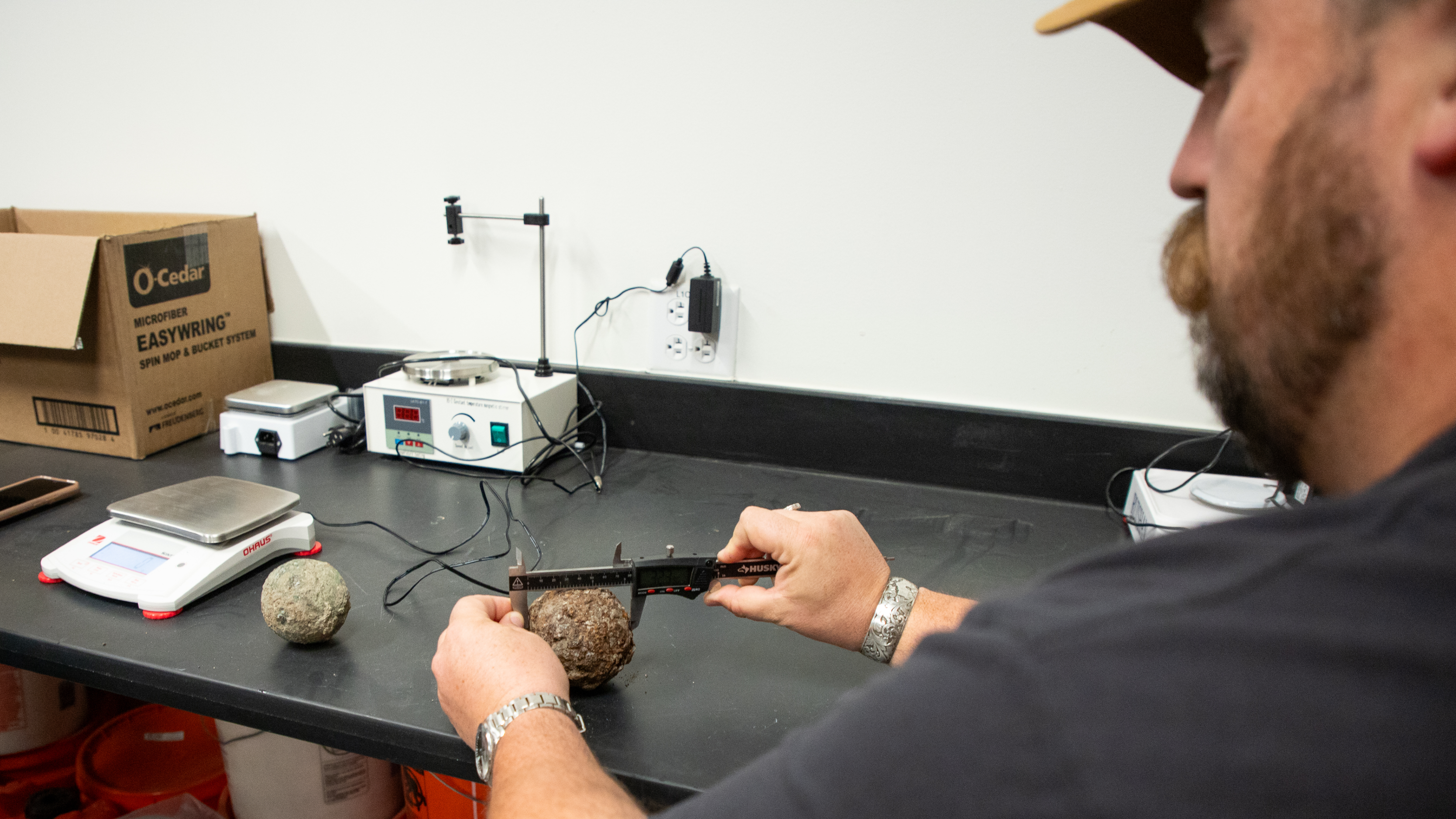
The size and weight of the cannonball suggests it was fired by a cannon that shot 6-pound cannonballs. (Image credit: Alamo Trust)
The Mexican and Texan cannonballs were found near each other, so they are likely the historic remains of the two sides shooting at each other in the fateful siege nearly two centuries ago.
"Whenever they were dropped the very first time — possibly in 1836, probably — they haven't been touched since, and that's what makes them extra special," Lindley said. "I don't think you can undersell it."
The Alamo remains an active archaeological site, where experts have discovered artifacts that span its centuries of history, from Indigenous stone tools that predate the Spanish mission through the late 19th century, when the structure was converted into a general store and warehouse.
Physicists recently wondered what would happen if you tried to split a photon — and they found some unexpected behavior that may transform the way we think about particles.
The experiment, in which researchers simulated a photon being sliced by a shutter under various conditions, showed that a severed photon can lead to a complex mixture of zero to infinitely-many photons — raising some big questions about the nature of particle interactions.
Photons are elementary packets of light, which means they are not made up of anything else. So what does it even mean to try splitting a photon? It may be possible thanks to wave-particle duality — a core principle of quantum mechanics, the bizarre physics of the very small.
According to wave-particle duality, a photon is not only a particle but also a wave. Using theoretical calculations, the researchers investigated what would happen if you sent this photon through a shutter and closed it while the photon was passing through, effectively cutting off the tail end of the photon wave.
"I think that most physicists would expect there to be a certain probability that you have zero photons and a certain probability that you have a single photon left after you have done this," Johannes Skaar, co-author of the new study and a professor of theoretical physics at the University of Oslo, told Live Science. "And that is approximately true, but it is not exactly true."
What are the chances?
This brings up another strange aspect of quantum mechanics: its probabilistic nature. Particles exist as a cloud of probabilities stretching to infinity. Until a particle is observed, its properties, such as its position or energy, are in a superposition of possible values; all we can know are the chances of finding it in a certain state.
Through their calculations, Skaar and his colleagues determined how cutting a photon affects these probabilities. In their study, recently accepted in the journal Physical Review Letters, they found that it would create a complex mixture of photon states, including one with an infinite number of photons.
Each of these states has a probability that depends on how quickly the shutter cuts the photon. The expected number of photons becomes infinite only if the shutter is closed infinitely quickly. For realistic shutter speeds, even a thousand photons would be extremely unlikely.
This may sound very strange, but the quantum physicists were unfazed. In fact, what surprised Skaar and his colleagues was what happens if you make measurements of the cut photon from different perspectives.
A photo of an optical table with laser and beam-splitting cube, often used in photonics research. (Image credit: EschCollection via Getty Images)
"When you measure from one side of the shutter, then it will look like a single photon state," Skaar said. "Then, on the other side, it will look like a vacuum state — that means no photons. And that is very strange because the actual state globally is this mixture from zero to infinity."
Changing how we think about particles
The fact that these complex mixtures can be treated locally as very simple states raises fundamental questions about the nature of particles. Skaar said they are still reckoning with the full extent of these implications and they are now considering how this process could play out for other quantum particles, such as electrons.
They hope that by following this theoretical thread through, they may be able to develop a neater way of describing particle interactions. Currently, particles' infinite stretching means they have been interacting for an infinite amount of time. This then poses a problem for causality — the order of cause and effect — in particle interactions, the team said.
These new theoretical photons with a cutoff tail would not have this problem, meaning the causal link in an interaction would be clear, Skaar said. He admitted that there is much more work to be done to develop the theoretical description of this interaction. However, the new result is an important step toward describing particle interactions with a clear causal relationship, which Skaar described as the team's "ultimate goal."
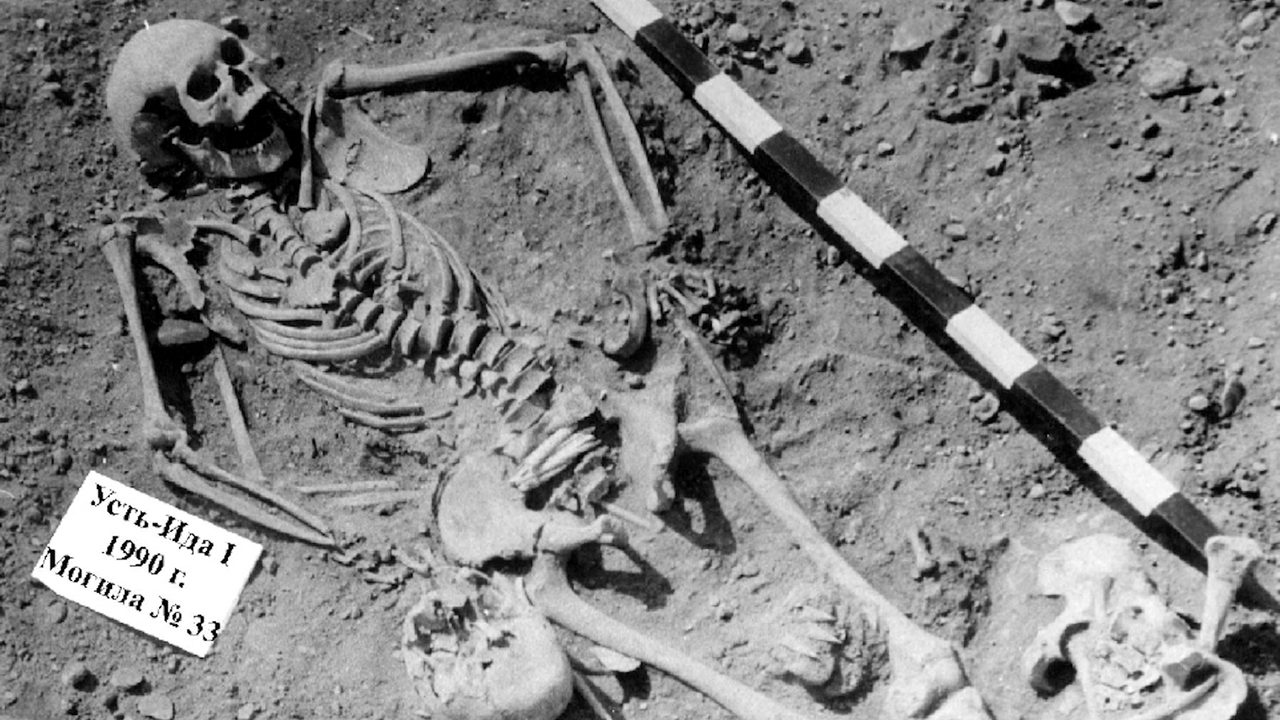
Hunter-gatherers in Siberia fell victim to lethal plague outbreaks around 5,500 years ago, marking the oldest known evidence of plague to date, a new study finds.
A research team investigating the Stone Age remains identified ancient DNA ion over a dozen individuals that came from previously unknown strains of Yersinia pestis, a bacterium that causes pneumonic, bubonic and septicemic plague.
The disease that infected these hunter-gatherers, most likely pneumonic plague, probably spilled over from wild marmots, and ravaged through family groups living around Lake Baikal, according to the study, published Wednesday (June 17) in the journal Nature.
Ancient DNA from the two newfound plague strains revealed a unique gene that codes for proteins that trigger massive immune responses, perhaps explaining why children were the most likely to die from the disease, the authors wrote in the study.
The discovery of two deadly plague outbreaks in prehistoric hunter-gatherers challenges the long-standing assumption that epidemics first occurred after the rise of agriculture, study first author Ruairidh Macleod, a researcher of ancient genomics at the University of Oxford, told Live Science.
"We got the really striking result that we found lots and lots of plague here far earlier than we expected," Macleod said. This is "the closest we'll probably ever get to a direct smoking gun demonstrating the virulence [the ability of germs to cause disease] of these early plagues."
Understanding how the disease has evolved over time is essential for gaining insight into how Y. pestis may change in the future, study co-author Eske Willerslev, an evolutionary geneticist at the University of Copenhagen, said at a news conference Tuesday (June 16), ahead of the study's publication.
Prehistoric plague outbreaks
Research suggests that plague outbreaks devastated communities long before the Black Death, the catastrophic epidemic that swept through 14th-century Europe and killed around 25 million people, or between 25% and 33% of Western Europe's population at the time.
Now, a close inspection of the ancient DNA of hunter-gatherers buried in four cemeteries along the banks of the Angara River, which flows out of Lake Baikal, has provided "the best kind of evidence that we could probably hope for" that prehistoric plague strains were lethal and resulted in mass death, Macleod said.
Lake Baikal is in southeast Siberia. (Image credit: Ralph White via Getty images)
During previous excavations of these cemeteries, researchers noticed that an unusually high number of children had been buried over a short period. There were no signs of violence or other injuries, Macleod said at the news conference, leaving the archaeologists stumped as to why so many children died.
Macleod and his team stepped in to see if ancient DNA could shed light on this mystery.
The researchers extracted ancient DNA from the teeth of 46 individuals at the four cemeteries. They checked whether any were related while also scanning for ancient DNA from known germs.
To their surprise, they identified large amounts of Y. pestis in 18 individuals. These cases spanned two distinct disease outbreaks: one lasting from around 5,596 to 5,341 years ago, and another most likely spanning 5,126 to 4,926 years ago.
Some graves contained the remains of multiple infected individuals who were buried at the same time, suggesting they died during the same outbreak. One grave belonged to three closely related young girls, while another held a nephew and aunt.
"There must have been survivors who knew these people when they were alive and what their identities were and what their biological relationships were to bury the dead and bury them in shared graves," Macleod said.
It is currently not possible to identify plague-specific antibodies that would identify which individuals survived the outbreaks, he added.
The findings help to support the idea that prehistoric populations were impacted by plague, Aida Andrades Valtueña, a researcher who specializes in ancient pathogens at the Max Planck Institute for Evolutionary Anthropology in Germany but was not involved in the study, told Live Science in an email.
However, more complete sequencing of the plague DNA is needed to confirm that the various cases were from the same outbreak, rather than from separate infections, she noted.
What do you know about the Paleolithic, Mesolithic and Neolithic eras? Find out with our Stone Age quiz.
A Chinese spacecraft has arrived at one of Earth's temporary "quasi-moons" and will soon attempt to land on the space rock to scoop up samples that will be returned to our planet next year. The ambitious mission could help researchers uncover secrets about Earth's main moon and provide clues that may benefit space exploration and planetary defense, experts say.
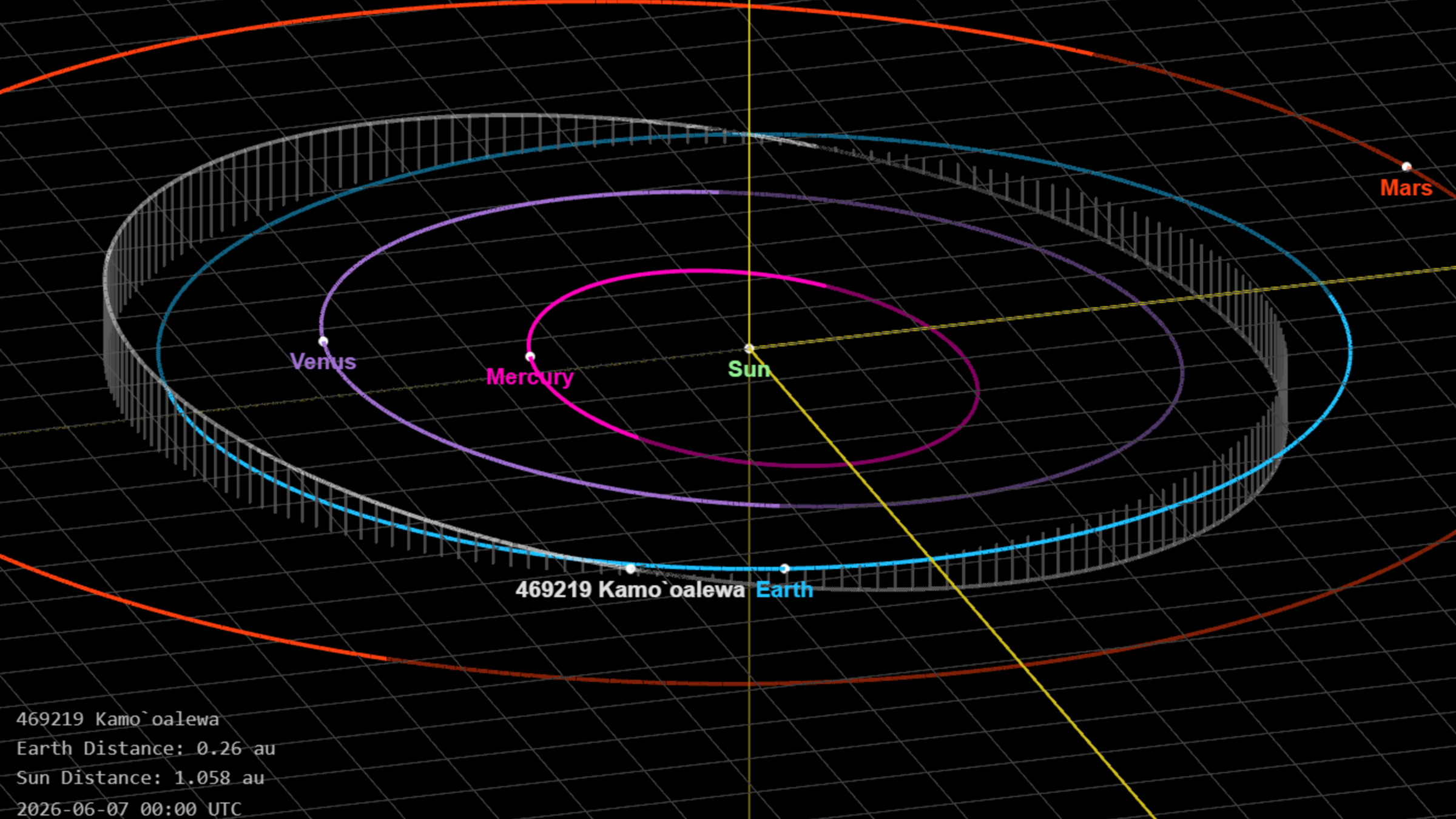
The mission's primary target is 469219 Kamo'oalewa — also known as 2016 HO3 or simply Kamo'oalewa — a near-Earth asteroid discovered in 2016 by astronomers at Hawaii's Haleakala Observatory. It likely spans somewhere between 130 and 330 feet (40 to 100 meters) across and is a "quasi-satellite" of our planet, meaning it's orbiting the sun right alongside Earth in a temporary partnership. (Kamo'oalewa means "oscillating celestial fragment" in Hawaiian.)
Tianwen-2 is predicted to have arrived at Kamo'oalewa on June 7 and inserted itself into an orbit alongside the asteroid, according to an unverified timeline shared by freelance journalist Andrew Jones, a leading expert on China's space program. Around a month later, on July 4, the probe is expected to descend upon the space rock to collect samples from its surface, potentially employing a never-before-seen drilling technique to do so. (The CNSA has not released an official timeline for the mission or shared any recent updates about its progress.)
If successful, the samples are expected to be returned to Earth on Nov. 29, 2027, according to the same timeline. At this point, Tianwen-2 will then slingshot around our planet and head farther out into the solar system for its secondary mission: to rendezvous with and study 311P/PanSTARRS — a peculiar object beyond Mars, which displays characteristics of both comets and asteroids — in 2035.
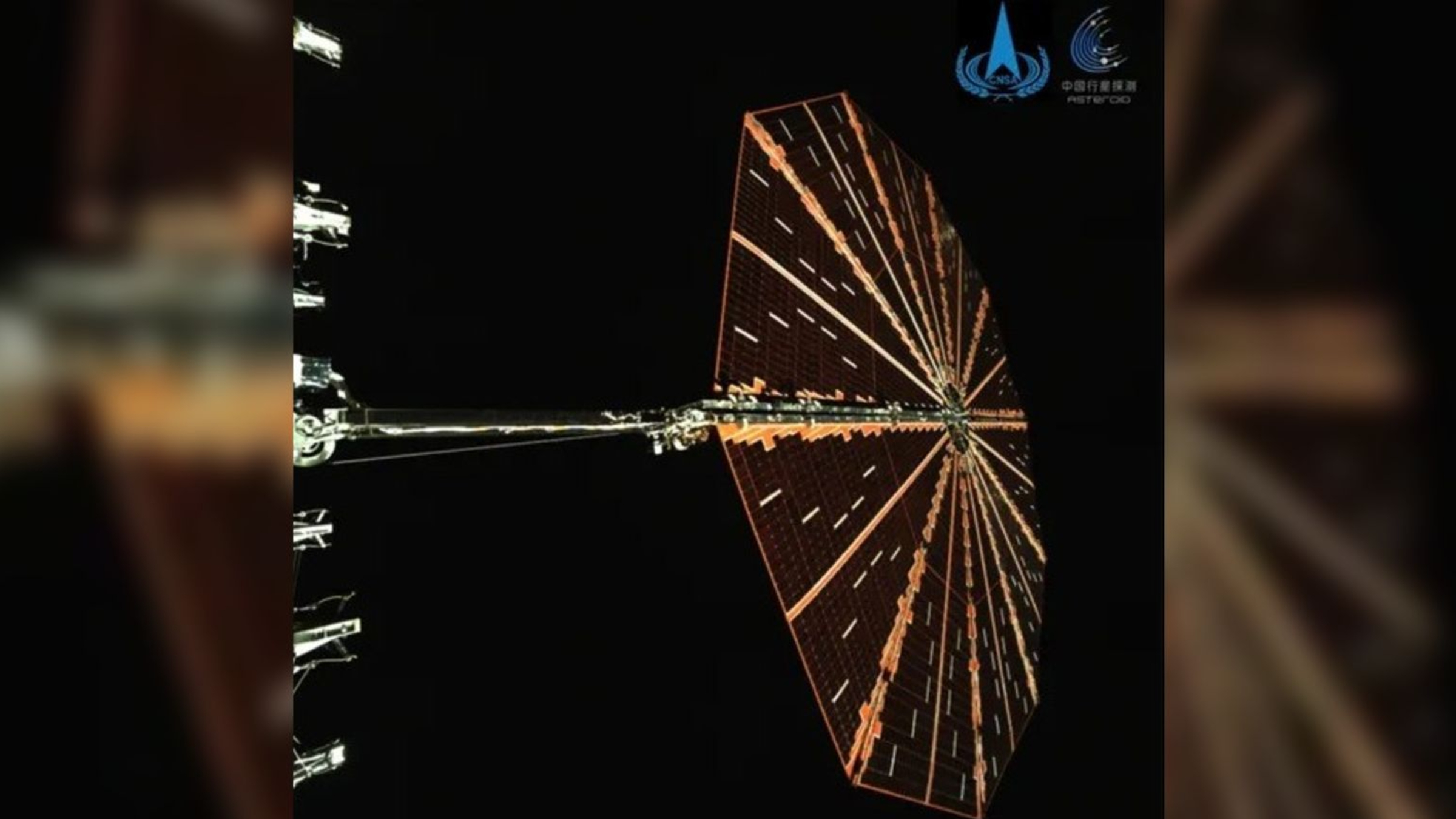
This photo of one of Tianwen-2's decagonal solar panels, captured in orbit, was the first image of the probe released by the CNSA. (Image credit: CNSA)
Samples from Kamo'oalewa could help answer many interesting questions, including the true origin of the object, which some experts believe may have broken off from the moon.
"What makes [this mission] extraordinary is that we don't yet know [the object's] composition or origin," Li Chunlai, a researcher with the Chinese Academy of Sciences' National Astronomical Observatories and chief commander of Tianwen-2's ground application system, said in a state-sanctioned video translated to English. "We'll only obtain definitive answers after completing our exploration."
What is Kamo'oalewa?
There are currently eight known quasi-moons orbiting the sun alongside Earth, following the most recent quasi-moon discovery in September 2025. Unlike the similarly named "minimoons," which are asteroids that are briefly captured by Earth's gravity for a few months or years at a time, quasi-moons are temporary satellites that slowly circle our planet but are never gravitationally bound to it.
This relationship can last decades, or even centuries. For example, experts think Kamo'oalewa has been accompanying our planet for at least 100 years and could remain alongside it for another 300 years before it starts to fall out of sync with our solar orbit.
On June 7, when Tianwen-2 was expected to arrive at Kamo'oalewa, the space rock was around 24.2 million miles (39.1 million km) from Earth. (Image credit: NASA/JPL/Small-Body Database Lookup)
"The way Kamo'oalewa moves with Earth is kind of like a dog that might tag along with you for a while on a long walk through the woods, but it's not your dog," Richard Binzel, a planetary scientist and asteroid expert at MIT, told Live Science in an email.
The Ferris-wheel-size space rock is one of the closest quasi-moons to us, with a minimum distance of around 2.9 million miles (4.6 million kilometers) from Earth, or around 12 times farther away than our actual moon. It is also one of the fastest-spinning quasi-moons, rotating around its axis every 30 minutes. But unlike other quasi-moons, which likely originate from the solar system's main asteroid belt, between Mars and Jupiter, our current best guess is that Kamo'oalewa is actually a piece of the moon.
This hypothesis is based on observations from 2021 that showed Kamo'oalewa absorbs and reflects light similarly to the moon, hinting that the space rock may be a chunk of lunar material ejected by a long-ago meteor strike. More recently, in 2024, researchers narrowed down the most likely impact crater from which the asteroid originated: the 13.6-mile-wide (22 km) Giordano Bruno crater, located on the far side of the moon. However, there is still a chance that Kamo'oalewa is a main-belt asteroid that just happens to look an awful lot like lunar material.
Kamo'oalewa (a.k.a. 2016 HO3) circles Earth but does not orbit our planet. This simulation shows its predicted movements relative to Earth over the next few centuries. (Image credit: NASA/Pheonix7777/Wikimedia)
"I am curious to find out the answer about its origin, since the debate on its [potential] lunar origin is still very open," Marco Fenucci, a mathematician at the European Space Agency's Near-Earth Objects Coordination Centre who has co-authored multiple studies on Kamo'oalewa, told Live Science. This mission should "definitely give us an answer to this matter," he added.
Scientists are also unsure whether Kamo'oalewa is a "solid monolithic rock," like the $100,000 quadrillion asteroid Psyche (the target of NASA's ongoing Psyche mission), or a "rubble-pile-like asteroid," such as Bennu or Ryugu, both of which have been explored by sample-return missions in recent years, Fenucci said.
Scooping up samples
Having arrived at Kamo'oalewa, Tianwen-2 will spend the next few weeks mapping the asteroid's surface at altitudes between 1,000 feet and 12.5 miles (300 m to 20 km) above its surface, according to limited mission details revealed by Chinese scientists in a January study. The resulting map will allow researchers to estimate the asteroid's density and work out the best landing spot.
On July 4, the probe is expected to swoop down and scoop up around 3.5 ounces (100 grams) of surface material, or regolith, from the asteroid, which is slightly less than what NASA's OSIRIS-REx mission managed to grab from Bennu. However, there are multiple ways this sampling process could play out.
If the asteroid is a pile of rubble, the probe will utilize a touch-and-go approach, which involves hovering just above the surface and using a robotic arm to reach out and grab the sample. This method was also used by OSIRIS-REx for Bennu and by Japan's Hayabusa2 mission, which scooped up samples from Ryugu.
But if Kamo'oalewa has a more solid surface, Tianwen-2 will attempt to land directly on the space rock and anchor itself in place before drilling into the asteroid. This has never been attempted before and could allow for longer contact time and "more controlled sampling," according to The Planetary Society.
Tianwen-2 will circle Kamo'oalewa at various altitudes in order to scan the space rock and figure out its best possible landing spot. (Image credit: Zhang et al. 2026)
After collecting samples, the probe will remain alongside the asteroid and conduct further analysis of its size, shape and trajectory.
In late April 2027, Tianwen-2 will depart Kamo'oalewa and begin the six-month journey back to Earth, where it will dump its samples in a return capsule that will fall to our planet's surface as the probe begins its long journey to rendezvous with 311P/PanSTARRS.
The return capsule will reenter Earth's atmosphere at around 27,000 mph (43,500 km/h), researchers wrote in the January study. That's slightly faster than the Orion capsule carrying the Artemis II astronauts traveled as it fell back to Earth in April.
What could we learn from Tianwen-2?
In addition to ending the debate over Kamo'oalewa's origin, samples from Tianwen-2 could reveal more about the solar system and our place within it.
For example, previously returned asteroid samples have helped to "tell us where Earth's water came from, how complex organic molecules were distributed in the early solar system, and how surface processes like space weathering alter asteroid properties over time," Fenucci said. These samples can also be used to "establish a link to known meteorites found on Earth" and help us learn more about these space rocks, he added.
Tianwen-2 launched into space May 28 on board one of China's Long March 3B rockets. (Image credit: VCG/VCG via Getty Images)
The proximity of quasi-moons and minimoons to Earth also makes them valuable assets for future space exploration missions. Some researchers have proposed using them as temporary bases or refueling stations that could serve as stops on the way to Mars or other faraway destinations. These objects "could become literal stepping stones for human missions to practice what it is like to leave the Earth-moon cradle," Binzel said.
One particular idea that scientists want to explore is whether water can be extracted from these objects. And if Kamo'oalewa is a piece of the moon, that could have implications for NASA's planned moon base. "Someday, it might be possible to extract that water to provide resources for thirsty astronauts or even generate usable rocket fuel from the hydrogen," Binzel said.
"Over the time scale of centuries, these kinds of objects have a chance of striking the Earth," said Binzel, who invented the Torino scale used to measure the impact potential of near-Earth objects. Therefore, a better understanding of space rocks like Kamo'oalewa "can prepare us in how to deal with a threatening object if one were ever discovered," he added.
A giant blob of abnormally cold water in the North Atlantic Ocean is shifting the Indian summer monsoon, threatening the livelihoods of more than 1 billion people, new research suggests.
The link between these two systems highlights a previously unrecognized connection that could inform weather forecasts in South Asia and shed light on climatic events elsewhere, scientists say.
The Indian summer monsoon is a rainfall pattern that lasts from June to September and is driven by temperature differences between the warm northern Indian Ocean and cooler seawater below the equator. Historically, the monsoon triggered heavy rainfall along the west coast of India and a huge region of northern India called the Indo-Gangetic Plain. But since 1999, this pattern has changed dramatically, the researchers reported in a new study.
Northwest India now receives about 25% more rain during the monsoon season than it did before 1999, while the Indo-Gangetic Plain gets roughly 4% less, the team found. This is disastrous for farmers, in particular, because their soils and crops are adapted to the old rainfall pattern, said study first author Mahendra Nimmakanti, a climate scientist at the Indian Institute of Science's Centre for Atmospheric and Oceanic Sciences.
"India is largely dependent on agriculture," Nimmakanti told Live Science in a joint interview with study co-author Matthew Huber, a professor in the Department of Earth, Atmospheric, and Planetary Sciences at Purdue University in Indiana. Higher-than-normal precipitation in northwest India is causing flash floods and crop losses, because agriculture in this region is adapted to dry conditions. Meanwhile, the Indo-Gangetic Plain has seen periods of drought that also caused crop declines and impacted farmers' livelihoods, Nimmakanti said.
Previous studies have linked shifts in the Indian summer monsoon to changes in the Atlantic Meridional Overturning Circulation (AMOC), a giant web of ocean currents in the Atlantic that regulates the global climate and carries heat to the Northern Hemisphere. Data suggests the AMOC is slowing due to climate change and releasing less heat in the North Atlantic Ocean than it did before. This may be causing a southward shift of the Intertropical Convergence Zone, a band of low-pressure atmospheric conditions around the equator that drives tropical monsoons, including the Indian summer monsoon.
But these studies didn't specify how the Indian monsoon might shift or explain the underlying mechanism in detail, Nimmakanti said. "They generally explain that if there is a weakening of AMOC, that suppresses the Indian summer monsoon," he said.
One part of the problem is that current climate models do not show the changes in the Indian monsoon that have happened in real life, possibly because they also don't fully capture shifts in North Atlantic sea surface temperatures. This is especially true for a region southeast of Greenland known as the "cold blob," where the water was colder between 1901 and 2021 than it was in the late 1800s, even as the ocean around it heated up.
To pinpoint how and why the Indian monsoon has changed, the researchers fed precipitation data, sea surface temperature records and other real-life observations into dozens of climate models. This reproduced the shifts observed over the past 27 years. However, the results only implied a correlation between shifts in the North Atlantic and changes in the monsoon, not that the former directly caused the latter.
Northwest India now gets 25% more rain during the monsoon season than it did before 1999, and this shift has also increased flooding risk in Pakistan. (Image credit: Sabir Mazhar/Anadolu via Getty Images)
To figure out if North Atlantic sea surface temperatures caused the Indian monsoon to behave strangely, the team added and removed the cold blob in a simulation. The results showed that the cold blob has shifted the Indian monsoon by creating a strong temperature gradient over the North Atlantic, which, in turn, affects jet stream winds and pressure systems in the atmosphere above Eurasia.
Specifically, the jet stream above the North Atlantic has intensified, and a "blocking" system over the Ural Mountains in western Russia has strengthened, Huber said. As a result, weather systems in India have changed, sucking moist air toward the country's northwest and away from other regions.
"It's a shifting of the high- and low-pressure systems," Huber said. "Realizing that these two systems were directly linked through this wave train coming off the North Atlantic, that was novel."
More than 1 billion people in India and other parts of South Asia depend on the monsoon for food security and economic stability. The new results, published April 27 in the journal AGU Advances, could help forecasters predict extreme rainfall and drought events in India and neighboring countries like Pakistan during the monsoon season.
Some researchers think the Indian monsoon is a key tipping point within the global climate, and the findings suggest the system crossed a threshold in 1999. Since then, the cold blob has caused a "persistent jet stream reorganization," leading to abrupt shifts in the monsoon, according to the study.
It's unclear how the Indian monsoon will evolve under intensifying climate change, because climate models produce different predictions of what will happen in the North Atlantic, and other drivers may come into play as the world changes, Huber said.
"What we do now know is that this is one of the key building blocks of formulating a theory for what will happen in the future," he said.
These discoveries have raised a provocative question: How deep do the roots of mathematical thinking go? While modern humans are the only known species to develop formal mathematics, studies of crows, monkeys and other animals suggest that the cognitive building blocks of math may have evolved hundreds of millions of years before people began doing calculations.
Few researchers have done more to uncover these abilities than Andreas Nieder, a professor of animal physiology and the director of the Institute of Neurobiology at the University of Tübingen in Germany. By examining the neural activity of both monkeys and crows, Nieder has found evidence that very different animal brains can process numerical information in surprisingly similar ways. Live Science spoke with Nieder about how these findings may reveal that the origins of mathematics are far older than our species.
Kenna Hughes-Castleberry: How did you get into researching crows and primates?
Andreas Nieder: After studying the auditory and visual systems for several years as a student, I realized that I wanted to focus on the neuronal foundations of intelligence and cognitive control functions. How does the brain give rise to abstract concepts, working memory, or the ability to follow complex rules deliberately? Of course, to study intelligence, you need intelligence specialists. I therefore began working with primates — more specifically, rhesus monkeys, arguably among the most intelligent mammals. They are closely related to humans, possess relatively similar brains, and share many cognitive abilities with us.
However, as a trained biologist, I was always interested in a broader evolutionary question: Are sophisticated cognitive abilities unique to mammals, or can they emerge in very different brains? Crows provided an ideal comparative species. Birds diverged from mammals more than 360 million years ago — roughly six times longer ago than the extinction of the dinosaurs. Yet despite this immense evolutionary distance, corvids display remarkably flexible behavior; in many ways, they are the feathered primates of the air.
Some are reliable, highly motivated workers that perform consistently day after day. Others are sensitive divas who seem to require special treatment before they are willing to cooperate.
Andreas Nieder
KHC: Are crows difficult to study? Are they fun? Do they have personalities?
AN: Both primates and crows are demanding to study. Because they are highly intelligent, they require special housing and care. Since we investigate cognitive abilities under tightly controlled experimental conditions, they also require extensive behavioral training by skilled personnel. And, of course, the regulations governing research with these species are particularly strict.
At the same time, they are fascinating research subjects. Individual monkeys and crows differ noticeably in temperament and behavior. Some are curious and adventurous, others are cautious and reserved, and some learn new tasks much faster than others.
Their qualities can be quite striking. Some are reliable, highly motivated workers that perform consistently day after day. Others are sensitive divas who seem to require special treatment before they are willing to cooperate. Researchers generally avoid anthropomorphizing, but there is little doubt that individual animals exhibit stable behavioral traits that we would reasonably describe as distinct characters.
KHC: You've found that crows understand the concept of zero. How do we know this?
AN: We trained crows to recognize different numbers — sets containing one, two, three, four objects, and so forth. We then included trials in which no items appeared at all. The remarkable finding was that the birds treated an empty set as a quantity and as part of the numerical continuum. They behaved as though the empty set belonged before "one." Their error patterns were particularly revealing: They confused zero more often with one than with larger numbers, exactly as one would expect if zero were mentally represented as a numerical quantity next to one. In addition, recordings from neurons in the crow brain showed cells that responded selectively to empty sets. This suggests that zero is not merely a behavioral trick but is represented neurally as a meaningful numerical category.
KHC: To play devil's advocate, is the ability to recognize the difference between something and the lack of something really that surprising? Is it akin to the human concept of zero?
AN: That's an important question. Simply recognizing that nothing is present or absent is not surprising. Many animals can distinguish between the presence and absence of objects. The key issue is whether they treat "nothing" as a quantity that can be compared to other quantities.
Our experiments suggest that crows do more than detect absence. They position empty sets within an ordered numerical sequence, at the low end of the number line, and show distance effects similar to those observed with other numbers. For example, they find it easier to distinguish zero from two than zero from one.
That said, we should not claim that crows possess the full human mathematical concept of zero. Humans use symbolic zero in arithmetic, algebra, calculus and formal mathematics. What we have demonstrated is a foundational precursor: a nonsymbolic numerical representation of zero. This may represent an evolutionary building block from which more sophisticated human concepts eventually developed.
Crows use tools like tree branches to pick out bugs from hard-to-reach areas. (Image credit: Andreas Nieder)
KHC: You've also found that crows can perform statistical analysis. Tell me more about these findings and what you showed.
AN: We trained carrion crows [Corvus corone] to associate a series of arbitrary visual signs, colored geometric images displayed on a touch screen, with different reward probabilities. One sign might yield a food reward 90% of the time, another 70%, another 50%, and so on down to 10%. Importantly, the signs themselves carried no inherent meaning; the birds had to learn these probabilities through experience.
Once the birds had learned these sign-probability associations, we presented them with pairs of signs and asked them to choose one. To maximize their rewards, they should select the sign associated with the higher reward probability. The crows did exactly that. Even when confronted with many novel pairings, they reliably chose the statistically more favorable option.
This does not mean that crows perform formal statistics in the human sense. They are not calculating percentages or solving probability equations. However, the results show that they can extract probabilistic regularities from experience, store this information in memory, and use it flexibly to make reward-maximizing decisions under uncertainty. These are fundamental ingredients of statistical reasoning and are highly valuable in natural environments, where animals constantly have to make decisions based on incomplete information.
KHC: Have researchers tried similar tests on babies or young humans, and if so, how do we stack up?
AN: Yes. Developmental psychologists have conducted many related studies with infants and young children. Even before learning language, infants show sensitivity to quantities, numerical differences and simple probabilistic information. By around 4 years of age, children also display an intuitive understanding of empty sets.
What is striking is that the behavioral signatures observed in crows resemble those seen in preverbal human infants and nonhuman primates. Of course, human children eventually develop symbolic mathematics through language, education and culture, which takes them far beyond the abilities observed in animals.
KHC: Can these findings tell us anything about how the human understanding of math evolved?
AN: They suggest that some foundations of mathematics may predate humans by a very long evolutionary timescale. Humans did not invent numerical intuition from scratch. Rather, we appear to have inherited ancient cognitive systems that allow brains to estimate quantities, compare numbers, and represent concepts such as zero approximately.
The fact that crows and primates — two distantly related groups — show similar numerical abilities suggests that these capacities may emerge whenever evolution favors flexible intelligence. Human mathematics likely built upon these ancient cognitive foundations and then expanded dramatically through language, symbols and culture.
What is striking is that the behavioral signatures observed in crows resemble those seen in preverbal human infants and nonhuman primates.
Andreas Nieder
KHC: What's something a general audience might be surprised to learn about crows?
Many people are surprised to learn that crows are songbirds. Most people associate songbirds with melodic singers such as nightingales or blackbirds, not with the harsh cawing of a crow. Yet crows do learn a significant part of their vocal repertoire and are even known as apt imitators, even of human speech sounds — the internet is full of funny videos in which crows imitate human speech.
What makes this particularly interesting is that their vocalizations are not merely reflexive calls. In our experiments, we found that crows can exert volitional control over their vocal behavior. They can learn to produce vocalizations in response to arbitrary cues and withhold them when required, demonstrating a level of cognitive control over vocal output that is considered an important prerequisite for complex communication and, ultimately, language.
More recently, we showed that crows can even use their vocalizations to count. In a recent study published in [the journal] Science, we trained crows to produce a specific number of calls — between one and four — in response to visual or auditory cues. Remarkably, they not only generated the correct number of vocalizations but also appeared to prepare the intended number before they started calling. This suggests that they can represent numerical information and use it to guide a self-generated sequence of vocal actions.
Taken together, these findings show that crow vocalizations are far more sophisticated than most people assume. Their characteristic "caw" is not just a simple call — it can be brought under deliberate cognitive control and even used to express numerical information. For a bird, that is a remarkably advanced ability.
This interview has been edited for length and clarity.
Taming Nature: Inside China's efforts to control the region's water
China is facing water scarcity that affects millions of people, so the country is embarking on water projects on a scale the planet has never seen. This three-part series investigates three elements of this effort: the world's biggest dam, a doomed effort to create a "river in the sky," and a colossal water transfer project.
In southwest China, Chinese soldiers load and fire rockets toward the sky as aircraft and drones circle overhead, dropping their toxic cargo into the air. The weapons are not trained on an enemy, and the planes aren't dropping bombs. Instead, they are targeting the clouds hovering in the sky.
This footage is just a tiny snapshot of the massive, countrywide effort to seed the clouds with rain at an unprecedented scale.
More than 50 countries around the world use cloud seeding to modify the weather at small scales, including the United States.
China has been using and expanding cloud seeding for decades. This images from 2011 shows cloud-seeding shells being fired into the sky in Hubei Province, central China. (Image credit: Getty Images)
But China is the world leader, employing around 50,000 people; using thousands of rocket launchers and dozens of planes; and investing the equivalent of billions of dollars in these initiatives, experts told Live Science.
In 2018, China embarked on its most ambitious cloud seeding plan. The Tianhe ("Sky River") project aimed to create a permanent airborne water "corridor" from one river basin to another on the Tibetan Plateau. The project was intended to be part of the country's much bigger South-North Water Transfer project — a massive effort to transfer water to China's highly populated and water-scarce North and East.
From the start, the Sky River faced scathing criticism from scientists who said the project was unworkable. Yet China forged ahead.
China's pursuit of such a scientifically questionable geoengineering technology shows just how far Chinese authorities are prepared to go to achieve the country's water and climate goals. It also reveals how the Chinese government views the natural world, experts have said.
"There is an impetus to control and to view the environment as a machine or an infrastructure that can be controlled," Emily Yeh, a professor of geography at the University of Colorado Boulder, told Live Science.
The science of cloud seeding
China uses cloud seeding to produce precipitation to build up snowpack, help alleviate droughts, reduce the impact of hailstorms, and create skies clear of clouds and pollution for official events — as it did most famously during the 2008 Beijing Olympics, experts told Live science.
But cloud seeding can't create rain from an empty sky. Instead, it causes existing clouds to generate precipitation more efficiently by injecting particles into a cloud. Water droplets then coalesce around these particles, and the water eventually falls as rain or snow.
"Every single drop in any cloud you have ever seen — there's a particle in it," Rob Rauber, an atmospheric scientist at the University of Illinois Urbana-Champaign, told Live Science. Cloud seeding speeds up the raindrop-forming process by introducing more particles, he explained.
This illustration shows, in simple terms, how cloud seeding works. (Image credit: LAURENCE CHU via Getty Images)
There are two main ways to do this, depending on whether the temperature of the clouds is above or below 32 degrees Fahrenheit (0 degrees Celsius). Warm-cloud seeding is known as hygroscopic seeding, while cold-cloud seeding is called glaciogenic seeding.
"They have the same general goals or approach," Jeff French, head of atmospheric science at the University of Wyoming, told Live Science. "And that is to introduce something into the cloud that would increase the efficiency in which cloud droplets or ice crystals are able to grow to precipitation-size particles and fall out of cloud either as rain or as snow."
A salt such as sodium chloride is typically used for hygroscopic seeding to attract water droplets, French said. Glaciogenic seeding, by contrast, takes advantage of cold clouds' supercooled water — water that is liquid even when temperatures are below freezing — by introducing silver iodide. This substance has a similar structure to ice and collides with supercooled water in a cloud, causing it to freeze and eventually fall from the cloud, French said.
Scientists insert seeding particles into clouds in a number of ways, including by dropping them from planes and drones, firing shells or rockets into the clouds from the ground, or burning materials in chambers that release the combustion byproducts into the air.
Scientists are still learning exactly when and how to use these techniques most effectively. Rauber and French both noted that it's difficult to quantify cloud seeding's impact.
"It becomes kind of a quagmire when you ask that question: 'Does cloud seeding work?'," French said. For his research, he used airplanes, ground sensors and radar across the U.S. Mountain West to measure the effects of seeding from aircraft on the initiation and growth of crystals and eventual snowfall. "From a physical standpoint, I can say very confidently that cloud seeding works," French said.
However, that experiment was in cold, mountainous conditions, and the impact of cloud seeding depends on many conditions, so tracking whether cloud seeding increases precipitation over a longer period and in different conditions can be challenging.
Science Spotlight
(Image credit: Marilyn Perkins / Future)
Science Spotlight takes a deeper look at emerging science and gives you, our readers, the perspective you need on these advances. Our stories highlight trends in different fields, how new research is changing old ideas, and how the picture of the world we live in is being transformed thanks to science.
"Not all clouds are created equal," French said. Some are colder or warmer, and the seeding material won't work as well; in others, the size or distribution of droplets makes precipitation less likely. Even within a small region, the snowfall varies tremendously from one point to another. And beyond a small region, all bets are off.
"If you have a very successful cloud seeding program, that is producing, maybe 7% or 9% or even 10% more precipitation over a mountain range, downstream of that mountain range, the impact may be 1%," French said. "But it is a really difficult number to get our arms around."
French added that scientists should be careful to not overpromise what cloud seeding can accomplish.
"If the promise is that cloud seeding is going to eliminate droughts even on a local level, the answer is no, it can't live up to that. There's no scientific evidence," French said. But if targeted properly, it can moderately increase natural precipitation, he said.
Cloud seeding on the Tibetan Plateau
Despite cloud seeding's limitations, China has established weather modification bureaus across the country.
"They have a whole campus of people who are working in the weather modification field," Rauber said. "They have a fleet of aircraft — they're on a whole different scale than anything that goes on anywhere else in the world."
Chinese researchers claim that the country has made huge strides in its weather modification. Reports from state-owned media suggested that weather modification efforts increased precipitation by 168 billion tons between 2020 and 2025, and that in experiments, just one cup of cloud seeding material generated 30 Olympic-size pools' worth of precipitation over an area the size of Yellowstone National Park in the arid Xinjiang region.
A map showing water scarcity in various regions of China. (Image credit: Kong et al. (2021), CC BY-NC-ND 4.0)
These weather modifications have also been conducted on the Tibetan Plateau. The vitally important region, nicknamed Asia's Water Tower, is the source of multiple major rivers that supply water to nearly 2 billion people across Asia. But the plateau is facing increasing desertification and glacier loss due to human-caused climate change and other human activities such as overgrazing animals.
China's cloud-seeding ambitions for the plateau reached a whole new level in 2018, when authorities announced the Sky River project. The controversial project aimed to use cloud seeding to create precipitation across a 620,000-square-mile (1.6 million square kilometers) area in the Tibetan Plateau — about the size of Alaska — to divert Indian monsoon rains above the Yangtze River basin and channel the water to the Yellow River basin. From the Tibetan Plateau, the Yellow River flows north and east into the parched northern regions of China, while the Yangtze flows south and east into less-water-scarce areas. The initial plan claimed the project would transfer up to 7% of the country's total annual water consumption, reports noted.
The atmospheric channel was intended to be part of the country's colossal South-North Water Transfer Project, circumventing the region's challenging terrain by moving the water in the sky instead.
The plan, due to be completed in 2025, called for seeding this atmospheric river using tens of thousands of silver iodide-burning chambers on the ground, linked to a series of meteorological satellites that would analyze the weather conditions. Information from these satellites would automatically trigger the burners when the conditions were suitable for cloud seeding.
Cloud seeding takes place in more than 50 countries, including in the U.S. Here, a plane in California is about to take off with pyrotechnic silver iodide flares. (Image credit: inga spence via Alamy)
However, the plan was immediately met with a barrage of criticism from scientists in China. In a translated statement, Hancheng Lu, a professor at the National University of Defense Technology's School of Meteorology and Oceanography, called the project "an absurd and fantastical project with neither scientific basis nor technological feasibility."
The project was unworkable because it is not possible to convert all atmospheric moisture to rain, or to channel moisture in this way, Yeh said.
As of 2022, researchers were working on a significantly scaled-back version of the project. However, China's official channels have gone dark on the topic.
China's newly announced five-year plan, which sets out the policy direction of the country from 2026 to 2030, references weather modification enhancements but doesn't mention this specific project, according to reports from Chinese media.
This has led experts to speculate that the project was quietly canceled.
"When one goes to China and asks atmospheric scientists not involved in it about it, they just sort of laugh, and it's like this embarrassing incident," Yeh said. "It was never possible."
To see whether the project was still going forward, Live Science reached out to several researchers involved in the project, but they did not reply by the time of publication.
The fears of cloud seeding
The pursuit of the Sky River project — despite the low likelihood that it would ever work —— has caused significant alarm in neighboring countries. India relies on the monsoon rains and rivers such as the Brahmaputra, which starts in the Tibetan Plateau before flowing through India and Bangladesh on a 1,800-mile-long (2,900 km) route to the sea. There are also suspicions about cloud seeding being used to cause flooding across borders.
Many of these fears are overblown, experts told Live Science. Rauber noted that cloud seeding can't influence weather enough to reduce water in a wider weather system.
"This is always a question of, 'Are you robbing Peter to pay Paul?'" Rauber said. But the amount of water in storm clouds "is way greater than anything cloud seeding is going to extract."
Climate geoengineering
China's all-in pursuit of technologies like cloud seeding — even on the internationally important and politically sensitive Tibetan Plateau — has raised concerns that China is prepared to go to extreme lengths to engineer its way out of its problems — even when it involves scientifically dubious geoengineering projects with massive risks.
This may even involve attempts to change how much sunlight reaches the planet's surface, experts have speculated.
"Given similarities, weather modification could serve as a means to incrementally build legitimacy for solar radiation management, in China and beyond, which may ultimately make it possible to deploy it," researchers argued in a 2019 study.
However, there's no evidence that China is currently pursuing such climate modifications, and it's unlikely they'd do so without some cooperation or buy-in from other countries, researchers wrote in 2023.
"It is currently unlikely that China would deploy SRM unilaterally. But its weather modification programme does demonstrate the country's willingness and capability to undertake large-scale atmospheric intervention projects," the study authors wrote.
Solar radiation modification aims to release particles such as sulfur high into the atmosphere to reflect sunlight back into space in an effort to limit global heating. It is being increasingly investigated by researchers and governments. The controversial concept has never been demonstrated on a large scale, and studies suggest it has many potential risks, such as the potential to shut down monsoon rains.
Scientists have already seen some of the negative impacts of natural solar radiation modification, for instance in the aftermath of large volcanic eruptions, such as Tambora in 1815. "It led to the suppression of the monsoon, because the monsoon is driven by heating from the sun, Rauber said. "And that cuts back on rain in tropical areas, and that causes droughts, which causes all sorts of diseases and can lead to mass starvation," he added.
"The evidence from nature is don't mess with Mother Nature," he said.

 Login