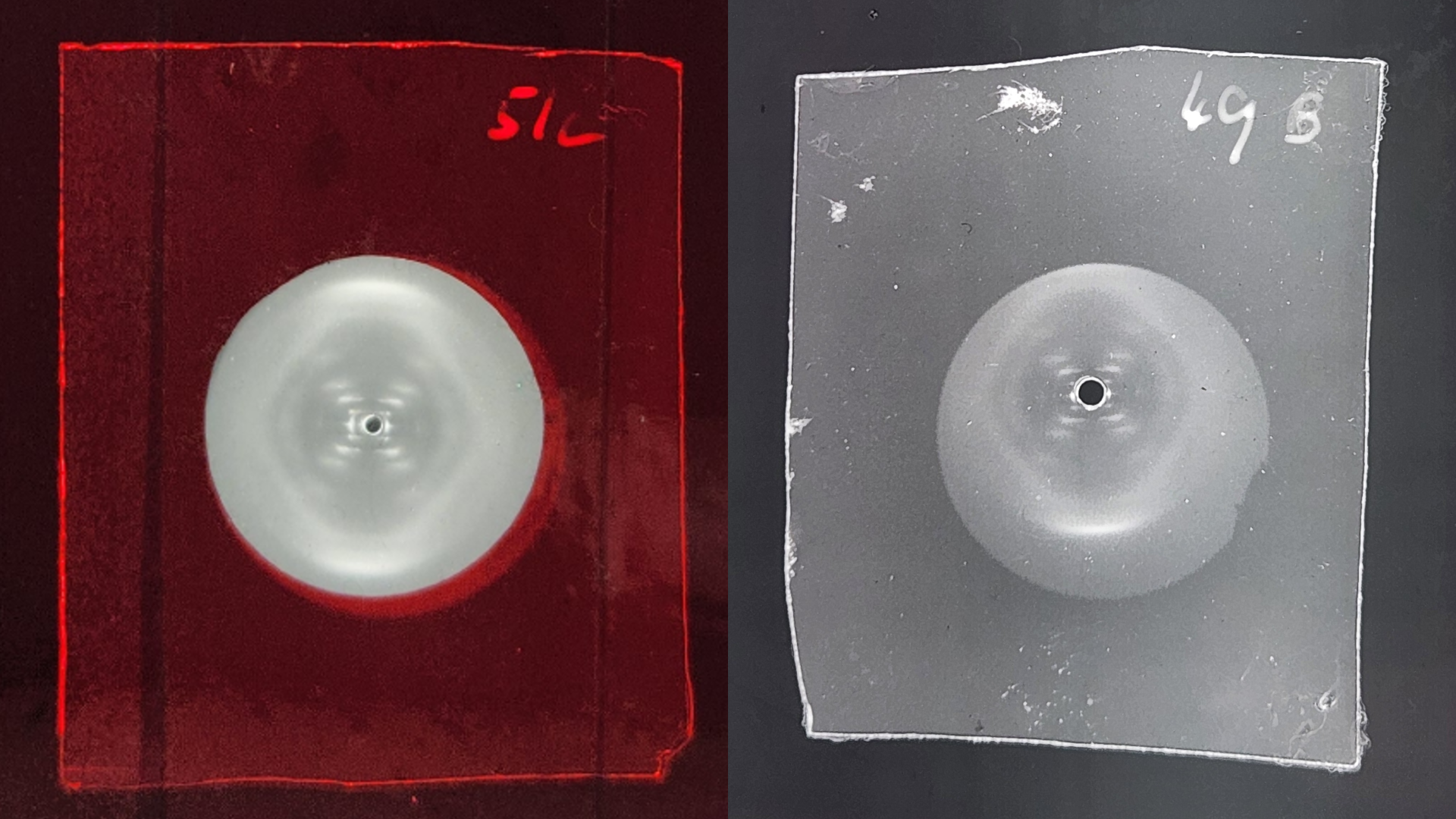
Rosalind Franklin, whose photographs of the molecular structure of DNA led to a 1962 Nobel Prize for three other scientists, knew that her famous images held the secret of the double helix, new research suggests.
An examination of archival material reveals that Franklin's Photograph 51, which was taken in May 1952 and later published to show the double-helix structure, was specifically taken for the purpose of publication — not, as some narratives have held, an experimental shot that Franklin believed was insignificant. The new research revealed that Photograph 51 was a new exposure of a sample Franklin had already photographed. She started Photograph 51 the same day she saw that photograph, Photograph 49.
"She took it because she wanted to get a really refined version," said study co-author Alistair Sponsel, a historian of science at the Science History Institute in Philadelphia. Making the effort to take a better photograph of the same sample is "a sign she knew she had something really important on her hands," Sponsel told Live Science.
Francis Crick, James Watson and Maurice Wilkins shared the Nobel Prize in Medicine for the discovery of the double-helix structure of DNA in 1962. As Watson told it in his 1968 autobiography, "The Double Helix: A Personal Account of the Discovery of the Structure of DNA," Franklin's photographs were his "aha" moment: "The black cross of reflections which dominated the picture could only arise from a helical structure," he wrote.
Rosalind Franklin (1920-1958) first took Photograph 49 and then Photograph 51, clues that she was aware of DNA's helical structure. (Image credit: Donaldson Collection via Getty Images)
Watson further implied that Franklin was a laboratory automaton, good at the X-ray crystallography techniques used to capture the images of the DNA molecule but bad at interpreting her own data. The new archival work, published Monday (Oct. 5) in the Journal of the History of Biology, suggests otherwise.
Franklin's dearth of published notes about Photograph 51 has been used to suggest she missed a major discovery. But Sponsel said her journals show she noted the possible helical shape and rich structural data in her notes for her first picture of the sample, Photograph 49, which she followed up with the more refined image in Photograph 51.
"In Franklin's mind, they were two different types of scientific image," Sponsel said. Photograph 49 was the experimental image revealing exciting new data. Photograph 51 was the showpiece to convey these findings with the most clarity and sharpness possible.
This new understanding of the relationship between the two images, and how Franklin perceived them, is the most important feature of the new work, Sponsel said, which he conducted with molecular biophysicist Brian Sutton of King's College London. The project began when the Science History Institute acquired a new collection of archival material from Rosalind Franklin and her graduate student Raymond Gosling. The two researchers also combed through the archives at King’s College London, where Franklin was working when she took the famous photos.
Sponsel and Sutton think that Franklin's notes and actions reveal why she didn't rush to publish Photograph 51 right away. Her scientific goals, laid out in a report she wrote in February 1952, were to understand the two separate structures of DNA, then known as A and B. Structure B, illustrated in Photographs 49 and 51, turned out to be the double helix that occurs in nature. Structure A is a form DNA takes when it's dehydrated in the lab.
Structure A, when photographed, appeared more data-rich, so Franklin decided to characterize that structure first before studying structure B. But while she did this painstaking work, Wilkins showed Watson her photographs of structure B. The two scientists, together with Crick, then built a detailed model of DNA's double helix and scooped the discovery from under her nose.
Those three men shared the Nobel Prize for the work less than a decade later. Franklin died of ovarian cancer in 1958, making her ineligible for the prize — and leaving her insights to come to light only much later.
Editor's note: This article was updated at 3:23 p.m. ET to fix the caption and subhead, noting that Rosalind Franklin had likely discovered DNA's helical, but not double-helix structure. Also, the top photo is not Photograph 51, but another photo taken by Franklin.
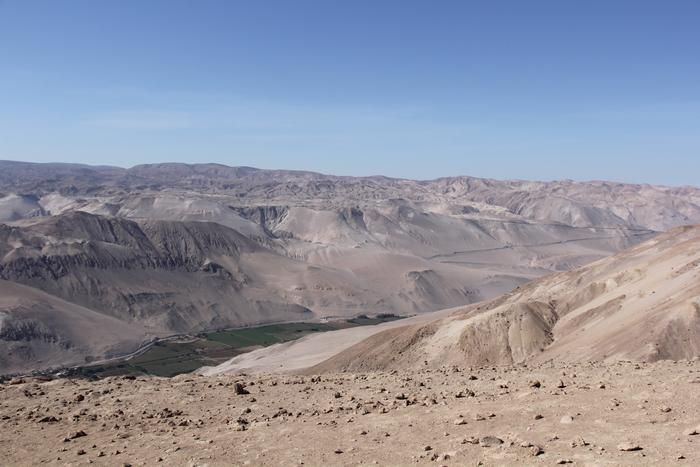
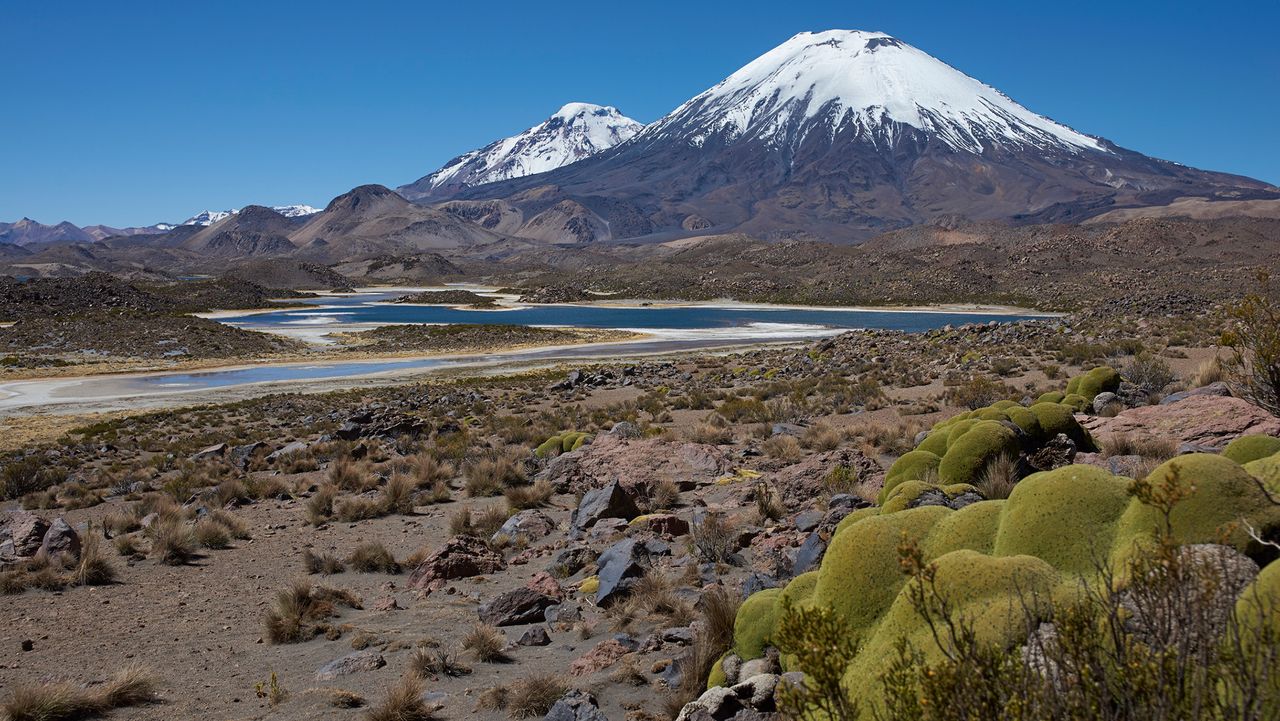
A volcanic eruption 22 million years ago froze a snapshot of the Andes in their youth, revealing a slow-and-steady formation of this formidable mountain range.
The eruption, which originated from the Lauca Caldera in what is now northern Chile, blanketed the landscape in a formation known as ignimbrite. This rock is left over after a pyroclastic flow — a mix of rock, volcanic gas and ash that sweeps over the landscape like a broiling tsunami. Pyroclastic flow is what buried the Roman town of Pompeii after the eruption of Mount Vesuvius in A.D. 79, preserving buildings and people where they fell.
Now, a new study published Sept. 11 in the journal Science Advances extrapolates the landscape under this Andean ignimbrite, revealing that it must have buried rolling foothills rather than craggy peaks.
"Pompeii shows how volcanic eruptions can freeze a moment in human history," Byron Adams, a geomorphologist at University College London, said in a statement. "This study shows that much larger eruptions can also freeze moments in Earth history, burying whole landscapes beneath volcanic deposits and preserving clues to how mountains were being built before the eruption. We cannot dig down to see the buried landscape, but we can use the shape of the volcanic blanket and what we know about how rivers shape mountains to infer what is hidden beneath it."
Volcano deposits, known as ignimbrite, that were incised by the Lluta River in northern Chile. (Image credit: Frances J. Cooper)
The original slope of the volcanic flow from Lauca Caldera was about 1.5 degrees, Adams and his colleagues wrote in the new paper. The researchers also calculated the erosion of the landscape to figure out how fast the rocks in the area were rising as the oceanic Nazca Plate pushed under the continental crust of South America, which is how the Andes were built.
They found that prior to the eruption, the uplift of the crust was no more than 0.16 mile (0.26 kilometer) per million years — quite a sluggish process. This finding corresponds to earlier work that used the formation of certain minerals within rocks to determine when a particular rock rose through the crust and approached the surface.
"There is debate over whether the Andes grew slowly and steadily over 40 or 50 million years or whether they rose extremely slowly and then popped up more recently, in the last six to 10 million years," Adams said. "Our findings, which cover a large part of the middle of that history, support the slow but steady hypothesis."
The same method could be applied to other mountain ranges worldwide, the researchers added.
Scientists have a new view of the ground under Los Angeles, and it's a bit shaky.
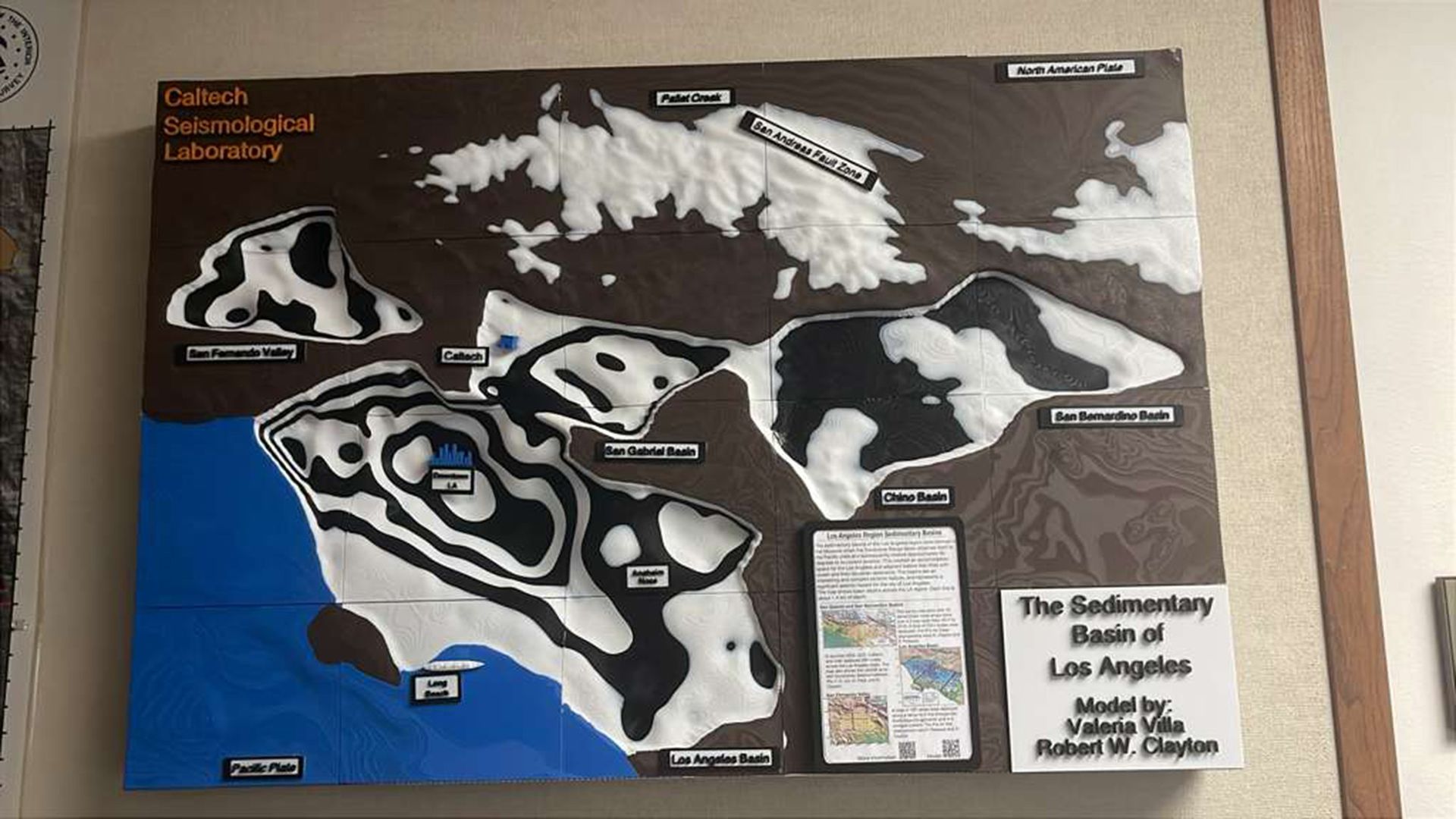
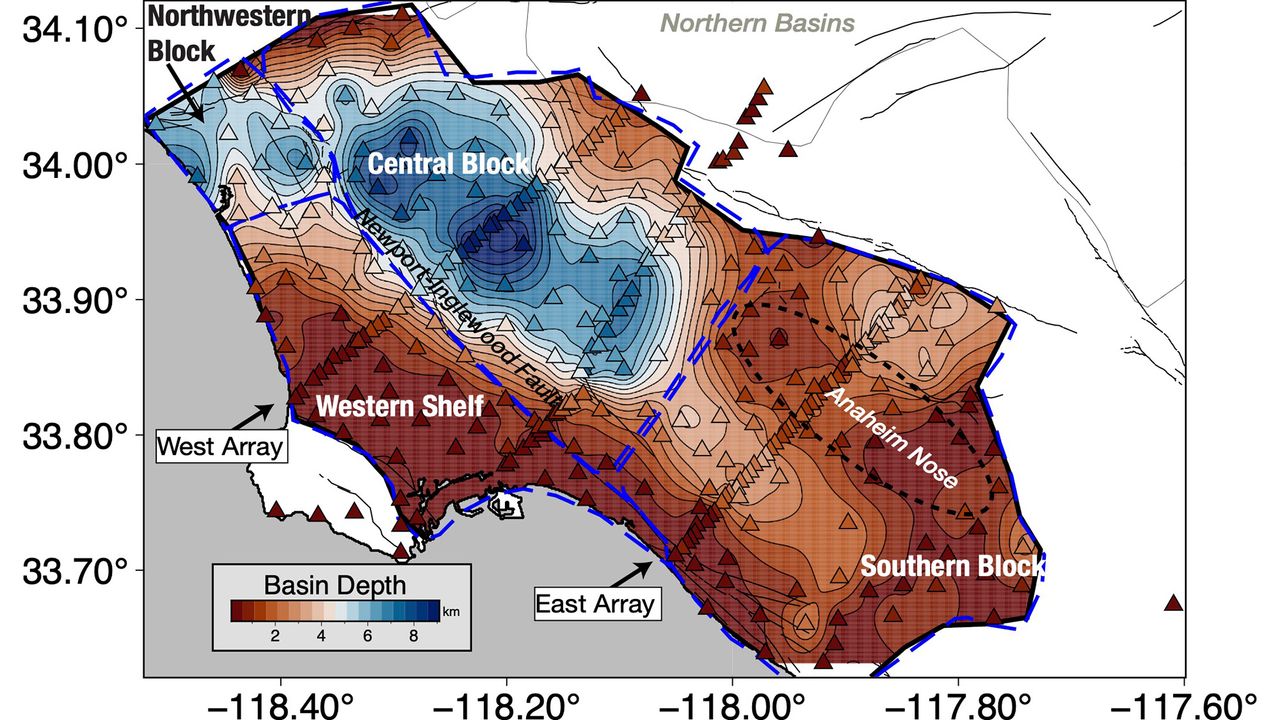
The 3D model of the Los Angeles basin shows that downtown LA is underpinned by up to 6.2 miles (10 kilometers) of sediment, which will likely amplify shaking from any earthquake that hits the region. That's not entirely new information, but the underground map is more precise than ever before, and it should help earthquake scientists better understand which areas of the city are most vulnerable.
"With this improved model of the basin, we now know the shape of the edges of the basin in a lot more detail," Elizabeth Cochran, a U.S. Geological Survey seismologist who was not involved in the study, told Live Science.
That's important, Cochran said, because irregular edges can focus or direct earthquake waves. In the magnitude 6.7 Northridge earthquake in 1994, Santa Monica experienced more shaking damage than expected because of the way the seismic waves traveled along the basin edge, she added.
Los Angeles sits in a sedimentary basin, a low spot where layers of sediment have accumulated for at least 15 million years. At first, the basin was underwater, so the lowest layers of these sediments were oceanic sediments. Later, when tectonic forces brought the basin onto dry land, additional sediment accumulated from the mountains nearby.
Researchers knew the general shape of the basin, but not in great detail. "Previous surveys were just linear arrays that went through just one cross section on the LA Basin, but this was the first full three-dimensional map," said Valeria Villa, a doctoral student at Caltech and co-author of the new paper describing the map, published Aug. 4 in the journal JGR Solid Earth.
A 3D-printed model of the LA sedimentary basin. (Image credit: Valeria Villa/Caltech)
The data from the new map came from 273 temporary seismic stations deployed around LA. These stations detected faint earthquake waves from distant quakes that couldn't be felt by humans. The paths and timing of these waves as they traveled helped researchers build a 3D map of the rock layers below the surface.
The central part of the basin, under downtown LA, holds the deepest sediments, which could amplify shaking. The edges of the basin are thinner, with 0.6 to 2.5 miles (1 to 4 km) of sediment before the hard crystalline rock that serves as the basin's bottom.
On its own, the map doesn't tell geophysicists exactly where shaking might be the worst in the case of a big LA earthquake, but researchers can now update their models and simulations to test different scenarios, Villa told Live Science. The damage will ultimately depend on a lot of factors, such as which fault causes the quake. Los Angeles is surrounded by many faults, including the famous San Andreas, which could give off a magnitude 7.8 quake that would jolt Southern California.
One important factor in the amount of damage to buildings during such a quake is "resonance" — whether buildings shake in time with the sediments below them, Cochran said. When buildings and sediments are in resonance, the damage is worse. A better understanding of the sediment layers beneath downtown LA will help researchers ensure buildings are designed to avoid resonating with the shaking basin, she said.
"You can, for example, change the stiffness of your building and do other things to offset this effect," Cochran said. "What is important is that you know what the ground is like, and what the larger geologic structure is like, underneath the region where you are building the building to know that this could be an issue."
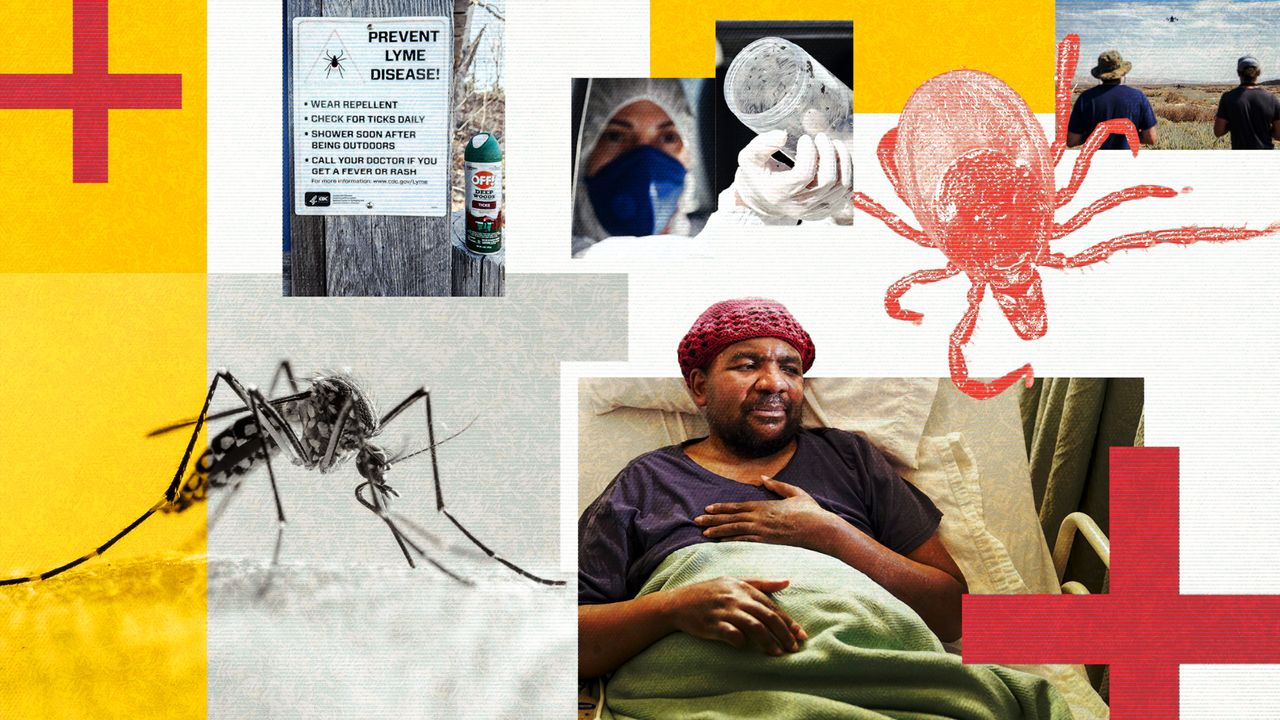
As the planet warms, our environment will be transformed, but so will our bodies. In this series, 'Burning up,' we investigate the health impacts of climate change, focusing on heat, air quality, food and infection risk. We also evaluate the promising solutions that could help us adapt to our warmer future.
To the untrained eye, Xiaoyu Shan's lab bench looked like a home gardening experiment gone bad: dishes filled with dirt — some that looked like mud pies and others that were bone-dry — and not a plant to be seen.
But those dishes held a warning. The dirt that Shan, a postdoctoral research associate in biology and biological engineering at Caltech, was studying contained soil microbes. And those soil microbes were exhibiting a concerning propensity: In dried-out soil, they were evolving to become more antibiotic resistant.
The study describing those findings, published in March, systematically showed that drought conditions could fuel the evolution of antibiotic-resistant bacteria. Most of this resistance is driven by humans' misuse of antibiotics, which spurs bacteria to evolve genes that help them ward off the drugs. But the Caltech study raised a new worry: As many places face increased drought conditions, climate change itself could act as a selective pressure that could supercharge the evolution of these drug-resistant superbugs.
"We can expect to have more resistant bacteria being selected for in certain places around the globe," said Dianne Newman, a Caltech microbiologist and co-author of the study.
Increased antibiotic resistance is just one way that climate change is likely to put new populations at risk of multiple types of infections.
And this increased disease burden will coincide with climate change scrambling supply chains, eroding nutrition and stressing our health in other ways.
"No individual metric really does justice to the overall risk and health and well-being of these multiple stressors being exacerbated all at once and compounding each other," said Marina Romanello, a principal research fellow at the Institute of Global Health at University College London.
Warm-weather disease
In the small mountain town of Bailey, Colorado, which lies at an elevation of 7,740 feet (2,360 meters), May often brings snowstorms that can blanket the ground in white even as the sun starts to bake the plains at lower elevations. But on Memorial Day 2026, the forest floor was dry and ticks quested their way along blades of grass, seeking a blood meal.
A mild winter in most of the country means ticks — and the diseases they carry — are a rising concern. In April, the Centers for Disease Control and Prevention (CDC) reported that emergency department visits for tick bites were at their highest for that month since 2017. That trend isn't a one-off, according to the CDC; as temperatures rise, insects and arthropods can survive longer in the year and farther north.
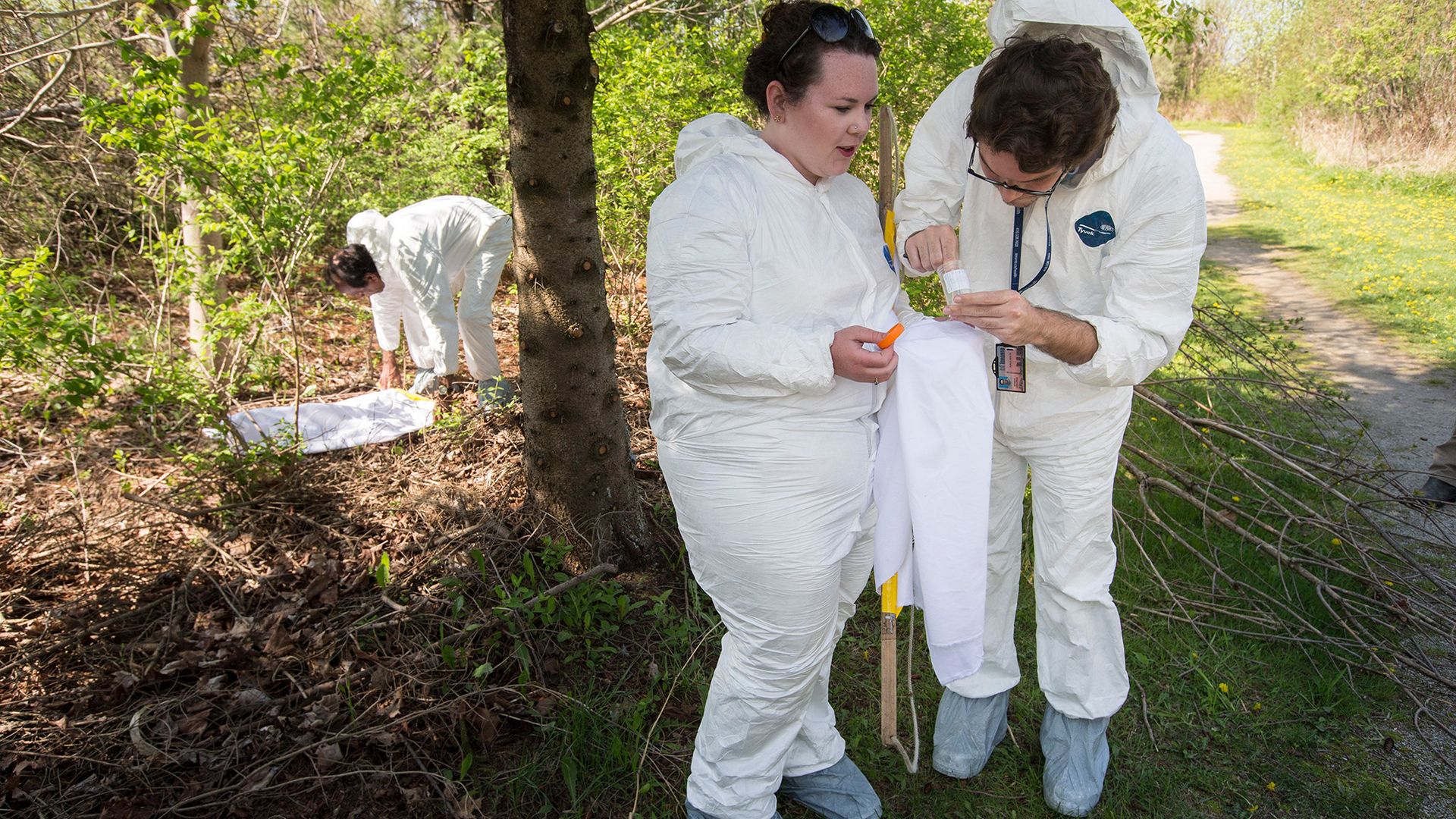
Public health workers in Ontario do a survey for black-legged ticks. Lyme disease, which is carried by the ticks, is spreading in new areas as the climate warms. (Image credit: Bernard Weil via Getty Images)
As a result, vector-borne illnesses such as Lyme disease (spread by black-legged ticks in the Ixodes genus) and West Nile virus (spread by mosquitoes) will become more common in increasingly northerly locations. Already, alpha-gal syndrome, which is not an infection but is transmitted by the Lone Star tick (Amblyomma americanum) and causes an incurable allergy to red meat, is also seeing a dramatic rise as the species expands its range across the Northeast. Positive tests for antibodies to the alpha-gal molecule have increased by 100 times between 2013 and 2024.
Right now, almost half a million people are treated for Lyme disease each year, and the CDC records more than 8,000 cases of other tick-borne diseases annually across the country. It's not clear how this will change as the climate warms. One 2022 study found major increases in Lyme disease only at levels of warming of 6.3 to 9.9 degrees Fahrenheit (3.5 to 5.5 degrees Celsius) by 2100, but that much warming that fast is now considered an implausible scenario. However, the researchers saw a huge amount of uncertainty in the numbers, given the number of variables that affect whether a spreading tick population will transmit more disease, such as how often people go outside or what steps they take to avoid tick bites. Tick-borne illnesses are likely also underreported, so even the true number of illnesses transmitted each year right now is unknown.
But ticks are responsible for spreading 90% of all vector-borne diseases in the U.S., so any trends in the suite of illnesses spread by ticks are likely to affect thousands to tens of thousands of people.
An even more ubiquitous bloodsucker, the mosquito, currently spreads only a few diseases in the U.S. The most common and most serious is West Nile virus, which mosquitoes catch from feeding on infected birds. As of Sept. 8, 504 cases of West Nile virus had been reported in the U.S. in 2026, with 363 of them affecting the central nervous system. And because fewer than 1% of West Nile cases progress to the central nervous system, those numbers likely represent a dramatic underreporting of milder cases, which can cause months of fatigue in some people, in addition to acute flu-like symptoms, such as fever, headache and body aches.
Mosquito-borne illnesses like West Nile are expected to spread more quickly in warming temperatures. Heat helps mosquitoes stick around longer during the year, much like it does for ticks. It also speeds up the transmission and replication of the virus inside the mosquito, since the insects are cold-blooded and thus their metabolism is ruled by the weather.
"Except for places that are already really, really warm, we should expect that the replication rate of the virus inside the mosquito will speed up," said John Drake, director of the Center for the Ecology of Infectious Diseases at the University of Georgia. "That shortens the generation time, and that means we expect there to be more transmission."
Even though mosquitos love water, climate-related drought could ironically nearly triple the number of human West Nile cases in the U.S. over the next 30 years from around 2,000 reported cases (according to CDC data) to between 5,000 and 6,000. That's likely because in drier conditions, more mosquitoes are infected, possibly because birds, the intermediate host of the virus, either congregate more closely with mosquitoes around water sources or breed less readily in drought, meaning the fraction of birds that carry the virus is higher than in more water-abundant times.
Except for places that are already really, really warm, we should expect that the replication rate of the virus inside the mosquito will speed up. That shortens the generation time, and that means we expect there to be more transmission.
John Drake, director of the Center for the Ecology of Infectious Diseases at the University of Georgia
Mosquito-borne diseases long ago eradicated from the U.S. could also resurge with warming temperatures. The southeastern United States will become more prone to malaria and dengue fever transmission under all levels of warming; summer 2026 saw more than 40 locally-acquired cases of dengue fever in Florida. Public health surveillance and disease-control measures have largely stopped those transmission chains, but the likelihood is that society will have to pour more money into beating these diseases back again in future decades. For example, there are malaria vaccines approved for children, but currently, they are recommended only in areas where the illnesses are endemic. If malaria were commonly found in the southern U.S., millions of Americans might need vaccines, including susceptible adults.
"If we were to get endemic diseases like those in the U.S. again, it could become a huge burden and it could be quite costly," Drake said.
Disaster and disease
Flooding is another factor that's exacerbating vector-borne disease under climate change. As climate change worsens, extreme weather events will, too. Because warm air can hold more moisture, many areas will see increased episodes of heavy rainfall and hurricanes will become more intense.
"Flooding creates habitat for these mosquitoes," Drake said.
Disasters also spur the spread of other diseases that are usually quite rare in the U.S., such as leptospirosis, a bacterial infection that spreads from animals to humans via animal urine. Floodwaters may be contaminated by the bodies of drowned animals; in 2022, after Hurricane Fiora hit Puerto Rico, leptospirosis cases leapt by a factor of 3.6 to over 10 cases a week.
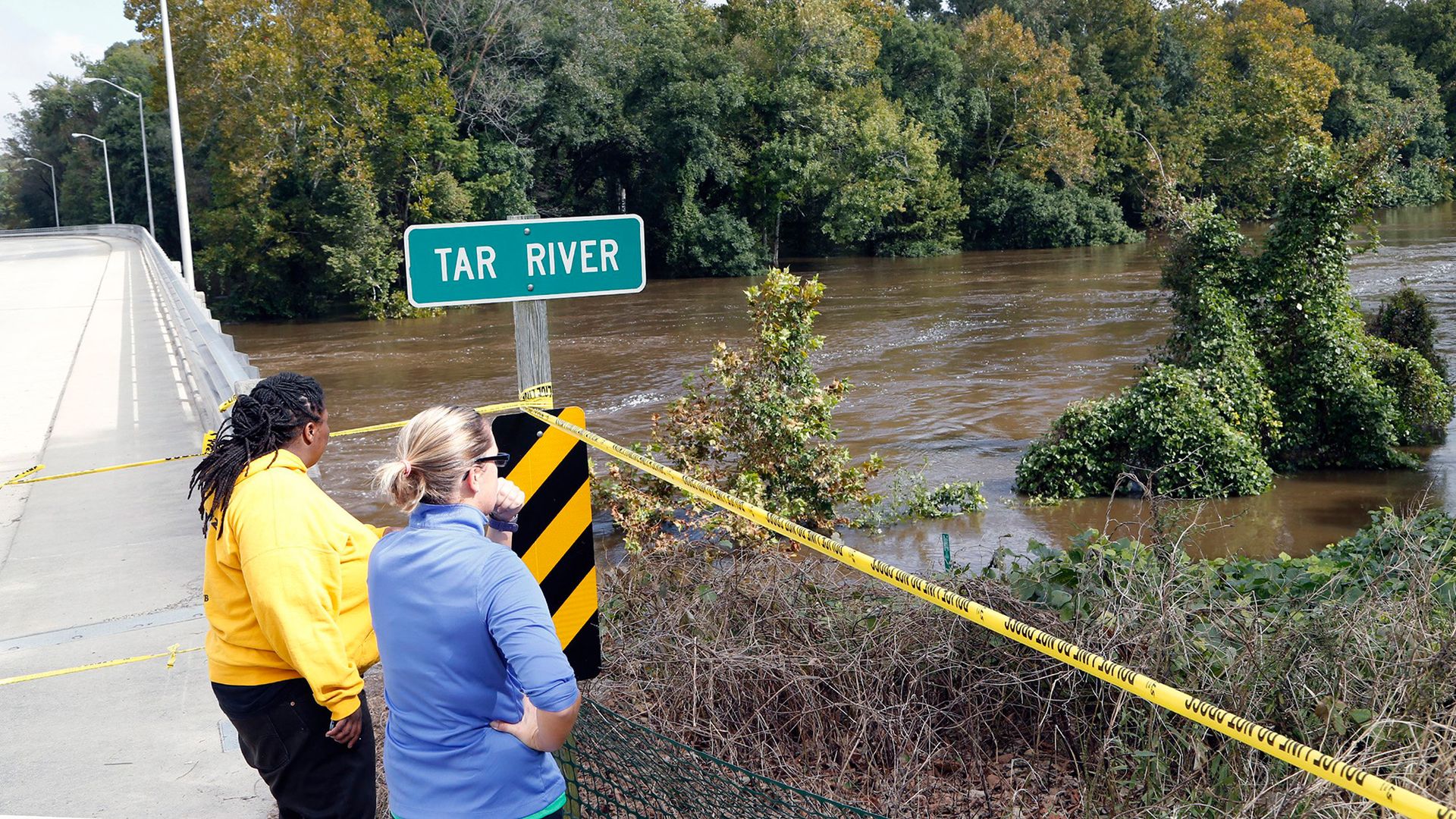
After Hurricane Matthew, emergency visits for gastrointestinal disease increased 11%. (Image credit: Raleigh News & Observer via Getty Images)
After Hurricanes Matthew and Florence in 2016 and 2018, respectively, North Carolina saw an 11% increase in emergency department visits for gastrointestinal illnesses. Black and American Indian residents were the most affected, likely because discrimination over generations has disproportionately pushed Black Americans and Native Americans to less desirable, more flood-prone land, the researchers found.
Cycles of precipitation, drought and subsequent dust storms can spur the spread of Valley fever, a fungal respiratory disease that causes an estimated 700 to 1,100 deaths per year, mostly in the U.S. Southwest. Valley fever is already on the rise, with cases in Arizona, one of the hotspots for the disease, doubling from about 64 cases per 100,000 people in 2005 to 145 cases per 100,000 people in 2022. As the West warms and dries, Valley fever is likely to spread from its stronghold in the Southwest and become endemic in Idaho, Wyoming, Montana, Nebraska, South Dakota and North Dakota, putting millions more people at risk.
The infectious disease risk from natural disasters tends to stack on top of other health problems stemming from these catastrophes. Flooded buildings can harbor mold that can worsen allergies, asthma and other respiratory illnesses. When major storms cause power loss, people turn to generators for electricity, which release pollutants linked to asthma. Though it's often hard to track the effects of these disasters, one study found that flooded regions after Tropical Storm Imelda in Texas in 2019 saw 10% more emergency department visits for asthma than nonflooded regions did.
Moreover, the threat to life and livelihood from these disasters can cause mental health conditions, such as post-traumatic stress disorder, Romanello said. The problems compound on each other, she said; already, she has heard reports from Africa about malaria outbreaks, fed by warming, and health workers struggling to reach the affected regions because flooding, also exacerbated by warming, has washed out roads.
"What is the most concerning aspect is that all of that is happening together, so we're seeing all of this risk being exacerbated at once," she said.
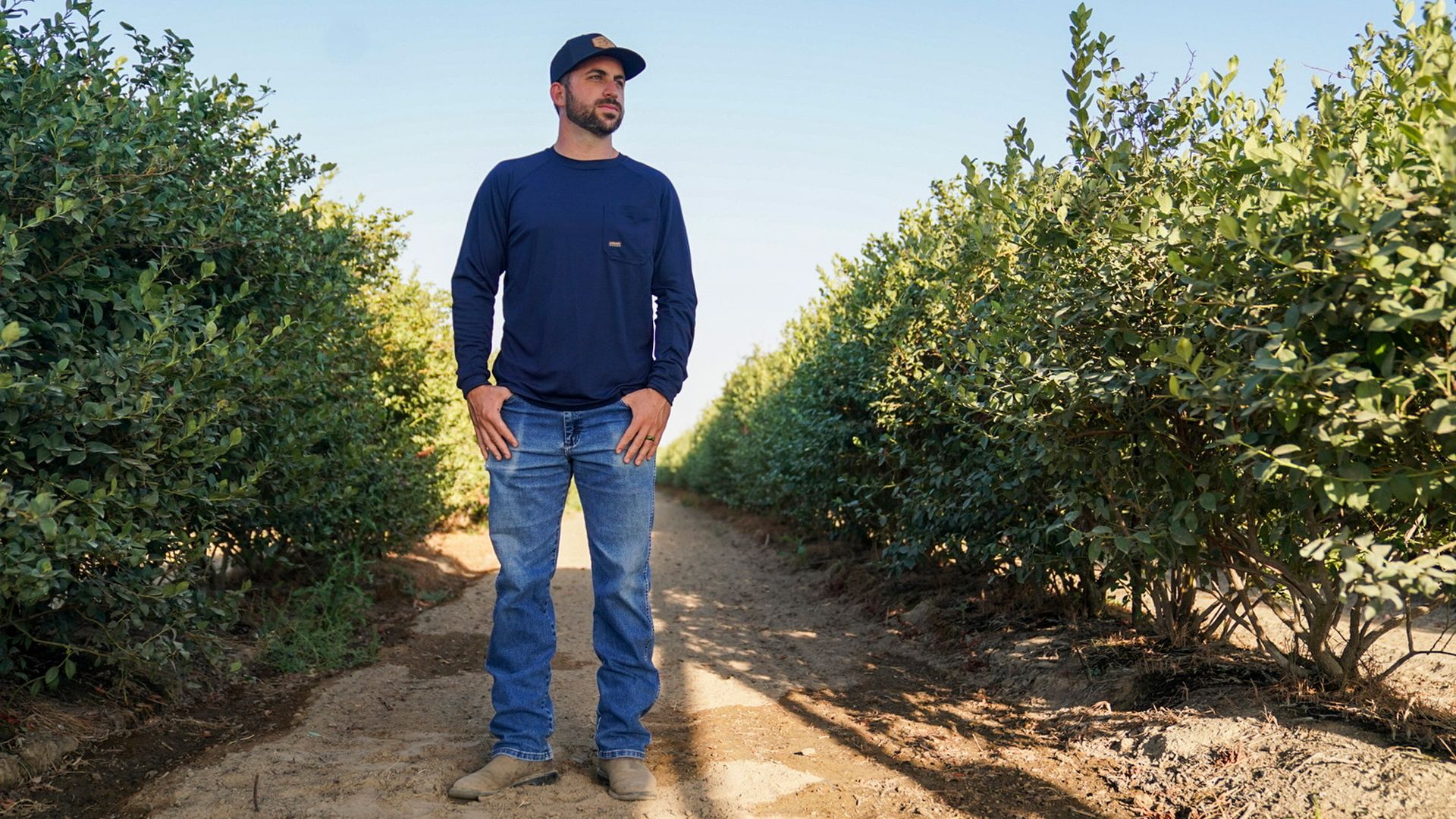
Jace White of Fresno acquired Valley Fever while working on his family farm. Valley fever is predicted to become more common with climate change. (Image credit: The Washington Post via Getty Images)
Antibiotic resistance on the rise
As Newman and Shan's work shows, as spots around the U.S. face new infection risks, existing treatments may become less effective. Their work showed that drought concentrated the natural antibiotics that bacteria make in the soil, making it harder for bacteria susceptible to the compounds to survive. As a result, the microbes with genes for antibiotic resistance did better. The problem for human health is that bacteria are very good at gene swapping, so these soil microbes can easily pass their antibiotic resistance superpowers to bacteria that infect people, their research showed.
"Gardening, breathing dust — that's how it happens," Newman said of human and soil bacteria coming into contact. "We are constantly encountering bacteria in our environment."
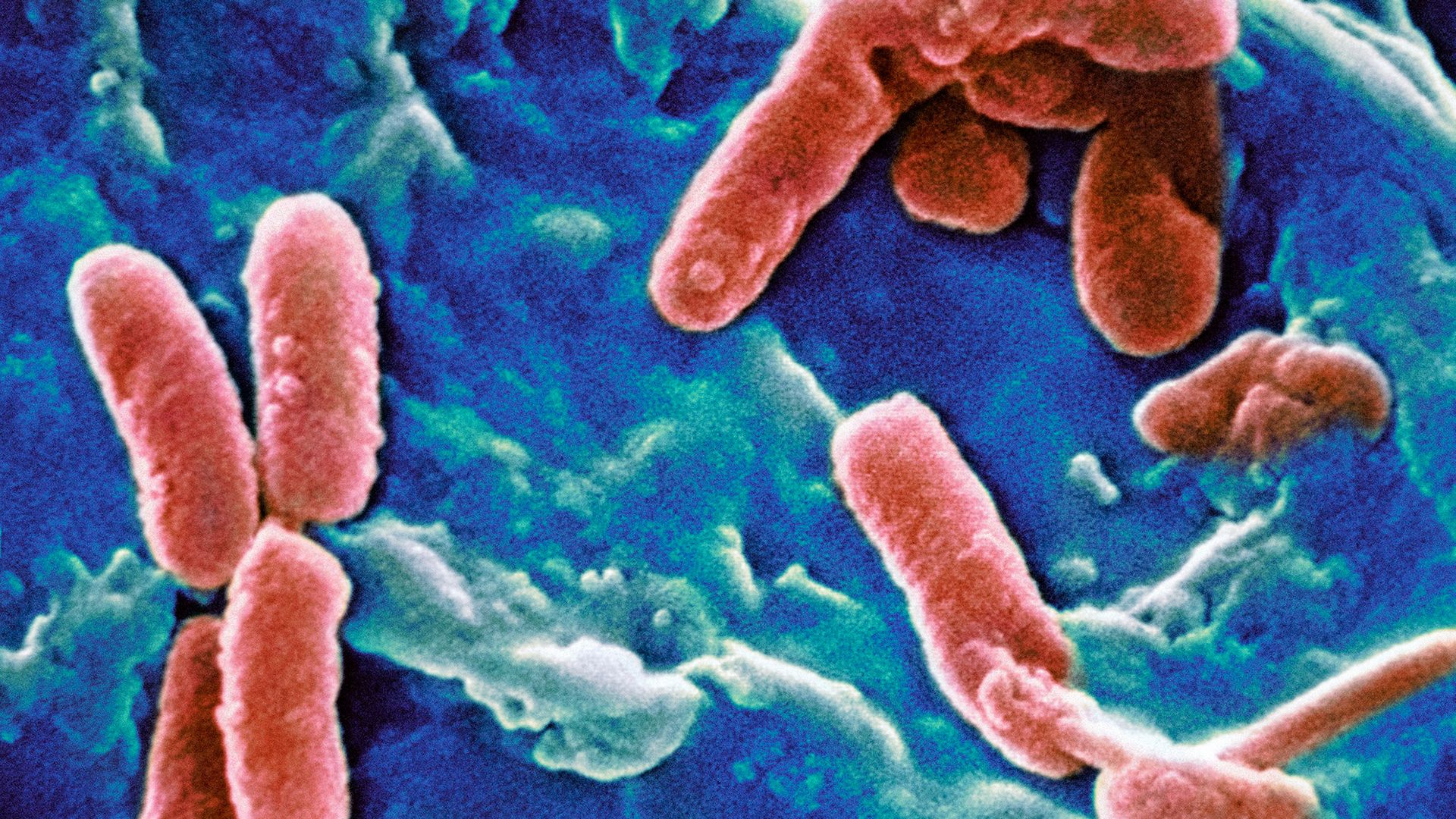
A scanning-electron microscope image of Pseudomonas aeruginosa. Recent research suggests that drought could fuel the rise of drug-resistant versions of such pathogenic bacteria. (Image credit: CDC/SCIENCE PHOTO LIBRARY via Getty Images)
The researchers found an association between drought and antibiotic resistance reported by hospitals.
They aren't the only ones. A recent study on Salmonella, a bacterium that causes about 1.35 million cases of food poisoning each year in the U.S. alone, found that temperature and rainfall promote antibiotic resistance in this microbe. "Globally, climate change was linked to about a 10% increase in Salmonella resistance gene abundance," said study first author Zhen-Chao Zhou, an ecology researcher at the Chinese Academy of Sciences in Beijing. Other microbes show similar effects.
Meanwhile, warmer conditions help bacteria grow faster, adapt to stress and swap resistance genes, Zhou said, while drought concentrates them in limited water sources where they mingle freely. Climate-change-induced flooding can then, in theory, spread the resistant genes far and wide.
Combating the compounding risks requires both public health and climate mitigation approaches, experts say. Not only does the world need to cut greenhouse gas emissions, but people also need to use antibiotics more carefully, Zhou said; improve sanitation practices, such as sewage management, around the world so that antibiotic-resistant strains don't spread as easily; strengthen food safety; and expand disease surveillance. The public also needs to understand that climate change is a health issue, Romanello said.
"When we talk about tackling greenhouse gas emissions," she said, "what we're talking about is a sustainable livable future with healthy economies."
As the planet warms, our environment will be transformed, but so will our bodies. In this series, we investigate the health impacts of climate change, focusing on heat, air quality, food and infection risk. We also evaluate the promising solutions that could help us adapt to our warmer future.
With only a couple of months to go before the harvest season for winter wheat in Colorado, the crop faced a whiplash: After a warm, dry winter, a cold snap plunged the plants into freezing weather for 12 hours, and temperatures soared to nearly 90 degrees Fahrenheit (32.2 degrees Celsius) two days later. When the final harvest numbers were tallied in July, 73% of the crops were in poor or very poor condition. According to early estimates by Colorado Wheat, 2026's winter wheat crop was the smallest in the state since 1965.
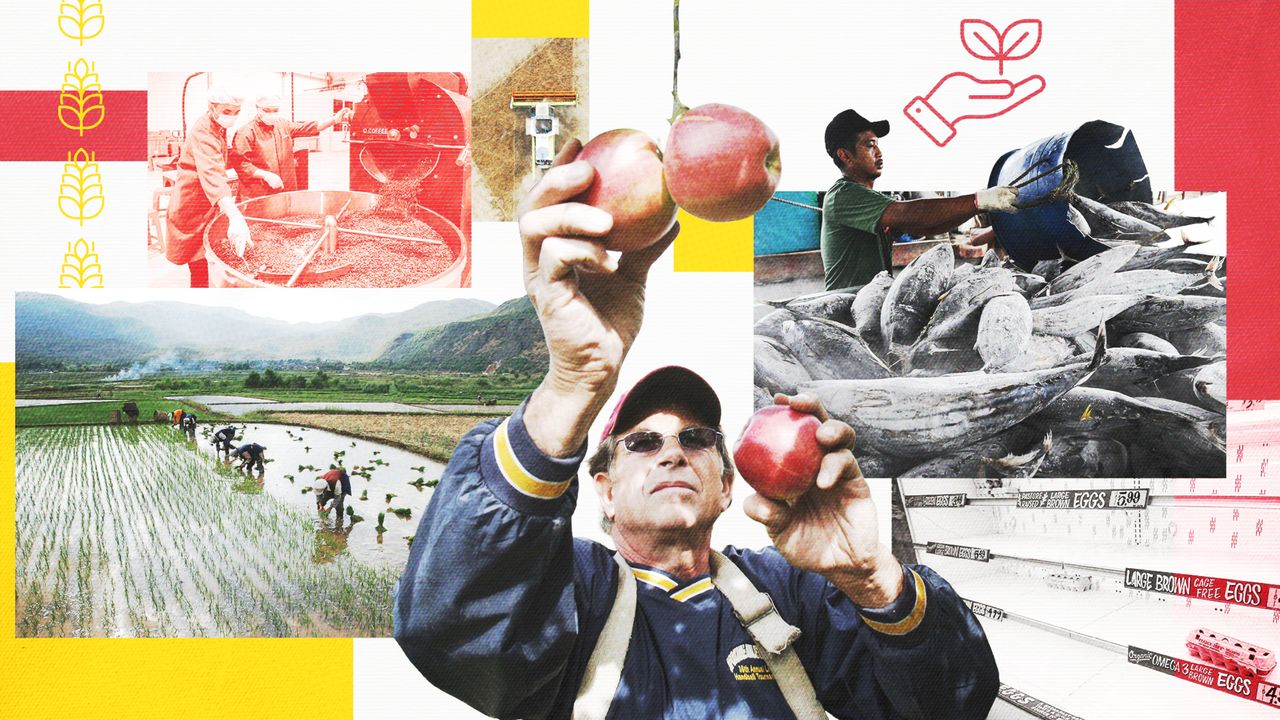
Pick a crop, any crop, and you'll hear a similar story: Extreme weather and climate change are rocking the food supply. The warming climate makes food less nutritious, threatens crop survival, and triggers tipping points that would upend farming as we know it.
The impacts will be felt most intensely in less-developed regions of the world, where many people can't afford imported food and climate-related famines and nutritional scarcity are already happening.
Climate change is threatening farming around the globe. (Image credit: Jason Edwards/Getty Images)
But the U.S. is facing big changes to its food systems too, and no one is immune. Humans have overcome looming agricultural disasters before, but experts say the challenge should not be underestimated.
"There are real food security and nutrition concerns," said Andrew Hultgren, an environmental economist at the University of Illinois, Urbana-Champaign, "especially under these high-warming futures."
Food is becoming less nutritious
As the planet warms, food crops are expected to become less nutritious. That's because, due to plant biology that's not yet fully understood, crops grown under higher levels of carbon dioxide are deficient in zinc, protein, magnesium, iron and other micronutrients.Crops are already less nutritious than they were in the 1950s, but this is partly due to breeding decisions that prioritize yield over nutrition. The carbon dioxide deficiencies will exacerbate this nutrition decline.
The global monthly average concentration of carbon dioxide in the atmosphere is now over 420 parts per million (ppm), well over the preindustrial average of 280 ppm. By the end of the century, those levels will increase to at least 550 ppm in all but the most optimistic scenarios.
That will mean an additional 175 million people will be zinc deficient and an additional 122 million people will be protein deficient by 2050, a 2018 study found. Zinc deficiency has consequences for immune and skin health and may lead to poor growth in childhood; protein deficiency can also cause stunted growth as well as fatigue, muscle weakness and stress fractures. Those figures account only for the effects of carbon dioxide. A cascade of climate shifts and extreme weather may also affect the number of nutrients (and calories) available to the world.
The threats are myriad: Rising sea levels may inundate farmland and lead to saltier soil in coastal regions where, for example, rice farming is common. Soil salinity can make it impossible to grow crops in some regions. Droughts, heat waves, storms or temperature swings like those seen in Colorado this year might take out certain crops in particular places, leading to year-by-year price spikes or shortages. In the U.S., the results might look a lot like the recent egg shortages triggered by bird flu; temporarily empty shelves, price spikes, or even restrictions on the amount a customer can purchase in a visit for an affected food.
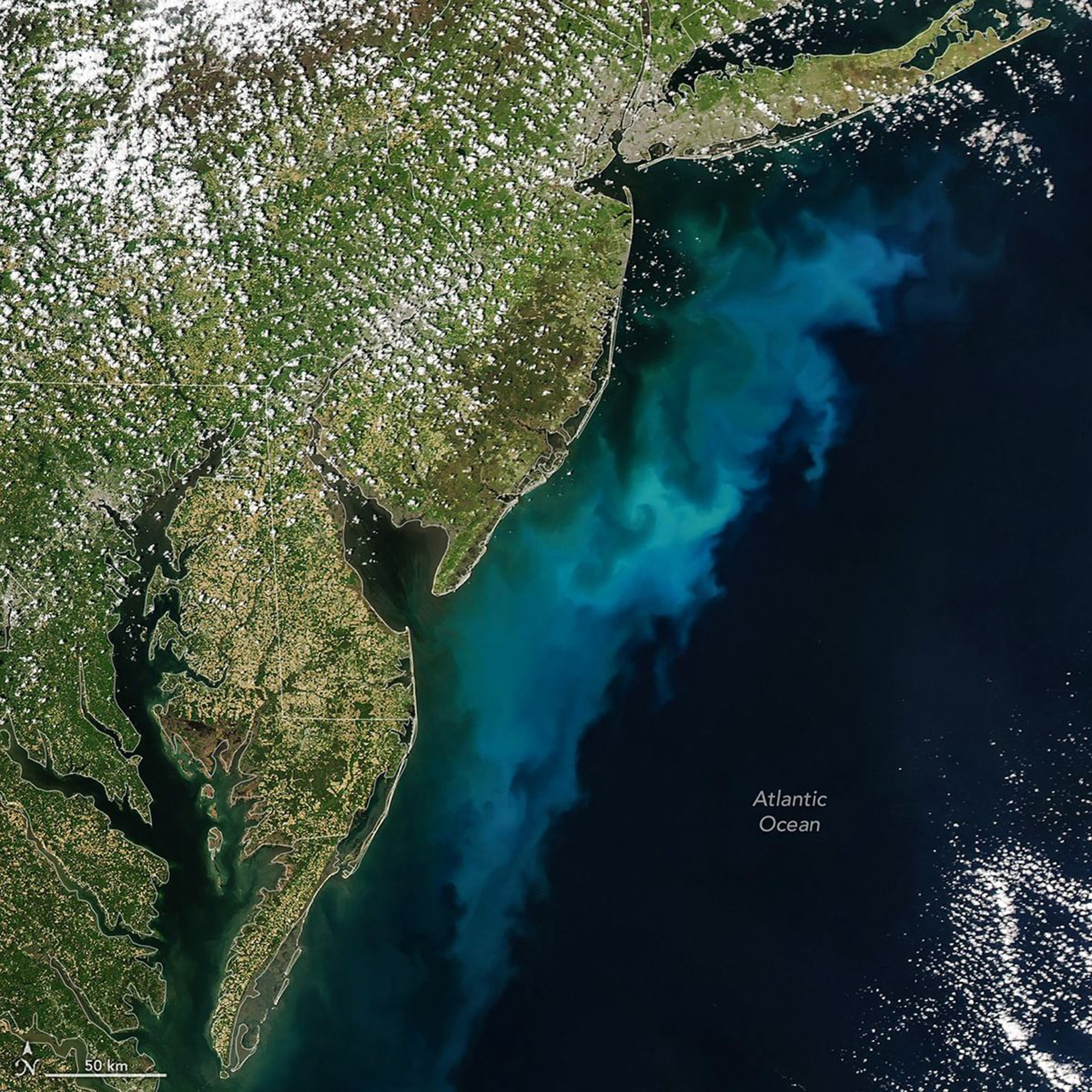
Phytoplankton blooms, like the one that grew off the Atlantic coast in April, can make seafood toxic. Such blooms will become more common as climate change worsens. (Image credit: NASA Earth Observatory/Michala Garrison)
Climate shifts that harm pollinators and fuel the spread and introduction of plant pathogens such as harmful fungi will also likely reduce crop yields.
Areas that depend on the ocean for food are also facing steep challenges, due to both ocean acidification and the degradation of coral reef ecosystems, which are sources of food for many coastal communities and form much of the base of food chains for the larger fish people eat.
Hotter weather also affects food safety, said Christopher Golden, a professor of nutrition and public health at the Harvard T.H. Chan School of Public Health.
"Increasing sea temperature and increasing sedimentation within seas could lead to harmful algal blooms or increasing food poisoning events from temperature-related food spoilage," Golden said. Algal blooms can contaminate shellfish like oysters or scallops with neurotoxins that can sicken and kill people who eat them. Food spoilage is a concern in regions such as Madagascar, where catches are brought ashore and readied for consumption in the open air.
Meanwhile, fish may move poleward to avoid the hottest sea temperatures, leaving the most vulnerable regions — such as Southeast Asia, the Caribbean, Africa, Central America and the Pacific — with fewer fish in their waters. How bad this looks depends on the extent of the climate swings, with research suggesting that without any mitigation, fishers could see their catches decline by 58% to 92% off small islands in the Pacific and by 70% to 86% in Southeast Asia. This would drive food insecurity and malnutrition in those regions. The U.S. will likely face impacts too, as most of its seafood is imported from subtropical or tropical waters elsewhere.
Climate change is bad in that it's a slow-moving wave. You don't really notice that it's shifting underneath you and that the apple you eat isn't the apple your granddaughter will eat.
Elizabeth Wolkovich, professor of forestry at the University of British Columbia
There may be shifts in trade networks that lessen the blow for U.S. consumers, Golden said, but it's hard to predict. Some possibilities include "price shifts or trade shifts that lead to changing dietary patterns or more shelf-stable and heavily processed items that we know aren't good for your health," he said. In other words, less fresh-caught snapper and more potted meats.
Changing foods on the table
Individual producers are adapting, sometimes in ways that may not be immediately obvious to consumers. "Climate change is bad in that it's a slow-moving wave," said Elizabeth Wolkovich, a professor of forestry at the University of British Columbia. "You don't really notice that it's shifting underneath you and that the apple you eat isn't the apple your granddaughter will eat."
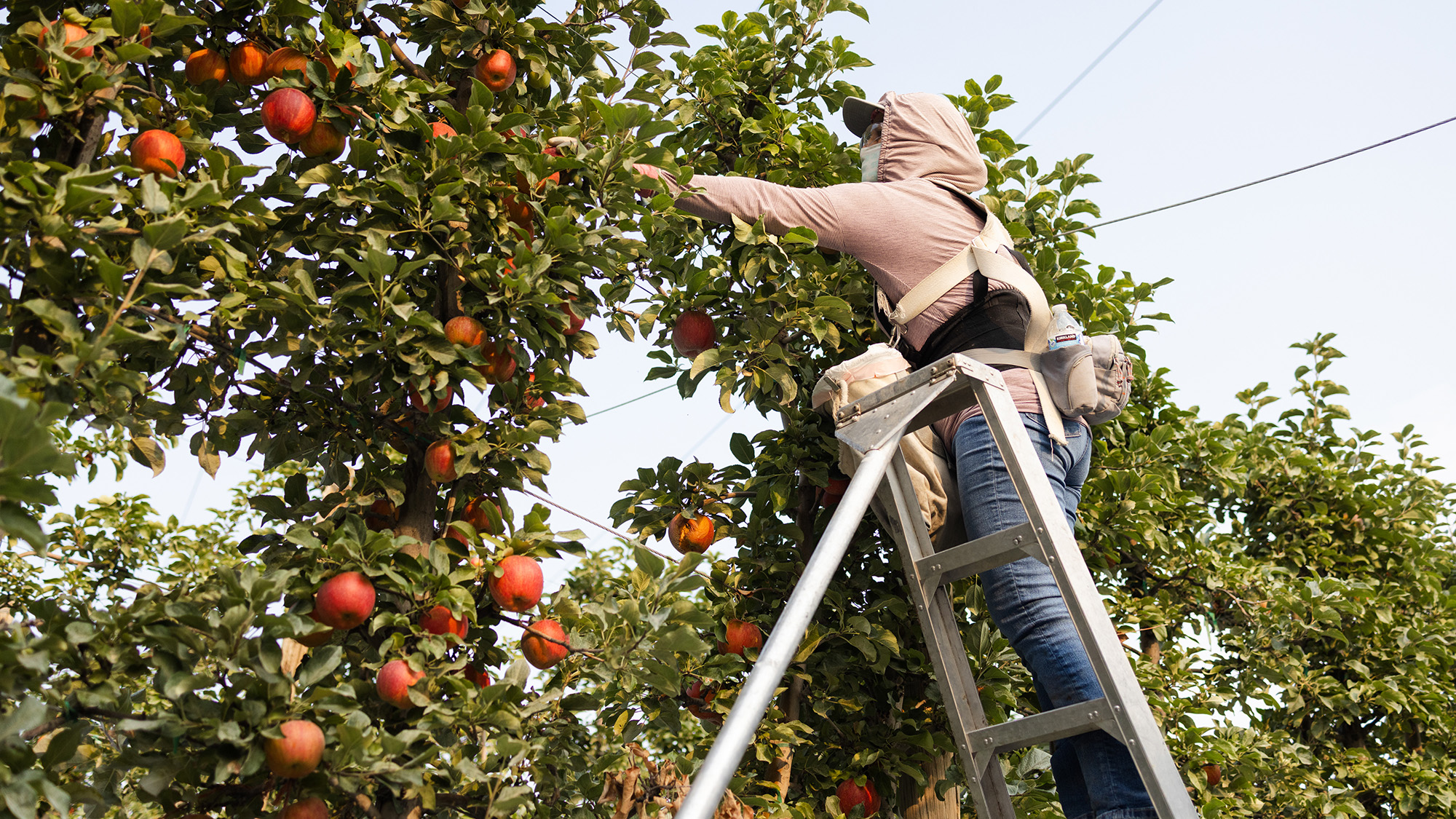
On that note, growers in the Pacific Northwest and U.S. Northeast will face challenges getting apples to lunch boxes around the world. Fewer cold days and more extreme-heat days will likely reduce apple yields by affecting how and when trees go dormant and bloom. Because it takes five or more years to establish fruiting trees in new regions, this could mean a reduced apple supply and higher prices.
Today's smooth arabica coffee (Coffea arabica) varieties may get harder to find and more expensive as climate change forces coffee growers out of many of the places they used to farm and droughts reduce supply. Earthier, more bitter robusta coffee beans (Coffea canephora) do better in warming temperatures, but even those beans could struggle with increasing seasonal variability caused by climate change.
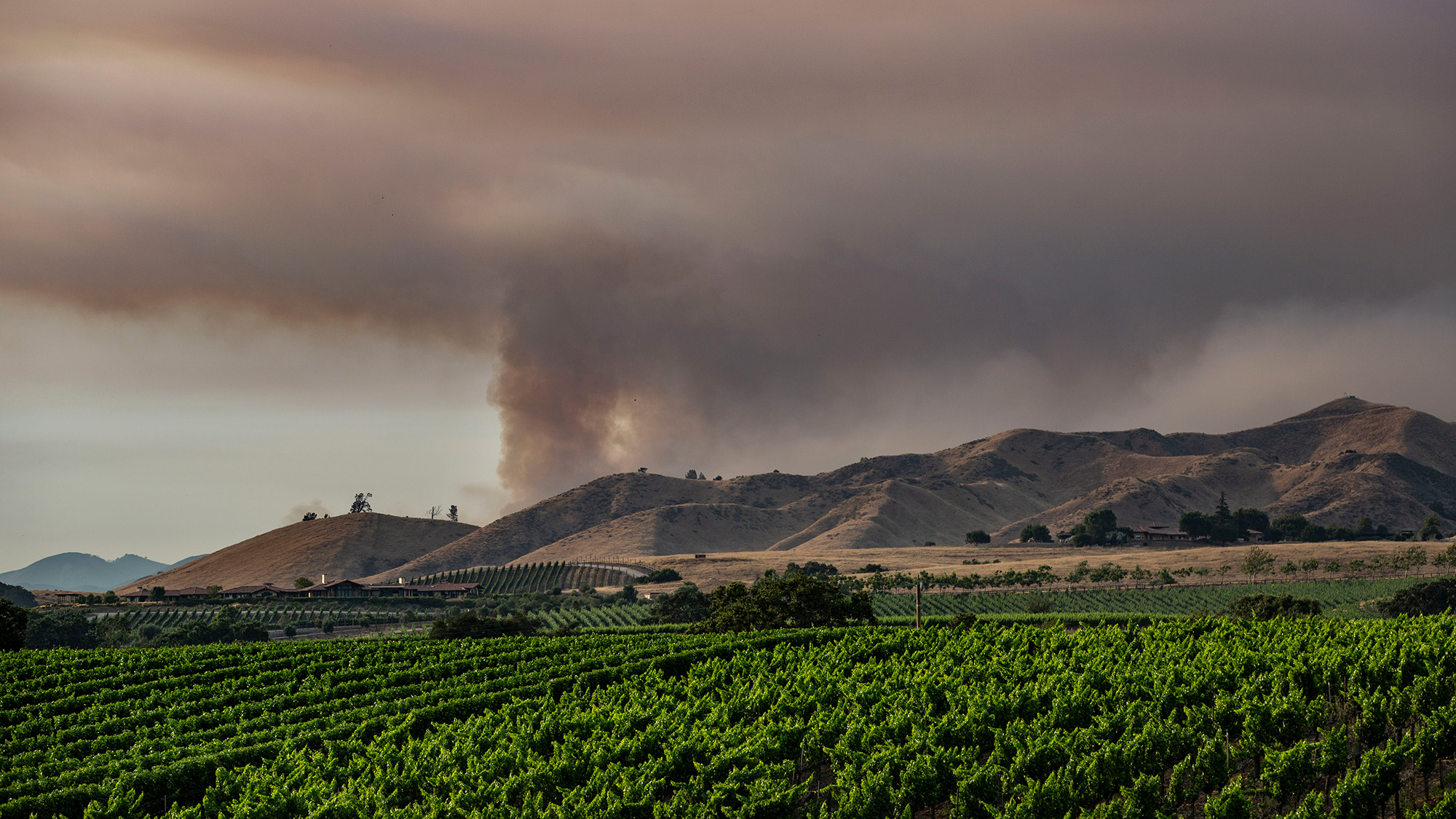
Climate has already shifted wines in favor of less-acidic and higher-alcohol varieties, Wolkovich said, but it's happened slowly enough that, unless you're a connoisseur, you may not have noticed. Wine lovers can expect more changes: Wolkovich has found that the varieties of wine grapes that growers can produce will shift with climate change. Wildfires in grape-growing regions like California can also produce an unpleasant acrid and smoky flavor in wine.
Wildfires, which will become more common, can lend a smoky, acrid flavor to wines. (Image credit: George Rose via Getty Images)
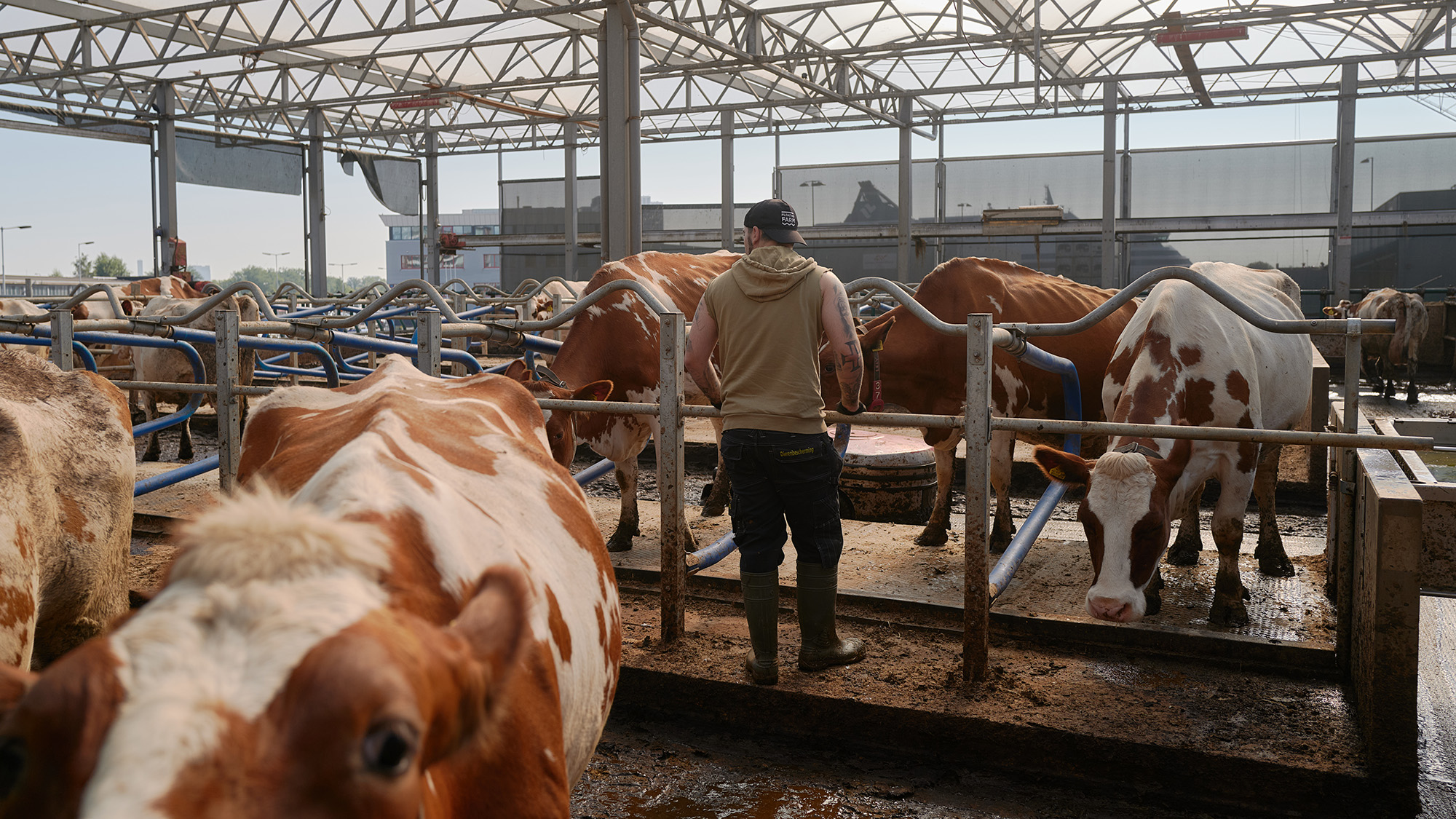
And it's not just flavors that will be affected. U.S. dairy cattle breeds originated in cool and cloudy Northern Europe, and their milk output goes down as temperatures climb. Such heat stress reduced annual milk yield by an average of 1% a year between 2012 and 2016 alone, and heat-related losses are expected to balloon by 30% by 2050.
Americans have long been drinking less milk from the glass, but their demand for yogurt and cheese is rising, said Jared Hutchins, an assistant professor of agricultural and consumer economics at the University of Illinois Urbana-Champaign and first author of the study on milk yield. Those products depend heavily on the fat and protein content in milk, which is the first thing to drop when cattle are hot. "Fat and protein are what deliver the cultured dairy products that are in high demand," Hutchins told Live Science.
For many of the European cattle breeds currently used in dairy production, overall yield, as well as the protein and fat content, decrease in hotter conditions. (Image credit: Pierre Crom via Getty Images)
The story repeats itself across agricultural products, Hultgren said. "For each degree of that global temperature rise, caloric output [from crops] drops by 120 kilocalories or U.S. calories per person per day," he said, "which is about 4.5% of a person's daily recommended caloric intake."
That calculation, published by Hultgren and his colleagues in the journal Nature in 2025, already accounted for adaptations that farmers can make to reduce crop losses. Without those adaptations, the number would be over 30% higher, he said.
Reductions in available calories will translate to food shortages in vulnerable places, such as the Horn of Africa or India, said Marina Romanello, executive director of a multinational research project that tracks the impacts of climate on health at University College London. In North America, "it would feel like inflation," Hultgren said — yet another factor driving up grocery prices.
Worst-case scenarios
For farmers, the year-by-year uncertainty of climate change is a problem. Will this year bring drought? Will there be a sudden storm or flood that will wash away the spring crop? Should they take a risk on a new heat-resistant plant or agricultural technique?
Similar uncertainty haunts the long-term forecast. Climate tipping points can lead to sudden, irreversible changes in the system. For agriculture, one of the scariest tipping points is the potential collapse of the Atlantic Meridional Overturning Circulation (AMOC). This pattern of ocean currents brings warm surface water north from the equator and circulates cold water south, warming Northern Europe and the northern parts of North America and cooling the Southern Hemisphere.
If this current were to collapse, northwestern Europe would cool dramatically, with studies suggesting that London could see temperature lows of minus 4 F (minus 20 C) — colder than the city's lowest temperatures on record. Precipitation would decline across Europe, leading to drought. Meanwhile, in the Amazon, the wet season could become the dry season and vice versa, said René van Westen, a climate researcher at Utrecht University in the Netherlands who has studied the impacts of an AMOC collapse.
On the other hand, if the AMOC doesn't collapse, London is expected to warm by 4.9 F (2.7 C) and see 15% to 18% more precipitation, depending on the season. The uncertainty in these predictions makes preparations difficult. There is still a lot of controversy over whether the AMOC will collapse and, if so, when. Should farmers plan for England to become increasingly toasty, or should they expect it to be plunged into a little ice age?
AMOC-related changes will take decades to centuries to unfold, even with a total collapse, van Westen told Live Science. But even so, they would require a total rewriting of agriculture in Europe and the northeastern U.S. "It will be very challenging to adapt to such a scenario," he said.
That doesn't mean a collapse of the world food system is inevitable. Farmers are already adapting to the early impacts of climate change by scaling back water-hungry crops in drought years and, in some places, testing new, heat-resistant varieties of crops in an attempt to stem the losses.
The apples we eat now, like honeycrisps, may not fare well under climate change. (Image credit: Bloomberg via Getty Images)
And humans have overcome looming disaster in agriculture before: In the 1950s and 1960s, new varieties of rice and wheat, along with the availability of synthetic nitrogen fertilizers, spurred the "Green Revolution," tripling the world's yield of cereal crops while expanding farmland by only 30%. Similar innovations could limit hunger even as the world warms.
But the biggest way to mitigate these impacts is the most obvious one. While Hultgren and his colleagues found that adaptation could cut caloric losses under climate change by 30%, mitigating warming by reducing emissions today could slash them by half. Similarly, the AMOC is on a path toward weakening, van Westen said, but as long as humans slow the pace of climate change, the current can recover.
"If you are cutting your emissions," van Westen said, "you can lower your risk."

 Login