❌

Reading view

"Dangerous" AI models are coming no matter what

Late last week, Anthropic took its new Claude Fable 5 and Mythos 5 AI models offline following a United States government export-control directive barring “any foreign national” from using the services. The company has been in talks with the White House since Friday but has yet to secure an agreement that would allow it to reinstate the offerings.

Since Mythos debuted in April, Anthropic has claimed—and warned—that the model has advanced capabilities for not only finding software vulnerabilities to help defenders patch them, but also figuring out ways to exploit them that could be used by bad actors. Anthropic itself noted this double-edged sword in its launch of Mythos 5 and Claude Fable 5. “A great deal of advanced usage of AI models is dual use: the same queries that are beneficial in the hands of cybersecurity professionals and biology researchers could be dangerous if available to malicious actors,” the company wrote in a blog post last week.

With this in mind, the company initially released a version called Mythos Preview to a select consortium as part of a working group known as Project Glasswing. Mythos 5 was also privately released to this group last week, while Claude Fable 5, which is a Mythos-grade model, was released to the general public with specific blocks on its ability to give responses to questions about biology and cybersecurity.


Read full article

Comments

© Samuel Axon

  •  

Windows and Linux users: The deadline to update Secure Boot keys is near

The clock is ticking for Windows and Linux users to update cryptographic keys that protect their systems against firmware-based UEFI infections, a pernicious form of malware that loads before operating system and anti-malware protections start.

Beginning June 24, three certificates that cryptographically verify that each piece of firmware and software that loads during system boot will expire. The Microsoft-signed certificates are the linchpins of Secure Boot, a Microsoft-designed chain of trust. Secure Boot checks the digital signatures of all firmware that loads during system startup to ensure it originates from a trusted provider, such as the manufacturer of the motherboard the system runs on.

Secure Boot is designed to thwart UEFI bootkits, a form of malware that alters the Unified Extensible Firmware Interface, the successor to the BIOS, both of which begin the initial boot sequence. Because these bootkits load before the OS and most other code, they can be difficult to detect. Once installed, they typically load malware onto the OS that steals credentials, backdoors the system, or performs other malicious actions. Even when the OS is disinfected, the bootkit can reinfect the system. Bootkits survive OS reinstallations as well.

Read full article

Comments

© Getty Images

  •  

Year of free HPE software a “step in the correct direction” in VMware rivalry

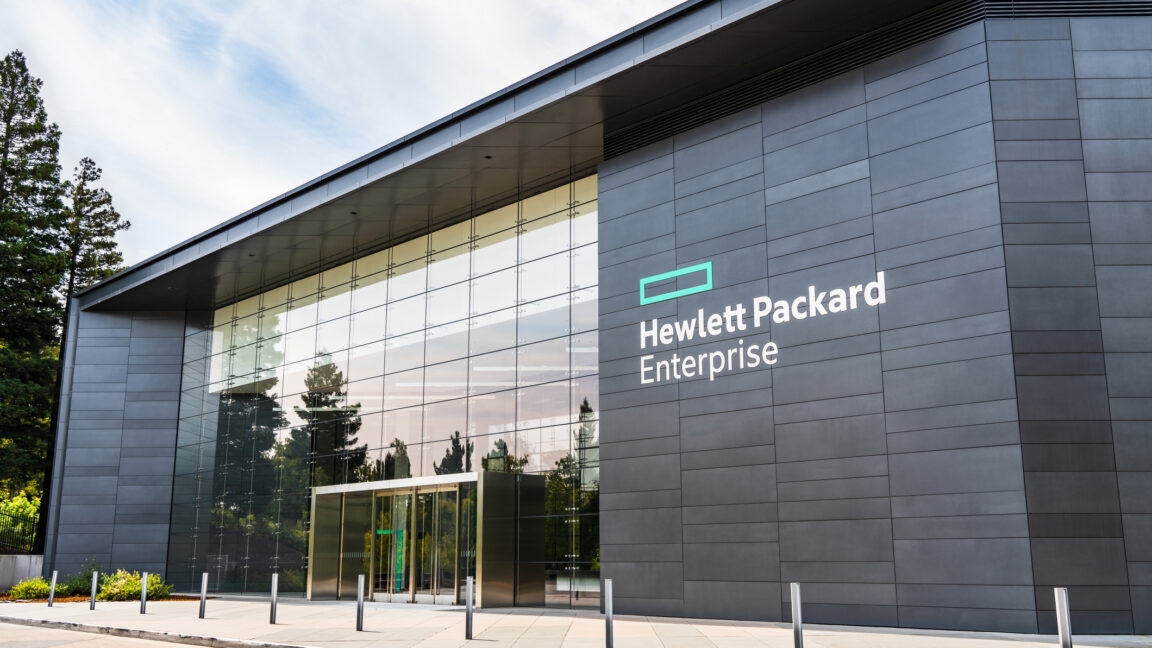
Hewlett Packard Enterprise’s (HPE) new virtualization software promotion will likely pique the interest of end users and resellers who are unhappy with Broadcom's pricing of VMware.

During its HPE Discover event in Las Vegas this week, HPE announced that customers could use its “HPE Morpheus Software—VM Essentials” offering for free for “up to one year,” per a press release. HPE’s website describes its virtualization platform as a “VMware alternative.” It includes a hardware virtual machine (HVM) hypervisor and unified management and lets users "manage VMware ESXi and HVM clusters from one console and migrate when you’re ready,” HPE’s website says.

“New VM Essentials customers can receive up to one free year of licenses for VM Essentials, a year of HPE Zerto for $1 to support non-disruptive migration to HPE virtual machines, and 0 percent interest on software through HPE Financial Services,” HPE’s announcement reads, referring to HPE’s group for helping IT teams manage funding.

Read full article

Comments

© Getty

  •  
❌