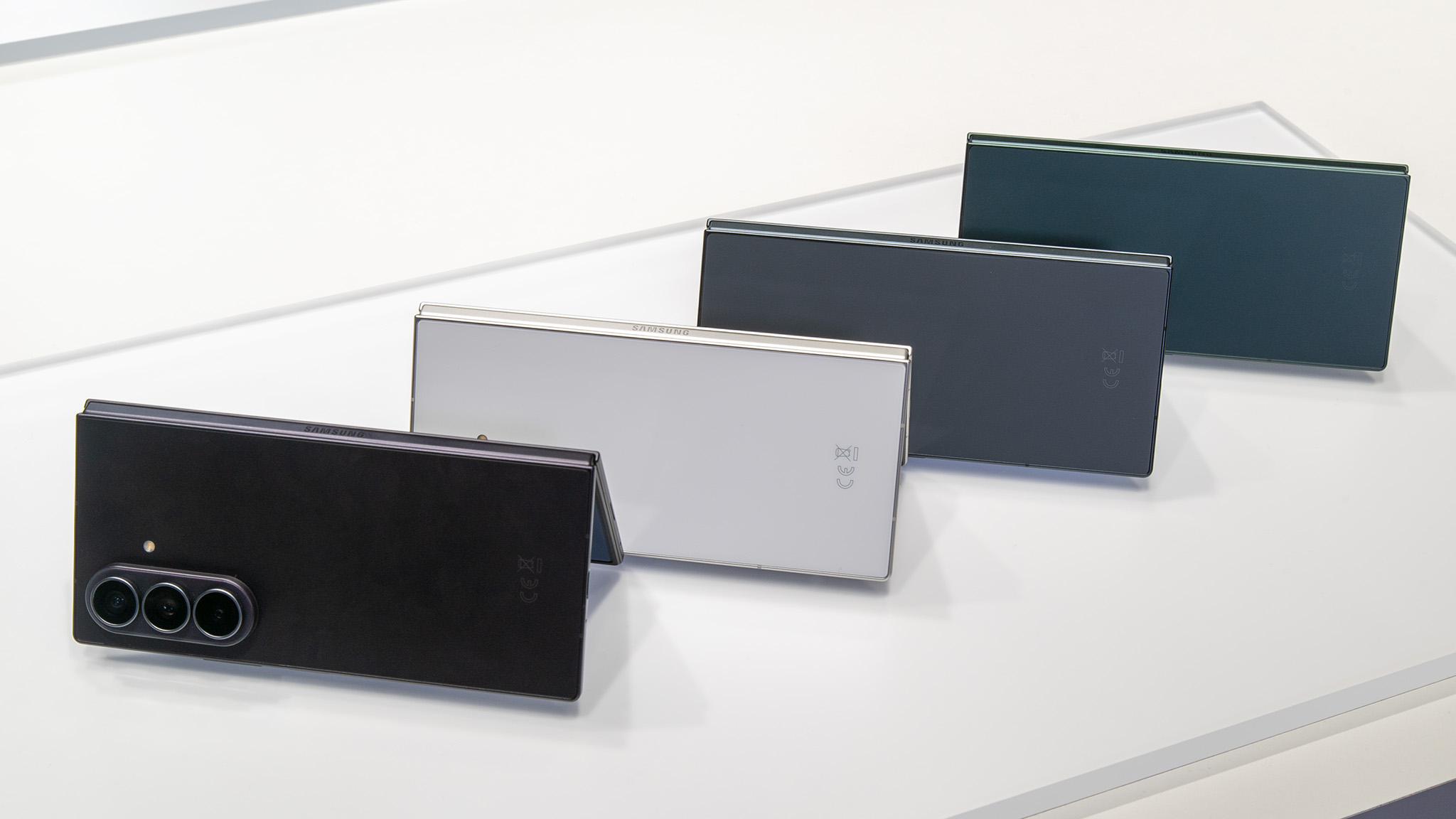
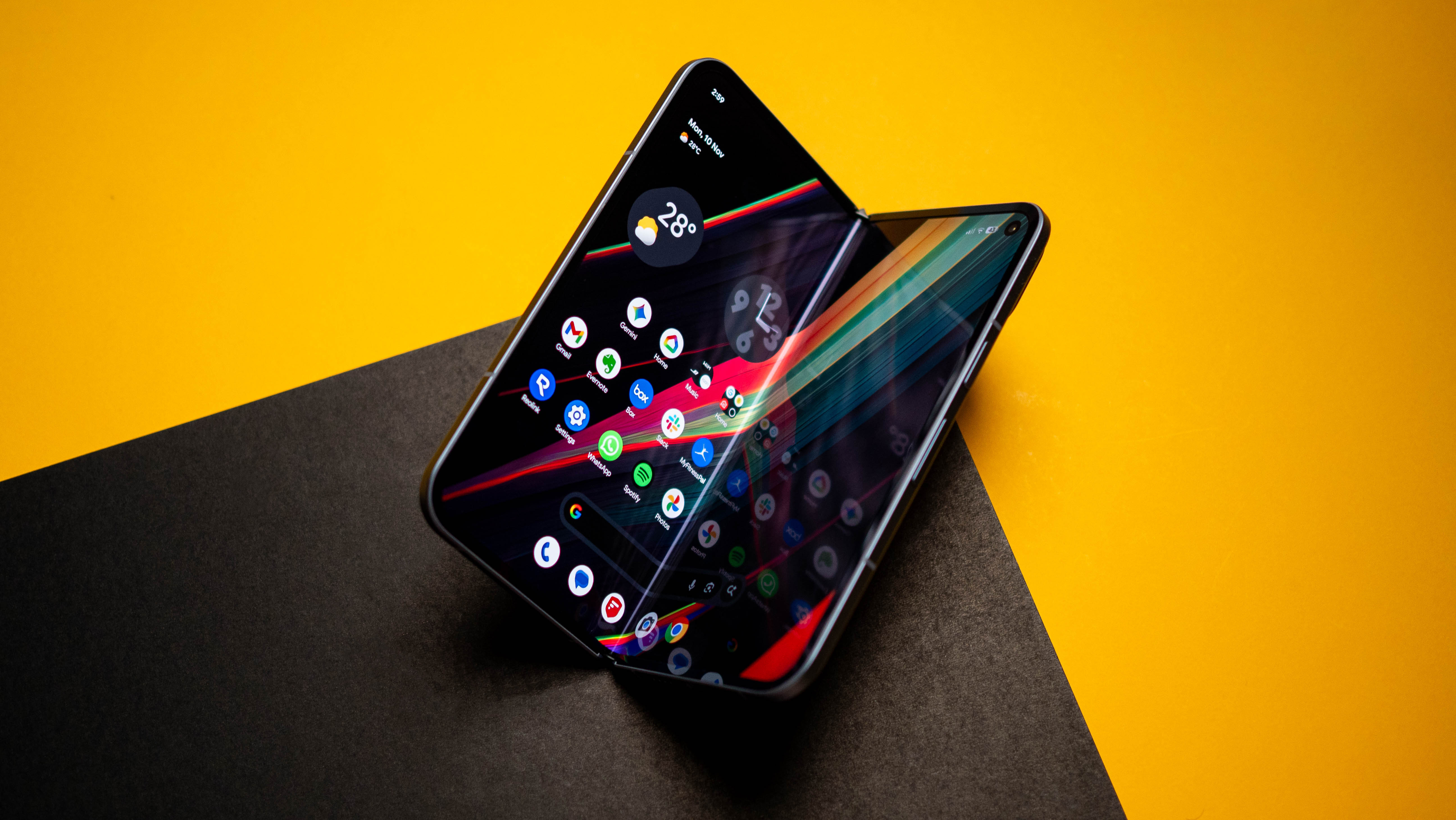
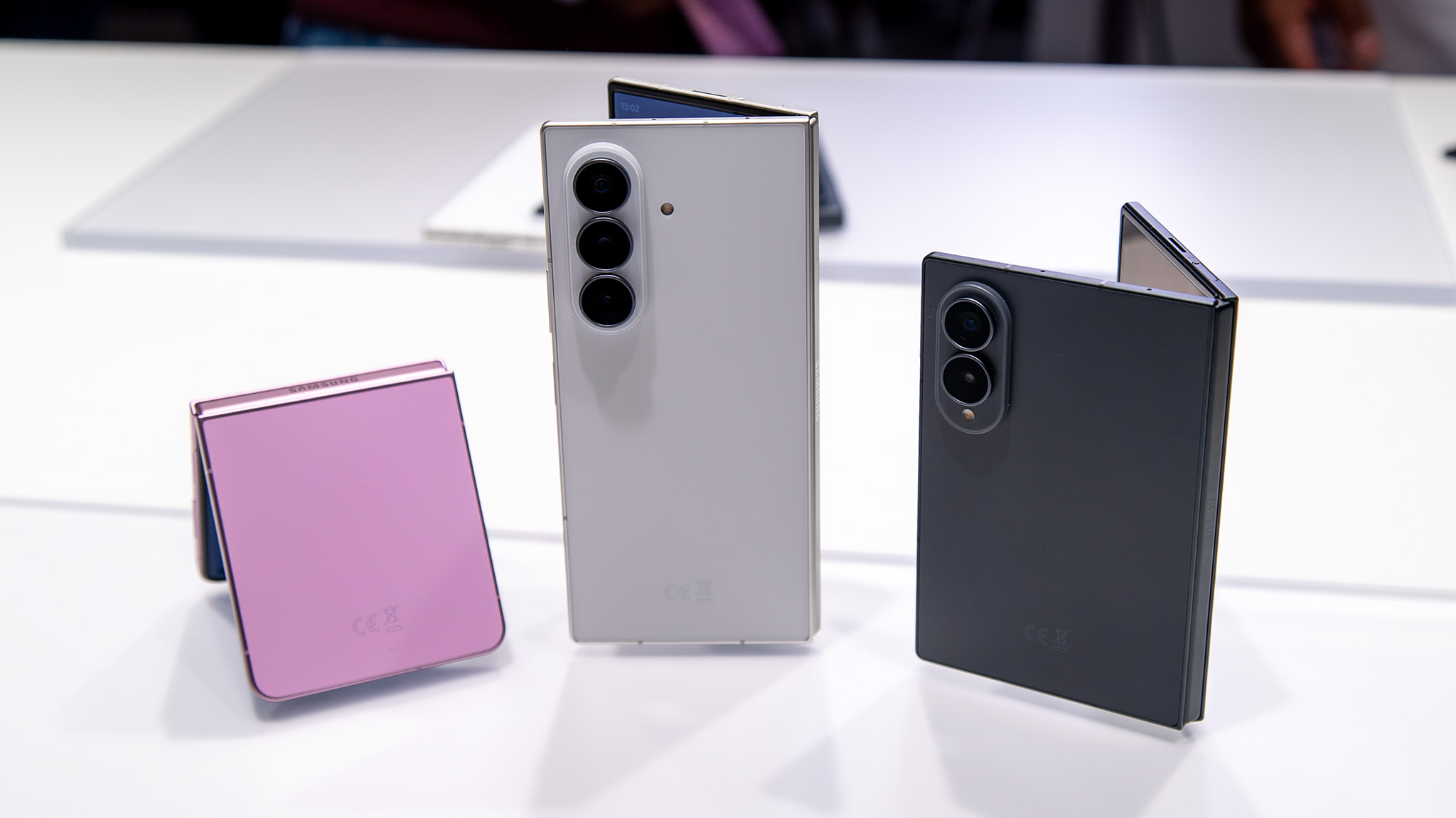
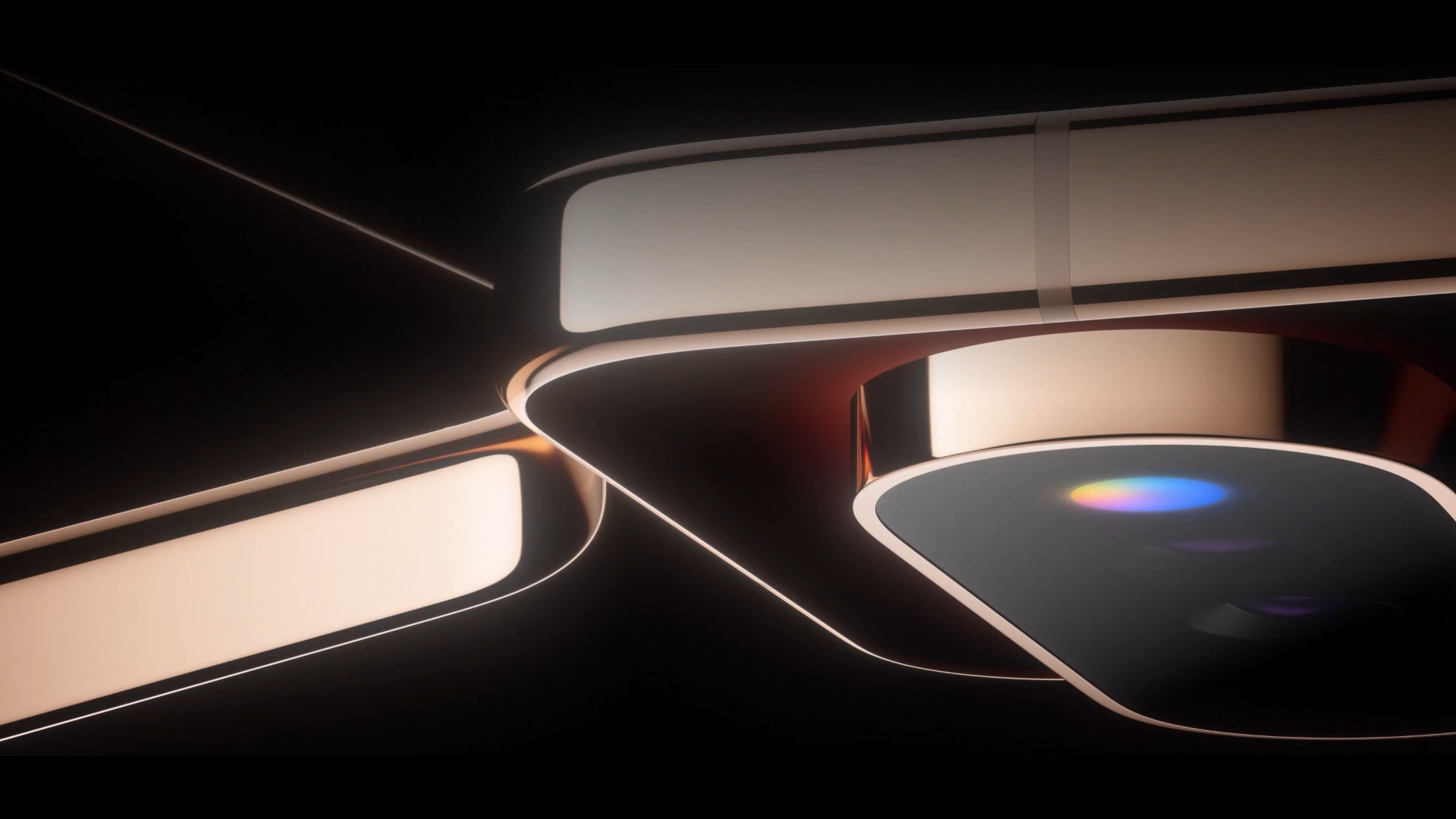
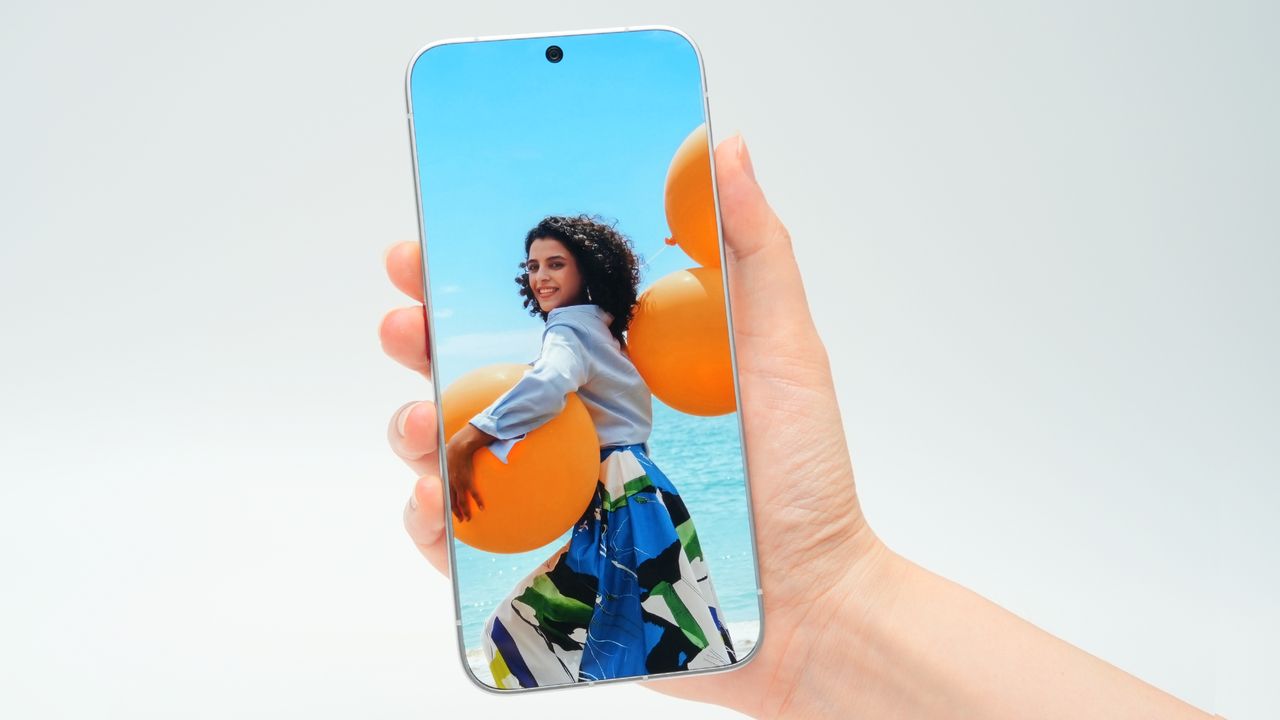
Samsung is reportedly working on Galaxy Buds On, a new pair of open-ear earbuds with a clip-on design.
Leaked renders show two rounded sections connected by a silicone loop, with black and white color options expected.
Galaxy Buds On could offer Auto Volume, head gestures for controls, and automatic pausing when you fall asleep.
It looks like Samsung is cooking up a pair of open-ear Galaxy Buds, and they could launch fairly soon.
While the best wireless earbuds still offer features like ANC and superior sound quality, open-ear earbuds have suddenly started taking over. We recently checked out the Huawei FreeClip 2, which we called one of the most comfortable open-ear earbuds we've tried, and now it looks like Samsung is preparing to challenge the throne.
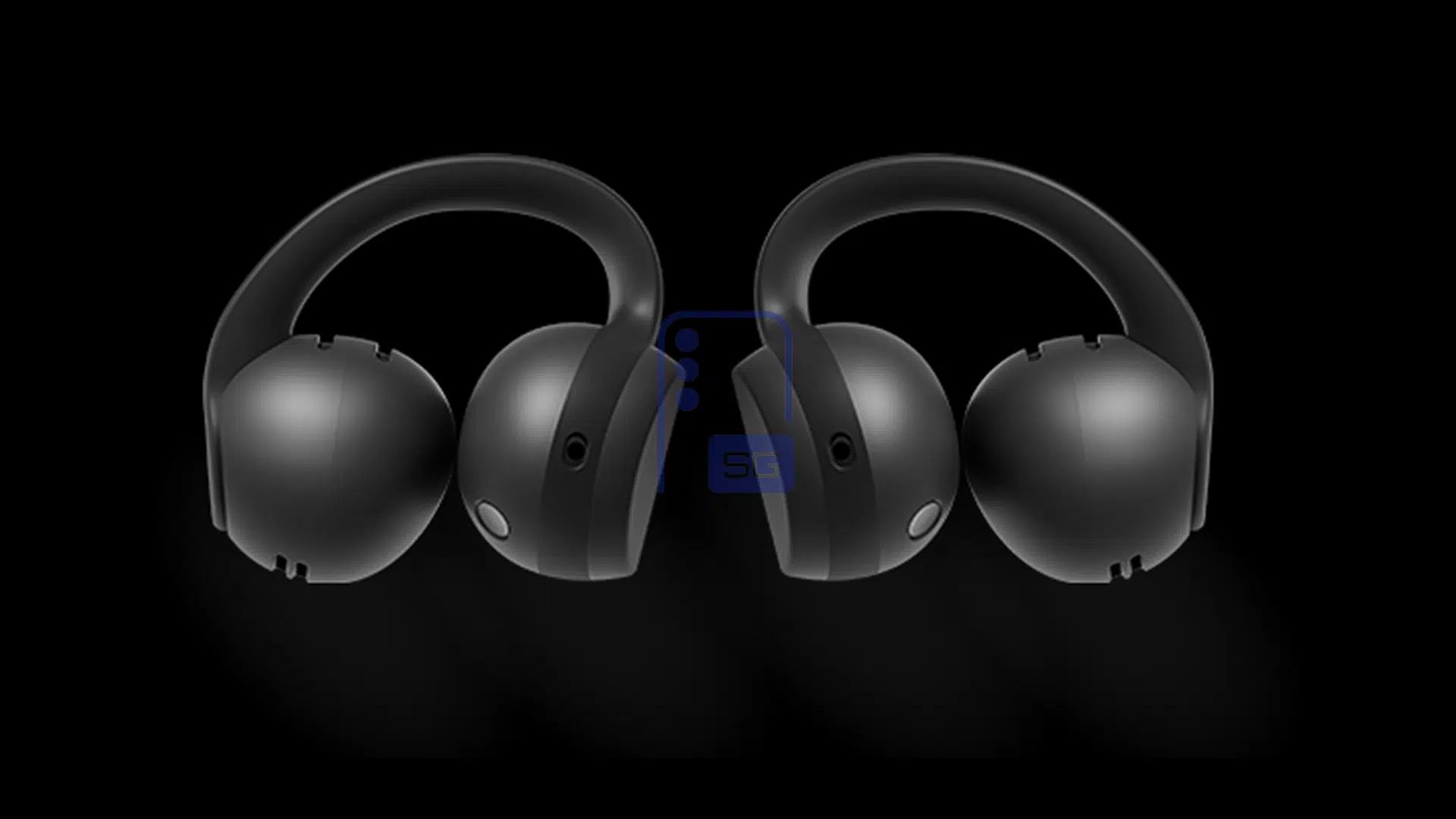
As reported by SammyGuru, Samsung appears to be working on a pair of open-ear earbuds called the Galaxy Buds On. The publication has shared what appear to be product renders of the device, giving us an early look at the earbuds.
(Image credit: SammyGuru)
According to the leak, the Galaxy Buds On will feature a fairly standard open-ear design, with two rounded sections connected by a flexible silicone loop. One side will presumably sit closer to the user's ear, while the flatter section will remain on the outside and likely provide an area for touch controls and gestures.
The leaked renders show the Galaxy Buds On in black, although a white color option also appears to be in the works.
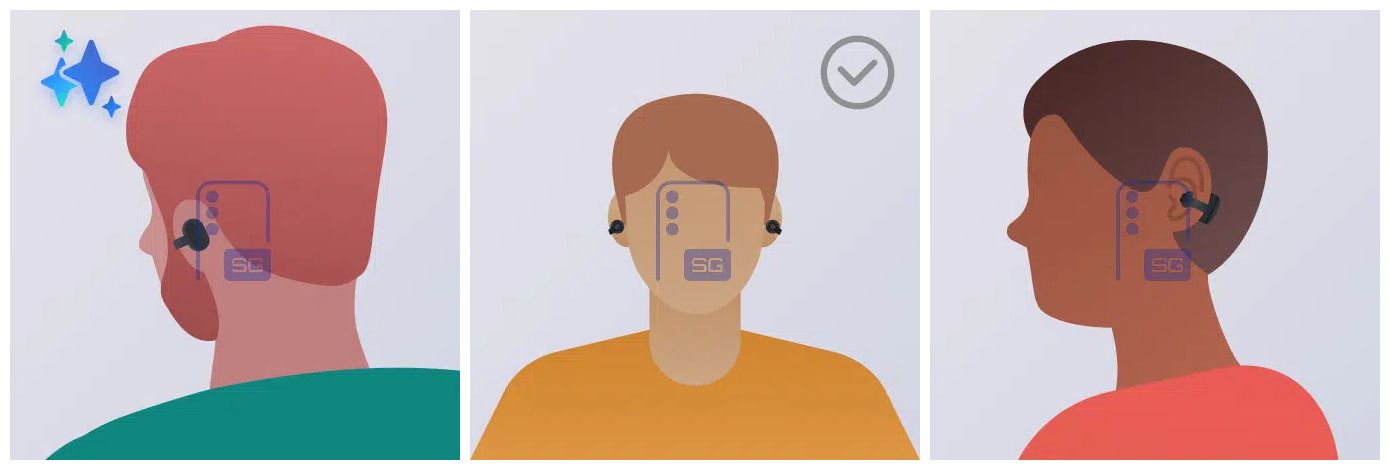
The publication was also able to extract illustrations showing how the Galaxy Buds On will clip around the user's ears. The report claims the earbuds will feature Auto Volume, which will automatically adjust the volume depending on your surroundings, alongside head gestures like nodding and shaking.
(Image credit: SammyGuru)
Another interesting feature will reportedly detect when the wearer has fallen asleep and automatically pause whatever is playing.
There's still no word on exactly when Samsung plans to launch the Galaxy Buds On. However, the company now has several products rumored to be waiting in the pipeline, including the long-awaited Galaxy Glasses and Galaxy Tab S12 Ultra, so we could be hearing much more about Samsung's upcoming hardware fairly soon.
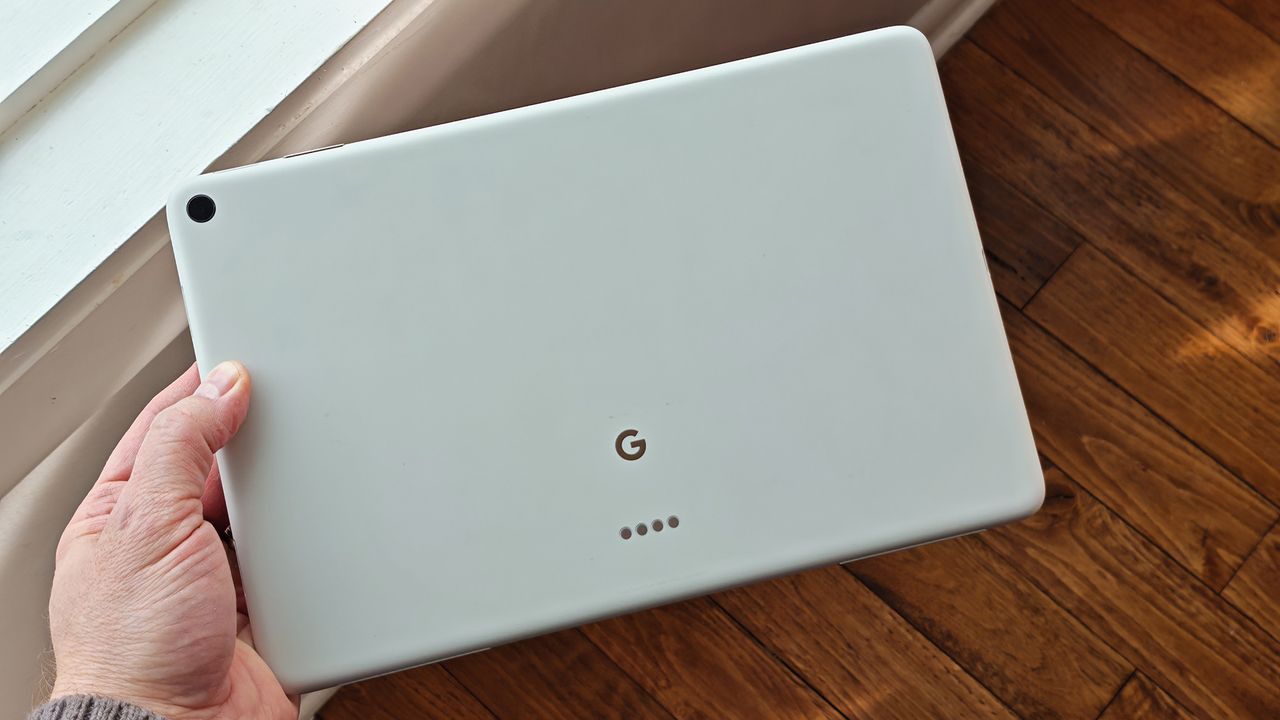
Google has officially removed the Pixel Tablet from its online store after listing it as out of stock.
The Pixel Tablet has also disappeared from major retailers including Amazon and Best Buy.
Google reportedly canceled plans for second- and third-generation Pixel Tablets due to sales and profitability concerns.
Existing Pixel Tablet owners will continue receiving software updates until mid-2028 despite the lineup's end.
The Pixel Tablet is finally dead. Like, properly dead dead.
Google launched the Pixel Tablet back in 2023 as a hybrid device that could work as both a traditional Android tablet and a smart home display when placed on its charging dock. At $499, the Pixel Tablet offered a pretty interesting combination on paper, but reactions to the device were mixed after launch.
Google reportedly had plans for a second-generation Pixel Tablet in 2025 and even a third-generation model in 2027. But amid poor sales and profitability concerns, the company reportedly pulled the plug on those plans back in 2024. Despite that, the original Pixel Tablet remained available through the Google Store and retailers for quite some time. Until now.
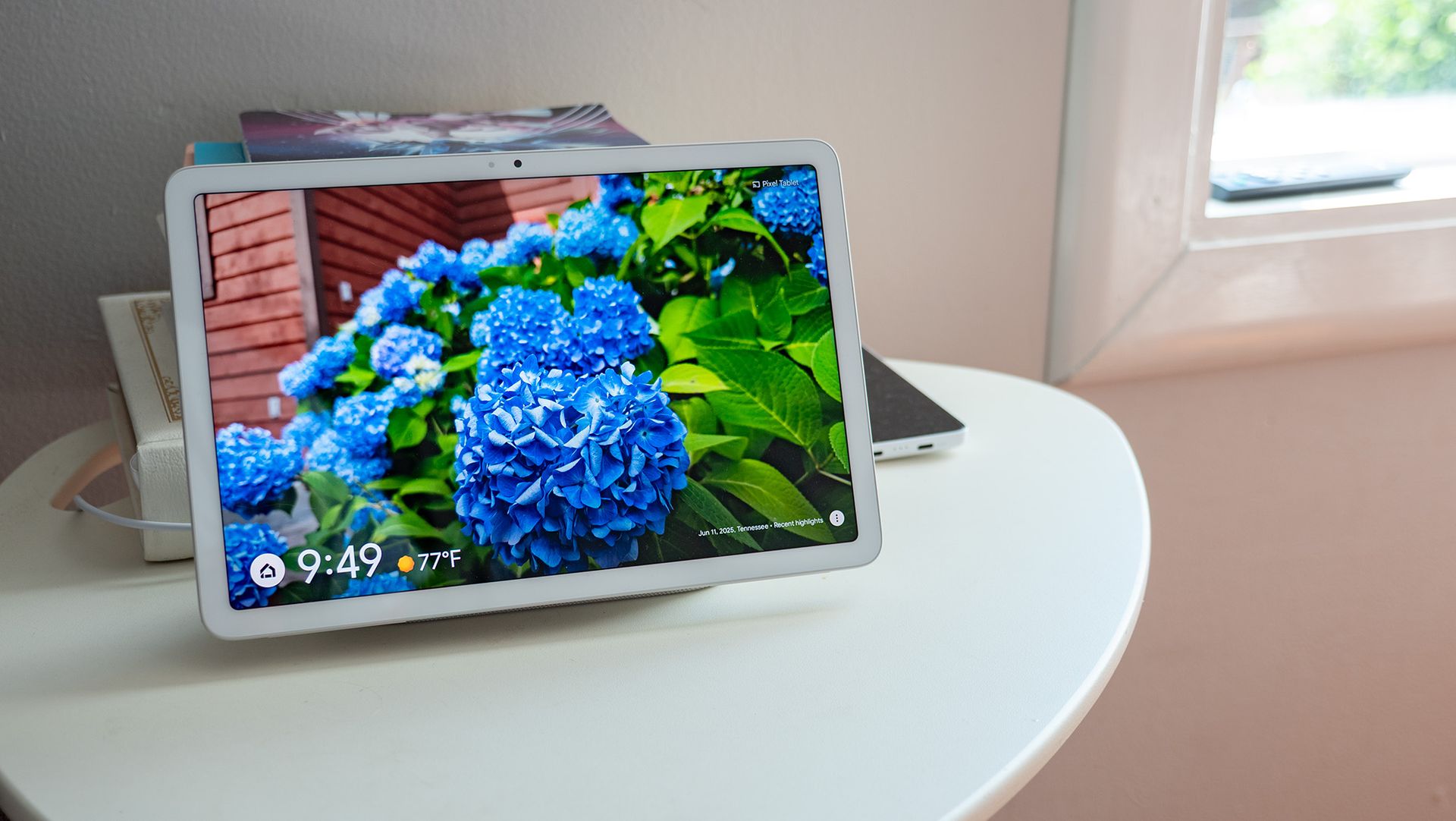
(Image credit: Nicholas Sutrich / Android Central)
As spotted by Jetstream, Google has officially removed the Pixel Tablet from the Google Store. The tablet was listed as "out of stock" until a few days ago, but the product page has now been removed altogether, effectively confirming that Google is done selling the device. The Pixel Tablet has also disappeared from retailers, including Amazon and Best Buy.
That means there's now no official way to buy a new Pixel Tablet. You may still be able to find remaining stock through smaller online retailers or pick one up from a reseller, but Google's own inventory is officially gone.
The good news for existing Pixel Tablet owners is that software support isn't ending anytime soon. Google is expected to continue supporting the device with updates until mid-2028. But unless Google decides to resurrect its tablet ambitions again, there won't be another Pixel Tablet waiting to replace it.
The Pixel Tablet was an interesting idea. Having one device that could work as both an Android tablet and a smart home display made plenty of sense, especially inside Google's ecosystem. Unfortunately, the idea never really took off.
So, RIP Pixel Tablet. This time, it looks like it's actually over.
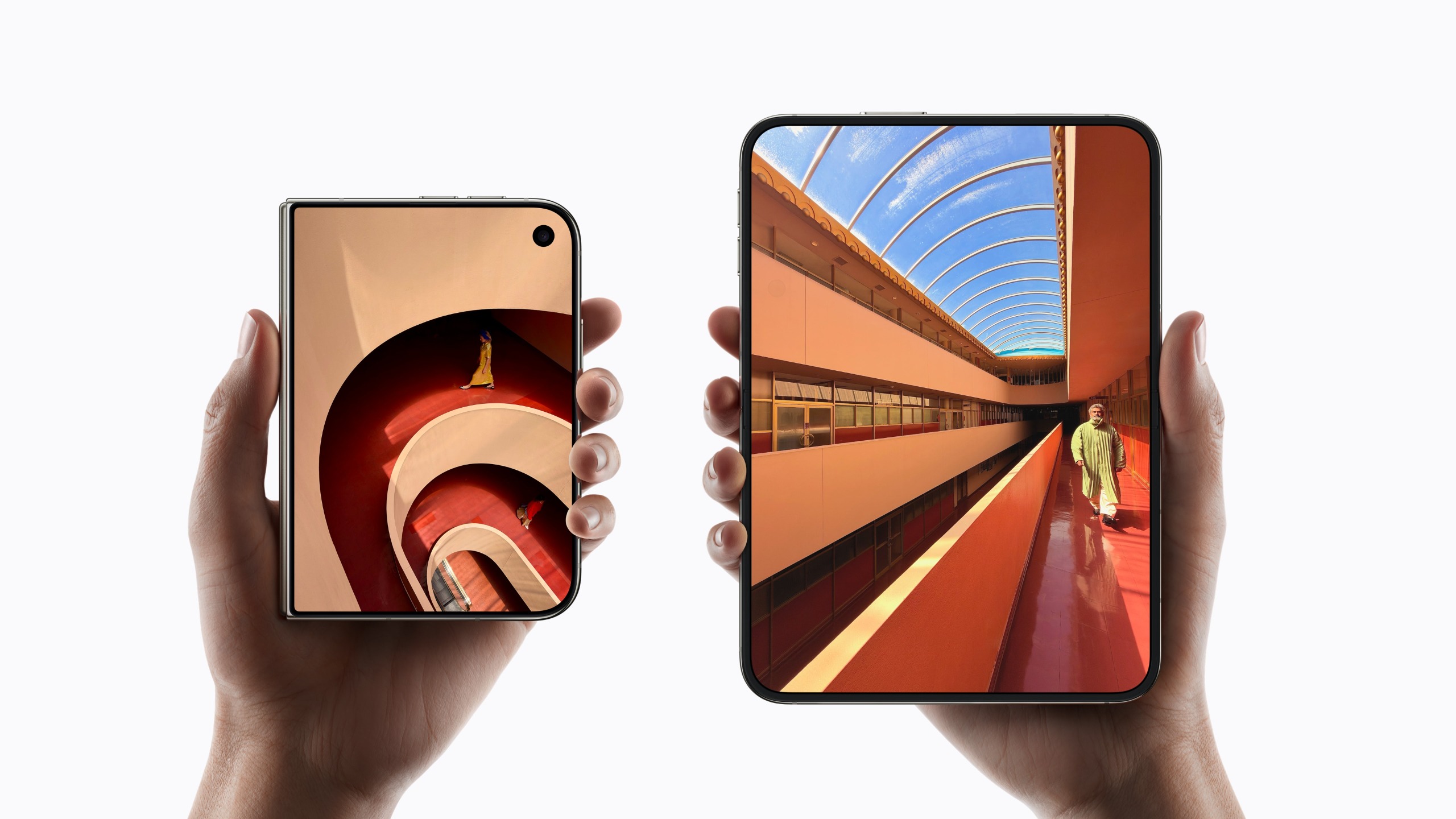
The new iPhones are finally here. After months of leaks and rumors, Apple officially unveiled the iPhone 18 Pro series alongside its first-ever foldable smartphone, called the iPhone Duo, at its September 9, 2026, launch event.
The iPhone Duo marks Apple's first entry into the foldable phone market, though Android manufacturers have been selling foldable phones for nearly a decade.
And as is usually the case with a new iPhone launch, Apple has brought a bunch of features to its ecosystem that Android users might find pretty familiar. Here are some of the biggest iPhone Duo and iPhone 18 Pro features that Samsung or Google did first.
The iPhone Duo's passport-style design
(Image credit: Apple)
The iPhone Duo isn't the first foldable phone we've seen, of course. Samsung has been experimenting with book-style foldables for years, while Apple is only just jumping on the bandwagon.
And if you think Apple's shorter and wider passport-style form factor is something new, that's not the case either. Google's first-generation Pixel Fold used a very similar approach, with a shorter and wider cover display that unfolded into a more tablet-like inner screen.
More recently, Samsung has adopted a similar form factor with the Galaxy Z Fold 8, while the Xiaomi 18 Fold we saw at IFA 2026 also follows the same wider design. So while the iPhone Duo might be Apple's first foldable, the form factor itself is anything but new.
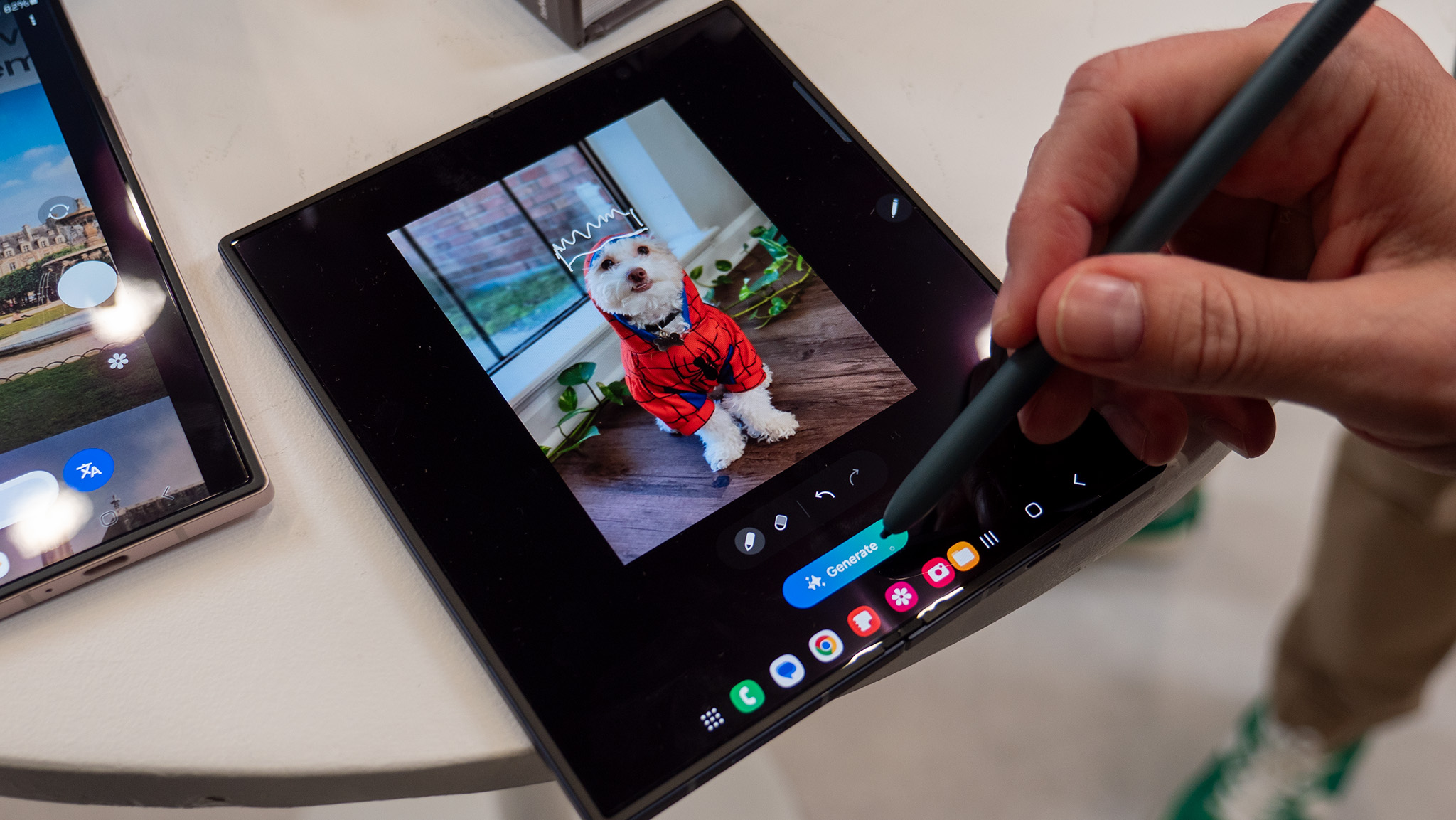
Stylus support and hidden cameras
(Image credit: Nicholas Sutrich / Android Central)
The iPhone Duo supports Apple Pencil on both the outer and inner displays, so you can use the stylus to jot down notes, draw, or mark things up on either screen. But this isn't the first time we've seen stylus support on a foldable phone.
Samsung offered S Pen support on its Galaxy Z Fold phones for years before eventually dropping it from its newer models. And even today, you can find other foldables with stylus support, including the Motorola Razr Fold.
Another feature Apple seems to have borrowed from Android foldables is the under-display camera on the inner screen. Samsung used an under-display camera on several generations of Galaxy Z Fold phones before finally dropping it with last year's Galaxy Z Fold 7. However, we're curious to see if Apple's implementation is any better.
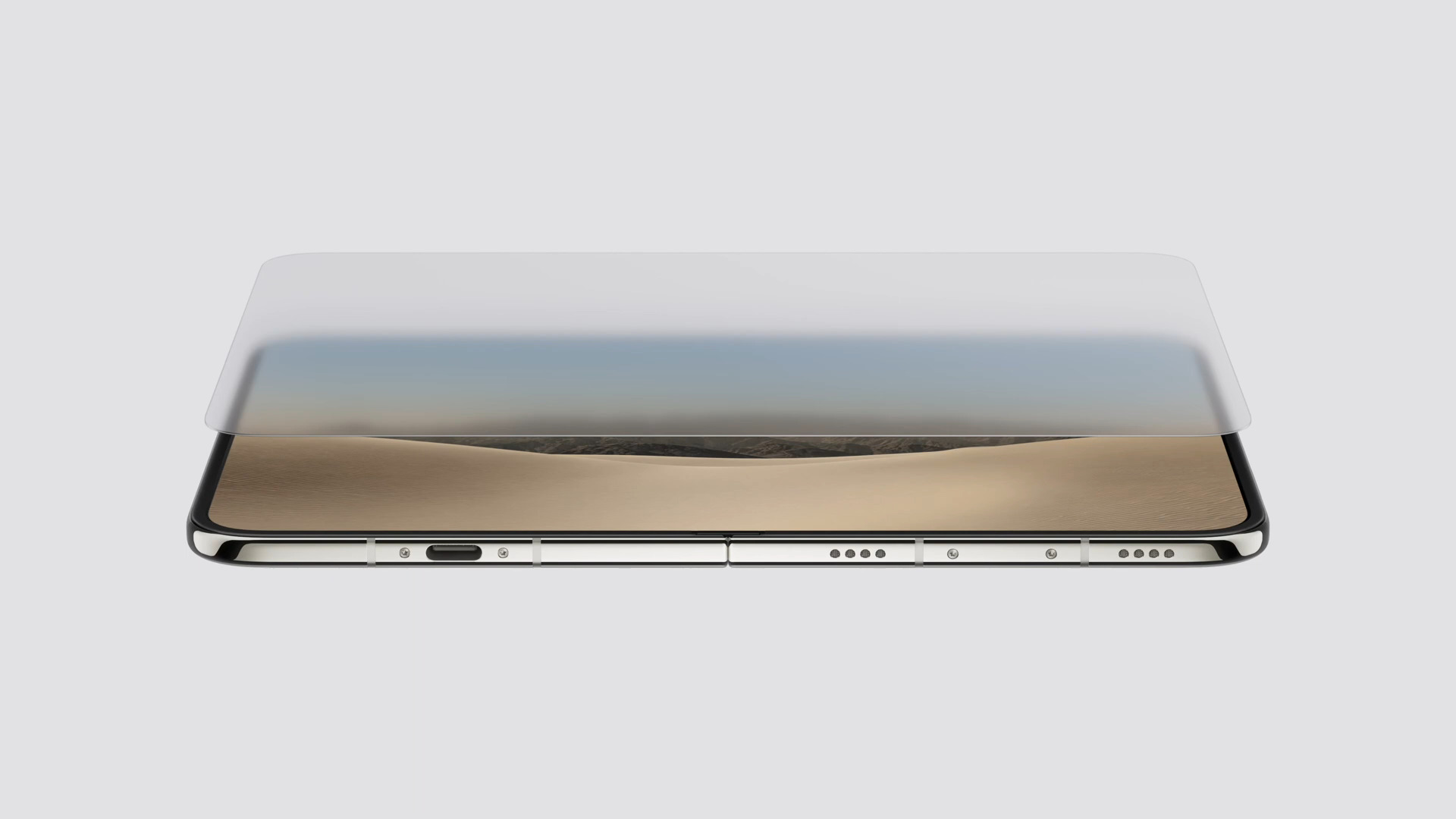
Samsung beat Apple to the anti-reflective inner display
(Image credit: Apple)
Apple's iPhone Duo comes with a 7.6-inch inner display, and one thing Apple talked at length about is its specialized matte nano-texture finish, which, in simpler terms, is an anti-reflective coating.
The inner display on any foldable phone can be quite reflective because of the materials used to make the screen flexible. Adding an anti-reflective coating should reduce those reflections and make things like watching videos or reading content much easier in bright light.
But again, we're not seeing this for the first time. Samsung's Galaxy Z Fold 8, which launched earlier this year, also features an anti-reflective coating on its inner display. Apple's implementation may turn out to be better or more advanced, and we'll have to put both phones side by side to know for sure. But the idea of reducing reflections on a foldable's inner display is great, though certainly isn't new.
Samsung has been doing Flex Mode for years
(Image credit: Apple)
Unlike the regular Galaxy Z Fold 8, which either stays fully open or snaps shut, the iPhone Duo's hinge can hold the phone open at different angles. This means you can partially fold the iPhone Duo and prop it up to take photos with the rear cameras or just watch videos on one half of the display.
It sounds great, but again, Apple isn't the first to do this. Samsung offers similar functionality on the Galaxy Z Fold 8 Ultra with Flex Mode and has offered it on previous generations of Galaxy Z Fold phones as well. Samsung has even optimized several apps to take advantage of the partially folded position, so this is another area where Apple is following an idea we've already seen on Android foldables.
The iPhone finally gets proper manual camera controls
(Image credit: Nicholas Sutrich / Android Central)
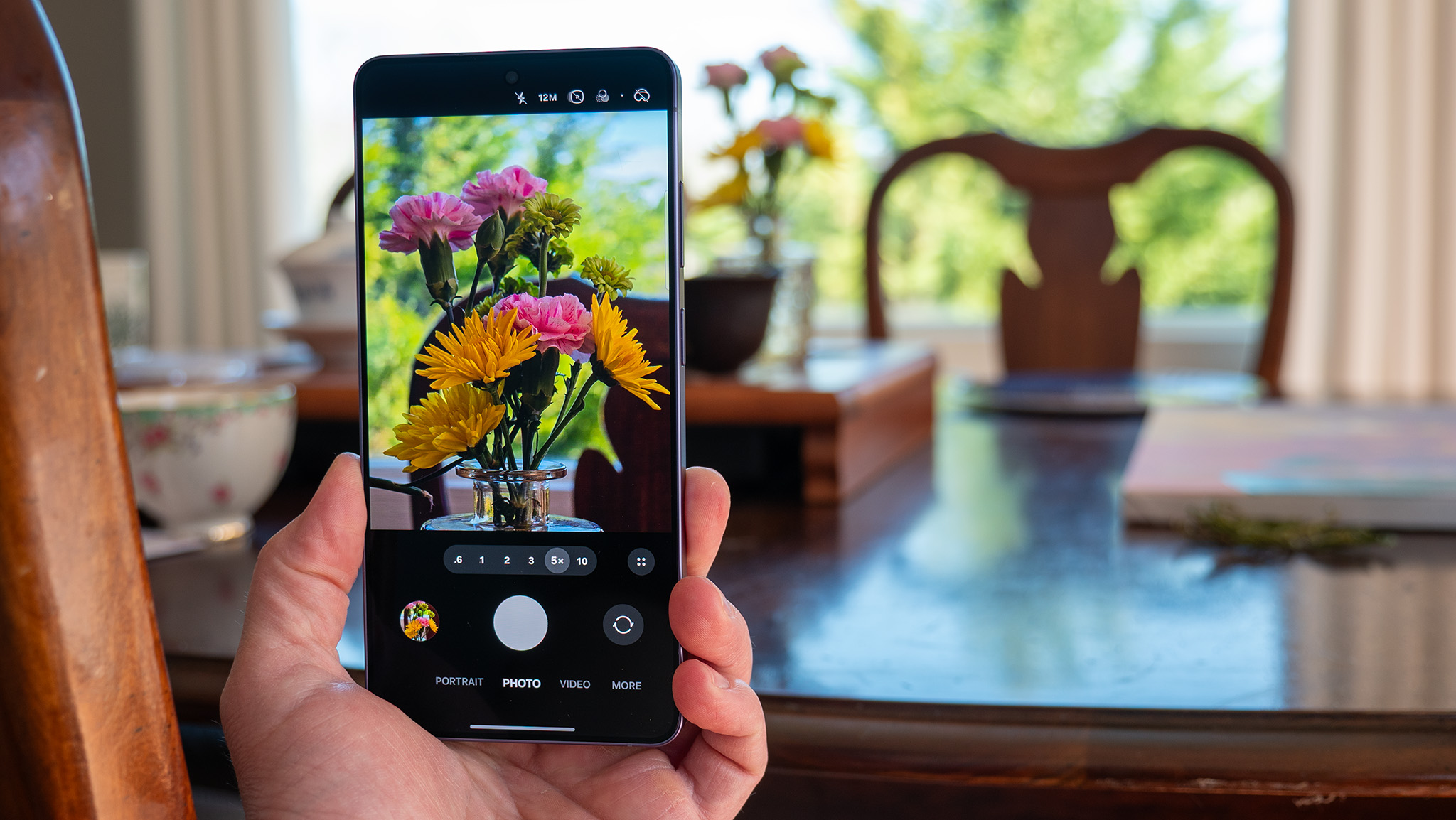
Switching our focus (pun intended) to the iPhone 18 Pro models, another new feature this year is what Apple calls "Pro Controls," which essentially brings proper manual camera controls to the iPhone for the first time.
You can now manually adjust things like aperture, shutter speed, white balance, and other camera settings instead of relying entirely on Apple's automatic processing. It shifts the iPhone from being primarily a point-and-shoot camera to giving serious photographers much more control over the final image.
But again, this isn't exactly new. Pro and manual camera modes have been available on Android flagships for years, with phones from Samsung and other manufacturers already letting users manually adjust these settings.
Split screen, App Pairs, Dual View, and more
(Image credit: Apple)
Finally, the iPhone Duo and iPhone 18 Pro offer plenty of software features we've previously seen on Android smartphones.
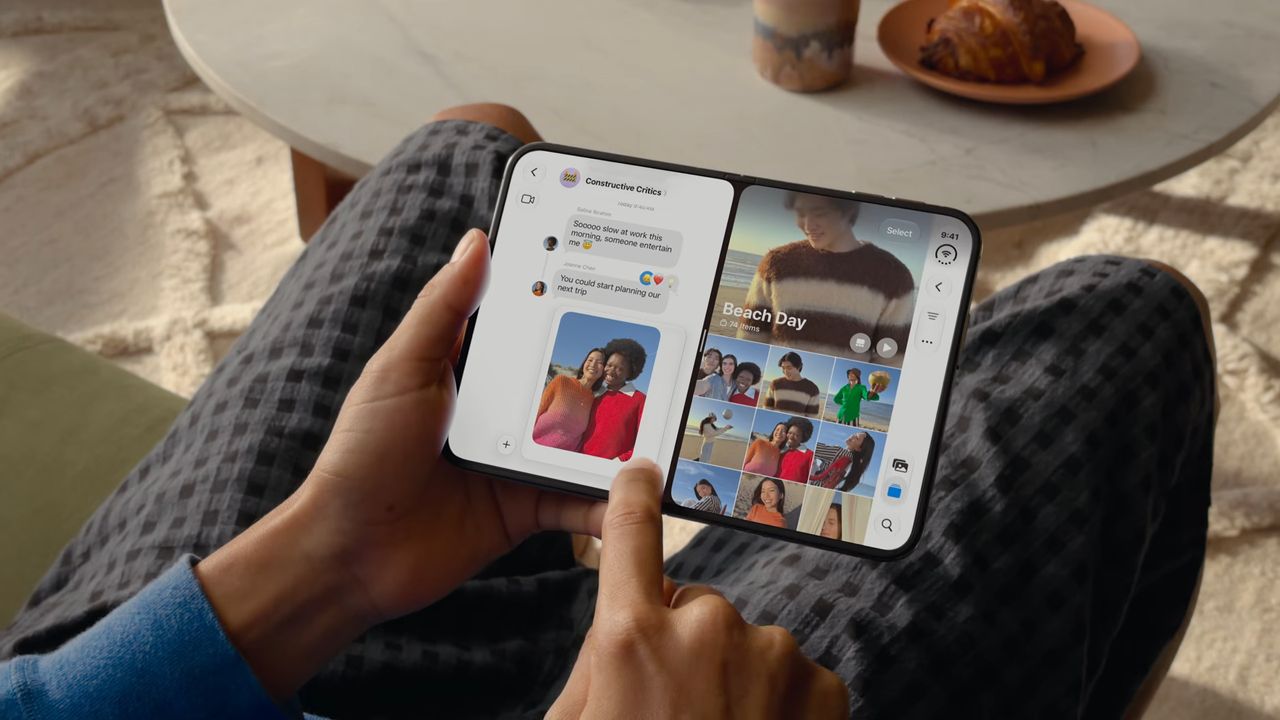
The iPhone Duo, for example, finally brings proper split-screen multitasking, letting you run two apps side by side on the larger inner display. You can also save two apps together as an App Pair and quickly relaunch them in split screen later.
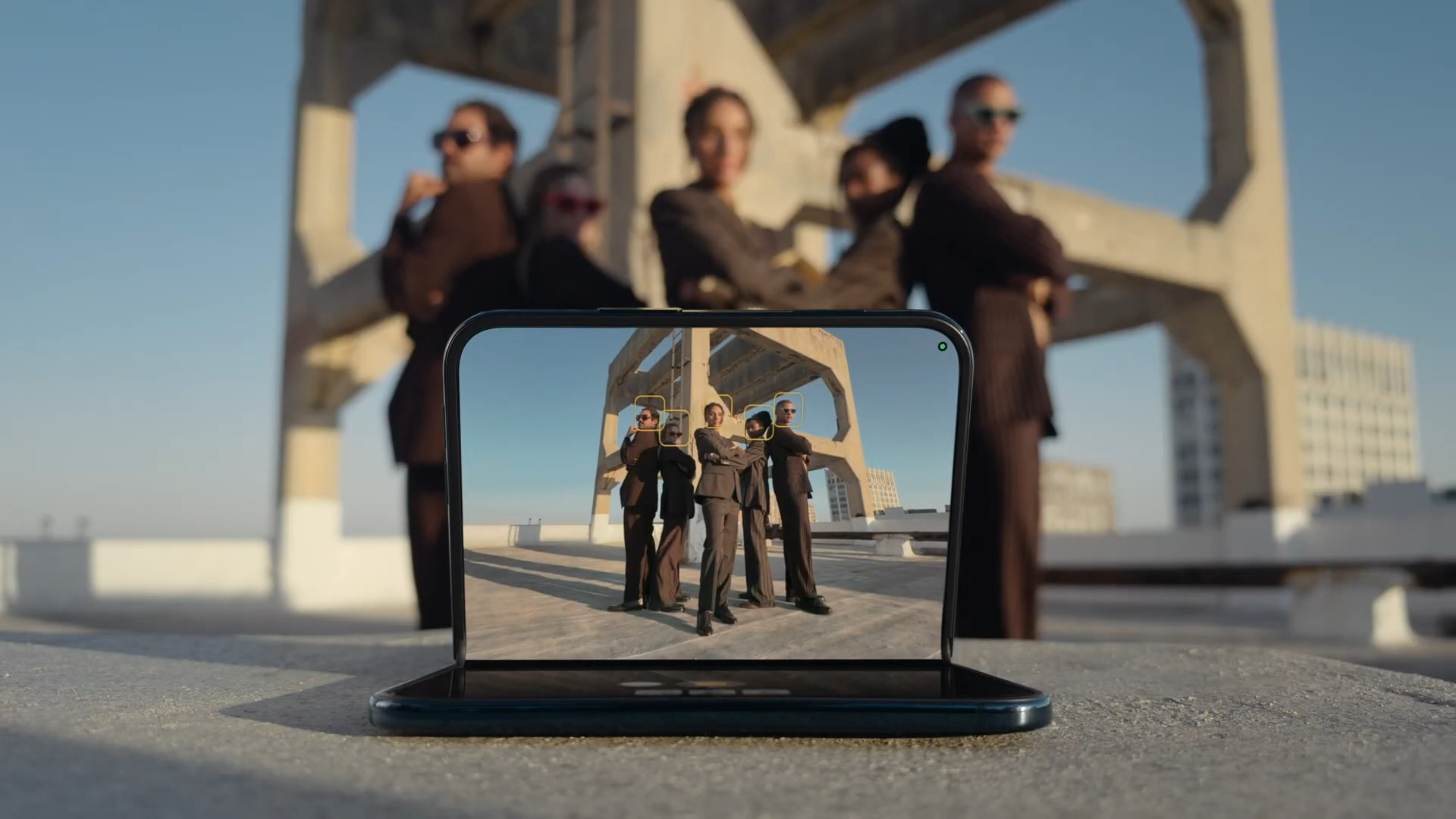
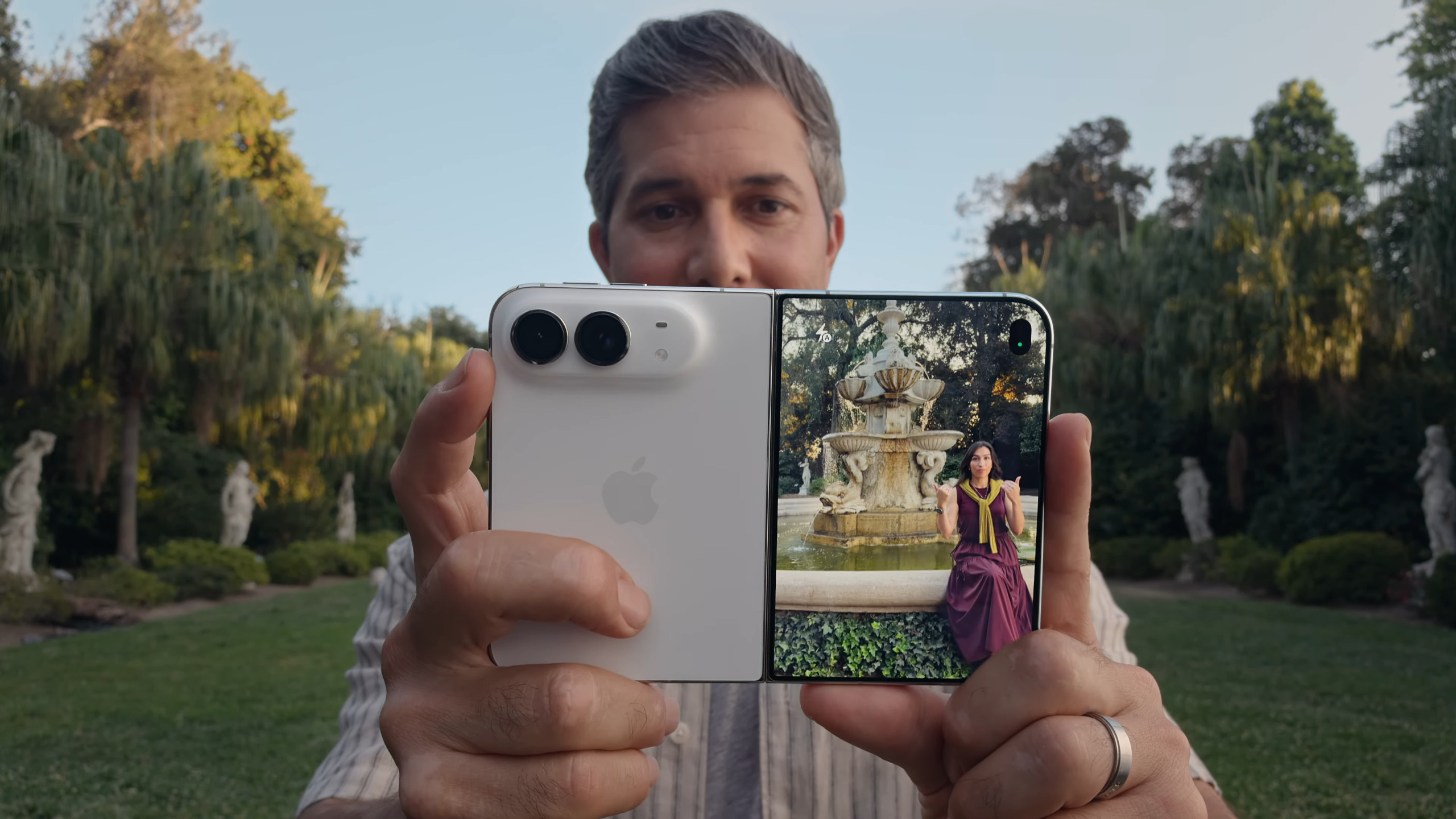
There's also Dual View, where the cover display can act as a viewfinder for the person you're photographing while you're using the rear cameras. Again, these are useful additions, but they're features Motorola and other Android foldable makers have offered in some form for years.
So while Apple's implementation might be different or more polished in certain areas, quite a few of the iPhone Duo's headline software features will feel very familiar if you've used an Android foldable before.
Samsung has officially ended software support for the Galaxy Z Fold 3 and Galaxy Z Flip 3 after five years.
Both foldables received four years of OS upgrades and five years of security updates, as Samsung originally promised.
Samsung has removed both phones from its security update page, meaning they won't receive regular security patches anymore.
Samsung's foldable phones that launched in the summer of 2021 have officially reached the end of their software support cycle.
Most Samsung flagship smartphones today, including the Galaxy S26 Ultra and even 2024's Galaxy S24 Ultra, come with seven years of software support. But Samsung hasn't always offered updates for this long. Older flagships came with shorter support promises, and now the Galaxy Z Fold 3 and Galaxy Z Flip 3 have officially reached the end of theirs.
As spotted by Android Authority, the Galaxy Z Fold 3 and Galaxy Z Flip 3 have received their final software updates. At launch, Samsung promised four years of OS upgrades and five years of security updates for both foldables, and the company has now fulfilled that promise. Samsung has also removed both devices from its security updates page.
This means Samsung won't be releasing any further regular software or security updates for these devices. The oldest foldables officially supported by the company are now the Galaxy Z Fold 4 and Galaxy Z Flip 4. Even those devices have moved to a quarterly update schedule, unlike newer Samsung phones that continue to receive monthly updates.
(Image credit: Andrew Myrick / Android Central)
So, if you're still using a Galaxy Z Fold 3 or Galaxy Z Flip 3, your phone won't receive any new regular security patches from Samsung going forward. That means any new security vulnerabilities discovered from here on may remain unpatched on these devices.
If you're still holding onto one of these foldables, this might finally be the time to start thinking about an upgrade. Samsung recently introduced a completely new form factor with the Galaxy Z Fold 8, while its latest foldables also come with a much longer software support promise.
If you've managed to keep your Fold 3 or Flip 3 running for five years, one of Samsung's newer foldables should last you considerably longer.
But new smartphone launches aren't just about what's coming next. They're also a good opportunity to look back at the phones we already own and ask an important question: Is it actually worth upgrading?
For many people, that decision comes down to one thing more than anything else: battery life. A phone can still be fast, take great photos, and receive software updates, but once the battery starts struggling to last through the day, it's much easier to justify buying something new.
Google's Pixel phones haven't exactly built a reputation for class-leading battery life, but the company has steadily increased battery capacities over the past few generations while introducing new battery health features designed to preserve long-term battery performance.
So ahead of the Pixel 11 launch, I wanted to see how well recent Pixel batteries have actually held up.
How I set up my battery test
(Image credit: Sanuj Bhatia / Android Central)
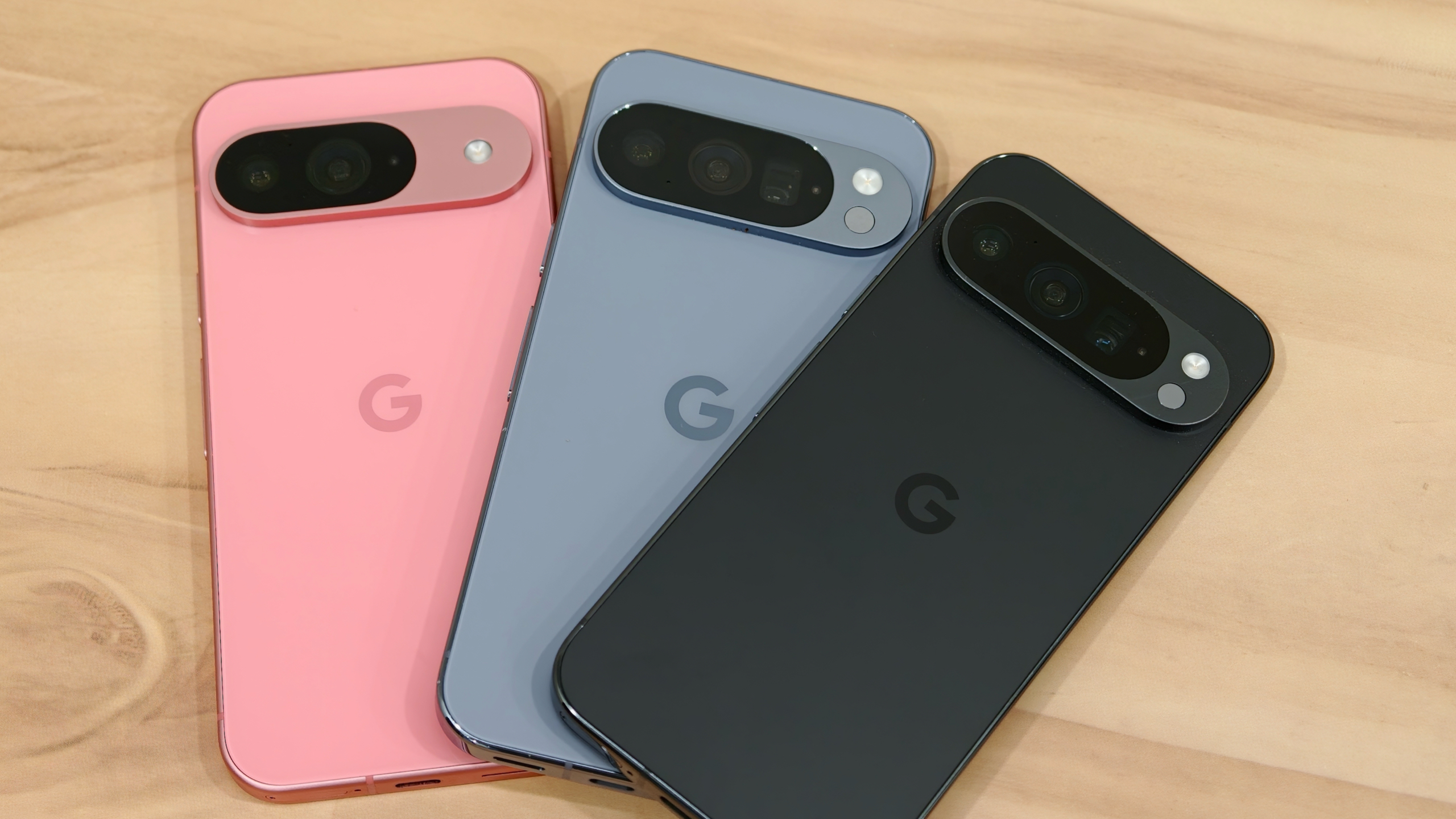
To find out, I picked up three different Pixel phones: the Pixel 9, the Pixel 9 Pro, and the Pixel 10 Pro.
The Pixel 9 and Pixel 9 Pro both feature a 4,700mAh battery alongside Google's Tensor G4 processor, while the Pixel 10 Pro packs a slightly larger 4,870mAh cell and the newer Tensor G5, built on a more efficient 3nm process. On paper, the Pixel 10 Pro should have the advantage. It has the newest battery, the largest capacity, and the newest chipset.
The Pixel 9 series is now roughly two years old, while the Pixel 10 Pro has been my primary Android phone for around a year. That makes this a good comparison to see how Pixel batteries hold up over time.
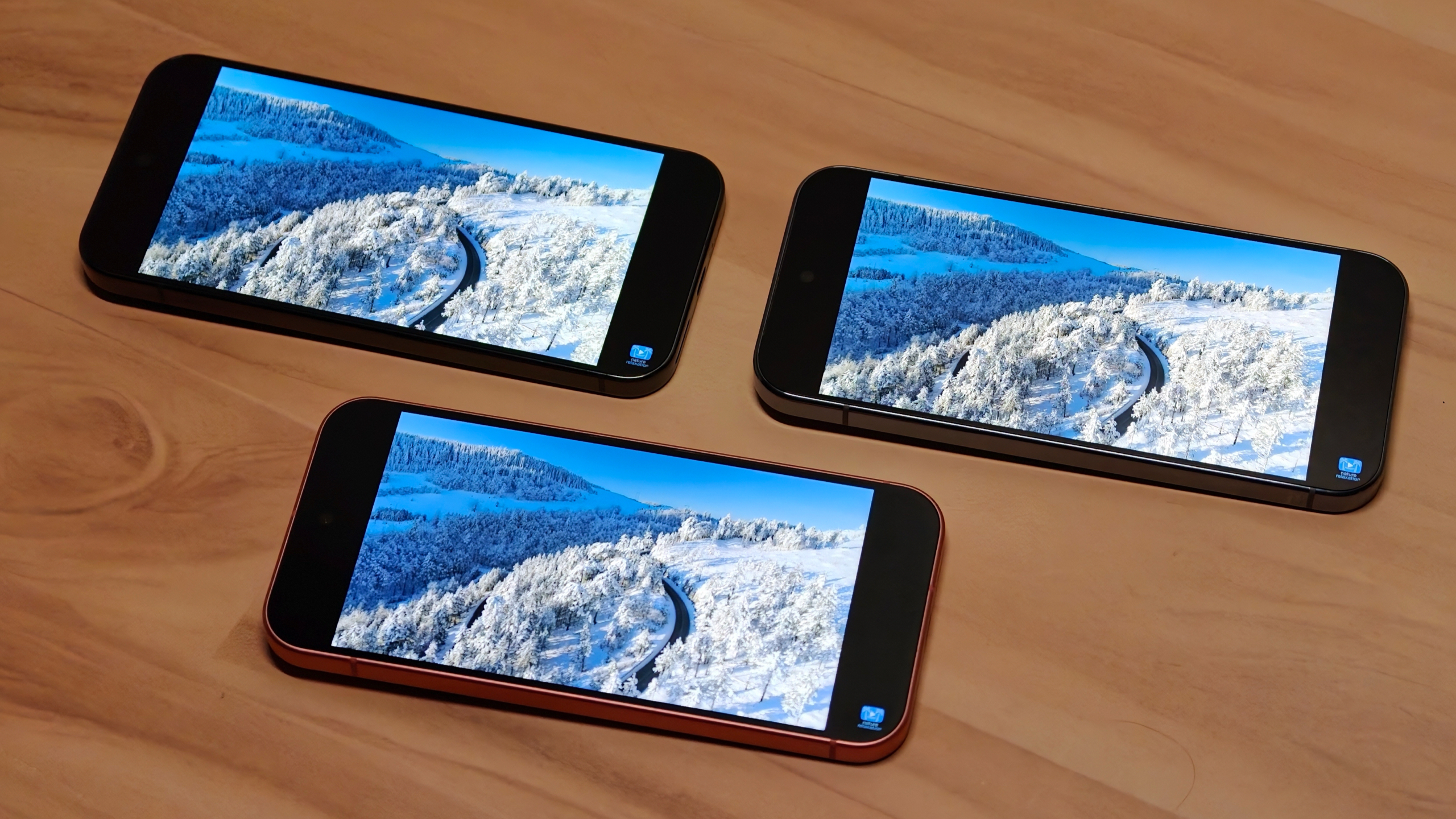
To keep things as fair as possible, I updated all three phones to the latest Android 17 version available, connected them to the same Wi-Fi network, charged each device to 100%, set the displays to roughly the same brightness, and looped the same YouTube video on all until they eventually ran out of battery.
Of course, a continuous video playback test isn't a perfect representation of how people use their phones every day. But it does give every device an identical workload, making it one of the fairest ways to compare battery performance across multiple phones.
How do older Pixel batteries hold up?
(Image credit: Sanuj Bhatia / Android Central)
I kicked off the test at around 5:45 p.m. with all three phones sitting at 100%.
For the first couple of hours, there was virtually nothing separating them. Each phone dropped by around 8%, leaving all three sitting at roughly 92%.
The first meaningful difference didn't appear until around the four-hour mark. By then, both the Pixel 9 and Pixel 10 Pro had dropped to 83%, while the Pixel 9 Pro held a slight lead at 85%.
That trend continued for most of the test. Six hours in, the Pixel 9 sat at 74%, the Pixel 10 Pro at 73%, and the Pixel 9 Pro at 75%. In other words, there was only a two-percentage-point gap between all three phones despite the difference in age.
Battery life test
Time
Pixel 9
Pixel 9 Pro
Pixel 10 Pro
5:45pm
100%
100%
100%
9:45pm
83%
85%
83%
11:45pm
74%
75%
73%
11:00am (next day)
12%
16%
13%
1:08pm
0%
3%
1%
1:17pm
0%
2%
0%
1:41pm
0%
0%
0%
As the test stretched into the following morning, the gap widened slightly. At around 11 a.m., the Pixel 9 had dropped to 12%, while the Pixel 10 Pro sat at 13%. The Pixel 9 Pro continued to hold onto a small lead at 16%.
The Pixel 9 was the first phone to die at 1:08 p.m. At that point, the Pixel 9 Pro still had around 3% remaining, while the Pixel 10 Pro had just 1% left.
The Pixel 10 Pro eventually shut down at 1:17 p.m., followed by the Pixel 9 Pro at around 1:41 p.m., lasting almost 20 hours from the start of the test.
So what do these results actually tell us?
(Image credit: Nicholas Sutrich / Android Central)
On paper, the Pixel 10 Pro should have comfortably led the pack. It has the newest battery, the largest capacity, and the Tensor G5 chip, which is built on a more efficient manufacturing process. Yet throughout the test, it remained remarkably close to the two-year-old Pixel 9 series and ultimately finished behind the Pixel 9 Pro.
To me, that's actually a positive sign for older Pixel owners. Despite nearly two years of use, the Pixel 9 Pro kept pace with Google's newer flagship throughout almost the entire test and even managed to outlast it in the end.
One battery test obviously doesn't tell the whole story. Real-world battery life depends on everything from network conditions and screen brightness to the apps you use every day.
Still, I think the results are encouraging. While Pixel phones may not lead the Android market in outright battery life, Google's recent efforts to improve long-term battery health appear to be paying off.
Based on this test, older Pixel batteries seem to be holding up surprisingly well. So if battery life is the only reason you're considering an upgrade, there may not be enough here to justify switching to the Pixel 11 when it arrives next week.
The Galaxy Z Fold 8 Ultra focuses on incremental upgrades rather than a full redesign. It comes with a similar overall design as the last year's Z Fold 7, but incorporates a newer chipset, a larger 5,000mAh battery with faster charging, and a new 50MP ultra-wide camera.
Pros
More powerful Snapdragon 8 Elite Gen 5
Faster 45W charging
Less visible crease
Much sharper 50MP ultrawide sensor
Cons
Similar design to the Galaxy Z Fold 7
No IP68 dust and water resistance
No S Pen support
Google Pixel 10 Pro Fold
Best Pixel foldable
The Pixel 10 Pro Fold is Google's most refined foldable yet, bringing an IP68 rating, a redesigned hinge, slimmer bezels, and a faster Tensor G5 chip. It also supports PixelSnap Qi2 for magnetic wireless charging and comes with Google's AI features and Pixel-exclusive tools.
Pros
IP68 dust and water protection
Built-in Qi2 magnets
Upgraded Tensor G5 chipset
Clean software experience with day-one updates
Cons
Slower wired charging speeds
Thicker, heavier, and bulkier design
Pricey in many regions
After months of leaks and rumors, Samsung finally unveiled its Galaxy Z Fold 8 lineup, including the Galaxy Z Fold 8 Ultra, to last year's Galaxy Z Fold 7. The Pixel Fold, meanwhile, was once close in form factor to the standard Z Fold 8, but the Pixel 10 Pro Fold has since shifted closer to the Z Fold 8 Ultra's dimensions.
If you're in the U.S. and looking to buy a top-tier Android foldable, your choice may come down to Samsung and Google: the Galaxy Z Fold 8 Ultra and the Pixel 10 Pro Fold. Now that the Galaxy Z Fold 8 Ultra is official, the real question is which foldable is actually right for you.
Samsung Galaxy Z Fold 8 Ultra vs. Google Pixel 10 Pro Fold: Pricing and availability
Samsung officially introduced the Galaxy Z Fold 8 Ultra on July 22, 2026. Unfortunately, what we expected is now true: Samsung has increased the Z Fold 8 Ultra's price by $100 this year, so it starts at $2,100 in the U.S, with 256GB of storage and only 12GB of RAM.
On the other hand, the Pixel 10 Pro Fold was announced alongside the Pixel 10 series on August 20, 2025. It starts at $1,799 for 256GB, undercutting the Fold 8 Ultra by $300. It's also available in 512GB and 1TB variants at higher prices, but all variants offer 16GB of RAM.
Samsung Galaxy Z Fold 8 Ultra vs. Google Pixel 10 Pro Fold: Design and display
(Image credit: Shruti Shekar / Android Central)
Compared to the Galaxy Z Fold 7, the company has kept minimal upgrades for the Fold 8 Ultra. That means you get a triple-camera setup on the back, arranged vertically in a pill-shaped module, along with a clean back and squared edges.
What's great is that Samsung has made the Z Fold 8 Ultra even slimmer than before, coming in at just 4.1mm when unfolded, while fitting in a larger battery, which we'll get to later.
(Image credit: Derrek Lee / Android Central)
The Pixel 10 Pro Fold also sticks to the same design as the Pixel 9 Pro Fold. Compared to the Z Fold 8 Ultra, the Pixel 10 Pro Fold remains thicker and heavier. The former measures 8.9mm when folded and weighs just 215 grams, while the latter is about 10.8mm thick and weighs around 258 grams.
The Pixel 10 Pro Fold leads in durability, offering IP68 dust and water resistance, which is rare for foldables. Samsung, on the other hand, despite the upgrade to the hinge mechanism, offers only IP48.
Compared to the Pixel 10 Pro Fold, the Galaxy Z Fold 8 Ultra has a much less visible crease on the inner foldable display, thanks to its new Flex Titanium technology.
The Pixel 10 Pro Fold features a slightly smaller 6.4-inch cover display, but the inner display is also around 8 inches. Both phones offer high-brightness displays, offering up to 3,000 nits of peak brightness.
Samsung Galaxy Z Fold 8 Ultra vs. Google Pixel 10 Pro Fold: Hardware and specs
(Image credit: Andrew Myrick / Android Central)
Samsung leads the pack, powering the Galaxy Z Fold 8 Ultra with the Snapdragon 8 Elite Gen 5 chipset. This is currently the best chipset for Android phones, so you can expect the best performance.
The Pixel 10 Pro Fold is powered by the Tensor G5, the same chip used across the Pixel 10 lineup. It's Google's first TSMC-made 3nm chipset, and while it's a big step up over the Tensor G4 in terms of performance and efficiency, it falls behind the Snapdragon 8 Elite Gen 5 in raw power.
Unfolded: 158.4 x 143.2 x 4.1 mm; Folded: 158.4 x 72.8 x 8.9 mm
Unfolded: 155.2 x 150.4 x 5.2 mm; Folded: 155.2 x 76.3 x 10.8 mm
Colors
Graphite, Cream, Violet Shadow
Moonstone, Jade
Internally, Samsung has also upgraded the battery to silicon-carbon tech, which means the Galaxy Z Fold 8 Ultra now features a 5,000mAh cell. In terms of charging, Samsung has upgraded to 45W wired charging, which is much faster than what you get on the Pixel Fold.
The Pixel 10 Pro Fold already comes with a 5,000mAh battery, so it's still too early to say which one offers a better battery life. But one area where the Pixel clearly has an advantage is charging convenience. It supports PixelSnap, Google's take on Qi2, with built-in magnets, meaning you can use MagSafe accessories without needing a case.
This is something Samsung skipped on the Galaxy Z Fold 8 Ultra, which requires a case for Qi2 magnetic charging.
Samsung Galaxy Z Fold 8 Ultra vs. Google Pixel 10 Pro Fold: Cameras
Samsung upgraded the primary camera on the Galaxy Z Fold 7 to 200MP, and this time it upgraded the Fold 8 Ultra's ultrawide sensor to a 50MP unit, alongside the same 200MP primary sensor as before and a 10MP 3x telephoto lens.
The Pixel 10 Pro Fold comes with a 48MP primary sensor, a 10.5MP ultra-wide, and a 10.8MP telephoto lens with 5x optical zoom. It's still too early to say which one will perform better, but considering Samsung has been refreshing its camera setup over the past couple of generations, I do expect the Fold 8 Ultra to have an edge here.
That said, we'll be doing a proper camera comparison soon, so do keep an eye out for the same.
Samsung Galaxy Z Fold 8 Ultra vs. Google Pixel 10 Pro Fold: Which foldable is better?
(Image credit: Derrek Lee / Android Central)
All things considered, the Galaxy Z Fold 8 Ultra brings some genuine upgrades this year, including a less creased inner display and, finally, a much more capable battery. But Samsung has also raised the price by $100, and the omission of Qi2 magnetic charging still stings on a phone at this price point.
The Pixel 10 Pro Fold, on the other hand, not only costs less to begin with, but it's also often available at a discount for even less. Add in better durability and the promise of day-one Android updates, and it's hard not to see the Pixel as the more lucrative pick on paper.
The wait is almost over. Google has confirmed that its next Pixel hardware launch event will take place on August 12th in New York at 6:00 PM ET. We're expecting big reveals around the Pixel 11 series, of course, along with some new wearables and possibly a few surprises from the brand.
If you're wondering how to watch the event live and what to expect, here's everything you need to know.
How to watch the Made by Google event on August 12
(Image credit: Nick Sutrich / Android Central)
Google has confirmed that its Made by Google event is taking place in New York on August 12 at 6:00 PM ET. As always, the company has invited select media, journalists, and a handful of influencers to join the event in person, where it'll be unveiling its new phones and wearables.
For the rest of us at home, Google will once again be streaming the launch event on its Made by Google YouTube channel, so you'll be able to tune in live and watch everything unfold in real time.
The company hasn't set up a YouTube event listing for the Pixel 11 series just yet, though we'd expect that to go live closer to the date. Once it does, we'll be embedding the live stream directly above, so you'll be able to access it right here.
What to expect from Google's next Pixel hardware launch event
Made by Google is where the company unveils its next-generation hardware. This year, we're expecting the Pixel 11 series to take center stage, alongside the Pixel Watch 5 lineup, new wearables, and a handful of software announcements.
Based on the multitude of leaks we've seen over the past few weeks, here's a complete roundup of everything we're expecting Google to announce at its August 12 event.
Pixel 11 series
(Image credit: Google Store)
It's no surprise that the Pixel 11 series will be the star of this year's Made by Google event. While leaks were relatively quiet at first, the floodgates have opened over the past few weeks, giving us a pretty clear picture of what to expect from Google's next flagship phones.
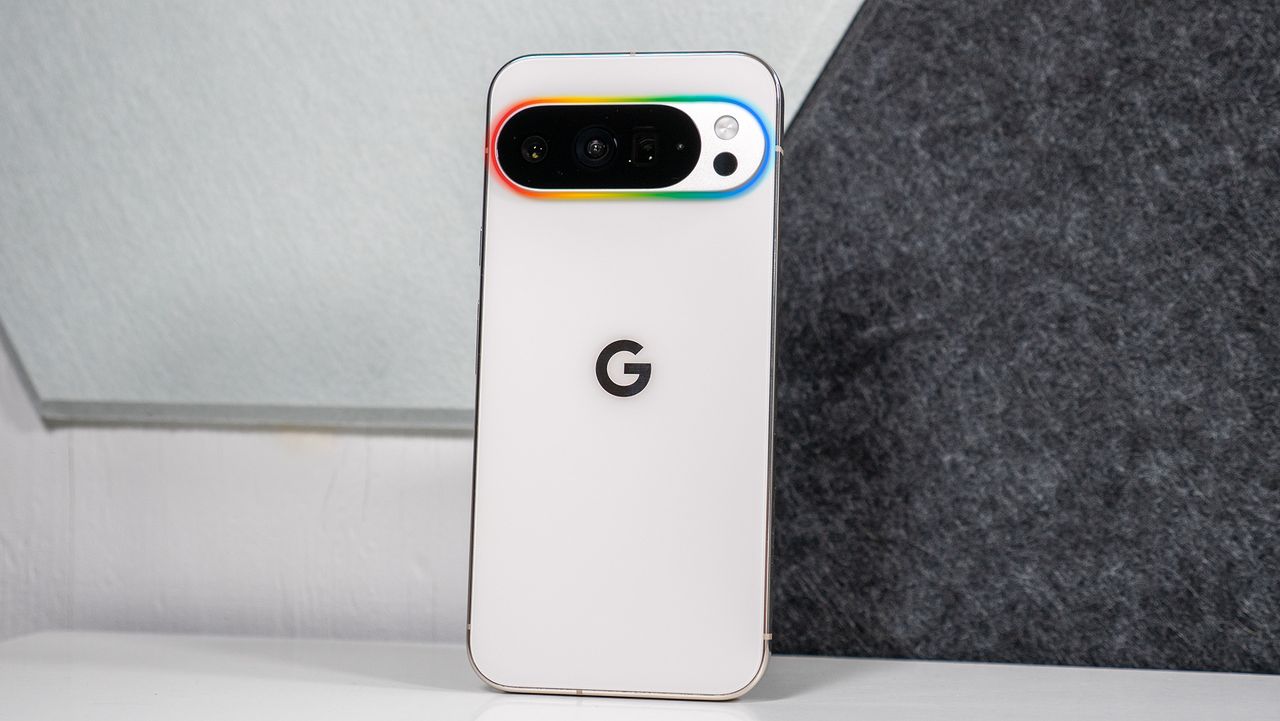
In terms of design, the Pixel 11 lineup is expected to look very similar to the Pixel 10 series, with the same rounded corners, flat sides, and signature camera bar. The only new hardware change, design-wise, is expected to be the new Pixel Glow LED, which the company has even been teasing on the Google Store.
Google is also expected to stick with the same four-model lineup: the Pixel 11, Pixel 11 Pro, Pixel 11 Pro XL, and the Pixel 11 Pro Fold.
(Image credit: 9to5Google)
The new phones are rumored to arrive in a range of fresh colors, but the bigger changes are expected under the hood. Google may finally switch to a new 2nm Tensor G6 chip built by TSMC, which should address many of the performance and efficiency complaints surrounding previous Tensor processors.
There's also expected to be a modem upgrade, with Google reportedly moving to a MediaTek modem for the first time.
Unfortunately, like many smartphones launching in 2026, the Pixel 11 series is also expected to get a price hike. Current leaks suggest every model could cost around $100 more than its predecessor.
The silver lining is that Google is also rumored to double the base storage to 256GB. Thankfully, we won't have to wait much longer to find out how accurate the leaks have been.
Pixel Watch 5
(Image credit: Nicholas Sutrich / Android Central)
The Pixel Watch 5 first leaked in perhaps the most unexpected way possible, after a diver reportedly found one on the ocean floor near St. Martin. Since then, a number of other leaks have filled in the rest of the picture.
In terms of design, the Pixel Watch 5 is expected to retain the same curved, circular display we've seen on previous Pixel Watch models. Google is also reportedly sticking with the same 41mm and 45mm size options.
Under the hood, however, the report suggests there won't be a new chipset this year, meaning we won't see the new Qualcomm Snapdragon Wear Elite chip that debuted on Samsung's latest Galaxy Watches. That said, Google is reportedly increasing the RAM, which should help with the new on-device AI features.
As for pricing, leaks suggest Google is planning a small price increase compared to last year's models. If that proves true, it would mark the first time Google has raised Pixel Watch prices since the lineup debuted.
More wearables? New software features?
(Image credit: Brady Snyder / Android Central)
Made by Google is never just about the hardware that's already leaked. In fact, Google almost always has a few surprises up its sleeve, and this year is unlikely to be any different. We're expecting the company to show off a few more devices alongside the Pixel lineup.
Google is also expected to debut its partner hardware for Googlebooks this fall, but perhaps we can expect a look at first-party Googlebook hardware this year at the Made by Google event.
And, of course, Pixel launch events are never just about new hardware. Google also spends a significant amount of time showcasing the software experiences that power its latest devices. That means we can expect to hear much more about Android 17, including new features like Rambler, new emojis, and Gemini Intelligence coming to the Pixel 11 series.
As in previous years, Android Central will be on the ground at Google's Made by Google event, bringing you full coverage and live updates from the keynote. We'll also be running a live blog throughout the event, so you can follow along in real time as Google unveils its next generation of Pixel devices.
A new leak reveals Lenovo's first Googlebook lineup, including two laptops and a detachable 2-in-1 tablet.
The leaked devices feature Google's new Pixel Glow Bar design and a familiar Chromebook-inspired look.
Lenovo's 2-in-1 Googlebook appears to support a keyboard case, kickstand, and stylus for productivity.
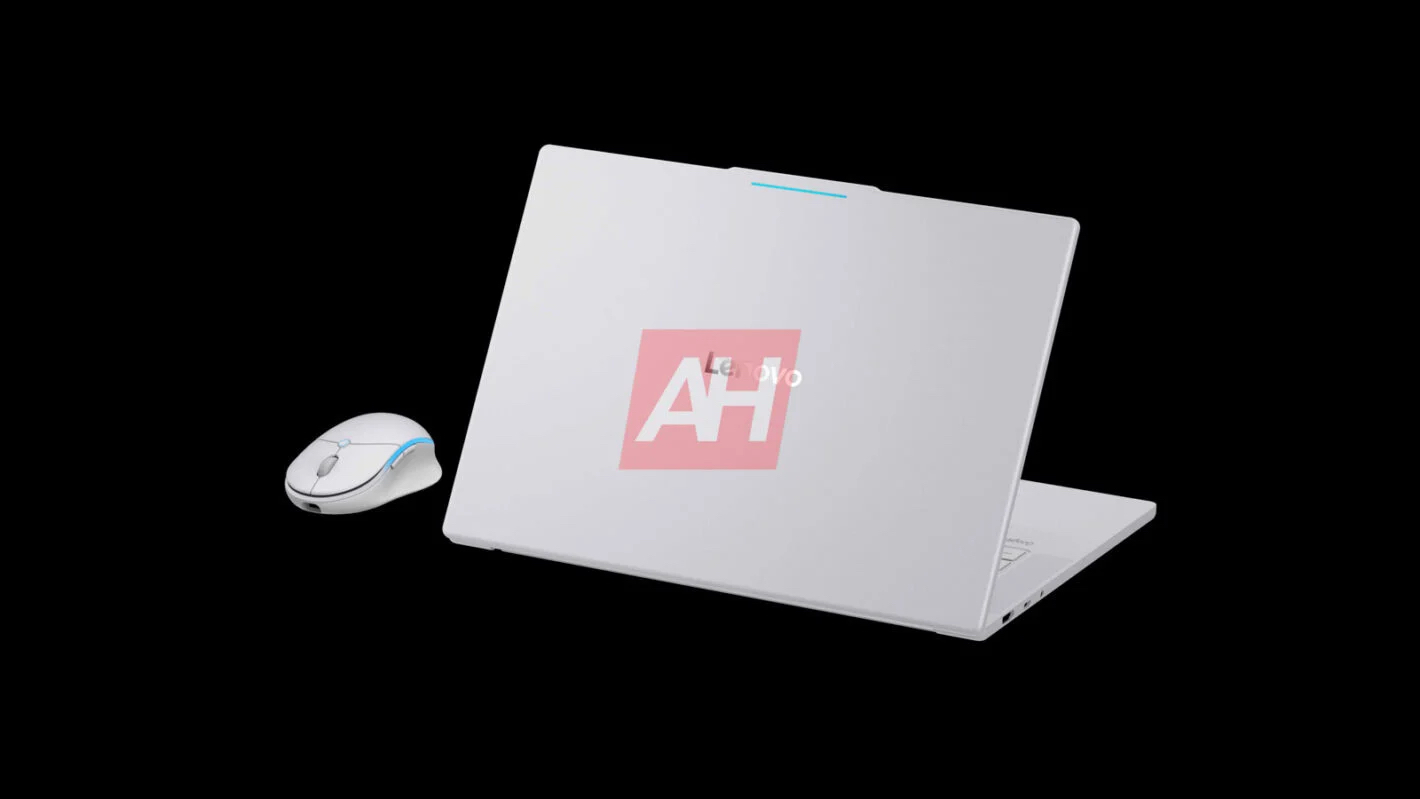
Lenovo is set to launch its first lineup of Googlebook devices later this year, and a new leak has given us our first look at all of them.
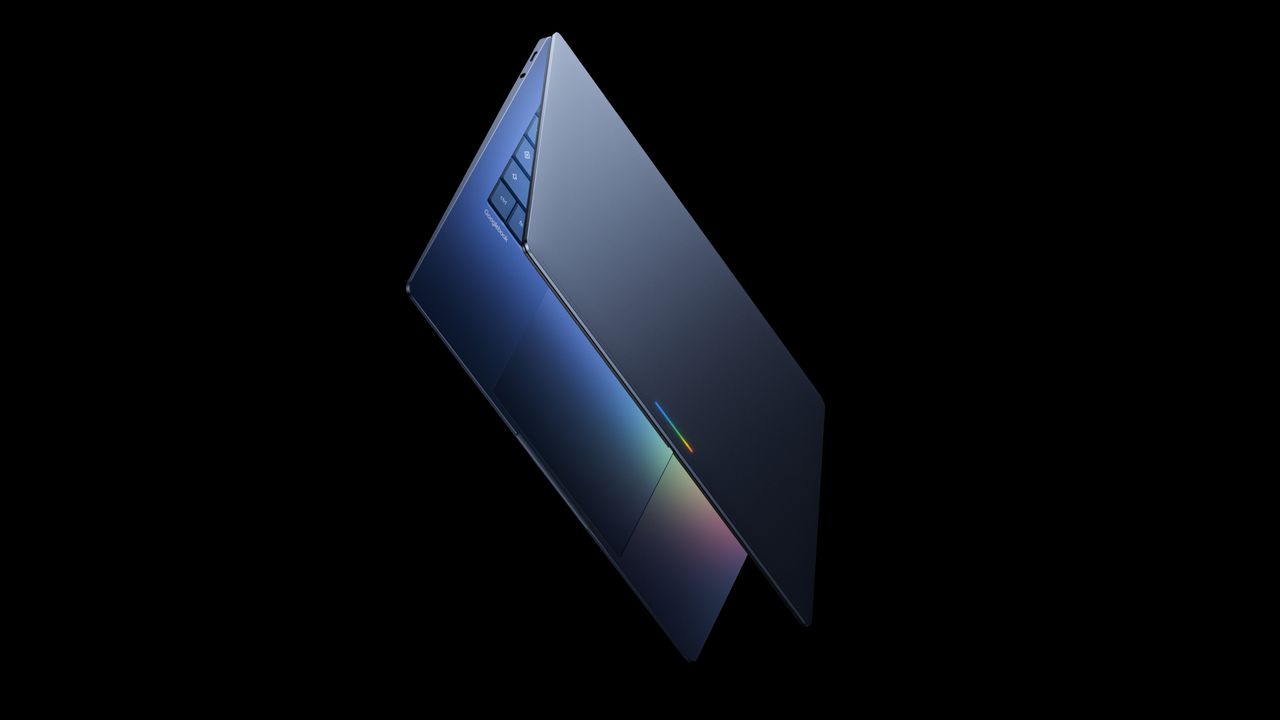
Earlier this year, Google unveiled its vision for Googlebook, a new Android-based laptop platform with Gemini and AI at its core. At the time, the company confirmed that the first wave of Googlebook devices would come from partners including Acer, ASUS, Dell, HP, and Lenovo.
Now, a new leak from Android Headlines appears to reveal what Lenovo has been working on.
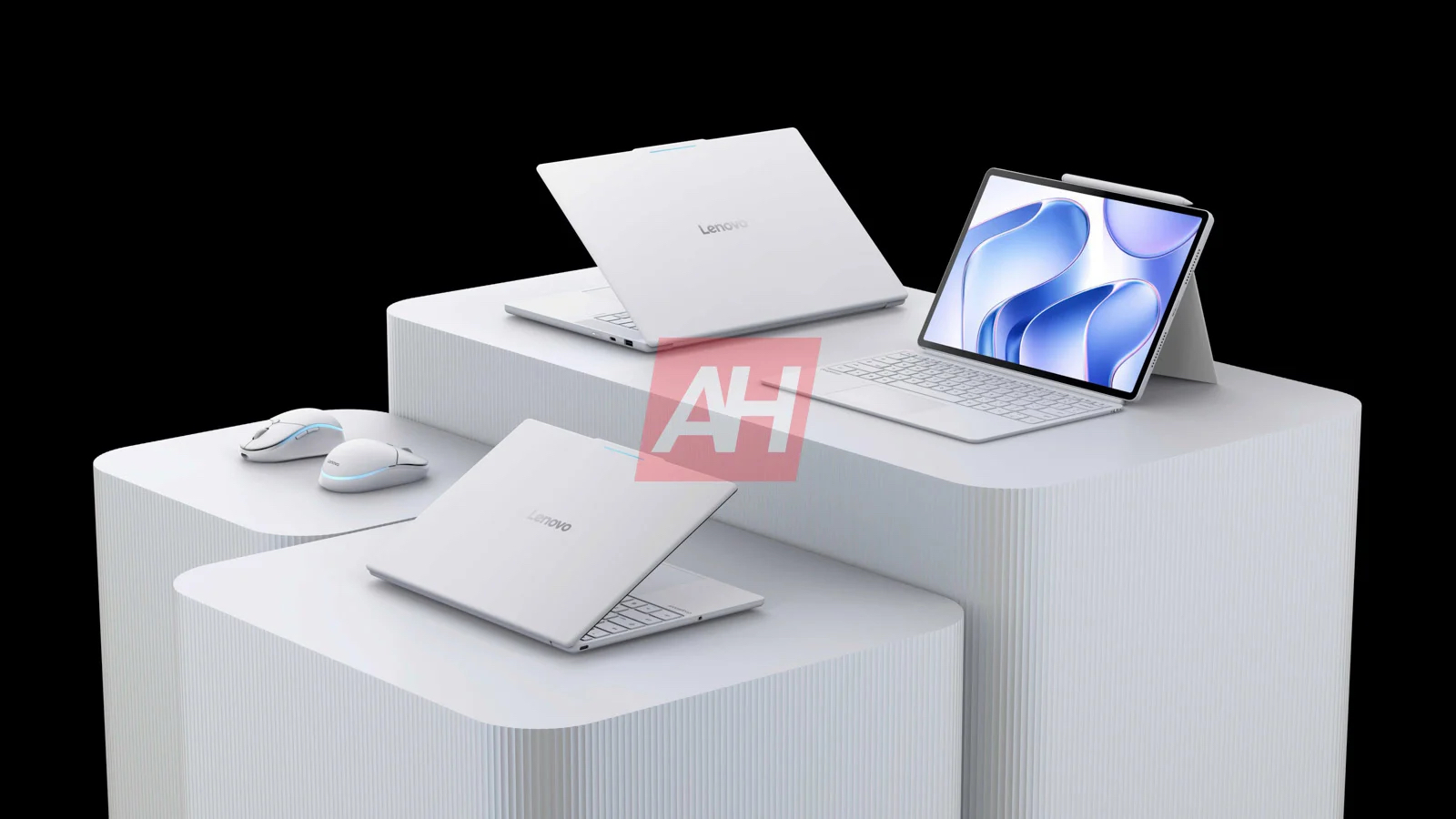
According to the leak, Lenovo is preparing three Googlebook devices in total: two laptops and a 2-in-1 tablet.
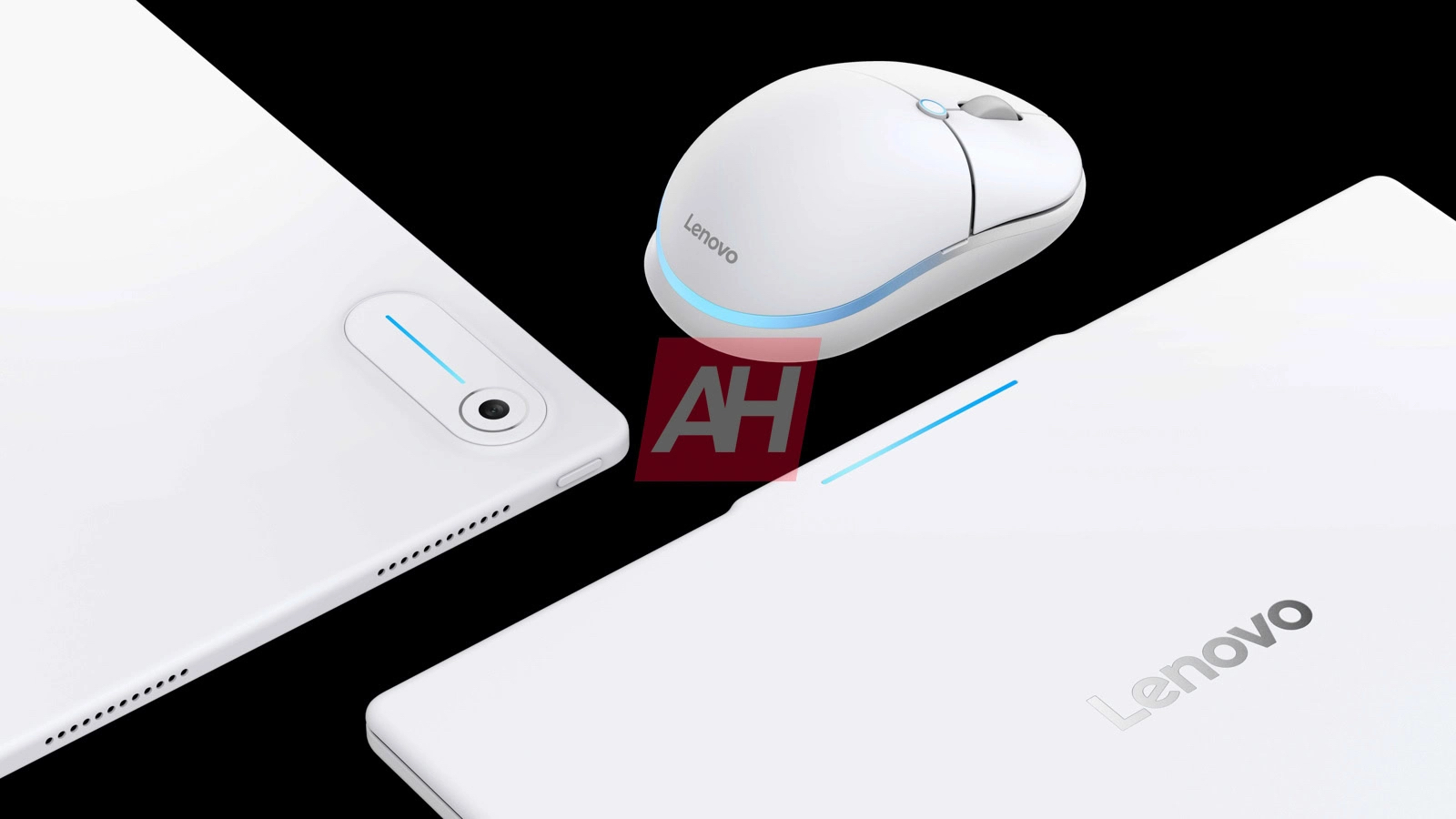
The laptops look fairly similar to Lenovo's existing Chromebook lineup. Based on the leaked renders, one of them features a white finish with Lenovo branding on the lid, along with what appears to be Google's new Pixel Glow LED near the top. The larger model also seems to include both a USB-A port and a USB-C port, while the speaker grilles are positioned along the sides.
The leak also gives us our first look at Lenovo's Googlebook 2-in-1 tablet. It resembles a fairly typical Android tablet paired with a keyboard cover and kickstand case, with support for a stylus as well. The Googlebook branding is visible next to the trackpad, while the Pixel Glow Bar appears to have been integrated into the camera housing on the back.
Lenovo hasn't confirmed when these devices will be officially announced. However, since Google previously said the first Googlebooks would arrive this fall, it's likely we won't have to wait much longer.
There's also no word on pricing yet. That said, with RAM prices continuing to climb throughout the year, I wouldn't be surprised if Lenovo positions these devices firmly in the premium segment.
Samsung launched the Galaxy Watch Ultra back in 2024 as its answer to the Apple Watch Ultra. Since then, the smartwatch has received a couple of meaningful upgrades and has established itself as one of the best premium Android smartwatches you can buy. Now, though, it looks like Samsung could soon have another competitor on its hands.
As revealed by The Mac Observer, the Moto Watch Ultra has leaked in a series of renders, giving us our first look at Motorola's upcoming flagship smartwatch.
From the leaked images, the Moto Watch Ultra looks very much like an upgraded version of the Moto Watch (2026), but with a much more premium design. It features a large circular display surrounded by a numbered bezel, similar to what we've seen on Samsung's Galaxy Watch Ultra.
The Mac ObserverThe Mac ObserverThe Mac Observer
The watch is also expected to feature a 46mm stainless steel case, giving it a noticeably more premium finish than Motorola's current smartwatch lineup. You can also spot a rotating crown on the side alongside an additional hardware button.
Similar to Samsung's flagship smartwatch, the Moto Watch Ultra is expected to offer LTE connectivity, built-in GPS, and Wi-Fi. The leaked specifications also point to an IP68 rating along with 5ATM water resistance.
The renders show the watch paired with a black leather-style strap featuring red stitching, although Motorola will likely offer additional color options at launch.
One big question still remains, though. Motorola moved away from Wear OS earlier this year, and it's currently unclear whether the Moto Watch Ultra will return to Google's smartwatch platform or continue using the non-Wear OS software.
Personally, though, I think launching a direct Galaxy Watch Ultra competitor without Wear OS would be a risky move, especially if Motorola plans to position it in the premium smartwatch segment.
Tecno has revealed a new concept phone with a next-generation, truly bezel-less display ahead of its debut at IFA 2026.
The concept features a 0mm display border, which fully removes the physical black edge around the smartphone's screen.
Tecno says achieving this required advanced internal stacking, structural re-engineering, and new screen-packing techniques.
We've all been dreaming about a bezel-less smartphone, and thanks to Tecno's new concept, we may be closer to that dream more than ever.
While brands like OPPO, Xiaomi, and Vivo usually grab the headlines, Tecno has quietly been innovating behind the scenes. Last year at IFA, the company showcased its ultra-slim Spark concept, which eventually launched earlier this year as an iPhone Air competitor.
Now, ahead of IFA 2026, Tecno is back with another concept, this time focusing on a next-generation bezel-less display.
(Image credit: Tecno)
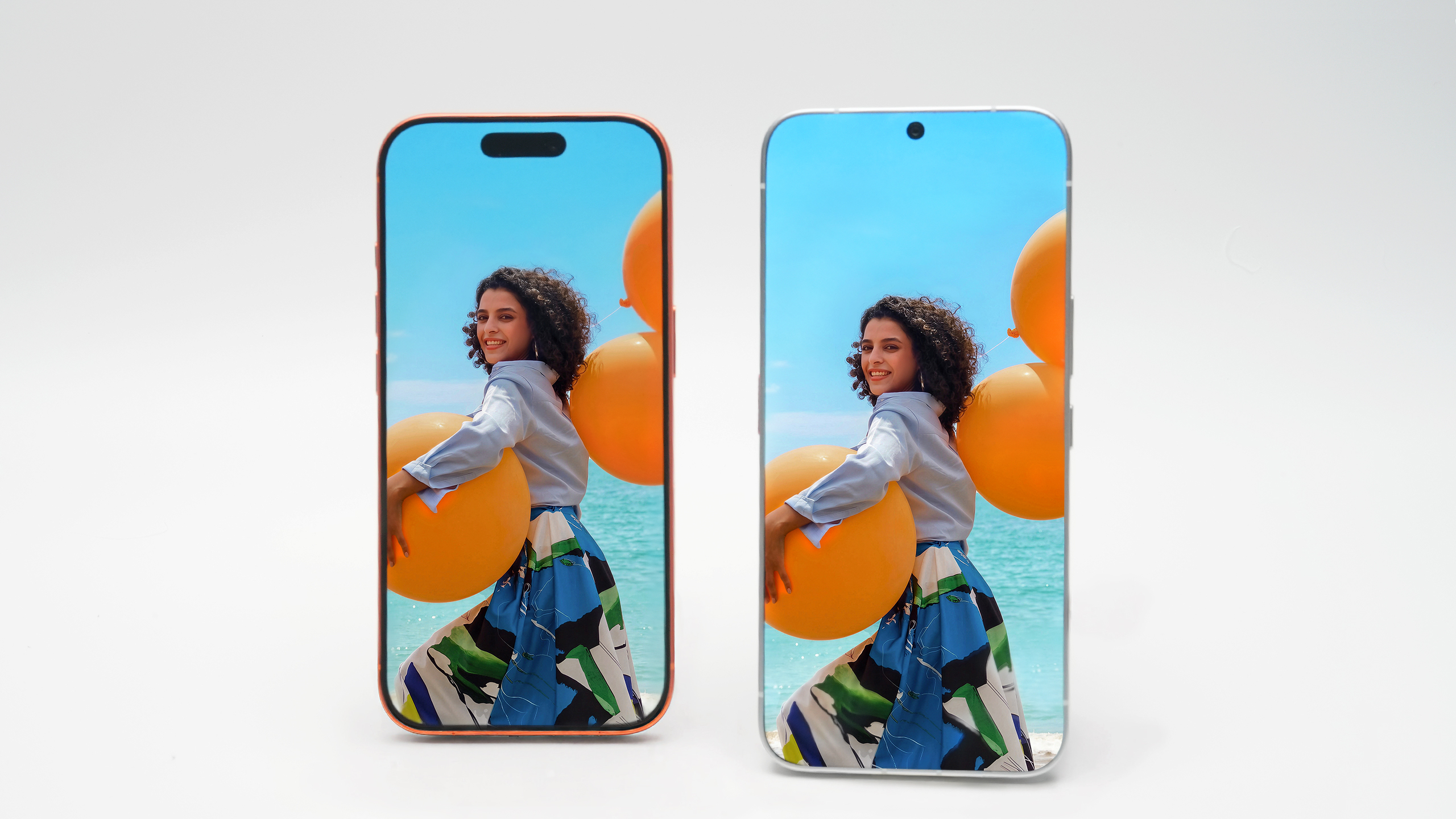
For those unfamiliar with the term, the bezel is the black border that surrounds your smartphone's display. Smartphone makers have spent years trying to shrink it as much as possible, but even today, devices like Google's Pixel A-series phones and several mid-range Samsung smartphones still have fairly noticeable bezels.
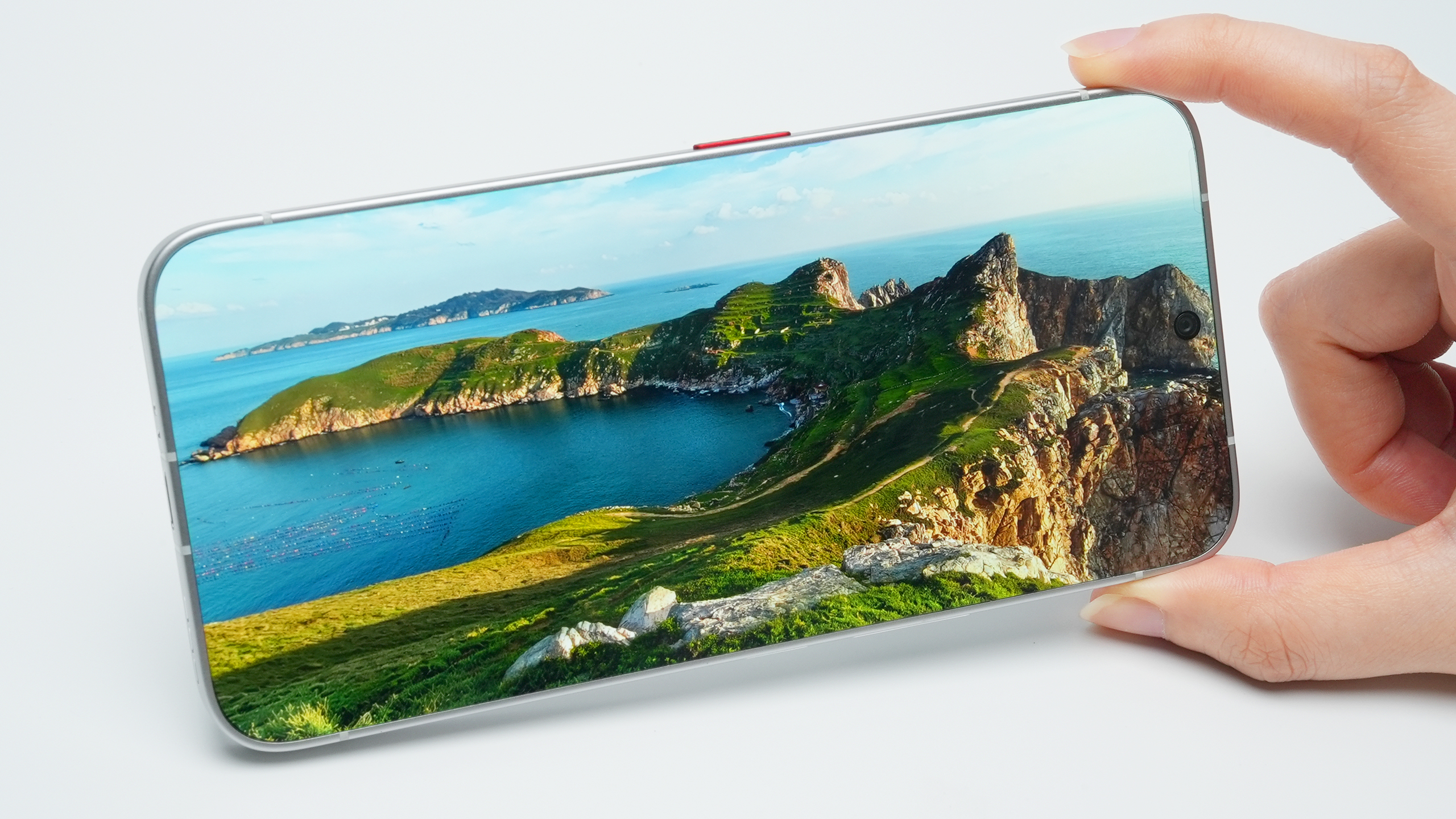
Tecno is now claiming to have eliminated them entirely. Ahead of its IFA 2026 ShowStoppers debut in September, the company has unveiled a concept phone with what it calls a true 0mm display border, essentially removing the visible black frame around the screen.
(Image credit: Tecno)
According to Tecno, "eliminating the bezel required rethinking the smartphone from the inside out." The company says it achieved this through advanced internal stacking, structural re-engineering, and new screen packing techniques.
Tecno says this will allow for a genuinely unique experience, since content like videos will now fill the entire screen. And for gamers, it should provide an even more expansive view during gameplay.
Based on the concept renders the company has shared with the media, it's still pretty hard to picture exactly how the device might look in real life and in the hand. That said, we'll be going hands-on with Tecno's concept smartphone once it's showcased at IFA 2026.

 Login