❌

Reading view

YouTube Music adds AI labels as synthetic songs flood streaming

What you need to know

  • YouTube Music will label AI-generated songs to help listeners identify AI involvement.
  • YouTube combines partner disclosures with AI detection tools to identify tracks, even when creators leave disclosure fields blank.
  • YouTube plans to bring AI labels to its main video platform, extending transparency beyond music streaming.

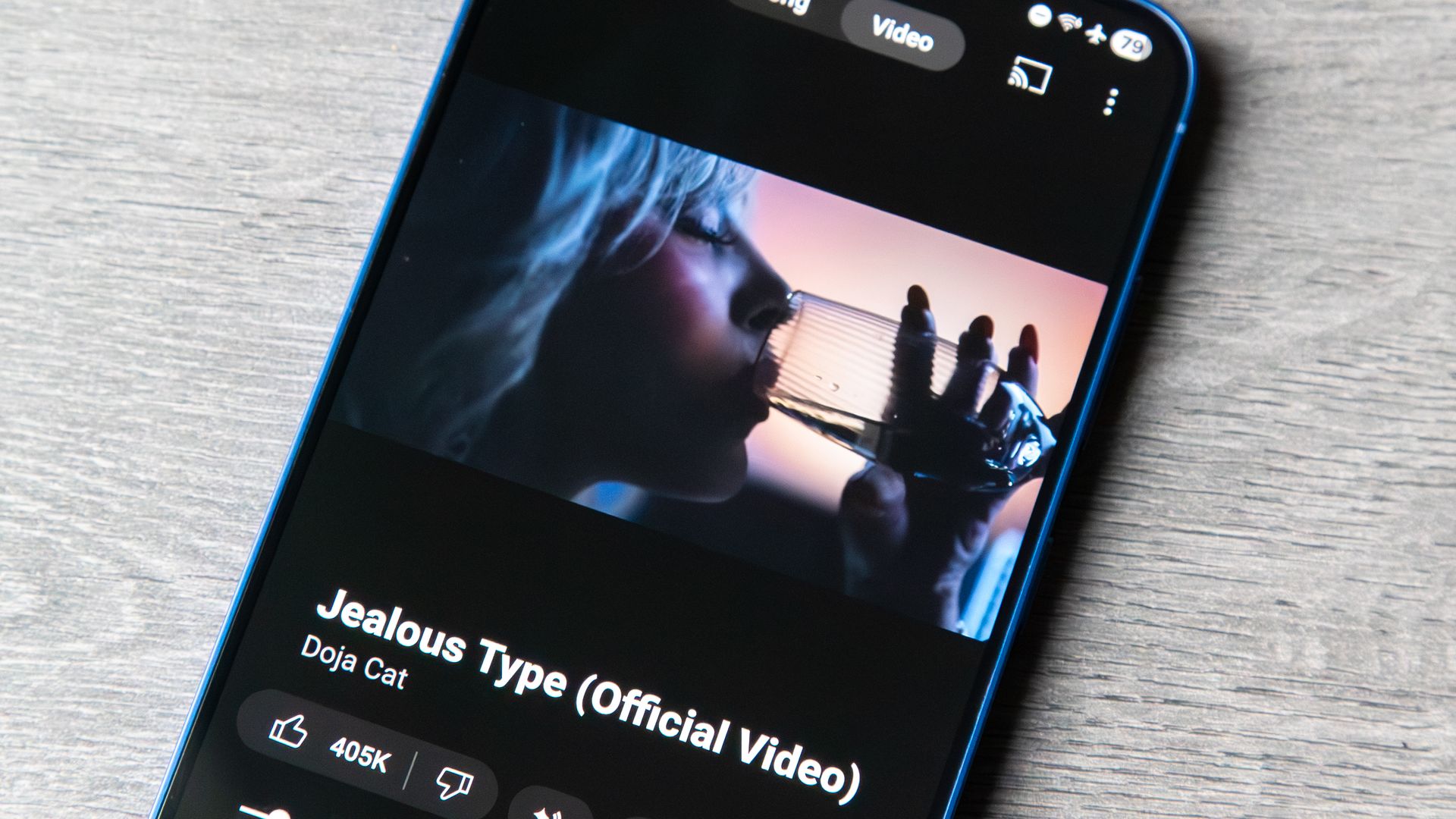
YouTube Music is rolling out new labels that tell listeners when generative AI played a big part in making a song, the company announced Wednesday. The labels will appear directly on the music player, providing users a more transparent idea of what they are listening to without having to sift through descriptions or wonder if a track was created by a human artist or an AI model.

The feature covers music created largely with AI, including songs where generative models contribute both the composition and vocals. Tap a label, and a menu appears with more information about the song’s AI participation. YouTube says the labels will eventually reach its main video platform as well.

The move comes as generative AI makes it easier to produce music at scale. The challenge for streaming services is to help listeners distinguish between AI-assisted work and AI-made work, without treating all uses of AI the same.

YouTube pairs creator disclosures with detection tools
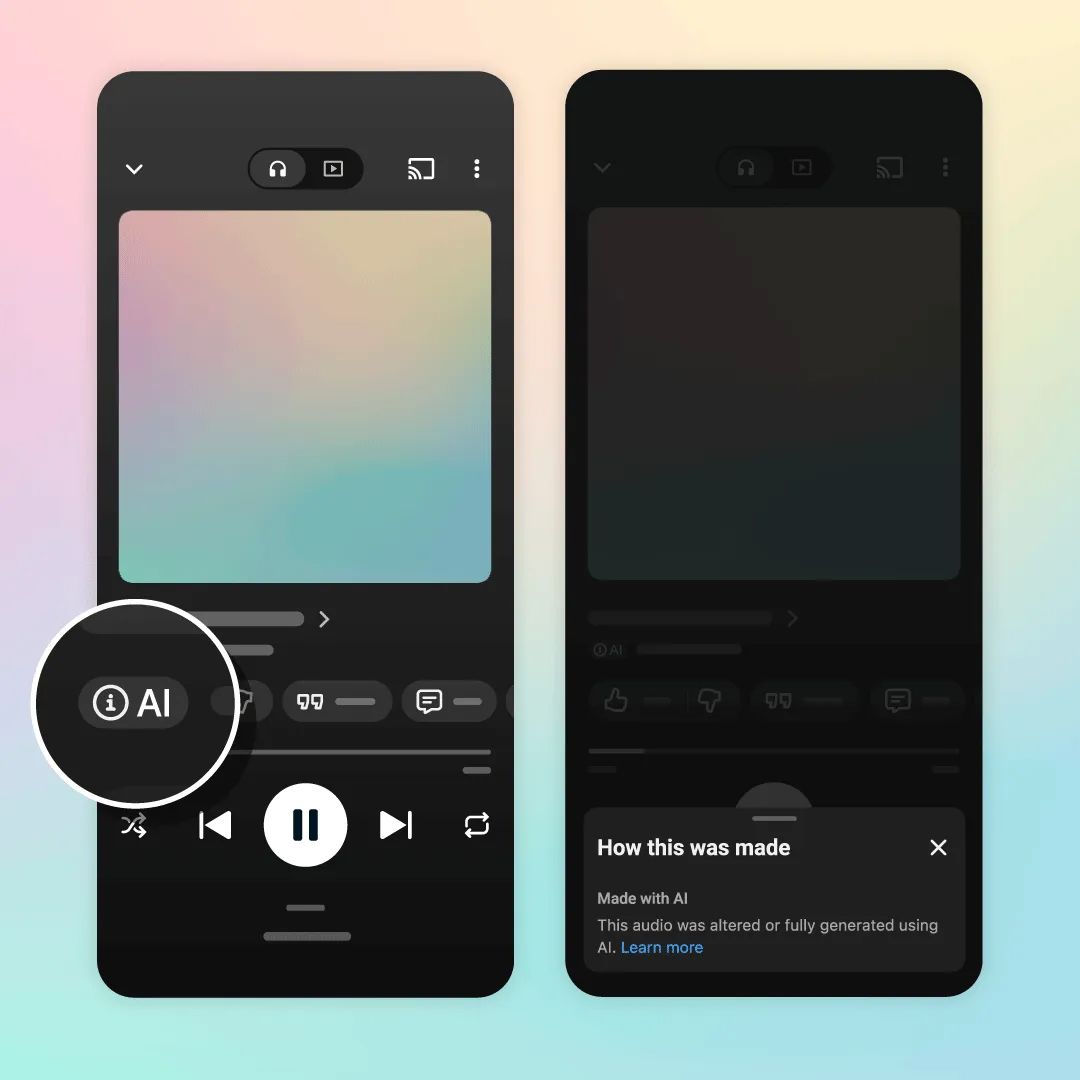
AI labels in YouTube Music

(Image credit: YouTube)

YouTube is using a mix of disclosure from its music partners and its own detection tools instead of relying on artists and music distributors to flag AI-created content. Partners can identify delivered tracks as “Fully Gen AI”, “Partly Gen AI”, or “No Gen AI” through supported metadata workflows.

This distinction is important since an artist using AI to help in a certain part of the production is not the same as a fully AI-generated song. The labels are not intended to lump every AI-assisted track into one category but rather to provide more context for listeners about that difference.

YouTube's help page says it may use additional signals when partners don't provide AI information. If the platform can detect that a track has content created by AI, it could be marked as fully or partially AI-generated. Therefore, not entering anything in the disclosure field is no guarantee a song won’t be tagged.

Not an AI-free listening experience, but transparency

The new labels are not a prohibition on AI-generated music. Instead, YouTube is providing listeners with more information on how tracks were made and letting them choose what belongs in their playlists.

That approach puts the spotlight on transparency as AI music becomes more prevalent across streaming platforms.

I would love to see AI labels become the standard for everything I consume online, from music and videos to news articles and social media posts. I’m not necessarily against content produced by AI, but I want to be told that I’m hearing or seeing it before I decide what I think about it.

YouTube Music adding these labels is moving in the right direction, and I’d welcome the additional transparency. I just hope the labelling on YouTube is accurate; a disclosure system is only useful if listeners can trust it.
  •  

Your dusty Nest and Home speakers just got a surprise firmware lifeline

What you need to know

  • Google is updating older Nest speakers with firmware version 3.79.550760, which is being tested through the Home Preview Program.
  • The original Google Home, Home Mini, Nest Mini, and Nest Audio are eligible for the update.
  • Google expects to release the update more broadly over the next few weeks, but it hasn’t announced an exact date.

Some love is coming to a few of Google's older Nest speakers in the form of updates designed to make them more useful around the house — but don't expect a dramatic transformation from hardware that has been around for years.

The update, version 3.79.550760, is now in testing through Google's Home Preview Program. This includes the original Google Home from 2016, Home Mini, Nest Mini and Nest Audio. The Google Home Max isn’t included in this testing round.

The release comes as Google continues to refine its smart home experience, where voice commands and connected devices are supposed to work together without users having to fight their setup. It’s especially the case for older smart speakers, which still have utility for basic tasks as Google’s newer hardware and software evolve.

The original Home Mini was released in 2017, followed by the Nest Mini in 2019 and Nest Audio in 2020. These speakers can still handle everyday requests, but their age means they’re not necessarily getting the same attention as Google’s newer products. That said, better software can extend their usefulness.

For owners, the bigger question is whether these changes will just keep existing speakers ticking over or make them more reliable and convenient. Smart speakers are only as good as the assistants inside them, and Google’s software updates could help older Nest speakers remain useful, even as newer hardware and features arrive.

But software updates can only go so far. Older speakers can still manage basic smart home tasks and play audio; in other words, anyone expecting a major upgrade should temper their expectations.

Google’s latest moves prove it hasn’t totally forgotten about its older Nest lineup. That’s good news for those who would rather keep a perfectly functional speaker than replace it just to stay “current.”

Owners can join the preview

Owners who want to give it a try can go to the Google Home app, tap on their speaker, go to Settings > Device information > Preview program, and sign up if they are eligible. The firmware will install automatically overnight. Google expects to roll it out more widely over the next few weeks but hasn’t given a specific date.

There’s a separate October Google Home update too, improving Gemini for Home conversations, voice commands, weather responses and device controls in the app.

  •  

Google makes it easier to find apps and listen to YouTube in your car

What you need to know

  • Vehicles with Google built-in are getting a redesigned Play Store, new apps, and improved YouTube playback over the next few weeks.
  • The updated Play Store will make its catalog of apps easier to browse, with featured picks, new releases, and curated collections.
  • YouTube will automatically switch to audio-only playback when drivers shift into drive, letting videos continue without distracting visuals.

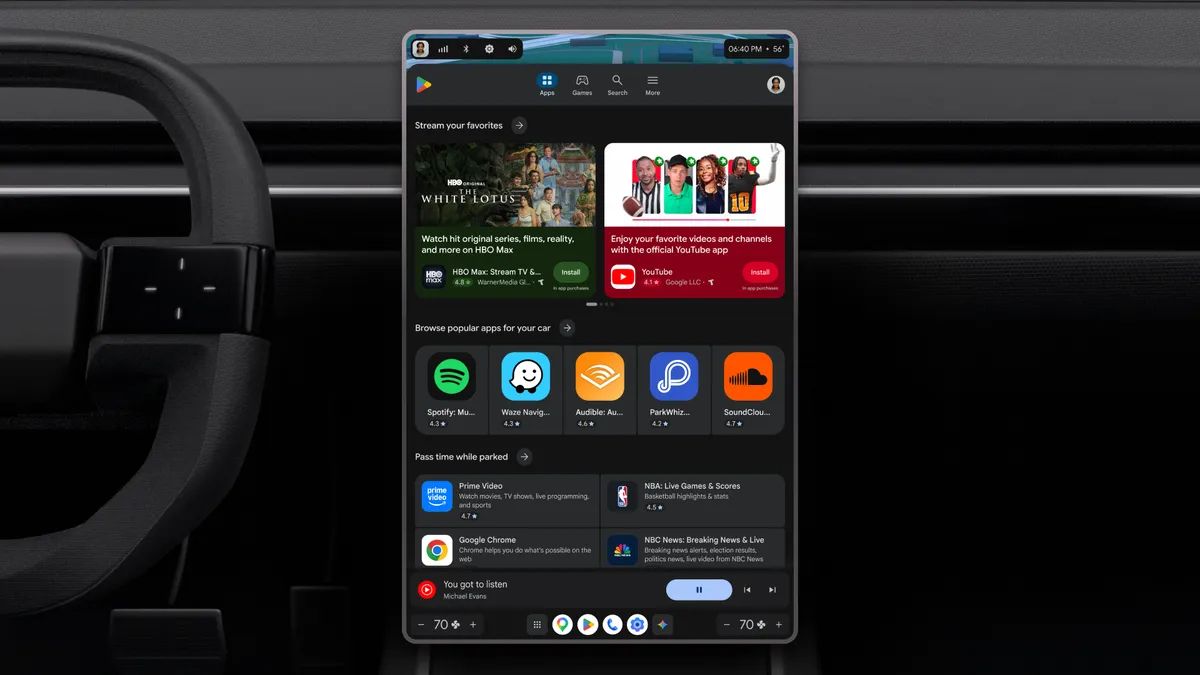
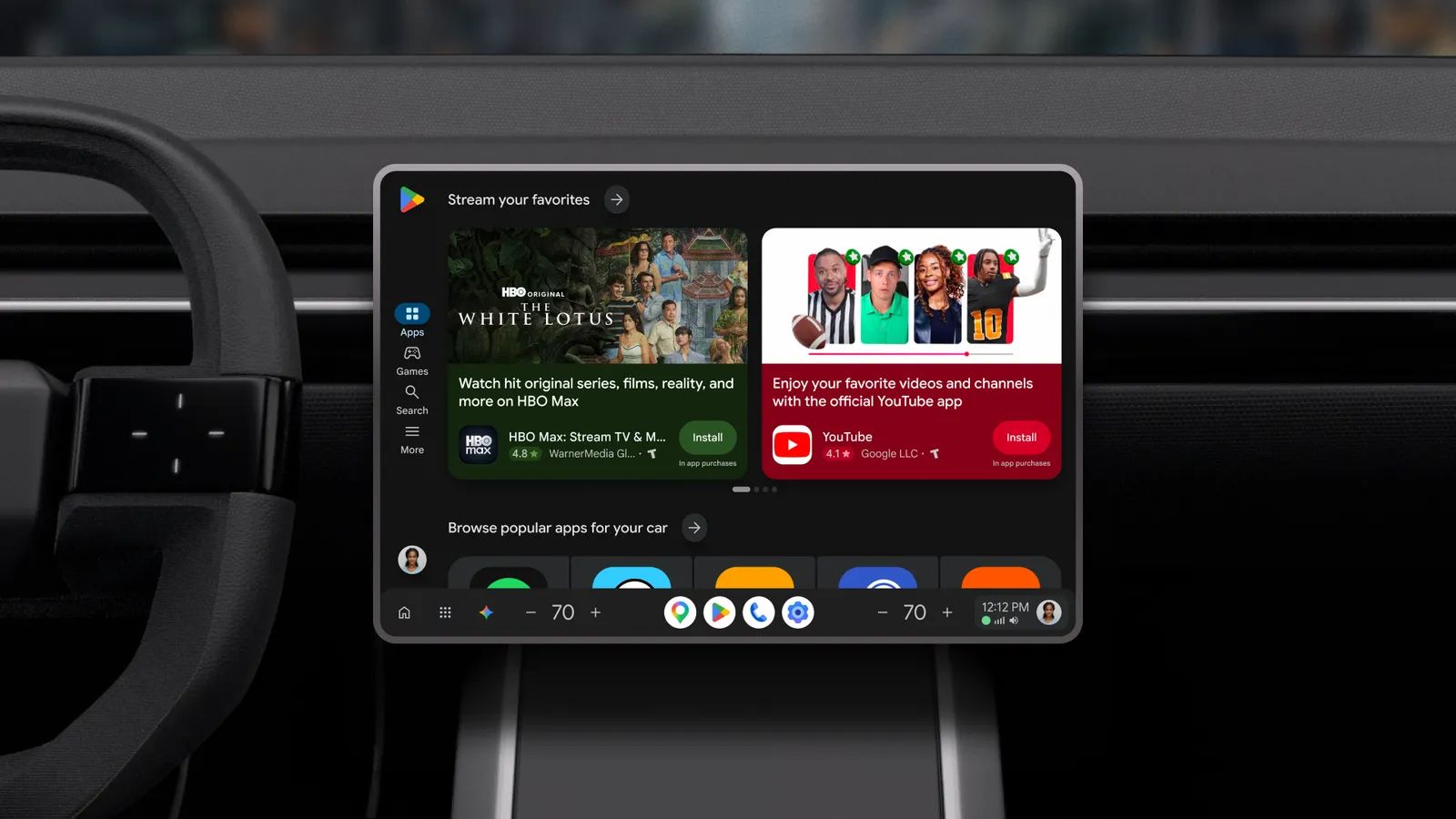
Google is rolling out a more useful entertainment experience for cars with Google built-in, including a redesigned Play Store, new apps, and a YouTube upgrade that lets you keep listening after shifting into drive. Drivers will not have to do anything themselves to install it, as the changes will come automatically over the next few weeks.

The Play Store refresh is meant to make the app-finding process less painful. Google notes that there are already more than 700 available apps on compatible vehicles, but the new interface should help make browsing that catalog a lot easier. You'll see featured apps, new releases, and useful app details directly on the homepage, and curated collections will help you find options depending on whether your car is parked or moving.

Google is also moving on from one-size-fits-all interfaces. The new storefront will be able to adapt to the size, shape, and orientation of each vehicle’s infotainment display. One-tap downloads will make it easier and quicker to get new apps.

And there’s more to come. STARZ, Firefox, Ludo King, and JioHotstar are coming to the in-car app lineup, giving you more ways to stream shows, browse the web, and play games while you’re parked. These additions should make the charging stops and waiting periods more useful for passengers and drivers taking a break.

Play Store interface on Android Automotive

(Image credit: Google)

YouTube finally makes driving less annoying

The bigger improvement might be YouTube’s new background playback behavior. Previously, starting a drive would stop YouTube playback. In the new update, you can watch a video while parked and automatically switch to audio-only playback as you shift into drive.

That means podcasts, interviews, and other videos can continue to play without distracting visuals on the dashboard. The catch is, you’ll need a YouTube Premium subscription to take advantage of the feature.

Google has talked about this park-to-driving functionality before, but the latest announcement confirms it’s coming to YouTube on cars with Google built-in. Don’t confuse this with Android Auto, which shows compatible phone apps on a car’s display. Google has not said if the same automatic background playback feature is coming to Android Auto.

The updates will be pushed automatically to eligible vehicles over the next few weeks.

  •  

Samsung Galaxy Glasses leak reveals lightweight design and a surprising range of styles

What you need to know

  • Samsung’s Galaxy Glasses could weigh just 41 grams with standard lenses, making them lighter than earlier leaks suggested.
  • Battery life could reach nine hours, with the charging case extending total runtime to 72 hours.
  • Gentle Monster reportedly offers six frame designs across 16 variants, while Warby Parker plans three styles with multiple color and lens options.
  • A November launch is reportedly planned, with Gentle Monster models targeting South Korea and the US, and Warby Parker versions initially limited to the US.

Samsung’s first AI-enabled smart glasses might be lighter than previous leaks have suggested, and they look to be available in a wider range of designs than we’ve seen so far.

New information obtained by SammyGuru reveals that the upcoming Galaxy Glasses weigh around 41 grams with standard lenses, alongside a detailed look at frame options from Gentle Monster and Warby Parker. For context, official regulation golf balls max out at 45.9 grams — meaning these smart glasses are actually slightly lighter.

Previous reports put the glasses in the range of 46 to 50 grams. Of course, prescription lenses will certainly add some weight, but the exact amount will depend on the model. By keeping the hardware this light, Samsung can make its smart glasses comfortable enough for everyday wear.

The glasses are powered by Qualcomm’s Snapdragon AR1 Gen 1 chip inside, with 2GB of RAM and 64GB of storage. The 12MP camera captures video at 3K resolution and 30 frames per second, and there are four microphones for calls and talking to Google Gemini. The audio comes through two open-ear speakers so you can still hear the world around you.

These glasses do not include a display but instead focus on hands-free AI assistance, photography, and audio instead of information in front of your eyes. It boasts a 155mAh battery that lasts up to nine hours, while a charging case offers a total of 72 hours of battery life. The IPX4 rating should also protect the glasses against sweat and light splashes, but the case itself is not water-resistant.

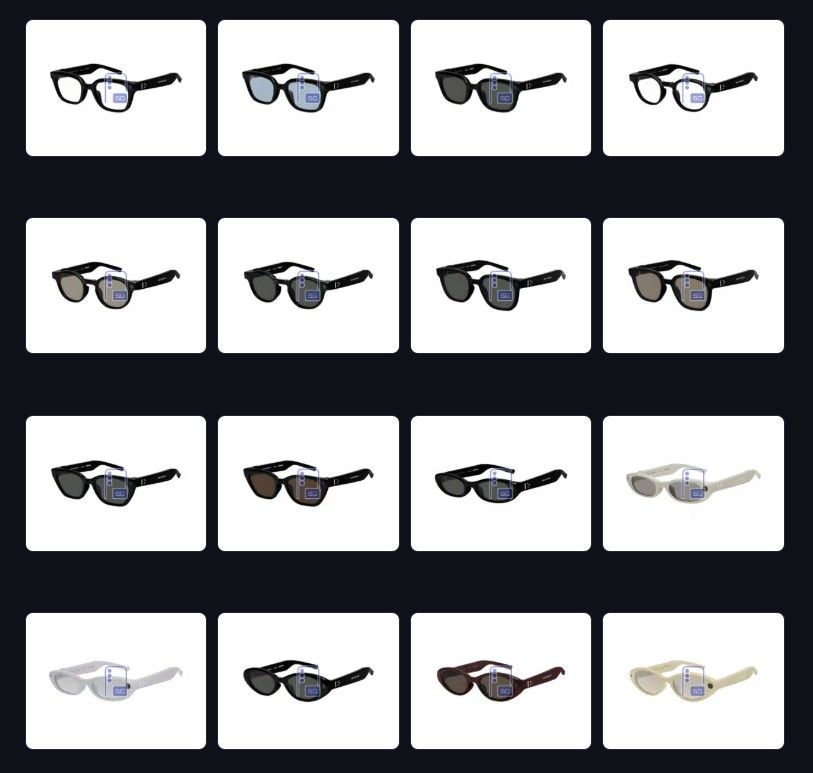
Samsung seems to be working just as hard on the styling. SammyGuru reports that Gentle Monster has six frame designs in 16 variants, including black, burgundy, cream, and pale lilac.

Gentle Monster styles for the Galaxy Glasses

(Image credit: SammyGuru)

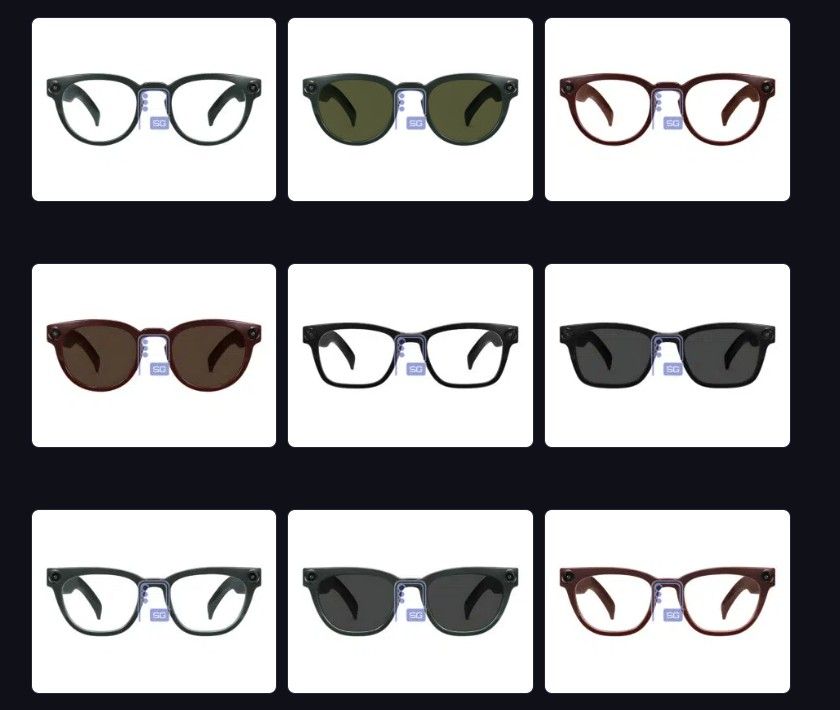
Warby Parker is also expected to have three named styles — Alden, Reid, and Wren — in colors like dark green, reddish brown, and black. Clear lenses and sunglasses are also said to be available depending on the frame.

Warby Parker styles for the Samsung Galaxy Glasses

(Image credit: SammyGuru)

The glasses are expected to run Android XR, Google’s operating system for extended reality, with AI features powered by Gemini.

Samsung is reportedly targeting a November release. Gentle Monster models are expected to be available in South Korea and the US, while Warby Parker versions will be US-only at launch. The glasses will be available for purchase through the brands’ stores and websites and Samsung Experience Stores in the US. Pricing and a definitive launch date have yet to be confirmed.

The big question is whether Samsung can assemble a competitive smart glasses offering against Meta’s well-established products without sacrificing comfort, style, or battery life. At 41 grams, its upcoming eyewear could have a promising starting point, but its success will ultimately depend on how useful Gemini proves in everyday situations.

  •  

The Google Fitbit Edge gives you a week of battery life and a screen you can use

What you need to know

  • Google’s new fitness tracker offers a touchscreen and advanced health features without the price of a full smartwatch.
  • Its replaceable battery could extend the device’s lifespan and reduce electronic waste.
  • The OLED screen is 45% larger and over 40% brighter than the Fitbit Charge 6’s display, according to Google.
  • Preorders are live now for $180 ahead of an October 27 launch, alongside a $220 Stephen Curry Special Edition.

Google has announced the Fitbit Edge, a new fitness tracker with a proper touchscreen, advanced health monitoring, and week-long battery life in a slim design.

Available for preorder for $180 starting October 12, the Fitbit Edge is targeting those who want more than the screenless Fitbit Air but don’t want to pay more for a full-blown smartwatch. It also addresses one of the biggest frustrations with wearable devices: battery replacement.

Google says the Edge is its first repairable fitness tracker, with a replaceable battery meant to extend its useful life rather than force owners to replace the whole device when the battery capacity declines.

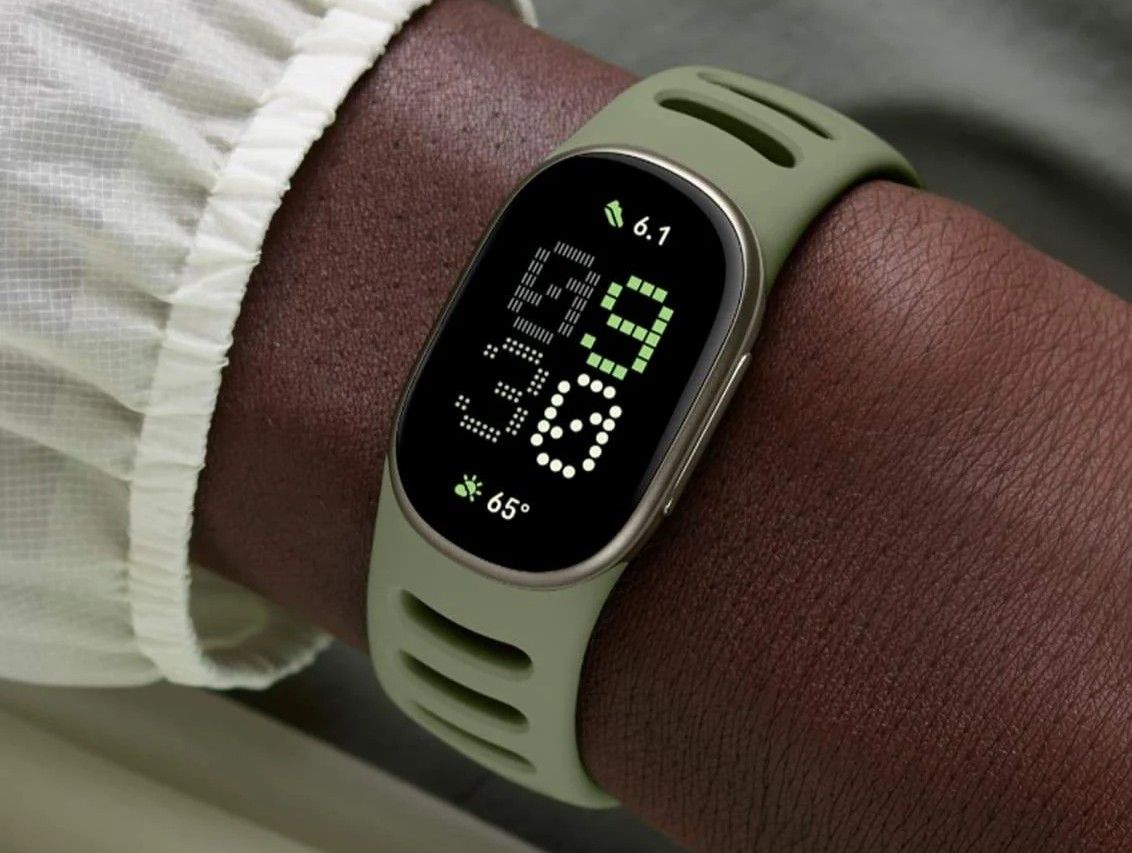
The Fitbit Edge has an OLED touchscreen that’s 45% bigger and over 40% brighter than the screen on the Fitbit Charge 6, according to the Fitbit Edge product page. It also has a built-in GPS, heart rate monitoring, blood-oxygen tracking, ECG readings, skin temperature sensing, and an altimeter to measure elevation on outdoor workouts. The tracker can automatically detect more activities and gives you the option to track your menstrual cycle on your wrist.

Google is also bringing its Gemini-powered Health Coach to the Edge via a Google Health Premium subscription. It gives you recommendations on what workouts to do and adapts your training plans to your routines and goals. Google Health Premium is free for three months for buyers.

Google Fitbit Edge on wrist

(Image credit: Google)

Battery life is another strong selling point. Google says a single charge will last up to seven days, and five minutes of charging will provide a full day of use. It also has a water resistance rating of up to 50 meters and is compatible with Android phones and iPhones running iOS 16.4 or later through the Google Health app.

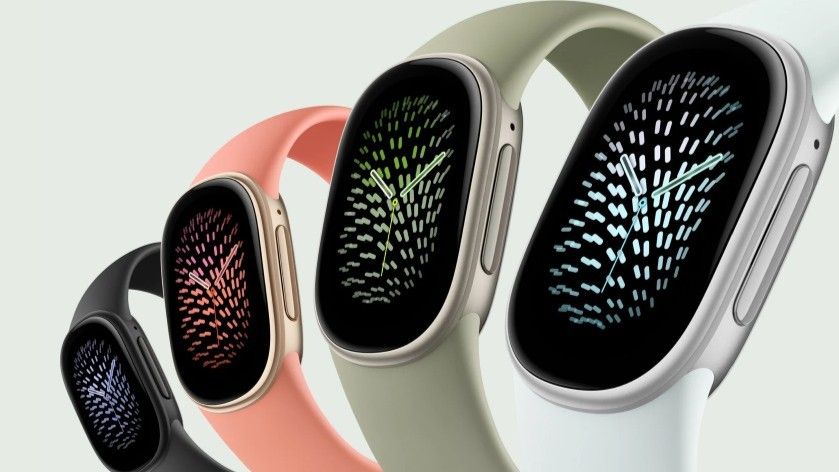
The Edge is available in Obsidian, Fog, Olive, and Canyon finishes, with bands sold separately for interchangeability. A Stephen Curry Special Edition, developed with the four-time NBA champion, costs $220.

But there are trade-offs. The Edge lacks NFC for contactless payments and has no microphone or speaker, so it won’t be a smartwatch replacement for everyone. That said, the Fitbit Edge will be on sale October 27.

  •  

Samsung phones finally support Googlebook cross-device features

What you need to know

  • Googlebook is finally adding Better Together support for Samsung Galaxy phones after leaving them out at launch.
  • Samsung phones running One UI 9.0 based on Android 17 can access Continue On, Cast My Apps, Quick Access, and Notification Sync.
  • A separate Google Play services update fixes a pairing bug that leaves the QR code onscreen after a successful connection.

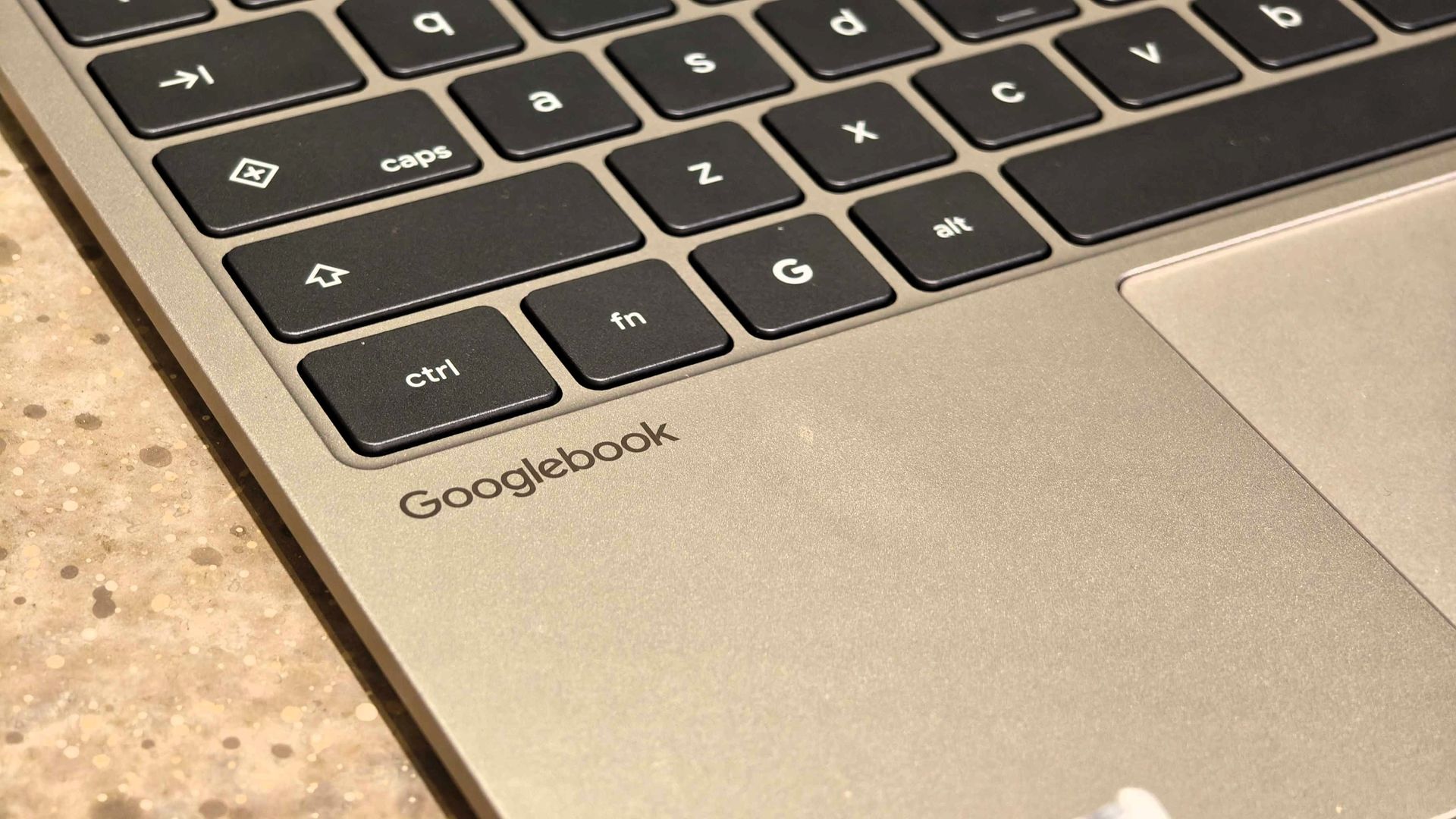
Google is finally addressing one of the biggest issues with Googlebook at launch by bringing some of Googlebook’s Better Together features to Samsung Galaxy phones and making the initial setup less frustrating.

The big draw for the Googlebook is its deep integration with your phone. You can stream mobile apps to the laptop, sync notifications, access phone files, and use Continue On to pick up supported activities on another device. However, Samsung users were left out when Googlebook launched, despite Samsung being one of the biggest names in the Android ecosystem. Google had promised support would come in the next few weeks.

The rollout, as revealed by Google’s Mishaal Rahman on Reddit, is essentially a fix for a pairing bug, but Galaxy owners will need the right software versions before their phones can fully take advantage of the laptop’s Android integration.

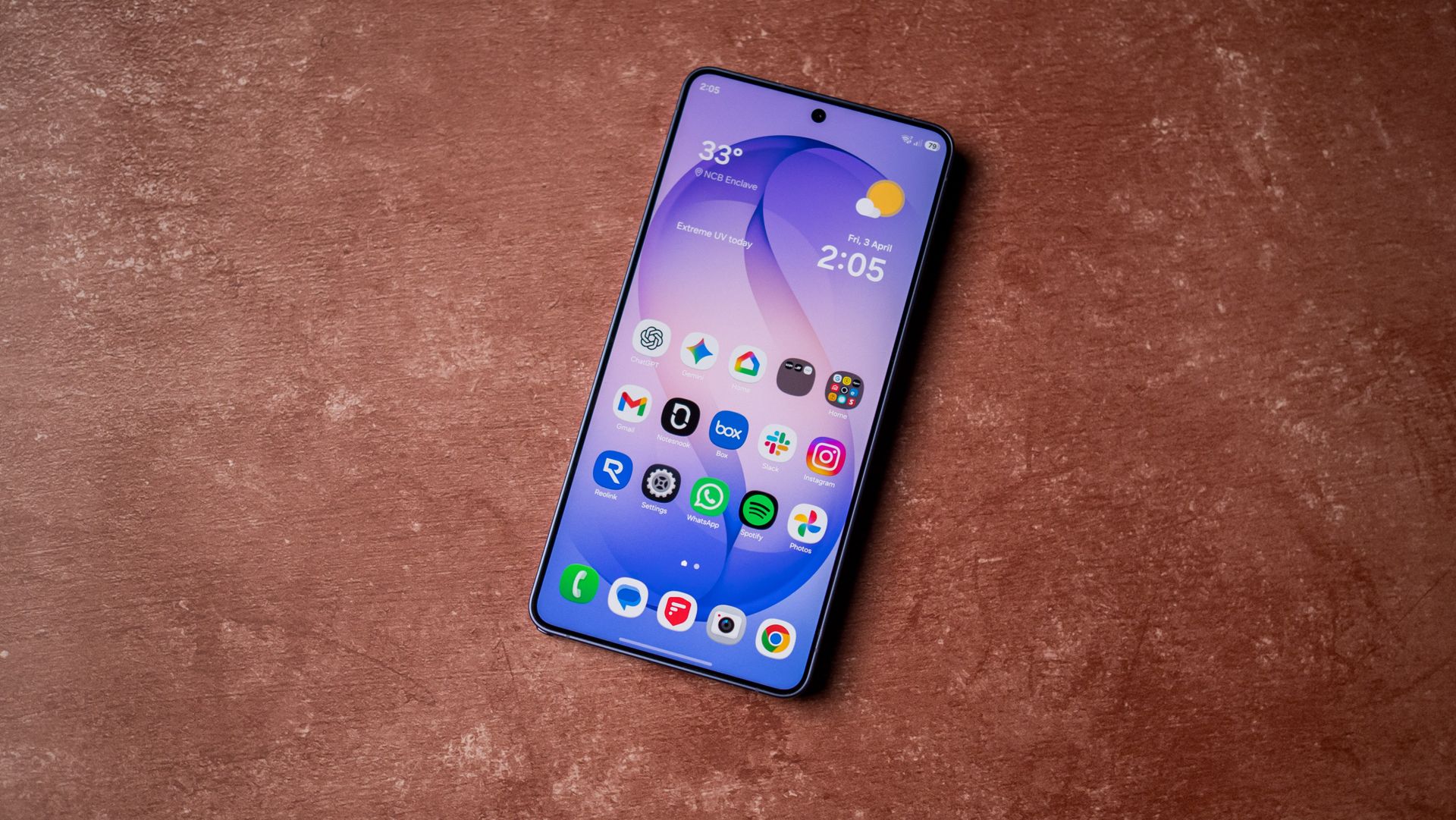
This update works with Samsung smartphones with One UI 9.0 based on Android 17. Supported features include Continue On, Cast My Apps, Quick Access, and Notification Sync.

Another separate update to Google Play services should make the setup process easier and fix an annoying bug that sometimes leaves the pairing QR code onscreen even after the phone has connected.

Google says the changes will be rolled out automatically in the coming days via updates through Google Play and background services. To get everything working sooner, make sure Google Play services is version 26.37 or newer and Cross-device services is version 1.0.1346 or newer. Both devices need to use the same Google account, with Bluetooth and Wi-Fi turned on.

Your network can make a difference too. Google recommends using a private home network because connections between devices may be blocked on public Wi-Fi networks at hotels, offices, and cafes. Disabling a VPN or DNS blocker temporarily can also help with pairing issues.

Early feedback indicates the rollout is already making a difference. Some Galaxy S26 Ultra owners have reported that app casting now works while others wait for compatibility on their devices.

The update is a welcome fix but also points to a problem with the launch of Googlebook: core features weren’t ready for a large percentage of Android users. Samsung support would make the platform more convincing if Google can deliver a consistent experience across supported phones.

  •  

The Galaxy S27’s rumored prices reveal why your next upgrade could cost more

What you need to know

  • A fresh leak claims that Samsung's adding a mid-tier Galaxy S27 Pro to its early 2027 roster, slotting between the Plus and Ultra models.
  • Preliminary U.S. launch targets start at $899 for the base S27, $1,099 for the S27 Plus, $1,299 for the S27 Pro, and $1,399 for the S27 Ultra.
  • Samsung could reserve its newer M16 OLED panels (and their built-in privacy features) for the Pro and Ultra, leaving the standard S27 and S27 Plus on older M14+ panels.

The Samsung Galaxy S27 lineup could be a relief for shoppers worried about another round of flagship price hikes, but the good news may come with a catch. A fresh leak indicates the company will introduce four models in early 2027, with more sophisticated OLED displays reserved for its two priciest phones.

According to pricing details shared by tipster @phonefuturist on X, the Galaxy S27 could start at $899 in the US. The S27 Plus may cost $1,099, followed by the S27 Pro at $1,299 and the S27 Ultra at $1,399. Pricing is expected to vary internationally, with the Ultra potentially priced as high as $1,499 depending on configuration.

🚨 EXCLUSIVE: Galaxy S27 series pricing🇺🇸 US/ 🇰🇷SK | 🌍 Int'l*S27: $899 | $999 — M14+S27+: $1,099 | $1,199 — M14+S27 Pro: $1,299 | $1,399 — M16S27 Ultra: $1,399/$1,499 | $1,499–$1,549 — M16Regional pricing varies. Current targets, subject to change.October 7, 2026

The leaked lineup would be a change for Samsung, which may be adding a Pro model between the Plus and Ultra. The company, though, has not confirmed the phones or their prices, and the tipster describes the figures as preliminary targets.

The more interesting detail is the split display. The regular S27 and S27 Plus are said to come with Samsung’s M14+ OLED panels, while the Pro and Ultra are said to have the newer M16 panels. That difference could see the privacy-display tech included on the more expensive models, while the cheaper-phone buyers miss out.

There is also a financial reason to be cautious. If prices rise, Samsung may have to tweak them pre-launch, possibly negating the perceived savings on the entry-level model. And here’s the awkward flip side: Samsung’s chip business is enjoying a boost from surging AI demand and tight memory supply — but those same market pressures could make its next phones more difficult for regular buyers to afford.

As someone who wants a reliable phone without spending over $1,000, I’d welcome a cheaper standard Galaxy S27. But I’d be annoyed if good screen tech were used as an excuse to push buyers toward more expensive models. Most people shouldn’t have to pay Ultra money to get a premium everyday experience.

These numbers could change as Samsung's next-generation flagship is still months away. Until the company makes an official announcement, buyers should consider the leak as an early pricing guide.

  •  

Samsung is reportedly cutting smartphone production as memory costs soar

What you need to know

  • Samsung has reportedly asked suppliers to cut Q4 smartphone production by 20% to 30%.
  • The cuts could drop Samsung’s total 2026 production from an expected 270 million units down closer to the 200-million range.
  • Skyrocketing smartphone DRAM prices are said to be squeezing margins, forcing Samsung to absorb higher manufacturing expenses or risk alienating buyers with steep price hikes.

Samsung looks set to do something counterintuitive in the smartphone market: make fewer phones rather than continue to build devices that barely make money.

A report from Korean outlet Money Today claims the company has asked suppliers to cut smartphone production by 20% to 30% in the fourth quarter, with rising memory costs making some models harder and harder to sell profitably.

Samsung was previously expected to produce around 270 million smartphones in 2026. The latest cuts could push that total into the 200-million range, the report said. Some seasonal slowdown is expected as buyers wait for the next Galaxy S series, but this year's drop is said to be significantly more than expected.

Based on estimates from TrendForce cited in the report, Samsung produced around 240 million smartphones in 2025, which put it on par with Apple as the world’s biggest smartphone maker by volume. This demonstrates the scale that Samsung has been able to hold onto even as competition gets tougher.

The issue apparently has to do with memory chips: Smartphone DRAM prices have skyrocketed, forcing manufacturers to either raise prices or take a hit on their margins.

That makes a dirty equation for Samsung. Raising phone prices too quickly risks cooling demand, while taking on the higher component costs leaves less cash on every device sold. Making millions more of them doesn’t resolve the problem of a phone making little or no profit.
For consumers it could mean fewer low-margin models, higher prices, and even more focus on Samsung’s premium Galaxy lineup.

Samsung has not officially confirmed the production cuts it is reportedly planning, so the next few months will show if the change is a temporary adjustment or a bigger shift in its smartphone strategy.

  •  

Qualcomm and Arm are back in court, and your next phone is on the line

What you need to know

  • Qualcomm and Arm are engaged in a five-day jury trial in a Delaware federal court.
  • The conflict stems from Qualcomm’s 2021 acquisition of the chip startup Nuvia. Qualcomm alleges Arm subsequently violated its contract by withholding mandatory chip-testing tools.
  • Qualcomm is seeking to halt its royalty payments to Arm for up to five years.
  • A secondary bench trial is investigating whether Arm negotiated its next-generation architecture in good faith. The two companies are currently locked into a contract through 2033.

The stakes in the smartphone sphere have just gotten a billion dollars higher. Qualcomm and Arm are back in a Delaware federal court this week for a five-day jury trial that threatens to upend how the chips that power your phone are licensed and built.

Reuters reports that Qualcomm is battling to halt its royalty payments to Arm for as long as five years, a huge financial blow for the chipmaker, which makes up about 9% of Arm’s fiscal 2026 revenue based on market research firm Intellectia's figures.

The heart of the disagreement is Qualcomm's 2021 acquisition of chip startup Nuvia, which had its Arm license. Qualcomm said Arm declined to provide the tools necessary to test chips, as required in its contract. Qualcomm also said Arm leaked its threat to end a key license in 2024, which hurt talks on a potential chip deal with Meta.

The dispute with Meta could serve as one of the trial’s most concrete measures of damages. Qualcomm says the leak helped knock $170 million off the eventual value of its Meta deal. Arm denies that link, saying the economics of the deal changed because Meta shifted away from virtual reality headsets to AI glasses.

The fight over royalty is even bigger. Qualcomm wants to avoid paying Arm for as long as five years, risking billions of dollars of royalties. Judge Maryellen Noreika is considering whether that five-year provision should stand, which could dramatically affect how much Qualcomm can collect.

Qualcomm says Arm undercut its business after the Nuvia deal, and Arm says the suit is just leverage in a business dispute and Qualcomm can’t prove it was damaged.

Another bench trial is investigating whether Arm negotiated in good faith over its next-generation architecture. They are currently under contract through 2033.

The five-day trial may end up deciding a lot more than one royalty bill. It could also change the way Arm and the biggest chipmakers negotiate the price and control of future CPU technology.

  •  

Samsung Galaxy S27 Ultra leak reveals four rumored color options

What you need to know

  • The Galaxy S27 Ultra will reportedly launch in Black, White, Blue, and Light Pink.
  • These initial options are designated as "base" colors, meaning they should be available through general carrier and retail channels rather than locked to Samsung’s website.
  • Following Samsung's typical playbook, additional store-exclusive finishes will likely follow at launch beyond the core four.

The rumor mill is already buzzing with Samsung's next high-end flagship, and the latest details are about the color options. According to a new leak, the upcoming Galaxy S27 Ultra will be available in four standard colors: black, white, blue, and light pink.

These colors, as per leaker Ice Universe, are said to be the four “base” colors of the phone. That language may suggest that they're meant for broader retail distribution rather than being exclusive to Samsung's online store.

Exclusive: Samsung Galaxy S27 Ultra base color options:Black, Blue, Light Pink, White.October 5, 2026

The exact shades, however, are still unknown, so there’s still no confirmation whether the blue will be like the Galaxy S26 Ultra’s Sky Blue or if the pink will be anything like its Pink Gold finish.

Samsung could have even more colors in store. The Galaxy S26 Ultra came in four standard colors: Black, Cobalt Violet, Sky Blue, and White, plus Pink Gold and Silver Shadow, which are only available on Samsung's online store. That said, more S27 Ultra color options are a real possibility.

What’s particularly interesting here is the rumor that Pink Gold might be moving from an online-exclusive finish to Light Pink possibly being one of the S27 Ultra’s main colors. If Samsung does release it widely, pink could be a much more prominent color in its Ultra lineup than in recent years.

The color leak also arrives as Samsung is reportedly gearing up for a bigger visual overhaul for the S27 Ultra, including a horizontal camera bar instead of the current camera setup.

Samsung hasn’t officially confirmed the colors or the phone yet. More leaks are expected before the Galaxy S27 Ultra arrives in early 2027.

  •  

Google’s September Pixel Drop upgrades VIP contacts, scam detection, and Pixel Watch

What you need to know

  • Google's September Pixel Drop is live, hitting Pixel phones, tablets, and watches with home screen upgrades, fraud protections, and new watch gestures.
  • Pixel VIPs gets a proper home-screen upgrade: one-tap calls and texts, notification badges for unread or urgent messages, and a floating nav bar to swipe between contacts.
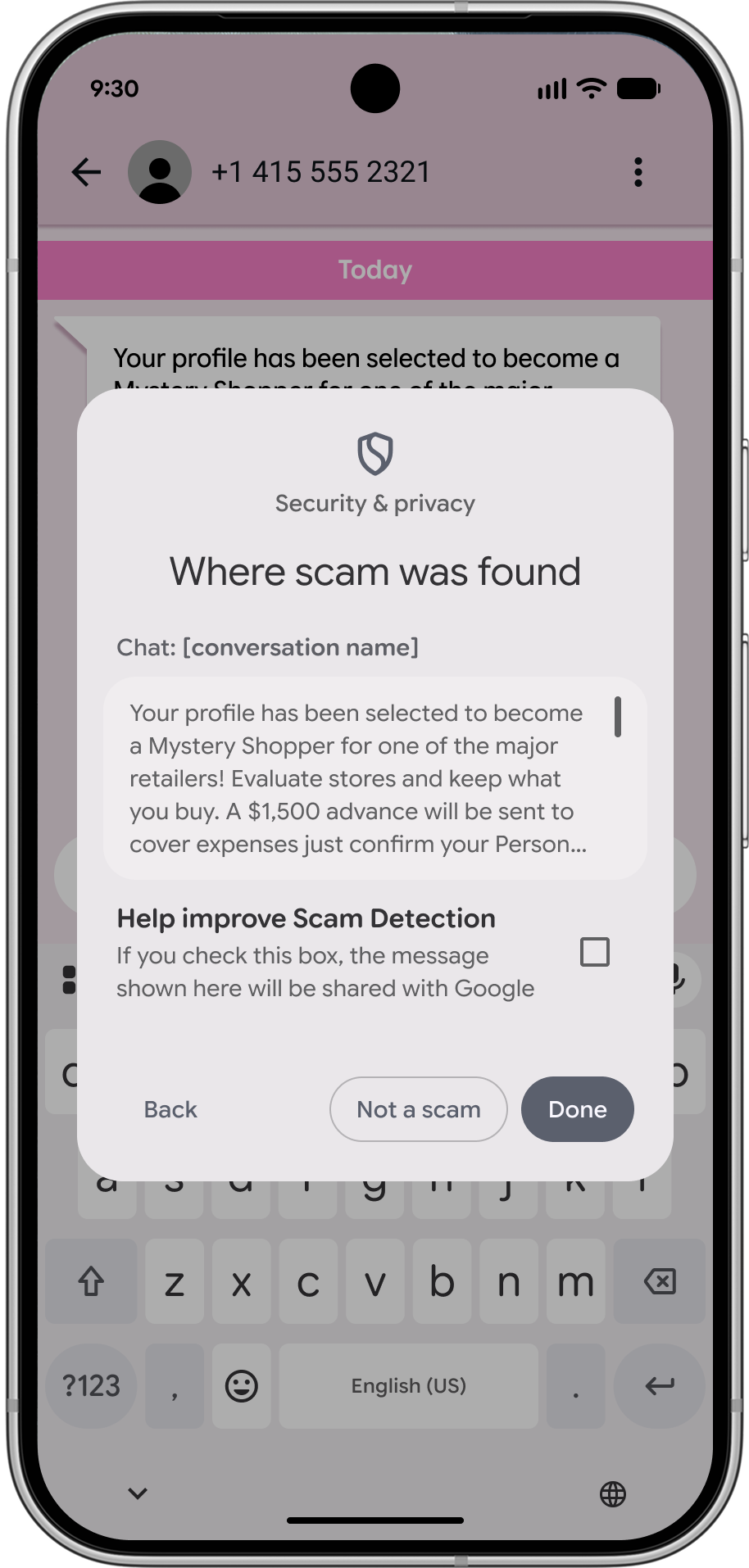
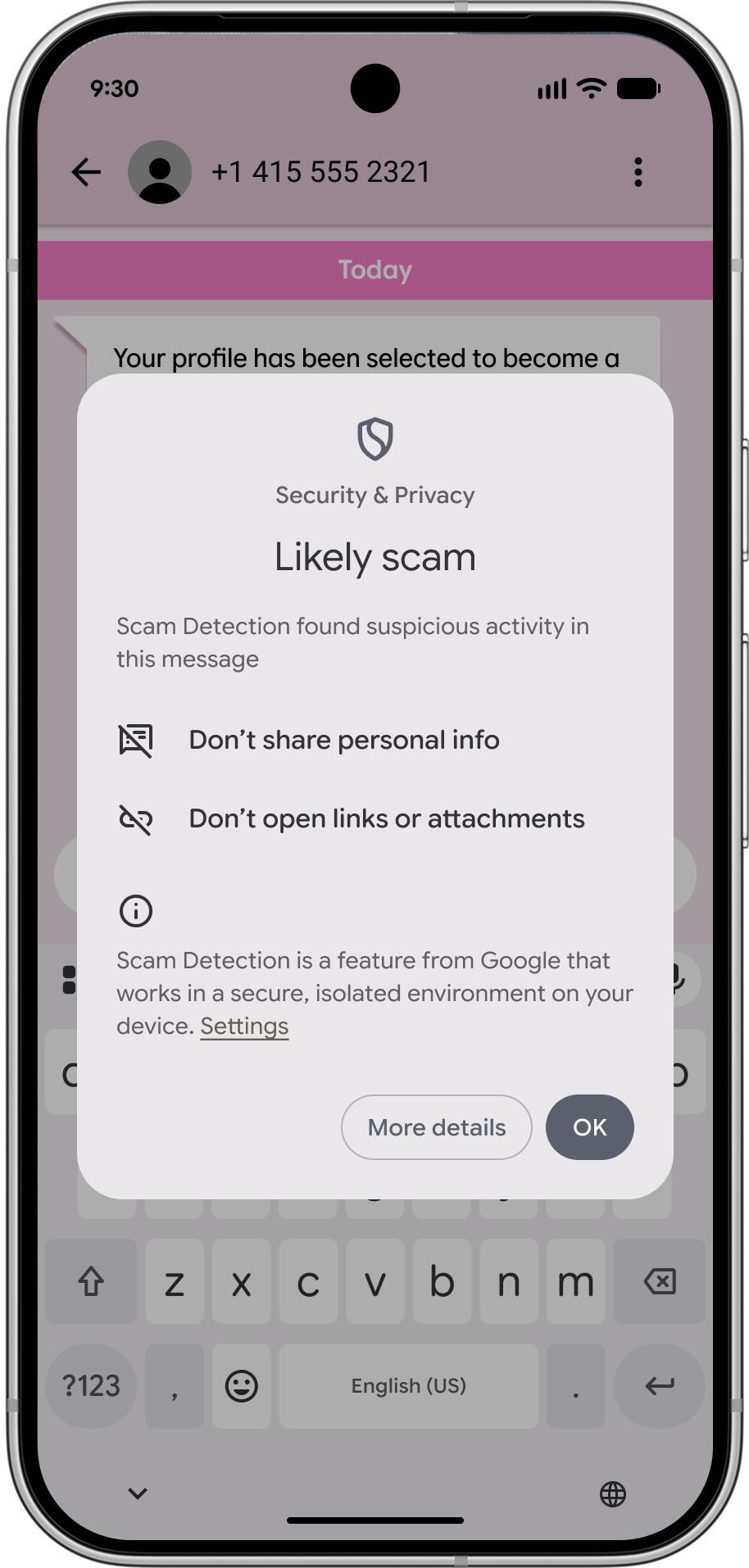
  • Scam Detection now covers more languages and regions for chat notifications, and Gboard flags suspicious messages as you type.

Google today rolled out its September Pixel Drop, which includes a new batch of updates for Pixel phones, tablets, and smartwatches. The latest release brings updated home screen tools, improved fraud protections, new smartwatch gestures, and a spellbinding audio partnership to tie it all together.

Google has been working on its VIP contact concept for some time, but this update makes it really useful. The tech giant is giving the feature a new home-screen experience, letting you call or text your favorite contacts with a single tap. New notification badges indicate unread messages or urgent messages, and a floating navigation bar lets you swipe between VIP profiles without having to dig through menus.

The update works on Pixel 6 and newer phones worldwide, provided the required Contacts and Pixel VIPs app versions are installed.

Pixel scam detection upgrades as part of Google's September Feature Drop
Google
Pixel scam detection upgrades as part of Google's September Feature Drop
Google
Pixel scam detection upgrades as part of Google's September Feature Drop
Google

Scam Detection is also expanding to more languages and regions for chat notifications, and Gboard can now flag suspicious messages from supported chat apps directly as you type. Availability varies by country and language, so this isn’t a universal rollout just yet.

Pixel Watch gets a smaller but useful upgrade. Raise to Talk gets enhancements on Pixel Watch 4 and newer. On Pixel Watch 3 and newer, you can launch and scroll through the notification tray with a one-handed pinch gesture.

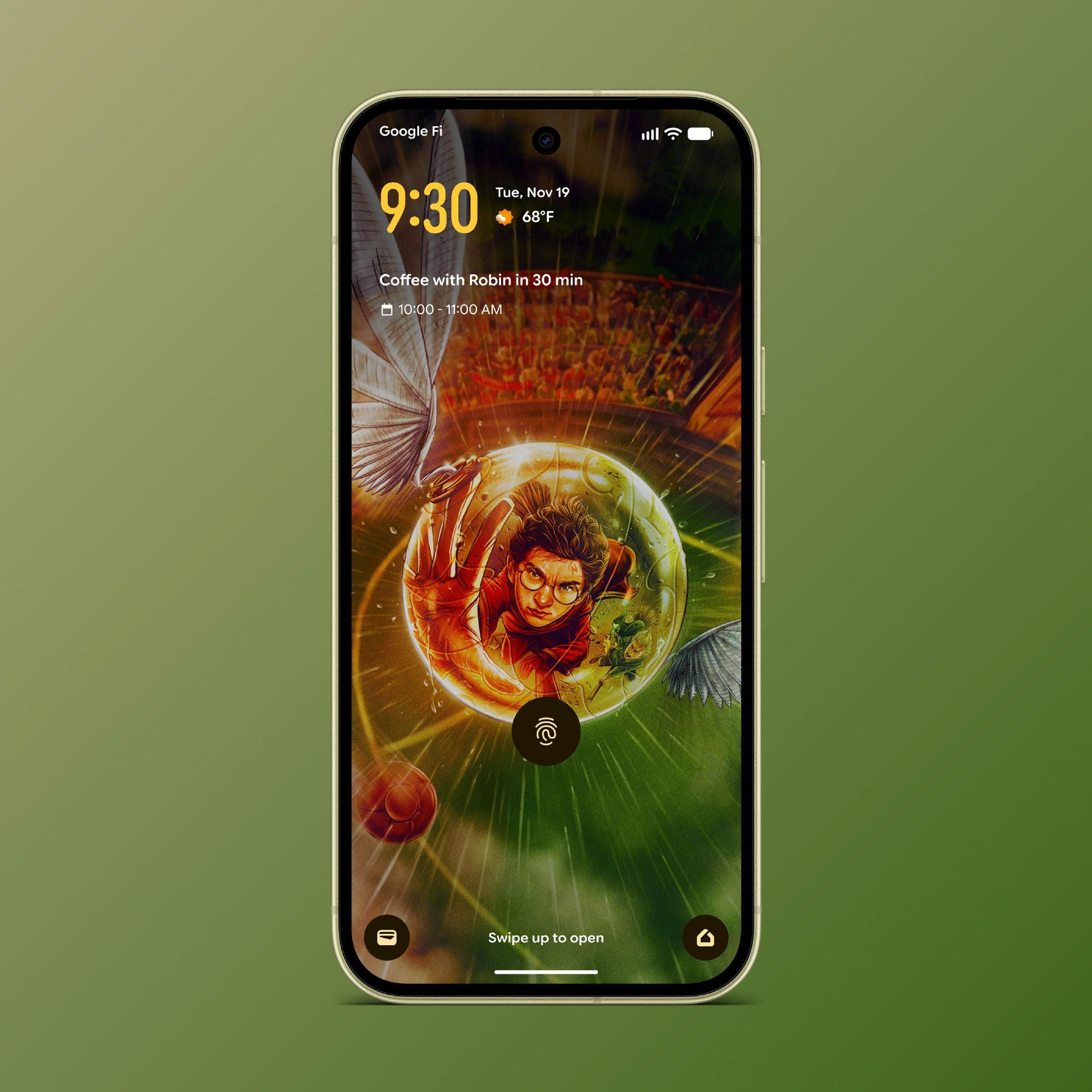
Harry Potter Audiobook Packs as part of the September Pixel Drop
Google
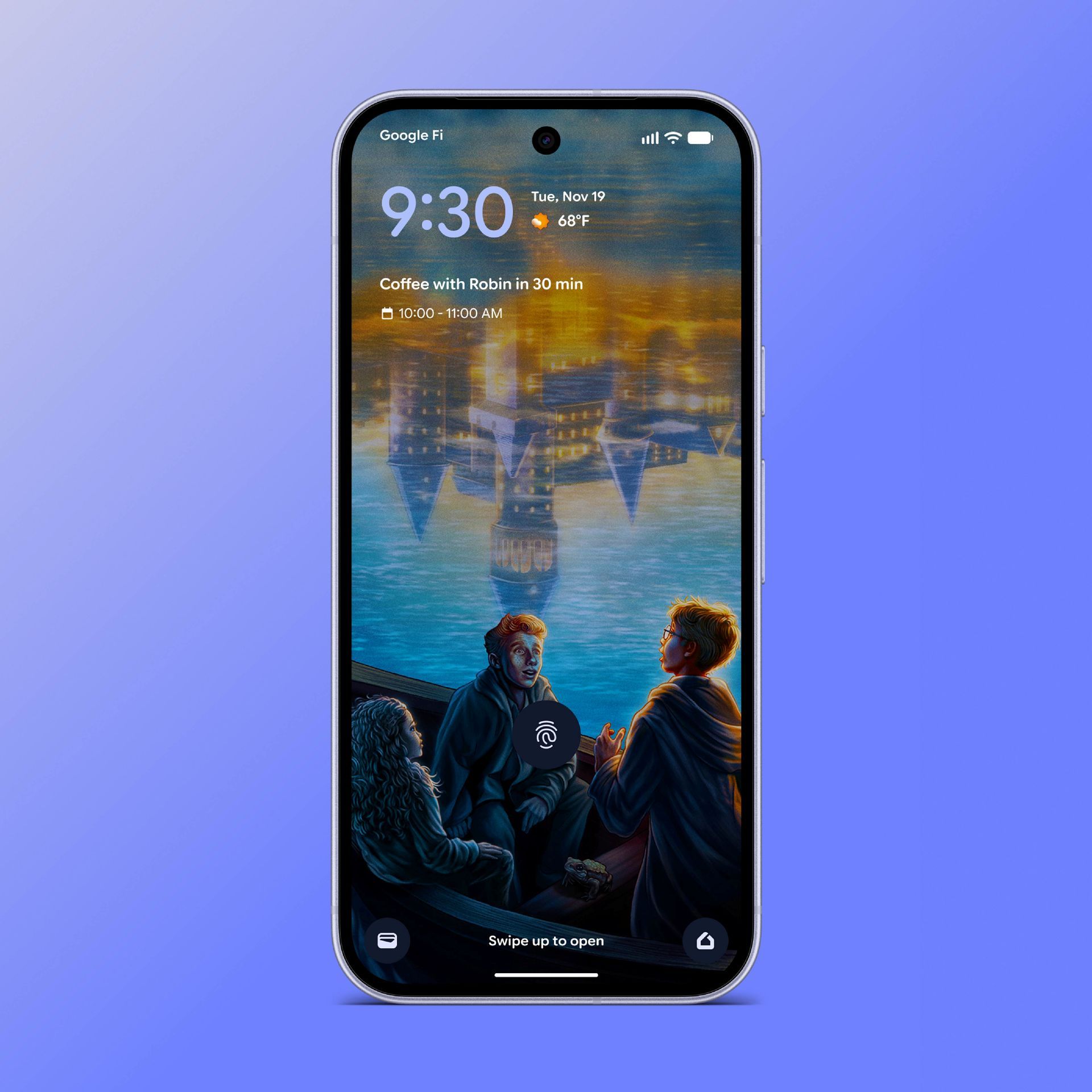
Harry Potter Audiobook Packs as part of the September Pixel Drop
Google
Harry Potter Audiobook Packs as part of the September Pixel Drop
Google

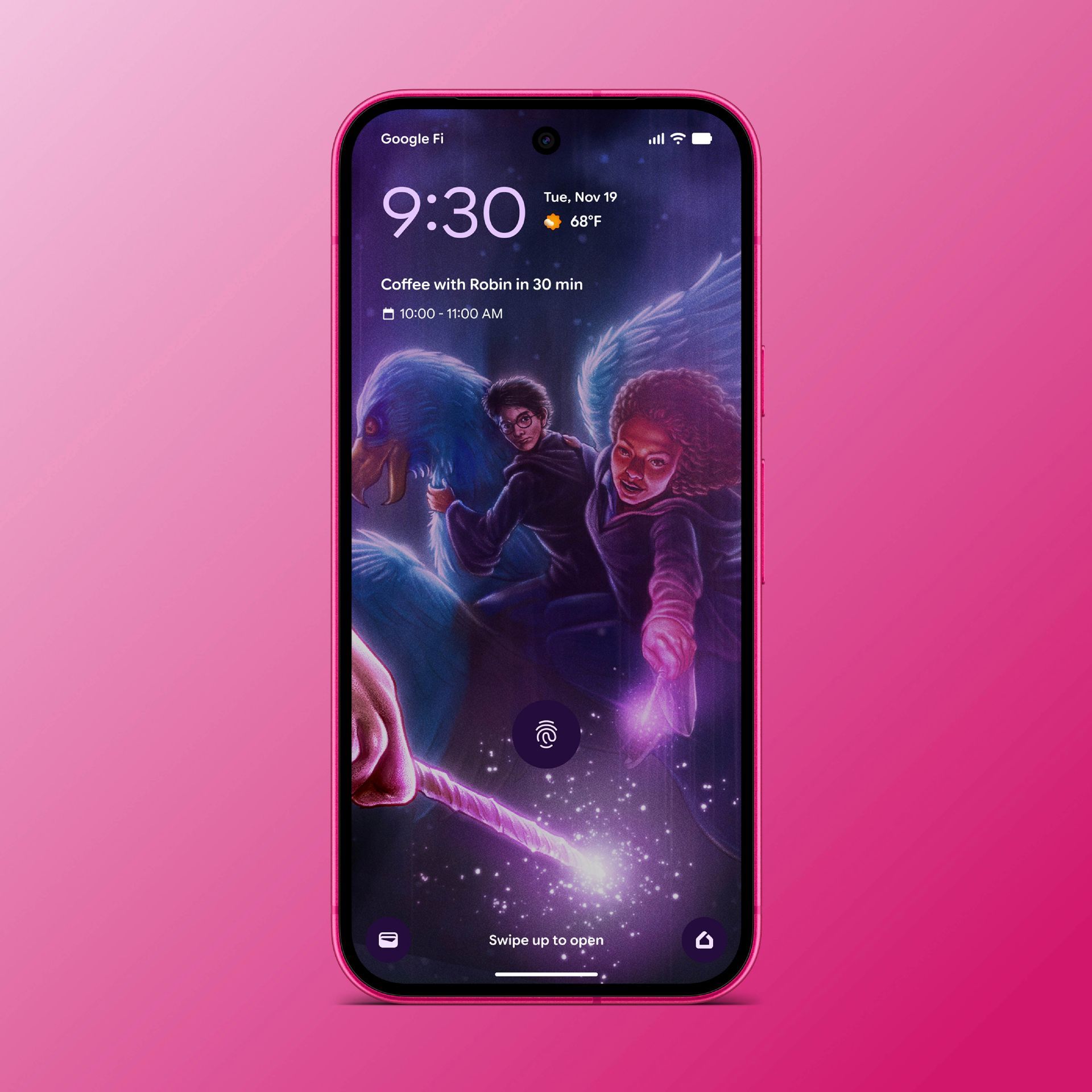
There’s also a much less serious addition: Harry Potter Audiobook Packs can change a Pixel’s wallpaper, icons, and sounds, and eligible users will receive a two-month Audible trial. The packs are good through December 31.

  •  

Steam Frame costs $1,059, but Android games could give it an edge

What you need to know

  • Steam Frame starts at $1,059 for 256GB, while the 1TB model jumps to $1,299.
  • Android games are supported, giving the headset access to existing Android APKs without requiring completely separate ports.
  • Snapdragon 8 Gen 3 + 16GB RAM powers the headset, with SteamOS handling native games and compatibility layers.

Valve has finally put a price tag on the Steam Frame, its new wireless VR headset that aims to blur the line between a standalone gaming device and a PC accessory. The catch? It won’t be as simple as clicking “buy” to get one.

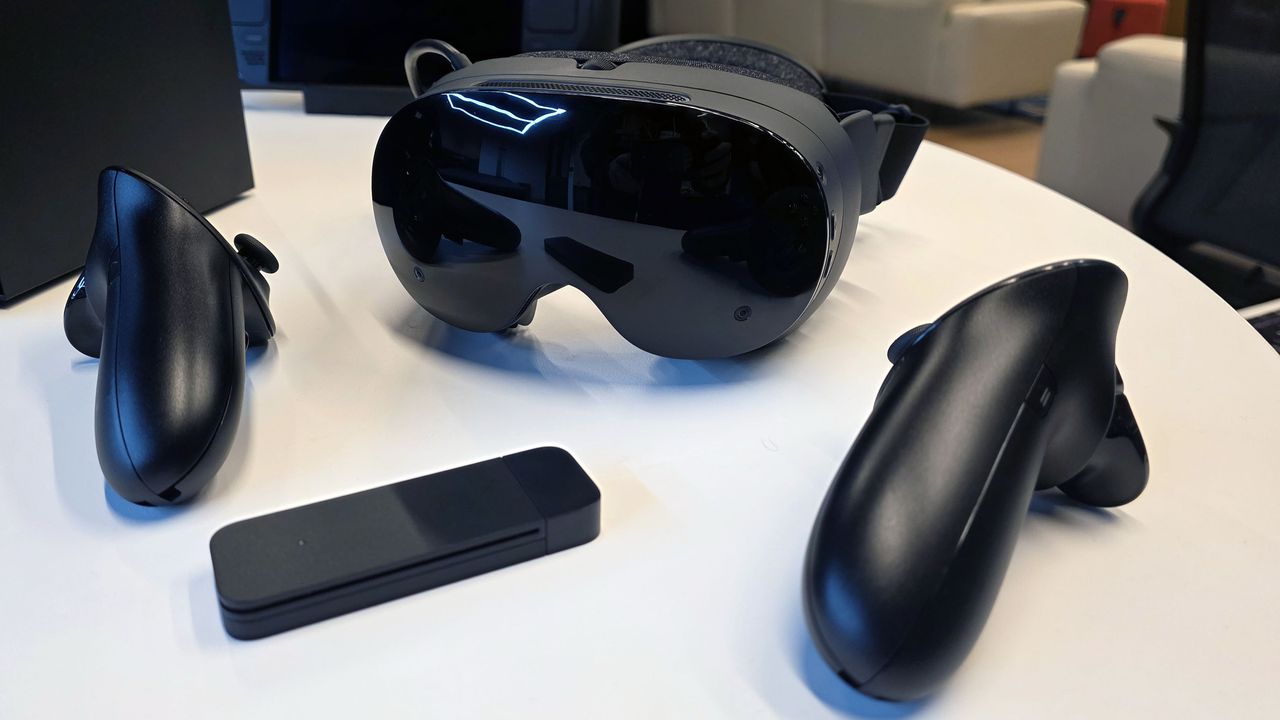
The Steam Frame starts at $1,059 for 256GB, with the 1TB model costing $1,299. Each headset has tracked controllers, and Valve is bundling Half-Life: Alyx with the device, the company announced. It can play supported games locally or stream more demanding titles from a PC.

It’ll also support Android games, with developers using the same Android APKs they already use to bring mobile titles to the Meta Quest. This could give the Frame access to a much larger game library without developers needing to build entirely separate versions for Valve’s headset.

The Frame also supports wireless PC streaming with the 6GHz dongle that Valve bundles in.

Under the hood, the Frame is packed with Qualcomm’s Snapdragon 8 Gen 3 and 16GB of RAM, with native software and compatibility layers handled by SteamOS.

PC Gamer's own Tim Clark takes the Steam Frame for a spin in standalone mode.

(Image credit: PCGamer)

The storage options are also worth a closer look. You can upgrade from 256GB to 1TB for $240, but the Frame also has a microSD slot. So if your main game stream is from a PC, there may be little reason to pay extra for the bigger model.

Valve had originally said it wanted the Steam Frame to cost less than the $999 Index, but the final starting price puts it $60 above that benchmark. Rising memory and component costs have complicated the pricing strategy of Valve’s hardware, as seen with the Steam Machine.

Availability will also be controlled by a reservation system, with sign-ups running until September 17 and purchase invitations starting September 18.

The Steam Frame is clearly not aimed at the budget VR crowd at $1,059. Valve is betting its Steam library, Android support, wireless PC streaming, and standalone abilities will justify the premium.

  •  

Meta’s Phoenix mixed reality headset is finally starting to look real

What you need to know

  • Meta’s Project Phoenix is finally coming into focus after more than a year of rumors about a lightweight, high-end mixed-reality headset.
  • Phoenix looks more like smart glasses than a traditional VR headset, using nose pads and temple-mounted sensors.
  • An external compute puck appears to be part of the design.

Whispers about Meta working on a lightweight, high-end mixed reality headset codenamed Project Phoenix have floated around the tech sphere for over a year. Now, we finally get our first real look at what Mark Zuckerberg's hardware team has been cooking up, and it seems Meta accidentally left the key under the mat.

The images were revealed through Meta’s HorizonOS Prescription Lens package, which first appeared in August as a mostly blank system package, as noticed by UploadVR. An update in September showed detailed pictures of how prescription lens inserts attach to the Phoenix and how users scan a QR code to set them up.

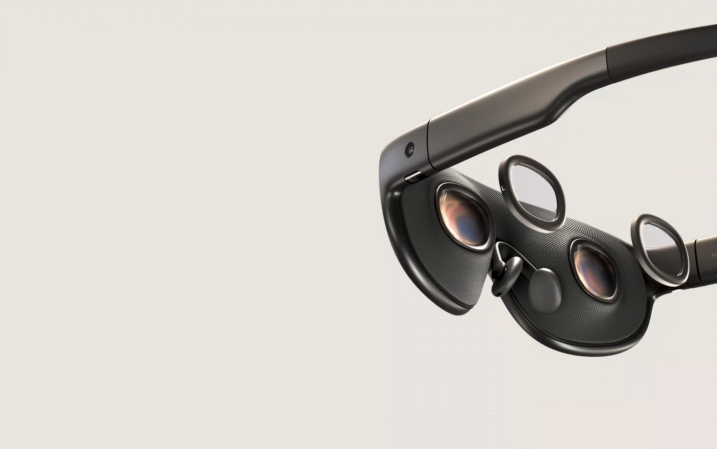
Interestingly, the hardware looks less like a traditional VR headset and more like chunky glasses. Phoenix uses nose pads instead of the bulky face interface of the Quest 3 and other XR headsets, with sensors along the temples. There’s also a cable coming from the left temple, seemingly confirming previous reports that Phoenix will use an external compute puck.

Meta Phoenix XR glasses with inserts

(Image credit: UploadVR)

It's a design that could change the way people think about wearing a mixed reality headset. If you’ve been using more traditional XR headsets, you’ll probably find it comforting to realize potential benefits here, like less weight on your face, but the compromise moves elsewhere: you’ll need to deal with a separate computing unit and a cable.

For Meta, the greater challenge might be getting that extra hardware to feel invisible enough that Phoenix still feels like something you can casually wear, rather than another device you have to gear up for.

There's another interesting clue here. The leaked setup stuff seems to be based on prescription inserts and controller-free interaction.

Meta hasn’t officially announced Phoenix yet, but Meta Connect 2026 starts September 23 and has a session dedicated to controller-free interaction on its agenda. If Phoenix shows up there, we might finally learn whether Meta’s push toward lighter mixed reality headsets is a real shift in headset design, or just a clever way to move the weight somewhere else.

  •  

LG denies secretly recording users as TV privacy concerns grow

What you need to know

  • LG denies its smart TVs secretly record or transmit your conversations, calling recent coverage misleading.
  • The firestorm started with a lengthy Gamers Nexus video alleging LG TVs capture audio while idle or offline, plus device, IP, location, and nearby Wi-Fi data.
  • LG's defense rests on one distinction: listening for a wake word isn't the same as recording you. Audio without the wake word gets discarded locally, never sent to LG servers.

Recent reports that LG smart TVs can secretly record people in their homes have put the company's privacy practices under a microscope. LG is now pushing back hard, stating its TVs do not continuously record or transmit users’ conversations and that some of the recent coverage has misrepresented how its privacy features really work.

The dispute follows a lengthy Gamers Nexus video on YouTube that raised concerns about LG TVs capturing audio while idle or disconnected from the internet, as well as collecting information about networked devices, IP addresses, locations, and nearby Wi-Fi networks.

LG’s explanation hinges on the distinction between listening for a wake word and recording conversations. On supported TVs with hands-free voice control enabled, the microphone can supposedly listen locally for a wake word even when the TV is in standby. LG says audio that does not include the recognized wake word is discarded immediately and not sent to its servers. Real speech-to-text processing only starts when voice recognition is enabled.

There is also Automatic Content Recognition, or ACR, that identifies what is playing so that LG can offer services related to viewing and audience analysis. ACR uses audio fingerprinting rather than screenshots or video recordings, is optional, and requires user consent, LG says. It can also be turned off in the settings of the TV.

Does LG's wording leave wiggle room? Perhaps. Saying TVs don't "continuously" record isn't the same as saying they never do. The company’s documentation is unusually explicit, however, about things like session limits, local processing, and what happens when you decline optional agreements. You can still use streaming apps, live TV, and HDMI devices without turning on any data-driven services.

This controversy comes after a separate dispute over LG monitors, where some models were found to be installing the LG Monitor App Installer on Windows PCs and displaying pop-ups for promotional content, including McAfee ads. Microsoft intervened, and LG agreed to disable the McAfee promotion.

The latest controversy highlights the fine line between helpful smart features and invasive data harvesting. LG claims its hardware isn’t part of some hidden surveillance network, but it’s unlikely privacy advocates and hardware reviewers won’t be monitoring future webOS updates.

  •  

iQOO 16 display leaks were true: Samsung's 2K 165Hz panel is official

What you need to know

  • The iQOO 16 is set to debut as the first smartphone with a 2K resolution OLED display running at a 165Hz refresh rate.
  • Co-developed with Samsung Display on a dedicated production line, the panel marks the Android debut of Samsung's latest M16 luminescent material and LEAD 2.0 architecture.
  • The screen reaches 2,800 nits global peak brightness (10,000 nits local peak), features 508 PPI, and delivers sub-pixel-level calibration for color accuracy.

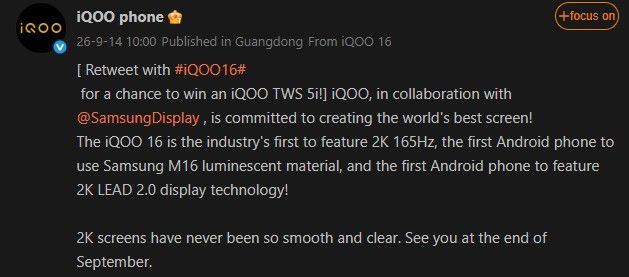
Rumor has it that the iQOO 16 will be released soon, and iQOO has now confirmed one of the upgrades that could make this gaming-focused flagship stand out from the crowd. The next phone from the company is said to be the first to sport a 2K OLED panel with a 165Hz refresh rate from Samsung, which iQOO is calling a smartphone first.

The announcement also confirms earlier reports that the iQOO 16 would sport Samsung’s newer M16 OLED technology. The company says the phone will be the first Android smartphone to use the material, along with its new 2K LEAD 2.0 technology.

For context, we saw the original LEAD OLED panel debut with the iQOO 15. LEAD 2.0 has been developed in partnership with Samsung, built on a dedicated production line just for iQOO’s flagship.

The two companies also designed a custom high-refresh-rate display IC and a dedicated production line for the phone.

iQOO post on Weibo about the iQOO 16

(Image credit: iQOO / Weibo)

The panel is rated at 2,800 nits for global brightness and 10,000 nits for local brightness. It also offers 508 ppi, wide P3 color coverage, DC dimming, and better brightness and color uniformity than the iQOO 15. iQOO also claims sub-pixel-level calibration leads to extremely tight color accuracy.

There is also a less obvious upgrade here: Samsung recently said the new display uses roughly 31 percent less power at 150 nits than a similarly sized 1.5K panel. That’s particularly useful, as improving both resolution and refresh rate often comes with a battery cost.

The target is clearly gaming. The display features 500Hz multi-touch sampling and 5,000Hz instantaneous sampling rate, while iQOO’s Q-Flex technology focuses on reducing input lag. There’s also 3,300Hz PWM dimming and many eye-comfort features.

The iQOO 16 is expected to launch in China sometime near the end of September. If the rest of the hardware is up to the mark as this display, the top gaming flagships out there will have a serious new competitor on their hands.

  •  

Don't expect a major telephoto overhaul for the Galaxy S27 Ultra just yet

What you need to know

  • A reliable tipster says the rumored 50MP 4x telephoto with a large 1/1.9-inch sensor may not make it to the Galaxy S27 Ultra.
  • The upcoming phone is said to retain a 5x periscope with a smaller 1/2.52-inch sensor.
  • Samsung may ditch the dedicated 3x telephoto camera entirely, leaving the 5x periscope as its sole zoom hardware.

Samsung’s Galaxy S27 Ultra is reportedly getting a major zoom rethink after recent rumors suggested a 50MP 4x telephoto with a much larger 1/1.9-inch sensor. The supposed plan was to swap out the familiar 3x and 5x cameras for a single, larger sensor that could handle more of the zoom range.

Now that upgrade seems a lot less certain. Ice Universe claims on X that the Galaxy S27 Ultra will instead feature a 5x periscope camera with a 1/2.52-inch sensor, which would be pretty much the same sensor size as the one used by recent Ultra models. The competing 4x rumor was described as false, suggesting Samsung could remove the 3x camera while leaving the 5x unit as its only dedicated telephoto.

Don't believe that source, which has a long history of spreading false information.The Galaxy S27 Ultra will, of course, continue to use a 1/2.52-inch sensor for its 5x periscope telephoto camera.The recent claim that Samsung will "drop the 5x telephoto and switch to a…September 14, 2026

Samsung has a practical reason for going the safer route. The 5x module is already compatible with the company’s existing camera strategy, but a switch to a new 4x system would mean spending more on sensor development, optics, tuning, and production. If the difference isn’t dramatic enough, it may make more financial sense to stick with proven hardware.

Plus, native 5x optical reach means you'll still get sharp long-range detail at 10x and above with high-resolution sensor cropping, something a 4x lens can have a hard time with when pushed to high magnification.

But that doesn’t mean the 4x idea was for nothing. A 1/1.9-inch sensor would be much larger than the 1/2.52-inch 5x component, possibly allowing for cleaner zoom shots, enhanced low-light performance, improved dynamic range, and stronger portraits.

For now, the safer bet is one 5x telephoto with the 200MP main camera for lower zoom levels. Samsung has time to change course before launch, and with multiple S27 Ultra prototypes reportedly under evaluation, the final camera setup may not be set in stone yet.

The real test for Samsung will be whether its image processing can compensate for not having a bigger sensor if it sticks with the old 5x hardware. Otherwise, axing the 3x camera could be viewed as Samsung simply cutting the spec sheet.

  •  

Android makes switching password managers much easier

What you need to know

  • You can now move passwords and passkeys directly between supported apps on Android without exporting sensitive data to an unencrypted file.
  • Your new password manager hands the process to Android, which detects compatible managers installed on your phone and coordinates the transfer.
  • Once authorized, Android moves the credentials between apps without requiring manual file handling.

Android has always made it a pain to switch password managers. Moving passwords usually involved exporting your data into an unencrypted text file, and passkeys were pretty much stuck in place. Android is tackling both of those issues with a new transfer experience that makes moving your credentials much more secure and simple.

In a blog post, Google said the new system lets you transfer passwords and passkeys directly between password managers, without first having to download a file.

That eliminates one of the biggest security hassles of the old process, which was that sensitive credentials were sitting unprotected on your device for a while. Furthermore, passkeys weren’t transferable, so you had to manually recreate them across websites and apps.

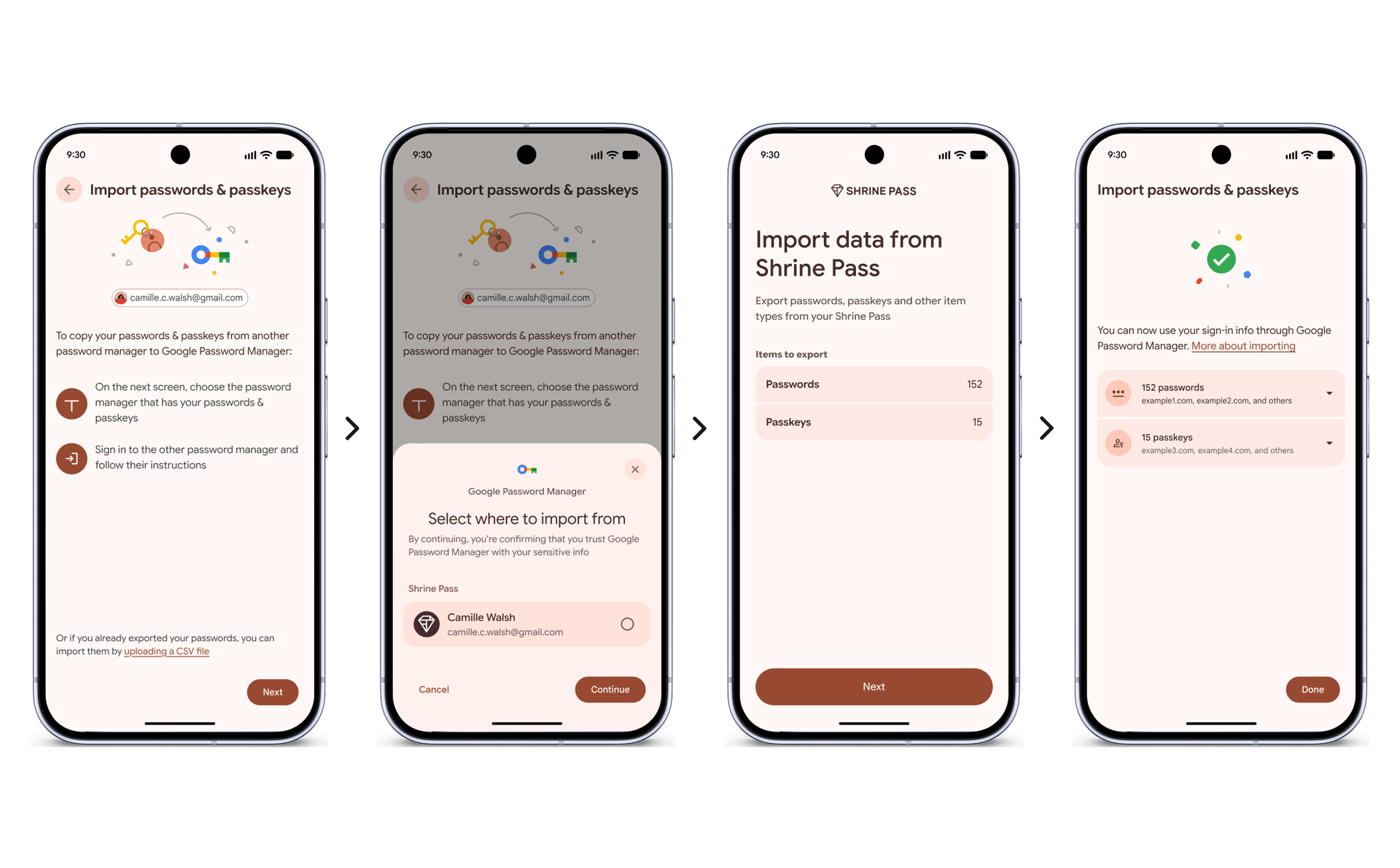
The process is built to be mostly out of your way. Start in your new password manager and select the option to import or copy credentials from another provider. The app then hands the job to Android, which knows which compatible password managers you have already installed on your phone and shows you where the data can come from.

You are then sent back to the password manager you already use to select, review, and approve the transfer. Once approved, the passwords and passkeys move between the apps in just a few seconds.

password import flow within Google's password manager

(Image credit: Google)

The feature is already available with Google Password Manager, 1Password, Bitwarden Password Manager, and Dashlane. Dashlane notes that CXP is compatible with devices running Android 10 or newer with the latest Play Services update. Bitwarden needs Android 14+ with Play services 26.21+.

It is not merely a matter of convenience. Passkeys are more secure than passwords and resistant to phishing. Adoption has been stalled in part due to user concerns around vendor lock-in. CXP removes that barrier.

Bitwarden says the creation of passkeys peaked this summer at over 500% compared to early 2024, with nearly half of all passkeys created in the past three months alone.

Google says more partners are on the way. If you’ve been waiting to change password managers because of the hassle, that excuse just went out the window.

  •  

Rokid wants anyone to build AI agents for its smart glasses

What you need to know

  • Rokid's AIUI Studio is a browser-based platform that lets anyone build spatial AI apps for Rokid Glasses, with no coding experience or dev kit required.
  • Developers can describe an idea, while the AI-native workflow helps turn it into a working app.
  • The built-in smart glasses simulator lets developers create and test projects before getting physical hardware involved.

Rokid is making it easier to build apps for its AI glasses, and you won't need a coding background or even to own a pair of the glasses.

The company has launched AIUI Studio globally at IFA Berlin 2026, giving developers a browser-based platform for creating and publishing spatial AI applications.

Much of the development process takes place via an AI-native workflow in AIUI Studio. You can say what you want to build in plain language, and the platform can take that idea and build an app without the traditional coding skills.

It also offers a simulation of Rokid’s smart glasses, enabling developers to work on their projects without having to purchase the hardware.

There’s still a reason to get the real hardware involved eventually, though. Rokid’s developer documentation advises testing agents in its Interactive Inview simulator before performing a final check on the actual glasses.

Rokid booth at IFA 2026

(Image credit: Rokid)

For developers who want to have more control, Rokid pairs its AIUI Skills Library framework with AIUI Code assistance. The company says this helps creators make better use of the glasses’ hardware while also optimizing apps for less latency, less memory use, and less power consumption.

The move is the latest as Rokid’s developer ecosystem continues to grow. The company says it now has some 35,000 registered developers and more than 500 agents available through its Agent Store.

AIUI Studio is now available worldwide. If Rokid can take advantage of that growing developer base to create a steady stream of useful agents, its glasses might just become a platform that people actively build around.

  •  

Motorola Signature 27 teaser suggests the phone is finally US-bound

What you need to know

  • A briefly leaked website teaser suggests the Motorola Signature 27 will finally bring the lineup to the U.S. market.
  • The original Signature had a 3x telephoto, while the new teaser might spark speculation about a possible periscope camera upgrade.
  • Motorola quickly pulled the teaser and has not officially announced pricing, final hardware specs, or a firm launch date.

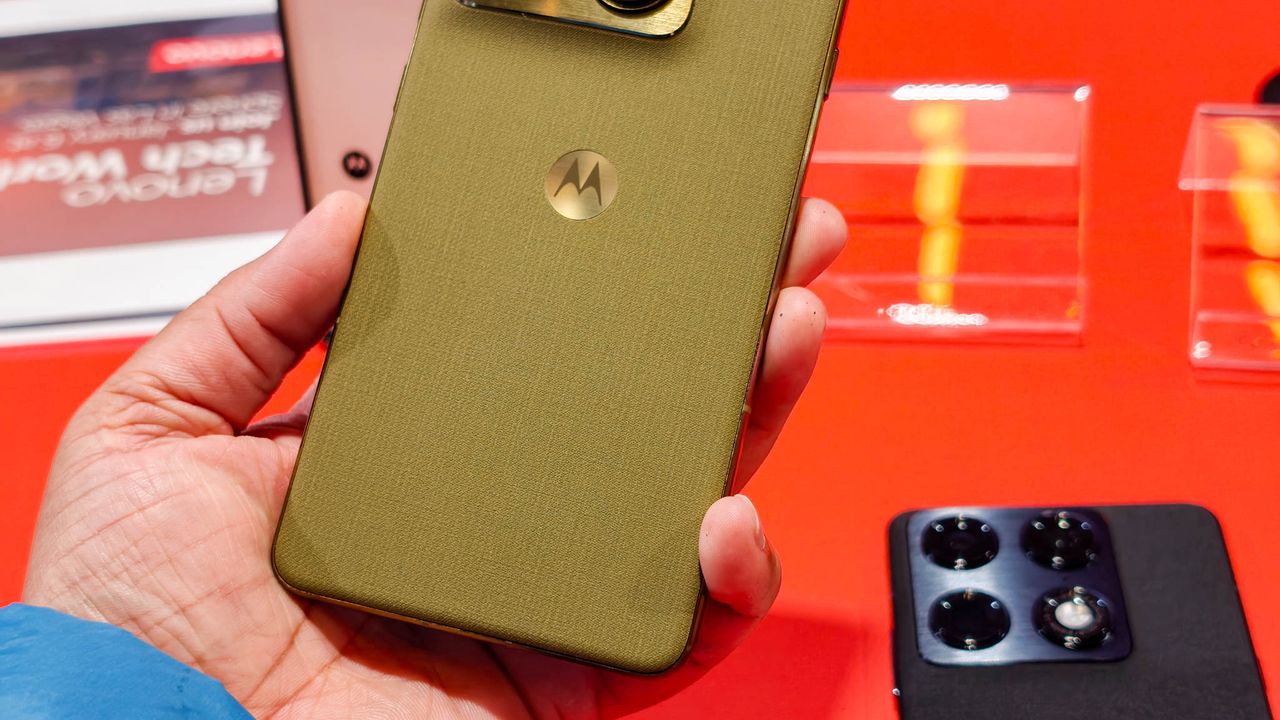
Motorola’s Signature series is still a fairly new experiment for the company, but the first model immediately stood out with its slim 7mm body, soft-touch finish, and premium design. The catch was that it's not available to U.S. buyers. This could change with the next Motorola Signature model.

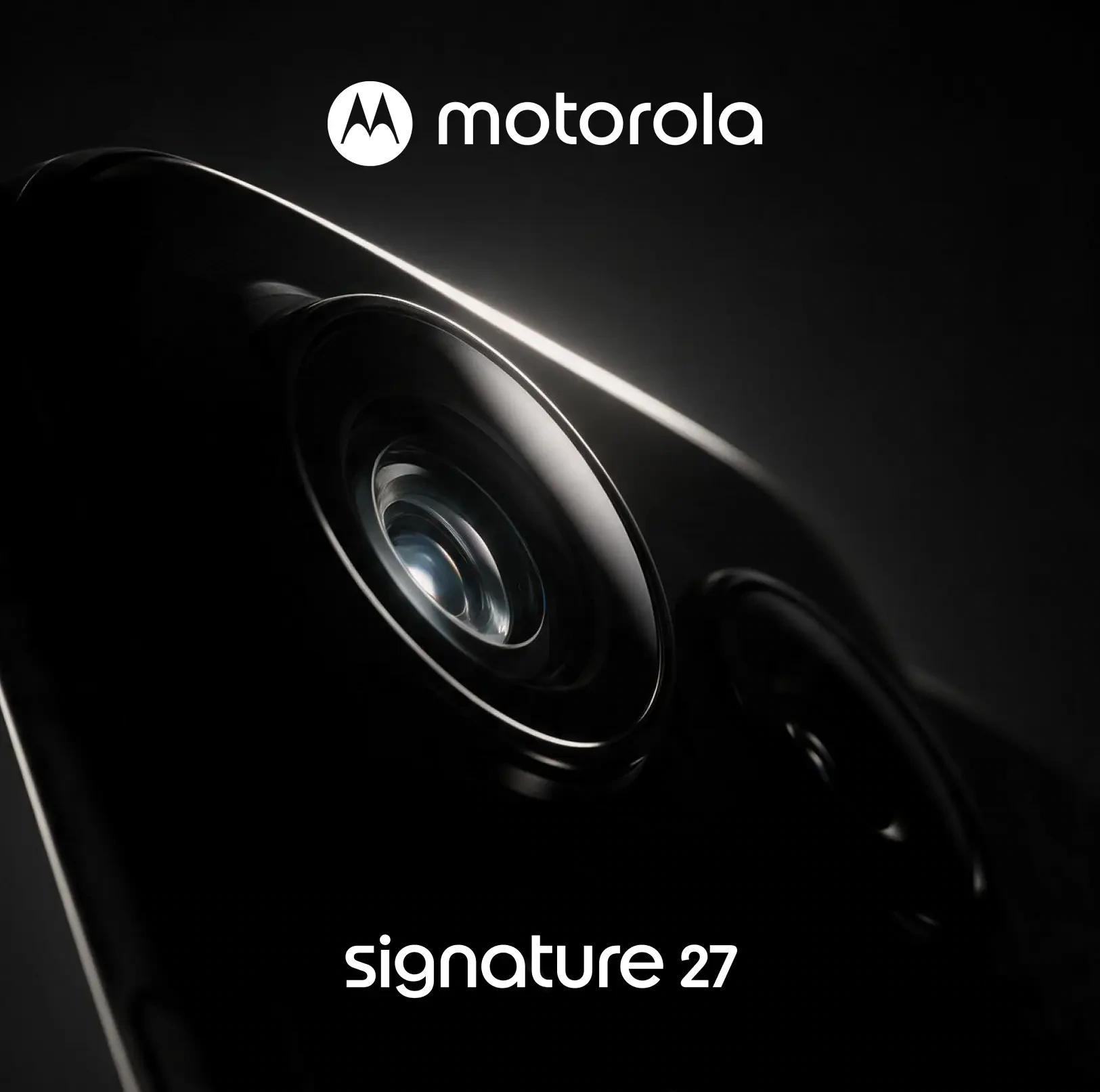
As spotted by a Reddit user, Motorola briefly posted a teaser for the Signature 27 on its U.S. website, complete with a registration form for customers interested in updates (via Android Authority). The pop-up displayed a close-up of the rear camera alongside the words “Signature 27” and “A new perspective is coming.” Motorola has since taken down the teaser.

The U.S. appearance is the biggest hint here. The first Signature never officially made it stateside, so placing the next-generation model right in front of U.S. visitors is a strong indication that the company is at least considering a launch in the United States.

The camera teaser could be even more interesting. The Signature originally had a 3x telephoto camera. The new image is an unusual focus on one camera. This could fuel speculation that Motorola might upgrade the telephoto system, perhaps to a 5x periscope lens. That’s not confirmed yet, so treat this as an educated guess.

rear camera of the Motorola Signature 27

(Image credit: sasa_petrovic / Reddit)

The teaser is said to have also popped up on Motorola’s European site, and a Swarovski-branded edition could also be on the way, following the crystal-covered treatment given to the original Signature.

If the Signature 27 arrives in early 2027, it will be a straight fight in the ultra-thin category against the iPhone Air and the rumored Samsung Galaxy S27 Edge.

Motorola has not yet announced a price, specs, or launch date. However, since the original Signature was released in early 2026, Motorola may only have a few months to finalize the details.

  •  

Gemini's Daily Brief drops its subscription fee — here's what you get

What you need to know

  • You no longer need a Google AI Plus, Pro, or Ultra subscription to access Gemini's Daily Brief feature.
  • Daily Brief pulls useful information from Gmail, Google Calendar, connected apps, and past Gemini chats to create a personalized rundown.
  • Free access is currently US-only and is being introduced gradually. Users also need Personal Intelligence, Memory, and Google Workspace integration enabled.

Google is rolling out Gemini’s Daily Brief to free users in the U.S., removing one of the biggest hurdles to a feature that’s supposed to make the AI assistant genuinely helpful every morning.

Once tied to a paid Google AI subscription, Daily Brief is now a daily digest of what needs to be done for eligible personal accounts without the need for Plus, Pro, or Ultra.

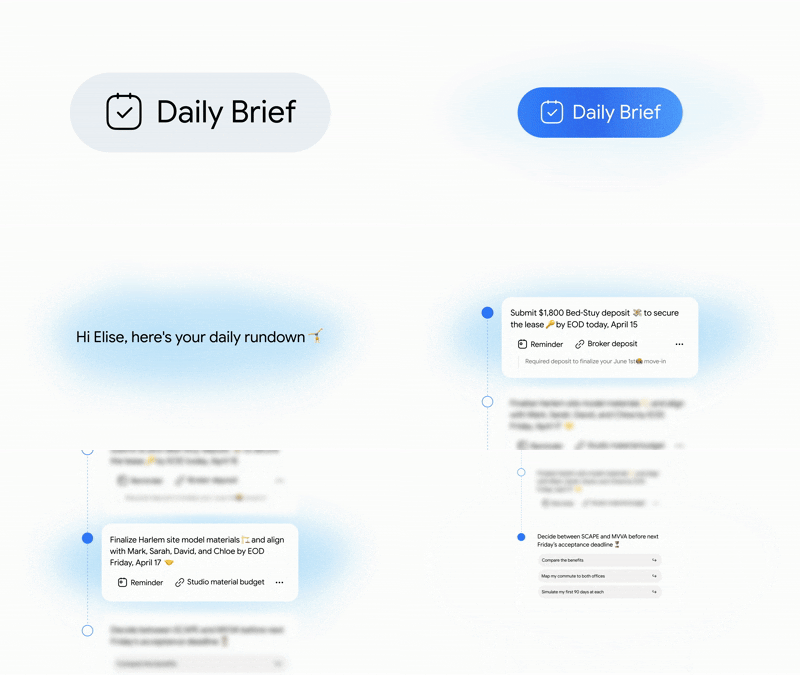
Introduced back at I/O 2026, Daily Brief is your proactive AI assistant that works for you while you sleep. It taps into Gemini’s Personal Intelligence to scan your Gmail, Google Calendar, connected apps, and past Gemini chats. This gives you a nicely organized morning briefing that will send you off to a running start.

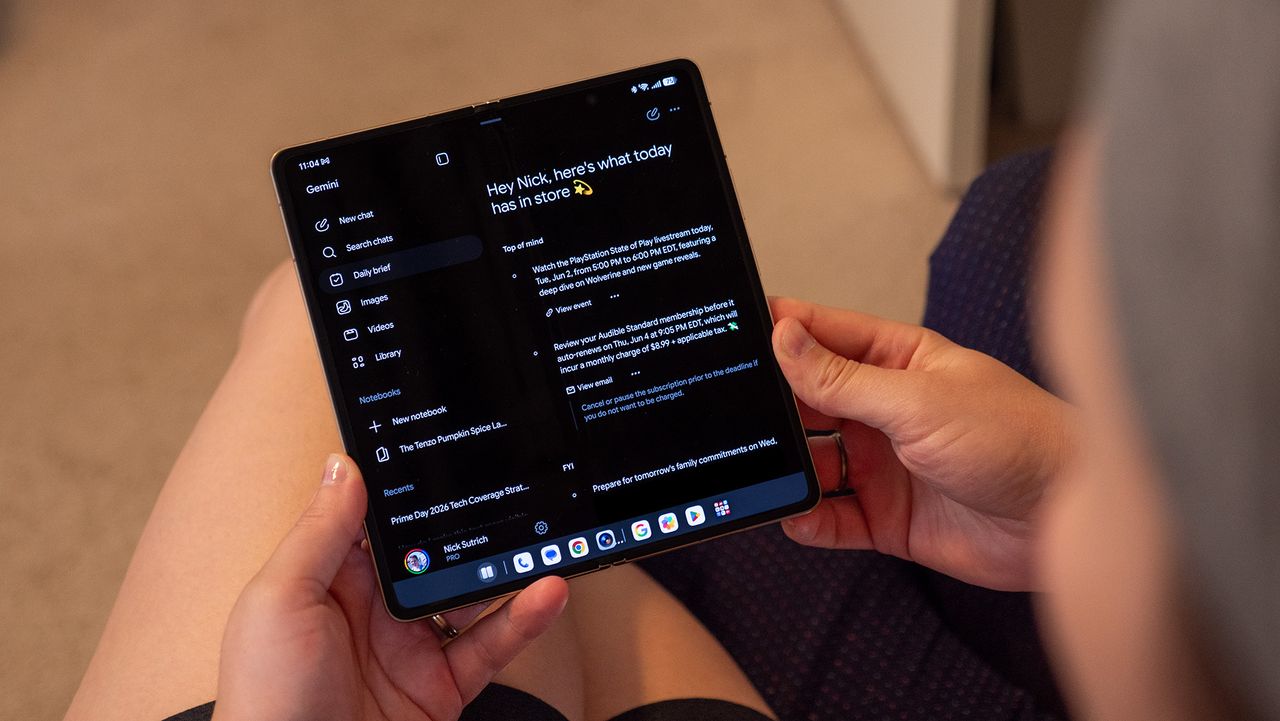
You can tick off tasks, start a Gemini chat about an item, or tell Google if a certain suggestion was helpful. Gemini Live can also deliver the brief when you say, “What’s my daily brief?” Google also sends a morning notification.

Gemini's Daily Brief feature in action

(Image credit: Google)

There are a few catches. For now, the free rollout is only for users in the U.S., and Google is rolling out access gradually, so don’t be surprised if you don’t see the feature right away.

You'll also need a personal Google account with Personal Intelligence, Memory, and Google Workspace integration enabled. Daily Brief is available via the Gemini mobile apps and on the web.

Beyond the feature's expansion, the company is said to be working on audio Daily Briefs and potentially bringing the feature to the Android lock screen. For now, giving Daily Brief away for free gives more users a reason to let Gemini do the morning catch-up.

  •  
❌