❌

Reading view

Cebu reports rise in dengue in 2026

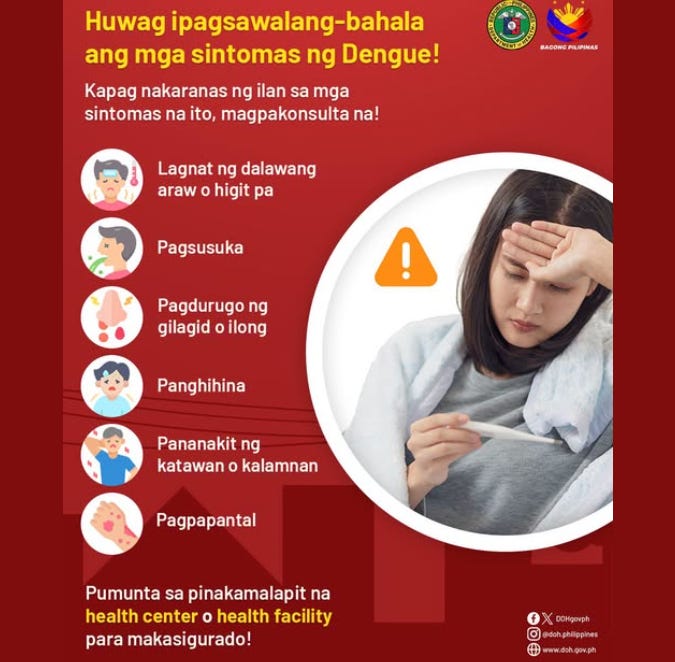
Cebu Province reported 3,759 dengue cases and 21 deaths as of September 2026, up from roughly 2,000 cases in 2025. Despite the significant increase, the Provincial Health Office is not considering a dengue outbreak declaration in the province.
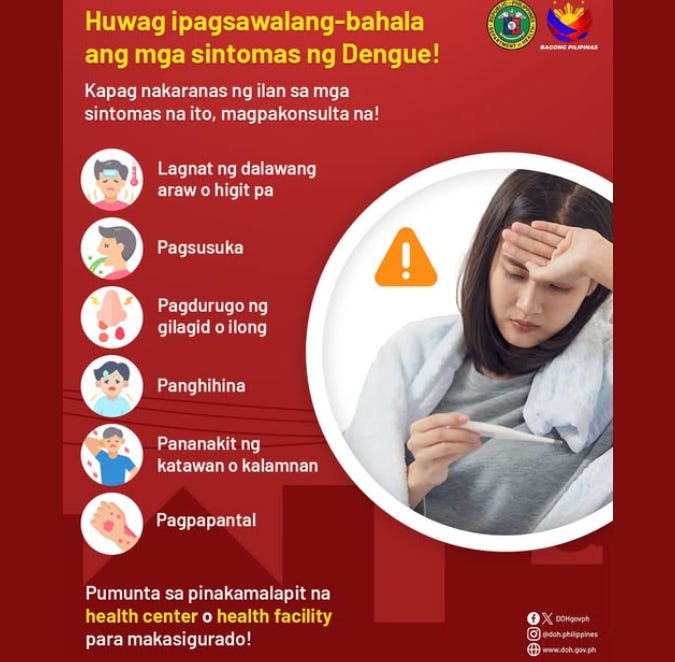
Provincial Health Officer Sheila Faciol stated, “So far, based on our threshold, we have not reached the outbreak level. Our dengue cases are still controlled, although it is standard that whenever it rains continuously, our cases really go up.”

READ: Philippines report 332% increase in leptospirosis cases in latest reporting period

In Cebu City, 2,456 cases were from January 1 to September 5, 2026, marking a 65.5 percent increase in cases compared to the same period in 2025. City health officials also reported 20 dengue-related deaths year to date.

Nationally, the Philippines DOH has reported 138,538 dengue cases this year through September 5, a 36% decrease from 217,693 cases reported in the same period last year.

A total of 546 deaths were reported (CFR: 0.39%), which was 36% lower than the 847 deaths reported last year (CFR: 0.39%).

Outbreak News Today is a reader-supported publication. To receive new posts and support my work, consider becoming a free or paid subscriber.
  •  

Philippines report 332% increase in leptospirosis cases in latest reporting period

Accoring to the latest data from the Philippines Department of Health, Epidemiology Bureau, from the beginning of the year through September 5, officials report a total of 8,317 leptospirosis cases, up 14% compared to the same period last year, with 7,280 cases.

457 deaths have also been recorded, a 41 percent decrease compared to the same period in 2025 (772).

During the period of August 9- August 22, officials reported 2,374 leptospirosis cases, a 332 percent increase compared to the 550 cases from the two weeks prior (July 26 to August 8).

Regions X (Northern Mindanao), III (Central Luzon), and VII (Central Visayas) recorded the highest percentage increase in cases compared with the same period last year.

Capillaria philippinensis: First described in the 1960s in the Northern Philippines

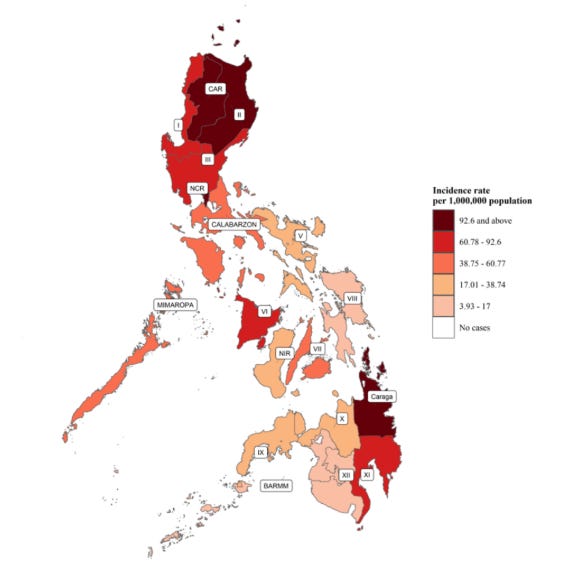
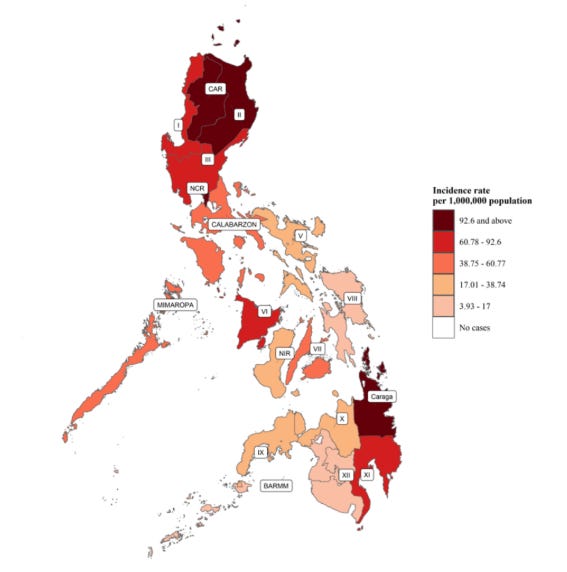
The National Capital Region-NCR (227.67), Cagayan Valley-Region II (155.43), and the Cordillera Administrative Region- CAR (112.80) reported the highest incidence rates per 1,000,000 population as of the week ending September 5.

The youngest reported age was less than 1 year, the oldest was 91 years, and the median age was 33 years. Most of the cases were male (81%), and the majority were classified as suspect cases (78%).

5,071 of the cases, or 61 percent were classified as flood-related exposure nationally.

Related:

Manila leptospirosis cases continue to rise

Dengue in the Philippines: Increasing trend reported in more than 100 cities

Outbreak News Today is a reader-supported publication. To receive new posts and support my work, consider becoming a free or paid subscriber.
  •  

Colombia yellow fever update: Tolima accounts for 95% of cases in 2026

According to data from the Colombia Instituto Nacional de Salud, in 2026, as of September 8 (preliminary data), 1,183 probable yellow fever cases and 58 laboratory-confirmed cases have been reported, with symptom onset dates ranging from January 4 to August 8, 2026.

95.0% of the cases originated in Tolima, 3.44% in Cundinamarca, and 1.56% in Meta.

As of 2026 (preliminary data), confirmed yellow fever cases occurred in Tolima in the following locations: Chaparral (21), Icononzo (8), Cunday (7), Ortega (5), Melgar (5), Carmen de Apicalá (2), Rioblanco (2), Purificación (2), Suárez (1), Dolores (1), and Planadas (1). In Meta, there was one (1) case originating from Villavicencio, and two (2) cases in Cundinamarca from the municipality of Paratebueno.

27 deaths from the confirmed cases have been reported, resulting in a case fatality rate of 46.5% (27/58).

In the cumulative period from 2024 to 2026 (preliminary data), 206 yellow fever cases were confirmed, concentrated in 11 departments: Tolima, Meta, Cundinamarca, Putumayo, Caquetá, Nariño, Vaupés, Caldas, Cauca, Huila, and Guaviare. Additionally, three (3) cases originating from abroad (Venezuela) were confirmed.

Regarding cumulative deaths from 2024 to 2026 (preliminary data), 86 deaths have been confirmed, resulting in a cumulative case fatality rate of 41.7% (86/206).

Regarding epizootic events, 32 cases of yellow fever in non-human primates (NHP) were confirmed during 2026 (preliminary data). The most recent case was confirmed on September 4, 2026, by the National Reference Laboratory (NRL) of the National Institute of Health (INS) in a rural area of ​​the municipality of Icononzo.

Outbreak News Today is a reader-supported publication. To receive new posts and support my work, consider becoming a free or paid subscriber.

  •  

Florida Vibrio cases rise to 21

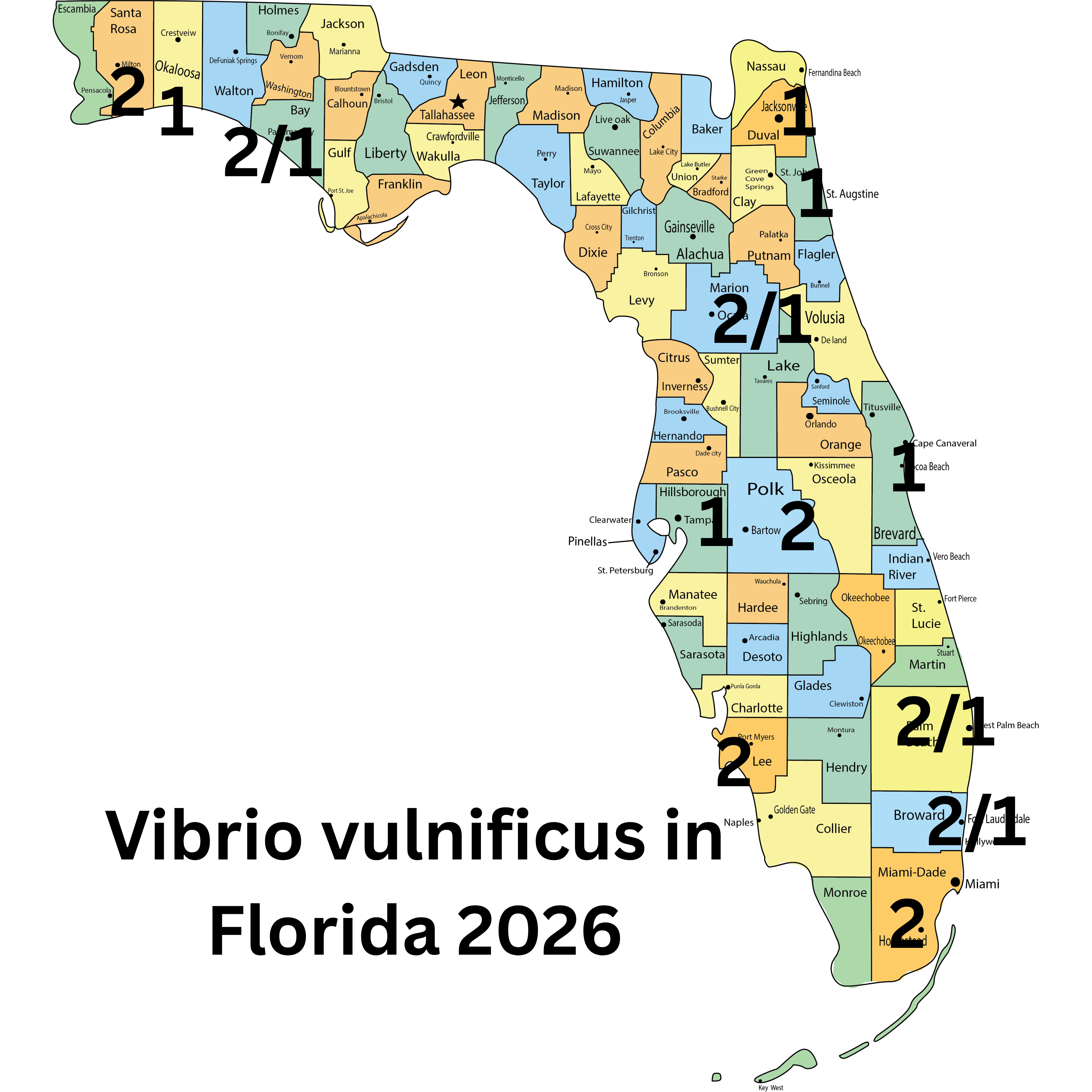
Florida state health officials reported an additional Vibrio vulnificus case in Duval County during the past week, bringing the total to 21 cases year to date.

Cases have been reported from 13 counties: Bay (2), Brevard, Broward (2), Duval, Hillsborough, Lee (2), Marion (2), Miami-Dade (2), Okaloosa, Palm Beach (2), Polk (2), Santa Rosa (2) and St. Johns.

The death toll remains unchanged at 4 - Bay, Broward, Marion and Palm Beach counties.

Outbreak News Today is a reader-supported publication. To receive new posts and support my work, consider becoming a free or paid subscriber.
  •  

Mexico: Naegleria fowleri infection reported in Yucatán

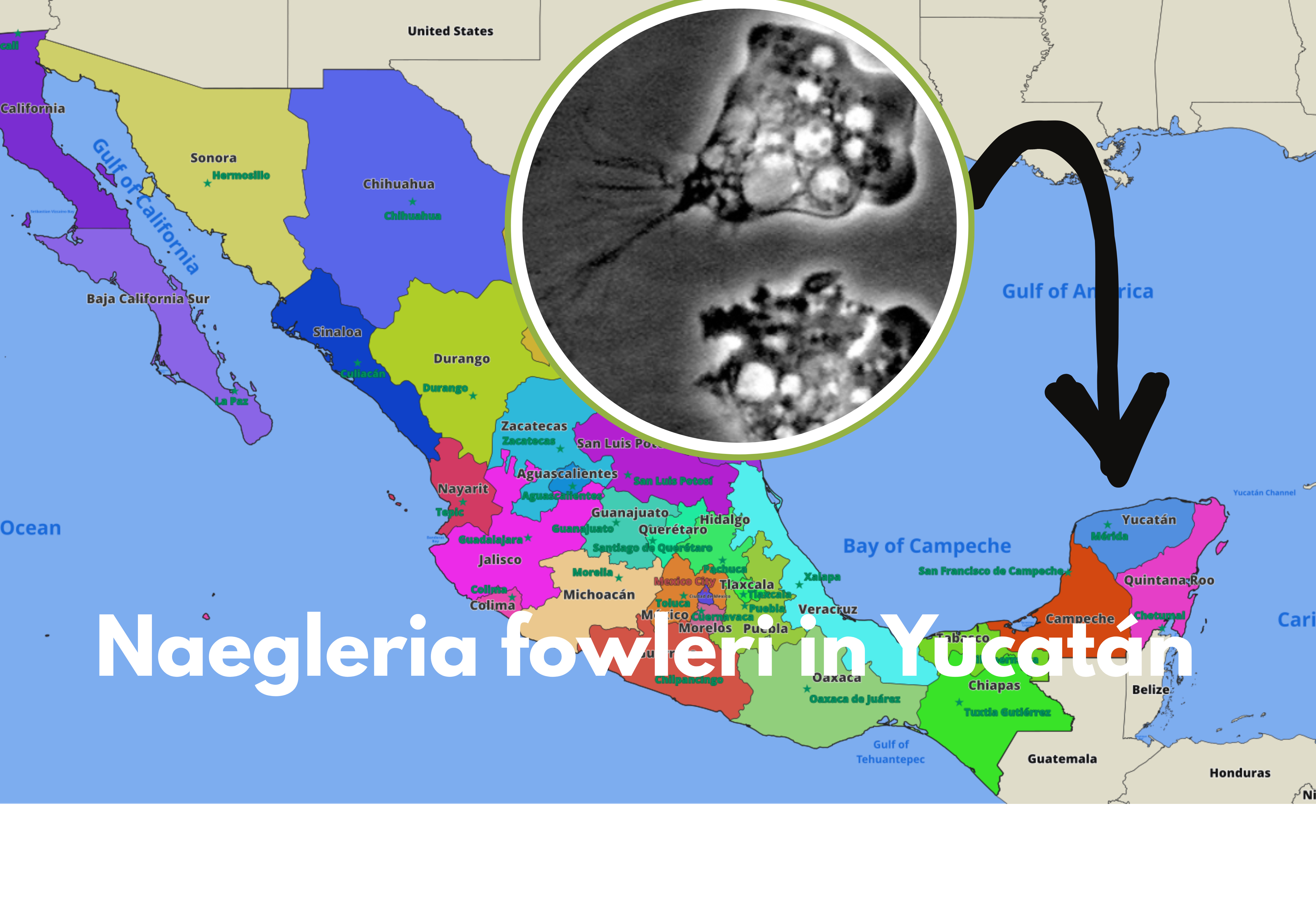
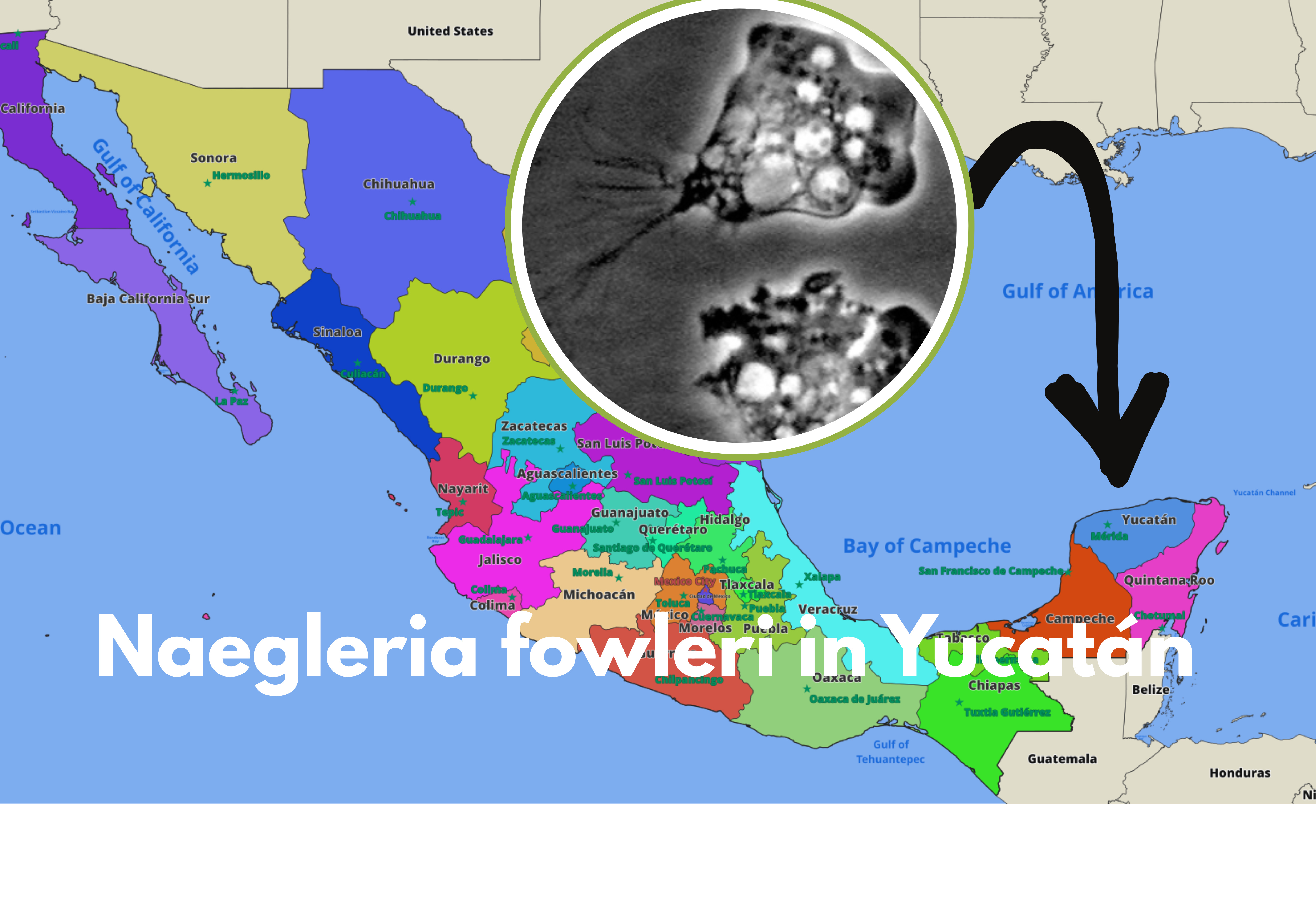
Health officials in Yucatán report a death due to suspected Naegleria fowleri infection, according to a Telesur Yucatán report.

The patient, a 34-year-old aquatic sports instructor at La Isla’s artificial lake, was admitted on Sept. 2 to the IMSS Hospital General Regional No. 12 in Mérida, where he required specialized care in the Intensive Care Unit due to the severity of his condition.

During his hospitalization, he experienced neurological deterioration and severe cerebral edema, requiring mechanical ventilation and treatment with antiparasitic, antibiotic, and antifungal medications, as well as drugs to maintain vital functions. Despite medical efforts, he died on September 8, Infobae reports.

The epidemiological investigation revealed a history of continuous exposure to water: the victim worked at a shopping center with a recreational body of water. For this reason, personnel from the Health Risk Protection Unit took samples on September 4th and ordered the precautionary closure of the facilities.

Naegleria fowleri is a microscopic amoeba which is a single-celled living organism. It can cause a rare and devastating infection of the brain called primary amebic meningoencephalitis (PAM). The amoeba is commonly found in warm freshwater such as lakes, rivers, ponds and canals.

Infections can happen when contaminated water enters the body through the nose. Once the amoeba enters the nose, it travels to the brain where it causes PAM (which destroys brain tissue) and is usually fatal. Infections usually occur when it is hot for prolonged periods of time, which results in higher water temperatures and lower water levels.

Related news:

Israel reports Naegleria fowleri infection, Updates guidelines for public swimming in the Sea of Galilee

Naegleria fowleri infection confirmed in Louisiana

North Carolina teen contracts brain-eating amoeba, Naegleria fowleri

Naegleria fowleri infections are rare. Most infections occur from exposure to contaminated recreational water. Cases due to the use of neti pots and the practice of ablution have been documented.

You cannot be infected with Naegleria fowleri by drinking contaminated water and the amoeba is not found in salt water.

Initial symptoms of PAM usually start within 1 to 7 days after infection. The initial symptoms may include headache, fever, nausea, or vomiting.

Other symptoms can include stiff neck, confusion, loss of balance, seizures, and hallucinations. After the start of symptoms, the disease progresses rapidly.

Outbreak News Today is a reader-supported publication. To receive new posts and support my work, consider becoming a free or paid subscriber.
  •  

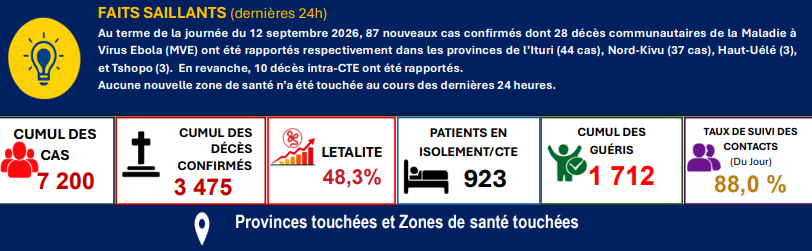
Ebola case tally now 7,200 confirmed, 3,475 deaths

The cumulative number of confirmed cases of Ebola virus disease has now reached 7,200 in the seven provinces of the Democratic Republic of Congo (DRC) affected by the epidemic, according to the epidemiological report published on Sunday, September 13, 2026.

Of these cases, 923 patients are currently in isolation or hospitalized. The cumulative number of recoveries stands at 1,712, while 3,475 deaths have been recorded among confirmed cases. The overall case fatality rate is 48.3%, while the overall contact tracing rate reaches 88%.

According to the same report, 62 health zones spread across seven provinces are affected by the epidemic.

In Ituri, the health zones concerned are Aru, Aungba, Bambu, Bunia, Damas, Drodro, Gety, Kilo, Komanda, Lita, Logo, Mambasa, Mangala, Mongbwalu, Nizi, Nyankunde, Rimba, Rwampara, Tchomia, Kambala, Nia-Nia, Fataki, Mandima, Lolwa, Boga, Ariwara, Mahagi and Adja.

In North Kivu, these are Beni, Biena, Butembo, Goma, Kalunguta, Katwa, Kyondo, Oicha, Vuhovi, Lubero, Mabalako, Masereka, Musienene, Mutwanga, Manguredjipa and Kayna.

In South Kivu, only the Miti-Murhesa health zone is affected.

In Haut-Uélé, the affected areas are Boma Mangbetu, Gombari, Isiro, Pawa, Rungu and Wamba. In Bas-Uélé, they are Buta, Viadana and Ganga.

Tshopo has six affected health zones: Bafwasende, Kabondo-Lubunga, Makiso-Kisangani, Mangobo, Wanie-Rukula, and Tshopo. South Ubangi, on the other hand, has only one affected health zone, namely Bulu.

The report also indicates that the epidemic peak was reached during the third week of August 2026, with a gradual trend towards a decline in the curve of confirmed cases and deaths.

The response continues, notably through active surveillance in the affected provinces, systematic investigation of suspected cases, and enhanced contact tracing. In the last 24 hours, 20 additional patients have been declared recovered.

Outbreak News Today is a reader-supported publication. To receive new posts and support my work, consider becoming a free or paid subscriber.
  •  

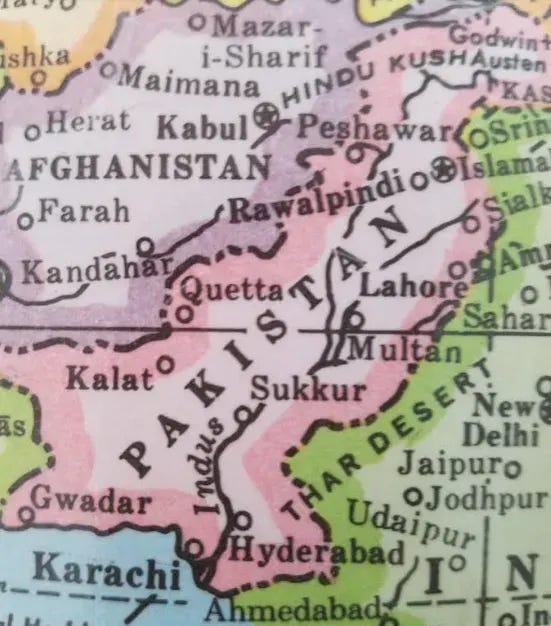
Pakistan reports 4th polio case of the year

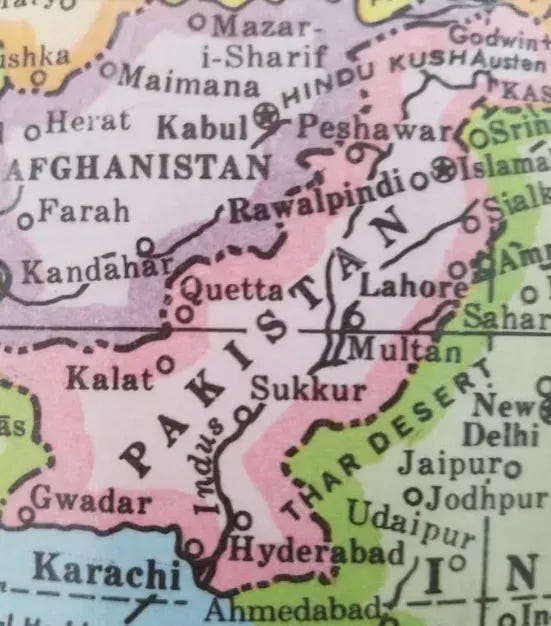
Pakistan health officials report a new, confirmed polio case from Bannu District, Bannu Division, in southern Khyber Pakhtunkhwa (KP), in a child from Nurar Union Council in Tehsil Miryan.

Image/Robert Herriman

This brings the total number of cases reported in Pakistan in 2026 to four. Three of this year’s four cases are from Bannu Division, where security-related access constraints have resulted in children missing critical vaccination, allowing wild poliovirus to continue circulating.

This new case underscores the urgent need to maintain strong surveillance and vaccination efforts nationwide, because no child is safe from polio until every child is protected.

Polio is a highly contagious and incurable disease that can cause lifelong paralysis and, in some cases, death. It can, however, be prevented through safe and effective polio vaccines, which have been used safely in 195 countries, including all Muslim-majority countries.

In 2026, Pakistan has already implemented three large-scale polio campaigns, protecting more than 45 million children multiple times, alongside smaller targeted oral and injectable vaccination campaigns in high-risk areas. The next national campaign is scheduled from 21 to 27 September and aims to protect nearly 31 million children, including in South KP.

Polio eradication is a collective responsibility. Pakistan’s dedicated frontline workers continue to bring vaccines to children at their doorsteps, while parents and caregivers play a crucial role by ensuring their children receive all recommended doses, including routine immunizations.

Communities, religious leaders, and the media also have a vital role to play in promoting vaccination, countering misinformation, and ensuring every child is reached. Together, we can achieve a polio-free future for every family and help build a stronger, healthier Pakistan.

Outbreak News Today is a reader-supported publication. To receive new posts and support my work, consider becoming a free or paid subscriber.
  •  

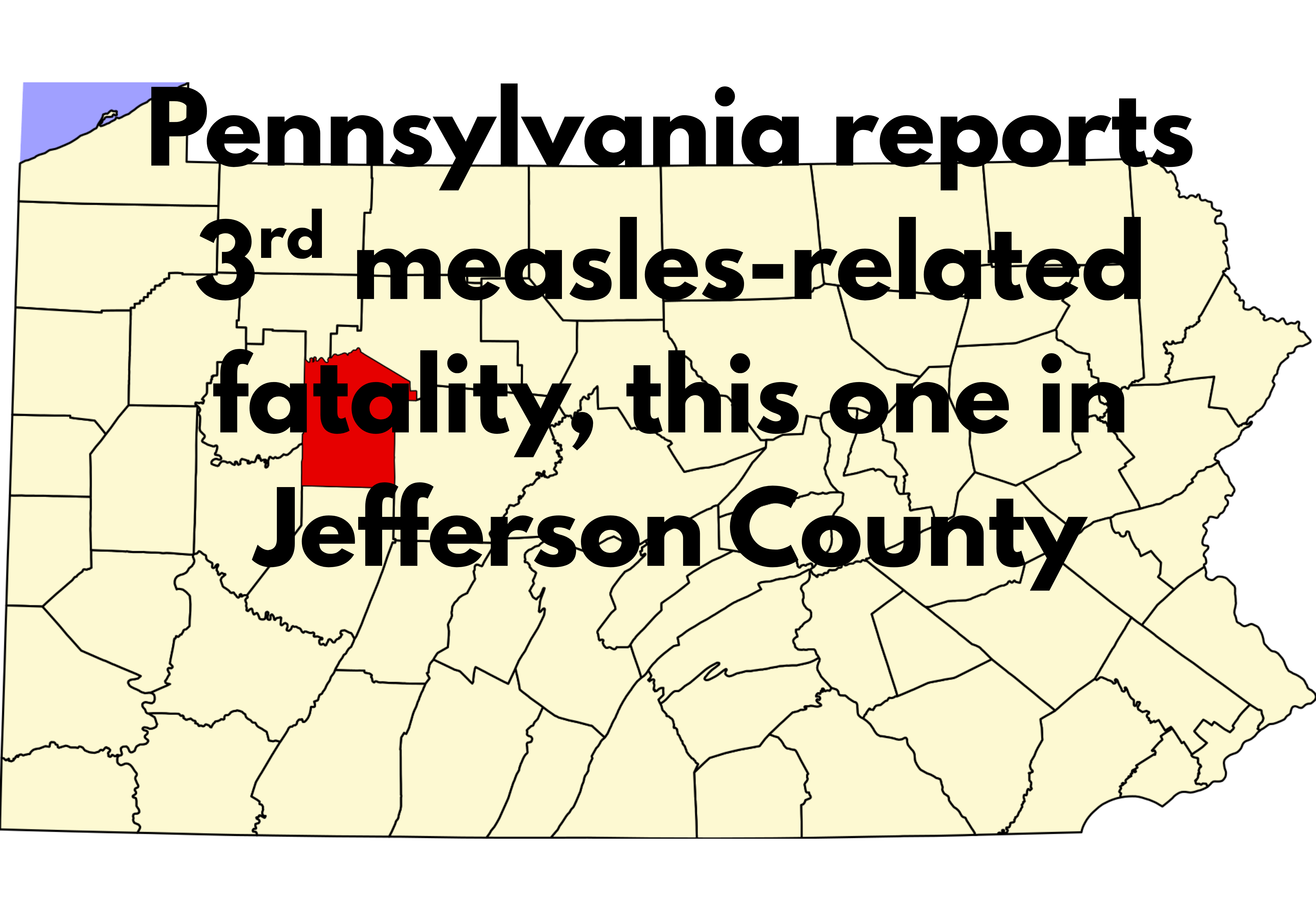
Pennsylvania reports 3rd measles-related death: 1st in Jefferson County

In a post from the Jefferson County Coroner's Office Saturday, Coroner Greg Furlong has confirmed the county's first measles-related death. A 40-year-old female resident of Jefferson County died on Saturday, September 12, 2026, from complications associated with measles.

Jefferson County Chief Deputy Coroner and Public Relations Officer Jason Stiver emphasized the importance of public awareness regarding the disease. "Many people associate measles with a childhood illness, but it can lead to severe complications in individuals of any age," Stiver said. "Measles is highly contagious and can result in serious respiratory illness, hospitalization, and in rare cases like this, death.”

This is the first measles-related death in Jefferson County and the third in the state this year (Lancaster County-2).

Subscribe to Outbreak News TV

“We encourage residents to stay informed, follow guidance from public health officials, and take appropriate steps to protect themselves and their families.”

Stiver added that preventing the spread of measles remains a public health priority.

“While cases of severe illness remain uncommon, this tragedy highlights that measles should not be taken lightly. Public health measures, early recognition of symptoms, and consultation with healthcare providers are important tools in protecting our community.”

The Coroner’s Office is currently working with the PA Department of Health in regards to this case.

Jefferson County has reported 26 confirmed measles cases through September 11. Pennsylvania has reported 676 confirmed cases year to date, the most in the country this year.

Outbreak News Today is a reader-supported publication. To receive new posts and support my work, consider becoming a free or paid subscriber.
  •  

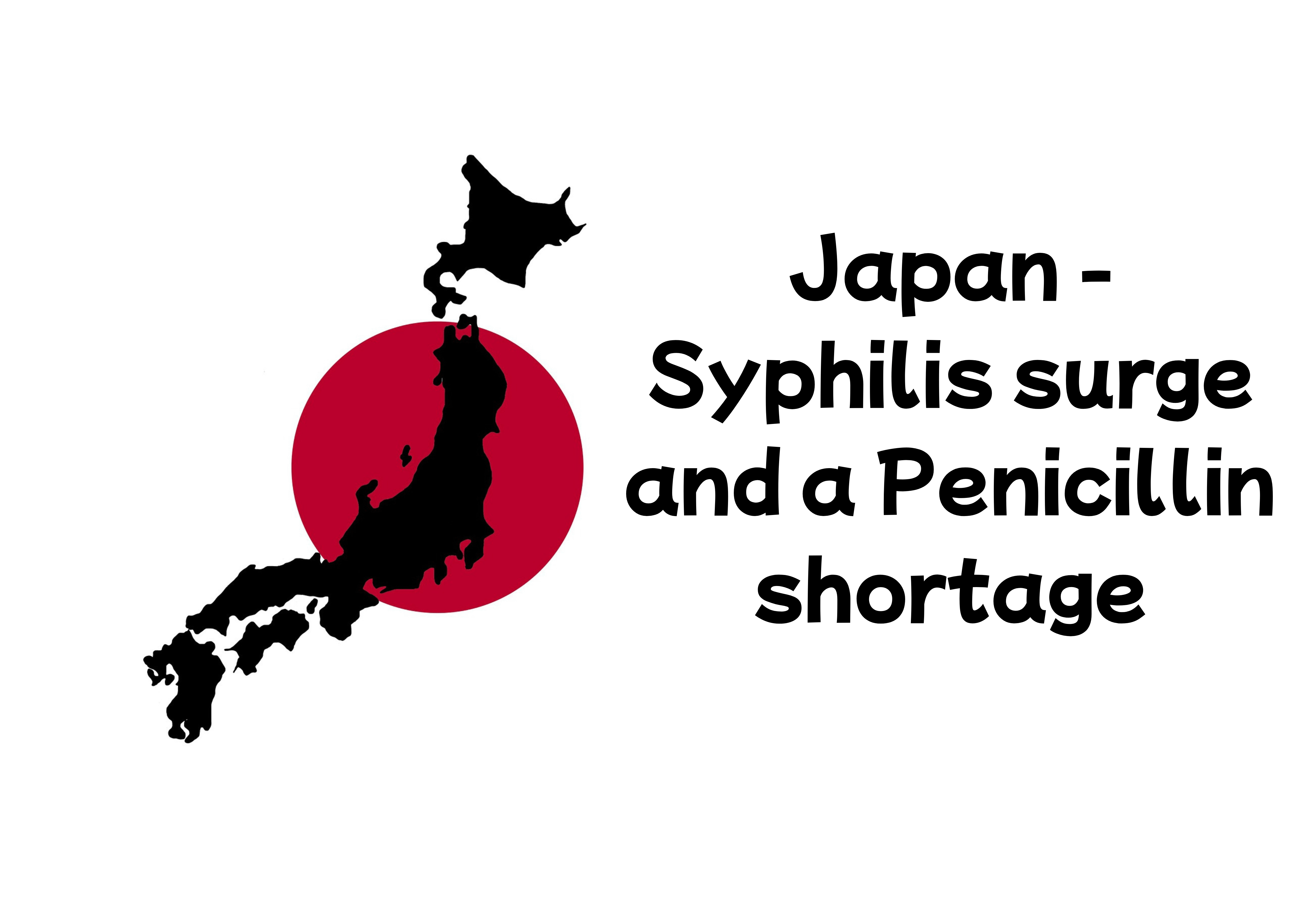
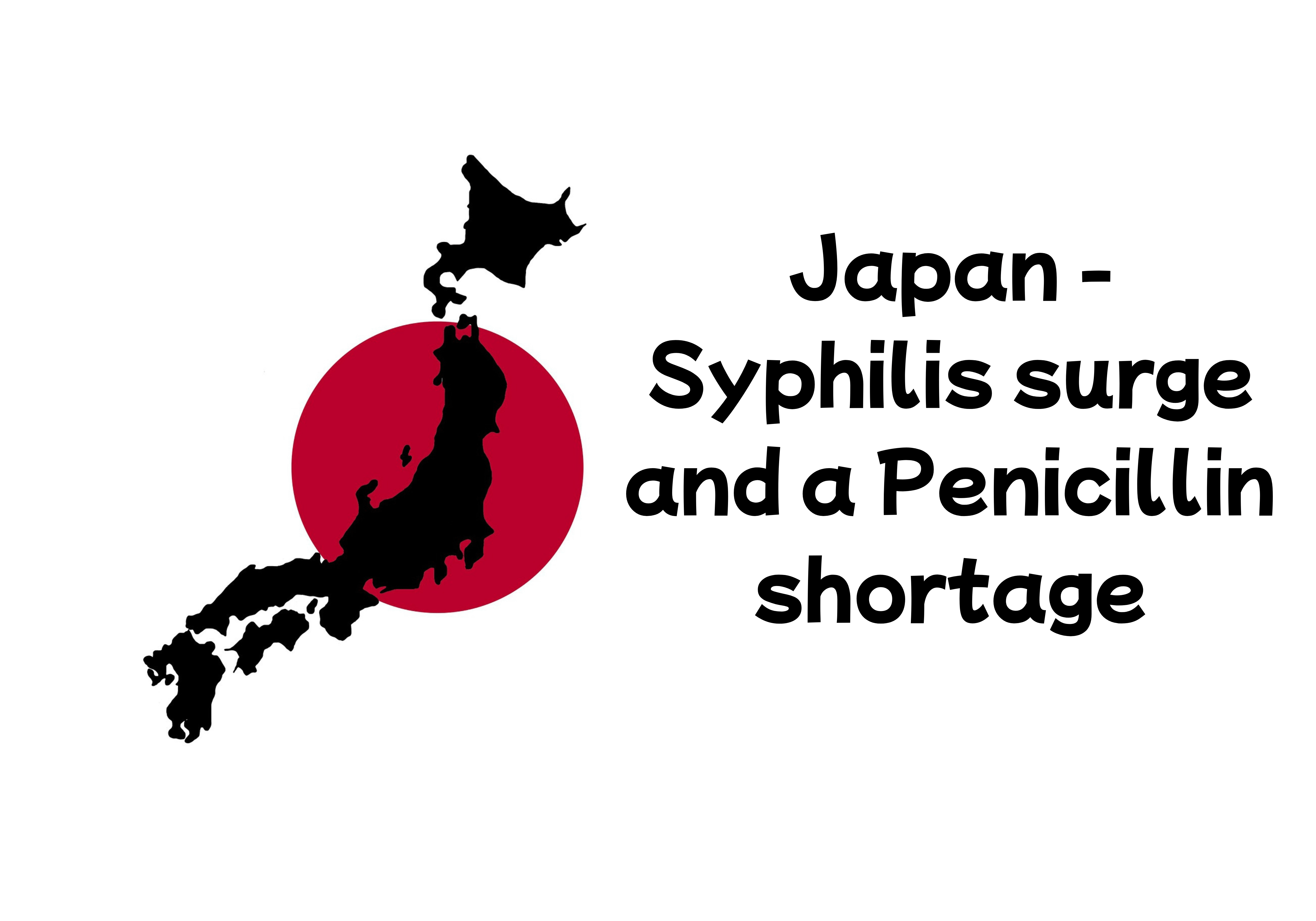
Japan: Syphilis surge and Penicillin shortage is not a good combination

A shortage of penicillin, the first-choice treatment for syphilis, continues in Japan amid persistently high infection levels, with production, halted due to an equipment failure at a manufacturer's plant, not expected to resume until late next year, according to a Japan Today report.

In the first 8 months of 2026, Japan has reported 7,700 syphilis cases.


In 2025, more than 13,000 cases were reported. In 2024, 14,663 cases were reported, just shy of 2023 case total of 14,906 total cases. In 2022 (the first time eclipsing the 10,000 mark), Japan saw 13,228 cases.

The Japanese government has mandated that all diagnosed cases of syphilis be reported under the Notifiable Disease Surveillance law since 1948. The annual number of reported syphilis cases throughout the country ranged from 500 to 900 between 2000 and 2012. However, the number has indicated a steady and alarming increase since then: 1228 in 2013, 1661 in 2014, 2690 in 2015, 4575 in 2016, 5826 in 2017, 7002 in 2018 and 7,983 cases in 2021.

Outbreak News Podcast

Penicillin is also the only drug recommended for preventing mother-to-child transmissions, prompting the Japanese Society for Sexually Transmitted Infections to ask medical professionals to prioritize its use for pregnant women.

If syphilis is transmitted to the fetus, it can lead to
congenital syphilis, including stillbirths and premature births.

Against this backdrop, Pfizer Inc.'s syphilis treatment was voluntarily recalled in July 2025 because of contamination by foreign matter, with a manufacturing equipment failure occurring in November that year.

The company said it expects shipments to resume around the "latter half of next year," citing the time needed to prepare facilities and undergo regulatory checks.

Outbreak News Today is a reader-supported publication. To receive new posts and support my work, consider becoming a free or paid subscriber.

  •  

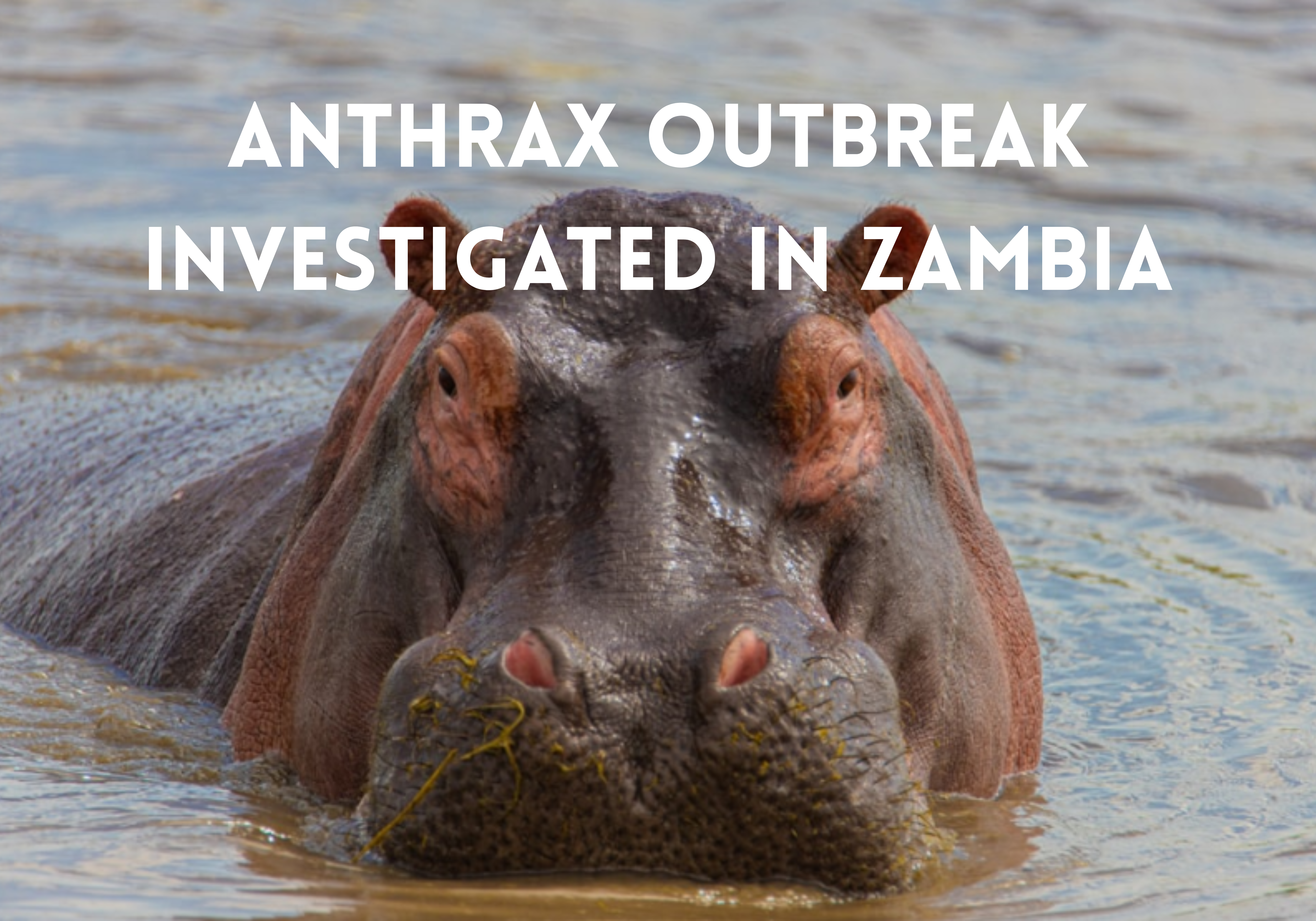
Zambia reports anthrax outbreak, Dozens of animals and people affected

The Zambia National Disaster Risk Management Division (DRMD) is alerting the public about a suspected anthrax outbreak that is under investigation in Nabwalya Chiefdom, Mpika District, particularly the Munyamadzi Game Management Area and Munyamadzi River area.

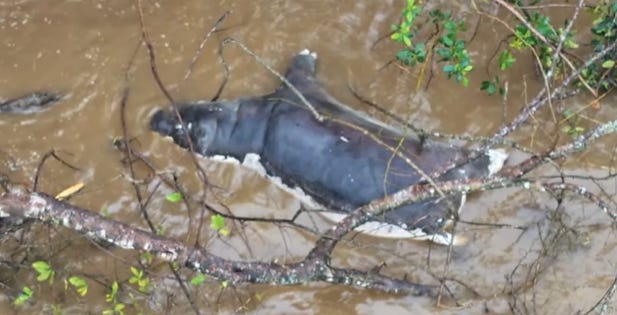
Authorities have recorded deaths of 46 hippopotamuses, 5 buffaloes, 1 crocodile and 8 elephants since July 2026.

Image/DRMD screenshot

Approximately a dozen human cases with signs consistent with anthrax have been reported in Nabwalya. The cases are reportedly linked to the consumption of meat from animals found dead in the Munyamadzi River area.

The source and full geographical extent of the suspected outbreak have not yet been conclusively established. Comprehensive surveillance and laboratory investigations are therefore being undertaken.

Reports of illegal mining around Mukungule are being investigated for possible impacts on rivers, water quality, habitat and wildlife. No causal link between mining and the suspected anthrax outbreak has been established.

Members of the public are strongly urged NOT to touch, open, transport, sell or consume animals found dead. Any unexplained animal deaths should immediately be reported to the relevant authorities.

Outbreak News Today is a reader-supported publication. To receive new posts and support my work, consider becoming a free or paid subscriber.
  •  

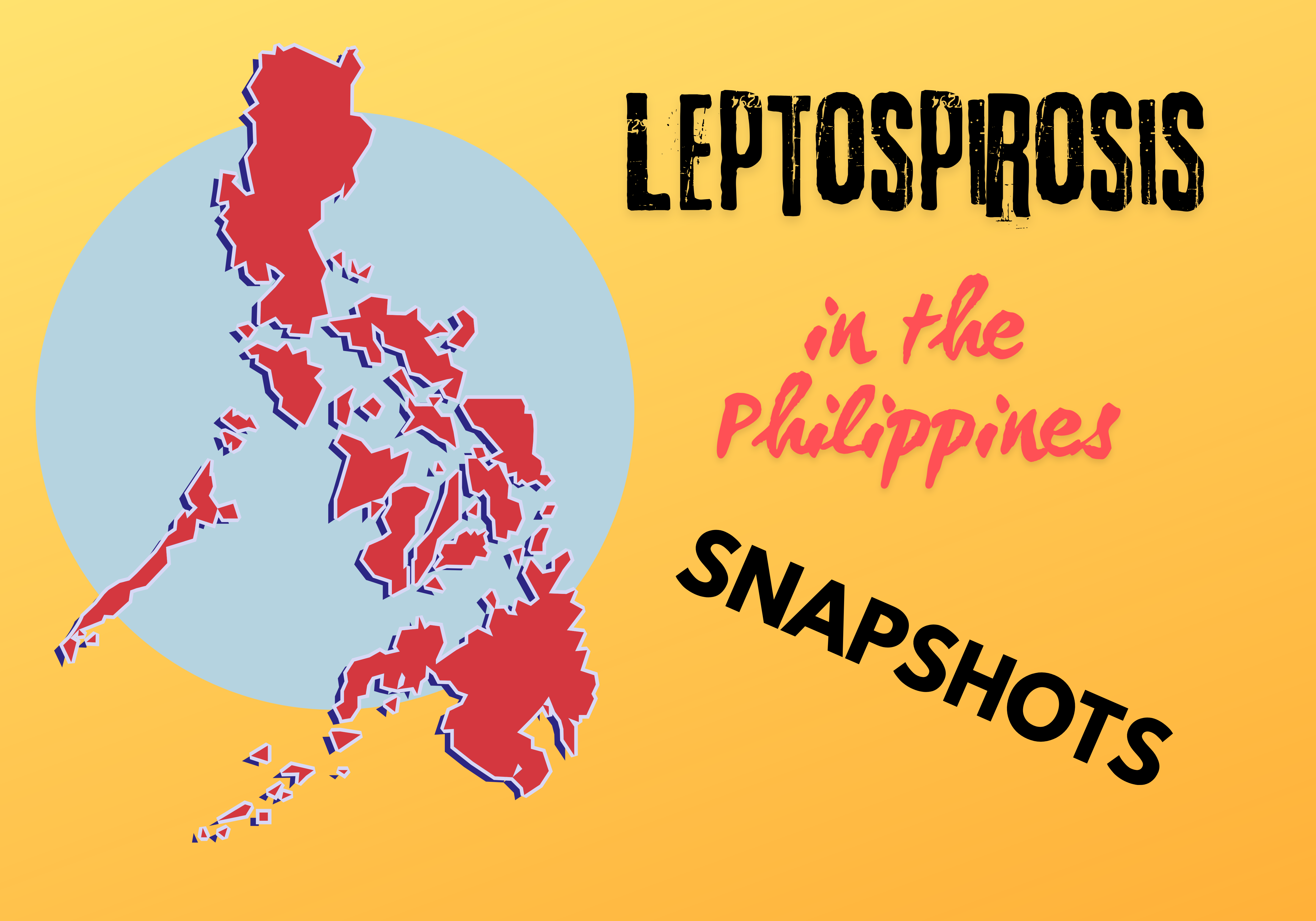
Leptospirosis in the Philippines Snapshots

Bulacan

The Bulacan Provincial Health Office–Public Health (PHO-PH) reports from Jan.1 to Sept. 5, 2026, 394 suspected cases were reported compared to 158 during the same period last year, a 149 percent increase.

Of these, 232 cases were reported in just the past two weeks, accounting for nearly 60 percent of the total.

Four deaths have also been confirmed, with cases surpassing the alert threshold by more than fivefold. Health officials attributed the surge to recent typhoons and monsoon rains that caused widespread flooding.

Pampanga

The Jose B. Lingad Memorial General Hospital (JBLMGH), in San Fernando, Pampanga, has recorded 353 cases of leptospirosis with more than 10 deaths as flooding continues to hound Pampanga province.

Among the towns heavily affected by the floodwaters are Masantol, Macabebe, Santo Tomas, Minalin, Apalit, San Luis, Candaba and San Simon.

Manila leptospirosis cases continue to rise

Cordillera Administrative Region

The Department of Health-Cordillera Administrative Region (DOH-CAR) recorded 196 cases from January through August, up from 171 during the same period last year, a 15% increase in the first eight months of the year.

The patients ranged in age from 1 to 85, with a median age of 29. Most were male, with 153 cases, or 78 percent, while 57, or 29 percent, were farmers.

Baguio City has recorded an increase in cases, logging 28 cases from Jan. 1 to Aug. 29, up 22 percent from 23 cases during the same period in 2025, said Dr. Celia Flor Brillantes, a city health official.

Four deaths were recorded, including one laboratory-confirmed leptospirosis case. Three others showed clinical symptoms, and one of those patients was also diagnosed with dengue, Brillantes said.

Podcast: Leptospirosis outbreak in Manila 2018

Iloilo

Leptospirosis deaths in Iloilo Province have surged by 62.5 percent this year despite a slight decline in infections, prompting hospitals across Western Visayas to establish dedicated “fast lanes” as persistent rains heighten the risk of exposure to contaminated floodwaters.

Data from the Iloilo Provincial Health Office (IPHO) showed 13 people died from leptospirosis among 121 cases recorded from Jan. 4 to Sept. 5, 2026.

During the same period last year, the province logged 125 cases and eight deaths.

If you like the reporting on Outbreak News Today, please consider a paid subscription for $5/month or $30 a year. Help support the cause of this niche journalism. It is appreciated.

Quezon City

Leptospirosis cases in Quezon City (QC) have reached 812 as of Wednesday, according to the city’s Epidemiology and Surveillance Division (ESD), 40 percent higher compared to the same period last year.

Despite the increase in cases, fatalities are down - 48 case fatalities compared to 97 last year.

Outbreak News Today is a reader-supported publication. To receive new posts and support my work, consider becoming a free or paid subscriber.
  •  

Legionnaires’ disease cluster grows in the Bronx

In a follow-up on the Legionnaires’ disease cluster in the South Bronx, New York City, city health officials now report eight cases (2 currently hospitalized, 4 discharged, 1 not hospitalized and 1 death).

The cluster has affected parts of Melrose and Morrisania in the South Bronx (ZIP codes 10451 and 10456).

Image/CDC

In a letter to residents of these areas, NYC health officials say the risk of contracting Legionnaires’ disease is low, but if you live or work in or have visited these ZIP codes in September and have symptoms, see a healthcare provider right away. For help finding a provider, regardless of immigration or insurance status, call 311 or 844-NYC-4NYC (844-692-4692).

Legionnaires’ disease, Part 1: An interview with Dr. Mark Edwards and Sarah Ferrari

Cooling towers in the community are the likely source of the Legionella bacteria causing this cluster of Legionnaires’ disease. Cooling towers are typically found on top of buildings. They control the temperature of cooling systems, such as refrigeration. The cooling towers spray mist that can contain the bacteria into the outside air.

Legionnaires’ disease and Legionella, Part Two

Cooling towers in the area are being tested by the Health Department. Buildings with cooling towers that test positive for the presence of Legionella bacteria are being ordered to immediately clean and disinfect their cooling towers.

It is safe for residents in the area to drink tap water, bathe, shower, cook, and use their air conditioner at home.

Outbreak News Today is a reader-supported publication. To receive new posts and support my work, consider becoming a free or paid subscriber.
  •  

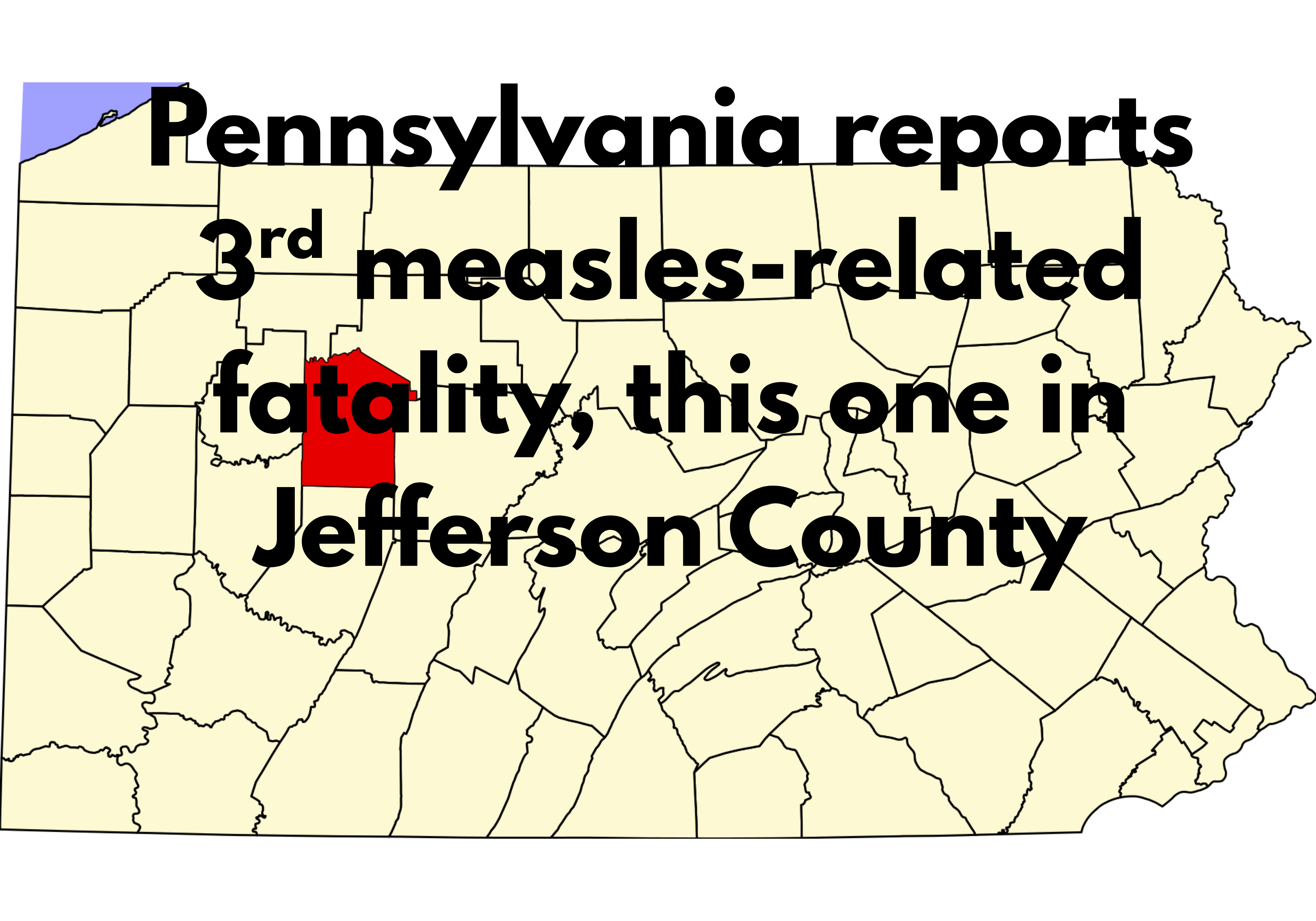
Pennsylvania now leads the US in measles

Since Wednesday, September 9, Pensylvania state health officials report an additional 52 measles cases, bringing the total to 676 confirmed cases in 2026.

This leapfrogs Pennsylvania over South Carolina (671) as the US state reporting the most measles cases this year.

37 counties have been affected by measles with Lancaster County reporting the most (295), followed by Mifflin (74) and Chester (65) counties.

If Lancaster County was a state, it would have the fourth most measles of any state in the country.

To put in perspective, in 2025, Pennsylvania reported 16 cases in over the whole year.

To date, 124 cases required hospitalization and two measles-associated deaths have been recorded.

The Pennsylvania Department of Health (DOH) identified four individuals, three adults and one child, with measles who were all appropriately vaccinated for their given ages. The individuals are residents of Centre, Jefferson, Lancaster, and Lycoming counties. None of these individuals were hospitalized.

These four cases represent less than one percent of total confirmed cases in Pennsylvania. According to the national CDC dashboard, approximately 3 percent of measles cases across the country in 2026 have occurred in fully vaccinated individuals.

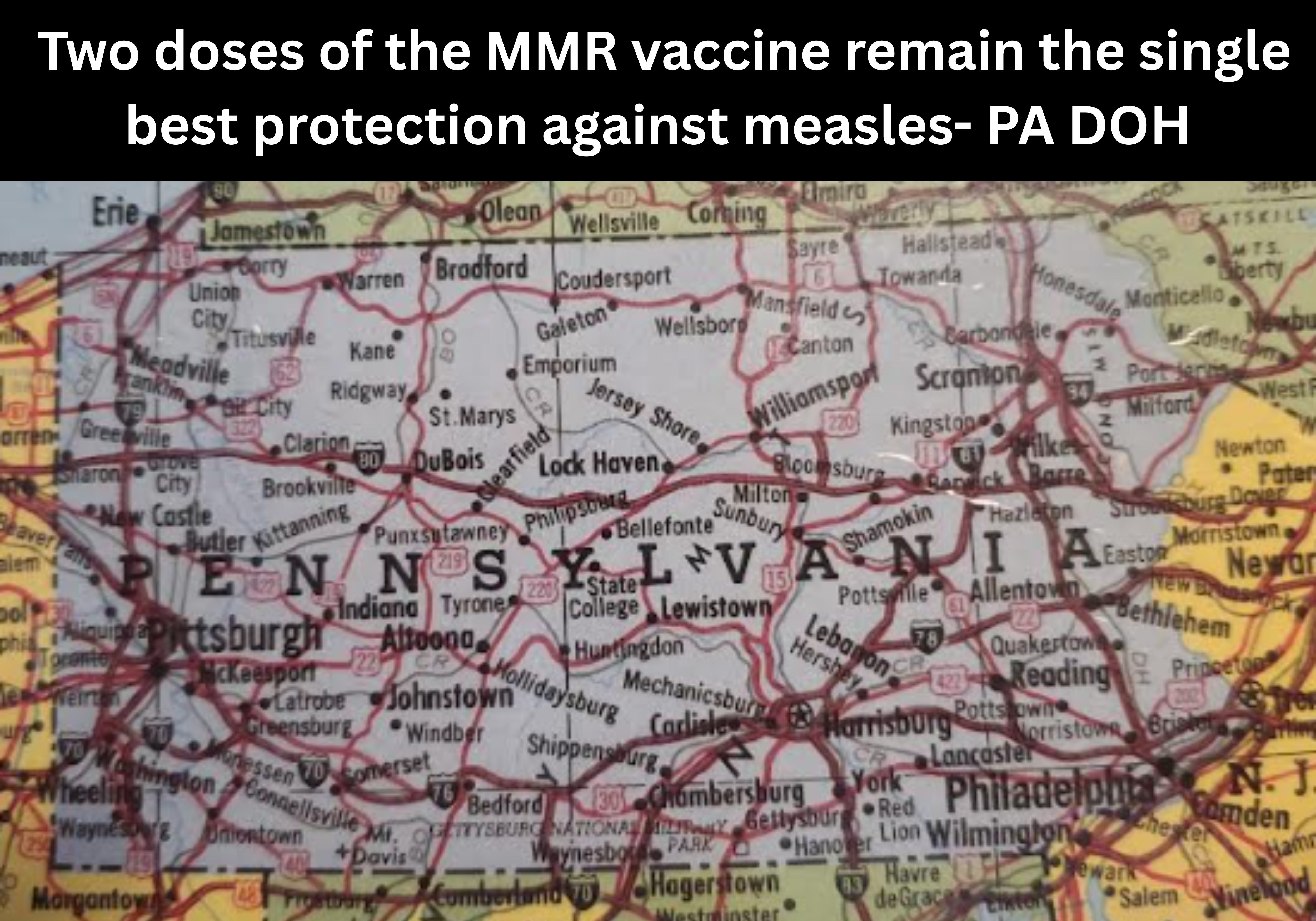
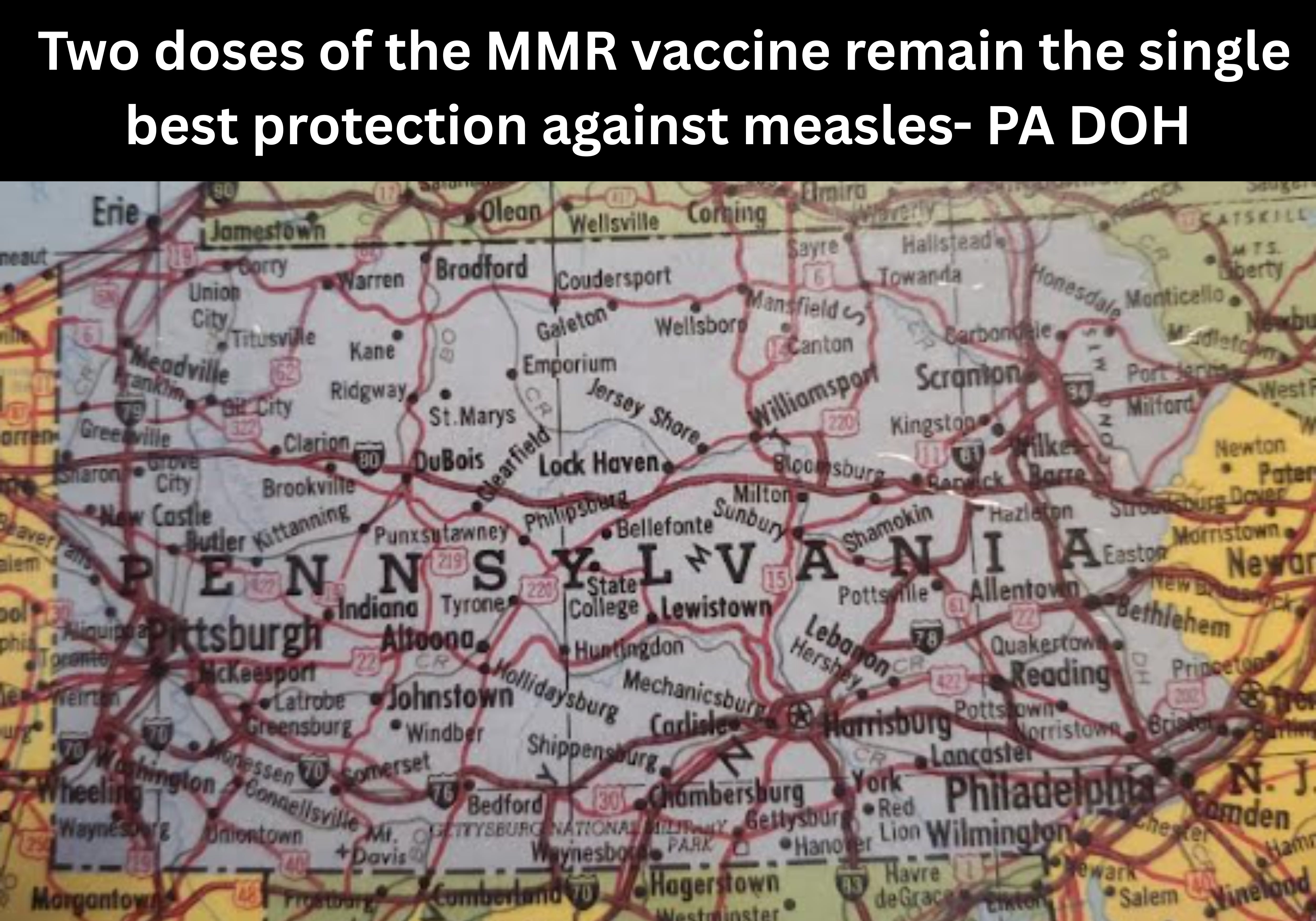
The presence of so few cases among vaccinated individuals in Pennsylvania out of the more than 670 total cases confirms what decades of clinical evidence show: two doses of the MMR vaccine remain the single best protection against measles.

People who are vaccinated and become infected with measles experience milder symptoms and are less likely to have complications or be hospitalized.

The MMR vaccine is still the best protection against the measles virus because it builds the level of community immunity that virtually eliminated measles in the U.S. for a quarter of a century.

If you like the reporting on Outbreak News Today, please consider a paid subscription for $5/month or $30 a year. Help support the cause of this niche journalism. It is appreciated.

Outbreak News Today is a reader-supported publication. To receive new posts and support my work, consider becoming a free or paid subscriber.
  •  

Manila leptospirosis cases continue to rise

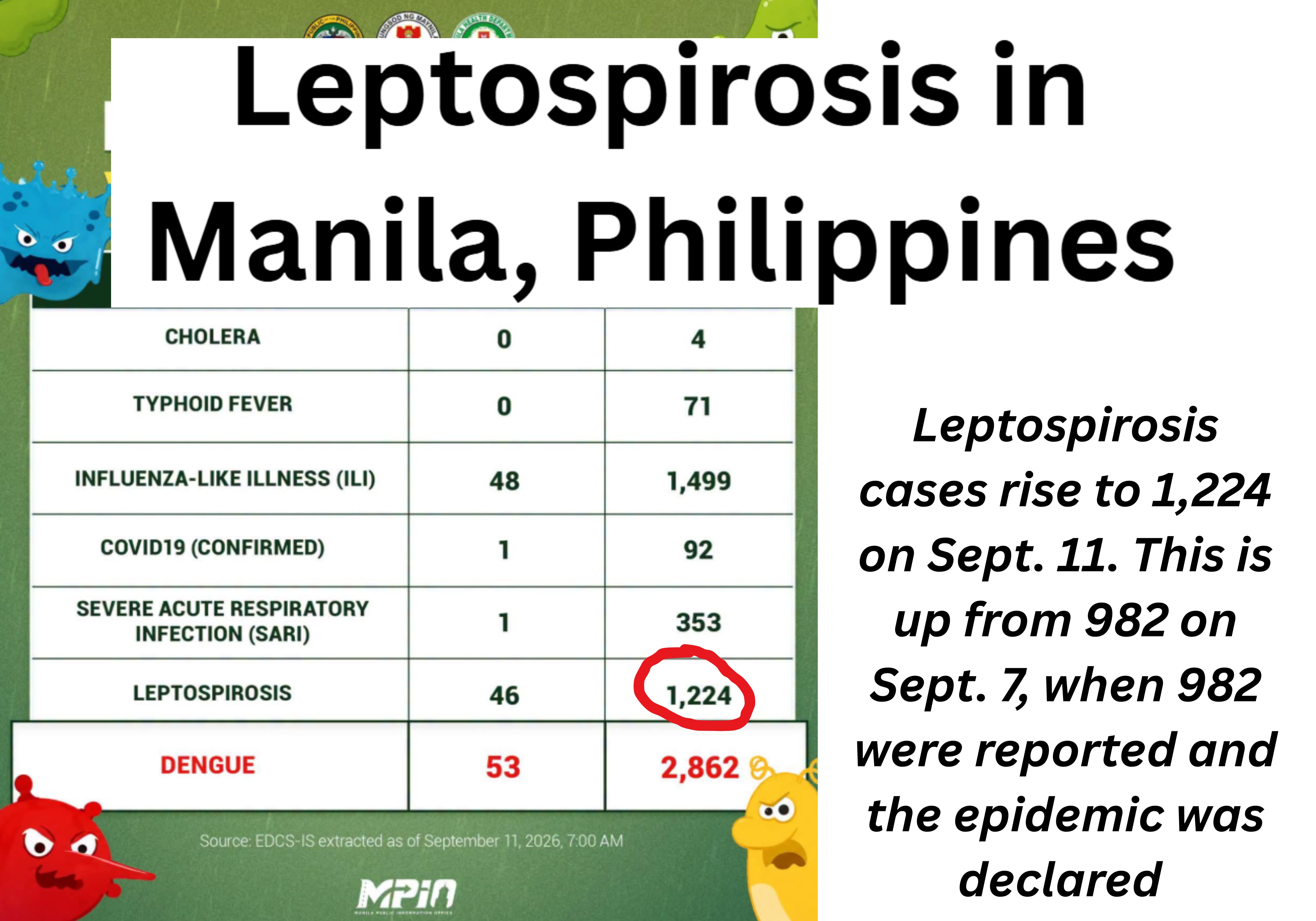
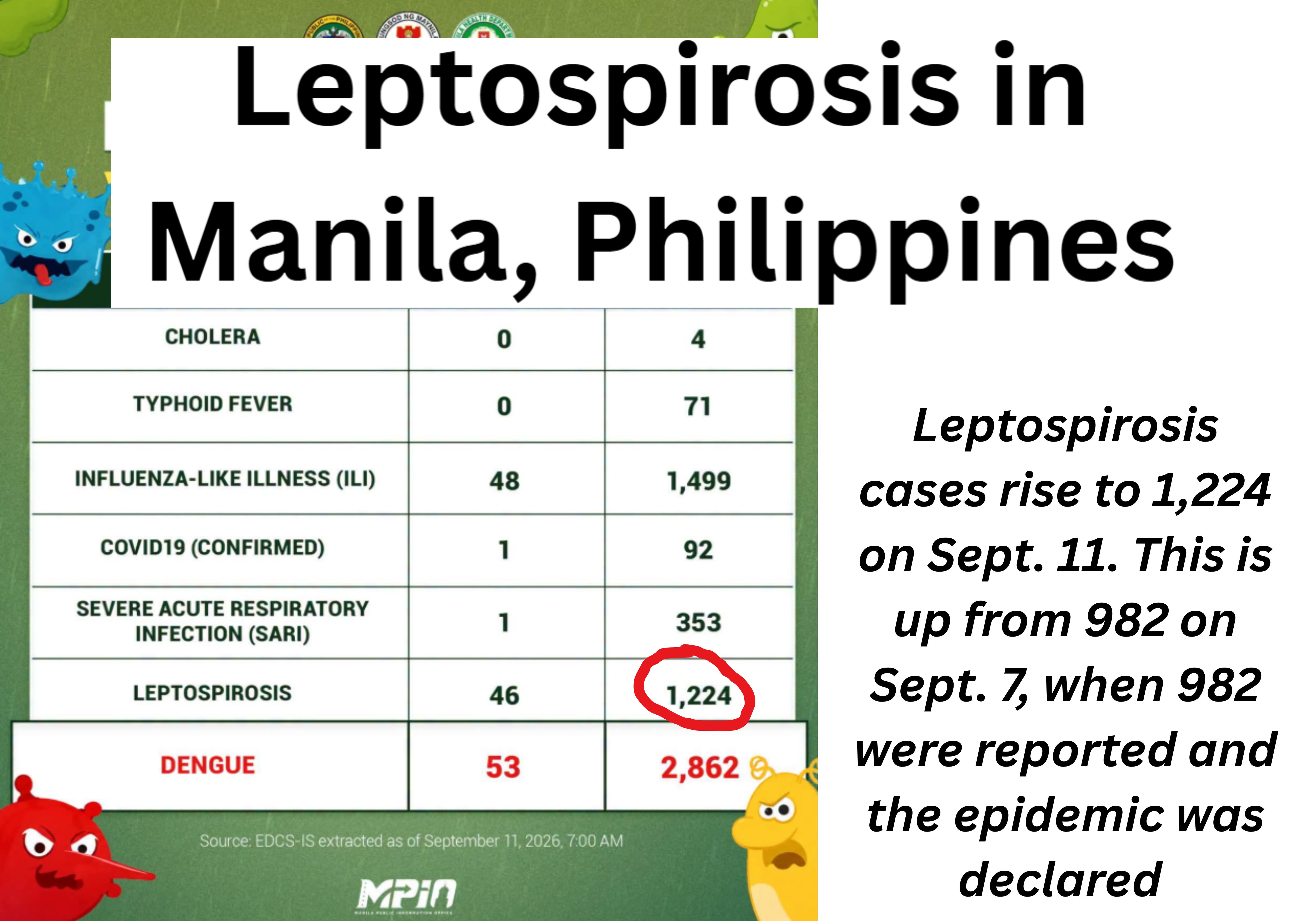
The Manila city government has reported 242 additional leptospirosis cases since the epidemic was declared on September 7.

On September 11, the total has risen to 1,224 cases after 46 new patients were reported Friday.

Several city government hospitals—including Justice Jose Abad Santos General Hospital, Ospital ng Maynila and St. Ana Hospital—and have reportedly reached full capacity amid an increase in patients.

Throughout August, an usually strong southwest monsoon has caused severe flooding in Metro Manila, Central Luzon and parts of the Visayas, leading to an outbreak of leptospirosis.

With the southwest monsoon and typhoon season expected to continue through November, further episodes of heavy rainfall and flooding are likely, creating favorable conditions for continued leptospirosis transmission and increased cases, and placing additional pressure on already stretched health facilities.

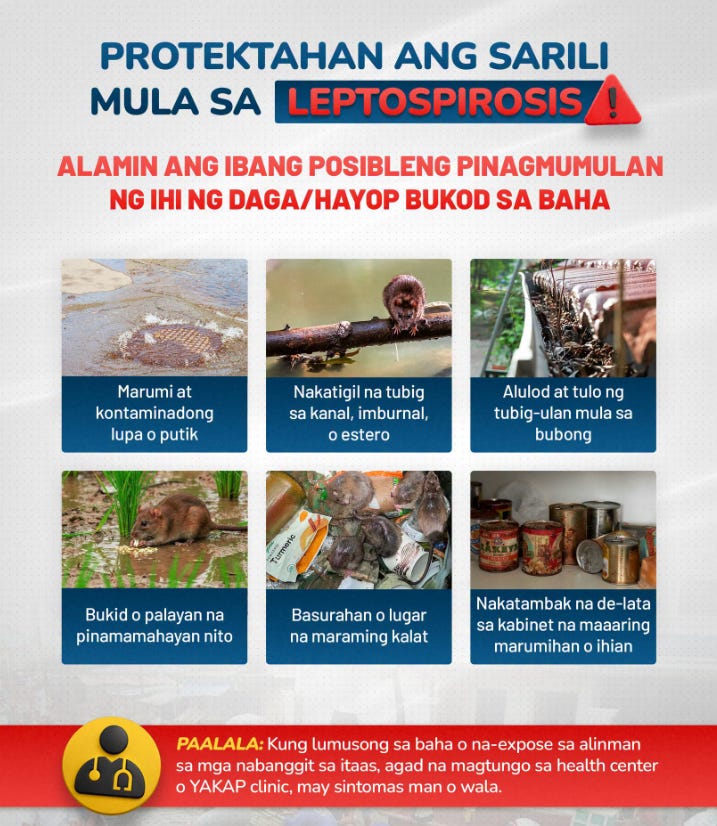
Leptospirosis is a bacterial infection commonly associated with exposure to water or soil contaminated with the urine of infected animals, particularly rats.

The city government has urged residents to take precautions, particularly when wading through floodwaters, as flooding can increase the risk of exposure to the bacteria.

If you like the reporting on Outbreak News Today, please consider a paid subscription for $5/month or $30 a year. Help support the cause of this niche journalism. It is appreciated.

Outbreak News Today is a reader-supported publication. To receive new posts and support my work, consider becoming a free or paid subscriber.
  •  

Nigeria reports more than 10,000 diphtheria cases to date in 2026: NCDC

According to Nigeria Centre for Disease Control and Prevention (NCDC) Director General, Dr. Gidado Idris, speaking to media in Abuja recently, the country has recorded more than 10,000 cases of the vaccine-preventable disease, diphtheria.

Image/Robert Herriman

Officials report that eight state account for 98 percent of the confirmed cases - Kano, Kaduna, Katsina, Borno, Bauchi, Plateau, Sokoto and Zamfara.

NCDC says low vaccination coverage in children accounts for the bulk of the burden.

The data suggests that Nigeria is not dealing with a single outbreak that suddenly appeared in 2026. It is confronting a persistent immunity gap that has allowed diphtheria transmission to continue, particularly in parts of northern Nigeria.

WHO’s regional assessment shows that Nigeria recorded 15,273 confirmed diphtheria cases in 2025, resulting in 872 deaths. More than 95 per cent of those confirmed cases were reported from five states: Kano, Borno, Bauchi, Katsina and Yobe.

Outbreak News Today is a reader-supported publication. To receive new posts and support my work, consider becoming a free or paid subscriber.
If you like the reporting on Outbreak News Today, please consider a paid subscription for $5/month or $30 a year. Help support the cause of this niche journalism. It is appreciated.

  •  

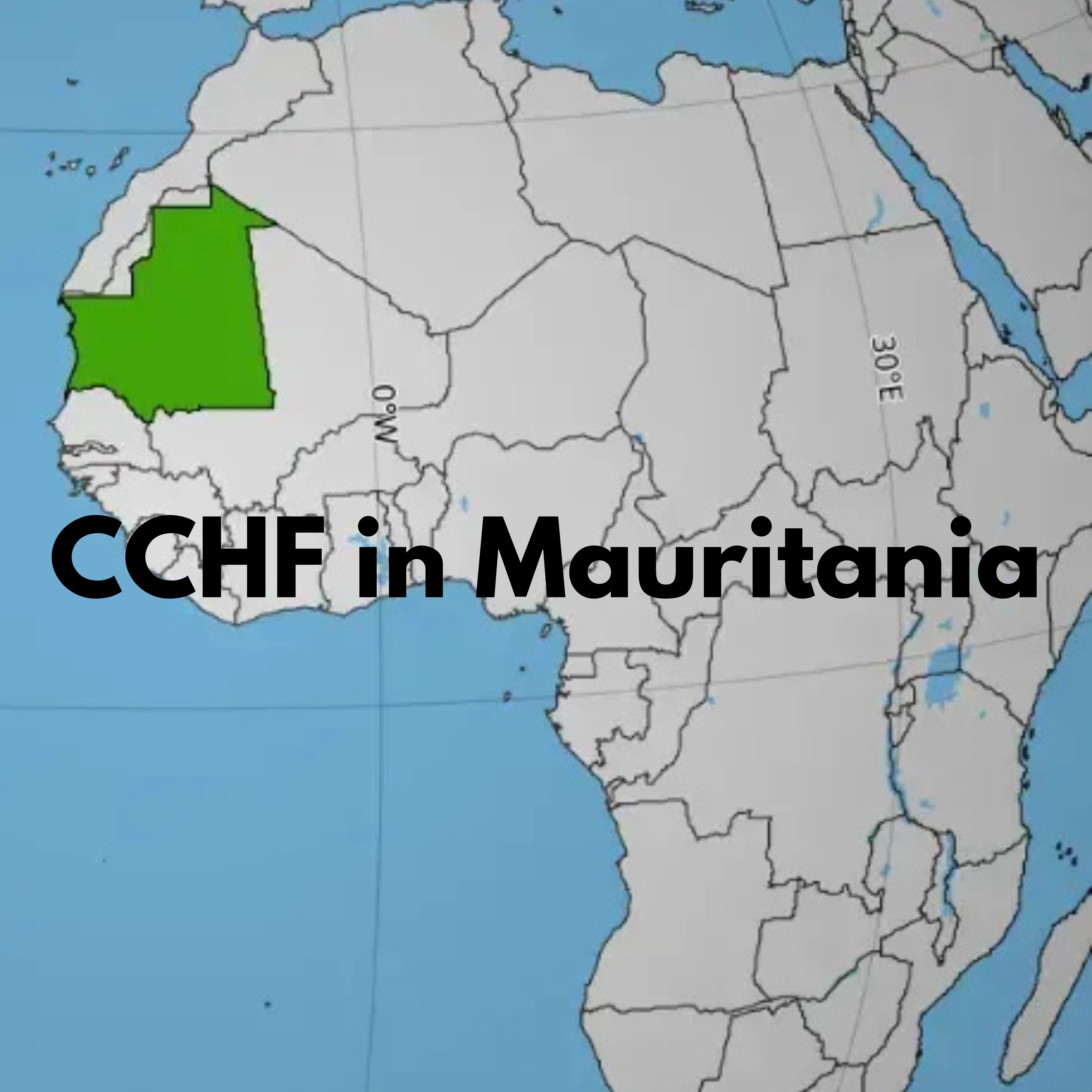
Mauritania reports CCHF outbreak

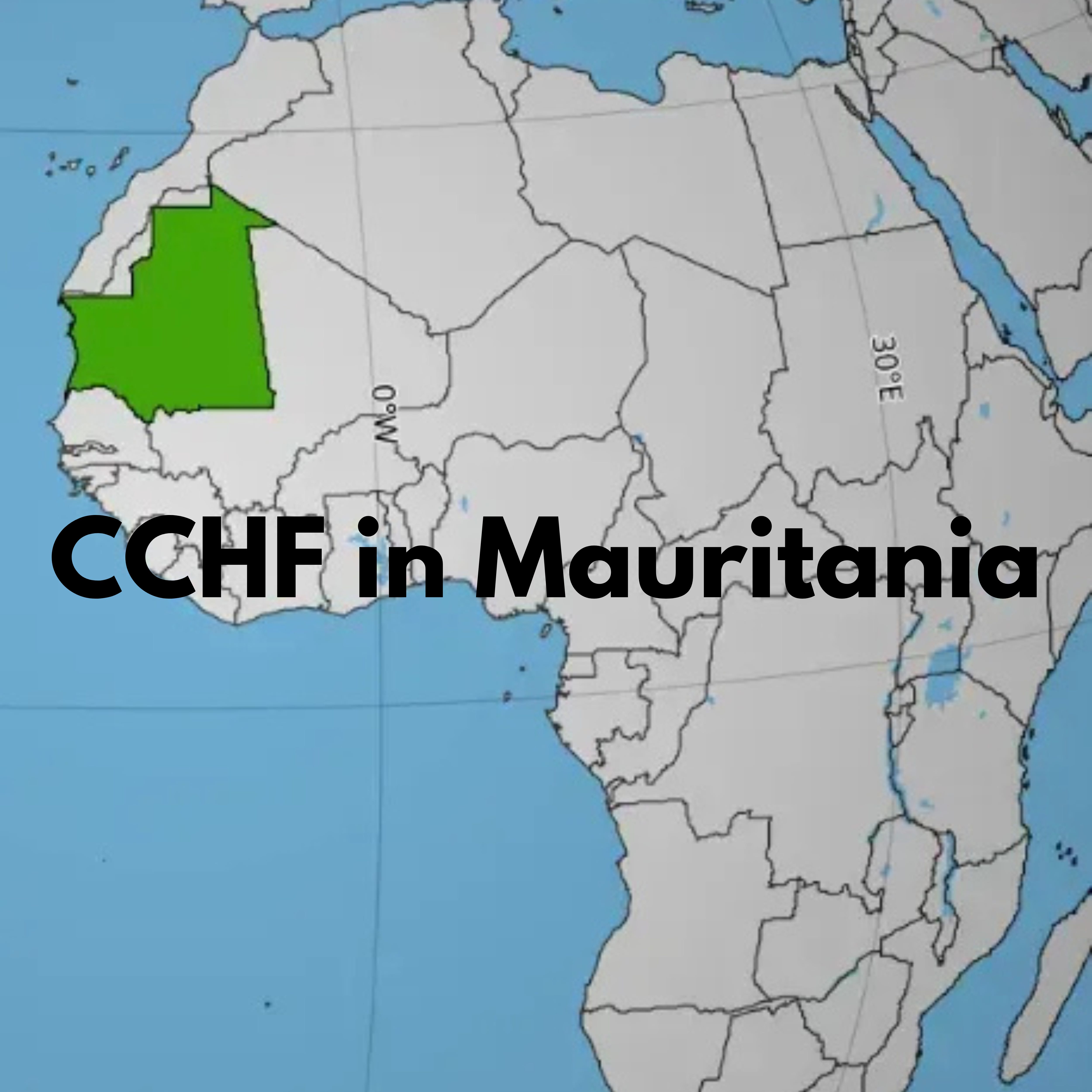
The Mauritania Ministry of Health reports a new outbreak of Crimean-Congo Hemorrhagic fever (CCHF).

In late August, a 50-year-old female presented at Rosso hospital, in Rosso district, Traza region, with symptoms of fever, headache, myalgia and bloody diarrhea. She is currently hospitalized and stable.

The case was confirmed by PCR by the National Public Health laboratory.

The patient reported exposure to cattle, sheep and goats with no exposure to tick bites.

Crimean-Congo hemorrhagic fever 101

CCHF virus is spread by contact with infected ticks or animal (e.g., livestock) blood. CCHF virus can be spread from human to human through contact with infectious blood or bodily fluids.

Initial symptoms of CCHF include headache, high fever, back pain, joint pain, stomach pain, and vomiting. As the illness progresses, large areas of severe bruising, severe nosebleeds, and bleeding at injection sites can be seen.

In documented outbreaks of CCHF, fatality rates in hospitalized patients have ranged from 9% to as high as 50%.

In Mauritania, CCHF was first documented in 1983.

In 2026 to date, Africa has reported 17 confirmed CCHF cases and 4 deathsin 3 countries- Mauritania, Senegal and Uganda.

Outbreak News Today is a reader-supported publication. To receive new posts and support my work, consider becoming a free or paid subscriber.
  •  

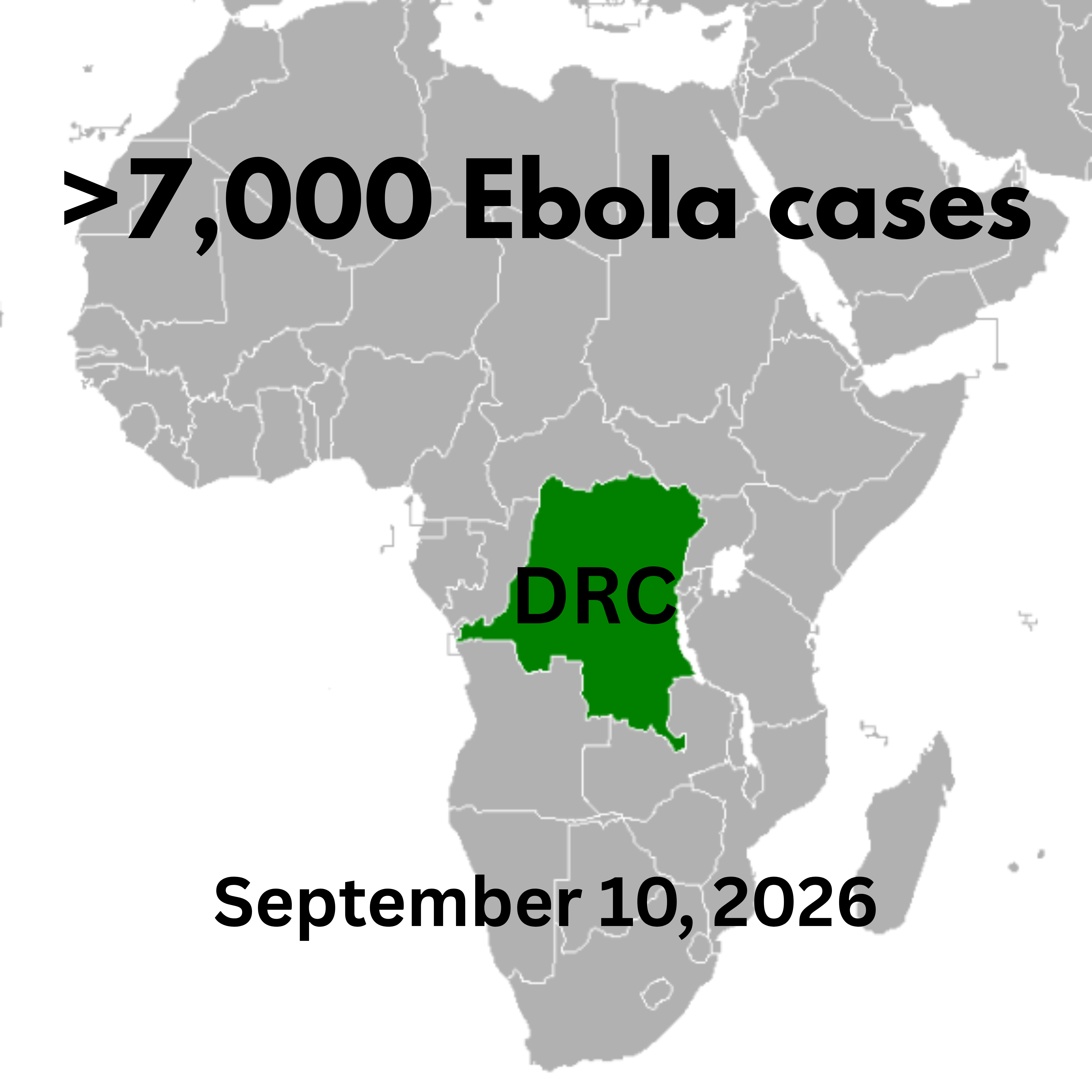
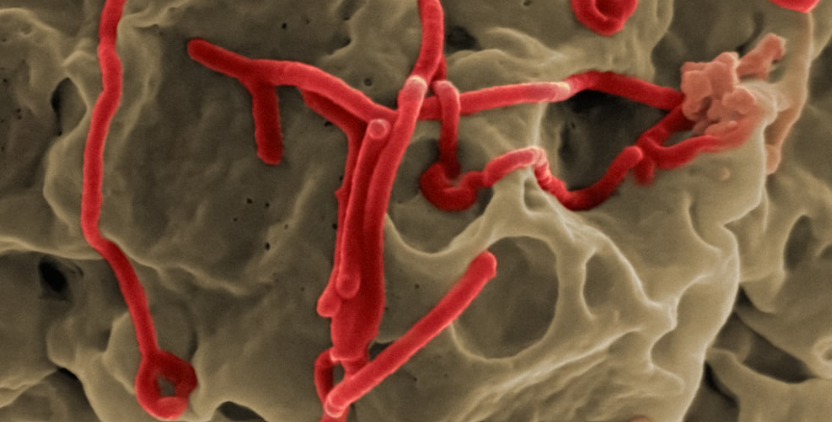
Ebola outbreak tops 7,000 cases, Sud Ubangi is the 7th province affected

According to the latest data from the Democratic Republic of the Congo (DRC) Ministry of Health (MOH), 80 new confirmed cases of Ebola Virus Disease (EVD)—including 31 community deaths—were reported on September 10.

The confirmed cases are distributed across the provinces of Ituri (30 cases), North Kivu (43), Haut-Uélé (6), and Sud-Ubangi (1).

Additionally, 18 deaths within Ebola Treatment Centers (ETCs) were recorded—12 in Ituri, 4 in Haut-Uélé, and 2 in North Kivu—bringing the total daily death toll to 49.

Furthermore, 24 patients were declared recovered after testing negative for EVD twice (21 in Ituri and 3 in North Kivu).

If you like the reporting on Outbreak News Today, please consider a paid subscription for $5/month or $30 a year. Help support the cause of this niche journalism. It is appreciated.

A new province has been affected: Sud-Ubangi, specifically the Bulu health zone, which reported one confirmed case (a death). The individual was a 23-year-old male who had traveled from South Kivu province on July 10, 2026.

Subscribe to Outbreak News TV

It should be noted that 38 contacts have been quarantined following the death of this patient. Authorities are urging the population to adhere to preventative measures to stop the spread of Ebola virus disease in the Sud Ubangi province of northwestern Democratic Republic of Congo.

From the start of the epidemic (May 15) through September 10, 2026, 7,022 confirmed cases—including 3,398 deaths—have been recorded in the DRC, representing a case fatality rate of 48.4%.

Ituri province remains the epicenter, accounting for 78.9% of confirmed cases reported across the seven affected provinces, while North Kivu accounted for 53.8% of the new confirmed cases recorded that day.

With the addition of the Bulu health zone in the newly affected Sud-Ubangi province, the DRC now has 62 affected health zones out of 167 (37.1%) and seven affected provinces. Ituri has 28 affected health zones out of 36, followed by North Kivu (16/34), Haut-Uélé (6/13), Tshopo (7/23), South Kivu (1/34), Bas-Uélé (3/11), and South Ubangi (1/16), which has been added to the list.

Outbreak News Today is a reader-supported publication. To receive new posts and support my work, consider becoming a free or paid subscriber.
  •  

South Korea reports 1st human Japanese encephalitis case of 2026

The first Japanese encephalitis (JE) case of the year was confirmed in a woman in her 60s; the patient is currently hospitalized with symptoms including fever, chills, and vomiting.

She visited a medical institution (Aug. 15) with symptoms such as fever (39.1°C), chills, and vomiting; she is currently receiving inpatient treatment and has underlying conditions, including chronic renal failure.

Image/KDCA

The case was confirmed on September 9 after confirmatory diagnostic testing by the Korea Disease Control and Prevention Agency (KDCA) showed a more than fourfold increase in antibody titers in convalescent-phase serum compared to the acute phase.

An epidemiological investigation confirmed a history of mosquito bites and established that the patient had no history of Japanese encephalitis vaccination.

In Korea, most Japanese encephalitis cases occur between August and November, with 80% of cases concentrated in September and October, primarily affecting individuals aged 50 and older (65.9%).

Infection with the Japanese encephalitis virus typically causes mild symptoms such as fever and headache; however, in rare cases, it progresses to encephalitis, leading to severe symptoms—including high fever, seizures, neck stiffness, confusion, convulsions, and paralysis—with a mortality rate of 20–30%.

Prompt diagnosis and treatment are crucial, as 30–50% of patients who develop encephalitis may suffer from various neurological complications depending on the area of ​​brain damage.

Subscribe to Outbreak News TV

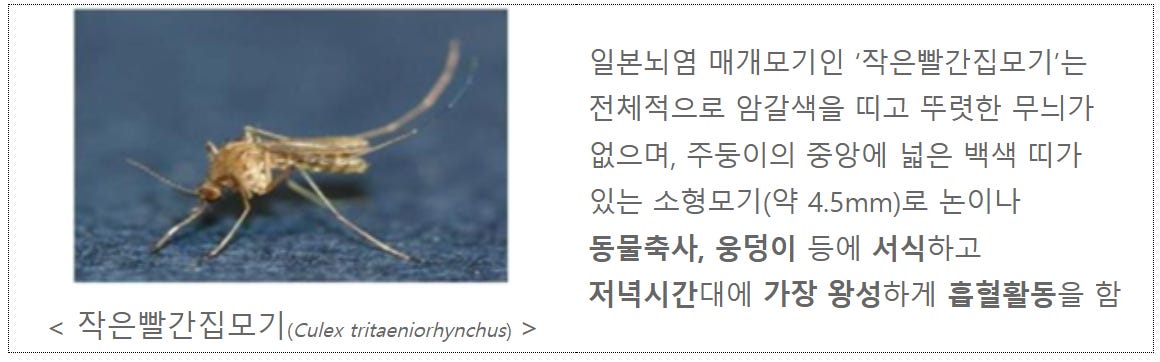
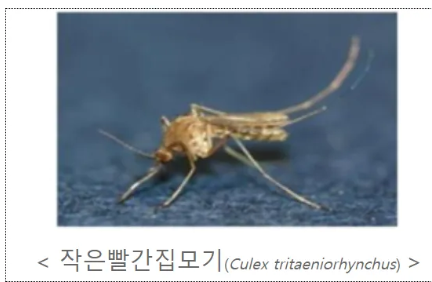
The *Culex tritaeniorhynchus* mosquito, the vector for Japanese encephalitis, is a small, dark-brown mosquito that primarily feeds at night; it is active throughout Korea from April to October. Surveillance data from early September (Week 36) shows a sustained average mosquito count of 121, indicating continued activity. Therefore, individuals should take precautions against mosquito bites and seek immediate medical attention for diagnosis and treatment if symptoms appear.

Additionally, as an effective vaccine for Japanese encephalitis exists, vaccination is recommended for children aged 12 and under (born on or after January 1, 2013) who are eligible for the National Immunization Program, in accordance with the standard vaccination schedule.

If you like the reporting on Outbreak News Today, please consider a paid subscription for $5/month or $30 a year. Help support the cause of this niche journalism. It is appreciated.

Vaccination (at the individual’s expense) is also recommended for adults aged 18 and older with no prior history of Japanese encephalitis vaccination who fall into the following categories: ➊ those residing in high-risk areas (near rice paddies or pig farms) or planning activities in such areas during the transmission season; ➋ foreign nationals moving from non-endemic regions for long-term residence in Korea; and ➌ travelers visiting countries where Japanese encephalitis is endemic. * Australia, Bangladesh, Bhutan, Brunei, Myanmar, Cambodia, China, India, Indonesia, Japan, Laos, Malaysia, Nepal, North Korea, Pakistan, Papua New Guinea, Philippines, Russia, Singapore, South Korea, Sri Lanka, Taiwan, Thailand, Timor-Leste, Vietnam

Lim Seung-gwan, Commissioner of the Korea Disease Control and Prevention Agency (KDCA), urged the public to take precautions against mosquito bites during outdoor activities—noting the recent rise in vector mosquitoes and the fact that September marks the peak period for Japanese encephalitis cases—and advised those eligible for vaccination to get vaccinated according to the schedule.

Outbreak News Today is a reader-supported publication. To receive new posts and support my work, consider becoming a free or paid subscriber.
  •  

New York City: Legionnaires’ Disease cluster reported in the South Bronx

The NYC Health Department is actively responding to a cluster of individuals with Legionnaires’ disease in parts of Melrose and Morrisania in the South Bronx (impacted ZIP codes: 10451 and 10456), which, as of September 10, 2026, includes 5 confirmed cases, one death, and additional suspected cases that are pending confirmation.

Legionnaires' disease (Legionellosis) is a bacterial disease which may cause pneumonia. Between 200 and 800 cases are reported each year in New York State, including New York City.

Legionnaires' disease can be a mild respiratory illness or it can be severe enough to cause death.

Legionella bacteria exist naturally in water and moist soil. They have been found in creeks and ponds, hot and cold water taps, hot water tanks, hot tubs, water in air conditioning cooling towers and evaporative condensers, and soil at excavation sites.

The disease appears to be spread through the air from a soil or water source. All studies to date have shown that person-to-person spread does not occur.

Most healthy individuals do not become infected with Legionella bacteria after exposure. People at higher risk of getting sick are those 50 years of age or older, current or former smokers, those with a chronic lung disease (like COPD or emphysema), those with a weak immune system from diseases like cancer, diabetes, or kidney failure, and people who take drugs that suppress (weaken) the immune system (like after a transplant operation or chemotherapy).

Outbreak News Today is a reader-supported publication. To receive new posts and support my work, consider becoming a free or paid subscriber.
  •  
❌