❌

Reading view

AYN Thor Review: Why Its Dual-Screen Design Makes This Android Handheld Different

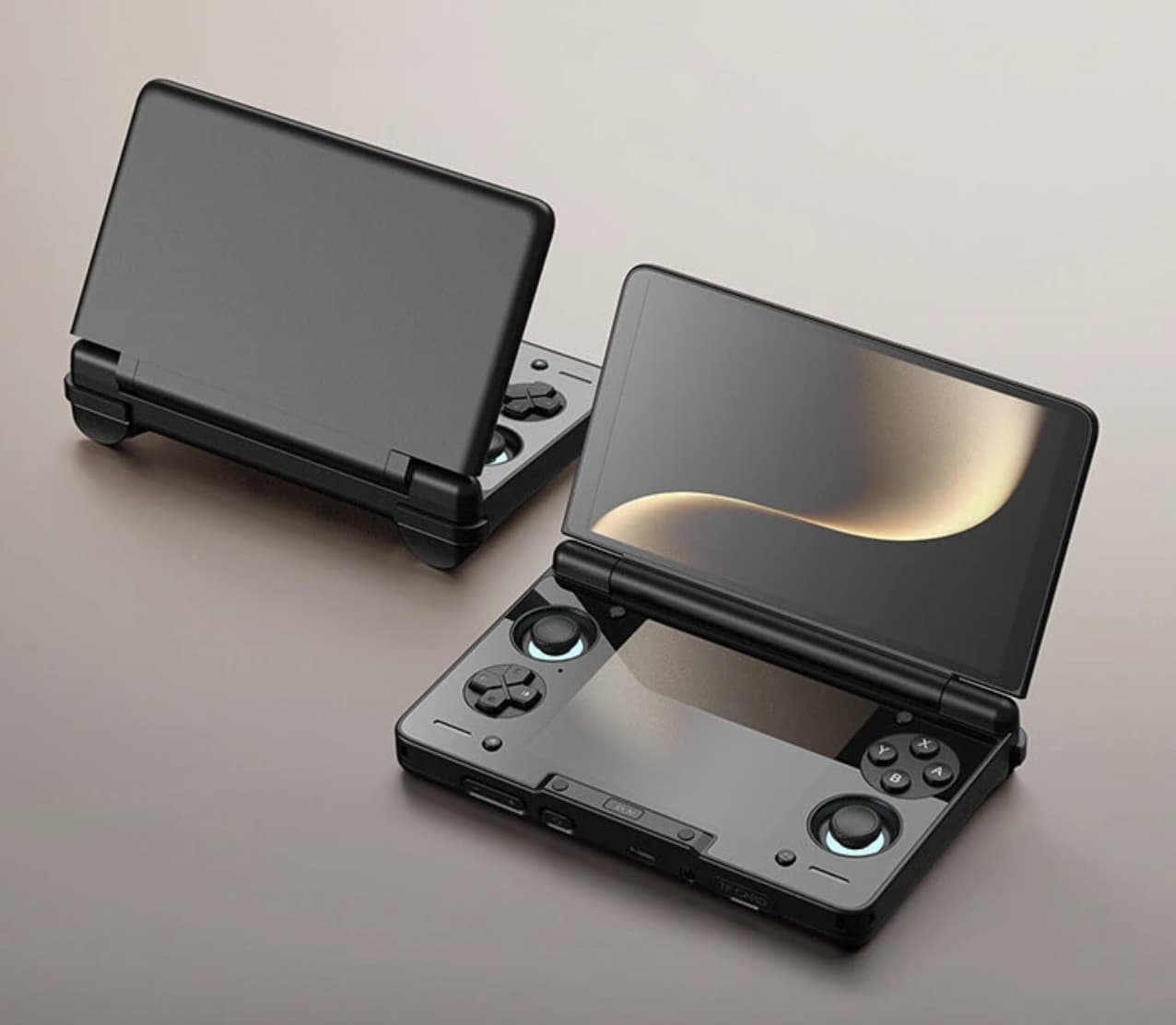
AYN Thor is not trying to win attention simply by putting a faster processor inside a conventional handheld. Its defining feature is the clamshell design: a large 6-inch AMOLED screen sits above a second display, giving the device a layout that is much closer to a portable dual-screen gaming system than a traditional Android game console.

The Banggood configuration covered here pairs the Snapdragon 8 Gen 2 platform with 8GB of RAM and 128GB of storage, while the wider Thor lineup also includes higher-memory versions. AYN’s own current product information lists the standard Snapdragon 8 Gen 2 configurations alongside a 6-inch AMOLED main display, a 3.92-inch secondary AMOLED screen, Android 13 and a 6000mAh battery.
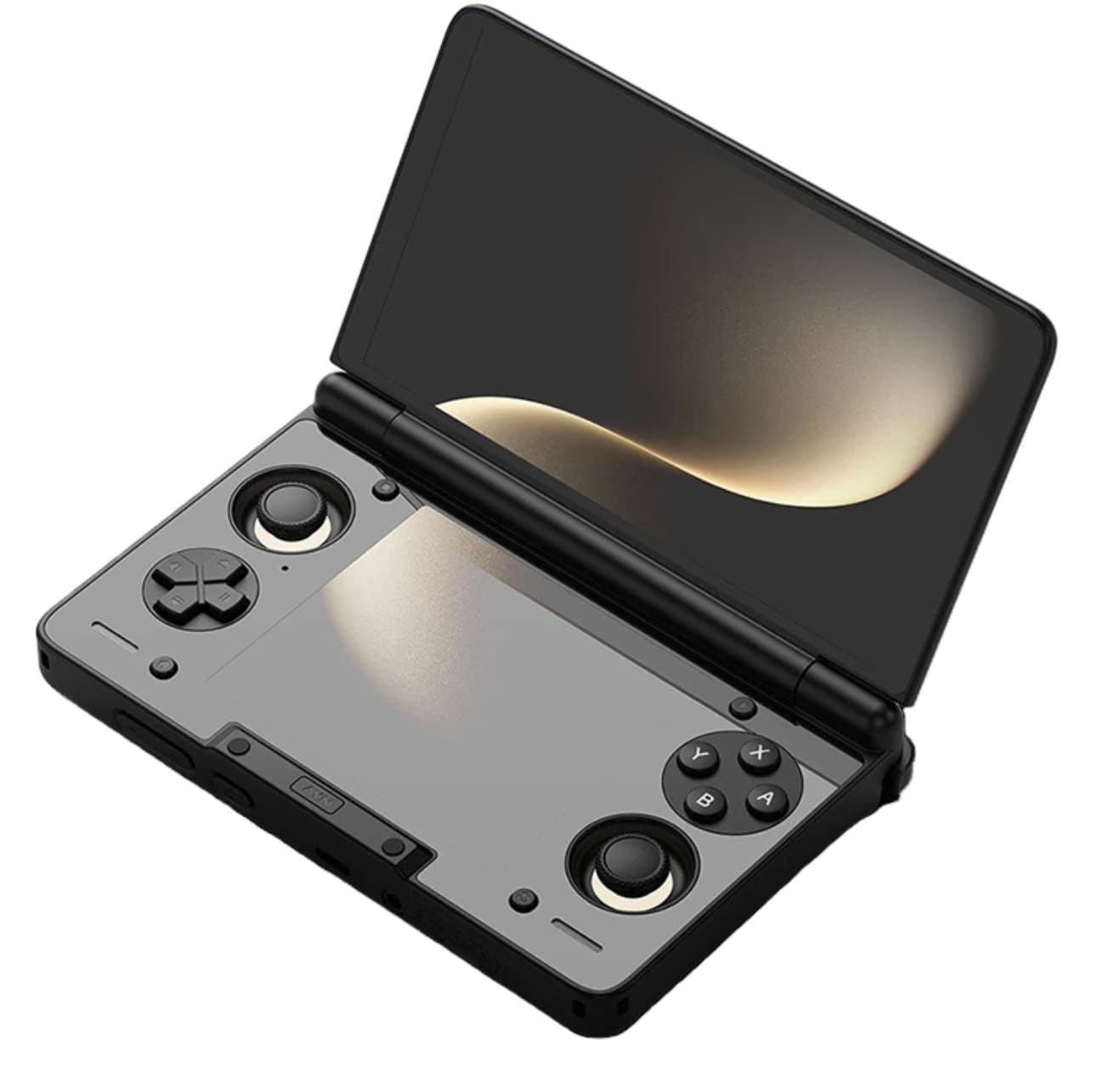
That makes the Thor interesting for a very specific reason: the second screen can change how certain games and emulators are played, rather than merely adding another display to the specification sheet.

The Second Screen Is the Real Story

Most Android gaming handhelds use a single display and place all controls around it. The Thor takes a different route.

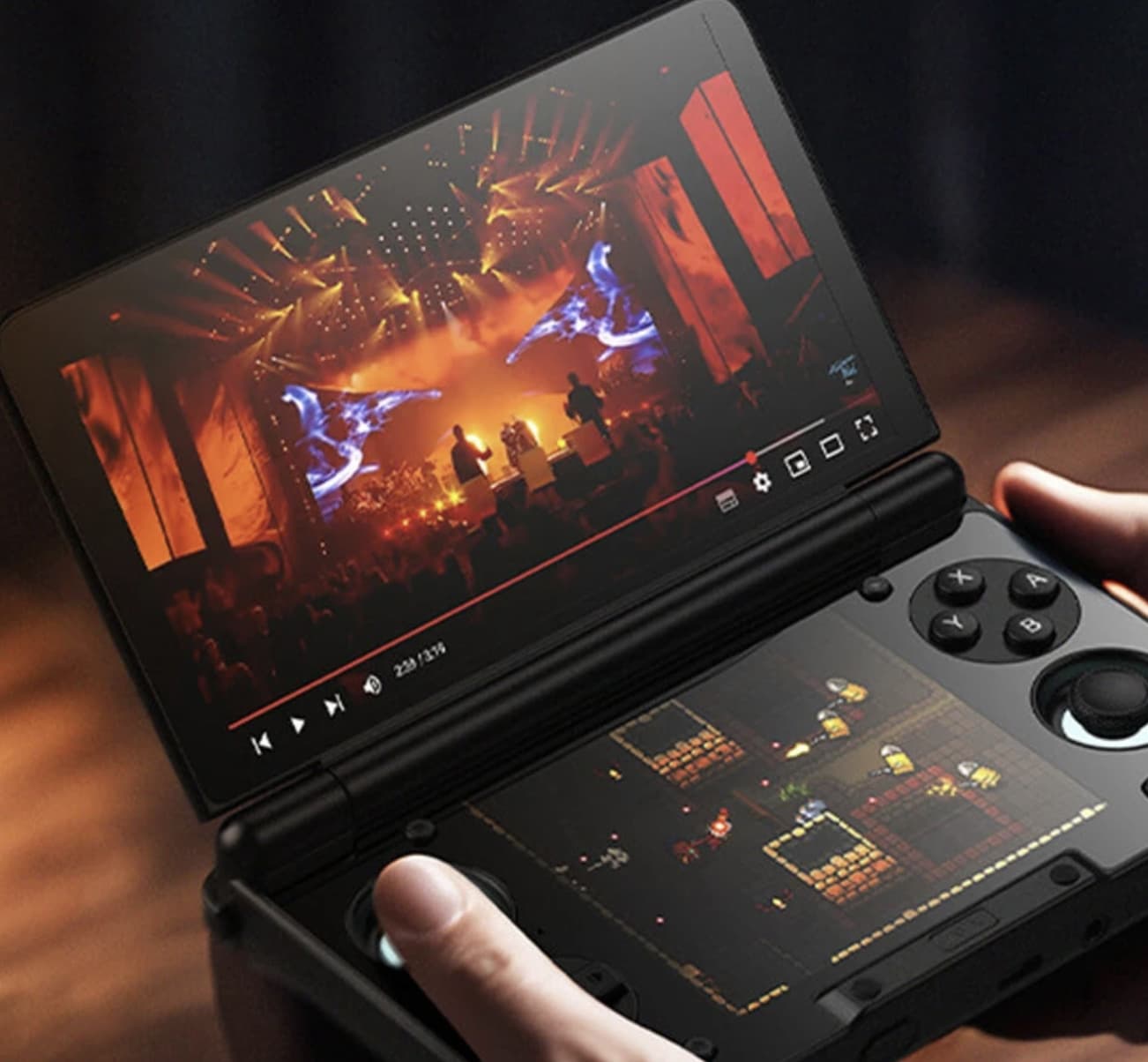
Its upper panel is a 6-inch AMOLED display with a 120Hz refresh rate, while the lower section provides a smaller 3.92-inch AMOLED touchscreen. The primary display runs at 1920 × 1080, while the secondary panel uses a 1080 × 1240 resolution and a 60Hz refresh rate.

The difference in refresh rate is actually useful to understand. The top screen is optimized for the main gaming experience, while the lower screen is better thought of as a companion interface.

That opens up several possibilities. In dual-screen emulation, one display can show the main game while the second handles maps, menus, touch controls or other information. For games designed around two screens, the physical arrangement can also feel considerably more natural than trying to reproduce the same layout on a single panel.

This is where the Thor has a clearer identity than another Android handheld with similar processing hardware.
Snapdragon 8 Gen 2 Gives the Thor Plenty of Headroom

The 8GB/128GB configuration uses Qualcomm’s Snapdragon 8 Gen 2, the same platform used by several other high-performance Android handhelds. AYN’s specifications identify the Snapdragon 8 Gen 2 versions as the Base, Pro and Max models, with RAM and storage increasing depending on configuration.

For the Thor, the processor is less interesting as a headline number than what it enables.

Android gaming, retro emulation and game streaming can all benefit from additional processing headroom, but the dual-screen design is where the hardware becomes more purposeful. The system has to manage two displays and the associated touch input while still maintaining a responsive gaming interface.

The 8GB configuration therefore makes sense as the entry point for users who want the Thor’s unusual hardware without necessarily moving to one of the larger storage variants.

Android 13 Keeps the Platform Flexible

The Thor runs Android 13, which gives it access to the broader Android gaming and emulation ecosystem rather than locking it into a proprietary game library. AYN’s product information also confirms that games are not preinstalled, meaning buyers should think of the device as an Android gaming platform rather than a ready-made retro library.
That distinction matters.

The real value of an Android handheld is often determined by how well its software environment fits the user’s preferred games and emulators. With the Thor, there is an additional consideration: configuring software to take advantage of two physical screens.

For example, a dual-screen setup can be particularly useful for systems and games that were originally designed around separate gameplay and information displays. Retro Game Corps’ setup guide specifically covers the additional considerations involved in configuring dual-screen Android handhelds such as the Thor.

Hall-Effect Sticks Are a Practical Hardware Choice

The Thor also uses Hall-effect joysticks, which detect stick movement magnetically rather than relying on traditional mechanical contact for position sensing. AYN lists Hall sticks among the device’s hardware features.

For an Android gaming handheld, this is more relevant than it might initially appear.

The controls are likely to see much more use than many of the device’s headline specifications. Precise analog input matters for action games, racing titles and 3D emulation, while the absence of conventional contact-based sensing can help reduce one common source of stick-position problems over long-term use.

It also reinforces the idea that the Thor is designed as a serious gaming device rather than simply an Android tablet folded into a portable shell.
A 6,000mAh Battery Balances the Dual-Screen Hardware

A 6,000mAh battery sits inside the Thor, according to AYN’s current specifications. The device also supports 27W charging.

Battery capacity alone does not tell the whole story, especially on a dual-screen handheld.

The actual runtime will depend heavily on brightness, refresh rate, emulator workload, wireless connectivity and how frequently the secondary display is active. More demanding games will naturally place a greater load on the Snapdragon platform than lightweight retro titles.

For this reason, the Thor’s battery should be viewed as part of a larger power-management equation rather than judged only by the 6000mAh figure.

The Flip Design Solves a Portability Problem

There is another advantage to the clamshell construction that has little to do with gaming performance: screen protection.

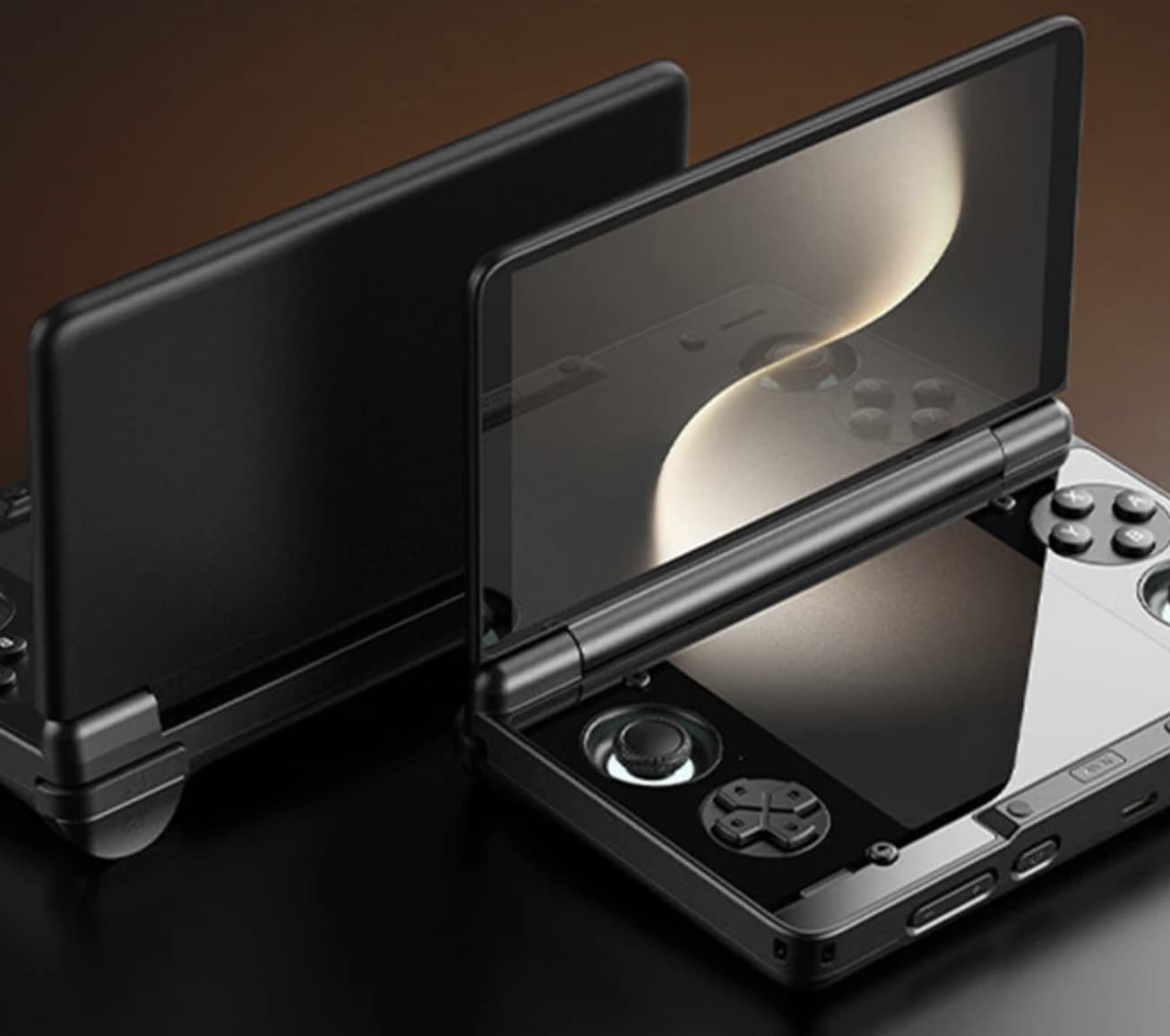
When the Thor is closed, the two displays face inward. That gives the handheld a natural protective position when it is placed inside a bag or carried between locations.

The closed form also makes the Thor visually distinct from the large number of slab-style Android gaming handhelds now available.

However, the hinge introduces its own design considerations. Users who want the device primarily for traditional single-screen Android gaming may not need a second display or a clamshell mechanism. The dual-screen architecture becomes much more valuable when the software can actually make use of it.

8GB + 128GB Is the More Straightforward Configuration

The Banggood listing specifically covers the 8GB RAM and 128GB storage version.

That capacity should be enough for a focused Android gaming setup, but storage requirements can grow quickly once users begin adding large game files, emulator libraries and multiple applications.

AYN’s wider lineup includes a 12GB/256GB model and higher-end 16GB configurations with substantially more storage.

This makes the 8GB/128GB model easier to understand as an entry configuration rather than the only version of the Thor. Buyers who plan to maintain a large local game library should pay particular attention to storage before choosing between variants.

Who Actually Benefits From Two Screens?

The Thor makes the most sense for users whose gaming habits can take advantage of its unusual layout.

Dual-screen emulation is an obvious example. Systems that originally used two displays can be represented more naturally when the handheld itself physically provides two panels.

The secondary display can also be useful for touch-based controls, menus or supplementary information while the main display remains dedicated to gameplay.

For ordinary Android games that only need one screen, however, the second panel becomes less important. In that situation, the Thor’s main advantage is its unusual form factor rather than a fundamental change in gameplay.

That distinction is worth keeping in mind when comparing it with conventional single-screen Android handhelds.

A Different Kind of Android Gaming Handheld

The AYN Thor gaming handheld ‘s most interesting feature is not the Snapdragon 8 Gen 2 by itself, nor is it simply the 120Hz AMOLED display.

It is the combination of a 6-inch 120Hz AMOLED main screen, a secondary AMOLED touchscreen, Hall-effect controls, Android 13 and a 6000mAh battery inside a foldable chassis.

That combination gives the Thor a specific purpose.

For users who mainly want a standard Android gaming handheld, its dual-screen construction may be more hardware than they need. But for players interested in DS/3DS-style emulation, dual-screen interfaces or experimenting with different Android gaming layouts, the second display provides a capability that conventional handhelds simply cannot reproduce in the same physical way.

The result is a device that stands apart not because it has the longest specification sheet, but because its hardware is built around a different idea of what a portable gaming console can be.

The post AYN Thor Review: Why Its Dual-Screen Design Makes This Android Handheld Different appeared first on IGeeKphone China Phone, Tablet PC, VR, RC Drone News, Reviews.


  •  

ZLL SG616 PRO/MAX Review: A 1:24 4WD RC Car Built for Fast Off-Road Runs

Small RC cars often have to make a compromise between portability and driving performance. The ZLL SG616 PRO/MAX takes a different approach, packing four-wheel drive, proportional controls and a relatively aggressive power system into a 1:24-scale chassis.

1:24 scale also changes where the car makes the most sense. Rather than requiring a large dedicated driving area, its compact dimensions make it easier to use on driveways, compact outdoor spaces and other locations where a larger 4WD RC car would be inconvenient.

What makes this model particularly interesting is that buyers can choose between a brushed version and a brushless version. The brushed model is rated for up to 30 km/h, while the brushless configuration raises the claimed top speed to 38 km/h.

A Compact RC Car With Serious Speed

At 208 × 113 × 80 mm, the SG616 is small enough to transport easily, but its specifications are closer to what enthusiasts expect from a performance-oriented RC vehicle than a basic toy-grade car.

The 1:24 scale also changes where the car makes the most sense. Rather than requiring a large dedicated driving area, its compact dimensions make it easier to use on driveways, compact outdoor spaces and other locations where a larger RC truck would be inconvenient.

The 12 mm ground clearance is modest, so the SG616 is not designed to behave like a full-size crawler. Its appeal is instead centered on quick acceleration, directional control and short off-road runs.

Brushed or Brushless: The Important Buying Decision

The biggest difference between the SG616 PRO and MAX configurations is the power system.

The brushed version uses an RC180 motor and has a claimed maximum speed of 30 km/h. The brushless version moves to a 2030 4500KV motor and is rated for up to 38 km/h. Both configurations use an integrated 35A ESC.

That distinction matters because the brushless model is not simply a cosmetic upgrade. Its higher claimed speed makes it more suitable for users who want a faster RC driving experience, while the brushed version may make more sense for someone who values a simpler setup.

The brushless configuration also gets an all-metal driveshaft, giving it a mechanical upgrade beyond the motor itself.

Four-Wheel Drive and Independent Suspension

The SG616 uses a 4WD drivetrain with planetary differential gearing and independent suspension. Combined with a 45-degree steering angle, these features are intended to give the small chassis more flexibility when changing direction or dealing with uneven surfaces.

The car also uses ball bearings throughout, while an aluminum motor heatsink helps manage heat around the power system.

This combination is more important than the headline speed. A fast RC car is only enjoyable when the chassis can translate that power into controllable movement. The SG616’s proportional throttle and four-wheel-drive layout are therefore two of its more meaningful features.

Full-Proportional Control Makes a Difference

The included 2.4GHz transmitter provides four control channels and a claimed control distance of around 80 to 100 meters, depending on the configuration or listing specification.

More importantly, the car supports full-proportional control. Instead of limiting the vehicle to simple forward, reverse and steering commands, proportional control allows the driver to vary throttle input more precisely.

That is useful when moving through tighter spaces. It also gives the SG616 a more controllable feel when approaching corners or transitioning between slower technical driving and high-speed runs.

Battery Life Is Designed Around Short Sessions

The SG616 uses a 7.4V Li-ion battery, with the brushed and brushless versions using 500mAh and 800mAh capacities respectively according to the current listing. Charging takes approximately 1.5 hours, while the advertised running time is around 30 to 40 minutes.

These numbers suggest that the car is better suited to several relatively short driving sessions than continuous long-distance running.

The included USB charging cable also keeps the package straightforward. Buyers receive the car, battery, transmitter, charging cable, manual, spare R-clips and screwdriver, so there is no need to assemble a separate basic control system before getting started.

Designed for Outdoor Driving

The SG616 has several details aimed at reducing the limitations of a compact RC chassis.

Its circuit board and steering servo are listed as waterproof, while the front bumper integrates LED lights for a more distinctive appearance during low-light driving. The 47 mm tires and independent suspension also help the car deal with surfaces that are less predictable than a smooth indoor floor.

However, waterproof electronics should not automatically be interpreted as a license for deep-water driving. The practical advantage is better resistance to splashes and wet conditions rather than treating the car as a fully submersible vehicle.

What Kind of RC Driver Is It For?

The ZLL SG616 PRO/MAX occupies an interesting middle ground.

It is substantially more performance-focused than a basic toy RC car, yet its 1:24 scale keeps it much easier to carry and deploy than a larger hobby-grade truck. The brushless version is particularly notable for its claimed 38 km/h maximum speed, while the proportional controls and 4WD system give the driver more control than a simple entry-level model.

For buyers deciding between the two versions, the choice largely comes down to driving priorities. The brushed model provides a lower-speed configuration, while the brushless model targets users who specifically want more speed and the additional mechanical hardware that comes with that configuration.

Final Takeaway

ZLL SG616 PRO/MAX is interesting because it does not rely on one headline specification. Its appeal comes from how several features work together: a compact 1:24 chassis, 4WD, independent suspension, proportional throttle, 2.4GHz control and two different motor configurations.

The brushless version’s 38 km/h claim is certainly the attention-grabbing number, but the proportional controls, drivetrain design and compact dimensions may ultimately have a greater impact on everyday usability.

For shoppers comparing small off-road RC cars, the SG616 is therefore worth looking at as a performance-focused compact model rather than simply another inexpensive remote-control toy.

The post ZLL SG616 PRO/MAX Review: A 1:24 4WD RC Car Built for Fast Off-Road Runs appeared first on IGeeKphone China Phone, Tablet PC, VR, RC Drone News, Reviews.

  •  

AULA F75 MAX Review: A 75% Mechanical Keyboard With TFT Screen and Tri-Mode Wireless

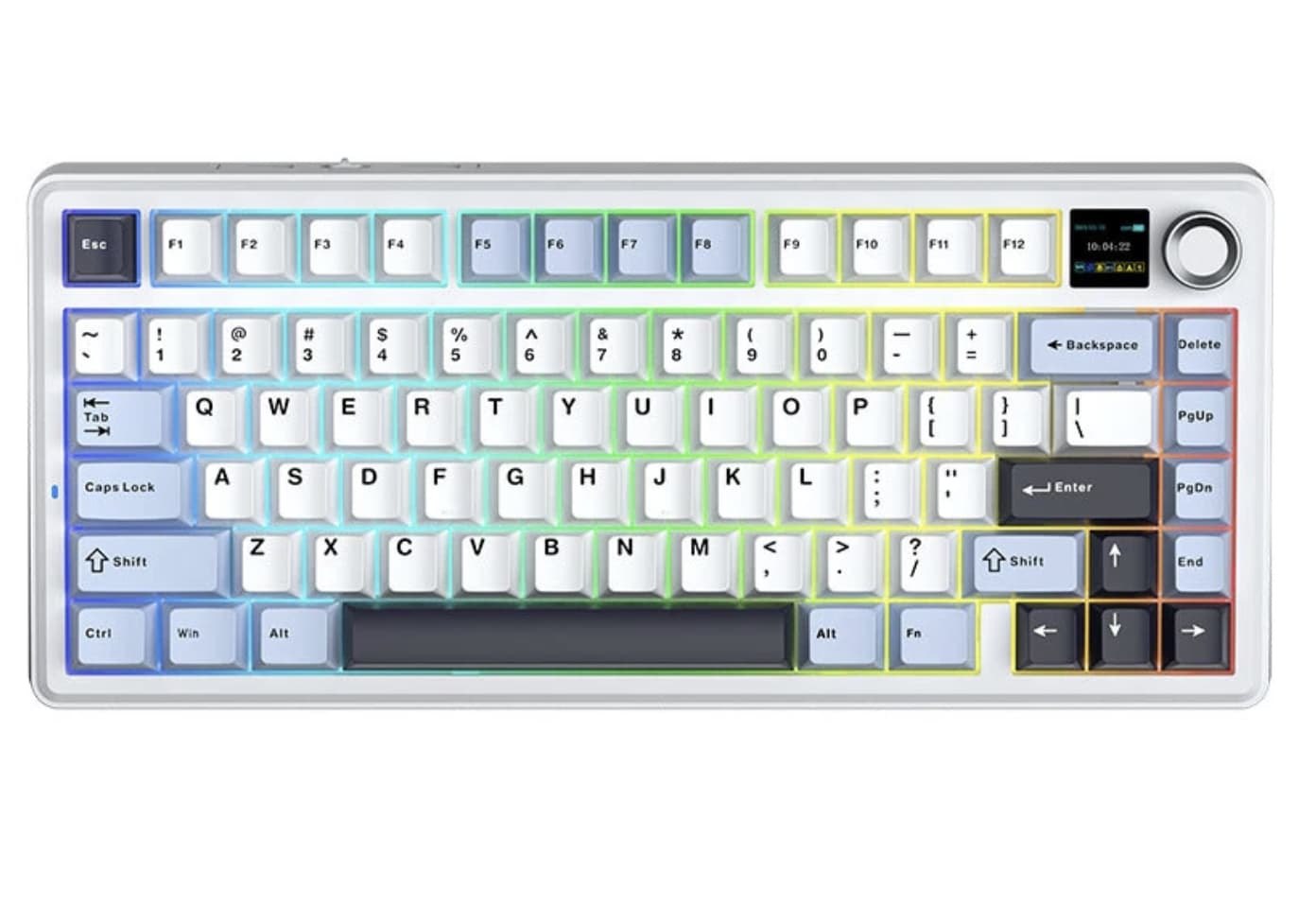
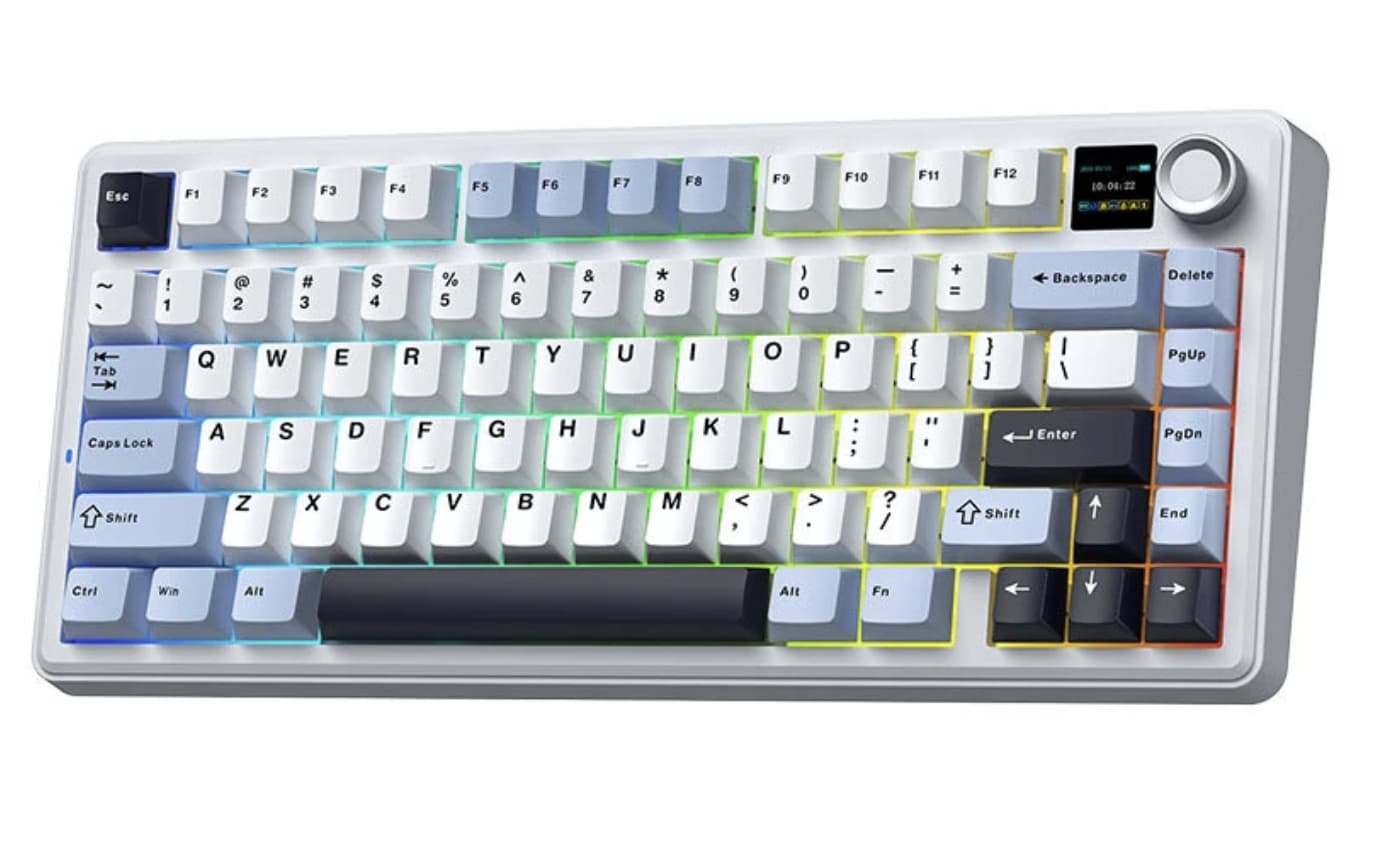
AULA F75 MAX keyboard is designed for users who want more than a basic compact mechanical gaming keyboard. Instead of focusing on a single headline feature, it combines a space-saving 75% layout with a dedicated TFT screen, rotary knob, hot-swappable switches, gasket mounting and three connection modes.

That combination makes the F75 MAX interesting for both gaming and everyday desktop use. Its design also reflects a broader trend in mechanical keyboards: smaller layouts are becoming more feature-rich without completely sacrificing the controls that PC users rely on.

Why the 75% Layout Makes Sense

The F75 MAX uses an 80-key 75% layout, keeping the function row and arrow-key cluster while removing the large gaps and dedicated number pad found on full-size keyboards.

For a gaming setup, this layout can free up more desk space for mouse movement. At the same time, it remains practical for productivity because users do not have to give up the dedicated arrow keys and function row.

The trade-off is the missing number pad. Anyone who regularly enters large amounts of numerical data may still prefer a full-size keyboard, but for gaming, general typing and compact workstations, the 75% format is a useful middle ground.

The TFT Screen Is More Than Decoration

One of the F75 MAX’s most noticeable design elements is its built-in TFT screen. Instead of relying entirely on RGB lighting for visual customization, the keyboard adds a small display that gives the top section a more personalized appearance. Banggood specifically lists a GIF-capable TFT screen interface.

This feature does not fundamentally change typing performance, but it gives the keyboard a distinct identity. For users who enjoy customizing their desktop setup, the screen can make the F75 MAX feel more like a configurable gadget than a conventional mechanical keyboard.

The separate metal knob also adds a practical control point, giving users a physical way to interact with supported functions instead of relying entirely on keyboard shortcuts.

Gasket Mounting Targets a Softer Typing Feel

The keyboard uses a gasket-mounted structure with multiple layers of sound-dampening material. AULA lists five layers of dampening, while the product listing describes a six-layer sound-absorbing structure, so the exact terminology varies between listings.

The important part is what this construction is intended to achieve. A gasket-mounted keyboard isolates the plate from parts of the case, allowing slightly more flex while reducing some of the direct vibration transferred through the chassis.

Combined with the F75 MAX’s foam and silicone layers, the design is aimed at producing a deeper and less harsh typing sound than a basic rigid keyboard.

That makes the keyboard potentially more appealing to people who care about typing acoustics as well as gaming performance.

Hot-Swappable Switches Make Future Upgrades Easier

Another useful feature is the hot-swappable PCB, which supports 3-pin and 5-pin mechanical switches according to AULA’s specifications.

This means owners are not necessarily locked into the factory switch configuration. Users who prefer a lighter linear feel, a different actuation characteristic or another sound profile can experiment with compatible switches without replacing the entire keyboard.

The F75 MAX comes with LEOBOG Reaper linear switches. AULA lists them as factory-lubed, while EPOMAKER’s specifications give the switch a 45±3gf trigger force and 3.6±0.3mm total travel.

For someone buying a mechanical keyboard as a long-term platform, this upgradeability may be more meaningful than RGB effects alone.

Tri-Mode Connectivity Covers Different Setups

The F75 MAX supports USB-C wired, 2.4GHz wireless and Bluetooth 5.0 connections.

That gives the keyboard three distinct use cases. Wired mode is suitable for a desktop gaming setup, 2.4GHz wireless keeps the desk cleaner while maintaining a low-latency connection, and Bluetooth is convenient when switching between compatible computers or mobile devices.

AULA rates the keyboard at up to 1000Hz polling through USB and 2.4GHz, while Bluetooth is listed at 125Hz. The manufacturer also lists latency of around 3ms over USB, 7ms via 2.4GHz and 18ms through Bluetooth.

For competitive gaming, the wired and 2.4GHz modes are therefore the more relevant choices.

4000mAh Battery Gives Wireless Mode Some Flexibility

The built-in 4000mAh battery is another reason the F75 MAX works well as a wireless desktop keyboard. AULA rates battery life at approximately 30.5 hours with the RGB backlight enabled and up to 80 hours with the lighting switched off.

Actual endurance will depend on lighting brightness, connection mode and usage patterns, so these figures should be treated as manufacturer ratings rather than guaranteed real-world results.

Still, the option to turn off RGB lighting when maximum battery life matters gives users more control over how they use the keyboard.

PBT Keycaps and South-Facing RGB

The F75 MAX uses double-shot PBT keycaps and south-facing per-key RGB lighting.

PBT is commonly chosen for mechanical keyboards because it generally resists the glossy wear that can develop on frequently used ABS keycaps. The south-facing RGB arrangement also works well with the keyboard’s overall enthusiast-oriented design.

AULA lists support for more than 16 million RGB colors and multiple lighting effects, although the visual customization is ultimately secondary to the keyboard’s typing and connectivity features.

A Compact Keyboard With Room to Experiment

AULA F75 MAX is best understood as a feature-rich 75% mechanical keyboard rather than simply another RGB gaming board.

Its strongest combination is the compact layout, gasket construction, hot-swappable PCB and tri-mode connectivity. The TFT display and rotary knob then add a layer of customization that separates it from more conventional 75% keyboards.

For gamers, the 2.4GHz connection and 1000Hz polling rate give the keyboard a performance-oriented side. For enthusiasts, the hot-swap PCB and gasket structure leave room for future customization. And for everyday users, the 75% layout provides a useful balance between desk space and functionality.

The main compromise is straightforward: users who need a dedicated number pad will need a larger keyboard. But for anyone comfortable with the 75% format, the AULA F75 MAX offers a combination of customization, wireless flexibility and enthusiast-style construction that makes it worth considering.

For the latest specifications and software information, buyers should also check the official AULA product page before ordering, since configurations and regional listings can vary.

The post AULA F75 MAX Review: A 75% Mechanical Keyboard With TFT Screen and Tri-Mode Wireless appeared first on IGeeKphone China Phone, Tablet PC, VR, RC Drone News, Reviews.
  •  

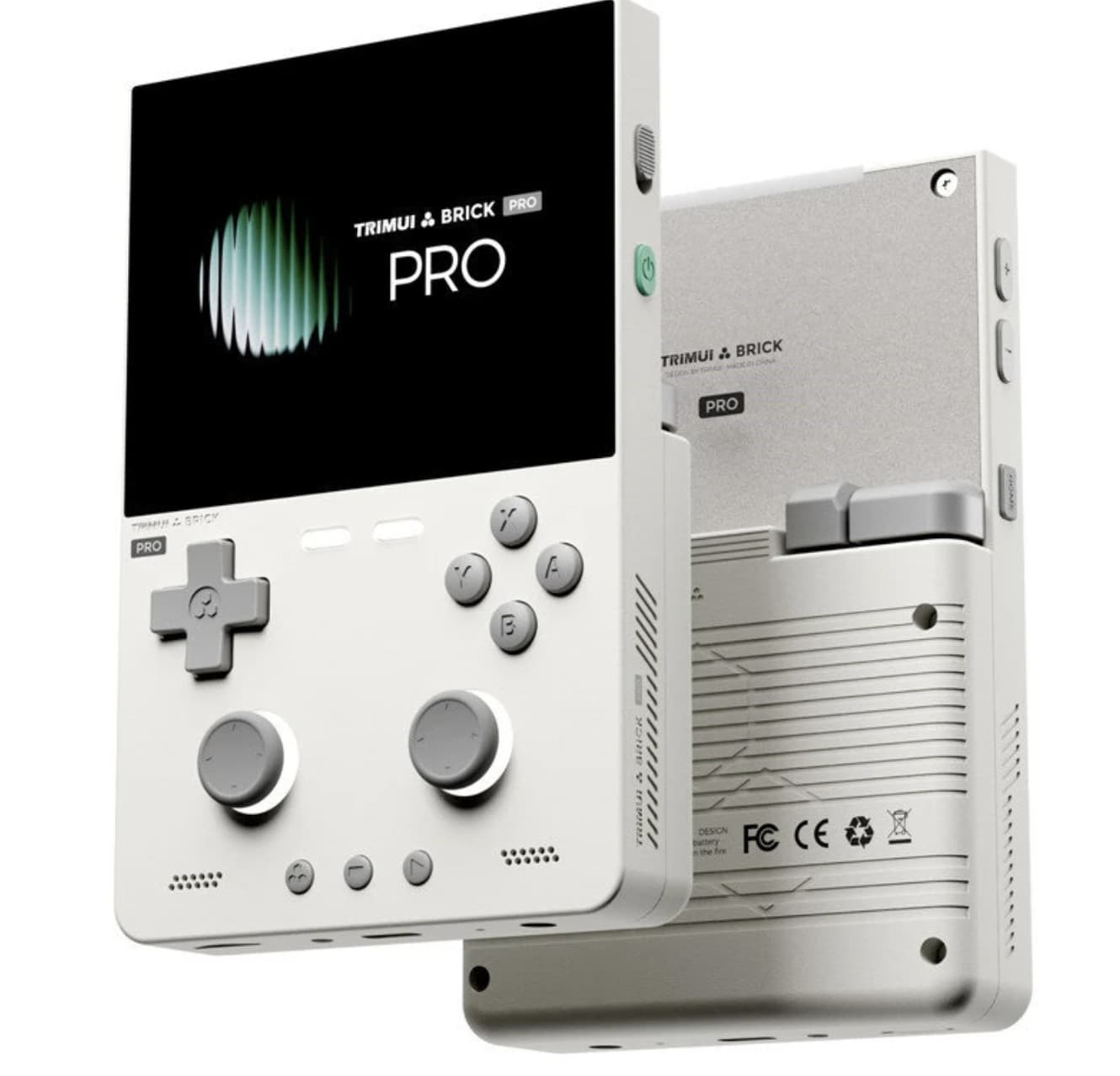
TRIMUI Brick Pro TG4040 Review: 3.95-Inch Display, Hall Joysticks and 256GB Storage

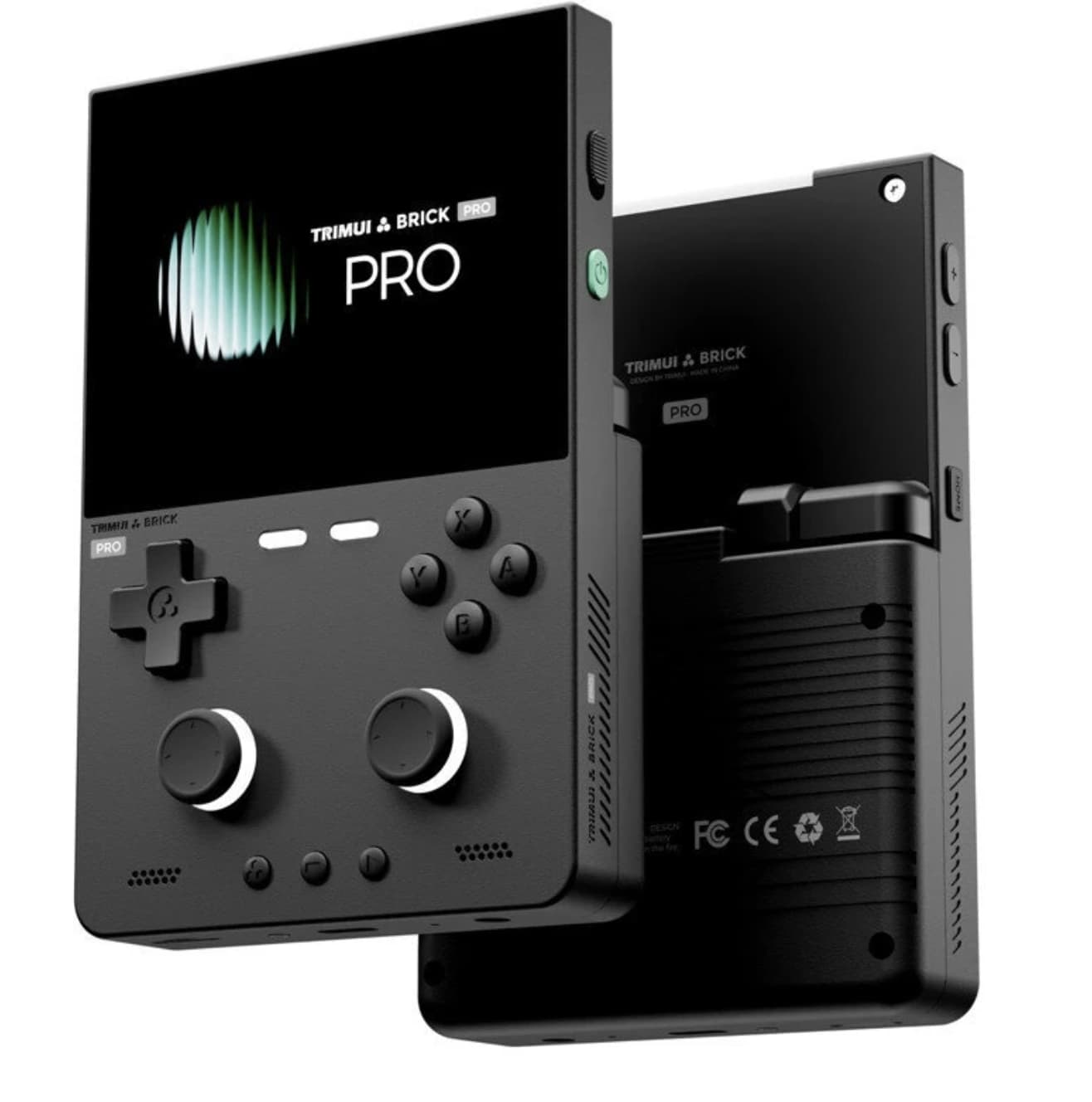
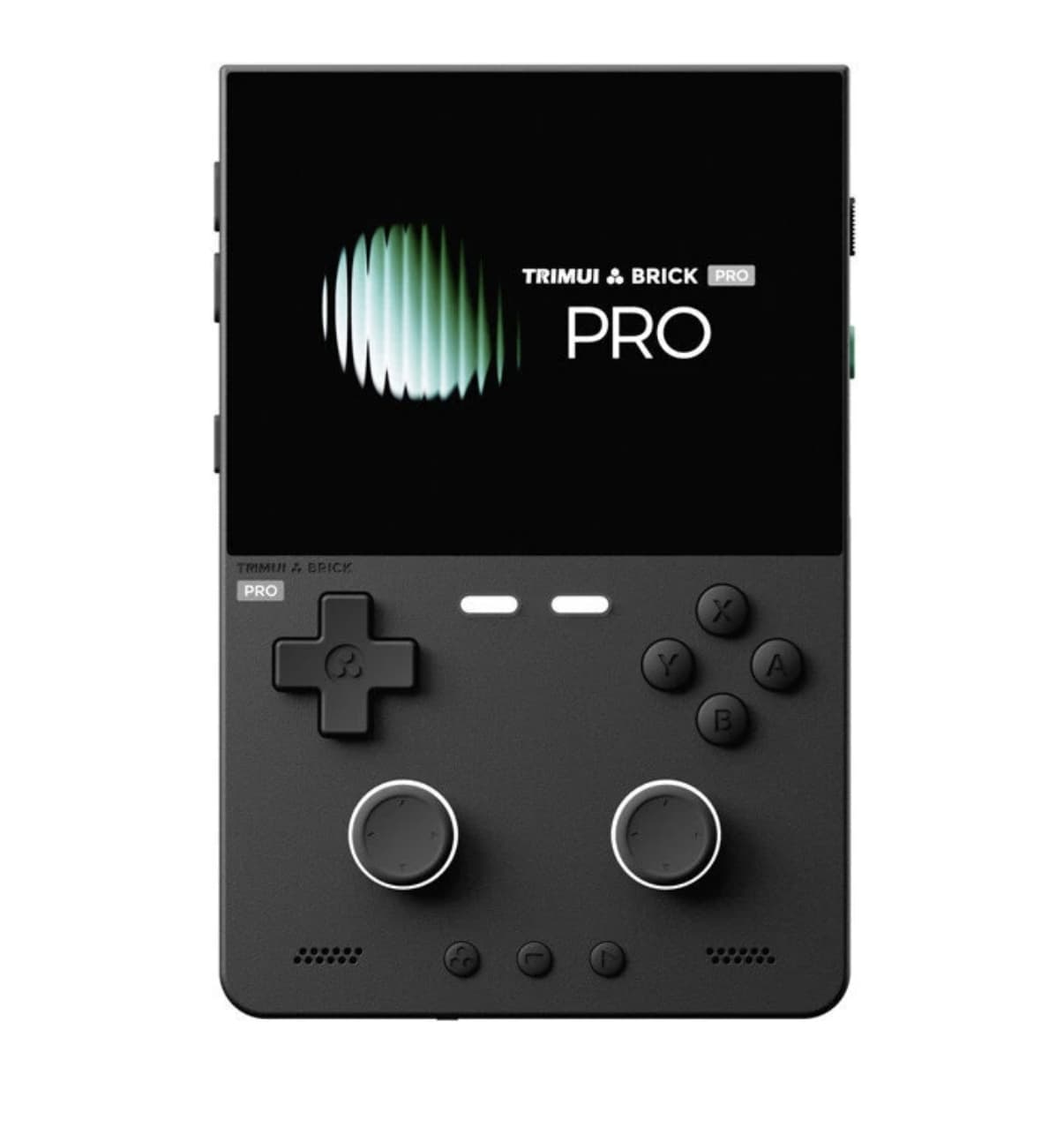
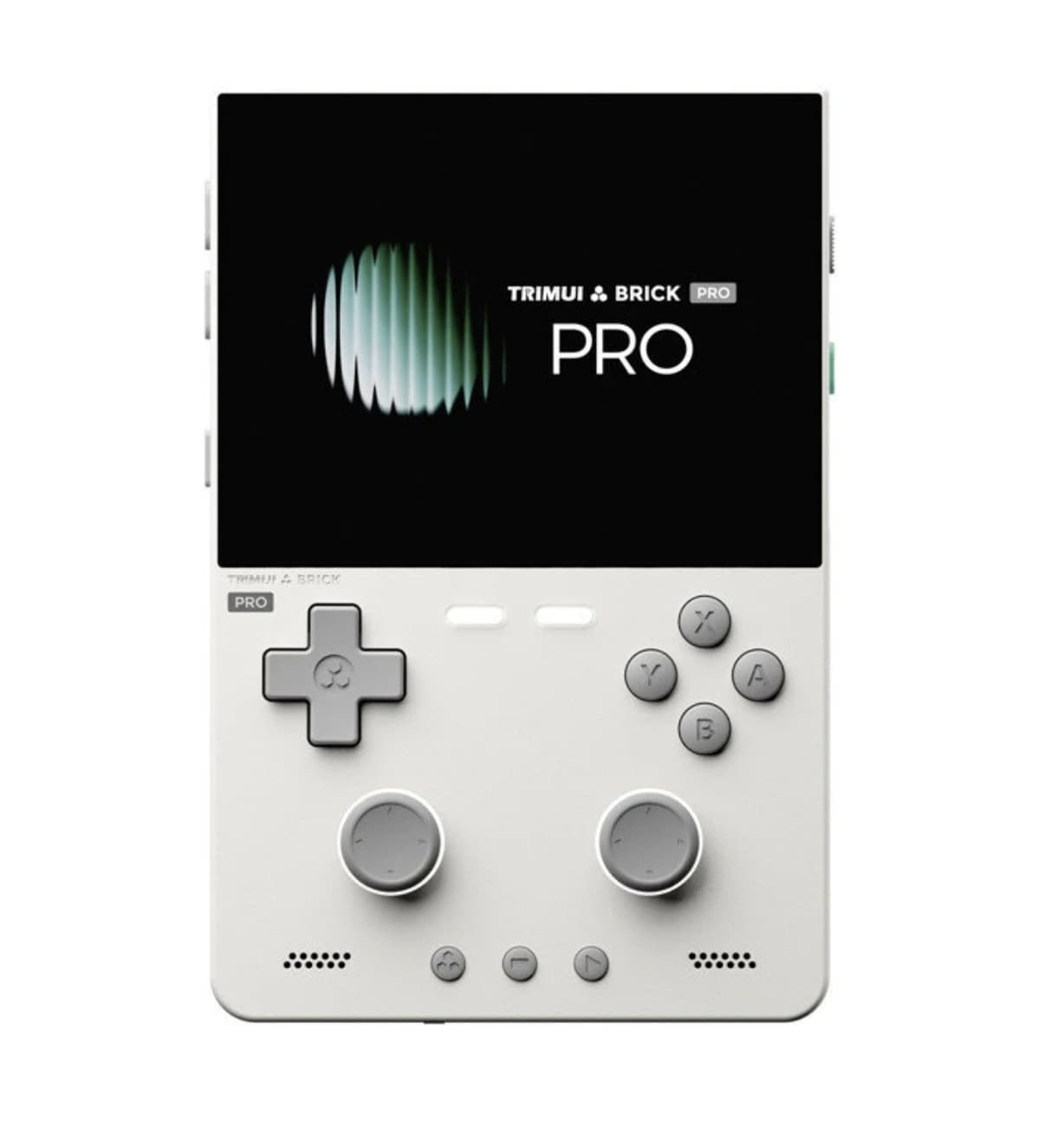
TRIMUI Brick Pro TG4040 is aimed at players who want a dedicated retro gaming handheld without carrying a bulky modern console.Its appeal comes from the combination of a compact vertical design, a high-resolution IPS display, physical controls designed for longer sessions, and a Linux-based gaming environment.

The 256GB configuration also targets users who want a large game library available locally. Banggood lists this version with more than 17,000 games, although the actual titles and availability can depend on the included software and storage configuration.

A Small Handheld With a Surprisingly Detailed Display

The Brick Pro uses a 3.95-inch IPS panel with a 1024 × 768 resolution, giving it a 4:3 aspect ratio that suits many classic games particularly well. The official TRIMUI specifications also list a 60Hz refresh rate and full lamination.

That resolution is more important than simply looking at the screen size. Retro games were generally designed around lower-resolution displays and 4:3 layouts, so the Brick Pro’s screen can preserve that traditional presentation without requiring an oversized handheld.

The relatively compact display also keeps the device portable, making it easier to use during travel, commuting or short gaming sessions.

Dual Hall Joysticks Focus on Long-Term Control

One of the more practical hardware choices is the inclusion of dual Hall-effect joysticks. Unlike conventional analog sticks that rely on physical contact for position sensing, Hall-effect controls use magnetic sensing technology.

For a retro handheld, the benefit is less about chasing headline specifications and more about control consistency. Players who frequently switch between arcade titles, platformers and games that require analog input can benefit from having two proper sticks instead of relying entirely on a directional pad.

The official TRIMUI specification lists the Brick Pro with JF15 dual Hall-effect joysticks, along with L3 and R3 click functions.

The 256GB Version Is Built Around a Large Game Library

Storage is another major reason to consider this particular configuration.

The 256GB TRIMUI Brick Pro is advertised with more than 17,000 games, while other Brick Pro configurations are sold with different storage capacities and game counts. Banggood’s product listings show 64GB, 128GB and 256GB versions, giving buyers several ways to configure the handheld around their preferred library size.

For users who mainly want a ready-to-play retro machine, the larger storage option reduces the need to constantly manage space. At the same time, buyers should check exactly what game content is included with their chosen package rather than assuming that every version contains the same library.

The official hardware also supports a TF card, with storage expansion listed up to 1TB.

CNC Metal Construction Gives the Handheld a Different Character

The Banggood 256GB listing highlights a CNC metal body, which gives this configuration a more substantial positioning than lightweight plastic retro consoles.

This matters particularly for a device intended to be used frequently. A metal exterior can provide a more rigid feel in the hands, although it may also add weight compared with an all-plastic design.

It is worth noting that TRIMUI’s official Brick Pro specification describes the standard product body as ABS+PC plastic, so buyers should pay attention to the exact TG4040 variant and listing configuration when comparing materials.

5,000mAh Battery Makes It Better Suited to Portable Play

The Brick Pro carries a 5,000mAh battery, which is substantial for a compact retro handheld. TRIMUI rates battery life at around 5 to 10 hours depending on workload, while charging is handled through USB-C at up to 10W.

Actual endurance will naturally vary according to the emulator, screen brightness, wireless connectivity and other usage conditions. Still, the battery capacity makes the Brick Pro better suited to longer sessions away from a charger than many smaller retro handhelds.

Linux Keeps the Experience Focused on Gaming

The Brick Pro runs TrimUI’s Linux-based software environment rather than Android. The official specifications list Trim-UI Linux and Trimui OSD, along with support for a broad range of classic gaming systems and arcade platforms.

That approach keeps the device closer to the traditional retro-handheld experience. Instead of functioning as a general-purpose Android tablet, the Brick Pro is primarily designed around emulation, physical controls and quick access to games.

Connectivity includes 802.11 b/g/n wireless networking, Bluetooth 4.2 and USB-C, while the system also provides a 3.5mm headphone jack and stereo speakers.

Who Is the TRIMUI Brick Pro TG4040 For?

The Brick Pro makes the most sense for players who want a dedicated retro handheld rather than a general-purpose gaming device.

Its strongest combination is the 3.95-inch 4:3 display, dual Hall-effect controls, 5,000mAh battery and large-storage option. The 256GB model is particularly interesting for users who prefer having a substantial library available without frequently swapping storage.

However, its Linux-based design also tells you what the device is not trying to be. This is primarily an emulation-focused handheld rather than a replacement for a modern Windows gaming PC or high-end console.

For retro enthusiasts, that focused approach can actually be the main attraction: the Brick Pro puts the screen, controls and game library at the center of the experience while keeping the overall device compact enough to take almost anywhere.

Note: Game counts, included software, storage contents and package configurations can vary by seller and version. Buyers should verify the exact 256GB configuration before ordering.

The post TRIMUI Brick Pro TG4040 Review: 3.95-Inch Display, Hall Joysticks and 256GB Storage appeared first on IGeeKphone China Phone, Tablet PC, VR, RC Drone News, Reviews.
  •  

Lenovo YOGA Pro 15 Spark Teased With NVIDIA RTX Spark N1X Superchip

Lenovo has started teasing YOGA Pro 15 Spark, a new China-market laptop built around NVIDIA’s RTX Spark platform. The company has not yet revealed the full domestic configuration or pricing, but the latest teaser suggests that more details are coming soon.

The new laptop is closely related to Lenovo’s recently announced AI laptop Yoga Pro 9n, which debuted internationally at IFA 2026. Lenovo lists the Yoga Pro 9n as a 15-inch premium creator laptop powered by NVIDIA RTX Spark, while the Chinese-market version is called the YOGA Pro 15 Spark.

YOGA Pro 15 Spark Brings RTX Spark to China

The YOGA Pro 15 Spark has now entered the domestic preheating phase, indicating that Lenovo is preparing to introduce its NVIDIA RTX Spark-powered laptop to the Chinese market.

Rather than relying on a conventional Intel or AMD processor paired with a separate graphics card, the RTX Spark platform combines a Grace CPU and Blackwell RTX GPU into a single superchip. Lenovo says the platform is designed for demanding local AI workloads, content creation and software development.

This architecture is one of the most notable aspects of the new Yoga laptop because the CPU and GPU can share a large pool of unified memory. That design is particularly relevant to AI applications that require substantial memory capacity.

NVIDIA RTX Spark N1X Targets Local AI Workloads

The RTX Spark N1X platform used by Lenovo’s announced systems can integrate a 20-core NVIDIA Grace CPU with a Blackwell RTX GPU containing up to 6,144 CUDA cores. The platform can also support up to 128GB of unified memory and deliver up to 1 PFLOPS of AI performance at FP4 precision, according to Lenovo’s China-market information.

For users, the significance goes beyond raw specifications. Large unified memory capacity can allow the CPU and GPU to access the same memory pool, making the architecture particularly suited to running demanding AI models locally rather than depending entirely on cloud processing.

NVIDIA has also described RTX Spark PCs as Windows-on-Arm systems, with the first machines scheduled to arrive in October 2026.

The International Yoga Pro 9n Already Has a 15.3-Inch OLED Display

Lenovo’s international Yoga Pro 9n provides an indication of what to expect from the China-market YOGA Pro 15 Spark.

The Yoga Pro 9n features a 15.3-inch 2.5K OLED display with a refresh rate of up to 165Hz. It can also be configured with up to 128GB of LPDDR5X memory and up to 4TB of storage. Lenovo positions the machine toward creators and developers who need high local computing performance.

The laptop also uses an aluminum chassis and measures as little as 16.7mm thick, while its cooling architecture supports an 80W TDP configuration.

However, Lenovo has not yet confirmed whether every specification of the international Yoga Pro 9n will carry over unchanged to the Chinese YOGA Pro 15 Spark.

More Details Expected Soon

At this stage, Lenovo has confirmed the domestic preheating of the YOGA Pro 15 Spark, but key details such as its Chinese pricing, exact configuration and retail launch date have not yet been announced.

The new model could become an interesting option for users looking for a relatively portable laptop capable of handling local AI workloads, creative applications and GPU-accelerated tasks.

For now, the main takeaway is clear: Lenovo is bringing its RTX Spark N1X-powered Yoga platform to the Chinese market, with the YOGA Pro 15 Spark expected to receive more official details in the near future.

The post Lenovo YOGA Pro 15 Spark Teased With NVIDIA RTX Spark N1X Superchip appeared first on IGeeKphone China Phone, Tablet PC, VR, RC Drone News, Reviews.
  •  

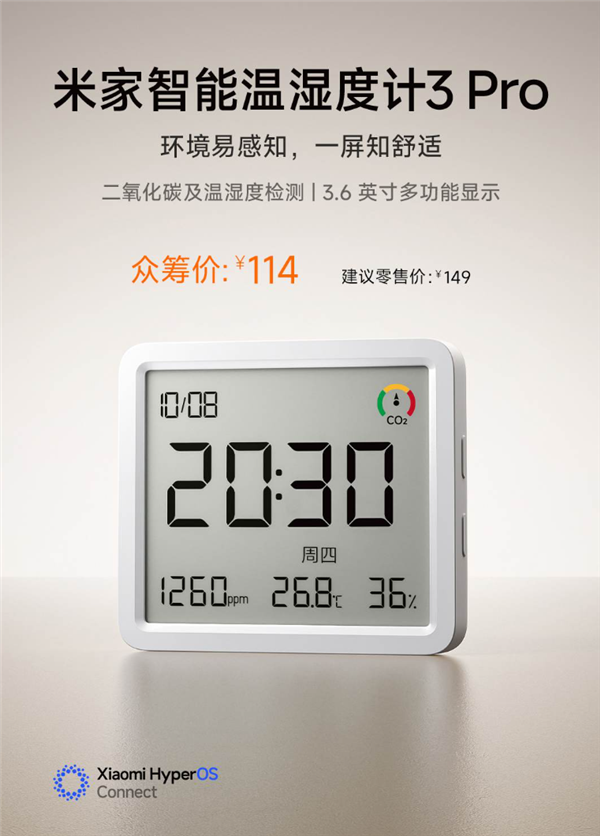
Xiaomi Smart Humidity and Temperature Meter 3 Pro Adds CO₂ Monitoring, Starts at 114 Yuan

Xiaomi has introduced the Mijia Smart Humidity and Temperature Meter 3 Pro, a new indoor monitoring device that expands beyond basic temperature and humidity tracking by adding carbon dioxide (CO₂) detection.

The device is now listed through Xiaomi’s retail channels, with crowdfunding scheduled to begin on September 21 at 10:00 AM, positioning it as a compact smart home monitoring device for everyday indoor use. Its regular suggested retail price is 149 yuan, while early crowdfunding backers can purchase it for 114 yuan.

CO₂ Monitoring Is the Major Upgrade

The biggest change compared with the previous generation is the addition of real-time CO₂ concentration monitoring.

Xiaomi says the new meter uses a next-generation low-power thermal-conductivity CO₂ sensor from Sensirion. It can continuously measure indoor carbon dioxide levels and communicate the current air-quality status through a three-color indicator.

This gives the device a more practical role in everyday indoor monitoring. Instead of simply showing whether a room is hot, cold, dry or humid, it can also help users notice when ventilation may need attention.

Larger 3.6-Inch Display Shows More Information

The Mi Home Smart Humidity and Temperature Meter 3 Pro features a 3.6-inch LCD display, along with a slimmer-bezel design compared with the previous model.

The screen can show several types of information, including:

  • CO₂ concentration
  • Temperature
  • Humidity
  • Date
  • Day of the week
  • Time

Users can switch between different display layouts with a single action, allowing the screen to be configured around the information they want to see most often.

Works With Xiaomi’s Smart Home Ecosystem

The new meter is also designed to work as part of a connected smart home rather than operating as an isolated sensor.

It supports Xiaomi mijia smart-home integration and can connect with other compatible devices through a Bluetooth Mesh gateway. Temperature, humidity and CO₂ readings can be used as triggers for automated actions.

For example, users can configure a CO₂ threshold in the Mi Home App. When the measured level reaches the configured limit, a compatible smart speaker can automatically issue a voice reminder.

This makes the sensor more useful in rooms where users want automatic notifications instead of having to check the display manually.

Historical Data Can Be Viewed in the App

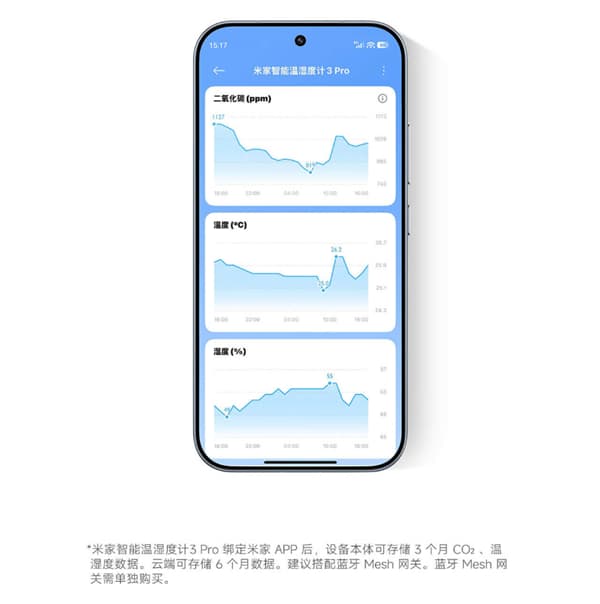
After pairing the meter with the Mi Home App and a compatible Bluetooth Mesh gateway, measurement data can be synchronized to the cloud.

The app can then generate historical curves showing changes in temperature and humidity, as well as CO₂ concentration, making it easier to track indoor environmental trends over time. This allows users to look beyond a single reading and identify longer-term changes in indoor conditions.

For example, a user could compare CO₂ levels at different times of day or observe how ventilation affects the readings over several days.

Flexible Placement and Long Battery Life

The Mi Home Smart Humidity and Temperature Meter 3 Pro supports both desktop placement and magnetic mounting, giving users more flexibility when deciding where to install it.

Despite the larger display and additional sensing capability, Xiaomi has retained a low-power design. The device uses a single CR2450 coin-cell battery and is rated for approximately one year of battery life.

A More Capable Indoor Environment Monitor

The new model is essentially an expansion of the traditional temperature-and-humidity meter concept. Its most important addition is not the larger display, but the ability to monitor CO₂ alongside temperature and humidity.

At 114 yuan during crowdfunding, the Mi Home Smart Humidity and Temperature Meter 3 Pro combines environmental monitoring, historical data tracking and smart-home automation in a compact device. Whether that extra functionality is useful will largely depend on whether users want CO₂ data and automated ventilation-related reminders in their homes.

The post Xiaomi Smart Humidity and Temperature Meter 3 Pro Adds CO₂ Monitoring, Starts at 114 Yuan appeared first on IGeeKphone China Phone, Tablet PC, VR, RC Drone News, Reviews.
  •  

iQOO Pad Ultra to be released on September 29th: Equipped with PC-level cooling fans

Igeekphone September 16th update: Today, iQOO announced that the iQOO Pad Ultra will be officially launched on September 29th. The official description of this product is that it is an “electronic sports new species”.

The product manager of the iQOO flagship series, Wang Kan, described the new tablet as a performance-focused device built around mobile gaming performance.

iQOO Pad Ultra features an 8.8-inch OLED display, giving the compact tablet a screen size that sits between conventional tablets and larger gaming-focused models.

This chip uses a 2nm manufacturing process, with the transistor density compared to the previous 3nm process increasing by approximately 30%. The performance and energy efficiency are further improved.

To sustain performance during demanding workloads, the iQOO Pad Ultra uses an active cooling system with a 30 × 30 × 3.5mm ultra-thin fan with a maximum rotational speed of 14,500 rpm and a wind volume of 0.94 CFM. The cooling structure area reaches 1,661 mm².

At the same time, the new device adopts a honeycomb structure for the large intake port and sets a large-sized cooling port on the side of the body, further improving the overall cooling efficiency and ensuring continuous performance output under high-load scenarios.

In terms of battery capacity, the iQOO Pad Ultra will be equipped with a 9000mAh large battery, balancing performance and battery capacity in the 8.8-inch small-sized body.

The post iQOO Pad Ultra to be released on September 29th: Equipped with PC-level cooling fans appeared first on IGeeKphone China Phone, Tablet PC, VR, RC Drone News, Reviews.
  •  

Android 17 QPR1 Stable Update Rolls Out to Pixel Phones With New UI and Pixel Features

Google has started rolling out the Android 17 QPR1 stable update to compatible Pixel devices, building on the features introduced with Android 17 while adding new animations, Quick Settings changes, multitasking improvements and additional health features.

The update covers a wide range of Pixel phones and tablets, extending from the Pixel 6 generation through the newly released Pixel 11 family. For users coming from the Android 17 QPR1 beta program, the final release is also arriving as a relatively small update rather than requiring a complete system reset.

Android 17 QPR1 Gives the System UI a More Expressive Look

One of the most obvious changes in Android 17 QPR1 is the increased use of blur and transparency throughout the system interface.

The volume panel now uses a semi-transparent design with dynamic colors, while the expanded volume interface has received a visual update. Google has also added background blur to the power menu, giving system controls a more layered appearance.

These changes make the interface feel less static and put more emphasis on depth, transparency and animated transitions.

New Material 3 Multitasking Interface

These changes are part of Google’s broader Material 3 design direction, which emphasizes more expressive motion, adaptive colors and updated interface components.

When several apps are open, the system media and multitasking interface now uses a Material 3-style carousel. Instead of displaying a row of simple dots at the bottom, the interface provides previews of other open applications.

The active app card can also shrink to make room for additional previews, making it easier to recognize and switch between recently used apps.

Quick Settings Get New Animations and Controls

The Quick Settings panel receives several practical changes in this release.

Google has introduced new elastic-style animations when opening Quick Settings, while an edit button is now displayed in the lower-right area for easier customization.

The mobile data tile also gains a “Don’t ask me again” option. Another new addition is a dedicated Keyboard Quick Settings tile, which provides faster access to the system keyboard switcher.

Screen recording has also been adjusted. The tool now defaults to the application that was used for the previous screen recording session, potentially reducing the number of steps needed to start another recording.

Home Screen Menus Are More Clearly Organized

Android 17 QPR1 changes several interactions on the Pixel home screen.

Long-pressing an app icon now separates app-specific shortcuts from system-level actions such as widgets and bubbles. This creates a clearer distinction between functions provided by the app and Android’s own controls.

Long-pressing an empty area of the home screen also opens an updated wallpaper switching interface. The new design uses more noticeable rounded corners and a cleaner arrangement of menu options.

Settings Gets New Material 3 Expressive Icons

The Settings application is another area receiving a visual update.

Android 17 QPR1 introduces new Material 3 Expressive icons in Settings. The design language was previously seen on Pixel Watch devices and is now being brought more prominently to the phone experience.

Google has also added a new animation when users double-click the power button from the lock screen to launch the camera.

Health Connect Tracks More Activity Data

Health-related tracking also gets an expansion in Android 17 QPR1.

Health Connect can now track additional activity measurements, including distance traveled and calories burned, alongside existing step information.

This gives Pixel users more data points for monitoring everyday movement without requiring every activity metric to be handled by a separate application.

Android 17 QPR1 Compatible Pixel Devices

The stable update is available across a broad range of Google Pixel phones and tablets, covering several generations from the Pixel 6 series onward:

  • Pixel 6 and Pixel 6 Pro
  • Pixel 6a
  • Pixel 7, Pixel 7 Pro and Pixel 7a
  • Pixel Tablet
  • Pixel Fold
  • Pixel 8, Pixel 8 Pro and Pixel 8a
  • Pixel 9, Pixel 9 Pro, Pixel 9 Pro XL, Pixel 9 Pro Fold and Pixel 9a
  • Pixel 10, Pixel 10 Pro, Pixel 10 Pro XL, Pixel 10 Pro Fold and Pixel 10a
  • Pixel 11, Pixel 11 Pro, Pixel 11 Pro XL and Pixel 11 Pro Fold

The inclusion of the latest Pixel 11 series means the QPR1 release covers Google’s recent Pixel generations as well as several older devices.

What Beta Users Need to Know

Users who are currently running Android 17 QPR1 Beta 9 should receive a relatively small update to move to the stable release.

However, users participating in the Android Beta Program may need to exit the beta program before receiving the stable OTA update, depending on their current enrollment status.

The stable update is being distributed over the air and does not require users to erase their device data as part of the normal upgrade process.

Android 17 QPR1 Is More Than a Visual Update

While the new blur effects and Material 3 styling are among the most visible changes, Android 17 QPR1 also improves everyday interactions through redesigned multitasking, Quick Settings controls, home screen menus and additional Health Connect measurements.

For Pixel owners, the update therefore represents a combination of visual refinement and practical interface changes, rather than simply another maintenance release. The continued Android Beta Program will also allow Google to test future QPR releases and feature updates on supported devices.

The post Android 17 QPR1 Stable Update Rolls Out to Pixel Phones With New UI and Pixel Features appeared first on IGeeKphone China Phone, Tablet PC, VR, RC Drone News, Reviews.
  •  

Lenovo Googlebook 15: What the 120Hz OLED and Core Ultra 5 325 Mean for Users

Lenovo’s upcoming Lenovo Googlebook 15 is shaping up to be a very different kind of Google-powered laptop. Leaked specifications point to a 15.3-inch 120Hz OLED touchscreen, Intel’s Core Ultra 5 325 processor, up to 32GB of LPDDR5X memory and a 70Wh battery. The combination suggests that Lenovo is targeting users who want more than the basic hardware traditionally associated with Chromebooks.

The laptop is expected to become one of the first devices built around Google’s new Googlebook Panther Lake processor platform. Lenovo has not yet confirmed the final retail price or complete launch details, so the specifications below should still be treated as leaked information until the company makes an official announcement.

Lenovo Googlebook 15 specifications

The reported configuration puts the Googlebook 15 firmly in the premium laptop category.

  • Processor: Intel Core Ultra 5 325
  • Graphics: Integrated Intel Xe3 graphics
  • Memory: 16GB / 32GB LPDDR5X
  • Storage: 256GB / 512GB SSD
  • Display: 15.3-inch OLED touchscreen
  • Resolution: 2880 × 1800
  • Refresh rate: 120Hz
  • Brightness: Up to 500 nits
  • Color coverage: 100% DCI-P3
  • Battery: 70Wh
  • Claimed battery life: Up to 11 hours
  • Wireless: Wi-Fi 7 and Bluetooth 5.4
  • Ports: 2 × Thunderbolt 4, USB-A, HDMI 2.0 and 3.5mm audio
  • Webcam: 5MP RGB with dual microphones
  • Audio: Four speakers with Dolby Atmos
  • Weight: Approximately 1.29kg
  • Thickness: Approximately 15.9mm

A 120Hz OLED display is the biggest highlight

The Googlebook 15 laptop lineup reportedly uses a 15.3-inch OLED touchscreen with a 2880 × 1800 resolution and 16:10 aspect ratio.

The 120Hz refresh rate is particularly notable. Instead of positioning the machine as an inexpensive web-focused notebook, Lenovo appears to be giving it a display specification normally associated with more expensive Windows laptops.

The panel is also reported to reach 500 nits and cover 100% of the DCI-P3 color space. That combination should make the Googlebook 15 more appealing for photo and video viewing, creative work and general multimedia use.

For everyday productivity, the 16:10 format also provides more vertical workspace than a traditional 16:9 laptop display.

Core Ultra 5 325 and up to 32GB RAM

Performance is another area where the Googlebook 15 moves beyond the usual entry-level Chromebook formula.

The leaked configuration points to Intel’s Core Ultra 5 325 processor, paired with integrated graphics. Buyers are reportedly expected to have a choice between 16GB and 32GB of LPDDR5X memory.

Storage options are said to include 256GB and 512GB SSD configurations.

The higher 32GB memory option could be particularly useful if Googlebook is intended to handle heavier multitasking, Android applications and AI-assisted workloads rather than simply running browser-based tasks.

Googlebook 15 brings a different keyboard and design

Lenovo is reportedly giving the laptop several visual and functional details designed specifically for the Googlebook platform.

One of the most unusual additions is a dedicated Google “G” key positioned between the Fn and Alt keys. Its final software function has not been fully explained, but the key could become an important shortcut for Google services or AI features.

The lid is also expected to feature a multicolor LED strip known as Glowbar. Rather than being purely decorative, the lighting system can reportedly provide visual information related to power and charging status.

The laptop is said to use a large haptic touchpad measuring approximately 150 × 95mm, while the keyboard is backlit.

Security and video-call features

The Googlebook 15 also appears to take security and communication more seriously than a basic Chromebook.

The power button is reportedly integrated with a fingerprint reader, while the laptop is expected to support Google’s facial authentication system.

For video calls, Lenovo is reportedly using a 5MP RGB webcam with dual microphones. A physical privacy shutter is also included, allowing users to cover the camera when it is not in use.

Audio is handled by four speakers with Dolby Atmos support.

Plenty of ports for a thin 15-inch laptop

Despite its relatively slim chassis, the reported port selection is fairly comprehensive.

The laptop is expected to have two Thunderbolt 4 ports, one USB-A port, HDMI 2.0 and a 3.5mm headphone and microphone combo jack.

Wireless connectivity reportedly includes Wi-Fi 7 and Bluetooth 5.4.

This combination makes the Googlebook 15 more flexible for users who connect external displays, storage devices and other accessories.

70Wh battery and lightweight design

The reported 70Wh battery is another interesting part of the specification.

Lenovo is said to target up to 11 hours of battery life under its own testing conditions. That figure should not be interpreted as guaranteed real-world runtime, since display brightness, refresh rate, applications, wireless connections and workload can all affect battery performance.

More impressive is the reported weight. Despite its 15.3-inch display, the laptop is expected to weigh around 1.29kg and measure approximately 15.9mm thick.

That would make the Googlebook 15 relatively portable for a large-screen notebook.

Why the Googlebook 15 matters

The most interesting part of the Googlebook 15 is not any single specification. It is the overall hardware combination.

A 120Hz OLED touchscreen , Core Ultra 5 processor, up to 32GB of RAM, Thunderbolt 4, Wi-Fi 7 and a 70Wh battery place the machine well above the basic hardware profile that consumers traditionally associate with Chromebooks.

The Googlebook platform also appears designed around Google’s broader ecosystem, including Gemini AI features and closer Android integration.

That means Lenovo’s new laptop could be aimed at users who want the simplicity of Google’s software environment without accepting entry-level laptop hardware.

This is also why the Googlebook 15 may be more interesting than a conventional Chromebook upgrade. Its value will ultimately depend on how well Googlebook OS takes advantage of the more powerful hardware.

Lenovo Googlebook 15 release date and price

Lenovo has not yet announced a final retail price for the Googlebook 15.

The laptop is expected to arrive this autumn, with Googlebook hardware expected to receive more attention as Google reveals additional details about the platform.

For now, the leaked specifications suggest that Lenovo is preparing a premium large-screen Googlebook rather than another budget-focused Chromebook.

The combination of a 120Hz OLED display, Intel Core Ultra 5 325, up to 32GB of RAM, modern connectivity and Google-focused software could make the Lenovo Googlebook 15 one of the more interesting new laptops in the emerging Googlebook category.

Until Lenovo officially confirms the specifications, however, pricing, availability and final software features should be considered unconfirmed.

The post Lenovo Googlebook 15: What the 120Hz OLED and Core Ultra 5 325 Mean for Users appeared first on IGeeKphone China Phone, Tablet PC, VR, RC Drone News, Reviews.
  •  

Xiaomi Watch S5 41mm: 14-Day Battery, 36g Body and HyperOS 4 Features

Xiaomi is preparing to expand its smartwatch lineup with a smaller version of its latest wearable. The Mi Watch S5 41mm has been officially confirmed for release this month and is already available for pre-order through multiple sales channels.

The new model focuses on a more compact and refined design while retaining many of the smart health, fitness and connected features found on Xiaomi’s smartwatch platform. Its lightweight body and claimed 14-day battery life could make it an appealing option for users who want a smartwatch that can be worn comfortably throughout the day.

Mi Watch S5 41mm Gets a More Compact Design

The Mi Watch S5 41mm maintains a traditional watch-inspired appearance, giving the smaller model a relatively elegant and understated look.

According to Xiaomi, the watch weighs only about 36 grams and has a body thickness of approximately 0.99cm. The reduced dimensions should make it easier to wear for extended periods, particularly for users who prefer smaller watches rather than larger 46mm models.

The 41mm version also differs visually from its larger counterpart. Xiaomi has removed the minute-scale markings printed around the bezel, creating a cleaner appearance and helping distinguish the smaller model from the Mi Watch S5 46mm.

Health and Fitness Features Target Everyday Use

Beyond its compact design, Xiaomi is adding several health and lifestyle functions to the Mi Watch S5 41mm.

One notable feature is menstrual cycle tracking, which allows users to record and monitor relevant cycle information directly through the smartwatch. The device can also provide exercise recommendations designed to help users make more informed choices about their daily workouts.

The watch additionally supports dietary calorie management, giving users another way to track their activity and energy balance. An ultraviolet intensity indicator is also included, providing information about current UV conditions when users are outdoors.

These additions make the 41mm model more than simply a smaller version of the existing smartwatch. Xiaomi appears to be positioning it toward users who want a lightweight wearable with health and lifestyle functions built into the daily experience.

HyperOS 4 Connects the Watch to Xiaomi’s Ecosystem

The Mi Watch S5 41mm will run Xiaomi HyperOS 4, extending its role beyond basic fitness tracking.

Xiaomi says the smartwatch can interact with different parts of its connected ecosystem, including smart-home devices, vehicles and other compatible equipment. This means the watch is designed to function as another control point within Xiaomi’s broader ecosystem rather than operating as an isolated wearable.

As connected-device support continues to expand, this ecosystem integration could become one of the more important advantages for Xiaomi smartwatch owners who already use other compatible products.

Up to 14 Days of Battery Life

Battery endurance is another major selling point of the Mi Watch S5 41mm.

Xiaomi claims that the smartwatch can achieve up to 14 days of battery life under suitable usage conditions. If the real-world performance comes close to the advertised figure, users may be able to spend significantly less time charging the watch compared with many feature-heavy smartwatches.

Actual battery life will naturally vary depending on factors such as workout tracking, display settings, notifications, health monitoring and connected-device features.

Mi Watch S5 41mm Price and Availability

Xiaomi has confirmed that the Mi Watch S5 41mm will officially launch in September 2026, but the company has not yet disclosed its complete specifications or final pricing.

According to Xiaomi’s official announcement, the Mi Watch S5 41mm is scheduled to launch in September, with more details expected to be revealed before the release.

For comparison, the Mi Watch S5 46mm launched earlier this year with a starting price of 1,199 yuan. The smaller 41mm model is expected to appeal to a different group of users, particularly those looking for a lighter and more compact smartwatch.

More details about the Mi Watch S5 41mm, including its final price, configurations and availability, are expected to be announced closer to its official release.

What Makes the Mi Watch S5 41mm Different?

The Mi Watch S5 41mm takes a slightly different approach from the larger 46mm model. Instead of focusing primarily on size and hardware, Xiaomi is emphasizing wearing comfort, health features, ecosystem connectivity and long battery life.

At just around 36 grams, with a thickness of roughly 0.99cm and a claimed 14-day endurance, the new model could be a practical choice for users who want a smartwatch that remains comfortable during long periods of use.

Its combination of menstrual cycle tracking, fitness guidance, calorie management, UV information and HyperOS 4 connectivity also gives the watch a broader everyday role.

With the official launch now scheduled for this month, the Mi Watch S5 41mm is shaping up as a more compact alternative within Xiaomi’s latest smartwatch family.

The post Xiaomi Watch S5 41mm: 14-Day Battery, 36g Body and HyperOS 4 Features appeared first on IGeeKphone China Phone, Tablet PC, VR, RC Drone News, Reviews.
  •  

K12 Smart Indoor WiFi PTZ Camera Brings 360° Room Monitoring to a Simple Home Setup

A home security camera does not always need an advanced multi-camera system to be useful. For many households, the bigger challenge is simply being able to check a room remotely, see what is happening when nobody is home, and respond quickly when something changes. For households building a connected home, an indoor security camera can provide a simple way to check rooms, pets, children, or other areas remotely.

The K12 Smart Indoor WiFi PTZ Camera takes that approach with a compact indoor design, 1080P video, remote pan-and-tilt control, color night vision, motion alerts, and two-way communication. Instead of leaving a fixed camera pointed at one section of a room, its motorized movement allows users to look around a much wider area from a phone.

That makes the K12 particularly interesting for everyday indoor monitoring, including keeping an eye on pets, checking an empty room, or staying connected with family members.

A Wider View Without Installing Multiple Cameras

The K12 uses a 100° wide-angle lens and a motorized PTZ mechanism capable of 355° horizontal pan and 110° vertical tilt. This combination is more important than the raw resolution because it determines how much of a room the camera can actually cover.

A fixed indoor camera can leave areas outside its viewing direction unchecked. With the K12, users can remotely change the camera’s position when they want to inspect another part of the room.

For a living room, bedroom, workspace, or pet area, this can make a single camera more practical than simply buying a higher-resolution fixed model.

The camera’s 1080P Full HD output is also aimed at everyday monitoring rather than professional surveillance. It provides enough detail for checking people, pets, furniture areas, and general activity without turning the product into an unnecessarily complicated security system.

Night Monitoring Is More Than Just Black-and-White Video

Indoor monitoring becomes much less useful if the camera produces poor images after sunset. Combined with other smart home monitoring devices, the K12 can become part of a broader setup for checking what is happening inside the home.

The K12 supports color night vision as well as a conventional infrared night-vision mode. In situations where there is still some available light, color imaging can provide additional visual information compared with a standard monochrome infrared feed.

When the room becomes completely dark, infrared mode provides another option for maintaining visibility.

This dual approach makes sense for a camera designed to stay active around the clock. Rather than treating daytime and nighttime as completely separate use cases, the K12 is designed to adapt its imaging method to the available light.

Motion Alerts Turn the Camera Into an Active Monitor

Remote viewing is useful, but constantly opening a camera app to check an empty room is not practical.

The K12 includes motion detection and real-time notifications, allowing the camera to alert a smartphone when movement is detected. This changes the role of the device from a camera that simply records to a monitoring tool that can draw attention to an event.

For example, a pet moving around the house, someone entering a room, or unexpected activity while the home is empty can trigger an alert.

Of course, motion detection should not be treated as a professional alarm system. Its real advantage is convenience: users can receive a prompt to check the live feed instead of repeatedly checking the camera manually.

Two-Way Audio Makes Remote Monitoring More Interactive

The built-in microphone and speaker add another useful layer to the K12.

Through the mobile application, users can listen to the camera’s surroundings and communicate through the device. That can be useful when checking on a pet, talking to someone at home, or responding to a visitor.

This feature also illustrates why an indoor camera can be more useful than a basic recording device. The camera is not only sending information back to the user; it can also provide a simple way to communicate with the room.

2.4GHz Wi-Fi Keeps the Setup Straightforward

The K12 connects through 2.4GHz Wi-Fi and supports mobile devices running iOS or Android. For an indoor camera, this is a practical connectivity choice because 2.4GHz networks generally offer better range through walls than higher-frequency Wi-Fi bands.

The trade-off is that users should make sure their home network has adequate coverage where the camera will be installed.

The K12 is therefore best viewed as a camera designed to work within an existing home Wi-Fi environment rather than as a completely independent cellular surveillance device.

Local or Cloud Storage Gives Users More Flexibility

The camera supports two recording approaches: microSD storage and cloud storage through a subscription-based service.

Local microSD storage can be attractive for users who prefer keeping recordings on physical media and want to avoid depending entirely on a cloud service. Cloud storage, meanwhile, can make recordings easier to access remotely and may provide a convenient backup option.

The important point for buyers is to check the exact storage plans, supported card capacity, and subscription requirements before relying on either option for long-term surveillance.

Where the K12 Makes the Most Sense

The K12 is not trying to replace a complete outdoor security system. Its strengths are more closely connected to everyday indoor use.

It can make sense for:

  • Pet monitoring: Check what a dog or cat is doing while you are away.
  • Room monitoring: Keep an eye on a living room, bedroom, office, or other indoor space.
  • Family communication: Use two-way audio to speak with someone at home.
  • Movement awareness: Receive an alert when activity is detected.
  • Night monitoring: Switch between color and infrared night-vision modes depending on lighting conditions.

Its PTZ movement is particularly useful when the camera needs to cover more than one part of a room.

What Buyers Should Check Before Buying

The K12’s feature list looks impressive for an indoor camera, but buyers should consider a few practical limitations.

First, 1080P is Full HD rather than 2K or 4K. It is suitable for general room monitoring, but users looking for highly detailed footage for identification may want a higher-resolution camera.

Second, the K12 uses 2.4GHz Wi-Fi, so network coverage should be considered before installation.

Third, cloud storage is subscription-based according to the listing. Buyers who want a completely local setup should therefore pay attention to the microSD recording options.

Finally, PTZ coverage does not mean the camera literally records every direction simultaneously. The motorized mechanism allows the viewing angle to be changed, but users should still position the camera carefully to maximize the useful area.

K12: A Practical Approach to Indoor Monitoring

The K12 Smart Indoor WiFi PTZ Camera is most interesting because it combines several everyday features without requiring a complicated surveillance setup.

Its 1080P video, 355° pan, 110° tilt, color night vision, motion alerts, two-way audio, and mobile connectivity give it a broader role than a basic fixed indoor camera.

Rather than focusing on a single headline specification, the K12’s appeal comes from how these features work together. A homeowner can position the camera in one room, remotely change its viewing direction, receive an alert when movement occurs, check the live feed, and communicate through the built-in speaker and microphone.

For users who need a straightforward indoor Wi-Fi camera for pets, family monitoring, or general room awareness, the K12 offers a practical feature set without turning home monitoring into a complicated project.

The post K12 Smart Indoor WiFi PTZ Camera Brings 360° Room Monitoring to a Simple Home Setup appeared first on IGeeKphone China Phone, Tablet PC, VR, RC Drone News, Reviews.

  •  

BlitzWill BW-CLT2 Smart Ceiling Light Combines Everyday Illumination With RGB Ambience

Ceiling lights are usually one of those home products that disappear into the background once they are installed. BlitzWill BW-CLT2, however, takes a different approach by combining a conventional main ceiling light with a separate RGB ambient-lighting effect.

The result is a fixture designed to handle two different jobs: providing practical illumination for everyday activities while also giving a room a more customizable atmosphere when bright white lighting is not what you want. The BlitzWill BW-CLT2 is designed to replace a conventional ceiling fixture with a more flexible smart home lighting setup.

The 40cm BlitzWill BW-CLT2 supports adjustable color temperature from 2700K to 6500K and can be controlled through an app, voice commands, or a remote control. It also supports DIY scene settings, giving users more control than a basic on/off ceiling lamp.

One Ceiling Light, Two Different Lighting Roles

The combination of adjustable white light and RGB effects also makes the BW-CLT2 more versatile than a basic smart LED ceiling light.

For normal use, the primary light can provide the room’s everyday illumination. The adjustable 2700K–6500K range gives users the flexibility to move between warmer and cooler-looking white light depending on the time of day or the atmosphere they want.

The RGB section serves a different purpose. Instead of replacing the main light, it can be used to add color around the room and create a softer background effect.

That separation makes the design more practical than an RGB-only lamp. You can keep the main light focused on visibility while using the colored lighting to change the mood.

2700K to 6500K Gives More Control Over the Room

A fixed-color ceiling lamp can work perfectly well, but it gives you little flexibility once the fixture is installed.

The BW-CLT2 takes a more adaptable approach with a 2700K–6500K adjustable color-temperature range. Warmer settings can suit relaxed evening use, while cooler white light can be more appropriate when you need a brighter, more functional environment.

This makes the light suitable for spaces that serve multiple purposes. A bedroom, study, living room, or gaming area can all require different lighting at different times.

Rather than buying separate lights for different situations, the BW-CLT2 puts those adjustments into one ceiling fixture.

Smart Controls Make Daily Adjustments Easier

Another advantage is that the BW-CLT2 is not limited to a physical wall switch.

The product supports app control, voice control and a dedicated remote, giving users several ways to change the lighting.

App-based control is particularly useful for people who prefer adjusting lighting from a phone, while the remote provides a more traditional option for quick changes.

The combination also means the light does not have to be treated as a purely decorative smart-home gadget. It can still be operated in a straightforward way when you simply want to change the lighting without opening an app.

DIY Scenes Are More Useful Than They Sound

The BW-CLT2 also includes a DIY scene mode, which is one of the features that separates it from a basic adjustable LED ceiling lamp.

Instead of repeatedly changing brightness, color temperature, or RGB effects manually, users can create lighting combinations suited to particular situations.

For example, one setup could prioritize a brighter white light for working, while another could use warmer illumination with RGB ambience for watching movies or relaxing.

The important point is not simply that the lamp has RGB lighting. It is that the different lighting elements can be used as part of a more personalized room setup.

Is the 40cm Size a Good Fit?

At 40cm, the BW-CLT2 occupies a middle ground between small decorative fixtures and larger ceiling panels.

That makes it potentially suitable for bedrooms, smaller living spaces, studies, gaming rooms, and other areas where a large ceiling fixture may look excessive.

However, buyers should consider the dimensions of their room before choosing it. A 40cm fixture may be a sensible fit for a compact or medium-sized space, while a much larger room could require additional lighting.

What Buyers Should Consider

The BW-CLT2 makes the most sense for people who want more than basic ceiling illumination.

Its strongest feature is arguably the combination of practical white lighting and RGB ambience. The adjustable 2700K–6500K range handles everyday lighting needs, while the RGB system and DIY scenes add a more decorative element.

It is also worth remembering that smart-lighting features are most valuable when you actually plan to use them. If you only need a simple ceiling lamp that stays at one brightness and color, a conventional LED fixture may be enough.

For users who want to experiment with room lighting, however, the BW-CLT2 offers considerably more flexibility in a single fixture.

BlitzWill BW-CLT2: A Flexible Upgrade for a Smart Home

BlitzWill BW-CLT2 Smart Ceiling Light is less about adding another colorful gadget to a room and more about combining several lighting functions into one ceiling fixture.

Its 40cm form factor, adjustable 2700K–6500K white lighting, RGB ambience, multiple control methods, and DIY scene support give it a broader role than a standard ceiling lamp.

Banggood’s EU-direct listing currently shows the BW-CLT2 at around $52.99, although the final price can change with promotions, region, taxes, and availability.

For shoppers looking to make a room more adaptable without filling the ceiling with multiple lighting fixtures, the BW-CLT2 is an interesting option worth considering.

The post BlitzWill BW-CLT2 Smart Ceiling Light Combines Everyday Illumination With RGB Ambience appeared first on IGeeKphone China Phone, Tablet PC, VR, RC Drone News, Reviews.
  •  

Samsung Galaxy SmartTag 3 Renders Leak, Showing Black and White Designs

Samsung appears to be preparing a new generation of its compact tracking device, with fresh renders reportedly revealing the upcoming Galaxy SmartTag 3.

Tech publication SammyGuru shared the alleged renders on September 10, offering an early look at the tracker’s exterior design. The images suggest that Samsung could launch the Galaxy SmartTag 3 in two color options: black and white.

According to previously leaked retailer information, the black model is listed under model number EI-T5900BBEGUS, while the white version reportedly carries the model number EI-T5900BWEGUS.

Galaxy SmartTag 3 Could Cost $29.99

Pricing information has also surfaced ahead of the device’s official announcement. The Galaxy SmartTag 3 is reportedly expected to cost $29.99 for a single tracker. A four-pack could be offered for $99.99, giving buyers a lower per-unit price when purchasing multiple trackers.

At current exchange rates, those prices are approximately 200 yuan and 673 yuan, respectively. However, regional pricing and availability may vary when Samsung officially launches the product.

Familiar Compact Design With a Refined Look

The leaked renders indicate that Samsung is keeping the compact, rounded-square form factor associated with its SmartTag lineup while making subtle changes to the appearance.

The white Galaxy SmartTag 3 appears to feature a light-colored outer frame surrounding a circular center section. The middle area seems to have a slightly metallic appearance, with what looks like a fine brushed texture. A raised circular border visually separates the center from the surrounding frame.

The black version appears to use the same overall shape but adopts a darker finish across the exterior. Both versions have rounded corners, giving the tracker a simple design that should be easy to attach to everyday items.

What to Expect From the Galaxy SmartTag 3

Galaxy SmartTag 3 is expected to continue Samsung’s focus on helping users locate personal belongings such as keys, bags and other frequently misplaced items. However, the leaked renders mainly reveal the device’s exterior, while detailed information about its tracking technology and other hardware features has yet to be confirmed. How about Samsung’s smart device ecosystem?

Samsung has not officially announced the Galaxy SmartTag 3 or confirmed the leaked renders, model numbers, pricing or specifications. More details should become available if the company announces the tracker in the coming weeks.

The post Samsung Galaxy SmartTag 3 Renders Leak, Showing Black and White Designs appeared first on IGeeKphone China Phone, Tablet PC, VR, RC Drone News, Reviews.
  •  

ALLDOCUBE Coolplay Pad Pro 2 Launches With 12.1-Inch 2.5K 90Hz Display and 4G Dual SIM

ALLDOCUBE has officially introduced the Coolplay Pad Pro 2, a new Android tablet aimed at users who want a larger screen without giving up cellular connectivity. The tablet combines a 12.1-inch high-resolution display, a 10,000mAh battery, 4G dual-SIM support and Android 16-based software, making it an interesting option in the Android tablet market.”

The tablet is priced at 1,299 yuan (about $182) for the 8GB RAM and 128GB storage configuration. During the initial sales period, buyers can also receive an 80-yuan discount coupon, bringing the effective price down to 1,219 yuan.

12.1-Inch 2.5K Display With 90Hz Refresh Rate

The Coolplay Pad Pro 2 focuses heavily on its large display. It features a 12.1-inch IPS panel with a 2.5K resolution and 90Hz refresh rate, providing more screen space for video streaming, web browsing, gaming and productivity tasks.

The panel uses an in-cell fully laminated design, which helps reduce the gap between the display layers. This can make content appear closer to the surface while also improving the overall viewing experience compared with a conventional non-laminated screen.

For a tablet in this price range, the combination of a 2.5K resolution and 90Hz refresh rate gives the Coolplay Pad Pro 2 a more capable multimedia setup than a basic entry-level Android tablet.

Helio G100 Chip and 8GB RAM

Powering the tablet is MediaTek’s Helio G100 octa-core processor, with a maximum clock speed of 2.2GHz. ALLDOCUBE says the device scores more than 500,000 points in AnTuTu, although real-world performance will naturally vary depending on software, temperature and testing conditions.

The standard configuration includes 8GB of RAM and 128GB of UFS storage. Users who need additional space can expand the storage with a TF card supporting capacities of up to 1TB.

This hardware combination should be suitable for everyday activities such as browsing, video playback, social apps, office work and casual gaming. More demanding games may require lower graphics settings to maintain consistent performance.

4G Connectivity With Dual SIM Support

One of the tablet’s biggest selling points is its cellular connectivity. Unlike Wi-Fi-only tablets, the Coolplay Pad Pro 2 supports 4G connectivity with dual-SIM support, allowing it to stay online without relying on a nearby Wi-Fi network.

The tablet supports voice calls, SMS messaging and mobile data through major domestic carriers. This makes it more versatile for users who want a tablet that can remain connected without relying on a nearby Wi-Fi network.

For commuters, travelers or users who prefer a large screen for communication and mobile internet, the 4G functionality could be one of the device’s most practical features.

10,000mAh Battery and 33W Charging

The Coolplay Pad Pro 2 packs a 10,000mAh battery, giving the tablet a substantial power reserve for a large-screen device.

Charging is supported through 33W PD fast charging with PPS protocol support. However, the tablet does not include a charging adapter in the standard package, so buyers may need to purchase a compatible charger separately.

The large battery should be particularly useful for users who frequently watch videos, browse the web or use mobile data away from a power outlet.

Cameras and Quad-Speaker Audio

For photography and video calls, the tablet features an 8-megapixel front camera and a 16-megapixel rear camera with autofocus.

The rear autofocus camera can be useful for scanning documents, capturing notes or taking quick photos, while the front camera is positioned more toward video calls and everyday communication.

Audio is handled by a four-speaker system with BOX-style acoustic chambers, paired with a digital amplifier chip. The quad-speaker setup is intended to provide a wider audio experience when watching movies, listening to music or playing games.

7.45mm Body and Android 16-Based Software

Despite its large battery and 12.1-inch display, the Coolplay Pad Pro 2 has a body thickness of 7.45mm. The tablet runs ALLDOCUBE OS, a customized interface based on Android 16.

The software gives the tablet a newer Android foundation while providing ALLDOCUBE’s own system experience. Combined with the large display, cellular connectivity and expandable storage, the device is positioned as a multifunctional tablet rather than simply a media-consumption product.

ALLDOCUBE Coolplay Pad Pro 2: Who Is It For?

The Coolplay Pad Pro 2 takes a straightforward approach: a large 12.1-inch 2.5K display, 90Hz refresh rate, 10,000mAh battery and 4G dual-SIM connectivity are combined into a relatively affordable Android tablet.

Its 4G calling and dual-SIM support could be especially appealing to buyers who want a standalone tablet for mobile data and communication. Meanwhile, the 2.5K 90Hz panel and quad-speaker system make it better suited to entertainment than many entry-level tablets.

At 1,299 yuan, or 1,219 yuan after the launch discount, the Coolplay Pad Pro 2 could be an interesting option for users prioritizing screen size, battery capacity and cellular connectivity over flagship-level processing power.

The post ALLDOCUBE Coolplay Pad Pro 2 Launches With 12.1-Inch 2.5K 90Hz Display and 4G Dual SIM appeared first on IGeeKphone China Phone, Tablet PC, VR, RC Drone News, Reviews.
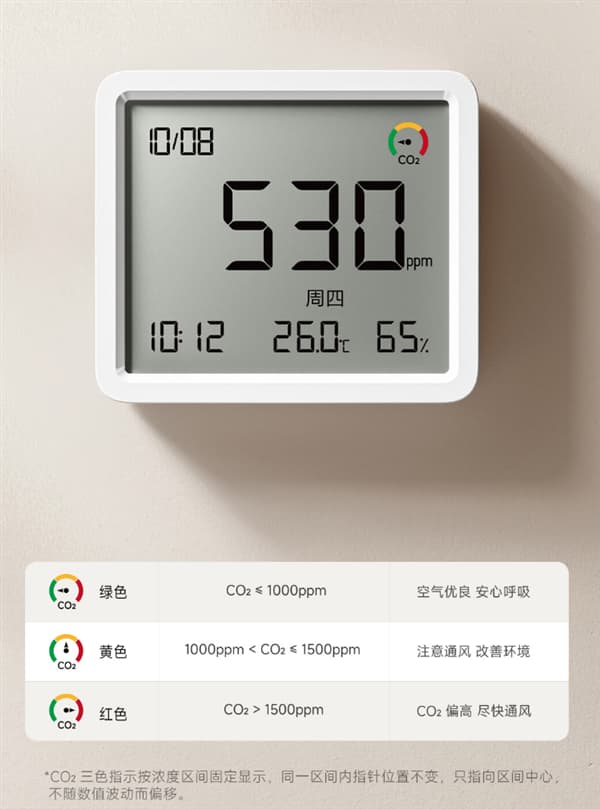
  •  

iPhone Duo vs Galaxy Z Fold8: How Their Fold Creases Compare

Apple’s rumored iPhone Duo and Samsung’s Galaxy Z Fold8 are taking different approaches to one of the biggest visual challenges in foldable phones: the display crease.

According to a video comparison published by technology journalist Joanna Stern on September 10, the two foldable phones show surprisingly similar crease performance when viewed straight on, although differences become easier to spot when the displays are tilted toward a light source.

iPhone Duo and Galaxy Z Fold8 Show Subtle Creases

Stern’s 18-second comparison video shows both phones running the same New Things webpage with their displays set to maximum brightness. The devices are then viewed from several angles to highlight how the center of each foldable screen reflects light.

When viewed directly from the front, the central crease on the iPhone Duo is difficult to distinguish. The Galaxy Z Fold8 also appears relatively smooth from this angle, although a narrow reflection can become visible when the phone is moved.

The difference becomes more noticeable when either device is tilted toward a light source. Under those conditions, the fold area catches reflections and makes the crease easier to identify.

This suggests that crease visibility is not determined solely by the physical shape of the display. Surface treatment, internal support materials and the way a panel handles reflections can all affect what users actually see in everyday use.

iPhone Duo Uses a Nano-Texture Inner Display

Apple is reportedly taking a surface-focused approach with the iPhone Duo.

The 7.6-inch inner display is said to feature a nano-texture surface treatment designed to reduce glare and reflections. By limiting reflected light, the finish could also make the central fold less visually obvious in bright environments.

That could be particularly useful when using the large inner screen near windows, outdoors or under strong overhead lighting, where reflections can make even a relatively shallow crease stand out.

However, reducing reflected light is not the same as eliminating the physical fold. The display still needs to bend repeatedly, so the underlying crease remains an important part of the engineering challenge for Apple’s first foldable iPhone.

Galaxy Z Fold8 Takes a Structural Approach

Samsung is using a different strategy with the Galaxy Z Fold8.

The phone reportedly uses Samsung’s Flex Titanium structure, which combines a titanium alloy film with a titanium plate beneath the foldable display. The structure is intended to provide additional support to the flexible panel while helping reduce the visual impact of the crease.

Samsung also equips the Galaxy Z Fold8 with an anti-reflective main display. This is important because reflected light can exaggerate the appearance of a fold, particularly when the screen is viewed from an angle.

In other words, Samsung’s approach combines structural reinforcement and reflection control, while Apple’s reported solution puts more emphasis on the display’s surface treatment.

Which Foldable Has the Better Crease?

Based on the short comparison, neither phone appears to completely eliminate the crease. Instead, both manufacturers seem to be focusing on making it less noticeable during normal use.

The iPhone Duo’s nano-texture treatment could give it an advantage when reflections are the main reason the crease becomes visible. Meanwhile, Samsung’s Flex Titanium construction addresses the physical support of the folding panel while its anti-reflective display helps reduce distracting reflections.

The more meaningful comparison will likely come after both phones have been used for a longer period, especially as foldable display technology continues to evolve. Viewing a brand-new foldable at different angles can show how noticeable the crease is, but it does not reveal how the display will perform after thousands of folding cycles.

iPhone Duo vs Galaxy Z Fold8: Early Takeaway

The reported comparison suggests that Apple and Samsung are approaching foldable display creases from slightly different directions. Apple appears to be using display surface technology to reduce glare and improve visual uniformity, while Samsung is combining a reinforced internal structure with an anti-reflective screen.

For users, the practical difference may be less about completely removing the crease and more about how easily it disappears during everyday viewing.

The iPhone Duo’s final display design, crease performance and other specifications remain subject to official confirmation. A longer hands-on comparison will ultimately provide a better indication of which foldable delivers the cleaner-looking inner screen.

The post iPhone Duo vs Galaxy Z Fold8: How Their Fold Creases Compare appeared first on IGeeKphone China Phone, Tablet PC, VR, RC Drone News, Reviews.
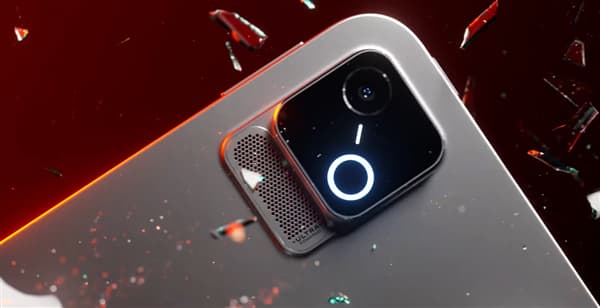
  •  

Nothing Headphone (1) Pro Leaked: Triple-Driver Audio, 60-Hour Battery and September 29 Launch

Nothing appears to be preparing a more premium version of its over-ear headphone lineup. According to information reported by Dealabs, the company is expected to introduce the Nothing Headphone (1) Pro in the coming weeks, with a European price of €349 and a U.S. price of $399. Nothing’s move into premium headphones also gives the brand another way to extend its distinctive Nothing’s transparent design language beyond smartphones and earbuds.

The new model is reportedly scheduled to launch on September 29, positioning it firmly in the premium wireless headphone market rather than the entry-level segment.

Nothing’s Transparent Design Gets a Premium Treatment

The Headphone (1) Pro is expected to continue Nothing’s recognizable design language, including the brand’s semi-transparent aesthetic. The headphones are reportedly offered in black and white, while the construction combines an aluminum body with scratch-resistant glass elements.

The headset is also said to carry an IP52 rating, providing some protection against dust and light water exposure. While that rating does not make the headphones suitable for heavy rain or water immersion, it could provide additional peace of mind during everyday use.

Triple-Driver System Could Be the Biggest Upgrade

One of the most interesting features of the Headphone (1) Pro is its reported three-driver audio architecture. Instead of relying on a conventional single-driver setup, the headphones are expected to use separate drivers to handle different parts of the frequency range.

The high-frequency section could use an XMEMS driver, a technology designed around extremely fast mechanical response and precise high-frequency reproduction. If implemented as reported, the combination could give Nothing a stronger technical selling point against other premium wireless headphones.

The company is also reportedly working with Metropolis Studios, a well-known London recording and mastering facility, on the headphone’s tuning. That collaboration could help Nothing pursue a more studio-oriented sound profile rather than simply emphasizing heavy bass or consumer-friendly sound.

10 Microphones and Adaptive ANC

The Headphone (1) Pro is expected to include 10 microphones, which could support both active noise cancellation and voice-related functions.

The headphones are reportedly equipped with adaptive active noise cancellation (adaptive ANC) that can adjust to surrounding conditions. A transparency mode is also expected, allowing users to hear environmental sounds without removing the headphones.

This combination should make the Headphone (1) Pro more practical for commuting, office use and other situations where users may need to switch between immersive listening and environmental awareness.

Hi-Res Audio, LDAC and More Sound Controls

For wireless audio, the new headphones are expected to support LDAC and Hi-Res Audio, potentially giving compatible devices access to higher-quality Bluetooth audio transmission.

Nothing is also reportedly preparing a Flat EQ option alongside more advanced sound-adjustment features. The company may position these controls toward listeners who want greater control over how their music sounds rather than relying solely on preset profiles.

The reported involvement of Metropolis Studios further suggests that audio quality will be one of the major selling points of the Pro model.

Bluetooth 6.1 and a 3.5mm Headphone Jack

Connectivity is another area where the Headphone (1) Pro could stand out. The headset is reportedly expected to use Bluetooth 6.1, while also retaining a 3.5mm audio jack.

The wired connection will be useful for listeners who prefer a direct audio connection, want to avoid Bluetooth compression, or need to connect the headphones to devices without wireless audio support.

The combination of modern Bluetooth connectivity and a traditional wired input also gives the headphones greater flexibility across different listening environments.

Up to 60 Hours of Battery Life

Battery life could be another major advantage. The Headphone (1) Pro is reportedly capable of delivering up to 60 hours of playback, although real-world endurance will likely depend on factors such as ANC usage, volume level, codec selection and connection mode.

The headphones are also expected to support fast charging, allowing users to restore listening time without keeping the headset connected to power for long periods.

Nothing Headphone (1) Pro: What to Expect

Based on the leaked information, the Nothing Headphone (1) Pro could be a significant step beyond a typical lifestyle-focused wireless headset. Its combination of a three-driver audio system, XMEMS technology, 10 microphones, adaptive ANC, LDAC, Bluetooth 6.1 and up to 60 hours of battery life gives it a specification sheet aimed squarely at the premium market.

The reported €349 European price and $399 U.S. price would also put it in direct competition with established premium headphone brands.

Nothing has yet to officially confirm all of these specifications, so the final hardware, features and regional pricing should be treated as unconfirmed until the company makes its announcement. If the September 29 launch date is accurate, more official details should emerge soon.

The post Nothing Headphone (1) Pro Leaked: Triple-Driver Audio, 60-Hour Battery and September 29 Launch appeared first on IGeeKphone China Phone, Tablet PC, VR, RC Drone News, Reviews.
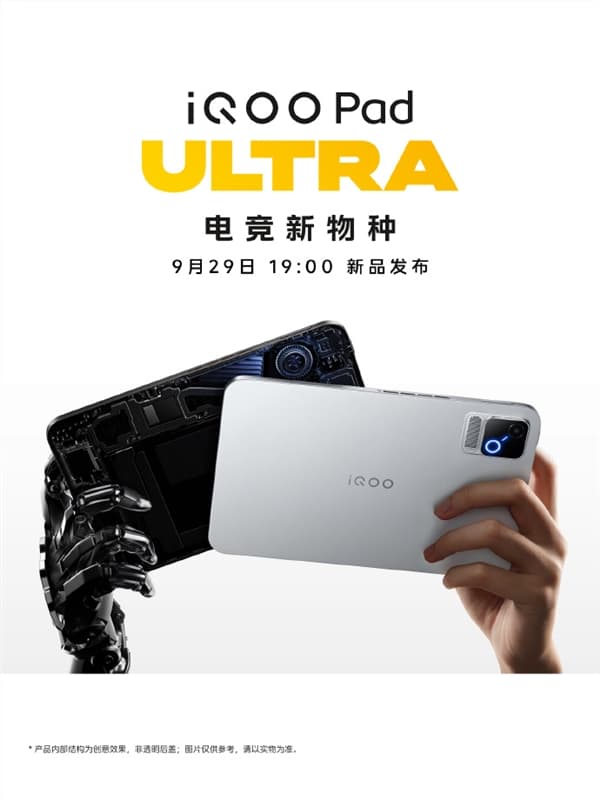
  •  

Open-Ear Earphones With Bluetooth 6.0: 14mm Drivers, Battery Life and Everyday Use

As wireless earbuds continue to get smaller, comfort and awareness of your surroundings can become just as important as compact size. The Zombies Cat B22 takes a different route with an open-ear earclip design that rests around the ear instead of blocking the ear canal. Combined with Bluetooth 6.0 and large 14mm drivers, the B22 is designed for users who want wireless audio while staying more connected to their surroundings during everyday activities and workouts.

That design is paired with Bluetooth 6.0, 14mm dynamic drivers, claimed 720° panoramic sound, a built-in microphone, and a small warm-colored safety light. Instead of trying to compete purely on conventional earbuds specifications, the B22 is designed around the idea of keeping music available while maintaining a more open connection with the surrounding environment.

According to the Banggood listing, the B22 supports Bluetooth 6.0, uses 14mm speakers, offers up to 4.5 hours of playback from the earbuds themselves and up to 20 hours when combined with the charging case.

The B22’s biggest idea is its open-ear design

The most interesting part of the Zombies Cat B22 is not actually Bluetooth 6.0. It is the way the earphones are worn.

Rather than pushing an earbud into the ear canal, the B22 uses an earclip-style open-ear structure. This can be appealing to people who dislike the plugged-in sensation of traditional in-ear headphones or want to remain more aware of their surroundings while listening.

That makes the B22 sports headphones particularly relevant to walking, commuting, cycling and other situations where completely isolating yourself from environmental sound may not be desirable.

It also changes the way the headphones should be evaluated. The goal is not simply maximum isolation. Instead, the B22 is built around a balance between personal audio and environmental awareness.

14mm drivers give the B22 a larger audio foundation

Inside the compact earphones are 14mm dynamic drivers.

A larger driver does not automatically guarantee better sound, but it gives the B22 a substantial hardware foundation for producing bass, vocals and higher-frequency details. For an open-ear design, that can be particularly important because there is no sealed ear canal to create the same acoustic conditions as conventional in-ear headphones.

The product listing describes the 14mm drivers as being designed for a broad soundstage with stronger bass and clear treble.

The stated frequency response is 20Hz–20kHz, covering the commonly specified range for consumer headphones.

What does “720° surround sound” mean here?

The B22 also promotes 720° panoramic sound, which is one of its more unusual specifications.

This should be understood as a spatial-audio presentation rather than literally having sound physically travel in every direction around the listener. The idea is to create a wider and more immersive sense of positioning than conventional stereo playback.

That could make movies, games and music feel more spacious, although the real-world effect will depend on the recording, device and listening environment.

For buyers, the more meaningful takeaway is that Zombies Cat is positioning the B22 as an immersive open-ear headphone, rather than a basic wireless sports earbud.

Bluetooth 6.0 focuses on connection and responsiveness

The B22 uses Bluetooth 6.0 and supports HSP, HFP, A2DP and AVRCP profiles. The listed transmission distance is up to 10 meters.

For everyday users, the important part is less about the Bluetooth version number itself and more about how the headphones fit into daily use.

Bluetooth 6.0 is intended to provide a modern wireless connection, while the supported profiles cover common functions such as music playback, hands-free communication and remote media control.

The listing also highlights low latency for gaming and video. That makes the B22 potentially more versatile than headphones designed exclusively for music listening, although actual latency can vary depending on the connected phone, computer or game system.

The built-in warm light is more than decoration

One of the B22’s most distinctive physical features is its integrated warm safety light.

The light is positioned as a visibility feature for activities such as night running and cycling. Rather than functioning purely as an RGB-style visual effect, the concept is to make the wearer easier to notice in darker surroundings.

This is a clever addition because open-ear headphones are already aimed at active users. A small visibility feature gives the design another practical purpose.

However, the light should be considered an additional visibility aid rather than a replacement for proper cycling or running safety equipment.

Battery life is designed around shorter daily sessions

The B22 uses a 40mAh battery in each earphone and a 300mAh charging case.

Banggood lists approximately 4.5 hours of playback from the earbuds alone and up to 20 hours with the charging case. Charging the case and earbuds is listed at around one hour.

That makes the B22 better suited to several shorter listening sessions than extremely long continuous use.

For example, a commute, workout, walk or evening gaming session can fit comfortably within the stated earbud runtime. Once the earbuds are returned to the case, the additional battery capacity extends the overall listening time.

As always, actual runtime can vary with volume, connection conditions and other usage factors.

The earclip format makes the B22 a sports-oriented headphone

The B22 weighs approximately 43 grams as listed for the product, with dimensions of 60 × 28 × 52mm.

Its physical design is clearly aimed at people who want something different from conventional TWS earbuds.

The earclip structure avoids the need for a traditional silicone ear tip, while the open-ear configuration can make the headphones more suitable for users who prefer a less enclosed listening experience.

That said, fit is highly personal. An earclip that feels secure for one person may not feel identical for another, so the B22’s design should be viewed as an alternative to conventional earbuds rather than a universal replacement.

A microphone makes it useful beyond music

The B22 includes a built-in microphone and supports the standard Bluetooth calling profiles listed by Banggood.

This means the headphones can also be used for calls and voice communication rather than functioning only as a music player.

For people who frequently switch between podcasts, music, phone calls and video content, that makes the B22 a more practical everyday accessory.

Who should consider the Zombies Cat B22?

The B22 makes the most sense for users who specifically want an open-ear Bluetooth headphone rather than a conventional sealed earbud.

It could be particularly interesting for:

  • Runners and walkers who prefer an open listening style
  • Cyclists looking for headphones with an additional visibility feature
  • Commuters who dislike the pressure of in-ear tips
  • Users who want larger drivers in an open-ear design
  • People interested in Bluetooth 6.0 headphones
  • Gamers and video viewers looking for a more spacious audio presentation

It may be less suitable for someone whose first priority is strong passive isolation or deep noise blocking, because the open-ear concept is fundamentally designed around a different listening experience.

Zombies Cat B22 specifications

Feature Zombies Cat B22
Wearing style Open-ear earclip
Bluetooth Bluetooth 6.0
Driver 14mm dynamic driver
Frequency response 20Hz–20kHz
Claimed audio feature 720° panoramic sound
Bluetooth profiles HSP / HFP / A2DP / AVRCP
Transmission distance Up to 10m
Earbud battery 40mAh
Charging case 300mAh
Earbud playback Up to 4.5 hours
Total playback with case Up to 20 hours
Charging time About 1 hour
Microphone Yes
Product weight About 43g
Product dimensions 60 × 28 × 52mm
Colors Black, Red, Beige

The specifications above are based on the product information currently published by Banggood.

Final thoughts

Zombies Cat B22 earphone is interesting because it does not try to be another ordinary pair of TWS earbuds.

Its combination of an open-ear earclip structure, 14mm dynamic drivers, Bluetooth 6.0 and built-in warm safety lighting gives it a clearly defined identity. The claimed 720° panoramic sound is another attempt to make the listening experience more immersive without returning to a conventional closed-in design.

The real appeal of the Zombies Cat B22 is not simply its specifications, but the way its open-ear design fits into everyday listening. By leaving the ear canal open, the B22 can be a useful alternative for running, commuting, walking or casual listening when staying aware of nearby sounds is important. For users who prefer a less isolated listening experience than traditional in-ear earbuds provide, the B22 offers a distinctive combination of comfort, situational awareness and wireless convenience.

The post Open-Ear Earphones With Bluetooth 6.0: 14mm Drivers, Battery Life and Everyday Use appeared first on IGeeKphone China Phone, Tablet PC, VR, RC Drone News, Reviews.
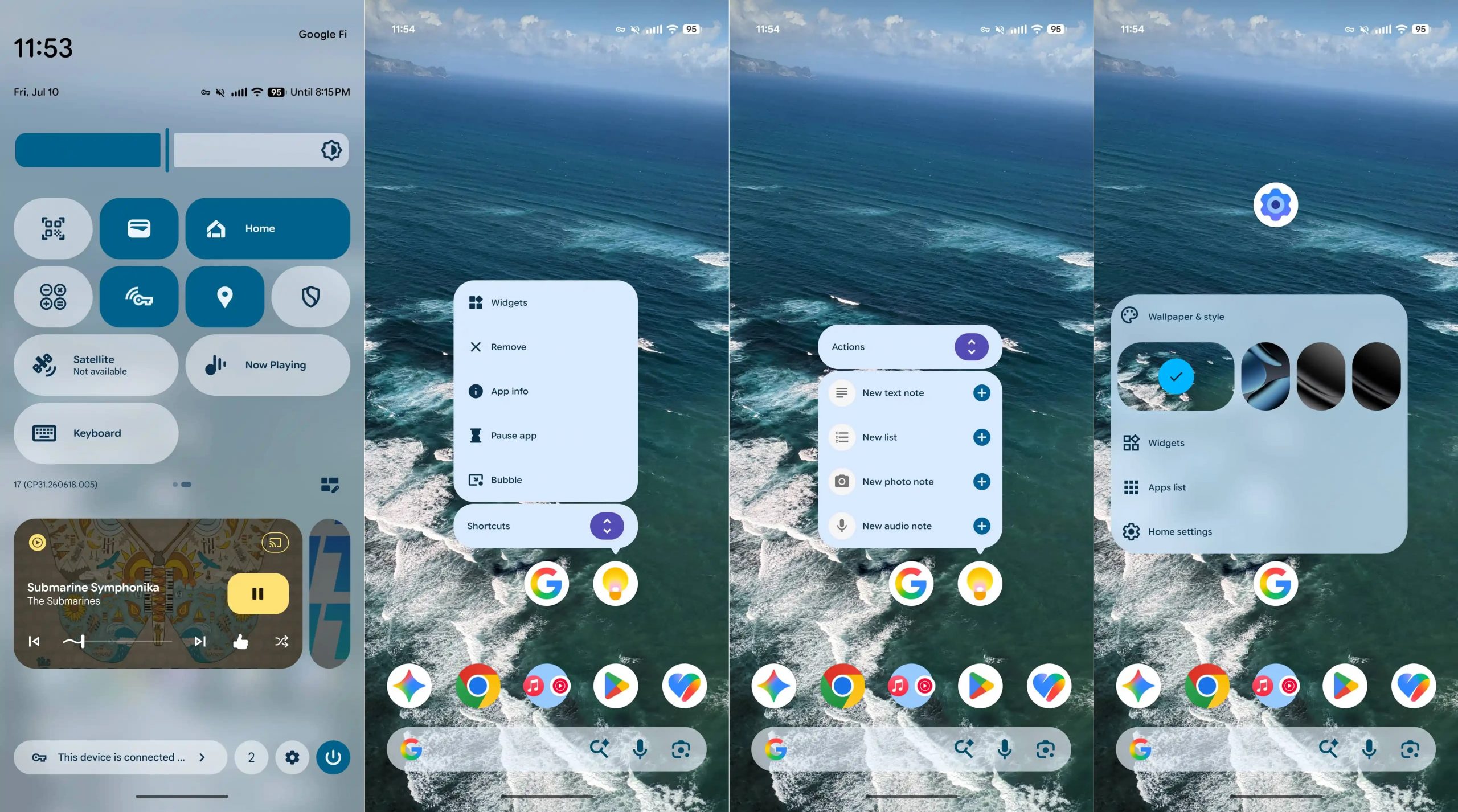
  •  

Budget Smartwatch with Bluetooth Calling and 1.50-Inch Display: What to Know

Affordable smartwatch are no longer limited to step counting and basic notifications. The S2 Smartwatch takes a broader approach, combining a 1.50-inch touchscreen, Bluetooth calling, activity tracking, sleep monitoring and several everyday phone-control features in one wearable.

Its specifications are clearly aimed at users who want a smartwatch that can handle common daily tasks without moving into the price range of premium models. Instead of competing with advanced sports watches, the S2 focuses on convenience: seeing notifications, answering calls, checking activity data and keeping basic wellness information on the wrist.

That positioning makes the S2 more interesting to evaluate as an everyday wearable than as a high-end fitness device.

The S2’s 1.50-Inch Screen Is Designed for Everyday Interaction

The S2 uses a 1.50-inch smartwatch display with a 360 × 360 resolution.

Screen size matters more on a smartwatch than the numbers alone suggest. A larger panel gives notifications, menus and activity information more room, which can make the interface easier to read without immediately reaching for a smartphone.

The S2 uses an IPS display rather than AMOLED. That distinction is important for buyers comparing it with more expensive smartwatches. An AMOLED panel generally offers stronger contrast and deeper blacks, while the S2 takes a more cost-conscious approach.

For its intended market, however, the 1.50-inch screen is one of the more practical aspects of the design. Users who mainly want to read notifications, navigate menus and check fitness information may benefit more from the larger viewing area than from having premium display technology.

Bluetooth Calling Makes the S2 More Than a Fitness Tracker

One of the S2’s most useful features is Bluetooth calling.

After connecting the watch to a compatible smartphone, users can handle calls from the wrist instead of taking the phone out every time a call arrives. The watch also supports call reminders and notifications, giving it a more active role in everyday communication.

Bluetooth 5.3 provides the wireless connection, while compatibility with Android and iOS makes the S2 suitable for users across the two major mobile platforms.

The calling function is particularly useful in situations where pulling out a phone is inconvenient. At the same time, buyers should remember that this is Bluetooth-based calling rather than a fully independent cellular smartwatch. The phone remains an important part of the experience.

Health Features Are Better Viewed as Daily Wellness Tools

The S2 includes several health-oriented functions, including heart-rate monitoring, blood-oxygen readings, blood-pressure readings and sleep tracking.

These features give the watch a broader role than a simple activity tracker. Instead of checking only steps and exercise, users can use the watch to observe different aspects of their daily routine.

There is an important limitation, however.

The health measurements should be treated as general wellness information rather than medical results. The product information states that these functions are intended for reference and are not a substitute for professional medical equipment.

That makes the S2 more suitable for users who want to observe general trends over time. Someone who needs clinically accurate measurements should continue to rely on appropriate medical devices and professional advice.

Sleep Tracking Gives the Watch a 24-Hour Role

The S2 also tracks sleep, which changes how the watch can be used outside exercise.

A smartwatch that only records workouts has limited value for people who want to wear it throughout the day. Sleep monitoring, step counting, calorie information and sedentary reminders allow the S2 to collect a wider range of everyday activity data.

The benefit is not necessarily advanced sleep analysis. Instead, the S2 provides a simple way to build a longer-term picture of daily habits.

For casual users, that can be more useful than having a large collection of specialist sports measurements they may never use.

Multiple Sports Modes Focus on General Fitness

The S2 supports multiple sports modes as well as step, distance and calorie tracking.

This gives the watch enough flexibility for common activities and casual workouts. Users can switch between different exercise categories while keeping their activity information connected to the rest of the watch’s health data.

However, the number of sports modes should not be confused with professional sports tracking.

The S2 does not appear to be designed as a replacement for a dedicated training watch with advanced GPS, recovery analysis, detailed performance metrics and specialist workout tools. Its advantage is simplicity.

If the goal is to record basic exercise and stay aware of daily movement, the S2 covers the essentials without adding unnecessary complexity.

FitCloudPro Is an Important Part of the Experience

The S2 works with the FitCloudPro companion application.

The app provides the connection between the watch and smartphone and supports functions such as notifications, watch-face management and related settings.

This is worth considering before buying the watch because some of its smart functions depend on the phone connection. The S2 is not intended to operate as a completely independent device.

For users who are comfortable pairing a smartwatch with a phone, this is a relatively straightforward setup. The connected approach also allows the watch to provide features such as smartphone camera control and music controls.

IP67 Protection Is Useful, But It Does Not Make the S2 a Swimming Watch

The S2 has an IP67 rating.

For everyday use, that provides useful protection against dust and limited water exposure. It can therefore be more reassuring during normal activities where the watch may encounter sweat or occasional splashes.

But IP67 should not be interpreted as a license to use the watch for swimming.

The product information specifically advises against swimming with the S2. Buyers who regularly participate in water sports should therefore look for a smartwatch designed and rated specifically for those conditions.

This is an example of where understanding the actual use case is more important than simply looking at the IP rating.

280mAh Battery: Enough for Several Days of Typical Use

The S2 uses a 280mAh battery and is rated for approximately 3–5 days of use, depending on usage conditions.

That estimate should be viewed as a general guideline rather than a guarantee. Bluetooth calling, frequent notifications, screen brightness and continuous health monitoring can all increase power consumption.

The watch also supports magnetic charging, which avoids having to insert a conventional charging connector directly into the watch.

For someone who wants a smartwatch that can remain on the wrist for several days between charges, the S2’s battery capacity is reasonable for its feature set.

The Design Favors Everyday Wear

The S2 uses a zinc-alloy case with a silicone strap.

Its listed dimensions are approximately 54.2 × 47.3 × 12.8mm, while the strap is around 210mm long with a 22mm band width.

This is not an ultra-thin fitness band. The relatively substantial case gives it a more traditional smartwatch presence, while the silicone strap keeps the design practical for casual exercise and everyday wear.

The result is a watch aimed more at versatility than at minimalist styling.

Where the S2 Makes Sense

The most interesting aspect of the S2 is not any single specification.

Its value comes from how several basic features work together.

A user can receive notifications during the day, answer a Bluetooth call, check steps, review sleep information, record a workout, control music and use the watch as a remote camera controller.

None of those functions is particularly unusual by itself. The appeal is having them combined in one relatively affordable wearable.

This also explains why the S2 should not be judged against premium smartwatches solely on specifications. It does not offer the same level of display technology, sports analysis or ecosystem integration. Instead, it targets people who want a broad set of useful functions without paying for advanced features they may never use.

Who Should Buy the S2 Smartwatch?

The S2 is a reasonable choice for users who prioritize practical everyday functions.

It makes the most sense for someone looking for:

  • A large 1.50-inch smartwatch display
  • Bluetooth calling
  • Smartphone notifications
  • Basic activity tracking
  • Sleep monitoring
  • Heart-rate and SpO2 information
  • General blood-pressure readings
  • Multiple sports modes
  • Music and camera controls
  • Several days of typical battery life
  • Basic protection against dust and everyday water exposure

On the other hand, users who specifically need advanced GPS tracking, professional training analytics, medical-grade measurements, swimming-focused protection or a premium AMOLED display should consider a more specialized smartwatch.

S2 Smartwatch vs. a Typical Budget Fitness Band

The S2’s biggest advantage over a simple fitness band is the communication layer.

A fitness band can be excellent for steps, sleep and basic activity monitoring, but the S2 adds Bluetooth calling, broader notification support, music control and camera control.

That makes it closer to a general-purpose smartwatch than a dedicated fitness tracker.

The trade-off is size. The S2 is a more substantial wearable, so buyers who prefer a lightweight band that disappears on the wrist may prefer a smaller fitness tracker.

Final Verdict

The S2 Smartwatch is best understood as an affordable all-round wearable rather than a specialist sports watch.

Its 1.50-inch display gives everyday interactions plenty of room, while Bluetooth calling adds a feature that can genuinely reduce the need to reach for a smartphone. Health and activity functions cover the basics, and the 280mAh battery is designed to provide several days of typical use.

Its limitations are equally clear. The IPS display is not aimed at competing with premium AMOLED watches, the fitness functions are primarily for everyday tracking, and the health measurements should not be treated as medical results.

For buyers who want a straightforward smartwatch that combines communication, activity tracking and everyday convenience, the S2’s broad feature set is its main selling point. It is less about having the most advanced technology and more about putting a useful collection of smartwatch functions on the wrist at an accessible price.

The post Budget Smartwatch with Bluetooth Calling and 1.50-Inch Display: What to Know appeared first on IGeeKphone China Phone, Tablet PC, VR, RC Drone News, Reviews.
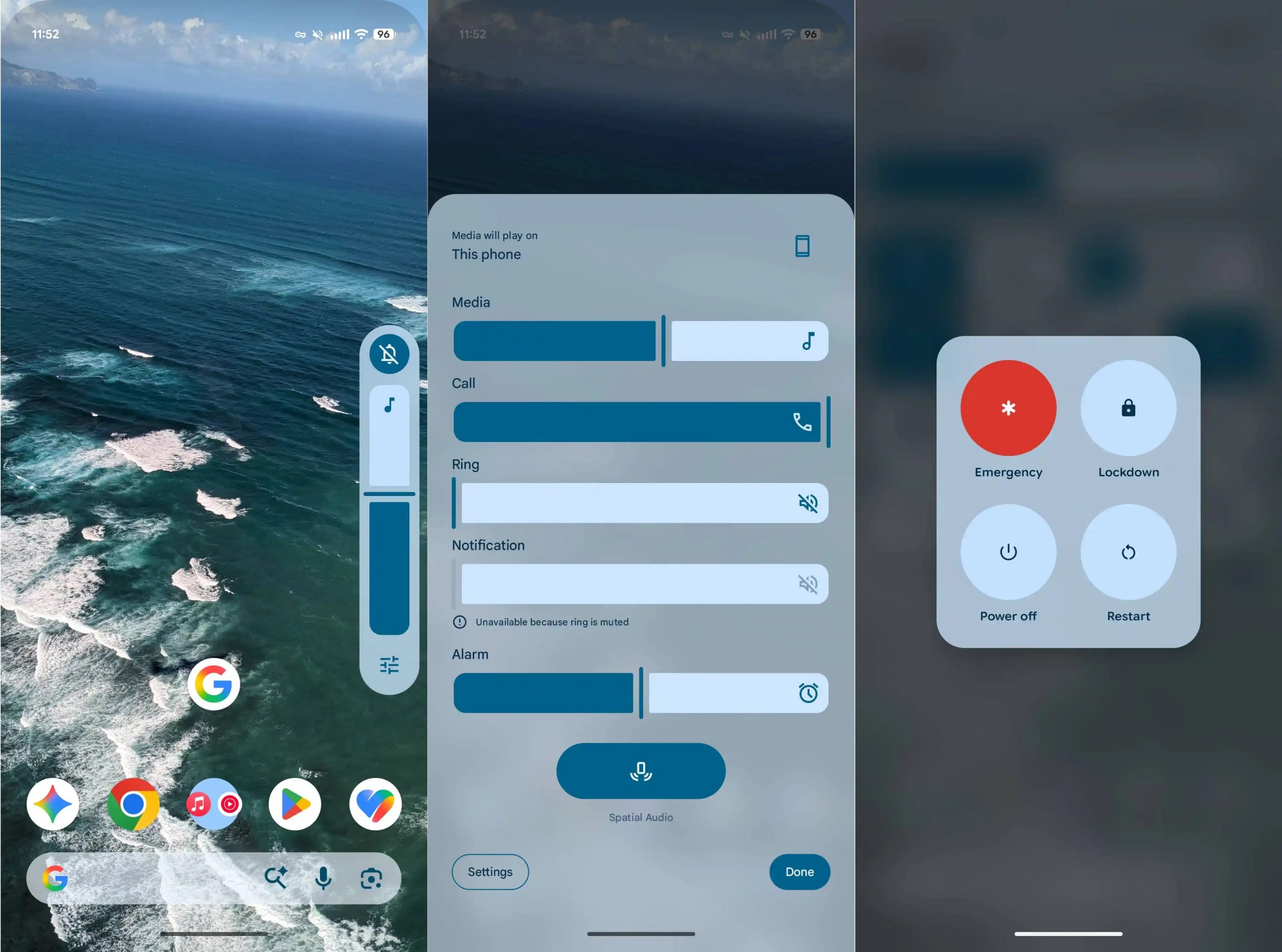
  •  

What the Nordic Spirit-Co-op Live Deal Means for UK Nicotine Sponsorship Rules

Nordic Spirit has partnered with Co-op Live, one of the UK’s major entertainment venues, in a move that puts a nicotine pouch presence in the UK inside a high-profile live entertainment environment.

The partnership is particularly notable because the UK’s rules governing the advertising and sponsorship of nicotine products are about to change significantly. The Tobacco and Vapes Act 2026 introduces a much broader framework covering the promotion and sponsorship of vaping and nicotine products, with the government intending the new advertising and sponsorship restrictions to take effect on June 1, 2027.

That makes the timing of the Nordic Spirit and Co-op Live deal more interesting than a conventional venue partnership. It arrives during a period when nicotine brands are still able to operate within the existing rules, while preparing for a substantially more restrictive marketing environment.

What Is the Nordic Spirit and Co-op Live Partnership?

Nordic Spirit, a nicotine pouch brand, has entered into a partnership with Co-op Live that gives the brand a presence at the Manchester entertainment venue.

Rather than being simply a retail arrangement, the partnership places Nordic Spirit within an entertainment setting where brand visibility and audience engagement are important parts of the commercial relationship.

For Nordic Spirit, the deal provides another way to establish brand awareness among adult nicotine consumers . For Co-op Live, the agreement represents a commercial partnership with a nicotine brand during a period of significant regulatory change across the UK nicotine market.

The timing is therefore an important part of the story.

Why the Timing Matters

The UK nicotine market is approaching a major change in how products can be promoted.

The Tobacco and Vapes Act 2026 extends advertising and sponsorship restrictions to nicotine products as well as vaping products. The government’s Department of Health and Social Care says it intends the comprehensive advertising and sponsorship ban to begin on June 1, 2027.

The legislation goes beyond traditional advertising. Section 131 covers sponsorship agreements involving vaping products and nicotine products where contributions are made under an agreement and activities resulting from that agreement promote those products in the UK.

This is important because sponsorship is different from placing a conventional advertisement in a newspaper or on a website.

A sponsorship arrangement can connect a brand with a venue, event, sports organisation or other public-facing activity. Under the new framework, those relationships can therefore become subject to much greater scrutiny when they promote a nicotine product.

What Changes Under the Tobacco and Vapes Act?

The new law represents a substantial expansion of the UK’s approach to nicotine marketing.

The government says the future restrictions will cover advertising, promotion and sponsorship involving vaping and nicotine products. They are intended to apply across the UK.

The legislation also makes clear that sponsorship restrictions can apply when a sponsorship agreement results in activities intended to promote a vaping or nicotine product.

That distinction matters for businesses because the question is not simply whether a company has purchased a conventional advertisement.

The wider issue is whether a commercial arrangement results in promotional activity for a product that falls within the scope of the legislation.

Does the New Law Automatically Make the Co-op Live Deal Illegal?

Not necessarily.

This is an important distinction that should not be overlooked.

The government has stated that it intends the comprehensive advertising and sponsorship restrictions to come into force from June 1, 2027. However, the explanatory notes to the legislation state that the commencement of Section 131 is to be specified by regulations.

That means it would be inaccurate to conclude simply that the existing Nordic Spirit and Co-op Live partnership is already prohibited.

Instead, the more useful question is how the arrangement will be treated as the new rules take effect and whether any existing contractual or promotional activity needs to change.

The final practical impact will depend on the commencement regulations, implementation details and guidance available to businesses.

Why Venue Partnerships Are Becoming More Important to Watch

The Nordic Spirit deal illustrates a broader issue in the nicotine industry.

For years, brands have used different forms of visibility to establish consumer awareness, including retail presence, digital communication, events and sponsorships.

The upcoming UK restrictions could significantly reduce the number of channels available for commercial promotion.

That makes existing partnerships particularly interesting.

A venue partnership can involve more than a logo on a wall. Depending on the agreement, it may include branded areas, promotional material, digital exposure, event-related activity or other forms of brand association.

Under a regulatory framework that specifically addresses sponsorship and promotion, businesses will need to assess those elements individually rather than treating the entire arrangement as a simple advertising purchase.

Nicotine Pouches Face a Different Regulatory Landscape

Nicotine pouches have also become increasingly visible in the UK nicotine market.

Unlike traditional tobacco products, nicotine pouches do not contain tobacco. However, the Tobacco and Vapes Act 2026 specifically brings nicotine products within the broader advertising and sponsorship framework. The government’s explanatory notes describe the new rules as extending advertising, promotion and sponsorship restrictions to nicotine products as well as vape aerosol products.

This is a significant development for pouch brands.

It means that the industry’s marketing environment cannot be assessed only by looking at traditional tobacco regulations. Companies selling nicotine pouches will also need to consider the new restrictions that apply specifically to nicotine products.

The government has also announced separate changes affecting the sale and promotion of vaping and nicotine products. From October 29, 2026, new age-of-sale and related restrictions will apply, including restrictions on free distribution intended to promote vaping or nicotine products.

What This Could Mean for Future Brand Partnerships

The Nordic Spirit and Co-op Live agreement may become a useful example of the transition taking place in the UK nicotine market.

For brands, the challenge will not simply be finding another advertising channel. Companies will need to reconsider how they build awareness when conventional promotional and sponsorship opportunities become more restricted.

For venues and commercial partners, the issue is equally important.

A partnership involving a nicotine company may require closer review of branding, promotional activity, event integration and contractual obligations. The regulatory question may extend beyond the presence of a brand name to what consumers actually see or experience as a result of the commercial relationship.

That could make compliance more complicated than simply removing an advertisement.

What Consumers Should Take From the Partnership

For adult consumers, the most relevant point is that the nicotine pouch market is entering a period of significant regulatory transition.

The Nordic Spirit and Co-op Live partnership itself is only one commercial arrangement. Its wider significance comes from the timing: it demonstrates how nicotine brands are continuing to explore mainstream commercial partnerships while the UK is preparing to impose broader restrictions on advertising and sponsorship.

The government says the future restrictions are designed to reduce the promotion of nicotine and vaping products, particularly in the context of protecting younger people from exposure to marketing.

As implementation approaches, businesses will need to understand not only what products they can sell, but also how those products can legally be promoted.

Final Thoughts

The Nordic Spirit and Co-op Live partnership is noteworthy because it sits directly within a changing UK nicotine marketing landscape.

The agreement does not, by itself, mean that the partnership is already prohibited. Instead, it highlights the transition from today’s rules toward a system in which advertising and sponsorship of nicotine products are expected to face much tighter restrictions.

The UK’s Tobacco and Vapes Act 2026 provides the legal framework for that change, while the government currently intends the wider advertising and sponsorship restrictions to take effect on June 1, 2027.

For nicotine brands, venues and other commercial partners, the key issue over the coming months will be understanding exactly how existing and future agreements fit within the new rules.

That makes the Nordic Spirit and Co-op Live partnership worth watching—not simply as a brand deal, but as an example of how the UK nicotine industry’s approach to marketing may change before the new restrictions take effect.

The post What the Nordic Spirit-Co-op Live Deal Means for UK Nicotine Sponsorship Rules appeared first on IGeeKphone China Phone, Tablet PC, VR, RC Drone News, Reviews.
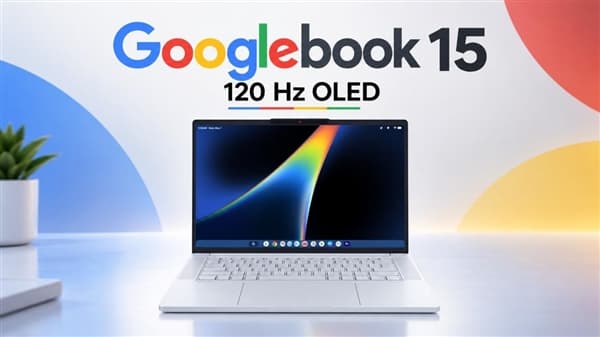
  •  

Lost Mary MT35000 Turbo Review: A New Generation High-Capacity Disposable Vape

The high-capacity disposable vapes market has moved far beyond simple compact devices. As users look for longer-lasting options with better flavor consistency and more practical features, manufacturers are increasingly adding rechargeable batteries, intelligent displays and improved coil systems.

Lost Mary MT35000 Turbo represents this new direction. Designed as a high-capacity disposable vape, it combines a large e-liquid reservoir, rechargeable battery, dual-mode output system and a hidden display that reveals important information only when needed.

Instead of focusing only on a large puff number, the MT35000 Turbo aims to improve the complete experience — from flavor stability and battery management to everyday convenience.

Lost Mary MT35000 Turbo Key Specifications

  • Puff Count: Up to 35,000 puffs (Smooth Mode)
  • E-liquid Capacity: 18ml
  • Nicotine Strength: 50mg/ml (5%)
  • Battery Capacity: 1000mAh rechargeable battery
  • Charging Port: USB Type-C
  • Coil System: Dual mesh coil
  • Display: Hidden battery and e-liquid indicator
  • Modes: Smooth Mode and Turbo Mode
  • Size: 106 × 43 × 23mm

A Bigger Battery Designed to Match a Larger E-Liquid Capacity

One of the biggest challenges with high-puff disposable vapes is balancing battery life with e-liquid consumption, which is why rechargeable disposable vape technology has become increasingly popular among adult users.

A device may contain a large amount of e-liquid, but without enough battery capacity, users may experience charging interruptions before finishing the entire tank.

The Lost Mary MT35000 Turbo addresses this with a 1000mAh rechargeable battery, providing more power compared with many traditional disposable devices. The USB-C charging system also makes recharging faster and more convenient for daily use.

For users who prefer a device that can last longer between replacements, the larger battery capacity is one of the most meaningful upgrades.

35,000 Puffs: More Than Just a Bigger Number

The headline feature of the MT35000 Turbo is its up to 35,000 puff rating.

However, puff numbers should always be viewed as an estimate because actual usage depends on individual habits, including draw duration, frequency and power mode selection.

Lost Mary rates the device for up to 35,000 puffs when using Smooth Mode, while Turbo Mode prioritizes stronger output and a warmer experience with a lower estimated lifespan.

This makes the MT35000 Turbo suitable for users who prefer flexibility:

  • Smooth Mode focuses on longer-lasting daily use.
  • Turbo Mode delivers a more intense flavor and vapor experience.

Rather than forcing users into one style, the two-mode system allows the device to adapt to different moments.

Dual Mesh Coil Improves Flavor Consistency

Flavor quality is often where large-capacity disposable vapes face the biggest challenge.

As the e-liquid level decreases over time, some devices may experience changes in taste or vapor performance. The MT35000 Turbo uses a dual mesh coil system designed to provide more even heating and maintain a consistent flavor profile throughout the device’s lifespan.

Mesh coil technology works by increasing the heating surface area compared with traditional wire coils, a design approach commonly used in modern mesh coil vape technology to improve vapor consistency.

For users who choose high-capacity devices mainly because they want the same flavor experience for longer, coil design is just as important as battery size.

Hidden Display Adds Practical Information

A unique feature of the Lost Mary MT35000 Turbo is its Blend-In display.

Unlike traditional screens that remain visible all the time, the display stays hidden until the device is activated. When used, it can show information such as battery level and e-liquid status.

This approach keeps the exterior design clean while still giving users access to important information.

For a rechargeable disposable vape, knowing the remaining battery level can help prevent unexpected downtime, while e-liquid indicators provide a clearer understanding of when the device is approaching the end of its lifespan.

Turbo Mode vs Smooth Mode: Which One Should You Use?

The MT35000 Turbo’s name comes from its adjustable vaping experience.

Smooth Mode

Smooth Mode is designed for users who prefer:

  • Longer overall usage time
  • A balanced inhale experience
  • More economical consumption

This mode is the better choice for all-day vaping when consistency and longevity are the priority.

Turbo Mode

Turbo Mode increases output for users who want:

  • Stronger flavor intensity
  • A warmer draw
  • More vapor production

The trade-off is that higher output generally consumes battery power and e-liquid faster.

This makes Turbo Mode better suited for moments when users want a more powerful experience rather than maximum lifespan.

Compact Shape Despite Large Capacity

High-capacity disposable vapes often become larger and less convenient to carry.

The MT35000 Turbo attempts to maintain portability with a compact rectangular design measuring approximately 106 × 43 × 23mm.

The shape continues Lost Mary’s familiar ergonomic approach, making it easier to hold compared with some oversized high-capacity devices.

This balance between capacity and portability is important because users often choose disposable devices for convenience in the first place.

Flavor Options Designed for Different Preferences

Lost Mary has expanded the MT35000 Turbo lineup with multiple flavor choices covering fruit, cooling and mixed profiles.

Popular flavor categories include:

Fruit-Based Flavors

Designed for users who enjoy sweeter and refreshing profiles, fruit flavors remain one of the most popular categories in disposable vaping.

Cooling Flavors

Mint and ice-inspired options focus on a cleaner and colder sensation.

Mixed Flavor Profiles

These combine multiple notes to create more complex taste experiences rather than a single flavor direction.

Having different flavor styles allows users to choose according to personal preference rather than only choosing based on hardware specifications.

Who Is the Lost Mary MT35000 Turbo Designed For?

The MT35000 Turbo may appeal to users who want:

  • A longer-lasting disposable vape format
  • Rechargeable battery convenience
  • Large e-liquid capacity
  • Consistent flavor performance
  • A device with battery and liquid monitoring
  • The option between smoother and stronger output

It may be less suitable for users who prefer:

  • Smaller pocket-sized devices
  • Lower nicotine options
  • Traditional refillable vape systems

Lost Mary MT35000 Turbo vs Traditional Disposable Vapes

Compared with older disposable devices, the MT35000 Turbo introduces several features that reflect where the category is heading:

Feature Traditional Disposable Lost Mary MT35000 Turbo
Battery Usually smaller 1000mAh rechargeable
Charging Often non-rechargeable USB-C charging
Capacity Lower e-liquid volume 18ml capacity
Information display Usually unavailable Hidden smart display
Output control Fixed output Smooth/Turbo modes
Coil technology Standard coil Dual mesh coil

The biggest difference is that the MT35000 Turbo behaves more like a compact rechargeable device while keeping the convenience of a pre-filled format.

Final Thoughts

Lost Mary MT35000 Turbo shows how disposable vapes are evolving from simple single-use products into more feature-rich devices.

Its combination of a 1000mAh battery, large e-liquid capacity, dual mesh coil, hidden display and dual-mode operation gives users more control over their vaping experience.

While the 35,000-puff claim depends on usage conditions, the overall design focuses on solving common problems found in traditional disposables: limited battery life, inconsistent flavor and lack of information.

For adult users who prefer a high-capacity disposable format with modern features, the Lost Mary MT35000 Turbo offers a more advanced approach compared with basic disposable vape devices.

The post Lost Mary MT35000 Turbo Review: A New Generation High-Capacity Disposable Vape appeared first on IGeeKphone China Phone, Tablet PC, VR, RC Drone News, Reviews.
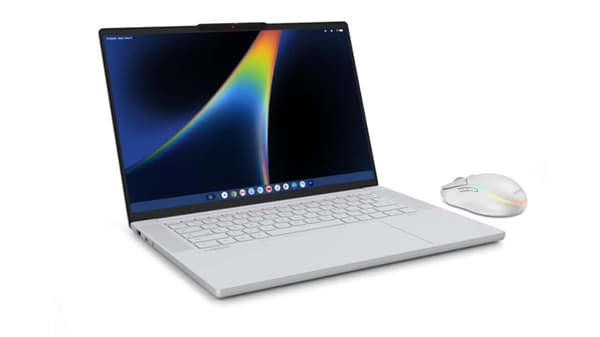
  •  
❌