❌

Reading view

MacBook Neo Defies the Global PC Slump

MacBook Neo helped Apple move against the global PC market in the second quarter of 2026, delivering double-digit Mac shipment growth while most leading computer manufacturers sold fewer units than a year earlier.

Preliminary data from IDC estimates that Apple shipped 6.7 million Macs during the quarter, up 10.1% from 6.1 million in Q2 2025. Its worldwide market share rose from 8.5% to 9.9%, placing the company within a fraction of the 10% threshold.

The rest of the industry moved in the opposite direction. Global shipments fell 4.9% year over year to 68.2 million units, ending nine consecutive quarters of growth. A separate Omdia estimate placed the decline at 3.6% and Apple growth at 15.9%, but both research groups identified the same pattern: the Mac gained ground while established Windows PC vendors contracted or remained flat.

IDC directly connected the Apple increase with the arrival of its lowest-priced notebook. MacBook Neo began shipping in March, giving the model its first complete quarter of retail availability between April and June.

MacBook Neo Drives Mac Shipment Growth

MacBook Neo entered the market as an alternative for buyers previously priced out of the Mac lineup.

The 13-inch notebook launched at $599 with an A18 Pro chip, 8GB of unified memory, a Liquid Retina display and up to 16 hours of video playback. It also brought macOS, Apple Intelligence and integration with the iPhone ecosystem into a price range commonly occupied by mainstream Windows laptops and Chromebooks.

That positioning attracted students, families and first-time Mac customers who did not need the performance or display technology of a MacBook Air or MacBook Pro. The four-color aluminum design also gave the entry model a more recognizable identity than the older Mac notebooks that frequently remained on sale through discounts.

IDC had already identified the computer as an unusual source of strength when it revised its notebook forecast earlier in 2026. Demand exceeded initial expectations in several markets, and reported inventory shortages appeared shortly after the March launch.

The effect became much more visible in Q2. MacBook Neo was available for the entire three-month period, allowing Apple to increase production, expand retail distribution and serve customers who could not obtain the computer during its first weeks.

The entry model also widened the Mac lineup without replacing the MacBook Air. Buyers seeking more memory, faster ports, longer wireless web use or additional external-display support could continue moving toward the M5-powered Air, while the less expensive machine handled education, office work, web browsing and communication.

That separation allowed Apple to reach lower price points without reducing the value of its premium notebooks.

A laptop screen displays multiple colorful open windows, including a chemistry diagram, a drawing of an artichoke with a chemical structure, a chat with an AI image generator, and a grapefruit photo, with various app icons along the bottom.
Image Credit: Apple Inc.

Lenovo, HP and Dell Lose Shipments

Apple remained the fourth-largest traditional PC vendor, but its performance contrasted sharply with the companies above it.

Lenovo retained first place with 16.6 million units and 24.4% market share. Its shipments declined 2.1% from the previous year.

HP experienced the steepest drop among the top five, falling 9% to 13 million units. Dell shipped 9.3 million computers, representing a 5% decline. Asus remained nearly flat at 5 million units, up only 0.2%.

Manufacturers outside the five largest brands collectively suffered a 10.5% contraction, indicating that weaker demand and component inflation placed even more pressure on smaller companies.

The figures measure shipments into distribution channels or directly to end users, not confirmed retail purchases by individual consumers. A manufacturer can therefore record shipment growth while some inventory remains unsold in stores or warehouses.

MacBook Neo demand appears to have been strong enough to support Apple production increases rather than simply filling channels. The company reportedly doubled its annual production target after the initial response, although later quarters will reveal how much of Q2 reflected lasting demand rather than launch-period enthusiasm.

Apple also benefits from operating at a scale that provides leverage with memory, storage and semiconductor suppliers. Smaller PC brands face greater difficulty securing components at competitive prices when shortages intensify.

Memory Costs Reverse the PC Recovery

The Q2 contraction arrived after manufacturers and commercial customers accelerated purchases during late 2025 and early 2026.

Buyers expected memory and storage prices to rise, encouraging some businesses to replace computers earlier than planned. Vendors also increased inventories while components remained available.

That activity supported nine quarters of market growth but borrowed demand from later periods. Once the early purchases were completed, the industry faced a more difficult combination of expensive components, cautious consumers and elevated retail prices.

The memory shortage is closely connected to the AI infrastructure boom. Chipmakers are dedicating more production capacity to high-bandwidth memory used by data center accelerators, limiting the supply of conventional DRAM needed for personal computers.

IDC expects little relief before the end of 2027 or early 2028. The research company forecasts an 11.3% decline in worldwide PC shipments across 2026, with the fourth quarter potentially falling 20% from the previous year.

Computer revenue may not decline at the same pace. Manufacturers have raised prices faster than shipments have fallen, allowing them to collect more money from fewer units.

That strategy creates another problem. Retailers and distributors can become trapped with expensive inventory if customers refuse the new prices, forcing promotions or production reductions later.

MacBook Neo initially softened that pressure by giving Apple a new product near the bottom of the notebook market. Its original $599 price made the Mac competitive with midrange Windows machines at the moment many rivals were becoming more expensive.
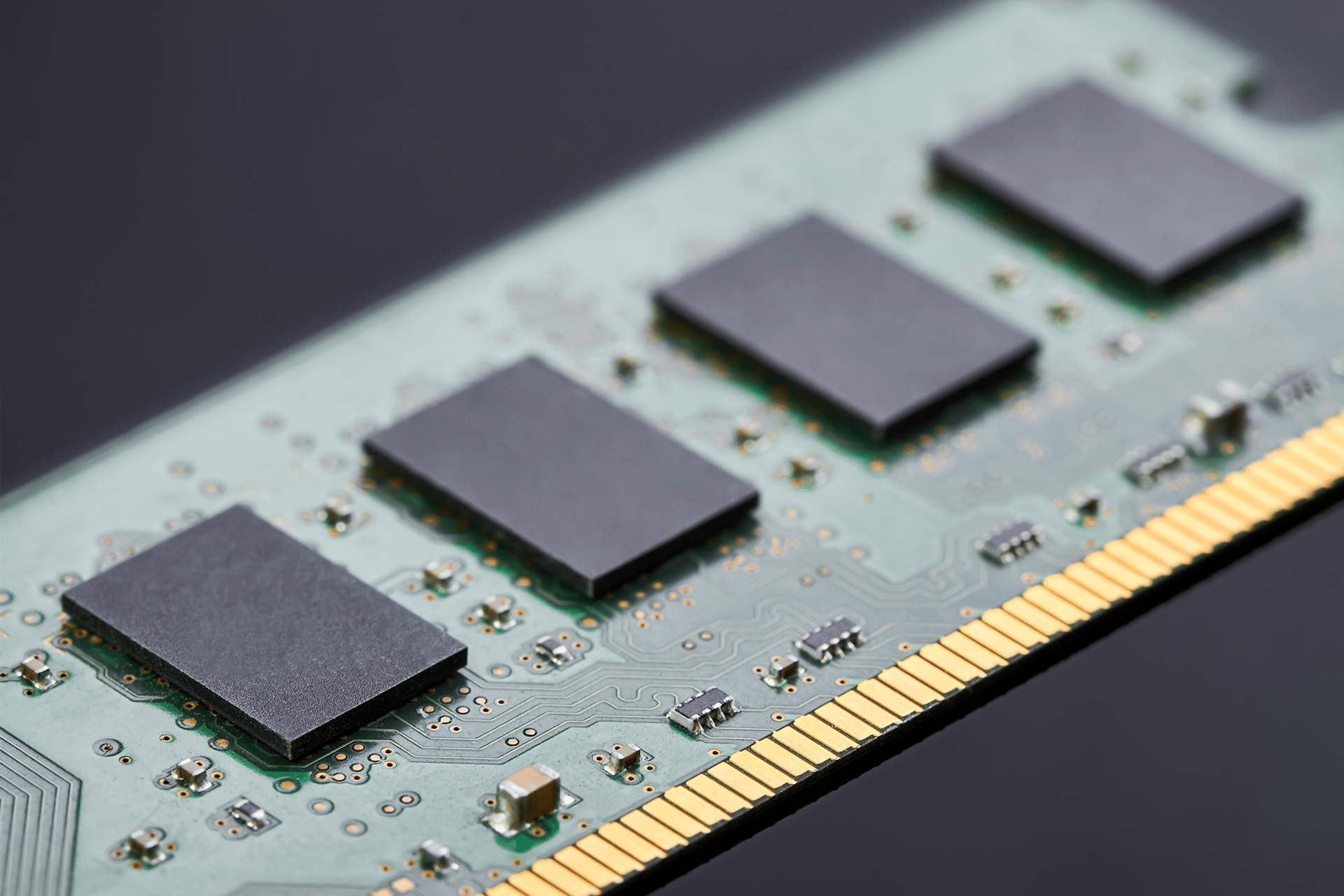
A close-up view of a computer RAM module, highlighting four black memory chips on a green circuit board with gold connector pinsβ€”an example of hardware impacted by the recent RAM price surge.
Image Credit: Freepik

The Price Increase Creates the Next Test

The strongest Q2 MacBook Neo shipments were recorded while most customers could still buy the computer at its introductory price.

Apple raised the U.S. starting price to $699 in late June as memory and storage costs affected the Mac and iPad lineups. The education price remained at $599, preserving the original offer for eligible students and educators.

A $100 increase changes the comparison with discounted Windows notebooks and places the entry model closer to older MacBook Air configurations available through third-party retailers.

Apple must now determine whether the appeal came primarily from the low launch price or from the combination of macOS, battery life, design and iPhone integration.

The company remains better positioned than many rivals to absorb supply disruption, negotiate long-term component agreements and promote several notebooks at different prices. MacBook Neo also uses an iPhone-class A18 Pro processor rather than an M-series chip, providing another way to manage silicon costs and production capacity.

IDC expects the full PC market to deteriorate during the second half of 2026. Apple will enter that period with almost 10% worldwide share, but the September quarter will be the first to measure MacBook Neo demand almost entirely at the higher $699 retail price.

The post MacBook Neo Defies the Global PC Slump appeared first on AppleMagazine.
  •  

Varta Crisis Deepens After Apple Battery Defection

The Varta crisis has entered another severe phase after the German battery manufacturer lost the customer responsible for nearly all production at its specialized factory in NΓΆrdlingen.

Varta has not publicly identified that customer, but reports from German media and industry sources point to Apple. The iPhone maker is reportedly moving battery orders for a future AirPods generation to a lower-cost supplier in China.

The decision will lead Varta to stop producing rechargeable button cells in NΓΆrdlingen during fall 2026. Approximately 350 jobs will be eliminated across the factory and the company headquarters in nearby Ellwangen.

Describing the development as a complete corporate collapse would go too far. Varta continues operating other battery businesses and recently completed an extensive financial restructuring backed by Porsche. The loss of Apple, however, has destroyed the economic foundation of a production site created around one highly influential customer.

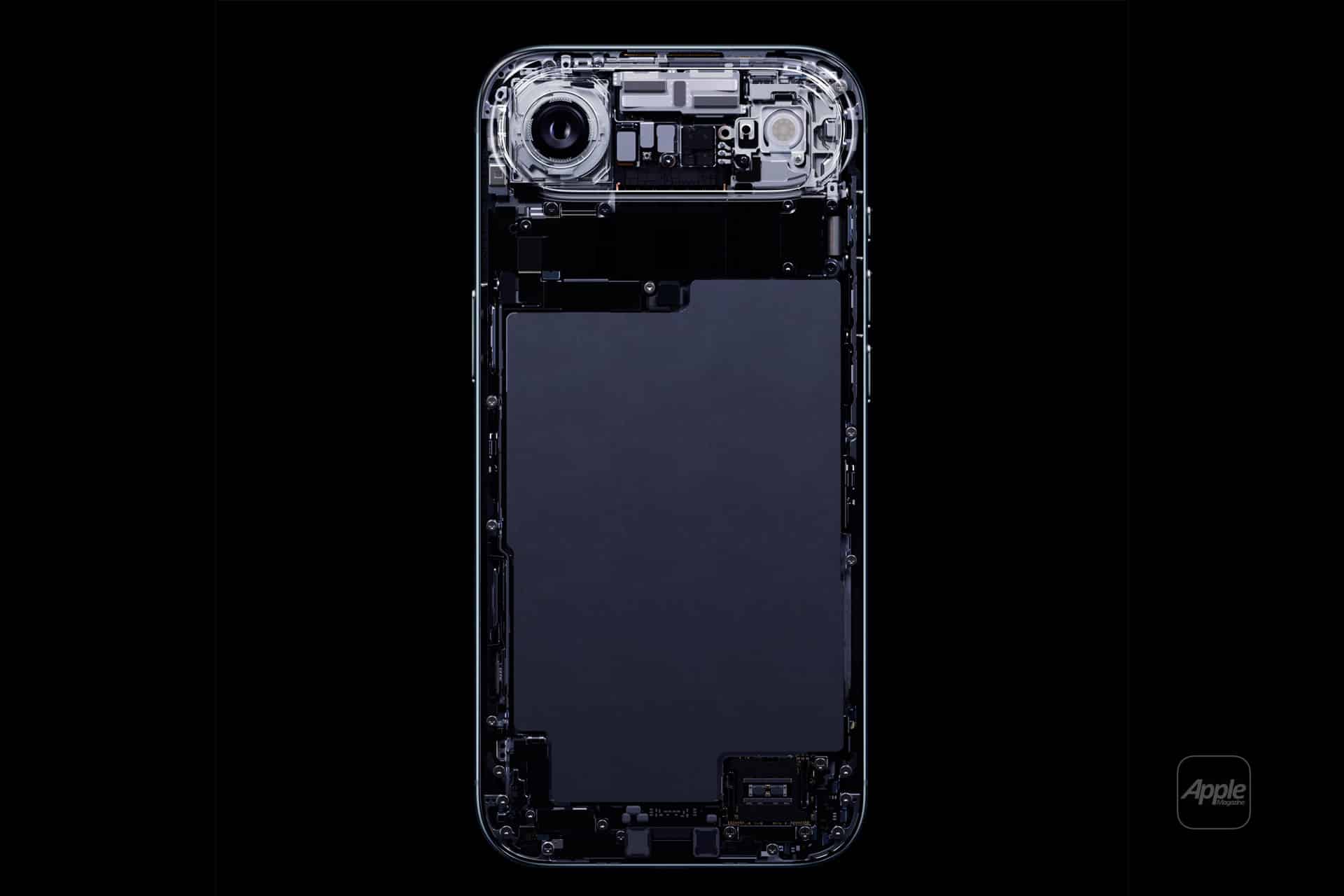
A smartphone with a transparent back, revealing internal components like the battery, camera, and circuitryβ€”crafted with Apple 3D printingβ€”displayed on a black background with a small Apple logo in the lower right corner.

Varta Crisis Exposes Dependence on Apple

The Varta crisis illustrates how a large technology customer can transform a supplier and then leave it with capacity that cannot easily be reassigned.

Varta became an important producer of CoinPower lithium-ion cells, small rechargeable batteries designed for wireless earbuds and other compact devices. Teardowns of AirPods Pro models identified Varta cells inside the earbuds, although Apple does not publicly discuss most component suppliers by product.

Demand from premium wireless headphones helped Varta expand rapidly. In 2020, its Microbatteries and Solutions division generated approximately €508 million in revenue, representing growth of 49% from the previous year.

The company invested heavily in production as wireless earbuds became a mass-market category. Apple demand provided the volume needed to justify specialized lines, equipment and hiring in Germany.

That dependence became dangerous when AirPods production weakened and Apple began adding other battery suppliers. A factory developed for unusually large orders could not operate efficiently once those orders declined.

The customer now leaving NΓΆrdlingen had previously accounted for nearly the entire capacity of the site. Varta says it has gained other customers, but their combined demand is not sufficient to keep the specialized factory running.

The plant is therefore closing not because rechargeable button cells have disappeared, but because replacing one customer of Apple scale requires far more than several smaller contracts.

Price Reportedly Decided the AirPods Order

German reports indicate that price was the decisive factor behind the supplier change.

Varta battery quality was reportedly equal to or better than the competing product. The German manufacturer could not, however, match the cost offered for the next generation of cells from China.

Battery production in Germany faces higher labor, energy and operating expenses than many Asian manufacturing centers. Chinese suppliers also benefit from extensive domestic electronics supply chains, access to materials and production volumes spread across numerous customers.

Apple has enormous leverage when negotiating component contracts. AirPods ship in sufficient quantities for a small difference in the cost of each battery to produce substantial savings across an entire product cycle.

The company regularly qualifies multiple suppliers for components when technical requirements and available capacity permit. Competition can reduce prices, protect production against interruptions and prevent one manufacturer from gaining excessive influence over the supply chain.

For Varta, that process brought the opposite effect. The supplier expanded to serve Apple and then faced declining utilization as the customer divided orders among additional manufacturers.

The latest move appears more final. Varta expects the contract to expire at the end of October, removing the volume that kept NΓΆrdlingen economically viable.

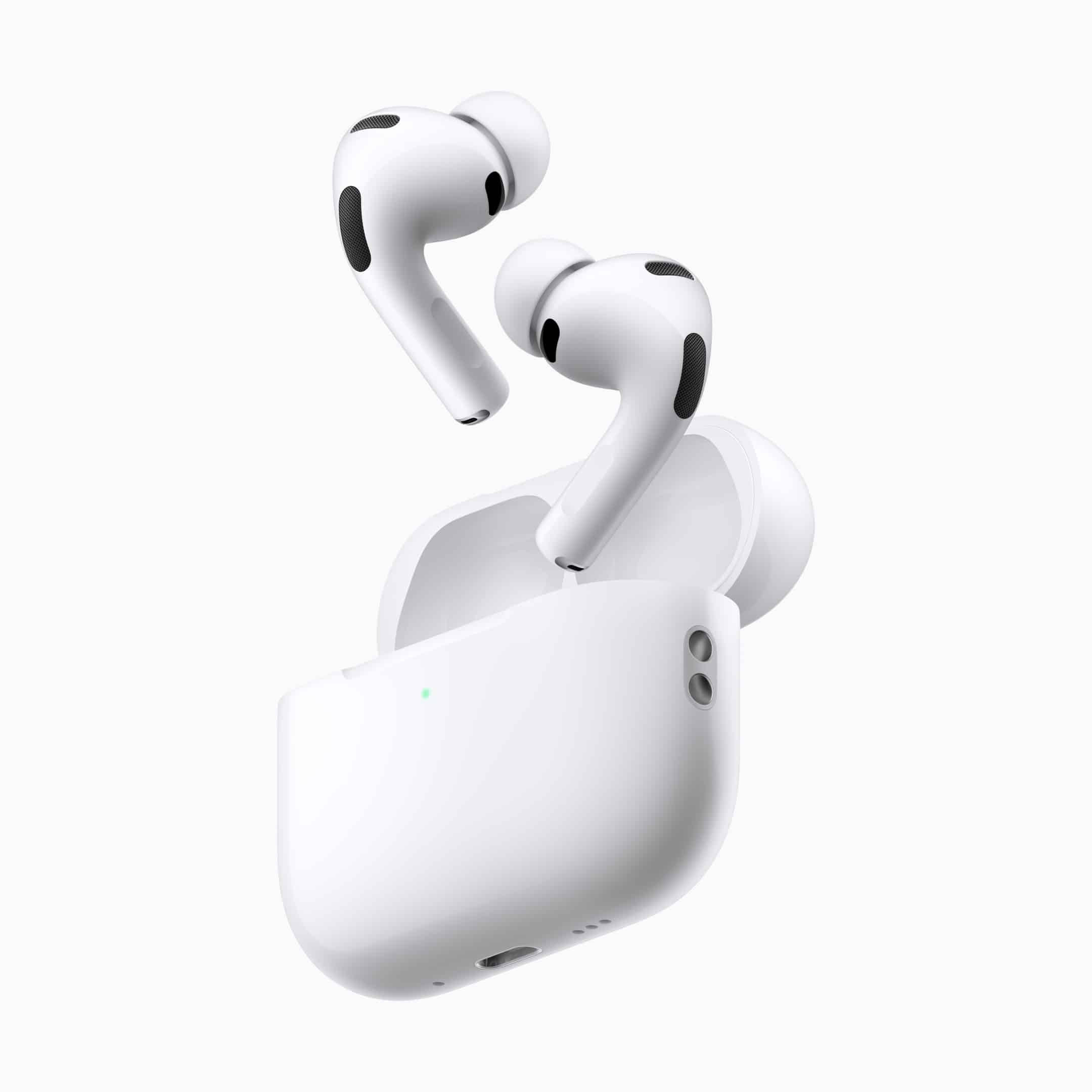
A pair of white AirPods Pro 3 wireless earbuds with black accents are shown above an open white charging case, all set against a plain white backgroundβ€”perfect for seamless audio and features like live language translation from Apple.
Image Credit: Apple Inc.

Apple Supplier Strategy Is Not Simply About China

The reported decision does not mean Apple is moving its complete production network toward China.

Apple has spent several years expanding device assembly and component production in India, Vietnam and other countries. AirPods manufacturing has grown in India, while Macs, iPads and wearables are assembled across a wider group of Asian locations.

The Varta case concerns a particular component for which a Chinese supplier reportedly offered a more competitive price. It shows that diversification away from one country can coexist with cost-driven sourcing from that same country.

Apple may reduce its dependence on Chinese final assembly while continuing to purchase Chinese batteries, displays, enclosures or electronic components when suppliers provide the required scale and pricing.

That balance creates a difficult environment for European manufacturers. Political interest in domestic technology production does not guarantee that major customers will accept higher component prices.

Premium engineering can protect a contract when it produces a measurable advantage in battery capacity, safety, dimensions or lifespan. Once competing suppliers reach comparable performance, procurement decisions become increasingly sensitive to cost.

The Varta crisis suggests that manufacturing location and supplier history carried less weight than the economics of the next AirPods battery.

Varta Was Already Fighting Financial Failure

Apple did not create every problem affecting Varta.

The company entered the current dispute after years of debt, costly investments, volatile customer orders, supply-chain problems and weaker demand in parts of its energy-storage business. A cyberattack in early 2024 also disrupted production and delayed financial reporting.

Varta warned that its earlier restructuring plan might fail after Apple reduced AirPods production. By mid-2024, the company had reached a point where it could no longer service its debt without another intervention.

A pre-insolvency restructuring reduced financial liabilities from approximately €485 million to €200 million. Porsche and majority shareholder Michael Tojner agreed to provide new capital, while creditors supplied additional financing.

Existing shareholders lost their investment as Varta was removed from the stock market. The process preserved the operating company but demonstrated how little financial room remained for another major disruption.

Varta reported a loss of €64.5 million for 2024. Although that was an improvement from the previous year, the business remained dependent on successful restructuring and stronger performance from its surviving divisions.

The Apple contract loss therefore did not independently bring down a healthy battery group. It struck a manufacturer that had already narrowly avoided insolvency.

Aerial view of a large industrial complexβ€”possibly one of the key Apple suppliersβ€”surrounded by trees, parking lots with cars, and several buildings. There are roads and green fields nearby, with a small round building in the lower right corner, perhaps connected to the facility's production or storage of CoinPower cells amid the recent Varta crisis.
Image Credit: Wikipedia

Porsche Cannot Protect Every Varta Business

Porsche participation gives Varta a future in automotive batteries, but it does not rescue the NΓΆrdlingen button-cell operation.

The automaker invested in the restructuring and took control of the V4Drive business, which develops high-performance cylindrical lithium-ion cells for hybrid and performance vehicles. Porsche gains greater access to battery technology while helping retain part of that expertise in Germany.

Varta also continues producing household batteries and energy-storage systems. Those businesses serve different customers and do not depend on the machinery used for tiny CoinPower cells.

Employees affected by the NΓΆrdlingen closure may be offered positions at other locations, although Varta has not indicated how many can realistically be transferred. The company and its works council are negotiating measures for the workers whose roles will disappear.

The shutdown leaves a modern production unit without enough demand only a few years after wireless earbuds were presented as one of Varta most promising growth markets.

Its remaining automotive operation now has the security of a strategic customer with a direct ownership interest. The microbattery division learned the cost of building a factory around a customer that never made the same commitment.

The post Varta Crisis Deepens After Apple Battery Defection appeared first on AppleMagazine.

  •  

The Dink Premieres on Apple TV With Pickleball Chaos

The Dink is now streaming on Apple TV, bringing pickleball rivalries, family tension and a star-filled ensemble to the platform in a new feature from Apple Original Films.

Jake Johnson leads the sports comedy as Dusty Boyd, a former tennis prodigy whose career has been reduced to coaching unruly children at the suburban country club operated by his father, Chuck, played by Ed Harris.

Dusty remains desperate to earn Chuck approval and supports his campaign against the pickleball players moving into the club. That loyalty becomes harder to maintain when an old injury prevents Dusty from continuing to play tennis and forces him to try the sport he has spent years dismissing.

Mary Steenburgen stars as Candace, the pickleball player who helps Dusty discover that the smaller court and plastic ball may offer more competition, community and personal meaning than he expected.

The official trailer previews the increasingly absurd conflict as Dusty moves from mocking pickleball to treating it with the same intensity that once defined his tennis ambitions.

A smiling woman with long blonde hair stands next to a bearded man in a dark jacket. They appear happy and are standing indoors in a warmly lit room, reminiscent of a cozy scene from an Apple TV series.
Image Credit: Apple Inc.

The Dink Turns Pickleball Into a Personal Crisis

The Dink uses the cultural rivalry between tennis and pickleball as the foundation for a familiar but effective underdog story.

Dusty has built his identity around a sport that no longer provides the future he imagined. Coaching children keeps him close to tennis, but it also becomes a daily reminder of the professional career that never reached its expected destination.

Chuck makes that disappointment more difficult to escape. He treats tennis as a tradition worthy of protection and pickleball as an invasion threatening the character of his club. Dusty supports that view partly because opposing the new sport offers another chance to remain aligned with his father.

The injury breaks that arrangement. Dusty can either accept that his competitive life has changed or continue defending a version of himself that no longer exists.

Pickleball gives the movie an accessible way to explore that conflict. The sport has grown rapidly across the United States, attracting recreational players, professional tournaments, celebrity investors and frequent arguments over shared tennis courts.

That expansion has created a real cultural divide. Longtime tennis players sometimes view pickleball as an easier imitation occupying spaces built for their sport. Pickleball players respond that its accessibility, social atmosphere and shorter learning curve are precisely why it has become so popular.

The movie exaggerates those attitudes without requiring viewers to understand tournament rules or follow professional pickleball. Dusty resistance is easy to recognize because the dispute is ultimately about status, pride and adapting when another generation changes the environment.

Johnson brings the frustrated comic rhythm that made his work in New Girl and Self Reliance distinctive. Dusty can recognize the ridiculousness surrounding him while remaining too emotionally invested to step away from it.

A man in a black shirt and cap smiles while speaking to a group at an outdoor tennis court during The Dink premiere. Several people stand behind him, listening, with trees and umbrellas visible in the background, celebrating the event featured on Apple TV.
Image Credit: Apple Inc.

A Cast Ready for Sports-Comedy Disorder

Ed Harris gives Chuck the kind of dramatic intensity that can make an argument about pickleball sound like a defense of national values.

The performance works because Harris does not need to treat the character as an obvious joke. Chuck absolute seriousness turns court access, club traditions and Dusty choices into matters of personal betrayal.

Steenburgen provides a warmer presence as Candace, whose interest in pickleball is connected to friendship and personal renewal rather than institutional rivalry. Her character gives Dusty an alternative to the approval he has spent years seeking from his father.

The supporting cast adds several different styles of comedy. Chloe Fineman appears as Marisa, while Patton Oswalt, Chris Parnell and Aaron Chen populate the club with characters capable of pushing the central rivalry into increasingly strange territory.

Ben Stiller appears in the movie while also serving as a producer through Red Hour Films. His involvement creates an immediate connection to the broad sports comedies of the 2000s, particularly stories in which an underestimated activity becomes an arena for oversized ambition.

Former tennis champion Andy Roddick also appears, bringing part of Dusty competitive past directly into the story. John McEnroe joins the collection of tennis personalities willing to participate in a movie built around the sport losing territory to pickleball.

The appearances allow The Dink to make fun of tennis culture without presenting it as an invented stereotype. The athletes understand the rivalry and can participate in the joke while giving the movie a recognizable connection to professional competition.

Josh Greenbaum directs from a screenplay by Sean Clements. Greenbaum previously directed Barb and Star Go to Vista Del Mar and the documentary Will & Harper, demonstrating an interest in unusual personalities whose comic journeys contain more sincerity than their premises initially suggest.

Clements brings experience from television comedy, including Workaholics, helping the film maintain an ensemble rhythm rather than depending entirely on pickleball references.

Two people stand on a tennis court, smiling and holding pickleball paddles as if ready for a fun match that could belong in an Apple TV scene. The woman wears a sun hat and light blue shirt, while the manβ€”who bears a resemblance to Ben Stillerβ€”sports a dark jacket and headband. There’s a net and green background behind them, evoking the fresh style of an.
Image Credit: Apple Inc.

Apple Original Films Finds a Lighter Release

Apple acquired worldwide distribution rights to The Dink in August 2025, adding the project to a film catalog that moves between major dramas, action productions, documentaries and mainstream entertainment.

The movie offers a deliberately lighter summer release than many of the prestige projects associated with Apple Original Films. Its appeal depends on character chemistry, physical comedy and a sport already producing arguments in clubs and neighborhoods across the country.

That approach gives Apple TV a feature capable of reaching viewers who may not be looking for another complex series or franchise commitment. The story is contained, the conflict is immediately understandable and the cast combines familiar performers from several generations of comedy and drama.

The Dink also arrives as Apple TV continues developing a broader identity for its movie catalog. Award recognition remains part of the strategy, but accessible comedies can give subscribers a different reason to open the service on a weekend.

The film held its global premiere in Los Angeles on July 20, with Johnson, Harris, Steenburgen, Fineman, Aaron Chen, Greenbaum and Clements attending the event at Westfield Century City.

Johnson also serves as a producer alongside Stiller, John Lesher, Rob Paris and Mike Witherill. That position gives the lead actor a larger role in shaping a comedy built closely around his familiar ability to play disappointed men attempting improbable reinvention.

The timing could also help the film benefit from growing curiosity around pickleball. Viewers who already play will recognize the sport competitive personalities and social appeal, while skeptics may find Dusty hostility uncomfortably familiar.

The Dink runs for one hour and 42 minutes and carries a PG-13 rating for strong language and sexual material. It is available exclusively to Apple TV subscribers through the Apple TV app.

A man's face, wearing a blue headband, is surrounded by a large number of green pickleballs with holesβ€”a playful scene reminiscent of The Dink premiere from Apple Original Films.
Image Credit: Apple Inc.

The post The Dink Premieres on Apple TV With Pickleball Chaos appeared first on AppleMagazine.
  •  

The Last Person on Earth Reinvents Dating Shows

The Last Person on Earth will bring a different kind of dating experiment to Apple TV, pairing people who appear fundamentally incompatible before sending them to some of the world most romantic and isolated destinations.

Apple announced the eight-episode documentary series with Esther Perel, the bestselling author, psychotherapist and relationship expert known for examining desire, intimacy, infidelity and the tensions inside modern partnerships.

Perel will work with a team of matchmakers and therapists to create pairings that challenge the usual assumptions surrounding compatibility. Rather than finding contestants who share the same interests, routines and preferences, the series will deliberately bring together people who may initially see each other as the last person they would ever choose.

The central question is whether attraction can develop when familiar dating checklists are removed. Apple describes the series as an exploration of whether an unexpected partner can become the person someone ultimately cannot imagine living without.

No premiere date, contestant list or filming locations have been announced.

Apple TV logo with a glowing apple icon and the letters "tv" on a vibrant gradient background, shifting from orange to purple and blueβ€”reflecting the dynamic spirit of Apple TV competition. The small Apple logo appears in the bottom right corner.
Image Credit: AppleMagazine

The Last Person on Earth Challenges Compatibility

The Last Person on Earth enters a crowded dating television market with a premise that rejects one of the most common promises made by matchmaking services: that compatibility can be predicted through similarity.

Dating apps routinely organize potential relationships through age, location, interests, lifestyle preferences, political beliefs and other personal filters. The process can help users avoid obvious conflicts, but it can also create increasingly narrow definitions of who deserves consideration.

Perel has frequently argued that desire does not always emerge from familiarity. Attraction can depend on difference, curiosity and the discovery of qualities that were not included on a checklist.

The Apple TV series turns that idea into a structured experiment. Participants will meet someone who appears to contradict their expectations before traveling together to a remote setting where ordinary distractions and familiar support systems may be limited.

That environment creates immediate dramatic possibilities. A beautiful destination can make a first connection feel unusually intense, but isolation can also expose differences that would remain hidden during short dates in familiar surroundings.

The presence of therapists and matchmakers suggests that the series will examine those reactions rather than presenting every disagreement as entertainment. Perel can help participants distinguish between genuine incompatibility, defensive habits and discomfort created by encountering someone outside their usual pattern.

The experiment does not promise that every opposite pairing will succeed. Difference can produce curiosity, but it can also reveal conflicts involving values, communication, life goals or emotional availability.

The more revealing outcome may be whether participants leave with a broader understanding of attraction, even when the relationship itself does not continue.

Esther Perel Brings a Different Voice to Dating TV

Perel gives the series a more analytical foundation than the competition-driven structure used by many dating programs.

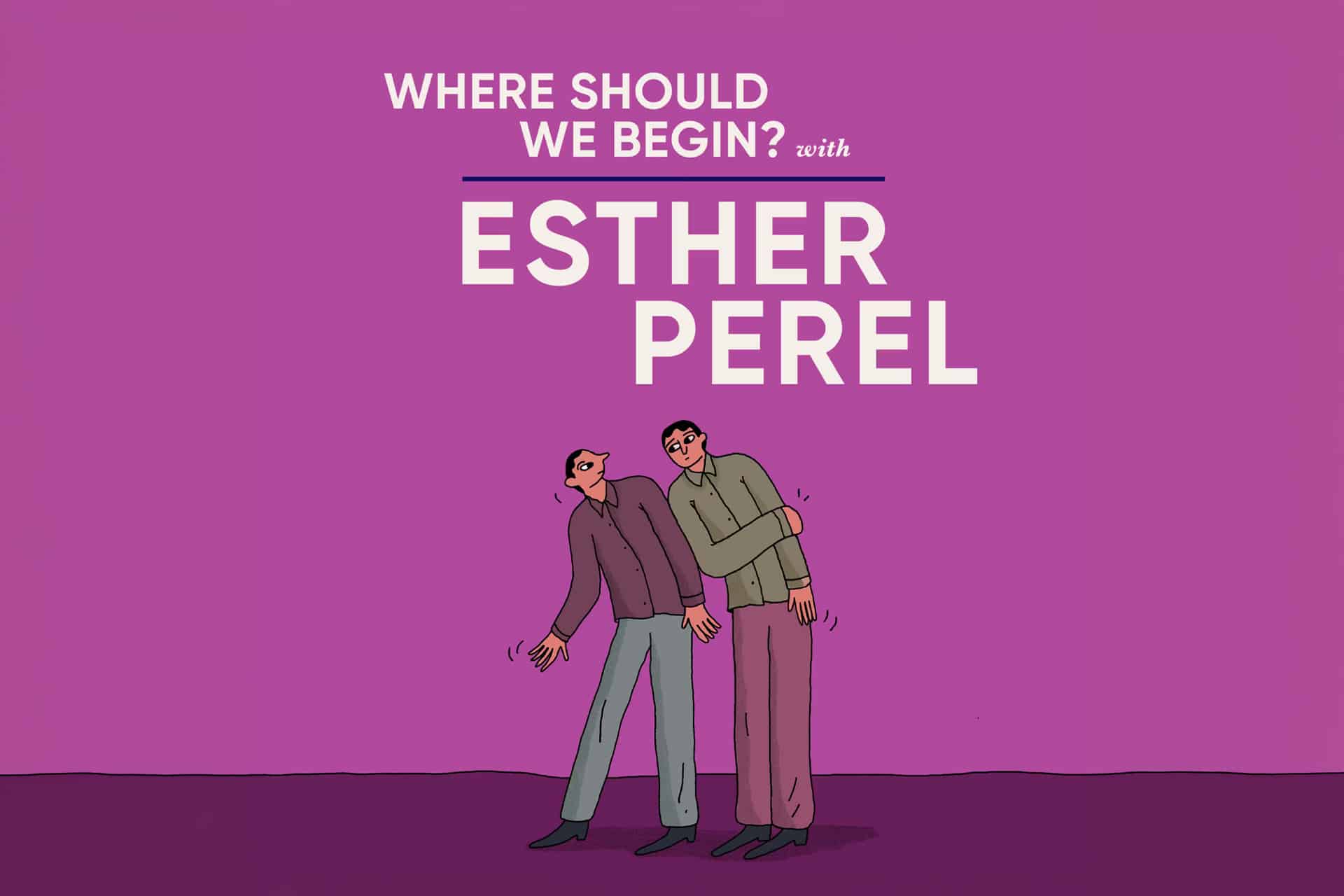
Her books Mating in Captivity and The State of Affairs examine the contradictions surrounding commitment, desire and personal freedom. She also hosts the podcasts Where Should We Begin? and How Work, presenting conversations that explore relationships without reducing complicated behavior to simple villains and heroes.

That background may help The Last Person on Earth avoid familiar reality television shortcuts. Dating shows often depend on rapid attraction, artificial scarcity and public rejection. Contestants compete for one person, choose partners through brief impressions or make long-term commitments before they have experienced ordinary life together.

The new series begins with a different source of tension. Participants are not being told that a seemingly perfect match has been selected. They are being asked to question why someone who appears wrong may deserve a closer look.

Perel describes the project as an invitation to move beyond what feels familiar or safe. Her involvement also raises expectations that the series will explore how participants construct their preferences.

A person may insist on dating only someone with a certain career, personality or social style without understanding where that requirement originated. Some preferences protect legitimate needs. Others may repeat an old relationship pattern or prevent vulnerability by eliminating anyone capable of creating uncertainty.

The matchmakers and therapists can examine those distinctions before, during and after the trip. Their role could become particularly valuable when participants confuse immediate comfort with long-term suitability or mistake tension for romantic chemistry.

Apple has not explained how long each pairing will remain together, whether several couples will appear in each episode or how the experiment will determine its final outcomes.

The Last Person on Earth - Two illustrated people lean on each other against a purple background with the text "Where Should We Begin? with Esther Perel" above them in bold white letters, evoking the heartfelt connection at the center of Esther Perel’s celebrated seriesβ€”now featured on Apple TV.
Image Source: Google

Remote Destinations Change the Dating Environment

Sending couples to romantic and remote destinations adds more than scenery.

Modern dating frequently develops through phones, messaging, social media profiles and quick meetings fitted around work schedules. Participants may arrive with established habits for checking other options, retreating into digital distractions or ending contact before uncertainty has time to become meaningful.

A remote journey removes part of that structure. Two people must spend sustained time together, make decisions and respond to unfamiliar situations without immediately returning to separate routines.

Travel can accelerate intimacy because it creates shared memories and reveals behavior under pressure. Delays, unfamiliar environments, fatigue and practical disagreements may show more than a polished restaurant conversation.

The destinations may also create a misleading sense of closeness. A relationship formed in an exceptional setting still needs to survive ordinary responsibilities, geography, work and family expectations after the trip ends.

The documentary format gives Apple an opportunity to follow that transition rather than ending with a dramatic choice at the destination. Whether the series continues documenting the couples after they return home has not been disclosed.

The title adds another layer to the concept. The β€œlast person” can mean the least expected match, but it also reflects the anxiety surrounding modern dating. A growing number of people describe exhaustion with apps, repeated disappointment and the feeling that suitable partners are disappearing.

Apple links the experiment to rising social isolation and polarization. People increasingly sort themselves into cultural, political and lifestyle groups, while digital systems learn to reinforce existing preferences.

A relationship series built around difference can test whether those divisions remain as rigid when two people encounter each other as individuals rather than profiles representing opposing categories.

Unscripted Relationships

The eight-episode order gives the production enough space to develop several pairings without extending the experiment indefinitely. Its success will depend on whether the participants receive room to behave naturally or are pushed toward the exaggerated conflict expected from conventional dating television.

Perel provides the series with a promising tension: lasting relationships require genuine compatibility, yet attraction can disappear when every element feels predictable. The challenge is not proving that opposites always belong together. It is discovering which differences create possibility and which ones should remain deal-breakers.

The post The Last Person on Earth Reinvents Dating Shows appeared first on AppleMagazine.
  •  

Emergency SOS via Satellite Expands to Andorra and Iceland

Emergency SOS via satellite is now available in Andorra and Iceland, allowing supported iPhone and Apple Watch users to contact emergency services when cellular and Wi-Fi coverage are unavailable.

Apple added both countries to an updated support document, expanding the feature to 20 supported markets. Users in Andorra and Iceland can call or text 112 before choosing the satellite option when an ordinary emergency connection cannot be completed.

The expansion covers every iPhone 14 or later model running iOS 26.4 or newer. Apple Watch access requires Apple Watch Ultra 3 with watchOS 26.4 or later.

Emergency SOS does not turn the devices into conventional satellite phones. The system is designed for short emergency exchanges in locations where normal communication networks cannot be reached. Users must remain outdoors with a sufficiently clear view of the sky and follow onscreen directions while the device establishes and maintains a connection.

Emergency SOS via Satellite Reaches 20 Markets

Emergency SOS via satellite first launched in the United States and Canada in November 2022 with the iPhone 14 lineup. Apple gradually added European countries, Australia, New Zealand, Japan and Mexico as regulatory approval and emergency-service support became available.

Andorra and Iceland now join Australia, Austria, Belgium, Canada, France, Germany, Ireland, Italy, Japan, Luxembourg, Mexico, the Netherlands, New Zealand, Portugal, Spain, Switzerland, the United Kingdom and the United States.

The addition is particularly relevant for travelers and residents exploring mountainous or remote terrain.

Andorra contains extensive hiking, cycling and skiing areas across the Pyrenees, where cellular coverage can become unreliable beyond populated valleys and resorts. Iceland presents a different but equally demanding environment, with large rural areas, volcanic landscapes, glaciers and routes far from conventional infrastructure.

Satellite availability does not guarantee a connection everywhere. Mountains, deep valleys, dense tree cover and tall structures can obstruct the line between the device and a passing satellite. Apple also warns that satellite connectivity may not function in locations above 62 degrees latitude, which can affect some northern regions.

Most of Iceland lies below that threshold, although environmental conditions and the position of surrounding terrain can still influence performance.

International travelers can generally use Emergency SOS while visiting a supported country, even when the feature is not offered in their home market. Exceptions apply to devices purchased in certain countries or regions where Apple satellite connectivity is restricted.

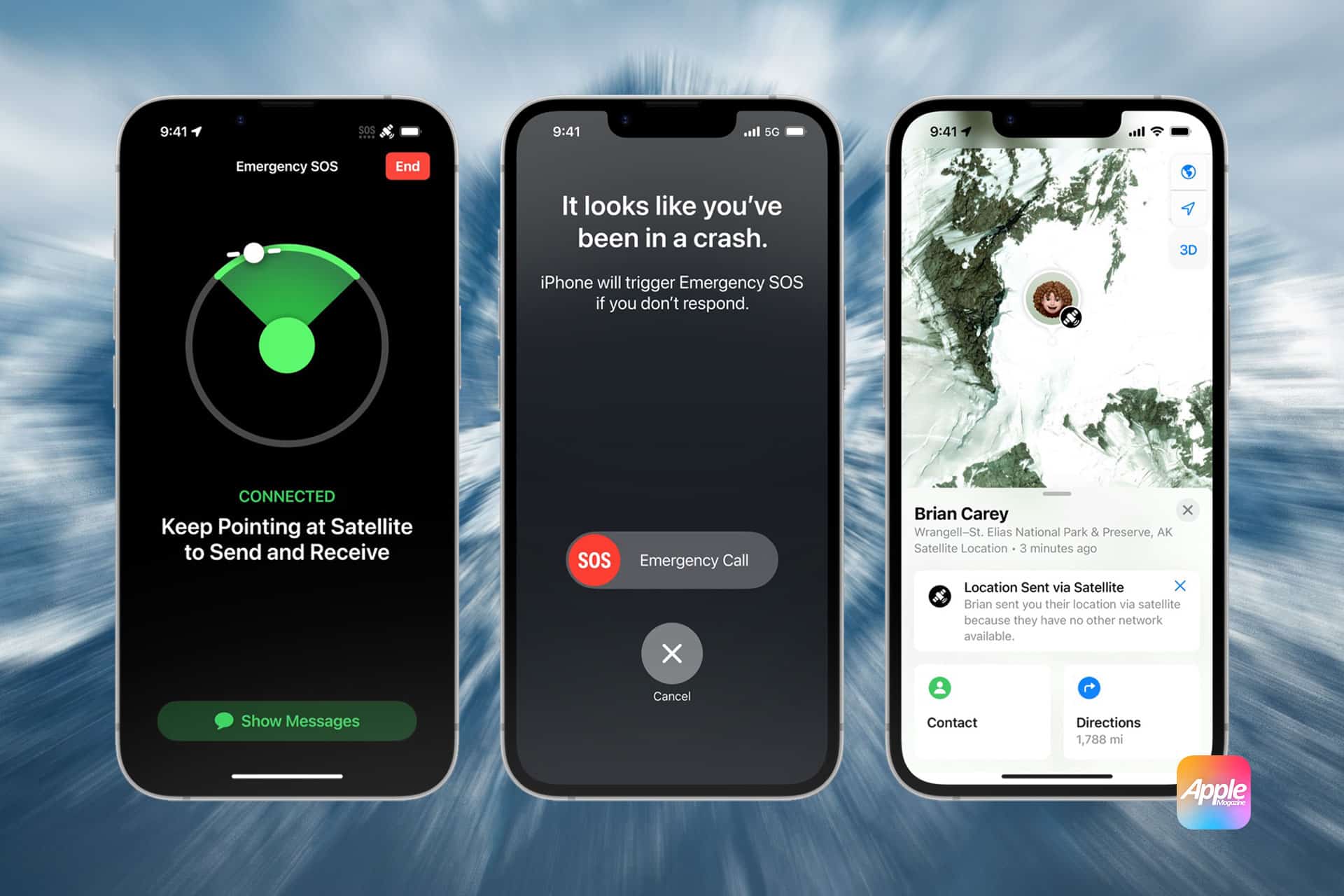
Three smartphones display various screens: left shows a satellite connection with instructions, center shows a crash detection alert for Emergency SOS, and right displays a map with a location marked for emergency notification.

iPhone 14 and Newer Models Gain the Expansion

Every version of iPhone 14 and later contains the hardware required for Apple satellite features. Users in Andorra and Iceland must install iOS 26.4 or a newer release before relying on Emergency SOS.

The system appears only when the iPhone cannot reach cellular service or Wi-Fi. Apple recommends trying the local emergency number first because another carrier network may still be able to complete the call even when the user own provider shows no coverage.

When the call fails, the iPhone offers Emergency Text via Satellite. The user answers a short series of questions describing the emergency, including the type of assistance needed and whether anyone is injured.

The compressed questionnaire reduces the amount of information that must be transmitted through the limited-bandwidth satellite connection. Once connected, the iPhone sends the responses and location to an emergency dispatcher or an Apple-supported relay center capable of contacting local responders.

In Andorra and Iceland, the applicable emergency number is 112.

Users can also choose to notify emergency contacts. When Medical ID and emergency contacts have been configured in the Health app, selected details can be shared during the incident.

The conversation does not operate at the speed of an ordinary text exchange. Under ideal conditions, a message may require approximately 30 seconds to send. Light or moderate foliage can extend that delay beyond one minute, while heavier obstructions may prevent a connection entirely.

The iPhone displays guidance showing which direction to turn or move as satellites pass overhead. The phone can remain connected while the screen is locked, but it should not be placed inside a pocket or backpack during the exchange.

Apple Watch Ultra 3 Works Without an iPhone Nearby

Apple Watch Ultra 3 brings similar protection directly to the wrist, allowing users to contact emergency services even when an iPhone is not available.

Emergency SOS via satellite on Apple Watch Ultra 3 does not require an active carrier plan. Apple includes the service at no additional charge for two years following activation of the watch.

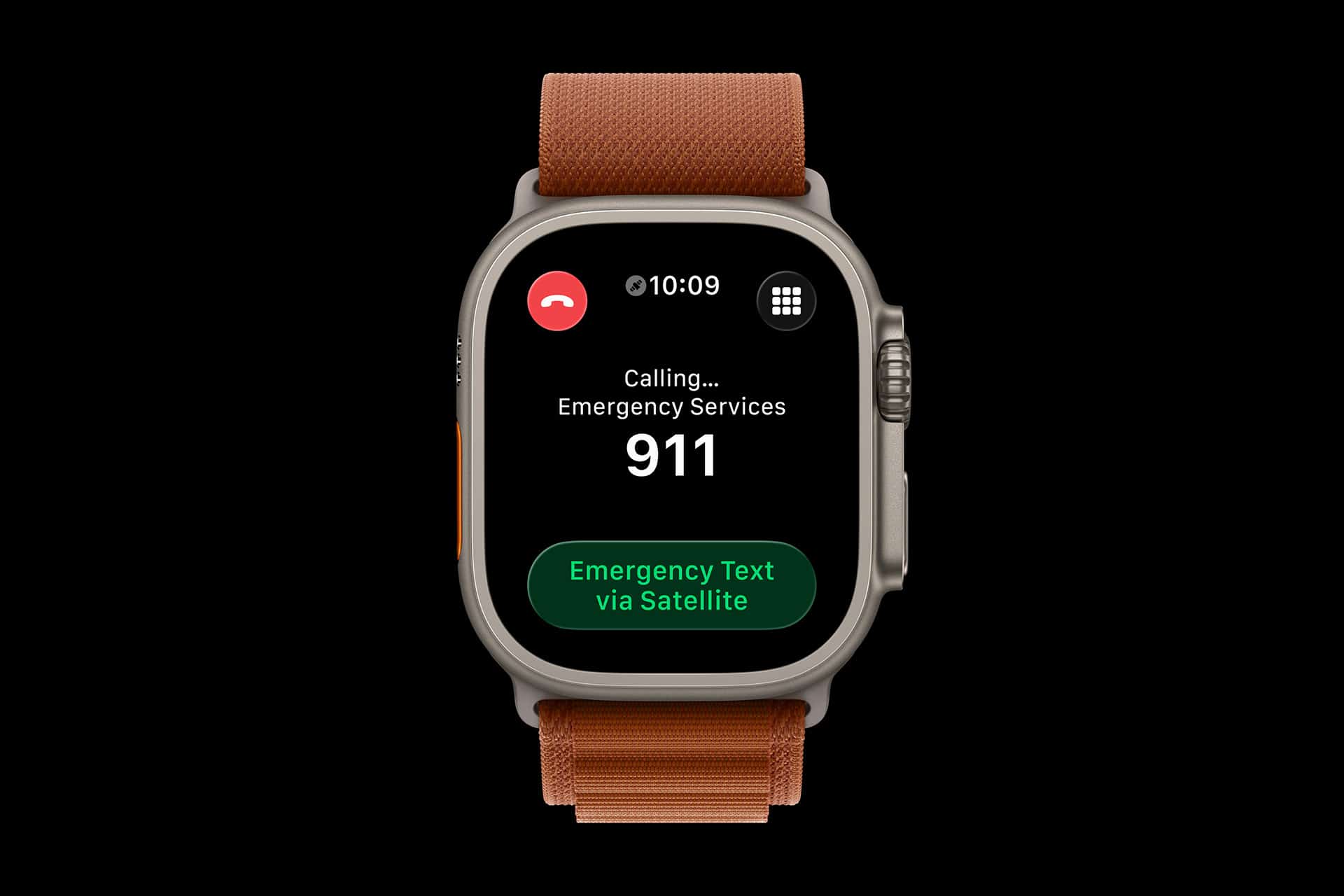
When cellular and Wi-Fi connections are unavailable, users can attempt an emergency call or open Messages and text 112. If the message cannot be delivered through an ordinary network, the watch presents the satellite emergency option.

Apple Watch Ultra 3 also guides the wearer toward the satellite connection. The device can remain in its normal position on the wrist rather than being held above the head, although the user may be instructed to turn or move away from an obstruction.

A wet watch may have more difficulty maintaining satellite communication, an important limitation for swimmers, boaters and users caught in severe weather.

The watch can send the emergency questionnaire, location, elevation, Medical ID information and battery level. Emergency contacts can also receive information about the incident when the user has enabled that option beforehand.

Crash Detection and Fall Detection add another layer. If iPhone 14 or later or Apple Watch Ultra 3 detects a severe crash or hard fall and the user remains unresponsive, the emergency notification may be transmitted over satellite when cellular and Wi-Fi networks are unavailable.

A smartwatch with an orange band displays an Emergency Apple Alerts screen, showing "Calling... Emergency Services 911" and a green button labeled "Emergency Text via Satellite." The time on the watch is 10:09.
Image Credit: Apple Inc.

Preparation Matters Before Going Off-Grid

Apple provides a connection demonstration that allows users to practice finding a satellite without contacting emergency services.

On iPhone, the demonstration can be opened through the Satellite controls or the Emergency SOS section in Settings. Apple Watch Ultra 3 users can add the Satellite control to Control Center or place a satellite complication on the watch face.

Testing the process before a remote trip helps users understand how quickly conditions can affect the connection. A clear field may establish contact rapidly, while a canyon or heavily wooded trail may require movement toward more open terrain.

Medical ID and emergency contacts should also be completed before leaving network coverage:

Health > Profile > Medical ID

A Medical ID can provide responders with information such as allergies, medical conditions, medications and emergency contacts. Users remain responsible for deciding which personal details they want stored and shared.

Emergency SOS via satellite is included free for two years after activating an iPhone 14 or newer model. Apple provides the same two-year period with Apple Watch Ultra 3, although the company has not established the long-term price that may apply after promotional access ends.

The arrival in Andorra and Iceland gives hikers, drivers, skiers and other travelers another route to help, but the safest preparation still includes checking weather conditions, sharing an itinerary and carrying adequate power before moving beyond ordinary network coverage.

The post Emergency SOS via Satellite Expands to Andorra and Iceland appeared first on AppleMagazine.
  •  

The Morning Show Season 5 Will End the Apple TV Drama

The Morning Show Season 5 will officially conclude one of the longest-running and most recognizable dramas on Apple TV when it premieres in 2027.

Apple confirmed that the fifth season will be the last, allowing Jennifer Aniston, Reese Witherspoon and the creative team to complete the stories of Alex Levy, Bradley Jackson and the troubled journalists surrounding their fictional television network.

Aniston and Witherspoon will return as stars and executive producers. Both indicated that the ending was planned while the season was being developed, giving the writers an opportunity to create a deliberate conclusion rather than leaving the characters suspended after an unexpected cancellation.

Apple has not announced a specific premiere date or episode schedule. The company has released first-look images featuring Aniston and Witherspoon together, confirming that production on the final chapter is moving forward for a 2027 arrival.

The Morning Show Season 5 - Two women sit across from each other on blue chairs, engaged in conversation on The Morning Show set. A bouquet of flowers rests on the glass table between them, and a large screen is visible in the background, capturing the lively atmosphere of Apple TV's acclaimed series.
Image Credit: Apple Inc.

The Morning Show Season 5 Brings a Planned Ending

The Morning Show Season 5 was originally announced in September 2025, shortly before the fourth season premiered. At the time, Apple presented the renewal as another chapter for an established global hit without indicating that it would end the series.

The decision to identify it as the final season changes the expectations surrounding every storyline. Rather than creating another crisis that could lead into a sixth season, the writers can determine where the central characters belong after years of professional upheaval, corporate conflict and personal compromise.

Showrunner Charlotte Stoudt suggested that the final episodes will examine what the journalists ultimately choose for themselves. That direction fits a series in which success has rarely provided its characters with stability or satisfaction.

Alex and Bradley began the drama from sharply different positions. Alex was an established television personality attempting to protect her career during a public scandal, while Bradley entered the network as an unpredictable outsider. Their relationship developed through rivalry, loyalty, separation and repeated confrontations with the institutions employing them.

The final season can now treat those ambitions as completed journeys rather than temporary stages. Alex must decide what remains worth defending after years of negotiating with executives, billionaires and political interests. Bradley must determine whether pursuing the story at any personal cost remains sustainable.

Season four moved the drama into a media environment shaped by deepfakes, conspiracy theories, corporate influence and uncertainty over what audiences can trust. Its story continued examining how journalism operates when the network reporting the news is also affected by commercial priorities and internal power struggles.

Apple has not disclosed the central subject of Season 5. The first-look images concentrate on Aniston and Witherspoon, placing their complicated partnership back at the center after a fourth season that separated the characters through an international crisis.

A Flagship Series That Grew With Apple TV

The Morning Show debuted on November 1, 2019, the same day Apple launched its streaming service.

Its position in the original lineup made the series more than another drama acquisition. Apple needed recognizable performers and an ambitious production capable of signaling that the new platform intended to compete for major television audiences and awards.

Aniston and Witherspoon provided immediate visibility, while the newsroom setting allowed the series to respond to current debates involving workplace misconduct, corporate accountability, political polarization and the influence of television journalism.

The first season began after allegations against morning-show anchor Mitch Kessler, played by Steve Carell, forced the network to restructure its leading program. Alex attempted to retain control while Bradley was selected as an unconventional replacement capable of changing the tone of the broadcast.

Later seasons expanded far beyond the original scandal. The drama incorporated the COVID-19 pandemic, a technology billionaire attempting to acquire the network, the merger of UBA and NBN, artificial intelligence, misinformation and international political pressure.

The willingness to move quickly into recognizable real-world subjects became part of the identity of The Morning Show. Its fictional network frequently operated only a short distance from controversies affecting actual media companies, public figures and technology platforms.

The approach sometimes pushed the series toward heightened melodrama, but that excess also distinguished it from a conventional workplace production. Executive decisions, personal betrayals and breaking-news events could carry the intensity of a political thriller.

Billy Crudup became one of its most acclaimed performers as Cory Ellison, the charismatic executive whose enthusiasm for disruption regularly concealed more complicated motives. Crudup won two Emmy Awards for the role and will return for the final season.

Apple executives have described the production as a defining part of the streaming service. Ending it after five seasons closes a direct connection to the original Apple TV launch lineup while allowing the platform to preserve the series as a completed story.

A man in a tan suit and a woman in a black blazer walk side by side in a hallway, looking ahead with serious expressions. This could be a scene from The Morning Show Season 4 on Apple TV+, with others visible in the background.
Image Credit: Apple Inc.

The Final Cast Adds More High-Profile Names

The final season will bring back Aniston, Witherspoon, Crudup, Mark Duplass, Nicole Beharie, Nestor Carbonell, Karen Pittman and Jon Hamm.

Hamm joined the series as Paul Marks, a technology billionaire whose business ambitions and relationship with Alex reshaped the third season. His continued presence indicates that the consequences of his involvement with the network have not been fully resolved.

Several new performers will enter the drama for its last run. Apple has assembled additions including Jeff Daniels, ReneΓ© Rapp, Jesse Williams, Sean Hayes and Lizzy Caplan, although complete character details remain limited.

Daniels brings a particularly appropriate history to the production after starring as news anchor Will McAvoy in The Newsroom. His presence creates an immediate association with another television drama concerned with journalism, newsroom ethics and the conflict between ratings and public responsibility.

Rapp returns to a major television role after building her music career and appearing in projects including The Sex Lives of College Girls and Mean Girls. Williams previously spent more than a decade on Grey’s Anatomy, while Hayes is best known for Will & Grace and has expanded into dramatic work.

Caplan has moved between comedy, drama and thrillers through projects including Masters of Sex, Fleishman Is in Trouble and Fatal Attraction. The scale of the additions suggests that the final season will introduce another major institutional or professional conflict rather than concentrating exclusively on farewell scenes.

Stoudt remains showrunner and executive producer. Mimi Leder continues as director and executive producer, while Media Res, Echo Films and Hello Sunshine remain behind the production.

Aniston described the opportunity to finish the story knowingly as a way to honor the characters with intention. Witherspoon emphasized that the series was never only about the personalities appearing on television, but also about the role of journalism and the people responsible for protecting the press.

That theme gives the final season a defined destination. The Morning Show began by asking whether a television institution could survive the misconduct it had protected. Its last episodes can decide whether the journalists inside that institution changed it, escaped it or became part of the machinery they once believed they could challenge.

The post The Morning Show Season 5 Will End the Apple TV Drama appeared first on AppleMagazine.
  •  

Ford Apple Maps Deal Puts $30,000 EV in the iPhone Family

Ford Apple Maps integration will place the navigation service directly inside a new family of affordable electric vehicles, beginning with a midsize pickup expected to start at approximately $30,000 in 2027.

The truck will not depend on CarPlay or a connected iPhone to access Apple Maps. Ford plans to embed the service through MapKit for Automotive, allowing the automaker to incorporate Apple navigation into its own displays, controls and software environment.

CarPlay will remain available for drivers who want to use iPhone apps, messages, calls and media. The native integration, however, means Apple Maps can continue providing directions when no phone is connected or when the driver uses a device from another manufacturer.

The partnership extends beyond dashboard navigation. Ford also intends to use road-level information from Apple Maps while developing future versions of BlueCruise, connecting Apple mapping data with the driver-assistance technology planned for its Universal Electric Vehicle Platform.

Ford Apple Maps Moves Beyond CarPlay

Ford Apple Maps represents a different approach from the familiar relationship between an iPhone and a vehicle.

CarPlay runs from the phone and presents selected apps through the dashboard. The embedded version of Apple Maps will operate as part of the truck software, giving Ford greater control over how directions, charging information and vehicle data appear across its displays.

Drivers can expect turn-by-turn guidance, live traffic conditions, incident reports and detailed destination information. Ford will be able to adapt the visual experience to match the interface created for its new electric platform rather than reproducing the standard CarPlay layout.

EV routing may become the most practical benefit. The system can consider available range, charging locations and route conditions before recommending where a driver should stop.

When supported by the vehicle, navigation can also trigger battery preconditioning before arriving at a fast charger. Bringing the battery toward an appropriate temperature can reduce charging time, particularly during cold or extremely hot conditions.

Integrating those functions removes part of the planning burden from longer electric trips. Drivers will not need to move constantly between a navigation app, charging network software and separate vehicle menus to understand whether a station is suitable.

The native experience also gives Ford an alternative to building a complete mapping platform internally. Apple already maintains search, traffic, routing and place information across a large geographic network, while Ford can concentrate on vehicle-specific functions.

Apple, meanwhile, gains a route into factory-installed automotive software without needing to produce its own car.

A Different Strategy From CarPlay Ultra

The Ford arrangement should not be confused with CarPlay Ultra.

CarPlay Ultra expands the iPhone experience across multiple vehicle screens and can combine phone content with information supplied by the car, including speed, fuel or battery levels and climate controls.

Ford is taking a more selective path. Apple Maps becomes a native service, but the broader dashboard remains a Ford environment.

That distinction may appeal to automakers reluctant to hand control of the cabin interface to another company. Ford can use Apple technology for navigation while preserving its own identity, subscription services and software architecture.

Drivers still receive a recognizable Apple product, but the vehicle manufacturer determines where it appears and how it interacts with charging, driver assistance and other functions.

The arrangement could provide a model for other automakers that want access to individual Apple services without adopting the complete CarPlay Ultra experience.

A person sits in the driver's seat of a car with their hands off the wheel, indicating autonomous driving. The dashboard displays speed and navigation on a large touchscreen, featuring Ford Apple Maps integration for seamless route guidance.
Image Credit: Ford

A $30,000 Electric Truck Needs More Than a Low Price

Ford plans to introduce the unnamed four-door pickup as the first vehicle based on its Universal Electric Vehicle Platform.

The targeted price of approximately $30,000 would place it below many electric pickups currently available in the United States. Ford is aiming at drivers interested in an EV but unwilling or unable to spend the amounts associated with large premium trucks.

The company says the vehicle will provide more passenger space than a recent Toyota RAV4 while including a front storage compartment and a conventional truck bed. Performance is expected to compare with a Mustang EcoBoost, giving the pickup a stronger argument than affordability alone.

Reaching the price target requires changes throughout the vehicle rather than a smaller battery placed inside an existing truck design.

Ford has reduced the number of components, fasteners and assembly operations involved in the new platform. Its zonal electrical architecture is intended to shorten wiring and simplify how software-controlled systems connect across the vehicle.

Lithium iron phosphate batteries will form part of the structural floor. The chemistry avoids nickel and cobalt, generally costs less than alternatives focused on maximum energy density and can offer strong durability for repeated charging.

Production is planned for the Louisville Assembly Plant in Kentucky, where Ford is introducing a manufacturing process that separates major vehicle sections before bringing them together later in assembly.

Apple Maps supports the same cost-conscious strategy. Ford can offer a mature navigation experience without financing the creation of every mapping layer from the beginning.

Apple Maps Will Support BlueCruise Development

The partnership becomes more significant when mapping information begins supporting driver assistance.

Ford Latitude AI plans to use road-level Apple Maps data while developing future BlueCruise capabilities. The objective is to create smoother hands-free travel from a highway entrance ramp through the eventual exit.

Apple Maps can provide advance knowledge of road layouts, interchanges, curves and exits. Ford sensors and onboard systems must still identify vehicles, pedestrians, construction and unexpected changes in real time.

Apple is not developing or controlling BlueCruise. Ford remains responsible for the cameras, sensors, processors and driving decisions used by the system.

The maps provide another layer of context. A vehicle that understands the route in advance can prepare for lane changes, merges and exits before its sensors reach them.

Ford is also developing a large driving model through Latitude AI using extensive road data. Combining that work with detailed maps could allow the company to improve assistance without depending entirely on moment-to-moment visual detection.

The Universal Electric Vehicle Platform is expected to support more capable automated driving in later models. Ford has discussed eyes-off operation from 2028, although final hardware, pricing and regulatory approval remain unresolved.

Introducing that technology through an affordable platform would represent a departure from the usual industry pattern. Advanced driver assistance often begins in expensive vehicles where premium pricing absorbs the cost of sensors and computing.

Ford wants to distribute the development expense across a larger family of electric products.

A dark blue SUV with chrome accents is parked on a wet road in front of a rocky hillside. The vehicle features a large front grille, sleek, modern design, and seamless Apple Maps integration for enhanced navigation on every journey.
Image Credit: Ford

Apple Maps Gives the Truck a Familiar Entry Point

The Apple Maps name may make the new truck feel less unfamiliar to customers buying an electric vehicle for the first time.

Charging behavior, range estimation and route planning can create hesitation among drivers accustomed to gasoline vehicles. Presenting those functions through a navigation service already used on millions of iPhones reduces the number of unfamiliar interfaces introduced at once.

Existing Apple Maps users may also recognize saved locations, search behavior and visual guidance, although Ford has not explained which personal features will require an Apple Account or connected iPhone.

The embedded service will still need reliable integration with vehicle range, charger availability and battery temperature. A familiar logo alone cannot compensate for inaccurate charging information or route estimates.

Ford has not yet announced the truck name, final driving range, battery capacity, production specifications or confirmed base price. Those details will determine whether the pickup can combine its promised affordability with enough capability for everyday work and travel.

The first production model is scheduled for 2027, leaving Ford time to refine the software and reveal how Apple Maps will appear across the dashboard before the Louisville assembly line begins building customer vehicles.

The post Ford Apple Maps Deal Puts $30,000 EV in the iPhone Family appeared first on AppleMagazine.

  •  

ChatGPT Health Expands Apple Health Access

ChatGPT Health is returning with substantially wider access, giving more iPhone users the option to connect information from Apple Health directly to the AI assistant.

The expansion follows a limited test introduced in January. OpenAI is now gradually making the dedicated Health experience available to eligible ChatGPT Free, Go, Plus and Pro users in the United States who are at least 18 years old.

Despite the close Apple connection, this is not a feature created by Apple or built directly into the Health app. OpenAI operates the service through ChatGPT, while Apple Health serves as one of the sources users can voluntarily connect.

Once permission is granted, ChatGPT can examine selected health and fitness information stored on iPhone, including activity, sleep, workouts and other measurements collected by compatible apps and devices. Users can then ask questions about changes over time without manually exporting records or uploading screenshots during every conversation.

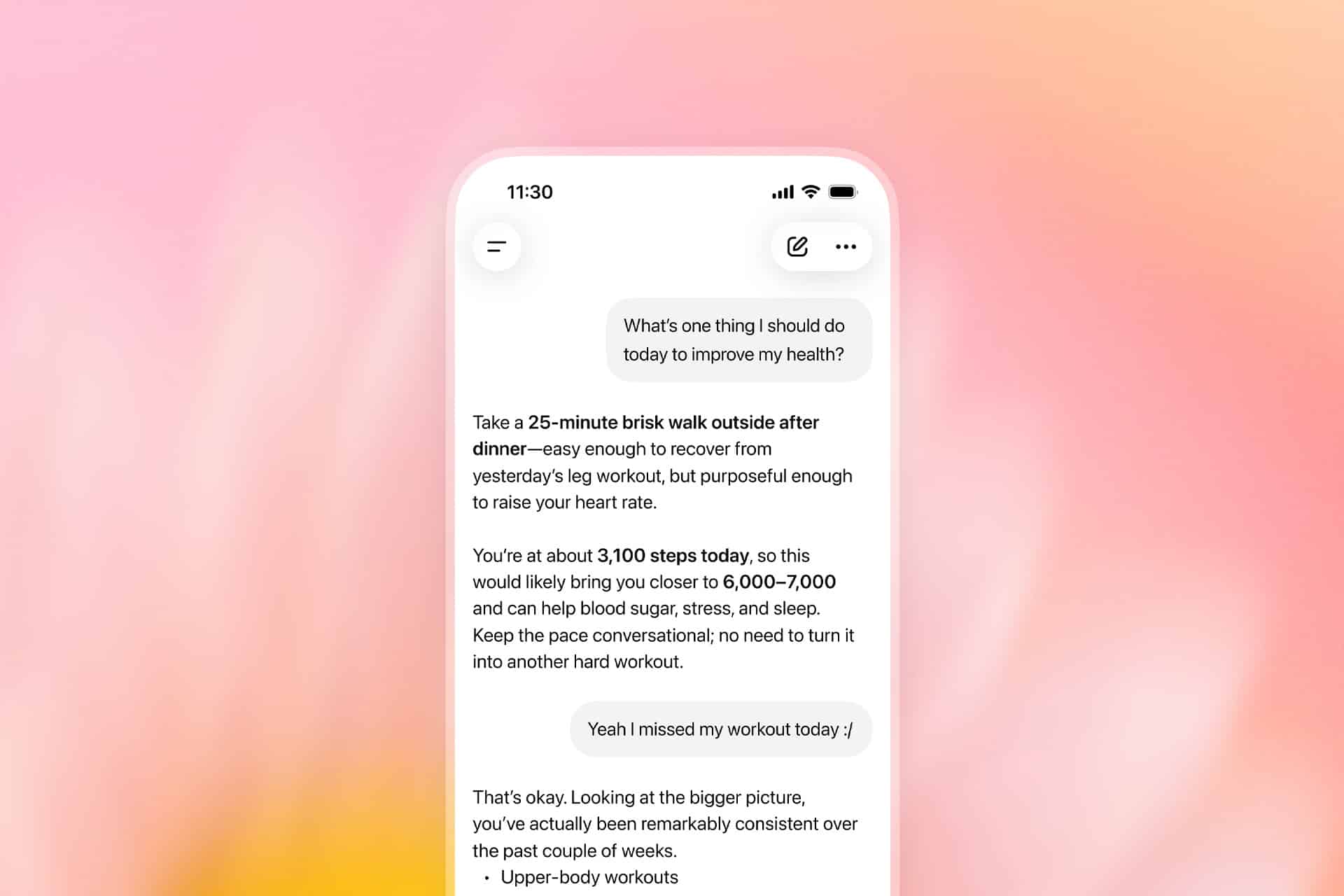
A smartphone screen displays a chat conversation about health, mentioning a 25-minute brisk walk and daily step goals, seamlessly integrated with Apple Health, against a softly blurred pink and yellow background.
Image Credit: OpenAI

ChatGPT Health Reaches More iPhone Users

ChatGPT Health originally appeared as a limited early-access experience for a small group of testers. The expanded rollout replaces that narrow availability with support for eligible adult users across the United States, although OpenAI says access may take several weeks to reach every account.

The feature works on the ChatGPT website and iOS app, but connecting Apple Health requires an iPhone. Users also need a recent version of the ChatGPT app before the Health option appears in the sidebar or More menu.

Apple Health is only one part of the system. ChatGPT can also connect to supported medical-record portals, One Medical and Function Health. Bringing those sources together allows the assistant to answer questions using a broader personal context than activity data alone.

A user could ask how sleep duration has changed across several weeks, whether workout frequency declined after a schedule change or how recent laboratory results compare with earlier tests. ChatGPT can also help organize questions before a medical appointment or summarize changes found across connected records.

Information from third-party fitness services can reach ChatGPT through Apple Health when those apps already share their data with the iPhone database. That may include measurements from platforms such as Garmin, Oura, Whoop, Strava and MyFitnessPal, depending on which categories each service makes available.

Not every proprietary score transfers. An app may calculate its own readiness, recovery or sleep score without writing that exact result into Apple Health. ChatGPT can only use the information made available through the connected source and approved by the user.

After synchronization, health information can inform responses throughout ChatGPT rather than remaining limited to conversations opened from the Health tab. The assistant normally asks for permission before using connected information, and users can also add β€œ@Health” to a prompt when they specifically want a response based on their records.

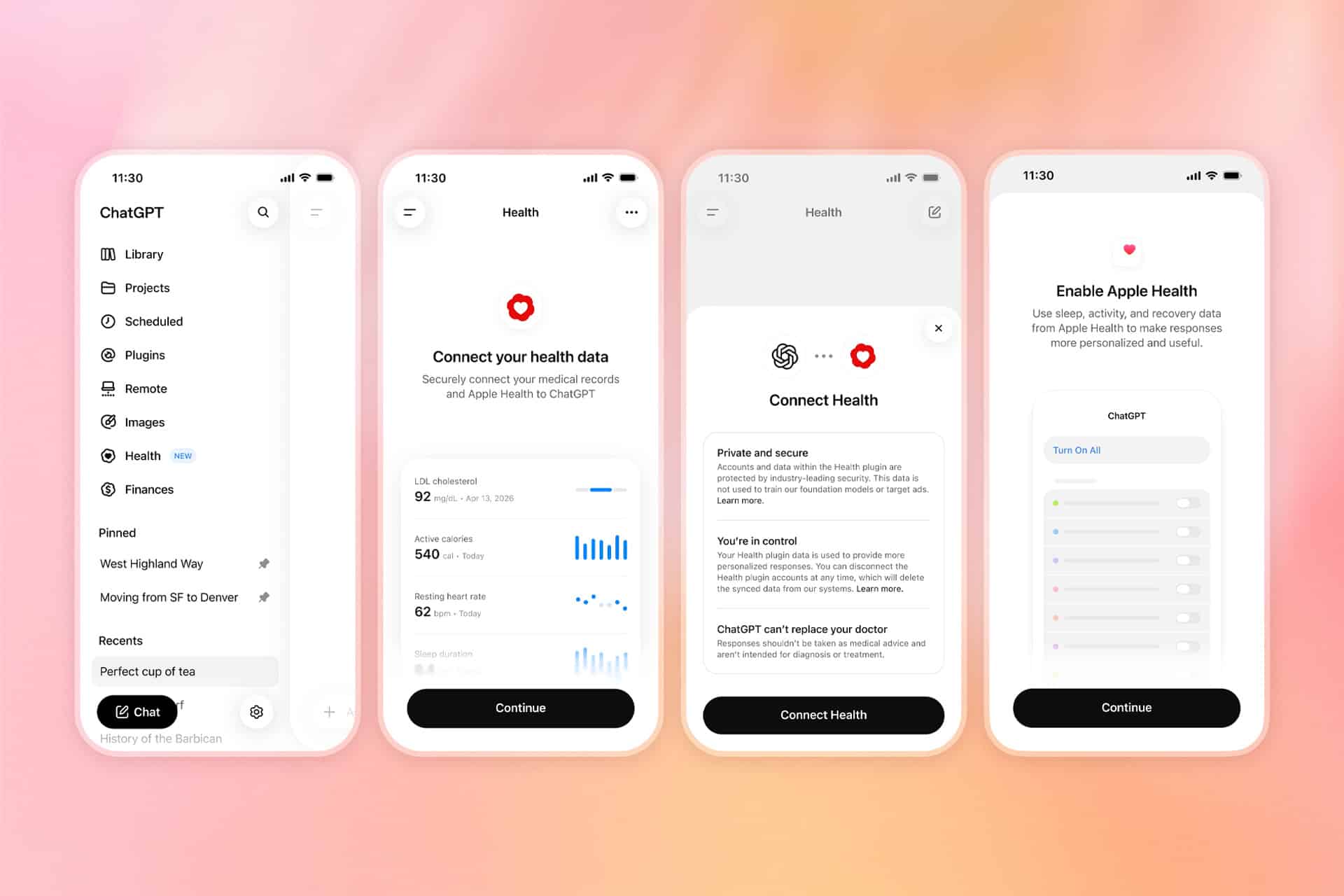
Four smartphone screens show the process of connecting health data to a Health app, displaying menus, health data graphs, privacy info, and Apple Health permissions. Background is a soft pink and orange gradient.
Image Credit: OpenAI

Apple Health Data Gains a Conversational Layer

The appeal of the integration comes from turning a large collection of measurements into questions expressed in ordinary language.

Apple Health can already organize trends, highlights, medications, laboratory results and activity records. ChatGPT adds a conversational layer capable of comparing those categories or explaining them in a more personalized format.

Someone preparing for an annual physical could ask for a summary of meaningful changes since the previous appointment. A runner might request a comparison between training volume, sleep and resting heart rate. Another user could ask which information deserves discussion with a clinician after receiving new laboratory results.

That does not make ChatGPT a doctor. OpenAI says the feature is intended to support medical care rather than diagnose conditions or recommend treatment. Urgent symptoms and emergencies still require professional assistance.

The distinction is especially important because health data can appear more conclusive than it is. A change in heart rate, sleep or activity may have several explanations that cannot be determined from an iPhone record alone. Wearables can identify patterns, but they do not automatically reveal the medical cause behind them.

ChatGPT may help users notice relationships and prepare better questions. It should not be treated as the final authority on whether a symptom is harmless, whether medication should change or whether professional care is unnecessary.

The service is also read-only. ChatGPT can examine approved Apple Health information but cannot alter the original records stored on iPhone. It cannot add a diagnosis, change a medication list or write new measurements back into the Health app.

Users retain control over which Apple Health categories are shared. Someone may allow access to steps, workouts and sleep while withholding reproductive health, medications or other sensitive information.

That selective approach may be more appropriate than approving every category simply because the option is available. A useful response does not always require a complete health history.

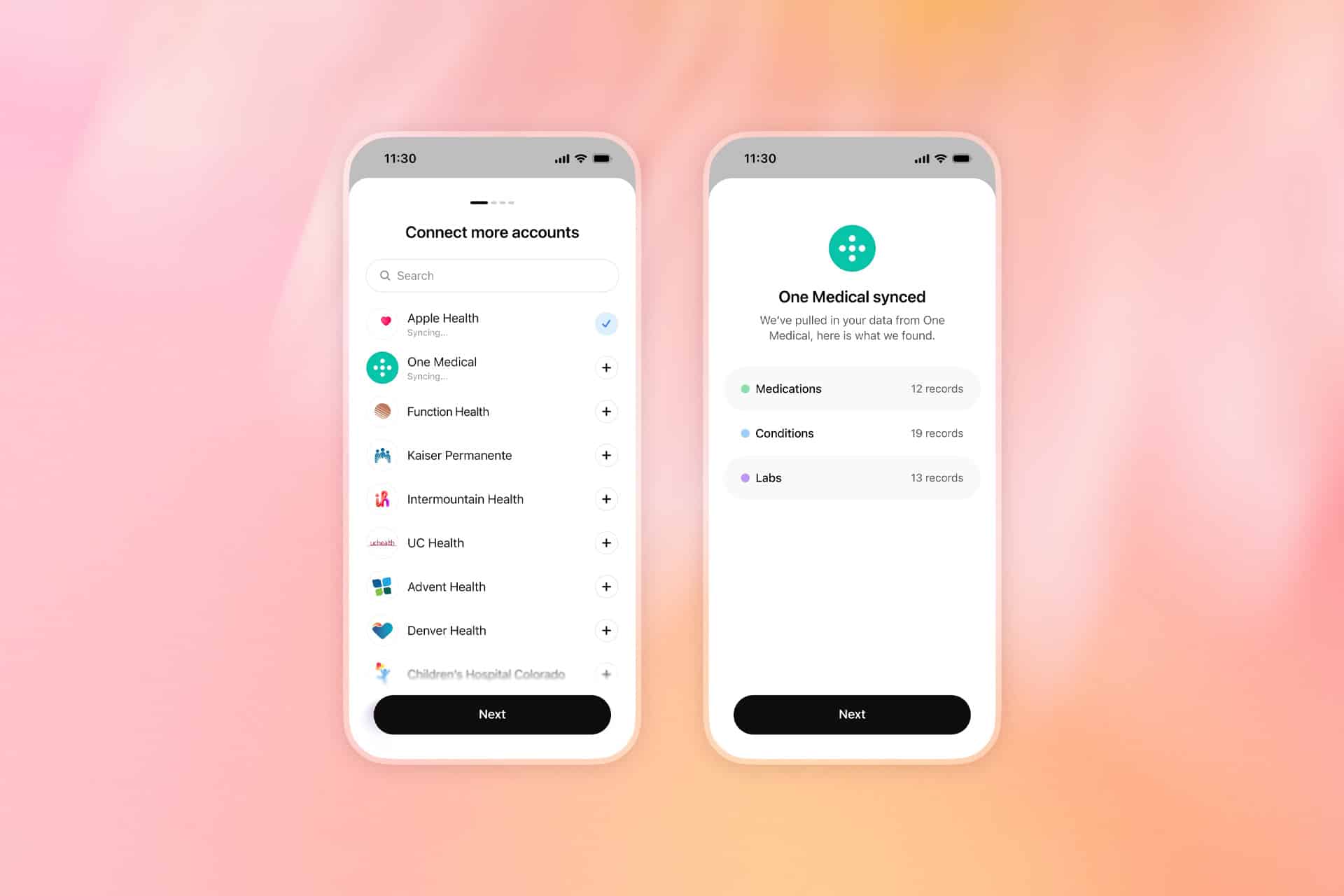
Two smartphone screens show a health app: the left screen lists health providers to connect, including Apple Health, while the right screen confirms "One Medical" synced, displaying counts of Medications, Conditions, and Labs. Both screens have a "Next" button.
Image Credit: OpenAI

Privacy Becomes the Central Decision

Connecting Apple Health to ChatGPT creates a different privacy relationship from using health features entirely within the Apple ecosystem.

Apple designs the Health app around on-device protections and user-controlled permissions. ChatGPT Health requires selected information to synchronize with OpenAI systems so the company can analyze it and generate personalized responses.

OpenAI says connected Apple Health data, medical records and conversations using that information are not used to train its foundation models or target advertising. The company also applies additional encryption and isolation protections to health information.

Users can disconnect Apple Health at any time. OpenAI says synchronized data from the disconnected source will be deleted from its systems within 30 days.

Previous conversations are handled separately. Information already included in ChatGPT conversation history remains until those chats are deleted, even after the Apple Health connection is removed.

Memory introduces another consideration. Conversations using Health can create memories when ChatGPT memory is enabled, although OpenAI says memories are not generated directly from synchronized health data. Temporary Chat or separate project memory can reduce how much personal context continues across future conversations.

The new Health experience should also not be confused with the existing ChatGPT integration inside Apple Intelligence. Siri and Writing Tools can use ChatGPT for certain requests without requiring the dedicated ChatGPT app or a connected account.

ChatGPT Health is a separate OpenAI service with its own account, permissions, privacy controls and health-data connections. Using ChatGPT through Siri does not automatically give OpenAI access to Apple Health.

That separation gives users a meaningful choice. They can continue keeping health information inside Apple apps, share only selected categories with ChatGPT or connect medical records for a more comprehensive view.

The expanded rollout makes one of the most personal databases on iPhone available to conversational AI. Its usefulness will depend not only on the quality of the answers, but also on whether users understand exactly which information they are sharing and where it goes after leaving the device.

The post ChatGPT Health Expands Apple Health Access appeared first on AppleMagazine.

  •  

Siri Wolfram Alpha Defined the First AI Assistant

Siri Wolfram Alpha integration helped create one of the defining moments in the early history of consumer artificial intelligence. When Apple introduced Siri with iPhone 4S in October 2011, users were not merely given another form of voice control. They could ask a spoken question and receive a calculated answer rather than a page of search results.

Questions involving mathematics, measurements, dates, nutrition, astronomy and factual comparisons could be routed to Wolfram Alpha, a computational knowledge engine launched in 2009. Siri handled the conversation, while Wolfram Alpha supplied structured information and calculations behind many of the responses.

The experience could feel remarkably advanced for its time. Asking how many days remained before a holiday, comparing the populations of two cities or converting miles into kilometers no longer required opening Safari, entering a query and selecting a website.

That direct path from natural language to a useful answer established an expectation that continues shaping AI products today.

Siri Began as an Action-Oriented Assistant

Siri did not begin inside Apple.

Its technological roots extend to research conducted at SRI International, including work associated with the DARPA-funded CALO project. The objective was to develop systems capable of learning, organizing information and helping people complete everyday tasks.

SRI later spun the technology into Siri Inc., founded by a team including Dag Kittlaus, Adam Cheyer and Tom Gruber. The company released a standalone Siri app for iPhone in early 2010.

The original product was designed around actions rather than ordinary web search. A user could ask for a restaurant reservation, request a taxi, check entertainment listings or search for local services. Siri attempted to understand the intent and connect the request with an appropriate online provider.

This approach was ambitious because the assistant needed to coordinate several different systems. Speech had to be converted into text, the request had to be interpreted, context had to be considered and an external service had to return something useful.

Apple acquired Siri in April 2010. Steve Jobs had personally recognized the potential of moving beyond a collection of apps toward a conversational layer capable of reaching them on behalf of the user.

When the assistant returned as an integrated feature of iPhone 4S, Apple had narrowed some aspects of the original startup vision while making the technology accessible to a much larger audience.

Siri could send messages, create reminders, place calls, manage calendar events, check weather conditions and answer questions. Apple initially labeled the feature as a beta, an unusual decision for a prominent part of a new iPhone launch.

The beta label acknowledged that natural-language interaction remained unpredictable. Accents, ambiguous phrasing, network conditions and external data providers could all influence whether a request succeeded.

A geometric, 3D red star with polygonal facets is centered on a solid red background, reminiscent of the sleek design language found in Apple Intelligence. The star is composed of interlocking shapes in varying shades of red.
Image Source: Google

Siri Wolfram Alpha Made Answers Feel Immediate

Siri Wolfram Alpha became especially memorable because it showed the difference between retrieving information and computing an answer.

A conventional search engine could locate pages containing a formula. Wolfram Alpha could apply that formula to the values supplied by the user. It could interpret units, compare quantities, calculate probabilities and organize factual data into a structured response.

That distinction allowed Siri to appear more knowledgeable than a voice interface simply reading search results aloud.

A request such as β€œWhat is 15% of $86?” could return the calculation directly. A question about the distance between planets could produce a value without requiring the user to inspect several websites. Wolfram Alpha could also answer unusually specific requests, including information about aircraft flying overhead when the necessary location and aviation data were available.

The system was not a large language model. It did not generate open-ended prose in the way current AI assistants do. Wolfram Alpha relied on curated data, symbolic computation, algorithms and formal representations of knowledge.

That structure provided an advantage that remains relevant: many answers could be calculated and traced through defined information rather than improvised statistically.

Early Siri combined several specialized capabilities instead of depending on one system to do everything. One provider might supply restaurant information, another could handle maps and Wolfram Alpha could process computational questions.

The assistant acted as the conversational coordinator.

This architecture made Siri seem like one intelligence even though the response could come from a network of separate services. Modern AI platforms have returned to a similar idea through tools, agents and external data connections. A language model may manage the conversation while calling a calculator, calendar, search engine or business system when a task requires reliable external action.

Siri demonstrated that model on a consumer smartphone more than a decade earlier.

A Small Integration Created a Large Expectation

The Wolfram Alpha partnership influenced how people began judging digital assistants.

Before Siri, voice features on phones were commonly associated with rigid commands such as calling a contact or selecting music. Siri invited users to speak more naturally and attempt questions that would previously have been typed into a browser.

The results were inconsistent, but successful interactions changed perceptions immediately. The iPhone appeared capable of understanding intent, reaching into a knowledge system and returning a concise answer through one conversational interface.

That apparent simplicity concealed substantial infrastructure. Speech recognition, language interpretation, location, personal context and external databases all had to work together quickly enough to preserve the feeling of a conversation.

Wolfram Alpha also gave Apple access to expertise that would have taken years to reproduce internally. Stephen Wolfram had spent decades building Mathematica and computational systems before launching the public knowledge engine.

Following the Siri announcement, Wolfram described the integration as a characteristically direct Steve Jobs decision: users wanted access to knowledge and actions without unnecessary intermediate steps.

That idea became more influential than any individual answer Siri provided.

The assistant did not need to show how many services had participated. It needed to understand the request and return the result.

Siri Wolfram Alpha - A circular, illuminated Siri icon floats against a dark, gradient background. The icon features swirling colors of blue, pink, and white, symbolizing the Apple Siri virtual assistant, reminiscent of modern communication apps like WhatsApp and Skype.

Early Siri Also Revealed the Limits of the Model

The first version of Siri could feel futuristic one moment and frustrating the next.

Some questions reached Wolfram Alpha correctly, while similar wording could trigger a web search or an unrelated response. Siri occasionally struggled to determine whether the user wanted a calculation, a local result or an action inside the phone.

Wolfram Alpha responses were also better suited to some subjects than others. Mathematical and scientific questions matched its computational structure, while casual conversation, current events and subjective requests required different sources.

Network dependence created another weakness. Early Siri processing relied heavily on remote servers, so delays or outages could make a basic request fail even when the iPhone itself was functioning normally.

Those limitations foreshadowed the central challenge surrounding modern assistants. A convincing interface encourages people to ask almost anything, but no single technical system performs equally well across every type of request.

Current generative AI can produce more natural language and handle a wider range of topics. It can also create confident errors when factual grounding is weak. The computational approach represented by Wolfram Alpha remains valuable precisely because some questions require verified data and exact calculation rather than fluent speculation.

The story behind the first Siri steps is therefore not only about an old iPhone feature. It shows that a powerful assistant needs more than a conversational personality. It requires access to dependable tools, structured knowledge and the ability to recognize when another system should provide the answer.

Siri Wolfram Alpha offered that lesson in 2011, long before AI assistants became capable of writing essays, interpreting screens and acting across apps.

The post Siri Wolfram Alpha Defined the First AI Assistant appeared first on AppleMagazine.
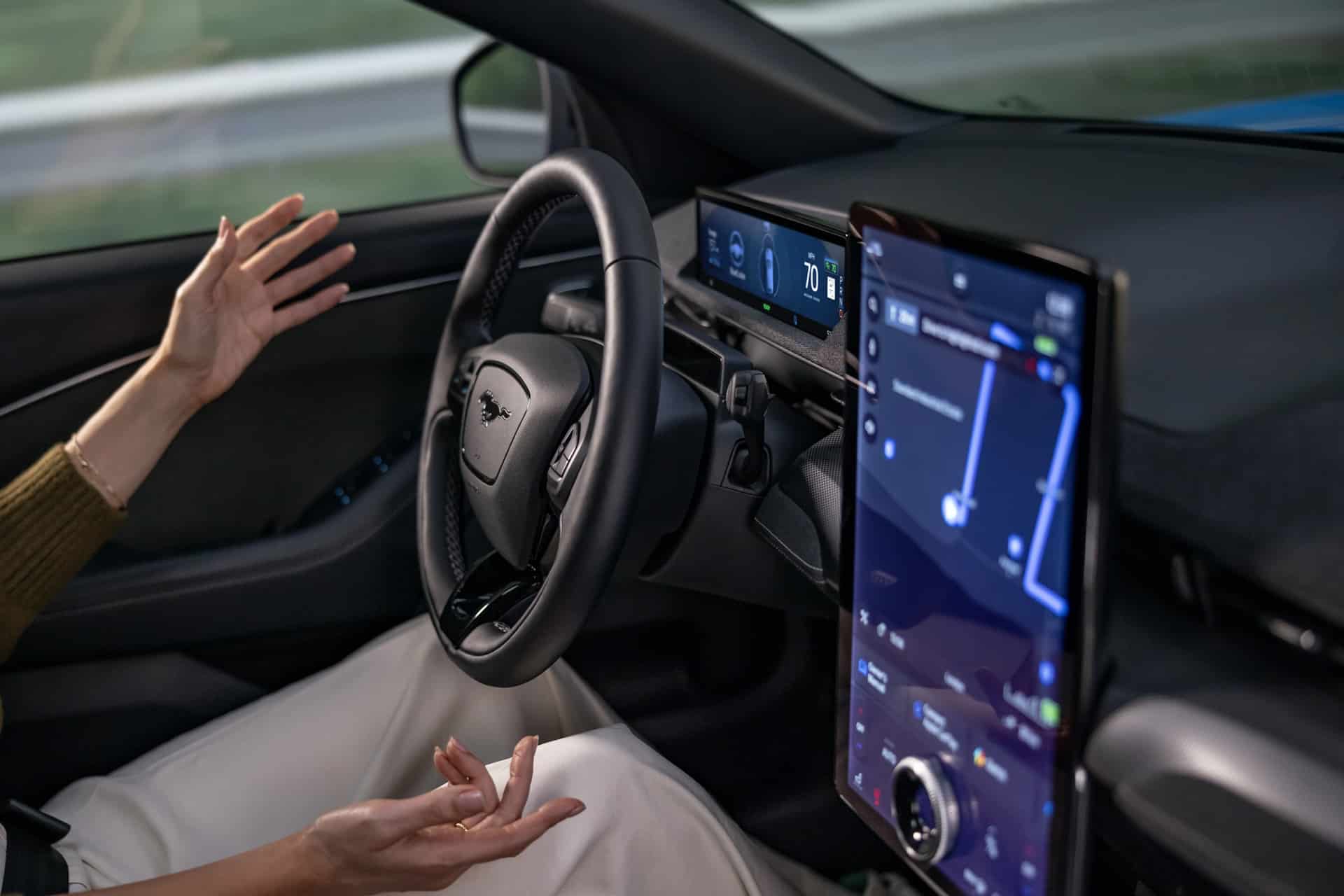
  •  

MacBook Air Flexgate Can Become a Costly Screen Failure

MacBook Air Flexgate is an unofficial name increasingly used for screen problems that appear when the laptop lid reaches a particular angle. The display may flicker, lose its backlight, show colored lines or turn completely black even though the computer continues running.

The term can be misleading. The original Flexgate controversy involved certain 13-inch MacBook Pro models from 2016, not MacBook Air. Apple later created a display backlight service program for eligible MacBook Pro units after determining that a small percentage could develop uneven lighting or lose the backlight entirely.

No equivalent MacBook Air repair program currently appears among Apple active service programs. Individual Air models can still experience failures involving display cables, connectors, backlight components or the LCD panel, but that does not establish one confirmed defect affecting every generation.

Owners therefore need to identify the symptom before assuming the screen has the same problem associated with the earlier MacBook Pro.

MacBook Air Flexgate Is Not the Original Flexgate

MacBook Air Flexgate usually refers to damage or wear affecting the thin cables carrying display information and power between the computer body and the screen.

These cables must flex every time the lid opens or closes. When a cable, connector or bonded section begins failing, the problem may initially appear only at certain screen angles. Moving the lid can restore the image temporarily, followed by another blackout when the display opens farther.

The original MacBook Pro issue became associated with a short backlight cable integrated into the display assembly. Repeated movement could place stress on the cable, producing a stage-light effect along the bottom of the screen before the backlight eventually stopped working.

MacBook Air designs also use compact display connections routed through the hinge area, but the internal construction differs across generations. A cable-related Air failure should not automatically be treated as evidence that Apple reused the exact defective MacBook Pro component.

The distinction matters during repair. A technician may use β€œFlexgate” as convenient shorthand, while the written diagnosis may identify a damaged display cable, backlight circuit, panel connection or complete display assembly.

Customers should ask which component has failed and how the conclusion was reached rather than accepting the nickname as the diagnosis.

Two black ribbon cables with gold connectors on each end, positioned vertically side by side against a white background. Often associated with MacBook Air screen repairs and Flexgate issues, each cable has small white text and symbols near the bottom connectors.
Image Source: Google

Which MacBook Air Models Are Mentioned Most

Reports of angle-dependent MacBook Air display failures most commonly involve Retina models introduced from 2018 onward.

The 2018 and 2019 Intel MacBook Air share a thin Retina design with display connections running through the hinge area. The early 2020 Intel version and late 2020 M1 MacBook Air use closely related chassis designs, making symptoms across these machines look similar even when the failed component is not identical.

Owners describe displays that work when opened slightly but flicker, develop lines or turn black when moved toward a normal viewing position. Some units recover after the lid is partly closed, strongly suggesting a physical connection affected by movement.

The M1 MacBook Air receives particular attention because it sold in large numbers and remained available for several years. A greater number of public complaints does not necessarily mean it has a higher failure rate, but many of these computers are now old enough for wear, accidental pressure and repeated hinge movement to become relevant.

The redesigned M2 MacBook Air introduced in 2022 uses a different enclosure and display assembly. M3 and later versions continue that flatter design. Individual screen and cable failures can occur, but there is no established evidence of a single Flexgate defect covering those generations.

Older wedge-shaped MacBook Air models released before the 2018 Retina redesign can also develop display cable problems. They are not normally included in the Flexgate discussion because their screen architecture predates the MacBook Pro controversy and their failures follow different repair patterns.

The exact model can be checked through:

Apple menu > About This Mac

The model year and screen size are more useful than the date the Mac was purchased. Retailers may sell an earlier generation long after its original release.

How to Recognize a Display Cable Failure

A strong Flexgate-style symptom is a display that changes immediately when the lid moves.

The screen may operate normally below a particular angle, then flicker or disappear as it opens farther. Returning the lid to the previous position restores the picture without restarting the Mac.

Uneven illumination along the bottom edge can point toward a backlight connection. Several bright or dark patches resembling stage lights are especially associated with cable or backlight distribution problems.

A completely dark screen may still contain a faint image. Shining a flashlight toward the display in a dark room can sometimes reveal the desktop beneath the failed backlight. This test should be performed gently without pressing against the panel.

Colored vertical lines, black bands or duplicated images can involve the display data connection, but they may also indicate panel damage. Lines that remain unchanged at every lid angle are less characteristic of a flex-related failure.

Cracks do not always appear on the outer glass. Pressure from a webcam cover, keyboard protector, plug, pen or other object left between the keyboard and display can damage the internal LCD while leaving the surface relatively smooth.

Liquid exposure may create lines, discoloration or intermittent operation around the hinge and display connectors. In those cases, repeatedly opening the lid can spread contamination or worsen damaged connections.

An external monitor provides one of the most useful tests. When the external image remains normal while the built-in screen fails, the graphics processor is probably still generating the picture correctly. Attention then moves toward the internal display assembly, cable or connector.

A screenshot can provide another distinction. Capture the screen while the fault is visible, then inspect the file on another device or external monitor. When the screenshot looks normal, the problem is likely occurring after macOS generates the image.

MacBook Air M1

What Owners Should Do Before Paying for Repair

Back up the Mac as soon as an intermittent display problem begins. A screen that works at one angle today may become completely unusable after another cable movement.

Avoid repeatedly opening and closing the lid to demonstrate the fault. Each movement can place further stress on an already damaged connection.

Record a short video showing the display at different angles. Intermittent failures can disappear when a Mac reaches a repair counter, and clear documentation helps the technician reproduce the condition.

Apple Diagnostics may identify some hardware problems, although a clean result does not rule out a damaged display cable. Testing in macOS Recovery or during startup can help exclude an ordinary application problem.

Apple and authorized providers commonly replace the complete display assembly when the cable is integrated with the screen. That approach can make an out-of-warranty repair expensive even when the visible fault involves a small cable.

Independent repair specialists may offer component-level cable work for certain models. The quality and durability of those repairs vary considerably, and newer Air displays can require specialized equipment, adhesives and calibration.

Before authorizing work, request a written estimate identifying the model, suspected component, warranty on the repair and whether the replacement display is new, used, refurbished or genuine.

AppleCare+ may reduce the cost when coverage remains active, particularly if the screen shows accidental damage. Standard warranty coverage depends on the diagnosis and whether Apple determines that impact, liquid or external pressure caused the failure.

The current Apple service-program list should also be checked before paying. A MacBook Air display program could be introduced or changed later, while consumer-protection laws may provide additional rights in some countries even after the limited warranty ends.

Owners using the Mac with an external monitor can often continue working while evaluating repair options. FileVault credentials, backups and any essential recovery codes should be confirmed before service because a technician may need to erase, reset or retain the computer during inspection.

The post MacBook Air Flexgate Can Become a Costly Screen Failure appeared first on AppleMagazine.
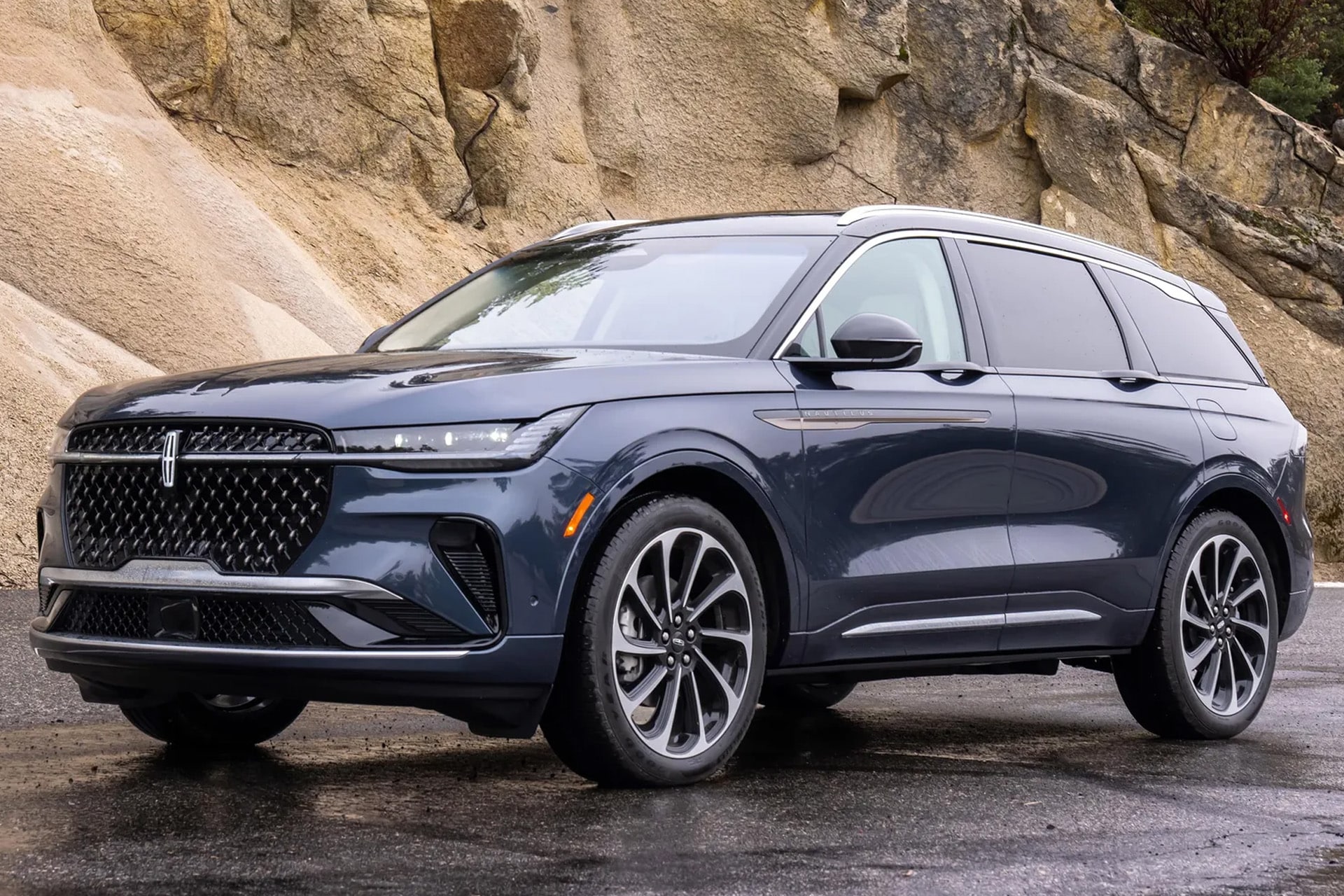
  •  
❌