❌

Reading view

Waymo launches $30/month ‘Premier’ membership with priority pickups and cashback
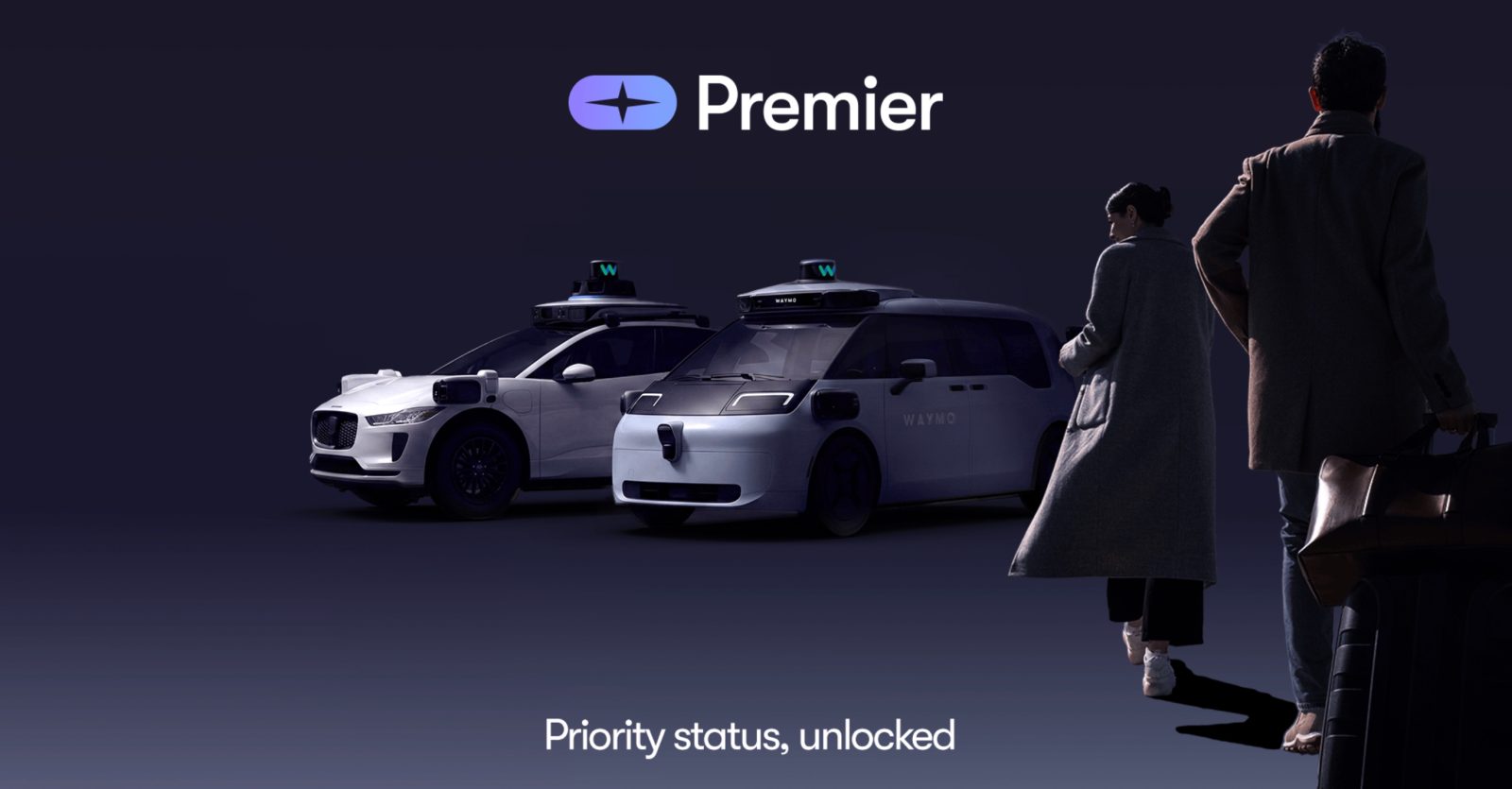
Waymo is launching its first-ever membership program, “Waymo Premier,” offering its most frequent riders priority pickups, 10% cashback, and early access to new cities for $29.99 per month.

The invite-only program marks a significant step in Waymo’s effort to build rider loyalty as it scales toward 1 million weekly rides and expands into 20+ cities.
  •  

Tesla promotes FSD misuse in its own videos — undermining its legal defense

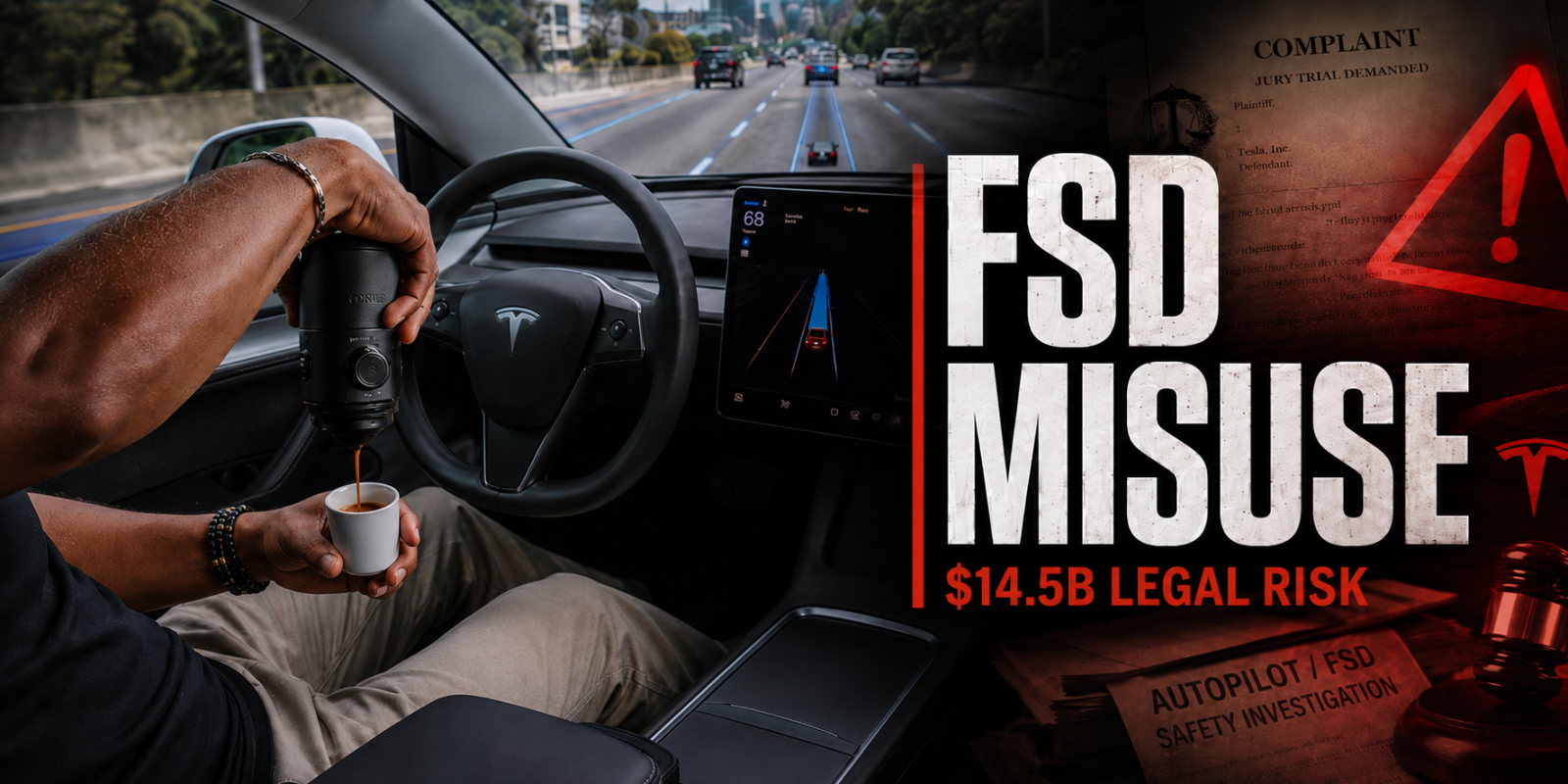
Tesla is facing up to $14.5 billion in lawsuits related to its “Full Self-Driving” and Autopilot systems — and the company’s own marketing department keeps making the problem worse. In two official promotional videos published in the last three weeks, Tesla showed a driver making espresso while FSD drives and shared footage where FSD committed multiple traffic violations in Denmark.

The problem is obvious: Tesla’s entire legal defense in crash lawsuits rests on the argument that drivers are responsible for supervising FSD at all times. But Tesla’s own promotional content actively encourages the opposite behavior.

  •  

Fleet buys Tesla Semi electric trucks after stunning 1.55 kWh/mile efficiency

ArcBest (ARCB), the multibillion-dollar logistics company, is purchasing two Tesla Semi electric trucks for its ABF Freight fleet after a successful 2025 pilot program that averaged 1.55 kWh per mile over 4,494 miles.

The purchase marks a significant step beyond piloting and into actual fleet investment for the less-than-truckload (LTL) carrier, which is now expanding its electric Class 8 testing across a broader operating footprint.

  •  

Xiaomi gets approval to build extended-range EVs, plans full-size SUV to rival Li Auto

China’s Ministry of Industry and Information Technology (MIIT) granted Xiaomi regulatory approval to produce extended-range electric vehicles (EREVs), clearing a key hurdle for the company’s expansion beyond battery-only EVs.

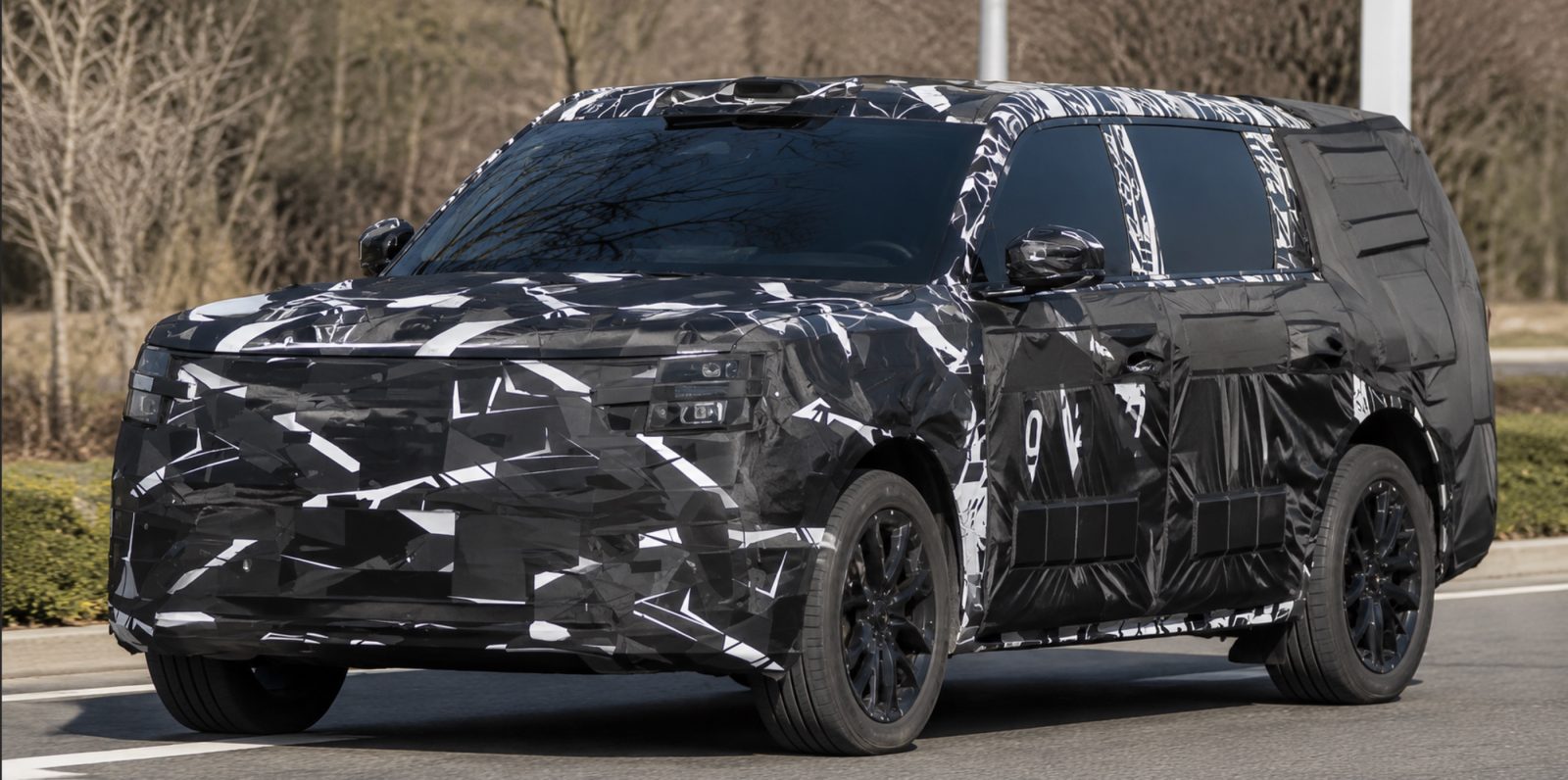
The approval paves the way for Xiaomi’s first range-extended model — a full-size SUV codenamed “Kunlun N3” that measures over 5.3 meters long and targets Li Auto’s dominant L9.

  •  

BYD is bringing its 5-min ‘Flash’ electric car charging to Canada

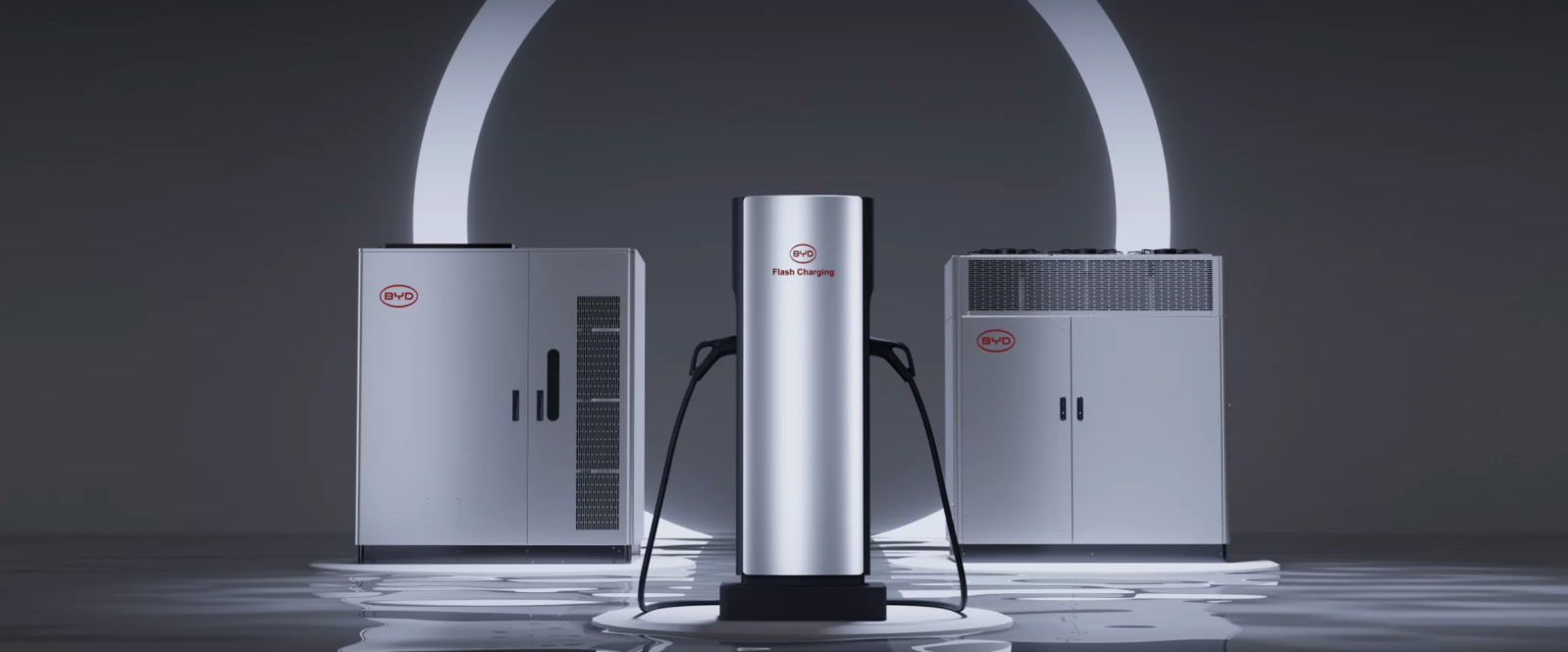
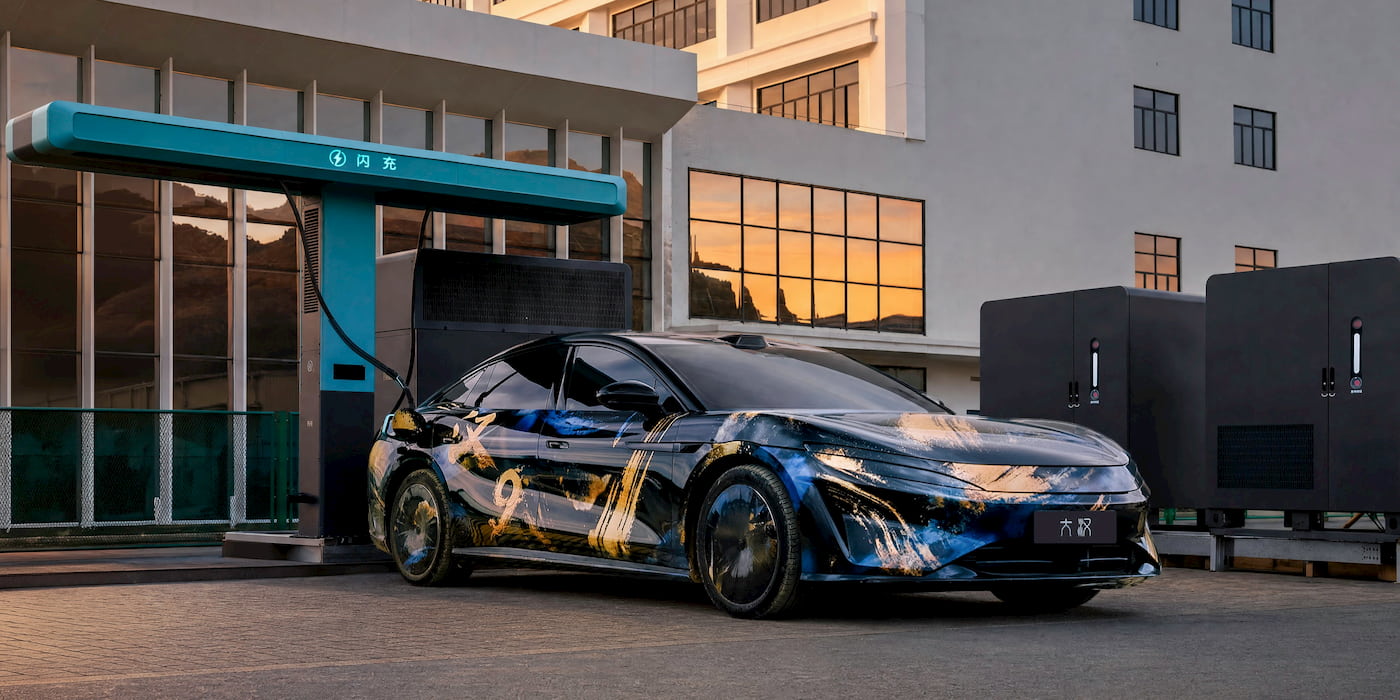
BYD is preparing to bring its megawatt “Flash Charging” network, which can add about 250 miles (400 km) of range in 5 minutes, to Canada – the first confirmed deployment in North America.

The plan was revealed through a new BYD job posting in Toronto for a manager tasked with executing “BYD’s flash charging network expansion strategy and business growth across Canada.”

  •  

BYD is deploying 2.4x more charging power per month than Tesla

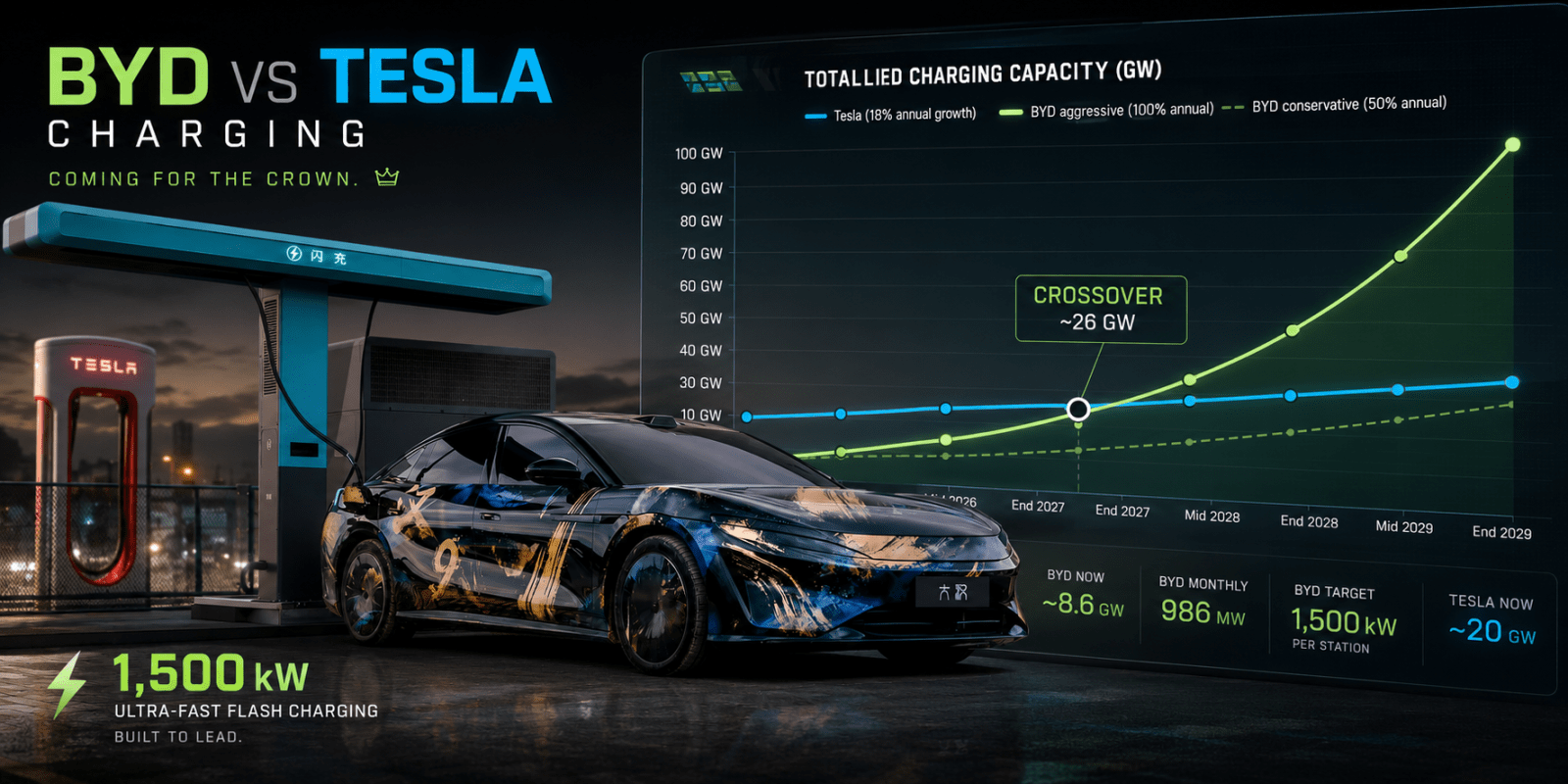
BYD is building a charging network that makes Tesla’s Supercharger look slow — and it’s deploying it at a pace that could see it surpass Tesla’s global network within two to three years.

The Chinese automaker has already deployed over 5,700 Flash Charging stations in China in just a few months and just opened its first overseas stations in Europe. The chargers deliver up to 1,500 kW of power — three times what Tesla’s latest V4 Superchargers can do.

  •  

BYD threatens to sue Trump administration over Pentagon military list

BYD is threatening to sue the US government after the Pentagon added the world’s largest EV maker to its list of “Chinese military companies” this week.

Stella Li, BYD’s executive vice-president, said the company will use every legal “weapon” at its disposal to fight the designation, which she called a false claim aimed at hobbling BYD because of its international success.

  •  

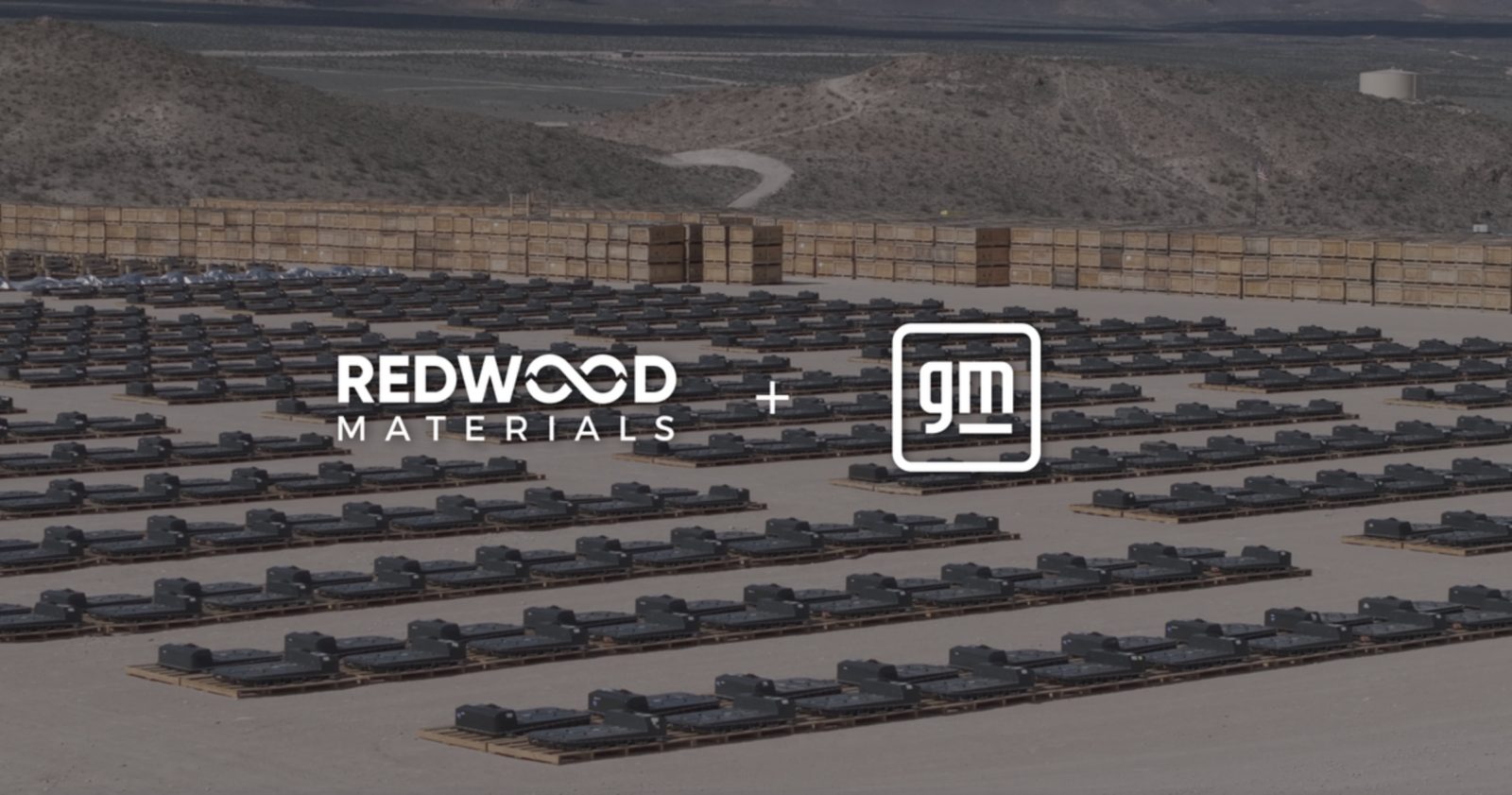
GM becomes first automaker to partner with Redwood across full battery lifecycle

General Motors has expanded its partnership with Redwood Materials to cover every stage of the battery lifecycle — manufacturing scrap recovery, end-of-life recycling, and now second-life energy storage deployed at a GM factory. It’s the first automaker to hit all three with JB Straubel’s company.

The latest piece is a 1.5 MW / 7.2 MWh energy storage system built from roughly 100 repurposed GM battery packs, set to be installed at a GM manufacturing plant in Michigan. Redwood says the system will save the plant more than $3 million in electricity costs over its lifetime.

  •  

Tesla ‘FSD’ approved in Denmark, 4th European country in 2 months

Denmark has provisionally approved Tesla’s “Full Self-Driving” (Supervised) system, making it the fourth European country to clear the software in roughly eight weeks.

The Danish Road Traffic Authority, Færdselsstyrelsen, confirmed the decision today — notably after Denmark had previously raised concerns about the technology at the EU level.

  •  

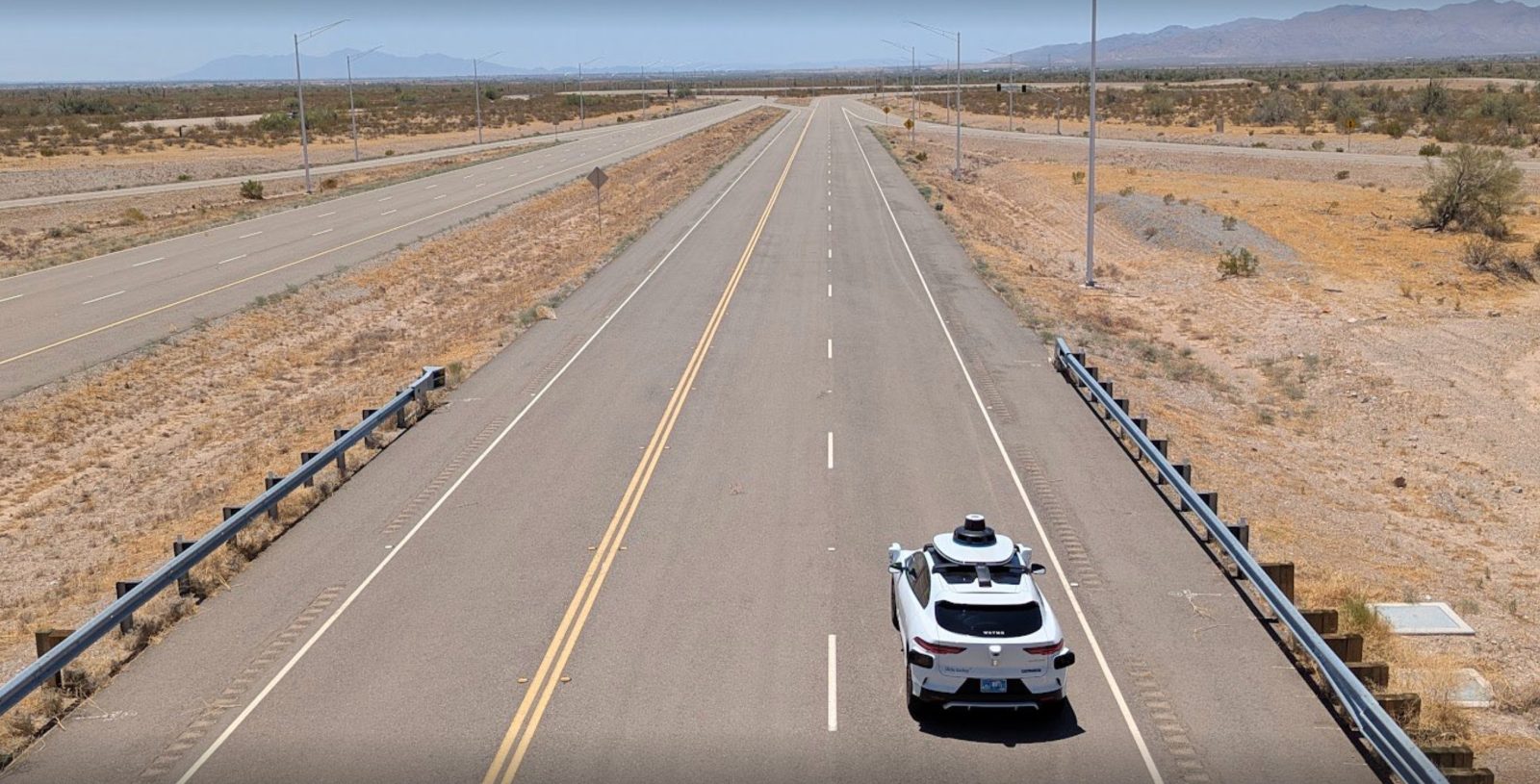
Waymo buys Apple’s abandoned self-driving car proving ground for $220M

Waymo has acquired a massive 5,500-acre autonomous vehicle proving ground in Wittmann, Arizona, for $220 million — nearly double the $125 million Apple paid for it in 2021. The facility was the centerpiece of Apple’s now-dead self-driving car program.

The deal, recorded June 5 in Maricopa County filings, adds a world-class test facility to Waymo’s infrastructure as the company races to scale its robotaxi fleet to 1 million weekly rides by the end of the year.

  •  

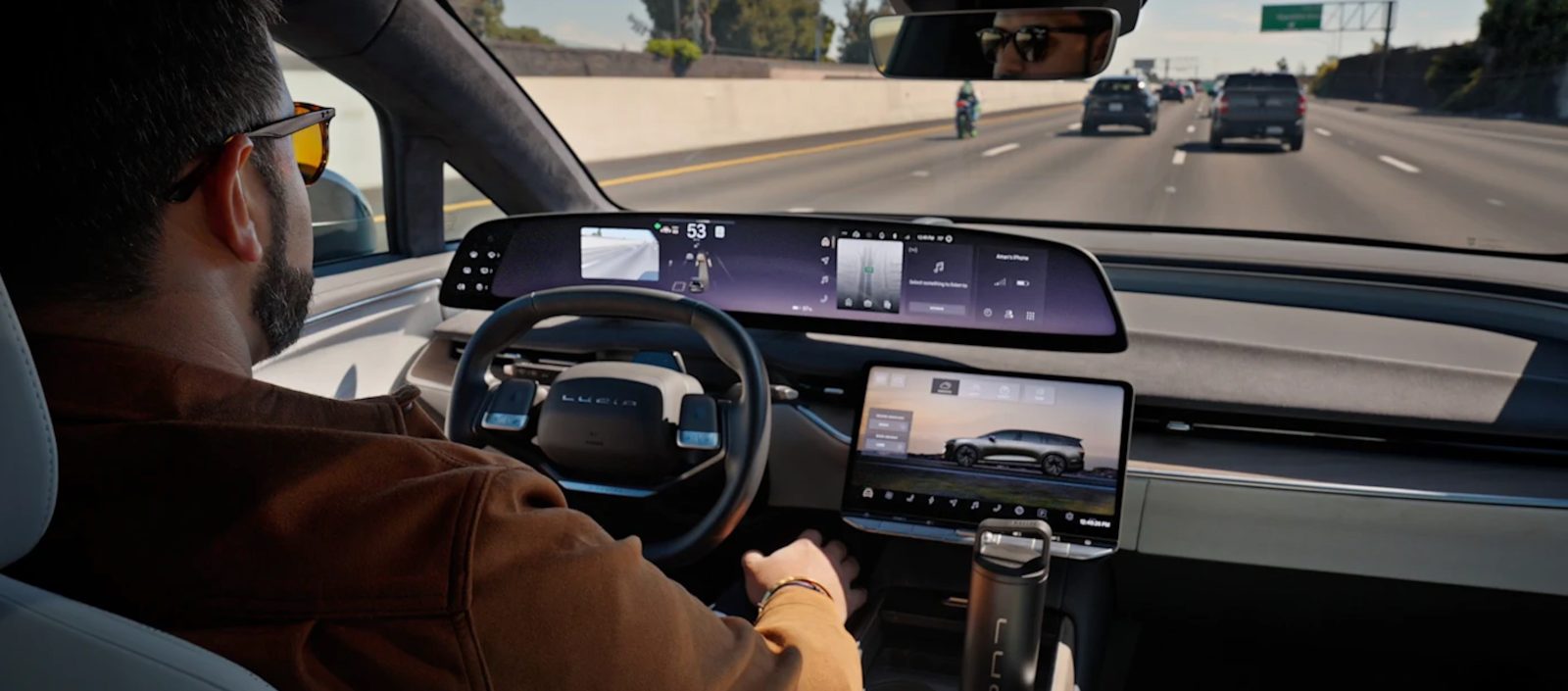
Lucid (LCID) finally adds hands-free driving to the Gravity SUV

Lucid Group (NASDAQ: LCID) announced it has begun rolling out an over-the-air software update that brings hands-free highway driving to the Gravity SUV in North America.

Lucid first promised hands-free driving for its vehicles well over a year ago, but the feature’s actual rollout has been notoriously slow. The Gravity update arrives at a critical time for the EV startup, which is dealing with shareholder lawsuits, a new CEO, and a stock trading near all-time lows.

  •  

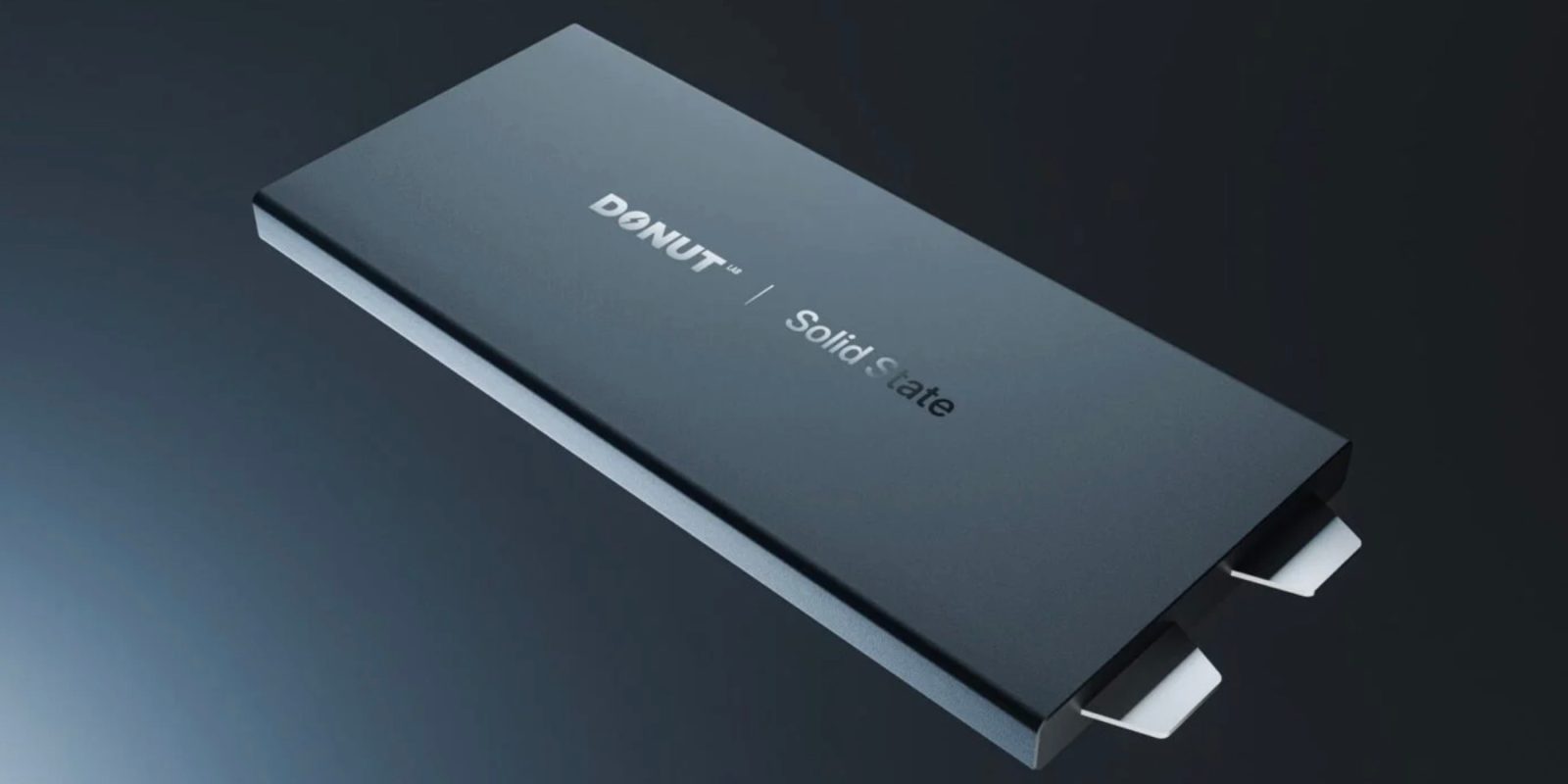
Donut Lab’s ‘solid-state’ battery exposed as regular li-ion in damning investigation

A comprehensive investigation by battery researcher Ziroth, involving over 20 independent battery experts, has produced what amounts to definitive proof that Donut Lab’s “miracle” solid-state battery is actually a lithium-ion cell. The company raised approximately $25 million from over 1,300 mostly small investors based on claims that now appear to be false.

The investigation traces the battery technology back to a German company called CT Coatings, reveals a web of companies hiding behind aggressive NDAs, and presents electrochemical evidence — including voltage curves and cell expansion data — that conclusively identifies the tested cell as lithium-ion, not the revolutionary sodium-ion solid-state chemistry Donut Lab promised.

  •  

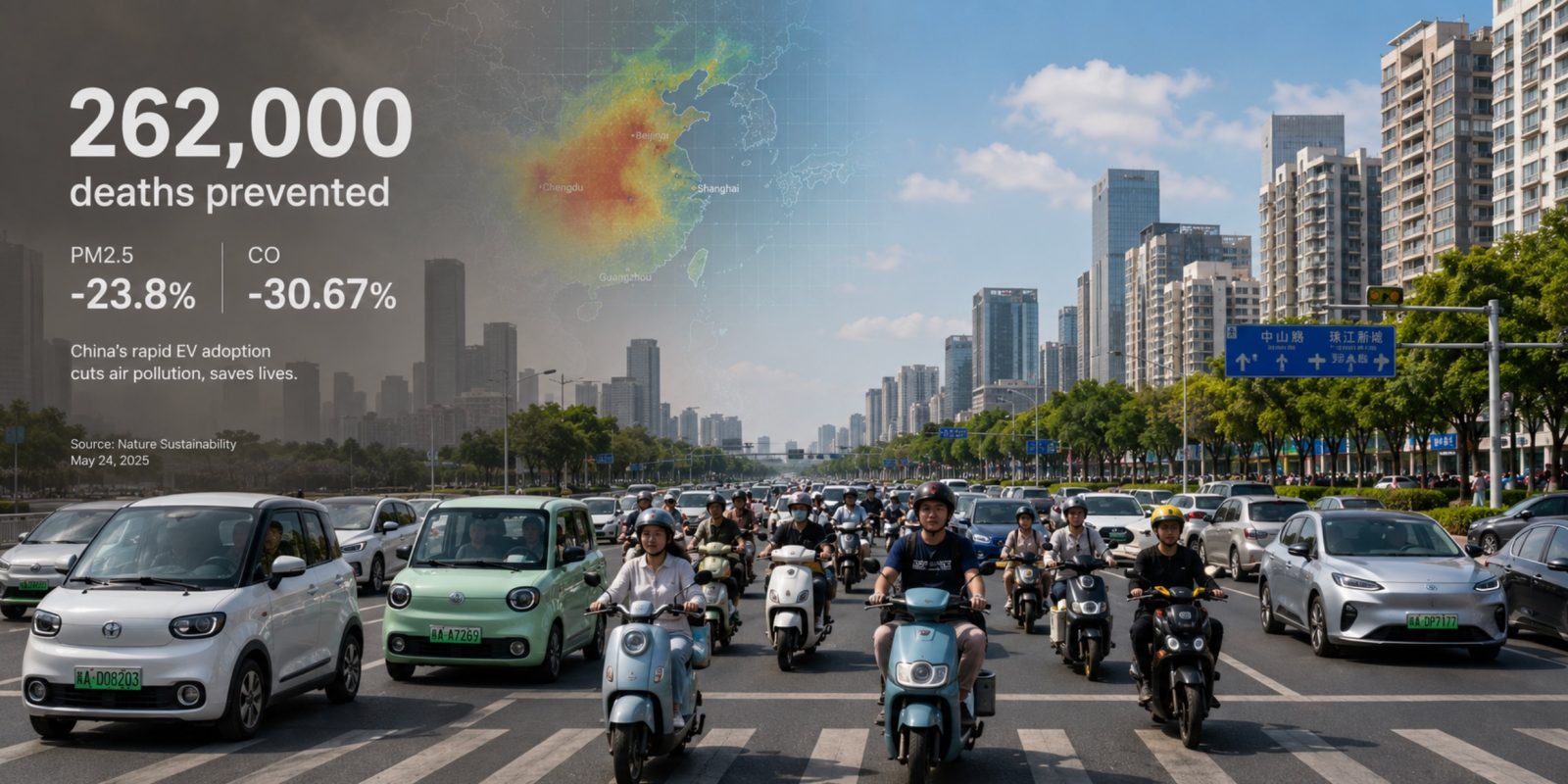
China’s EV shift cut pollution enough to prevent 262,000 deaths

China’s rapid switch to electric and other new energy vehicles cut urban air pollution enough to prevent an estimated 262,000 premature deaths, according to a new peer-reviewed study published in Nature Health.

It’s some of the strongest real-world evidence yet that electrifying transportation delivers measurable public-health benefits, not just lower tailpipe emissions on paper.

  •  

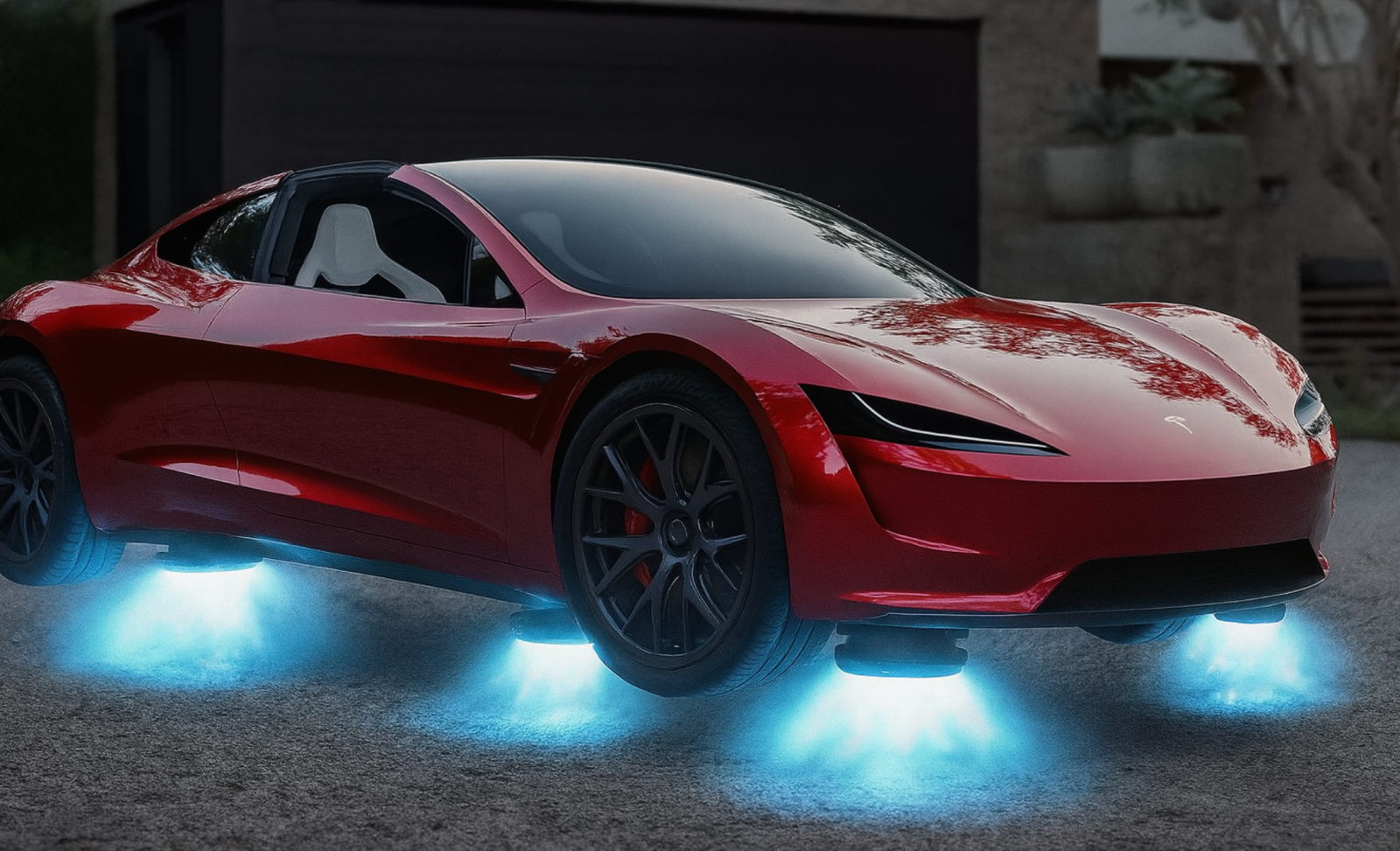
Tesla pushes Roadster demo to August as SpaceX thruster work continues

Tesla has pushed the planned public demo of its next-generation Roadster to August or later, according to a report from The Information citing four people with knowledge of the program. It marks yet another delay for the vehicle first unveiled as a prototype nearly nine years ago.

The demo, expected to take place in Texas, is meant to showcase the SpaceX cold gas thruster system that Tesla claims will allow the Roadster to achieve extreme acceleration and even lift off the ground.

  •  

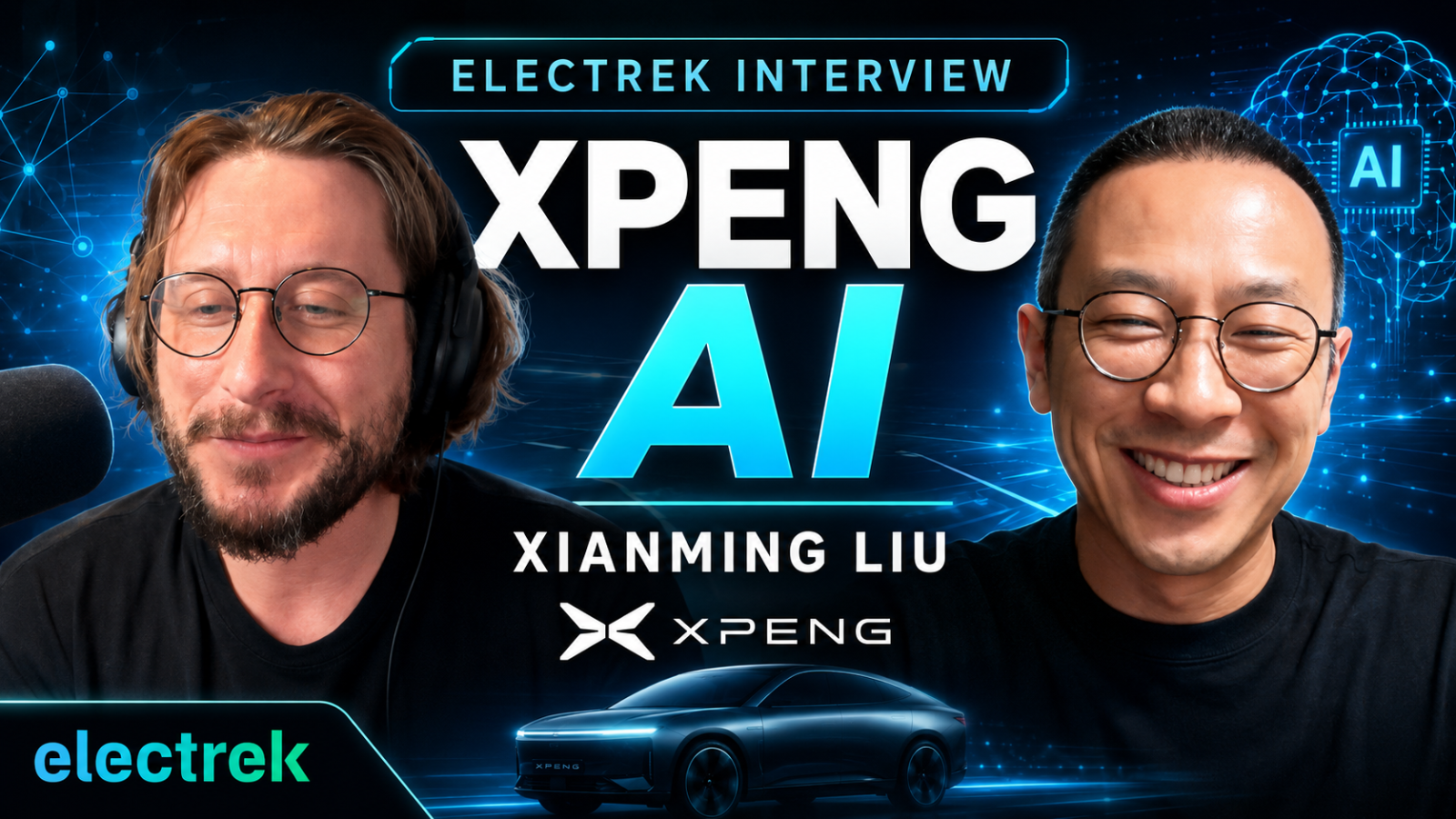
Xpeng spends $500M/year on AI training to beat Tesla FSD

Xpeng’s head of autonomous driving told Electrek that the company is spending roughly 300 million RMB (~$41 million) per month on AI training alone and believes it has already reached parity with Tesla’s FSD v13 — with v14 within reach before the end of summer.

I sat down with Dr. Xianming Liu, head of Xpeng’s General Intelligence Center, the day after he delivered a keynote at CVPR 2026 in Denver — sharing the stage with Tesla’s Ashok Elluswamy and leaders from Nvidia and Waymo at one of the world’s top computer vision conferences.

  •  

Jason Momoa’s 1920s Harleys become electric hybrids in wildest EV conversions yet

UK-based EV conversion specialist Electrogenic has converted five of Jason Momoa’s cherished vintage vehicles to electric power — including three 100-year-old Harley-Davidson motorcycles reimagined as plug-in hybrids. The builds are featured in Season 2 of Momoa’s HBO documentary series On The Roam, streaming now.

The project includes two extremely rare classic Land Rovers converted to all-electric drive with 150+ miles of range, a battery-equipped off-grid camping trailer, and the three Harleys that can switch between electric, petrol, and combined hybrid power on the fly. Electrogenic is now selling conversion kits for both the Land Rovers and the Harleys.

  •  

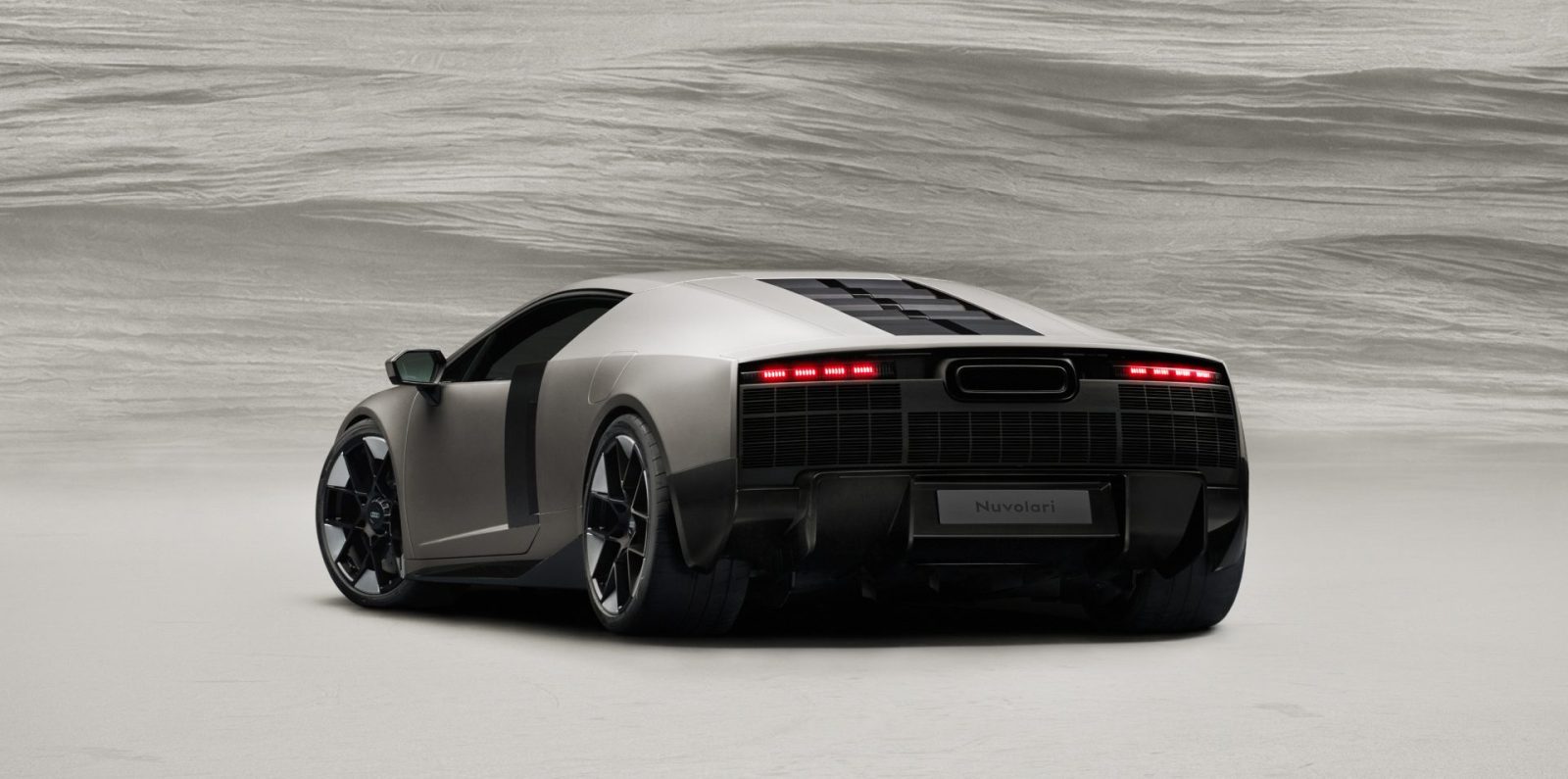
Audi reveals 1,001-hp Nuvolari hybrid supercar — so much for going all-electric

Audi unveiled the Nuvolari today, a 1,001-hp hybrid supercar powered by a 4.0-liter V8 biturbo and three electric motors. Limited to 499 units at roughly $700,000 each, it is the most powerful and fastest production vehicle in the brand’s history.

The reveal is notable for what it represents beyond raw performance. Audi pledged in 2021 to launch only electric vehicles starting in 2026 — and instead, it just unveiled a V8-powered supercar as its flagship.

  •  

SpaceX’s xAI just bought another $269M of Tesla Megapacks

SpaceX’s amended S-1 IPO filing, published yesterday, reveals that xAI purchased another $269 million worth of Tesla Megapack products in April 2026 alone. That single month exceeds what xAI spent on Tesla Megapacks in all of 2024.

The purchase brings total Megapack spending by xAI to roughly $1 billion since 2024 — a staggering figure that underscores both how power-hungry AI data centers have become and how deeply intertwined Elon Musk’s companies are.

  •  
❌