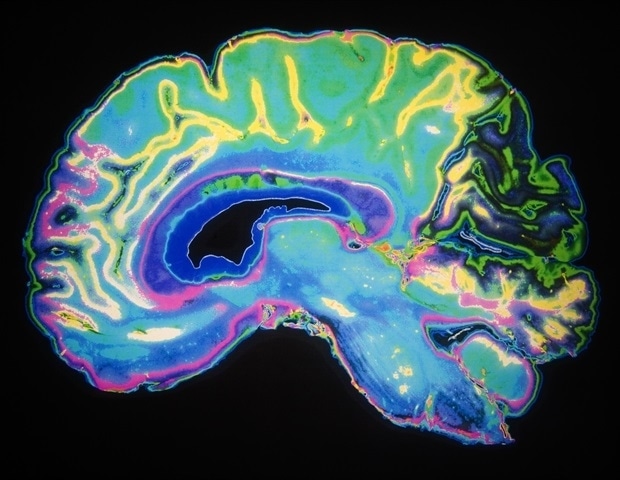
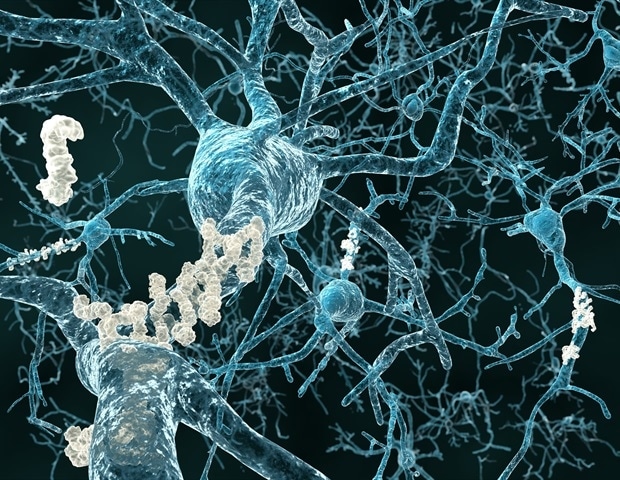
Researchers have shown that an imaging model can detect microstructural abnormalities in the brain associated with Huntington's disease, potentially offering a new method for monitoring disease progression and evaluating new treatments.
New imaging model can detect early brain changes in Huntington's disease
A study initiated by the European Spondyloarthritis Research Collaboration Network (EuroSpA) examined whether where patients with psoriatic arthritis (PsA) or axial spondyloarthritis (axSpA) live is associated with the severity of their disease, when they begin advanced treatment, and how long they continue that treatment.
EuroSpA study links country income to arthritis treatment outcomes
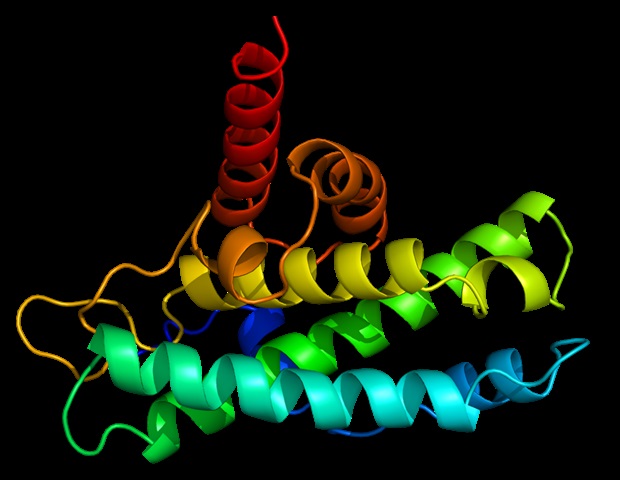
Brain-resident immune cells that have reached an old-age state called "senescence" secrete a protein that causes dysfunction in other brain cells, according to a study led by investigators at Weill Cornell Medicine.
Senescent brain immune cells secrete protein linked to cognitive decline
In a landmark moment for both the treatment of heart disease and philanthropic support, The Marcus Foundation has awarded the head of USC Stem Cell Center, Chuck Murry, MD, PhD, $28.7 million to advance a clinical trial testing a stem cell-based therapy designed to regenerate damaged tissue after a heart attack.
Huge philanthropic grant funds pioneering stem cell-based heart attack therapy
Researchers at University of California San Diego and their colleagues have identified a key cellular pathway that drives brain degeneration in both a rare childhood disorder and the far more common Alzheimer's disease.
Shared cellular pathway drives neurodegeneration in rare childhood dementia and Alzheimer’s
Researchers from Trinity College Dublin and St. James's Hospital have shown that dexamethasone, a commonly prescribed anti-inflammatory steroid, can reduce harmful inflammation triggered by Mycobacterium avium without weakening the ability of human immune cells to control the infection.
Dexamethasone calms lung inflammation without weakening core immune responses
What if certain signs of the disease were to manifest themselves subtly during sleep, long before the first memory problems appear? This is the line of inquiry being explored by a team of researchers at ULiège, with the support of the Stop Alzheimer's Foundation.
Nocturnal micro-awakenings linked to genetic risk of Alzheimer's disease
New research at Aston University has shown that a variety of compounds is responsible for the antimicrobial action of mānuka honey, not just the sugar content and methylglyoxal (MGO) alone, as previously thought.
Aston University study reveals how mānuka honey fights antibiotic resistance
The size of a person's midsection is a better indicator of cardiovascular disease risk when compared to their body mass index (BMI) alone, according to a study published in JACC, the flagship journal of the American College of Cardiology.
Waist size predicts heart disease risk better than body mass index
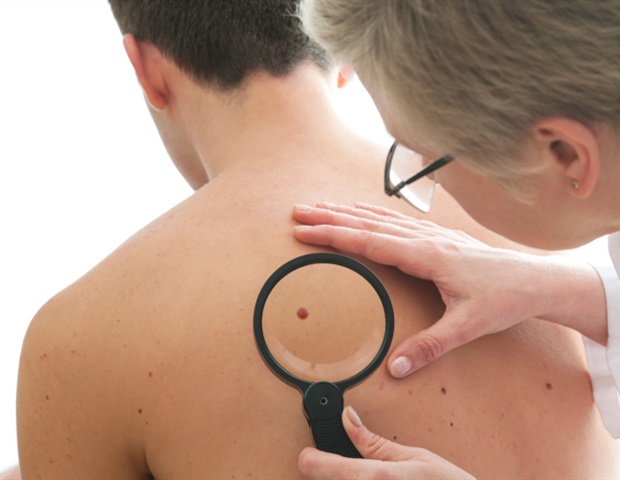
Physicians at HonorHealth Research Institute have begun a clinical trial of a new, potentially more powerful, treatment for fighting advanced melanoma, using the immune system's dendritic cells to create a vaccine.
HonorHealth begins trial of dendritic cell vaccine for advanced melanoma
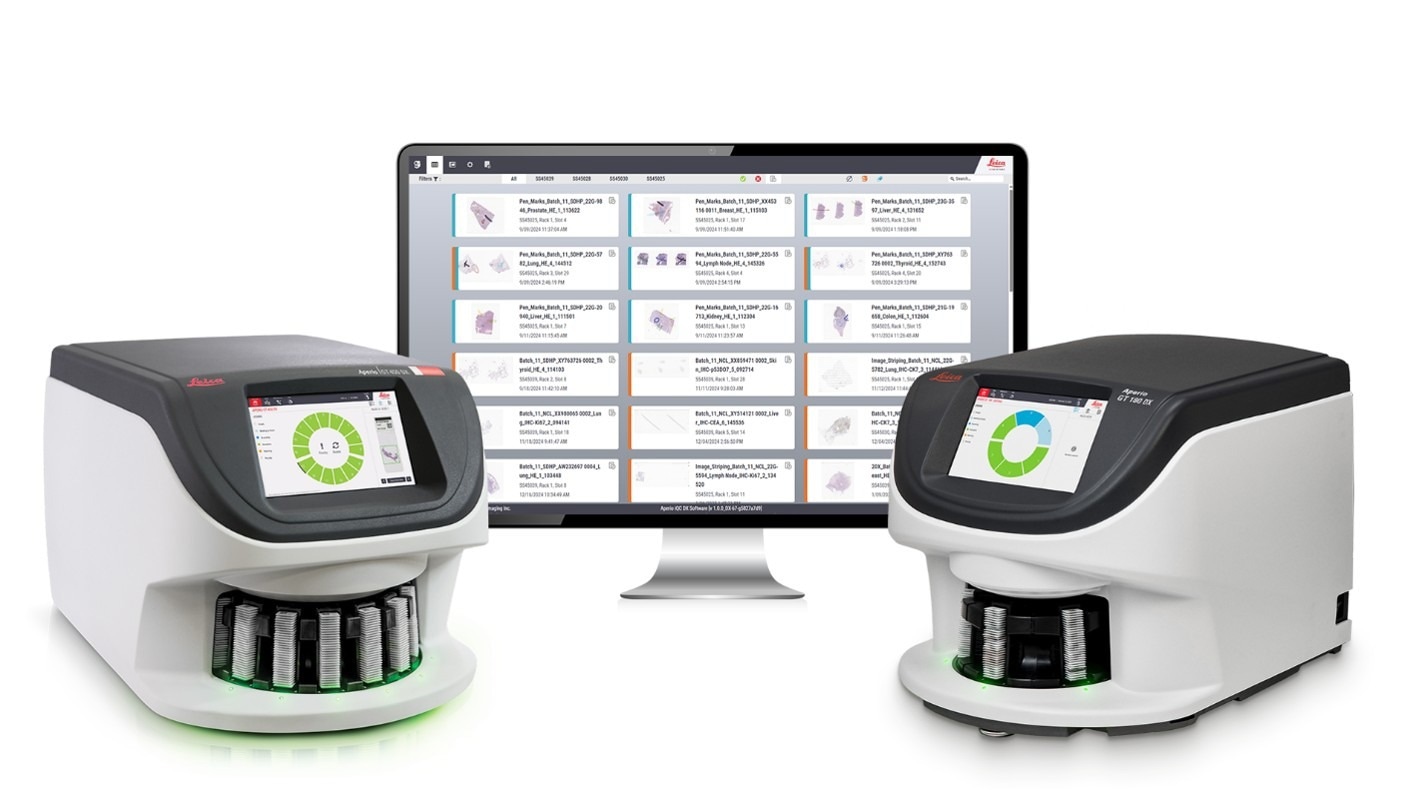
Leica Biosystems introduces AI-driven quality control in digital pathology, streamlining workflows and enhancing diagnostic accuracy for better patient care.
Leica Biosystems enables faster cancer diagnoses through multiple digital pathology FDA clearances, including industry-first AI-assisted quality control software
For decades, we've known that folic acid can help prevent serious birth defects of the brain and spinal cord, but we haven't fully understood how it does it.
Folic acid relies on vitamin A pathway to prevent birth defects
Human peripheral nerves have a remarkable ability to regenerate after damage. However, when re-growing axons fail to meet their target organ, they can transform into painful neuromas.
Researchers identify molecular targets to treat painful nerve neuromas
Every day, billions of people scroll through social media posts, online reviews and news feeds filled with emotional content - from glowing five-star reviews to rage-inducing social media rants.
Researchers introduce framework for understanding how emotional content influences people online
Adolescents who use nicotine are more likely to report symptoms of anxiety, depression, and other mental health problems than their peers who do not use nicotine.
Adolescents using nicotine face higher risks of mental health problems
The most comprehensive review to date has identified the most effective bipolar disorder treatments across different age groups and mood phases. It was published today in The BMJ.
Comprehensive BMJ review identifies most effective bipolar disorder treatments
Stem cell therapies have expanded rapidly, with more than 115 clinical trials involving over 1,200 patients approved by late 2024. The U.S. Food and Drug Administration (FDA) recently approved Ryoncil (remestemcel‑L) for children with steroid‑refractory acute graft‑versus‑host disease, signaling a major shift toward routine clinical use.
New review urges proteostatic fitness standards for stem cell therapies
The brain's immune cells are increasingly recognized as key players in Alzheimer's disease, but exactly how they change as the disease develops has remained unclear.
Comprehensive brain cell map opens new avenues for Alzheimer's therapies

 Login