As chronic diseases surge and populations age worldwide, the critical inadequacy of hospital-centered, episodic physiological monitoring has never been more apparent.
Flexible wireless sensors set to transform continuous health tracking
Published in Nicotine & Tobacco Research, the research analysed repeated cross-sectional survey data from 9,996 participants aged 16 or older who reported they currently smoked.
UCL study shows more UK smokers use illicit tobacco sources
An international team led by researchers at Hiroshima University has developed a new way to detect subtle, early-stage changes in human skin collagen before any visible signs of damage appear.
New method detects early skin collagen damage before visible signs
A case report in Chinese Neurosurgical Journal describes a novel salvage surgical approach for refractory multiple sclerosis-related trigeminal neuralgia.
Novel salvage surgical approach for refractory multiple sclerosis-related trigeminal neuralgia
The World Health Organization (WHO) today released updated guidelines on reducing the risk of cognitive decline and dementia, providing countries with evidence-based recommendations to help prevent or delay the onset of dementia across the life course.
WHO updates guidelines to reduce risk of dementia worldwide
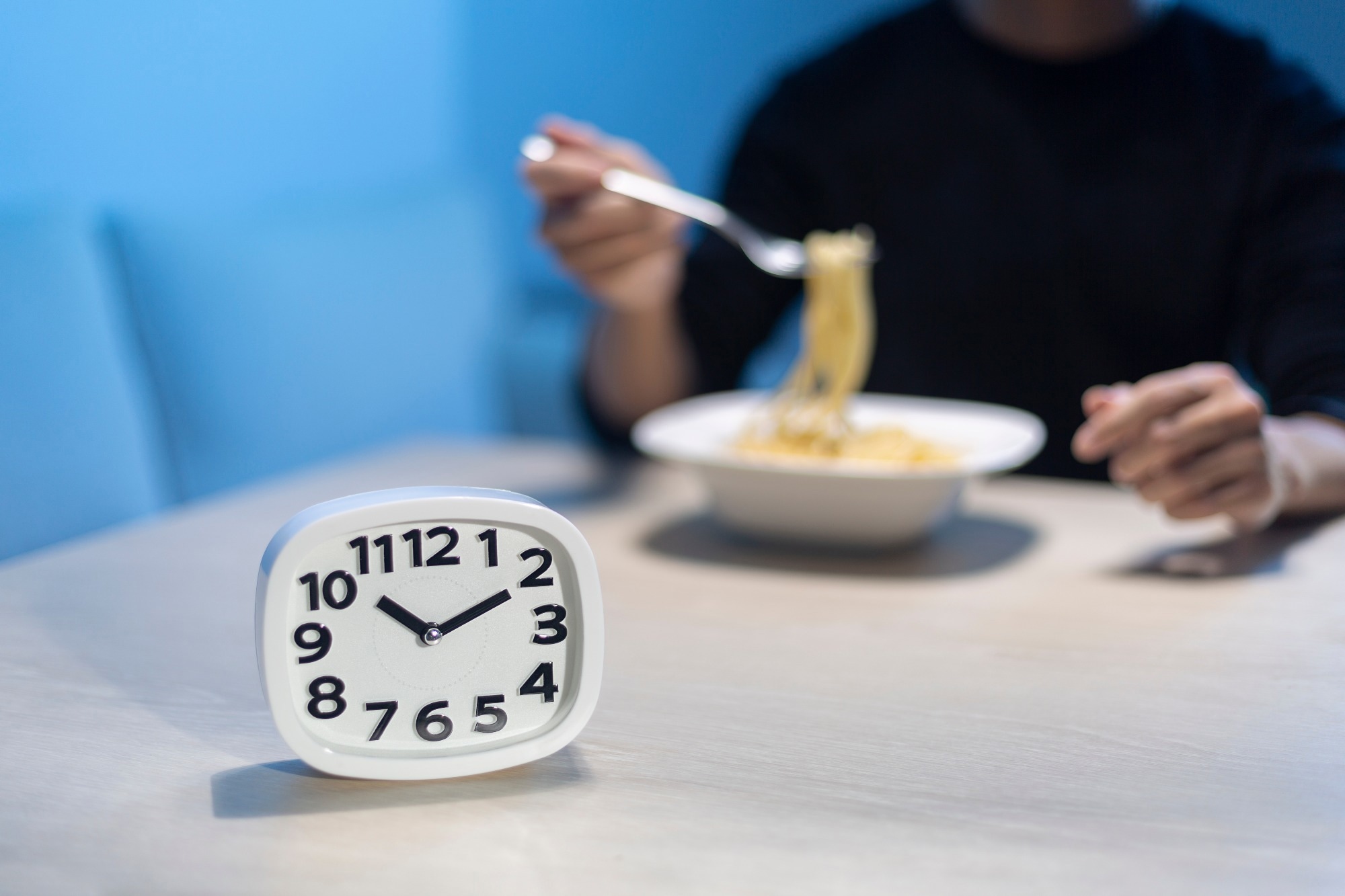
Research shows evening chronotypes in women consume more energy later, leading to higher body fat and metabolic issues, highlighting chrono-nutrition's role.
Evening chronotype links later eating with higher body fat
Achieving and sustaining a blood ketone level of 0.5 mmol/L is crucial for weight loss in ketogenic diets, offering a new approach to dietary monitoring.
Blood ketone threshold may help predict weight loss success
The Consistent Body Mass Index (CBMI) offers a promising alternative to traditional BMI, aligning with waist-to-height ratio for better body size assessment.
New body mass index could overcome limitations of BMI

 Login