โŒ

Reading view

Some mice showed signs of stress resilience before the stress even began

Researchers found that mice later classified as resilient showed stronger coordination between neuronal OFF-periods and slow-wave activity in the prelimbic cortex even before social stress. After social defeat, resilient mice also showed a distinct reorganization of neuronal silence during NREM sleep, linking local sleep dynamics with behavioral resilience.

Some mice showed signs of stress resilience before the stress even began
  •  

Women with hyperemesis gravidarum report major gaps in care

Medical assistance can help women suffering from severe nausea and vomiting during pregnancy, but insufficient recognition of Hyperemesis gravidarum (HG) means that many are not getting the help they need to overcome this severe and debilitating form of morning sickness.

Women with hyperemesis gravidarum report major gaps in care
  •  

New MRI measure maps blood flow and cellular organization

Researchers from the Mark and Mary Stevens Neuroimaging and Informatics Institute (Stevens INI) at the Keck School of Medicine of USC have developed a new, noninvasive way to examine how blood flow and cellular organization align across the layers of the living human brain.

New MRI measure maps blood flow and cellular organization
  •  

Genetic risk for PTSD varies across different types of trauma

A groundbreaking study reveals that your genes may make you more vulnerable to Post Traumatic Stress Disorder (PTSD) from certain types of trauma-particularly childhood neglect-than from others.

Genetic risk for PTSD varies across different types of trauma
  •  

GLP-1 drugs and SGLT-2 inhibitors linked to slower kidney decline

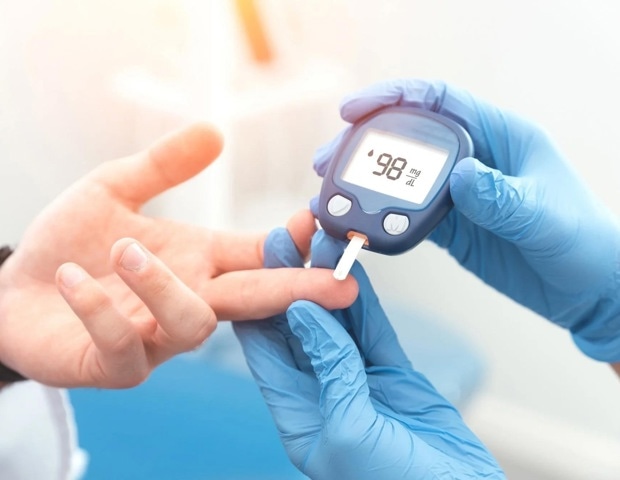
The diabetes drugs glucagon-like peptide-1 (GLP-1) receptor agonists and sodium glucose cotransporter 2 (SGLT-2) inhibitor drugs may also help to slow decline in kidney function in people with type 2 diabetes and albuminuria (high protein levels in the urine), finds a large US study published by The BMJ today.

GLP-1 drugs and SGLT-2 inhibitors linked to slower kidney decline
  •  

Norwegian scientists harvest super donor cells to fight diverse diseases

Cells from nine "super donors" are being collected in Oslo. The aim is for these to be used to repair or replace damaged cells, tissue and organs in people suffering from conditions ranging from heart attacks to Parkinson's disease.

Norwegian scientists harvest super donor cells to fight diverse diseases
  •  

Lung Facts updated with latest evidence on respiratory disease across 21 countries

The International Respiratory Coalition (IRC) has updated itsย Lung Facts platform with the latest evidence on the burden of respiratory disease across 21 countries, providing policymakers, clinicians and patient advocates with updated data to drive national-level policy action on lung health.

Lung Facts updated with latest evidence on respiratory disease across 21 countries
  •  

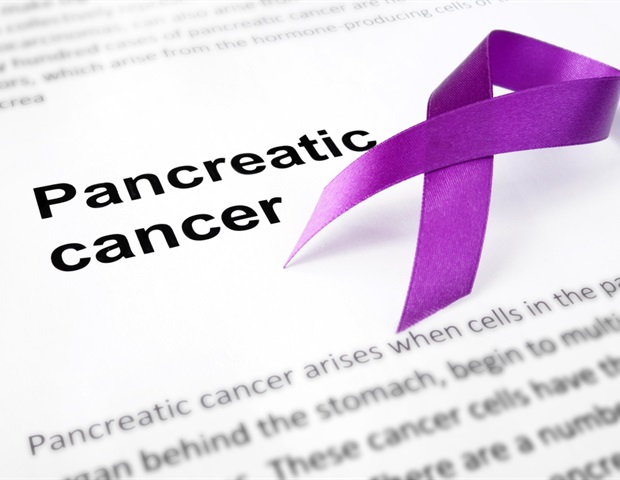
Novel blood test could detect pancreatic cancer at its earliest stages

Researchers at City of Hope, one of the largest and most advanced cancer research and treatment organizations in the country, led the development of a new, investigational blood test that could detect pancreatic cancer at its earliest stages, when the disease is more treatable and potentially curable.

Novel blood test could detect pancreatic cancer at its earliest stages
  •  

Promising AI tool to speed up endometriosis diagnosis

Less than a second. Thatโ€™s how long it takes for an emerging AI tool to detect signs of endometriosis through one simple scan. Itโ€™s a much faster process than the current seven-year wait for surgery and less invasive.

Promising AI tool to speed up endometriosis diagnosis
  •  

Peer-reviewed study shows six times lower blood damage in Realheartยฎ TAH than market-leading device in vitro

Scandinavian Real Heart AB (publ) announces today that a study sponsored by the company has been published in the peer-reviewed journal Nature Scientific Reports, showing that the Realheartยฎ TAH causes about six times less blood damage (hemolysis) than the only FDA-approved artificial heart device currently in wide clinical use.

Peer-reviewed study shows six times lower blood damage in Realheartยฎ TAH than market-leading device in vitro
  •  
โŒ