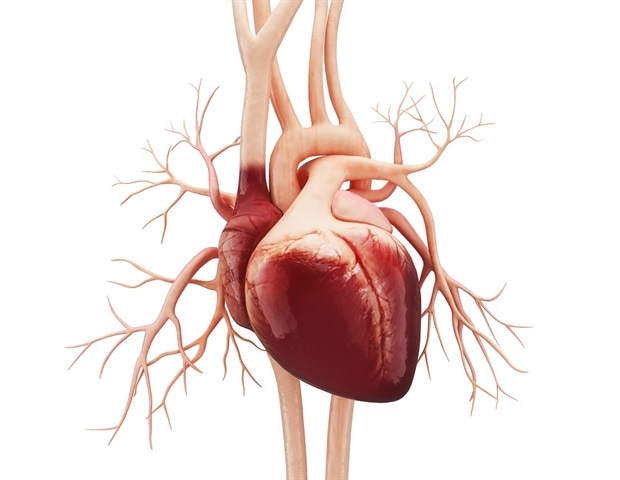
Understanding how heart muscle cells stop dividing and acquire the characteristics needed to sustain lifelong cardiac function remains one of the greatest challenges in cardiovascular biology.
PRDM16 regulates the balance between proliferation and maturation in human cardiomyocytes
Women live longer than men in nearly every country in the world, yet they experience higher rates of disability, dementia and many other age-related conditions.
New USC center seeks answers to sex differences in aging
The prefrontal cortex, a brain region long associated with learning more flexible behaviors, can sometimes block the ability to think outside the box, a new study in mice shows.
Researchers at Duke University School of Medicine are investigating how to keep opioids' pain-relieving benefits while reducing their addictive potential. In a study published in Nature, they report a step toward that goal.
Targeting small group of brain cells may reduce opioid addiction risk
Malaria kills more than half a million people a year, most of them young children in Africa. Two vaccines are now recommended by the World Health Organization, RTS,S and R21.
New vaccine strategy targets overlooked regions of malaria parasite
Familial Mediterranean fever (FMF) is a hereditary autoinflammatory disease in which the body's own immune system overreacts to minimal or inappropriate stimuli, producing recurrent attacks of fever and painful inflammation.
Study uncovers molecular trigger behind pyrin inflammation in familial Mediterranean fever
Like spies evading detection through being masters of disguise, many cancer cells are adorned with a copious coat of sugar-derived molecules that throws the proverbial hounds of our immune systems off the scent.
Thinning cancer cells' sugar coating could expose tumors to immune attack
Researchers from three institutions, including UC Santa Barbara, have demonstrated that artificial intelligence has the potential to make future visual prostheses, like a bionic eye, more precise, predictable and responsive to an individual user.
Using AI to improve precision of visual cortical prostheses
Fertilization is often imagined as a frantic race, with millions of sperm competing for a single prize. But new research by a team of evolutionary biologists from Syracuse University, University of Siena, Italy, and University of Szeged, Hungary, reveals a more surprising reality, where success can depend less on competition and more on cooperation.
Cooperative sperm may improve fertilization success across diverse arthropods
Researchers at the Johns Hopkins Kimmel Cancer Center validated an artificial intelligence (AI)-powered blood test that accurately detected liver cancer in people from two geographically and biologically distinct populations and also uncovered the underlying biological signals that make the test effective.
AI-powered blood test detects liver cancer across distinct populations
Xenophagocytosis is a natural immune process that limits interspecies organ generation by eliminating living donor cells, report researchers at Institute of Science Tokyo, Japan.
Blocking xenophagocytosis improves donor cell survival and interspecies organ generation
Hepatic encephalopathy (HE) is a neurologic complication of advanced liver disease, causing impaired functioning, reduced quality of life (QOL), and increased hospitalisation and mortality.
Review outlines effective approaches to reduce recurrent hepatic encephalopathy
Doctors use ketamine on patients as general anesthesia before surgery. They also prescribe it in low doses for pain management, and more recently, it's been used for treatment-resistant depression where other drugs have failed.
Ketamine boosts neuroplasticity through microglia in female brains
A new study led by researchers at The University of Texas MD Anderson Cancer Center has identified a way to reshape the gut microbiome that can enhance the delivery of certain chemotherapies to tumors, offering a potential strategy to make nanoparticle-based cancer drugs more effective.
Study offers a potential strategy to make nanoparticle-based cancer drugs more effective
Exposure to secondhand cigarette smoke during the first days of life can cause changes in tooth enamel mineralization without causing visible changes to the teeth.
Secondhand smoke alters tooth enamel development in early life
As parasites become increasingly resistant to existing drugs, researchers at the University of California, Riverside are working to develop a new generation of treatments for two serious infectious diseases: malaria and babesiosis.
Natural compounds could combat drug-resistant malaria and babesiosis

 Login