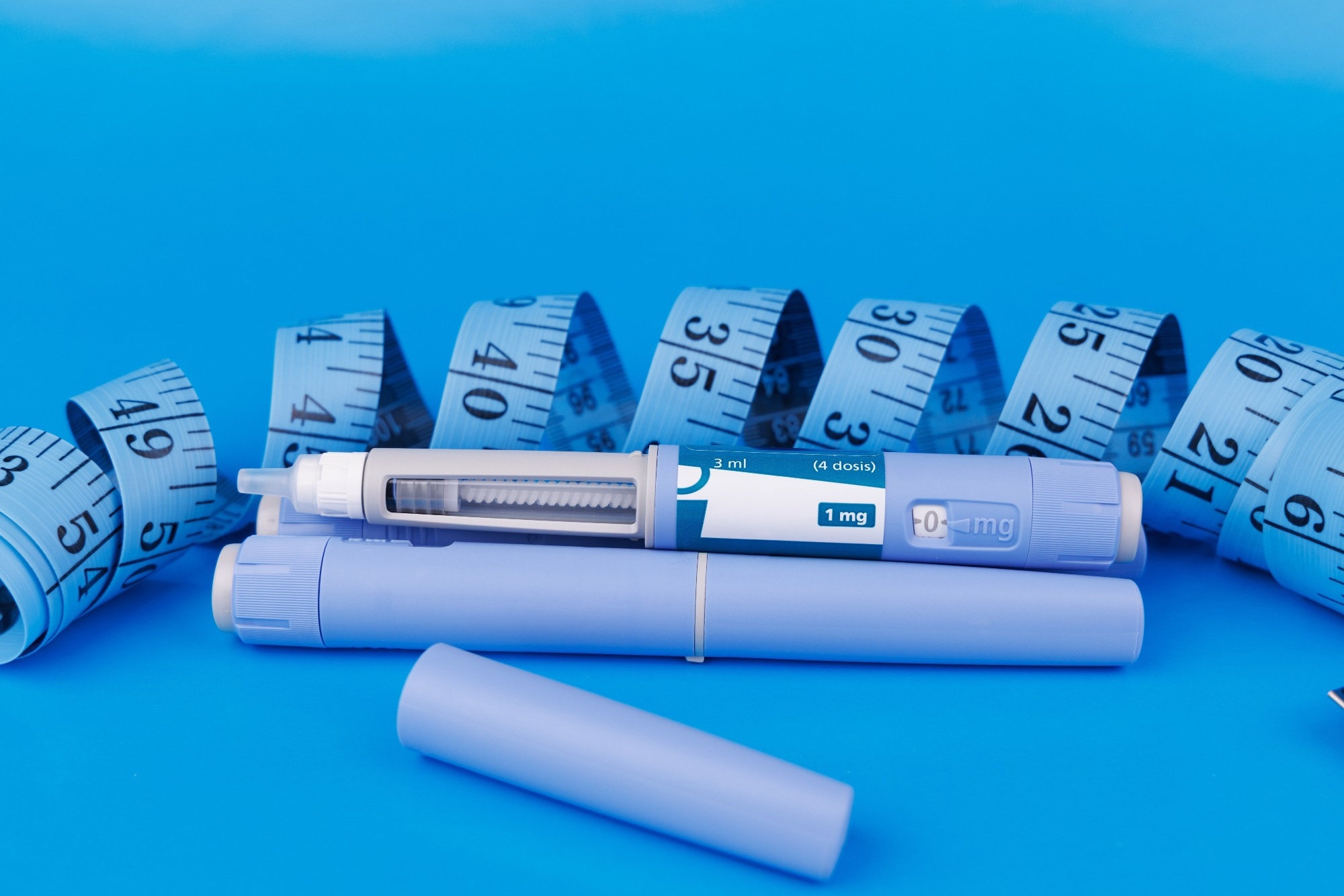
Nationally representative US data show GLP-1RA use rose 230% among adults with diabetes and 643% among those without reported diabetes between 2017 and 2022, largely driven by semaglutide. Mean annual out-of-pocket payments decreased, but mean total annual payments per user increased, raising concerns about long-term affordability.
Semaglutide fuels rapid growth in US GLP-1RA use as payments rise
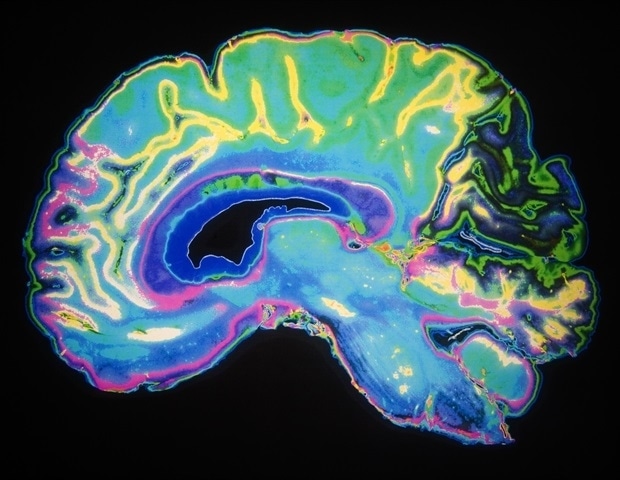
Gut microbiome-derived metabolites may influence stress-related mental disorders through neural, immune, endocrine, and epigenetic pathways. Evidence is strongest for depression and preclinical models, while larger longitudinal human studies are needed to establish causality and clinical value.
Gut microbial metabolites may shape vulnerability to stress-related mental disorders
Peripheral facial paralysis (PFP) affects around 38 out of every 100,000 people in China, leaving 2% to 29% of patients with lasting issues such as facial twisting, eye dryness, and muscle synkinesis.
Gentle electroacupuncture effectively promotes nerve repair in facial paralysis
Antimicrobial resistance in children is rising globally and will worsen over the next decade, threatening the effectiveness of life‑saving antibiotics, according to a world-first monitoring platform.
Rising antimicrobial resistance in children threatens life-saving antibiotic effectiveness
The single-cell "atlases" that are increasingly used to map the human body and as training data for artificial intelligence models, may not represent the world's populations fairly, according to a study led by researchers at the Icahn School of Medicine at Mount Sinai.
Missing ancestry data in single-cell atlases threatens fair medicine
Researchers from University of California San Diego have found that injuries involving electric bicycles, or e-bikes, have increased dramatically across California, rising from just two reported collisions in 2018 to 1,506 in 2024.
E-bike injuries rise dramatically across California in recent years
A review article by a University of Nebraska Medical Center/Child Health Research Institute research team underscores and describes how altering fundamental brain development processes can be detrimental for the developing baby.
Prenatal use of certain medications can harm developing fetal brain
The brain is the machine that perceives, analyses, sorts, stores and prioritizes our memories. However, not all experiences and perceptions are stored in the same way, and not everything is remembered equally, especially when under pressure or emotional stress.
Study shows how stress forces brain to prioritize memories
As chronic diseases surge and populations age worldwide, the critical inadequacy of hospital-centered, episodic physiological monitoring has never been more apparent.
Flexible wireless sensors set to transform continuous health tracking
Published in Nicotine & Tobacco Research, the research analysed repeated cross-sectional survey data from 9,996 participants aged 16 or older who reported they currently smoked.
UCL study shows more UK smokers use illicit tobacco sources
An international team led by researchers at Hiroshima University has developed a new way to detect subtle, early-stage changes in human skin collagen before any visible signs of damage appear.
New method detects early skin collagen damage before visible signs
A case report in Chinese Neurosurgical Journal describes a novel salvage surgical approach for refractory multiple sclerosis-related trigeminal neuralgia.
Novel salvage surgical approach for refractory multiple sclerosis-related trigeminal neuralgia
The World Health Organization (WHO) today released updated guidelines on reducing the risk of cognitive decline and dementia, providing countries with evidence-based recommendations to help prevent or delay the onset of dementia across the life course.
WHO updates guidelines to reduce risk of dementia worldwide
Research shows evening chronotypes in women consume more energy later, leading to higher body fat and metabolic issues, highlighting chrono-nutrition's role.
Evening chronotype links later eating with higher body fat
Achieving and sustaining a blood ketone level of 0.5 mmol/L is crucial for weight loss in ketogenic diets, offering a new approach to dietary monitoring.
Blood ketone threshold may help predict weight loss success
The Consistent Body Mass Index (CBMI) offers a promising alternative to traditional BMI, aligning with waist-to-height ratio for better body size assessment.
New body mass index could overcome limitations of BMI

 Login